

Insights from recent episode analysis
Audience Interest
Podcast Focus
Publishing Consistency
Platform Reach
Insights are generated by CastFox AI using publicly available data, episode content, and proprietary models.
Total monthly reach
Estimated from 5 chart positions in 5 markets.
By chart position
- 🇮🇹IT · Entrepreneurship#7010K to 30K
- 🇮🇳IN · Entrepreneurship#1221K to 10K
- 🇨🇱CL · Entrepreneurship#109500 to 3K
- 🇨🇭CH · Entrepreneurship#118500 to 3K
- 🇳🇬NG · Entrepreneurship#145500 to 3K
- Per-Episode Audience
Est. listeners per new episode within ~30 days
3.8K to 15K🎙 Daily cadence·8 episodes·Last published today - Monthly Reach
Unique listeners across all episodes (30 days)
13K to 49K🇮🇹61%🇮🇳20%🇨🇱6%+2 more - Active Followers
Loyal subscribers who consistently listen
5K to 20K
Market Insights
Platform Distribution
Reach across major podcast platforms, updated hourly
Total Followers
—
Total Plays
—
Total Reviews
—
* Data sourced directly from platform APIs and aggregated hourly across all major podcast directories.
On the show
Recent episodes
Going Solo Should Be the Rule, Not the Exception | Flo Crivello, Lindy
Jun 24, 2026
45m 31s
His Public Company Blew Up. He Came Back Solo. | Francis Davidson, Odessia
Jun 17, 2026
59m 04s
Sold a Company at 16, Raised $3M at 19 | Dhravya Shah, Supermemory
Jun 11, 2026
1h 12m 47s
I Asked 5 Massively Successful Founders Why They Went Solo
Jun 3, 2026
20m 35s
The Co-Founder "Blood Bond" Is a Myth | Michael Grinich, WorkOS
May 27, 2026
1h 10m 57s
Social Links & Contact
Official channels & resources
Official Website
Login
RSS Feed
Login
| Date | Episode | Description | Length | ||||||
|---|---|---|---|---|---|---|---|---|---|
| 6/24/26 | 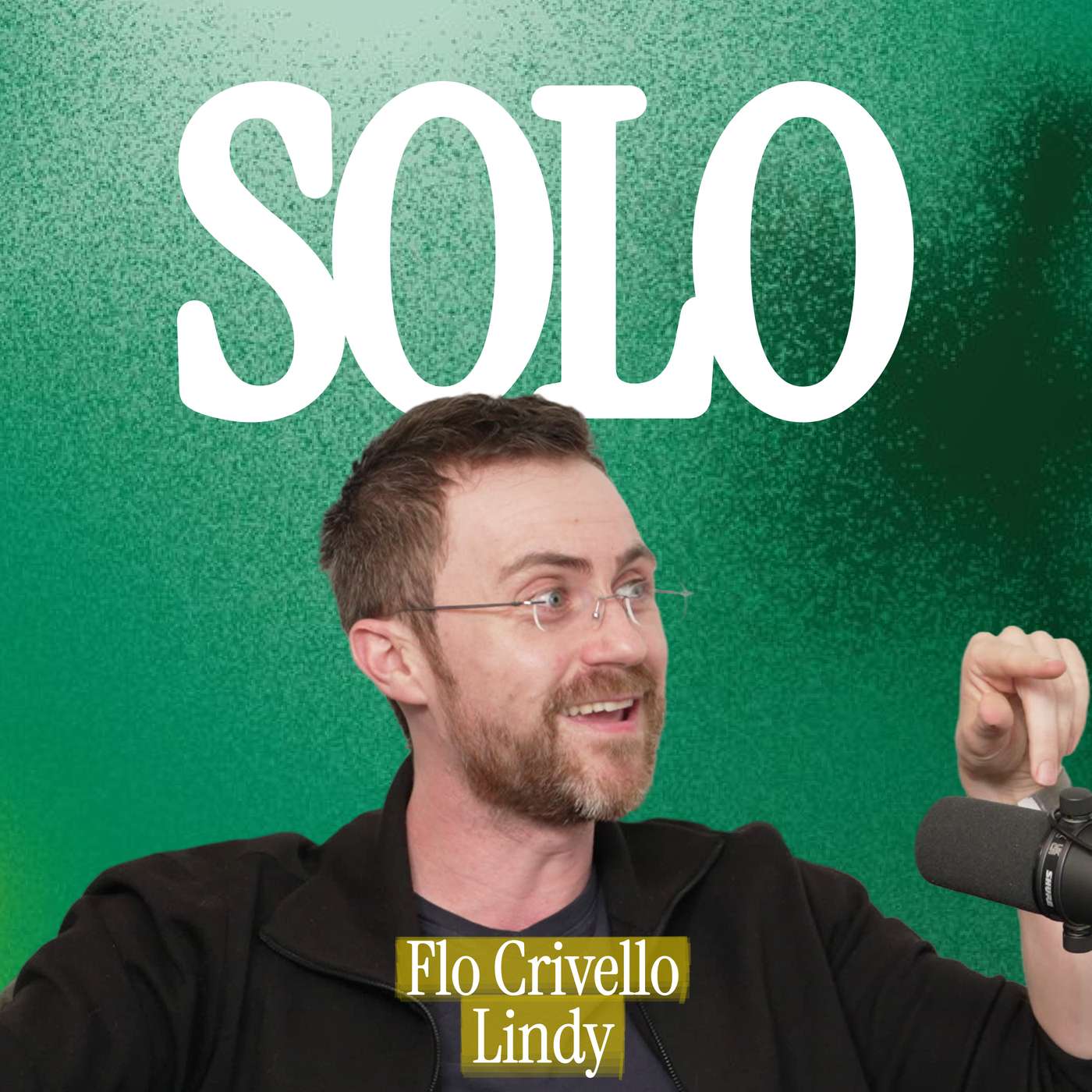 Going Solo Should Be the Rule, Not the Exception | Flo Crivello, Lindy | Flo Crivello raised about $50M as a solo founder, then watched the market kill the company he'd built. Instead of quitting, he cut deep, pivoted, and rebuilt alone into Lindy — one of the top AI agent startups. This is a clear-eyed playbook on knowing when to kill a company, beating burnout with momentum, and building solo without being alone.Topics covered:Raising ~$50M as a solo founderKnowing when to kill a company and how deep to cutWhy momentum, not rest, is the cure for burnoutProspecting for gold vs. operating the mine: where a founder should spend their timeThe solo founder's "brain trust": building support without a co-founderGuest: Flo Crivello — founder & CEO of Lindy. | 45m 31s | ||||||
| 6/17/26 | 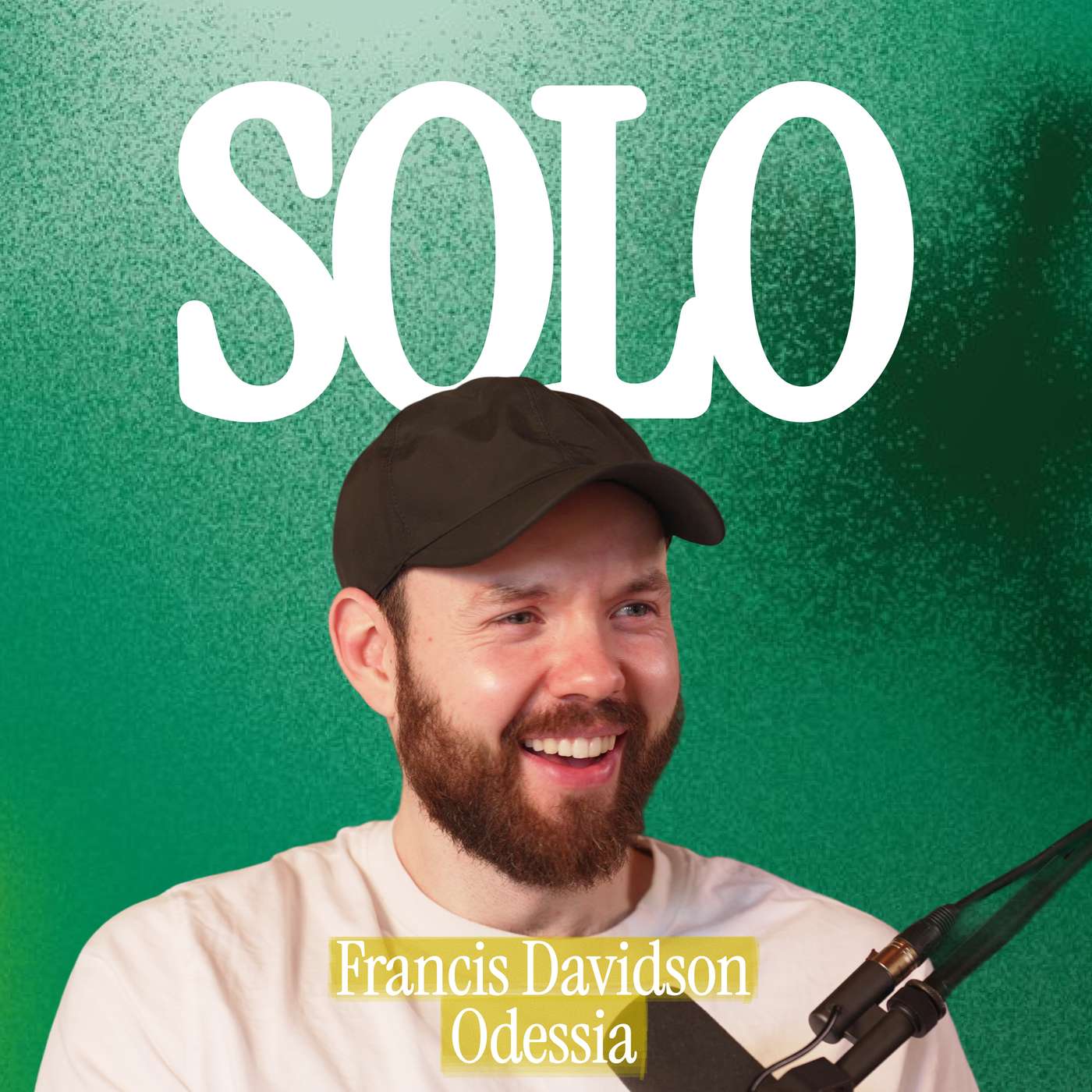 His Public Company Blew Up. He Came Back Solo. | Francis Davidson, Odessia | Francis Davidson built Sonder into a multi-billion-dollar company, took it public, was pushed out as CEO, and watched it collapse. The same month he left, he started over — this time solo, building Odessia, an AI travel agent, with a founding team of seven. This is the honest version of the comeback: why he went solo when his co-founders were great, why he skipped the MVP, and why he still thinks the one-person billion-dollar company is a myth.Topics covered:- Building Sonder from a college side-hustle into a billion-dollar company, and its collapse- Why he went solo for the comeback when his co-founders were great- Skipping the MVP: how coding agents rewrote the startup playbook- Solo, not alone: building a founding team of seven with full ownership- Founder mode vs. hiring executives, the hardest lesson from SonderGuest: Francis Davidson — founder & CEO of Odessia and previously founder & CEO of Sonder. | 59m 04s | ||||||
| 6/11/26 | 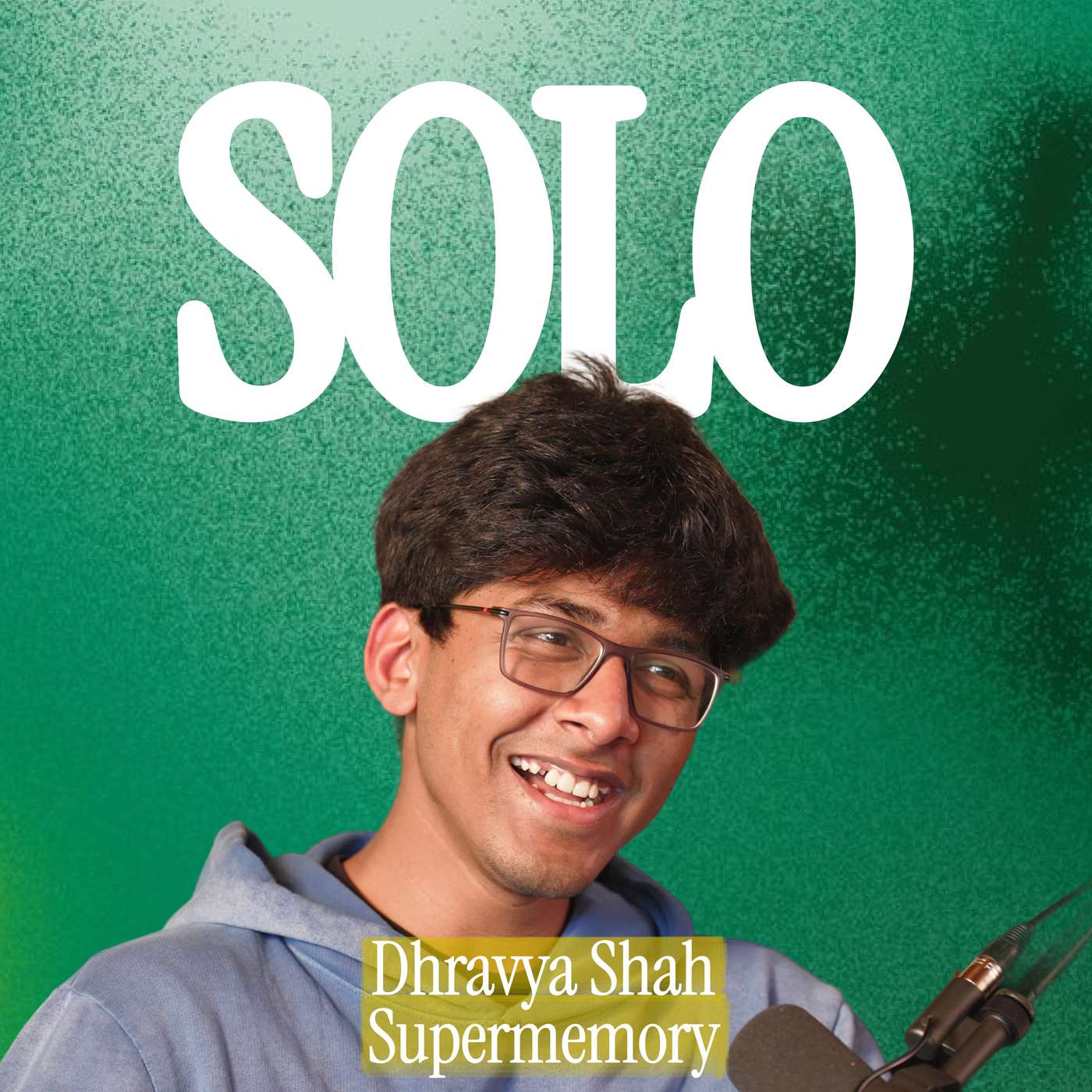 Sold a Company at 16, Raised $3M at 19 | Dhravya Shah, Supermemory | Dhravya Shah sold his first company at 16 and raised $3M at 19 as the solo founder of Supermemory, the open-source memory and context layer for AI agents (now past 26k GitHub stars and 1M+ SDK downloads). The twist: he never chased any of it as a business. He built in public, for free, said no to VCs for nine months, and only raised once the company's vision was undeniable. A conversation about why the fundraise is a result, not the goal.Topics covered:Why the raise is a result, not the goal — and saying no to VCs for nine monthsBuilding your "art" in public until it becomes a companyEscaping the inventor's dilemma: killing your own viral hitsWhy he's a solo founder, after a co-founder breakup killed an earlier companyThe honest version of AI memory: benchmark-gaming, Goodhart's Law, and evals that matterHiring "true builders" out of open source as a solo founderGuest: Dhravya Shah — founder and CEO of Supermemory, the memory layer for AI agents (1M+ SDK downloads); sold his first company at 16, raised $3M at 19; ASU dropout and ex-Cloudflare. | 1h 12m 47s | ||||||
| 6/3/26 | 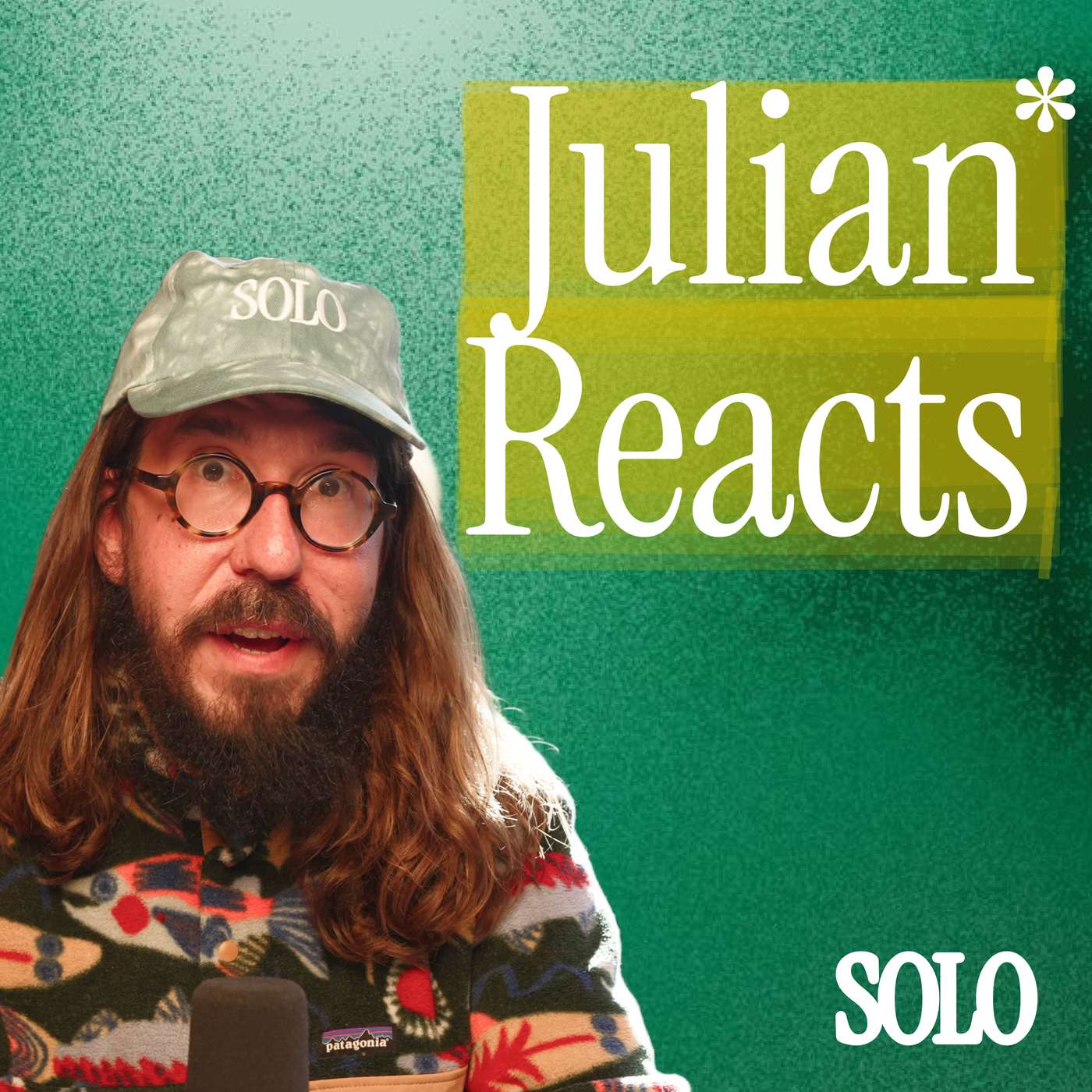 I Asked 5 Massively Successful Founders Why They Went Solo | A $300M company. 30M+ users. Tens of millions in revenue, some raised and some bootstrapped from zero. Software that saves lives. Five founders, zero co-founders.Julian connects the dots across the first six episodes of the show — Ben Cera (Polsia, $30M raised), Yasser Elsaid (Chatbase, $10M ARR bootstrapped), Paul Klein IV (Browserbase, a $300M company), Eugenia Kuyda (Replika, 30M+ users), Daniel Francis (Abel), and investor Charles Hudson (Precursor Ventures) — on why they built alone, and what they all figured out about it.The through-line: don't take a co-founder of convenience. A talented solo founder beats a mismatched team, and most co-founders get taken for the wrong reasons rather than because they're a genuine fit.Topics covered:- The "co-founder of convenience" — and why a talented solo founder beats a mismatched team- Why the human 20% (taste, judgment, direction) is the whole game- The clarity advantage: one voice, one layer of alignment- Building from the personal, because the most personal is the most universal- Mission as a forcing function — when the work clarifies every decision- True solo vs free solo: two routes to the same rejection of the co-founder default | 20m 35s | ||||||
| 5/27/26 | 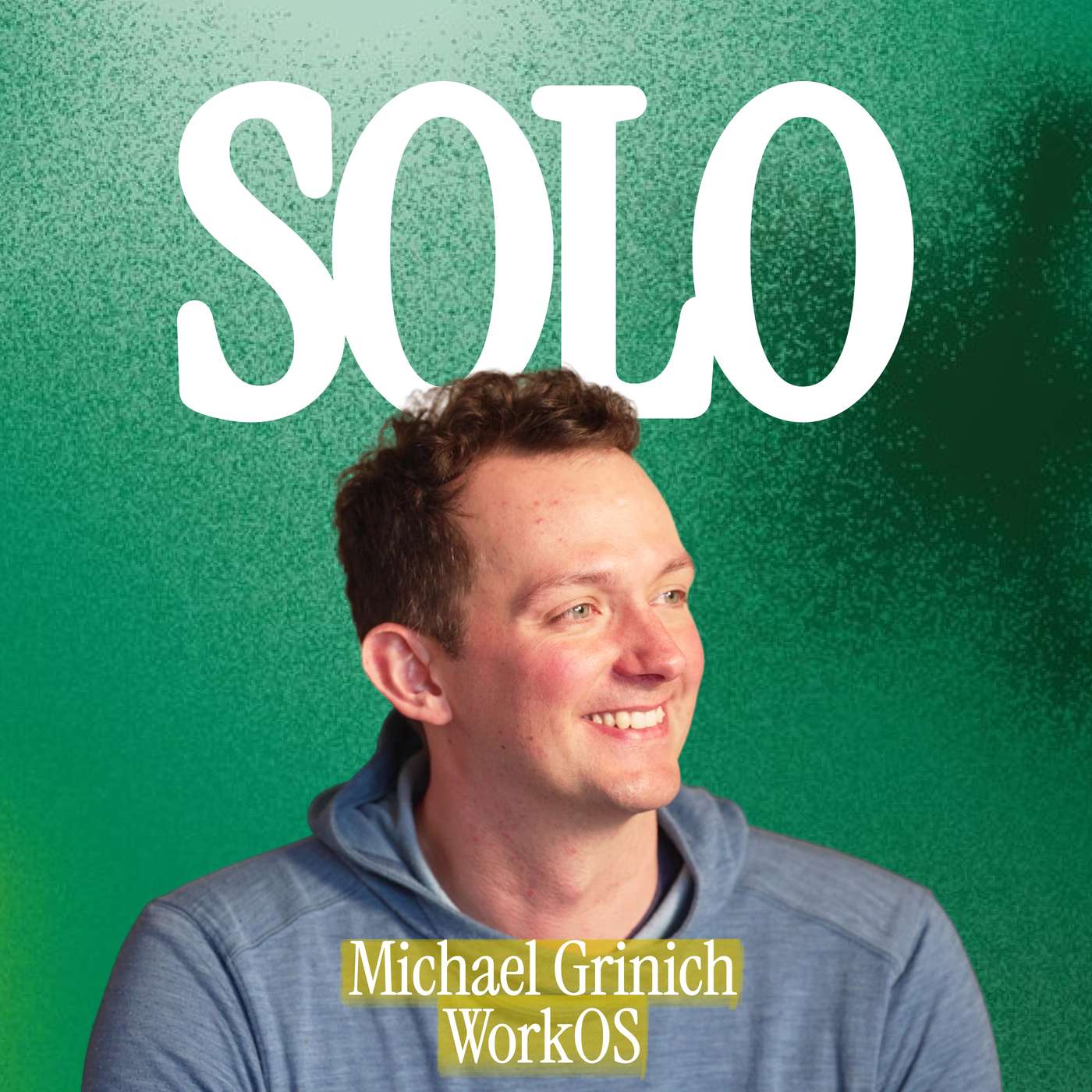 The Co-Founder "Blood Bond" Is a Myth | Michael Grinich, WorkOS | Michael Grinich built WorkOS solo — now a $2B company and the enterprise infrastructure behind OpenAI, Anthropic, and Replit — with no co-founder. So when he says "it's not the blood bond it was made out to be," it lands. This conversation is his case against the ride-or-die co-founder myth, the question he thinks actually matters before you start a company, and the honest bear and bull case for going it alone.Topics covered:Why co-founders aren't a blood bond — and "are you the one who holds it forever?"The founder "mental disorder," and why you only need one person who has itThe bear and bull case for solo founding — from John Lennon to "the company is a mirror"How to pick the idea: a notebook, four filters, and lessons borrowed from stand-up comedyWhy "pivots are the most traumatic thing you can do to a business"The case for founder-led sales — and hiring a head of sales as a partner, not a handoffGuest: Michael Grinich — solo founder and CEO of WorkOS, the infrastructure that makes startups enterprise-ready. | 1h 10m 57s | ||||||
| 5/20/26 | 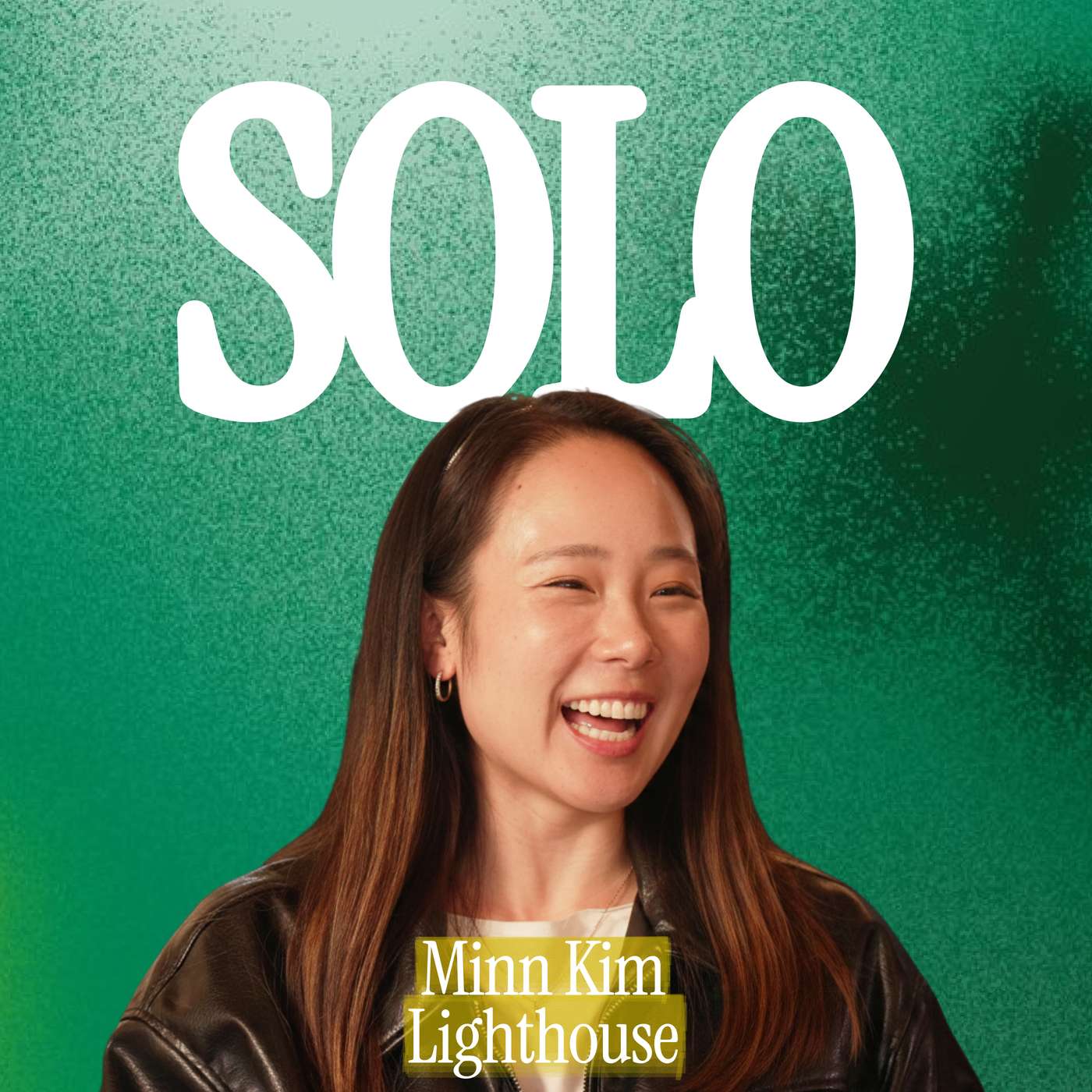 Turning Services Into Software To Move Talent To America | Minn Kim, Lighthouse | Minn Kim runs Lighthouse, the AI-powered immigration firm rebuilding the visa stack for frontier-tech companies. She is solo. She isn't a lawyer. Her first two hires were engineers. The conversation with Julian covers how she got there, why "solve your own problem" isn't always the path to success, the complicated-vs-complex framework she uses to pick what to build, and her bull case for solo founding stated as a fact about her own life rather than a thesis.Topics covered:The Korean-immigrant origin and the 2022 side quest that became LighthouseServices-as-software: why "professional services don't scale" stopped being true around 2021Why "solve your own problem" isn't always right — and what to do insteadThe complicated-vs-complex problem framework for founder fit and capital structureFirst two hires were engineers, not lawyersLong-game hiring and contractor-to-full-time as a deliberate patternThe 30-question anonymous Google Form for surfacing blind spots"Twenty of them in the world" — the talent-infrastructure thesis behind LighthouseBear case and bull case for solo founding, the latter stated as lived experienceGuest: Minn Kim — founder and CEO of Lighthouse, the AI-powered immigration firm for frontier-tech companies and their hires. | 56m 33s | ||||||
| 5/13/26 | 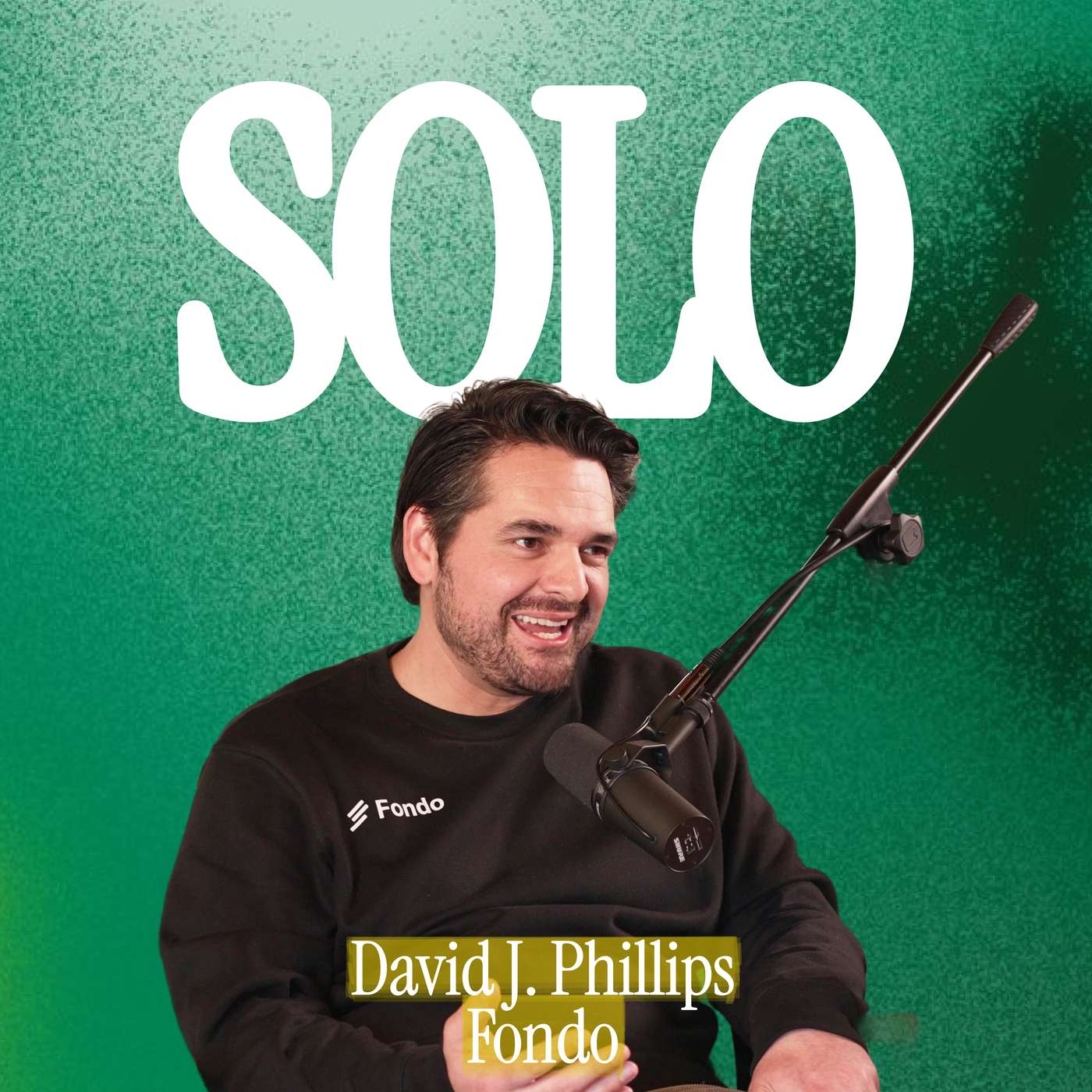 Fired by His Own Co-Founder, Then Built the #1 Startup Accounting Platform | David Phillips, Fondo | David J. Phillips tried co-founders four times before he went solo. With $40,000 left in the bank after a stalled aquihire, he refounded the company alone — and built Fondo, the accounting platform now used by hundreds of YC and pre-seed startups. The conversation is part founder-confessional, part early-stage GTM playbook.Topics covered:The four co-founder breakups across four prior startupsRefounding with $40K and a single investor emailThe lived playbook for co-founder breakups (lawyer advice, severance + stock + move on)The four-question $40K filter for picking ideas you can ship soloThe Sam Parr false bottom — first customer, three months of nothingThe Delaware-franchise-tax mini-product wedge that produced the first ten paying customersBear case and bull case for solo founding"Your co-founder lives in Claude now" — the closing argumentGuest: David J. Phillips — founder & CEO of Fondo, the accounting and tax platform for venture-backed startups. | 51m 54s | ||||||
| 5/6/26 | 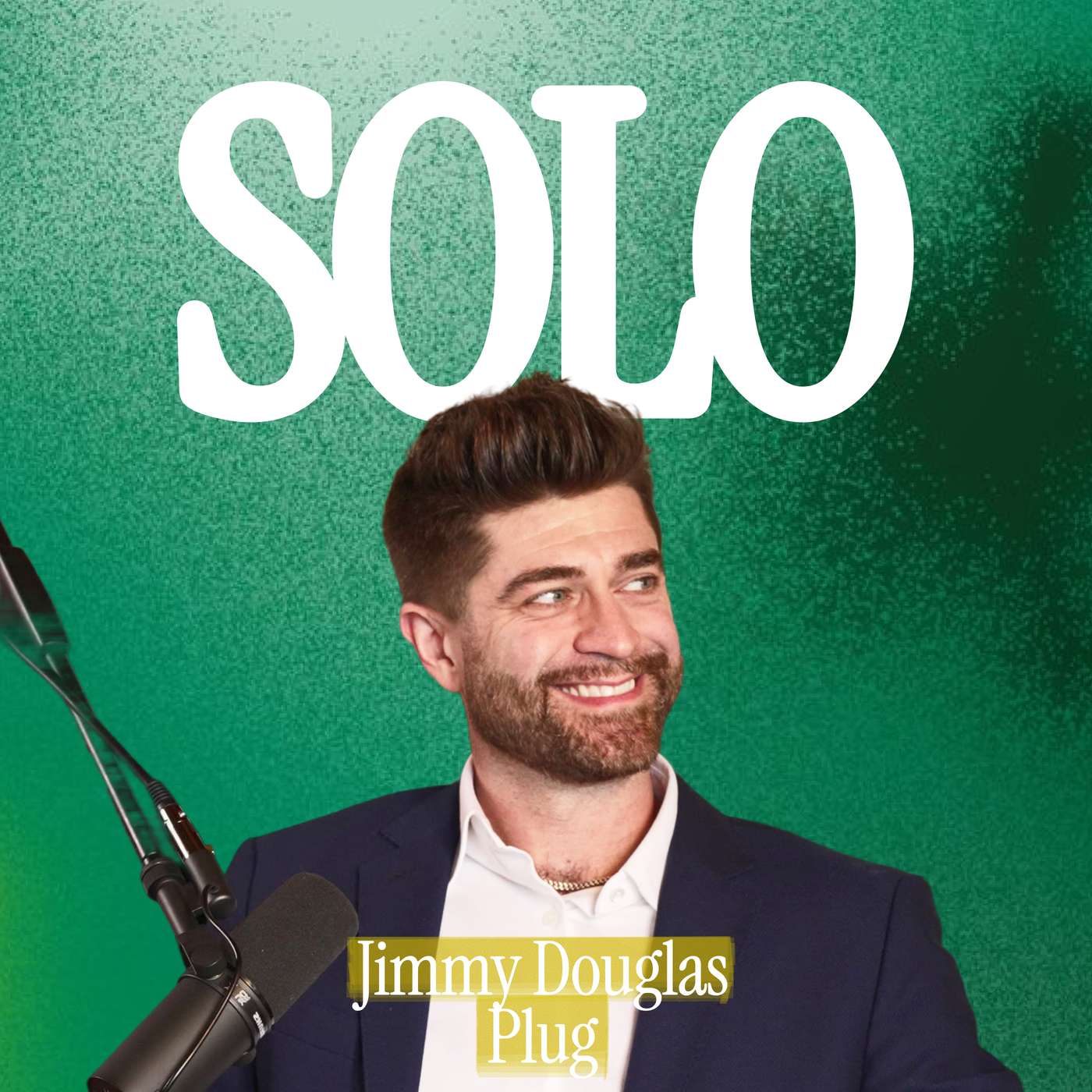 He Quit Tesla, Pivoted GTM 14 Times, Raised $20M Solo | Jimmy Douglas, Plug | The press was declaring the EV car market dead. Roughly $20B in EV investment had been cancelled. The Inflation Reduction Act had just expired. In that environment, Jimmy Douglas raised a $20M Series A from Lightspeed. Before Plug, Jimmy spent five years at Tesla running the largest US EV operation in the world. He left in 2024 to build Plug — the EV-first wholesale marketplace — then spent two years protecting a marketplace orthodoxy that was capping growth, until an investor in a fake board meeting asked the question that broke the company open. The chart bent that quarter. This is the most operator-dense episode we have recorded so far.Topics covered:The contrarian timing: how Plug raised a $20M Series A from Lightspeed in the middle of an "EV hellhole"The China thesis behind the round — why US EV adoption will be unlocked by foreign OEM pressure, not by federal incentives14 go-to-market pivots before the one that produced a hockey stick (Jimmy counted them by asking Claude to comb his board decks)Mike Maples Jr.'s "Reality Doesn't Negotiate" — and why disproving your hypothesis beats trying to prove itThe fake-board-meeting question that broke Plug open: "You still have a balance sheet. What would you build right now if you started over today?"Killing the marketplace orthodoxy: opening an LLC subsidiary, taking the wholesale dealer license test, and the 16 → 429 unique-sellers-per-quarter hockey stick that resultedThe two-things-need-to-be-true market test: venture-scale size and speed-to-power-law-outcome compatible with venture capitalTesla decision-making rigor: anticipate where the Wharton MBAs will find flaws before the meetingSelf-manufactured constraints — Jimmy's coined term, paraphrased from five years of watching Elon at TeslaThe factory-startup co-founder rule and why Jimmy went soloHiring high-agency people away from big companies — sandbox, mission, and "if you have to convince them, they're not the right person"What market pull actually feels like — and the moment Jimmy realized Plug had itInvestor pass etiquette: "you can tell a lot about a person by the way that they pass"Bear case for solo founding — credibility, network, skill-set required to recruit force-multipliers aloneBull case for solo founding — "the agency-maximizing play is to be solo founded and self-funded"AI is changing what venture wants — "vertical SaaS is going to zero," atoms-over-bits is back, balance-sheet risk is suddenly attractive againGuest: Jimmy Douglas — Founder and CEO, Plug. Previously executive at Tesla running sales operations, delivery operations, internal fleet, internal communications, and used cars (the largest US EV operation in the world during his tenure). Plug: $6.7M seed from Floodgate, $20M Series A in 2026 led by Lightspeed with Galvanize, Autotech Ventures, Leap Forward, and Renn Global participating. $60M+ in used-EV sales facilitated since 2024 launch.Host: Julian Weisser — Founder/CEO of Solo Founders and Co-Founder/CEO of On Deck/ODF. | 1h 09m 13s | ||||||
| 4/29/26 |  The Secret $2 Trillion Market Founders Are Ignoring | Sunil Rajaraman, Hamlet | Two trillion dollars of GDP flows through local government every year. 90%+ of city council votes are pre-decided before the meeting starts. And almost no founder will touch the market. Sunil is the rare exception. He ran for city council in Orinda, California, lost, and walked away with a newsletter for residents and an obsession with how opaque local government actually is. That newsletter became Hamlet — the civic AI making local government meetings legible to residents, real estate developers, and the cities themselves. This episode is the most concrete civic-engagement segment we've recorded on the show, and incidentally a clean founder thesis on how to spot a market everyone else is ignoring.Topics covered:$2 trillion of GDP runs through local government — and almost no founder will touch it90%+ of city council votes are pre-decided before the meeting startsWhy "public comment is largely ineffective" and why the "local vocals" aren't representativeMost city councils are rubber-stamp organizationsRunning for Orinda city council — and the $20K-minimum reality of nominally non-partisan local electionsThe civic-engagement on-ramp — join a commission as the lowest-friction way to start participatingThe newsletter-MVP-to-Hamlet arc — how a personal newsletter for residents became a civic AI companyEasy-to-explain businesses and why they require context, knowledge, and subject-matter expertise (the Federer analogy)"If you don't have an original insight, just don't work on it" — Sunil's hardest founder filter"No one's going to care about this problem as much as me" — niche obsession as the only test that mattersThe Bold Italic acquisition, "This Is Your Life in Silicon Valley," and why you can't copy editorial voiceFront-loaded advisor relationships as a substitute for the co-founder dynamicPricing humility — "C-minus, D-plus" — and what to do about itBear case for solo founding — resentment, no gut-check, easier to fractureThe "let things simmer" leadership ruleBull case for solo founding — "consensus produces average outcomes"Guest: Sunil — Founder and CEO, Hamlet. Previously co-founder of Scripted (Crosslink, Redpoint), EIR at Foundation Capital, executive at GoodRx through its IPO. Ran for Orinda city council. Crosslink-backed twice across 15 years and 2 companies. Host: Julian Weisser — Founder/CEO of Solo Founders and Co-Founder/CEO of On Deck/ODF. | 55m 16s | ||||||
| 4/22/26 |  Do You Really Need A Co-Founder? With Julian Weisser (Solo Founders) | For the first time ever, more than one in three new companies are being started solo. Five years ago that number was under 25%. This week the host becomes the guest: Julian Weisser — founder of Solo Founders, former co-founder of On Deck (where he ran 27 ODF cohorts and helped over 1,000 founders collectively raise $2B+) — sits down with David J. Phillips (CEO of Fondo, solo founder) for the full thesis behind Solo Founders. They cover the "denominator delusion" that keeps the co-founder default alive, the three types of solo founders (True Solo, Free Solo, Juiced Solo), why companies run out of hope long before they run out of money, and the bear and bull case for going it alone. Plus the news: the next Solo Founders cohort will include $100,000 per solo founder.Topics covered:Denominator delusion — why "the most successful startups have co-founders" ignores the failure rateThe co-founder of convenience trap1 in 3 companies are now solo-founded (up from under 25% five years ago) — the Carta data$100K per solo founder — the new Solo Founders Program cohort newsWhy Solo Founders doesn't run a Demo Day — the factory model critiqueTrue Solo / Free Solo / Juiced Solo — Julian's new three-type taxonomy with named examplesWhy companies run out of hope long before they run out of money"The median company is a dead company" and "the average VC is a walking-dead VC"Bear case for solo founding — the co-founder-shaped hole and playing on hard modeBull case for solo founding — one point of failure, one point of resilience, and "the company only dies if you do"Solo alone vs solo together — the Solo Founders Program thesis in one lineStartups as art and the case against "contortionism"Guest: Julian Weisser — Founder, Solo Founders. Host, Solo Founders Podcast. Formerly co-founder of On Deck.Interviewer: David J. Phillips — Co-founder and CEO, Fondo. Solo founder. | 50m 02s | ||||||
Want analysis for the episodes below?Free for Pro Submit a request, we'll have your selected episodes analyzed within an hour. Free, at no cost to you, for Pro users. | |||||||||
| 4/15/26 |  He Quit Uber, Beat ChatGPT At Harvard, And Went Solo Building AI | Rahul Sonwalkar | Rahul Sonwalker is the solo founder and CEO of Julius AI — the natural-language data analysis platform that took six pivots (and one cease-and-desist from Microsoft for calling a product "Excel Copilot") to find. In this conversation, Rahul breaks down the "co-founder trap" that keeps most smart people stuck searching instead of building, why every great startup violates 1–2 core best practices, and why he insists on being the worst coder on his own team.Topics covered:The co-founder trap — why 8 out of 10 co-founder teams are fighting in privateSolo founding by accident — second startup, friends bailing, and not going back to co-founder matchingThe football analogy for building momentum as a solo founderStartups as a game of outliers — why generalized advice pushes you to averageThe recipe for hiring as a solo founder — multipliers, not delegatorsEquity philosophy: less cash, more equity is a green flagCulture at 50% and 66% — why your first hire is half the culture foreverSix pivots to Julius: logistics AI, Excel Copilot, Microsoft cease-and-desist, US Census demoThe Julius Caesar chiseling metaphor for how companies emerge from marbleConvincing as the real job — "Sam Altman can't sell you a pen but can sell you AGI"Authorship and why success has many fathersBear case and bull case for solo foundingGuest: Rahul Sonwalker — Solo Founder and CEO, Julius AI. Natural-language data analysis platform. Formerly engineer at Uber. Based in San Francisco. | 51m 12s | ||||||
| 4/8/26 |  $9M ARR, Zero Investors: Yasser Elsaid on Bootstrapping Chatbase as a Solo Founder | Yasser Elsaid was in his last semester of university when he spotted an opportunity most people dismissed: adding custom data to large language models, before ChatGPT even launched. He built the first version of Chatbase in six weeks, got his first Stripe payment 30 minutes after launch, and has bootstrapped to $9M ARR over three years with zero outside funding. In this conversation, he breaks down the counterintuitive playbook behind his success — from the "benevolent dictatorship" of solo founding to why margins don't matter early on.Topics covered:- Spotting the RAG opportunity before ChatGPT launched and building in six weeks- First Stripe payment 30 minutes after putting up a pricing page- Why first principles thinking beats market research in paradigm shifts- Deciding to go solo — skipping the pitch deck, investors, and co-founder search- "Free solo" founding — bootstrapping beyond the indie hacker lifestyle business- The benevolent dictatorship: why solo founders make faster decisions- Low-ego decision-making — changing your mind is a feature, not a bug- Two-way door decisions and the Bezos framework for AI startups- Scaling a bootstrapped company: profitability from day one, then spending aggressively- Recruiting at a bootstrapped company vs. VC-backed — why bootstrapped equity is less risky- The B2B playbook: self-serve plus sales layer, content as the foundation- Pricing is the fastest lever — no science, just experimentation- Margins don't matter early on — revenue signals compound, cost savings don't- Bear case and bull case for solo foundingGuest: Yasser Elsaid — Solo Founder and CEO, Chatbase. AI-powered customer service platform. $9M ARR, bootstrapped, 30-person team. Based in Toronto. Previously built side projects at York University. Former intern at Meta, Tesla, BlackBerry. | 1h 14m 54s | ||||||
| 4/1/26 | 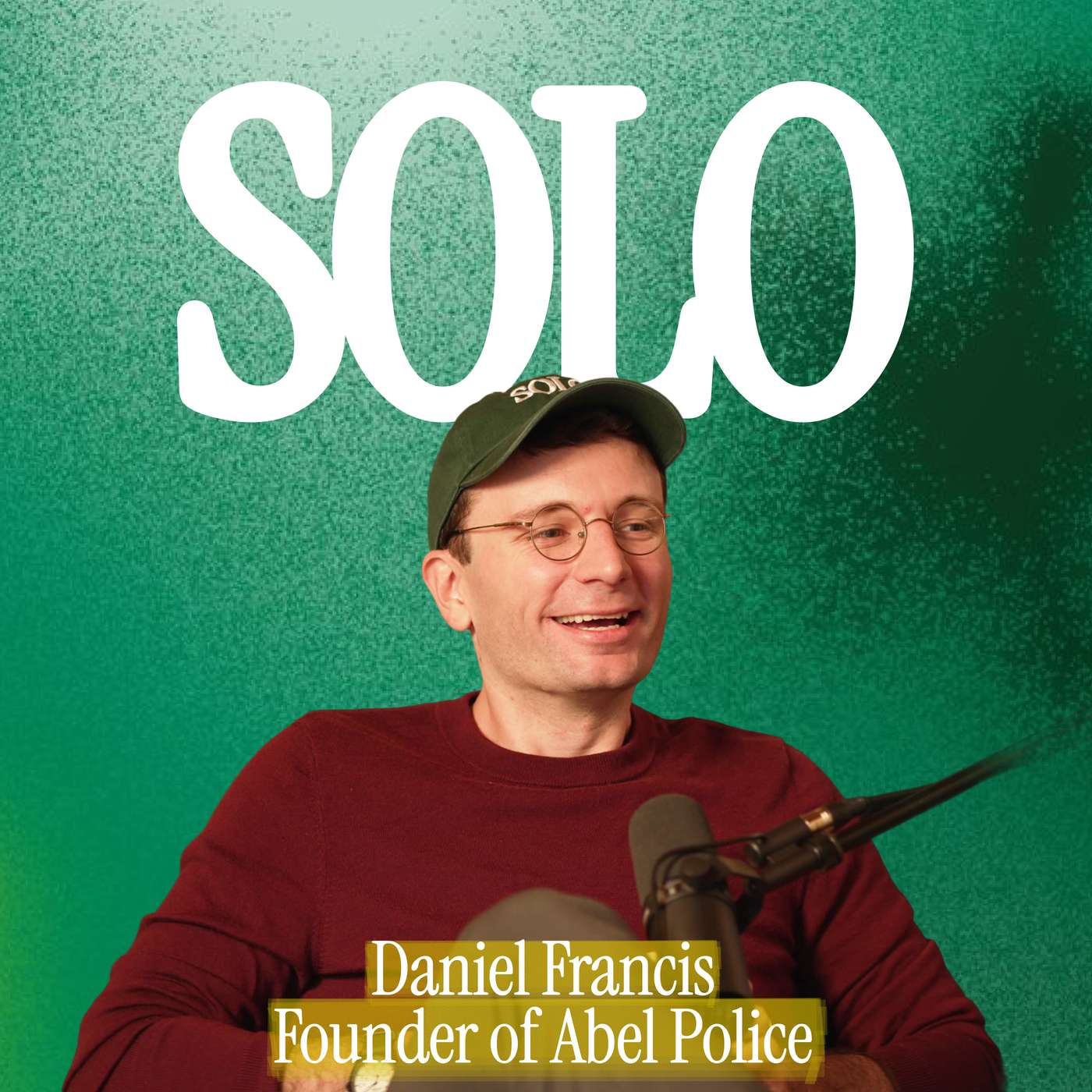 Elon Fired Him, Now His AI Writes Every Police Report | Daniel Francis (Abel Police) | Daniel Francis dropped out of high school, taught himself to code at a DC nonprofit, impersonated a laid-off Twitter employee to work for Elon Musk, and then built Abel Police — AI software that generates police reports from body cam footage, saving officers a third of their shift from paperwork. In this conversation, he shares the personal experience that led him to policing, why he believes solo founders have a massive authorship advantage, and his unfiltered take on co-founders, culture, and the emotional reality of building alone.Topics covered:The domestic violence experience that led to Abel PoliceOfficers spend one-third of their shift on reports — Abel's AI generates them from body cam footageEvery 115 officers on the platform = one life saved per yearGetting hired (and fired) by Elon Musk at TwitterFrom mercenary founding ($30K MRR fitness app) to missionary founding (life-or-death stakes)Catholic conversion and aligning company mission with faithSolo founder authorship: why one brain creates more coherent products (Apple vs. Google)The "Working at Abel" doc: floor on talent, ceiling on being an assholeAnti-culture culture: "Hurry up, here's the tickets, move"39 police ride-alongs and embedding with Richmond PDBear case and bull case for solo foundingWhy solo founders should give more equity to early hires (Carta data commentary)Contracting as a sneaky hiring pipelineThe emotional reality: crying alone in the middle of the day — and never once considering giving upGuest: Daniel Francis — Solo Founder and CEO, Abel Police. AI-powered police report generation from body cam footage. Former fitness app founder ($30K MRR). Economics and math, Florida State University. Self-taught engineer. 39 police ride-alongs. Catholic convert. High school dropout.Notes & more from this episode: https://solofounders.com/blog/dont-be-greedy-with-equity-daniel-francis-on-solo-founding-and-building-for-police/Apply to Solo Founders Program: https://solofounders.com/program | 55m 37s | ||||||
| 3/25/26 | 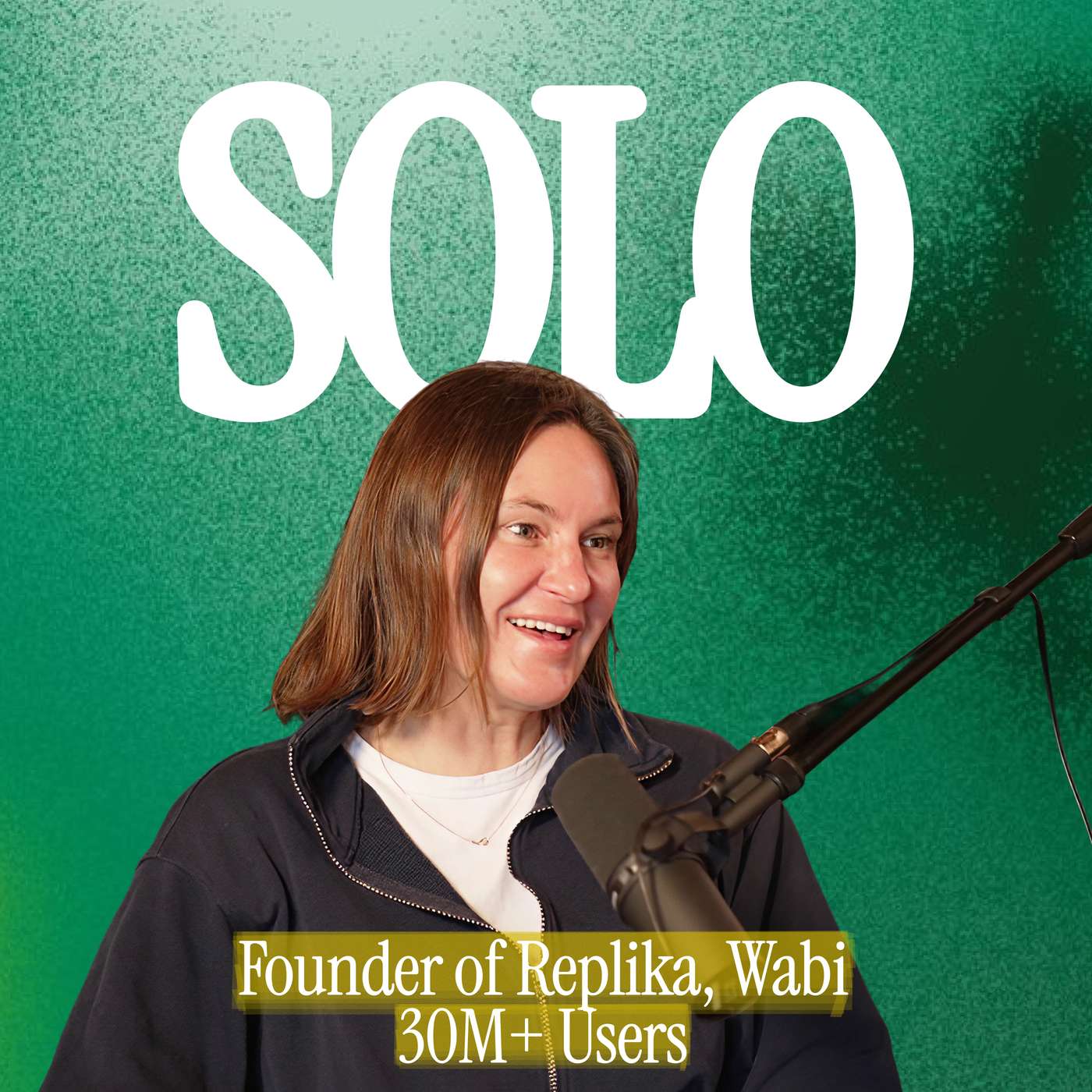 30M Users, No Co-Founder | Eugenia Kuyda (Replika, Wabi) | Eugenia Kuyda has spent over a decade building at the frontier of AI consumer products. First by founding Replika in 2014, hitting 30M users in conversational AI before ChatGPT even existed. Now, building Wabi: giving everyone the ability to build personal software. In this episode, she breaks down why she’s repeatedly chosen the solo founder path, why “co-founders by pressure” create long-term damage, and what it actually takes to keep going when things get brutally hard.This is a conversation about conviction, authorship, loneliness, team-building, and the emotional reality of leading through uncertainty. Eugenia shares the difference between being truly solo vs. being isolated, why she treats founding as a team sport anyway, and how she thinks about hiring high-agency people who can operate like owners.Topics covered- Why many “co-founder” setups are functionally one decision-maker anyway- The risk of “co-founder by default” decisions- Why it’s better to be solo than misaligned at the top- Streamlining your startup's layers from three down to two by removing co-founders- Storytelling as a core founder advantage- Team-building without co-founder hierarchy- The emotional bear case for solo founding- The speed and clarity bull case for solo foundingGuest: Eugenia Kuyda — founder and CEO behind visionary AI products like Replika and Wabi. | 1h 16m 05s | ||||||
| 3/18/26 | 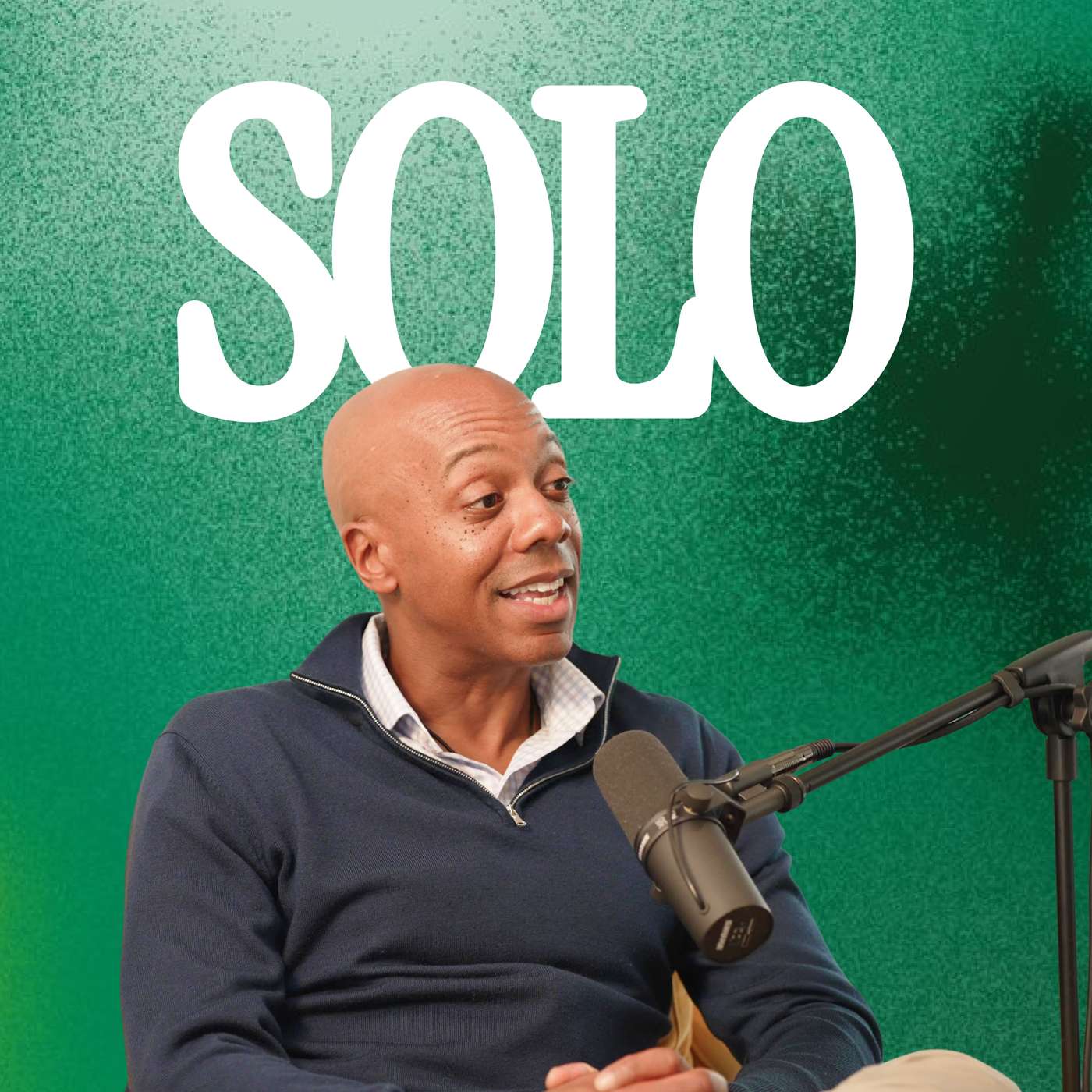 How To Fundraise As A Solo Founder | Charles Hudson (Precursor Ventures) | Charles Hudson is the founder and managing partner of Precursor Ventures, where he's invested in over 500 companies as a solo GP. He shares a data point that challenges the co-founder consensus: 25-30% of his portfolio companies lose a co-founder before Series A. In this conversation, he explains why talented solo founders beat mismatched teams, the real cost of dead equity, and why you should never give away 40% of your company just to make fundraising easier.Topics covered:- The co-founder breakup rate: 25-30% before Series A- Dead equity and cap table damage from co-founder departures- Rivalry and resentment dynamics in co-founding teams- Why investors underrate solo founders- The "team sport" analogy reframed- Denominator delusion: failed co-founding teams nobody counts- Don't give away 40% of your company for fundraising optics- Authorship and full accountability as a solo founder- Fundraising advice: don't apologize for being solo- Late-joining co-founders and how to evaluate them- The solo GP / solo founder kinship- The emotional reality: loneliness is 10x what you expect- Bear case and bull case for solo foundingGuest: Charles Hudson — Founder and Managing Partner, Precursor Ventures. Solo GP. 500+ investments. Former partner at SoftTech VC (now Uncork Capital). Former Google and Genentech. | 44m 06s | ||||||
| 3/11/26 | 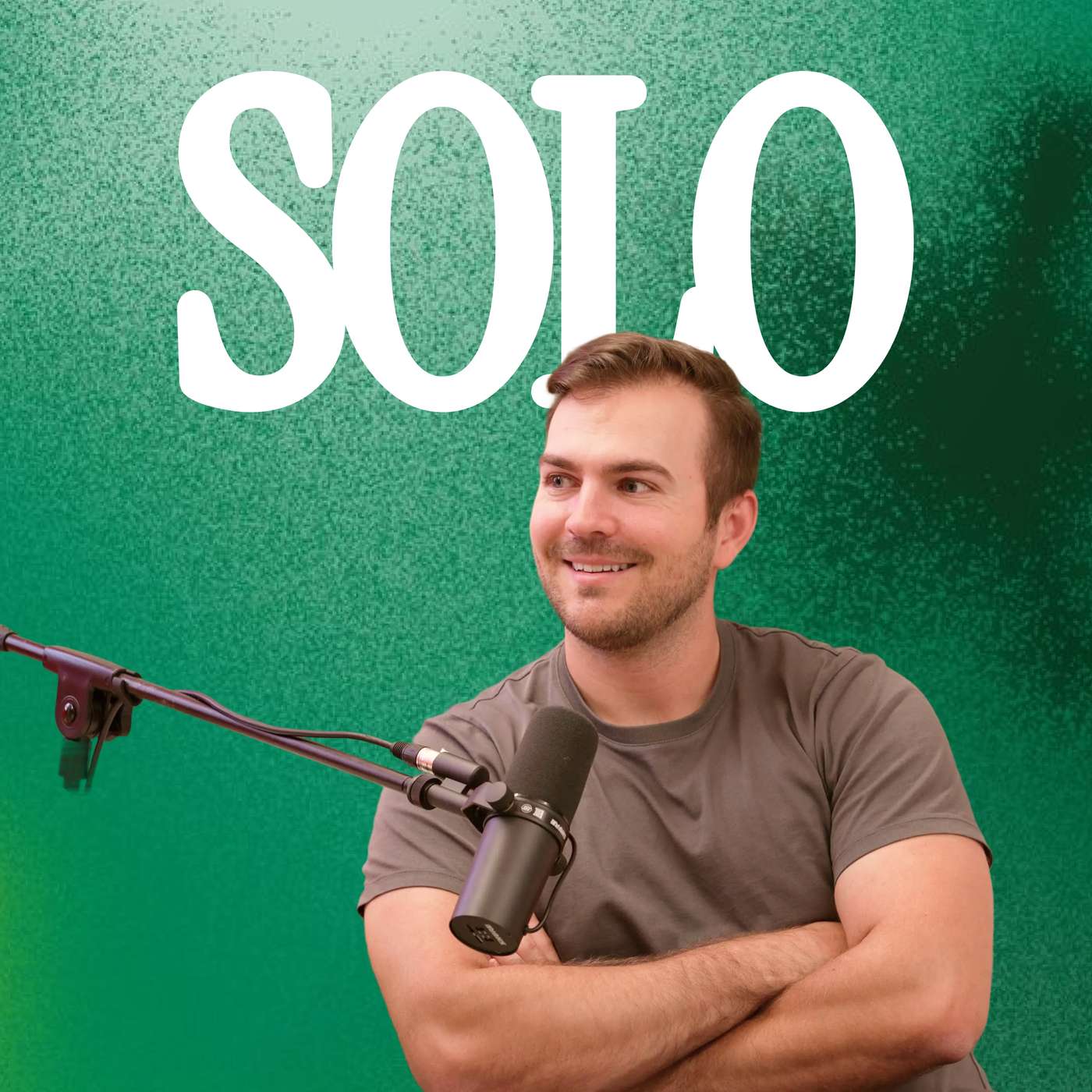 From 498 Rejections to a $300M Company | Paul Klein IV (Browserbase) | Paul Klein IV applied to 500 internships and got rejected from 498. Now he's the solo founder of Browserbase – a headless browser infrastructure company for AI agents – valued at $300M in under 14 months. He didn't choose to be a solo founder. He tried to find a co-founder and couldn't. In this conversation, he explains why that turned out to be the right thing.Topics covered:Why Paul thinks first-time founders should not be solo foundersThe five-tool founder concept: product, sales, fundraising, hiring, and operationsStreamClub founding story and lessons from having co-foundersHow a 3,000-word memo validated the Browserbase ideaSolo founder by circumstance: trying and failing to find a co-founderHiring philosophy: contractors as work trials, DM recruiting on TwitterFundraising as relationship building, not a tight processCompany culture: emotional vulnerability, second chances, non-traditional backgroundsThe quarterback to head coach to GM evolution of a solo founder CEOOperating cadence: daily standups, weekly syncs, monthly all-hands, quarterly board meetingsBrand building through word of mouthThe honest case for and against solo foundingGuest: Paul Klein IV, Solo founder and CEO of Browserbase. Former CTO/co-founder of StreamClub (acquired by Mux). Former software engineer at Twilio.Notes & more from this episode: https://solofounders.com/blog/from-500-rejections-to-a-300m-company-paul-klein-iv-on-solo-founding-browserbase/Apply to Solo Founders Program: https://solofounders.com/program | 54m 57s | ||||||
| 3/3/26 | 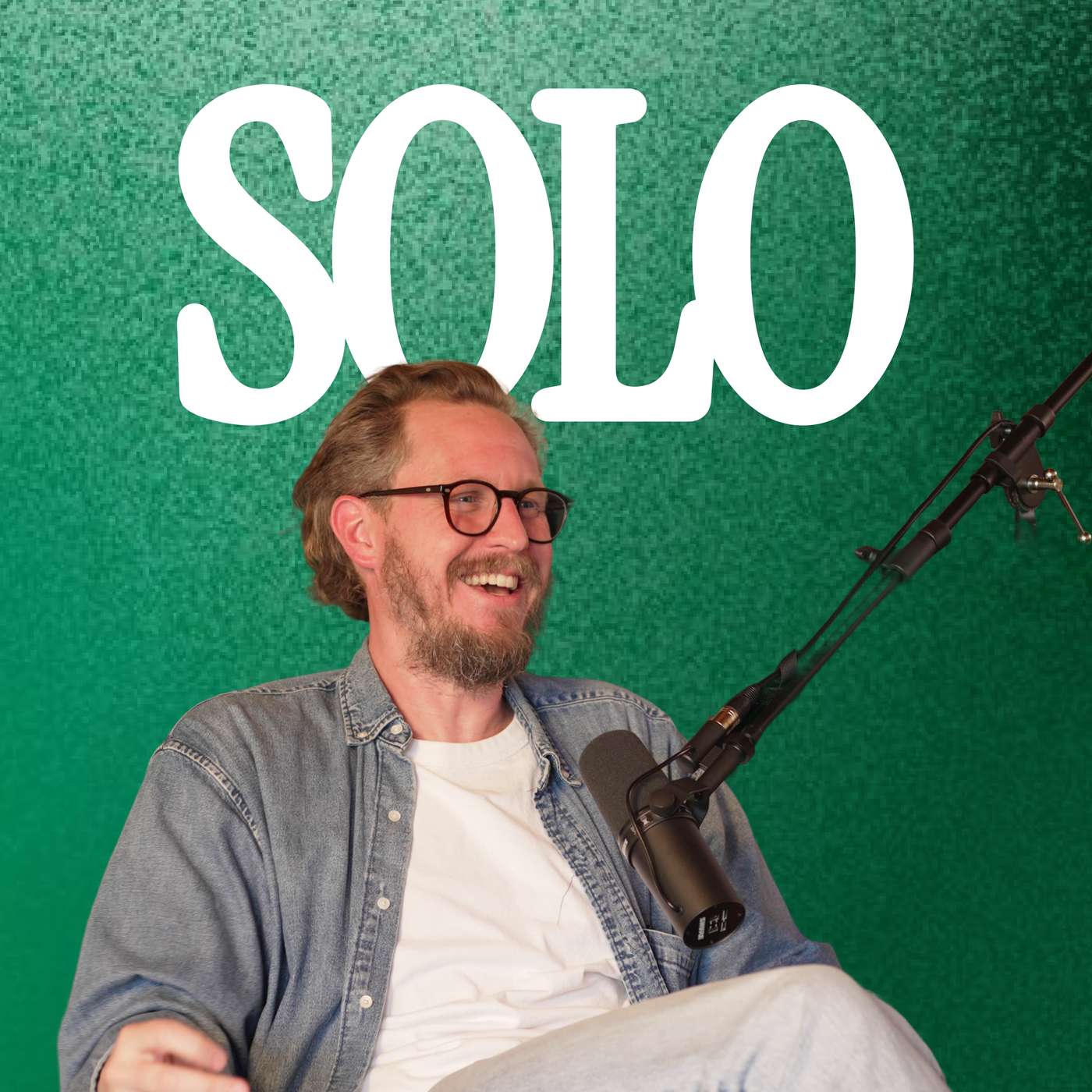 1.5M ARR, Zero (Human) Employees | Ben Cera (Polsia) | Ben ran global teams at Travis Kalanick's Cloud Kitchens and left to build Polsia — an AI company builder — completely solo. Now he's hit $1.5M ARR in two weeks with 1,500 companies running on the platform.In this conversation, we explore how his method of building might be the future of solo founding: his 80/20 framework for AI-native companies, why he designed his product after a video game about an AI apocalypse, the Daft Punk song on his about page, and what it actually looks like to run engineering, support, marketing, and strategy with zero employees.Topics covered:The 80/20 framework for AI-native companiesScoping AI agents like real employees: trust boundaries and authorityBuilding for yourself vs. building for imaginary customersUniversal Paperclips and Daft Punk as design inspirationThe Polsia product: how it builds and runs businesses autonomouslyMaking a company 100% AI-autonomous: the thought experimentAdvice for new builders: push AI to the edgeGuest: Ben Cera — Solo founder of Polsia, an AI company builder. Former Global GM at Cloud Kitchens.Notes & more from this episode: https://solofounders.com/blog/80-ai-20-taste-ben-cera-on-the-future-of-solo-founding/Apply to Solo Founders Program: https://solofounders.com/program | 1h 04m 28s | ||||||
| 3/2/26 | Introducing the Solo Founders Podcast | This is a new show about building companies solo in the age of AI. Six months after launching the Solo Founders program, which has seen founders reach millions in ARR and sell to public companies and governments, this podcast brings together early-stage builders and experienced solo founders to share what's working, what's not, and what it actually looks like to grow a company without co-founders. | 1m 40s | ||||||
Showing 18 of 18
Sponsor Intelligence
Sign in to see which brands sponsor this podcast, their ad offers, and promo codes.
Chart Positions
5 placements across 5 markets.
Chart Positions
5 placements across 5 markets.