
Somerset House Podcast
The Somerset House Podcast, shaped and sculpted by artists, explores original cultural ideas which connect listeners to the creative process. Each series goes behind the scenes at Somerset House to uncover the stories ex...
Insights from recent episode analysis
On the show
- Dana-Fiona Armour1 ep
- Heather Spence1 ep
- Anthony Herrel1 ep
Also: Elaine Mitchener, Beatrice Dillon, Jennifer Walshe, Memo Akten, Valentina Magaletti, Matt Brennan, Daniel Fernández Pascual, Alon Schwabe, Jennie Baptiste, Sidsel Meineche Hansen, Dr Alexis Rider, Professor Rohan Deb Roy, Mohammed Saleh, Jennifer Lucy Allan, Annalee Davis, Lauren Gault, Leah Penniman
Audience Interest
Podcast Focus
Publishing Consistency
Insights are generated by CastFox AI using publicly available data, episode content, and proprietary models.
Most discussed topics
Brands & references
Total monthly reach
Based on 1 signal.
Built from
By chart position
- 🇬🇧United Kingdom · Visual ArtsHOME#1321.3K to 6.8K
- 🇮🇩ID · Visual Arts#91296 to 1.6K
- 🇯🇵Japan · Visual Arts#145187 to 989
- 🇮🇹Italy · Visual Arts#138166 to 879
- 🇵🇹Portugal · Visual Arts#10295 to 503
- Per-Episode Audience
Est. listeners per new episode within ~30 days
2.1K to 11K🎙 Monthly cadence·90 episodes·Last published 2w ago - Monthly Reach
Unique listeners across all episodes (30 days)
2.4K to 12K🇬🇧60%🇮🇩14%🇯🇵9%+4 more - Active Followers
Loyal subscribers who consistently listen
944 to 5.0K
Market Insights
Platform Distribution
Reach across major podcast platforms, updated hourly
Total Followers
—
Total Plays
—
Total Reviews
—
* Data sourced directly from platform APIs and aggregated hourly across all major podcast directories.
| Date | Episode | Topics | Guests | Brands | Places | Keywords | Sponsor | Length | |
|---|---|---|---|---|---|---|---|---|---|
| 10/8/26 |  Archive: Is a Feminist Alexa Possible? | To mark Somerset House Studios’ 10th birthday month, we revisit an archive episode of the Studios podcast, which featured audio works and one-off series from the artistic community here. This episode from 2019 was presented by The Feminist Internet, a group of artists and designers working to build an equal and just internet for all. In this first episode of their series, they explore the consequences of having female gendered voice assistants encoded into our digital space. Is a feminist Alexa is possible? What would that sound like? | 41m 48s | ||||||
| 8/6/26 | artistic identityclass and politics+3 | Jemma DesaiJohn Costi | Somerset House StudiosSomerset House+1 | — | artistclass+5 | — | 26m 35s | ||
| 7/10/26 | pop culturedevotion+4 | Dot Alma | Somerset HouseHoly Pop!+2 | — | pop devotioncuteness+4 | — | 36m 58s | ||
| 5/14/26 | listeningmusic industry+4 | DeForrest Brown Jr. | Somerset House StudiosAssembly | — | listeningmusic+7 | — | 17m 59s | ||
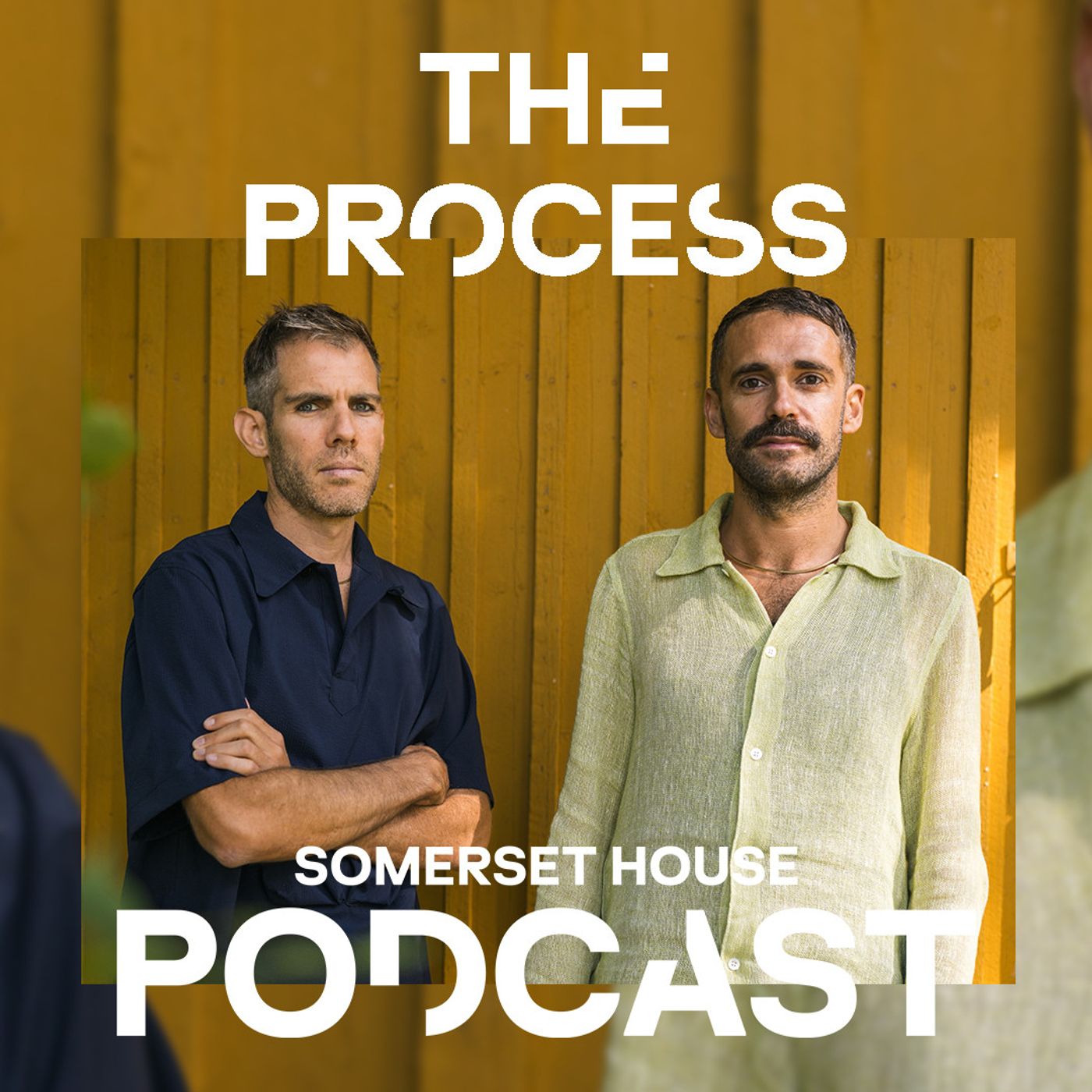
| 4/15/26 | climate changemarine biology+4 | Dana-Fiona ArmourHeather Spence+1 | Somerset HouseBritish coast+3 | — | sea snakeclimate emergency+5 | — | 24m 50s | ||
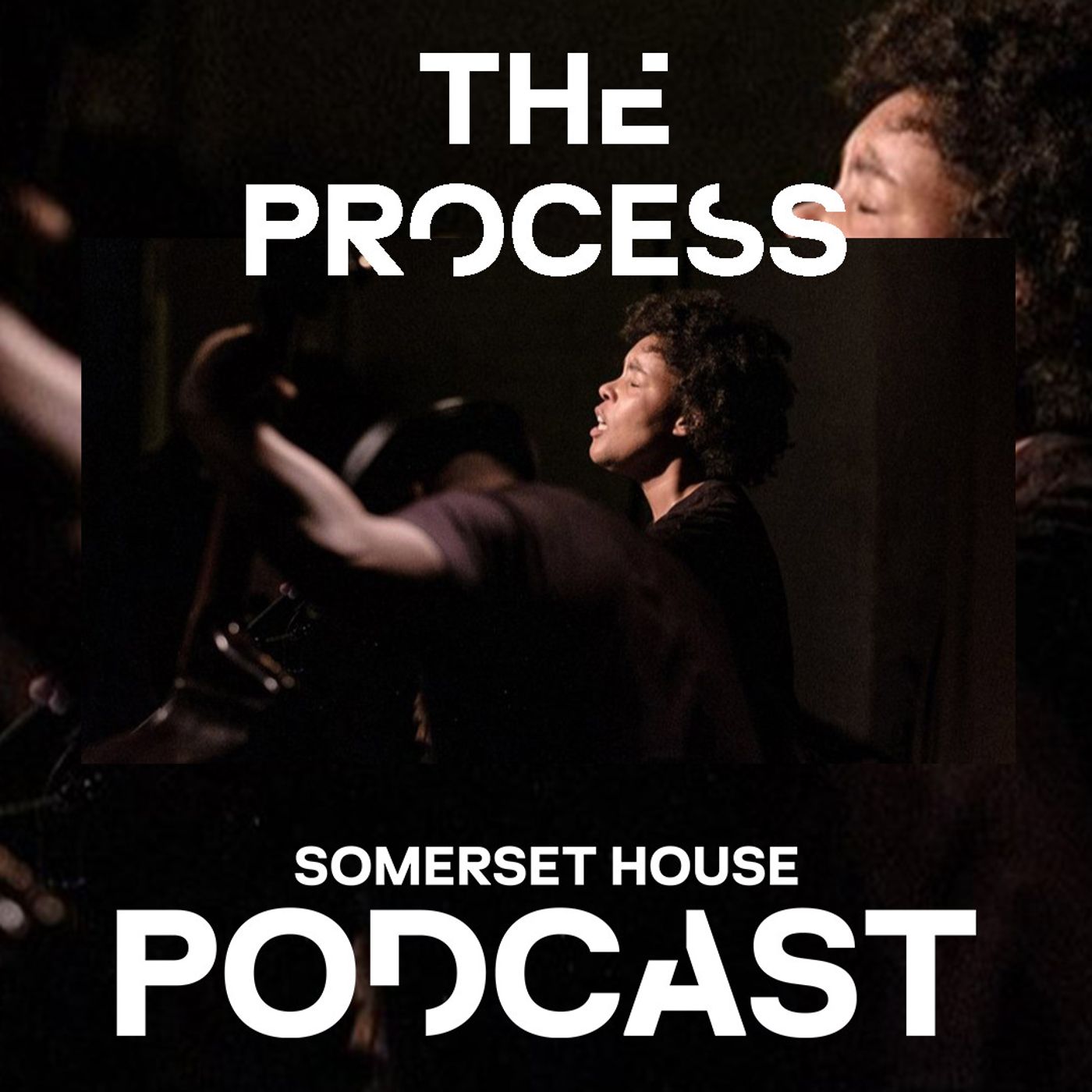
| 3/6/26 | experimental soundmusic series+3 | Elaine MitchenerBeatrice Dillon+2 | Somerset House StudiosAssembly | — | AssemblySomerset House Studios+3 | — | 16m 21s | ||
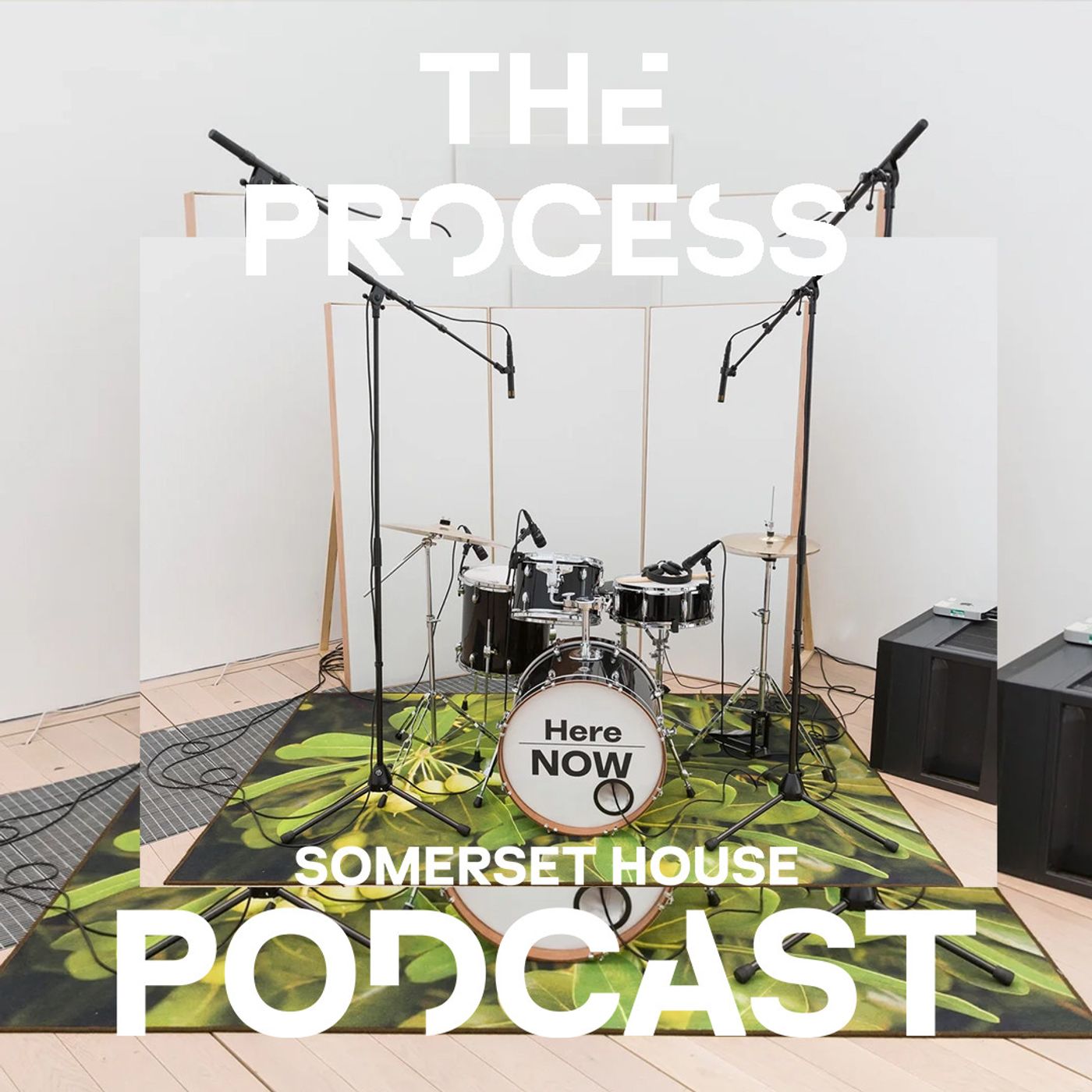
| 2/5/26 | drumstime travel+3 | Valentina MagalettiMatt Brennan | Somerset House StudiosModern Art Oxford+3 | — | drumstime travel+3 | — | 31m 28s | ||
| 1/8/26 | art and activismperformance+3 | Daniel Fernández PascualAlon Schwabe | Cooking SectionsQueen Mary, University of London+1 | — | artactivism+5 | — | 25m 18s | ||
| 12/4/25 | creative communityphotography+4 | Jennie Baptiste | Somerset House | — | documentaryBlack British culture+6 | — | 33m 51s | ||
| 11/6/25 | artgender+4 | Sidsel Meineche Hansen | Somerset House StudiosGrumpy+1 | — | Sidsel Meineche HansenGrumpy+7 | — | 20m 29s | ||
Want analysis for the episodes below?Free for Pro Submit a request, we'll have your selected episodes analyzed within an hour. Free, at no cost to you, for Pro users. | |||||||||
| 3/7/25 | Great Hedge of IndiaBritish colonialism+3 | Dr Alexis RiderProfessor Rohan Deb Roy | Somerset HouseBritish East India Company+1 | — | Great Hedge of IndiaBritish East India Company+5 | — | 29m 55s | ||
| 2/5/25 | soilregenerative qualities+5 | Mohammed Saleh | Somerset HouseSOIL: The World at Our Feet | — | soilcomposting+8 | — | 36m 25s | ||
| 1/29/25 | soilart+5 | Jennifer Lucy AllanAnnalee Davis+2 | Somerset HouseSOIL: The World at Our Feet | — | soilclay+6 | — | 35m 05s | ||
| 1/22/25 | soilecological crisis+3 | Asad RazaEve Tagny+2 | Somerset HouseSoil: The World at Our Feet | — | soilecological crisis+5 | — | 30m 36s | ||
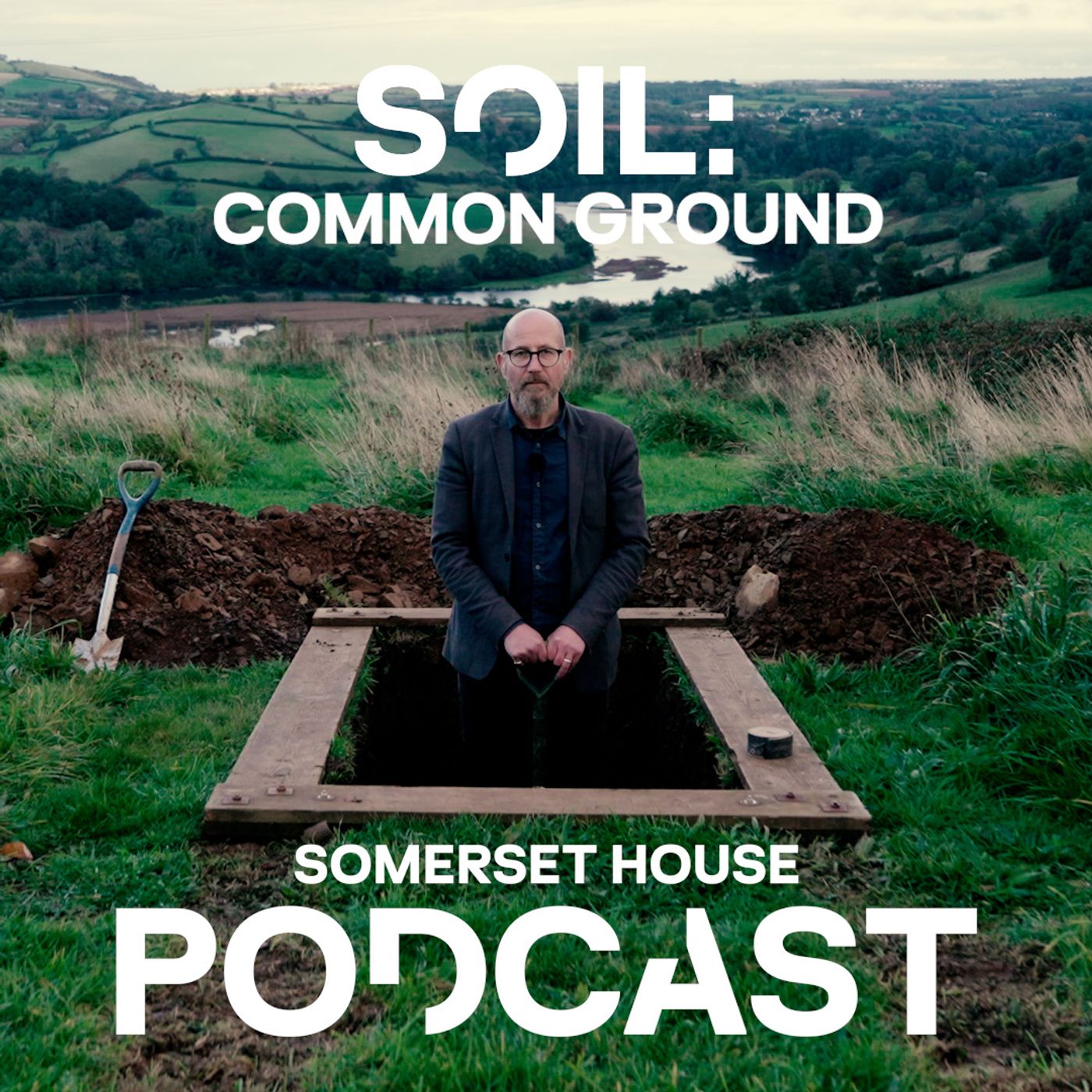
| 1/21/25 |  SOIL: Common Ground | Soil is unsung, and largely hidden from view. What if we were to put it in the foreground? To think of it as a collaborator? Across three episodes, presenter and Somerset House Studios artist Shenece Oretha traces the life cycle of soil, from it’s foundational role at the beginning of life with artist Asad Raza, through to its manifestation as one of the earliest creative materials, with ceramist and writer Jennifer Lucy Allan. We hear from artists Annalee Davis and Lauren Gault on the ways soil bears witness our difficult histories, before exploring decay and the regenerative powers of soil in our final episode, with the work of artist Mohamed Salah and radical undertaker Rupert Callender. The series launches off from the Somerset House exhibition SOIL: The World at Our Feet.Presented by Shenece OrethaProduced by Jo Barratt and Alannah Chance Exec produced by Alannah Chance and Eleanor Ritter-Scott. The series is mixed by Mike WoolleyOriginal music by Andrew Pekler. | 1m 20s | ||||||
| 12/5/24 | 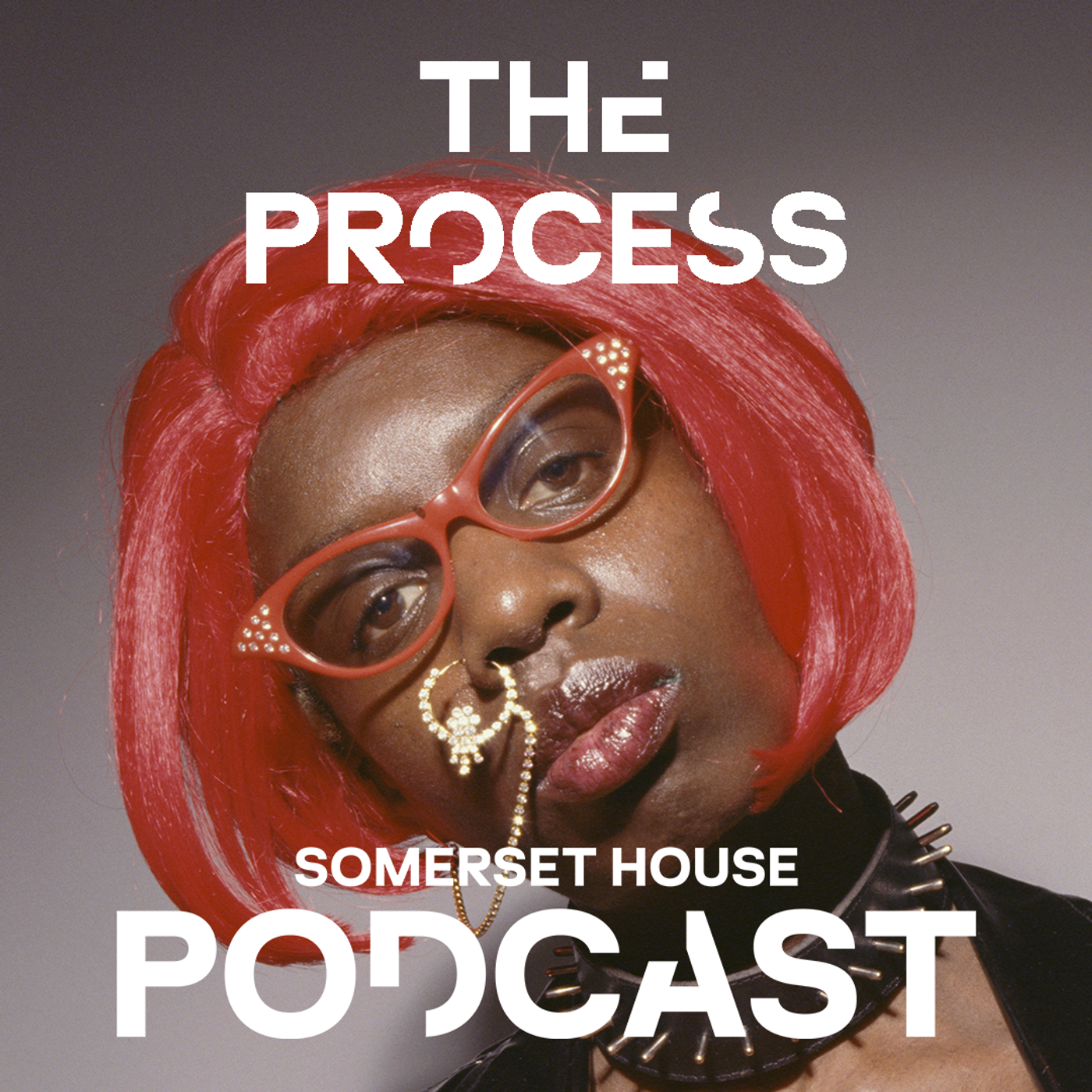 The Process: More Than a Space - The Club in Black Queer History | Why has the club been so pivotal to the history of black queer placemaking? For artist and filmmaker Topher Campbell, growing up as a Black queer man in 1980s and 90s Britain, the club provided a sanctuary from the judgement and hostility of mainstream society. It became a space for community, self-discovery, and, as a care leaver, a sense of home. As co-founder of the rukus! archive and curator of the exhibition Making a rukus!: Black Queer Histories Through Love and Resistance, Campbell reflects on how the club scene reverberates through the archive, one of Europe's largest Black LGBTQIA+ collections, and its vital role in Black queer placemaking. In this podcast, Campbell speaks with two pioneers of the Black queer club scene: DJ Biggy C (aka Calvin Dawkins) in London, who helped create space for Black music in the capital’s predominantly white gay clubs, and US based Madison Moore, academic, DJ, and author of Fabulous: The Rise of the Beautiful Eccentric. Madison discusses his mission to reclaim techno for the black femme community and how fabulousness can offer both mask and armour for Black queer club-goers. Madison is an assistant professor at Brown University.For further support, we’d like to highlight the following resources: UK Black Pride BLKOUT Black Beetle Health Galop Produced by: Alannah Chance Presented by: Topher Campbell Series presenter: Laurent John Mixed by Mike Woolley Theme Music: Ka Baird Additional Music: Shaun J Wright and Alinka | 29m 25s | ||||||
| 9/25/24 |  The Process: Episode 16 Trailer - What is the legacy of the 2011 riots? | What one site in Croydon can tell us about the biggest moment of civil unrest in Britain in a generation.Listen to the full episode: Apple | Spotify Artist Imran Perretta was in his early 20s when the riots began in 2011. What started in London quickly spread across England, but it was the footage of a furniture shop set on fire in Croydon which stayed with Imran. Now, 13 years later, Imran revisits that moment in a new commission for Somerset House Studios which recreates Reeves Corner in the gallery space, accompanied by a new work for string quartet, entitled ‘A Requiem for the Dispossessed.’ In this episode of The Process, Imran heads back to Reeves Corner to reflect on its legacy today. We hear from Tim Newburn, professor of criminology and social policy at the LSE, about the history of civil unrest in Britain and the nature of riots. Croydon-based community artist Natalie Mitchell shares how community art projects can transform the way we think about public space. We follow Imran as he records with the Manchester Camerata and hear insights from sound designer Rob Szeliga on the ways in which music can affect how we feel. As the requiem builds to its crescendo and the site lies silent, we ask: what does this patch of land say about the legacy of social unrest in Britain? Why has such a monumental uprising been largely forgotten? And how can sound tell this story in new ways? We’re sensitive to the fact that while this subject matter is important to explore, it may be triggering to some audiences. For further support, we’d like to highlight the following resources: Healing Justice https://healingjusticeldn.org Resist and Renew https://resistrenew.com Radical Therapist Network: https://www.radicaltherapistnetwork.com The Black, African and Asian Network (BAATN): https://www.baatn.org.uk Credits Produced by Alannah Chance Presented by Imran Perretta Series presenter is Laurent John Mixed by Mike Wooley Theme Music by Ka Baird with additional music by Harry Murdoch | 0m 45s | ||||||
| 9/25/24 | The Process: What is the legacy of the 2011 riots? | What one site in Croydon can tell us about the biggest moment of civil unrest in Britain in a generation.Artist Imran Perretta was in his early 20s when the riots began in 2011. What started in London quickly spread across England, but it was the footage of a furniture shop set on fire in Croydon which stayed with Imran. Now, 13 years later, Imran revisits that moment in a new commission for Somerset House Studios which recreates Reeves Corner in the gallery space, accompanied by a new work for string quartet, entitled ‘A Requiem for the Dispossessed.’ In this episode of The Process, Imran heads back to Reeves Corner to reflect on its legacy today. We hear from Tim Newburn, professor of criminology and social policy at the LSE, about the history of civil unrest in Britain and the nature of riots. Croydon-based community artist Natalie Mitchell shares how community art projects can transform the way we think about public space. We follow Imran as he records with the Manchester Camerata and hear insights from sound designer Rob Szeliga on the ways in which music can affect how we feel. As the requiem builds to its crescendo and the site lies silent, we ask: what does this patch of land say about the legacy of social unrest in Britain? Why has such a monumental uprising been largely forgotten? And how can sound tell this story in new ways? We’re sensitive to the fact that while this subject matter is important to explore, it may be triggering to some audiences. For further support, we’d like to highlight the following resources: Healing Justice https://healingjusticeldn.org Resist and Renew https://resistrenew.com Radical Therapist Network: https://www.radicaltherapistnetwork.com The Black, African and Asian Network (BAATN): https://www.baatn.org.uk Credits Produced by Alannah Chance Presented by Imran Perretta Series presenter is Laurent John Mixed by Mike Wooley Theme Music by Ka Baird with additional music by Harry Murdoch The Process: A Somerset House Podcast An artist-led podcast series which explores the new ideas, big questions and surprising tangents which emerge from the artistic process. Drawing on the creative community both on site at Somerset House and from the exhibition programme, each episode follows artists as they explore one idea they’re currently pursuing, to see where it ends up. From financial astrology to the black renaissance, quantum listening to the transformative powers of cute, along the way we hear from a cross-section of thinkers who have inspired them to help shape where it might go next. | 34m 10s | ||||||
| 4/12/24 |  The Process: The Darker Side of Cute with Sean-Kierre Lyons | How can cuteness be used to sugar coat difficult messages? In this episode we join another artist commissioned for the Somerset House exhibition CUTE, Brooklyn based Sean-Kierre Lyons, to explore how cute characters have been used to tackle sensitive ideas from the middle ages on. In her practice, Sean-Kierre brings the grotesque and the cute together to approach challenging themes. Much of her work is inspired by cartoon animation, specifically its roots in racist caricature. For her Somerset House installation Sean-Kierre created a dragon-like gargoyle called Benevolence, one of nine protector gods she is developing, inspired by the 90s cartoon ‘Gargoyles’Here Sean-Kierre exposes the double edged sword of cute, looking at how cute characters have been used to mask malicious intent, as in the case of the animated characters used in war propaganda, as well as to deliver moral reminders, as far back as medieval masonry. She talks to animator of the Big Blue, Gyimah Gariba about how he uses cuteness to demonstrate the vulnerability of earth’s climate and art historian Dr Janetta Rebold Benton explains how gargoyles could be thought to be a form of cartoons of the middle ages.Contains strong language from the start. CUTE: An Exhibition Exploring the Irresistible Force of Cuteness in Contemporary Culture, at Somerset House, 25 Jan - 14 Apr 2024.Principal Partner: SanrioProducer - Alannah ChanceExec Producer - Eleanor Ritter-ScottSeries presenter - Laurent John | 27m 00s | ||||||
| 3/28/24 | 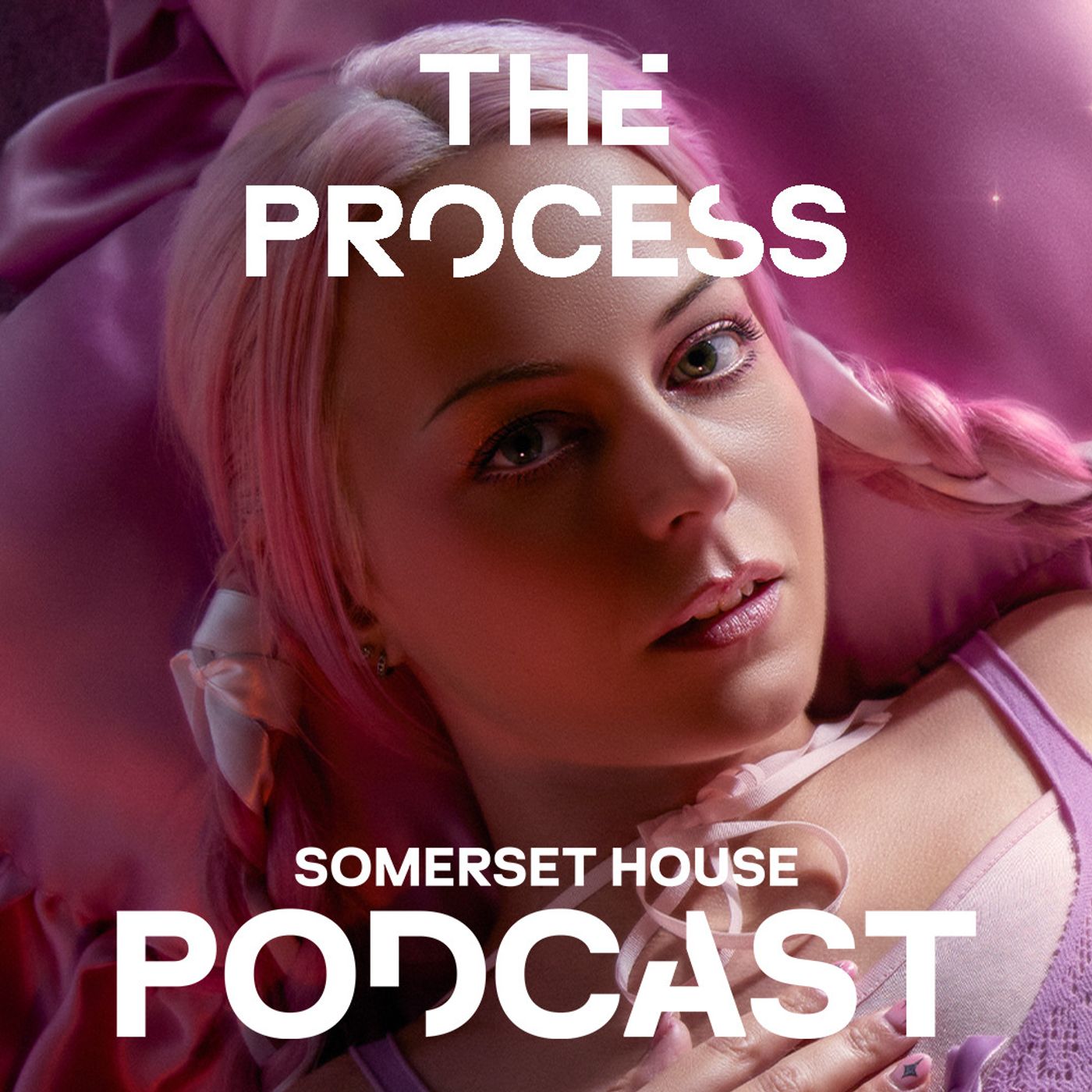 The Process: FELT CUTE, MIGHT SHAPESHIFT LATER with Hannah Diamond | Hannah Diamond reflects on the transformative powers of cute Cute aesthetics have exploded into pop culture. We use filters to make ourselves look like cute cats, dot our texts with hearts and smiley faces and our phones ping with alerts from cartoon animals reminding us to study French or change energy suppliers. Brands have been using cute images to sell us things since the dawn of advertising but with the rise of social media we are increasingly becoming the brand, as we seek to cutify our online and IRL selves. Over the last ten years the music collective and label PC Music have been playing with the aesthetics of pop music, internet culture and consumerism to suggest that artifice doesn’t need to be inauthentic. Artist and musician Hannah Diamond is one of the founding members, known for her hyper-real, hyper-pop art direction and an ear for sugary hooks. For CUTE, an exhibition at Somerset House, Hannah was commissioned to curate a room in the style of a girl’s sleepover accompanied by a stream of music videos that embody the power of cute. In this episode we go deeper into the ways pop music and cuteness intersect, celebrating the ways plasticity can be liberating rather than limiting. Hannah talks to fellow label affiliate Hayden Dunham, the brains behind the Hey QT project, about self transformation through world building and Dazed journalist Gunseli Yalcinkaya explains why the internet has such an enduring obsession with cute.CUTE: An Exhibition Exploring the Irresistible Force of Cuteness in Contemporary Culture, at Somerset House, 25 Jan - 14 Apr 2024.Principal Partner: SanrioProducer - Alannah ChanceExec Producer - Eleanor Ritter-ScottSeries presenter - Laurent John | 28m 48s | ||||||
| 3/22/24 |  Not Strictly Speaking: The Disembodied Voice with Prem Sahib and Felicia Atkinson | What does it mean to use the voice of others within a performance, text or recording? In this episode of Not Strictly Speaking, we look at the ways in which the voice is used both in service of power, and as a way of reclaiming agency.Prem Sahib’s new sound performance for Assembly, Alleus, takes a speech by former Home Secretary Suella Braverman and renders it into a new form through layers of processing and repetition, suggesting the idea of a curse or malediction. Resisting the idea that one hostile voice can speak for the many, Prem explores how political rhetoric can speak on behalf of others, and take possession of bodies at a distance.Composer and sound artist Felicia Atkinson, who has composed the sound across the podcast series, considers the boundaries between thought and speech, looking at how recorded speech and text can intertwine. Felicia’s work with voice plays with space, distance and found sound, inviting the everyday into her recordings. In this episode, she discusses the role the voice plays within her work, the writers who live within her and how the recorded voice can be slippery and shapeshifting.Alleus by Prem Sahib was co-commissioned and presented by the Roberts Institute of Art and Somerset House Studios as part of Assembly, 2024.Not Strictly Speaking Series The voice is the first sound we encounter and the first instrument we learn to play, we are subject to the disembodied voice of politicians while the communal voice is raised in protest. In conjunction with this year’s Assembly at Somerset House, this 3 part podcast series explores different manifestations of the voice and how it informs our ways of thinking. Each episode follows one artist featured in the 2024 programme, as they unpack their work with the voice in dialogue with another artist. Vocalist and composer Elaine Mitchener is joined by the pioneer of extended vocal technique Joan La Barbara to explore the voice as an instrument, looking at how the human voice can channel meaning without words. Artist Prem Sahib plays with the shape shifting nature of political speech and its potential to inhabit other bodies alongside composer Felicia Atkinson on the mercurial nature of recording, while the vocal work of sound artist Vivienne Griffin is placed in dialogue with artist Helen Cammock on the concept of the voice as a site of resistance. The sound for the series is composed by French composer and sound artist Felicia Atkinson who crafts a series of bespoke sound commissions for each episode.Commissioned by Somerset House StudiosProducer - Alannah ChanceExec Producer - Eleanor Ritter-ScottSeries Composer - Felicia AtkinsonMix - Harry MurdochAssembly was supported by PRS Foundation’s The Open Fund for Organisations, John S Cohen Foundation, Kitmapper, The Wire Magazine and Goethe Institute London. | 26m 55s | ||||||
| 3/21/24 |  Not Strictly Speaking: The Voice as Resistance with Vivienne Griffin and Helen Cammock | The communal voice has a long history within the resistance movement, from African American spirituals, to the protest songs of the civil rights movement and the current pro-Palestine marches. In this episode we explore the enduring power of group singing and how it can embody resistance and resilience with Turner prize winning artist Helen Cammock and artist and Somerset House Studios resident, Vivienne Griffin. Vivienne's sound work often centres around the voice, both her own and those of small choral ensembles. For their piece for Assembly they are drawing on the voice of the harp as a symbol of resistance within the history of British colonialism. The work will be performed by Northern Irish harpist Úna Monaghan alongside a mechanised harp created by Vivienne, who will together interpret a text score. Helen Cammock works across film, printmaking, performance and writing. Her work explores the role of the voice within the creation and maintenance of power structures as well as how the communal voice can subvert the dominant narratives of history. Here Helen unpacks how her work with communal voice has interrogated the idea of the voice as a site of resistance and the body as resilience.Not Strictly Speaking Series The voice is the first sound we encounter and the first instrument we learn to play, we are subject to the disembodied voice of politicians while the communal voice is raised in protest. In conjunction with this year’s Assembly at Somerset House, this 3 part podcast series explores different manifestations of the voice and how it informs our ways of thinking. Each episode follows one artist featured in the 2024 programme, as they unpack their work with the voice in dialogue with another artist. Vocalist and composer Elaine Mitchener is joined by the pioneer of extended vocal technique Joan La Barbara to explore the voice as an instrument, looking at how the human voice can channel meaning without words. Artist Prem Sahib plays with the shape shifting nature of political speech and its potential to inhabit other bodies alongside composer Felicia Atkinson on the mercurial nature of recording, while the vocal work of sound artist Vivienne Griffin is placed in dialogue with artist Helen Cammock on the concept of the voice as a site of resistance. The sound for the series is composed by French composer and sound artist Felicia Atkinson who crafts a series of bespoke sound commissions for each episode.Commissioned by Somerset House StudiosProducer - Alannah ChanceExec Producer - Eleanor Ritter-ScottSeries Composer - Felicia AtkinsonMix - Harry MurdochAssembly was supported by PRS Foundation’s The Open Fund for Organisations, John S Cohen Foundation, Kitmapper, The Wire Magazine and Goethe Institute London. | 27m 45s | ||||||
| 3/20/24 |  Not Strictly Speaking: The Voice is the Instrument with Elaine Mitchener & Joan La Barbara | The voice is something we all share and yet rarely do we explore the full range of our instrument. Ahead of Assembly at Somerset House we talk to two vocal artists who stretch the capacities of the voice as a sound producing instrument to look at the ways the voice can channel meaning beyond words; voice artist and composer Elaine Mitchener, who is resident at Somerset House Studios; and the pioneer of Extended Vocal Technique, the renowned vocal artist and composer Joan La Barbara. Elaine’s vocal work looks at ways of speaking beyond language and explores moments of historical injustice through vocalisation and movement. In her piece for Assembly, 'These Cost The Earth', she explores the dynamics of waste consumerism, in particular the environmental and human impact of the clothes we send to landfill. She uses the Chairman’s Staircase in the New Wing at Somerset House as the site for a choreographed piece which articulates this destructive cycle, giving life to old clothes and evoking the journeys they have been on. The groundbreaking vocalist Joan La Barbara is one of the first artists to play with extended vocal technique, a technique which uses the voice as a sound producing instrument. As a performer she has worked with Cage, Feldman, Reich and Glass and as a composer and improviser she has been writing her own material since the 1970s. As one of the early pioneers of this form of vocal experimentation, we hear as Joan unpacks how she developed her instrument, her work with imaginary language and the idea of super presence in relation to performance. Not Strictly Speaking Series The voice is the first sound we encounter and the first instrument we learn to play, we are subject to the disembodied voice of politicians while the communal voice is raised in protest. In conjunction with this year’s Assembly at Somerset House, this 3 part podcast series explores different manifestations of the voice and how it informs our ways of thinking. Each episode follows one artist featured in the 2024 programme, as they unpack their work with the voice in dialogue with another artist. Vocalist and composer Elaine Mitchener is joined by the pioneer of extended vocal technique Joan La Barbara to explore the voice as an instrument, looking at how the human voice can channel meaning without words. Artist Prem Sahib plays with the shape shifting nature of political speech and its potential to inhabit other bodies alongside composer Felicia Atkinson on the mercurial nature of recording, while the vocal work of sound artist Vivienne Griffin is placed in dialogue with artist Helen Cammock on the concept of the voice as a site of resistance. The sound for the series is composed by French composer and sound artist Felicia Atkinson who crafts a series of bespoke sound commissions for each episode.Commissioned by Somerset House StudiosProducer - Alannah ChanceExec Producer - Eleanor Ritter-ScottSeries Composer - Felicia AtkinsonMix - Harry MurdochAssembly was supported by PRS Foundation’s The Open Fund for Organisations, John S Cohen Foundation, Kitmapper, The Wire Magazine and Goethe Institute London. | 31m 50s | ||||||
| 3/20/24 |  Not Strictly Speaking: Series Trailer | A three-part podcast series, released 20-22 March 2024, exploring different manifestations of the voice, produced in conjunction with Somerset House Studios' Assembly.Each episode follows artists featured in the 2024 programme, as they unpack the power of the voice beyond speech; examining it as a form of possession and how we might give voice to the inanimate. Vocal artist and composer Elaine Mitchener looks at how the human voice can extend through objects and lay bare the inequities of global supply chains. Artist Prem Sahib plays with the shape shifting nature of political speech and its potential to inhabit other bodies, while sound artist Vivienne Griffin shares research centred on the concept of the harp as a voice of resistance. The sound for the series is composed by French artist Felicia Atkinson who crafts a series of bespoke sound commissions in response to the theme.Assembly is supported by PRS Foundation’s The Open Fund for Organisations, John S Cohen Foundation, Kitmapper, The Wire Magazine and Goethe Institute London. | 1m 26s | ||||||
| 2/19/24 | 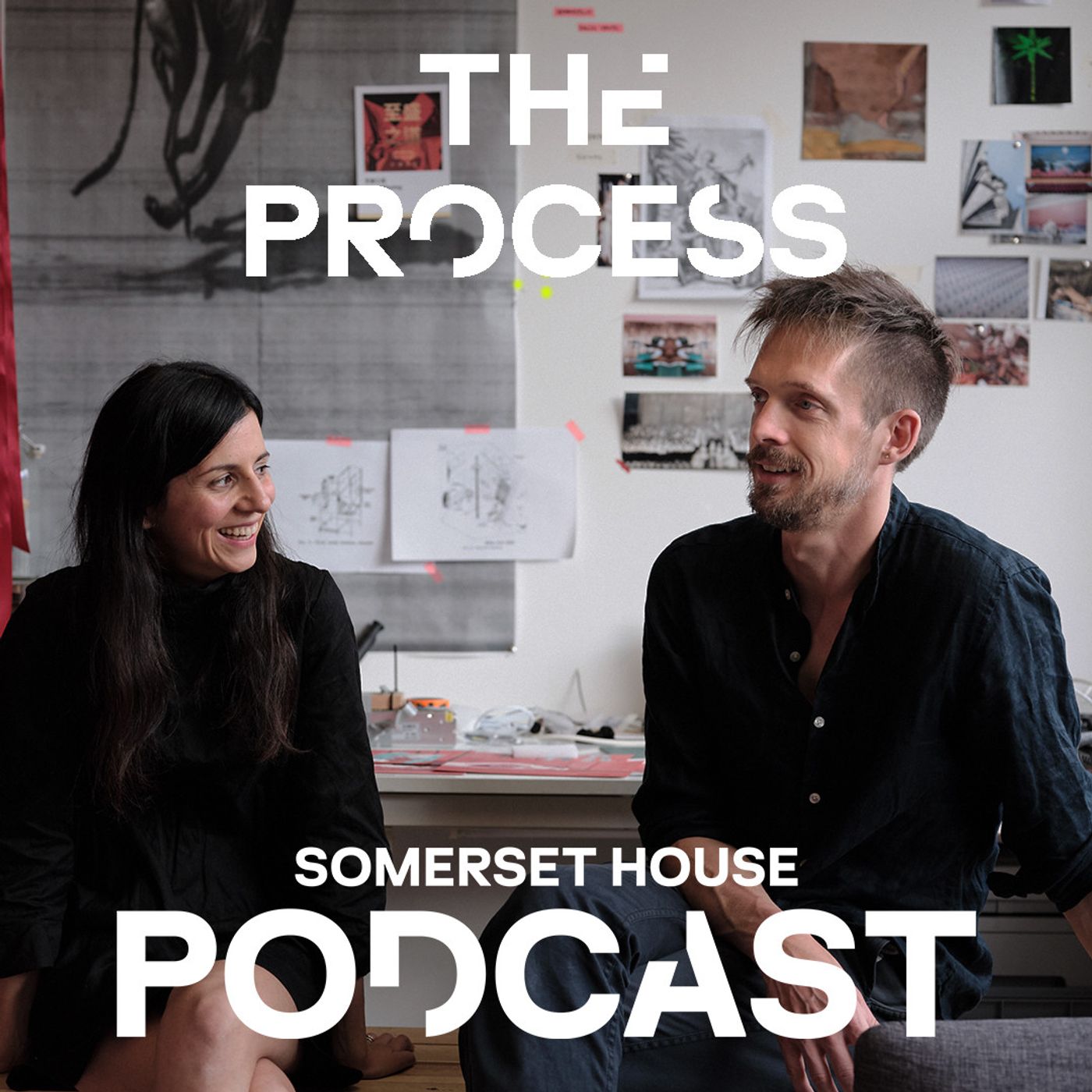 The Process: Is animal breeding a form of sculpture? | Revital Cohen & Tuur Van Balen | Artists Revival Cohen & Tuur Van Balen explore how humans have transformed the animals that we live with. The way in which we think about animals is riven with contradictions. We dote on our pets yet consume vast amounts of animals as meat. The UK consistently donates more money to animal welfare charities than any other cause and yet have created pet breeds with horrifying health defects. Revival Cohen & Tuur Van Balen are an artist duo who are interested in these ambiguities, in particular the moment when animal bodies are transformed into objects of human desire. They’ve made work with thoroughbred race horses, bred their own batch of genetically modified goldfish and in 2023 they were the recipients of the UAL’s Creative Computing Institute x Somerset House Experimental Technology Fellowship 2023, offering a unique development and commission opportunity for an artist looking to incorporate new technology within their work. This resulted in a new film, May the Fox Take You for CHANNEL, our online space for art, process and ideas. In this episode of The Process we join them in the research process for their next work, which continues to explore a question central to their practice: can animal breeding be considered a form of sculpture? We talk to historian Michael Worboys about how the Victorians created the modern dog breed and writer and curator Filipa Ramos discusses how art has informed the way we think about the animal body. Revital Cohen & Tuur Van Balen were in residence at Somerset House Studios in 2023. May The Fox Take You was commissioned by Somerset House in collaboration with UAL Creative Computing Institute.Producer - Alannah ChanceExec Producer - Eleanor Ritter-ScottSeries presenter - Laurent John | 27m 52s | ||||||




Showing 25 of 90
Pitch Fit is a Pro feature
See how bookable this show is for guests, which brands already advertise, the per-episode ad value, and the best-fit guest and sponsor profile. The numbers are blurred on the free plan.
How readily this show books outside guests like you.
How proven this show is for host-read sponsorships.
For Guests
ProFor Advertisers
ProUpgrade to Pro to unlock guest cadence, sponsor categories, fit scores, and per-episode ad value for this show.
Similar Audience Demographics
Podcasts that attract a similar listener profile

How To Fail With Elizabeth Day
Elizabeth Day and Sony Music Entertainment

Dig It with Jo Whiley and Zoe Ball
Persephonica

The Rest Is Entertainment
Goalhanger

The News Agents
Global

Where There's A Will, There's A Wake
Sony Music Entertainment

Lucky Boy | Tortoise Investigates
The Observer

A brush with...
The Art Newspaper
Chart history for Somerset House Podcast
Peaked at #91 in ID, currently #91 in ID.
| Market | Genre | Peak | Current | Trend |
|---|---|---|---|---|
| ID | — | #91 | #91 | — |
| PT | — | #102 | #102 | — |
| CZ | — | #108 | #108 | — |
| SG | — | #120 | #120 | — |
| United Kingdom | — | #132 | #132 | — |
| Italy | — | #138 | #138 | — |
| Japan | — | #145 | #145 | — |
Chart Positions
7 placements across 7 markets.
Chart Positions
7 placements across 7 markets.