Insights from recent episode analysis
Audience Interest
Podcast Focus
Publishing Consistency
Platform Reach
Insights are generated by CastFox AI using publicly available data, episode content, and proprietary models.
Most discussed topics
Brands & references
Est. Listeners
Insufficient chart data. Estimates will improve as the show charts.
- Per-Episode Audience
Est. listeners per new episode within ~30 days
N/A🎙 ~2x weekly·66 episodes·Last published 3d ago - Monthly Reach
Unique listeners across all episodes (30 days)
N/A - Active Followers
Loyal subscribers who consistently listen
N/A
Market Insights
Platform Distribution
Reach across major podcast platforms, updated hourly
Total Followers
—
Total Plays
—
Total Reviews
—
* Data sourced directly from platform APIs and aggregated hourly across all major podcast directories.
On the show
From 14 epsHosts
Recent guests
Recent episodes
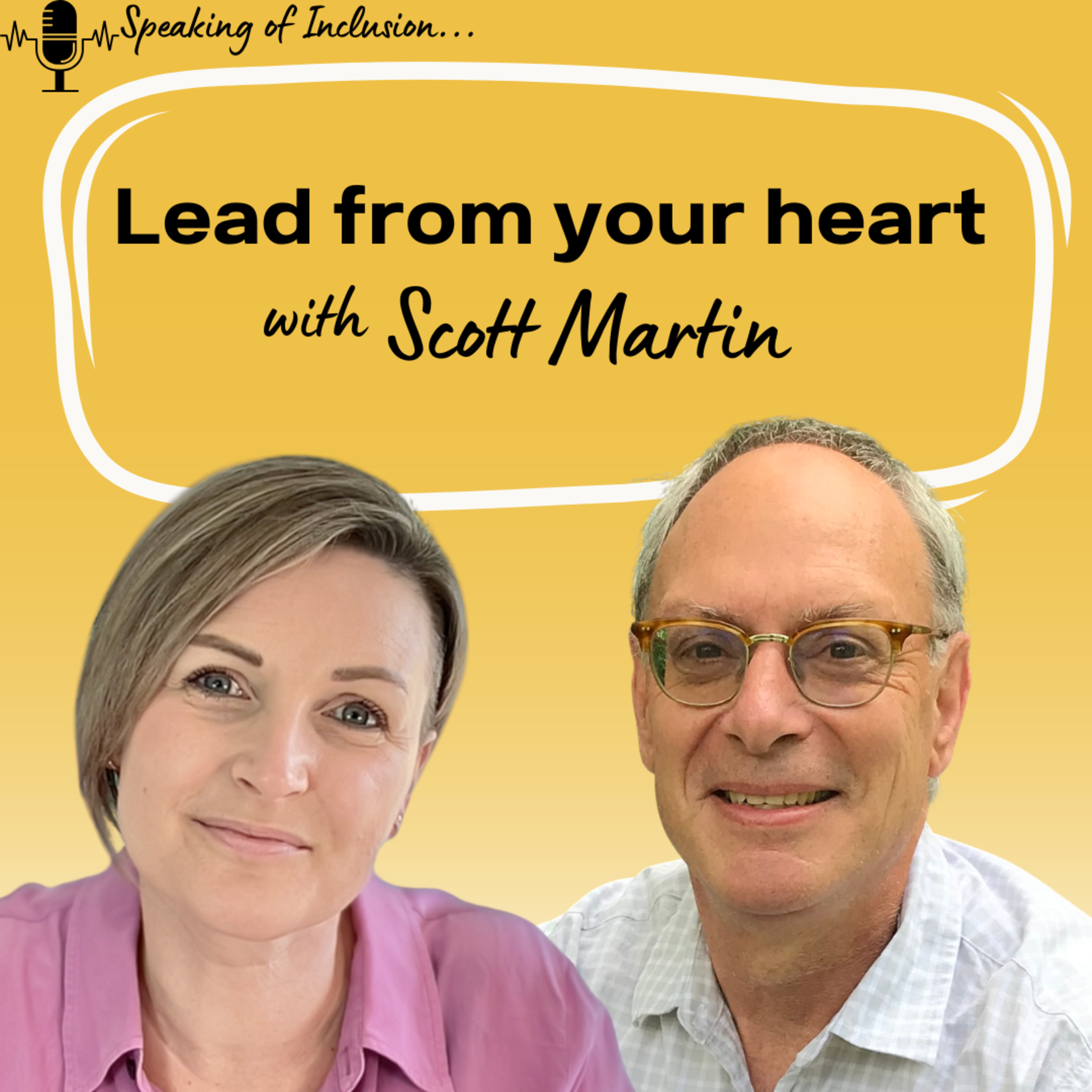
Lead from your heart - with Scott Martin
Jun 23, 2026
Unknown duration
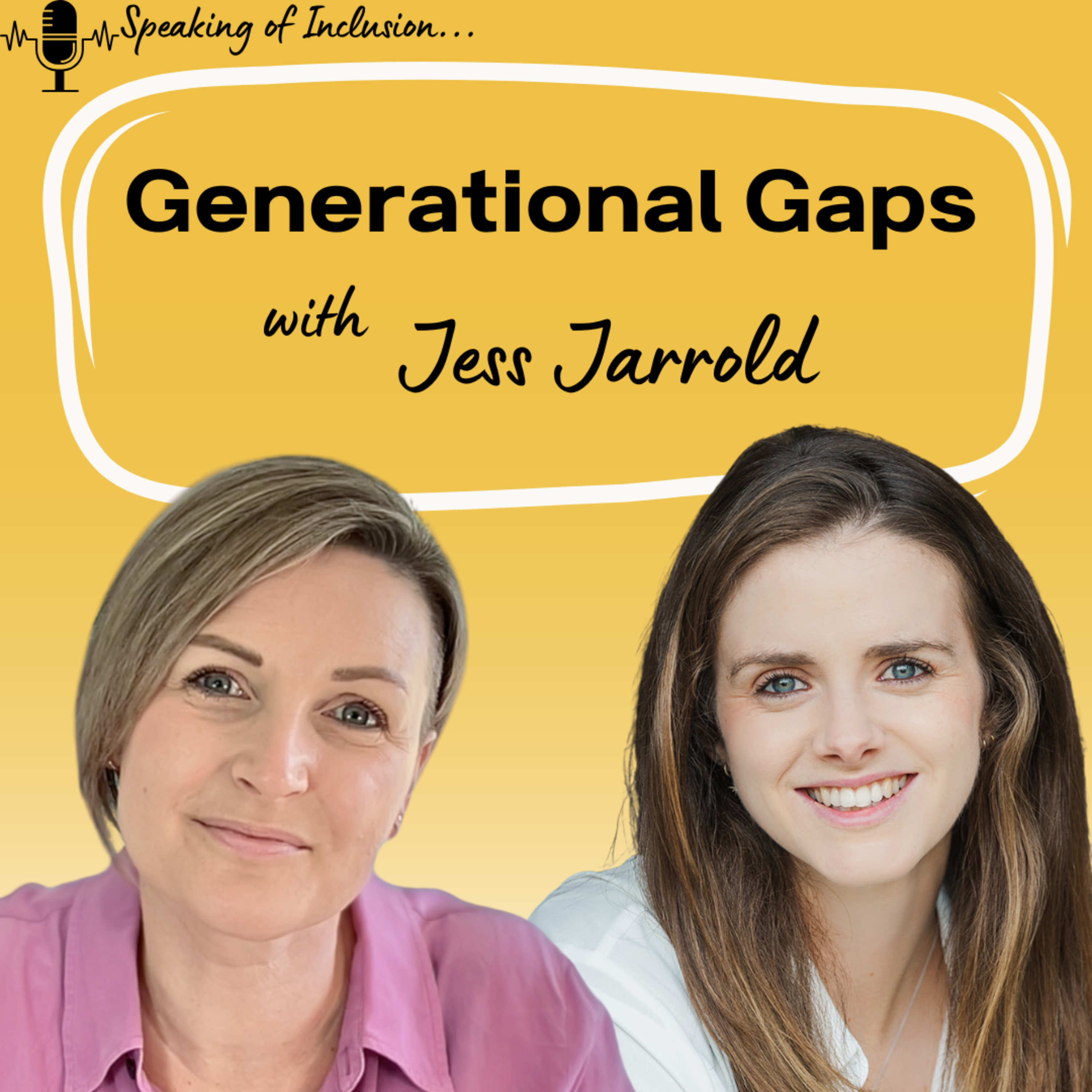
Generational Gaps - with Jess Jarrold
Jun 9, 2026
1h 09m 39s
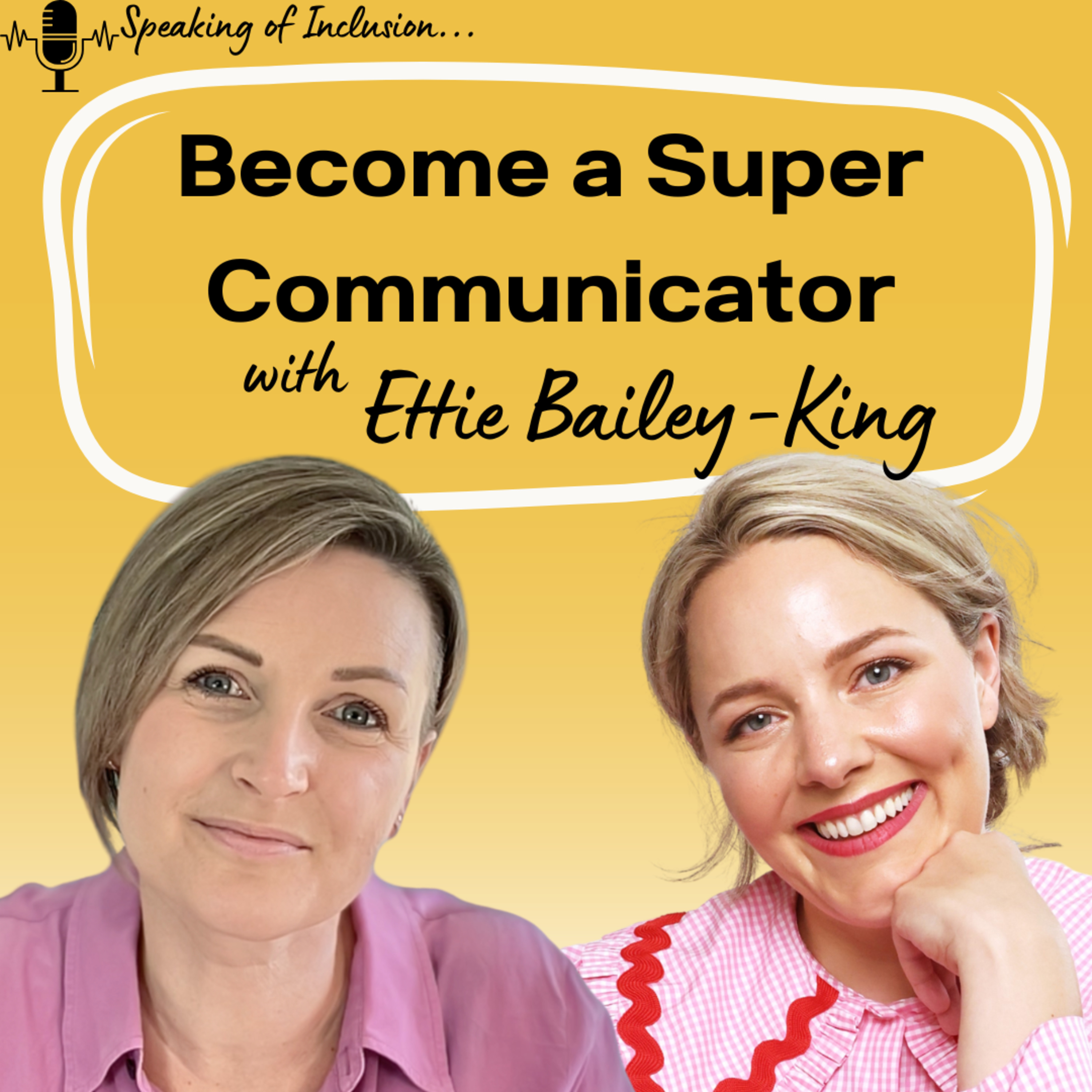
Become a Super Communicator - with Ettie Bailey-King
May 26, 2026
1h 04m 20s
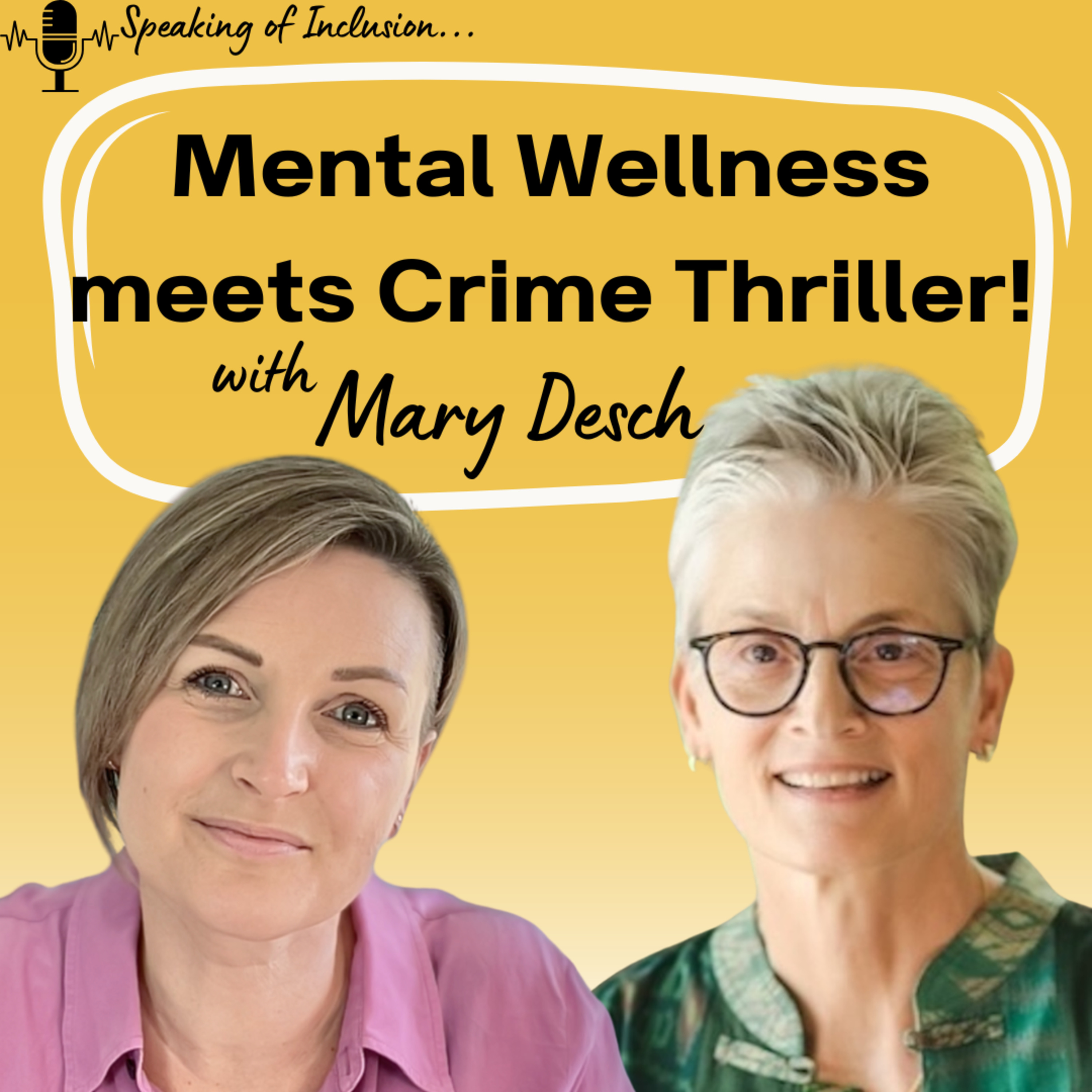
Mental Wellness meets Crime Thriller - with Mary Desch
May 12, 2026
1h 16m 05s
Practical Nutrition - with Sammy Williams
Apr 28, 2026
1h 04m 44s
Social Links & Contact
Official channels & resources
Official Website
Login
RSS Feed
Login
| Date | Episode | Topics | Guests | Brands | Places | Keywords | Sponsor | Length | |
|---|---|---|---|---|---|---|---|---|---|
| 6/23/26 | ![]() Lead from your heart - with Scott Martin | In this episode of Speaking of Inclusion… I am joined by Scott Martin. An award-winning soccer coach, author, quad amputee, and passionate disability advocate. We talk about his extraordinary journey, as captured in his recently released book, Play From Your Heart, which weaves together his experiences of resilience, dealing with disability, and his lifelong commitment to making football (soccer) and wider society more inclusive.Scott shared the pivotal moment when he survived necrotising fasciitis, leading to major life changes for him and his family, and also his abrupt realisation he was now part of the disability community. Scott shares candid stories ofdiscrimination and the reality of rebuilding confidence after trauma, all while attempting to continue his coaching career. We also touch on the wider themes of inclusion, disability advocacy, the beauty of football as a uniting force, especially during the World Cup, and the responsibilities of individuals and organisations to do more in creating genuinely accessible environments. Three Key Takeaways:The lived experiences of disabled people are still often sidelined and progress is required from both organisational approaches to change as well as individual open-mindedness.True inclusion means more than representation, and Scott is clear about the importance of seeing disabled colleagues or community members as fully human, not as simply defined by their difference.Resilience, community, and openness (plus a bit of footballing spirit) can help us challenge both inner doubts and external barriers.A question to reflect on:How can you ensure you’re not just including people with visible differences, but also ensuring you give them equitable opportunities to thrive in your community, workplace, or team?Things we said we’d include in this episode’s show notes:Direct links to buy Scott’s book, Play From Your HeartBuy Play From Your Heart from World of BooksBuyPlay From Your Heart from Amazon UKBuy Play From Your Heart from Amazon USScott’s contact details: reader.playfromyourheart@gmail.com with a note to mention the Speaking of Inclusion… podcast when reaching out. If you enjoyed today’s conversation, please consider buying me a virtual coffee and helping keep this podcast going. Visit: coff.ee/speakingofinclusionSpeaking of Inclusion is hosted by Katie Allen. Katie is a specialist inclusion consultant and confidence coach, offering a no BS approach to DEI and helping people become more confident in important human conversations.www.KatieAllenConsulting.comTheme music is courtesy of Epidemic Sounds - "No Drama" by Alder | — | ||||||
| 6/9/26 | ![]() Generational Gaps - with Jess Jarrold✨ | generational gapsleadership+3 | Jess Jarrold | Katie Allen Consulting Limited | — | leadership coachingcross-generational teams+3 | — | 1h 09m 39s | |
| 5/26/26 | ![]() Become a Super Communicator - with Ettie Bailey-King✨ | inclusive communicationaccessible language+3 | Ettie Bailey-King | Katie Allen Consulting Limited | — | super communicatorinclusive language+3 | — | 1h 04m 20s | |
| 5/12/26 | ![]() Mental Wellness meets Crime Thriller - with Mary Desch✨ | mental wellnessaddiction+4 | Mary Desch | Tangled Darkness | Portland, Oregon | mental healthaddiction recovery+4 | — | 1h 16m 05s | |
| 4/28/26 | ![]() Practical Nutrition - with Sammy Williams✨ | nutritionhealth+4 | Sammy Williams | Katie Allen Consulting Limited | — | nutritionintuitive eating+6 | — | 1h 04m 44s | |
| 4/14/26 | ![]() Being Safe People - with Cath Blayney✨ | allyshipidentity+4 | Cath Blayney | Katie Allen Consulting Limited | — | safe spacesallyship+5 | — | 1h 09m 53s | |
| 4/1/26 | ![]() Inclusion as a Competitive Edge - with Hacia Atherton✨ | inclusionpsychological safety+4 | Hacia Atherton | All Star ConsultingEmpowered Women in Trades+1 | — | inclusionpsychological safety+5 | — | 50m 53s | |
| 3/17/26 | ![]() Islamophobia - with Halyma Begum✨ | IslamophobiaEquality+4 | Halyma Begum | Equality, Diversity & Inclusion | UK | Islamophobiamicroaggressions+5 | — | 55m 44s | |
| 3/3/26 | ![]() Sleep is a Skill - with Beatrix Schmidt✨ | sleep coachinginsomnia+3 | Beatrix Schmidt | Sleep Skills for Life | — | sleep skillsinsomnia+5 | — | 1h 25m 12s | |
| 2/17/26 | ![]() Migration Without Shame - with Kamil Hejmanowski✨ | migrationidentity+3 | Kamil Hejmanowski | Katie Allen Consulting Limited | PolandUK | migrationshame+3 | — | 1h 08m 11s | |
Want analysis for the episodes below?Free for Pro Submit a request, we'll have your selected episodes analyzed within an hour. Free, at no cost to you, for Pro users. | |||||||||
| 2/3/26 | ![]() Society, Size, & Judgement – with Shannon Malone-deBenedictis✨ | body imagesize and appearance+4 | Shannon Malone-deBenedictis | Padlin CreativeDiscovery+2 | — | body imagefat shaming+5 | — | 1h 01m 29s | |
| 1/20/26 | ![]() Failure & Redemption - with Ryan Root✨ | hormone replacement therapypersonal struggle+4 | Ryan Root | Hormones for MeDope Martian | — | hormonestestosterone+6 | — | 1h 19m 02s | |
| 1/6/26 | ![]() Helping Teams “Click” - with Daria Rudnik✨ | team dynamicsleadership+3 | Daria Rudnik | Katie Allen Consulting LimitedClicking | — | team successhigh-performing teams+3 | — | 38m 35s | |
| 12/23/25 | ![]() The Current World & Traditional Medicine with Dr Tom Ingegno✨ | integrative medicinetraditional medicine+4 | Dr. Tom Ingegno | Charm City Integrative HealthcareWebMD+1 | — | integrative medicineholistic health+4 | — | 1h 07m 01s | |
| 12/9/25 | ![]() Breaking Our Silence - with Blanca E. Rodriguez✨ | sexual violencepersonal healing+4 | Blanca E. Rodriguez | Wounded Healer LLCTEDx | — | sexual violencehealing+5 | — | 56m 50s | |
| 11/18/25 | ![]() Stress Less Workplace | In today's episode of Speaking of Inclusion... I am joined by Jim Thorp, a health coach and workplace stress expert, to talk all things workplace stress. What triggers it, where it shows up in our lives, and most importantly, what we can actually do about it. Jim brings a grounded holistic perspective, encouraging us to consider both the physical and emotional aspects of stress, not just as individuals but as teams and organisations.Throughout our conversation, you'll hear real-world examples, from office temperature battles to the overlooked impact of home life on how we show up at work. We explore why striving for a completely stress-free workplace is probably a fantasy, and instead focus on actionable ways to move towards 'stressed less' environments. Jim Thorp shares practical advice for noticing stress, auditing wellbeing, and how small changes really do build towards happier, healthier teams.Three key takeaways you’ll get from this episode:Recognising stress, not just fighting it, is the first step toward reducing its impact, whether it's something you’re carrying into work from home or workplace irritations like hot desking and unfriendly coffee machines.Stress affects everyone differently, and the way an organisation addresses it must be just as varied. Generic fixes rarely work; understanding individual differences is crucial.Holistic health approaches (thinking beyond physical fitness to nutrition, sleep, emotional wellbeing, and even thermogenic stresses) can unlock better performance, greater inclusion and improved retention.While you’re listening today, I invite you to reflect on this question: How well do you recognise and respond to the sources of stress, both in yourself and your colleagues, and how could that change the everyday experience at work?You can connect with Jim via his website www.JTEthos.com or on LinkedIn JimThorpBefore you settle in, here’s a little request: If you enjoy the podcast and want to help keep it funded, head to coff.ee/speakingofinclusion and buy me a virtual coffee. Every cup goes a long way in helping us keep these human conversations going.Speaking of Inclusion is hosted by Katie Allen. Katie is a specialist inclusion consultant and confidence coach, offering a no BS approach to DEI and helping people become more confident in important human conversations. www.KatieAllenConsulting.comTheme music is courtesy of Epidemic Sounds – "No Drama" by Alder | — | ||||||
| 11/4/25 | ![]() Different is Okay - with Charlie Hart | In today's episode of Speaking of Inclusion... I am joined by Charlie Hart, perhaps better known online as "awesome Charlie, awesome with an AU." Charlie is a professional speaker on neurodiversity and LGBTQIA+ inclusion, and shebrings a powerful mix of lived experience, practical advice, and candid storytelling to our conversation.Trigger Warning – we do discuss Charlie’s personal experiences of her son’s death by suicide. We give a warning ahead of this section and it’s only a few minutes long if you need to skip ahead.We cover everything from what inspired Charlie’s advocacy journey (including how her son's autism diagnosis led to her own self-discovery and joining the “actually autistic” movement), to the importance of role models, and the waysmanagers and organisations can genuinely foster inclusion. Charlie shares honest examples from her own work and family, offering insight into the real impact when people are empowered to be themselves at work and beyond.Here are three things you’ll take away from this episode:The value of allowing everyone to set their communication preferences, and how simple adjustments in the workplace can have significant, positive effects oninclusion. Why role modelling vulnerability as a leader isn’t just about empathy, it’s essential to psychological safety and creates space for honest, productive conversations. The reality that “normal” is simply what’s been normalised, and why celebrating difference not only brings better outcomes at work but genuinely changes lives for the better.As you listen, consider this: How often do you pause to ask your colleagues or the people you care about what truly helps them feel included, supported, and understood?You can connect with Charlie Hart via:All social platforms: @AusomeCharlieWebsite: www.AusomeCharlie.co.ukAnd if you enjoyed this conversation, help support the show by buying me a virtual coffee at coff.ee/speakingofinclusion. Your support keeps the podcast funded and freely available for everyone.Speaking of Inclusion is hosted by Katie Allen. Katie is a specialist inclusion consultant and confidence coach, offering a no BS approach to DEI and helping people become more confident in important human conversations.www.KatieAllenConsulting.comTheme music is courtesy of Epidemic Sounds – "No Drama" by Alder | — | ||||||
| 10/21/25 | ![]() WooWoo in the Workplace - with Cheryl Thornton | In today’s episode of Speaking of Inclusion… I am joined by Cheryl Thornton, a coach, mentor, and facilitator who runs the Root and Rise women in business collective. Together, we’re taking a look at at the unexpected topic of “woo woo” into the workplace. Whether that's about trusting your gut, tuning in to spirituality (in whatever shape it takes for you), or simply making space in work for feelings and intuition alongside the usual logic and data.Cheryl and I both come from corporate leadership backgrounds where decision making is so often overwhelmingly rational and fact-based, and yet over time, we’ve each felt the call to balance that with our intuitive selves. We talk honestly about the fear of judgement that comes with showing up as your whole self at work, especially if you worry your peers might dismiss your more soul-led side as odd, silly, or irrelevant.If you’ve ever found yourself holding back from talking about feelings, gut instinct, or the less “concrete” elements of yourself at work, this episode is for you. Cheryl shares her experiences of losing (and then reconnecting) her intuition, and we dig into both the stigma and the practicalities of encouraging more honesty and humanity at work.Here are three key takeaways from our conversation:Balance isn’t about ditching logic for “woo woo”, it’s about allowing both to have a seat at the table. Your gut and intuition are just as important as your data and analysis when it comes to good decision-making, and having diverse perspectives leads to better outcomes for everyone.There is a real sense of safety that comes when people are able to contribute their perspectives without fear of judgement, even if those perspectives are driven by feelings, intuition, or unquantifiable experience. Leaders and colleagues alike can ask, “what’s your sense of this?” to invite more holistic inputs.You are not alone if you feel like you have to hide the more spiritual, soulful, or feeling-led parts of yourself at work. There is huge value, both personally and collectively, in learning to identify, embrace, and openly communicate your authentic self, even if it requires getting uncomfortable or doing the “hard self-care” work.As you listen, here’s a question for you to reflect on: How much of yourself do you actually bring to work, and what would change for you if you felt safe enough to share both your logic and your intuition? If you have questions for Cheryl, she can be contacted on:Website: www.cherylthornton.co.ukInstagram: @heartleddevelopmentLinkedIn: @Cheryl ThorntonIf you found this conversation important or valuable, please visit www.BuyMeACoffee.com and buy me a virtual coffee to help keep the podcast funded and these inclusion conversations going. The link is coff.ee/speakingofinclusion.Speaking of Inclusion is hosted by Katie Allen. Katie is a specialist inclusion consultant and confidence coach, offering a no BS approach to DEI and helping people become more confident in important human conversations.www.KatieAllenConsulting.comTheme music is courtesy of Epidemic Sounds – "No Drama" by Alder | — | ||||||
| 10/7/25 | ![]() Narcissistic Abusers - with Marysol James | In today’s episode of Speaking of Inclusion… I am joined by Marysol James, best-selling author, coach, and global speaker, who now specialises in supporting high achieving women to break free from narcissistic, abusive relationships. This episode carries an important trigger warning, as we confront the hidden realities of domestic abuse, manipulation, gaslighting, dog whistling, and the particular challenges high performing women face, both in their personal lives and in the workplace.Marysol bravely shares her own story of escaping a narcissistic relationship, despite years of international leadership experience, success, and self-confidence. Together, we explore why high achieving women can be especially vulnerable to such relationships, how these patterns manifest at work, and critically, what we can do, both as individuals and organisations, to address and interrupt the cycle of abuse.Here are three key takeaways from today’s conversation:Abuse doesn’t discriminate based on education, career, or confidence: High performing women are often targeted by narcissistic abusers precisely because of their resilience, success, and optimism about people’s potential, and these very qualities can keep them trapped.The patterns of narcissistic abuse are often subtle and corrosive, including cycles of love bombing, devaluation, and gaslighting, which can seriously impact not just home life but also professional performance, leading to micro-patterns at work that are frequently misunderstood as burnout or disengagement.There is an urgent need for workplace awareness and policy: Organisations are largely overlooking domestic abuse as a genuine workplace issue, yet the impact on wellbeing, retention, and business bottom lines is enormous. Noticing patterns, listening without judgement, and creating safer spaces for disclosure matters.As you’re listening, I invite you to reflect on this:If someone you knew was experiencing these subtle, persistent warning signs, would you know how to recognise them, and crucially, what to do next?If you are worried about someone experiencing domestic violence, or you yourself are in need of support you can reach out to Marysol directly via her website www.marysoljamescoaching.com, or contact the National Domestic Abuse Helpline on 0808 2000 247.If you found this conversation important or valuable, please visit www.BuyMeACoffee.com and buy me a virtual coffee to help keep the podcast funded and these inclusion conversations going. The link is coff.ee/speakingofinclusion.Speaking of Inclusion is hosted by Katie Allen. Katie is a specialist inclusion consultant and confidence coach, offering a no BS approach to DEI and helping people become more confident in important human conversations.www.KatieAllenConsulting.comTheme music is courtesy of Epidemic Sounds – "No Drama" by Alder | — | ||||||
| 9/9/25 | ![]() Honest Conversations - with Kate Fletcher | In today's episode of Speaking of Inclusion... I am joined by Kate Fletcher, Inclusion Member Manager for Dial Global and a former DEI specialist in the Met Police. In this chat we took off the filter and were honest about the realities of working in the diversity, equity and inclusion space. Not just in workplaces, but as human beings navigating the messy, imperfect, and sometimes uncomfortable world of DEI.In our conversation, Kate shares her unique journey from frontline police work to DEI leadership, reflecting on missteps, lessons learned, and the rocky road that’s led her (and so many of us) into this field. We explore what it really means to be “human” while doing this work, the need for constant learning (and unlearning), and why it’s crucial to examine not just what we get right, but where we get it wrong.Three key takeaways from this episode:The importance of context and lived experience: Both Kate and I share how our routes into DEI were fuelled by moments that made us feel angry, excluded, or overlooked, reminding us that no one ends up in this work by accident.Being complicit in problematic cultures: We talk about the survival tactics we used in challenging environments, from going along with “banter” to keeping quiet in the face of microaggressions, and the internal reckonings that prompted us to make noise and act differently, despite the risks.The real work of inclusion is messy: Whether it’s challenging organisational structures, redefining who gets heard in networks, or checking our own biases, genuine progress is rarely neat. It involves acknowledging our own past mistakes, calling out systemic problems, and learning to create psychologically safe spaces for honest conversation.A question for you to reflect on as you listen: Where in your own work or life have you accommodated the comfort of others at the expense of your own values? What would need to be different for you to choose otherwise next time?Things we said we'd include in this episode's show notes:Kate Fletcher's LinkedIn profile (for anyone wanting to connect with her directly) @KateFletcherIf you’d like to support the show and help keep Speaking of Inclusion funded, please head over to coff.ee/speakingofinclusion and buy me a virtual coffee. Your support is always appreciated!Speaking of Inclusion is hosted by Katie Allen. Katie is a specialist inclusion consultant and confidence coach, offering a no BS approach to DEI and helping people become more confident in important human conversations.www.KatieAllenConsulting.comTheme music is courtesy of Epidemic Sounds – "No Drama" by Alder | — | ||||||
| 8/19/25 | ![]() Introversion - with Sharon Hurley Hall (again) | In today’s episode of Speaking of Inclusion... I am joined by Sharon Hurley Hall, who returns to the podcast for an another honest and thoughtful conversation, this time about introversion and what it means to show up authentically in a world that seems built for extroverts. If you missed Sharon’s previous episode, where we discussed anti-racism and colourism, don’t worry – you can pop back in to listen to that next, as today’s discussion stands beautifully on its own.Together, Sharon and I explore the nuances of introvert energy, navigating social expectations, workplace environments, and the all-too-familiar challenge of finding your own rhythm in groups both online and offline. As someone firmly on the extrovert spectrum, I found it fascinating to compare our experiences and to learn the ways Sharon creates space for herself in a world that often doesn’t. We also talk about the importance of language in defining who we are, strategies for managing energy, and how each of us can advocate for our own needs in professional and personal spheres.Here are three key takeaways from this episode:Introversion isn’t a deficit or a superpower – it’s simply one way of experiencing the world, and everyone benefits when we move away from labelling certain traits as “better” or “worse.”Knowing and advocating for your own needs – whether that’s requesting quiet spaces at work, blocking out time for rest, or being honest with friends about needing downtime – is essential to both your wellbeing and your relationships.There are countless ways to participate and be visible, especially online; it’s about experimenting and finding what aligns with your own energy, rather than following prescriptive rules about how to network or “put yourself out there.”While you listen, here’s a question to reflect on: What do you need to truly recharge in your work or social life, and how often do you give yourself permission to ask for it?Things we said we'd include in this episode's show notes:Sharon’s fiction recommendation: Babel by RF KuangBook tracking app: The StoryGraph (founded by a Black woman and an alternative to Goodreads)You can connect with Sharon by visiting her website or connecting with her on LinkedInwww.SharonHH.comSharon on LinkedInIf you find value in these conversations and want to help keep Speaking of Inclusion going, please consider buying me a virtual coffee at coff.ee/speakingofinclusion – your support genuinely helps to keep the show funded and independent.Speaking of Inclusion is hosted by Katie Allen. Katie is a specialist inclusion consultant and confidence coach, offering a no BS approach to DEI and helping people become more confident in important human conversations.www.KatieAllenConsulting.comTheme music is courtesy of Epidemic Sounds – "No Drama" by Alder | — | ||||||
| 8/5/25 | ![]() Anti-Racism & Colourism - with Sharon Hurley Hall | In today’s episode of Speaking of Inclusion, I am joined by Sharon Hurley Hall: author, educator, and anti-racism activist.Sharon is well known for her insightful anti-racism newsletter, and her book “I’m Tired of Racism: True Stories of Existing While Black and Exploring Shadism”. Sharon’s work has been a huge influence on my understanding of inclusion, and I’m so pleased to bring this conversation to you.In our chat, we explore everything from colourism and the origins of racism, to white saviourism and how anti-Blackness continues to shape our world today. Sharon generously shares her personal experiences, how she found her voice as an anti-racism writer, and why collective unlearning is crucial if we ever hope to build a fairer society.Here are three key takeaways you’ll want to listen for:Race is a made-up social construct – but racism is devastatingly real, impacting the everyday lived experiences of Black people and those racialised as non-white.The legacy of colonialism and colourism continues to play a direct role in present-day inequalities, shaping everything from beauty standards to the world’s economies.The importance of moving from learning to action – it’s not enough to simply be more informed; the difference comes when we ask ourselves what we will do differently as a result.As you listen, reflect on this question:What stories have you inherited about race, and how might they still be influencing your thoughts, actions, and assumptions today?Things we said we'd include in this episode's show notes:A link to Sharon Hurley Hall’s Anti-Racism Newsletter > HEREFact check about the origins and meaning behind the board game Monopoly > HEREReference to “Citizens” and the authors names I couldn't remember being Jon Alexander and Ariane Conrad.Reticular activating system (RAS) being the term I couldn't remember that means we always see red cars when we just bought a red car.If you’re enjoying the podcast and want to help keep Speaking of Inclusion on the airwaves, please consider buying me a virtual coffee – your support really does make a difference. Just pop over to coff.ee/speakingofinclusion and bung me a few quid.Speaking of Inclusion is hosted by Katie Allen. Katie is a specialist inclusion consultant and confidence coach, offering a no BS approach to DEI and helping people become more confident in important human conversations.www.KatieAllenConsulting.comTheme music is courtesy of Epidemic Sounds – “No Drama” by Alder | — | ||||||
| 7/22/25 | ![]() Birth Trauma & Healing - with Michelle Knight | In today's episode of Speaking of Inclusion... I am joined by Michelle Knight, a consultant, midwife and birth trauma specialist, to tackle the complex, emotional, and frequently misunderstood world of birth trauma and the broader issues around birth, parenthood, and support in our society.Michelle shares her journey from training as a nurse, to working as cabin crew, and then finally discovering her true calling within midwifery. We talk about how her instinct for caring for people, paired with cultural awareness and trauma-informed practice, shapes the vital support she offers today. And it’s not only to those experiencing birth trauma but also to organisations looking to create inclusive, safe spaces for their teams.Three key takeaways from this episode:1. Birth trauma isn’t just about the moment of birth; it’s shaped by expectations, communication gaps, cultural narratives, and the lingering effects on both the birthing person and their families. Addressing trauma is a holistic, ongoing process that often requires sensitive debriefing and acknowledgement of everyone’s unique circumstances.2. Societal assumptions about who "should" have children, as well as workplace expectations around parental leave and return-to-work, profoundly impact mental health and inclusion. Support must extend to all people, regardless of gender identity, parenting status, or family structure.3. Healing after birth trauma, or through any major life transition, can be supported by holistic practices such as talking therapies, meditation, and practical adjustments in the workplace. Listening, making time, and creating space for open conversations are crucial, both at home and at work.As you listen to this episode, I invite you to consider: How inclusive and supportive are the conversations and policies around birth, parenthood, andlife choices in your workplace or community? Are there assumptions or gaps, and what small changes could you make to create more space for everyone’s lived experience?Things we said we'd include in this episode’s show notes:A reminder that you can book a free 30-minute consultation with Michelle to talk more about your personal circumstances, or get support if you’re an organisation. Enjoyed this episode? Why not buy me a coffee using this link https://coff.ee/speakingofinclusionAnd get in touch with Michelle:Website - www.MichelleKnight-Consultant.comSocials - @MichelleKnightConsultantEmail – babycatcher1963@icloud.com Speaking of Inclusion is hosted by Katie Allen. Katie is a specialist inclusion consultant and confidence coach, offering a no BS approach to DEI and helping people become more confident in important human conversations. www.KatieAllenConsulting.comTheme music is courtesy of Epidemic Sounds - "No Drama" by Alder. | — | ||||||
| 6/24/25 | ![]() Raising Voices - with Vicky Quinn Fraser | In today’s episode of Speaking of Inclusion, I am joined by Vicky Quinn Fraser, a book coach, writer, and champion for underrepresented voices in non-fiction publishing. Together, we explore Vicky’s refreshingly honest journey through an ADHD and autism diagnosis in her forties, and discuss what it means to navigate a world not quite built for you. From the challenges of the traditional publishing industry to the joy (and trials) of self-publishing, Vicky shares her passion for making space for more diverse stories and why every perspective matters, especially the ones society too often overlooks.During our conversation, Vicky shares why owning our labels (and the choice to use or reject them) can be both liberating and complicated. We talk about the importance of enabling honest feedback, whether you’re writing a book or leading a team in the workplace, and why hearing a wider range of human stories is crucial, not just in books but in building truly inclusive organisations. And, in what is now a Speaking of Inclusion tradition, we leave in a little unplanned moment: Vicky’s Alexa burst into song, leading to a "Name That Tune" competition (and a chance to win a free book if you can guess the melody).Three key takeaways from this episode:Diagnosis is nuanced: Receiving a late diagnosis of ADHD and autism can be both a relief and a challenge. Vicky reminds us that labels can help us find community and explain our experiences, but shouldn’t be a source of shame.Representation is essential: The traditional publishing world hasn’t always been welcoming to marginalised voices, but independent publishing is shaking that up. Your lived experience is valuable, and your story deserves to be told.Create safer spaces for feedback: Whether you’re writing a book, leading a team, or advocating for inclusion, genuinely inviting and handling honest feedback (and giving yourself space to process it) is vital for growth and real change.As you listen, consider this:What stories, your own or those around you, are going unheard in your workplace, and what practical steps could you take to help those voices be shared?We said we’d include in this episode’s show notes:Book recommendation: The Six Conversations We're Scared to Have by Deborah Frances-WhiteDrop in the comments or email Katie to enter the Name That Tune competition for a chance to win a copy of Vicky’s book (hello@katieallenconsulting.com)Where to sign up for Vicky’s entertaining and insightful email newsletter (moxiebooks.co.uk/notes-in-the-margin)Vicky’s book titles, including “How the Hell Do You Write a Book?” and “Don’t Eat the Frog”Vicky can be connected with on LinkedIn @VickyQuinnFraser and Instagram @TinyBeetleStepsSpeaking of Inclusion is hosted by Katie Allen. Katie is a specialist inclusion consultant and confidence coach, offering a no BS approach to DEI and helping people become more confident in important human conversations.www.KatieAllenConsulting.comTheme music is courtesy of Epidemic Sounds - "No Drama" by Alder | — | ||||||
| 6/10/25 | ![]() Challenging Biases - with Erefa Coker | In today’s episode of Speaking of Inclusion… I am joined by Erefa Coker, a specialist in talent acquisition and cross-cultural integration. Erefa is the founder of Imo Talent, a company bridging the gap between global organisations and top talent from Africa. In this conversation we explore how biases, both conscious and unconscious, surface when it comes to considering the skills and expertise of people outside of our familiar frames of reference. It's an honest look at the hesitations, assumptions, and sometimes uncomfortable realities that organisations face when considering hiring people on a globally remote basis. Erefa candidly details the barriers she encounters, from questions of trust and language to subtler (and sometimes not so subtle) forms of anti-Black racism. As we unpack these issues together, I encourage you to listen with curiosity and to reflect on your own internal responses as the discussion unfolds.Here are three key takeaways from today’s episode:Bias in Talent Acquisition: Despite an undeniable abundance of skilled and motivated candidates in Africa, biases often mean organisations bypass African talent in favour of more familiar locations. These attitudes reveal much about ingrained perceptions around culture, qualifications, and trust.Cross-Cultural Opportunities and Learning: Offshoring isn’t just a business decision, it’s an opportunity for genuine cross-cultural exchange. Erefa describes how organisations and talent both benefit when they move past assumptions and embrace the rich perspectives that emerge when global teams collaborate.The Persistence of Anti-Black Racism: Our discussion doesn’t shy away from the discomfort of recognising how anti-Blackness can show up in the workplace, within hiring processes and even among Black communities themselves. Erefa offers her lived insights on colourism, name biases, and the exhausting reality of second-guessing one’s place in so many professional interactions.As you listen, I’d like you to reflect on this question: How do your own reservations (about geography, culture, or simply the unfamiliar) affect the way you view potential candidates, or source new talent? We said we'd include in this episode's show notes:Erefa’s LinkedIn profile: https://www.linkedin.com/in/erefa-fynecontry-coker/Ima Imo’s website: www.imo-talent.appSpeaking of Inclusion is hosted by Katie Allen. Katie is a specialist inclusion consultant and confidence coach, offering a no BS approach to DEI and helping people become more confident in important human conversations.www.KatieAllenConsulting.comTheme music is courtesy of Epidemic Sounds – “No Drama” by Alder | — | ||||||
Showing 25 of 68
Pitch Fit is a Pro feature
See how bookable this show is for guests, which brands already advertise, the per-episode ad value, and the best-fit guest and sponsor profile. The numbers are blurred on the free plan.
How readily this show books outside guests like you.
How proven this show is for host-read sponsorships.
For Guests
ProFor Advertisers
ProUpgrade to Pro to unlock guest cadence, sponsor categories, fit scores, and per-episode ad value for this show.