

Insights from recent episode analysis
Audience Interest
Podcast Focus
Publishing Consistency
Platform Reach
Insights are generated by CastFox AI using publicly available data, episode content, and proprietary models.
Total monthly reach
Estimated from 17 chart positions in 17 markets.
By chart position
- 🇦🇺AU · Life Sciences#1705K to 30K
- 🇳🇱NL · Life Sciences#7710K to 30K
- 🇮🇹IT · Life Sciences#7810K to 30K
- 🇲🇽MX · Life Sciences#1031K to 10K
- 🇮🇳IN · Life Sciences#1291K to 10K
- Per-Episode Audience
Est. listeners per new episode within ~30 days
34K to 121K🎙 ~2x weekly·48 episodes·Last published today - Monthly Reach
Unique listeners across all episodes (30 days)
67K to 242K🇦🇺12%🇳🇱12%🇮🇹12%+14 more - Active Followers
Loyal subscribers who consistently listen
27K to 97K
Market Insights
Platform Distribution
Reach across major podcast platforms, updated hourly
Total Followers
—
Total Plays
—
Total Reviews
—
* Data sourced directly from platform APIs and aggregated hourly across all major podcast directories.
On the show
Recent episodes
CRISPR, MPRA, and the genetics of mental health
Jun 24, 2026
Unknown duration
From prototype to production – solving the scale-up gap
Jun 10, 2026
Unknown duration
The real cost of PCR - beyond price per reaction
May 27, 2026
Unknown duration
The molecular toolkit behind HIV research
May 13, 2026
Unknown duration
DNA-encoded library use in living cells for drug discovery
Apr 22, 2026
Unknown duration
Social Links & Contact
Official channels & resources
Official Website
Login
RSS Feed
Login
| Date | Episode | Description | Length | ||||||
|---|---|---|---|---|---|---|---|---|---|
| 6/24/26 | 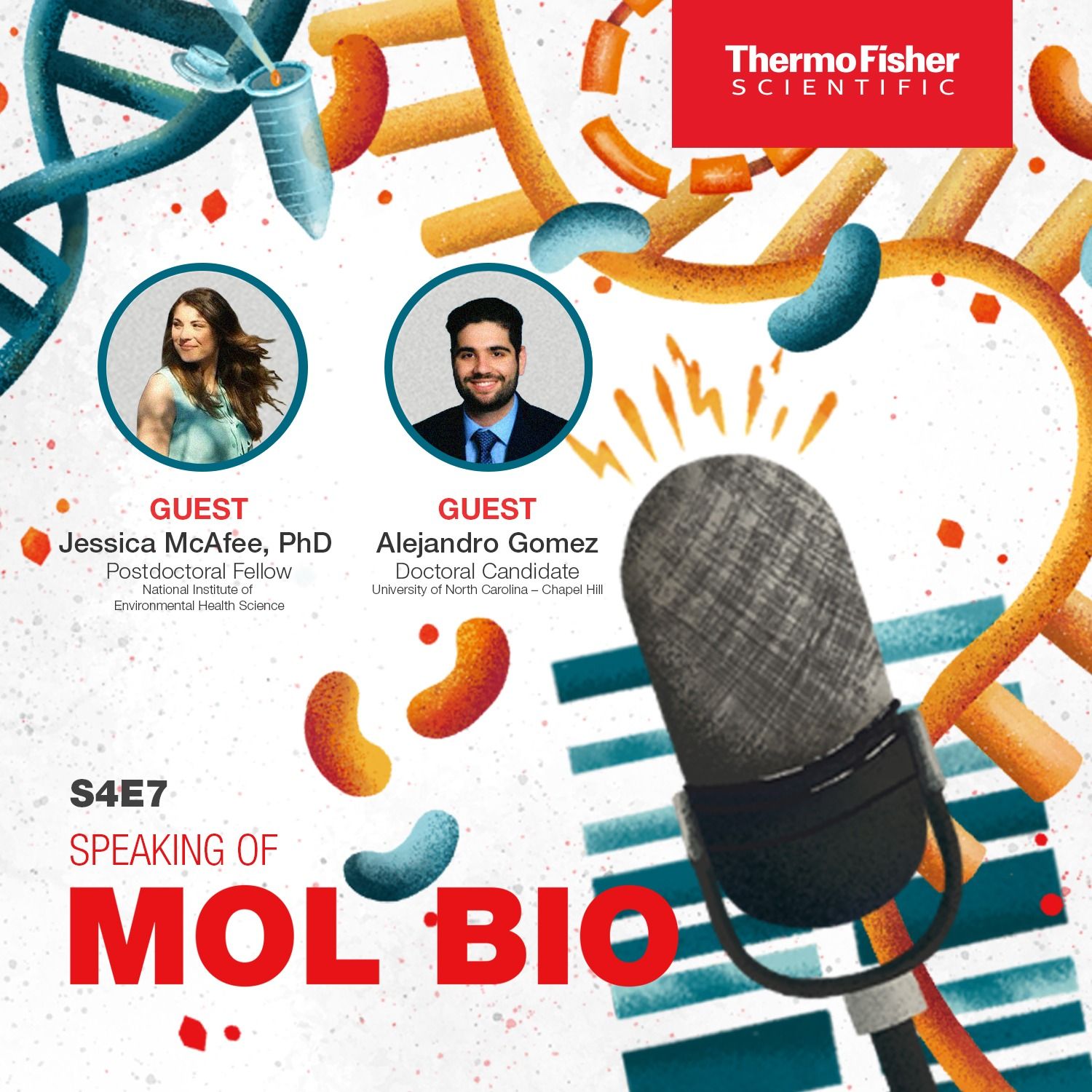 CRISPR, MPRA, and the genetics of mental health | In this episode, Jess McAfee, PhD, and Alejandro Gomez discuss how massively parallel reporter assays, CRISPRi, single-cell RNA sequencing, and other molecular biology tools can help researchers better understand genetic variants linked to psychiatric disorders. They also share their winding early-career paths, what drew them to CRISPR, and why persistence, mentorship, and curiosity matter in science. | — | ||||||
| 6/10/26 |  From prototype to production – solving the scale-up gap | Scaling a successful assay into a manufacturable product is one of the biggest hurdles in biotech. This episode explores how integrated design, prototyping, and manufacturing approaches can eliminate bottlenecks and accelerate commercialization. | — | ||||||
| 5/27/26 | 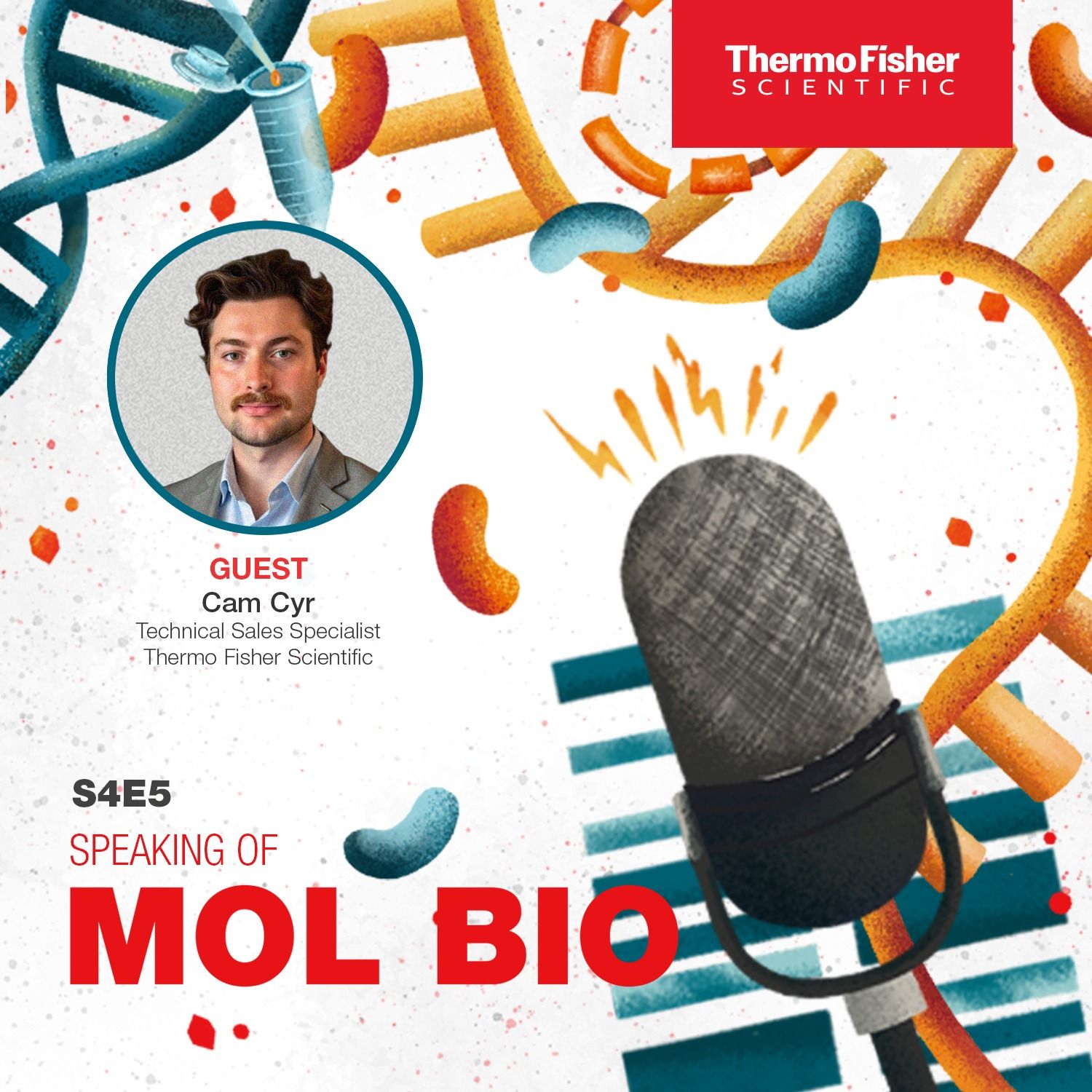 The real cost of PCR - beyond price per reaction | How do scientists balance cost, performance, and risk when choosing molecular biology tools? Cam Cyr shares real-world insights into how smarter reagent decisions can accelerate research and reduce costly experimental failures. | — | ||||||
| 5/13/26 | 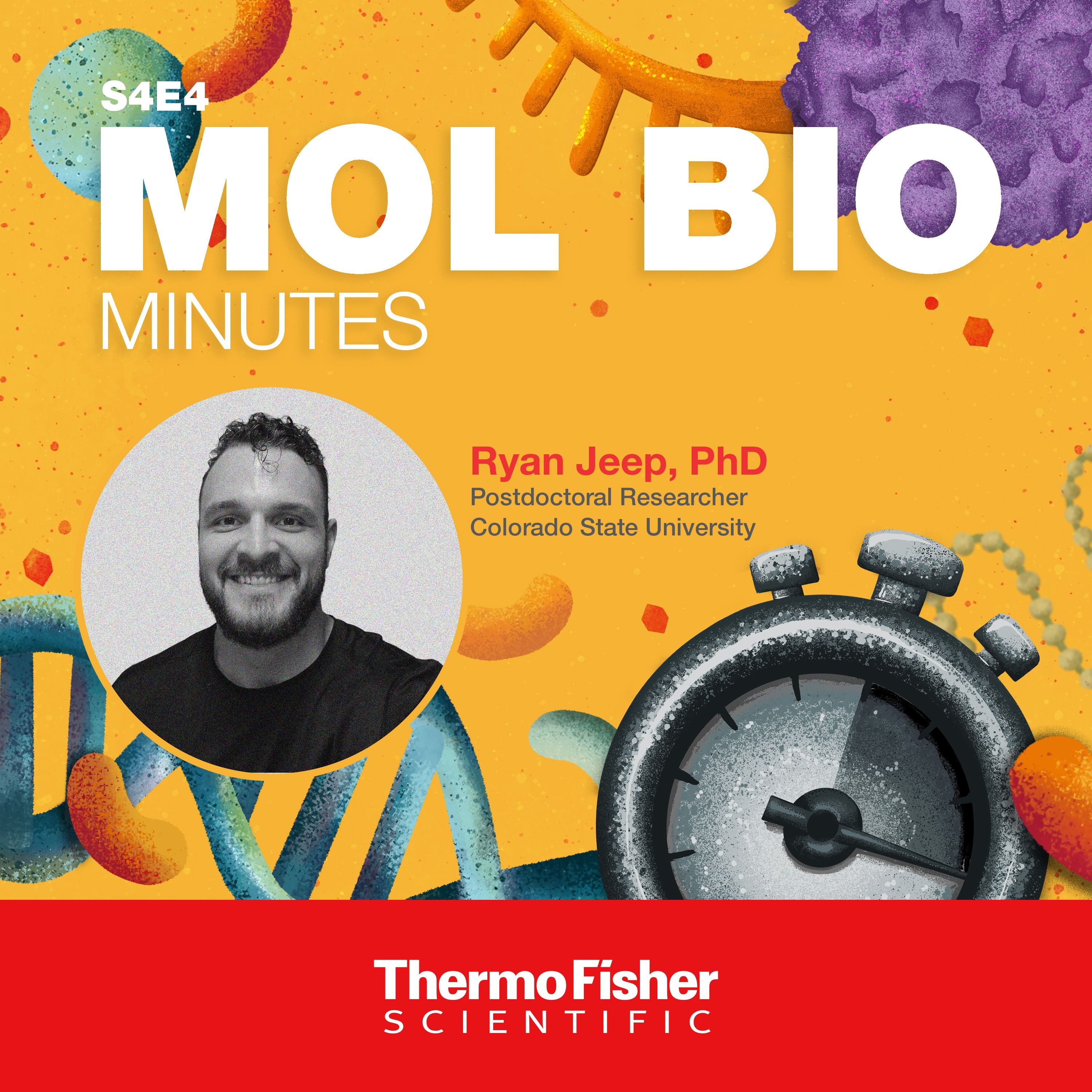 The molecular toolkit behind HIV research | Dr. Ryan Jeep explores how core molecular biology techniques like qRT-PCR, sequencing, cloning, and CRISPR underpin modern HIV detection, drug resistance research, and emerging cure strategies. From viral load monitoring to gene editing, this episode highlights how foundational molecular tools drive real-world impact in HIV research. | — | ||||||
| 4/22/26 | 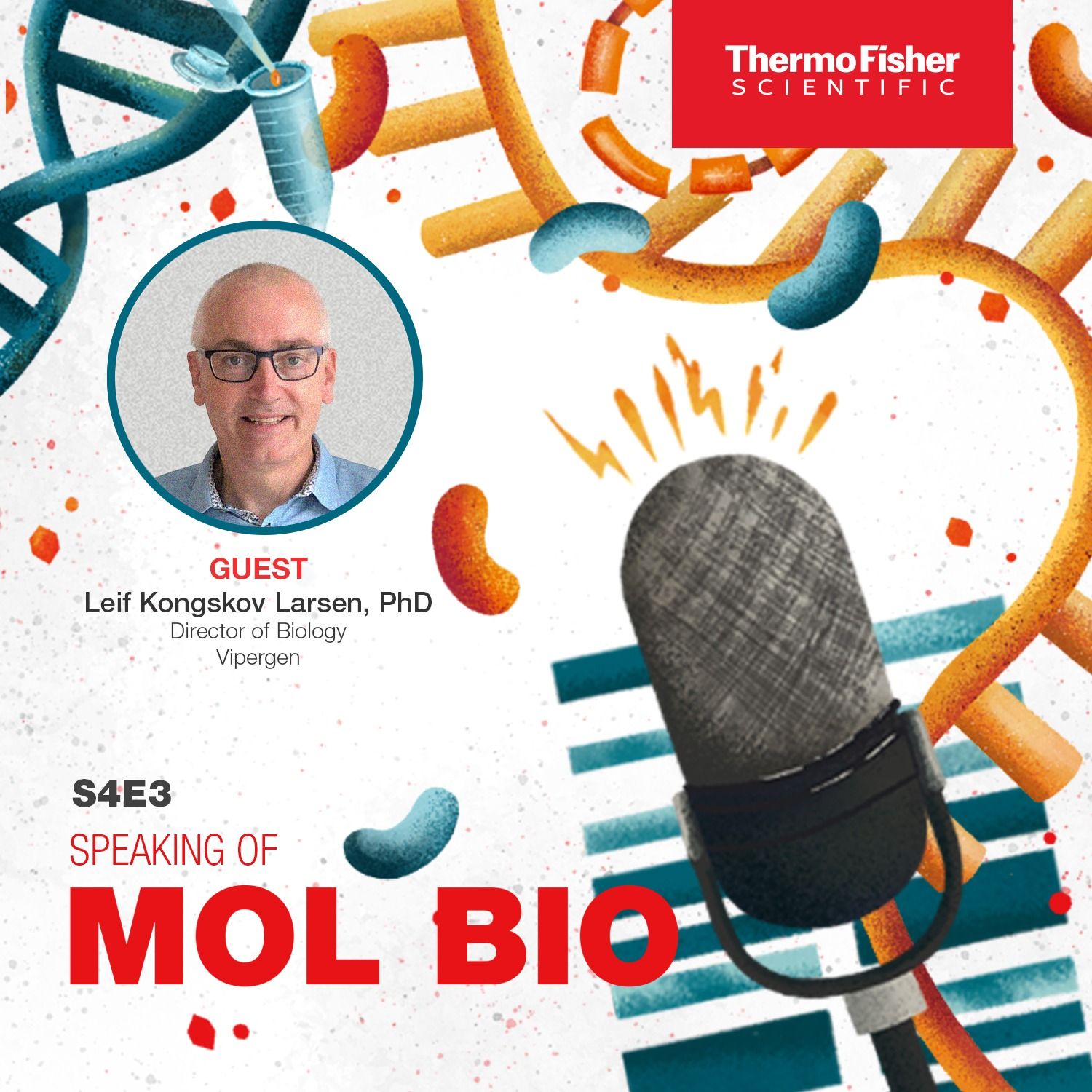 DNA-encoded library use in living cells for drug discovery | Dr. Leif Larsen discusses how DNA-encoded libraries (DELs) are transforming drug discovery by enabling scientists to screen hundreds of millions of compounds simultaneously. He explains Vipergen’s innovative approach to screening DELs inside living oocyte cells, offering physiologically relevant insights into protein–compound interactions. | — | ||||||
| 4/8/26 | 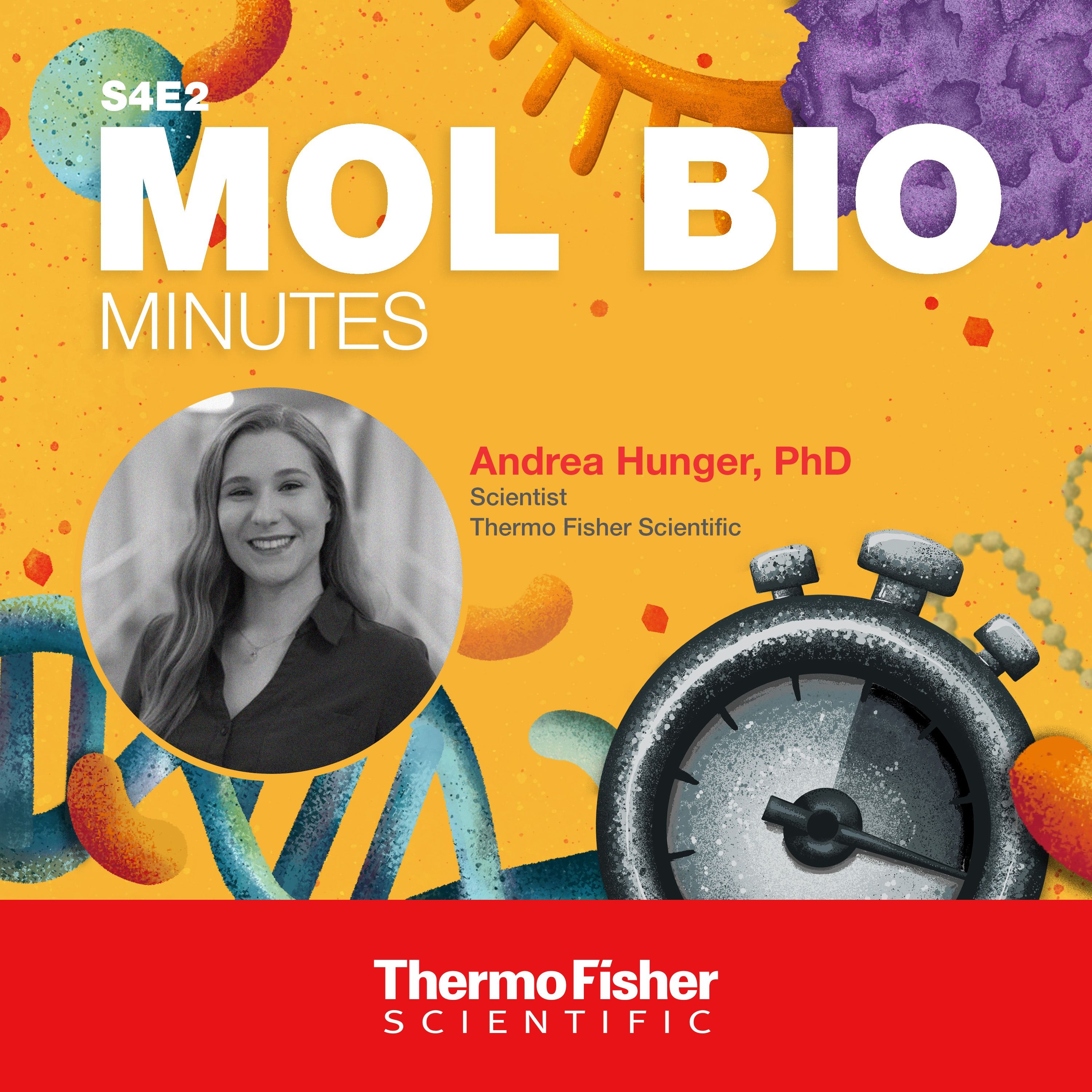 Choosing the right PCR method for your experiment | Dr. Andrea Hunger explains the key differences between endpoint PCR, qPCR, and digital PCR, highlighting when each method is most useful in molecular biology workflows. The episode provides practical guidance on selecting the right PCR approach based on experimental goals, from simple presence/absence detection to precise absolute quantification. | — | ||||||
| 3/25/26 | 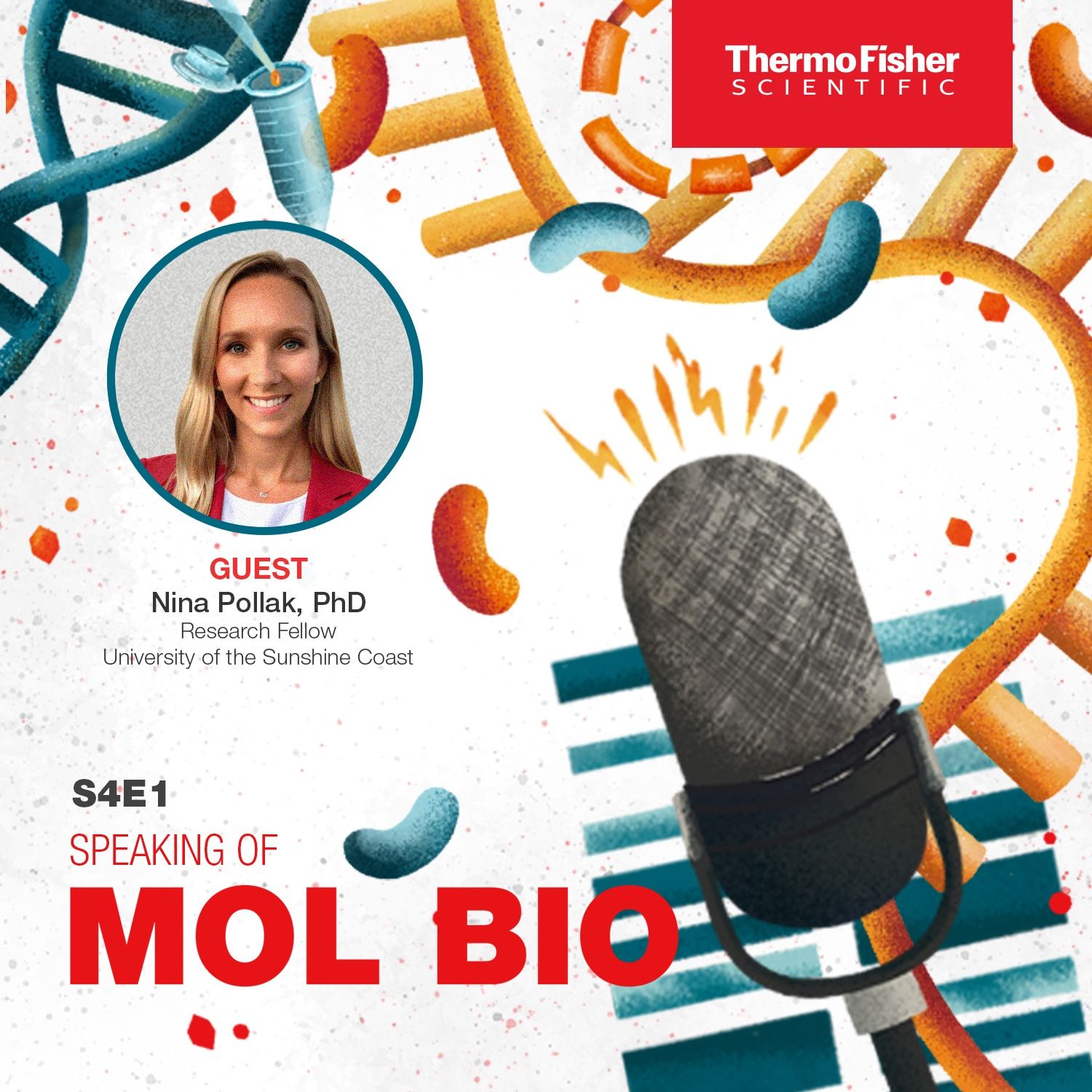 From bench to bushland ─ developing a koala chlamydia vaccine | Dr. Nina Pollak discusses the development of a groundbreaking single-dose vaccine designed to protect endangered koalas from Chlamydia pecorum, a major driver of disease and infertility in wild populations. The conversation highlights how traditional molecular biology tools, from recombinant protein expression to PCR detection, are enabling conservation efforts with real-world ecological impact. | — | ||||||
| 12/24/25 | 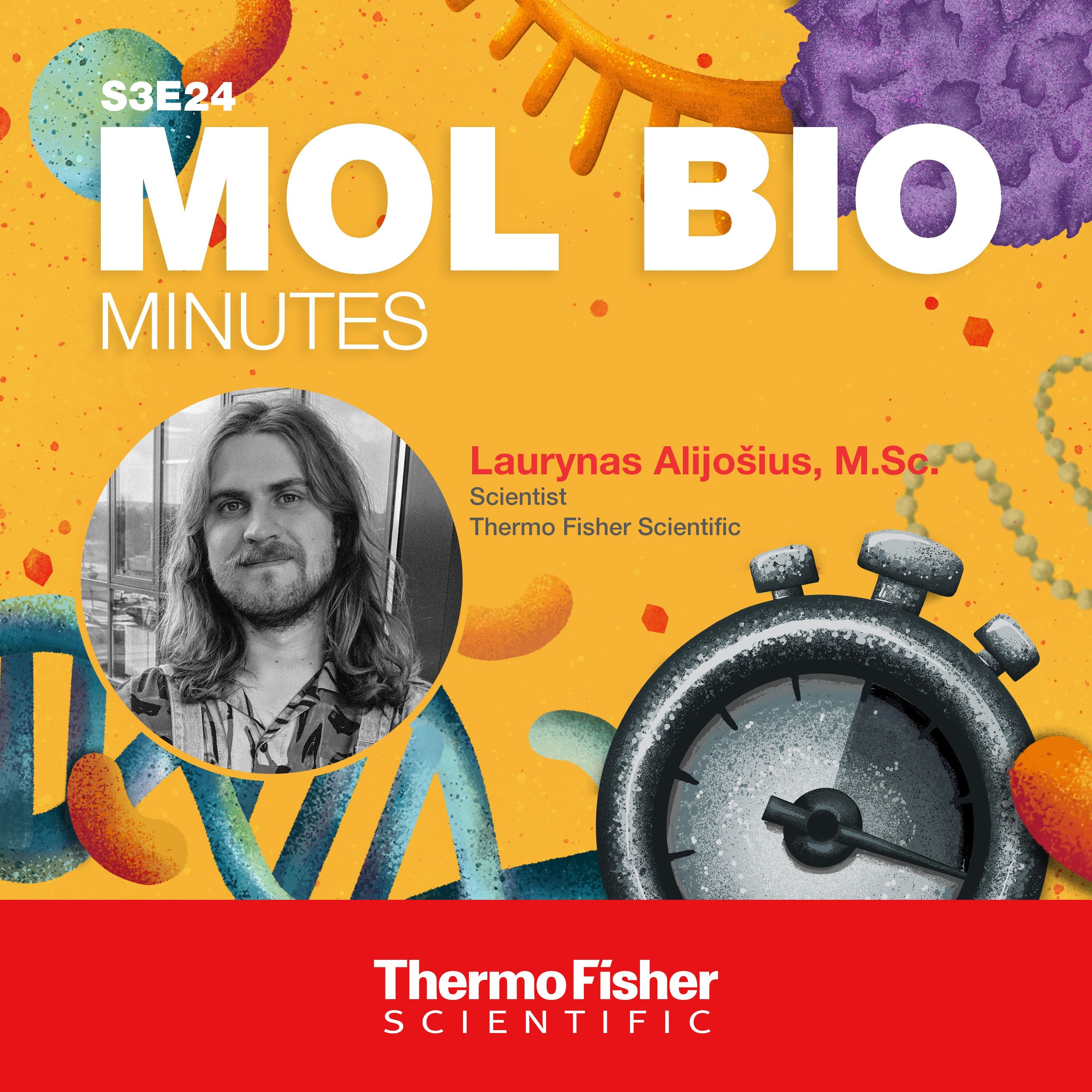 How RCA supercharges NGS library prep | Rolling Circle Amplification (RCA) is an isothermal technique that offers high-yield, primer-free DNA amplification, perfect for circular DNA and low-input samples. In this episode, Laurynas Alijošius explains how RCA fits into the pre-NGS workflow and how new engineered polymerases are improving speed, fidelity, and sensitivity. | — | ||||||
| 12/10/25 | 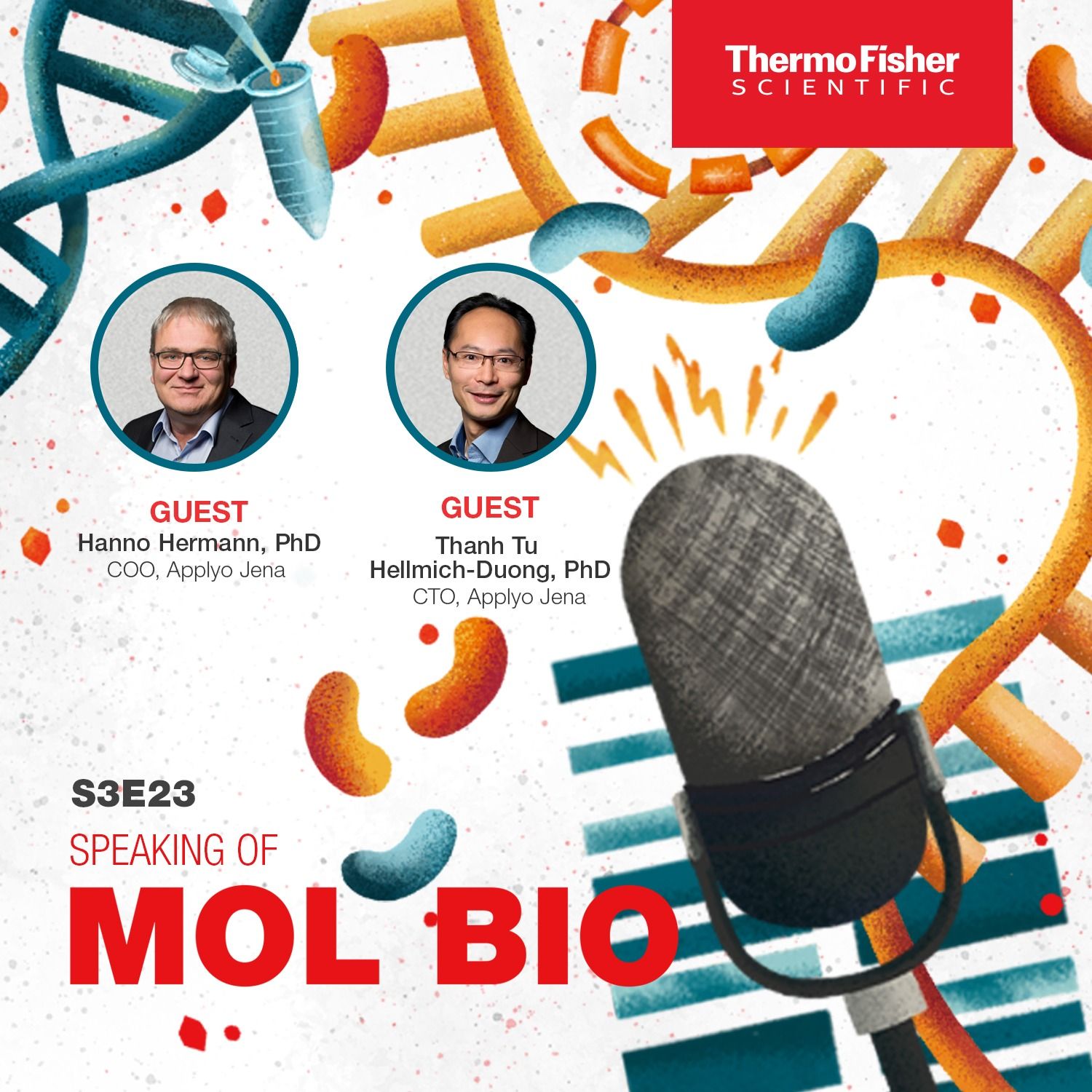 No cold chain? No problem—inside the world of lyo-beads | Applyo Jena is redefining how sensitive reagents are stored, shipped, and used in molecular biology and diagnostics. In this episode, co-founders Dr. Hanno Hermann and Dr. Thanh Tu Hellmich-Duong share how their lyo-bead platform is enabling field-deployable assays, cold-chain-free shipping, and future applications in mRNA therapeutics and nanoparticle purification. | — | ||||||
| 11/20/25 | 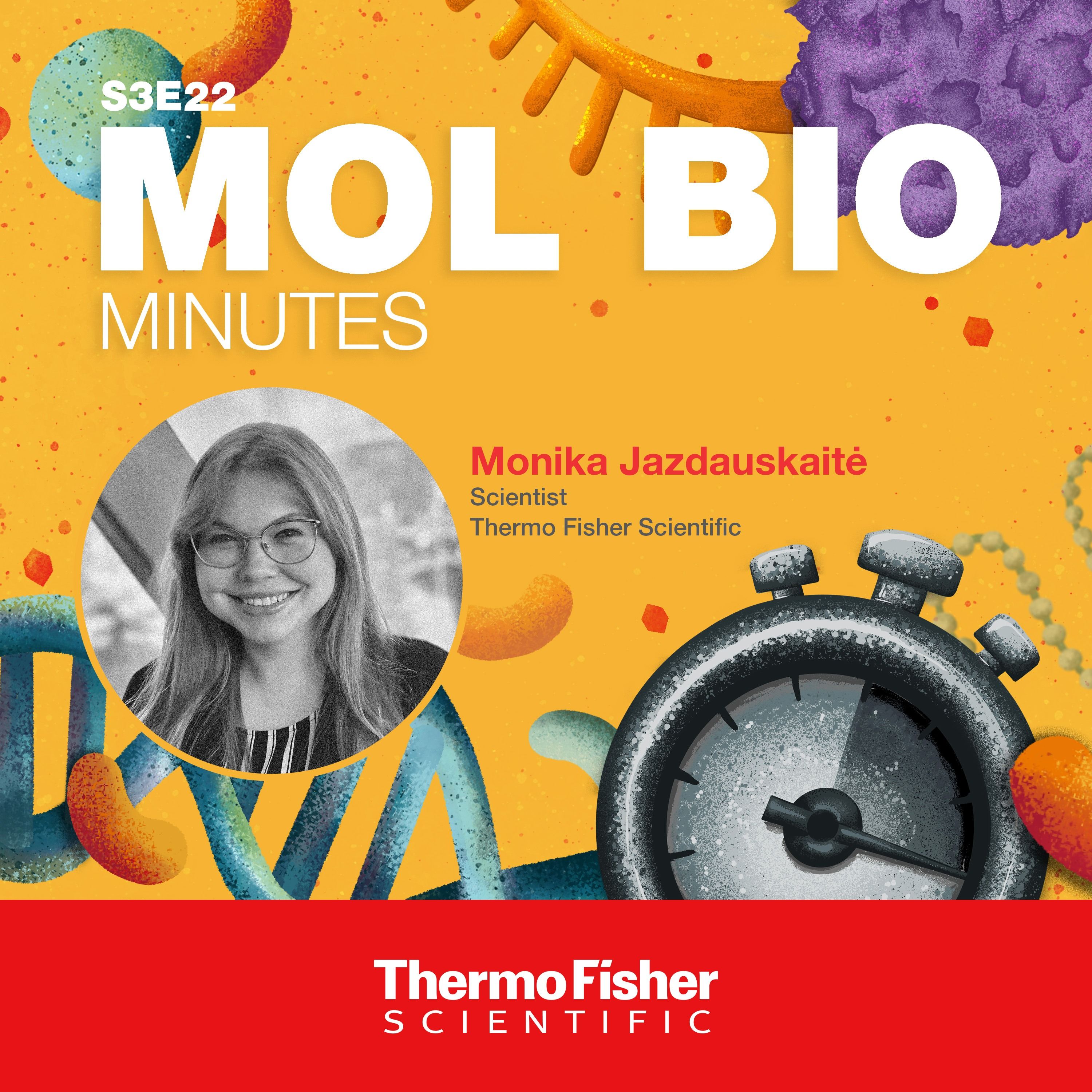 Simmer, don’t cycle—a molecular biologist’s guide to RPA | Monika Jazdauskaitė, R&D scientist at Thermo Fisher Scientific, explains the fundamentals of Recombinase Polymerase Amplification (RPA) and how this isothermal technique is transforming both target detection and NGS workflows. From pathogen identification to sequencing library prep, RPA offers speed, simplicity, and flexibility without even thermal cycling. | — | ||||||
Want analysis for the episodes below?Free for Pro Submit a request, we'll have your selected episodes analyzed within an hour. Free, at no cost to you, for Pro users. | |||||||||
| 11/5/25 |  De-risking drug development using functional human tissues | Dr. Andre Ghetti, CEO of AnaBios, joins to discuss how his company helps de-risk drug development by using ethically sourced, functional human tissues to generate preclinical data. He shares how AnaBios bridges the translational gap between animal models and clinical trials through precision assays, AI-powered analytics, and validated human tissue platforms. | — | ||||||
| 10/22/25 | 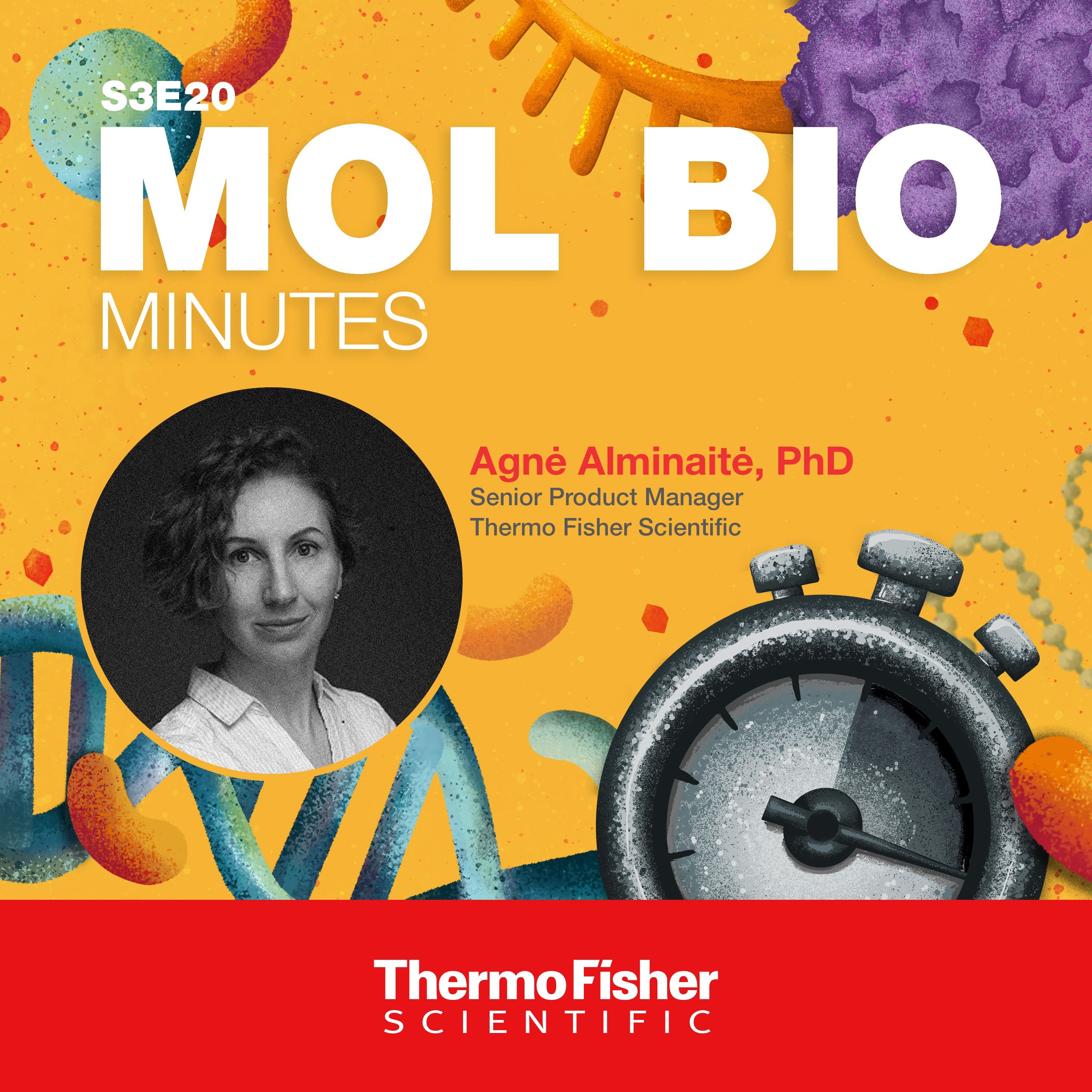 No lyophilizer? No problem. Dry-Ready reagents explained. | Dr. Agnė Alminaitė introduces Thermo Fisher Scientific’s new Dry-Ready™ reagent kits for RT-LAMP and RT-qPCR assays, offering room temperature stability without requiring lyophilization. She explains how these kits simplify workflows, reduce equipment needs, and help assay developers bring stable, reliable tests to market faster. | — | ||||||
| 10/8/25 | 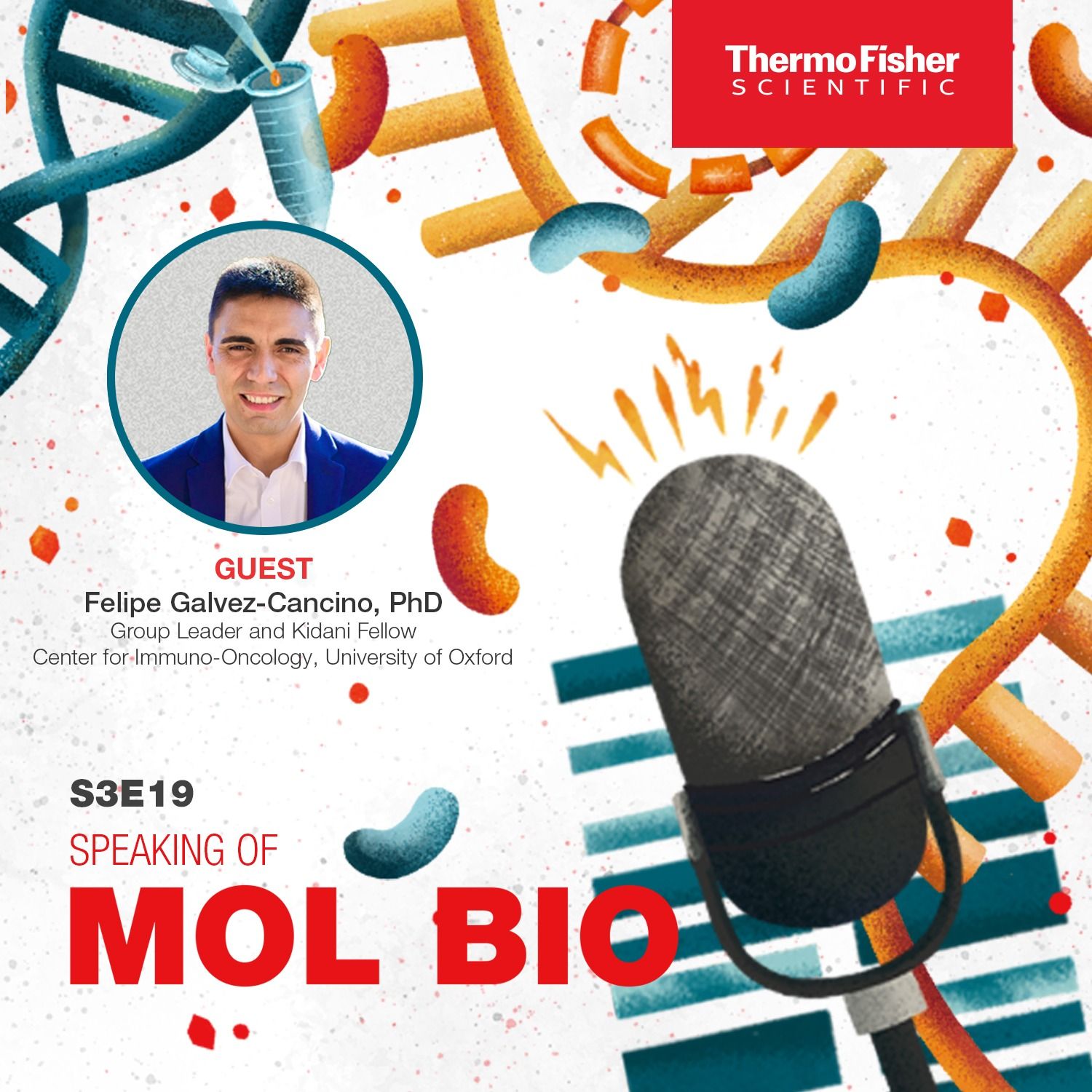 Unlocking phagocytosis―a look at advanced cancer immunology | Dr. Felipe Gálvez-Cancino of Oxford University discusses how regulatory T cells suppress immune responses in cancer and how his lab is teaching macrophages to overcome those signals and phagocytose tumor cells. He shares insights from his journey through cancer vaccines, antibody engineering, and the fundamental biology of immune regulation. | — | ||||||
| 9/24/25 | 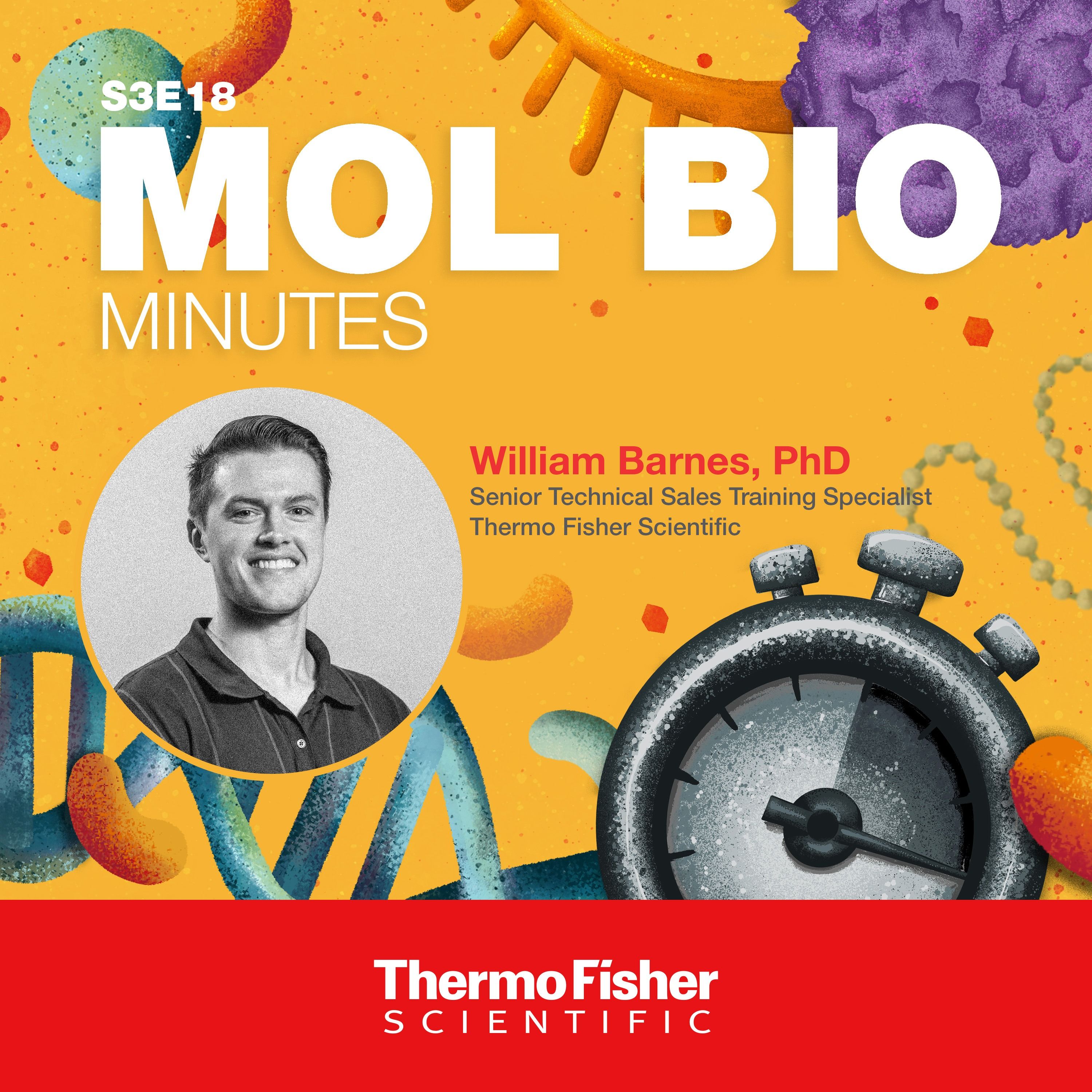 From seed to cDNA―lessons learned from plant RNA workflows | Dr. Will Barnes shares insights from his years at the bench as a plant biologist, detailing the challenges of working with RNA and cDNA synthesis in difficult samples. He discusses how smarter reagent choices and thoughtful sample prep transformed his results and his perspective. | — | ||||||
| 9/10/25 | 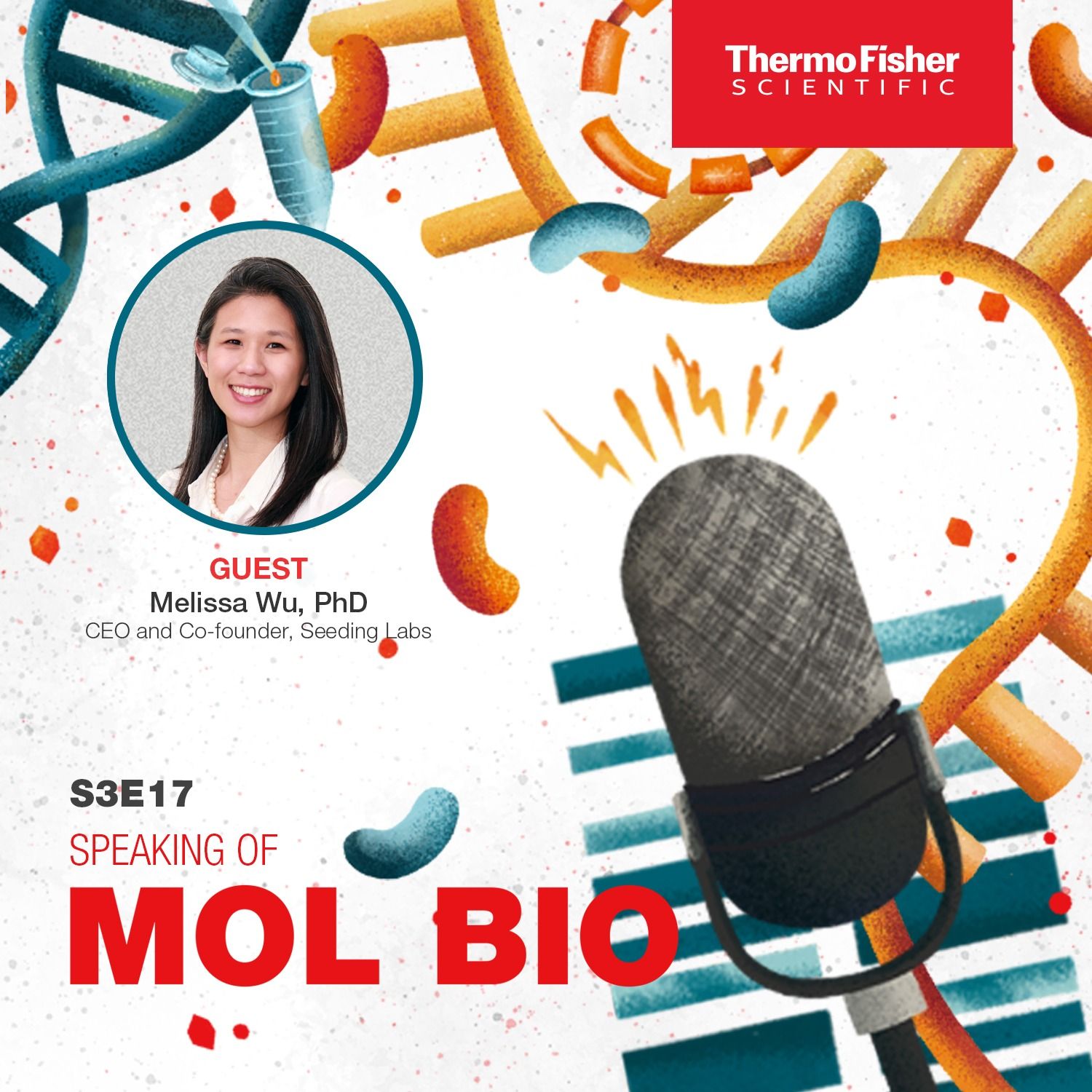 Seeding scientific equity through access | Dr. Melissa Wu, CEO of Seeding Labs, joins the show to share how her nonprofit is accelerating global science by connecting surplus lab equipment with researchers in under-resourced countries. From thermal cyclers to fume hoods, she explains how Seeding Labs is building institutional capacity and empowering scientific talent worldwide. | — | ||||||
| 8/20/25 | 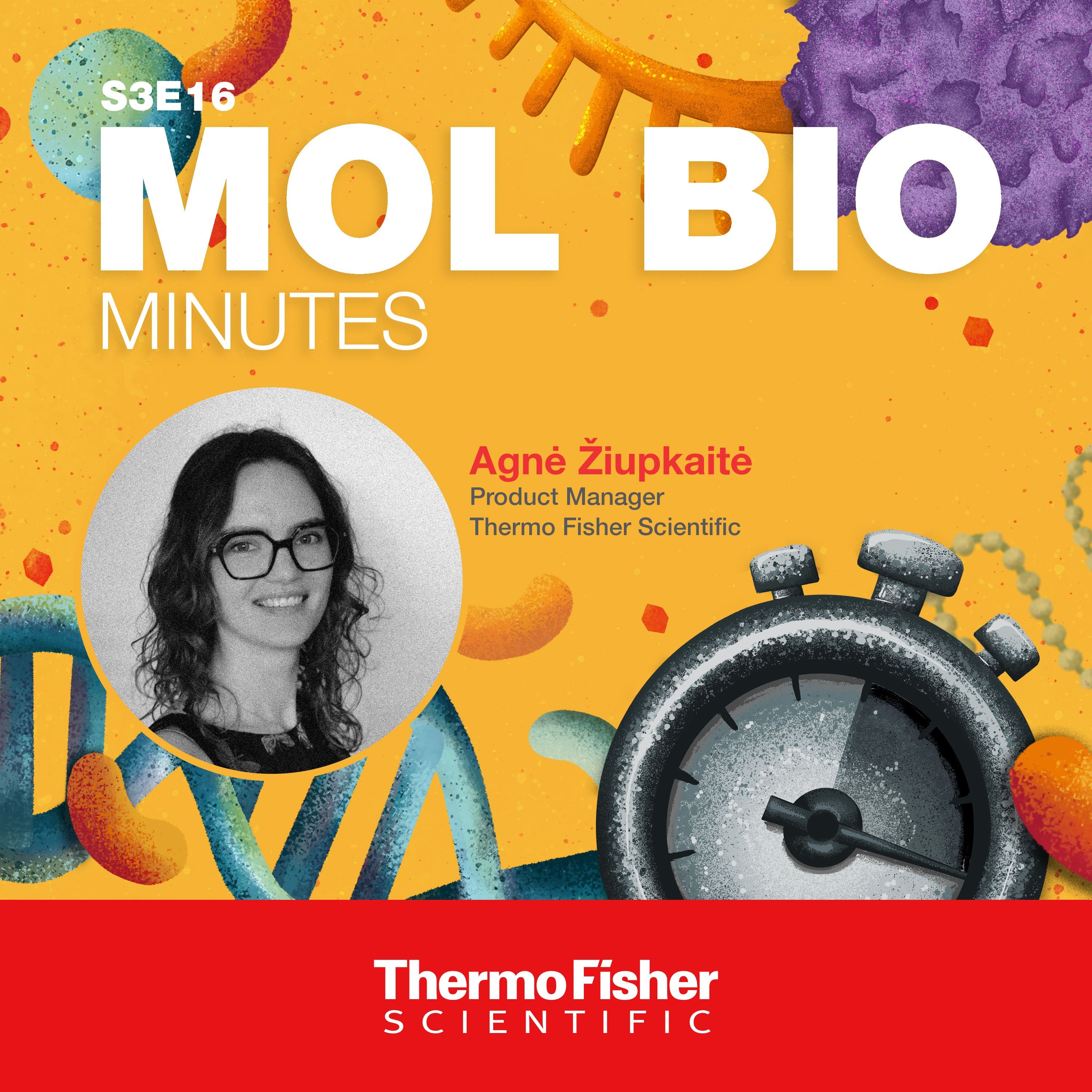 Customization is key―tailoring RT-qPCR for modern assays | This Mol Bio Minutes episode features Thermo Fisher's Agnė Žiupkaitė diving into the evolving landscape of RT-qPCR assay development. She discusses enzyme customization, reagent formulation, and how choosing the right raw material supplier can significantly impact assay performance and commercialization success. | — | ||||||
| 8/6/25 | 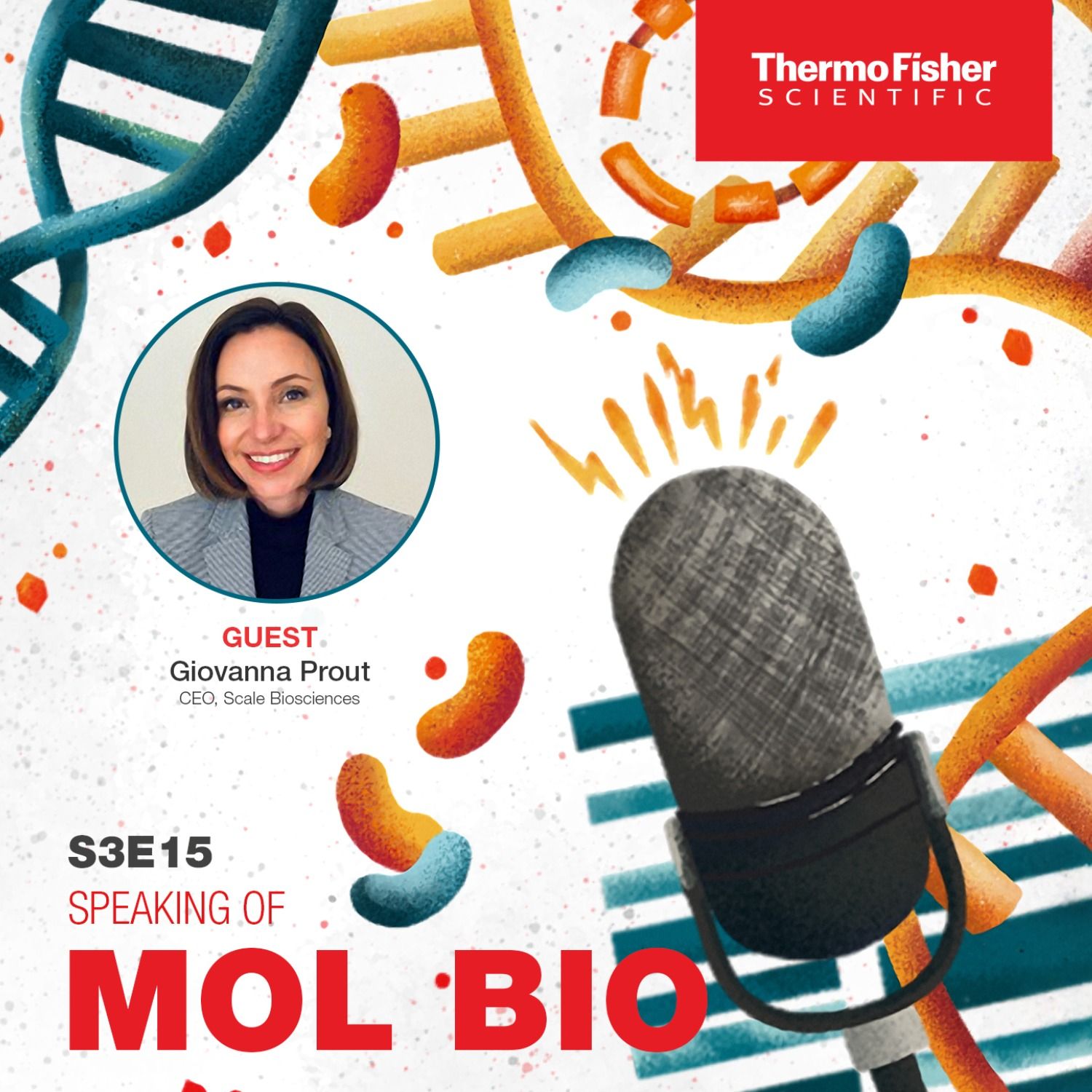 Quantum barcoding and the future of single-cell analytics | Giovanna Prout, CEO of Scale Biosciences, shares how her multidisciplinary background and entrepreneurial spirit drive the development of scalable, instrument-free single-cell omics solutions. She discusses the company’s core technology, quantum barcoding, and how Scale is enabling massive-scale experiments that fuel AI, drug screening, and precision medicine. | — | ||||||
| 7/23/25 |  Simplify your science ― why 1-step RT-PCR is a game changer | This episode dives into the principles and advantages of 1-Step RT-PCR, an efficient method that streamlines RNA detection into a single-tube process. Aistė Serapinaite explains how this technology saves time, reduces contamination risk, and offers high sensitivity for applications ranging from gene expression analysis to viral pathogen detection. | — | ||||||
| 7/9/25 |  No nucleus, no problem – platelet biology and scientific communication | Dr. Beth Webb joins to discuss the fascinating complexity of platelets—tiny, nucleus-free powerhouses involved in clotting, immunity, and beyond. She shares insights from her research at the University of Leeds and reflects on the challenges and rewards of science communication. | — | ||||||
| 6/25/25 |  Boosting PCR accuracy – tips for maximizing amplification fidelity | Laurynas Alijošius returns to explore the many factors that influence PCR accuracy—and how to improve them. From enzyme fidelity to cycling conditions, he offers practical tips to reduce errors and streamline your workflow. | — | ||||||
| 6/11/25 |  Multiomics, systems biology, and the future of genomic research | Dr. Cath Moore, CSO of AGRF, shares how molecular biology is powering innovation across healthcare, agriculture, conservation, and beyond. From genomics to proteomics and systems biology, this episode explores how Australia is embracing multiomic tools to solve complex real-world problems. | — | ||||||
| 5/28/25 |  Fast PCR fundamentals – from instruments to enzymes | PCR, a high-speed alternative to standard thermocycling that saves both time and resources. From choosing the right instruments and consumables to optimizing enzymes and cycling conditions, this episode is your quick-start guide to faster PCR workflows. | — | ||||||
| 5/14/25 |  The hidden language of RNA – how epigenetics is shaping medicine | In this episode of Speaking of Mol Bio, Dr. Gudrun Stengel, co-founder of Alida Biosciences, discusses the groundbreaking technology of proximity barcoding for RNA modifications. She shares insights into how this innovation could transform diagnostics, therapeutics, and synthetic biology, while offering valuable advice for aspiring scientists. | — | ||||||
| 4/22/25 |  Sustainability made simple – greener choices in molecular biology | In this Mol Bio Minutes episode, Sune Lund Sporring of Thermo Fisher Scientific breaks down practical strategies for making labs more sustainable. From smarter energy use to second-generation bio-based plastics, learn how small steps can create big environmental impacts without disrupting your workflow. | — | ||||||
| 4/9/25 |  From bats to cancer – the power of gene regulation | Dr. Nadav Ahituv, Professor and Director of the Institute for Human Genetics at UCSF, takes us on a journey through groundbreaking work in gene regulation, disease genetics, and the evolution of bats. From high-throughput CRISPR screens to developing fat-based cancer therapies, his research is helping shape the future of personalized medicine and genetic treatments. | — | ||||||
Showing 25 of 53
Sponsor Intelligence
Sign in to see which brands sponsor this podcast, their ad offers, and promo codes.
Chart Positions
17 placements across 17 markets.
Chart Positions
17 placements across 17 markets.