

Insights from recent episode analysis
Audience Interest
Podcast Focus
Publishing Consistency
Platform Reach
Insights are generated by CastFox AI using publicly available data, episode content, and proprietary models.
Most discussed topics
Brands & references
Est. Listeners
Insufficient chart data. Estimates will improve as the show charts.
- Per-Episode Audience
Est. listeners per new episode within ~30 days
N/A🎙 Daily cadence·30 episodes·Last published 1mo ago - Monthly Reach
Unique listeners across all episodes (30 days)
N/A - Active Followers
Loyal subscribers who consistently listen
N/A
Market Insights
Platform Distribution
Reach across major podcast platforms, updated hourly
Total Followers
—
Total Plays
—
Total Reviews
—
* Data sourced directly from platform APIs and aggregated hourly across all major podcast directories.
On the show
From 13 epsHosts
Recent guests
Recent episodes
A Year of Growth and Gratitude: Reflecting on Our Podcast Journey
May 25, 2026
14m 23s
BASE and the Reality of After-School Care for Kids with Special Needs
May 18, 2026
36m 00s
Surviving May Madness
May 11, 2026
24m 35s
Special Olympics: More than Sports, A Lifetime of Community
Apr 20, 2026
40m 36s
Understanding Twice Exceptionality (2E)
Apr 13, 2026
45m 11s
Social Links & Contact
Official channels & resources
Official Website
Login
RSS Feed
Login
| Date | Episode | Topics | Guests | Brands | Places | Keywords | Sponsor | Length | |
|---|---|---|---|---|---|---|---|---|---|
| 5/25/26 |  A Year of Growth and Gratitude: Reflecting on Our Podcast Journey✨ | community impacton-demand content+3 | — | DCSEAC | — | community impacton-demand listening+3 | — | 14m 23s | |
| 5/18/26 | 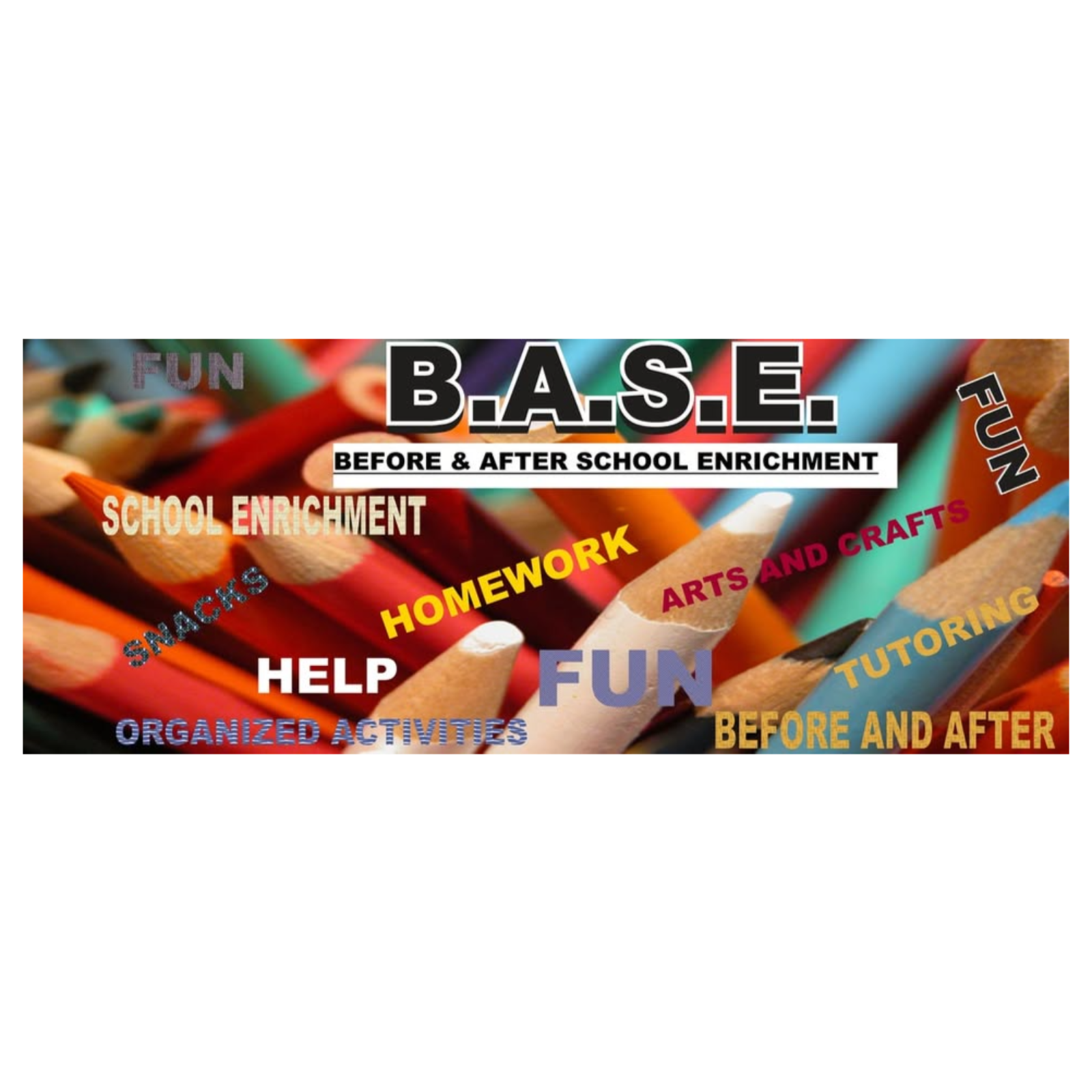 BASE and the Reality of After-School Care for Kids with Special Needs✨ | after-school carespecial needs+5 | AleiaCourtney+1 | Douglas CountyColorado's Family Leave Law+1 | — | BASEspecial needs+8 | — | 36m 00s | |
| 5/11/26 | 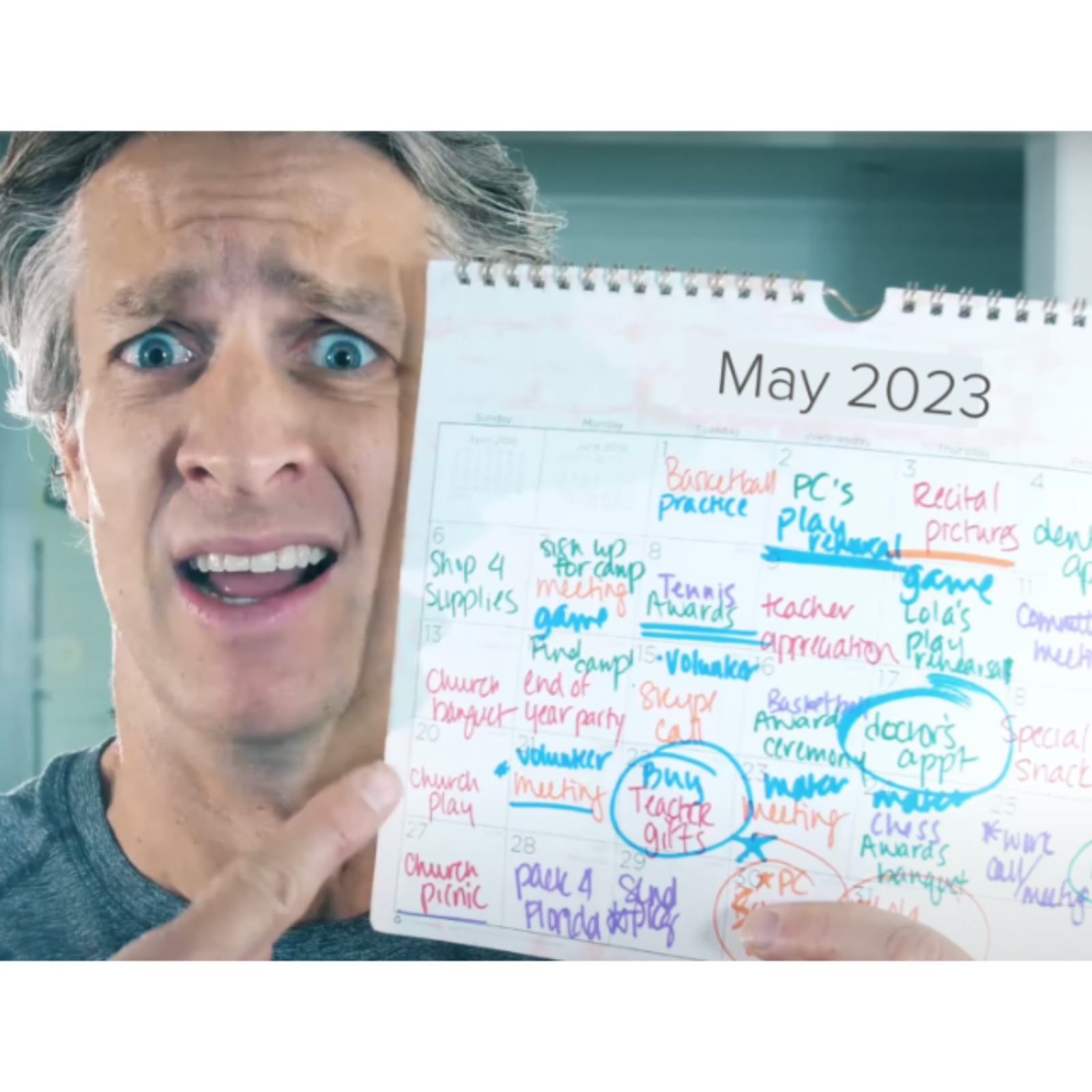 Surviving May Madness✨ | end-of-year overwhelmspecial needs families+4 | Aleia MastroianniKelly Mayr+1 | DCSEAC | — | May Madnessspecial needs+6 | — | 24m 35s | |
| 4/20/26 |  Special Olympics: More than Sports, A Lifetime of Community✨ | Special OlympicsUnified Champion Schools+4 | Maricela Shukie | Special Olympics ColoradoUnified Champion Schools | — | Special OlympicsUnified Champion Schools+7 | — | 40m 36s | |
| 4/13/26 |  Understanding Twice Exceptionality (2E)✨ | twice exceptionalitygifted education+4 | Natasha StrayerSteven Whited+1 | Douglas County School DistrictDCSEAC | — | twice exceptionalgifted services+6 | — | 45m 11s | |
| 4/6/26 |  Unlocking Disability Support: A Conversation with Developmental Pathways✨ | disability supportMedicaid waivers+5 | Rachel Walker | Developmental PathwaysDCSEAC | ColoradoArapahoe County+2 | disability supportMedicaid waivers+5 | — | 35m 15s | |
| 3/30/26 | 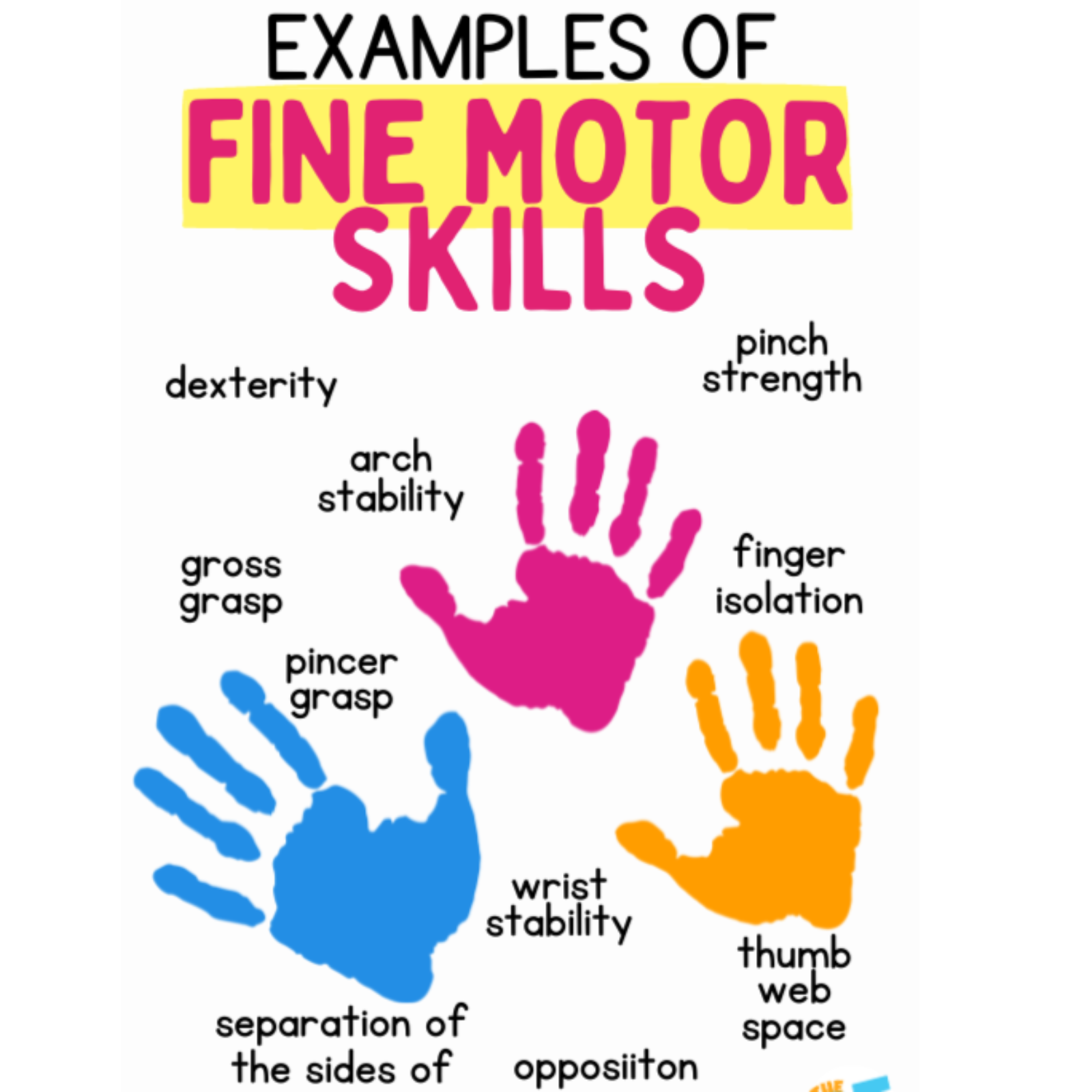 OT (Occupational Therapy): Beyond the Handwriting✨ | occupational therapyIEPs+5 | Patty Kreinbrink | Douglas County School District | — | occupational therapyIEP+6 | — | 28m 16s | |
| 3/23/26 |  Ask DCSEAC: Your Special Education Questions Answered✨ | Special EducationIEP vs 504+4 | — | DCSEACDCSD | — | IEP504+5 | — | 36m 33s | |
| 3/16/26 |  SLP- Speech it is More Than the R Sound✨ | speech-language servicesspecial education+4 | Annika BartonCindy Stephenson | Douglas County School DistrictDCSD | — | speech therapyIEP+5 | — | 42m 37s | |
| 3/9/26 |  Celebrating Student Voices and Insights✨ | student voicesspecial education+5 | MariaCarson+2 | Douglas County School DistrictDCSEAC+2 | Bulgaria | special educationIEP+5 | — | 36m 29s | |
Want analysis for the episodes below?Free for Pro Submit a request, we'll have your selected episodes analyzed within an hour. Free, at no cost to you, for Pro users. | |||||||||
| 3/3/26 |  Hope and Resilience: Part 3 of a Kitchen Table Series✨ | mental healthparenting+4 | Courtney | DCSEACTrevor Project+2 | — | mental healthparenting+5 | — | 24m 17s | |
| 2/26/26 | The Marathon: Part 2 of a Kitchen Table Series✨ | mental health crisisadvocacy+4 | Courtney | DCSEAC | — | mental healthsuicidal ideation+5 | — | 31m 00s | |
| 2/18/26 |  The Fog: Part 1 of a Kitchen Table series✨ | children's mental healthsuicidal distress+4 | Courtney | — | — | mental healthsuicidal ideation+5 | — | 21m 33s | |
| 2/9/26 |  Let's Talk About Transitions: Part Two - High School, Bridge, and Adulthood | Navigating Transitions in Special Education: From Middle School to Adulthood In this episode of SpecialEd, IEPs, 504s, Oh my: Conversations with DCSEAC, the focus is on the critical transitions for students with special needs from middle school to adulthood. The hosts delve into the nuances of changing IEP instructional minutes and direct versus indirect services as students enter high school. They discuss the importance of understanding high school options, including team-taught classes and the specific needs of students with various disabilities. The conversation extends to post-high school options, exploring Bridge programming, vocational pathways, and the challenges of transitioning out of the public school system into adulthood. Emphasis is placed on the necessity of individualized plans, the continuity of advocacy, and the need for purposeful engagement post-graduation.00:00 Introduction and Recap of Part One 00:47Transitioning to High School: Key Changes in IEPs 01:08Understanding Direct and Indirect Services 02:27Navigating High School Programs and Options 03:39The Importance of Electives and Extracurriculars 11:17Alternative High School Programs and Support Systems 11:53Advocating for Your Child's Needs 18:27Bridge Programs: Transitioning to Adulthood 20:19Exciting News: New Bridge Site Announcement 21:01Legacy Program: A Unique Opportunity 21:46Understanding Bridge Program Variations 23:09Project Search: High Functioning Students 24:03Bridge Program Qualifications and Benefits 26:13Pathways vs. Bridge: Key Differences 30:10Transitioning from School to Adulthood 30:46Facing the Cliff: Life After Bridge 31:56Volunteer Work: A Valuable Alternative 37:41Planning for the Future: Financial and Medical Considerations 38:22Conclusion: Navigating Transitions TogetherDCSEAC Video - Getting to the Legacy Cafehttps://youtu.be/XAxYzWoZkicMini TedTalk Linkhttps://www.facebook.com/share/v/1CCuLcPtD3/ | 39m 03s | ||||||
| 2/2/26 |  Let's Talk About Transitions: Part One - PreK through Middle School | In this episode of 'SpecialEd, IEPs, 504s, Oh my: Conversations with DCSEAC,' hosts Aleia Mastroianni, Kelly Mayr, and Meredith Daly discuss the challenges and anxieties families face when their children with special needs transition between schools. They explore transitions from pre-K to elementary school and from elementary to middle school. Topics include the importance of transition meetings, the clarification of roles and expectations, the differences between school environments, and the necessity of IEP documentation. The hosts share personal experiences, providing practical tips and insights to help families feel more prepared and less alone. The episode emphasizes building relationships with the new school team and understanding the individual needs of each child during these critical transitions. | 35m 59s | ||||||
| 1/26/26 |  Shining Star Season: Shining Light on the Staff | Show Notes: DCSEAC Shining Stars Award - Celebrating Those Who Make a DifferenceEpisode OverviewJoin hosts Meredith and Courtney as they discuss the DCSEAC Shining Stars Award program, a special initiative to recognize and celebrate the educators, staff, and community members who make a profound impact on children with special needs in Douglas County.Featured Guest: Courtney - Shining Star Coordinator for DCSEACKey Topics Discussed: What is the Shining Stars Award?An annual recognition program celebrating staff members who impact children with IEPs and 504 plansOpen to ALL school staff: teachers, paraprofessionals, bus drivers, crossing guards, custodians, therapists, social workers, principals, and even therapy dogs and their handlersNot limited to just teachers - anyone in Douglas County schools who makes a differenceWhy It MattersRecognizes the often-unseen daily efforts of school staffAcknowledges the impact on both students AND familiesHelps combat feelings of isolation in the special education communityShows appreciation for those who "show up on the good days and the bad days"Important DatesNominations Open: February 15thNominations Close: February 28th (2-week window)Drawing Date: March 11th (with district representatives)Basket Delivery: March 24thHow to NominateVisit the DCSEAC website and click "Nominate"Simple step-by-step process requiring:Nominee's nameSchool affiliationTheir role/position1-2 sentences (or more!) about their impactEvery nominee receives their nomination in writing, beautifully presented for them to keepThe Recognition10 Grand Prize Baskets: Randomly selected from all nomineesBaskets curated with love, filled with donations from local businessesGift cards to Target, Walmart, Office Depot, Staples, Michael's, and moreEvery Single Nominee receives their nomination certificate, regardless of basket selectionWho Can Be Nominated?Public schools throughout Douglas CountyCharter schools (American Academy, Castle Pines, Lehman, etc.)Elementary, middle, AND high school staffAnyone who works with special education studentsHow to SupportDonate: Scan QR code or visit the cheddar up link on the DCSEAC websiteSpread the Word: Share with other parents and community membersBusiness Donations: Contact Courtney through the website or social mediaGift cards and monetary donations go a long way for classroom suppliesConnect with DCSEACWebsite: info@DCSEAC.orgFacebook: DCSEACInstagram: DCESAC_COEmail: Available on websiteCall to ActionIf there's a teacher, aide, bus driver, or any staff member who has made your IEP or 504 journey a little brighter, now is the time to let them shine! Nominations open February 15th for just two weeks.Note: DCSEAC is a 501(c)(3) nonprofit organization dedicated to supporting families navigating special education in Douglas County. | 20m 31s | ||||||
| 1/19/26 |  Beyond the Hyperactivity, ADHD through the School Years | Beyond the Hyperactivity, through the School YearsPodcast: Special Ed IEPs, 504s, Oh My! Conversations with DCSEAC Host: Meredith Guest: Dr. Erin Grell, School Psychologist Co-Host: Kelly, DCSEAC Board Member (parent of 6 children with ADHD) Duration: 34 minutesEpisode DescriptionDiving deep into ADHD in schools—how it really shows up and how it changes from elementary to high school. The difference in symptoms and supports is huge, and getting the right plan is everything.Key Topics & TimestampsIntroduction (0:00-1:16)Dr. Erin Grell: 14 years as school psychologist in Douglas CountyDiagnosis & Identification (1:16-5:03)ADHD as educational identification (Other Health Impairment)Medical vs. school-based evaluationParents don't need answers—just say "I'm worried"Common Misconceptions (5:03-5:39)Medication isn't the only solutionIEP vs. 504 Plans (5:39-6:35)504s: Accommodations (extra time, checklists, tools)IEPs: Direct services (OT, mental health, speech)Early Elementary Signs (6:35-7:45)Hyperactive: Can't "turn it off" when neededInattentive (girls): Daydreaming, often missedThe "Label" Concern (7:45-9:00)Focus on needs, not labelsInattentive ADHD (9:45-11:15)Can appear oppositionalMasking in older students causes fatigueExecutive Functioning (11:15-13:20)Writing most impactedTwice-Exceptional Students (13:40-15:13)ADHD students often gifted in specific areasGT coordinator now supports IEP studentsMiddle & High School (15:13-17:10)Hyperactivity decreases, inattention worsensTasks become complex and independentPathways to Success (19:30-20:44)21 pathways beyond collegeBackwards planning for careersAdvocacy (20:44-23:15)"He's doing the best he can"Build relationships with staffRequest transition meetingsAttend school eventsHomework & Medication (23:15-27:41)Study skills classes availableMinimal homework in middle/high school"Write supports for the brain he was born with"Can't remove supports because interventions workClassroom Strategies (27:41-28:45)Self-monitoring increases awarenessMust be ongoingBenefits all studentsSelf-Advocacy (28:45-30:53)Include students in IEP processFind connecting teachersCommunity gatherings helpPost-High School (30:53-33:05)18-year-olds may not be ready to adult aloneScaffolding essentialResources: Programs: MTSS, School Success classes, Peak at the Pack, Legacy career pathwaysDisclaimer: This podcast provides general information and personal experiences. Always consult with your child's educational team and healthcare providers for specific guidance. | 34m 27s | ||||||
| 1/12/26 |  Understanding Behavior: Insights from the Frontlines of Special Education | In this episode of 'SpecialEd, IEPs, 504s, Oh My: Conversations with DCSEAC,' host Aleia Mastroianni discusses behavioral supports in schools with Tanya Anglemyer, a member of the district's behavioral support team and lead CPI trainer. They explore various strategies to approach and manage challenging behaviors in students with disabilities, emphasizing understanding and addressing the root causes rather than labeling students as 'bad.' Tanya shares her personal journey into special education and her experience in working with diverse student needs. The conversation covers the importance of knowing students' baseline behaviors, using de-escalation techniques, and the philosophy behind Positive Behavior Support (PBS). They discuss the essential collaboration between educators, behavioral specialists, and parents, including the use of Functional Behavioral Assessments (FBA) and Behavior Intervention Plans (BIP). The episode also highlights the legal requirements surrounding restraints and the district's commitment to transparent and safe practices.DCSD Board Policy JKAhttps://dcsdk12.community.highbond.com/home/public/document/4268DCSD Board Policy JKA-Rhttps://dcsdk12.community.highbond.com/home/public/document/4270DCSD Board Policy JKA-Ehttps://dcsdk12.community.highbond.com/home/public/document/4269Parent Universityhttps://www.dcsdk12.org/parents-students/resources/parent-university | 42m 02s | ||||||
| 1/5/26 |  Catching up with Liza Meier - Executive Director or Special Education, DCSD | Understanding Special Education in Douglas County: A Conversation with Liza Meier In this episode of 'SpecialEd, IEPs, 504s, Oh my: Conversations with DCSEAC,' host Aleia Mastroianni sits down with Liza Meier, the Executive Director of Special Education in Douglas County School District (DCSD). Together with DCSEAC board members, they discuss Liza's role, her approach to special education, and the impact of her team on students and families. Liza shares her journey into education, the importance of family-school relationships, and the three core tenets guiding her team: consistent communication, fostering relationships, and embracing continuous improvement. This episode provides valuable insights into the strategic goals and ongoing challenges within the district's special education framework. 00:00 Introduction to Special Education in Douglas County 00:13 Meet Liza Meier: Executive Director of Special Education 01:42 Understanding the Role of Special Education Coordinators 03:02 Liza Meier's Journey into Special Education 03:54 The Importance of Family-School Relationships 06:58 Goals and Priorities for Special Education in DCSD 09:23 Challenges and Changes in Special Education 12:39 Collaboration and Professional Development 16:07 Accessing Special Education Services 17:40 Conclusion and Final ThoughtsDCSD Special Education Website: Director and Coordinators Contact Informationhttps://www.dcsdk12.org/about/departments/special-education/directors-coordinators | 18m 39s | ||||||
| 12/22/25 |  Decoding Dyslexia: Part 2 | Podcast Title: Decoding Dyslexia Part 2Episode Summary: In this follow-up episode, host Meredith continues the conversation on dyslexia with district specialist Lynni Nordheim, joined by Tashia and Aleia. The panel dives deeper into Colorado’s new universal dyslexia screening law, practical strategies for supporting students, and the emotional journey of families navigating dyslexia in the school system.Key Topics Covered:Colorado’s Dyslexia Legislation:Overview of Senate Bill 25-200 and its impact on universal screening for K-3 students.How the law is changing district practices and teacher training.Screening and Support Beyond Early Grades:What happens for students outside the K-3 screening window.The importance of ongoing support and intervention for older students.Practical Advice for Parents:How to advocate for your child if you suspect dyslexia.The difference between school screenings and private evaluations.Navigating IEPs, 504s, and Read Plans.Teacher Training and Classroom Strategies:The district’s efforts to train middle and high school teachers in structured literacy.Addressing the social-emotional needs of students with reading challenges.The value of honest conversations and building trust between teachers, students, and families.Accommodations vs. Remediation:Balancing tools like audiobooks and extra time with the need for direct reading instruction.Encouraging student self-advocacy and individualized support.Parent and Student Stories:Real-life examples of advocacy, success, and the ongoing challenges families face.Tips for building strong partnerships with teachers and school staff.Resources Mentioned:DCSEAC website: DCSEAC.orgContact info: info@dcseac.orghttps://www.dcsdk12.org/about/departments/special-education/directors-coordinatorsConnect with Us:Follow, like, and share this podcast to help spread awareness.Reach out with questions, feedback, or topic suggestions for future episodes.Thank you for listening! If you found this episode helpful, please share it with other parents, educators, and advocates. Stay tuned for more conversations on supporting students with dyslexia and learning differences. | 33m 32s | ||||||
| 12/15/25 |  Decoding Dyslexia: Part 1 | Episode Show NotesEpisode Title: Understanding Dyslexia: Myths, Realities, and EmpowermentEpisode Summary: In this episode, we explore the world of dyslexia—debunking common myths, highlighting the unique strengths of dyslexic thinkers, and offering practical advice for parents, educators, and individuals. Our discussion reframes dyslexia not as a deficit, but as a different operating system for the brain—one that is powerful, creative, and processes language in its own unique way.Key Topics Covered:What dyslexia is (and what it isn’t)Common myths and misconceptions about dyslexiaThe strengths and creative advantages of dyslexic mindsEarly signs and how to identify dyslexia in children and adultsStrategies for supporting dyslexic learners at home and in the classroomThe importance of self-advocacy and building confidenceResources and tools for ongoing supportNotable Quotes:“It is not a deficit. It's a difference in an operating system, a brain that is powerful and creative.”“Dyslexia is surrounded by myths, but it’s really about how the brain processes written language.”Resources Mentioned:Wilson® Professional Learning Detailshttps://www.dcsdk12.org/about/departments/special-education/dyslexiahttps://leg.colorado.gov/bills/sb25-200and the https://www.cde.state.co.us/coloradoliteracy/sb-25-200-summary-of-dyslexia-read-act-requirements. Call to Action: If you enjoyed this episode, please subscribe, rate, and review our podcast. Share this episode with someone who might benefit from learning more about dyslexia. For more resources, visit our website or follow us on social media.Connect with Us:Website: Dcseac.orgInstagram: @DCSEAC_COtiKTok: DCSEACEmail:info@dcseac.org | 21m 39s | ||||||
| 12/8/25 |  Preschool Power: Supporting Learning Differences Early - Part Two | In this episode of 'SpecialEd IEPs, 504s, Oh my: Conversations with DCSEAC,' Aleia Mastroianni, Courtney Nangle, and Lisa Graham, the Director of Early Childhood Education, discuss key issues related to early childhood education and the special education services available in Douglas County. Topics include the appropriateness of schools discussing potential disabilities with parents, the evaluation process for learning differences, preschool suspensions, and educational eligibility criteria. They also clarify the differences between medical diagnoses and educational eligibility, explain the IDEA Parts B and C for early intervention, and provide insights into the structure and benefits of Douglas County School District’s preschool programs. Emphasis is placed on the accessible, free, and high-quality support available to all preschool children, and the importance of a collaborative approach between educational staff and parents.DCSD Preschool Pagehttps://www.dcsdk12.org/schools-academics/schools/preschoolDCSD ChildFind Pagehttps://www.dcsdk12.org/about/departments/early-childhood-education/child-find-screening-evals-3-5CDC Childhood Milestones Pagehttps://www.cdc.gov/act-early/milestones/index.html | 33m 45s | ||||||
| 12/1/25 |  Preschool Power: Supporting Learning Differences Early - Part One | In this episode of 'SpecialEd, IEPs, 504s, Oh My: Conversations with DCSEAC,' hosts Aleia and Courtney discuss the significance of early childhood education with Lisa Graham, Director of Early Childhood Education in Douglas County. They highlight the critical role of preschool in supporting children with disabilities, speech delays, dyslexia, and behavioral challenges. The conversation covers Lisa’s extensive background, the philosophy and mission of DCSD's early childhood program, and the importance of early identification of developmental differences. They also discuss the emotional journey parents face, the benefits of inclusive education, and offer insights into recognizing early signs of developmental delays.DCSD Preschool Pagehttps://www.dcsdk12.org/schools-academics/schools/preschoolDCSD ChildFind Pagehttps://www.dcsdk12.org/about/departments/early-childhood-education/child-find-screening-evals-3-5CDC Childhood Milestones Pagehttps://www.cdc.gov/act-early/milestones/index.html | 32m 00s | ||||||
| 11/24/25 |  Oh My! The Functional Behavioral Assessment -Part 3 of 3 | Show Notes: Oh My! The Functional Behavior AssessmentEpisode Overview: In this final segment of the three-part series, Meredith and Tashia are joined by Dr. Stephanie Crawford (Director of Mental Health), Dr. Bernadette Pigeon (Mental Health Coordinator), and Ellen Kerkoff (Mental Health Lead) to demystify the Functional Behavior Assessment (FBA) process in schools. The discussion covers when and why an FBA is used, how it differs from other evaluations, and what parents can expect.Key Topics Covered:What is a Functional Behavior Assessment (FBA)?Signs a student might need an evaluation beyond academicsWhen and why an FBA is triggeredThe difference between an FBA and a psycho-educational evaluationThe process for parents to request a Behavior Intervention Plan (BIP)Addressing safety concerns and behavioral patterns in studentsFBA and BIP eligibility for general education, 504, and special education studentsThe role of behavioral RTI (Response to Intervention)The importance of individualized support and inclusion for all studentsGuest Introductions:Dr. Stephanie Crawford: Director of Mental Health, oversees the district’s mental health team and crisis response.Dr. Bernadette Pigeon: Mental Health Coordinator, works with psychologists, social workers, and crisis teams.Ellen Kerkoff: Mental Health Lead, coaches and supports school psychologists and social workers.Special Highlights:Douglas County’s mental health internship programs and recent APA accreditation.The district’s commitment to high-quality training for school psychologists and social workers.Emphasis on all students being general education students first, with support tailored to individual needs.Resources & Contact:Learn more about DCSEAC: DCSEAC.orgEmail: info@dcseac.orgFollow DCSEAC on social media for updates and upcoming conversations.Call to Action: If you found this episode helpful, please like, share, and follow the podcast. Reach out with suggestions or questions via social media or email.Missed previous episodes? Check out the first two parts on IEP referral, evaluation, and meetings for a complete understanding of the process. | 14m 05s | ||||||
| 11/17/25 |  Oh My! The IEP Meeting and Advice for Parents - Part 2 of 3 | Show Notes: "Oh My! The IEP Meeting and Advice for Parents" – Part 2Hosts & Guests:Meredith (Host)Tashia White (Co-host/Parent)Dr. Stephanie Crawford (Director of Mental Health)Dr. Bernadette Pigeon (Mental Health Coordinator)Ellen Kerkoff (Mental Health Lead)Topics Covered:What to expect at an IEP meeting: structure, annual reviews, and the three-year reevaluation process.Navigating school transitions (elementary to middle, middle to high school) and how to support your child.The importance of collaboration and communication between current and future IEP teams.Translating clinical terms into parent-friendly, educational language.How IEP goals are set, measured, and scaffolded for student growth.The role of parents and students in goal-setting and advocacy.Addressing concerns about grade-level expectations, graduation, and individualized student outcomes.Advice for parents: preparing questions, advocating for your child, and building collaborative relationships with the IEP team.Strategies for handling challenging meetings, seeking support, and giving yourself grace as a parent.Reducing stigma around special education and celebrating neurodiversity and student strengths.Practical Tips for Parents:Be proactive: attend parent-teacher conferences, communicate openly, and empower your child to self-advocate.Prepare questions and observations ahead of the IEP meeting.Don’t hesitate to ask for clarification or request a pause if the meeting becomes overwhelming.Build at least one strong relationship with a team member for support.Remember, you are the expert on your child and a key member of the IEP team.Bring any support person you wish to the meeting.Resources Mentioned:DCSEAC website: DCSEAC.orgContact: info@dcseac.orgSocial media links for DCSEAC (see website for details)Additional resources referenced in the episode will be listed in the show notes.DCSD Mental Health Site and within that site when a person clicks on resources are the following:Colorado ResourcesDouglas County Youth and Family Resource GuideDouglas County Youth & Family Resource Guide for Multilingual ResourcesMetro Mental Health Community Resources GuideColorado Resources below:Parents Encouraging Parents (PEP) - https://ed.cde.state.co.us/cdesped/spedparents/pepPeak Parent Center - https://www.peakparent.org/Next Episode:Part 3: Functional behavior assessments and exciting district news.How to Support:Like, share, and follow the podcast.Send suggestions or questions via social media or email. | 15m 00s | ||||||
Showing 25 of 34
Pitch Fit is a Pro feature
See how bookable this show is for guests, which brands already advertise, the per-episode ad value, and the best-fit guest and sponsor profile. The numbers are blurred on the free plan.
How readily this show books outside guests like you.
How proven this show is for host-read sponsorships.
For Guests
ProFor Advertisers
ProUpgrade to Pro to unlock guest cadence, sponsor categories, fit scores, and per-episode ad value for this show.