Insights from recent episode analysis
Audience Interest
Podcast Focus
Publishing Consistency
Platform Reach
Insights are generated by CastFox AI using publicly available data, episode content, and proprietary models.
Most discussed topics
Brands & references
Total monthly reach
Estimated from 1 chart position in 1 market.
By chart position
- 🇿🇦ZA · Marketing#713K to 10K
- Per-Episode Audience
Est. listeners per new episode within ~30 days
1.5K to 5K🎙 ~2x weekly·48 episodes·Last published today - Monthly Reach
Unique listeners across all episodes (30 days)
3K to 10K🇿🇦100% - Active Followers
Loyal subscribers who consistently listen
1.2K to 4K
Market Insights
Platform Distribution
Reach across major podcast platforms, updated hourly
Total Followers
—
Total Plays
—
Total Reviews
—
* Data sourced directly from platform APIs and aggregated hourly across all major podcast directories.
On the show
From 24 epsHosts
Recent guests
Recent episodes
START: Ian M.J. McInnis, CEO & Co-Founder, WithAI “Custom command centers for hedge funds”
Jun 24, 2026
19m 19s
START: Maanav Agrawal, CEO & Co-Founder, Memoir "Marketing campaigns from everything your team ships"
Jun 23, 2026
8m 18s
START: Reuben Torenberg, Senior Vice President, CBRE: "Q1 2026 SF Office Market Report"
Jun 22, 2026
16m 35s
START: Leo Kankkunen, Founder & CEO, DAIVIN!: “Tankless Dive Gear - Breath Autonomy at Sea, Land & Space”
Jun 20, 2026
9m 27s
START pod: Kashyab Ambarani & Rishi Mahadevan, Co-Founders, Verbiflow “The system that runs your outbound”
Jun 18, 2026
11m 30s
Social Links & Contact
Official channels & resources
Official Website
Login
RSS Feed
Login
| Date | Episode | Topics | Guests | Brands | Places | Keywords | Sponsor | Length | |
|---|---|---|---|---|---|---|---|---|---|
| 6/24/26 | ![]() START: Ian M.J. McInnis, CEO & Co-Founder, WithAI “Custom command centers for hedge funds” | The biggest hedge funds have entire teams building AI. Most asset managers are on their own.But closing that gap isn't about buying more AI. It's about a problem most people get wrong.You can test code by running it.You can't test an investment by buying it.Software engineering and investing aren't the same problemIn software, we've moved from autocomplete to agents to long-running agent swarms - each step climbing another level of abstractionIn investing, human judgment still has to exist at the object levelSo the challenge was never deploying agentsThe challenge is giving them the context to be usefulEvery source of knowledgeInternal and externalStructured and unstructuredConnected to the people making decisions.That's what Ian M.J. McInnis and his co-founder Ben Finch built at WithAI (YC P26)Not another AI toolA customized environment where agents can work the way investors actually do.Ian knows the problem firsthand. Before co-founding WithAI, he worked at the center of AI and investing at Bridgewater, studying how AI would reshape markets and knowledge work.His conclusion after trying the alternative:"The DIY approach ends in pain"The future isn't simply managing swarms of agentsIt's knowing what to delegateWhat to automateAnd where human judgment remains essentialThat's why WithAI focuses on amplifying investors rather than replacing themResearch fasterMonitor more companiesSurface information that would otherwise be missed"AI for asset managers, built with you": Security, infrastructure, and white-glove service for harnessing the latest agents🎙️ Ian McInnis, CEO & Co-Founder, WithAI on Fondo START pod00:20 Why AI adoption in investing requires more than simply deploying agents00:35 Building a customized AI operating environment for asset managers01:12 Making hedge fund-grade AI capabilities accessible to smaller firms01:55 From Princeton mathematics to a career in investing02:35 Becoming one of Bridgewater's internal AI specialists03:25 The origin story of WithAI and partnering with a longtime collaborator04:35 Identifying the missing tools investors would need in an AI-driven future05:05 Lessons from an initial YC rejection and what changed06:15 Why AI agents are creating immediate value for knowledge workers07:20 The fundamental difference between software engineering and investing08:35 How to balance AI automation with human judgment09:50 Where investors can safely delegate work to AI agents11:00 Measuring AI-driven investment outcomes and client value creation12:15 The ideal asset manager profile for WithAI today13:10 Opportunities and excesses emerging in AI infrastructure investing14:00 Thoughts on SpaceX, xAI, and technology valuations15:00 The future of AI adoption across institutional investingCheck out www.withai.co | 19m 19s | ||||||
| 6/23/26 | ![]() START: Maanav Agrawal, CEO & Co-Founder, Memoir "Marketing campaigns from everything your team ships" | Shipping isn't the bottleneck anymore. Attention is.Maanav Agrawal kept seeing the same pattern.Some of the coolest products weren't getting the attention they deservedMeanwhile, companies that consistently shared what they were building were generating inboundHe'd lived it himselfHe saw it in other industries like real estateHe saw it across his YC batch and among founders generallyThe problem wasn't always the product.It was making sure people knew the product existed.So he and Co-Founder Jason Zhan built Memoir (YC P26)A marketer with the soul of an engineer. Memoir connects to your product source of truth and understands what changed, why it matters, who should hear about it, and how to tell the story.A new feature shipsA PR worth talking about gets mergedA meaningful update goes liveMemoir turns it into:→ Social posts → Blogs → Changelogs → Demo videos → Customer updates → Launch contentAll in your company's voice.They built it for themselves: Engineers who love buildingBut, like most founders, don't always have time to build in public.Now they don't have to.The work speaks for itself - automaticallyMemoir turns product velocity into market velocity🎙️ Maanav Agrawal, CEO & Co-Founder, Memoir on Fondo START 00:53 "Shipping is not the bottleneck, attention is."01:19 How Memoir connects directly to GitHub and monitors product changes01:38 Deciding which product updates are important enough to share publicly02:03 Keeping founders in control with approval before publishing02:40 Why some of the best products never get the attention they deserve03:20 The challenge facing startups without dedicated marketing teams03:49 Why engineering teams move faster than marketing teams can keep up05:17 The original YC idea: developer infrastructure and latency optimization05:58 The realization that marketing was the biggest bottleneck in real estate06:18 The insight behind Memoir: unify engineering velocity and marketing velocityCheck out trymemoir.ai | 8m 18s | ||||||
| 6/22/26 | ![]() START: Reuben Torenberg, Senior Vice President, CBRE: "Q1 2026 SF Office Market Report" | In 2022, San Francisco leased five million square feet of office spaceThe entire yearIn Q1 2026 alone: more than four millionAt the time of this recording (Apr 2026) tenant demand reached 7.5 million square feetThe highest ever recorded.OpenAI has accumulated nearly a million square feet in Mission BayCoinbase, Nvidia, and the Warriors all landed at Mission Rock (It's effectively full - premium space there is almost impossible to get)Reuben Torenberg has brokered SF startup office deals through every major cycle since 2016The 3% vacancy boom and record rentsThe 38% vacancy COVID collapseAnd the AI-driven resurgence happening nowWe're probably still early in this cycleThe AI wave showed you can do more with lessAnd that's changing how founders think about space🎙️ Reuben Torenberg, Senior Vice President, CBRE on Fondo START00:36 Why brokering compounds the longer you do it01:08 SF's pre-COVID boom, then the jump to 38% vacancy02:18 How AI restarted SF office demand02:42 Where we are in the cycle, and why it isn't the top03:25 The leasing numbers that signal a real shift04:34 Why startups are leasing differently now05:34 How distressed buildings changed hands at a discount06:11 How landlords regained leverage07:38 What landlords actually check before they'll sign you09:48 Why plug-and-play subleases win with startups12:18 Advice for founders hunting their first office13:01 Treating the office as a recruiting tool, not a status symbollearn more at cbre.com | 16m 35s | ||||||
| 6/20/26 | ![]() START: Leo Kankkunen, Founder & CEO, DAIVIN!: “Tankless Dive Gear - Breath Autonomy at Sea, Land & Space” | A single glass of water holds about 20 hours of breathingLeo Kankkunen is building the gear that pulls it outTankless diving technology that generates breathable oxygen directly from water. It sounds impossible at first. Then you hear the physics...Then you realize the implications stretch far past divingWater is hydrogen and oxygen. Apply a DC current, swing away the electrons binding them, and you get the purest form of breathable gas.The idea started with a simple frustrationLeo is an electrical engineer and a diver. Every dive exposed the same limits: Bulky tanks, Logistics, Safety risks, Cost, and Operational complexity.Instead of accepting those constraints, he asked a question: Is there any way we could breathe like a fish?That sent him down a rabbit hole into electrolysisIf water already contains oxygen, why haul tanks at all? Why not generate breathable oxygen exactly where and when it's needed?Enter DAIVIN! (YC W26) - Tankless dive gear that generates oxygen directly from the water around you. No tanks to haul, fill, or run out of.But diving is just the wedgeAnywhere breathing depends on a tank, the tank sets the limit. Crisis zones. High altitude rescue. Anywhere time is human lives. Generate the oxygen on site, and there's no supply chain to depend on.🎙️ Leo Kankkunen, CEO & Founder, Daivin on Fondo START pod00:18 What Daivin is building and why oxygen tanks are the real problem00:43 One glass of water holds roughly 20 hours of breathing01:05 The science of splitting water into oxygen and hydrogen with a DC current01:38 The wearable system that draws in surrounding water and produces oxygen02:10 Leo's path from electrical engineer and diver to founder02:48 Where the tech stands today: commercial close, consumer further out03:15 Why removing oxygen logistics matters in crisis response and rescue03:38 The Netflix versus Blockbuster framing for oxygen infrastructure04:05 Why water beats gas tanks for breathing beyond Earth05:20 From a Slush side event in Finland to a YC interview within weeks06:25 Building in San Francisco versus Finland and compressing months into weeks07:15 Leo's advice for founders: build what genuinely interests youCheck out daivin.tech | 9m 27s | ||||||
| 6/18/26 | ![]() START pod: Kashyab Ambarani & Rishi Mahadevan, Co-Founders, Verbiflow “The system that runs your outbound” | Startups spend more time wiring their outbound tools together than actually talking to potential customersVerbiflow was built to change thatIt's Outbound Infrastructure for growth teamsOutbound used to be a stackOne tool for email.Another for LinkedIn.Something else for cold calls.Verbiflow is the system that runs your outbound, all in one placeRun sequences through email, LinkedIn, and cold callsHandles sendingManages repliesRuns follow-upsKeeps it all in syncBecause the real bottleneck isn't finding leadsIt's getting in front of the right people before momentum disappearsAnd in a world flooded with AI-generated outreach, they're betting on: better conversations, not more messagesFrom prospect to pipelineFrom outreach to conversationFrom disconnected tools to one outbound system🎙️ Kash Ambarani & Rishi Mahadevan, Co-Founders, Verbiflow on Fondo START pod00:57 Platforms for email, LinkedIn, and cold calling are completely separate02:08 We built an MCP that gets you live in 10 minutes03:25 Why AI "personalization" in email is making outbound worse04:18 Cold calling is the most underrated channel right now05:16 AI coaching and real-time objection handling on calls06:03 A targeted list is way better than trying to fill a giant list07:35 Try to get there in person and actually talk to them08:10 How they mapped every Series A-C startup in SF by scraping T&CsCheck out verbiflow.com | 11m 30s | ||||||
| 6/16/26 | ![]() START: Henk Pretorius & Harry Zhang, Co-founders, Timelaps | “Brand Intelligence on Auto-Pilot” | Most brands don't know if their marketing is working.They launch campaigns. Spend real money. Watch the dashboards. Then hope.Months later, a report arrives explaining what happened. The campaign is over. The budget is gone.The market has already moved.That's how brand tracking has worked for years.Henk and Harry are repeat founders with exits behind them - two decades building brand trackers for the world's largest brands on one side, a startup built and sold plus a market research career on the other. They'd watched the same problem from the inside for years.Tracking was expensive. Slow. Built around snapshots. Not how brands actually grow.So they built Timelaps: An AI-native brand tracker that continuously surveys thousands of real consumers and shows whether your marketing is moving the metrics that matter. Brand awareness. Consideration. Preference. Category ownership. Brand growth.Research-grade tracking. Updated continuously. Running in days instead of months. At a fifth of the cost of traditional tracking.From "What happened?" to "What's happening right now?"🎙️ Henk Pretorius & Harry Zhang, Co-Founders, Timelaps on Fondo START pod00:17 Building AI-native brand intelligence for modern brands00:45 Why brand tracking remains one of marketing's biggest pain points01:53 How two founders met at ODF and began validating ideas together02:42 Combining market research expertise with startup experience03:24 Landing customers from a prototype before building the full product03:46 Winning Product Hunt with an early demo04:35 Why the original customer problem never changed05:30 The limitations of traditional brand tracking and brand audits06:03 Moving from delayed reports to continuous insights06:40 The metrics that matter most in brand intelligence07:35 Making enterprise-grade brand tracking accessible to challenger brands11:43 Why San Francisco accelerates founder learning and execution12:47 The "Olympic Games of building companies" mindsetCheck out www.timelaps.io | 15m 36s | ||||||
| 6/12/26 | ![]() START pod: Jameson Zaballos, Co-Founder & CEO, Napa: “Your storytelling problems, solved”✨ | storytellingAI content+4 | Jameson Zaballos | NapaFondo | — | storytellingAI content+5 | — | 12m 13s | |
| 6/12/26 | ![]() START pod: Parth Maheshwari & Chetan Manda, Co-Founders, Mochatrade | "US stock perps for Indian traders"✨ | global tradingUS equities+4 | Parth MaheshwariChetan Manda | MochatradeTesla+2 | IndiaUS | MochatradeUS stock trading+5 | — | 14m 05s | |
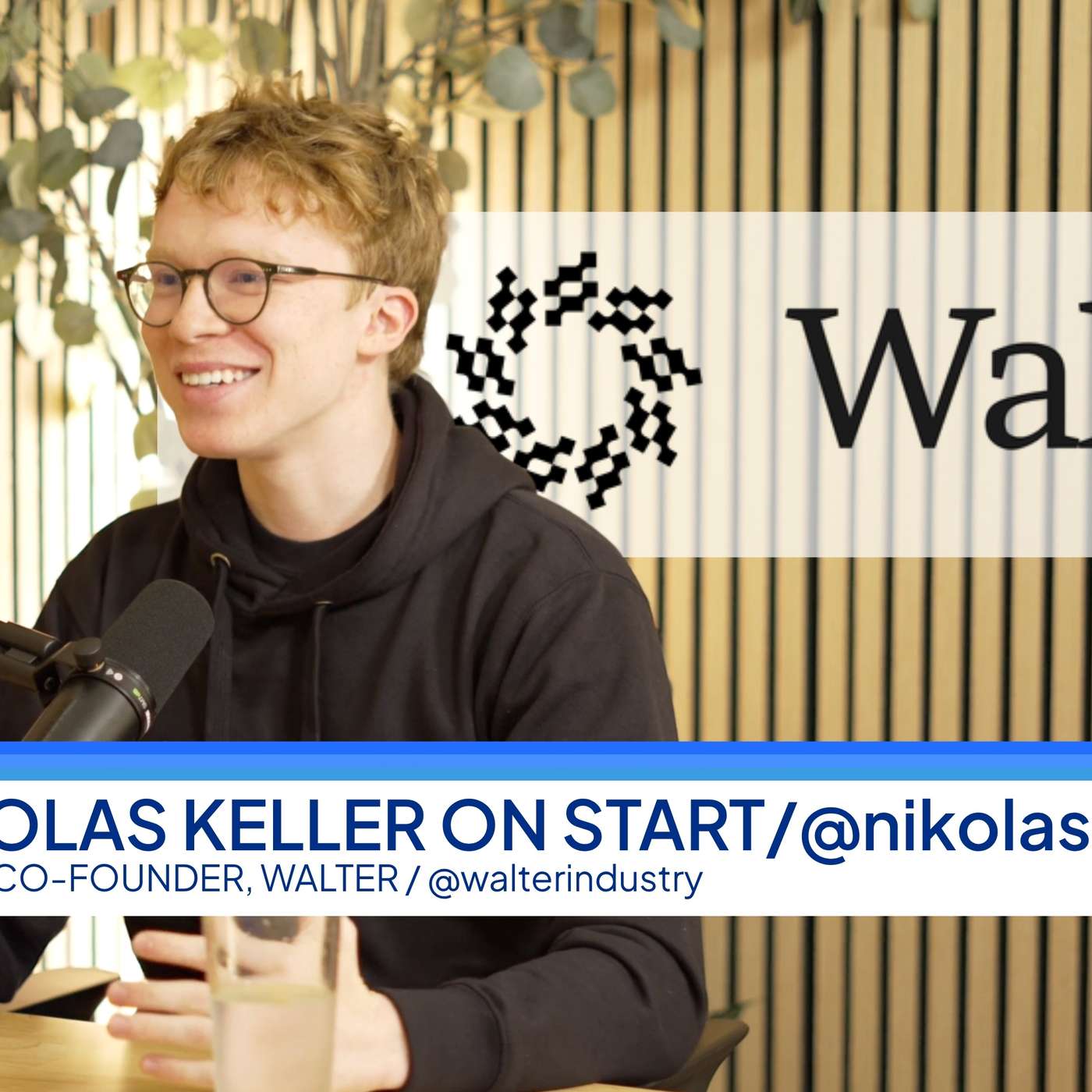
| 6/10/26 | ![]() START pod: Nikolas Keller, CEO & Co-Founder, Walter "AI Employee for Manufacturing Operations"✨ | AI in manufacturingsoftware integration+3 | Nikolas Keller | WalterSAP+2 | BeijingZurich+2 | AImanufacturing+5 | — | 17m 06s | |
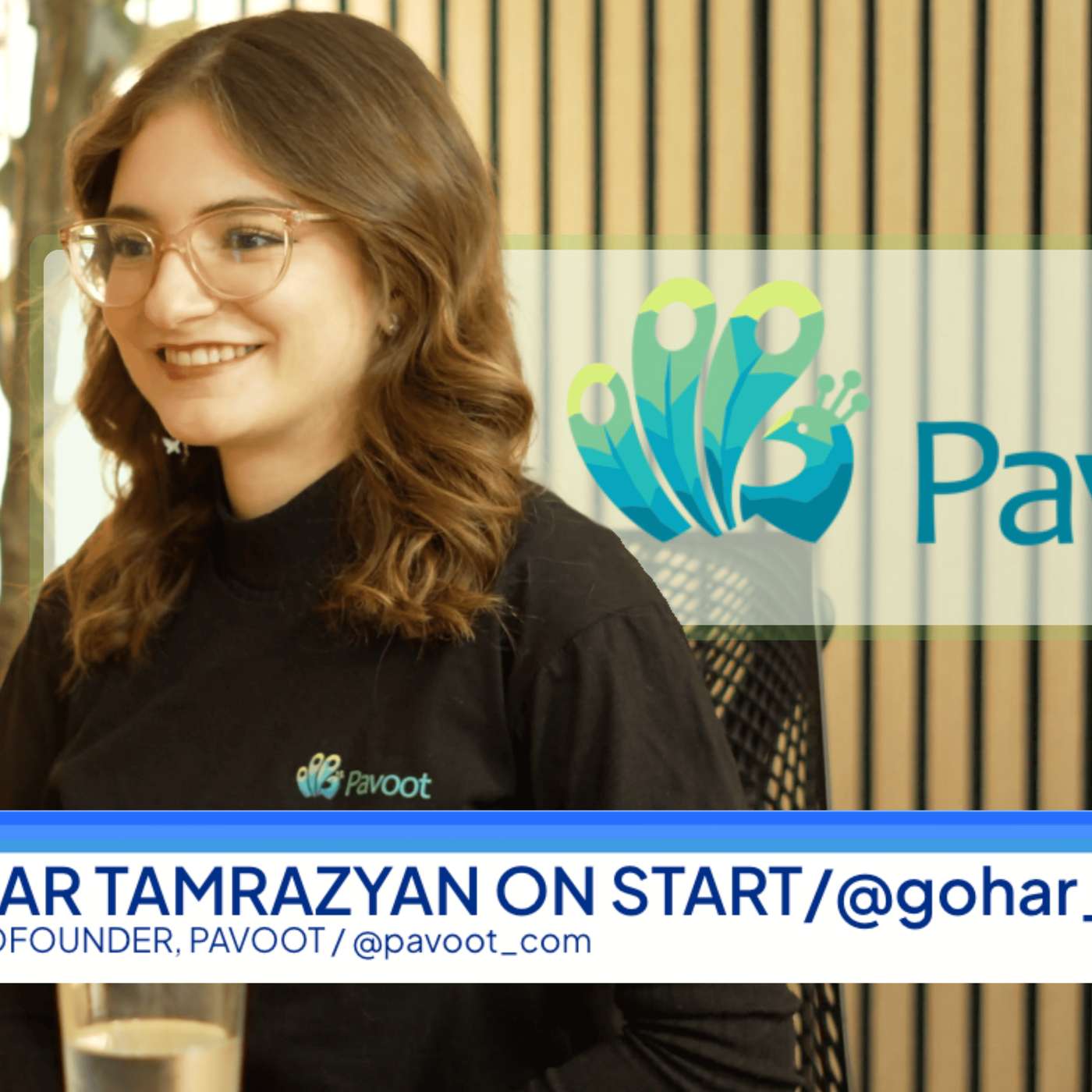
| 6/8/26 | ![]() START pod: Gohar Tamrazyan, CEO & Co-Founder, Pavoot - "AI Event Manager for Customer Events"✨ | AI event managementcustomer events+3 | Gohar Tamrazyan | PavootETH Zürich | — | AIevent management+3 | — | 11m 12s | |
Want analysis for the episodes below?Free for Pro Submit a request, we'll have your selected episodes analyzed within an hour. Free, at no cost to you, for Pro users. | |||||||||
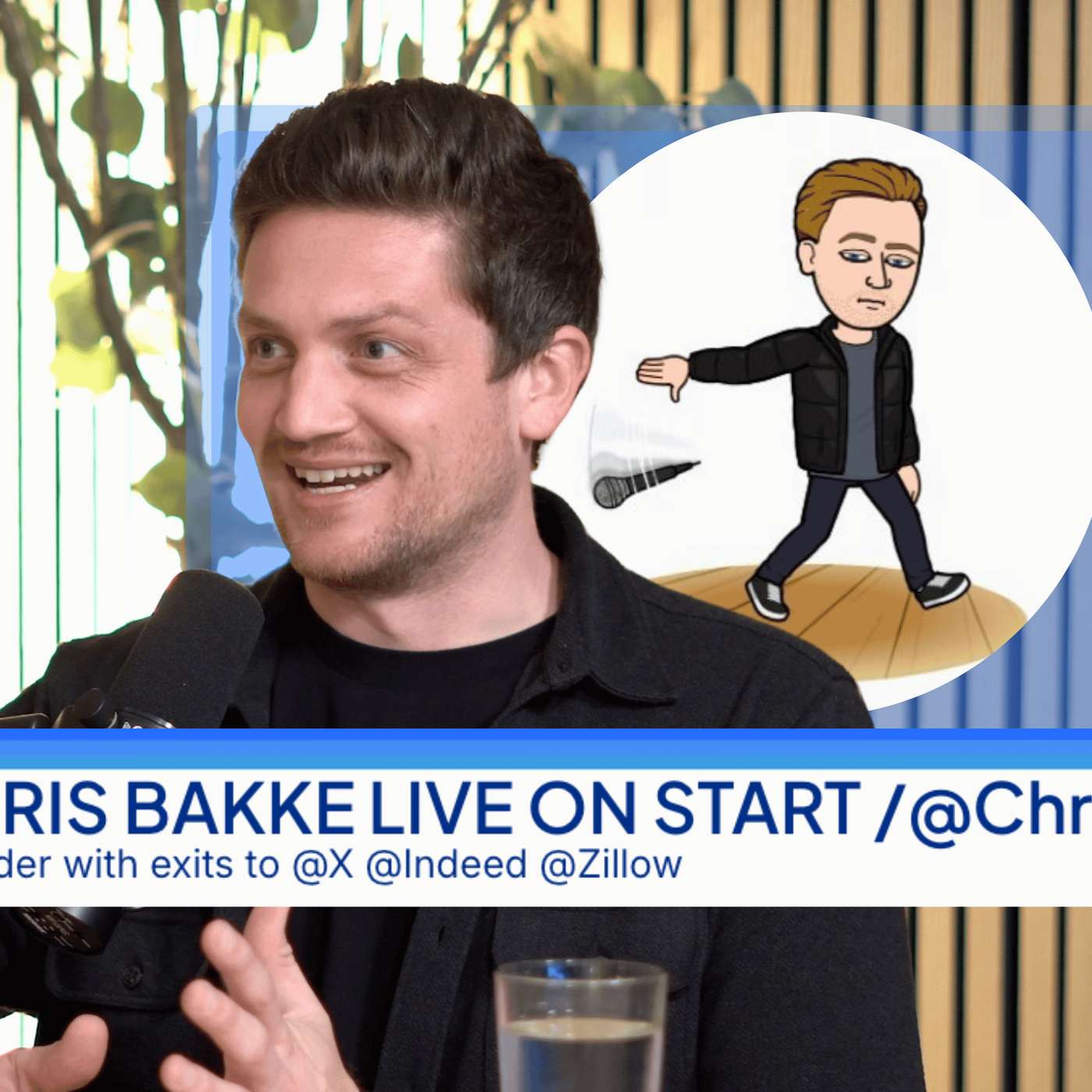
| 6/5/26 | ![]() START pod: Chris Bakke, Founder with exits to X, Indeed, and Zillow✨ | recruitingentrepreneurship+3 | Chris Bakke | IndeedZillow+4 | — | recruitingTwitter+6 | — | 15m 03s | |
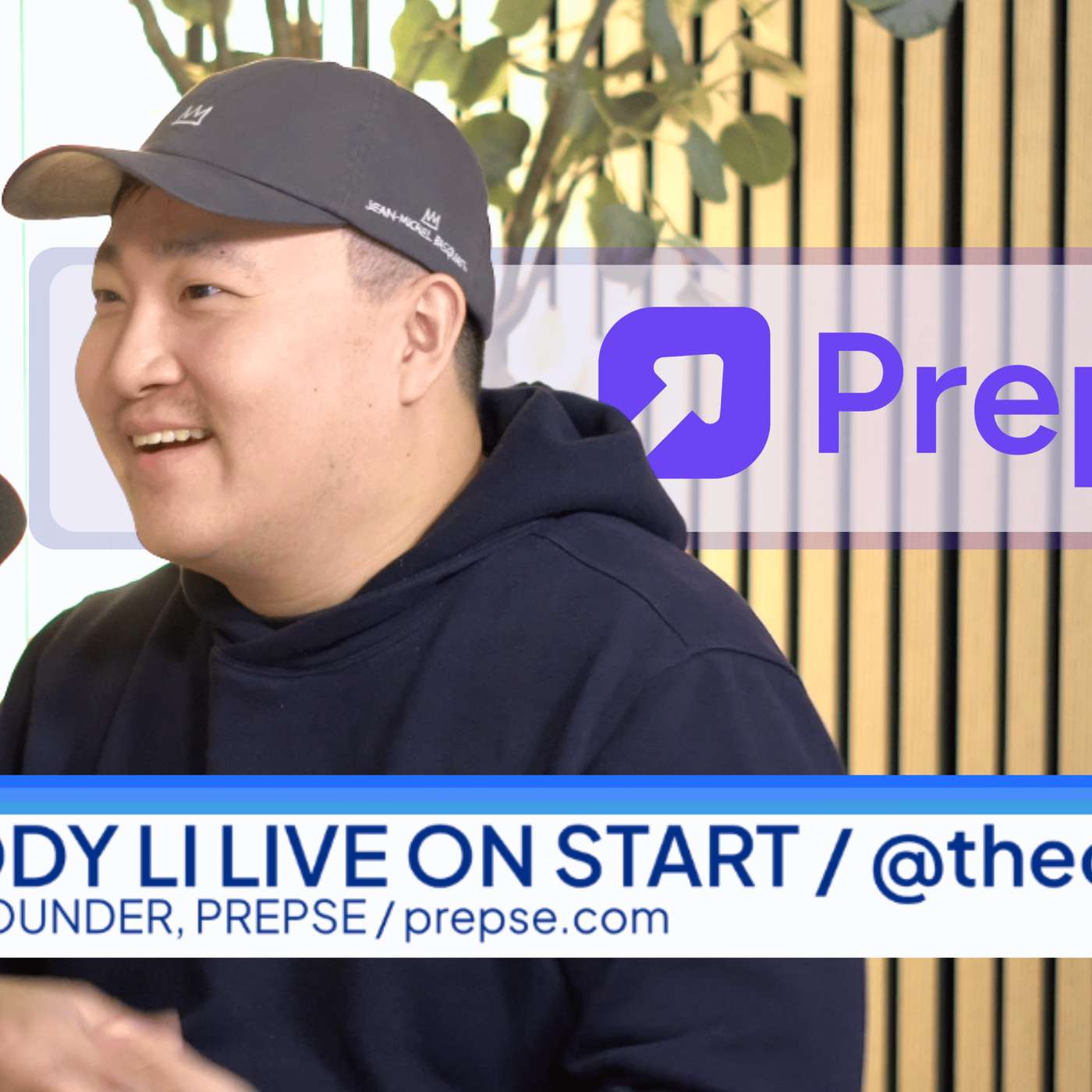
| 6/4/26 | ![]() START pod: Teddy Li, Co-Founder, Prepse: “Train smarter. Sell better.”✨ | sales trainingCRM+3 | Teddy Li | Prepse | — | salestraining+5 | — | 9m 31s | |
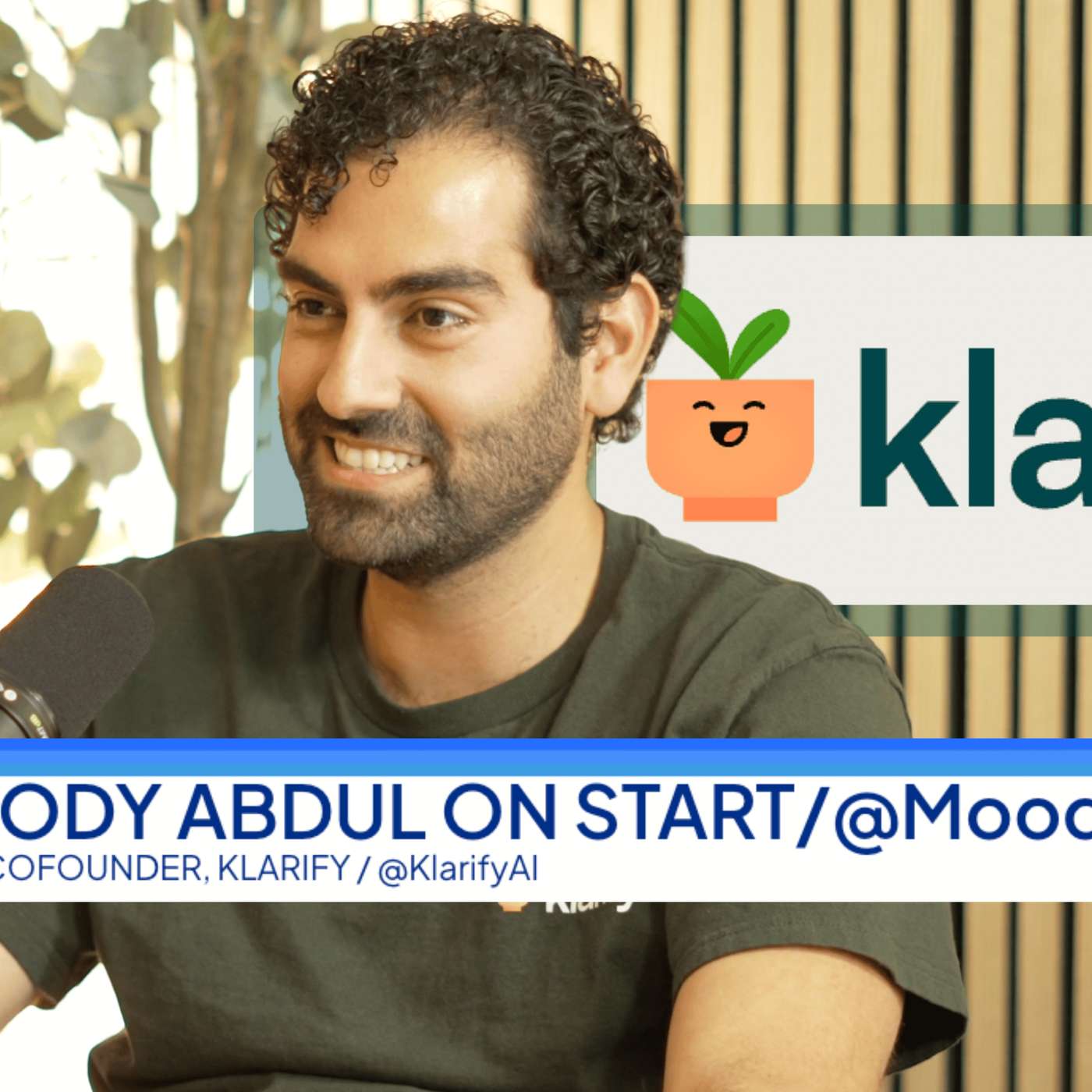
| 6/3/26 | ![]() START pod: Moody Abdul, CEO & Co-Founder, Klarify "AI Agent for Therapists"✨ | AI in therapytherapist support+4 | Moody Abdul | KlarifyFondo | Canada | AItherapists+6 | — | 11m 35s | |
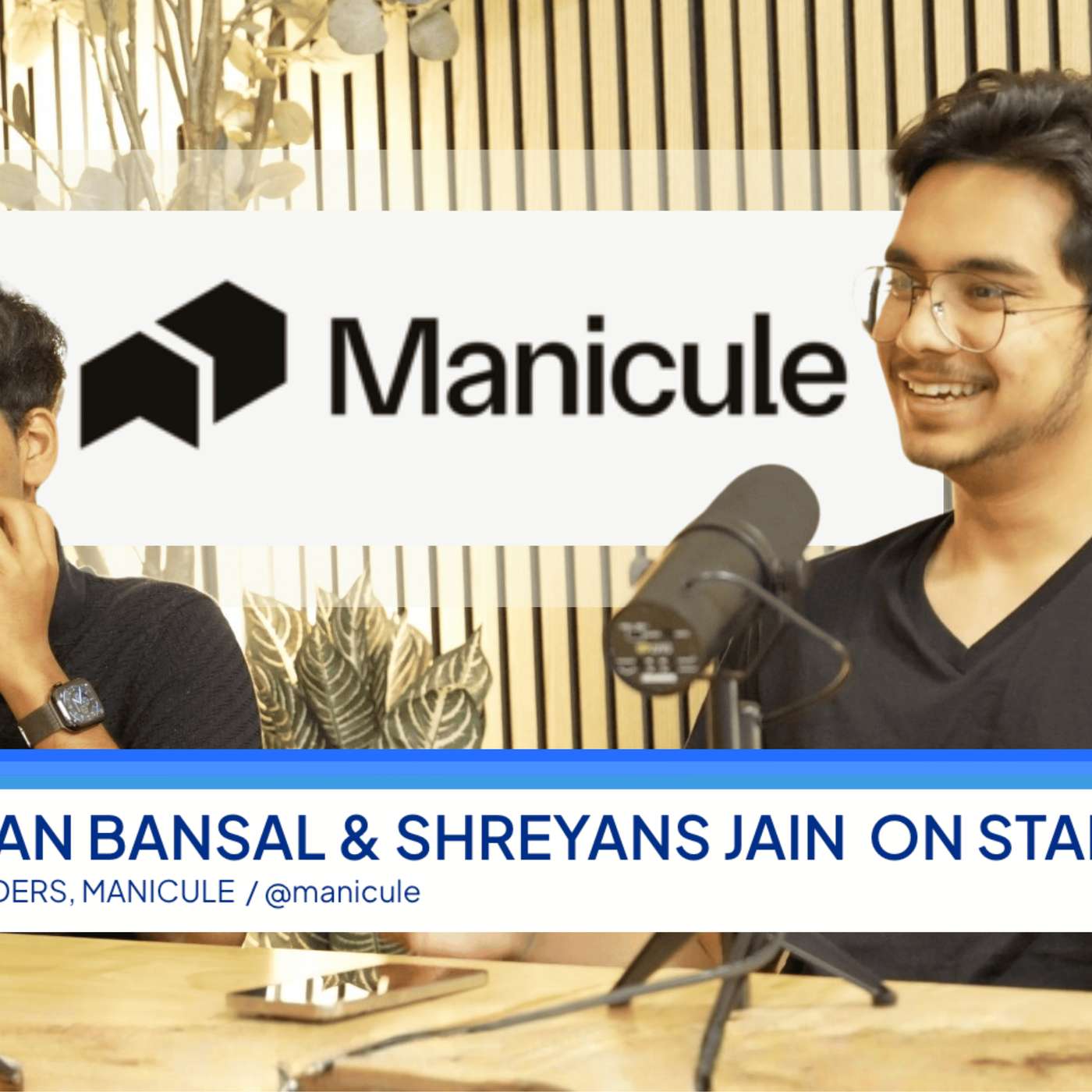
| 6/3/26 | ![]() START pod: Naman Bansal & Shreyans Jain, Cofounders, Manicule: "AI Native Developer Relations"✨ | AI in developer relationsdocumentation challenges+4 | Naman BansalShreyans Jain | ManiculeSupermemory+3 | — | AI-nativedeveloper relations+5 | — | 21m 37s | |
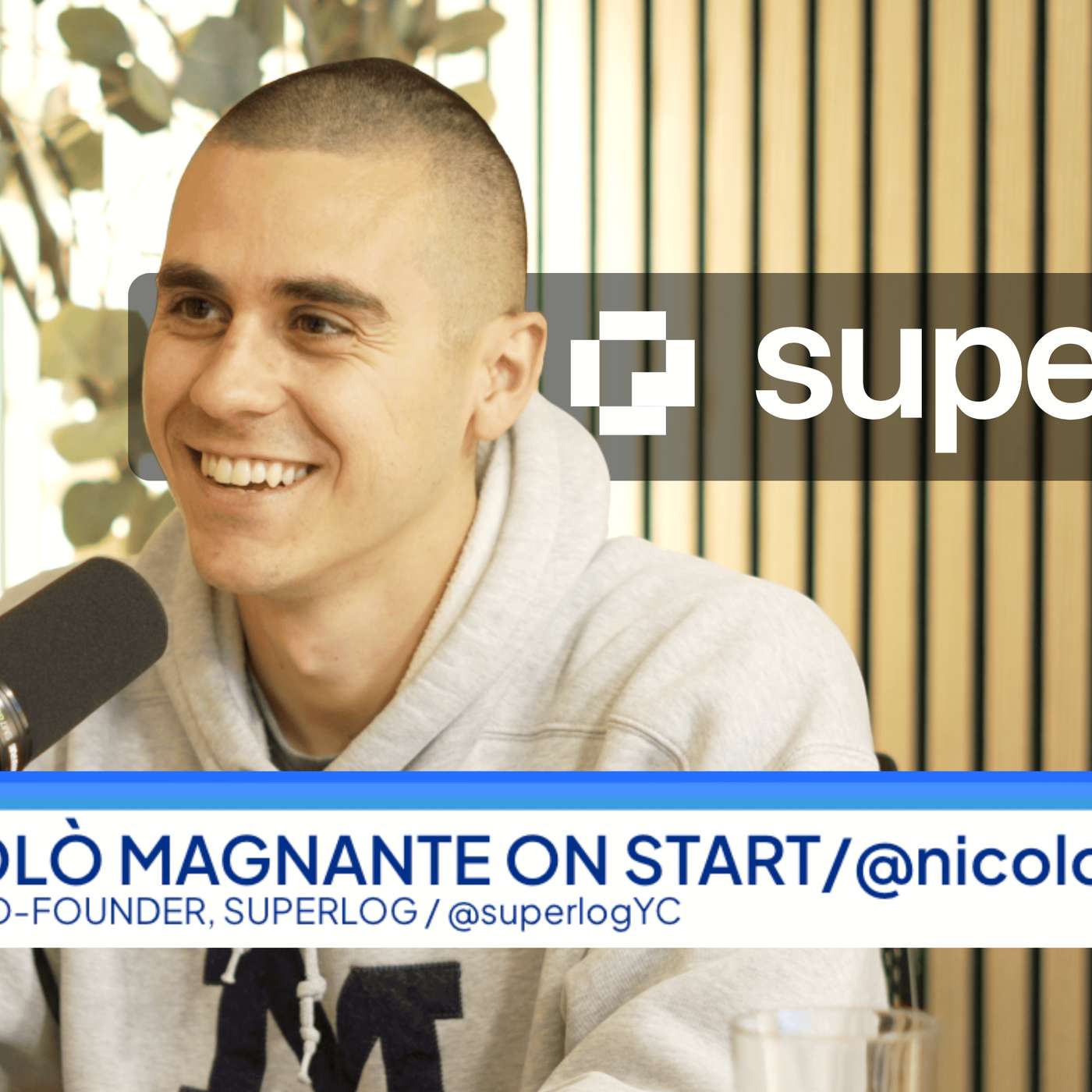
| 6/2/26 | ![]() START pod: Nicolò Magnante, CEO & Co-Founder, Superlog "Observability that installs itself and fixes the bugs it finds"✨ | observabilitysoftware development+3 | Nicolò Magnante | OpenTelemetrySuperlog+1 | Slack | observabilitySuperlog+5 | — | 11m 11s | |
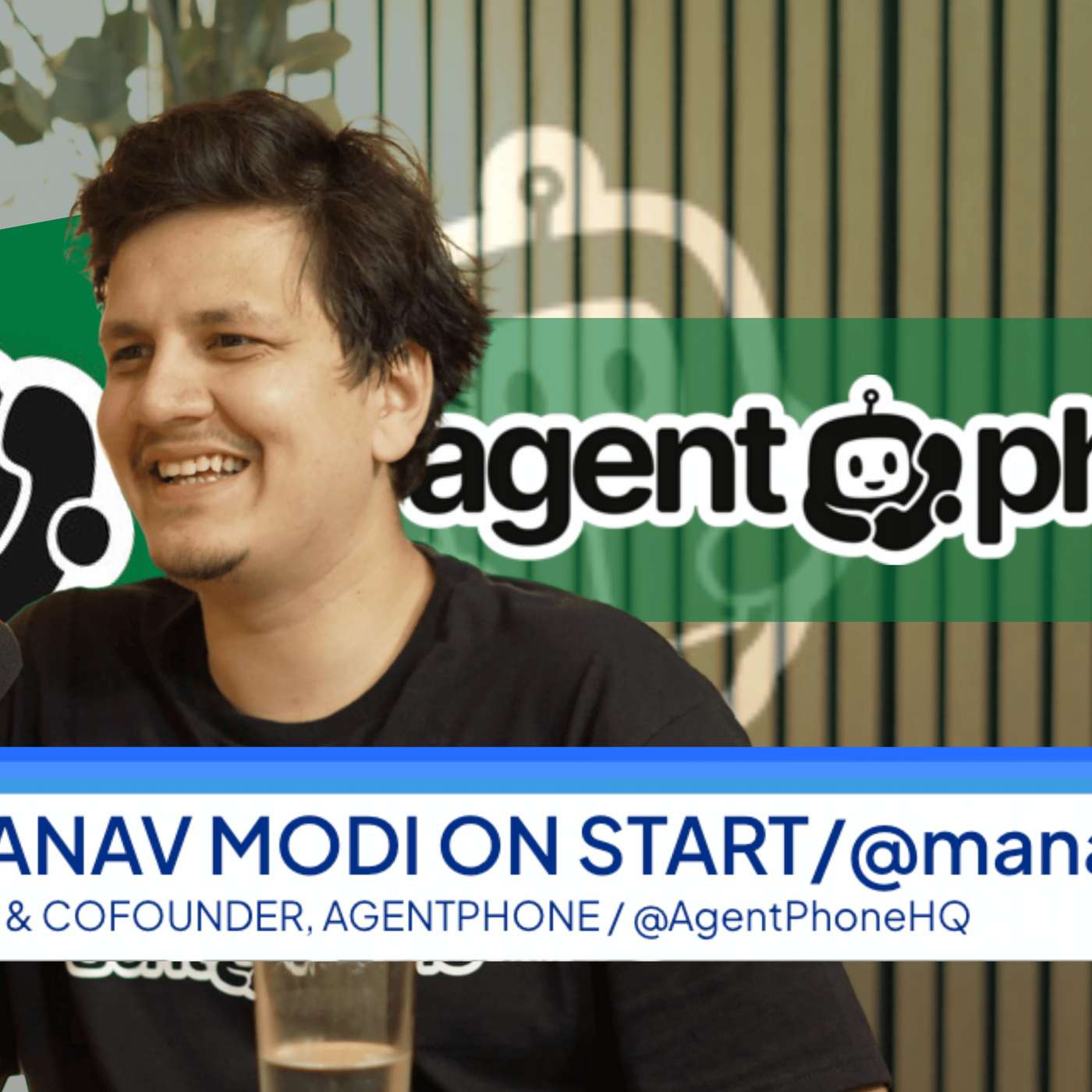
| 6/1/26 | ![]() START pod: Manav Modi, CEO & Cofounder, AgentPhone “Phone numbers for AI Agents”✨ | AI agentsphone numbers+3 | Manav Modi | DoorDashTwilio+2 | — | AI agentsphone numbers+3 | — | 12m 35s | |
| 5/28/26 | ![]() START pod: Samuel Mirpuri, Co-Founder, flowscope “Their agents learn your business. Then automate it.” | Flowscope’s agents can map an entire department in two weeks.Then they automate it.It’s an AI-native consulting firm where agents learn how a business actually runs - process by process - then automate the most manual work directly inside the company’s existing systemsNot in quarters. In days.Samuel kept seeing the same pattern every time a consulting firm walked into a large organization:Great strategyBeautiful slidesMinimal implementationThe recommendations were smart. The operational change rarely came.He also saw a second problem: Consulting fees were disconnected from outcomes. Clients paid upfront whether the recommendations worked or not.The incentives were broken by designSo he and his co-founder Javier built the thing consulting always promised but rarely delivered:Implementation.The pitch to clients is simple:Grow your company with the headcount you already have.🎙️ Samuel Mirpuri, Co-Founder, flowscope on Fondo START pod00:57 Why traditional consulting stopped at recommendations instead of implementation02:33 The disconnect between consulting fees and measurable outcomes03:18 How Flowscope maps entire enterprise departments in two weeks04:24 Why AI should augment human judgment instead of replacing people05:30 From aeronautical engineering classmates to AI-native founders06:02 Sam Altman’s $2M OpenAI token offer to YC startups07:00 Why AI tokens may become a new startup currency layer07:29 Customer, Customers, CustomersCheck out www.flowscope.com | 8m 54s | ||||||
| 5/27/26 | ![]() START pod: Michael Egan, CEO & Co-Founder, CodeCanary: “Find and fix bugs from session replays with AI” | 99% of session replays are your app working exactly as expected (hopefully)The other 1% is where the friction hidesThe bugs.The failed onboarding flows.The conversion leaks.No team has time to watch them all.That's the problem Michael Egan and his co-founder kept hitting at their last company. They had analytics. They had session replays. They had ideas to improve conversion.The small fixes always lost to bigger priorities..So they pivoted and built CodeCanary: An AI product engineer that connects to GitHub, PostHog, and Slack. It watches your session replays, finds the UX friction, and opens pull requests with the fixAlways on. Always shipping.Not dashboardsNot alertsActual fixes🎙️ Michael Egan, CEO & Co-Founder, CodeCanary on Fondo START pod00:57 AI agents connected to your product analytics and codebase01:20 "You wake up to pull requests the next morning"03:41 Pivoting from enterprise mapping software04:42 Why nobody actually watches their session replays05:02 Surfacing the 1% of user behavior that matters05:47 Autonomous A/B testing tied directly to revenue06:37 Why this solves problems engineers never had time for07:30 "With every new user, your product gets a little better"08:30 How to know when it's time to pivotCheck out www.codecanary.ai | 10m 57s | ||||||
| 5/26/26 | ![]() START pod: Jeff Liu, CEO & Co-Founder, FinalDose "Programmable DNA drug destroying all cancers, unlocking 80% of targets" | Most cancer drugs target proteinsFinalDose thinks the real opportunity is one layer deeper: DNAJeff Liu and his team are building a programmable drug platform that uses genetic mutations to identify and selectively destroy cancer cellsCells without those mutations are not targetedInstead of creating a completely new drug for every cancer type, the platform is designed as a reusable system with different genetic instructionsOne chassis.Different disease targets.The broader bet: DNA is more deterministic than proteins, which could unlock therapeutic approaches traditional drugs struggle to reachSearch.Destroy."A programmable cell elimination platform."🎙️ Jeff Liu, Cofounder & CEO of FinalDose on START 00:11 Why proteins may be the wrong layer for cancer treatment01:14 Using DNA mutations as programmable kill signatures03:20 Building a reusable therapeutic platform instead of one-off drugs05:00 Why hard biotech problems require interdisciplinary teams06:00 Getting into YC after a 4 a.m. interview in Japan08:00 Sam Altman’s $2M AI token offer — and why FinalDose passed10:08 How AI-native biotech is accelerating programmable medicine12:00 Why the future of medicine may look more like engineering13:05 The regulatory bottleneck for programmable therapeuticsLearn more at finaldose.ai | 17m 55s | ||||||
| 5/23/26 | ![]() START pod: Payton Case, Co-Founder & CEO, Dispatch: “Satellites for Manufacturing in Space.” | The next big space race won’t be about going up.It’ll be about bringing things back down.After four years building satellites at Astranis, Payton Case realized something: as launch costs collapse, the bottleneck flips.There’s still no infrastructure for manufacturing products in space and returning them safely to Earth.So Dispatch is building it.The thesis is simple: gravity is an invisible constraint on manufacturing.Remove gravity and semiconductor defects drop. Pharmaceutical crystals become more stable. Biological structures that collapse on Earth can solidify in microgravity.To prove the concept, the team built a full-scale heat shield, drove into the Mojave Desert, and blasted it with a rocket engine at 14× expected re-entry force.It survived 6× what they needed.The long-term vision:Factories in orbit. Permanent industrial infrastructure in space.🎙️ Payton Case, Co-Founder & CEO of Dispatch, on Fondo START pod00:12 What Dispatch is building: reusable re-entry vehicles for orbital manufacturing01:16 The next big space race... will involve bringing things back down to Earth02:05 Expanding from re-entry vehicles to industrial space stations02:33 Mojave Desert heat shield testing03:48 Gravity is this invisible constraint on manufacturing04:06 Pharmaceutical crystal growth in microgravity04:53 Semiconductor manufacturing with lower defect rates06:39 Understanding the modern space infrastructure stack08:01 3D printing organs in microgravity09:37 The coolest thing to be done in space has not been thought of yetCheck out dispatch.space | 11m 47s | ||||||
| 5/21/26 | ![]() START pod: Ansel Dias, Founder & CEO, AutoFAB: “Building a distributed 3D-printing network. Local microfactories, one platform, zero inventory” | Ansel Dias is using his robot factory to build more robot factoriesAutoFAB is a robotic desktop factory that prints, assembles, quality-checks, and packages hardware autonomouslyIt’s already being used to manufacture more of its own robotic armsThe insight behind it is simple: Prototyping is easyProduction is the completely different ballgame - and that’s where hardware startups dieFactories. QA. Packaging. Scaling production.That’s the bottleneck AutoFAB wants to eliminateThe long-term vision: AutoFABs making more AutoFABs🎙️ Ansel Dias, Founder & CEO, AutoFAB on Fondo START pod 00:18 AutoFAB is a robotic desktop factory00:33 It prints things, then assembles them00:41 It does quality checks and even packs shipping boxes01:03 Putting hardware into production is extremely difficult02:01 AutoFAB to make more AutoFABs02:14 Growth will become geometric02:37 Right now it's making more of its own robotic armsCheck out autofab.net to learn more | 3m 50s | ||||||
| 5/20/26 | ![]() START pod: Pedro Nobre, Co-Founder, Cajal: “Scaling Formal Verification for Scientific Discovery” | The most valuable thing in AI won't be generating answers.It'll be knowing which ones are right.Right now AI writes code, solves problems, produces proofs. But there's no way to guarantee any of it is correct. Pedro Nobre is building that guarantee.Cajal sits at the intersection of formal verification and AI. They use Lean, a language that lets you formalize a statement and derive a proof that's either correct or incorrect. Binary. No ambiguity.The hard part: the space of possible proofs is combinatorially large. Humans somehow navigate it with strange inductive biases. Machines couldn't keep up.Then reinforcement learning changed what's possible. AI can now iterate against an infinite source of reward: mathematical correctness itself.The thesis: create a superintelligent mathematician, and you solve most problems.They're already working with frontier AI labs. Starting in quantum computing and finance. Software verification and cryptography next.🎙️ Pedro Nobre, Co-Founder, Cajal on Fondo START Pod01:37 Formal verification explained - verifying whether software or mathematics is correct02:24 We need to make sure what AI outputs is correct03:07 Why mathematical proof search is combinatorially difficult03:42 How reinforcement learning is changing theorem proving04:11 Why AI is suddenly solving harder math problems04:28 We already have access to a superhuman mathematician04:46 The future of checking whether all mathematics is actually correct05:42 Quantum information theory and applied verification research06:36 Smart contracts, specifications, and provably correct systems07:11 If you create a super intelligent mathematician, then you solve most problems.Check out caj.al | 9m 38s | ||||||
| 5/19/26 | ![]() START pod: Alisa Rae, Founder & CEO, Lucent: “AI that watches every session replay to catch bugs and surface insights automatically.” | A bug shows up in your product Lucent spots it Drops an alert in SlackSomeone tags a coding agent in the thread It ships a PRFixed before anyone knew it was brokenThis is the workflow Lucent users are actually running todayLucent watches your session replays like a human analyst: friction points, bugs, failed upgrades...Patterns no human has time to sit throughConnects to PostHog. Quick set up. Julius, Mastra, BrowserUse and more already on itEvery session replay you're collecting and not watching is data you're wastingLucent can help🎙️ Alisa Rae, Founder, Lucent on Fondo START pod 00:44 Building an AI that watches your session replays 1:10 Leaving Australia's Tall Poppy Syndrome for SF 2:41 Getting rejected by YC as a solo founder 3:32 Why she decided to keep building alone 4:36 Raising a $1.3M pre-seed round 6:43 Pivoting Lucent into AI training data 7:29 Returning to the original vision 9:27 Why this was impossible before modern AI 11:21 AI agents generating PRs from Lucent alerts 13:28 get a co-founder for YC?Check out www.lucenthq.com to learn more | 15m 10s | ||||||
| 5/18/26 | ![]() 🎧 START pod: Ben Collins, CEO & Co-Founder, Woz: “The plugin that cuts your AI costs in half” | The entire vibe coding wave got one thing backwardsEveryone optimized for speedPrompt in, app out, as fast as possibleBut the bottleneck isn't just speedIt's contextGive coding agents better context and everything improves.Lower costFaster executionBetter outputWoz is built for that shift.A Claude Code plugin that makes coding agents faster, cheaper, and higher performingUp to 55% cheaperUp to 40% fasterHigher benchmark scores than Claude Code aloneAnd the timing matters:The age of tokenmaxxing is ending. The age of more measurable ROI is beginning.🎙️ Ben Collins, CEO & Co-Founder, Woz on Fondo START pod 00:57 Context is the biggest bottleneck02:11 Why prompt-to-output breaks at enterprise scale03:28 Apple cracking down on AI-generated apps05:02 Why local AI models are becoming viable06:37 The rumored Cursor and xAI acquisition07:01 Coding agents and the zero-margin problem09:48 The end of token maxing12:32 Why AI infrastructure is shifting toward ROICheck out wozcode.com to learn more. | 16m 20s | ||||||
| 5/15/26 | ![]() 🎧 START pod: Ines Boutemadja, CEO & Co-Founder, Klaimee: "Liability insurance for AI Agents" | Your AI agent makes a mistake. Who pays for it?Not your E&O policyThat assumes a human made the errorNot your cyber policyThat assumes an attacker breached the systemAutonomous AI agents are explicitly excluded from bothInes Boutemadja discovered this while building AI agents for enterprisesThen procurement started asking for proof the AI was actually coveredExisting policies couldn’t provide it.So she built Klaimee: the first purpose-build E&O coverage for AI agentsBuilt for companies deploying AI in healthcare, fintech, and voice & moreHer bet on the future: AI liability is inevitable🎙️ Ines Boutemadja, CEO & Co-Founder, Klaimee on Fondo START pod 00:57 "Klaimee is the insurance for your AI agents" 02:11 Building therapeutic agents and insurance claims agents 02:48 Existing policies "completely excluded" agentic AI 03:31 Enterprise procurement blocking deals without coverage 05:02 Why cyber and E&O fail autonomous AI risk 06:01 AI liability coverage for agentic system providers 10:20 First Algerian woman founder in YC 11:15 "Don't wait for permission" 14:20 "AI liability is inevitable" 16:18 Why stealth mode is overratedLearn more at www.klaimee.ai | 18m 58s | ||||||
Showing 25 of 81
Sponsor Intelligence
Sign in to see which brands sponsor this podcast, their ad offers, and promo codes.
Chart Positions
1 placement across 1 market.
Chart Positions
1 placement across 1 market.