

Insights from recent episode analysis
Audience Interest
Podcast Focus
Publishing Consistency
Platform Reach
Insights are generated by CastFox AI using publicly available data, episode content, and proprietary models.
Total monthly reach
Estimated from 1 chart position in 1 market.
By chart position
- 🇳🇿NZ · History#903K to 10K
- Per-Episode Audience
Est. listeners per new episode within ~30 days
2.1K to 7K🎙 Weekly cadence·25 episodes·Last published 8mo ago - Monthly Reach
Unique listeners across all episodes (30 days)
3K to 10K🇳🇿100% - Active Followers
Loyal subscribers who consistently listen
900 to 3K
Market Insights
Platform Distribution
Reach across major podcast platforms, updated hourly
Total Followers
—
Total Plays
—
Total Reviews
—
* Data sourced directly from platform APIs and aggregated hourly across all major podcast directories.
On the show
Recent episodes
25 - Station Life in New Zealand by Mary Anne Barker
Aug 19, 2025
16m 15s
24 - Station Life in New Zealand by Mary Anne Barker
Aug 19, 2025
9m 08s
23 - Station Life in New Zealand by Mary Anne Barker
Aug 19, 2025
20m 58s
22 - Station Life in New Zealand by Mary Anne Barker
Aug 19, 2025
20m 28s
21 - Station Life in New Zealand by Mary Anne Barker
Aug 19, 2025
29m 30s
Social Links & Contact
Official channels & resources
Official Website
Login
RSS Feed
Login
| Date | Episode | Description | Length | ||||||
|---|---|---|---|---|---|---|---|---|---|
| 8/19/25 | 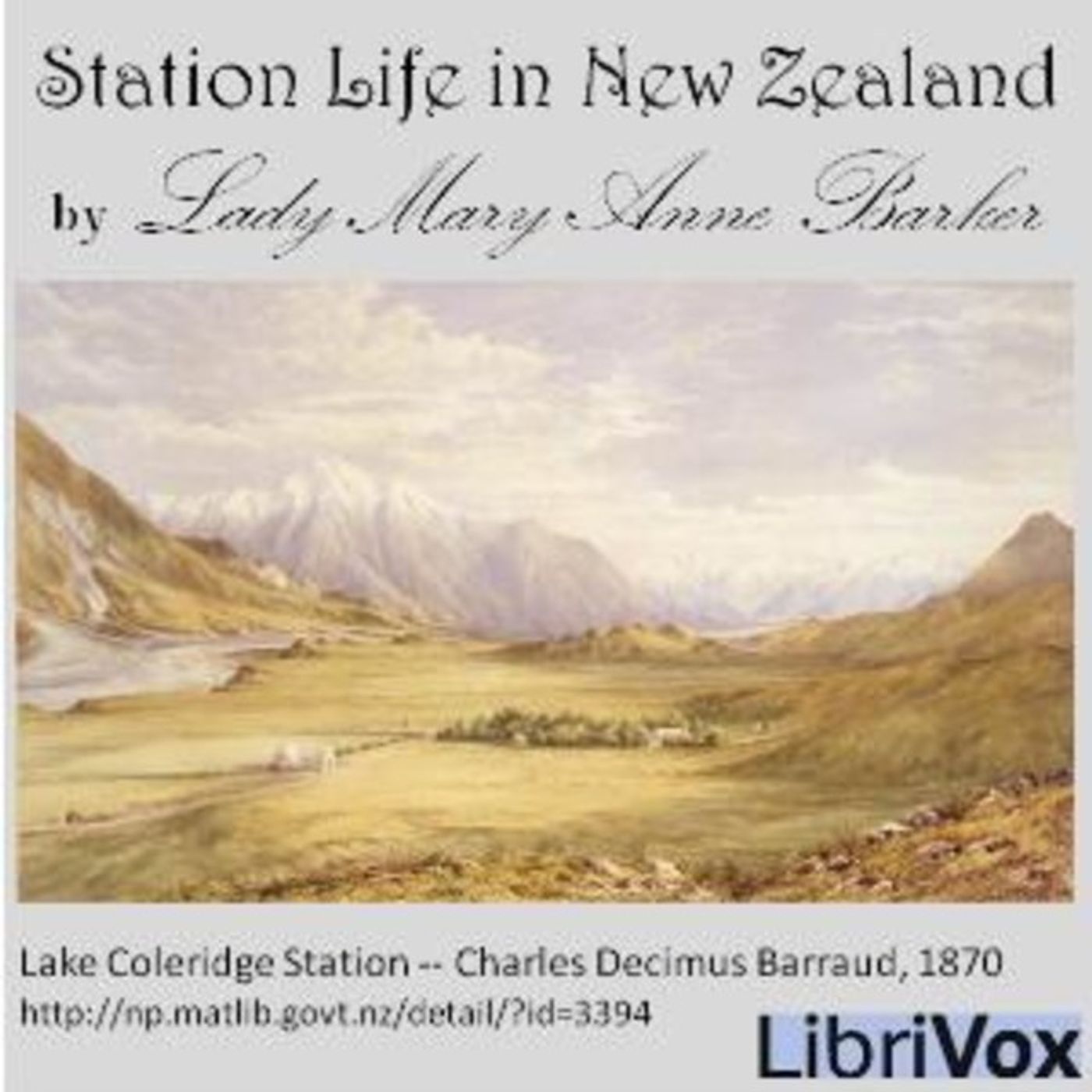 25 - Station Life in New Zealand by Mary Anne Barker | Station Life in New Zealand offers a delightful glimpse into the life of Lady Mary Anne Barker (née Mary Anne Stewart) through a captivating collection of her letters, which have become a cherished part of New Zealands literary heritage. These letters, penned between 1865 and 1868, chronicle her travels with her husband, Frederick Broomie, to the colonial sheep station they called home, Broomielaw, in the picturesque Province of Canterbury on New Zealands South Island. With a blend of humor and storytelling, Lady Barker shares the lighter and more whimsical aspects of colonization, while also confronting the profound tragedy of her baby sons illness and passing. Amidst the backdrop of Canterburys unpredictable weather, she recounts her struggles with the fierce norwester winds, the devastation of snowstorms that claimed their sheep, and the floods that wreaked havoc on their homestead. A spirited adventurer, she describes thrilling escapades, from a chilly overnight camping trip to breathtaking sunrises, to her determination to keep pace with nine skeptical men while hunting wild cattle. As one of the few women in her region, she also took it upon herself to enrich her community with books and education for children. Lady Mary Anne Barker and her husband returned to England in late 1868, leaving behind a tapestry of experiences that continue to resonate today. (Summary by Gail Timmerman-Vaughan) | 16m 15s | ||||||
| 8/19/25 | 24 - Station Life in New Zealand by Mary Anne Barker | Station Life in New Zealand offers a delightful glimpse into the life of Lady Mary Anne Barker (née Mary Anne Stewart) through a captivating collection of her letters, which have become a cherished part of New Zealands literary heritage. These letters, penned between 1865 and 1868, chronicle her travels with her husband, Frederick Broomie, to the colonial sheep station they called home, Broomielaw, in the picturesque Province of Canterbury on New Zealands South Island. With a blend of humor and storytelling, Lady Barker shares the lighter and more whimsical aspects of colonization, while also confronting the profound tragedy of her baby sons illness and passing. Amidst the backdrop of Canterburys unpredictable weather, she recounts her struggles with the fierce norwester winds, the devastation of snowstorms that claimed their sheep, and the floods that wreaked havoc on their homestead. A spirited adventurer, she describes thrilling escapades, from a chilly overnight camping trip to breathtaking sunrises, to her determination to keep pace with nine skeptical men while hunting wild cattle. As one of the few women in her region, she also took it upon herself to enrich her community with books and education for children. Lady Mary Anne Barker and her husband returned to England in late 1868, leaving behind a tapestry of experiences that continue to resonate today. (Summary by Gail Timmerman-Vaughan) | 9m 08s | ||||||
| 8/19/25 | 23 - Station Life in New Zealand by Mary Anne Barker | Station Life in New Zealand offers a delightful glimpse into the life of Lady Mary Anne Barker (née Mary Anne Stewart) through a captivating collection of her letters, which have become a cherished part of New Zealands literary heritage. These letters, penned between 1865 and 1868, chronicle her travels with her husband, Frederick Broomie, to the colonial sheep station they called home, Broomielaw, in the picturesque Province of Canterbury on New Zealands South Island. With a blend of humor and storytelling, Lady Barker shares the lighter and more whimsical aspects of colonization, while also confronting the profound tragedy of her baby sons illness and passing. Amidst the backdrop of Canterburys unpredictable weather, she recounts her struggles with the fierce norwester winds, the devastation of snowstorms that claimed their sheep, and the floods that wreaked havoc on their homestead. A spirited adventurer, she describes thrilling escapades, from a chilly overnight camping trip to breathtaking sunrises, to her determination to keep pace with nine skeptical men while hunting wild cattle. As one of the few women in her region, she also took it upon herself to enrich her community with books and education for children. Lady Mary Anne Barker and her husband returned to England in late 1868, leaving behind a tapestry of experiences that continue to resonate today. (Summary by Gail Timmerman-Vaughan) | 20m 58s | ||||||
| 8/19/25 | 22 - Station Life in New Zealand by Mary Anne Barker | Station Life in New Zealand offers a delightful glimpse into the life of Lady Mary Anne Barker (née Mary Anne Stewart) through a captivating collection of her letters, which have become a cherished part of New Zealands literary heritage. These letters, penned between 1865 and 1868, chronicle her travels with her husband, Frederick Broomie, to the colonial sheep station they called home, Broomielaw, in the picturesque Province of Canterbury on New Zealands South Island. With a blend of humor and storytelling, Lady Barker shares the lighter and more whimsical aspects of colonization, while also confronting the profound tragedy of her baby sons illness and passing. Amidst the backdrop of Canterburys unpredictable weather, she recounts her struggles with the fierce norwester winds, the devastation of snowstorms that claimed their sheep, and the floods that wreaked havoc on their homestead. A spirited adventurer, she describes thrilling escapades, from a chilly overnight camping trip to breathtaking sunrises, to her determination to keep pace with nine skeptical men while hunting wild cattle. As one of the few women in her region, she also took it upon herself to enrich her community with books and education for children. Lady Mary Anne Barker and her husband returned to England in late 1868, leaving behind a tapestry of experiences that continue to resonate today. (Summary by Gail Timmerman-Vaughan) | 20m 28s | ||||||
| 8/19/25 | 21 - Station Life in New Zealand by Mary Anne Barker | Station Life in New Zealand offers a delightful glimpse into the life of Lady Mary Anne Barker (née Mary Anne Stewart) through a captivating collection of her letters, which have become a cherished part of New Zealands literary heritage. These letters, penned between 1865 and 1868, chronicle her travels with her husband, Frederick Broomie, to the colonial sheep station they called home, Broomielaw, in the picturesque Province of Canterbury on New Zealands South Island. With a blend of humor and storytelling, Lady Barker shares the lighter and more whimsical aspects of colonization, while also confronting the profound tragedy of her baby sons illness and passing. Amidst the backdrop of Canterburys unpredictable weather, she recounts her struggles with the fierce norwester winds, the devastation of snowstorms that claimed their sheep, and the floods that wreaked havoc on their homestead. A spirited adventurer, she describes thrilling escapades, from a chilly overnight camping trip to breathtaking sunrises, to her determination to keep pace with nine skeptical men while hunting wild cattle. As one of the few women in her region, she also took it upon herself to enrich her community with books and education for children. Lady Mary Anne Barker and her husband returned to England in late 1868, leaving behind a tapestry of experiences that continue to resonate today. (Summary by Gail Timmerman-Vaughan) | 29m 30s | ||||||
| 8/19/25 | 20 - Station Life in New Zealand by Mary Anne Barker | Station Life in New Zealand offers a delightful glimpse into the life of Lady Mary Anne Barker (née Mary Anne Stewart) through a captivating collection of her letters, which have become a cherished part of New Zealands literary heritage. These letters, penned between 1865 and 1868, chronicle her travels with her husband, Frederick Broomie, to the colonial sheep station they called home, Broomielaw, in the picturesque Province of Canterbury on New Zealands South Island. With a blend of humor and storytelling, Lady Barker shares the lighter and more whimsical aspects of colonization, while also confronting the profound tragedy of her baby sons illness and passing. Amidst the backdrop of Canterburys unpredictable weather, she recounts her struggles with the fierce norwester winds, the devastation of snowstorms that claimed their sheep, and the floods that wreaked havoc on their homestead. A spirited adventurer, she describes thrilling escapades, from a chilly overnight camping trip to breathtaking sunrises, to her determination to keep pace with nine skeptical men while hunting wild cattle. As one of the few women in her region, she also took it upon herself to enrich her community with books and education for children. Lady Mary Anne Barker and her husband returned to England in late 1868, leaving behind a tapestry of experiences that continue to resonate today. (Summary by Gail Timmerman-Vaughan) | 28m 18s | ||||||
| 8/19/25 | 19 - Station Life in New Zealand by Mary Anne Barker | Station Life in New Zealand offers a delightful glimpse into the life of Lady Mary Anne Barker (née Mary Anne Stewart) through a captivating collection of her letters, which have become a cherished part of New Zealands literary heritage. These letters, penned between 1865 and 1868, chronicle her travels with her husband, Frederick Broomie, to the colonial sheep station they called home, Broomielaw, in the picturesque Province of Canterbury on New Zealands South Island. With a blend of humor and storytelling, Lady Barker shares the lighter and more whimsical aspects of colonization, while also confronting the profound tragedy of her baby sons illness and passing. Amidst the backdrop of Canterburys unpredictable weather, she recounts her struggles with the fierce norwester winds, the devastation of snowstorms that claimed their sheep, and the floods that wreaked havoc on their homestead. A spirited adventurer, she describes thrilling escapades, from a chilly overnight camping trip to breathtaking sunrises, to her determination to keep pace with nine skeptical men while hunting wild cattle. As one of the few women in her region, she also took it upon herself to enrich her community with books and education for children. Lady Mary Anne Barker and her husband returned to England in late 1868, leaving behind a tapestry of experiences that continue to resonate today. (Summary by Gail Timmerman-Vaughan) | 12m 29s | ||||||
| 8/19/25 | 18 - Station Life in New Zealand by Mary Anne Barker | Station Life in New Zealand offers a delightful glimpse into the life of Lady Mary Anne Barker (née Mary Anne Stewart) through a captivating collection of her letters, which have become a cherished part of New Zealands literary heritage. These letters, penned between 1865 and 1868, chronicle her travels with her husband, Frederick Broomie, to the colonial sheep station they called home, Broomielaw, in the picturesque Province of Canterbury on New Zealands South Island. With a blend of humor and storytelling, Lady Barker shares the lighter and more whimsical aspects of colonization, while also confronting the profound tragedy of her baby sons illness and passing. Amidst the backdrop of Canterburys unpredictable weather, she recounts her struggles with the fierce norwester winds, the devastation of snowstorms that claimed their sheep, and the floods that wreaked havoc on their homestead. A spirited adventurer, she describes thrilling escapades, from a chilly overnight camping trip to breathtaking sunrises, to her determination to keep pace with nine skeptical men while hunting wild cattle. As one of the few women in her region, she also took it upon herself to enrich her community with books and education for children. Lady Mary Anne Barker and her husband returned to England in late 1868, leaving behind a tapestry of experiences that continue to resonate today. (Summary by Gail Timmerman-Vaughan) | 16m 36s | ||||||
| 8/19/25 | 17 - Station Life in New Zealand by Mary Anne Barker | Station Life in New Zealand offers a delightful glimpse into the life of Lady Mary Anne Barker (née Mary Anne Stewart) through a captivating collection of her letters, which have become a cherished part of New Zealands literary heritage. These letters, penned between 1865 and 1868, chronicle her travels with her husband, Frederick Broomie, to the colonial sheep station they called home, Broomielaw, in the picturesque Province of Canterbury on New Zealands South Island. With a blend of humor and storytelling, Lady Barker shares the lighter and more whimsical aspects of colonization, while also confronting the profound tragedy of her baby sons illness and passing. Amidst the backdrop of Canterburys unpredictable weather, she recounts her struggles with the fierce norwester winds, the devastation of snowstorms that claimed their sheep, and the floods that wreaked havoc on their homestead. A spirited adventurer, she describes thrilling escapades, from a chilly overnight camping trip to breathtaking sunrises, to her determination to keep pace with nine skeptical men while hunting wild cattle. As one of the few women in her region, she also took it upon herself to enrich her community with books and education for children. Lady Mary Anne Barker and her husband returned to England in late 1868, leaving behind a tapestry of experiences that continue to resonate today. (Summary by Gail Timmerman-Vaughan) | 20m 36s | ||||||
| 8/19/25 | 16 - Station Life in New Zealand by Mary Anne Barker | Station Life in New Zealand offers a delightful glimpse into the life of Lady Mary Anne Barker (née Mary Anne Stewart) through a captivating collection of her letters, which have become a cherished part of New Zealands literary heritage. These letters, penned between 1865 and 1868, chronicle her travels with her husband, Frederick Broomie, to the colonial sheep station they called home, Broomielaw, in the picturesque Province of Canterbury on New Zealands South Island. With a blend of humor and storytelling, Lady Barker shares the lighter and more whimsical aspects of colonization, while also confronting the profound tragedy of her baby sons illness and passing. Amidst the backdrop of Canterburys unpredictable weather, she recounts her struggles with the fierce norwester winds, the devastation of snowstorms that claimed their sheep, and the floods that wreaked havoc on their homestead. A spirited adventurer, she describes thrilling escapades, from a chilly overnight camping trip to breathtaking sunrises, to her determination to keep pace with nine skeptical men while hunting wild cattle. As one of the few women in her region, she also took it upon herself to enrich her community with books and education for children. Lady Mary Anne Barker and her husband returned to England in late 1868, leaving behind a tapestry of experiences that continue to resonate today. (Summary by Gail Timmerman-Vaughan) | 14m 42s | ||||||
Want analysis for the episodes below?Free for Pro Submit a request, we'll have your selected episodes analyzed within an hour. Free, at no cost to you, for Pro users. | |||||||||
| 8/19/25 | 15 - Station Life in New Zealand by Mary Anne Barker | Station Life in New Zealand offers a delightful glimpse into the life of Lady Mary Anne Barker (née Mary Anne Stewart) through a captivating collection of her letters, which have become a cherished part of New Zealands literary heritage. These letters, penned between 1865 and 1868, chronicle her travels with her husband, Frederick Broomie, to the colonial sheep station they called home, Broomielaw, in the picturesque Province of Canterbury on New Zealands South Island. With a blend of humor and storytelling, Lady Barker shares the lighter and more whimsical aspects of colonization, while also confronting the profound tragedy of her baby sons illness and passing. Amidst the backdrop of Canterburys unpredictable weather, she recounts her struggles with the fierce norwester winds, the devastation of snowstorms that claimed their sheep, and the floods that wreaked havoc on their homestead. A spirited adventurer, she describes thrilling escapades, from a chilly overnight camping trip to breathtaking sunrises, to her determination to keep pace with nine skeptical men while hunting wild cattle. As one of the few women in her region, she also took it upon herself to enrich her community with books and education for children. Lady Mary Anne Barker and her husband returned to England in late 1868, leaving behind a tapestry of experiences that continue to resonate today. (Summary by Gail Timmerman-Vaughan) | 14m 08s | ||||||
| 8/19/25 | 14 - Station Life in New Zealand by Mary Anne Barker | Station Life in New Zealand offers a delightful glimpse into the life of Lady Mary Anne Barker (née Mary Anne Stewart) through a captivating collection of her letters, which have become a cherished part of New Zealands literary heritage. These letters, penned between 1865 and 1868, chronicle her travels with her husband, Frederick Broomie, to the colonial sheep station they called home, Broomielaw, in the picturesque Province of Canterbury on New Zealands South Island. With a blend of humor and storytelling, Lady Barker shares the lighter and more whimsical aspects of colonization, while also confronting the profound tragedy of her baby sons illness and passing. Amidst the backdrop of Canterburys unpredictable weather, she recounts her struggles with the fierce norwester winds, the devastation of snowstorms that claimed their sheep, and the floods that wreaked havoc on their homestead. A spirited adventurer, she describes thrilling escapades, from a chilly overnight camping trip to breathtaking sunrises, to her determination to keep pace with nine skeptical men while hunting wild cattle. As one of the few women in her region, she also took it upon herself to enrich her community with books and education for children. Lady Mary Anne Barker and her husband returned to England in late 1868, leaving behind a tapestry of experiences that continue to resonate today. (Summary by Gail Timmerman-Vaughan) | 23m 03s | ||||||
| 8/19/25 | 13 - Station Life in New Zealand by Mary Anne Barker | Station Life in New Zealand offers a delightful glimpse into the life of Lady Mary Anne Barker (née Mary Anne Stewart) through a captivating collection of her letters, which have become a cherished part of New Zealands literary heritage. These letters, penned between 1865 and 1868, chronicle her travels with her husband, Frederick Broomie, to the colonial sheep station they called home, Broomielaw, in the picturesque Province of Canterbury on New Zealands South Island. With a blend of humor and storytelling, Lady Barker shares the lighter and more whimsical aspects of colonization, while also confronting the profound tragedy of her baby sons illness and passing. Amidst the backdrop of Canterburys unpredictable weather, she recounts her struggles with the fierce norwester winds, the devastation of snowstorms that claimed their sheep, and the floods that wreaked havoc on their homestead. A spirited adventurer, she describes thrilling escapades, from a chilly overnight camping trip to breathtaking sunrises, to her determination to keep pace with nine skeptical men while hunting wild cattle. As one of the few women in her region, she also took it upon herself to enrich her community with books and education for children. Lady Mary Anne Barker and her husband returned to England in late 1868, leaving behind a tapestry of experiences that continue to resonate today. (Summary by Gail Timmerman-Vaughan) | 13m 06s | ||||||
| 8/19/25 | 12 - Station Life in New Zealand by Mary Anne Barker | Station Life in New Zealand offers a delightful glimpse into the life of Lady Mary Anne Barker (née Mary Anne Stewart) through a captivating collection of her letters, which have become a cherished part of New Zealands literary heritage. These letters, penned between 1865 and 1868, chronicle her travels with her husband, Frederick Broomie, to the colonial sheep station they called home, Broomielaw, in the picturesque Province of Canterbury on New Zealands South Island. With a blend of humor and storytelling, Lady Barker shares the lighter and more whimsical aspects of colonization, while also confronting the profound tragedy of her baby sons illness and passing. Amidst the backdrop of Canterburys unpredictable weather, she recounts her struggles with the fierce norwester winds, the devastation of snowstorms that claimed their sheep, and the floods that wreaked havoc on their homestead. A spirited adventurer, she describes thrilling escapades, from a chilly overnight camping trip to breathtaking sunrises, to her determination to keep pace with nine skeptical men while hunting wild cattle. As one of the few women in her region, she also took it upon herself to enrich her community with books and education for children. Lady Mary Anne Barker and her husband returned to England in late 1868, leaving behind a tapestry of experiences that continue to resonate today. (Summary by Gail Timmerman-Vaughan) | 9m 21s | ||||||
| 8/19/25 | 11 - Station Life in New Zealand by Mary Anne Barker | Station Life in New Zealand offers a delightful glimpse into the life of Lady Mary Anne Barker (née Mary Anne Stewart) through a captivating collection of her letters, which have become a cherished part of New Zealands literary heritage. These letters, penned between 1865 and 1868, chronicle her travels with her husband, Frederick Broomie, to the colonial sheep station they called home, Broomielaw, in the picturesque Province of Canterbury on New Zealands South Island. With a blend of humor and storytelling, Lady Barker shares the lighter and more whimsical aspects of colonization, while also confronting the profound tragedy of her baby sons illness and passing. Amidst the backdrop of Canterburys unpredictable weather, she recounts her struggles with the fierce norwester winds, the devastation of snowstorms that claimed their sheep, and the floods that wreaked havoc on their homestead. A spirited adventurer, she describes thrilling escapades, from a chilly overnight camping trip to breathtaking sunrises, to her determination to keep pace with nine skeptical men while hunting wild cattle. As one of the few women in her region, she also took it upon herself to enrich her community with books and education for children. Lady Mary Anne Barker and her husband returned to England in late 1868, leaving behind a tapestry of experiences that continue to resonate today. (Summary by Gail Timmerman-Vaughan) | 10m 25s | ||||||
| 8/19/25 | 10 - Station Life in New Zealand by Mary Anne Barker | Station Life in New Zealand offers a delightful glimpse into the life of Lady Mary Anne Barker (née Mary Anne Stewart) through a captivating collection of her letters, which have become a cherished part of New Zealands literary heritage. These letters, penned between 1865 and 1868, chronicle her travels with her husband, Frederick Broomie, to the colonial sheep station they called home, Broomielaw, in the picturesque Province of Canterbury on New Zealands South Island. With a blend of humor and storytelling, Lady Barker shares the lighter and more whimsical aspects of colonization, while also confronting the profound tragedy of her baby sons illness and passing. Amidst the backdrop of Canterburys unpredictable weather, she recounts her struggles with the fierce norwester winds, the devastation of snowstorms that claimed their sheep, and the floods that wreaked havoc on their homestead. A spirited adventurer, she describes thrilling escapades, from a chilly overnight camping trip to breathtaking sunrises, to her determination to keep pace with nine skeptical men while hunting wild cattle. As one of the few women in her region, she also took it upon herself to enrich her community with books and education for children. Lady Mary Anne Barker and her husband returned to England in late 1868, leaving behind a tapestry of experiences that continue to resonate today. (Summary by Gail Timmerman-Vaughan) | 10m 34s | ||||||
| 8/19/25 | 09 - Station Life in New Zealand by Mary Anne Barker | Station Life in New Zealand offers a delightful glimpse into the life of Lady Mary Anne Barker (née Mary Anne Stewart) through a captivating collection of her letters, which have become a cherished part of New Zealands literary heritage. These letters, penned between 1865 and 1868, chronicle her travels with her husband, Frederick Broomie, to the colonial sheep station they called home, Broomielaw, in the picturesque Province of Canterbury on New Zealands South Island. With a blend of humor and storytelling, Lady Barker shares the lighter and more whimsical aspects of colonization, while also confronting the profound tragedy of her baby sons illness and passing. Amidst the backdrop of Canterburys unpredictable weather, she recounts her struggles with the fierce norwester winds, the devastation of snowstorms that claimed their sheep, and the floods that wreaked havoc on their homestead. A spirited adventurer, she describes thrilling escapades, from a chilly overnight camping trip to breathtaking sunrises, to her determination to keep pace with nine skeptical men while hunting wild cattle. As one of the few women in her region, she also took it upon herself to enrich her community with books and education for children. Lady Mary Anne Barker and her husband returned to England in late 1868, leaving behind a tapestry of experiences that continue to resonate today. (Summary by Gail Timmerman-Vaughan) | 7m 14s | ||||||
| 8/19/25 | 08 - Station Life in New Zealand by Mary Anne Barker | Station Life in New Zealand offers a delightful glimpse into the life of Lady Mary Anne Barker (née Mary Anne Stewart) through a captivating collection of her letters, which have become a cherished part of New Zealands literary heritage. These letters, penned between 1865 and 1868, chronicle her travels with her husband, Frederick Broomie, to the colonial sheep station they called home, Broomielaw, in the picturesque Province of Canterbury on New Zealands South Island. With a blend of humor and storytelling, Lady Barker shares the lighter and more whimsical aspects of colonization, while also confronting the profound tragedy of her baby sons illness and passing. Amidst the backdrop of Canterburys unpredictable weather, she recounts her struggles with the fierce norwester winds, the devastation of snowstorms that claimed their sheep, and the floods that wreaked havoc on their homestead. A spirited adventurer, she describes thrilling escapades, from a chilly overnight camping trip to breathtaking sunrises, to her determination to keep pace with nine skeptical men while hunting wild cattle. As one of the few women in her region, she also took it upon herself to enrich her community with books and education for children. Lady Mary Anne Barker and her husband returned to England in late 1868, leaving behind a tapestry of experiences that continue to resonate today. (Summary by Gail Timmerman-Vaughan) | 7m 01s | ||||||
| 8/19/25 | 07 - Station Life in New Zealand by Mary Anne Barker | Station Life in New Zealand offers a delightful glimpse into the life of Lady Mary Anne Barker (née Mary Anne Stewart) through a captivating collection of her letters, which have become a cherished part of New Zealands literary heritage. These letters, penned between 1865 and 1868, chronicle her travels with her husband, Frederick Broomie, to the colonial sheep station they called home, Broomielaw, in the picturesque Province of Canterbury on New Zealands South Island. With a blend of humor and storytelling, Lady Barker shares the lighter and more whimsical aspects of colonization, while also confronting the profound tragedy of her baby sons illness and passing. Amidst the backdrop of Canterburys unpredictable weather, she recounts her struggles with the fierce norwester winds, the devastation of snowstorms that claimed their sheep, and the floods that wreaked havoc on their homestead. A spirited adventurer, she describes thrilling escapades, from a chilly overnight camping trip to breathtaking sunrises, to her determination to keep pace with nine skeptical men while hunting wild cattle. As one of the few women in her region, she also took it upon herself to enrich her community with books and education for children. Lady Mary Anne Barker and her husband returned to England in late 1868, leaving behind a tapestry of experiences that continue to resonate today. (Summary by Gail Timmerman-Vaughan) | 7m 08s | ||||||
| 8/19/25 | 06 - Station Life in New Zealand by Mary Anne Barker | Station Life in New Zealand offers a delightful glimpse into the life of Lady Mary Anne Barker (née Mary Anne Stewart) through a captivating collection of her letters, which have become a cherished part of New Zealands literary heritage. These letters, penned between 1865 and 1868, chronicle her travels with her husband, Frederick Broomie, to the colonial sheep station they called home, Broomielaw, in the picturesque Province of Canterbury on New Zealands South Island. With a blend of humor and storytelling, Lady Barker shares the lighter and more whimsical aspects of colonization, while also confronting the profound tragedy of her baby sons illness and passing. Amidst the backdrop of Canterburys unpredictable weather, she recounts her struggles with the fierce norwester winds, the devastation of snowstorms that claimed their sheep, and the floods that wreaked havoc on their homestead. A spirited adventurer, she describes thrilling escapades, from a chilly overnight camping trip to breathtaking sunrises, to her determination to keep pace with nine skeptical men while hunting wild cattle. As one of the few women in her region, she also took it upon herself to enrich her community with books and education for children. Lady Mary Anne Barker and her husband returned to England in late 1868, leaving behind a tapestry of experiences that continue to resonate today. (Summary by Gail Timmerman-Vaughan) | 15m 17s | ||||||
| 8/19/25 | 05 - Station Life in New Zealand by Mary Anne Barker | Station Life in New Zealand offers a delightful glimpse into the life of Lady Mary Anne Barker (née Mary Anne Stewart) through a captivating collection of her letters, which have become a cherished part of New Zealands literary heritage. These letters, penned between 1865 and 1868, chronicle her travels with her husband, Frederick Broomie, to the colonial sheep station they called home, Broomielaw, in the picturesque Province of Canterbury on New Zealands South Island. With a blend of humor and storytelling, Lady Barker shares the lighter and more whimsical aspects of colonization, while also confronting the profound tragedy of her baby sons illness and passing. Amidst the backdrop of Canterburys unpredictable weather, she recounts her struggles with the fierce norwester winds, the devastation of snowstorms that claimed their sheep, and the floods that wreaked havoc on their homestead. A spirited adventurer, she describes thrilling escapades, from a chilly overnight camping trip to breathtaking sunrises, to her determination to keep pace with nine skeptical men while hunting wild cattle. As one of the few women in her region, she also took it upon herself to enrich her community with books and education for children. Lady Mary Anne Barker and her husband returned to England in late 1868, leaving behind a tapestry of experiences that continue to resonate today. (Summary by Gail Timmerman-Vaughan) | 8m 00s | ||||||
| 8/19/25 | 04 - Station Life in New Zealand by Mary Anne Barker | Station Life in New Zealand offers a delightful glimpse into the life of Lady Mary Anne Barker (née Mary Anne Stewart) through a captivating collection of her letters, which have become a cherished part of New Zealands literary heritage. These letters, penned between 1865 and 1868, chronicle her travels with her husband, Frederick Broomie, to the colonial sheep station they called home, Broomielaw, in the picturesque Province of Canterbury on New Zealands South Island. With a blend of humor and storytelling, Lady Barker shares the lighter and more whimsical aspects of colonization, while also confronting the profound tragedy of her baby sons illness and passing. Amidst the backdrop of Canterburys unpredictable weather, she recounts her struggles with the fierce norwester winds, the devastation of snowstorms that claimed their sheep, and the floods that wreaked havoc on their homestead. A spirited adventurer, she describes thrilling escapades, from a chilly overnight camping trip to breathtaking sunrises, to her determination to keep pace with nine skeptical men while hunting wild cattle. As one of the few women in her region, she also took it upon herself to enrich her community with books and education for children. Lady Mary Anne Barker and her husband returned to England in late 1868, leaving behind a tapestry of experiences that continue to resonate today. (Summary by Gail Timmerman-Vaughan) | 11m 32s | ||||||
| 8/19/25 | 03 - Station Life in New Zealand by Mary Anne Barker | Station Life in New Zealand offers a delightful glimpse into the life of Lady Mary Anne Barker (née Mary Anne Stewart) through a captivating collection of her letters, which have become a cherished part of New Zealands literary heritage. These letters, penned between 1865 and 1868, chronicle her travels with her husband, Frederick Broomie, to the colonial sheep station they called home, Broomielaw, in the picturesque Province of Canterbury on New Zealands South Island. With a blend of humor and storytelling, Lady Barker shares the lighter and more whimsical aspects of colonization, while also confronting the profound tragedy of her baby sons illness and passing. Amidst the backdrop of Canterburys unpredictable weather, she recounts her struggles with the fierce norwester winds, the devastation of snowstorms that claimed their sheep, and the floods that wreaked havoc on their homestead. A spirited adventurer, she describes thrilling escapades, from a chilly overnight camping trip to breathtaking sunrises, to her determination to keep pace with nine skeptical men while hunting wild cattle. As one of the few women in her region, she also took it upon herself to enrich her community with books and education for children. Lady Mary Anne Barker and her husband returned to England in late 1868, leaving behind a tapestry of experiences that continue to resonate today. (Summary by Gail Timmerman-Vaughan) | 12m 23s | ||||||
| 8/19/25 | 02 - Station Life in New Zealand by Mary Anne Barker | Station Life in New Zealand offers a delightful glimpse into the life of Lady Mary Anne Barker (née Mary Anne Stewart) through a captivating collection of her letters, which have become a cherished part of New Zealands literary heritage. These letters, penned between 1865 and 1868, chronicle her travels with her husband, Frederick Broomie, to the colonial sheep station they called home, Broomielaw, in the picturesque Province of Canterbury on New Zealands South Island. With a blend of humor and storytelling, Lady Barker shares the lighter and more whimsical aspects of colonization, while also confronting the profound tragedy of her baby sons illness and passing. Amidst the backdrop of Canterburys unpredictable weather, she recounts her struggles with the fierce norwester winds, the devastation of snowstorms that claimed their sheep, and the floods that wreaked havoc on their homestead. A spirited adventurer, she describes thrilling escapades, from a chilly overnight camping trip to breathtaking sunrises, to her determination to keep pace with nine skeptical men while hunting wild cattle. As one of the few women in her region, she also took it upon herself to enrich her community with books and education for children. Lady Mary Anne Barker and her husband returned to England in late 1868, leaving behind a tapestry of experiences that continue to resonate today. (Summary by Gail Timmerman-Vaughan) | 7m 39s | ||||||
| 8/19/25 | 01 - Station Life in New Zealand by Mary Anne Barker | Station Life in New Zealand offers a delightful glimpse into the life of Lady Mary Anne Barker (née Mary Anne Stewart) through a captivating collection of her letters, which have become a cherished part of New Zealands literary heritage. These letters, penned between 1865 and 1868, chronicle her travels with her husband, Frederick Broomie, to the colonial sheep station they called home, Broomielaw, in the picturesque Province of Canterbury on New Zealands South Island. With a blend of humor and storytelling, Lady Barker shares the lighter and more whimsical aspects of colonization, while also confronting the profound tragedy of her baby sons illness and passing. Amidst the backdrop of Canterburys unpredictable weather, she recounts her struggles with the fierce norwester winds, the devastation of snowstorms that claimed their sheep, and the floods that wreaked havoc on their homestead. A spirited adventurer, she describes thrilling escapades, from a chilly overnight camping trip to breathtaking sunrises, to her determination to keep pace with nine skeptical men while hunting wild cattle. As one of the few women in her region, she also took it upon herself to enrich her community with books and education for children. Lady Mary Anne Barker and her husband returned to England in late 1868, leaving behind a tapestry of experiences that continue to resonate today. (Summary by Gail Timmerman-Vaughan) | 15m 59s | ||||||
Showing 25 of 25
Sponsor Intelligence
Sign in to see which brands sponsor this podcast, their ad offers, and promo codes.
Chart Positions
1 placement across 1 market.
Chart Positions
1 placement across 1 market.