
Insights from recent episode analysis
Audience Interest
Podcast Focus
Publishing Consistency
Platform Reach
Insights are generated by CastFox AI using publicly available data, episode content, and proprietary models.
Most discussed topics
Brands & references
Total monthly reach
Estimated from 1 chart position in 1 market.
By chart position
- 🇺🇸US · Non-Profit#1725K to 30K
- Per-Episode Audience
Est. listeners per new episode within ~30 days
2.5K to 15K🎙 ~2x weekly·52 episodes·Last published 1w ago - Monthly Reach
Unique listeners across all episodes (30 days)
5K to 30K🇺🇸100% - Active Followers
Loyal subscribers who consistently listen
2K to 12K
Market Insights
Platform Distribution
Reach across major podcast platforms, updated hourly
Total Followers
—
Total Plays
—
Total Reviews
—
* Data sourced directly from platform APIs and aggregated hourly across all major podcast directories.
On the show
From 11 epsHosts
Recent guests
Recent episodes
Novien Yarber: What Prebys Heard From Grantees
Jun 18, 2026
57m 03s
Dana Toppel: Housing, Hope, and Human Service
Jun 5, 2026
59m 43s
Erin Harkey: Arts, Culture, and a Healthy Democracy
May 15, 2026
57m 00s
Jonathon Glus: Embracing San Diego as a Creative City
Apr 30, 2026
56m 09s
Norma Chávez-Peterson: Courage, Community, and Defending Civil Liberties
Apr 17, 2026
59m 33s
Social Links & Contact
Official channels & resources
Official Website
Login
RSS Feed
Login
| Date | Episode | Topics | Guests | Brands | Places | Keywords | Sponsor | Length | |
|---|---|---|---|---|---|---|---|---|---|
| 6/18/26 | 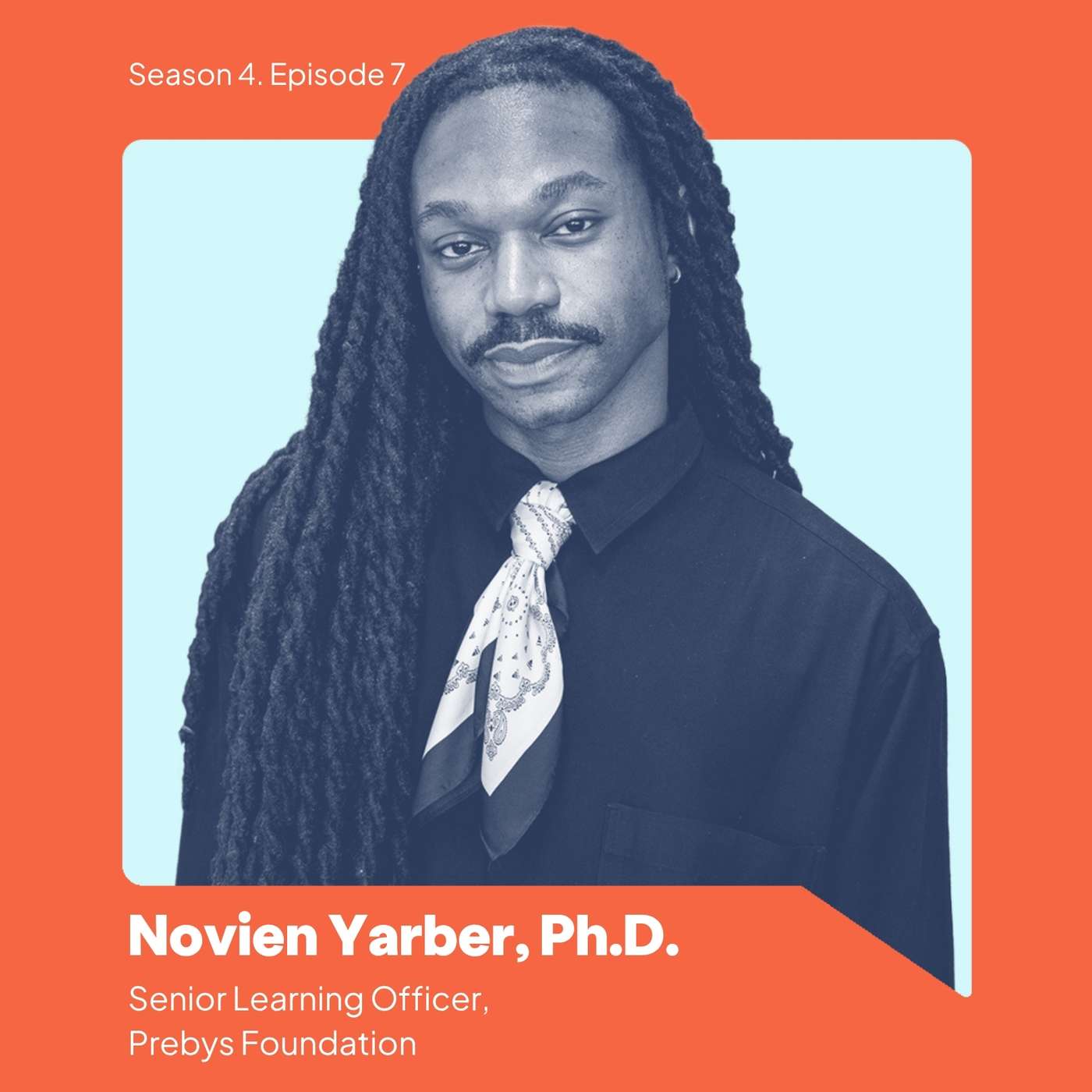 Novien Yarber: What Prebys Heard From Grantees | Dr. Novien Yarber is the Senior Learning Officer at Prebys Foundation, where he helps the foundation listen, reflect, and learn from its work with community partners. Known around the office as “Dr. Novi,” he brings a rare combination of rigor, warmth, and curiosity to the practice of evaluation. Before joining Prebys, Novi served as Director of Leadership, Philanthropy, and Social Impact at the University of San Diego’s Nonprofit Institute, where he led community-focused programs at the intersection of leadership and social change This Episode: What does it look like when a foundation takes a closer look at itself? In this episode, Novi and Grant reflect on what Prebys heard from grantee partners through its most recent Grantee Perception Report. The conversation explores both the affirmations and the invitations for growth, including how grantees perceive Prebys’ leadership, impact, adaptability, transparency, and relationships across San Diego County. This episode offers a candid look at how a foundation makes sense of feedback, wrestles with trade-offs, and thinks about its role in community. Novi and Grant discuss one of the central tensions in place-based philanthropy: how to keep learning and responding to changing conditions while also being clear and predictable for the organizations doing the work every day. They explore what real transparency requires, why trust matters for shared learning, and how funders and grantees can build relationships strong enough to hold wins, losses, lessons, and setbacks. Key Moments: [2:02] What the Center for Effective Philanthropy is and why the report matters [10:28] Why relationships are central to place-based philanthropy [23:55] How deeper trust can support shared learning between funders and grantees [30:39] Grant reflects on adaptive leadership, values, and predictability [38:08] Novi connects transparency with accountability Resources Mentioned in This Episode: Center for Effective Philanthropy – A national nonprofit that supports more effective philanthropy through research, data, and resources for foundations and donors. Prebys Foundation – A place-based foundation working to advance purpose, opportunity, and belonging across San Diego County. Healing Through Arts and Nature – A Prebys-supported approach that expands access to arts, culture, and nature as resources for youth mental health and well-being. Take Action: Practice Transparency – Share not only what you decide, but what you are learning along the way. Being open about process can build trust, even when the answers are still evolving. Build Relationships That Can Hold Honesty – Invest in relationships where people can share what is working, what is hard, and what needs to change without fear of losing trust. Stay Open to Feedback – Treat feedback as an opportunity to grow, not as a final judgment. Listening, reflecting, and adjusting are part of building stronger organizations and communities. Credits:This is a production of the Prebys FoundationHosted by Grant OliphantCo-Hosted by Crystal PageProduced by Adam Greenfield, Tess Karesky, Edgar Ontiveros Medina, and Crystal PageEngineered by Adam GreenfieldProduction Coordination by Tess KareskyVideo Production by Edgar Ontiveros MedinaThe Stop & Talk Theme song was created by San Diego’s own Mr. Lyrical Groove.Download episodes at your favorite podcatcher or visit us at StopAndTalkPodcast.comSpecial thanks to the Prebys Foundation TeamIf you like this show, and we hope you do, the best way to support this show is to share, subscribe | 57m 03s | ||||||
| 6/5/26 | 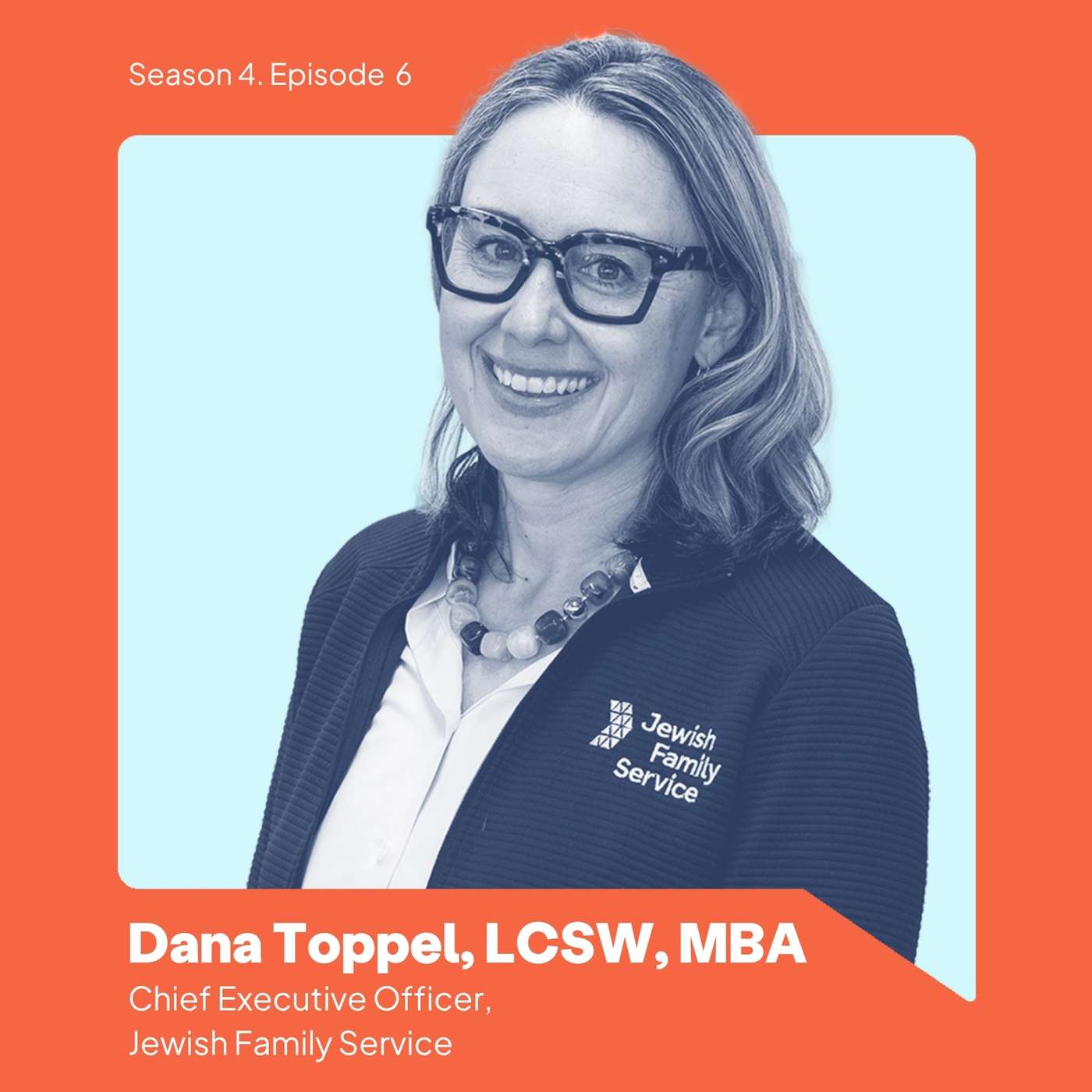 Dana Toppel: Housing, Hope, and Human Service✨ | housinghuman services+3 | Dana Toppel | Jewish Family Service of San Diego | San Diego CountySan Diego | housingJewish Family Service+6 | — | 59m 43s | |
| 5/15/26 | 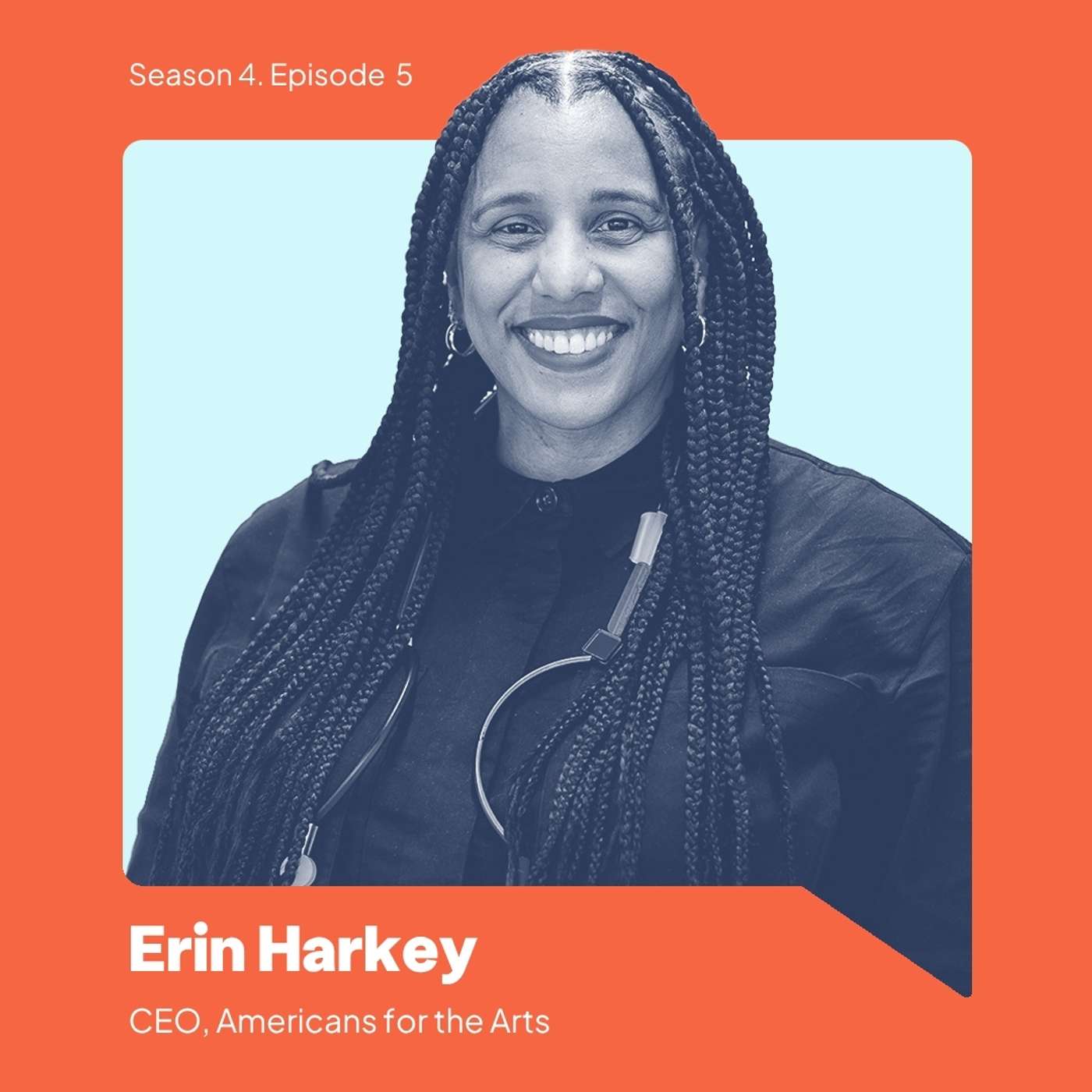 Erin Harkey: Arts, Culture, and a Healthy Democracy✨ | arts and culturepublic arts funding+3 | Erin Harkey | Americans for the Arts | San DiegoChicago+2 | public arts fundingcommunity health+3 | — | 57m 00s | |
| 4/30/26 | 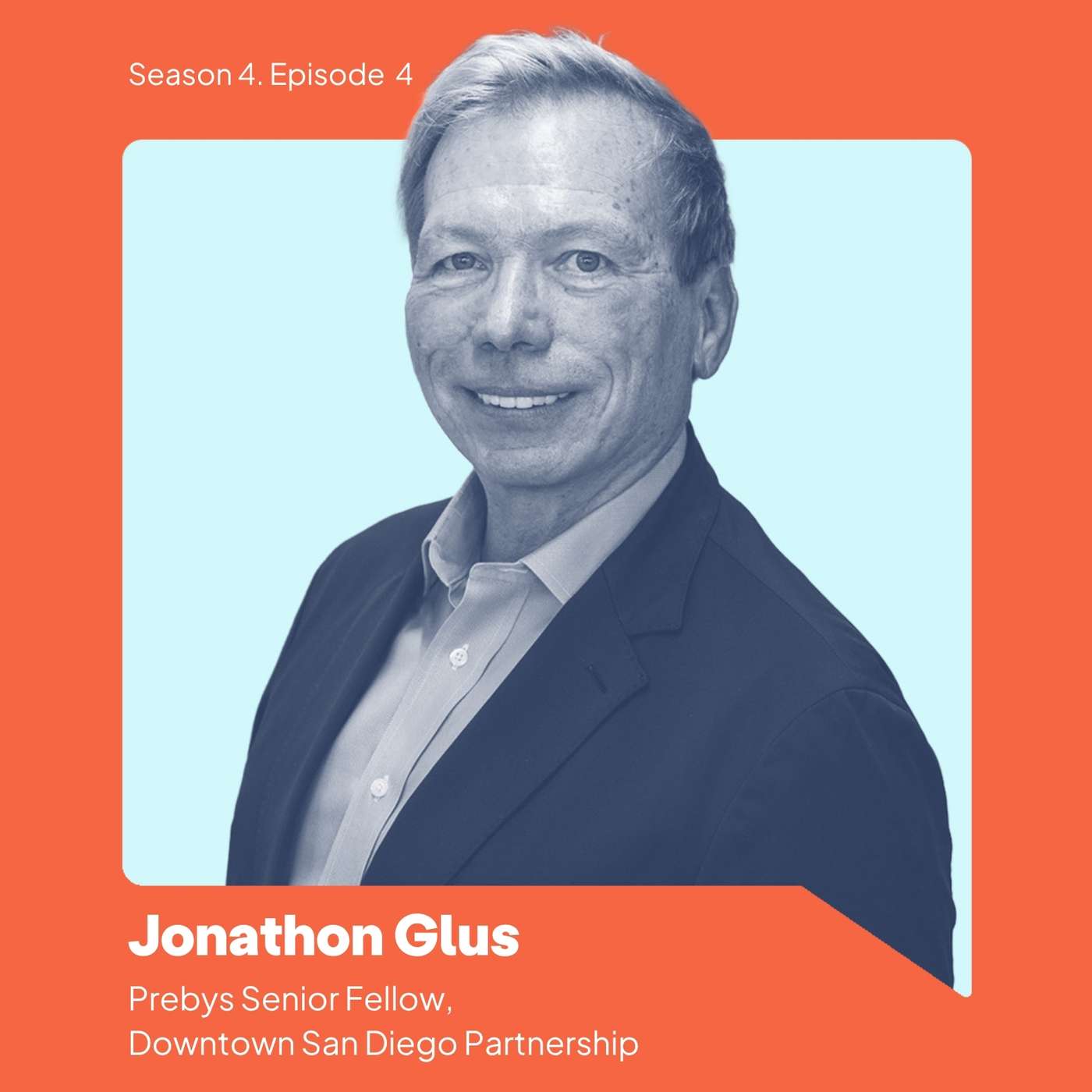 Jonathon Glus: Embracing San Diego as a Creative City✨ | arts and culturepublic funding+3 | Jonathon Glus | Prebys FoundationDowntown San Diego Partnership | San Diego | San Diegoarts funding+3 | — | 56m 09s | |
| 4/17/26 | 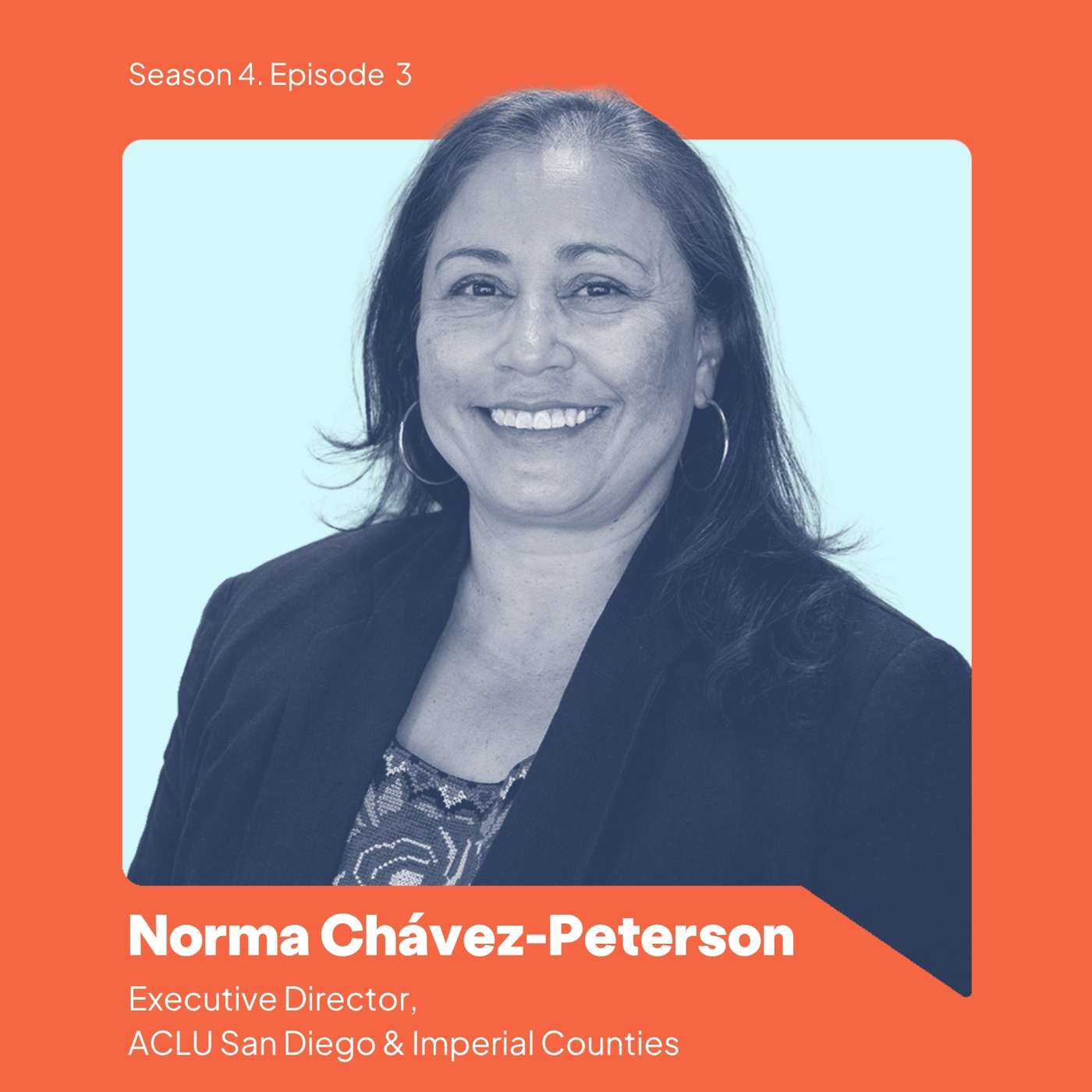 Norma Chávez-Peterson: Courage, Community, and Defending Civil Liberties✨ | civil libertiesimmigrant rights+4 | Norma Chávez-Peterson | ACLU of San Diego & Imperial Counties | MichoacánSan Diego+1 | civil rightscommunity+6 | — | 59m 33s | |
| 4/2/26 |  Jay Buys: Profit, Purpose, and the Future of Business✨ | social enterpriseB Corporations+4 | Jay Buys | VisceralB Corporations+1 | — | profitpurpose+5 | — | 1h 00m 59s | |
| 3/19/26 |  Laura Castañeda: Journalism, Trust, and Telling the Full Story of a Border Region✨ | journalismtrust+4 | Laura Castañeda | National Association of Hispanic JournalistsSan Diego Union-Tribune | San DiegoU.S.-Mexico border | journalismtrust+6 | — | 1h 00m 25s | |
| 12/4/25 | 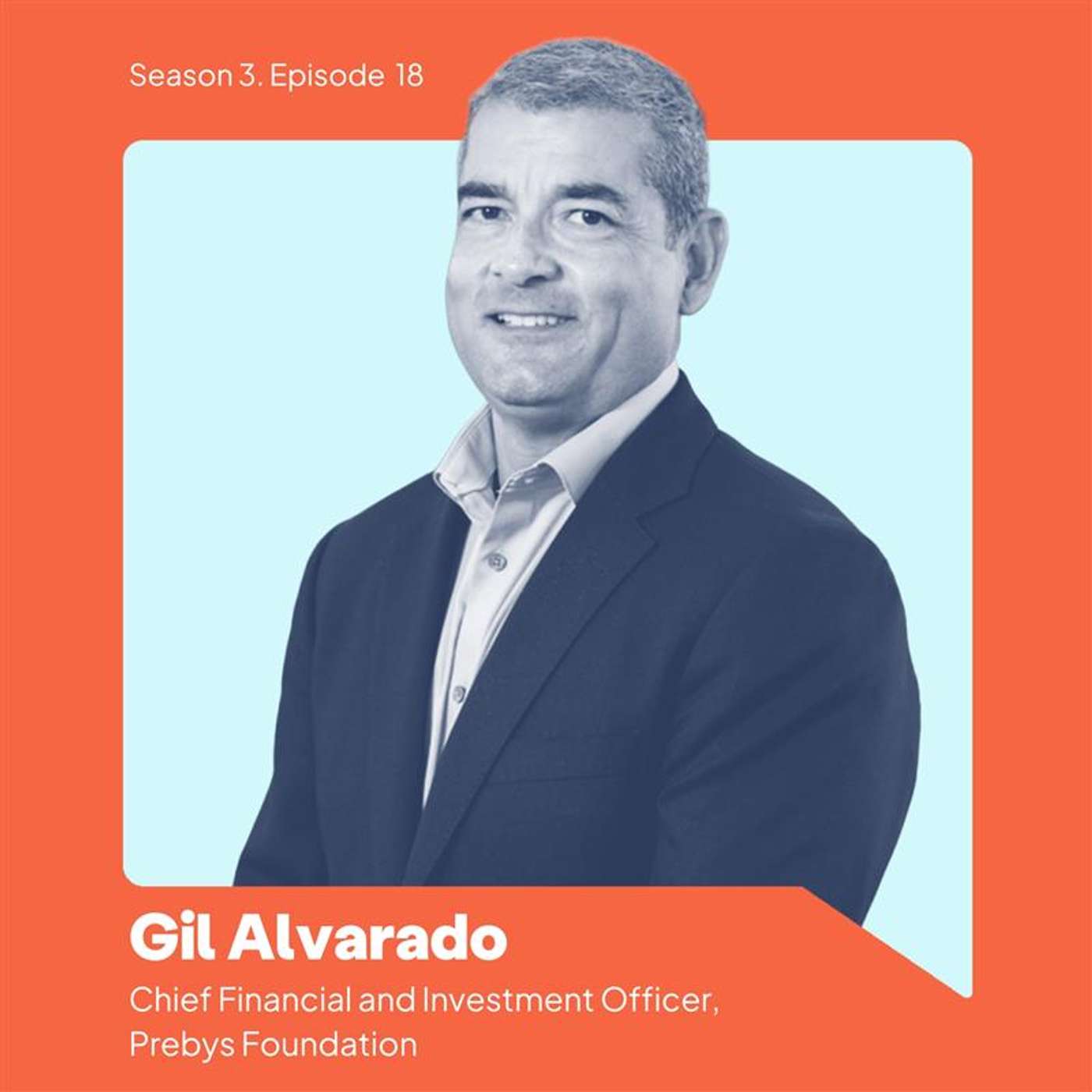 Gil Alvarado: Using All Our Resources to Benefit the Community✨ | impact investingphilanthropy+4 | Gil Alvarado | Prebys FoundationPrebys Venture Fund | San DiegoCalifornia | impact investingPrebys Foundation+6 | — | 44m 40s | |
| 11/20/25 | 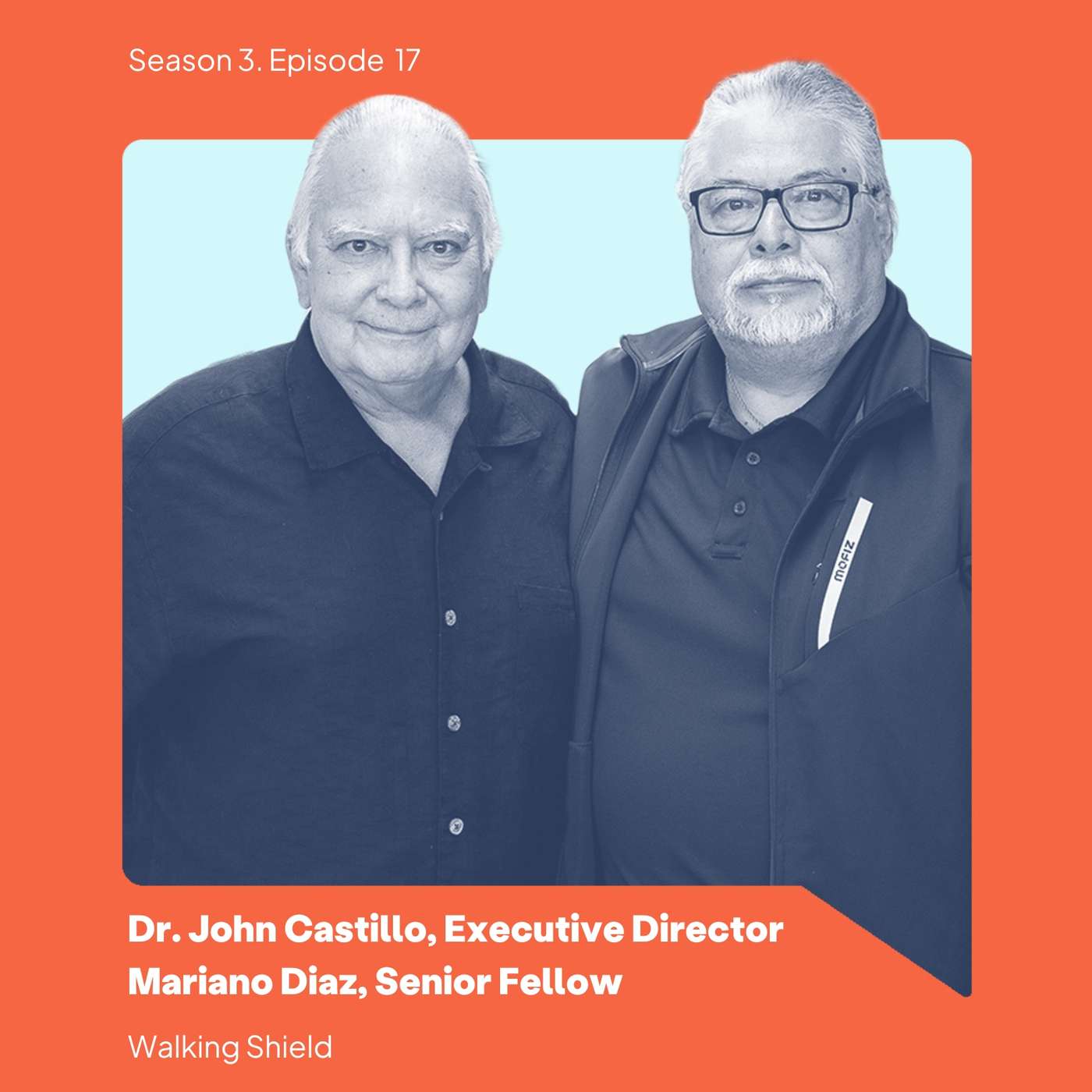 Walking Shield: Building Capacity and Honoring Tribal Self-Determination✨ | tribal self-determinationcapacity building+4 | Dr. John CastilloMariano Diaz | Walking Shield | United StatesSan Diego | Walking Shieldtribal nations+6 | — | 57m 20s | |
| 11/6/25 | 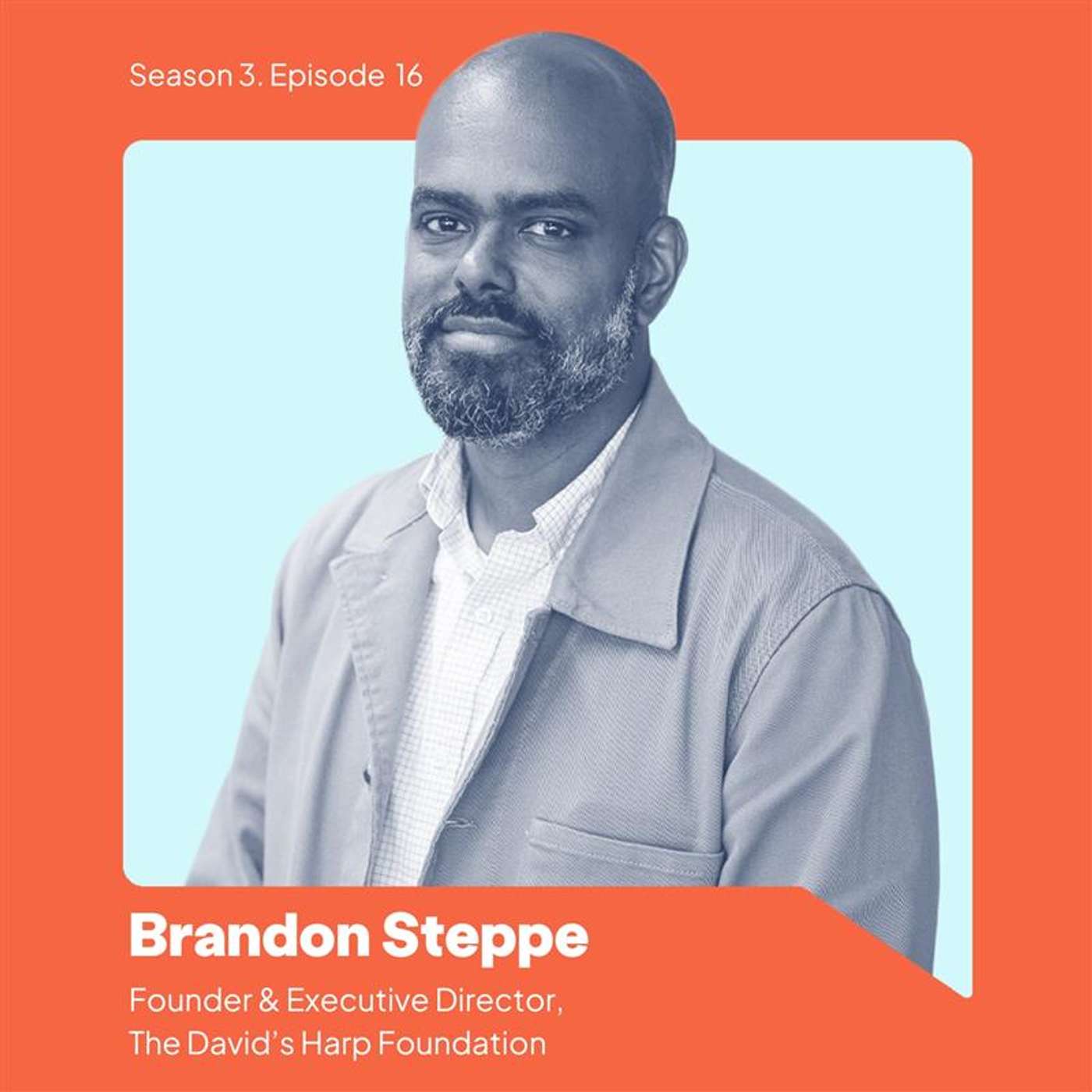 Brandon Steppe: “Shoulder to Shoulder” Mentorship That Changes Lives✨ | mentorshipyouth empowerment+3 | Brandon Steppe | David’s Harp Foundation | — | mentorshipyouth+5 | — | 59m 52s | |
Want analysis for the episodes below?Free for Pro Submit a request, we'll have your selected episodes analyzed within an hour. Free, at no cost to you, for Pro users. | |||||||||
| 9/11/25 | 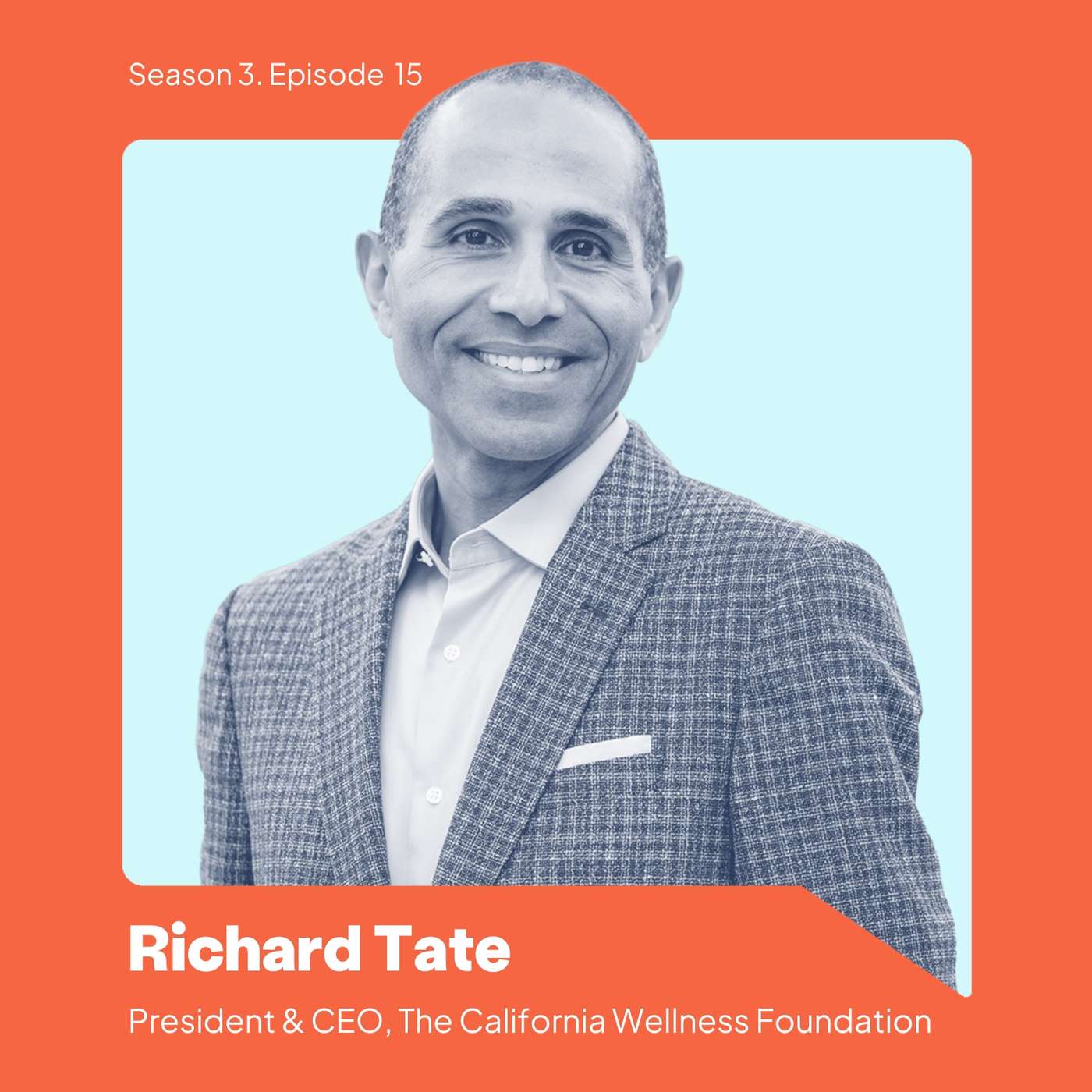 Richard Tate: Health, Justice, and the Power of Voice✨ | philanthropyhealth justice+4 | Richard Tate | California Wellness Foundation | — | philanthropyhealth+5 | — | 58m 24s | |
| 8/28/25 | 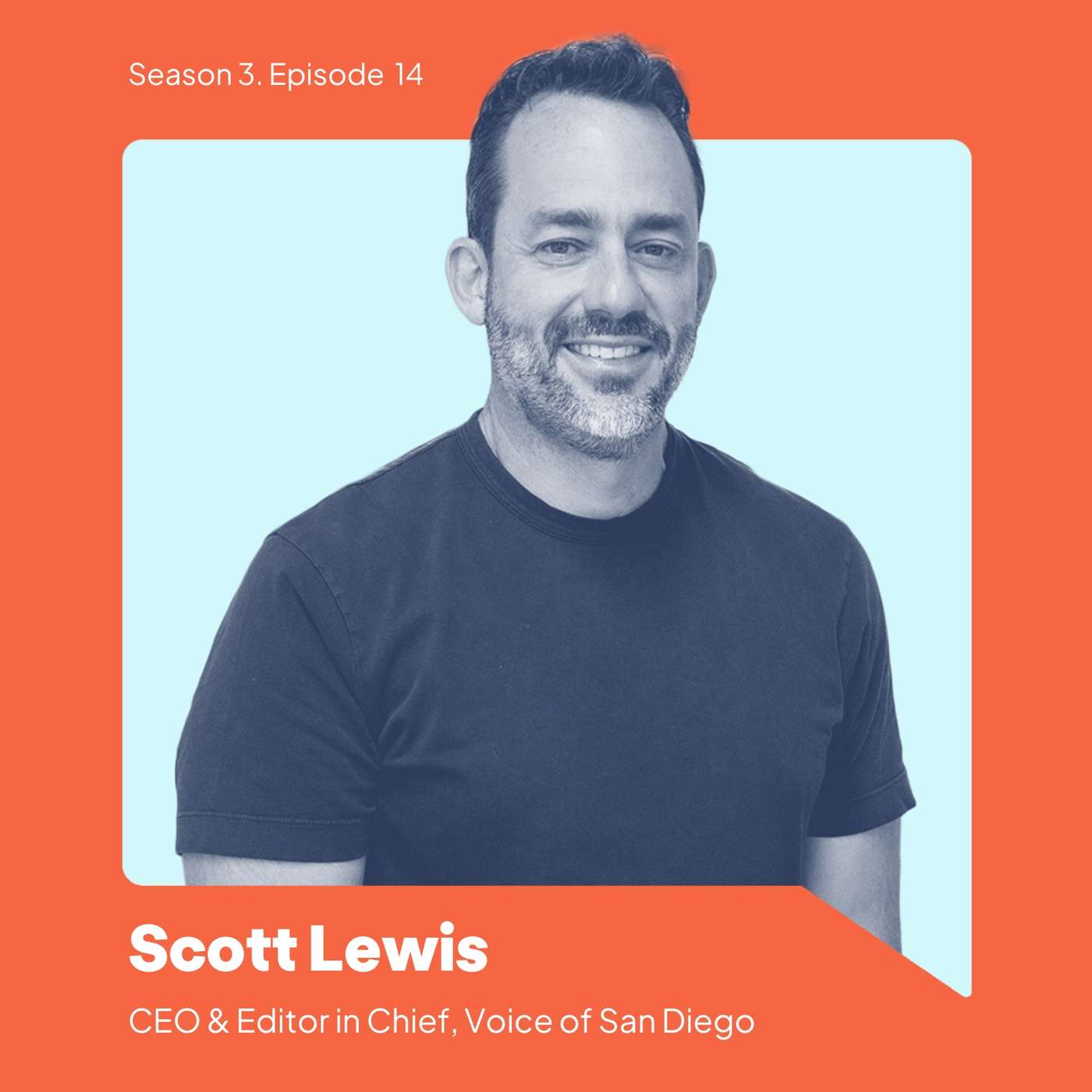 Scott Lewis: Journalism, Democracy, and the Future of San Diego✨ | local journalismdemocracy+3 | Scott Lewis | Voice of San Diego | San Diego | journalismdemocracy+5 | — | 59m 03s | |
| 8/14/25 | 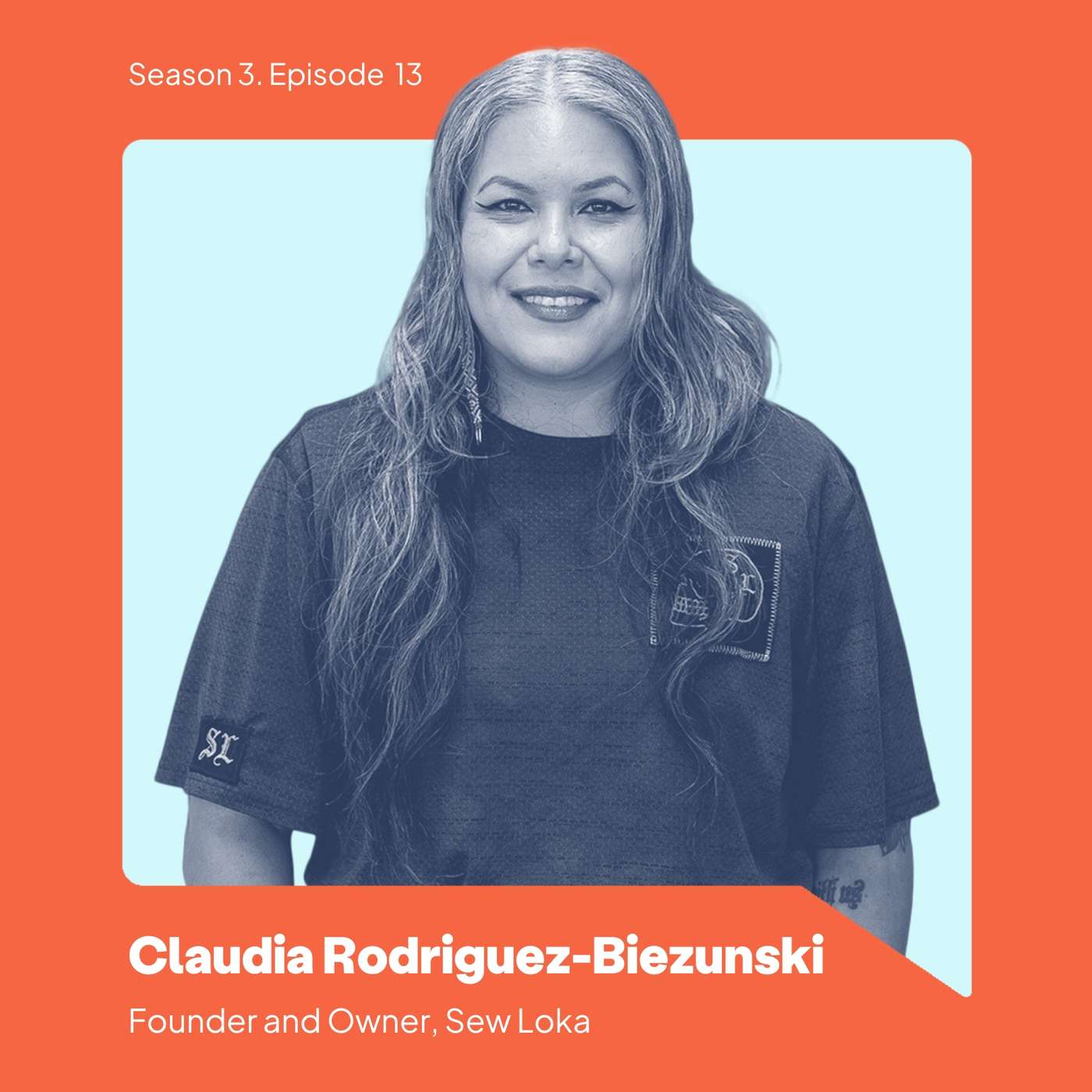 Sew Loka’s Claudia Rodriguez-Biezunski: Slow Fashion, Bold Stories | Claudia Rodriguez-Biezunski is the founder of Sew Loka, a community-driven textile art studio in San Diego’s Barrio Logan. A self-taught artist and entrepreneur, Claudia transforms reclaimed fabrics into vibrant, one-of-a-kind pieces that weave together personal history, cultural identity, and environmental consciousness. From collaborating with pro sports teams like the San Diego Wave and San Diego FC to teaching teens how to upcycle thrifted finds, her work proves that sewing is alive and thriving. This Episode: How can a needle and thread become a force for cultural preservation, sustainability, and self-expression? In this lively conversation, Claudia shares how her father’s denim business planted the seeds for her creative path, why she’s committed to slow fashion over fast trends, and how Sew Loka has grown into a hub for artistry and connection. She talks about the meditative rhythm of sewing, the power of “grandma crafts” to calm the mind and inspire the next generation, and the importance of reclaiming erased histories through art. Along the way, Claudia reveals why each piece she makes carries a narrative—from honoring her Chicana heritage to advocating for our planet—and how she’s building community one stitch at a time. Plus, check out the extraordinary pieces Claudia shared in the video recording.Key Moments: [3:35] Why denim is both a family legacy and an environmental challenge [12:25] Sewing as an art form for storytelling and expression[18:58] Fast fashion vs. slow fashion, and the joy of customizing[27:33] The meditative effects of sewing[35:31] Art as resilience in challenging timesResources Mentioned in This Episode: Sew Loka – Community-based textile art studio in Barrio Logan Skills Pay Bills Podcast – Claudia’s podcast that focuses on local makers and creators Arts: A Reason to Survive – A nonprofit offering arts programs for youth, including Sew Loka sewing classes SDFC’s Playmakers Program – An initiative that seeks to identify and showcase the talent of San Diego creatives who are contributing to the culture, substance, and flow of our community Take Action: Mend & Upcycle – Try repairing or customizing a piece you already own to extend its life. Support Slow Fashion – Seek out and invest in makers who prioritize sustainability and originality. Host a Creative Gathering – Build connection by making art with others, whether it’s sewing, crafting, or something else. Preserve Cultural Stories – Use your craft to honor and document the traditions that shaped you. Share Skills – Teach someone a “grandma craft” and help pass on sustainable, creative practices. Credits:This is a production of the Prebys FoundationHosted by Grant OliphantCo-Hosted by Crystal PageCo-produced by Crystal Page and Adam GreenfieldEngineered by Adam GreenfieldProduction Coordination by Tess KareskyVideo Production by Edgar Ontiveros MedinaThe Stop & Talk Theme song was created by San Diego’s own Mr. Lyrical Groove.Download episodes at your favorite podcatcher or visit us at StopAndTalkPodcast.orgSpecial thanks to the Prebys Foundation TeamIf you like this show, and we hope you do, the best way to support this show is to share, subscribe | 59m 25s | ||||||
| 7/31/25 | 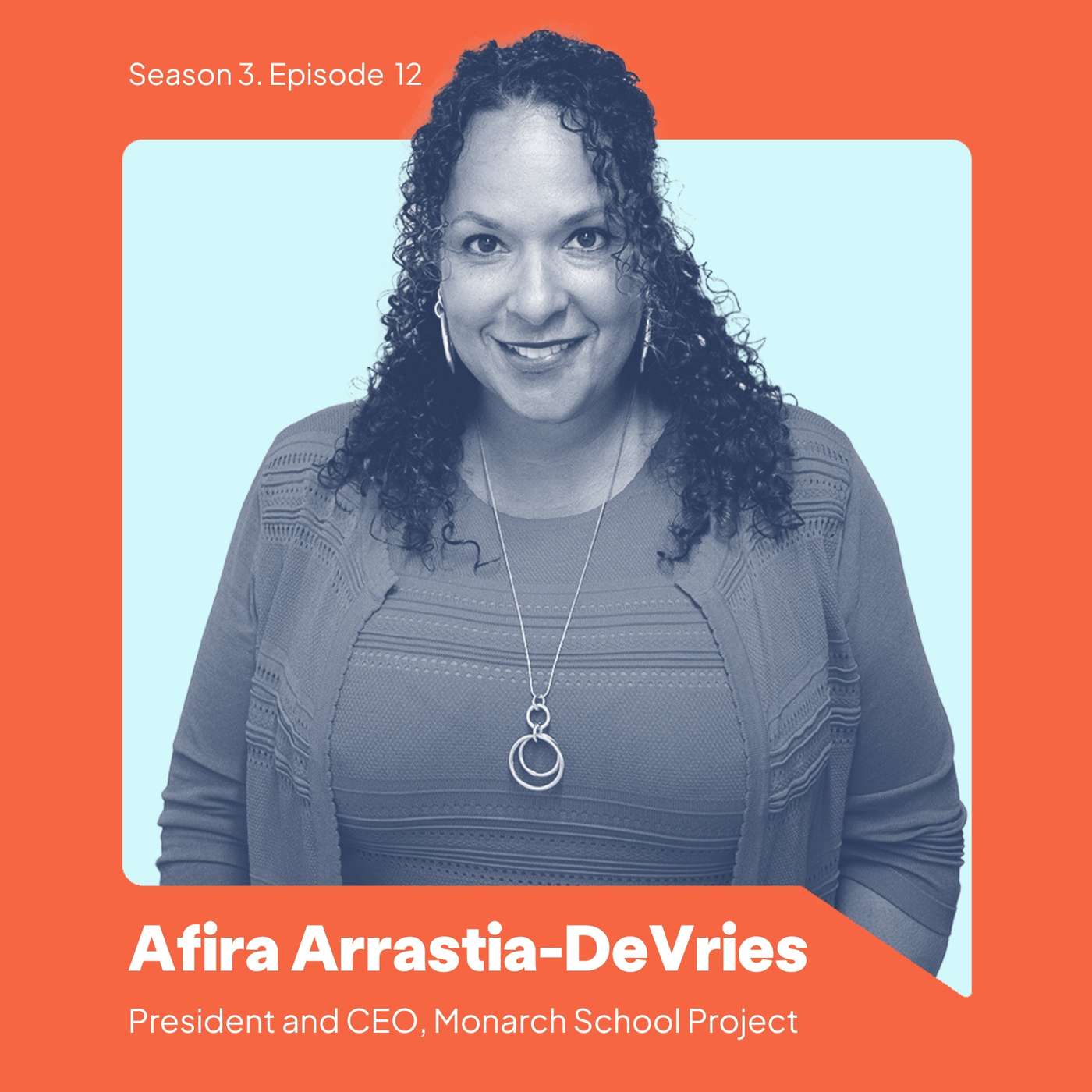 Afira Arrastia-DeVries: Kids Are Not a Problem to Solve | Afira Arrastia-DeVries is the President and CEO of the Monarch School Project, the only K–12 public institution in the U.S. solely dedicated to educating unhoused students. A 2025 Prebys Leadership Awardee, Afira brings a powerful combination of heart, strategy, and passion to her work. As a sociologist, advocate, and leader, she’s reshaping education around support, community, and the radical act of seeing children not for their struggles, but for their gifts. This Episode: What happens when you stop trying to “fix” kids and start believing in them? In this meaningful conversation, Afira shares how Monarch School is redefining what education can look like for unhoused students. Through a strengths-based approach, the school offers not just academics but community, care, and dignity for students and their families. We explore the profound impact of trauma-informed teaching, why children thrive when given space to define themselves, and how systems must change to meet the moment. Afira and Grant also go deep on leadership, advocacy, and why silence is no longer an option in the face of policies that harm the most vulnerable. This is a conversation about courage, truth-telling, and the belief that every child is worthy of joy, safety, and possibility. Key Moments: [5:45] How Afira’s childhood shaped her leadership [16:29] Why a separate school for unhoused youth isn’t segregation, but safety [24:14] What a strengths-based approach looks like in practice [39:01] Why Afira believes advocacy is the job and what fuels her to speak out [47:00] How students are affected by fear and family separation policies Resources Mentioned in This Episode: Monarch School – A unique public-private partnership in San Diego serving unhoused students Opinion: Unhoused youth deserve help and compassion, not cruelty - Afira’s op-ed in the San Diego Union-Tribune McKinney-Vento Homeless Assistance Act – Federal legislation affecting educational access for homeless youth Prebys Leadership Awards – Honoring bold and visionary local leaders Take Action: Honor Kids' Strengths – Ask a child what they’re proud of. Let them lead. Learn About Strength-Based Care – Shift from “What’s wrong?” to “What’s strong?” Support Monarch School – Donate, volunteer, or share their work with others. Speak Up – Challenge policies rooted in blame and scarcity. Lead with love. Be That One Adult – Stability starts with someone showing up. You can be that person. Credits:This is a production of the Prebys FoundationHosted by Grant OliphantCo-Hosted by Crystal PageCo-produced by Crystal Page and Adam GreenfieldEngineered by Adam GreenfieldProduction Coordination by Tess KareskyVideo Production by Edgar Ontiveros MedinaThe Stop & Talk Theme song was created by San Diego’s own Mr. Lyrical Groove.Download episodes at your favorite podcatcher or visit us at StopAndTalkPodcast.orgSpecial thanks to the Prebys Foundation TeamIf you like this show, and we hope you do, the best way to support this show is to share, subscribe | 58m 31s | ||||||
| 7/17/25 |  Peter Ellsworth: Trust Begins With Listening | Peter Ellsworth is a longtime San Diegan, civic leader, and founding force in modern philanthropy. From his early days in law and healthcare to his visionary role at the helm of the Legler Benbough Foundation, Peter has lived a life steeped in service, humility, and quiet transformation. A member of the Prebys Foundation Board, he remains a guiding voice for how philanthropy can—and must—listen first. This Episode: What happens when a foundation listens before it leads? Grant and Peter explore the evolution of philanthropy in San Diego and how Peter helped pioneer a relationship-driven, trust-based approach to giving. They discuss the opportunities of working in hyperlocal neighborhoods, the importance of humility in leadership, and why building genuine partnerships with community leaders creates lasting impact. From Southeast San Diego to Balboa Park, Peter’s story is a reminder that the best ideas come from the ground up. Along the way, Peter shares personal reflections, including his father’s lasting advice: It’s not about you. Key Moments: [11:22] Peter's start in Philanthropy and why he did things differently [13:31] The four words that shaped Peter’s leadership: “It’s not about me” [23:24]The radical idea of trust-based philanthropy [30:35] The teen center that designed by what teens actually wanted [5:50] What San Diego needs to realize its boldest ideas Resources Mentioned in This Episode: Legler Benbough Foundation – A now-spent-down foundation that helped reshape civic life in San Diego through trust-based, community-rooted philanthropy Outdoor Outreach – Empowering young people through outdoor experiences and leadership development Forever Balboa Park – Supporting the preservation and enhancement of Balboa Park Take Action: Practice Trust-Based Philanthropy – Start by building authentic relationships, not just reviewing proposals Listen to Community First – Let the people closest to the work guide the solutions Rethink Power in Philanthropy – As Peter reminds us, “Every good idea we came up with...came from somebody I had a relationship with" Support Local Leadership – Invest in the people and organizations already making a difference Credits: This is a production of the Prebys Foundation Hosted by Grant Oliphant Co-Hosted by Crystal Page Co-produced by Crystal Page and Adam Greenfield Engineered by Adam Greenfield Production Coordination by Tess Karesky Video Production by Edgar Ontiveros Medina The Stop & Talk theme song was created by San Diego’s own Mr. Lyrical Groove. Download episodes at your favorite podcatcher or visit us at StopAndTalkPodcast.org Special thanks to the Prebys Foundation Team | 58m 57s | ||||||
| 7/3/25 | 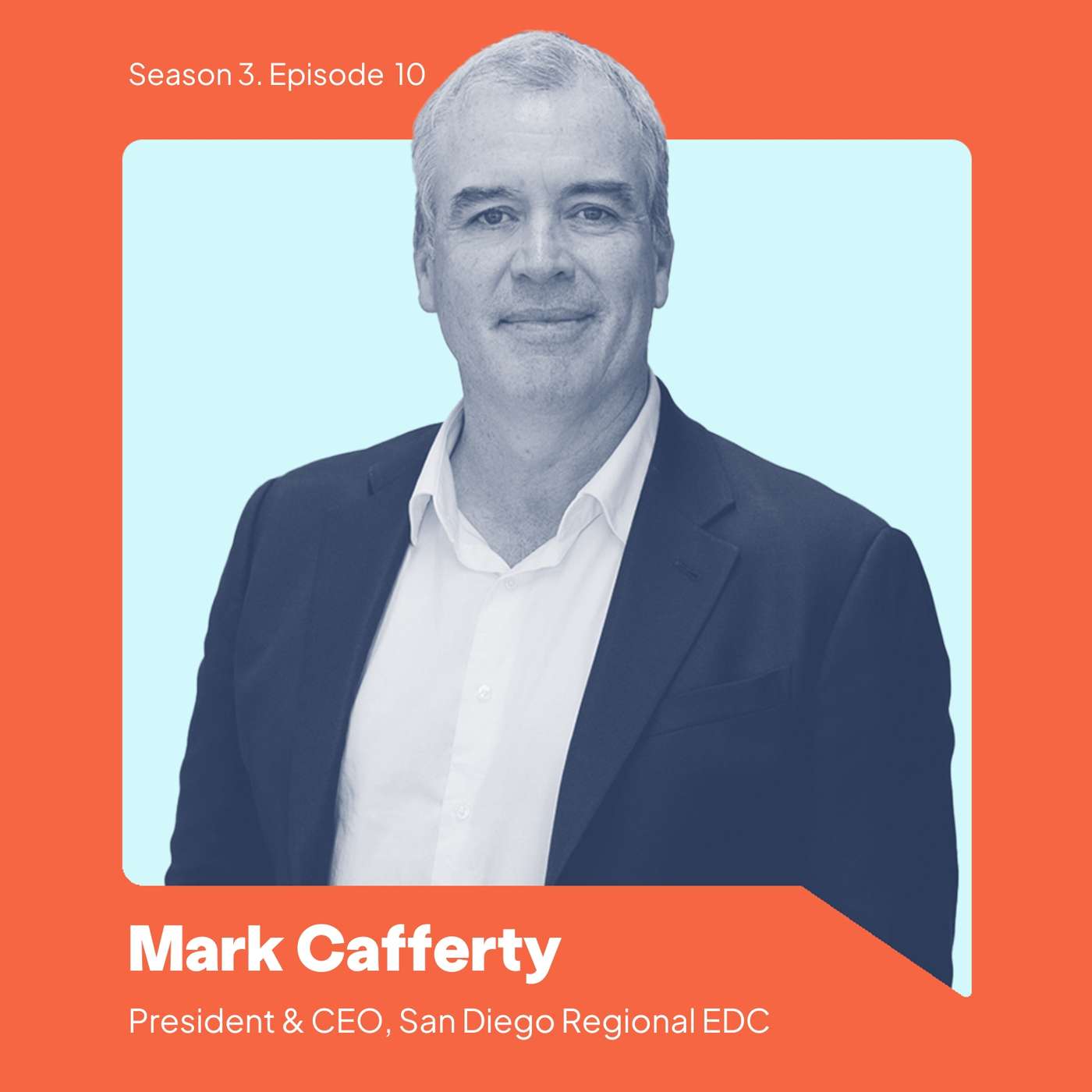 Mark Cafferty: Why Inclusive Growth Is Smart Business | Mark Cafferty is the President and CEO of the San Diego Regional Economic Development Corporation (EDC), where he leads with a mix of realism, resolve, and heart. In this conversation, he shares his experiences of how his values—shaped family, mentorship, and a belief in equity— continue to guide his leadership today. Under Mark’s direction, EDC has taken a bold stance: inclusive growth isn’t just good policy, it’s a business imperative for San Diego’s future. This Episode: What does it take to build an economy that works for everyone? Mark and Grant dive deep into San Diego’s unique economic landscape, from its binational strengths to the increasing threats facing its innovation and research sectors. They explore how the EDC’s goals aim to create more skilled workers, quality jobs, and thriving households, especially for communities historically left behind. They also talk about the importance of values-driven leadership in a time of uncertainty. As diversity, equity and inclusion comes under fire nationally, Mark shares why staying the course is both a moral and economic necessity. Through it all, Mark reminds us San Diego’s competitive advantage is in its people. Note: Jennie Brooks is mentioned as the EDC Chair, which was accurate at the time of recording. The current EDC Chair is Tom Seidler. Key Moments: [11:50] Who’s at the table at EDC and why that matters [21:35] The three 2030 goals: skilled workers, quality jobs, thriving households [29:32] Why diversity and equity are valuable to the economy[37:48] Why San Diego’s binational identity is a key strength [41:45] Resisting the “fire drills” and staying focused on long-term impact Resources Mentioned in This Episode: San Diego Regional Economic Development Corporation (EDC) – An economic development organization that mobilizes business, government, and civic leaders around an inclusive economic development strategy Take Action: Learn More About EDC’s 2030 Goals – Explore how these targets aim to create a more just and prosperous regional economy. Support Small Businesses – Shop local, advocate for fair policies, and help strengthen San Diego’s economic backbone. Speak Up for Inclusion – Be a voice for equity in your workplace or community. As Mark says, “If you’re not for equity, what are you for?” Champion Regional Collaboration – We all have a role to play—business, government, philanthropy, and community alike. Credits:This is a production of the Prebys FoundationHosted by Grant OliphantCo-Hosted by Crystal PageCo-produced by Crystal Page and Adam GreenfieldEngineered by Adam GreenfieldProduction Coordination by Tess KareskyVideo Production by Edgar Ontiveros MedinaThe Stop & Talk Theme song was created by San Diego’s own Mr. Lyrical Groove.Download episodes at your favorite podcatcher or visit us at StopAndTalkPodcast.orgSpecial thanks to the Prebys Foundation TeamIf you like this show, and we hope you do, the best way to support this show is to share, subscribe | 58m 32s | ||||||
| 6/5/25 | 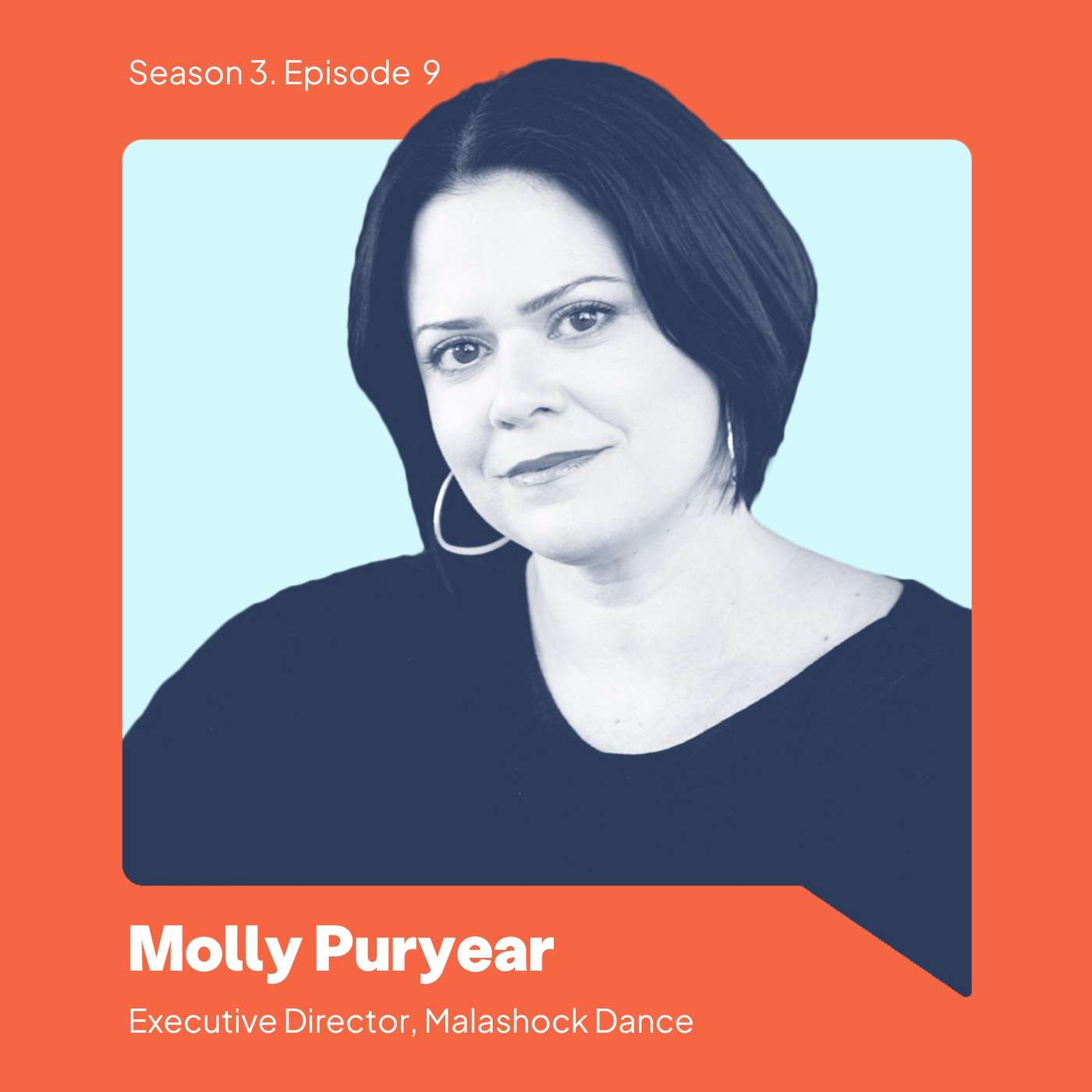 Molly Puryear: Dancing Toward Joy, Connection and Possibility | Molly Puryear is the Executive Director of Malashock Dance and a lifelong believer in the healing, connective power of movement. With infectious joy and deep conviction, she champions dance not just as an art form but as a way to be more fully human. Under her leadership, Malashock is expanding the definition of what dance can do for the community. This is demonstrated through SD NeuroDance, a pioneering program blending movement, neuroscience, and care to support individuals living with ALS, Parkinson’s, cerebral palsy, and more. This Episode: How can the joy and vulnerability of dance bring us closer to ourselves and each other? In this heartfelt conversation, Molly shares how Malashock Dance is helping SD NeuroDance participants and caregivers alike reconnect with joy, dignity, and embodiment through dance. The program shifts the focus from limitations to possibilities. Rooted in science and lived experience, SD NeuroDance creates a space where people can move, bond, and feel at home in their bodies. It’s also a story of listening: to staff, to community, and to the wisdom that healing can look like rhythm, music, and mirroring movement with a loved one. Molly and Grant explore the deeper truth behind all of this—how dance, so often underfunded and undervalued, is core to who we are. From weddings to cultural traditions to spontaneous joy in the living room, dance is everywhere. And as Molly reminds us, in a world that teaches us to unlearn joy, movement can help us remember. Key Moments: [8:25] How dance can help people with different conditions connect with their body [14:17] Bridging science and art: finding balance between therapy and dance [18:45] How Malashock Dance evolved its mission through community feedback [29:14] Why dance is essential to the human experience [34:05] Federal arts funding cuts and their impact on dance's underrepresented artists and communitiesResources Mentioned in This Episode: Malashock Dance – San Diego-based dance organization emphasizing community, education, and inclusive performance Dance for PD – A program using dance to support those living with Parkinson’s disease Prebys’ Healing Through Arts and Nature Initiative – Grants improving well-being through arts, culture, and nature Take Action: Move Your Body – Try a dance class, stretch to music, or just let yourself move freely. Reconnect with what joy in motion feels like. Attend a Performance – Support local artists and discover the power of dance to inspire, challenge, and heal. Embrace Artful Living – As Dr. Maria Rosario Jackson reminds us, creativity is essential to well-being. Seek out everyday moments of artistic engagement. Stay Curious – Stay open and curious to trying new things, whether it's dance, healing, or new ways to connect and feel joy.Support Arts & Health Programs – Donate, volunteer, or spread the word about organizations using the arts to improve lives. | 57m 26s | ||||||
| 5/22/25 | 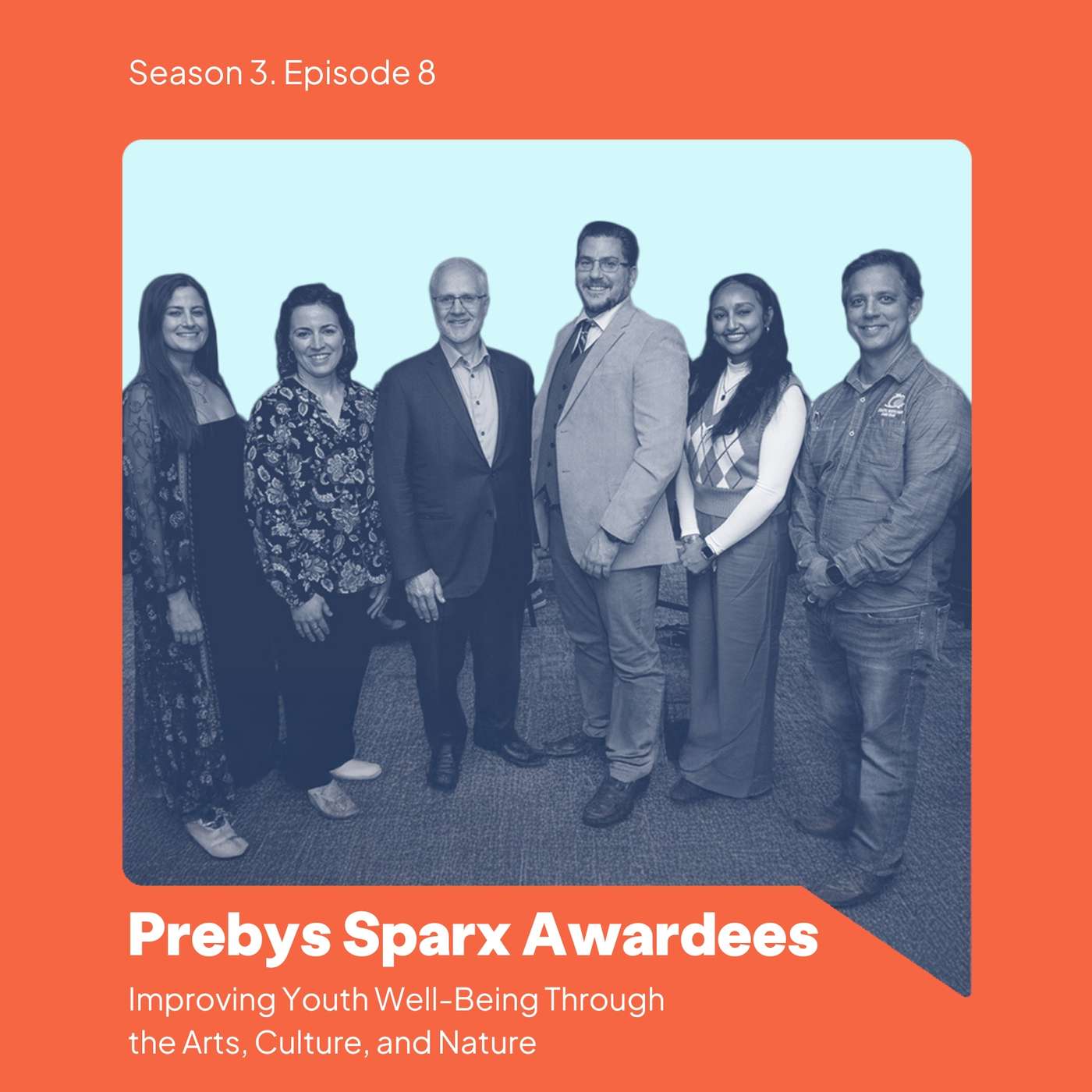 Live from the Prebys Sparx Awards Celebration: Celebrating Bold Ideas for Youth Well-Being | Katelyn Woodside is the Executive Director of the VAPA Foundation, a nonprofit bringing transformative arts education into San Diego’s public schools. A classically trained violinist, longtime educator, and nonprofit leader, Katelyn is advancing a bold vision: healing through expressive arts. Her organization’s award-winning proposal will train teaching artists in expressive arts therapy and place them in 25 schools across the county—reaching nearly 5,000 students with creative tools for connection, confidence, and well-being. This special episode of Stop and Talk was recorded LIVE at the Prebys Sparx Awards Breakfast, where the VAPA Foundation was honored as the grand prize recipient. Katelyn is joined by four outstanding Sparx honorable mention awardees—A Reason to Survive, Coastal Roots Farm, United Women of East Africa, and Youth Creating Change—each bringing powerful, place-based solutions to the youth mental health crisis. This Episode: What if the future of youth mental health isn’t found solely in clinics, but in classrooms, farms, and community spaces led by artists, mentors, and culture keepers? With a growing youth mental health crisis and a shortage of clinical providers, communities are turning to innovative, non-clinical interventions rooted in creativity, culture, and nature. The Sparx award celebrates scalable, collaborative ideas that empower youth with agency and well-being outside the traditional healthcare system. In this episode, Grant speaks with the five Sparx awardees. Together, they share how their work is rooted in cultural identity, creativity, and community connection—meeting young people where they are, and building healing from the ground up. Their work highlights how healing happens when we invest in the assets already rooted in our neighborhoods. Key Moments: [6:38] Grant introduces the vision behind the Sparx Award and prize philanthropy [19:10] Katelyn shares how VAPA’s idea evolved through deep collaboration [23:58] Training artists to heal: the scale and ripple effect of their model [33:56] Honorable mentions present their work: A Reason To Survive (ARTS), Coastal Roots Farm, United Women of East Africa (UWEAST), and Youth Creating Change [43:17] Stan Collins (Youth Creating Change) on equipping youth with emotional literacy and mental health skills to care for themselves and others. [45:41] Eden Mengistu (UWEAST) on bridging generations through culturally rooted programs that open conversations about mental health in the East African community. [48:43] Javier Guerrero (Coastal Roots Farm) on reconnecting tribal youth to land, culture, and healing through ancestral farming practices. [50:49] Lucy Eagleson (ARTS) on creating a “third space” for youth to explore identity through art and grow as community-rooted mental health leaders. Resources Mentioned in This Episode: A Reason to Survive (ARTS) – Lifting young people in the South County region of San Diego to become confident, compassionate, and courageous community builders through the transformative power of creativity. Coastal Roots Farm – Cultivating healthy, connected communities by integrating sustainable agriculture, food justice, and ancient Jewish wisdom. Prebys Sparx– Prebys Foundation’s award program for big ideas to improve mental and behavioral health for San Diego Youth through arts, culture, and nature. Learn more about the award programs.United Women of East Africa (UWEAST) – Providing health services, education and advocacy for the well-being of the East African community, women and families. VAPA Foundation – Enhancing the quality of, and access to, visual and performing arts education for K-12 students in the San Diego Unified School District. Youth Creating Change – Placing young people’s voices and creativity at the center of suicide prevention and mental health programming. Take Action: Champion Community Healing – Support organizations that uplift youth through creativity, cultural connection, and time in nature. Engage with Arts, Culture, and Nature – Experience firsthand how these practices foster healing, connection, and joy. Start the Conversation – Talk with young people in your life about emotions, mental health, and ways to cultivate well-being. Advocate for Prevention – Urge local leaders to invest in non-clinical, community-rooted approaches that meet youth where they are. Share This Episode – Spread the word about creative, community-led solutions by sharing this episode with educators, healthcare providers, or changemakers in your network. Credits:This is a production of the Prebys FoundationHosted by Grant OliphantCo-Hosted by Crystal PageCo-produced by Crystal Page and Adam GreenfieldEngineered by Adam GreenfieldProduction Coordination by Tess KareskyVideo Production by Edgar Ontiveros MedinaSpecial thanks to the Prebys Foundation TeamThe Stop & Talk Theme song was created by San Diego’s own Mr. Lyrical Groove.Download episodes at your favorite podcatcher or visit us at StopAndTalkPodcast.orgIf you like this show, and we hope you do, the best way to support this show is to share, subscribe | 55m 53s | ||||||
| 5/8/25 | 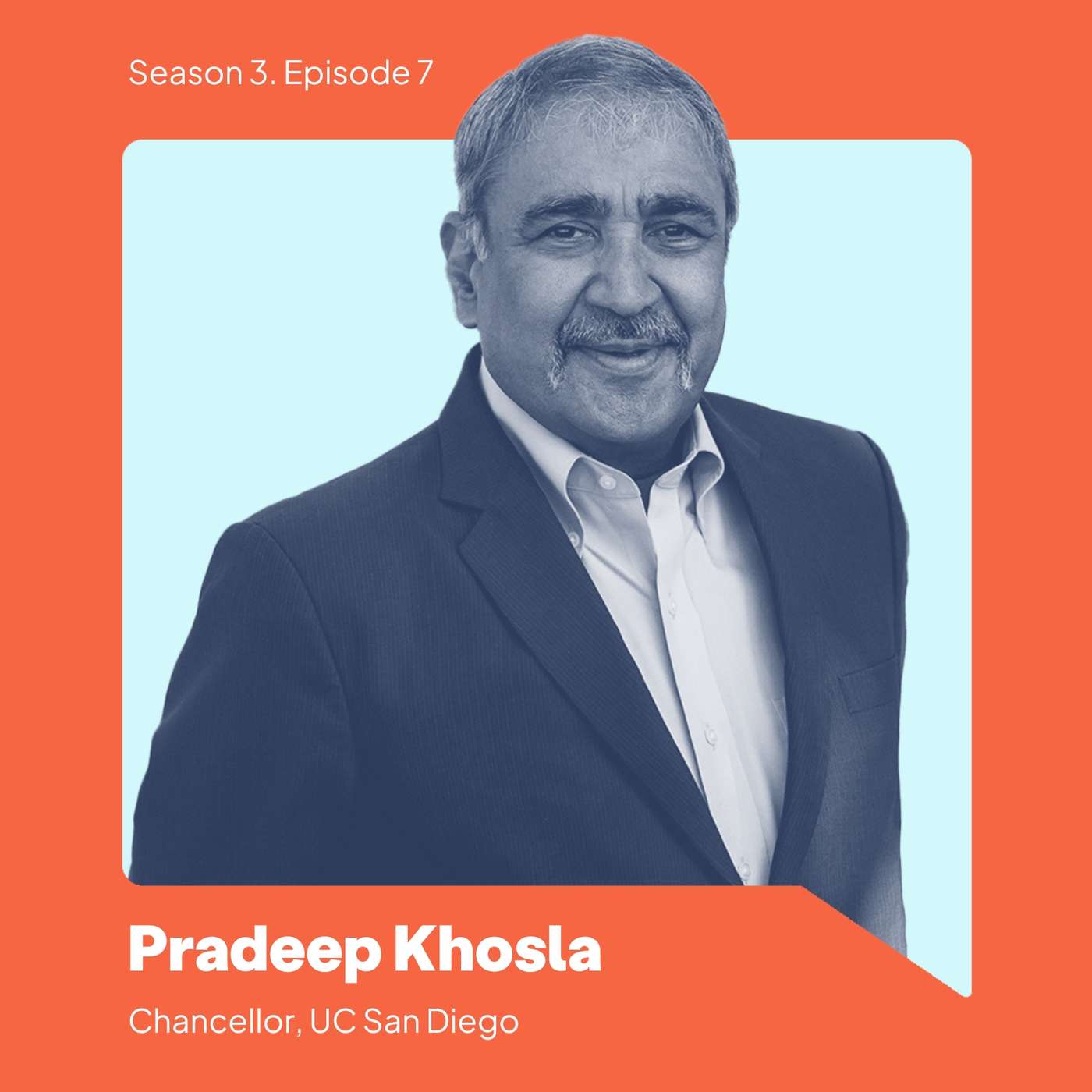 Elite, Not Elitist: Reimagining Public Higher Education with Pradeep Khosla | Pradeep Khosla is the chancellor of UC San Diego and a nationally recognized voice on the evolving role of public research universities. Under his leadership, UC San Diego has doubled in size, broadened its access, and transformed from a "diamond in the rough" into a globally respected powerhouse for innovation, education, and the arts. He spearheaded the expansion of student housing—growing UC San Diego’s housing program into the second largest in the nation—to make college more affordable and accessible for thousands. Chancellor Khosla brings a strategic, inclusive lens to higher ed. This Episode: What should the modern public university look like and who should it serve? In this episode of Stop & Talk, host Grant Oliphant and co-host Crystal Page sit down with Pradeep Khosla, Chancellor of UC San Diego, to discuss the transformational growth and philosophy behind one of the nation’s top public universities. Chancellor Khosla offers an expansive view on the role of public research universities in society—from economic impact to cultural integration and educational access. With a focus on abundance over scarcity, Chancellor Khosla explains how UC San Diego has evolved into a national leader in both science and the arts, investing in student housing, public transit access, and downtown engagement. He also reflects on the challenges of leading through federal uncertainty, advocating for research funding, and shaping an inclusive institution that belongs to the community it serves. Key Moments: [3:20] From Pittsburgh to La Jolla – Why Chancellor Khosla came to UC San Diego and what he saw in its untapped potential. [6:05] Elite, Not Elitist – How UC San Diego is challenging the notion that exclusivity equals excellence in higher education. [21:30] Universities as Economic Engines – Why public research institutions are essential to regional prosperity and innovation. [27:30] Housing is Access – How UCSD is addressing affordability by building one of the largest student housing programs in the country. [37:40] The Importance of the Arts – The value of connecting the arts to education and community Resources Mentioned in This Episode: UC San Diego Park & Market – A cultural and academic hub in downtown San Diego The Depot – UCSD’s newly purchased multidisciplinary arts incubator and cultural hub in Downtown San Diego San Diego Light Rail – Connecting communities to the UCSD campus Take Action: Attend Events at Park & Market: Explore arts, lectures, and public programming in downtown SD. Visit UC San Diego: From the Birch Aquarium to campus cultural events, UCSD is open to all. Support Public Education & Research: Advocate for research funding and equitable higher ed access. Connect with the Arts: Engage with programs at The Depot and La Jolla Playhouse. Explore Philanthropy: Consider supporting educational initiatives that expand opportunity. Credits:This is a production of the Prebys FoundationHosted by Grant OliphantCo-Hosted by Crystal PageCo-produced by Crystal Page and Adam GreenfieldEngineered by Adam GreenfieldProduction Coordination by Tess KareskyVideo Production by Edgar Ontiveros MedinaThe Stop & Talk Theme song was created by San Diego’s own Mr. Lyrical Groove.Download episodes at your favorite podcatcher or visit us at StopAndTalkPodcast.orgSpecial thanks to the Prebys Foundation TeamIf you like this show, and we hope you do, the best way to support this show is to share, subscribe | 1h 02m 21s | ||||||
| 4/24/25 | 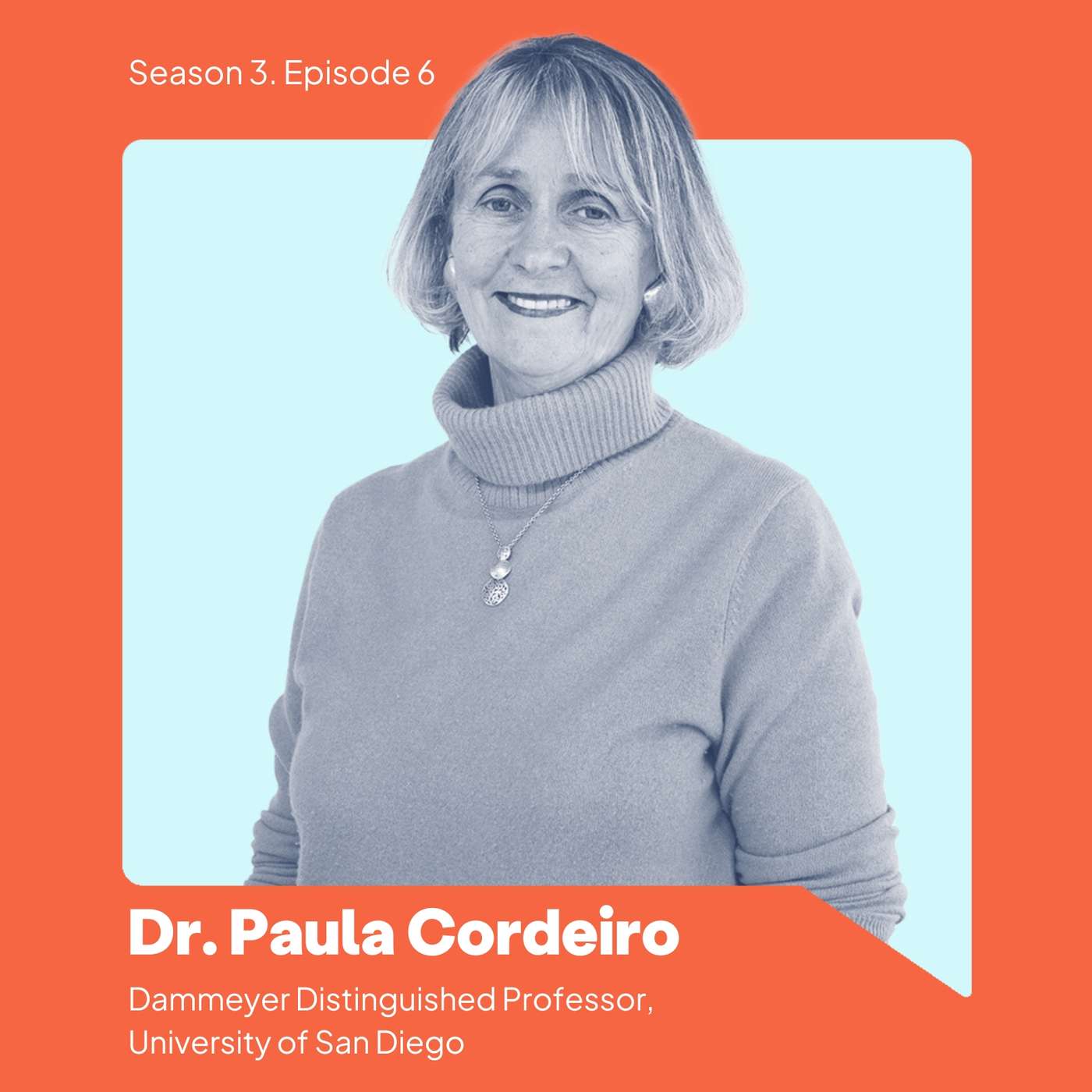 Dr. Paula Cordeiro: The Convergence of Nonprofit, Business, and Social Good | Dr. Paula Cordeiro is a trailblazing educator, leadership expert, and social entrepreneur working at the intersection of business, nonprofits, and global development. A former dean and founder of the Nonprofit Institute at the University of San Diego, she’s reshaping how we think about leadership, wealth building, and the power of purpose-driven enterprises. Through programs like the Global Entrepreneurship Fellowship, she’s connecting San Diego to the world and bringing the best of global innovation home. This Episode: What if nonprofits didn’t just serve communities but built wealth within them? And what if businesses weren’t just engines of profit but vehicles for social good? Paula Cordeiro is championing a new model for leadership—one where empathy and equity are as important as profit margins. From food co-ops and employee-owned companies to certified B Corps and social enterprises, Paula sees a growing movement to blur the traditional lines between nonprofit and for-profit organizations. The goal? Create more sustainable, inclusive, and locally rooted economies. In this conversation with Grant, Paula shares how her upbringing in a vibrant immigrant community shaped her worldview, how Mondragon, Spain, sparked her passion for co-ops, and why she believes San Diego can become a global hub for socially minded business innovation. She also reflects on the power of teaching empathy, and the opportunities to address wealth gaps. Key Moments: [11:20] Defining social enterprise: people, profit, and planet [17:49] The evolving challenges facing nonprofit leaders today [23:43] The case for employee-owned businesses and generational wealth [31:16] How the Global Entrepreneurship Fellowship is building local and global bridges [43:27] Empathy as a core leadership trait—and how it can be taught Key Terms: Social Enterprise: A business—either nonprofit or for-profit—that exists to advance a social or environmental mission. These organizations prioritize impact alongside profit and often reinvest earnings into their mission.B Corporation (B Corp): A private company that has been certified by the nonprofit B Lab as meeting high standards of social and environmental performance, accountability, and transparency. Benefit Corporation: A legal business structure recognized in many U.S. states that allows companies to pursue both profit and a broader social purpose. Unlike B Corps, benefit corporations are not certified but are legally bound to consider their impact on society and the environment. ESOP (Employee Stock Ownership Plan): A program that gives workers ownership interest in the company. ESOPs are a way to build wealth for employees and create a more engaged workforce. Co-op (Cooperative): An organization or business owned and operated by a group of individuals for their mutual benefit. Co-ops can take many forms, such as food co-ops, housing co-ops, or worker-owned businesses. Resources Mentioned in This Episode: Nonprofit Institute at University of San Diego – A hub for nonprofit leadership and research Mondragon Cooperative – A global model for employee-owned enterprises Pete Stavros TED Talk – A talk on rethinking corporate structures to expand who benefits from a thriving company Take Action: Explore Social Enterprise – Learn how your organization could blend mission with sustainability Support Employee Ownership – Advocate for inclusive business models in your community Invest in Empathy – Build leadership programs that teach listening, reflection, and care Learn from Global Models – Look to places like Rwanda, Spain, and beyond for innovative approaches to business and development Join the Conversation – Share this episode with nonprofit leaders, entrepreneurs, and changemakers ready to build a better way forward CreditsThis is a production of the Prebys FoundationHosted by Grant OliphantCo-Hosted by Crystal PageCo-produced by Crystal Page and Adam GreenfieldEngineered by Adam GreenfieldProduction Coordination by Tess KareskyVideo Production by Edgar Ontiveros MedinaThe Stop & Talk Theme song was created by San Diego’s own Mr. Lyrical Groove.Download episodes at your favorite podcatcher or visit us at StopAndTalkPodcast.orgSpecial thanks to the Prebys Foundation TeamIf you like this show, and we hope you do, the best way to support this show is to share, subscribe | 1h 00m 47s | ||||||
| 4/10/25 |  Angelina Renteria: Trust, Tradition, and Tribal Healthcare | Angelina Renteria is the Chief Operating Officer of Indian Health Council, a tribally-run health center serving nine sovereign tribal nations in North San Diego County. With nearly 30 years of experience in health and fitness and two decades in health-focused grant development, she brings deep expertise and cultural insight to her work. Angelina is a passionate advocate for wellness, community voice, and culturally grounded care that meets people where they are. This Episode: What if your doctor knew your name, your story, and what was in your fridge? That’s the level of care Angelina Renteria champions through Indian Health Council. In this episode, Grant and Angelina explore what it means to offer "womb to tomb" care that reflects the culture, needs, and values of tribal communities. From snowy mountain roads to multi-generational households with limited transportation, tribal members face unique health access barriers, and Indian Health Council meets them with compassion and strategy. Angelina shares how the clinic’s integrated care model—where providers, nurses, behavioral health staff, and even peer support specialists collaborate—leads to better outcomes and stronger trust. She also opens up about her own journey from a childhood on military bases to becoming an advocate for Native health, and how her experience of being othered as a teen became fuel for inclusive leadership. Plus, Grant and Angelina talk about community-rooted solutions to the opioid crisis, why traditional practices like sweat and drum circles deserve recognition in modern medicine, and how the medicine wheel’s four pillars—mental, emotional, spiritual, and physical—can inspire a more balanced healthcare system for all. Key Moments: [2:38] Why tribally informed care is essential and different from standard healthcare [10:22] What “womb to tomb” care looks like in practice [14:30] How trust and cultural understanding boost health outcomes [25:31]The four components of health: mental, emotional, physical, and spiritual well-being[35:45] A bold approach to addressing addiction and recovery [51:06] What policymakers need to hear about tribal healthcare Resources Mentioned in This Episode: Indian Health Council – A tribal healthcare nonprofit serving nine tribes in North San Diego County The SHARE Initiative – A Prebys Foundation grant initiative supporting frontline health clinics Take Action: Support Tribal Health – Learn more about Indian Health Council and the role of tribal health centers in equitable care. Challenge Stereotypes – Elevate community voice and resist one-size-fits-all solutions in health policy. Honor Traditional Medicine – Advocate for the inclusion of culturally rooted healing practices in healthcare systems. Build Belonging – Ask how your organization or community can better reflect and respect the cultures it serves. Share This Episode – Start the conversation about what real, holistic, culturally informed healthcare can look like. | 1h 01m 40s | ||||||
| 3/27/25 | 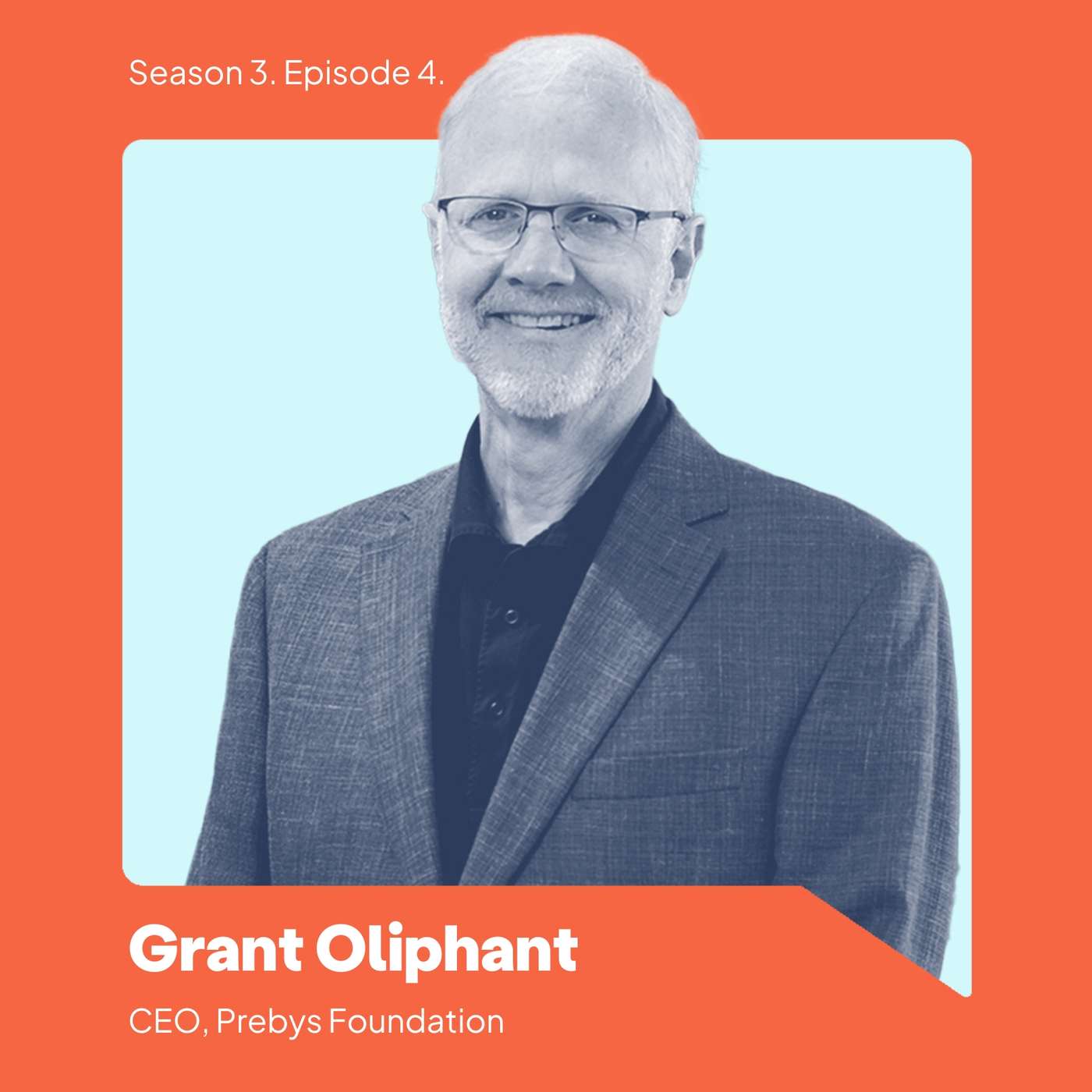 Grant Oliphant: Reconnecting with Why Our Work Matters | Grant Oliphant is the CEO of the Prebys Foundation and a longtime leader in philanthropy and social impact. With decades of experience guiding foundations through moments of transformation, he has a deep understanding of how philanthropy can respond to crises, support nonprofit resilience, and advocate for the society we aspire to reach. This Episode: Nonprofits are facing unprecedented challenges—from shifting political landscapes and funding cuts to increasing demands for services. With federal cuts threatening essential programs, nonprofit leaders are grappling with how to sustain their missions while navigating an evolving philanthropic landscape. In this candid conversation, Grant Oliphant flips the script and takes the guest seat, offering his insights on the role of philanthropy, nonprofits, and each of us as individuals in this moment. He shares how the Prebys Foundation is standing with San Diego’s nonprofit sector, the moral and practical dilemmas organizations face, and why belonging remains at the heart of Prebys' mission. Grant and Crystal also unpack the larger cultural shifts at play, from the erosion of trust in institutions to the censorship of language that directly impacts the people nonprofits serve. As they discuss what’s at stake, they also offer hope—reminding listeners that the nonprofit sector remains one of the most trusted forces for good, and that resilience is built through community and shared purpose. Key Moments: [2:50] How national shifts are affecting nonprofit leaders' mental well-being [9:00] Why Prebys Foundation stands by diversity, equity, and inclusion—without the jargon [16:32] The unique role nonprofits play in shaping America’s social fabric [29:16] How Prebys is responding to federal budget cuts and nonprofit concerns [39:07] The fine line nonprofit leaders must walk between survival and advocacy [55:40] Grant’s advice for nonprofit leaders feeling overwhelmed in this moment Resources Mentioned in This Episode: Federal Impacts on Nonprofits: San Diego County Survey of Nonprofit Results - Research from the Nonprofit Institute on the state of nonprofits in San Diego Challenging Times: How U.S. Nonprofit Leaders are Experiencing the Political Context – Report from the Center for Effective Philanthropy with results from across the U.S. Alexis de Tocqueville’s Democracy in America – A historical perspective on civil society’s role in the U.S. 4 Steps You Can Take:Support Your Local Nonprofits – Donate, volunteer, or advocate for the organizations making a difference in your community. Stay Engaged – Call your representatives, speak up for nonprofit funding, and resist the erasure of critical social issues. Build Community – Connect with peers, partners, and allies across sectors to share strategies, strengthen relationships, and support collective impact. Reconnect with Your ‘Why’ – In challenging times, remembering your purpose can fuel your resilience. Credits: This is a production of the Prebys Foundation Hosted by Grant Oliphant Co-Hosted by Crystal Page Co-produced by Crystal Page and Adam Greenfield Engineered by Adam Greenfield Production Coordination by Tess Karesky Video Production by Edgar Ontiveros Medina The Stop & Talk Theme song was created by San Diego’s own Mr. Lyrical Groove. Special thanks to the Prebys Foundation Team. Download episodes at your favorite podcatcher or visit us at StopAndTalkPodcast .org If you like this show, and we hope you do, the best way to support this show is to share, subscribe, and review our podcast. Thank you for your support, ideas, and listening. | 1h 01m 12s | ||||||
| 3/13/25 | 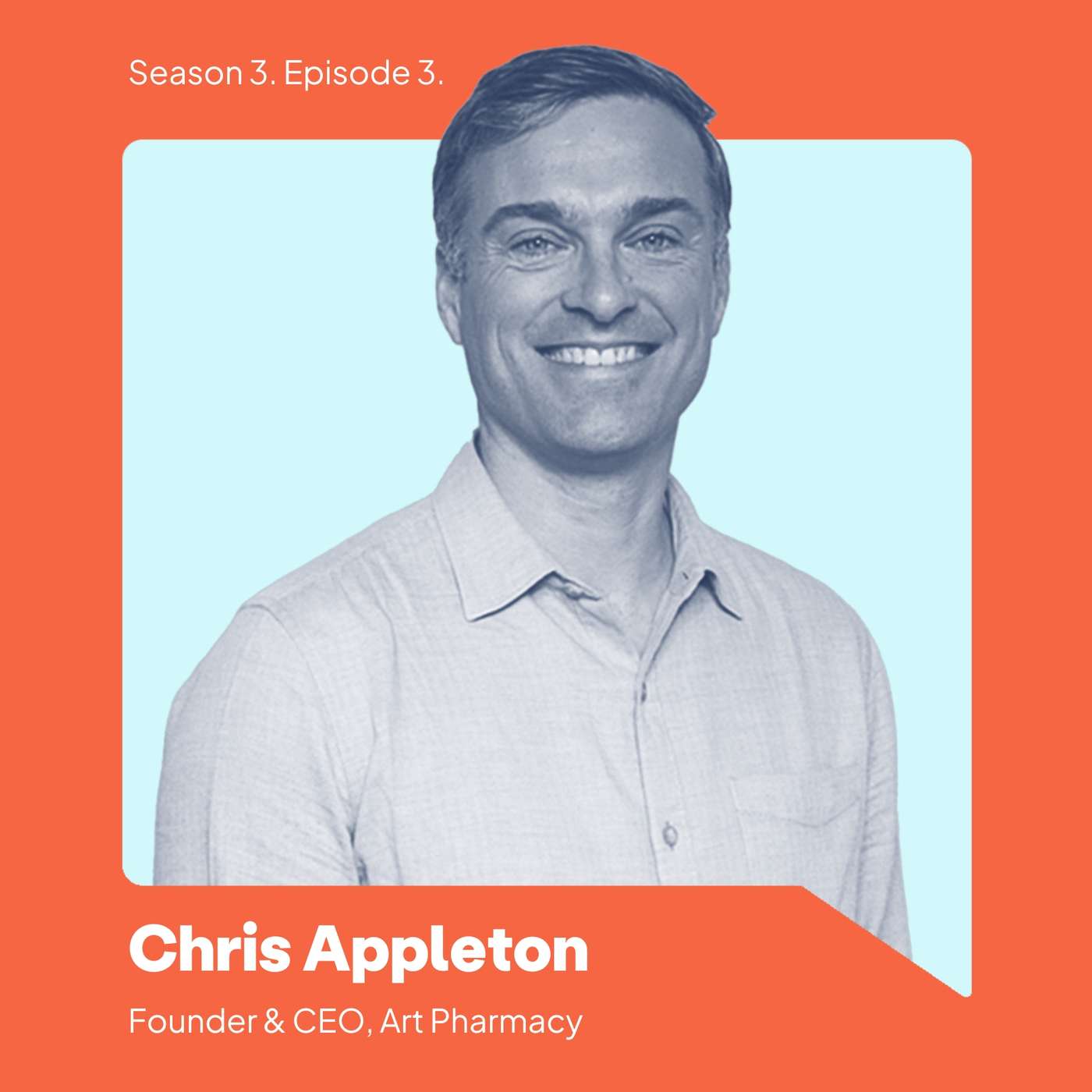 Chris Appleton: Prescribing Art as Medicine | Chris Appleton is the founder and CEO of Art Pharmacy, a pioneering initiative using social prescribing to integrate the arts into healthcare and improve mental well-being. A leader in arts and social impact, his work has been featured in The New York Times, CNN, and NPR. With a background in nonprofit leadership Chris is redefining healing one creative prescription at a time. This episode: What if a doctor’s prescription didn’t lead you to a pharmacy, but to a painting class, a dance performance, or a music workshop? For centuries, artists have played a vital role in well-being, and cultures around the world have embraced the arts as a source of health, community, and renewal. Now, social prescribing is reshaping healthcare by integrating the arts, not just as enrichment but as a science-backed tool for improving both mental and physical health. Decades of research show that engaging in the arts can reduce stress, lower blood pressure, strengthen the immune system, and improve cognitive function. As the founder and CEO of Art Pharmacy, Chris Appleton is proving that creative engagement is more than a feel-good activity. It is a legitimate, measurable intervention that enhances health outcomes. By working with healthcare providers and insurers, he is building a system where doctors can prescribe the arts just like they would medication or therapy. Grant and Chris also explore how programs like Prebys Foundation’s Healing Through Arts and Nature initiative are improving community health through greater access to arts, culture, and nature. Grant shares how his own experience stepping onto the dance floor at a recent grantee event led to an unexpected moment of joy, connection, and uplifted spirits that reinforced the power of the arts in fostering well-being. 🎧 Tune in as Grant and Chris discuss why the healthcare system has been slow to adopt this approach, how social prescribing is gaining momentum, and what it means for the future of holistic healing. Key Moments: [4:11] What Art Pharmacy is and how social prescribing connects people to creative experiences for better health [9:21] Why social prescribing can be a powerful, less stigmatized intervention in the mental health crisis [12:03] How an older man’s social prescription led him to rediscover his community’s cultural vibrancy [17:48] The importance of prevention and early intervention in healthcare [25:45] Why integrating arts and nature into healthcare is key to long-term well-being [30:51] The essential metrics that prove the success of social prescribing programs. [42:18] Chris’s top goals for Art Pharmacy in the next three years Resources Mentioned in This Episode Prebys’ Healing Through Arts and Nature Initiative – Prebys Foundation’s grant initiative aiming to improve community health and well-being through access to arts, culture, and nature. Arts + Mind Lab at Johns Hopkins – A research initiative exploring the connection between neuroscience and the arts. Your Brain on Art by Susan Magsamen and Ivy Ross – A book on neuroaesthetics and how the arts shape our brains and bodies. University of Florida Center for Arts in Medicine – A leading institution in arts and health research with research director Jill Sonke. Jameel Arts & Health Lab – A global initiative focused on measurably improving health and well-being through the arts. 5 Things You Can DoEngage with the Arts – Attend a local performance, visit an art exhibit, or try a creative activity like painting, dance, or music. Experience firsthand how the arts can foster connection and well-being. Learn More About Social Prescribing – Read Your Brain on Art by Susan Magsamen and Ivy Ross or explore initiatives like Healing Through Arts and Nature to see how creativity improves well-being. Support Arts & Health Programs – Volunteer, donate, or spread the word about organizations using the arts to promote healing. Reconnect with Nature – Take a mindful walk, explore a botanical garden, or join an outdoor community event. Like the arts, nature has proven benefits for mental and physical health. Start the Conversation – Share this episode with a friend, healthcare provider, or community leader. Advocate for creative solutions in healthcare. CreditsThis is a production of the Prebys FoundationHosted by Grant OliphantCo-Hosted by Crystal PageCo-produced by Crystal Page and Adam GreenfieldEngineered by Adam GreenfieldProduction Coordination by Tess KareskyVideo Production by Edgar Ontiveros MedinaSpecial thanks to the Prebys Foundation TeamThe Stop & Talk Theme song was created by San Diego’s own Mr. Lyrical Groove.Download episodes at your favorite podcatcher or visit us at StopAndTalkPodcast.comIf you like this show, and we hope you do, the best way to support this show is to share, subscribe, and review our podcast. Thank you for your support, ideas, and listening. | 1h 00m 07s | ||||||
| 2/13/25 | 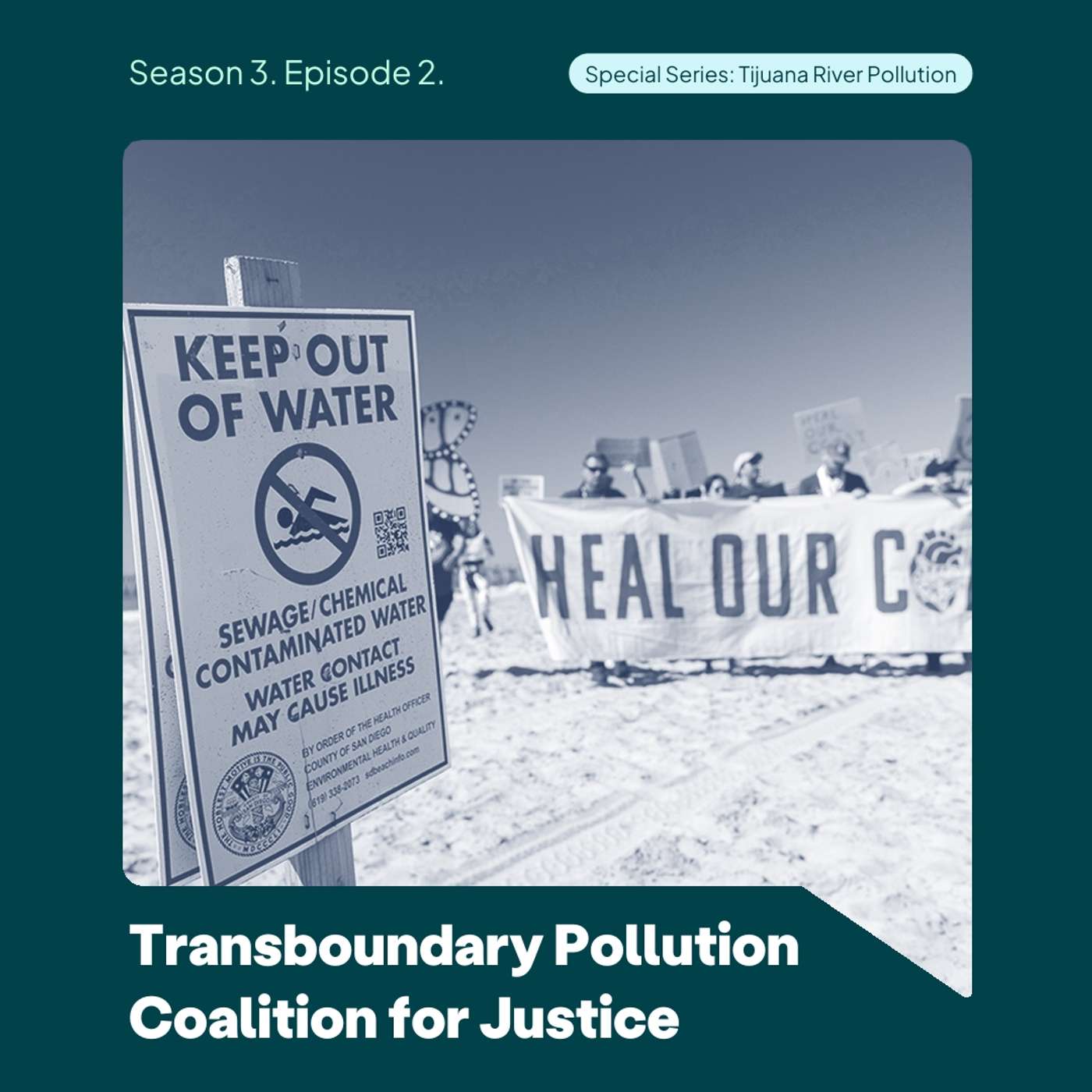 The Alternative is Unacceptable | In this episode, Grant sits down with four motivated leaders who are driving solutions to the Tijuana River sewage crisis. Ramon Chairez, Sarah Davidson, Lesly Gallegos-Stearns, and Kapili Pasa are proving that change isn’t just possible, it is already happening through advocacy, environmental education, and community organizing. Their stories reveal deep, personal connections to the estuary, the ocean, and the communities most affected. From respiratory illnesses to economic setbacks and lost opportunities for youth, they highlight why urgent action is needed and why those in power must be held accountable. Everyone in San Diego County deserves clean air, safe oceans, and a thriving future. Despite the challenges, their message is clear: action is necessary, and change is within reach. With growing community advocacy, legal action, and scientific research, momentum is building. As Kapili puts it, "The alternative is unacceptable." This episode is a call to believe in San Diego’s ability to solve big problems and to be part of the solution. Special Series: This season, Stop & Talk is diving into one of San Diego County’s biggest environmental and health emergencies: the Tijuana River Sewage Crisis. Through this special series, we hear from doctors, advocates, researchers, and others fighting for clean environments, healthy communities, and real solutions. Credits:This is a production of the Prebys FoundationHosted by Grant OliphantCo-Hosted by Crystal PageCo-produced by Crystal Page and Adam GreenfieldEngineered by Adam GreenfieldProduction Coordination by Tess KareskyVideo Production by Edgar Ontiveros Medina The Stop & Talk Theme song was created by San Diego’s own Mr. Lyrical Groove.Download episodes at your favorite podcatcher or visit us at StopAndTalkPodcast.com Special thanks to the Prebys Foundation Team If you like this show, and we hope you do, the best way to support this show is to share, subscribe, and review our podcast. Thank you for your support, ideas, and listening. | 1h 03m 33s | ||||||
| 1/30/25 | 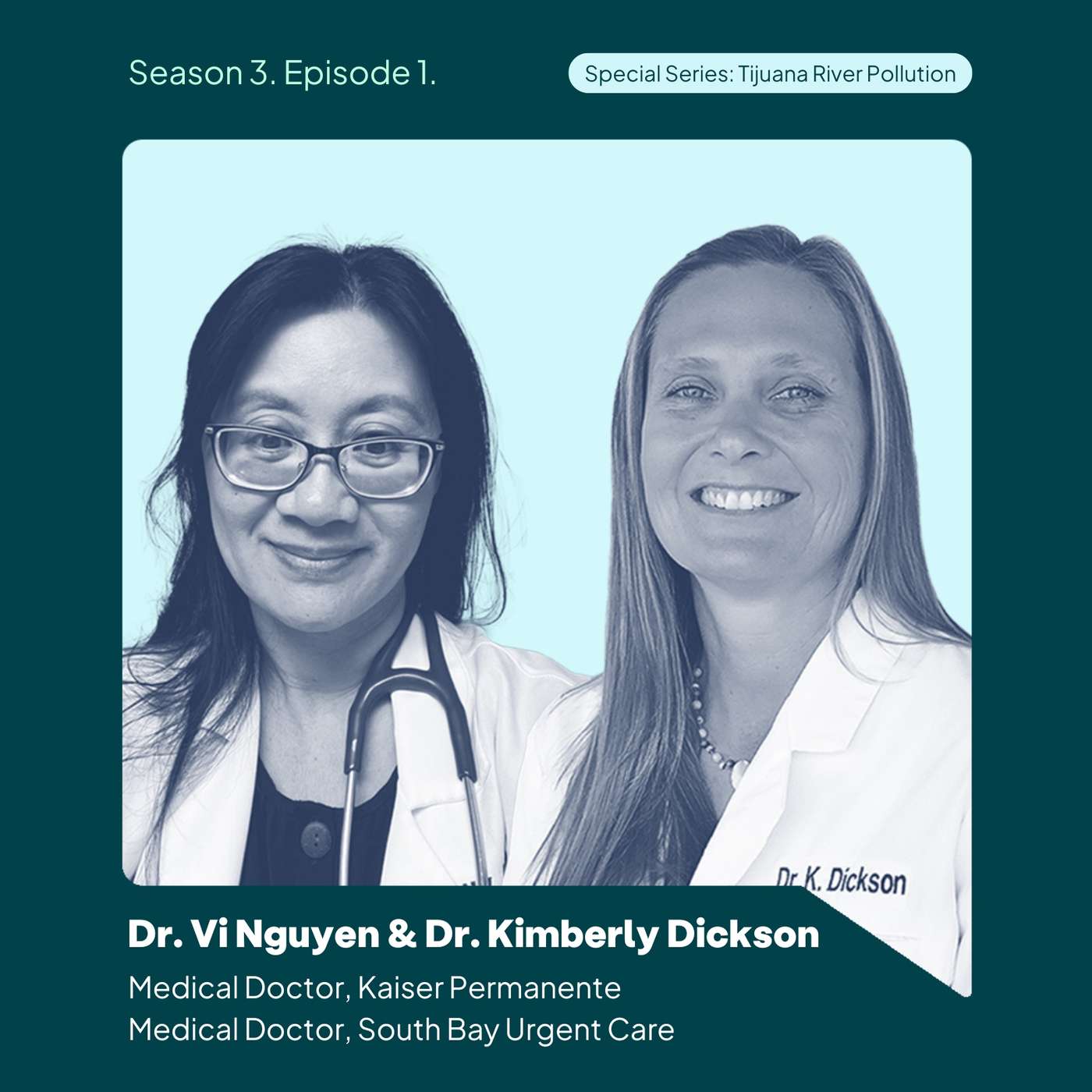 Tijuana River Pollution: Speaking Up for Patient Health with Dr. Dickson and Dr. Nguyen | Special Series: This season, Stop & Talk is diving into one of San Diego County’s biggest environmental and health emergencies: the Tijuana River Sewage Crisis. Through this special series, we hear from doctors, advocates, researchers, and others fighting for clean environments, healthy communities, and real solutions to a crisis that’s been dismissed for too long. This episode:For decades, families in San Diego’s border communities have faced a sewage crisis that threatens their health and well-being. Now, two dedicated physicians, Dr. Kimberly Dickson and Dr. Vi Nguyen, are sharing how the sewage is impacting the people in their care. With medical expertise and deep community ties, they’ve connected the dots between troubling health patterns and the ongoing sewage crisis, stepping forward as advocates for their patients and neighbors. In this episode, host Grant Oliphant speaks with Dr. Dickson and Dr. Nguyen about what they’re seeing in their exam rooms, why this crisis demands urgent action, and the surprising response when they raised their concerns. This conversation is about the power of information, the courage to speak up, and the responsibility we all share to ensure every child has the chance to grow up healthy, safe, and free from pollution. Credits:This is a production of the Prebys FoundationHosted by Grant OliphantCo-Hosted by Crystal PageCo-produced by Crystal Page and Adam GreenfieldEngineered by Adam GreenfieldProduction Coordination by Tess KareskyVideo Production by Edgar Ontiveros Medina The Stop & Talk Theme song was created by San Diego’s own Mr. Lyrical Groove.Download episodes at your favorite podcatcher or visit us at StopAndTalkPodcast.com Special thanks to the Prebys Foundation Team If you like this show, and we hope you do, the best way to support this show is to share, subscribe, and review our podcast. Thank you for your support, ideas, and listening. | 1h 01m 12s | ||||||
Showing 25 of 56
Pitch Fit is a Pro feature
See how bookable this show is for guests, which brands already advertise, the per-episode ad value, and the best-fit guest and sponsor profile. The numbers are blurred on the free plan.
How readily this show books outside guests like you.
How proven this show is for host-read sponsorships.
For Guests
ProFor Advertisers
ProUpgrade to Pro to unlock guest cadence, sponsor categories, fit scores, and per-episode ad value for this show.
Chart Positions
1 placement across 1 market.
Chart Positions
1 placement across 1 market.