

Insights from recent episode analysis
Audience Interest
Podcast Focus
Publishing Consistency
Platform Reach
Insights are generated by CastFox AI using publicly available data, episode content, and proprietary models.
Total monthly reach
Estimated from 3 chart positions in 3 markets.
By chart position
- 🇺🇸US · Social Sciences#1855K to 30K
- 🇰🇷KR · Social Sciences#1711K to 10K
- 🇷🇴RO · Social Sciences#893K to 10K
- Per-Episode Audience
Est. listeners per new episode within ~30 days
4.5K to 25K🎙 ~2x weekly·127 episodes·Last published 1w ago - Monthly Reach
Unique listeners across all episodes (30 days)
9K to 50K🇺🇸60%🇰🇷20%🇷🇴20% - Active Followers
Loyal subscribers who consistently listen
3.6K to 20K
Market Insights
Platform Distribution
Reach across major podcast platforms, updated hourly
Total Followers
—
Total Plays
—
Total Reviews
—
* Data sourced directly from platform APIs and aggregated hourly across all major podcast directories.
On the show
Recent episodes
Dr. Barbara Fredrickson: How Positivity Strengthens Us in Crisis
May 5, 2026
Unknown duration
Dr. David O'Brien: Protecting Democracy in the Digital Age
Apr 21, 2026
Unknown duration
Dr. Packer, Dr. Van Bavel, Dr. Han, Evan Mawarire, Uriel Epshein & Joshua Fryday: What Fuels Political Division Part 2
Apr 7, 2026
Unknown duration
Dr. Packer, Dr. Van Bavel, Dr. Han, Alison Taylor, Uriel Epshein, & Joshua Fryday: What Fuels Political Division Part 1
Mar 20, 2026
Unknown duration
Dr. Sean Westwood: What Polarization Reveals About Democracy and the Human Spirit
Mar 3, 2026
Unknown duration
Social Links & Contact
Official channels & resources
Official Website
Login
RSS Feed
Login
| Date | Episode | Description | Length | ||||||
|---|---|---|---|---|---|---|---|---|---|
| 5/5/26 |  Dr. Barbara Fredrickson: How Positivity Strengthens Us in Crisis | The first episode of the Stories of Impact podcast special, five-part Covid-19 conversation series features Dr. Barbara Fredrickson, director of the Positive Emotions and Psychophysiology Lab at the University of North Carolina at Chapel Hill. Host Richard Sergay speaks with Dr. Fredrickson about why her work in positive psychology is more relevant than ever during the Covid-19 pandemic. Dr. Fredrickson offers tips on how to nurture our positive emotions and resilience amid the stress and anxiety we are all experiencing, as well as how to foster strong social connections going forward post-Covid. Learn more about Dr. Barbara Fredrickson and the PEP Lab Subscribe to Stories of Impact wherever you listen to podcasts. More about this episode Read the transcript of this episode Facebook, Twitter, Instagram, YouTube Comments, questions and suggestions info@storiesofimpact.org Supported by Templeton World Charity Foundation | — | ||||||
| 4/21/26 |  Dr. David O'Brien: Protecting Democracy in the Digital Age | Today's conversation is with David O'Brien, Assistant Research Director at the Berkman Klein Center for Internet and Society at Harvard University. Prof. O'Brien talks to Richard about how we as citizens can bring our democratic values to bear on social media platforms; the role privacy plays online in allowing democracy and democratic citizenship to flourish; and more. More about David O'Brien and the Berkman Klein Center for Internet and Society Mentioned in this episode: Citizenship in a Networked Age How to Watch TV News Subscribe to Stories of Impact wherever you listen to podcasts More about this episode Read the transcript of this episode Facebook, Twitter, Instagram, YouTube Comments, questions and suggestions info@storiesofimpact.org Supported by Templeton World Charity Foundation | — | ||||||
| 4/7/26 |  Dr. Packer, Dr. Van Bavel, Dr. Han, Evan Mawarire, Uriel Epshein & Joshua Fryday: What Fuels Political Division Part 2 | In today's episode, we consider what writers, researchers, and scholars say we can learn from the history of polarization in other countries and learn about some of their potential solutions for polarization. Today's episode features researchers Jay J. Van Bavel and Dominic J. Packer, co-authors of The Power of Us: Harnessing Our Shared Identities to Improve Performance, Increase Cooperation, and Promote Social Harmony. We also hear from Dr. Hahrie Han, Professor of Political Science and the Director of the SNF Agora Institute at Johns Hopkins University; Uriel Epshtein, Executive Director of the Renew Democracy Initiative; Joshua Fryday, Chief Service Officer for the State of California with California Volunteers; and Evan Mawarire, a Zimbabwean clergyman who founded #ThisFlag Citizen's Movement. Read the transcript of this episode Subscribe to Stories of Impact wherever you listen to podcasts Find us on Facebook, Twitter, Instagram and YouTube Share your comments, questions and suggestions at info@storiesofimpact.org Supported by Templeton World Charity Foundation | — | ||||||
| 3/20/26 |  Dr. Packer, Dr. Van Bavel, Dr. Han, Alison Taylor, Uriel Epshein, & Joshua Fryday: What Fuels Political Division Part 1 | This episode defines polarization and explores its causes and effects. Next, we consider what we can learn from the history of polarization in other countries and share the antidotes to polarization that research has uncovered. Finally, we explain why it's important to make a long-term investment in polarization research. Today's episode features researchers Jay J. Van Bavel and Dominic J. Packer, co-authors of The Power of Us: Harnessing Our Shared Identities to Improve Performance, Increase Cooperation, and Promote Social Harmony. We also hear from Alison Taylor, Executive Director at Ethical Systems, a research collaborative affiliated with NYU; Dr. Hahrie Han, Professor of Political Science and the Director of the SNF Agora Institute at Johns Hopkins University; Uriel Epshtein, Executive Director of the Renew Democracy Initiative; and Joshua Fryday, Chief Service Officer for the State of California with California Volunteers. Read the transcript of this episode Subscribe to Stories of Impact wherever you listen to podcasts Find us on Facebook, Twitter, Instagram and YouTube | — | ||||||
| 3/3/26 |  Dr. Sean Westwood: What Polarization Reveals About Democracy and the Human Spirit | Stories of Impact brings back some of our favorite conversations this season. Today, we continue our series about how citizens can understand and heal polarization, with a conversation with Dr. Sean Westwood. Dr. Westwood studies American politics and how partisan conflict manifests in the United States, its consequences and its origins. Read the transcript of this episode Learn more about the research Subscribe to Stories of Impact wherever you listen to podcasts Find us on Facebook, Instagram, Bluesky, and YouTube Share your comments, questions and suggestions at info@storiesofimpact.org Supported by Templeton World Charity Foundation | — | ||||||
| 2/18/26 | 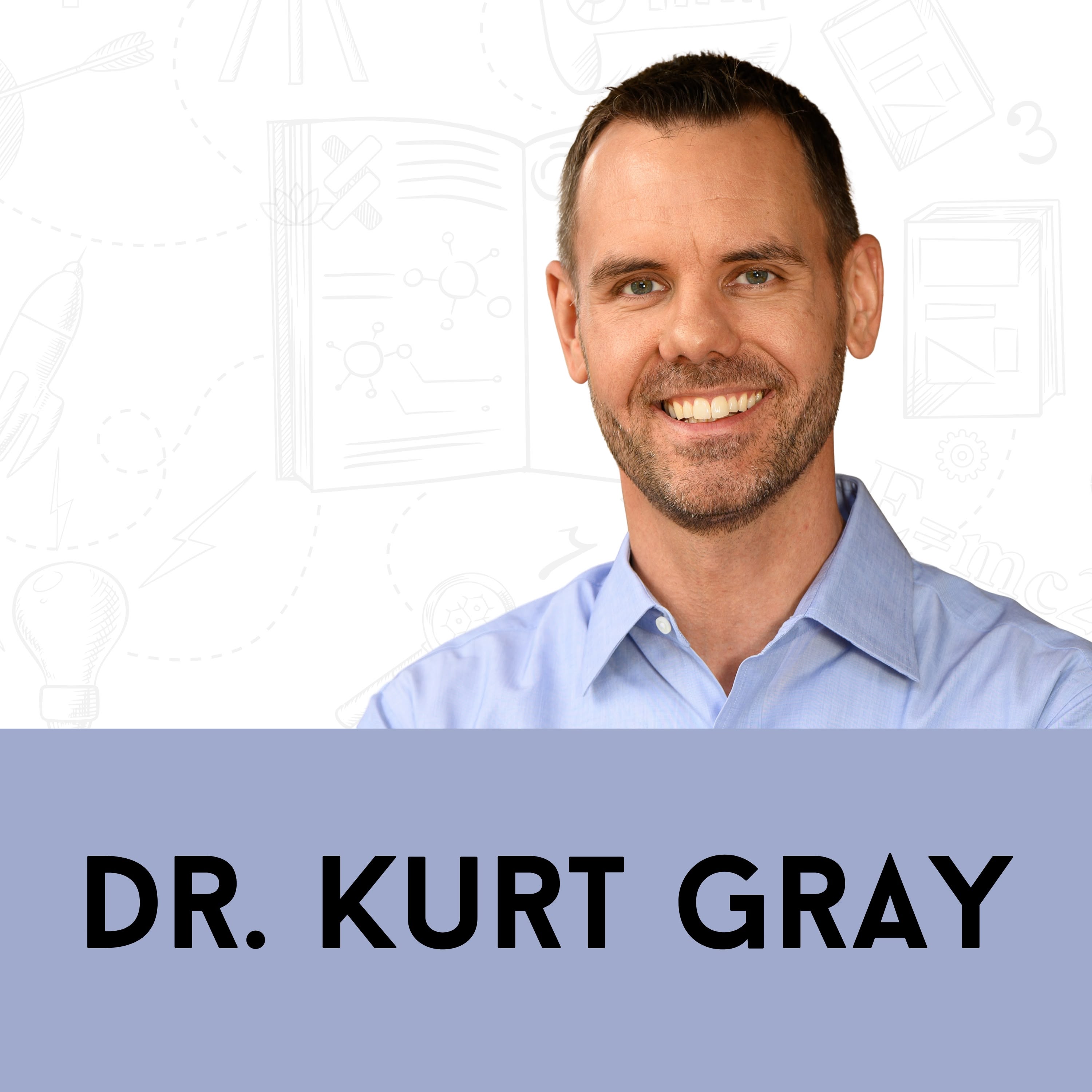 What Polarization Teaches us About Harm and Human Understanding | We're back this episode for our second timely interview focusing on political polarization, wrapping up in conversation with Dr. Kurt Gray, professor of moral psychology and neuroscience at UNC Chapel Hill, and the director of the Deepest Beliefs Lab in the Center for the Science of Moral Understanding. Moral psychology is the descriptive understanding of our moral judgments, or concern with not just how people should make moral decisions, but how they actually do. Why does this matter? In Dr. Gray's words: "To understand our contentious and divided political moments where people are unwilling to discuss politics across the aisle or entertain even that the other side is a reasonable human being in the way that you feel about yourself and your own side. We do disagree already when it comes to politics. But where does this political disagreement come from? …Once you get that, then you can understand where this political animosity comes from. But it's really a question of moral disagreement. And for that you need to understand our moral psychology." Read the transcript of this episode Subscribe to Stories of Impact wherever you listen to podcasts Find us on Facebook, Instagram, Bluesky, and YouTube Share your comments, questions and suggestions at info@storiesofimpact.org Supported by Templeton World Charity Foundation | — | ||||||
| 2/3/26 |  The Global Flourishing Study: What the Data Reveals About Well-Being Across the World | Our intention on the Stories of Impact Podcast, whether flora, fauna, homo sapiens, or otherwise, the variety of subjects we've featured across 120+ episodes has underscored our commitment to people's progress and well-being. (It's certainly enriched our wellbeing to tell each story!) But is well-being the same as flourishing, or does one lead to the other? How do we know what flourishing is? What do people actually need to flourish? Times are tough; IS anyone actually flourishing? To answer those questions, we're turning today to two international researchers who are leading a ground-breaking study on human flourishing: Dr. Tyler VanderWeele, John L. Loeb and Francis Lehman Loeb professor of epidemiology at the Harvard T.H. Chan School of Public Health, and Dr. Byron Johnson, director of The Institute for Studies of Religion and a distinguished professor of the social sciences at Baylor University. Read the transcript of this episode Subscribe to Stories of Impact wherever you listen to podcasts Find us on Facebook, Twitter, Instagram and YouTube Share your comments, questions and suggestions at info@storiesofimpact.org Supported by Templeton World Charity Foundation | — | ||||||
| 12/16/25 |  Dr. Joshua Plotnik: Inside The Elephant Mind | When Joshua Plotnik was a kid, he wanted to become a veterinarian and day dreamed of a future caring for animals large and small. By the time he got to college, he eagerly worked with every type of vet he could think of, from small animal vets to large animal horse veterinarians. On a summer break from his undergraduate studies at Cornell University, he interned as a zookeeper at the Central Park Zoo, and a mentor there encouraged him to reach out to the internationally-acclaimed primatologist Dr. Franz de Waal, known for his research on cooperation in primates. When the young student approached Dr. de Waal to ask if he might take him on as a PhD candidate, Dr. de Waal extended an invitation — the chance of a lifetime. Dr. Plotnik started researching chimpanzee behavior — where a lot of psychology researchers land, he says. But Dr. Plotnik's interests soon expanded to question how those similarities evolve across these different species, if it's not due to a common ancestor? With that fascination driving his work, Dr. Plotnik soon asked Dr. de Waal for his support setting up a field site where he could immerse himself in researching the behavioral flexibility of one the largest animals he'd worked with yet: Elephants. And so, for the last two decades, Dr. Plotnik's research has focused on wild and captive elephants primarily located in Thailand. Now an associate professor of psychology and the director of the Comparative Cognition for Conservation Lab at Hunter College, City University of New York, he's currently wrapping up a years-long study about elephant intelligence. Read the transcript of this episode Subscribe to Stories of Impact wherever you listen to podcasts Find us on Facebook, Twitter, Instagram and YouTube Share your comments, questions and suggestions at info@storiesofimpact.org Supported by Templeton World Charity Foundation | — | ||||||
| 11/18/25 |  Dr. Colin Allen, Dr. Erica Cartmill, and Dr. Heidi Lyn: Animal Joy and the Science of Connection | Are animals capable of feeling joy? How do we know? What is joy? Dr. Erica Cartmill wants to find out. She's the Indiana University professor of cognitive science, animal behavior, and anthropology that long-time listeners to Stories of Impact will recognize from conversations we've had in the past about her studies of diverse intelligences and humor in apes. Today, we'll learn about one of her latest collaborative projects — a first of its kind multidisciplinary study: Joyful by Nature, on the evolution and the function of joy in animals. She's joined in conversation by Dr. Colin Allen, Professor of Philosophy at University of California Santa Barbara and Dr. Heidi Lyn, Joan M. Sinnott Professor in Psychology and Marine Sciences at the University of South Alabama. This team of expert researchers shares why it's both timely and important to move the science of animal emotion forward. Read the transcript of this episode Subscribe to Stories of Impact wherever you listen to podcasts Find us on Facebook, Twitter, Instagram and YouTube Share your comments, questions and suggestions at info@storiesofimpact.org Supported by Templeton World Charity Foundation | — | ||||||
| 11/4/25 |  Remembering Dr. Jane Goodall: The Wild Fight for Our Planet | In remembrance of Jane Goodall (4/3/34 - 10/1/25), we're bringing back our conversation featuring her life and legacy. Luminary Dr. Jane Goodall for decades made significant contributions to not only the scientific world, but arguably, to the entire planet. When 26-year-old British-born Jane Goodall began field studies of primates in Tanzania in July 1960, she was the first researcher to observe chimpanzees in the wild, and she remains the world's foremost expert on chimpanzees. Her rigorous and creative approach quickly gained the attention of the National Geographic Society, which awarded her first grant, and has passionately championed her work in the decades since. Despite never getting a college degree, Dr. Goodall was accepted at Cambridge University, earned her PhD in ethology in 1966, and spent decades in the Gombe Stream National Park studying chimpanzee communities, eventually becoming the only human to ever be accepted into a chimpanzee society. In her 90 years, Dr. Goodall was a legendary conservationist, galvanizing educator, UN Messenger of Peace, and an inspiring writer and public speaker. Her curiosity, empathy, wisdom, protective heart, and unshakeable hope reflect the best of humanity, and even though her conversation was short, you'll hear all of those exemplary characteristics embodied in her voice and story. Read the transcript of this episode Subscribe to Stories of Impact wherever you listen to podcasts Find us on Facebook, Twitter, Instagram and YouTube Share your comments, questions and suggestions at info@storiesofimpact.org Supported by Templeton World Charity Foundation | — | ||||||
Want analysis for the episodes below?Free for Pro Submit a request, we'll have your selected episodes analyzed within an hour. Free, at no cost to you, for Pro users. | |||||||||
| 10/21/25 |  Dr. Alison Gopnik: Why Care Is the Heart of Human Flourishing | "If you ask most people what's the most morally profound, significant, meaningful thing in your life, they'll say something about the way that they have been taking care of children or parents or friends, or people who are ill, or spouses. There's something very distinctive about it. It's just intrinsic to the human condition is that we're going to be babies, we're going to be ill, we're going to be old. That just comes with the territory of being human, and care seems to be a way of allowing us as a community, as a species to negotiate these kinds of transitions, to make the transitions work." Dr. Alison Gopnik is a professor of philosophy and psychology at the University of California, Berkeley, and a leading researcher on caregiving. Today, we explore her international research project designed to "think about the way that we care for other people." Read the transcript of this episode Subscribe to Stories of Impact wherever you listen to podcasts Find us on Facebook, Instagram, Bluesky, and YouTube Share your comments, questions and suggestions at info@storiesofimpact.org Supported by Templeton World Charity Foundation | — | ||||||
| 10/7/25 | 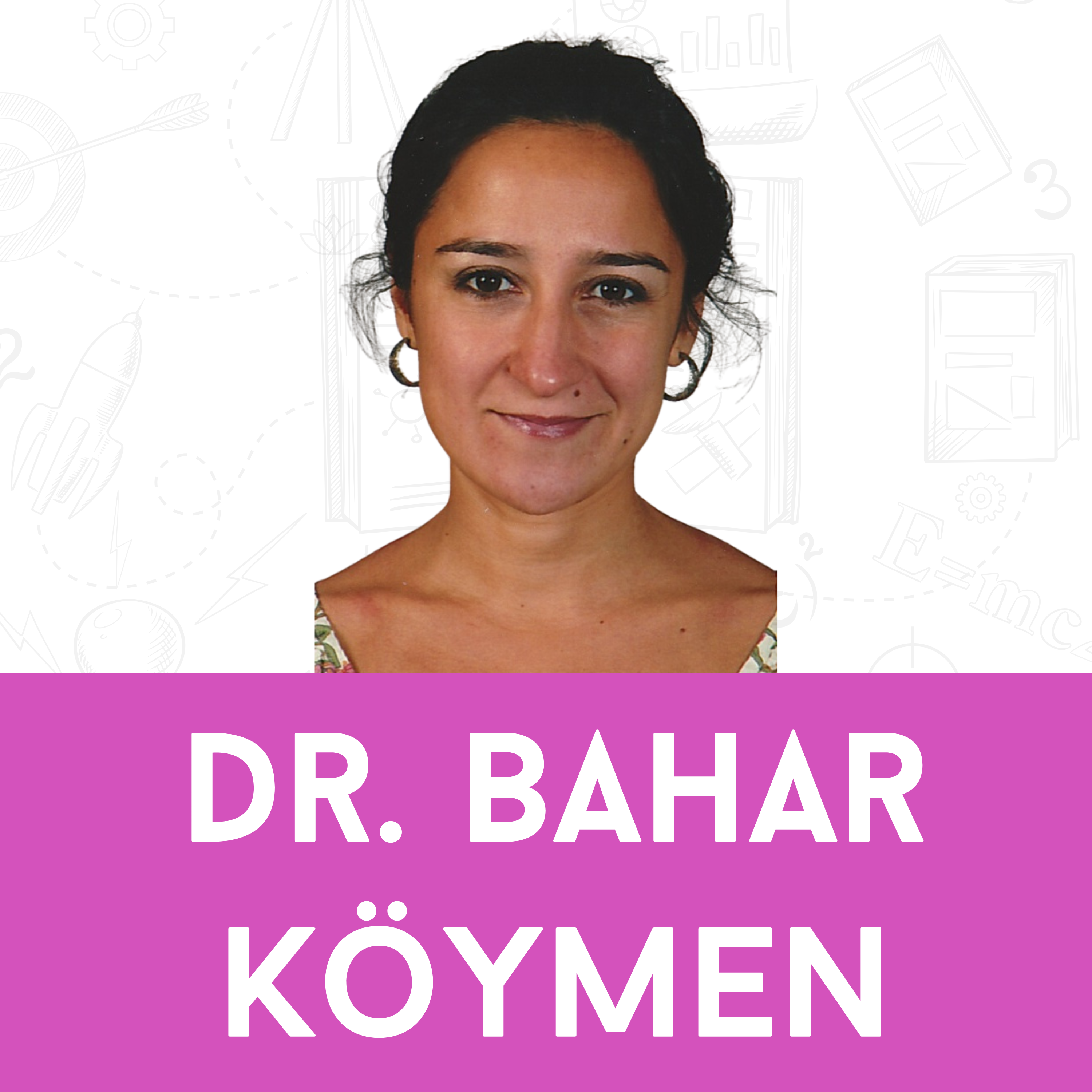 Dr. Bahar Köymen on How Children Learn to Think Together | The world today is grappling with enormous challenges: how will we allow artificial intelligence to impact society? How hot will we let the planet get? How do we stop the conflicts making life for so many so painful? We are not powerless. These are decisions that humans are capable of making, though no one person can solve such existential questions on their own. To solve the world's problems, to take care of each other and create a better future, we have to decide to work with each other to do it. Dr. Bahar Köymen, senior lecturer of psychology, communication and human neuroscience at the University of Manchester, studies the emergence and development of human reasoning. As a developmental psychologist, to better understand how humans develop collective reasoning, Dr. Köymen is taking an unusual approach: studying children. Read the transcript of this episode Subscribe to Stories of Impact wherever you listen to podcasts Find us on Facebook, Instagram, Bluesky, and YouTube Share your comments, questions and suggestions at info@storiesofimpact.org Supported by Templeton World Charity Foundation | — | ||||||
| 9/2/25 | 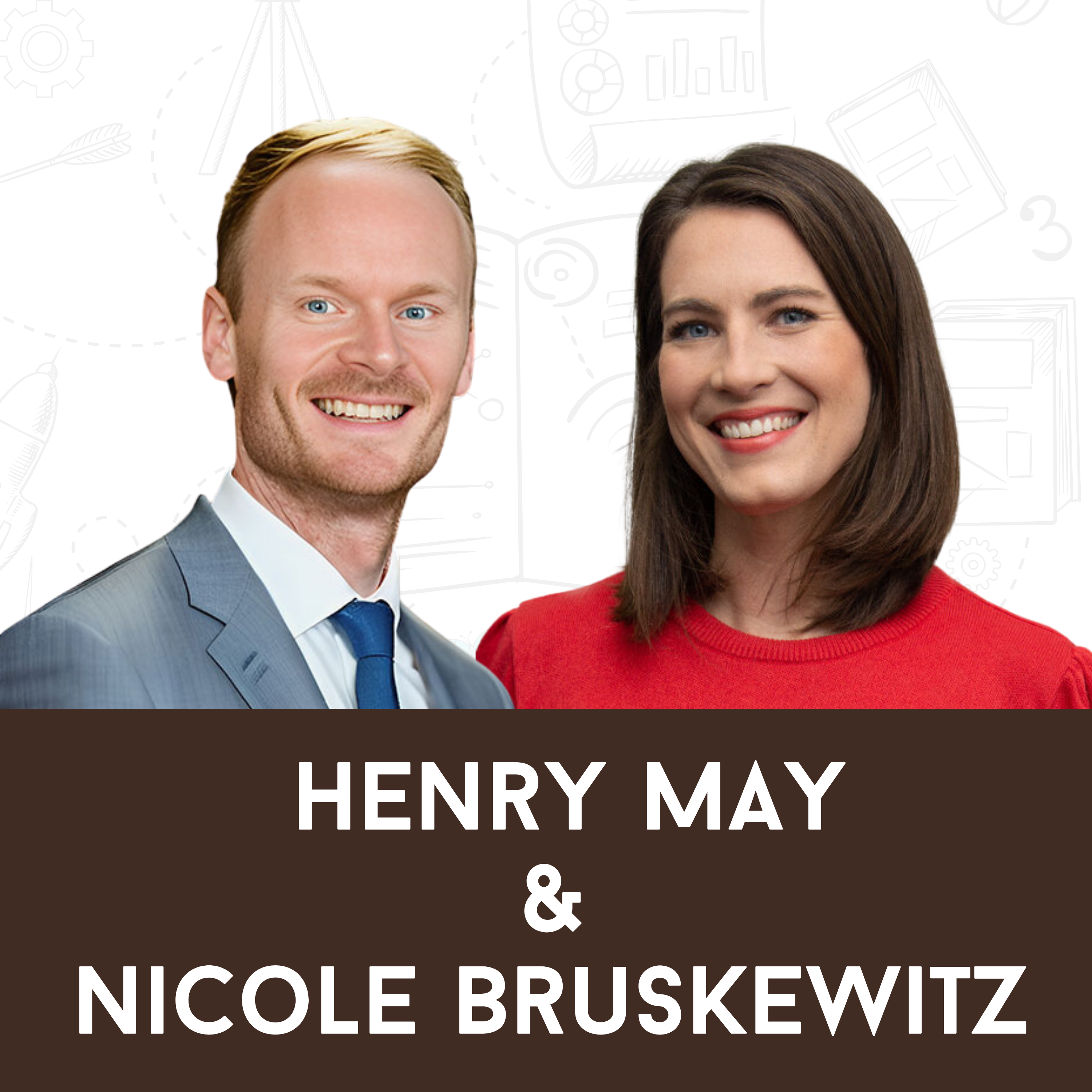 Nicole Bruskewitz and Henry May on Transforming Education Through Character | When Coschool founder and CEO Henry May began his career as a teacher, he learned that his job was not just about enriching the mind, but the soul and spirit of a student as well. He saw that part of excellence in education was helping school communities thrive despite painful circumstances. Nicole Bruskewitz, Coschool's Director of Education, was also a problem solver who'd questioned inequality and education access since childhood. When May and Bruskewitz were introduced to the pioneering work of Dr. Marvin Berkowitz, they thought that his unique educational model could be particularly transformative across their adopted home country of Colombia's entire public educational system. They dreamed of reaching hundreds of schools and entire cities across Colombia — and beyond, educating, promoting character development, and helping heal collective trauma. Hear about the impact of their work in today's episode. Read the transcript of this episodeSubscribe to Stories of Impact wherever you listen to podcastsFind us on Facebook, Instagram, Bluesky, and YouTube Share your comments, questions and suggestions at info@storiesofimpact.org Supported by Templeton World Charity Foundation | — | ||||||
| 8/19/25 | 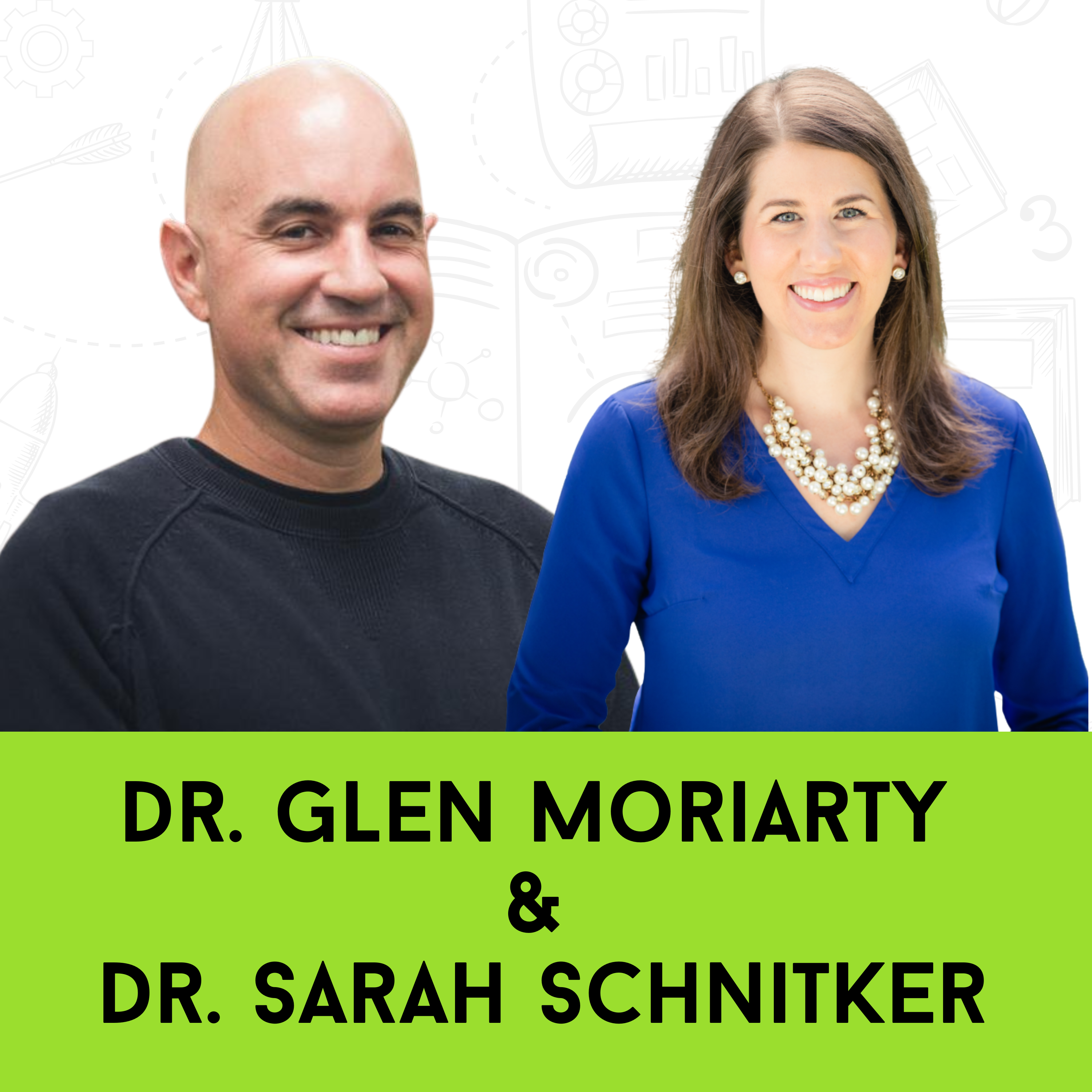 Dr. Glen Moriarty & Dr. Sarah Schnitker: Gratitude, AI, and the Gift Economy | In the societies in which most of us live, our capitalist economic systems run on transactions—on individual sales of goods and services. But are you aware that there are other infrastructures of support and help that meet our need for information, connection, even love? We live with gift economies that already enrich our lives. We start our story with professional disruptor, clinical psychologist and entrepreneur Dr. Glen Moriarty, founder of one of the most innovative, free global mental health systems on the planet—a community called Seven Cups, where over 570,000 trained volunteer listeners provide emotional support to users in 189 countries in 140 languages. Dr. Moriarty and his research partner, Dr. Sarah Schnitker, professor of psychology and neuroscience, principal investigator of the Science of Virtues Lab, and director of the Baylor Research and Growth in Human Thriving Science Center at Baylor University in Waco, Texas are turning assumptions upside down about the systems in which we connect, heal, and thrive in the modern digital age. Read the transcript of this episode Subscribe to Stories of Impact wherever you listen to podcasts Find us on Facebook, Instagram, Bluesky, and YouTube Share your comments, questions and suggestions at info@storiesofimpact.org Supported by Templeton World Charity Foundation | — | ||||||
| 8/5/25 | 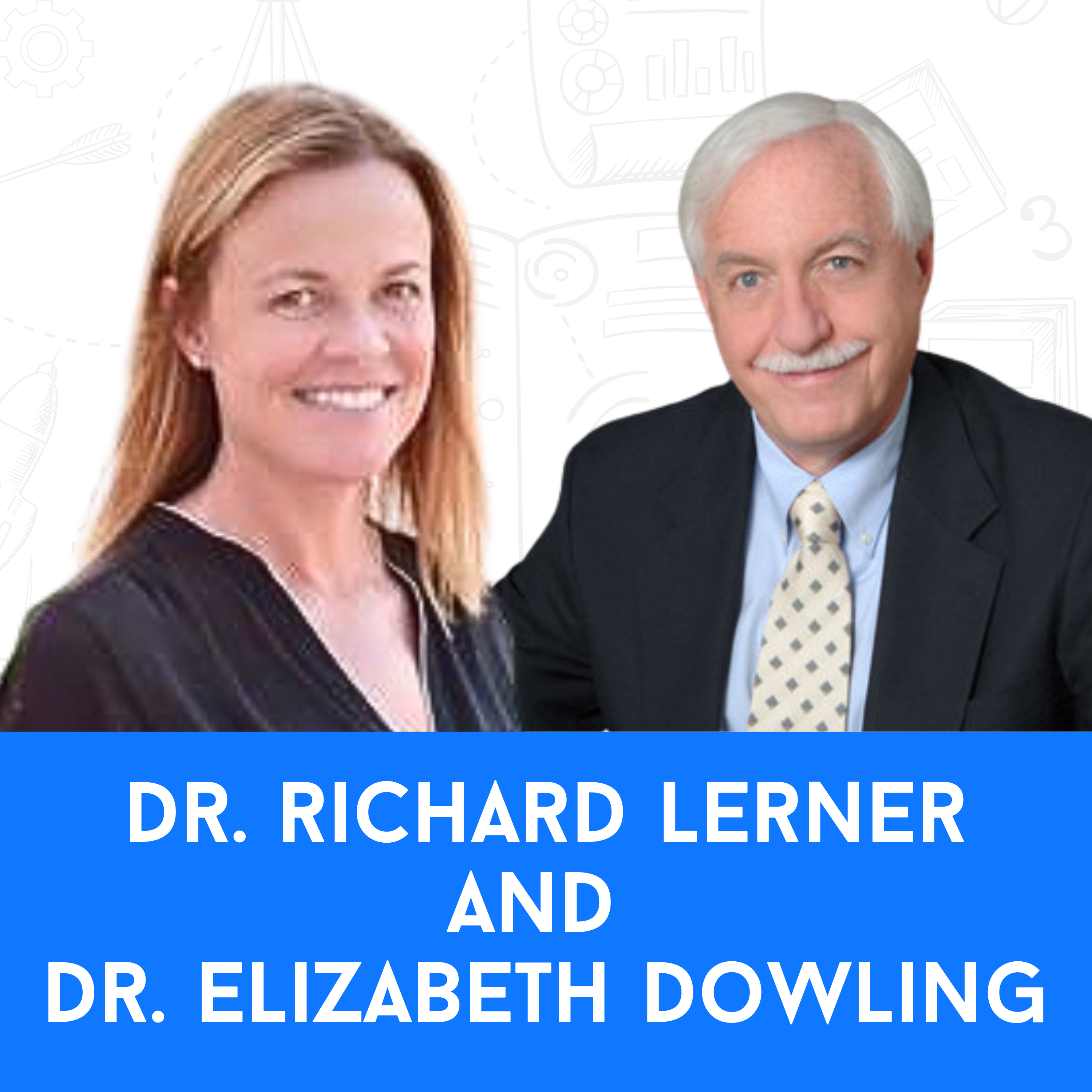 Dr. Elizabeth Dowling & Dr. Richard Lerner: Transforming Community Futures Through a School of Love | Today's episode is full of beauty, hope, healing, community, and connection. In fact, it might be one of the most feel-good, good news stories we've ever gotten to tell. Meet Dr. Richard Lerner and Dr. Elizabeth Dowling, Director and Deputy Director of the Institute for Applied Research and Youth Development at Tufts University. Like many great teachers, they can tell you to look for people who care about kids like that in school — and one school in particular: Thanda, named after the Zulu word for love. Together, these researchers are highlighting the unique curriculum and culture of Thanda, one of the most thriving and successful schools they've ever encountered. Today we learn all about this remarkable school, located in rural South Africa, which is run by some of the perhaps most irrationally caring educators on the planet. Read the transcript of this episode Subscribe to Stories of Impact wherever you listen to podcasts Find us on Facebook, Instagram, Bluesky, and YouTube Share your comments, questions and suggestions at info@storiesofimpact.org Supported by Templeton World Charity Foundation | — | ||||||
| 7/15/25 |  Kurt Shaw and Rita da Silva: Brazilian Resistance and Renewal Through Playing Together | Over the last five years, we've explored stories with countless scientists whose thoughtful research reveals the way they're answering big questions and solving big problems. We've shared conversations about studies done in labs and out in the field. Well, today's field is Brazil. The labs are crowded city streets and verdant jungles. And the big question? What happens when you stop fearing and fighting against diversity, and start exploring and embracing difference? The researchers we learn from today, anthropologists Kurt Shaw and Rita da Silva, have found their answers through play — in music, drumming, dance, martial arts, food, ritual, and shared experiences in Brazilian wise, but marginalized, communities. Read the transcript of this episode Subscribe to Stories of Impact wherever you listen to podcasts Find us on Facebook, Instagram, Bluesky, and YouTube Share your comments, questions and suggestions at info@storiesofimpact.org Supported by Templeton World Charity Foundation | — | ||||||
| 7/1/25 |  Dr. Eugene Ohu: Inspiring Empathy in Nigeria's Next Generation Leaders | Today, we're excited to bring you a hopeful and constructive perspective on modern technology — a story about gamified tech that's positively transformative. Dr. Eugene Ohu is a native Nigerian who grew up in this complex nation observing painful divisions, stereotyping between the ethnic groups, and deep discrimination. He wondered, is it possible to have a united Nigeria? Dr. Ohu wanted to do something radical to help his country unite. He wanted to ensure that the next generation of Nigerian leaders would be compassionate, tolerant, and empathetic toward all citizens, no matter their ethnic identity. He especially wanted Nigerian school children to embrace love and unity. So what was his answer? Virtual reality. Read the transcript of this episode Subscribe to Stories of Impact wherever you listen to podcasts Find us on Facebook, Instagram, Bluesky, and YouTube Share your comments, questions and suggestions at info@storiesofimpact.org Supported by Templeton World Charity Foundation | — | ||||||
| 6/17/25 |  Embracing Diverse Worldviews in the Classroom | Last week we introduced you to Dr. Berry Billingsley, in a conversation about her work studying Big Questions in Religious and Science Education, and her efforts to support multidisciplinary classrooms. This week we're back with the second part of that episode, exploring another Big Questions in the Classroom initiative, in conversation with seven educators who are advancing Dr. Billingsley's work through a collaborative research project called Religion and Worldviews. Together, these research leaders are not only introducing innovative ideas into traditional curriculum, but they're educating the educators in how to teach them. Why does the classroom need a refresh? Let's discover together! Our guests include educators Dr. Michael Reiss, Dr. Trevor Cooling, Stephen Pett, Sarah Lane Cawte, Gillian Georgiou, Marianne Cutler, and Katie Gooch. Read the transcript of this episode Subscribe to Stories of Impact wherever you listen to podcasts Find us on Facebook, Instagram, Bluesky, and YouTube Share your comments, questions and suggestions at info@storiesofimpact.org Supported by Templeton World Charity Foundation | — | ||||||
| 6/3/25 |  Dr. Berry Billingsley: Big Questions That Change How We Learn | Is science fundamentally in opposition to religion, or do they just have little to do with each other? Is the way you engage with science and religion in your life informed by your core beliefs, or are your core beliefs informed by them? Do you think it's scientists or religious experts, or both, or neither, that are best equipped to help humans explore the meaning of life? People might find these questions to be provocative or controversial. But our guest in today's episode, science educator and researcher Dr. Berry Billingsley, was raised in a family culture of curiosity, so she's been asking these sorts of really big questions all her life. Now a professor in Education at the University of Swansea and the former Director of the Learning about Science and Religion Centre at Canterbury Christ Church University, Dr. Billingsley, as devoted as she has been to young people's science education throughout her career as a researcher, has built a body of work critiquing the way science is traditionally taught and breaking down the siloes between religious education and science education classes. Read the transcript of this episode Subscribe to Stories of Impact wherever you listen to podcasts Find us on Facebook, Instagram, Bluesky, and YouTube Share your comments, questions and suggestions at info@storiesofimpact.org Supported by Templeton World Charity Foundation | — | ||||||
| 5/20/25 |  Dr. Nicholas Bloom: What Remote Work Reveals About Equity and Innovation | Did you know that you are part of one of the most significant revolutions in the last 85 years? If you're one of the 180-million Americans in the labor force, and at some point since the 2020 pandemic, you joined the ranks of work-from-home, you are historically revolutionary. Today, we sit down with Dr. Nicholas Bloom, economist and professor of economics at Stanford University. He's studied work-from-home habits for over 20 years—so long before covid-19—and now, his data is showing how the revolutionary shift that happened during the pandemic, is reverberating through society and affecting everything from sports and real estate to crime, taxes, and politics. Read the transcript of this episode Subscribe to Stories of Impact wherever you listen to podcasts Find us on Facebook, Instagram, Bluesky, and YouTube Share your comments, questions and suggestions at info@storiesofimpact.org Supported by Templeton World Charity Foundation | — | ||||||
| 5/6/25 |  Dr. Kurt Gray: What Polarization Teaches us About Harm and Human Understanding | We're back this episode for our second timely interview focusing on political polarization, wrapping up in conversation with Dr. Kurt Gray, professor of moral psychology and neuroscience at UNC Chapel Hill, and the director of the Deepest Beliefs Lab in the Center for the Science of Moral Understanding. Moral psychology is the descriptive understanding of our moral judgments, or concern with not just how people should make moral decisions, but how they actually do. Why does this matter? In Dr. Gray's words: "To understand our contentious and divided political moments where people are unwilling to discuss politics across the aisle or entertain even that the other side is a reasonable human being in the way that you feel about yourself and your own side. We do disagree already when it comes to politics. But where does this political disagreement come from? …Once you get that, then you can understand where this political animosity comes from. But it's really a question of moral disagreement. And for that you need to understand our moral psychology." Read the transcript of this episode Subscribe to Stories of Impact wherever you listen to podcasts Find us on Facebook, Instagram, Bluesky, and YouTube Share your comments, questions and suggestions at info@storiesofimpact.org Supported by Templeton World Charity Foundation | — | ||||||
| 3/18/25 | 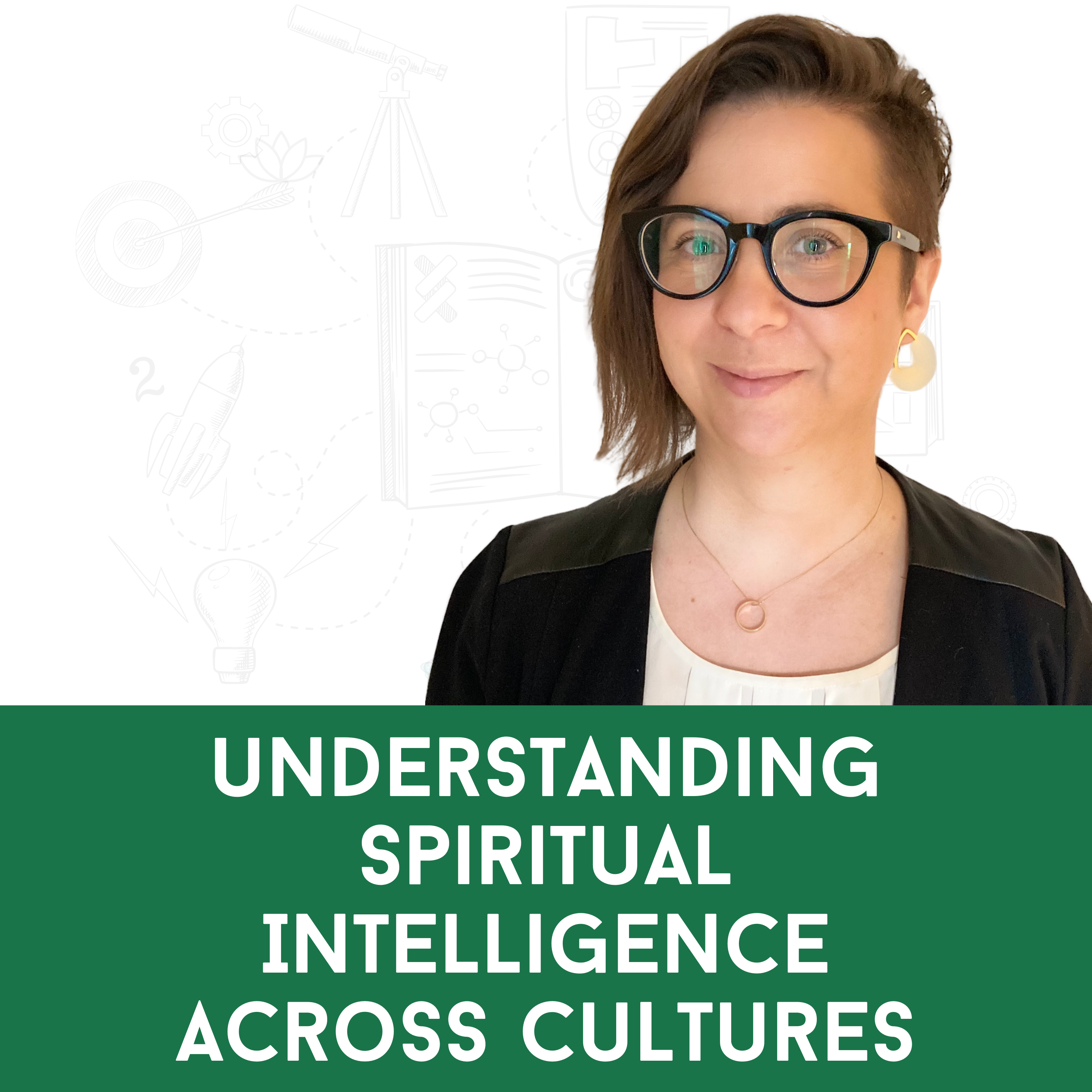 Dr. Anna Corwin: Understanding Spiritual Intelligence Across Cultures | Today we wrap up an enlightening series of conversations on religious ritual as a pathway to human flourishing with Dr. Anna Corwin. When Dr. Corwin became connected to the Diverse Intelligences initiative and researchers who collaboratively examine the variety of intelligence on the planet or beyond, whether plant, animal, human, alien, or artificial, she was inspired to see new possibilities for her own unique research interest, and to embark on a scientific exploration into spiritual intelligence. Read the transcript of this episode Learn more about the researchSubscribe to Stories of Impact wherever you listen to podcasts Find us on Facebook, Instagram, Bluesky, and YouTube Share your comments, questions and suggestions at info@storiesofimpact.org Supported by Templeton World Charity Foundation | — | ||||||
| 3/4/25 |  Dr. Adam Cohen, Aliza Kline and Dr. Arielle Levites: Gathering at the Table for Connection and Belonging | Today we're back in conversation with Dr. Adam Cohen, social psychologist and psychologist of religion at Arizona State University, who shares another research project that explores the way religious ritual connects participants more deeply not only with faith, but with community — this time, not through the practice of abstaining from food, but from breaking bread together. Dr. Arielle Levites, Managing Director of the Collaborative for Applied Studies in Jewish Education and a Research Assistant Professor in the Graduate School of Education and Human Development at George Washington University had the same idea — that observing Shabbat wasn't just a nice idea, it was a practice with measurable impact. So the team designed a study, enlisting the participation of Aliza Kline, founding President and then-CEO of OneTable, an organization designed to help young Jews develop independence and confidence in observing the ritual of Shabbat dinner in their homes. The question they wanted to answer? Does Shabbat dinner as a spiritual practice increase social connectedness? Read the transcript of this episode Learn more about the researchSubscribe to Stories of Impact wherever you listen to podcasts Find us on Facebook, Instagram and YouTube Share your comments, questions and suggestions at info@storiesofimpact.org Supported by Templeton World Charity Foundation | — | ||||||
| 2/18/25 |  Dr. Adam Cohen & Dr. Kathryn A. Johnson: Flourishing in the Yom Kippur Fast | In today's episode, we continue the discussion about fasting, as we hear from two scholars about research focusing on what is considered the holiest day of the year in Judaism: Yom Kippur. During the 25-hour Day of Atonement, observant Jews focus on deepening their relationship with God through prayer, community connection, and by fasting. Over the last three years, two Arizona State University researchers, professor of psychology Dr. Adam Cohen and associate research professor Dr. Kathryn A. Johnson, have been on a scientific mission to understand the universal impact of the fasting ritual, asking whether abstaining from food and drink during this Jewish High Holiday deepens virtue, social cohesion, and personal well-being. Read the transcript of this episode Learn more about the researchSubscribe to Stories of Impact wherever you listen to podcasts Find us on Facebook, Instagram and YouTubeShare your comments, questions and suggestions at info@storiesofimpact.org Supported by Templeton World Charity Foundation | — | ||||||
Showing 24 of 129
Sponsor Intelligence
Sign in to see which brands sponsor this podcast, their ad offers, and promo codes.
Chart Positions
3 placements across 3 markets.
Chart Positions
3 placements across 3 markets.