
Insights from recent episode analysis
Audience Interest
Podcast Focus
Publishing Consistency
Platform Reach
Insights are generated by CastFox AI using publicly available data, episode content, and proprietary models.
Est. Listeners
Based on iTunes & Spotify (publisher stats).
- Per-Episode Audience
Est. listeners per new episode within ~30 days
1 - 1,000 - Monthly Reach
Unique listeners across all episodes (30 days)
1 - 5,000 - Active Followers
Loyal subscribers who consistently listen
1 - 500
Market Insights
Platform Distribution
Reach across major podcast platforms, updated hourly
Total Followers
—
Total Plays
—
Total Reviews
—
* Data sourced directly from platform APIs and aggregated hourly across all major podcast directories.
On the show
Recent episodes
AP Biology - Unit 1.3 Intro to Macromolecules
Oct 7, 2025
Unknown duration
AP Bio 1.2: Acids, Bases, and the pH of Life
Sep 25, 2025
Unknown duration
AP Biology - Unit 1.2 Elements of Life
Sep 9, 2025
Unknown duration
AP Biology - Unit 1.1 Water and Hydrogen Bonding
Sep 8, 2025
Unknown duration
Social Links & Contact
Official channels & resources
Official Website
Login
RSS Feed
Login
| Date | Episode | Description | Length | |
|---|---|---|---|---|
| 10/7/25 | 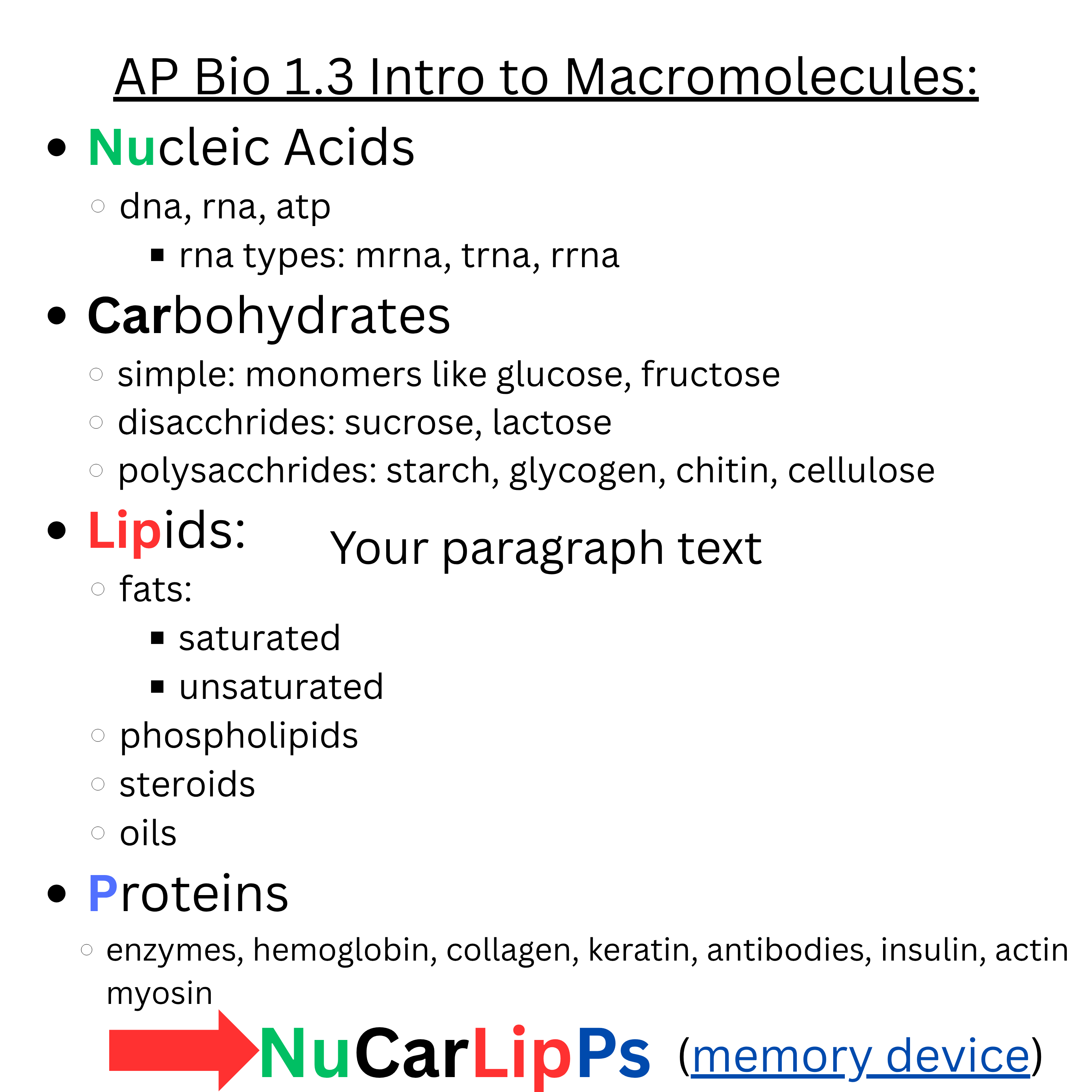 AP Biology - Unit 1.3 Intro to Macromolecules AP Biology - Unit 1.3 Intro to Macromolecules | Episode 1.3: Intro to Macromolecules In this episode of the STS Biology Review Pod, Schuyler and Leslie dive into the "molecules of life" that make all living things possible. Whether you're prepping for AP Bio or just curious about how our bodies work, this episode breaks down the four major classes of macromolecules: carbohydrates, lipids, proteins, and nucleic acids. We cover: What macromolecules are and how they're built from monomers The chemical reactions that put these building blocks together (dehydration synthesis) and take them apart (hydrolysis) The unique functions of carbohydrates, lipids, proteins, and nucleic acids in cells and organisms Why protein structure is so important—and how changes can have major consequences Real-life examples, from lactose intolerance to genetic engineering Fun memory tricks to keep all these terms straight for your next test! Plus: Learn how these fundamental molecules interact in living systems, and hear about our weekly interactive review sessions for even more biology support. For more details, group discounts, or to sign up, check out our show notes or visit https://tutoringservicesseattle.com/. You can also text 206-999-0666 to register. | — | |
| 9/25/25 | 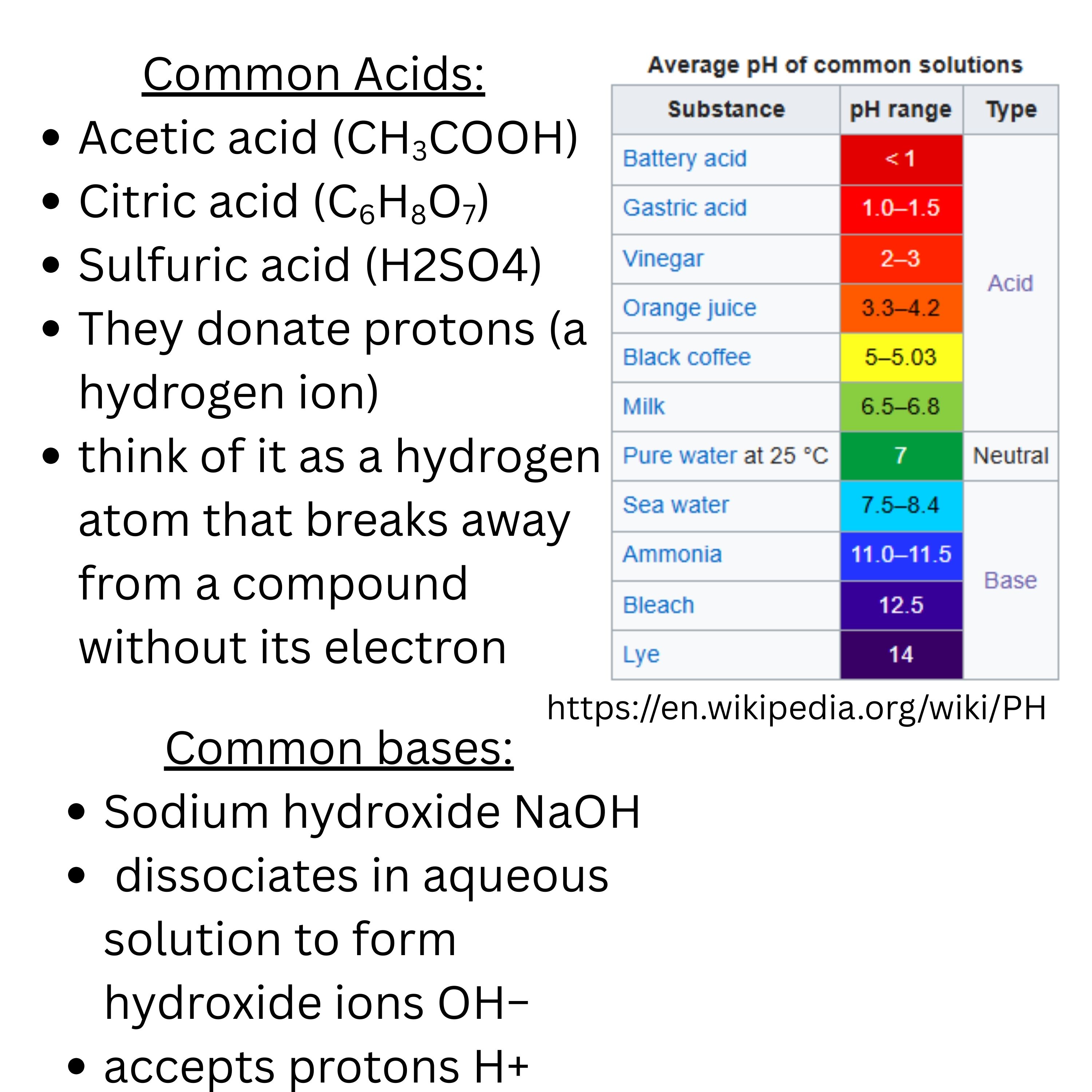 AP Bio 1.2: Acids, Bases, and the pH of Life AP Bio 1.2: Acids, Bases, and the pH of Life | Welcome back to the STS Biology Review Pod! In Episode 3, hosts Schuyler and Leslie dive deep into the fundamental chemistry powering all living things: acids, bases, and the mysterious world of pH. Building on last week's exploration of life's essential elements, this episode breaks down what happens when substances dissolve in water, transforming into charged ions that drive nerve signaling, digestion, and so much more. Discover the difference between acids and bases, learn why pH is vital (and not just for trivia questions), and see how delicate pH balance keeps everything from your blood to lakes and rivers functioning smoothly. The host explains the all-important role of buffers—nature's own chemical shock absorbers—and share real-world examples from biology and every-day life, including why proteins and DNA can only do their jobs in just the right pH zone. Plus, get a sneak peek at the biological macromolecules that make up you, and ponder why fevers feel so rotten and why your stomach can digest some foods but not others. Perfect for AP Bio students (and their parents!), this episode delivers clear explanations, memorable analogies, and helpful stories—making tricky concepts stick. Want even more personalized help? Join our interactive review sessions for your AP® Biology course—just $65 per person, or $32.50 per person with friends! Sign up at seattletutoringservices.com or text 206-999-0666 or insta @seattle_tutoring_services | — | |
| 9/9/25 | 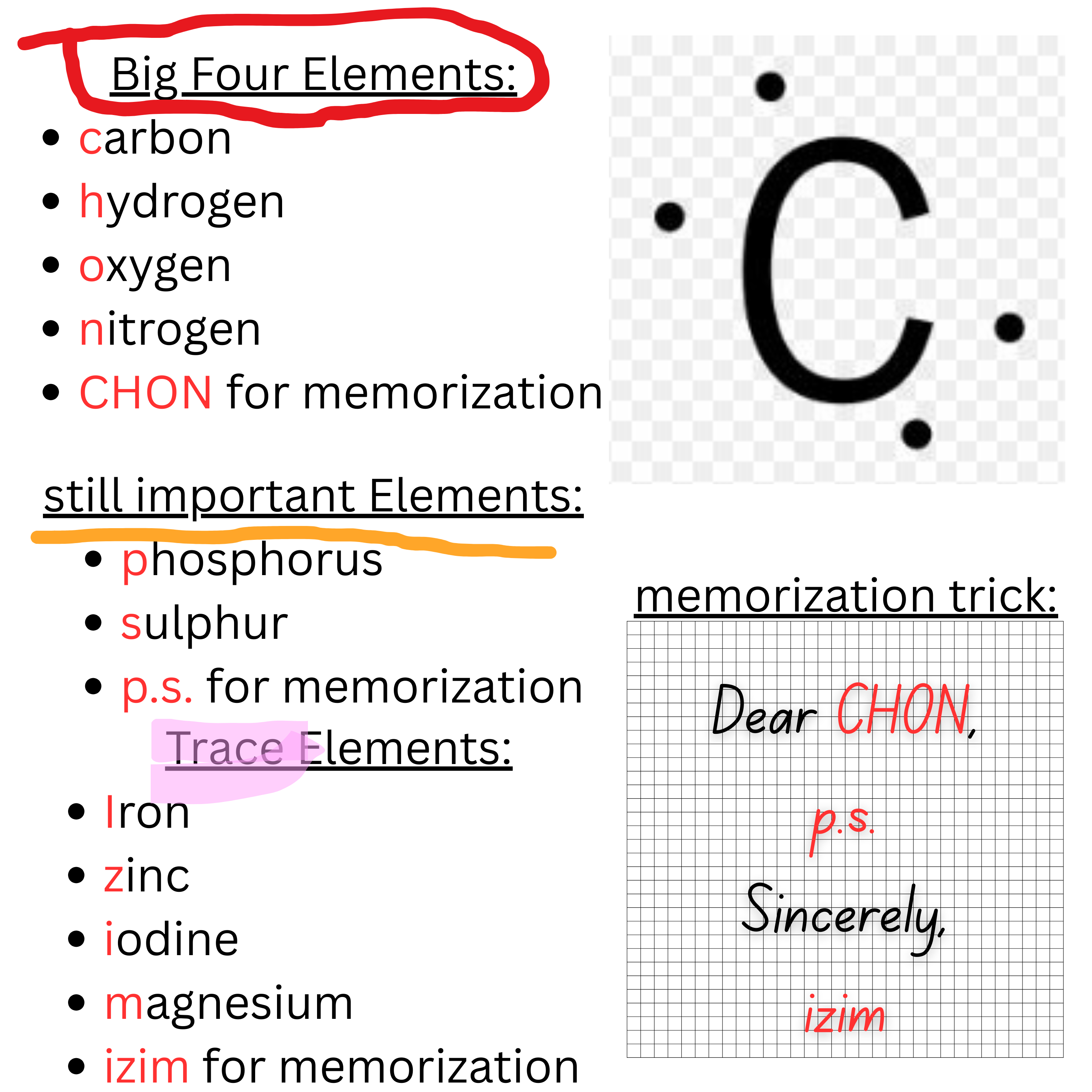 AP Biology - Unit 1.2 Elements of Life AP Biology - Unit 1.2 Elements of Life | In this episode, we study the essential elements that form the foundation of all living things. We'll introduce the "Big Four" elements—carbon, hydrogen, oxygen, and nitrogen—and break down how each one is crucial to core biological molecules and processes. [memorization acronym for big four: CHON] You'll learn how carbon's versatility makes complex life possible, why hydrogen and oxygen are key for water's remarkable properties, and how nitrogen is vital for proteins and DNA. We also spotlight phosphorus, sulfur, [memorization acronym P.S.] and trace elements like iron, zinc, iodine, and magnesium [memorization acronym IZIM ]. We explain their specialized roles in supporting life. By the end, you'll see how just a small handful of elements orchestrate the complexity of everything from cells to ecosystems. Join our interactive review sessions for just $65 per person, or $32.50 per person with friends! Sign up at https://tutoringservicesseattle.com/podcast-for-ap-biology-course/ or via text at 206-999-0666 or DM on insta: @seattle_tutoring_services . Memorization trick for all elements, in order: Think of it like a letter Dear CHON, p.s., Sincerely, Izim | — | |
| 9/8/25 | 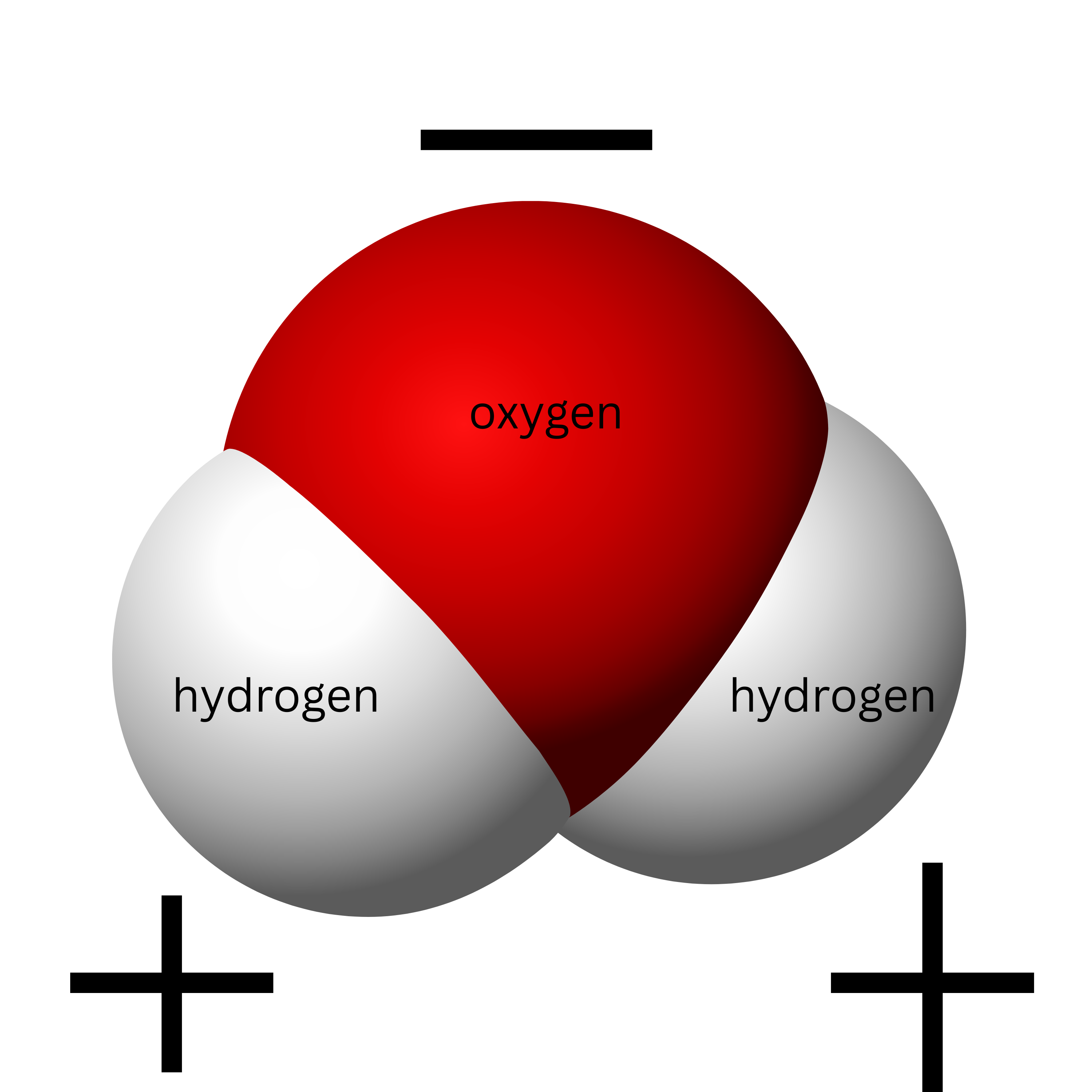 AP Biology - Unit 1.1 Water and Hydrogen Bonding AP Biology - Unit 1.1 Water and Hydrogen Bonding | We review subatomic particles like protons, neutrons, and electrons. After, we discuss the nature of water's polarity, including covalent bonding and other types. Additionally, we consider specific heat capacity, heat of vaporation, expansion with freezing, ability to be a solvent, and cohesion. Join our interactive review sessions for just $65 per person, or $32.50 per person with friends! Sign up at https://tutoringservicesseattle.com/podcast-for-ap-biology-course/ or via text at 206-999-0666 or dm on insta: @seattle_tutoring_services | — |
Showing 4 of 4
Sponsor Intelligence
Sign in to see which brands sponsor this podcast, their ad offers, and promo codes.
Chart Positions
1 placement across 1 market.
Chart Positions
1 placement across 1 market.