Insights from recent episode analysis
Audience Interest
Podcast Focus
Publishing Consistency
Platform Reach
Insights are generated by CastFox AI using publicly available data, episode content, and proprietary models.
Most discussed topics
Brands & references
Est. Listeners
Based on iTunes & Spotify (publisher stats).
- Per-Episode Audience
Est. listeners per new episode within ~30 days
1,001 - 10,000 - Monthly Reach
Unique listeners across all episodes (30 days)
5,001 - 25,000 - Active Followers
Loyal subscribers who consistently listen
5,001 - 15,000
Market Insights
Platform Distribution
Reach across major podcast platforms, updated hourly
Total Followers
—
Total Plays
—
Total Reviews
—
* Data sourced directly from platform APIs and aggregated hourly across all major podcast directories.
On the show
From 11 epsHosts
Recent guests
Recent episodes
Why Opal Stopped Chasing Revenue – Kenneth Schlenker, Opal
Apr 29, 2026
55m 20s
12 AI Growth Lessons for Subscription Apps – Phil Carter, Elemental Growth
Apr 15, 2026
1h 07m 21s
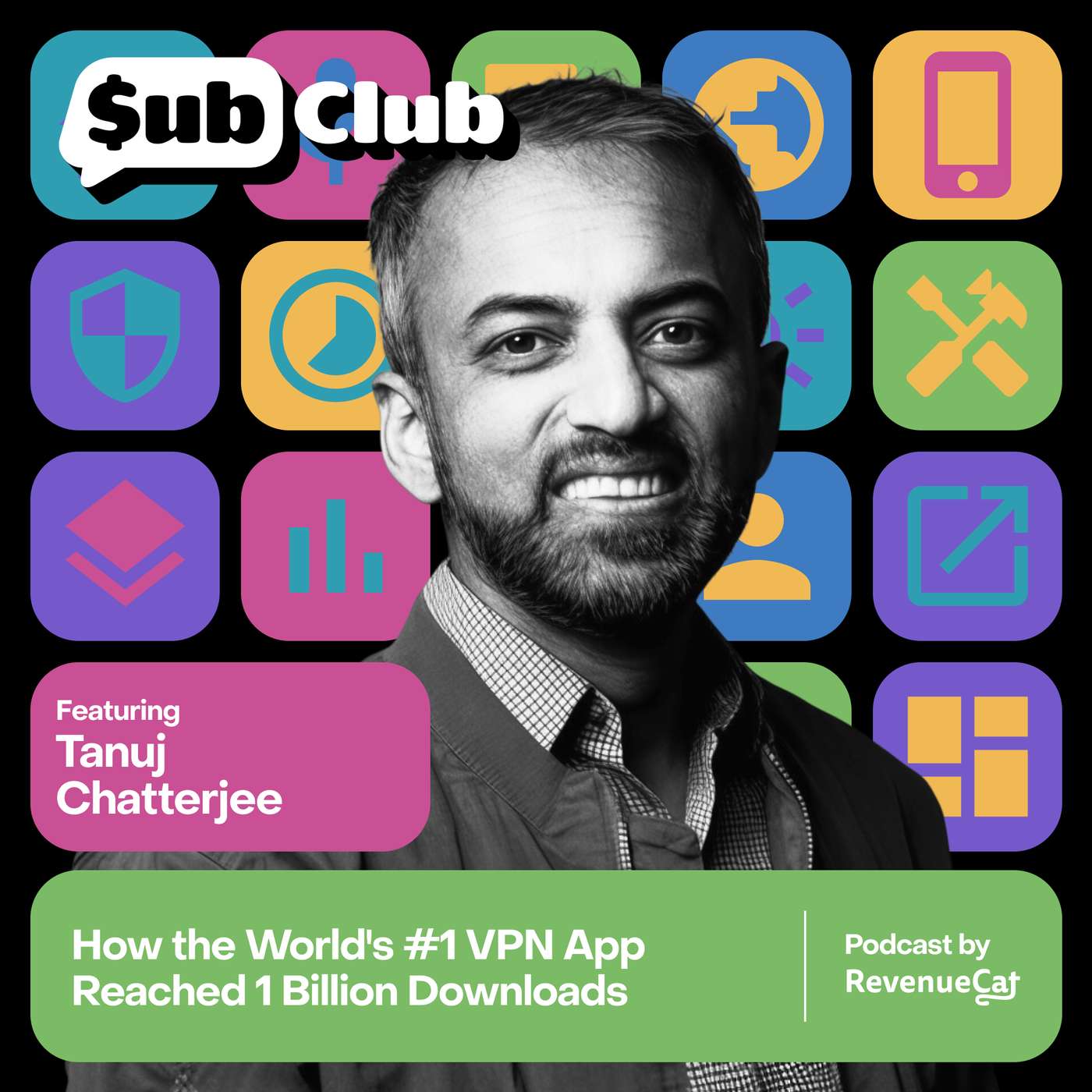
How the World's #1 VPN App Reached 1 Billion Downloads – Tanuj Chatterjee, Super Unlimited
Apr 1, 2026
49m 32s
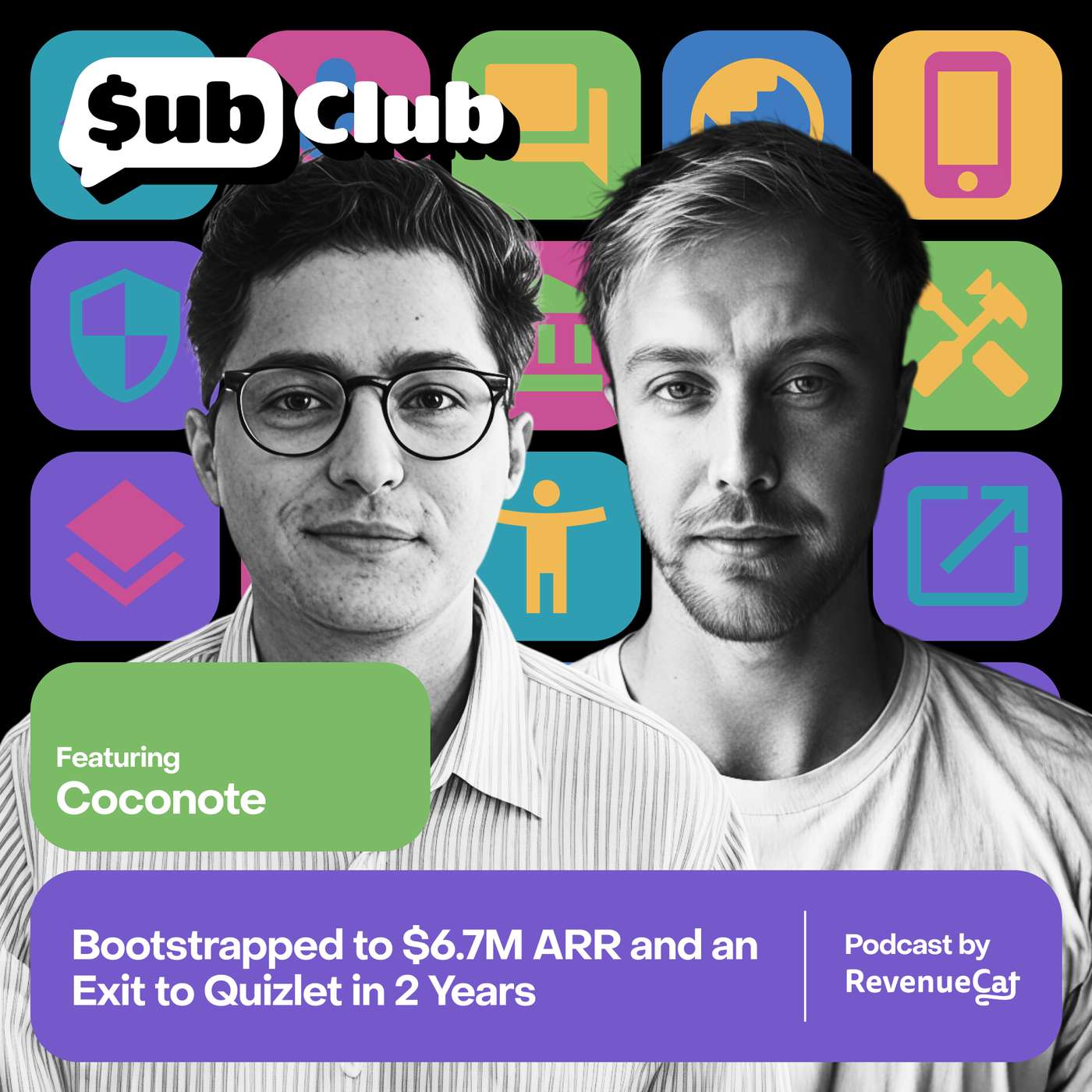
Bootstrapped to $6.7M ARR and an Exit to Quizlet in 2 Years – Brett Bauman & Zack Hargett, Coconote
Mar 18, 2026
1h 05m 44s
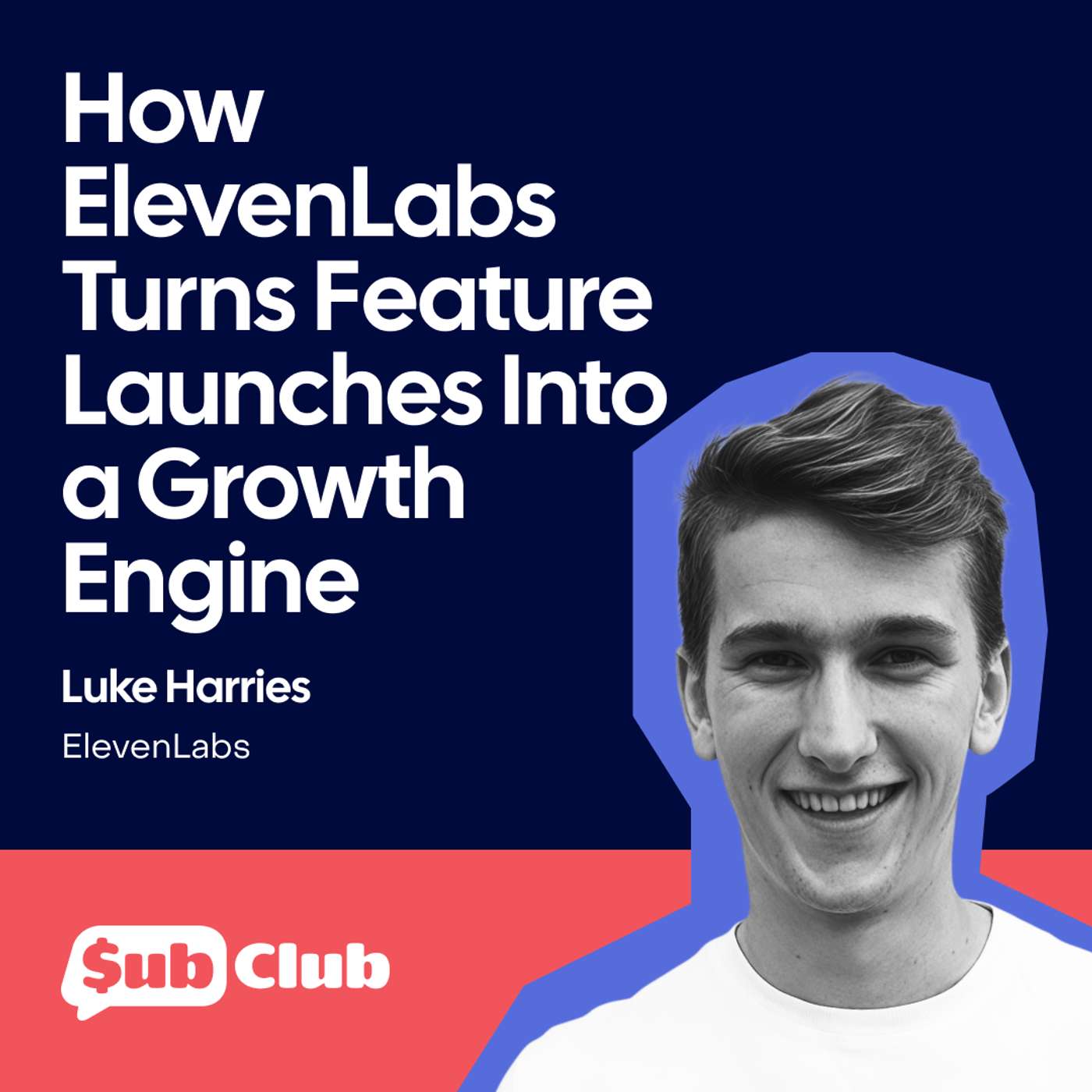
How ElevenLabs Turns Feature Launches Into a Growth Engine – Luke Harries
Mar 9, 2026
16m 57s
Social Links & Contact
Official channels & resources
Official Website
Login
RSS Feed
Login
| Date | Episode | Topics | Guests | Brands | Places | Keywords | Sponsor | Length | |
|---|---|---|---|---|---|---|---|---|---|
| 4/29/26 | ![]() Why Opal Stopped Chasing Revenue – Kenneth Schlenker, Opal✨ | retentionrevenue growth+4 | Kenneth Schlenker | Opal | — | retentionrevenue+5 | — | 55m 20s | |
| 4/15/26 | ![]() 12 AI Growth Lessons for Subscription Apps – Phil Carter, Elemental Growth✨ | AI in onboardinghyper-personalization+4 | Phil Carter | Elemental Growth | — | AIonboarding+7 | — | 1h 07m 21s | |
| 4/1/26 | ![]() How the World's #1 VPN App Reached 1 Billion Downloads – Tanuj Chatterjee, Super Unlimited✨ | VPN app growthproduct-driven growth+4 | Tanuj Chatterjee | Super UnlimitedRevenueCat | — | VPNdownloads+5 | — | 49m 32s | |
| 3/18/26 | ![]() Bootstrapped to $6.7M ARR and an Exit to Quizlet in 2 Years – Brett Bauman & Zack Hargett, Coconote✨ | bootstrappingrevenue growth+3 | Brett BaumanZack Hargett | CoconoteQuizlet | — | ARRtrial extensions+3 | — | 1h 05m 44s | |
| 3/9/26 | ![]() How ElevenLabs Turns Feature Launches Into a Growth Engine – Luke Harries✨ | feature launchesgrowth strategies+3 | Luke Harries | ElevenLabs | — | growth enginepaid ads+3 | — | 16m 57s | |
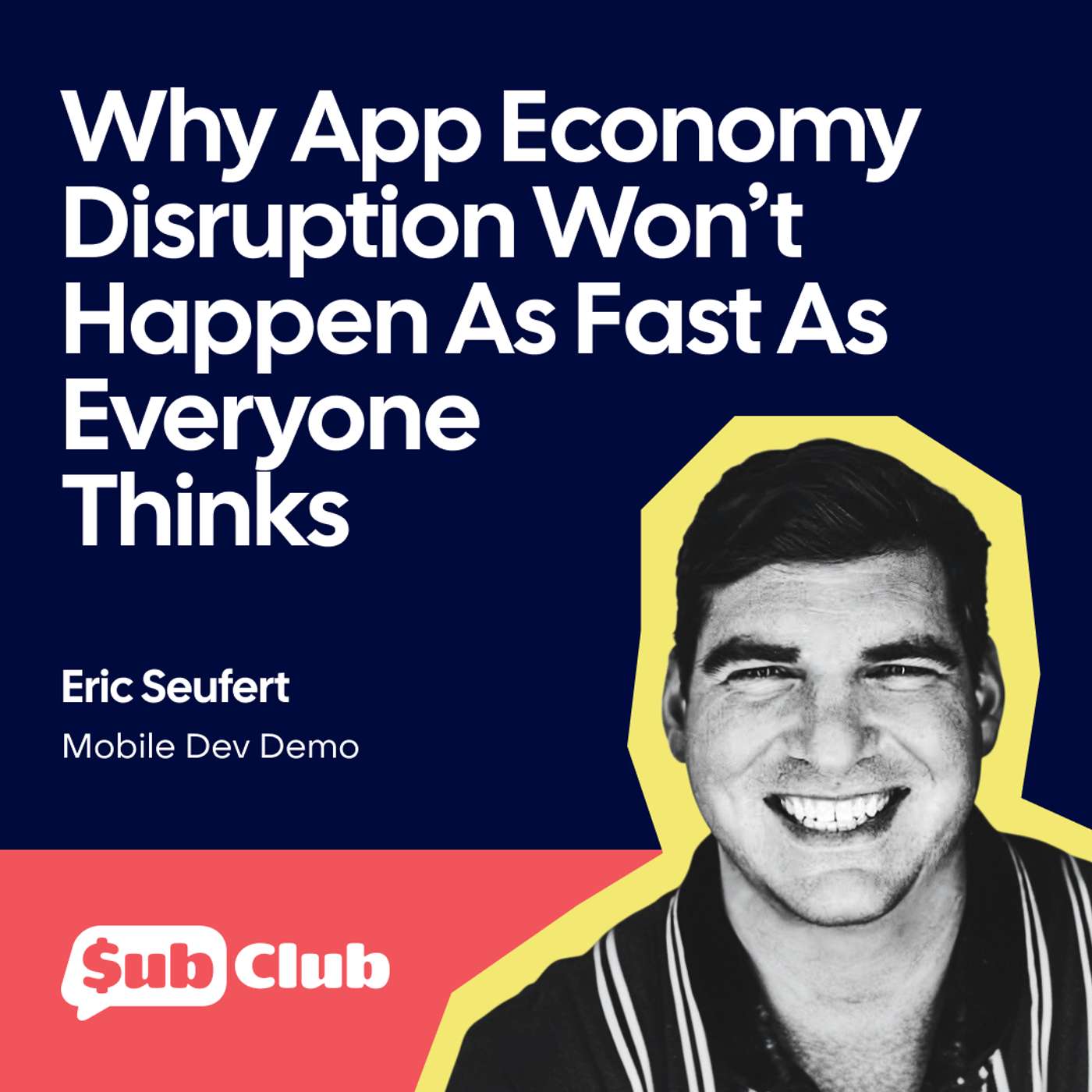
| 3/8/26 | ![]() Why App Economy Disruption Won’t Happen As Fast As Everyone Thinks – Eric Seufert✨ | app economy disruptionAI in app development+4 | Eric Seufert | Mobile Dev MemoRevenueCat | — | app economyAI+5 | — | 19m 43s | |
| 3/7/26 | ![]() The Art of Driving Retention Through Product – Ben Gammon, Ladder✨ | product-driven retentionlifecycle marketing+3 | Ben Gammon | Ladder | — | retentionlifecycle marketing+3 | — | 21m 39s | |
| 3/6/26 | ![]() The 2026 State of Subscription Apps Report✨ | subscription appsapp economy+4 | — | RevenueCat | — | subscription appshard paywalls+5 | — | 1h 05m 49s | |
| 3/6/26 | ![]() How To Repurpose Offline Events Into Millions Of Online Impressions – Larissa Morimoto, PhotoRoom✨ | offline eventsonline impressions+3 | Larissa Morimoto | PhotoRoomCalm | — | repurpose eventsonline impressions+5 | — | 18m 10s | |
| 3/5/26 | ![]() Why Web Onboarding Should Sell The Problem, Instead Of The Solution – Leon Sasson, Rise Science✨ | web onboardingsubscription apps+3 | Leon Sasson | Rise ScienceRevenueCat | — | web funnelspaid trials+3 | — | 21m 21s | |
Want analysis for the episodes below?Free for Pro Submit a request, we'll have your selected episodes analyzed within an hour. Free, at no cost to you, for Pro users. | |||||||||
| 3/4/26 | ![]() Dynamic Paywalls That Drove Millions in New Revenue – Shawn Gong, Tinder✨ | dynamic paywallssubscription revenue+3 | Shawn Gong | Tinder SelectPassport feature+2 | — | paywallsrevenue growth+3 | — | 23m 15s | |
| 3/3/26 | ![]() The Hidden Cost of Underpricing Your Subscription – Patrick Rills, Lose It! | On the podcast: testing prices from $5 all the way to $120 per year, why rising CACs forced a pricing rethink, and how raising the price allows them to discount more aggressively.This conversation is shorter than usual and will be featured in RevenueCat’s State of Subscription Apps report. Each episode in this series will explore one crucial topic and share actionable insights from top subscription app operators.Top Takeaways:💰 Retest prices you've already ruled out Market conditions shift constantly. A price point that couldn't beat the control for years can suddenly break even as competitors raise prices and consumer expectations change.📈A higher base price unlocks more aggressive discounting Going from $40 to $80 creates room for steeper percentage discounts that drive higher conversion, even when the absolute dollar price is still higher.🔒Rising CACs demand pricing that funds acquisition At $40/year, paid UA math barely worked. Doubling the price gave the marketing team room to compete on acquisition channels where costs keep climbing.About Patrick Rills: 🚀 Chief Product & Technology Officer at Lose It!, the app-based weight loss program mobilizing the world to achieve a healthy weight.👋 LinkedInFollow us on X: David Barnard - @drbarnardJacob Eiting - @jeitingRevenueCat - @RevenueCatSubClub - @SubClubHQEpisode Highlights:[0:00] Introduction to Patrick Rills, Chief Product & Technology Officer at Lose It![1:05] How pricing changes unlocked new growth opportunities at Lose It![2:12] Balancing customer acquisition costs (CAC) with retention through pricing strategy[3:25] Key insights from years of price testing, ranging from $5 to $120 per year[4:42] Raising prices to enable deeper discounting and improve conversions[5:58] Aligning product value with pricing to retain loyal users[7:06] The role of the freemium model in keeping users engaged after price increases[8:02] Using smart pricing and AI to drive growth[9:14] Leveraging data to fine-tune pricing decisions[10:27] How customer feedback and product data shape pricing strategies[11:38] Challenges and benefits of raising prices for an established product[12:33] Future plans for pricing tiers and new monetization strategies[13:18] Patrick shares iOS developer hiring opportunities at Lose It![13:41] Final thoughts on driving sustainable growth and user value | 17m 49s | ||||||
| 3/2/26 | ![]() How Clarity and Personalization Help Drive Duolingo’s Growth – Anmol Tiwari, Duolingo | On the podcast: how Duolingo prioritizes clarity over persuasion on their paywalls, why they offer users multiple free trials instead of just one, and how adding friction to their trial reminder flow actually boosted conversions.This conversation is shorter than usual and will be featured in RevenueCat’s State of Subscription Apps report. Each episode in this series will explore one crucial topic and share actionable insights from top subscription app operators.Top Takeaways: 🎯 Prioritize clarity over persuasion on your paywallsShow users a timeline of exactly what happens during their trial, when they'll be charged, and how refunds work. Duolingo found that removing uncertainty about the purchase process drives more conversions than trying to sell harder.⚡Shorter trials compound experimentation velocityCutting their free trial from 14 days to 7 doubled Duolingo's experimentation velocity. Faster feedback loops let the team kill losing tests sooner and run significantly more experiments per quarter.🔬Adding friction to trial reminders can boost conversions Duolingo tested letting users pick which day they get their expiration reminder. The extra step signaled transparency, built trust that they wouldn't be surprised by a charge, and gave them time to experience real value before deciding.About Anmol Tiwari:🚀 Director of Product Management at Duolingo, the world's most popular way to learn a language.👋 LinkedIn🖥️Carers at DuolingoFollow us on X: David Barnard - @drbarnardJacob Eiting - @jeitingRevenueCat - @RevenueCatSubClub - @SubClubHQEpisode Highlights:[0:00] Introduction to Anmol Tiwari, Director of Product at Duolingo [1:05] Anmol discusses Duolingo’s focus on clarity in free trials and product offerings [2:10] How transparency in trial terms and refunds builds confidence and boosts conversions [3:45] The benefits of shorter trials for faster experimentation and better user engagement [5:10] Why Duolingo offers multiple trials to cater to different user life stages [6:30] Using machine learning to personalize subscription offers and in-app ads [7:40] How Duolingo uses contextual paywalls to increase conversions [8:50] Regional differences in trial strategies, especially in markets like China [10:10] The impact of "free tastes" and trial-like experiences in premium tiers [11:30] Using timers and reward-based copy to clearly communicate trial benefits [13:00] How Duolingo reduces day-zero cancellations and builds trust with users [14:15] Personalizing paywalls based on individual user behavior [15:30] Experimenting with new creative strategies to promote subscriptions [16:40] The role of AI in optimizing engagement and conversions [17:50] Understanding global trial preferences, particularly in China [19:10] How trust drives conversions and prevents cancellations [19:55] Closing thoughts on how transparency, experimentation, and personalization fuel growth | 20m 42s | ||||||
| 3/1/26 | ![]() How Mojo Increased ARPU 60% In Just Five Months – Michal Parizek, Mojo | On the podcast: the experiments behind Mojo's 60% lift in ARPU, why a winning paywall in Japan completely failed in the US, and why not relying on day one for most of your revenue is actually a strength.This conversation is shorter than usual and will be featured in RevenueCat’s State of Subscription Apps report. Each episode in this series will explore one crucial topic and share actionable insights from top subscription app operators.Top Takeaways:🌍Show free users a paywall every week after onboardingTriggering a paywall on app open once per week for free users drove 15% of new revenue with no backlash. The more generous your free tier, the more users tolerate the ask.💪A winning paywall in one region can completely fail in anotherA long, detail-rich paywall lifted revenue 20% in Japan but flopped in the US, where cleaner designs with punchy copy outperformed. Always retest winners in each market before rolling out globally.⚡Experiment velocity is a huge unlock for revenue optimizationRunning parallel paywall tests across geo segments on a weekly cadence compounds gains fast. More iterations mean shorter feedback loops, faster learning, and fewer months leaving revenue on the table.About Michal Parizek🚀 Senior Growth Product Manager at Mojo, a mobile-first content creation platform that empowers businesses and creators to produce professional, animated social media content in minutes.👋 LinkedInEpisode Highlights:[0:00] Introduction to Michal Parizek, Senior Growth Product Manager at Mojo[1:02] How Mojo achieved a 60% increase in average revenue per user[2:16] The impact of paywall design experiments on Mojo's revenue[3:31] Why the same paywall design worked in Japan but failed in the US[4:45] Mojo’s global pricing strategies and the role of regional differences[5:45] How Mojo optimized early revenue with the 7-day ARPU metric[7:02] The role of customer feedback in shaping Mojo’s growth strategies[8:15] Testing different pricing models: How Mojo decided on the $79 price point[9:30] Why focusing on new revenue, rather than renewals, was crucial for Mojo’s growth[10:45] The benefits of running paywall campaigns for existing users[12:02] How Mojo balances customer experience with aggressive monetization strategies[13:15] The importance of experiment velocity and fast iteration in scaling Mojo[14:34] Surprising results: Mojo’s success with paywall strategies for existing users[15:41] Closing thoughts on scaling an app with data-driven experimentation and customer focus | 21m 06s | ||||||
| 2/28/26 | ![]() Stop Celebrating Conversion Wins Before Checking Renewals – Sara Grana, Yousician | On the podcast: about the cost of not tracking your experiments and decisions, how refunds and chargebacks quietly erase your paywall wins, and why stacking A/B test wins should compound your growth, but almost never does.This conversation is shorter than usual and will be featured in RevenueCat’s State of Subscription Apps report. Each episode in this series will explore one crucial topic and share actionable insights from top subscription app operators.Top Takeaways:💸 Map your revenue history before running new experimentsChart revenue across new subscribers, upgrades, renewals, and win-backs over time. Matching spikes and dips to past decisions reveals what actually moved the business and prevents you from re-learning expensive lessons.🤫 Refunds and chargebacks are silent killersA paywall “win” can quickly become a net negative if you aren’t tracking the downstream effects of cancellations, refunds, and chargebacks, which often hide the true cost of a seemingly successful experiment.📈If your A/B test wins aren't showing up in top-line growth, something is wrongStacking 5% and 10% experiment wins should compound, but many teams see modest growth despite a long list of "winners". Set calendar reminders to recheck winning cohorts at 3 and 6 months, especially for price changes, to catch lifts that don't hold.About Sara Grana: 🚀 Revenue Strategy Lead at Yousician, a revolutionary music platform for anyone to learn, play, create, and teach music. 👋 LinkedInFollow us on X: David Barnard - @drbarnardJacob Eiting - @jeitingRevenueCat - @RevenueCatSubClub - @SubClubHQEpisode Highlights:[0:00] Introduction to Sara Grana, Revenue Strategy Lead at Yousician[1:05] The importance of tracking experiments and business decisions in subscription apps[2:19] Mapping revenue and understanding its evolution across different user segments[3:06] Tracking revenue changes and connecting them to business decisions[4:34] The pitfalls of focusing too much on early funnel metrics and ignoring long-term impacts[5:26] The impact of chargebacks and refunds on paywall performance and customer retention[7:20] Why understanding downstream effects is crucial for making smart pricing decisions[8:44] The challenges and opportunities of introducing new subscription plans (e.g., lifetime subscriptions)[9:43] How commercial strategy influences churn rates and renewals[13:13] The importance of rechecking experiments after months to measure long-term impact[14:52] Sara's advice on when to revisit experiments based on their impact on pricing and user behavior[15:49] Tracking cohort data for subscription retention and understanding renewal trends[16:21] Why surprising lifts in experiments may require deeper investigation[17:13] The mismatch between short-term experiment results and long-term growth expectations[18:02] Final thoughts on driving sustainable growth, tracking, and adapting strategies over time | 19m 24s | ||||||
| 2/27/26 | ![]() The Boom In Non-Game App Revenue And What's Driving It – Olivia Moore, Andreessen Horowitz | On the podcast: the tailwinds driving a boom in non-game app revenue, how vibe coding and AI workflows are fueling growth in categories that have nothing to do with AI, and why people predicting the "death of apps" have never been more wrong.This conversation is shorter than usual and will be featured in RevenueCat’s State of Subscription Apps report. Each episode in this series will explore one crucial topic and share actionable insights from top subscription app operators.Top Takeaways: 🚀 The app revenue boom isn't just about AI appsNon-game in-app purchases grew 21% year over year, but only $3.5 billion came from generative AI. Billions more flowed into short dramas, social media, utilities, entertainment, and other categories.💰 ChatGPT helped reset what consumers will pay Pre-AI, most consumer subscriptions topped out around $60 a year. ChatGPT normalized $20 a month, and usage-based pricing is pushing some users into hundreds monthly. AI apps monetize at 2x pre-AI ARPU.🎯 Vertical, opinionated products beat thin AI wrappers Build deep products around a specific use case bigger platforms won't prioritize. The litmus test: your product should get better, not fear for its life, when the underlying models improve.About Olivia Moore:🚀 AI Partner at Andreessen Horowitz (a16z), a venture capital firm that backs bold entrepreneurs building the future through technology.👋 LinkedIn👋 @omooretweets on XFollow us on X: David Barnard - @drbarnardJacob Eiting - @jeitingRevenueCat - @RevenueCatSubClub - @SubClubHQEpisode Highlights:[0:00] Introduction to Olivia Moore, AI Partner at Andreessen Horowitz[1:05] Olivia discusses the role of AI in transforming startup growth strategies[2:10] The importance of aligning product development with user needs and market demands[3:15] How Olivia helps portfolio companies leverage AI to scale effectively[4:25] The challenge of balancing innovation with user experience and feedback[5:50] Olivia shares insights on identifying and seizing AI-driven market opportunities[7:00] Navigating the complexities of integrating AI solutions into existing business models[8:20] The importance of long-term growth strategies over quick wins[9:35] Olivia talks about the evolving role of AI in user retention and engagement[10:40] Discussing the ethical considerations of AI implementation in growth initiatives[11:55] Olivia’s thoughts on the future of AI in the startup ecosystem[12:30] Closing thoughts on driving innovation and growth through AI | 18m 20s | ||||||
| 2/18/26 | ![]() How Skylight Balances Growth and Profit for Sustainable Success – Michael Segal & Mark Ungerer, Skylight | On the podcast, I talk with Michael and Mark about the boom in hardware-enabled subscriptions, why nothing worked until they stopped optimizing and started building a better product, and how they doubled their price to $79 even though the data said they could charge more.Top Takeaways:📱 Hardware-enabled subscriptions need daily usage to work Devices that sit unused make subscription value harder to justify, but products that become the heartbeat of daily routines (like a family calendar) naturally create subscription demand.🎯 Stop optimizing when you should be buildingLimited resources force careful prioritization, and sometimes the biggest wins come from building genuinely valuable features rather than running endless conversion experiments.💰 Price based on customer emotion, not just dataTesting showed $99 would maximize revenue, but qualitative research revealed $79 felt fair while $99 approached "disgust territory," so they chose the lower price for long-term goodwill.🏗️ Build a great product before scaling marketingSkylight tried to scale Calendar in 2021-22 but the product wasn't ready, leading to wasted marketing spend and false negatives until they focused on getting to 40+ NPS first.🛍️ Retail partnerships are the ultimate influencerBeing in Costco and Best Buy provides a stamp of quality that can't be underestimated, and multi-channel distribution drives higher overall growth despite lower subscription attach rates in some channels.About Michael Segal & Mark Ungerer:🚀 CEO, Skylight📱 Michael Segal is the CEO of Skylight, a family tech company best known for its digital frames and calendars. Michael, a former venture capitalist, brings a unique perspective to Skylight’s growth strategy, focusing on balancing growth with profitability. He shares anecdotes about Skylight’s journey from hardware to subscription models, the importance of understanding customers' emotions about pricing, and how the team navigates the challenges of scaling both hardware and software.👋 LinkedIn🚀 CPO, Skylight📱 Mark Ungerer is the Chief Product Officer at Skylight, where he leads product strategy, development, and design. With a keen focus on creating seamless user experiences, Mark discusses Skylight’s approach to subscriptions, how they test and refine features based on user feedback, and the key role retail partnerships play in building trust and credibility. 👋 LinkedInFollow us on X: David Barnard - @drbarnardJacob Eiting - @jeitingRevenueCat - @RevenueCatSubClub - @SubClubHQEpisode Highlights:[0:00] The balance between growth and profit: Making decisions based on business goals[3:22] Timing the introduction of subscriptions: Skylight's early adoption and consumer reception[5:35] The hardware-enabled subscription boom: Market maturity and Skylight’s position[8:00] Unique challenges of marketing hardware-enabled subscriptions: Overcoming consumer skepticism[10:52] How Skylight integrates hardware with daily family life to drive subscription value[12:47] Pricing strategy: The magic behind Skylight’s price increase and minimal subscriber loss[17:43] Challenges in scaling growth: How Skylight navigates its multi-channel strategy[24:15] Shifting from free trials to subscription: The evolution of Skylight’s approach to testing[27:35] The importance of talking to customers: Using qualitative feedback to guide decisions[30:00] Retail partnerships as a growth strategy[33:45] Subscription dynamics: How pricing and subscription models shape Skylight’s business[36:25] Scaling with limited resources: Skylight’s approach to growth without a dedicated growth PM[38:40] Navigating hardware, software, and subscription moats[42:00] Biggest win: The success of the $79 subscription price increase[44:05] Biggest fail: Learning from free trial experiments and the need for more growth testing[46:01] Growth would be easier with more resources and strategic price adjustments for wider market reach[48:30] The importance of reducing friction in onboarding for increased conversions[52:30] The challenges of balancing customer acquisition with retention efforts[55:02] Skylight's vision for long-term customer value and growth[57:45] The impact of reducing friction in purchasing: How simple changes can dramatically increase conversion rates[59:10] Closing thoughts on growth strategy: Aiming for long-term success, not short-term wins | 1h 00m 29s | ||||||
| 2/4/26 | ![]() How ElevenLabs Builds, Prices, and Grows AI Consumer Apps | On the podcast we talk with Tanmay and Jack about how earned media can drive paid performance, building features that make for good tweets, and why stripping out your onboarding quiz might beat optimizing it.Top Takeaways:📊Pricing should match how users think — not how AI worksOne of the biggest wins came from simplifying pricing. For ElevenReader, selling listening time instead of tokens or credits dramatically improved clarity and conversion. Abstracting away AI complexity for consumers is not dumbing things down — it’s good product sense.🏎️Small, autonomous “pods” enable speed to become the moatInstead of one massive org, ElevenLabs operates like 10–12 startups inside the company. Small teams with full ownership can ship fast, iterate relentlessly, and make real product decisions without waiting on heavy processes — a critical edge in fast-moving AI markets.💸Earned media compounds — and fuels paid performanceElevenLabs treats launches as compounding assets. Each launch earns attention, which boosts branded search, improves paid efficiency, and makes future launches stronger. Growth isn’t just ads vs. organic — it’s a flywheel where story, brand, and performance reinforce each other.🕊️Start launches with the “tweet thread,” not the featureBefore building launch assets, teams write the Twitter/X thread first. If a feature can’t be explained clearly and compellingly in a short narrative, it’s a red flag. This keeps teams focused on real user value instead of shipping “flashy but hollow” features.🌐 Consumer apps are a strategic advantage for platform companiesElevenLabs doesn’t see consumer apps as competing with its API customers — they’re a force multiplier. Being their own best customer helps them build better APIs, understand real user needs, and strengthen brand affinity across creators, consumers, and developers.About Tanmay Jain & Jack McDermott🚀 Mobile Growth Lead, ElevenLabs 📱 Tanmay Jain leads mobile growth for the core ElevenLabs app, focused on translating ElevenLabs’ powerful web + API capabilities into a mobile-native experience that’s simple, fast, and creative-first. He brings a founder mindset from previous roles (including Canva), and shares how ElevenLabs ships through small, autonomous pods — moving quickly, running experiments (like pricing + paywalls), and holding teams accountable to what actually improves the user experience.👋 LinkedIn🚀 Mobile Growth Lead, ElevenReader 📱 Jack McDermott leads mobile growth for ElevenReader, ElevenLabs’ consumer app that turns PDFs, articles, and books into lifelike audio — powered by a massive catalog of high-quality voices. He breaks down how ElevenLabs uses earned media to amplify paid performance, why launches start with the “tweet thread” narrative, and how simplifying pricing (selling listening time instead of tokens) can dramatically improve consumer conversion.👋 LinkedInFollow us on X: David Barnard - @drbarnardJacob Eiting - @jeitingRevenueCat - @RevenueCatSubClub - @SubClubHQEpisode Highlights:[0:00] Why consumers won’t pay in “tokens” — they pay in outcomes[2:13] The case for building consumer apps and an API (without competing with customers)[4:10] ElevenLabs’ operating system: 10–12 “speedboat” pods shipping in parallel[7:20] The Canva spin-out lesson: award-winning product ≠ distribution or retention[12:07] Monetization that matches intent: “hours of listening” vs creator credits[13:30] Two growth modes at once: compounding earned-media launches + steady paid UA[16:27] Why earned media makes paid cheaper (branded search + trust lift)[19:30] The launch playbook: write the Twitter thread first → turn it into a video[32:20] “Speed is the moat” — and how they avoid shipping gimmicks[36:57] Don’t copy Spotify Wrapped — find your product’s natural shareable moment[43:31] ElevenReader’s “aha”: bring your own PDF/ebook + pick a voice worth sharing[56:58] Biggest fail: over-optimizing onboarding instead of testing the “strip it back” base case | 1h 02m 53s | ||||||
| 1/21/26 | ![]() Why Your Free Users Are Your Real Growth Engine – Cem Kansu, Duolingo CPO | On the podcast, I talk with Cem about the premium trap many apps fall into, why free trials work even for freemium products, and how ‘try for $0.00’ actually outperforms ‘try for free’.Top Takeaways:💡 Protect the free moat — always Short-term revenue tricks like paywalling free features make metrics spike — then stall. Sustainable freemium growth depends on preserving free value. It’s not just ethical; it’s strategic. Pulling back too much invites competitors to offer what you took away, weakening both your brand and your growth loop.🧪 A/B test relentlessly — but know when to lead with intuition Testing is essential, but not infallible. With 400+ experiments running at once, you’ll often see trade-offs between revenue and user experience. The art of product management is knowing when to ignore short-term data and make the long-term call that preserves user trust and helps achieve strategic goals.🔁 Freemium is a growth engine, not a trade-off Your free users aren’t freeloaders — they’re your marketing engine. When you improve the free experience, you strengthen organic growth through word of mouth. Growth slows when you nickel-and-dime; it compounds when you delight.💰 Monetize with empathy, not extraction Introducing monetization requires a cultural shift. The key is measuring everything — retention, reviews, complaints per DAU — and optimizing for user experience, not just ARPU. Test cautiously, communicate transparently, and say no to anything that erodes trust.🧠 Build for everyone, not a persona In large-scale apps, personas can be counterproductive. People learn, play, and engage for wildly different reasons. Designing for inclusivity and broad appeal helps scale from millions to billions of users without alienating key segments.💡 Strategic and Creative Use of Ads Ads at Duolingo were introduced carefully with the goal of balancing monetization with a positive user experience. The focus is on surfacing ads at non-intrusive moments, such as after completing a lesson, and on carefully controlling ad content. Duolingo even partners with advertisers to integrate elements of Duolingo branding into third-party ads. About Cem Kansu:🚀Chief Product Officer at Duolingo📱 Cem Kansu is the former VP of Product at Duolingo, where he led the company’s monetization strategy, introducing ads and subscriptions that turned Duolingo into a sustainable business. With deep expertise in product development and user experience, he helped grow subscriptions to over 80% of revenue, while keeping the core product free and mission-driven.👋 LinkedInFollow us on X: David Barnard - @drbarnardJacob Eiting - @jeitingRevenueCat - @RevenueCatSubClub - @SubClubHQEpisode Highlights:[0:00] Cem discusses balancing profitability with long-term goals[0:36] Duolingo’s first monetization strategy: ads[2:02] The pivot from crowdsourcing translations to new monetization models[3:49] Streak repair as Duolingo’s first in-app purchase experiment[5:43] Shifting company culture to embrace monetization[7:20] The influence of investors on Duolingo’s monetization[8:00] Introducing ads without harming user experience[10:31] Handling user complaints and data-driven adjustments[12:07] Ensuring ad quality through strict control[13:53] Direct ad partnerships to improve user experience[16:30] Ads vs subscription: monetization strategy decision[18:43] The impact of free trials on subscription growth[20:22] Evolution of Duolingo’s subscription offerings[22:39] Adding features like offline learning and ad-free experiences[24:22] Pivoting from separate apps to integrating topics in one[26:43] Overcoming design challenges to fit new topics[28:55] Duolingo’s competition with other screen time apps[32:00] Leveraging AI to enhance the language learning experience[35:18] The role of AI in Duolingo’s growth[37:32] Balancing free vs paid features for growth[40:24] Decisions on adding/removing premium features[43:35] Lessons from the failed human tutor feature[45:10] Challenges in scaling a large product like Duolingo[47:12] Long-term growth focus and user base expansion[49:30] Design, testing, and iteration at Duolingo[54:10] Ongoing improvements in learning efficacy and retention[57:15] Duolingo’s future plans and expansion goals | 1h 05m 44s | ||||||
| 1/7/26 | ![]() How a Single Paywall Experiment Generated $50M – Jeff Morris, Chapter One, Ex-Tinder | On the podcast, I talk with Jeff about Tinder's $50 million paywall win. Why now is such a great time to build apps, and how hard paywalls can mislead you about product-market fit.Top Takeaways:💡 Focus on Product-Market Fit First Before jumping into monetization, ensure your product truly resonates with users. Building a product that solves a real problem and captures genuine interest is the foundation for sustainable growth. Once you achieve product-market fit, monetization becomes a natural extension.🛠 Monetization Strategies Are Evolving Founders are being pushed to monetize early, but the key is to test different models and find what works for your user base. Experimenting with subscription tiers and paywalls can unlock new revenue streams while preserving a great user experience. This flexibility is crucial in today’s competitive app landscape.🚀 Experimentation is the Key to Success The most successful apps are built through continuous experimentation and iteration. Constantly testing new ideas—whether in pricing, features, or user engagement tactics—helps you learn and adapt quickly. Fail fast, adjust, and keep pushing forward.📊 Data-Driven Decisions Over Gut Instincts Rely on data to make smarter decisions, especially when it comes to monetization and growth strategies. Properly instrumenting your app and analyzing user behavior gives you the insights needed to refine your approach. Data-driven decisions remove the guesswork and lead to more reliable outcomes.💬 User Feedback Drives Innovation Your users are the best source of inspiration. Listening to their feedback and adjusting your app based on real-world experience will improve your product and increase retention. The more connected you are to your community, the more likely your app will evolve in the right direction.🔑 The Importance of Sustainable Growth Building a successful app requires more than just an initial win. To scale sustainably, it’s essential to focus on long-term user value and avoid over-monetizing too early. By balancing user experience with growth strategies, you can achieve steady, lasting success.About Jeff Morris:🚀 Founder and General Partner at Chapter One.📱 Jeff Morris is the former VP of Product at Tinder, where he played a key role in driving the app’s revenue and user growth. As a venture capitalist, Jeff invests in early-stage companies developing products that resonate deeply with users. His expertise spans product development, monetization strategies, and scaling businesses in competitive markets.👋 LinkedIn👋 Follow Jeff Morris on X - @jmjJeff’s “controversial” X post🌎 The New Internet Follow us on X: David Barnard - @drbarnardJacob Eiting - @jeitingRevenueCat - @RevenueCatSubClub - @SubClubHQEpisode Highlights:[0:00] Jeff Morris’ background and expertise at Tinder[2:20] Monetization vs. product building: A founder’s shift in focus[4:53] Celebrating early revenue: Real or just hype?[6:08] Freemium model: Boosting user engagement and retention[9:01] Monetization strategies across app categories[11:51] The venture landscape in 2025: Challenges & opportunities[13:05] Why it’s still a great time to build mobile apps[14:48] Creating a sustainable subscription model[17:27] Early-stage AI startups: New monetization opportunities[19:20] Tinder’s journey with pricing and packaging experiments[22:02] The success of Tinder’s three-tier subscription model[24:41] Balancing user experience with monetization[26:45] The role of testing and iteration in revenue decisions[29:40] Why revenue optimization needs constant attention[31:53] The impact of paywall features on conversion[33:54] The power of design in driving revenue and engagement[36:21] The future of mobile and AI-native apps[39:11] Scaling a mobile app in 2025: Key lessons for founders[42:45] How funding partners shape your product vision[44:21] The role of feedback loops in creative growth[47:30] What Jeff would have done differently at Tinder[50:11] Key takeaways from building and scaling a high-growth product[54:45] User-centric design: Why monetization should never come first | 53m 21s | ||||||
| 12/24/25 | ![]() Creative Misfires, False Positives, and Meta's Auction Flaws — Alper Taner, Stealth-Mode App Studio | On the podcast, I talk with Alper about the competitive advantage of ignoring (some) best practices, the risk of drawing false conclusions when researching competitor ads, and why poor metrics are just facts until proven problematic.Top Takeaways:📊 Challenge Best Practices Test what works for your app and market, even if it goes against common advice. Adapt best practices to your data and current stage.💡 Facts vs. Problems Low trial conversions aren’t always a problem—sometimes they’re just a fact of your setup. Only treat them as a problem after you’ve tested and ruled out other factors.🎯 Quality Over Quantity in Creative Testing It’s not about testing hundreds of creatives—it’s about testing fewer, but with stronger hypotheses. Focus on creative iterations that drive high success rates, not just metrics.⚖️ Strategic Control of Spend Set guardrails and adjust bids based on performance. Test spend limits, but always maintain control over your budget and its allocation.💬 Be Inspired Learn from competitors, but don’t mimic their exact strategies. Customize based on your own data and target audience.🔍 Instrument Your Data RightAccurate data is key. Whether it’s MMP, in-app analytics, or creative performance, ensure you interpret results accurately to drive better decisions and scale effectively.About Alper Taner:🚀 Head of Performance Marketing at a stealth-mode app studio.📱 With over 10 years in mobile growth, Alper drives user acquisition and marketing tech strategies, managing 8-figure budgets. He’s known for challenging conventional marketing practices and leveraging data to fuel growth.👋 LinkedInFollow us on X: David Barnard - @drbarnardJacob Eiting - @jeitingRevenueCat - @RevenueCatSubClub - @SubClubHQEpisode Highlights: [0:00] Introduction to Alper Taner and his mobile growth expertise[1:39] Why challenging best practices and testing your own data is crucial[5:04] Poor metrics are facts, not problems[8:10] Creative testing: Focus on quality and strong hypotheses, not just quantity[12:00] Set spend guardrails and control budget allocation for better results[15:30] Learn from competitors, but don’t copy their strategies blindly[19:10] Accurate data is key: instrument it right for smarter decisions[22:18] Small event mapping changes can lead to significant performance boosts[27:00] Don’t shy away from unconventional strategies[32:45] Iteration is key for creative optimization[37:20] Manage budget thresholds in creative testing to avoid overspending[41:00] Understand platform algorithms and guide them to work for you[46:00] Use guardrails and budget caps to control spend while optimizing performance[49:50] Balance risk and experimentation with data-backed decision-making[54:05] Retention and user behavior drive long-term growth[58:00] Key lessons from creative testing: Adjust based on results[1:00:30] Mixing creativity with data is the key to optimized user acquisition | 1h 03m 27s | ||||||
| 12/10/25 | ![]() Pivots, Funding, and Building Apps That Last – Greg Cohn, Burner | On the podcast, I talk with Greg about knowing when to pivot, why most consumer apps shouldn't raise VC, and why making free trials optional outperformed making them the default.Top Takeaways: 📉 Know When to Pivot Wrangle struggled because it wasn’t solving a real problem. Burner succeeded because it met a clear need. Don’t be afraid to pivot when the product isn’t working.💭Most Consumer Apps Don’t Need VCVenture capital can be a blessing but also a curse. If you attract investment that doesn’t line up with your product vision or culture, the cash injection can turn out to be a costly mistake. Building a business that pays for itself is a better fit for most founders. 🔑 Focus on Retention Success is about keeping users, not just acquiring them. Burner’s ability to retain users, even short-term ones, proved its value. If users keep coming back, you’ve found something meaningful.🛠 Trials, Errors, WinsTesting was crucial to Burner’s growth. Every experiment was a learning opportunity. Don’t guess—test continuously, especially pricing, to find what drives retention and revenue.🎯 Small Changes, Big Results Minor tweaks, like switching to a free trial, led to significant growth. Optimize for retention with quick, simple changes. Even minor adjustments can have a substantial impact on results.About Greg Cohn: 🛫 Founder and CEO of Ad Hoc Labs📱 Greg Cohn is the founder of Burner, the leading mobile app for managing personal privacy through disposable phone numbers. With a passion for solving real-world problems, Greg transitioned from an early startup failure to building a successful business that prioritizes user privacy, simplicity, and seamless functionality.👋 LinkedIn 💬 Text Greg’s Burner: (323) 579-1830🧑💻 Open Roles at Ad Hoc Labs (Mention “Sub Club” to get a closer look at your resume.)Follow us on X: David Barnard - @drbarnardJacob Eiting - @jeitingRevenueCat - @RevenueCatSubClub - @SubClubHQEpisode Highlights:[0:00] The concept behind Wrangle, Greg’s first app[1:39] Twilio’s role in developing Wrangle and early challenges[3:24] Burner’s breakthrough with the “burner” feature for privacy[9:42] Wrangle’s pivot and what went wrong[13:36] Moving from paid downloads to a subscription model for Burner[24:47] Importance of user feedback in shaping the Burner product[33:24] The credit system and why it transitioned to subscriptions[38:55] Why retention and cohort analysis are key to Burner’s success[44:29] How Burner integrates new features like VPN for growth[54:33] Premium tier features: phone number lookup becomes popular[1:02:18] Bundling products: the decision to expand Burner’s offerings[1:09:53] Greg’s thoughts on acquiring apps vs building new features[1:23:38] Win of the year: faster paywall testing speed for Burner | 1h 29m 27s | ||||||
| 11/26/25 | ![]() How Tinder Captures More Value With Tiered Pricing and Consumables — Ravi Mehta | On the podcast we talk with Ravi about subscriptions as a force multiplier for consumables, why narratives matter more than metrics in goal-setting, and why you might want to try a longer onboarding, or a shorter one.📊 Stack the demand curveTinder didn’t just offer one price—it built a staircase of value. Low-tier subs, premium upgrades, and microtransactions filled in the gaps of user willingness to pay. The result? More people paid something, and some paid a lot. Don’t pick one price point. Map the whole curve. 🎯 Create value before monetizationThe fastest way to expand your TAM? Get users to the “aha” moment faster. Tinder made onboarding nearly instant to tap into a new, younger audience. In contrast, Sesame Care increased conversions with a 25-step flow by increasing user confidence. Friction isn’t the enemy—poor timing is.💰 Free is a monetization strategyAt Tinder, 85–90% of users never paid. But their presence was the product—fueling demand and justifying spend for the other 10–15%. Don’t underestimate free users. Sometimes, they’re the reason someone else is willing to pay.🧪 Price is productTinder didn’t guess what users would pay. It ran hundreds of localized price tests across SKUs to learn what users valued. Pricing isn’t a spreadsheet exercise—it’s part of the product experience and should be tested like one.📐 Narrative beats metricsOKRs fail when they skip the why. Ravi’s NCTs framework, which stands for Narratives, Commitments, Tasks, anchors goals in story and context. If your team is hitting the numbers but drifting on focus, it’s probably time to start with the story—not the spreadsheet.🪞 Monetization reveals product market fitMost apps undercharge. A scanner app might seem basic, but if it powers daily workflows, it’s worth real money. Set your price high enough to test willingness, not just conversion. If no one bites, you don’t have a monetization problem—you have a product one.About Ravi Mehta: 🔥 Former Chief Product Officer at Tinder and product leader at Meta, TripAdvisor, and Microsoft.📈 Ravi helps companies turn behavioral insights into scalable monetization systems — from multi-tier subscriptions to habit-forming onboarding flows.🗣 “If you have a product that’s solving an important need for someone, there’s a system around that that fits into the problem you’re solving, and you should think about the value of that system rather than just the price.”👋 LinkedInFollow us on X: David Barnard - @drbarnardJacob Eiting - @jeitingRevenueCat - @RevenueCatSubClub - @SubClubHQEpisode Highlights: [0:00] Subscriptions as a force multiplier for consumables[3:03] Filling the demand curve with tiers and microtransactions[6:47] Why free-to-play was Tinder’s breakthrough innovation[10:26] Matching monetization to different user behaviors[13:09] Creating value for whales without breaking the game[17:22] Experimenting your way into the perfect pricing model[20:03] When free, trial, or paid onboarding makes the most sense[23:47] Why apps are undermonetized and how to fix it[28:43] Why a longer onboarding boosted conversion 40%[35:20] How shorter onboarding expanded Tinder’s total market[43:03] Narratives, commitments, and tasks: a better goal framework[01:02:49] Growth is easier when you own your audience | 1h 05m 34s | ||||||
| 11/12/25 | ![]() Why AI Probably Won’t Kill Your App (But Ignoring It Will) — Eric Crowley, GP Bullhound | On the podcast, we talk with Eric about the opportunities and challenges of AI for consumer apps, what you can learn from Strava acquiring Runna, and the flawed thinking around ‘subscription fatigue’.Top Takeaways:💸 Value Overcomes FatigueConsumers would rather not pay for anything, but when a product delivers real value, they are happy to pay, even via subscriptions. Whether it’s training for a race, protecting memories, or learning something new, utility drives retention. Building long-term value wins every time.🧠 Build a ‘Category Killer’Eric identified ‘Strava for Pets’ and ‘Managing screen time and digital focus’ are opportunities for future ‘category killer’ apps. What do those two opportunities have in common? They are in categories where people are already spending a lot of money or have the opportunity to save a lot of time or money.🤝 Build to be loved, not acquiredThe best M&A strategy? Build something consumers truly love. Runna didn’t sell to Strava because they planned for it, building cool features Strava didn’t have. They sold because Runna was a fantastic product that personalized running in a way that expanded the market Strava couldn’t. ⚙️ Growth requires tough choicesConglomerates like Bending Spoons win through ruthless efficiency. They acquire apps, cut costs, and apply repeatable growth playbooks at scale. It can be controversial, but sometimes it takes an outsider to spot that the team that took an app to 1,000 users may not be the team to take it to 100,000 and beyond.📈 AI changes discoverySearch behavior is shifting, and SEO is no longer the only path to discovery. AI tools are becoming the starting point for many journeys, forcing marketers to rethink how users find and engage with products. Adapting to this shift means reimagining acquisition, not just tacking on AI features.About Eric Crowley: 👨💼 Partner at GP Bullhound, a global investment bank and venture capital firm.💰 Eric leads the Consumer Subscription Software (CSS) practice, advising high-growth companies on capital raises and acquisitions—recently including AllTrails and Runna.📊 “If you build a product that consumers truly love, strategics will come calling. It’s that emotional connection that drives outsized outcomes.”👋 LinkedInFollow us on X: David Barnard - @drbarnardJacob Eiting - @jeitingRevenueCat - @RevenueCatSubClub - @SubClubHQEpisode Highlights: [0:00] Opportunities in subscription apps[7:12] Consumers still pay when the product delivers lasting value[10:41] What Strava’s acquisition of Runna reveals about building apps that get bought[17:30] Genuine consumer love over designing for a single acquirer[19:27] Shifts in discovery forcing app marketers to rethink SEO and acquisition[28:56] Using AI to move faster, create better products, and deepen moats[32:47] How loosened restrictions could return profit margins for top apps[46:43] The next big subscription plays[52:04] Why Bending Spoons are forcing investors to rethink consumer tech[57:11] What makes the Bending Spoons model work[1:00:10] The Secondary market is changing how founders think about app exits[1:01:41] Trends, exits, and the state of the subscription app ecosystem | 1h 03m 50s | ||||||
| 10/29/25 | ![]() How Condé Nast Experiments, Bundles, and Wins — Michael Ribero, Condé Nast | On the podcast, I talk with Michael about the blessing and curse of having a brand, why post-purchase is the perfect upsell moment, and why partnerships are hard to pull off but can be well worth the effort.Top Takeaways:🌱Growth is Built on ValueSustainable growth comes from consistently adding value, not just short-term tactics. Success lies in constantly evolving your product to meet users' needs. By regularly introducing new features and improving the user experience, premium products remain relevant and compelling. That value is continuous, with acquisition and retention working together to drive long-term growth.🎯 Personalize for Retention Different users have different goals, and understanding this is key to retention. Tailor offerings to specific user needs, whether it is job seekers, hobbyists, or niche audiences. By tailoring plans and features to user intent, brands can keep their products relevant. Without this personalization, users may disengage and churn.📊 Test to OptimizeWith hundreds of A/B tests each year, Condé Nast learns what works quickly. Data replaces debate, helping the team iterate faster. The goal is not just to optimize, it is to foster a culture of constant learning and growth.🔄 Retention Is a Journey Churn does not always mean goodbye. Many users return later when their needs change. Offering win-back deals, fresh trials, and adding new value helps bring users back and turn them into long-term subscribers. Retention is a process, not a straight line.🤖 AI Supports, Not LeadsAI should enhance the user experience, not overshadow it. AI’s role is to solve problems, helping users find content or personalize their experience, while staying behind the scenes. The real value is in solving the user’s needs, not in the technology itself.About Michael Ribero: 👨💻 SVP, Global Consumer Revenue at Condé Nast.📈 Michael leads the subscription and growth strategies for some of the world’s most iconic media brands, including Vogue, GQ, The New Yorker, and Wired. He focuses on optimizing user engagement, experimenting with monetization strategies, and evolving the digital experiences that drive both free and paid subscriptions.💡 "We’ve learned that true growth comes from continually adding value. Our approach isn’t just about scaling; it’s about providing lasting benefits that evolve with our users’ needs."👋 LinkedInFollow us on X: David Barnard - @drbarnardJacob Eiting - @jeitingRevenueCat - @RevenueCatSubClub - @SubClubHQEpisode Highlights: [0:00] Why launching a premium tier isn’t always the right move[2:51] Competing with AI-native upstarts and influencer content[5:39] Media's frenemy dynamic with platforms like Meta[8:25] Balancing free vs. paid content without eroding brand trust[11:46] How to recover from a failed paywall experiment[13:23] What bundling and post-purchase upsells look like at Condé Nast[19:41] Real-world LTV boosts from zero-CAC upsell moments[22:30] Lessons from low-priced tiers like the Washington Post’s Starter Pack[26:07] Tiering vs. focus: when a premium plan is actually a distraction | 27m 26s | ||||||
Showing 25 of 164
Sponsor Intelligence
Sign in to see which brands sponsor this podcast, their ad offers, and promo codes.
Chart Positions
2 placements across 2 markets.
Chart Positions
2 placements across 2 markets.