Insights from recent episode analysis
Audience Interest
Podcast Focus
Publishing Consistency
Platform Reach
Insights are generated by CastFox AI using publicly available data, episode content, and proprietary models.
Most discussed topics
Brands & references
Total monthly reach
Estimated from 1 chart position in 1 market.
By chart position
- 🇮🇩ID · News#2710K to 30K
- Per-Episode Audience
Est. listeners per new episode within ~30 days
5K to 15K🎙 ~2x weekly·286 episodes·Last published 5d ago - Monthly Reach
Unique listeners across all episodes (30 days)
10K to 30K🇮🇩100% - Active Followers
Loyal subscribers who consistently listen
4K to 12K
Market Insights
Platform Distribution
Reach across major podcast platforms, updated hourly
Total Followers
—
Total Plays
—
Total Reviews
—
* Data sourced directly from platform APIs and aggregated hourly across all major podcast directories.
On the show
From 12 epsHosts
Recent guests
Recent episodes
Tito Ambyo and Jamie Edmonds - Indonesian Ghosts and Ghost Stories
Jun 20, 2026
Unknown duration
Airlangga Julio - The People versus Fadli Zon
Jun 4, 2026
34m 39s
Wengki Ariando: Sea Nomads and the Future of Our Ocean
May 21, 2026
46m 01s
Murni Sianturi - Education in Papua
Apr 23, 2026
31m 21s
Panggah Ardiyansyah: 'Kramat' and the Politics of Indonesian History
Apr 10, 2026
42m 16s
Social Links & Contact
Official channels & resources
Official Website
Login
RSS Feed
Login
| Date | Episode | Topics | Guests | Brands | Places | Keywords | Sponsor | Length | |
|---|---|---|---|---|---|---|---|---|---|
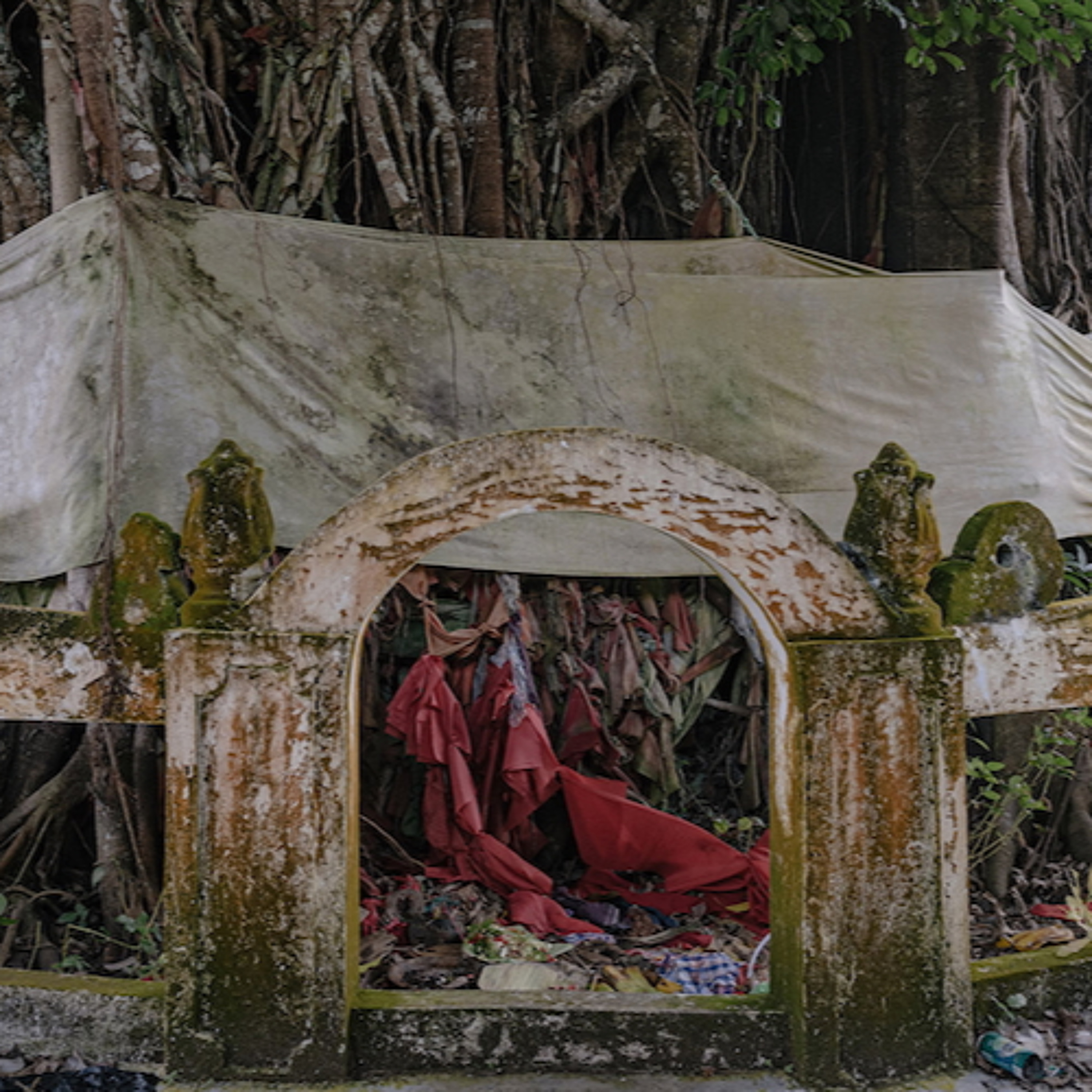
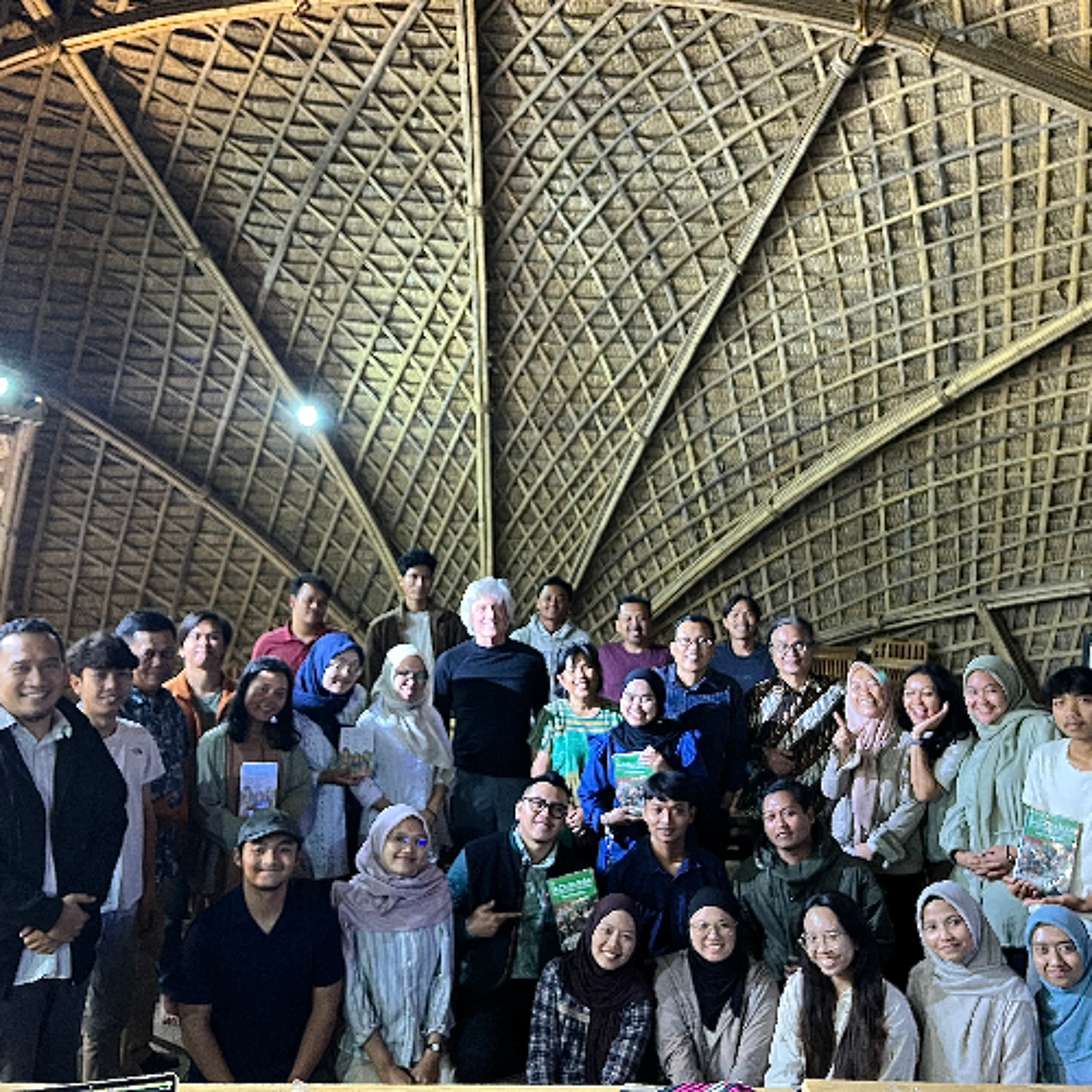
| 6/20/26 | ![]() Tito Ambyo and Jamie Edmonds - Indonesian Ghosts and Ghost Stories | What does it mean to believe in ghosts? It turns out that's exactly the wrong question. In this special episode of Talking Indonesia, co-hosts Tito Ambyo and Jamie Edmonds sit down together not as interviewer and guest, but as co-editors who have spent months immersed in a collection of essays on ghosts and haunting in Indonesia. The result is something that is a bit different than the usual podcast interview: two scholars thinking aloud about what the ghostly has done to them. They move between the personal and the theoretical. Jamie's childhood on a road called Whispering Woods, his years navigating psychosis and hallucination, and the way ghost stories kept refusing to let him stay on the outside. And Tito's discovery, buried in a Dutch East Indies newspaper, that his grandfather hosted a radio programme about spirituality, which was a revelation that arrived mid-thesis, mid-life, with the force of a haunting. The episode also serves as a guide to the Inside Indonesia special edition on ghosts that Tito and Jamie co-edited: essays on pulung gantung in Gunung Kidul, haunted manuscripts that resist digitisation, headless soldiers whose presence keeps colonial violence from being forgotten, female dancers whose spectral power is reshaping Indonesian cinema, and journalists learning to take seriously the tree that refused to be felled. What emerges from all of it is not an argument for or against the existence of ghosts, but something more interesting: a case for sitting with what we cannot explain, and for the kind of knowing that begins with admitting we do not know. In this episode of Talking Indonesia, Tito Ambyo and Jamie Edmonds explore what ghosts teach us about Indonesia — and about ourselves. Jamie Edmonds is Director of the Critical Languages Institute, Associate Director of the Melikian Center for Russian, Eurasian, and East European Studies, and Clinical Assistant Professor of Religious Studies at Arizona State University. His research focuses on Islam, popular culture, and the supernatural in Indonesia. In 2026, the Talking Indonesia podcast is co-hosted by Dr Jemma Purdey from the Australia-Indonesia Centre, Dr Elisabeth Kramer from the University of New South Wales, Dr Tito Ambyo from RMIT, Dr Jacqui Baker from Murdoch University, and Dr Clara Siagian from University College London. | — | ||||||
| 6/4/26 | ![]() Airlangga Julio - The People versus Fadli Zon✨ | mass riotingIndonesia history+4 | Airlangga Julio | — | IndonesiaJakarta | IndonesiaFadli Zon+6 | — | 34m 39s | |
| 5/21/26 | ![]() Wengki Ariando: Sea Nomads and the Future of Our Ocean✨ | ocean conservationcultural identity+4 | Dr. Wengki Ariando | Royal Netherlands Institute of Southeast Asian and Caribbean Studies | IndonesiaWorld Ocean Day+3 | Sea Nomadsocean+7 | — | 46m 01s | |
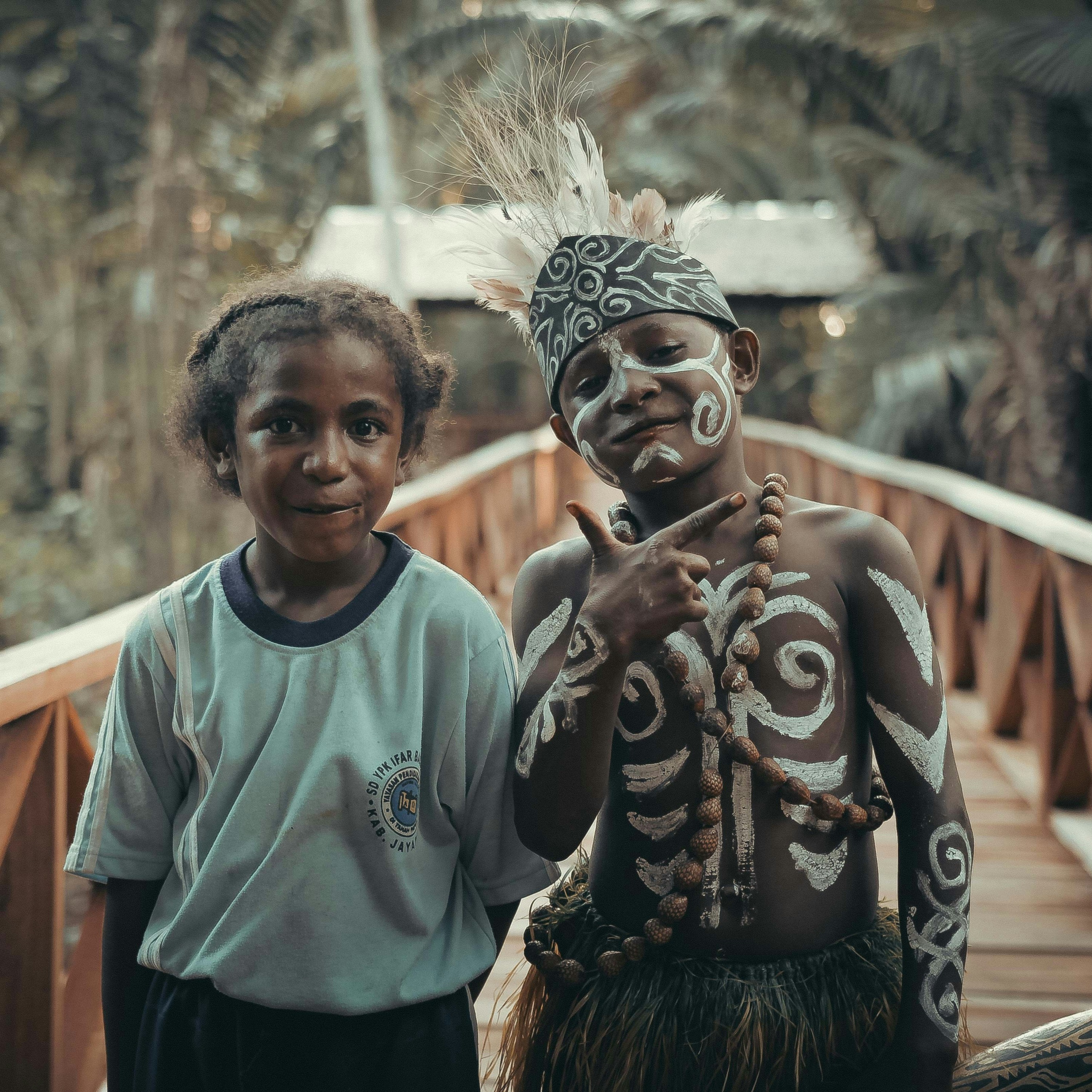
| 4/23/26 | ![]() Murni Sianturi - Education in Papua✨ | educationindigenous communities+3 | Dr Murni Sianturi | — | West PapuaIndonesia | educationPapua+5 | — | 31m 21s | |
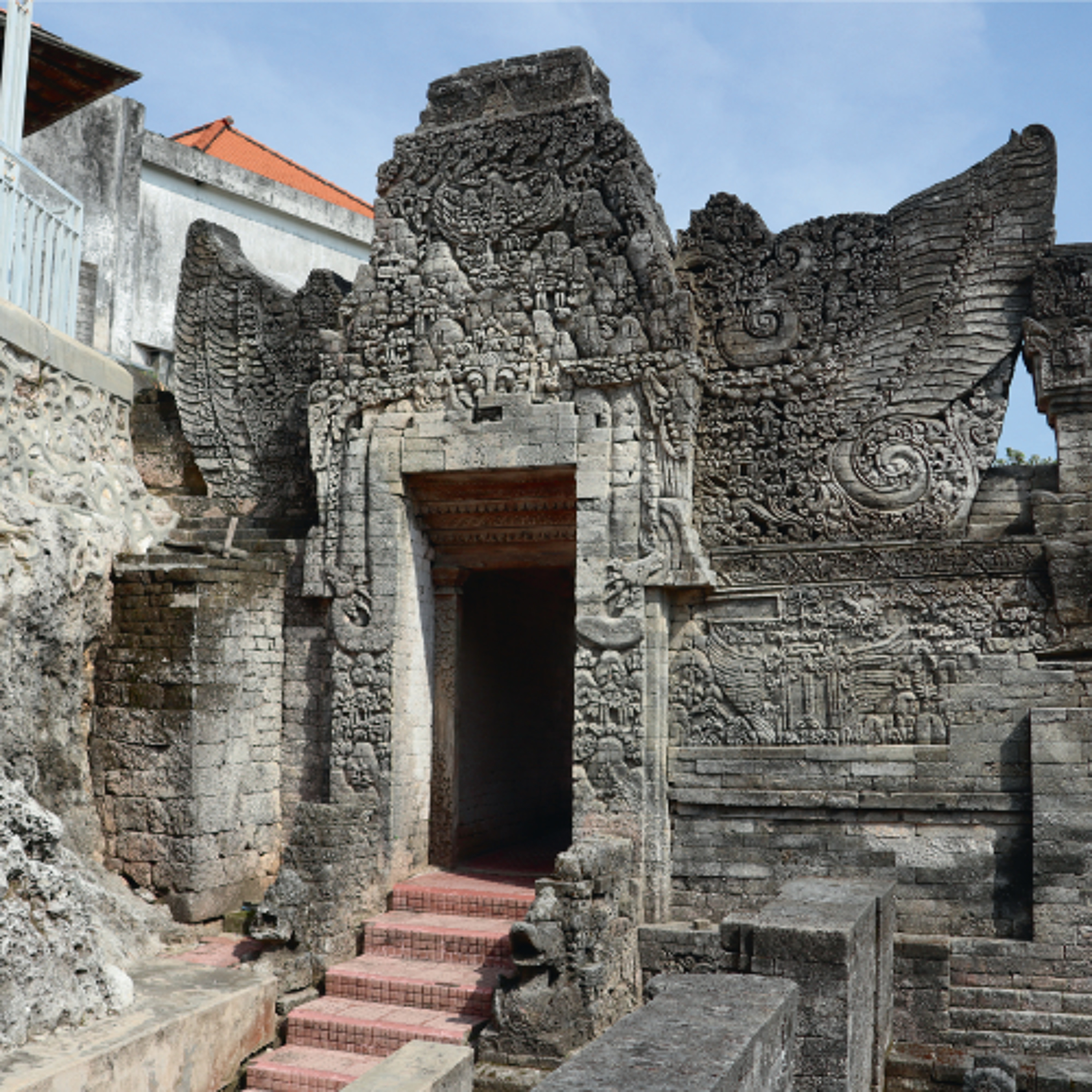
| 4/10/26 | ![]() Panggah Ardiyansyah: 'Kramat' and the Politics of Indonesian History✨ | Indonesian historyarchaeology+4 | Panggah Ardiyansyah | Digital Humanities InstituteUniversity of Sheffield+1 | East Java | Indonesian historyarchaeology+5 | — | 42m 16s | |
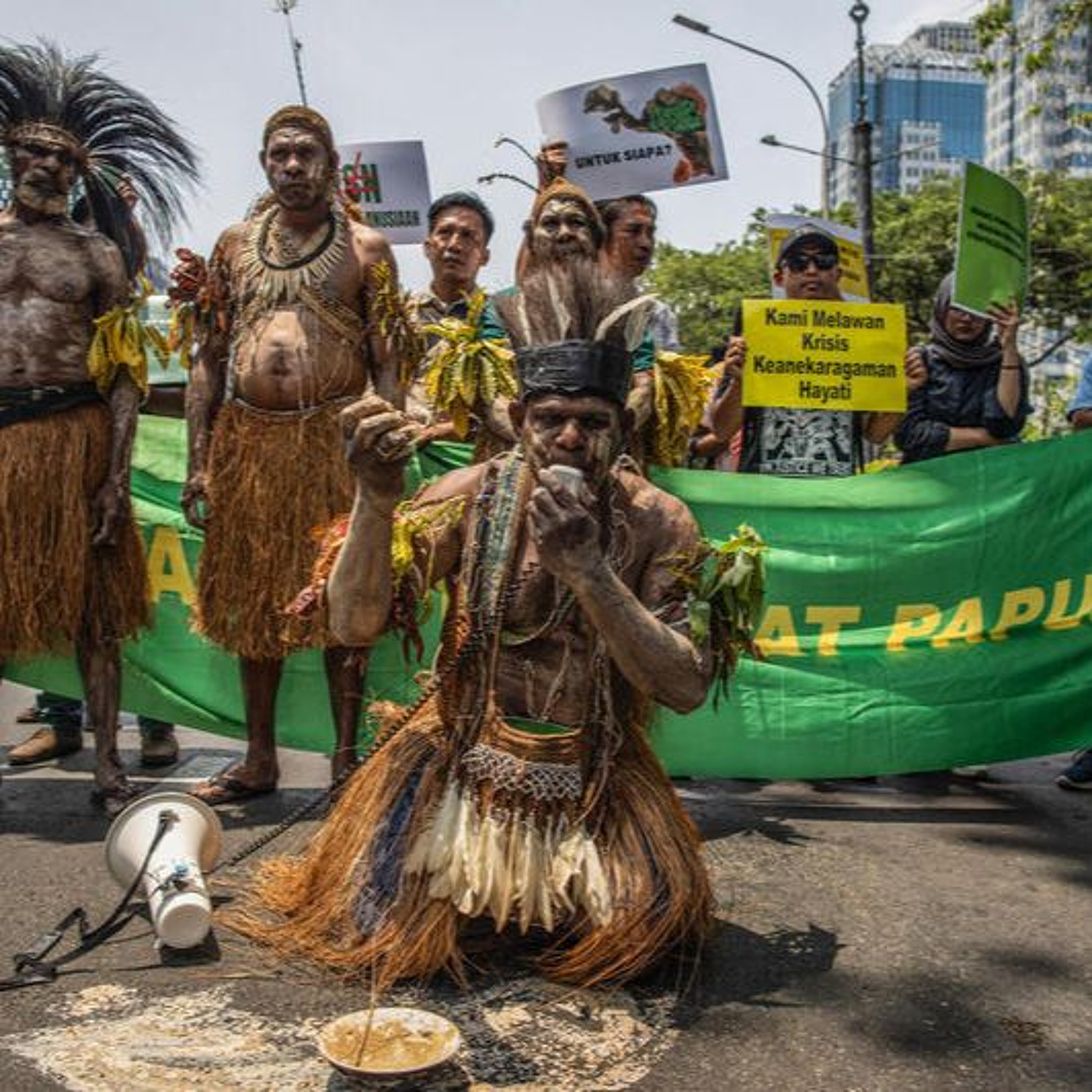
| 3/25/26 | ![]() Rassela Malinda - Papua, Development and Politics From Below✨ | Papuadevelopment+4 | Rassela Malinda | University of MelbourneYayasan Pusaka Bentala Rakyat | — | Papuaindigenous communities+7 | — | 40m 31s | |
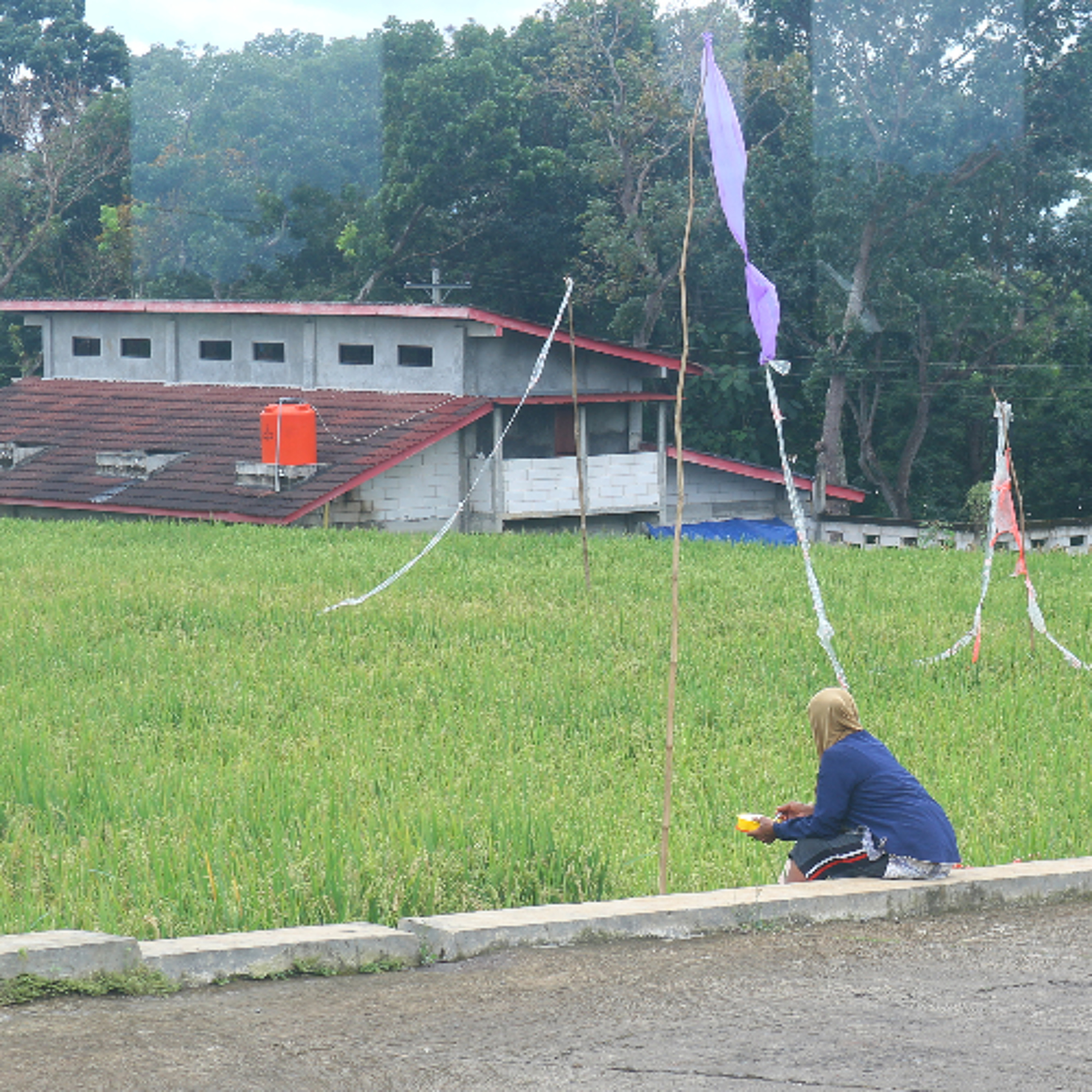
| 3/11/26 | ![]() Linda Susilowati: Gender Transformation in Rural Java✨ | gender rolesrural Java+4 | Linda Susilowati | Universitas Kristen Satya WacanaUniversity of College London+4 | — | gender transformationrural Java+6 | — | 42m 57s | |
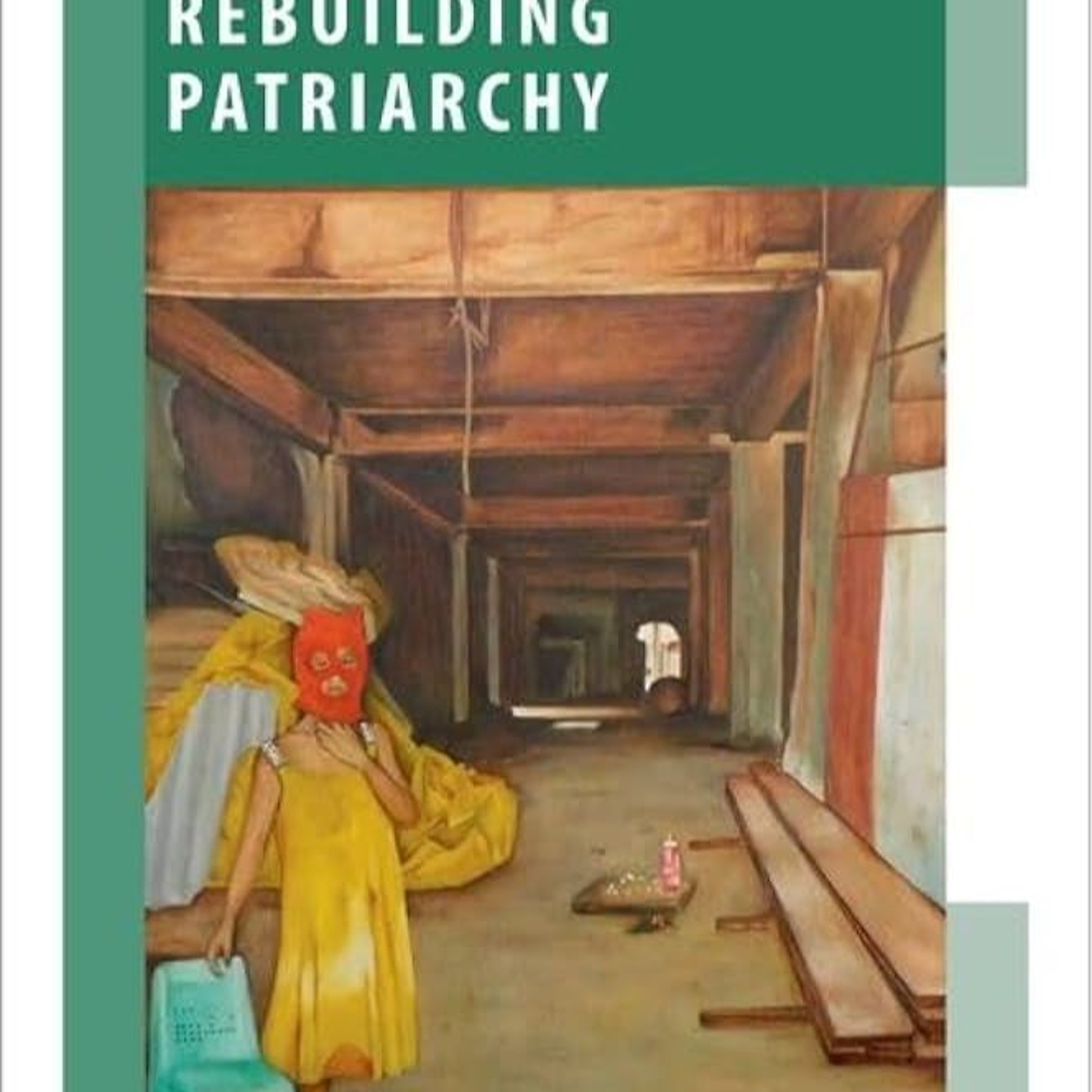
| 2/26/26 | ![]() Melissa Johnston: Resilient Patriarchies✨ | gender equalityTimor Leste+3 | Melissa Johnston | Building Peace, Rebuilding Patriarchy | Timor LesteIndonesia+1 | Timor Lestegender mainstreaming+3 | — | 43m 44s | |
| 2/11/26 | ![]() Maidina Rahmawati - The New Criminal Code✨ | criminal justicelaw reform+4 | Maidina Rahmawati | Institute for Criminal Justice Reform (ICJR)Amnesty International+2 | — | criminal codelaw+5 | — | 34m 13s | |
| 1/30/26 | ![]() Farabi Fakih and Fathun Karib: Indonesian Ecological Thinking✨ | climate changeecological thinking+4 | Farabi FakihFathun Karib | Yayasan Obor Pustaka IndonesiaInside Indonesia+1 | JavaGadjah Mada University | climate disasterseco-socialist manifesto+3 | — | 51m 48s | |
Want analysis for the episodes below?Free for Pro Submit a request, we'll have your selected episodes analyzed within an hour. Free, at no cost to you, for Pro users. | |||||||||
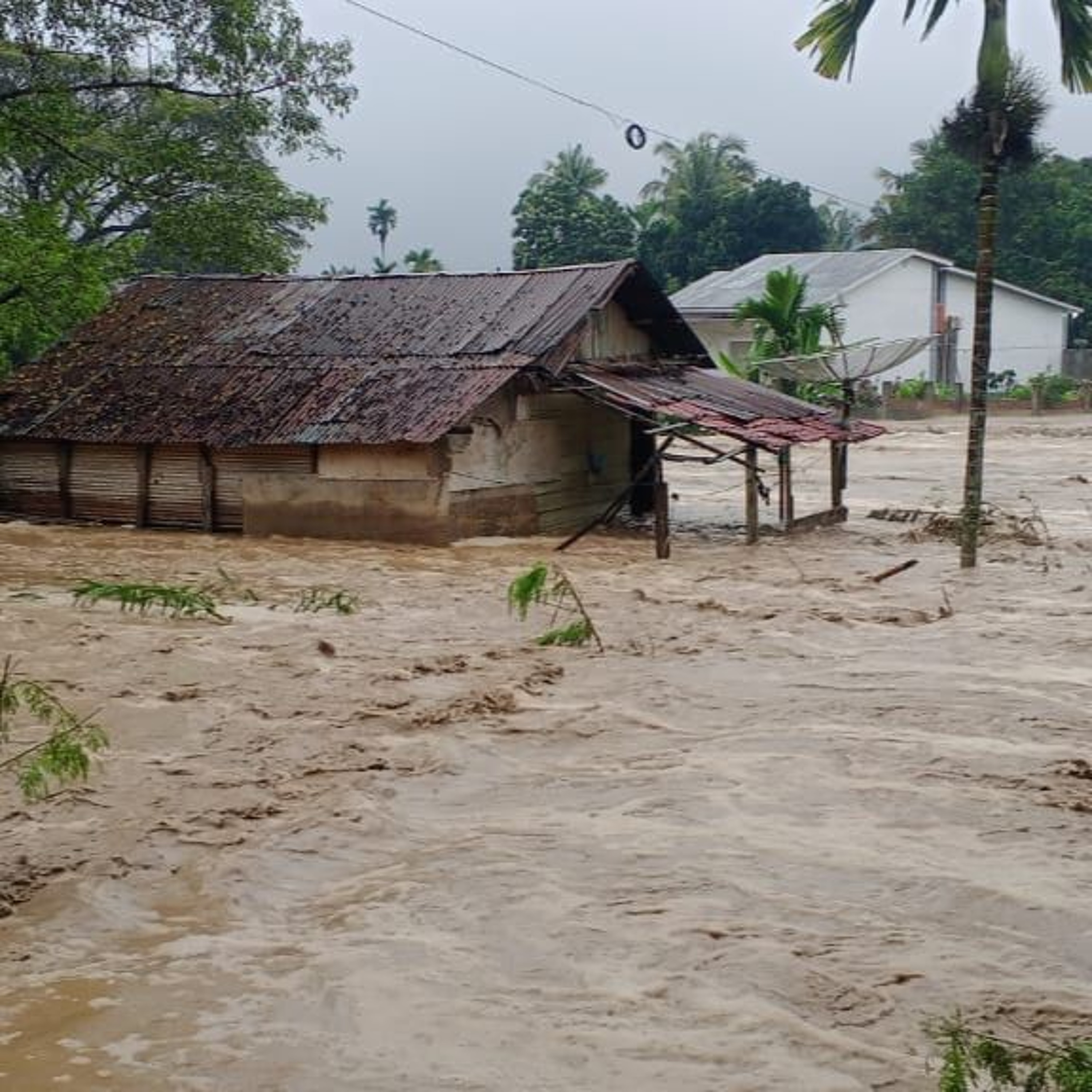
| 1/11/26 | ![]() Alfira O'Sullivan and Murtala - After the Flood✨ | natural disasterfloods+4 | Alfira O’SullivanMurtala | National Disaster Management Agency | West SumatraNorth Sumatra+1 | floodsAceh+5 | — | 33m 04s | |
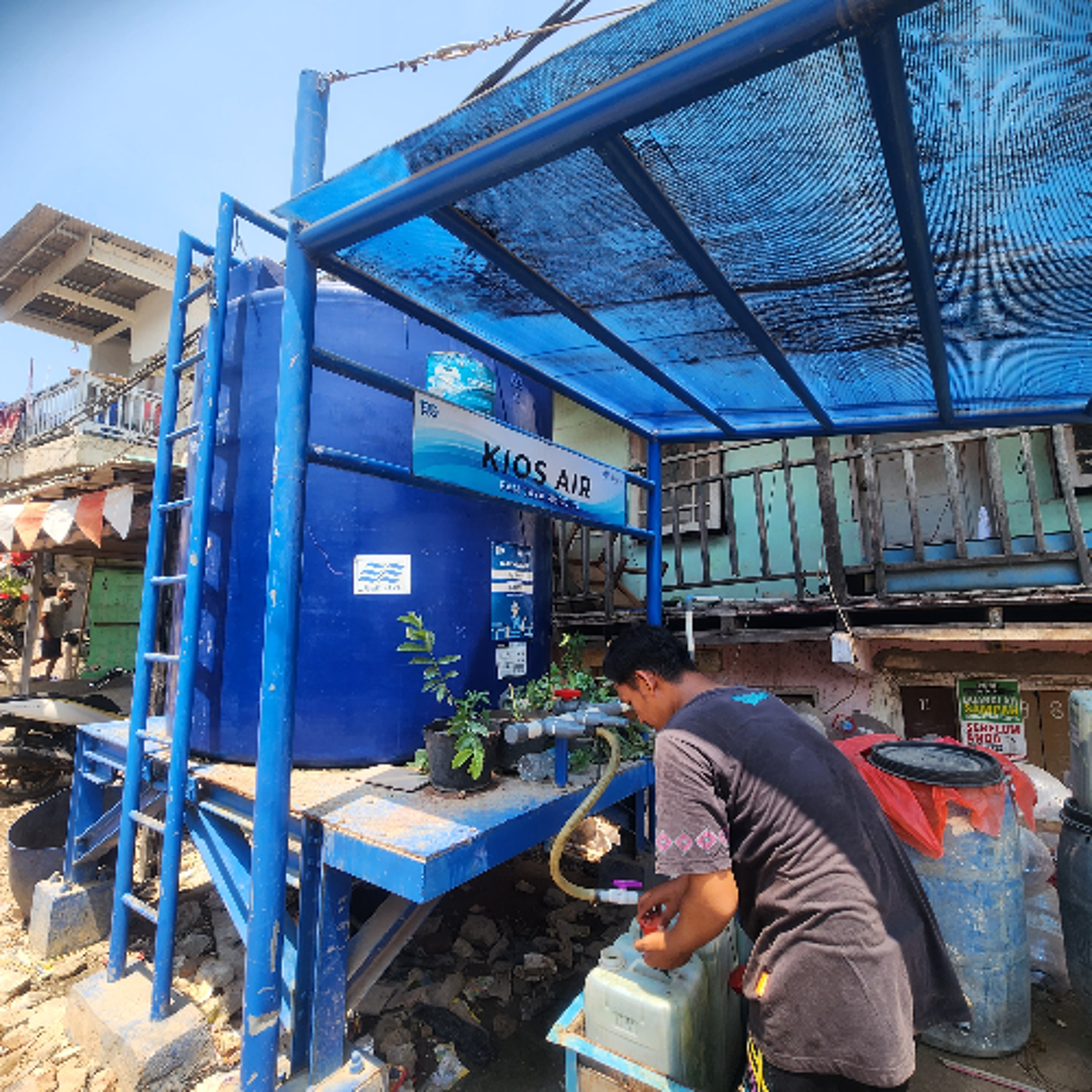
| 1/8/26 | ![]() Wahyu Astuti - Jakarta Water Crisis✨ | water crisisgovernance+3 | Wahyu Astuti | University of Sydney | JakartaUN-Habitat | Jakartawater crisis+5 | — | 36m 04s | |
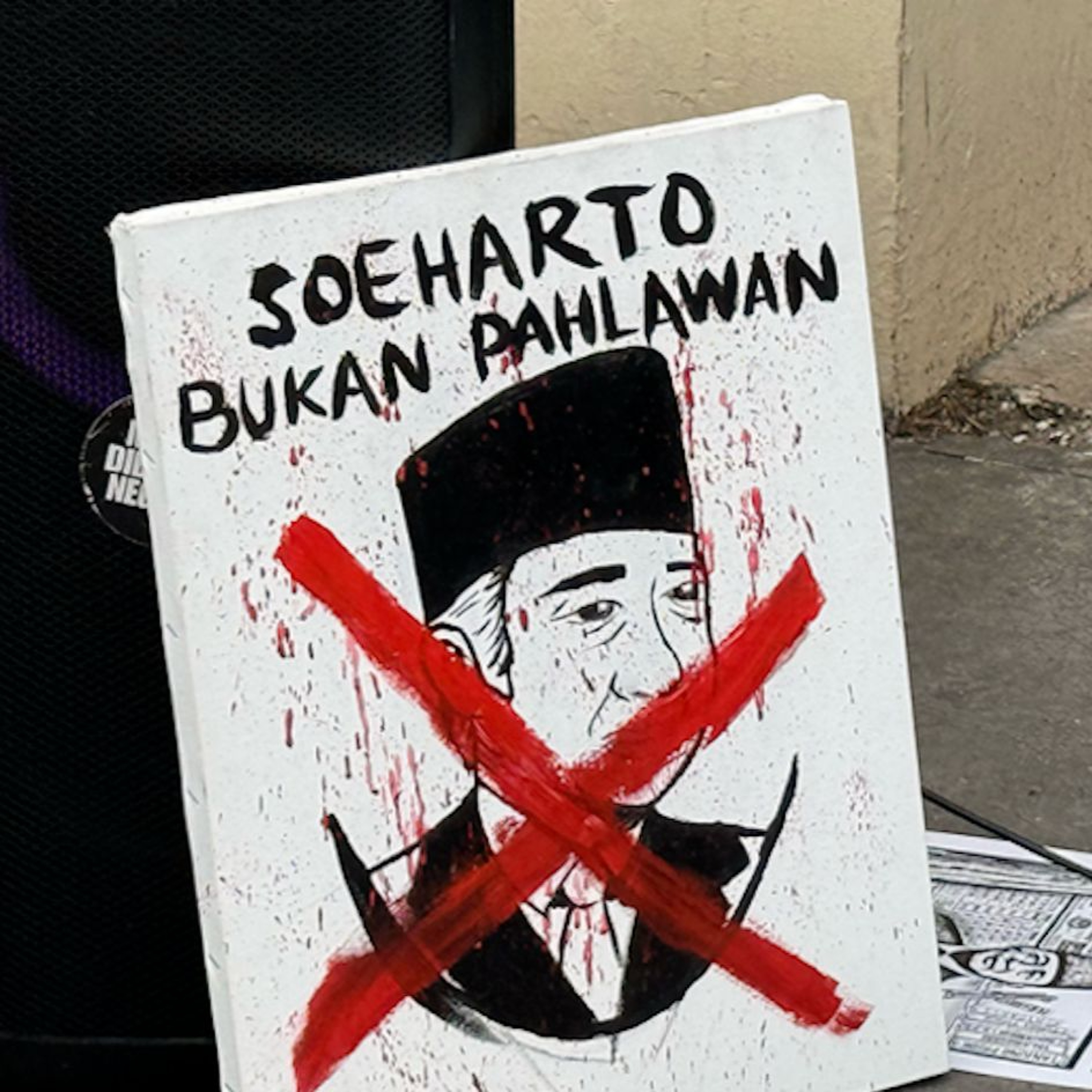
| 12/18/25 | ![]() Ken Setiawan and Lailly Prihatiningtyas - Soeharto as National Hero✨ | Suharto's legacynational hero designation+4 | Dr. Ken SetiawanLailly Prihatiningtyas | Aliansi Gusar | — | Suhartonational hero+7 | — | 35m 53s | |
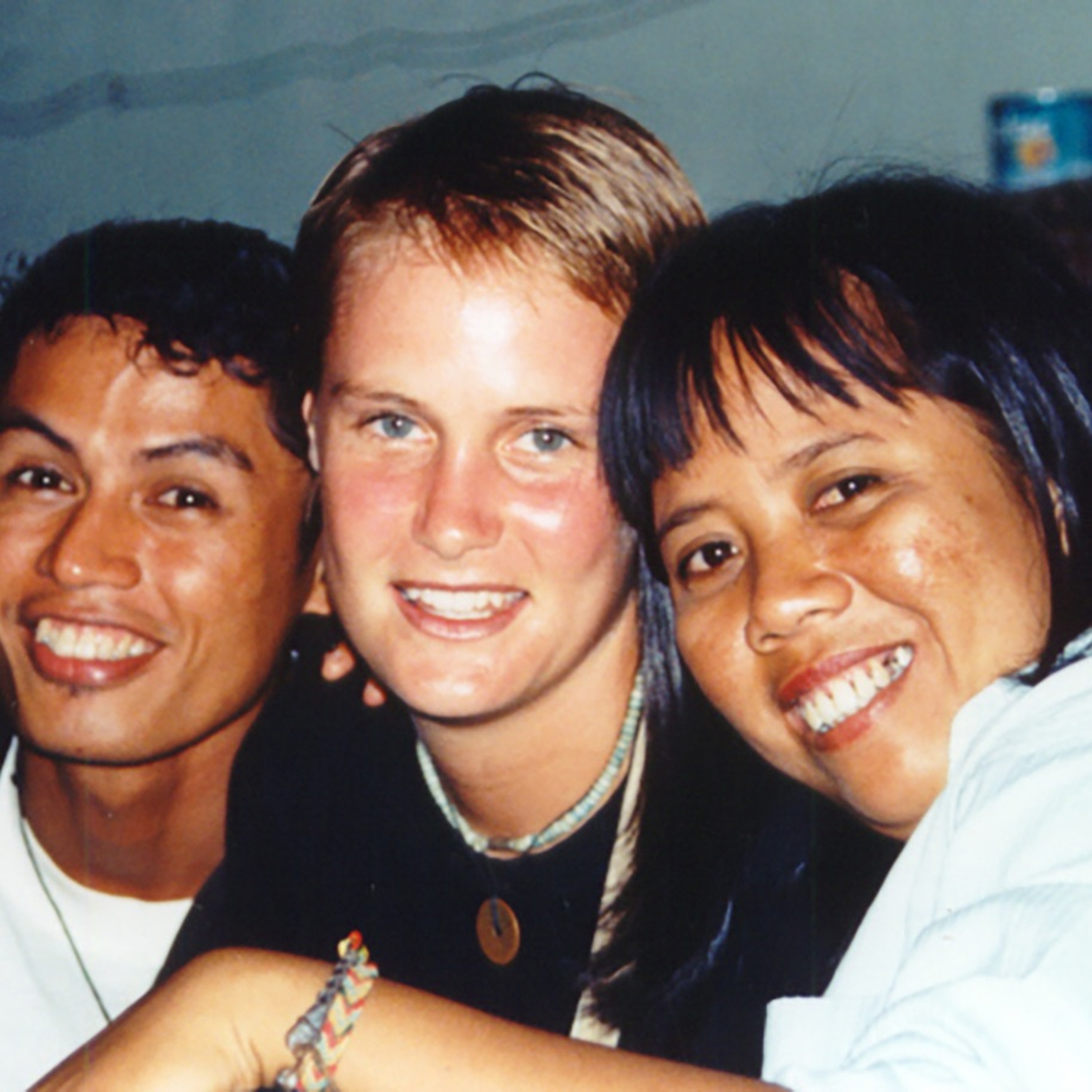
| 12/1/25 | ![]() Zainal Arifin Mochtar: Dirty Vote II o3 | Cast your minds back to February 2024, in the campaign lull before Indonesians hit the ballot box, a documentary unceremoniously dropped on youtube. Now, documentaries on electoral campaigning are legion, and generally they attract a pretty narrow audience. By contrast, Dirty Vote, directed by acclaimed Indonesian investigative journalist, Dhandy Dwi Laksono, garnered 6.4 million eyeballs in the first 48 hours, over the week Dirty vote attracted half a million tweet on twitter, trending worldwide. Overall Dirty Vote had over 30 million viewers. So to say Dirty Vote went viral would be putting it mildly. And yet Dirty Vote was anything but ephemeral. In a large warehouse, against what was a essentially a giant power-point deck, three nationally renowned Constitutional lawyers, Bivitri Susanti, Feri Amsari and Zainal Arifin Mochtar systematically laid out the case for a critical double take on how key figures, principally then- President Jokowi, were using all the instruments of the state to ensure the 2024 national election would be won by his anointed successor, Prabowo Subianto. This included Bansos, or social welfare payments, the use of police to pressure and criminalise village heads and opposition figures, and of course, the Supreme Court decision’s overturning the election law to allow Jokowi’s son, Gibran Rakabuming Raka to run as VP. Now that team is back, with their sequel Dirty Vote two, and they are here once again to methodically unpack the consolidation of the Prabowo regime. My guest today is Dirty Vote presenter, Dr Zainal Arifin Mochtar, Professor at the faculty of Law at the Gadjah Mada University. Pak Zainal has been involved in the establishment and running of number of research centres, including Pukat Korupsi UGM, the Centre for Anti-Corruption Studies, Caksana Institute and the Administrative Law Society. He also serves on the board of the Partnership for Governance Reform and has won numerous awards over his career, including the Muhammad Yamin Constitution Award in 2016 and the Best Constitutional Law writer from the Constitutional Court in 2018. You can find Dirty Vote 2 here: https://www.youtube.com/watch?v=895Cqij7i00 | — | ||||||
| 11/5/25 | ![]() Irma Hidayana - Free Nutritious Meals Program | Irma Hidayana - Free Nutritious Meals Program by Talking Indonesia | — | ||||||
| 10/22/25 | ![]() Egi Primayogha - Corruption in Prabowo-Gibran's First Year | Corruption is always a hot topic in Indonesia, but where does the situation stand right now? In this episode, we talk to Egi Primayogha who is the advocacy coordinator for the NGO Indonesia Corruption Watch (ICW) about their assessment of the current government and their recent report entitled Catatan Kritis (or critical notes) on the first year of the Prabawo-Gibran government. ICW was formed in 1998 and, unfortunately, their role in keeping the government accountable is as important as ever. The report highlights a number of areas of concern, many of course are not new in Indonesian politics. The impact of dynastic politics, patronage driving cabinet appointments and the lack of oversight that the parliament is having over government policies and activities are all mentioned as ongoing issues. The report also looks more closely at corruption and lack of accountability in the Free Healthy Meal Program, known as Makanan Bergizi Gratis or MBG, which has been in the news recently for large numbers of students being struck with food poisoning. All in all, the report is a reminder that democracy is tough road with many obstacles and civil society groups like ICW are crucial for keeping corruption and transparency in the spotlight. Our guest today, Egi Primayogha is a member of Indonesia Corruption Watch with more than 10 years of experience leading investigations, research, and advocacy to promote transparency and accountability. His work focuses on state capture, politico-business corruption, and the intersection of governance and climate issues. Image used with permission, Indonesia Corruption Watch. | — | ||||||
| 10/13/25 | ![]() Dian Tri Irawaty - Kampung and Urban Advocacy | Dian Tri Irawaty - Kampung and Urban Advocacy by Talking Indonesia | — | ||||||
| 9/25/25 | ![]() Grace Leksana - A Re/writing History Project | A ‘re’-writing history project - Grace Leksana Shortly after taking up his position as the Minister for Culture and Education in the Prabowo government, Fadli Zon announced he was commissioning a reworking of the official Indonesian history textbook. In early 2025, outlines of the project’s terms of reference started to trickle out, and historians, activists and survivors’ groups grew increasingly concerned. The new version, assembled without broad consultation, contained a raft of significant changes and glaring omissions, including human rights violations carried out by the New Order, and the roles of women at various stages in Indonesia’s pre- and post-independence past. Moreover, Minister Zon was determined to deliver the new book in time for the celebration of Indonesia’s 80th anniversary of independence on 17 August. That deadline has now passed but the project remains in progress. What and who was behind this ‘rewriting’ history project? What were their motives? What ‘red flags’ most alarmed historians and others, and ultimately what can be done to resist and possibly reverse the course of this project? In this week's episode Jemma chats with Grace Leksana an Assistant Professor in Indonesian history in the Cultural History section of Utrecht University. Grace is author of Memory culture of the anti Leftist violence in Indonesia: Embedded Remembering (Amsterdam University Press, 2023). She is a member of the Indonesian History Openness Alliance (AKSI). In 2025, the Talking Indonesia podcast is co-hosted by Dr Jemma Purdey from the Australia-Indonesia Centre, Dr Jacqui Baker from Murdoch University, Dr Elisabeth Kramer from the University of New South Wales and Tito Ambyo from RMIT. | — | ||||||
| 9/11/25 | ![]() Aliansi Gusar - Overseas Responses to Indonesia's Protests | On August 25 2025, protestors took to the streets in Jakarta outside the parliament to vocalise their loss of confidence in the current parliament. While the protests were triggered by a newly announced increase in parliamentarian housing allowances, the protests were about so much more. Underpinning it all was a general lack of confidence that Indonesian politicians care about, or were effectively responding to, the very real struggles of everyday Indonesians that they are supposed to be representing. These protests spread to other parts of the country and in some cases, turned deadly. In today’s special episode, we turn to the thoughts and responses of Indonesians currently living overseas. Being away from home when such serious and concerning events are underway poses its own challenges, and today I want to find out more about how they are getting information, what they see as the key issues, and what can be done from abroad. Elisabeth Kramer talks to Indonesian students currently studying at the University of Sydney, Australia--Mahesti Hasanah (PhD Candidate Political Economy), Benni Hasbiyalloh (PhD Candidate Government and International Relations) and Ifana Tungga (Masters Candidate Cultural Studies). They are some of the organisers behind Aliansi Gusar, a grassroots based organisation concerned with justice and equality in Indonesia. They share their thoughts and experiences regarding the current protests and organising around ongoing issues in Indonesia. This podcast was recorded on 7 September 2025. | — | ||||||
| 9/7/25 | ![]() Rebecca Meckelburg: Indonesia's New Protest Movements | In late August, demonstrations against housing allowances for national parliamentarians escalated dramatically when a motorcycle delivery driver, Affan Kurniawan, caught up in the protests, was run over by a police tactical vehicle. His death, live-streamed, saw waves of protests in at least 47 Indonesian cities in a convulsion of genuine national rage and frustration. Parliaments were set on fire in at least 4 cities, police stations were attacked, and the homes of prominent political figures were looted, including Finance Minister Sri Mulyani. Our social media feeds were awash with footage of angry protestors and police brutality. Ibu Ana, a housewife in Jakarta, caught the national mood when she was photographed in the rain in thongs and a pink headscarf, facing down a cordon of heavily armed police officers with the Indonesian flag on a bamboo pole. Who are these protestors? How did they mobilise so fast? What do they want and how will they achieve it? Super fans of the podcast might remember Rebecca Meckelburg from a year ago when I interviewed her on agrarian change. Her view from Central Java, where she lives, complicates conventional pictures of a protest movement that spontaneously burst into view last week, originating in Jakarta and spreading out to the peripheries. | — | ||||||
| 9/1/25 | ![]() Clara Siagian - Rusunawa and the State | While Jakarta's eviction politics have often dominated headlines and grassroots campaigns, the experiences of those who have been relocated to rusunawa (social housing) complexes have remained largely invisible. Yet these families reveal how Indonesia's vision of urban modernity is being literally built into the architecture of everyday life, changing the ways people connect with each other and build their lives. In this episode of Talking Indonesia, host Tito Ambyo explores these tensions with guest Dr Clara Siagian, whose ethnographic research uncovers how social housing design enforces specific values of respectability on the urban poor - from banning certain cooking methods to restructuring family life itself. Clara Siagian did her PhD at the Australian National University and is senior researcher at the Center on Child Protection and Wellbeing at Universitas Indonesia as well as a postgraduate researcher at the University College London. Her research examines urban governance, childhood policy, and development through the perspectives of marginalised populations. In 2025, the Talking Indonesia podcast is co-hosted by Tito Ambyo from RMIT, Dr Elisabeth Kramer from the University of New South Wales, Dr. Jacqui Baker from Murdoch University and Dr Jemma Purdey from the Australia-Indonesia Centre. | — | ||||||
| 8/13/25 | ![]() Diah Angendari - AI Policy in Indonesia | From the algorithms that curate your social media feed to the recommendation systems that influence what you buy, artificial intelligence is quietly reshaping every aspect of our daily lives. Yet most of us remain in the dark about how these powerful technologies are governed—and that's a problem we can't afford to ignore. Artificial Intelligence (or AI) policy isn't just about tech regulation; it's about who gets to shape the future of work, privacy, and power in our increasingly digital world. The rules being written today will determine whether AI serves all of society or just a privileged few. In this episode of Talking Indonesia, Dr Elisabeth Kramer dives into Indonesia's approach to AI governance, taking its cues from the private sector, with guest Diah Angendari. Diah Angendari is a PhD Candidate at Leiden University and her dissertation examines the interplay between imaginaries, power, and interests in policymaking. She’s using the case study of AI in Indonesia to understand the factors that shape these policies. Prior to joining the PhD program, Diah was a lecturer in the Department of Communication Science at Gadjah Mada University. | — | ||||||
| 8/1/25 | ![]() Ara Simanjuntak : Betting the Farm | Palm oil contributes to up 4.5% to Indonesia’s GDP and unlike other commodities, the Indonesian government promotes palm oil as motor of rural development. This is because up to half of Indonesia’s palm oil production is generated by smallholders, farmers with 2-3 hectares of land, cultivating oil palm crops and selling the product for reliable market prices to corporate and state refineries. But this model of national development is in crisis. Small holder palm oil plants are aging, yields are decreasing and company profits are becoming leaner. At the same time, major markets are putting pressure on Indonesia’s palm oil industry for its environmental impact, including rampant deforestation and biodiversity loss. To address this crisis, the former Jokowi government embarked on an ambitious plan to help small holders replant their declining palm oil, this time in accordance with new standards of sustainability. But as my guest, Ara Simanjuntak, today reveals, the new government grants given to smallholders to help is creating new sources of precarity, anxiety and indebtedness that is fundamentally transforming the nature of rural development in Indonesia. To bet the farm, the title of this episode, is an expression in English. It means to risk everything on an uncertain outcome. And this, argues Ara is akin to what Indonesia’s palm oil smallholders are being asked to do. To talk about these issues, I’m here with Atmaezer Hariara Simanjuntak, or Ara, PhD candidate in Anthropology from Northwestern University. | — | ||||||
| 7/21/25 | ![]() Nurwanto - School Violence and Bullying | Nurwanto Nurwanto - School Violence and Bullying In recent months Indonesians have grown increasingly concerned and indeed outraged following several reports of deadly violence involving children as young as elementary school age. In a case in Riau in May an eight-year-old boy died after complications due to a ruptured appendix, which his parents believe was the result of beatings he suffered at the hands of fellow students aged 11-13 years. Around the same time, a video when viral of a brawl involving 20 primary school aged children in Depok. In response, the Governor of West Java, Dedi Mulyadi, called for the students involved to be sent to military camps. These recent cases have focused the country’s attention on what has been a critical issue for some time. In 2024 the Indonesian Child Protection Commission (KPAI) reported that cases of violence among school students had increased 32%, and a 2018 PISA survey showed that 41% of Indonesian students aged 15 years reported being bullied, nearly double the OECD average of 23%. Across various levels of government and among stakeholders a range of regulations and taskforces have been established to tackle the issue, but they are falling short. What is school violence and bullying and why is it becoming more prevalent among young people? What are schools, parents and policymakers currently doing to tackle it, and what more needs to be done? In this week's episode Jemma chats with Nurwanto, a lecturer education at Universitas Muhammadiyah Yogyakarta. His Phd thesis is titled 'Nurturing peace through education: advocating a pedagogy of love in urban schools in Yogyakarta, Indonesia', University of Western Sydney, 2023. In 2025, the Talking Indonesia podcast is co-hosted by Dr Jemma Purdey from the Australia-Indonesia Centre, Dr Jacqui Baker from Murdoch University, Dr Elisabeth Kramer from the University of New South Wales and Tito Ambyo from RMIT. Image: Flickr CC/lau rey | — | ||||||
| 7/3/25 | ![]() Justinus Lhaksana - Indonesian Football and the Road to the 2026 World Cup | Justinus Lhaksana - Indonesian Football and the Road to the 2026 World Cup In October 2022, the image of Indonesian football filling news bulletins around the world was one of tragedy and horror at the huge loss of life sparked by clashes between fans and security agents at a football match in Kanjuruhan, East Java. Less than three years later, this image is being replaced some by something quite different. In June this year, Indonesia did what no other Southeast Asian football team has done since the 1930s and proceeded to the fourth round of qualifying for the FIFA World Cup to be held in Canada, Mexico and the USA in 2026. To get this far Indonesia beat both China and Bahrain at home after going down to Australia and Japan away in the third round of qualifying. Now, only two matches stand between this team becoming the first to represent the Republic of Indonesia at a FIFA World Cup. In 1938, it was the first Asian nation to go to a FIFA World Cup but was of course competing under the Dutch East Indies flag. The success of the Indonesian national team or Timnas Garuda, so far is due to a well-orchestrated plan to bolster the team from without and make significant investment within. Reeling from the Kanjuruhan tragedy and the international and domestic response to it, in February 2023, Joko Widodo appointed Erick Thohir, the Minister for State-Owned Enterprises in his government, as the new chairman of the Football Association of Indonesia (PSSI) with a mandate for the total reform of football, to tackle its myriad problems. For Thohir, a millionaire former owner of football teams in Europe, North America and Indonesia and with deep links in FIFA itself, this was also an opportunity to reshape Indonesian football from the top down. The project to reform the national team had in fact started some years earlier under the then South Korean coach, Shin Tae-yong. At its core was the recruitment of players of Dutch descent who after naturalisation would qualify to play for Indonesia. Since 2020, at least 15 players in the men's team have been naturalised and very recently four Dutch women footballers of Indonesian descent were also naturalised and will play in the Indonesian squad. The next major milestone in this larger plan came in January this year, with the appointment of former Dutch superstar Patrick Kluivert as coach of Timnas. It is now his task to finish the job and get the Garudas to the World Cup. Why undertake such a project of naturalization for the national teams? How have the fans responded to this influx of imported players? What is the state of Indonesia's domestic football league and down to the grassroots that has made it necessary in the first place? And what will it take for Indonesian football to overcome its challenges and finally take its place on the world stage? In this week's episode Jemma chats with Justinus Lhaksana, a football commentator (https://www.youtube.com/@CoachJustinl28/videos) and former coach of the Indonesian national futsal team. In 2025, the Talking Indonesia podcast is co-hosted by Dr Jemma Purdey from the Australia-Indonesia Centre, Dr Jacqui Baker from Murdoch University, Dr Elisabeth Kramer from the University of New South Wales and Tito Ambyo from RMIT. Image: Image: Eliano Reijnders and Mees Hilgers receive their naturalisation certificates at the Indonesian Embassy in Brussels, 1 October 2024. | — | ||||||
Showing 25 of 290
Pitch Fit is a Pro feature
See how bookable this show is for guests, which brands already advertise, the per-episode ad value, and the best-fit guest and sponsor profile. The numbers are blurred on the free plan.
How readily this show books outside guests like you.
How proven this show is for host-read sponsorships.
For Guests
ProFor Advertisers
ProUpgrade to Pro to unlock guest cadence, sponsor categories, fit scores, and per-episode ad value for this show.
Chart Positions
1 placement across 1 market.
Chart Positions
1 placement across 1 market.