Insights from recent episode analysis
Audience Interest
Podcast Focus
Publishing Consistency
Platform Reach
Insights are generated by CastFox AI using publicly available data, episode content, and proprietary models.
Most discussed topics
Brands & references
Est. Listeners
Insufficient chart data. Estimates will improve as the show charts.
- Per-Episode Audience
Est. listeners per new episode within ~30 days
N/A🎙 Weekly cadence·65 episodes·Last published 1mo ago - Monthly Reach
Unique listeners across all episodes (30 days)
N/A - Active Followers
Loyal subscribers who consistently listen
N/A
Market Insights
Platform Distribution
Reach across major podcast platforms, updated hourly
Total Followers
—
Total Plays
—
Total Reviews
—
* Data sourced directly from platform APIs and aggregated hourly across all major podcast directories.
On the show
From 10 epsHost
Recent guests
Recent episodes
Tea and Chocolate
May 18, 2026
Unknown duration
The NYTS Tea Studio, Sharing Gongfu Tea and Community
Dec 26, 2025
48m 28s
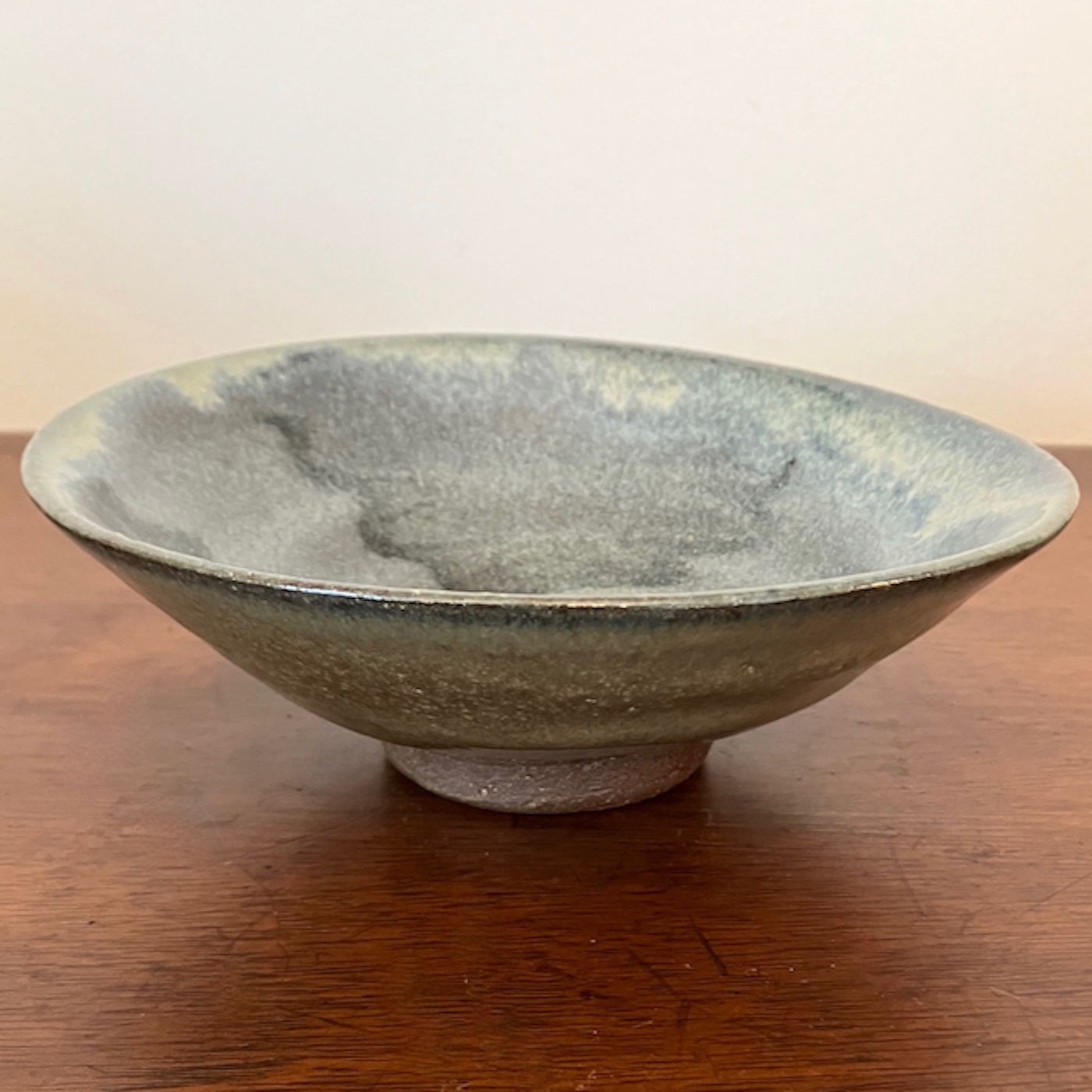
A Product of the Place: Creating Teaware and Ceramic Art, with Willi Singleton
May 9, 2024
46m 43s
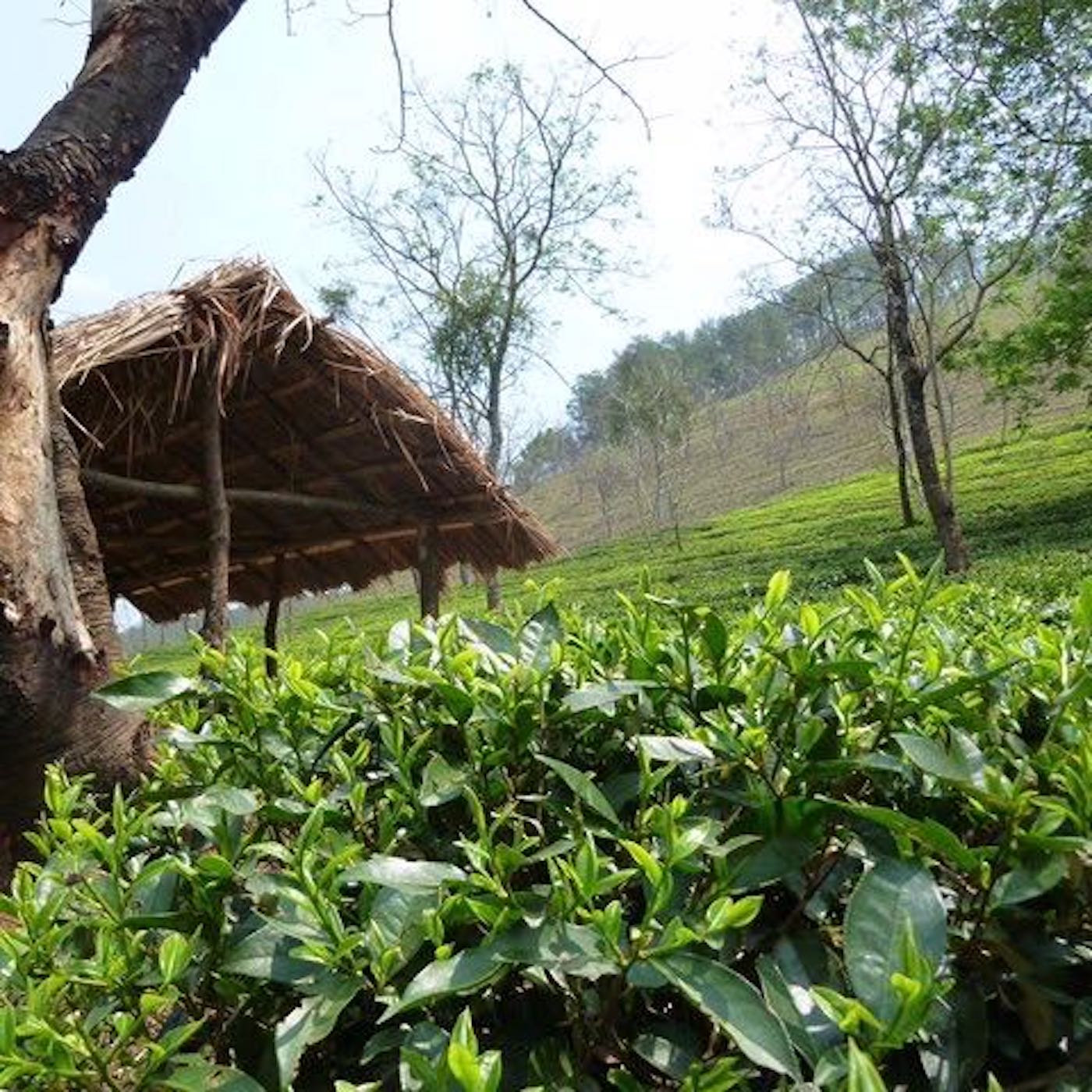
Balhyocha, A Uniquely Korean Tea
Dec 14, 2023
33m 59s
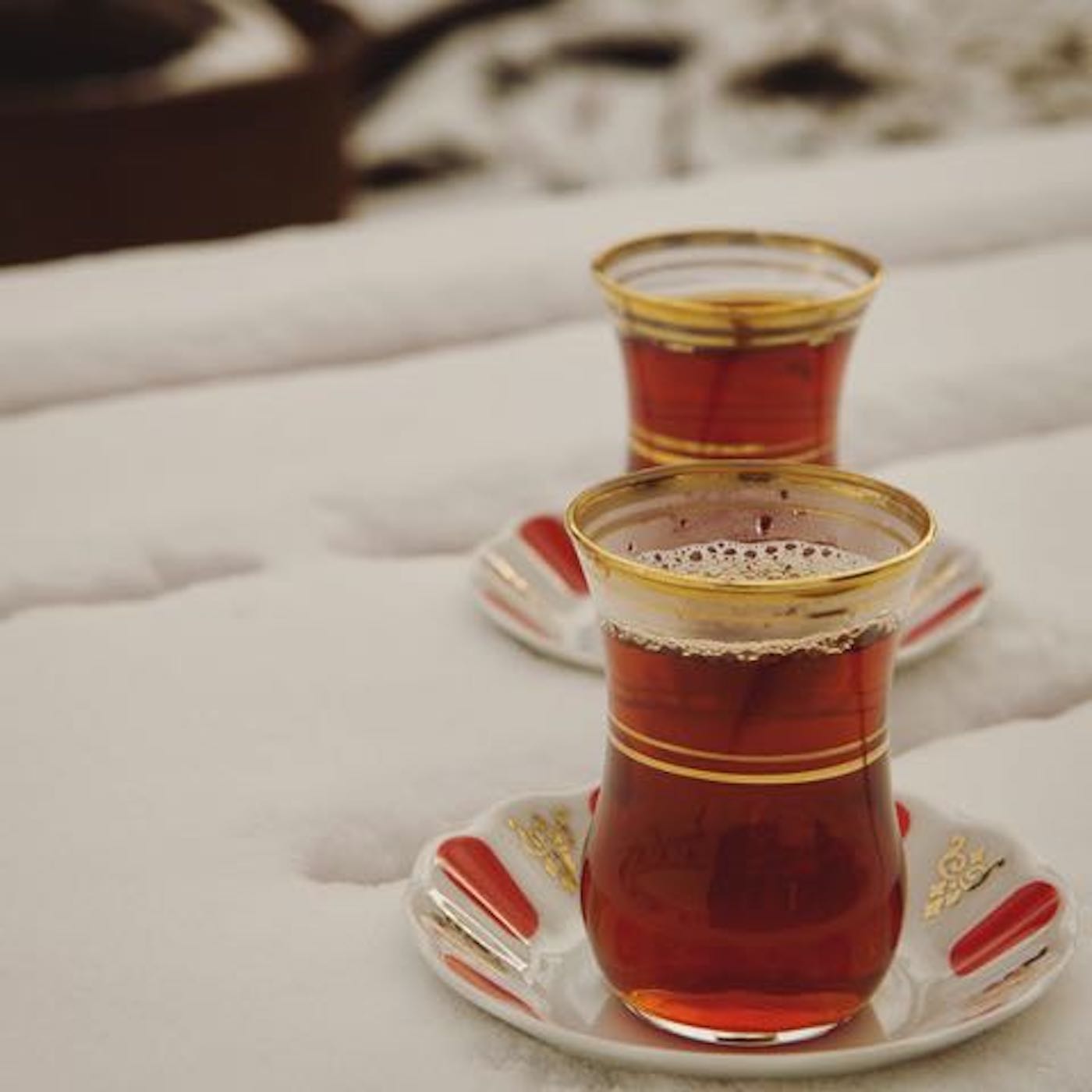
Turkish Tea: An Introduction
May 24, 2022
47m 17s
Social Links & Contact
Official channels & resources
Official Website
Login
RSS Feed
Login
| Date | Episode | Topics | Guests | Brands | Places | Keywords | Sponsor | Length | |
|---|---|---|---|---|---|---|---|---|---|
| 5/18/26 | ![]() Tea and Chocolate | We're exploring pairing tea and chocolate today with Debbie Raab, co-owner and co-founder of the unique and delightful Tea for All in Lawrence, New Jersey. One of the things that makes Tea for All unique is its location inside the Trenton Farmers Market, the longest-running indoor farm market in New Jersey. Before delving into the pairings, Debbie shares with us a bit of the history of Tea For All and the tea journey she and her husband Mike Raab (Tea For All's other co-owner and co-founder) have taken, as we discuss Debbie's approach to teaching about tea and to creating and experimenting with pairings. Debbie chats with us about her view of the importance of trial and error in exploring and experiencing tea and tea-chocolate pairings and her preferences for choosing chocolates for pairing , and then begins the pairings themselves. We taste six tea and chocolate pairings in all. During the pairings, we talk about the differences between pairings that contrast, pairings that complement and pairings that enhance the flavors of the tea and the chocolate, different methods for tasting the teas and the chocolates, and how tea and chocolate pairings can lead to new discoveries about the flavors and textures of our teas. And Debbie also tells us about some of Tea For All's ongoing and periodic events, classes and tea practice sessions. For easy reference for trying these or similar pairings at home, the time marks for the teas and types of chocolates (by cacao percentage) we paired are: 11:05: 58% cacao paired with a gyokuro kukicha (Tea For All's Kukicha Supreme), followed by the same chocolate paired with Doke Black Fusion, a black tea from Bihar State, India. 21:21: 60% cacao paired with Ganesha Green, a Nepali green tea from the Kanchanjangha Tea Estate, followed by the same chocolate paired with Chota Tingrai Assam black tea from Assam, India. 30:50: 71% cacao paired with a black tea from the town of Volcano on the Big Island of Hawaii (Tea For All's Hawaii Volcano Premium Black). 36:25: 72% cacao paired with a Bao Zhong from Taiwan. During the pairings we took some time between tasting the chocolates and tasting the teas to allow Debbie to brew the tea and to allow the flavors of the chocolate to settle in the mouth, and sometimes to take a palate cleanser (Debbie used small tidbits of celery). You won't hear these gaps in the podcast, but you may want to take these pauses if you're doing the pairings at home. Tea for All is located in the Trenton Farmers Market, 960 Spruce Street, Lawrence NJ. Hours, event information and Tea For All's online store are on its website, tea-for-all.com. You can find Tea For All on Instagram and and Facebook feeds at Tea-For-All Tea Shoppe. Follow Talking Tea on Facebook or on Instagram at talkingteapodcasts Talking Tea is produced and hosted by Ken Cohen. more about Talking Tea The views and opinions expressed by guests on Talking Tea are those of the guests and do not necessarily reflect the views or opinions of Talking Tea or its staff. This podcast features music from "Japanese Flowers" (https://soundcloud.com/mpgiii/japanese-flowers) by mpgiiiBEATS (https://soundcloud.com/mpgiii) available under a Creative Commons Attribution 3.0 Unported license (http://creativecommons.org/licenses/by/3.0/). Adapted from original. | — | ||||||
| 12/26/25 | ![]() The NYTS Tea Studio, Sharing Gongfu Tea and Community✨ | gongfu teatea community+3 | Roy Lamberty | New York Tea Society | midtown ManhattanKoreatown | gongfu teaNew York Tea Society+3 | — | 48m 28s | |
| 5/9/24 | ![]() A Product of the Place: Creating Teaware and Ceramic Art, with Willi Singleton✨ | teawareceramic art+4 | Willi Singleton | willisingleton.com | PennsylvaniaKempton, Pennsylvania+1 | teawareceramic art+5 | — | 46m 43s | |
| 12/14/23 | ![]() Balhyocha, A Uniquely Korean Tea✨ | Korean teabalhyocha+3 | Eric Glass | TeaBuy KoreaMorning Crane Tea | KoreaKorean | balhyochaKorean tea+5 | — | 33m 59s | |
| 5/24/22 | ![]() Turkish Tea: An Introduction✨ | Turkish teatea culture+3 | Aimée Lévesque | Le bruit de l'eau | TurkeyRimouski+3 | Turkish teatea culture+3 | — | 47m 17s | |
| 3/18/22 | ![]() Tea as Daoist Meditation, with Robert Coons✨ | tea meditationDaoism+4 | Robert Coons | DaoistTea & Daoism: Adjacent Connections | — | teaDaoist meditation+8 | — | 1h 01m 08s | |
| 3/4/21 | ![]() Lakyrsiew: Unlocking the Magic of the Leaf✨ | teaMeghalaya+4 | Kevin Gascoyne | Camellia Sinensis Tea House | IndiaMeghalaya+1 | Lakyrsiewtea garden+7 | — | 17m 55s | |
| 1/29/21 | ![]() Emptiness in Tea Practice✨ | emptinesschado+5 | Drew Hanson | UrasenkeTea & Daoism: Adjacent Connections+2 | New Jersey | emptinesschado+5 | — | 44m 04s | |
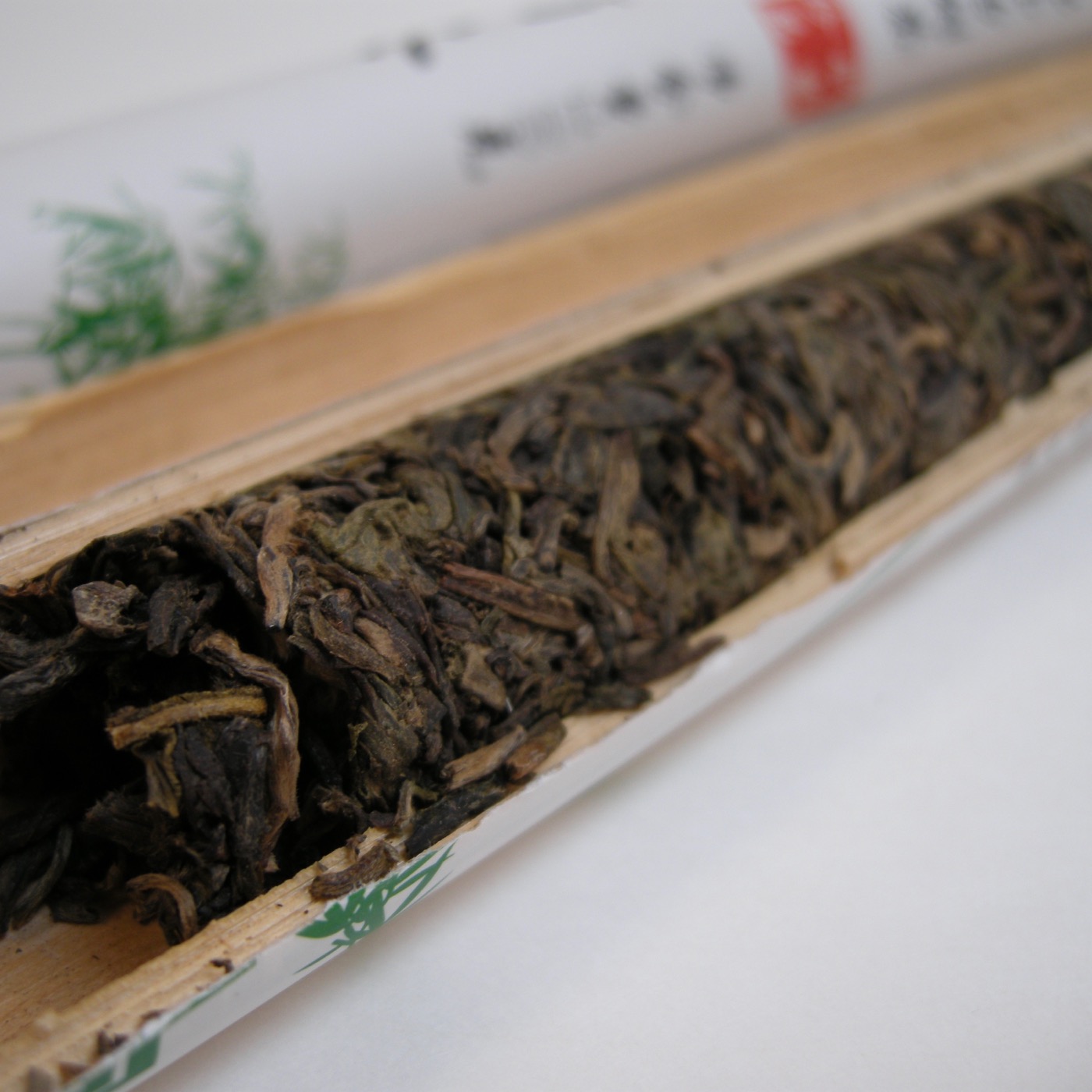
| 12/17/20 | ![]() Bamboo Pu'er, Beyond the Novelty✨ | bamboo pu'ertea processing+3 | John Wetzel | bamboo pu'erStone Leaf Teahouse+1 | Middlebury, VermontYunnan Province | bamboo pu'ersheng+5 | — | 21m 02s | |
| 9/7/20 | ![]() The Korean Way of Tea, with Brother Anthony of Taizé✨ | Korean tea cultureBuddhism and tea+3 | Brother Anthony of Taizé | Dasol-Sa TempleThe Korean Way of Tea+1 | — | Korean teatea culture+4 | — | 44m 38s | |
Want analysis for the episodes below?Free for Pro Submit a request, we'll have your selected episodes analyzed within an hour. Free, at no cost to you, for Pro users. | |||||||||
| 5/15/20 | ![]() Tea & Daoism: Adjacent Connections✨ | teaDaoism+4 | Robert Coons | Tambuli MediaInternal Elixir Cultivation: The Nature of Daoist Medititation | — | teaDaoism+5 | — | 58m 28s | |
| 2/25/20 | ![]() Sensory Immersion Into Tea | In this episode we're at the 2020 Toronto Tea Festival and its kick-off event, Kevin Gascoyne's Rare Tea Tasting. Kevin is an internationally recognized leader and innovator in the tea industry, a co-owner of the Montreal-based Camellia Sinensis Teahouse and a frequent guest on Talking Tea, and this is just the second time Kevin has presented a tasting in this format. Kevin's Rare Tea Tasting was the most unique tea tasting experience we've ever had, and we think it's safe to say, probably unlike anything experienced before by most everyone attending the event. We were able to chat with Kevin after the event about the inspirations for and origins of the evening, its connections with sports and wine training, and what Kevin hopes to accomplish through these carefully planned tastings. In a nutshell, through the course of the evening we tasted six teas in a darkened room, with no information given to us about any of the teas until after the event was over. But this nutshell summary doesn't begin to describe what really happened that night, in that space. Because of the unique nature of the event, we're avoiding any spoilers. But to get a sense of what went on we're including in this episode short chats we had with five attendees just after the event concluded. Their reactions and comments give some great insights into the event and tell a story of our connections with tea, and with each other. We don't yet know where or when Kevin Gascoyne's Rare Tea Tasting will pop up next, but you can check out Camellia Sinensis' website and social media feed to get updates. Talking Tea is produced and hosted by Ken Cohen. You can follow Ken on Twitter @kensvoiceken. more about Talking Tea Sign up for our email list to get updates on new episodes and events. The views and opinions expressed by guests on Talking Tea are those of the guests and do not necessarily reflect the views or opinions of Talking Tea or its staff. This podcast features music from "Japanese Flowers" (https://soundcloud.com/mpgiii/japanese-flowers) by mpgiiiBEATS (https://soundcloud.com/mpgiii) available under a Creative Commons Attribution 3.0 Unported license (http://creativecommons.org/licenses/by/3.0/). Adapted from original. Header image "Raw Puerh mid 1980 Menghai" by Cosmin Dordea, used under a Creative Commons CC By-SA 2.0 license. Adapted from original. | — | ||||||
| 1/7/20 | ![]() Talking Teapots, In-Depth with Scott Norton | When a listener requested an episode about teapots. we realized that this was a topic we haven't really delved into on Talking Tea. And having attended one of tea blogger, writer and teacher Scott Norton's incredibly comprehensive seminars on yixing teaware, we invited Scott to join us for an in-depth overview of teapots, their design elements, their history and how to best match your teapots with your teas. You may remember Scott from our episode Glimpsing Tea's Past, Finding Tea's Presence, at New York's Floating Mountain. Today we begin by chatting a bit about Scott's "teapot journey" and his background collecting, curating and teaching about teapots. And then we begin to explore various styles of Japanese and Chinese teapots. We start by comparing two very different teapots from 19th century Japan, a larger blue and white porcelain teapot and a small lotus-leaf design kyusu, and we discuss the advantages offered by small teapots in control over the brewing process and obtaining more pronounced flavors from our teas. As we move to Chinese teapots, we compare porcelain, glazed ceramic and unglazed clay teapots and the relative advantages and disadvantages of each. Scott chats with us about how to tell if an unglazed clay teapot is highly fired or low fired, and how the levels of firing and coarseness of the clay can create distinct differences in flavor and the results of our brewing. We also touch on the history of teapots and the influence of the Silk Road trade on teapot design and evolution in China. Scott has some rather large teapots in his collection, and we discuss when we might want to use a larger teapot and how to best use a large-size pot. Finally we chat with Scott about the questions we need to consider in matching our teapots to our teas, and Scott gives us tips on buying teapots and how shopping for a teapot can and should be an extension of our tea practice. Scott Norton's blog is at scotttea.wordpress.com. You can find Scott on Instagram @cutechajin, and videos of a number of Scott's workshops and seminars are available on his YouTube channel. Talking Tea is produced and hosted by Ken Cohen. You can follow Ken on Twitter @kensvoiceken. more about Talking Tea Sign up for our email list to get updates on new episodes and events. The views and opinions expressed by guests on Talking Tea are those of the guests and do not necessarily reflect the views or opinions of Talking Tea or its staff. All images on this episode page, other than the header image, are courtesy of Scott Norton. This podcast features music from "Japanese Flowers" (https://soundcloud.com/mpgiii/japanese-flowers) by mpgiiiBEATS (https://soundcloud.com/mpgiii) available under a Creative Commons Attribution 3.0 Unported license (http://creativecommons.org/licenses/by/3.0/). Adapted from original. Header image "Raw Puerh mid 1980 Menghai" by Cosmin Dordea, used under a Creative Commons CC By-SA 2.0 license. Adapted from original. | — | ||||||
| 11/8/19 | ![]() Chemistry, Climate Change, Bugs & Tea | Today we're exploring a bit of tea science on Talking Tea. We're joined by Eric Scott, a a tea scientist and researcher at Tufts University, to chat about some of the many ways a basic understanding of the science of tea can benefit us as tea consumers and tea professionals. Eric tells us a bit about his own tea journey and the work he's doing in tea chemistry, the chemical ecology of tea and the effects of climate change on tea. We chat with Eric about how even a little knowledge of tea chemistry adds to the story behind the tea we're drinking, can enhance our enjoyment of tea and our perception of flavors, and, if we're working in the tea industry, can help us educate consumers. We look at tea's relationship with caffeine, the importance of caffeine to the tea plant and how understanding this can bust some myths about caffeine and tea. We touch on two topics relating to shou pu erh and heicha: we look at why you might want to rinse your leaves if you're drinking shou pu erh or heicha, and we look at "fermentation". Most of us in the tea world have probably heard that oolongs and black/red teas are oxidized, not fermented, but we go a little deeper into what "fermentation" actually is and why it's not what actually happens in the processing of dark teas and shou puerh, even though those are often called "fermented" or "post-fermented". Eric also gives us a peek into his research on the impact of climate change on tea. We chat about the effects of climate change on the monsoon season in Yunnan, and it's potentially game-changing effects on pu erh the pu erh market. We touch on the effects of drought on tea farms in India and Taiwan. And we look at Eric's work on climate change and bug-bitten teas, and how bug-bitten teas may help tea farmers succeed and innovate in the face of climate-change. Eric's Tea Science Tuesdays video series is available on the Tea Geek YouTube channel (and sometimes on Instagram). Eric is on Instagram @leafyeric and on Twitter @leafyericscott. More on Eric and his work is at his website, ericrscott.com. Talking Tea is produced and hosted by Ken Cohen. You can follow Ken on Twitter @kensvoiceken. more about Talking Tea Sign up for our email list to get updates on new episodes and events. The views and opinions expressed by guests on Talking Tea are those of the guests and do not necessarily reflect the views or opinions of Talking Tea or its staff. Image "Chemistry is Awesome!!!", by erika.hicks, used under a Creative Commons CC By 2.0 license. Adapted from original. This podcast features music from "Japanese Flowers" (https://soundcloud.com/mpgiii/japanese-flowers) by mpgiiiBEATS (https://soundcloud.com/mpgiii) available under a Creative Commons Attribution 3.0 Unported license (http://creativecommons.org/licenses/by/3.0/). Adapted from original. Header image "Raw Puerh mid 1980 Menghai" by Cosmin Dordea, used under a Creative Commons CC By-SA 2.0 license. Adapted from original. | — | ||||||
| 9/20/19 | ![]() Gender, Empire and the Making of the Western Tea Market | We're delving into some sticky topics today on Talking Tea as we look at the roles mass marketing, gender, racism and modern British history have played in shaping tea markets and tea culture in the West. Joining us is historian Erika Rappaport, author of the recently published book A Thirst For Empire: How Tea Shaped the Modern World. Erika's work as a historian focuses in the areas of gender, consumer culture and British history, and "A Thirst for Empire" delves into all of these areas in looking at the forces that shaped tea culture and tea markets in the West. Erika talks with us about how tea can shine a spotlight on the role of mass marketing in shaping modern tastes and trade. We discuss the origins of her book, exploring the long association of tea with women and feminine culture in the UK and the US. We chat about the influence of the "temperance" movements of the 19th century, promoting tea and tea culture as a healthier and spiritually beneficial alternative to alcohol, and the role of industry lobbies in promoting sweet tea in the West and especially iced tea in the US. We look at the reasons for the shift in Western consumer preference from green tea to black tea in the 19th and 20th centuries. And we look at the disturbing use of racism and nationalism in advertising by British tea planters to promote "Empire" tea over Chinese tea, and how this eventually led to the widespread preference in the West for industrialized, mass-produced commodity tea. A Thirst for Empire is published by Princeton University Press, and is widely available at retailers. Talking Tea is produced and hosted by Ken Cohen. You can follow Ken on Twitter @kensvoiceken. more about Talking Tea Sign up for our email list to get updates on new episodes and events. The views and opinions expressed by guests on Talking Tea are those of the guests and do not necessarily reflect the views or opinions of Talking Tea or its staff. This podcast features music from "Japanese Flowers" (https://soundcloud.com/mpgiii/japanese-flowers) by mpgiiiBEATS (https://soundcloud.com/mpgiii) available under a Creative Commons Attribution 3.0 Unported license (http://creativecommons.org/licenses/by/3.0/). Adapted from original. Image of British soldier drinking tea in 1944 India, © IWM (IB 1882), courtesy of the Imperial War Museum. More information on the photo is available at https://www.iwm.org.uk/collections/item/object/205193624 Header image "Raw Puerh mid 1980 Menghai" by Cosmin Dordea, used under a Creative Commons CC By-SA 2.0 license. Adapted from original. | — | ||||||
| 8/6/19 | ![]() A "Tea Cave" in Vermont | Today Talking Tea is in Middlebury, Vermont, at Stone Leaf Teahouse, a unique tea space in this bucolic town. Joining us is John Wetzel, founder and owner of Stone Leaf. The town of Middlebury may be best known for being the home of Middlebury College, but since its founding 10 years ago Stone Leaf has also become well-known in and beyond Middlebury for the quality of its teas and for the warmth and tranquility of its teahouse. We chat with John about Stone Leaf's origins, how he developed his vision for the space and for the company, and how he drew on both US coffee culture and tea culture in Asia and Europe as influences for his design. The teahouse sits partially underground (it's built into a slope), and though John half-jokingly calls it a sort of "tea cave", he also explains how he used this feature as part of his design, to create a space well-suited for the storage, preparation and enjoyment of tea, a space that allows for both focus and connection. Stone Leaf carries a wide variety of teas, and we chat about one of their newest teas, a hongcha (red tea, known as black tea in the West) from Alishan in Taiwan. Alishan is usually known for its oolongs, and this tea is in fact made from the oolong Jin Xuan cultivar. We talk about the use of this cultivar in making a hongcha, the influence of cultivar and terroir on the tea's flavor, aroma and appearance, and about emerging trends in making new styles of teas from cultivars and regions traditionally associated with different varieties. More information about Stone Leaf, including the location of the teahouse, its online store and special event info, is at its website, stoneleaftea.com. You can also find Stone Leaf on Instagram at stoneleafteahouse and on Facebook at Stone Leaf Teahouse. Talking Tea is produced and hosted by Ken Cohen. You can follow Ken on Twitter @kensvoiceken. more about Talking Tea Sign up for our email list to get updates on new episodes and events. The views and opinions expressed by guests on Talking Tea are those of the guests and do not necessarily reflect the views or opinions of Talking Tea or its staff. This podcast features music from "Japanese Flowers" (https://soundcloud.com/mpgiii/japanese-flowers) by mpgiiiBEATS (https://soundcloud.com/mpgiii) available under a Creative Commons Attribution 3.0 Unported license (http://creativecommons.org/licenses/by/3.0/). Adapted from original. Image of interior of Stone Leaf Teahouse, courtesy of Stone Leaf Teahouse. Header image "Raw Puerh mid 1980 Menghai" by Cosmin Dordea, used under a Creative Commons CC By-SA 2.0 license. Adapted from original. | — | ||||||
| 6/9/19 | ![]() Pairing Tea and...Cheese? | Most everyone is familiar with pairing wine and cheese, but pairing tea and cheese is much less well known and less understood. (By the way, that's tea in the glass in the photo above, not wine.) Some tea drinkers may even find the idea of tea and cheese pairing a bit counterintuitive, if not a bit, well, odd. But at Talking Tea we've experienced some delicious pairings of tea with cheese, so we wanted to explore the issue more in depth. Joining us today to talk about pairing tea with cheese, and to do some pairings with us, is Lisa Boalt Richardson. Lisa is a tea writer and educator who has written and taught on the subject of pairing tea with cheese and other foods, making tea and food pairings accessible and easy to understand. We begin our chat by looking at the basic premises behind tea and food pairings from a common-sense perspective, and then we start to look specifically at pairing cheese with tea. Lisa explains why cheese and tea can pair very well together, and we chat about the importance of identifying levels of fat in cheese and astringency in tea, as well as other elements in the flavor and mouthfeel of each, in order to create excellent pairings. We discuss different goals in creating pairings, as well as different methods of tasting the tea and the cheese we're pairing. And then we do two pairings together: a triple-cream cheese paired with a first flush darjeeling, and then the same cheese with an assam, as we talk about the reasons Lisa suggested these pairings, the results of the pairings and why some pairings are likely to work better than others. More information about Lisa Boalt Richardson, including info on her book Modern Tea: A Fresh Look at an Ancient Beverage (referenced in the episode), is at her website, lisaknowstea.com. You can also find Lisa on Facebook at lisaknowstea. Lisa is also an instructor at the World Tea Academy; info on their courses and programs is at worldteaacademy.com. The cheese used by Talking Tea was St. Stephen's triple-cream, made by Four Fat Fowl and purchased at DiBruno Brothers in Philadelphia. The teas Talking Tea used in our pairings were purchased at Camellia Sinensis Tea House and at Tea Dealers. Talking Tea is produced and hosted by Ken Cohen. You can follow Ken on Twitter @kensvoiceken. more about Talking Tea Sign up for our email list to get updates on new episodes and events. The views and opinions expressed by guests on Talking Tea are those of the guests and do not necessarily reflect the views or opinions of Talking Tea or its staff. This podcast features music from "Japanese Flowers" (https://soundcloud.com/mpgiii/japanese-flowers) by mpgiiiBEATS (https://soundcloud.com/mpgiii) available under a Creative Commons Attribution 3.0 Unported license (http://creativecommons.org/licenses/by/3.0/). Adapted from original. Header image "Raw Puerh mid 1980 Menghai" by Cosmin Dordea, used under a Creative Commons CC By-SA 2.0 license. Adapted from original. | — | ||||||
| 5/2/19 | ![]() Chaxi: Harmony, Art & Expression in Tea | We've been wanting to explore chaxi on Talking Tea ever since we visited the Tea Institute at Penn State University back in 2016. Tea was prepared and served to us by students in the Chinese tea track at the Institute with a degree of artistry and calm precision we had never quite witnessed anywhere else, and when we asked some of the students where they learned to prepare tea in this way, they suggested we speak with one of their teachers and mentors, Stéphane Erler, to learn more about chaxi, an artistic expression of tea originating in Taiwan. It took us a couple of years, but we finally caught up with Stéphane recently on one of his visits to the US, and we're proud to welcome him to Talking Tea. Stéphane is a tea educator, seller and blogger based in Taiwan - he hosts the very well-respected Tea Masters Blog - and, among other things, Stéphane practices, teaches and writes about chaxi. We talk with Stéphane about his own beginnings in tea, his study and work with tea master Teaparker, and about the history of chaxi in Taiwan, and then we delve into the practice and principles of chaxi. Chaxi means "tea play", and Stéphane chats with us about how chaxi is a kind of performance but also a way of creating a tea mandala, a picture of a harmonious world through tea. We discuss the priorities of function and art within chaxi, and we explore the question of how the host can best express the character of the leaves as well as the host's own sentiments and feelings through the chaxi. In this context we talk about the choice of teaware, the importance of colors and visual harmony, the use of flowers or plants, the addition of music or other background art, and most importantly the skills and mindset needed to prepare the best possible tea in a beautiful setting, finding resonance and harmonious connections between the tea, the teaware, the setting and the participants. Further resources for learning about chaxi are on Stéphane's blog, teamasters.blogspot.com. Stéphane's selection of excellent teas (we've tried several of them, and they were all fantastic), teawares and other items for use in chaxi are available at his online boutique, tea-masters.com. You can also find Stéphane on Twitter at @TeaMastersBlog and on Instagram at @stephane_erler. Talking Tea is produced and hosted by Ken Cohen. You can follow Ken on Twitter @kensvoiceken. more about Talking Tea Sign up for our email list to get updates on new episodes and events. Talking Tea's 2016 coverage of the Penn State Tea Institute is in our episodes Tea Goes to College and Tea, Heart to Heart. The views and opinions expressed by guests on Talking Tea are those of the guests and do not necessarily reflect the views or opinions of Talking Tea or its staff. This podcast features music from "Japanese Flowers" (https://soundcloud.com/mpgiii/japanese-flowers) by mpgiiiBEATS (https://soundcloud.com/mpgiii) available under a Creative Commons Attribution 3.0 Unported license (http://creativecommons.org/licenses/by/3.0/). Adapted from original. Photo of a chaxi by Stéphane Erler, courtesy of Stéphane Erler. Header image "Raw Puerh mid 1980 Menghai" by Cosmin Dordea, used under a Creative Commons CC By-SA 2.0 license. Adapted from original. | — | ||||||
| 3/12/19 | ![]() Dark Tea Comes Out of the Shadows | Today we're chatting with Zhen Lu and Phil Rushworth of Zhen Tea about a category of tea that's not widely understood outside of China or even within China, and that's heicha, or "dark tea", hailing from outside the pu erh region. You may remember Zhen and Phil from our earlier episode "Lapsang Souchong - Beyond the Smoke", and today we're chatting at the Zhen Tea headquarters in Ottawa, Canada. Now pu erh (at least shu pu erh) is a dark tea, and plenty of people know plenty about pu erh. But the many wonderful non-pu erh dark teas don't enjoy the same celebrity status as pu erh, and those teas are what we're focusing on in this episode. (We're intentionally avoiding the highly controversial issue of whether sheng pu erh is properly called heicha, which could be a topic for an entire episode on its own.) Zhen and Phil carry a varied selection of dark teas, and they chat with us about the sometimes confusing nomenclature of heicha, its somewhat murky history, its regions of origin and terroir, and "wet piling", the fermentation process that makes heicha unique among all teas. We sample and discuss two dark teas - an aged Fu Zhuan from 2013, and a new experimental take on traditional Tibetan tea - as we talk about the variations of flavor and mouthfeel in non-pu erh dark teas, how the flavors differ from typical shu pu erh flavor profiles, and how these variations are influenced by terroir and growing conditions. Zhen and Phil also brief us on some of the innovations we're beginning to see in heicha and the delicacy and difficulty of the wet-piling process, and we talk about the relaxing, almost meditative, physical and mental sensations many of us experience with heicha. Zhen also gives us some tips on storing dark teas at home. More on Zhen Tea, including its teas, teaware, online store and new online magazine Charen, is at zhentea.ca. Talking Tea is produced and hosted by Ken Cohen. You can follow Ken on Twitter @kensvoiceken. more about Talking Tea Sign up for our email list to get updates on new episodes and events. The views and opinions expressed by guests on Talking Tea are those of the guests and do not necessarily reflect the views or opinions of Talking Tea or its staff. This podcast features music from "Japanese Flowers" (https://soundcloud.com/mpgiii/japanese-flowers) by mpgiiiBEATS (https://soundcloud.com/mpgiii) available under a Creative Commons Attribution 3.0 Unported license (http://creativecommons.org/licenses/by/3.0/). Adapted from original. Photo of Zang Cha-Gan Hong courtesy of Zhen Tea. Header image "Raw Puerh mid 1980 Menghai" by Cosmin Dordea, used under a Creative Commons CC By-SA 2.0 license. Adapted from original. | — | ||||||
| 2/1/19 | ![]() Choosing Teaware for Flavor, Aroma & Experience | Today we welcome back to the show Kevin Gascoyne, of Montreal's Camellia Sinensis Tea House, to chat with us in depth about how our choices of teaware impact the flavors, aromas and overall experience of the teas we drink. Kevin is often seen sporting his signature Royal Albert teacup, and that prompted us to ask Kevin what's the deal with this oh-so-English-looking cup. His initial answer inspired us to want to explore more fully how our choice of cup and brewing vessel affect our enjoyment of tea. In our chat we focus mostly on the effects of the cup on our tea experience (though we also touch on some elements of teapots). Kevin talks with us about how the shape of the cup controls the delivery of the tea to the mouth and the placement of the tea on the tongue, how the material, size and shape of the cup affect the thermodynamics of the tea, and how all of this impacts the flavors and aromas of the tea we're drinking. We chat about some of the design features of teacups that have evolved for comfort, warmth and delivery, and also how the visual elements and aesthetics of our teaware influence our enjoyment of tea. Contrasting tea served in wine glasses and in small tasting cups as examples, Kevin points out how different styles of teaware and brewing create different moods and spaces for our experience of tea. We wanted to do these comparisons hands-on, so Kevin served us two teas in very different styles of cups: first with teaware from the Royal Albert collection, and then from the innovative Peter Ting tasting kit. Listen to the episode to hear the results of this tasting experiment. For more on Camellia Sinensis, including its teaware, teas, online store and locations, go to camellia-sinensis.com. Talking Tea is produced and hosted by Ken Cohen. You can follow Ken on Twitter @kensvoiceken. more about Talking Tea Sign up for our email list to get updates on new episodes and events. The views and opinions expressed by guests on Talking Tea are those of the guests and do not necessarily reflect the views or opinions of Talking Tea or its staff. This podcast features music from "Japanese Flowers" (https://soundcloud.com/mpgiii/japanese-flowers) by mpgiiiBEATS (https://soundcloud.com/mpgiii) available under a Creative Commons Attribution 3.0 Unported license (http://creativecommons.org/licenses/by/3.0/). Adapted from original. Photo of Kevin Gascoyne and his Royal Albert teacup courtesy of Camellia Sinensis. Header image "Raw Puerh mid 1980 Menghai" by Cosmin Dordea, used under a Creative Commons CC By-SA 2.0 license. Adapted from original. | — | ||||||
| 12/31/18 | ![]() Chabana: Flowers for Tea | As December comes to a close and winter deepens here in the northern hemisphere, we're continuing our turn inward as we conclude our two-part series on the spirit of tea as reflected in chado, the Japanese way of tea. Today we're focusing on chabana, the art of flowers so integral to Japanese tea ceremony. To chat with us about chabana we're welcoming back Drew Hanson, an instructor in the Urasenke school of chado and founder/owner of the Boukakuan Japanese Tea House in New Jersey. (You may remember Drew from an earlier chado-related Talking Tea episode, Tea, Heart to Heart.) We're with Drew in the tea room at Boukakuan, and Drew talks with us about the guiding principles of chabana and how the flowers in the tea room relate to us as humans, mirroring our own constant state of transition and transience. Drew gives us specific guidance on how to choose and present flowers for tea, and we discuss the history of chabana and its relationship to Buddhism in Japan. We chat about bringing nature into the tea room in a very focused way, relating the flowers and their container to the season and the differences between chabana and Western traditions of flower arranging so vividly pointed out in Kakuzo Okakura's The Book of Tea. For more info on the Boukakuan Japanese Tea House, including info on Japanese tea ceremony classes and demonstrations, go to the Boukakuan website at njgreentea.com. Ken Cohen's audiobook edition of Kakuzo Okakura's The Book of Tea, published by Spoken Realms, is available at Audible.com , Amazon and iTunes. Talking Tea is produced and hosted by Ken Cohen. You can follow Ken on Twitter @kensvoiceken. more about Talking Tea Sign up for our email list to get updates on new episodes and events. The views and opinions expressed by guests on Talking Tea are those of the guests and do not necessarily reflect the views or opinions of Talking Tea or its staff. This podcast features music from "Japanese Flowers" (https://soundcloud.com/mpgiii/japanese-flowers) by mpgiiiBEATS (https://soundcloud.com/mpgiii) available under a Creative Commons Attribution 3.0 Unported license (http://creativecommons.org/licenses/by/3.0/). Adapted from original. | — | ||||||
| 12/12/18 | ![]() Okakura and the Spirit of Tea | We're getting a bit contemplative this time of year here at Talking Tea, as the weather turns cooler and our bodies and minds begin to turn inward. So this December we're offering two episodes exploring the spirit of tea as reflected in chado, the Japanese way of tea. To kick off this two-part series we're looking at the life, work and influence of Kakuzo Okakura, best known for his modern classic The Book of Tea. As some of you may know, Talking Tea host Ken Cohen narrated and produced an audiobook edition of Okakura's The Book of Tea in 2015. Today Ken is chatting via Skype with Bruce Richardson, of Elmwood Inn Fine Teas and its publishing arm Benjamin Press. Bruce wrote and published an extensive and scholarly intro to the print version of The Book of Tea, and Bruce shares a bit of his own tea journey with us and tells us how he was first drawn to this text. We discuss Okakura's early life in Japan and his exposure to the West, the origins of The Book of Tea and its connection with Okakura's work at the Boston Museum of Fine Arts, and Okakura's influence on iconic American art collector Isabella Stewart Gardner, American artist Georgia O'Keefe and the design principles of Frank Lloyd Wright. Bruce chats with Ken about Okakura's perspectives on the connections between tea, art, and Zen, and Bruce shares his own perspectives, influenced by Okakura, on tea as an adventure and a creative path, on the importance of the space within and why the way of tea is the way of life. Bruce Richardson's illustrated print edition of The Book of Tea, with his introduction, is available through Elmwood Inn Fine Teas or though Amazon. Ken Cohen's audiobook edition of The Book of Tea, published by Spoken Realms, is available at Audible.com , Amazon and iTunes. Talking Tea is produced and hosted by Ken Cohen. You can follow Ken on Twitter @kensvoiceken. more about Talking Tea Sign up for our email list to get updates on new episodes and events. The views and opinions expressed by guests on Talking Tea are those of the guests and do not necessarily reflect the views or opinions of Talking Tea or its staff. This podcast features music from "Japanese Flowers" (https://soundcloud.com/mpgiii/japanese-flowers) by mpgiiiBEATS (https://soundcloud.com/mpgiii) available under a Creative Commons Attribution 3.0 Unported license (http://creativecommons.org/licenses/by/3.0/). Adapted from original. | — | ||||||
| 10/11/18 | ![]() Tea Cocktail Experiments | Today on Talking Tea we're doing something a little different from our usual format. A few weeks back we were invited by the folks at Tea Dealers and the 29b Tea House (featured in our prior episode Ambassadors of Tea) to join them in conversation at an evening of tea and alcohol experiments they were planning and record the event for Talking Tea. We did just that, and we're pleased to bring you the event as a Talking Tea episode. We join Andreas Vagelatos and Graham Pirtle of Tea Dealers, Jesse Ferguson of Interboro Spirits & Ales and a crowd of about 30 guests at New York's Hotel on Rivington for this evening exploring new approaches to tea and mixology. Graham, along with Stefen Ramirez of Tea Dealers, had come up with three innovative cocktails for this event, and Graham chats with us about their unique approach to tea in mixology, borrowing pairing ideas from the culinary world, and the challenges of leveraging the flavors and textures of the teas and the other ingredients in the drinks. We also chat with Graham about the long history of tea in cocktails and its current revival. The cocktails used three teas - matcha, hojicha and rou gui - and as Andreas guides us through the tastings he talks with us about each of these teas and their use in the cocktails, the philosophy behind 29b's tea cocktail programs and the similarities between the nomenclature, flavors and other sensory experiences in tea, wine and spirits. Jesse chats with us throughout the evening about Interboro's spirits and how they interact with the other ingredients of the cocktails, and we discuss the overall flavor profiles and sensations resulting from the pairings and the various flavor components in each of the drinks. Andreas and Graham point out how the flavors and aromas of tea, spirits and mixed drinks can sometimes be nostalgic, and how Tea Dealers crafted these cocktails not only to bring out excellent results in flavor, aroma and sensation, but also to highlight some of the nostalgic and evocative qualities of the teas and the spirits. The episode also includes comments and questions from the guests at the event. More info on Interboro is at its website interboro.nyc and at its Instagram feed. Info on Tea Dealers and 29b is at tea-dealers.com/pages/29b and Instagram feed. For info on the Hotel on Rivington, visit hotelonrivington.com. Talking Tea is produced and hosted by Ken Cohen. You can follow Ken on Twitter @kensvoiceken. more about Talking Tea Sign up for our email list to get updates on new episodes and events. The views and opinions expressed by guests on Talking Tea are those of the guests and do not necessarily reflect the views or opinions of Talking Tea or its staff. This podcast features music from "Japanese Flowers" (https://soundcloud.com/mpgiii/japanese-flowers) by mpgiiiBEATS (https://soundcloud.com/mpgiii) available under a Creative Commons Attribution 3.0 Unported license (http://creativecommons.org/licenses/by/3.0/). Adapted from original. | — | ||||||
| 8/27/18 | ![]() Glimpsing Tea's Past, Finding Tea's Presence, at New York's Floating Mountain | Today on Talking Tea we're witnessing tea history brought into the present at the serenely beautiful Floating Mountain teahouse in New York City, where ongoing programs on tea history and tea meditation are opening fresh perspectives on tea preparation and on tea as a contemplative practice. We're chatting with Lina Medvedeva, owner of Floating Mountain, and with Scott Norton, who runs Floating Mountain's tea history workshops and, with Lina, leads the tea meditation sessions at Floating Mountain. We first talk with Lina about the origins of Floating Mountain and some of it's unique design features, as well as Lina's own tea journey and her perspectives on tea and spirituality. Scott has become known in the New York tea community for his experiments in re-creating Song dynasty style whisked tea (the precursor to matcha), and we chat with Scott about the importance of not just learning about but actually experiencing tea history as we sample two of Scott's approximations of Song-style tea using Song-era tea ware. Lina re-joins our chat as we discuss how (and whether) tea can be a tool for meditative practice, why the quality of tea matters for the contemplative drinking of tea, and how the experience of drinking tea can be ordinary and extraordinary, simple and mysterious, in the same moment. More info on Floating Mountain, including its online store, shop hours and events, can be found at the Floating Mountain website, https://www.floating-mountain.com/, and at its Instagram feed. Talking Tea is produced and hosted by Ken Cohen. You can follow Ken on Twitter @kensvoiceken. more about Talking Tea Sign up for our email list to get updates on new episodes and events. The views and opinions expressed by guests on Talking Tea are those of the guests and do not necessarily reflect the views or opinions of Talking Tea or its staff. This podcast features music from "Japanese Flowers" (https://soundcloud.com/mpgiii/japanese-flowers) by mpgiiiBEATS (https://soundcloud.com/mpgiii) available under a Creative Commons Attribution 3.0 Unported license (http://creativecommons.org/licenses/by/3.0/). Adapted from original. Photo of Floating Mountain tea house courtesy of Lina Medvedeva. | — | ||||||
| 7/13/18 | ![]() Dong Ding: Everything Taiwanese Tea Has to Offer | Today we welcome back to Talking Tea Shiuwen Tai of Seattle's Floating Leaves tea to chat about one of our favorite teas, Taiwan's celebrated Dong Ding oolong. Shiuwen believes that Dong Ding represents everything that Taiwan has to offer in terms of producing tea, and we chat about the qualities that make Dong Ding unique in this capacity. We discuss three basic styles of Dong Ding – traditional, fragrant and charcoal roasted – and together we taste and compare both a traditional and a charcoal roasted Dong Ding. Shiuwen points out that Dong Ding is a very "physical" tea, and we talk about the tea's physical sensations as well as its flavors and aromas. We discuss the impact of Dong Ding's terroir (particularly its soil) and oxidation levels, and Shiuwen tells us about a continuing controversy over Dong Ding's cultivar. When we move from tasting a traditional Dong Ding to a charcoal roasted Dong Ding, Shiuwen chats with us about the effects of charcoal roasting, both for Dong Ding and for oolongs in general, and how a good charcoal master can focus and amplify the complexity and beauty of a tea. More info on Floating Leaves, including its online store, shop hours and classes, can be found at the Floating Leaves website, http://www.floatingleavestea.com, and at its Instagram feed. Talking Tea is produced and hosted by Ken Cohen. You can follow Ken on Twitter @kensvoiceken. more about Talking Tea Sign up for our email list to get updates on new episodes and events. The views and opinions expressed by guests on Talking Tea are those of the guests and do not necessarily reflect the views or opinions of Talking Tea or its staff. This podcast features music from "Japanese Flowers" (https://soundcloud.com/mpgiii/japanese-flowers) by mpgiiiBEATS (https://soundcloud.com/mpgiii) available under a Creative Commons Attribution 3.0 Unported license (http://creativecommons.org/licenses/by/3.0/). Adapted from original. Photo of charcoal Dong Ding by Payton, available under a Creative Commons CC BY 2.0 license. | — | ||||||
Showing 25 of 64
Pitch Fit is a Pro feature
See how bookable this show is for guests, which brands already advertise, the per-episode ad value, and the best-fit guest and sponsor profile. The numbers are blurred on the free plan.
How readily this show books outside guests like you.
How proven this show is for host-read sponsorships.
For Guests
ProFor Advertisers
ProUpgrade to Pro to unlock guest cadence, sponsor categories, fit scores, and per-episode ad value for this show.