

Insights from recent episode analysis
Audience Interest
Podcast Focus
Publishing Consistency
Platform Reach
Insights are generated by CastFox AI using publicly available data, episode content, and proprietary models.
Total monthly reach
Estimated from 1 chart position in 1 market.
By chart position
- 🇦🇺AU · Education#1735K to 30K
- Per-Episode Audience
Est. listeners per new episode within ~30 days
2.5K to 15K🎙 Weekly cadence·52 episodes·Last published 1w ago - Monthly Reach
Unique listeners across all episodes (30 days)
5K to 30K🇦🇺100% - Active Followers
Loyal subscribers who consistently listen
1.5K to 9K
Market Insights
Platform Distribution
Reach across major podcast platforms, updated hourly
Total Followers
—
Total Plays
—
Total Reviews
—
* Data sourced directly from platform APIs and aggregated hourly across all major podcast directories.
On the show
Recent episodes
Transforming School Engagement through Trauma-Informed Strengths-Based Education
Jun 12, 2026
Unknown duration
Disrupting Disadvantage: Inside Hester Hornbrook (Special Assistance School)
Dec 28, 2025
Unknown duration
Reading, Reasoning, and AI: A New Era in Education
Dec 16, 2025
Unknown duration
“Indigenous Wisdom: Story, Land and Ceremony in Early Childhood Education”
Nov 21, 2025
Unknown duration
John Hattie on 50 Years of Evidence, Impact and Belonging
Aug 31, 2025
Unknown duration
Social Links & Contact
Official channels & resources
Official Website
Login
RSS Feed
Login
| Date | Episode | Description | Length | ||||||
|---|---|---|---|---|---|---|---|---|---|
| 6/12/26 | 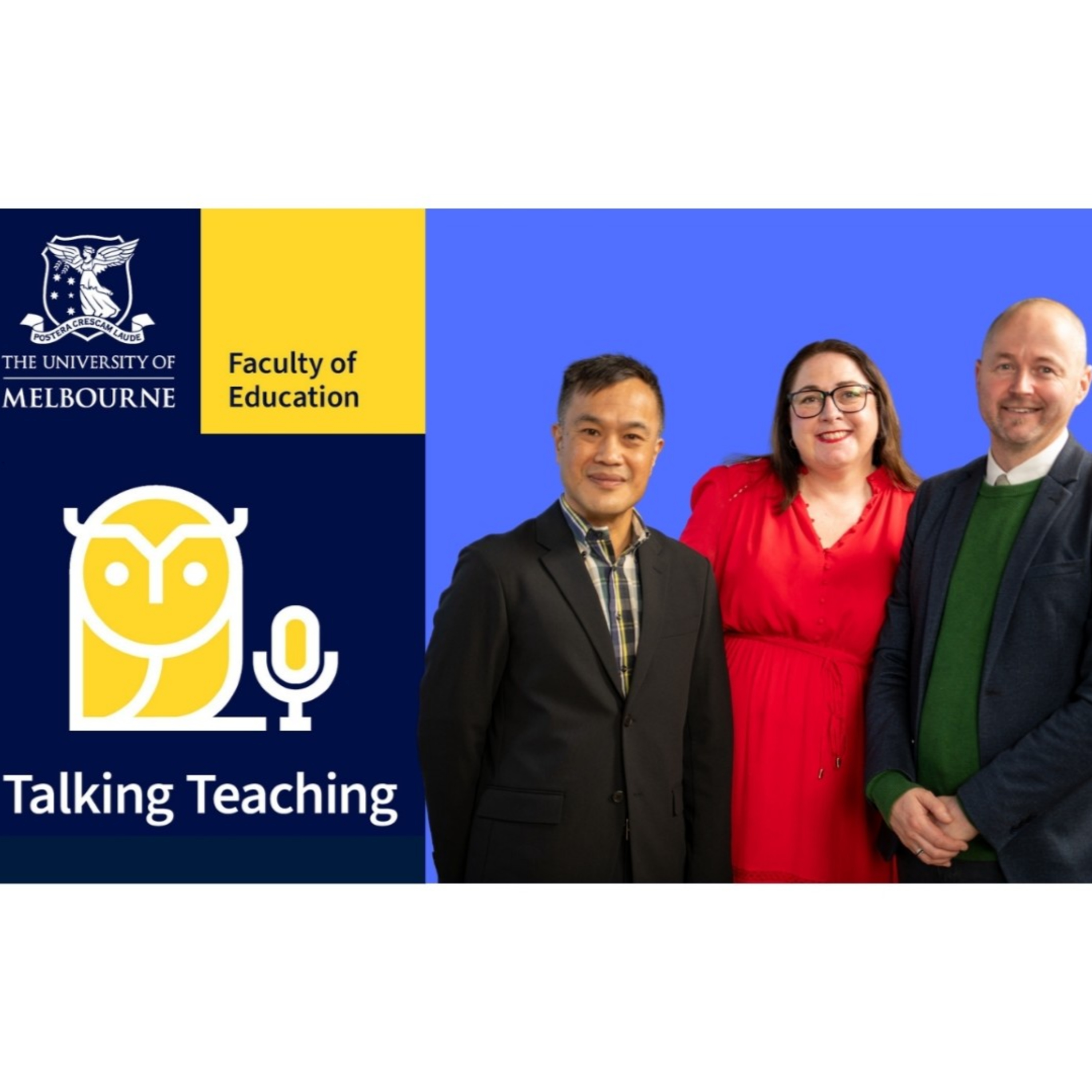 Transforming School Engagement through Trauma-Informed Strengths-Based Education | Episode 1, Season 10 of Talking Teaching begins with a powerful conversation about one of education's most important challenges: creating schools where every student feels safe, connected, valued, and ready to learn. Host of Talking Teaching, Sophie Specjal PhD is joined by Tom Brunzell, PhD (University of Melbourne) and Bryan Field (Principal, Monterey Secondary College) to explore how schools can move beyond reactive approaches to behaviour and towards relationship-centred practices that strengthen belonging, engagement, wellbeing, and achievement through Trauma-Informed Strengths-Based Education.Drawing on decades of research, leadership experience, and whole-school transformation, Tom and Bryan unpack what trauma-informed education really means, why belonging matters so deeply for learning, and how educators can create environments where both students and staff flourish.This episode highlights how schools can create the conditions for students to feel seen, supported, challenged, and capable, while building cultures that can transform school engagement.Whether you're a teacher, school leader, system leader, researcher, parent, or policymaker, this conversation offers practical insights and hopeful possibilities for the future of education. Access more resources and show notes and show notes on the Faculty Wepage: https://education.unimelb.edu.au/talking-teachingOur Guests: Associate Professor Tom Brunzell, PhDAssociate Professor Tom Brunzell is an educator, researcher, and educational leader in the Faculty of Education at the University of Melbourne. His work focuses on trauma-informed education, wellbeing sciences, educational leadership, equity, belonging, engagement, and strengths-based approaches to teaching and learning.Tom has worked extensively with schools, education systems, and community organisations across Australia and internationally to support evidence-informed approaches that improve student wellbeing, engagement, belonging, and learning outcomes. He created the Berry Street Education Model and has contributed significantly to the development of trauma-informed educational practices in schools across Australia and internationally.His current research explores trauma-informed educational leadership, culturally responsive education, inclusion and disability-informed practice, educational equity, teacher wellbeing, and school transformation.Bryan FieldBryan Field is the Principal of Monterey Secondary College and a recognised educational leader in trauma-informed school improvement, educational equity, and school culture transformation and a Faculty of Education Alumni. With more than fifteen years of experience across youth work, social care, intervention services, and education, Bryan has led significant whole-school improvement initiatives focused on belonging, relational safety, engagement, attendance, wellbeing, and achievement.Through the Frankston North Education Plan and the implementation of trauma-informed educational practices, Monterey Secondary College and its feeder primary schools have become recognised as a leading example of how research-informed approaches can be translated into sustainable school improvement and positive outcomes for students, staff, and communities.ADDITIONAL RESOURCESUniversity of Melbourne Faculty of Educationhttps://education.unimelb.edu.auBerry Street Education Modelhttps://www.berrystreet.org.au/learning-and-resources/berry-street-education-modelFrankston North Education Planhttps://www.vic.gov.au/frankston-north-education-planMaster of Instructional Leadershiphttps://study.unimelb.edu.au/find/courses/graduate/master-of-instructional-leadership/Special thanks to the Faculty of Education and Professor Marek Tesar for their support of thought leadership and for shaping these essential discussions and leadership of impactful work at University of Melbourne . Thank you to the UoM Law Faculty for our new studio & Greta Robenstone & John McCarthy. | — | ||||||
| 12/28/25 | 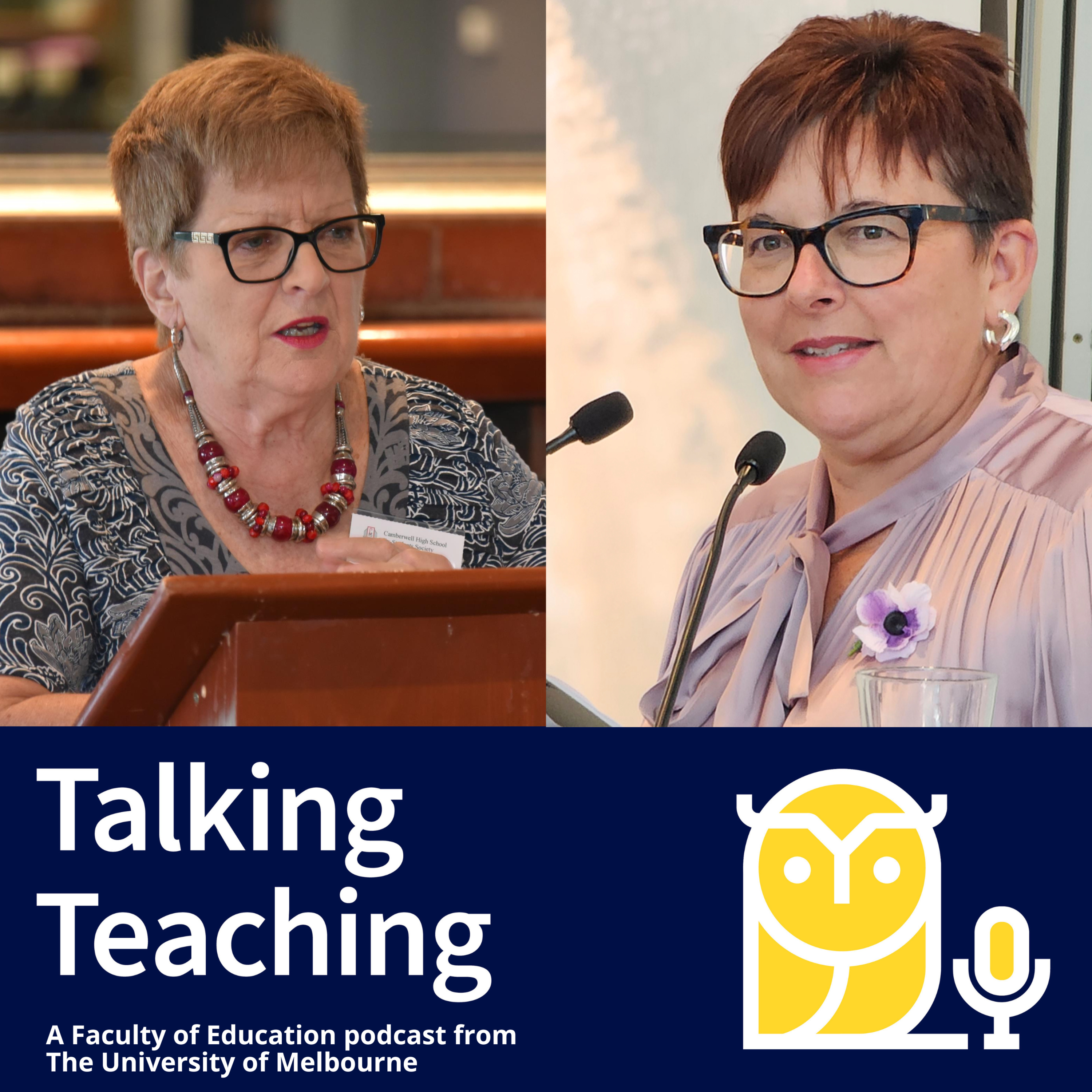 Disrupting Disadvantage: Inside Hester Hornbrook (Special Assistance School) | In this episode of Talking Teaching, host Dr Sophie Specjal explores the story of Hester Hornbrook Academy, a fee-free, Independent Special Assistance School (SAS School) in Victoria supporting young people aged 15–25 who have experienced significant barriers to education, including trauma, mental health challenges, family violence, housing instability, or prolonged disengagement from schooling. The episode examines how learning and wellbeing are intentionally designed together to re-engage students and achieve successful outcomes and a sense of belonging. Joining host Sophie Specjal are Sally Lasslett, Executive Principal, and Elida Brereton, board member and long-serving former principal.Together, they unpack what makes SAS schools like Hester Hornbrook distinctive: a healing-oriented approach to education, flexible learning environments shaped by student voice, and a multidisciplinary model that brings wellbeing and learning together without lowering expectations.The conversation explores the realities of re-engaging students who may not yet feel safe in “traditional” schooling, the importance of staff support and supervision in high-complexity settings, and why personalised learning plans and applied learning projects can provide a powerful bridge back to achievement.They also reflect on the sustained national growth of Special Assistance Schools in the diverse Independent School sector over the past decade, discussing why these models have expanded rapidly in response to increasing student complexity and disengagement, and what this means for the future of schooling in Australia. More information and useful links are available via this link. Talking Teaching is available on Apple Podcasts, Spotify, or wherever you get your podcasts. We’d love to hear your feedback on the series, send your questions, comments or suggestions for future episodes to foe-news@unimelb.edu.au or contact host Dr Sophie Specjal sspecjal@unimelb.edu.au. Sophie would love to hear from you. This podcast is produced by the Faculty of Education, University of Melbourne. | — | ||||||
| 12/16/25 | 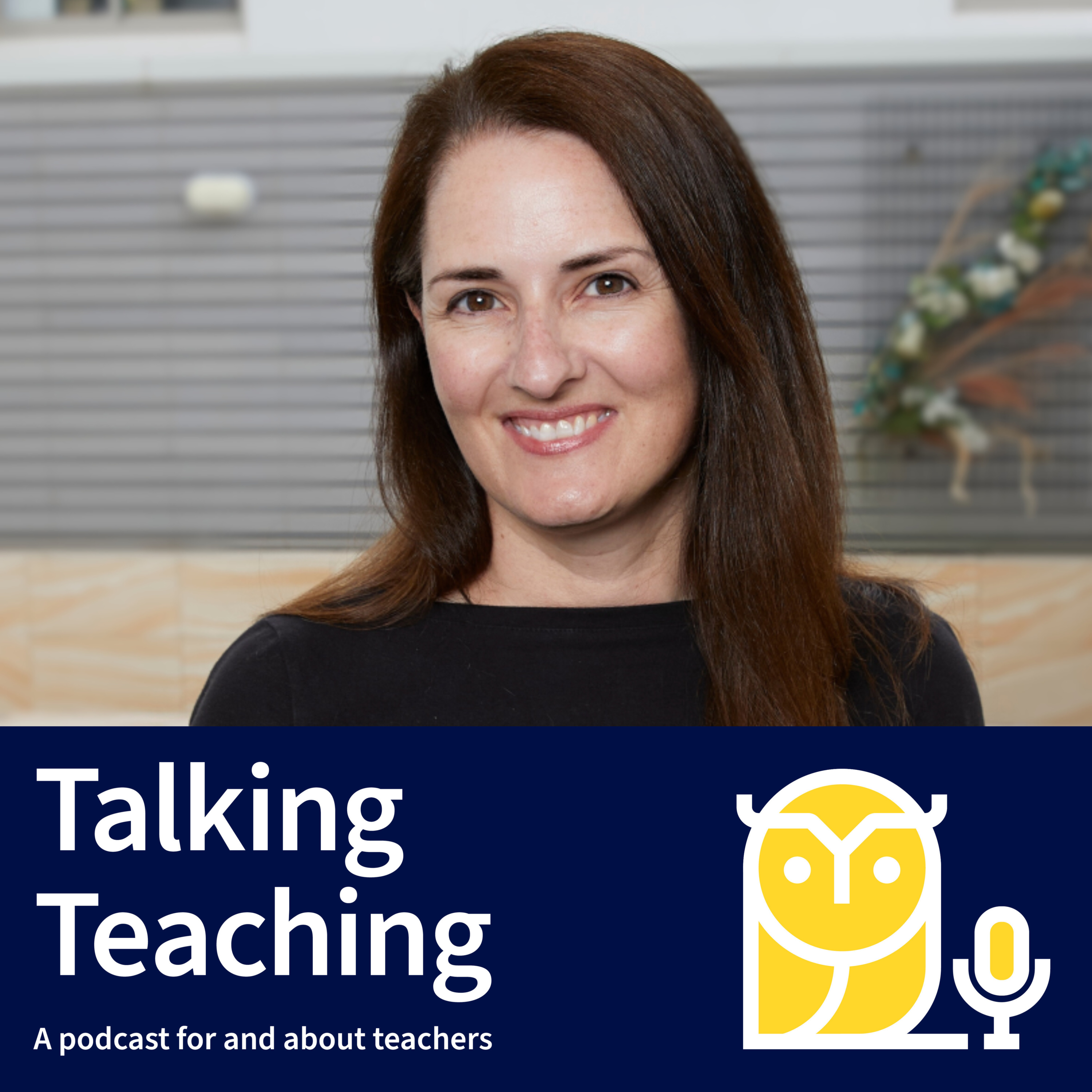 Reading, Reasoning, and AI: A New Era in Education | In this episode of Talking Teaching, our host Sophie Specjal sits down with Dr Jennifer Buckingham Dr Jennifer Buckingham to explore the critical intersection of reading, reasoning, and artificial intelligence in contemporary education.Drawing on decades of research and policy experience, Dr Buckingham explains why reading is far more than decoding words; it is foundational to comprehension, critical thinking, and lifelong learning. The discussion traces the evolution of reading instruction in Australia, highlighting the importance of systematic phonics and evidence-based practice in improving literacy outcomes.The conversation also turns to the challenges faced in secondary schooling when reading difficulties persist, the impact of screen-based reading on comprehension, and what the rise of AI means for literacy, learning, and thinking. Throughout, Sophie and Jennifer discuss the enduring importance of fostering a love of reading, building strong teacher knowledge, and ensuring all students have the opportunity to become confident, capable readers, now and into the future. More information and useful links are available via this link. Talking Teaching is available on Apple Podcasts, Spotify, or wherever you get your podcasts. We’d love to hear your feedback on the series, send your questions, comments or suggestions for future episodes to foe-news@unimelb.edu.au or contact host Dr Sophie Specjal sspecjal@unimelb.edu.au. Sophie would love to hear from you. This podcast is produced by the Faculty of Education, University of Melbourne | — | ||||||
| 11/21/25 | “Indigenous Wisdom: Story, Land and Ceremony in Early Childhood Education” | What can Indigenous knowledge teach us about raising and educating children? Anishinaabe visiting scholar Professor Jan Hare, from the M’Chigeeng First Nation and Dean of the Faculty of Education at the University of British Columbia, joins host Dr Sophie Specjal to explore how Indigenous principles can guide the way we care for and teach children. Professor Hare shares stories such as The Three Sisters, highlights the role of ceremony and learning with the land, and invites educators to see young children as ‘gifts.’ She also reflects on how these perspectives could help shape policy reforms in Australia.https://education.unimelb.edu.au/talking-teaching | — | ||||||
| 8/31/25 | John Hattie on 50 Years of Evidence, Impact and Belonging | How do we measure what truly matters in education? Laureate Professor Emeritus John Hattie joins host Dr Sophie Specjal to reflect on five decades of research, leadership and global influence. From his pioneering work on Visible Learning to mentoring over 200 PhD students, Hattie explores the mentors, milestones and moments that defined his career, celebrates teacher expertise, and considers how schools can nurture curiosity and belonging. He also looks ahead to how AI may transform classrooms and learning. More information and useful links are available via this link. Talking Teaching is available on Apple Podcasts, Spotify, or wherever you get your podcasts. We’d love to hear your feedback on the series, send your questions, comments or suggestions for future episodes to foe-news@unimelb.edu.au or contact host Dr Sophie Specjal sspecjal@unimelb.edu.au. Sophie would love to hear from you. This podcast is produced by the Faculty of Education, University of Melbourne. | — | ||||||
| 7/6/25 | 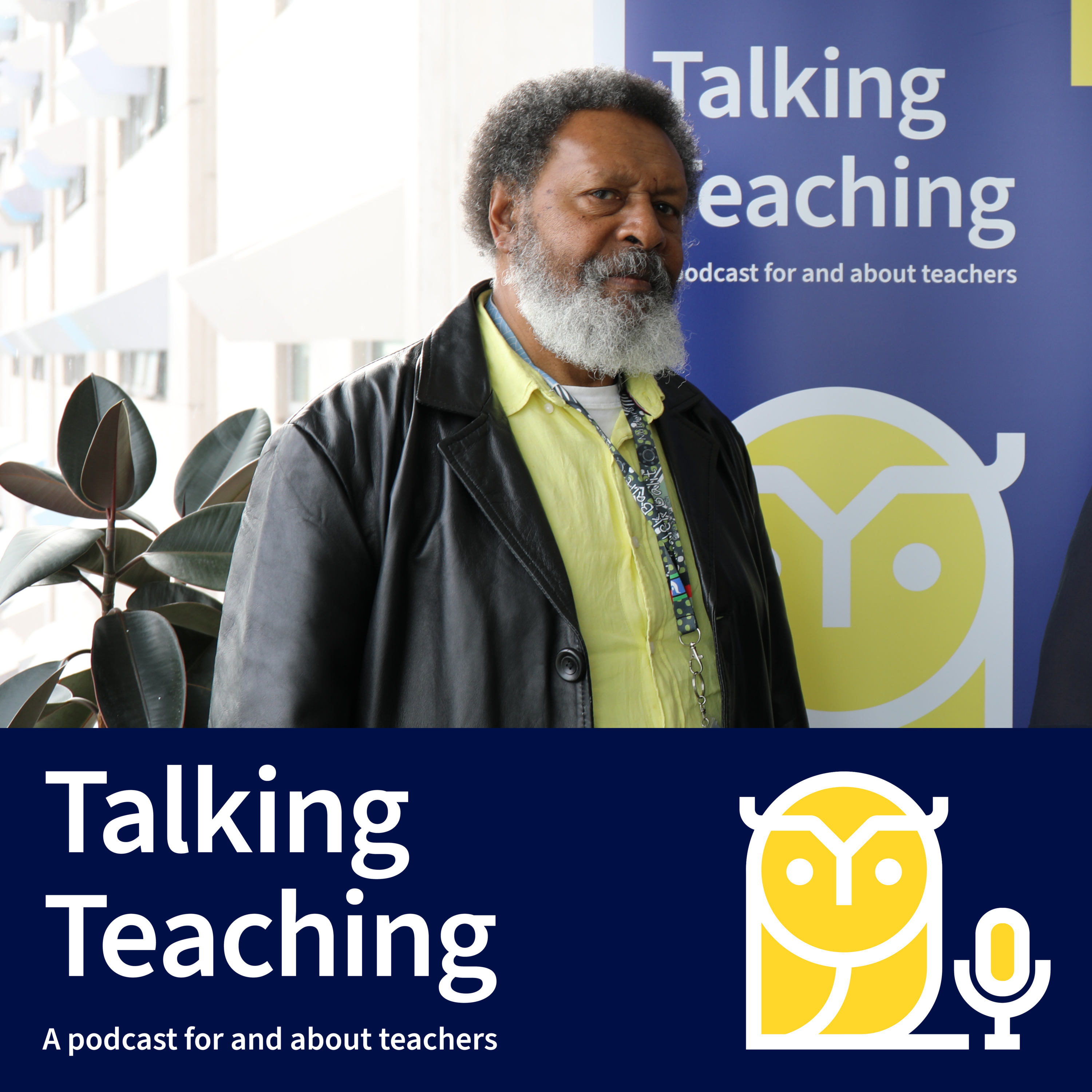 Teaching with Torres Strait Island Knowledge—A Conversation with Dr John Doolah | To mark 50 years of NAIDOC Week, Talking Teaching celebrates this year’s theme, The Next Generation: Strength, Vision & Legacy, by spotlighting the work of Dr John Doolah, a proud Torres Strait Islander and Indigenous education lecturer at the University of Melbourne. In conversation with host Dr Sophie Specjal, John reflects on his heritage, his research, and the enduring strength of Indigenous knowledge systems. He shares how Torres Strait Islander ways of knowing can be meaningfully embedded in classrooms through respectful collaboration and cultural understanding, not as an add-on, but as central to learning. This episode invites educators to reflect, learn, and take part in shaping a future that honours both the legacy of Elders and the vision of emerging Indigenous leaders. Dr John Doolah is a proud Torres Strait Islander of Erubam le (Erub person) and Meriam le (Mer person) heritage. John belongs to the sager people of Mer and his Mer nosik (clan) division, is Samsep-Meriam. He is a lecturer in Indigenous Education at the University of Melbourne and a Ngarrngga post-doctoral fellow. Click the episode link for more information and key resources. Talking Teaching is available on Apple Podcasts, Spotify, or wherever you get your podcasts. We’d love to hear your feedback on the series, send your questions, comments or suggestions for future episodes to foe-news@unimelb.edu.au. This podcast is produced by the Faculty of Education, University of Melbourne. | — | ||||||
| 6/25/25 | 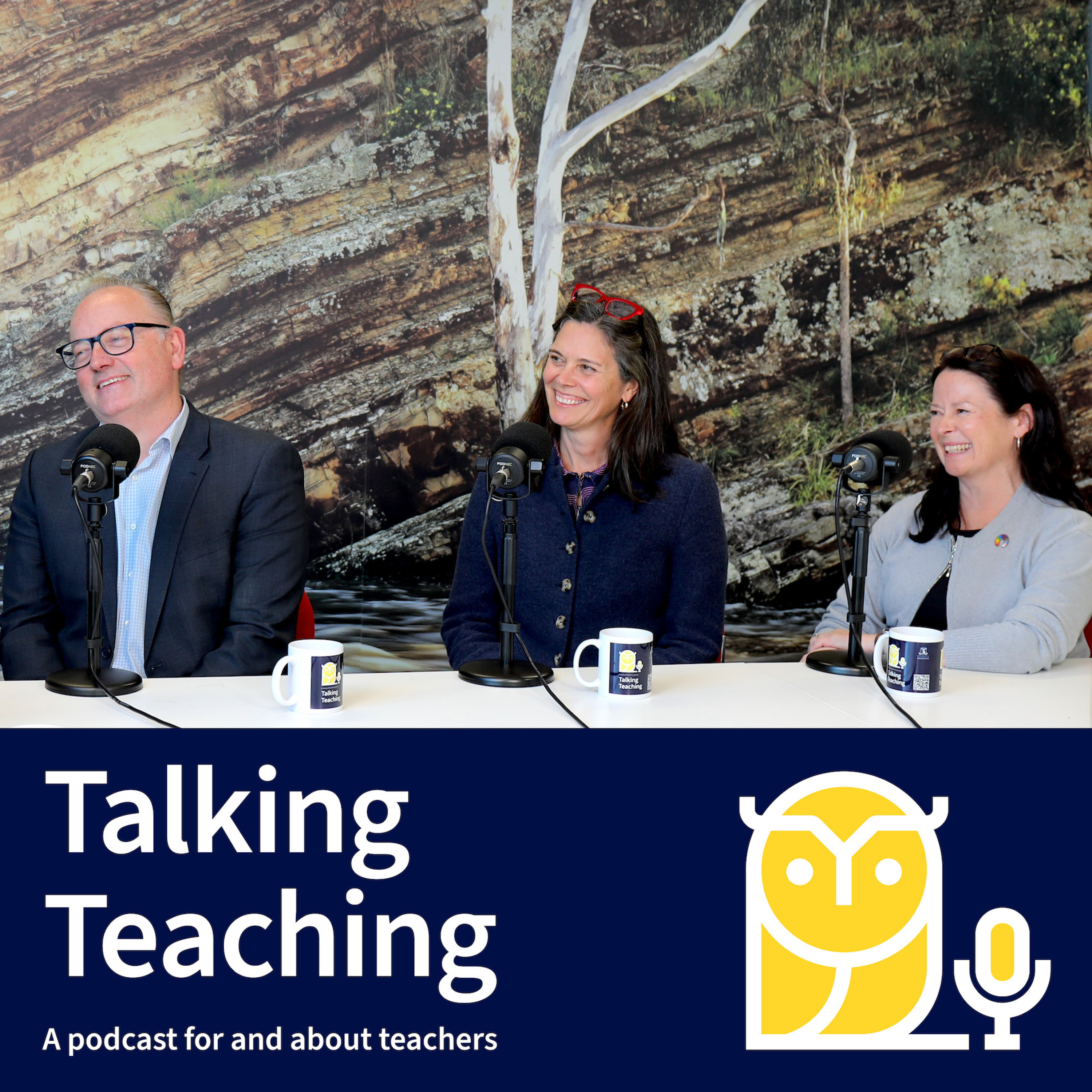 Wellbeing Literacy: Teachers and students using language to enhance wellbeing | How does language shape how we feel, relate, and learn? In this episode, host Dr. Sophie Specjal is joined by Professor Lindsay Oades, Dr Jacqui Francis and Lisa Baker to explore the emerging concept of Wellbeing Literacy; the capability to intentionally use language to foster wellbeing, including educational settings.Together, they unpack how language can be used not just to communicate, but to regulate emotions, build community, and support learning across all stages. From arts-based programs in the Goulburn Valley to play-based learning in early years, this conversation highlights the real-world potential of integrating Wellbeing Literacy into everyday educational practice. Professor Lindsay Oades is the Deputy Dean of the Faculty of Education, Dr Jacqui Francis is a Lecturer at the Centre for Wellbeing Science and Lisa Baker is a Project Officer at the REEaCh Centre. Click the episode link for more information and key resources. Talking Teaching is available on Apple Podcasts, Spotify, or wherever you get your podcasts. We’d love to hear your feedback on the series, send your questions, comments or suggestions for future episodes to foe-news@unimelb.edu.au. This podcast is produced by the Faculty of Education, University of Melbourne. | — | ||||||
| 6/11/25 | 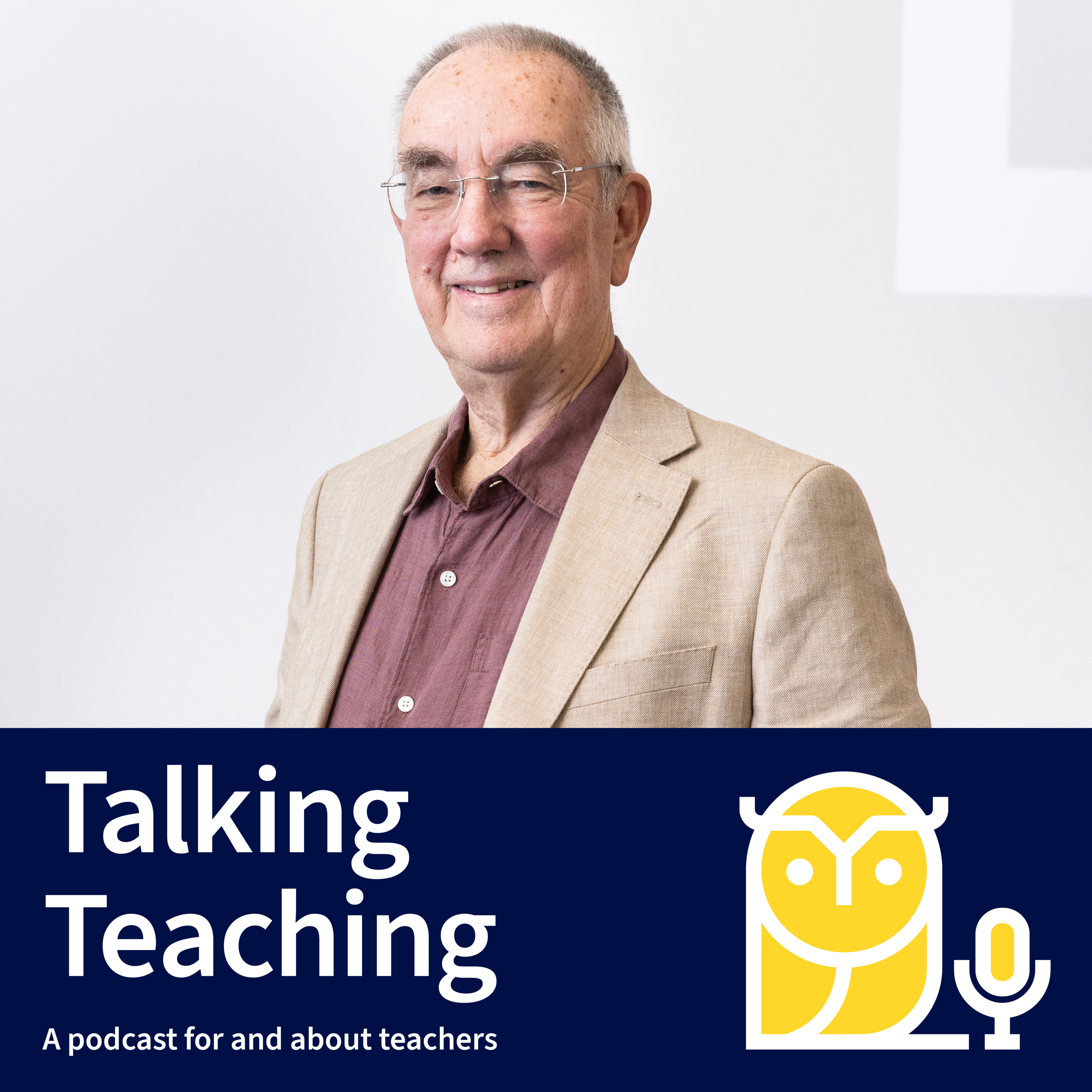 Expanding How We Learn with Professor Guy Claxton | What if learning isn’t just about what we know, but about who we become? Professor Guy Claxton joins Talking Teaching to unpack his fascinating journey through psychology and education, and discusses learning as a capacity, calling for a balance between explanation and exploration in teaching. In this episode, Professor Claxton together with our host, Dr Sophie Specjal, unpacks his critique of oversimplified teaching models and the central ideas behind his new book, Bodies of Learning. Professor Claxton reflects on the importance of integrating explicit instruction with inquiry, and highlights the role of embodiment, including movement and gesture, in deepening student understanding. Guy Claxton is an Emeritus Professor of the Learning Sciences at Winchester’s Centre for Real-World Learning and an Honorary Senior Research Fellow at the University of Bristol. Click the episode link for more information and key resources. Talking Teaching is available on Apple Podcasts, Spotify, or wherever you get your podcasts. We’d love to hear your feedback on the series, send your questions, comments or suggestions for future episodes to foe-news@unimelb.edu.au. This podcast is produced by the Faculty of Education, University of Melbourne. | — | ||||||
| 5/19/25 | 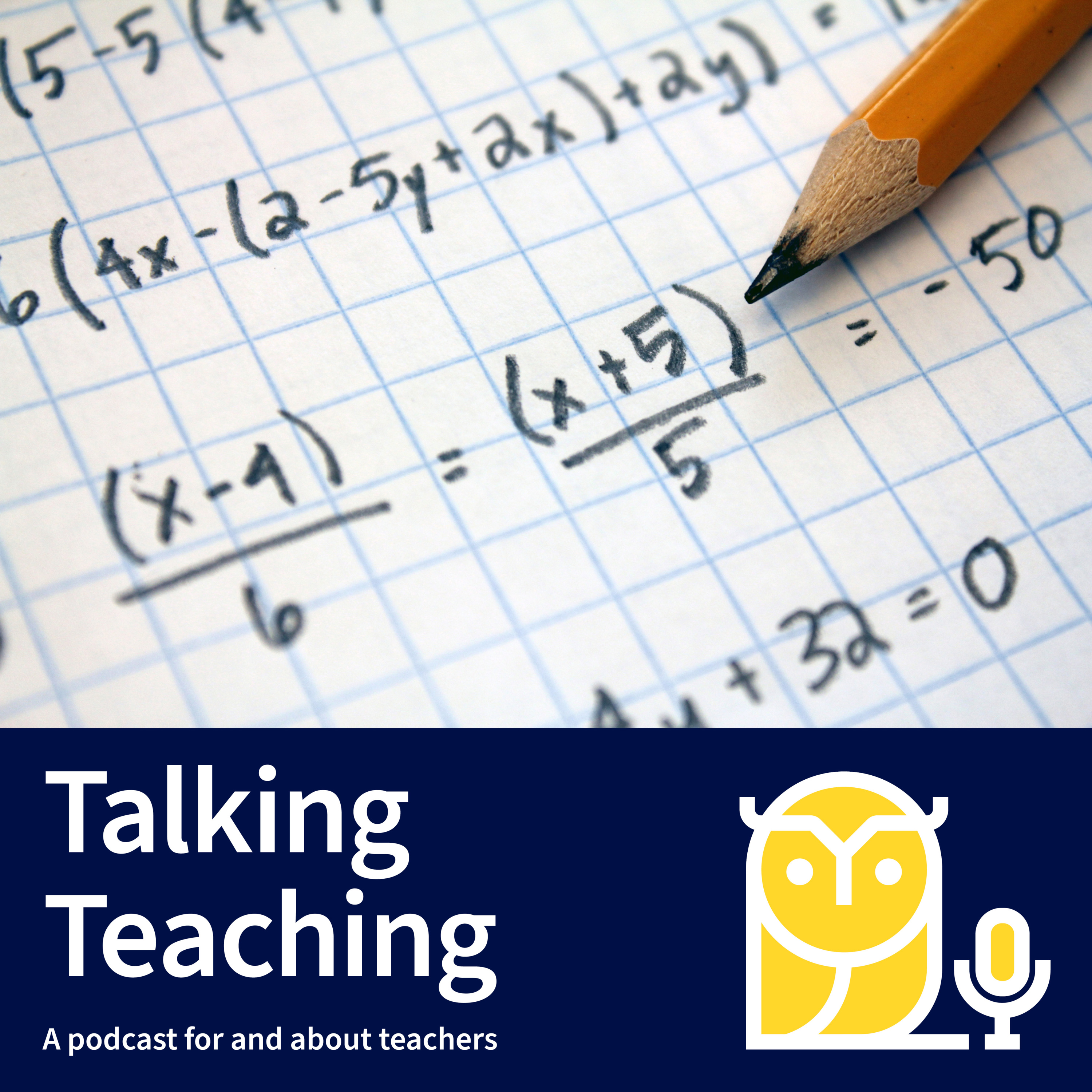 Navigating AI in Mathematics Education: Insights for all educators | As artificial intelligence becomes more integrated into schools, what does it mean for the way we plan lessons, support students, and teach mathematics? Dr Sophie Specjal explores the evolving role of AI in education with Dr Scott Cameron, Dr Carmel Mesiti, and Mr Luke Clift. They discuss the use of tools like ChatGPT in lesson planning, the impact on teacher workload, and how AI might support, or hinder, student engagement. Drawing on research and classroom practice, the guests unpack the variability of AI-generated content, the need for critical reflection, and the ethical considerations of AI in schools.Dr Scott Cameron is a Lecturer in Mathematics Education at the Faculty of Education with an interest in using technology and AI to support teaching and learning.Dr Carmel Mesiti is a Senior Lecturer at the Faculty of Education and expert in mathematics pedagogies for both primary and secondary education.Mr Luke Clift is a practicing teacher at Kardinia International College, trialling AI in lesson planning and its use and impact in the classroom.More information and useful links are available via this link.Talking Teaching is available on Apple Podcasts, Spotify, or wherever you get your podcasts. We’d love to hear your feedback on the series, send your questions, comments or suggestions for future episodes to foe-news@unimelb.edu.au. This podcast is produced by the Faculty of Education, University of Melbourne. | — | ||||||
| 3/26/25 | 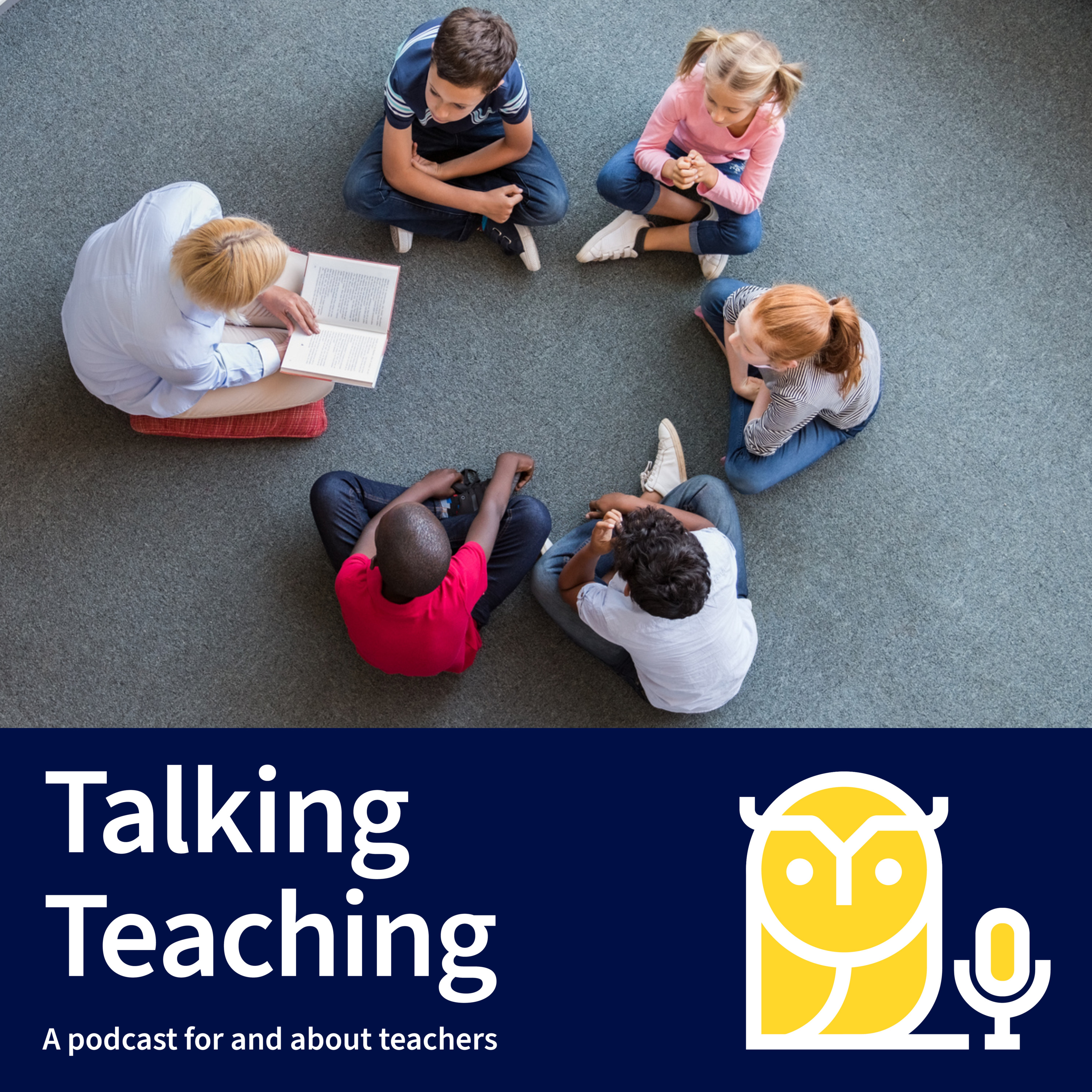 The Purpose of Education: In Conversation with Professor Gert Biesta | Renowned educator Professor Gert Biesta joins Talking Teaching to explore the deeper purpose of education beyond knowledge transfer. In this episode, Professor Biesta reflects on his journey from post-war Rotterdam to his influential academic career and introduces his three key dimensions of learning: qualification, socialisation, and subjectification. Together, they discuss the role of teachers in fostering student agency, the importance of high expectations, and the idea of world-centred education in an age of complexity. Gert Biesta is a Professor of Public Education in the Centre for Public Education and Pedagogy, Maynooth University, and Professor of Educational Theory and Pedagogy at the Moray House School of Education and Sport, University of Edinburgh.More information and useful links are available via this link. Talking Teaching is available on Apple Podcasts, Spotify, or wherever you get your podcasts. We’d love to hear your feedback on the series, send your questions, comments or suggestions for future episodes to foe-news@unimelb.edu.au. This podcast is produced by the Faculty of Education, University of Melbourne. | — | ||||||
Want analysis for the episodes below?Free for Pro Submit a request, we'll have your selected episodes analyzed within an hour. Free, at no cost to you, for Pro users. | |||||||||
| 2/4/25 |  Creative Lesson Planning: practical strategies to enhance learning and empower teachers | What does effective curriculum design look like in today’s classrooms? And how can planning approaches support both student engagement and teacher agency? Dr Sophie Specjal speaks with Auburn South Primary School’s Rhian ap Rees and Darien Hunte, along with Professor John Quay from the University of Melbourne’s Faculty of Education. They explore a framework developed by Professor Quay that combines backward design with inquiry-based learning, and share practical examples of how creative, collaborative planning is making a difference in the classroom. John Quay is a Professor at the University of Melbourne’s Faculty of Education.Rhian ap Rees is Assistant Principal at Auburn South Primary School.Darien Hunte teaches Year 4 at Auburn South Primary School. More information and useful links are available via this link.Talking Teaching is available on Apple Podcasts, Spotify, or wherever you get your podcasts. We’d love to hear your feedback on the series, send your questions, comments or suggestions for future episodes to foe-news@unimelb.edu.au. This podcast is produced by the Faculty of Education, University of Melbourne. | — | ||||||
| 12/15/24 |  A New Approach to Measuring Student Success with Melbourne Metrics | Talking Teaching explores how Melbourne Metrics is transforming student assessment by going beyond academics. We speak with Professor Sandra Milligan from the University of Melbourne, leading Melbourne Metrics, and Principal Jonathan Walter of Carey Baptist Grammar School, an early adopter. They discuss the limitations of traditional metrics like ATAR and the development of alternative tools like the 'ATAR Plus' model. This approach balances academic rigor with personal growth, offering a more holistic view of student achievement. Hear how this new model is positively impacting students, parents, and schools, shaping the future of assessment.Professor Sandra Milligan is the Executive Director of Melbourne Metrics and expert in Assessment ResearchJonathan Walter is the Principal of Carey Baptist Grammar SchoolMore information and useful links are available via this link.Talking Teaching is available on Apple Podcasts, Spotify, or wherever you get your podcasts. We’d love to hear your feedback on the series, send your questions, comments or suggestions for future episodes to foe-news@unimelb.edu.au. This podcast is produced by the Faculty of Education, University of Melbourne. | — | ||||||
| 10/28/24 |  Fostering Motivation and Wellbeing in Education | In this episode, we speak with Dr. Rachel Colla and Dr. Lara Mossman from the University of Melbourne’s Faculty of Education about teaching for wellbeing. They discuss the difference between teaching wellbeing skills and creating a classroom environment that fosters motivation and wellbeing. They share their "Wellbeing Integrated Learning Design" framework, offering practical tips on incorporating choice, fostering connection, and using theories like flow and achievement goals.Dr Lara Mossman is a Wellbeing science expert and Senior Lecturer at the Centre for Wellbeing ScienceDr Rachel Colla is a Teaching and Learning Innovation Lead and Senior Lecturer at the Centre for Wellbeing ScienceMore information and useful links are available via this link. Talking Teaching is available on Apple Podcasts, Spotify, or wherever you get your podcasts. We’d love to hear your feedback on the series, send your questions, comments or suggestions for future episodes to foe-news@unimelb.edu.au. This podcast is produced by the Faculty of Education, University of Melbourne. | — | ||||||
| 9/22/24 |  Rethinking Technology’s Role in Students’ Mental Health | Professor Nikki Rickard and Dr David Bakker explore the effects of digital technologies on student mental health. They discuss the risks and benefits of apps, gaming, and social media, emphasising the need for balance. With a focus on digital hygiene education and teacher training, they call for a collaborative approach, including young people, in shaping healthier digital environments for students.Professor Nikki Rickard is a professor of Wellbeing Science in the Faculty of Education, University of Melbourne, with a focus on digital mental health and emotional regulation.Dr David Bakker is a clinical psychologist, researcher and the Founding Director of MoodMission.More information and useful links are available via this link. Talking Teaching is available on Apple Podcasts, Spotify, or wherever you get your podcasts. We’d love to hear your feedback on the series, send your questions, comments or suggestions for future episodes to foe-news@unimelb.edu.au. This podcast is produced by the Faculty of Education, University of Melbourne. | — | ||||||
| 9/1/24 |  The Importance of Play in Early Childhood Learning | This episode explores the power of play in early childhood education. Learn how play supports brain development, enriches learning, and connects generations through new innovative projects. Learn practical strategies to enhance play in the educational setting without disrupting children's motivation, as well as how to navigate the challenges of new policy reforms and the rollout of universal funded three and four-year-old kindergarten in Victoria.Dr Sarah Young is a Senior Lecturer and Research Fellow at the Research in Effective Education in Early Childhood (REEaCh) Centre in the Faculty of Education, University of Melbourne.Nicole Pilsworth is the Executive Manager, Early Learning at Gowrie Victoria and the Chair of the Victorian committee of Early Childhood Australia.More information and useful links are available via this link.Talking Teaching is available on Apple Podcasts, Spotify, or wherever you get your podcasts. We’d love to hear your feedback on the series, send your questions, comments or suggestions for future episodes to foe-news@unimelb.edu.au. This podcast is produced by the Faculty of Education, University of Melbourne. | — | ||||||
| 7/15/24 |  Educating in the Digital Age: From theory to classroom | The use of digital education and artificial intelligence is rapidly becoming the new norm. In this episode, we are joined by Carlo Perrotta, an Associate Professor of Digital Education, and Dr. Matthew Fyfield, Deputy Principal of Mazenod College, who explore the intricate world of educational technology and its impact on teaching and learning. Together, they tackle ethical concerns, pedagogical responsibility, and the need for clarity in understanding digital tools, while envisioning what this all means for teachers.Talking Teaching is available on Apple Podcasts, Spotify, or wherever you get your podcasts. We’d love to hear your feedback on the series, send your questions, comments or suggestions for future episodes to foe-news@unimelb.edu.au. This podcast is produced by the Faculty of Education, University of Melbourne. | — | ||||||
| 6/3/24 |  Strategies for Impactful Educational Leadership: A Conversation with Jim Watterston and Yong Zhao | Talking Teaching is joined by distinguished guests Professor Jim Watterston, Dean of the Faculty of Education, and Professor Yong Zhao, Foundation Distinguished Professor at the University of Kansas. Together, they discuss their recent co-authored book, 'Focused: Understanding, Negotiating, and Maximizing Your Influence as a School Leader,' offering a practical guide to educational leadership. From navigating challenges to enhancing student engagement, Watterston and Zhao provide strategic advice grounded in research and experience.Talking Teaching is available on Apple Podcasts, Spotify, or wherever you get your podcasts. We’d love to hear your feedback on the series, send your questions, comments or suggestions for future episodes to foe-news@unimelb.edu.au. This podcast is produced by the Faculty of Education, University of Melbourne. | — | ||||||
| 5/7/24 |  The Universities Accord and strengthening the link between schools and higher education | The release of the Universities Accord earlier this year marks a pivotal moment in higher education policy. Its recommendations address crucial aspects of the evolving higher ed landscape, including equity, funding, HECS/HELP, and living costs. These changes could profoundly influence the decisions of first-year students transitioning from school to higher ed, emphasising the pivotal role schools play in shaping their future trajectories.In this episode, Associate Professor Gwilym Croucher, an expert in Higher Education Policy, joins Principal Annette Rome of St. Margaret's Berwick in a dynamic dialogue. Together, they explore the potential impacts of the Accord, strategies for preparing school students for making decisions around their future, and how we ensure good outcomes for everyone.Talking Teaching is available on Apple Podcasts, Spotify, or wherever you get your podcasts. We’d love to hear your feedback on the series, send your questions, comments or suggestions for future episodes to foe-news@unimelb.edu.au. This podcast is produced by the Faculty of Education, University of Melbourne. | — | ||||||
| 4/8/24 |  Supporting Neurodiversity in Our Schools: A Teacher's Guide | Australian schools are recognising the growing importance of fostering inclusive spaces for neurodiverse students. Teachers play a vital role in creating belonging for these students. But how can we support teachers, to support neurodivergent students in the classroom?We speak to experts Jess Rowlings and Dr Matt Harrison, co-directors of Next Level Collaboration and passionate researchers in neurodiversity, about how teachers can support the learning of their neurodivergent students. We explore what neurodiversity is, how it presents in young people and practical strategies teachers can use in their classrooms.Talking Teaching is available on Apple Podcasts, Spotify, or wherever you get your podcasts. We’d love to hear your feedback on the series, send your questions, comments or suggestions for future episodes to foe-news@unimelb.edu.au. This podcast is produced by the Faculty of Education, University of Melbourne. | — | ||||||
| 2/13/24 |  Literary Education and the role of reading for social change | In a world abundant with content, how can we harness literary education as a form of social change? How can we re-invigorate schools to be spaces to engage with uncomfortable truths and delicate subject matter in a respectful way?In this episode, Faculty of Education Deputy Dean and co-founder of the Literary Education Lab, Professor Larissa Mclean Davies, and English teacher and PhD candidate, Allayne Horton, help us uncover the vibrant world of literary education and explore how schools and teachers can effectively engage with texts to mould future perspectives.Talking Teaching is available on Apple Podcasts, Spotify, or wherever you get your podcasts. We’d love to hear your feedback on the series, send your questions, comments or suggestions for future episodes to foe-news@unimelb.edu.au. This podcast is produced by the Faculty of Education, University of Melbourne. | — | ||||||
| 12/12/23 |  Building Hope: Equity, Funding and the National School Reform Agreement | In this episode, we are joined by two experts, to discuss the Nation School Reform Agreement, currently up for renegotiation. This joint agreement between the Commonwealth, states and territories is designed to lift student outcomes in Australian schools and plays a pivotal role in school funding and addressing equity in education. Prof. Pasi Sahlberg and A/Prof. Glenn Savage, both influential in Australian educational policy, help us explore the future of the Agreement, its implications for teachers, and what we can hope for when deliberation concludes in December 2024. | — | ||||||
| 11/15/23 |  Empowering the Next Generation: Climate Education in Schools | In this episode, we learn how to bolster both climate and sustainability literacy, and support climate action in the classroom. Listeners will discover how we can empower students to not only understand the science but also engage in meaningful conversations about our changing planet. We explore how teachers can create safe spaces for students to process their feelings about climate change and how schools are implementing sustainable practices, fostering a sense of agency and hope. We speak with three academics from the Faculty of Education: Professor Marcia McKenzie, the Associate Dean (Sustainability) and Director of the MECCE Project, as well as Associate Professor Kate Coleman and Dr. Sarah Healy, the co-directors of the Speculative Wanderings in Space and Place (SWISP) Lab. Additionally, Jenny Williams, Principal of Firbank Grammar, shares insights from a school perspective. | — | ||||||
| 10/4/23 |  Reinventing Schools: Elevating student learning, wellbeing and health | In this episode, we delve into the future of education in Australia, exploring ideas to reimagine the purpose of schools by shifting the focus from academic achievement to whole-child development, paving the way for healthier, more equitable futures for all students. With insights from experts A/Prof, Jon Quach from the Faculty of Education at the University of Melbourne and Prof. Sharon Goldfeld from Centre for Community Child Health at the Royal Children’s Hospital, along with educators Erin Brass from St. Ambrose Parish School and Karlie Price from St. Peters Primary School, we'll discuss the importance of equally prioritising health and wellbeing with academic achievement within Australian schools. | — | ||||||
| 8/22/23 |  Learning from Her: Celebrating Indigenous Women in Education | In this episode, we delve into the stories of three remarkable Indigenous women significantly impacting the educational landscape across Australia. From overcoming challenges to integrating Aboriginal and Torres Strait Islander cultures and knowledges into curriculums, our guests share their wisdom and expertise, providing valuable lessons for anyone passionate about education. Listeners gain insights into their experiences, achievements, and the transformative work they are doing in their communities, highlighting the importance of Indigenous voices in shaping educational policies, practices, and outcomes. For more information visit https://go.unimelb.edu.au/p4ys | — | ||||||
| 7/11/23 |  AI in the classroom: friend or foe? | Artificial Intelligence or AI has well and truly arrived. As ChatGPT and DALL-E become mainstream, warnings in the media about this new technology are growing, including its impact on education and assessment. But AI also offers exciting opportunities to enhance learning, think creatively, alleviate workloads and embrace inclusivity. In this episode we de-mystify the question; is AI in the classroom a friend or a foe? Helping us explore this evolving conundrum and share the inspiring possibilities of new tech and tips on how teachers can start exploring AI in their classrooms is prolific educator and researcher and Foundation Distinguished Professor in the School of Education at the University of Kansas and a professor in Educational Leadership at the Melbourne Graduate School of Education , Professor Yong Zhao, as well as expert in self-regulation and classroom-based assessment and Director of the Assessment and Evaluation Research Centre, Professor Therese Hopfenbeck, and expert in technology in the classroom and Director of Curriculum at the Victorian Curriculum and Assessment Authority, Lauren Sayer. | — | ||||||
Showing 25 of 53
Sponsor Intelligence
Sign in to see which brands sponsor this podcast, their ad offers, and promo codes.
Chart Positions
1 placement across 1 market.
Chart Positions
1 placement across 1 market.