
Teach Different
This is a podcast for conversations - real conversations about ideas that matter. We use a powerful 3-Step Method to break down quotes from the world's greatest thinkers and we tackle themes like anger, civic responsibil...
Insights from recent episode analysis
On the show
- Jarvis2 eps
- Tr332 eps
- Bully2 eps
Also: Steve Fouts, Jesse Risley, Candace Fikis, Lisa Hofer
Audience Interest
Podcast Focus
Publishing Consistency
Insights are generated by CastFox AI using publicly available data, episode content, and proprietary models.
Most discussed topics
Brands & references
Total monthly reach
Based on the show's feed history.
Built from
- Per-Episode Audience
Est. listeners per new episode within ~30 days
630 to 5.7K🎙 Monthly cadence·217 episodes·Last published 2d ago - Monthly Reach
Unique listeners across all episodes (30 days)
700 to 6.3K🇺🇸100% - Active Followers
Loyal subscribers who consistently listen
280 to 2.5K
Market Insights
Platform Distribution
Reach across major podcast platforms, updated hourly
Total Followers
—
Total Plays
—
Total Reviews
—
* Data sourced directly from platform APIs and aggregated hourly across all major podcast directories.
| Date | Episode | Topics | Guests | Brands | Places | Keywords | Sponsor | Length | |
|---|---|---|---|---|---|---|---|---|---|
| 11/16/26 | 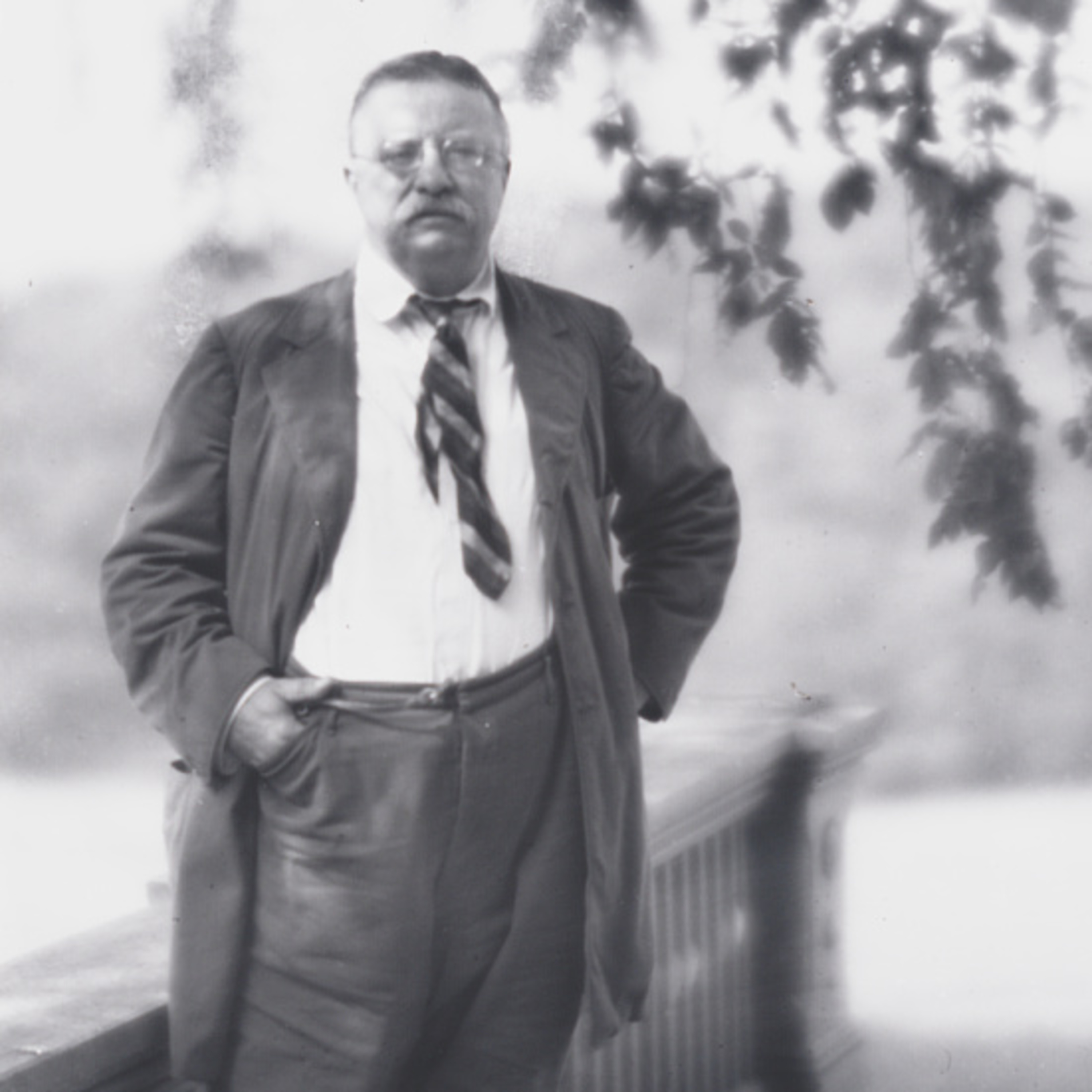 To educate a person in mind and not in morals is to educate a menace to society. Attributed to Theodore Roosevelt | Educator and Teach Different host Steve Fouts is joined by healthcare executive Jacob Plummer to unpack a quote attributed to Theodore Roosevelt. They examine the claim of the quote, exploring whether technical intelligence without ethical formation can endanger society. Their conversation tests the claim through Nazi-era scientists recruited for the U.S. rocket program, debates how societies teach morals, and shares stories about Roosevelt's leadership and conservation work. Using the Teach Different 4-Step Method, they get into the counterclaims and essential questions that come up in conversation.Chapters00:00 - Meet Jacob Plummer and learn the Teach Different method01:41 - The Roosevelt quote: intelligence without moral education02:28 - Can brilliant people support an unjust society?06:41 - Checking the quote’s attribution and Roosevelt’s speeches10:01 - Nazi rocket scientists and the U.S. space program15:27 - Does open-minded education also teach morality?19:27 - Could someone be useless to society rather than a menace?21:39 - How society and environment shape moral beliefs27:33 - The Great White Fleet and Roosevelt’s political gamble30:01 - Roosevelt’s conservation work and informed advocacyImage Source: Genthe, Arnold, 1869-1942, photographer, CC0, via Wikimedia Commons Music Attribution: Music licensed through Soundstripe.Code: QDJLHX3CTUOZAWUU | 33m 58s | ||||||
| 10/30/26 | 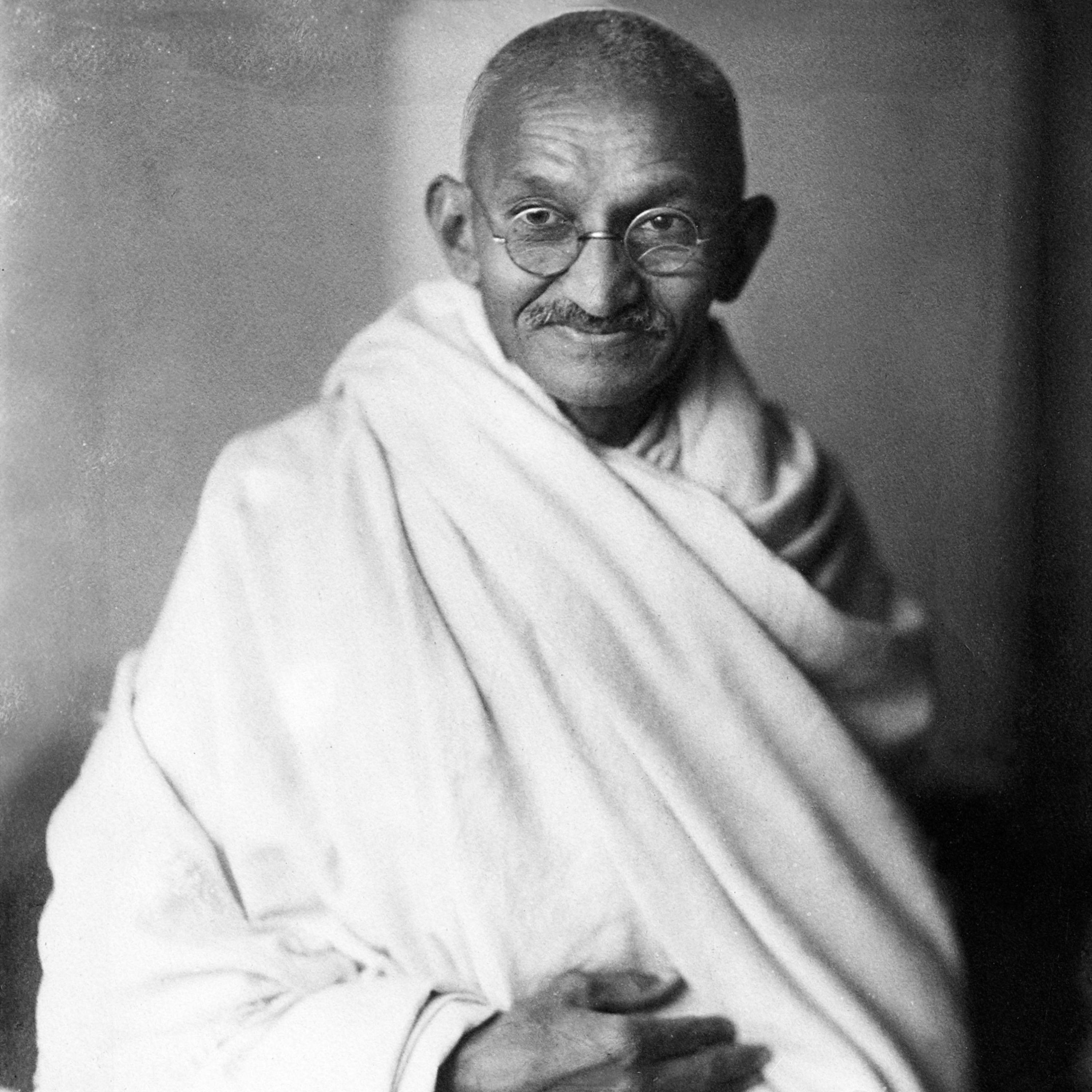 “Practice is the best speech and the best propaganda” - Teach Different with Ghandi | Teach Different hosts Steve and Dan Fouts unpack Gandhi’s quote, “Practice is the best speech and the best propaganda,” asking how actions persuade and inspire more powerfully than words. Using the 4-Step Teach Different Method, they explore the practice of fasting and voting to role modeling, coaching, and civil disobedience, testing the claims and counterclaims of the quote. They end with questions about what Gandhi meant by “practice,” why action is compelling, and how the quote connects to civil disobedience and social studies curriculum.Chapters: 00:00 - Introducing Gandhi’s claim about practice02:07 - Can practice function as propaganda?04:19 - Voting: advocate for action, then do it07:12 - What kind of practice did Gandhi mean?08:30 - Coaching, shared effort, and rehearsing success10:41 - Nonviolence as the practice behind the message11:00 - Counterclaim: when speech and reason matter15:19 - Does persuasion need to come before practice?17:07 - The essential questions: what makes practice powerful?18:33 - Connecting Gandhi’s quote to civil disobedience and teachingImage Source: Elliott & Fry, Public domain, via Wikimedia Commons | 19m 57s | ||||||
| 10/16/26 | 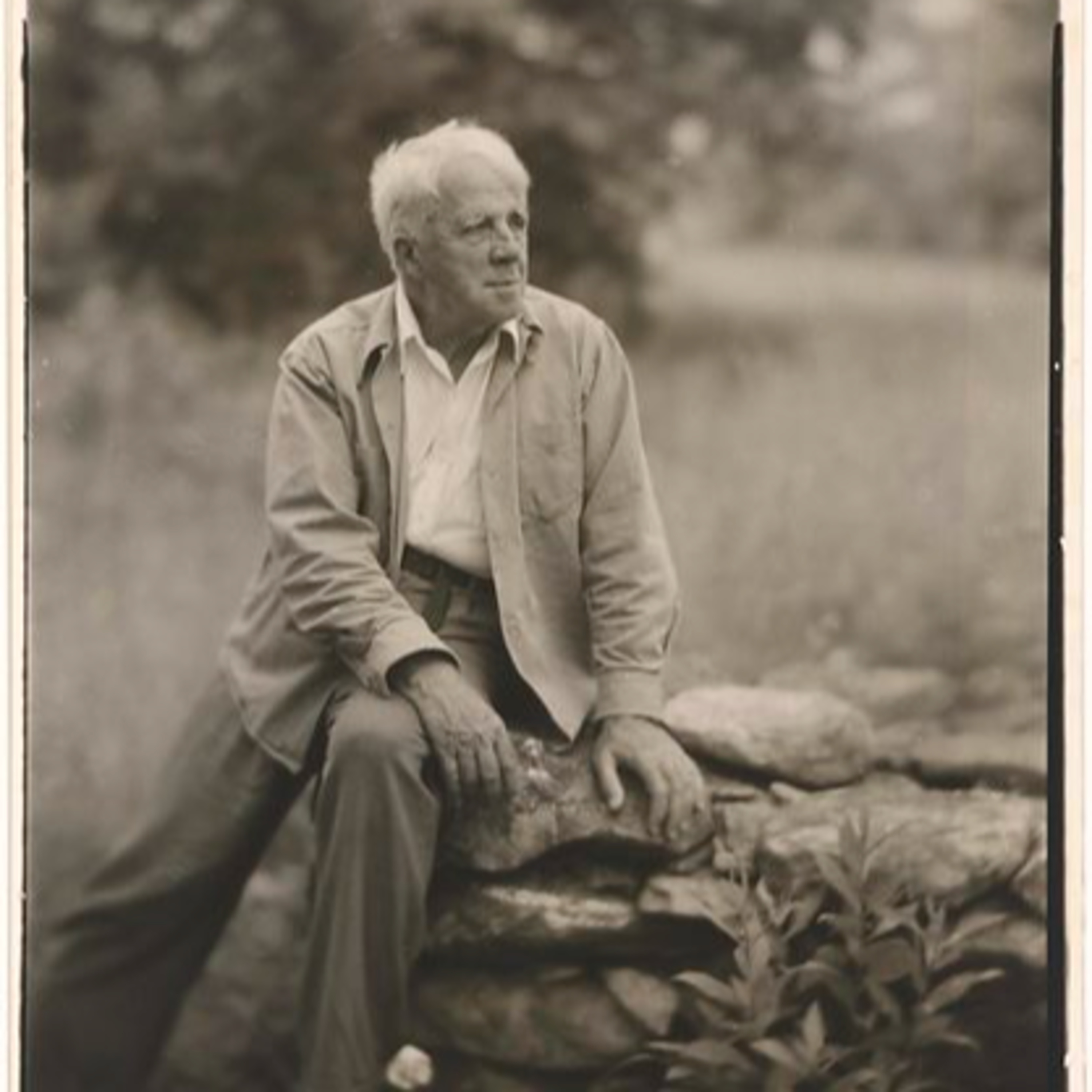 “The best way out is always through.” - Teach Different with Robert Frost | In this episode, Steve and Dan Fouts explore the profound meaning of Robert Frost's quote 'The best way out is always through,' discussing how confronting challenges head-on can lead to growth and resilience. By using the 4-Step Teach Different Method, they share personal stories, counterclaims, and practical insights on perseverance, reflection, and knowing when to push through or step back.Chapters: 00:00 - Introduction to Frost's Quote and Its Relevance02:01- Interpreting 'The Best Way Out Is Always Through'03:26 - Personal Stories of Facing Challenges06:55 - Overcoming Fear of Public Speaking08:57 - When to Avoid and When to Confront11:09 - The Role of Reflection and Learning13:28 - Knowing When to Push Through or Step Back16:15 - Dealing with Grief and Emotional Challenges18:41 - The Context of Frost's Poem and Its MessageImage Source: Robert Frost. Sitter: Robert Lee Frost, 26 Mar 1874 – 29 Jan 1963. Date: 1960s. Record ID: npg_NPG.82.155. https://www.lookandlearn.com/history-images/YSP002278/Robert-Frost | 20m 57s | ||||||
| 10/8/26 | “We cannot eat money.” - Teach Different with Attribution to the Cree Nation | In this episode, Steve and Dan Fouts explore a powerful quote attributed to Indigenous wisdom, “Only when the last tree has been cut down, the last fish has been caught, and the last stream poisoned will we realize we cannot eat money.” Using the Teach Different Method, they unpack the claims, counterclaims, and essential questions presented by the quote. Lastly, they discuss the implications for our relationship with nature, the role of money, and how awareness and hope can shape our future.Chapters 00:00 - Introduction to the quote and its significance02:11 - The full quote: 'Only when the last tree has been cut down...'05:00 - Human tendency to destroy natural resources07:01 - Can money be made without exploitation?10:10 - Hope and optimism in addressing climate change13:15 - The importance of protecting the environment for survival15:00 - The urgency of recognizing environmental limits16:09 - Our relationship with nature and indigenous wisdom17:21 - Cultural perspectives on nature and divinity18:00 - Conclusion: Reflecting on our environmental responsibilities | 18m 53s | ||||||
| 10/1/26 | 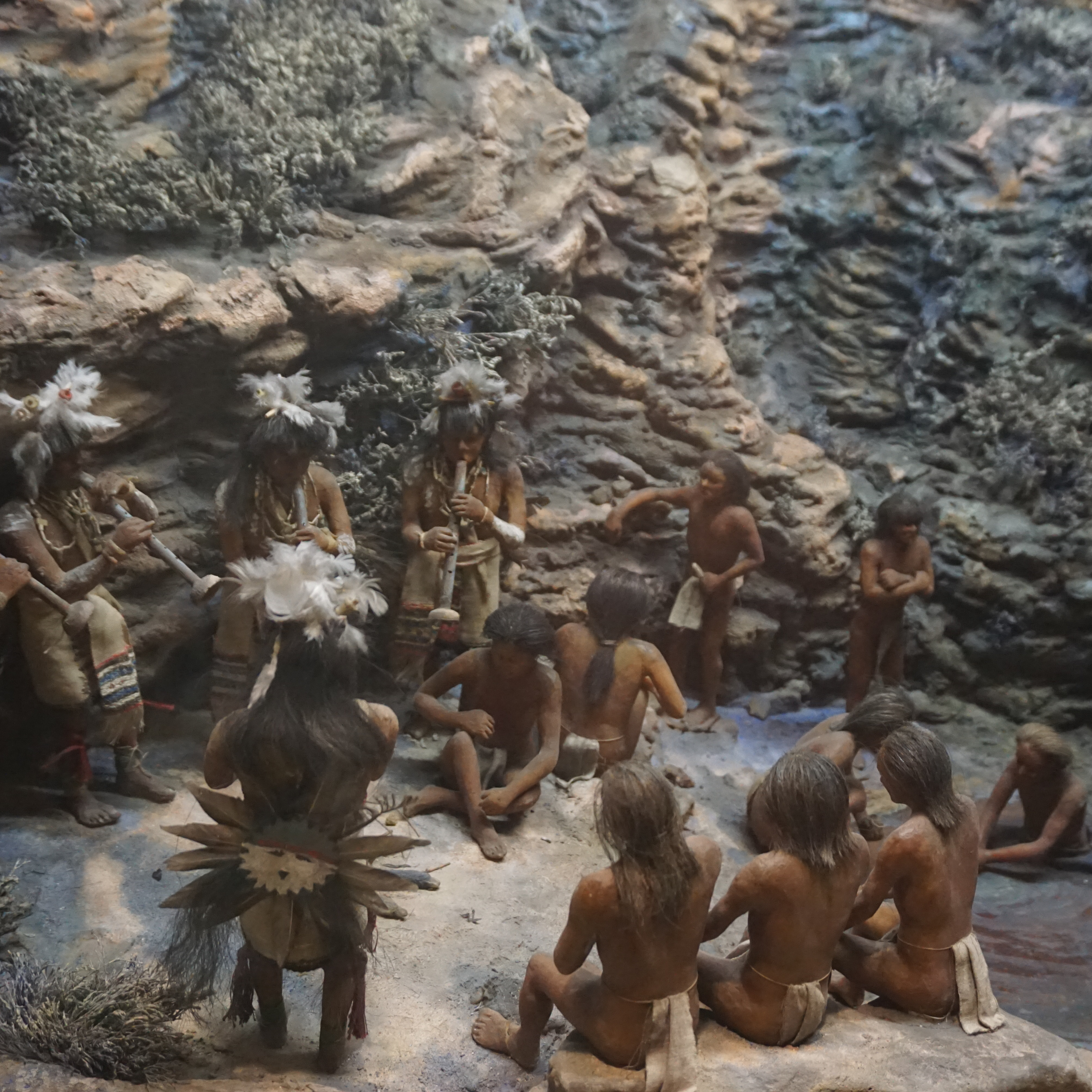 “One Finger Cannot Lift a Pebble”: Why Asking for Help Matters | In this episode, hosts Steve and Dan Fouts explore the profound meaning behind a Native American proverb, 'One finger cannot lift a pebble.' Using the 4-step Teach Different Method, they discuss the importance of interdependence, humility, and the limitations of individual effort through engaging metaphors and real-life examples. Episode Chapters: 00:00 - Introduction and episode overview00:27 - Native American quotes and their significance01:53 - The four moves: claim, counterclaim, essential question, storytelling02:30 - Exploring the meaning of 'One finger cannot lift a pebble'03:24 - Literal and metaphorical interpretations of the proverb05:36 - The futility of doing things alone07:26 - Examples of interdependence in life and sports10:42 - When to do things alone versus with support13:05 - The importance of asking for help and trusting others17:26 - Humility, overconfidence, and the limits of individual strength19:18 - The beauty and ambiguity of Native American quotes20:27 - Using silence and storytelling prompts in conversationsImage Source: Michael Barera, CC BY-SA 4.0 <https://creativecommons.org/licenses/by-sa/4.0>, via Wikimedia Commons | 22m 07s | ||||||
| 9/24/26 | 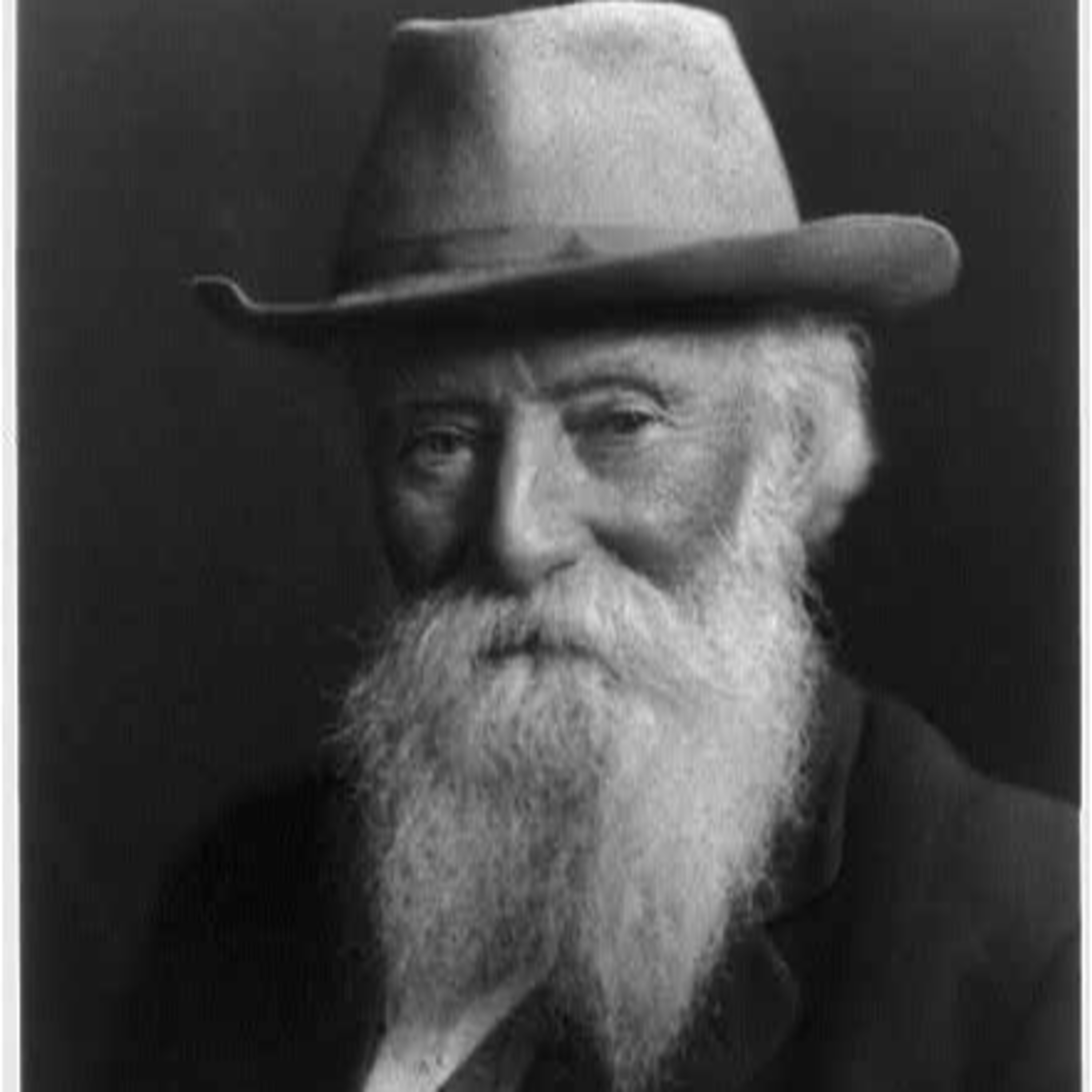 “Leap and the net will appear” - Teach Different with John Burroughs | In this episode, Steve and Dan Fouts explore the profound quote by John Burroughs, “Leap and the net will appear.” By using the Teach Different Method, they discuss risk-taking, support systems, and self-confidence. They also share some personal stories to unpack the power of taking leaps of faith. Chapters00:00 - Introduction to the metaphor 'Leap and the net will appear'02:00 - Risk-taking as faith and trust in support systems04:00 - Support networks in education and personal growth05:51 - Building self-confidence as a personal net07:54 - The role of kindness and authenticity in support09:00 - Support in sports and everyday life10:49 - When falling is part of learning and growth13:04 - Deciding when a leap is worth taking15:00 - Self-confidence and perseverance as internal nets15:56 - Encouraging others to take their leapsImage Source: https://picryl.com/media/john-burroughs-1837-1921 | 18m 16s | ||||||
| 9/16/26 | 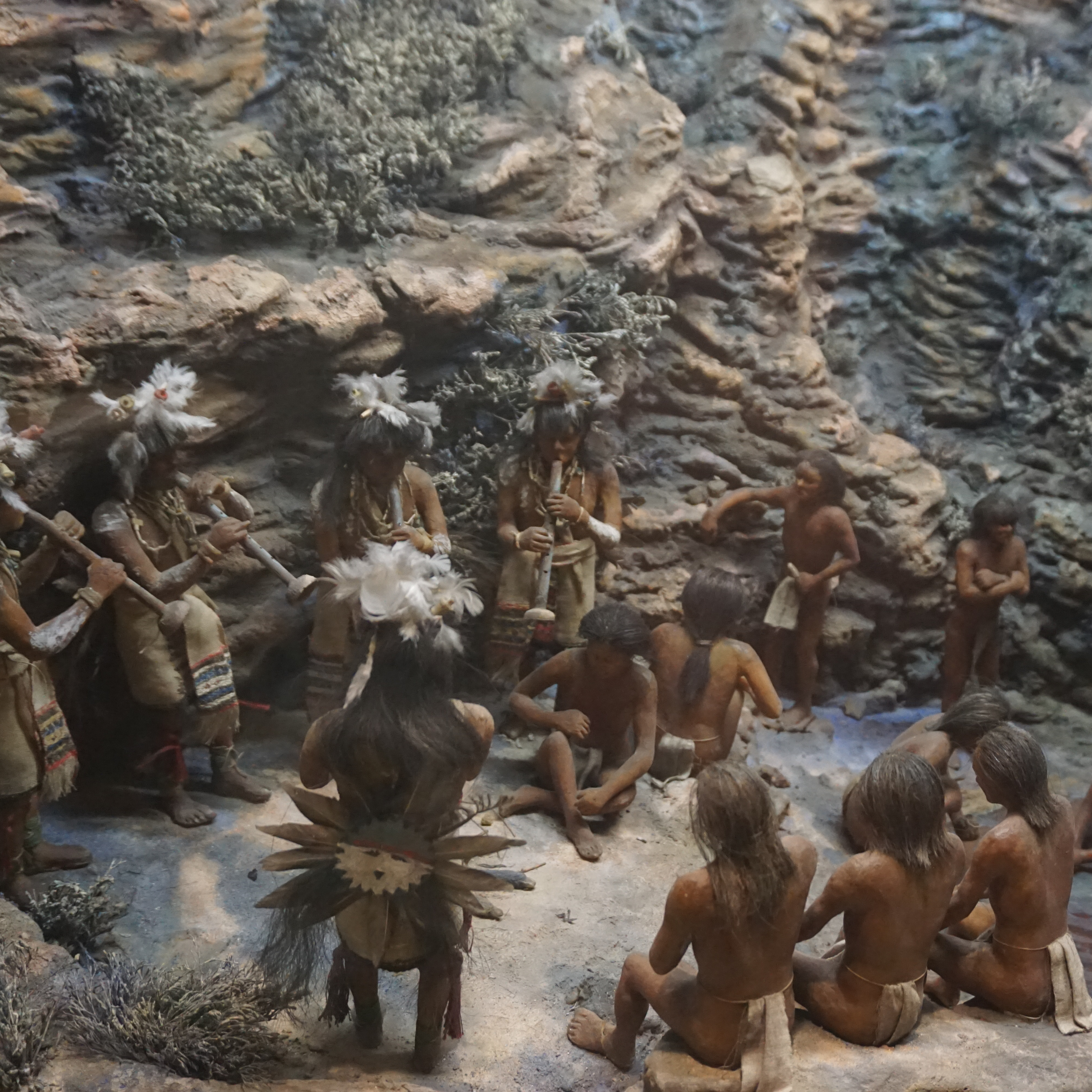 “All dreams spin out from the same web.” Teach Different with attributes to the Hopi Tribe | In this episode, Dan and Steve Fouts explore a quote attributed to the Hopi Tribe stating, “All dreams spin out from the same web.” Using the Teach Different Method, they unpack the claim of the quote, noting that all human dreams and desires originate from a shared web, reflecting our universal connection and common aspirations. They dive into some counterclaims about different dreams from difference which sparks some essential questions on what is a dream and what is a web? Listen to learn how to apply the Teach Different Method and engage in conversations and explore complex ideas.Chapters:00:00 - Introduction to the concept of dreams and the web02:01 - Interpreting the metaphor: Dreams from the same web04:11 - Personal stories and the web of shared desires07:28 - The impact of environment and life circumstances on dreams10:37 - Counterclaims: Different webs, different dreams12:58 - Universal human needs and the web of human flourishing14:42 - Personal reflection on dreams and overcoming fears16:42 - The threat of sameness and the desire for individuality18:54 - Moments of collective unity in adversity20:34 - The value of conversation and storytelling in understanding the webImage source: Michael Barera, CC BY-SA 4.0 <https://creativecommons.org/licenses/by-sa/4.0>, via Wikimedia Commons | 22m 47s | ||||||
| 9/9/26 | judgmentlove+4 | Lisa Hofer | If you judge people, you have no time to love them | — | judgmentlove+5 | — | 43m 30s | ||
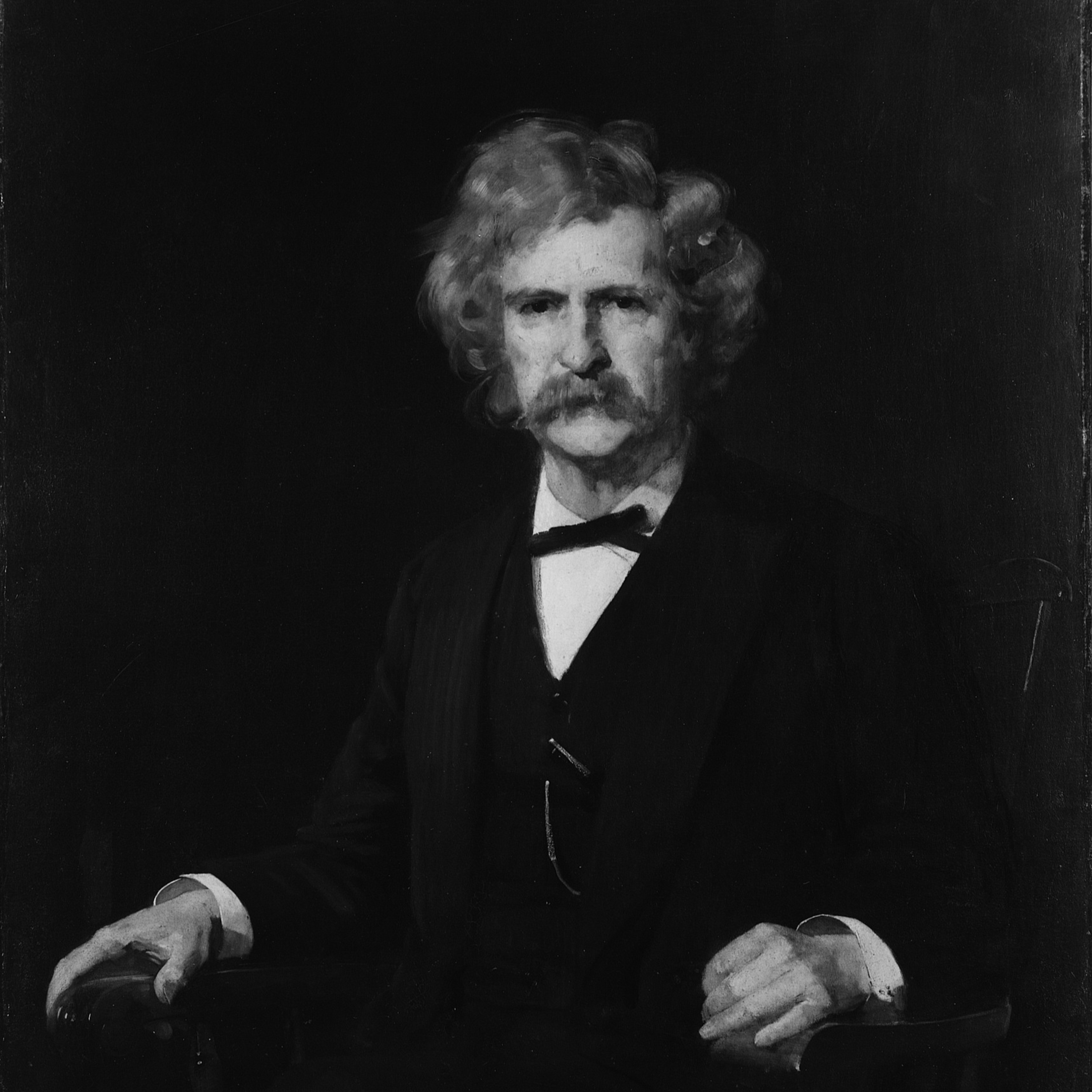
| 8/5/26 | groupthinkcritical thinking+4 | — | — | — | Mark Twaingroupthink+5 | — | 21m 19s | ||
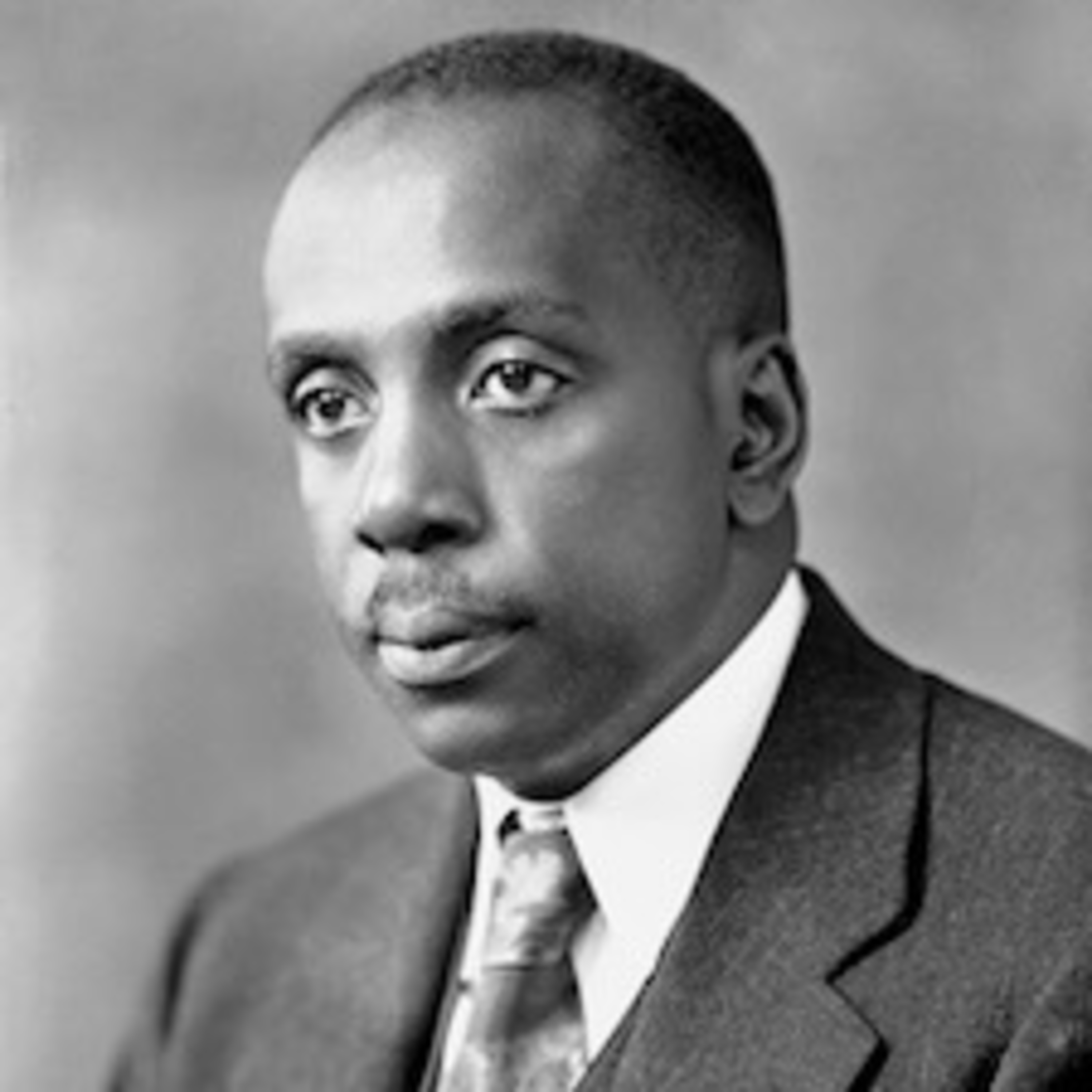
| 7/8/26 | coming alivepurpose+4 | — | — | — | Howard Thurmancoming alive+5 | — | 26m 56s | ||
Want analysis for the episodes below?Free for Pro Submit a request, we'll have your selected episodes analyzed within an hour. Free, at no cost to you, for Pro users. | |||||||||
| 7/1/26 | resiliencelearning from failure+3 | — | — | — | Nelson Mandelafailure+5 | — | 19m 58s | ||
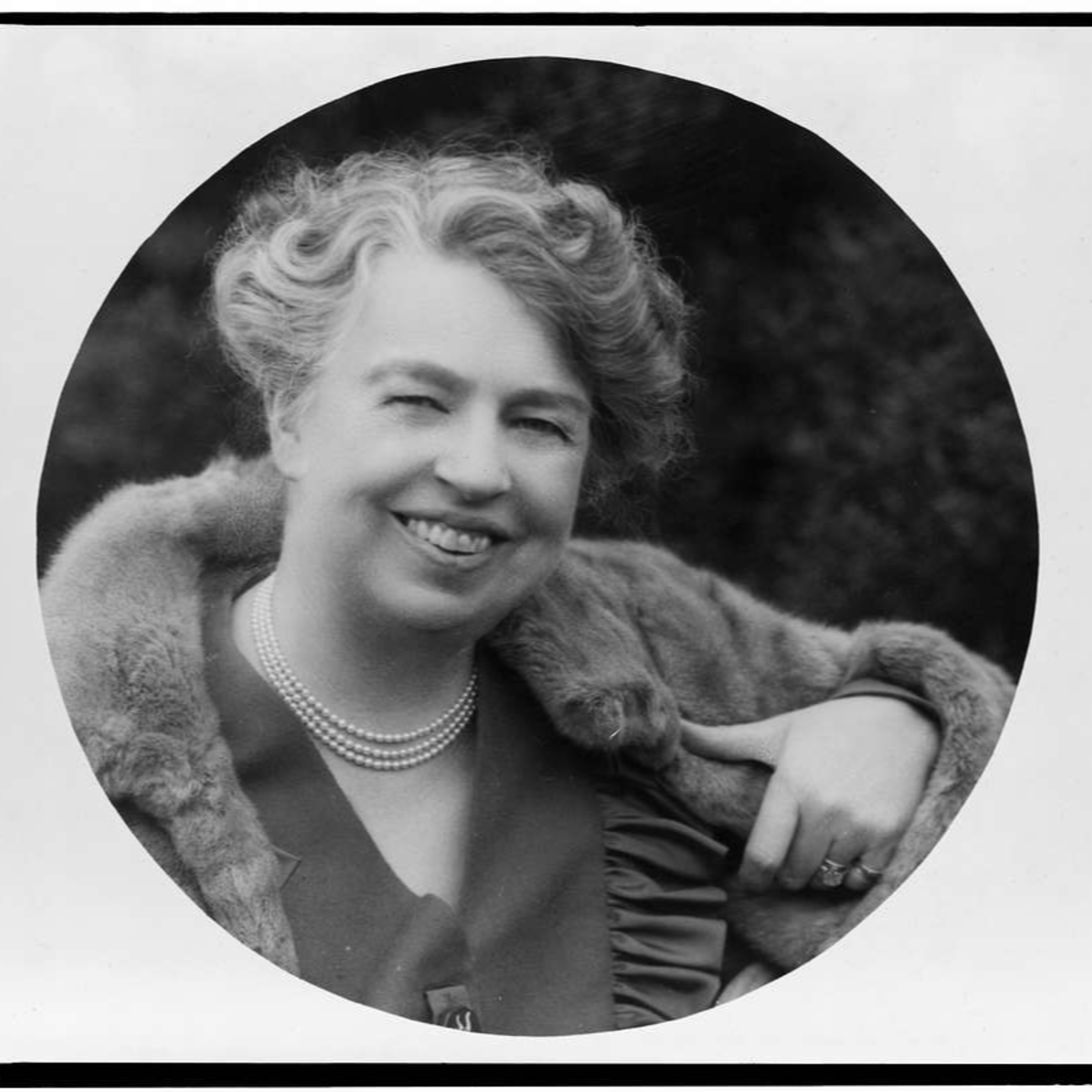
| 5/27/26 | justicebalance+4 | — | — | — | Eleanor Rooseveltjustice+5 | — | 20m 27s | ||
| 5/7/26 | racismemotional responses+5 | — | — | — | racismanger+5 | — | 20m 33s | ||
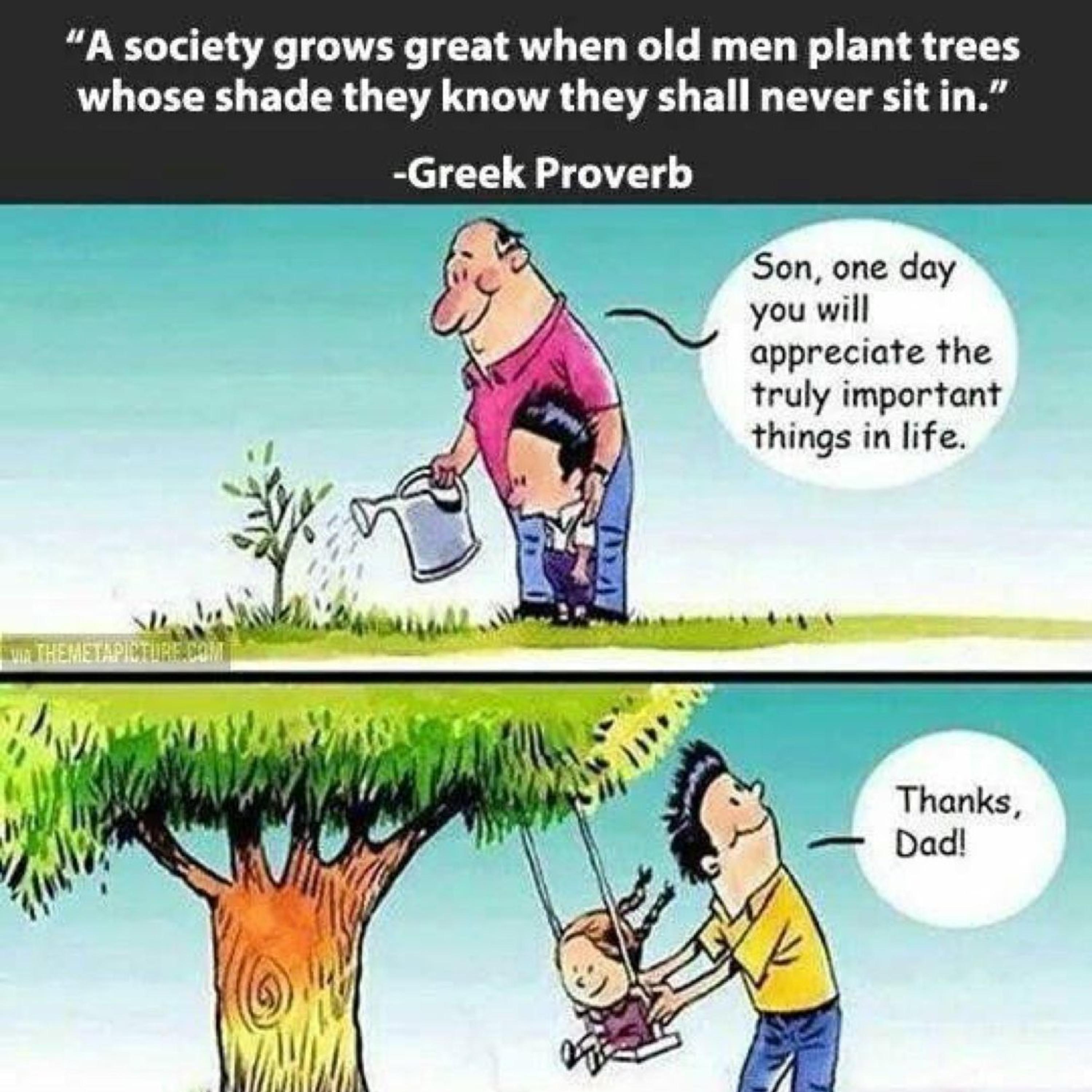
| 4/29/26 | societal greatnesssacrifice+4 | Steve Fouts | A society grows great when old men plant trees whose shade they know they shall never sit in. | Greece | societal greatnesssacrifice+5 | — | 29m 45s | ||
| 4/22/26 | interconnectedness of humanityempathy+4 | — | — | — | humanityinterconnectedness+5 | — | 34m 51s | ||
| 4/15/26 | warnegotiation+3 | JarvisTr33+1 | — | — | Margaret Thatcherwar+3 | — | 36m 48s | ||
| 4/2/26 | couragecowardice+5 | — | When you run after a coward for too long, you meet its courage. | IranIsrael | couragecowardice+6 | — | 24m 21s | ||
| 3/18/26 | social mediamisinformation+4 | — | Teach DifferentThe right to swing my fist ends where the other man's nose begins. | — | free speechsocial media+5 | — | 26m 32s | ||
| 3/11/26 | youth mental healthsocial media+4 | JarvisTr33+1 | — | — | social mediatechnology+4 | — | 40m 00s | ||
| 3/5/26 | perseveranceeducation+3 | Jesse Risley | Teach Different | — | perseveranceJesse Jackson+5 | — | 29m 59s | ||
| 2/25/26 | personal responsibilityconsequences of actions+4 | — | Teach DifferentRivers Casino+3 | — | James Baldwinpersonal responsibility+4 | — | 17m 04s | ||
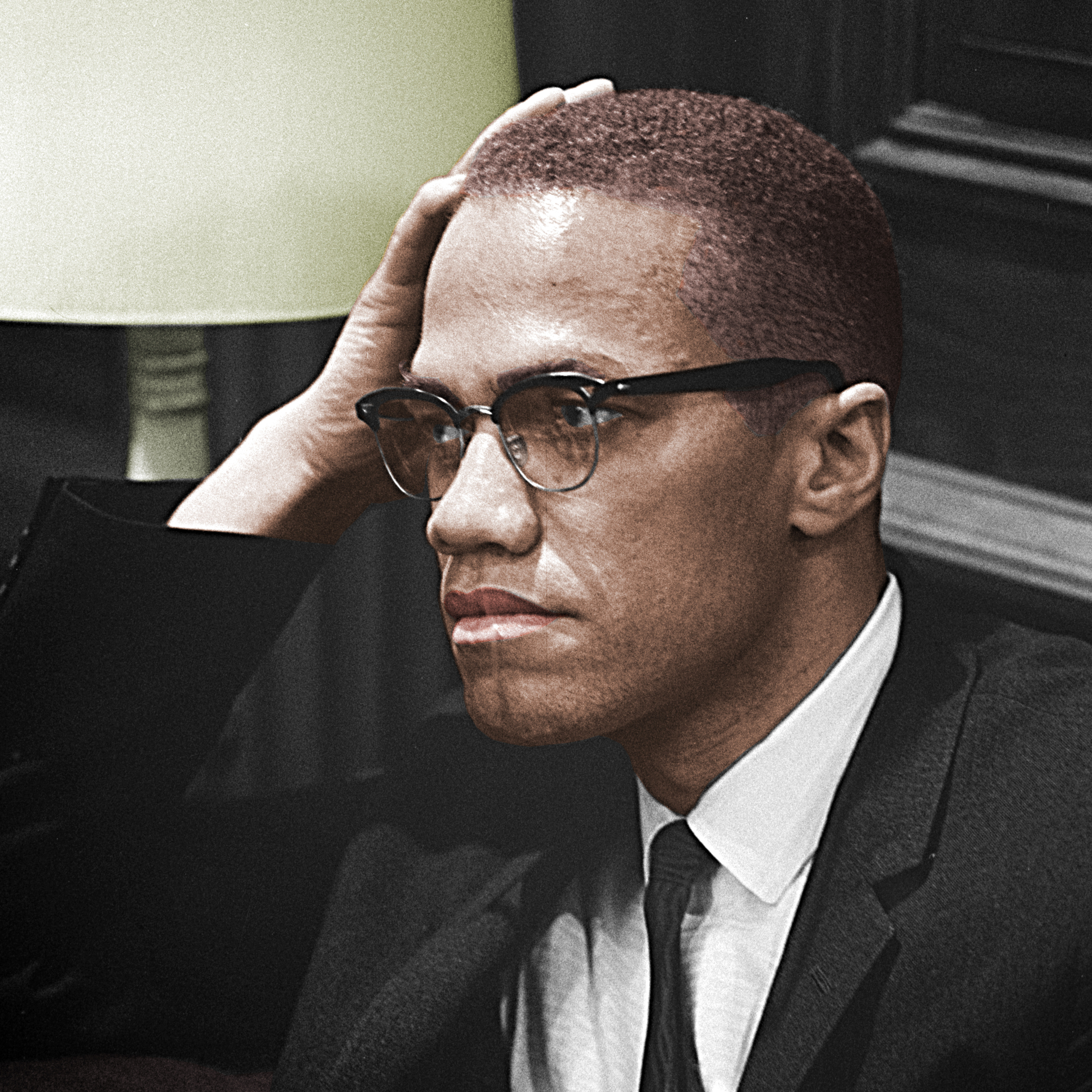
| 2/19/26 | civil disobedienceviolence+4 | Candace Fikis | — | — | Malcolm Xcivil disobedience+5 | — | 39m 08s | ||
| 2/11/26 | 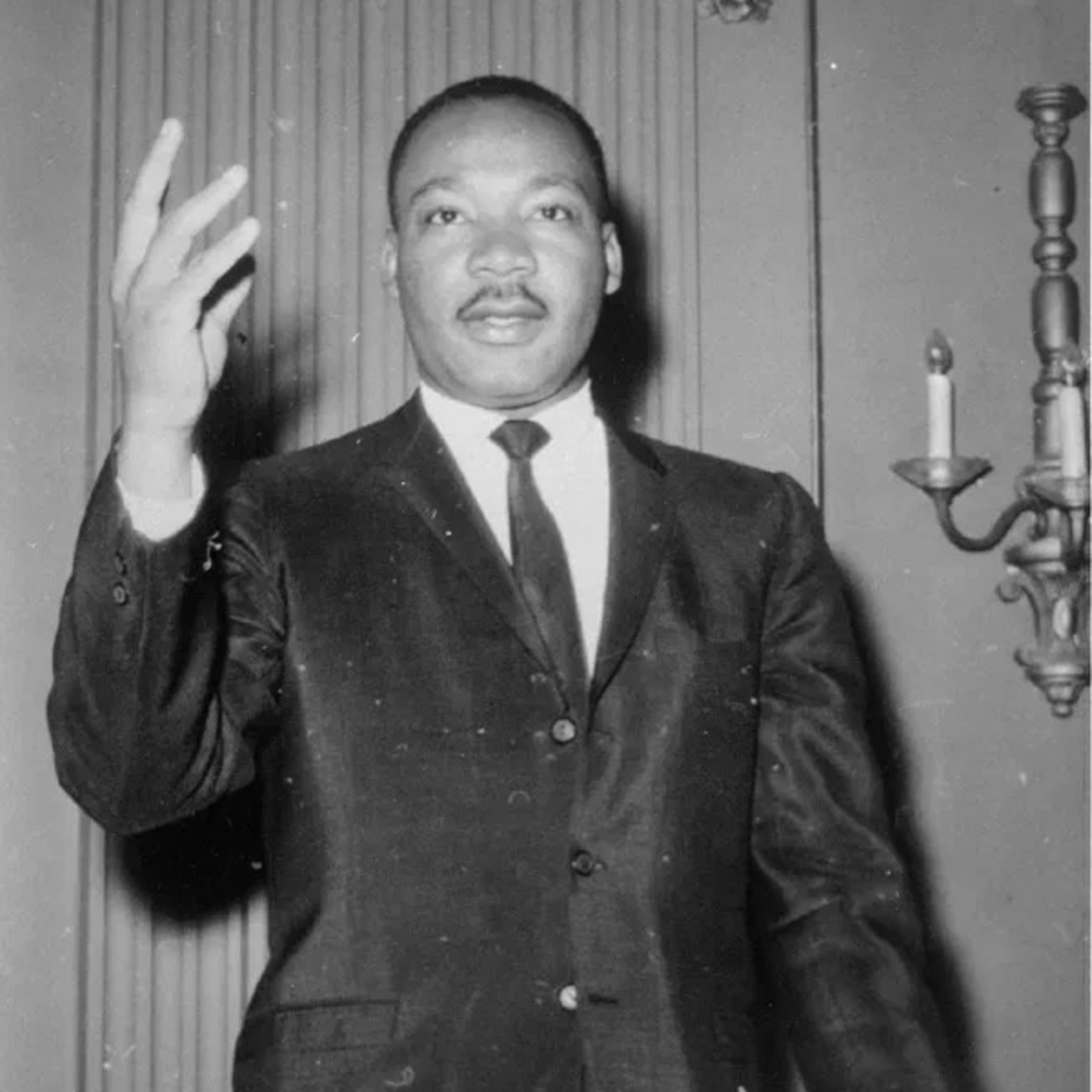 “Returning violence for violence multiplies violence, adding deeper darkness to a night already devoid of stars.” - Teach Different with Martin Luther King Jr. | In this episode of the Teach Different podcast, host Steve and guest Bully discuss the principles of nonviolence inspired by a quote by Martin Luther King Jr: “Returning violence for violence multiplies violence, adding deeper darkness to a night already devoid of stars.” Using the Teach Different Method, they explore the mission of the Institute of Nonviolence in Chicago, Bully's personal experiences with violence and loss, and the importance of community support. The conversation unpacks the challenges of navigating violence, the impact of personal trauma, and the necessity of positive influences in the community. They also address counterclaims regarding the need for protection in violent situations, emphasizing that nonviolence does not equate to weakness. Lastly, they pose some essential questions for further exploration. Chapters 00:00 - Introduction to Nonviolence and MLK's Influence 14:23 - The Institute of Nonviolence: Mission and Impact 25:06 - Exploring MLK's Quote on Violence 26:10 - Personal Reflections on Violence and Loss 30:59 - The Importance of Community and Positive Influence 40:03 - Counterclaims: Navigating Violence and Protection Image Source: https://www.georgiaencyclopedia.org/articles/arts-culture/martin-luther-king-jr-1929-1968/martin-luther-king-jr_002/ | 37m 06s | ||||||
| 2/4/26 | 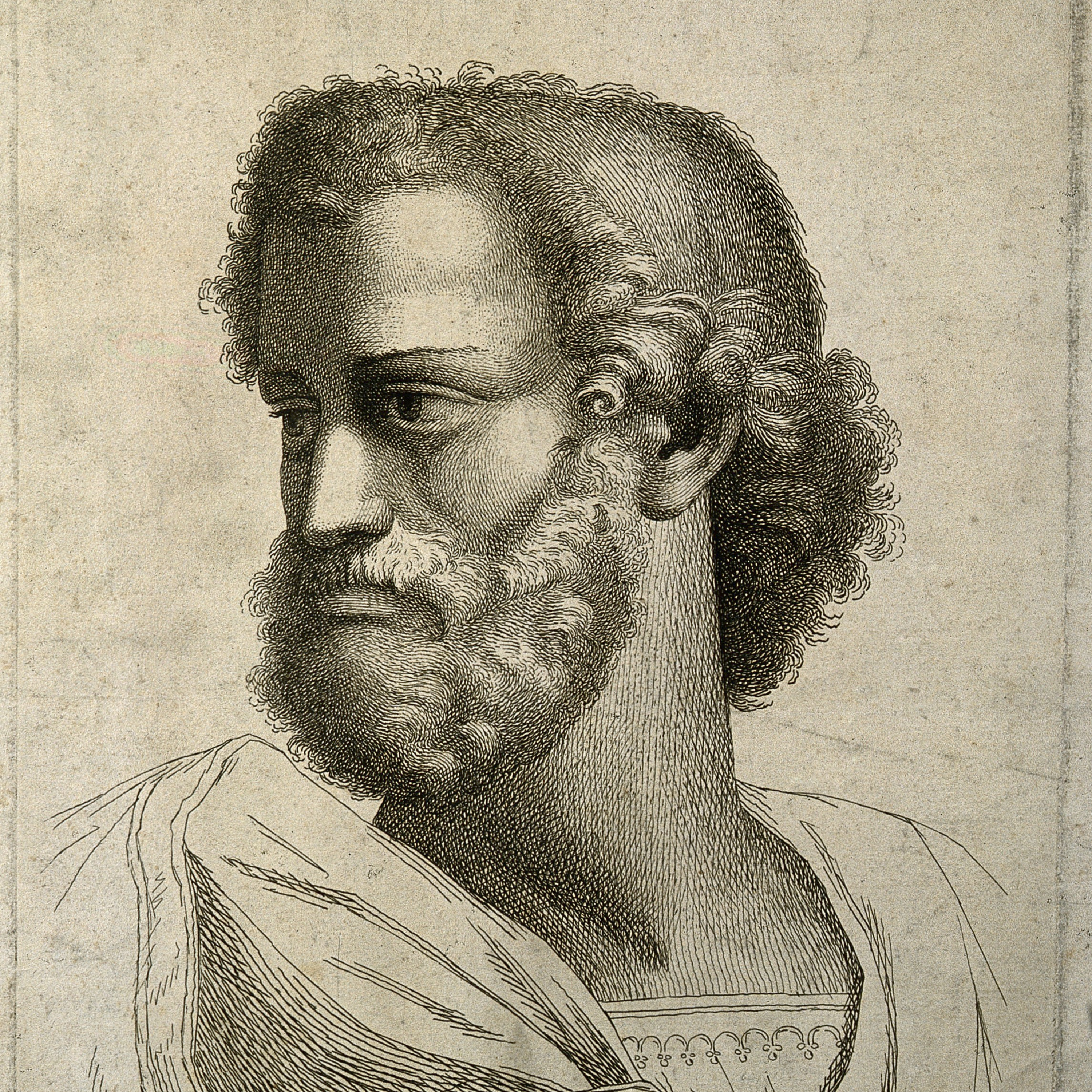 “He who has overcome his fears will truly be free.” - Teach Different with Aristotle | In this episode of the Teach Different podcast, hosts Steve, Tr33, and Jarvis explore the profound relationship between fear and freedom, drawing on personal experiences and philosophical insights. They discuss how overcoming fear can lead to personal growth and empowerment, while also addressing the complexities of true freedom beyond just the absence of fear. The conversation touches on the importance of organization in activism, the moral implications of standing up against oppression, and the need for discipline in movements for change. Through their dialogue, they emphasize the significance of courage in the face of adversity and the necessity of thoughtful action in social justice efforts. Episode Chapters: 00:00 - Introduction to Fear and Freedom 02:10 - Understanding Fear Through Personal Experience 09:29 - The Impact of Fear on Growth 10:53 - Facing Fears: The Path to Freedom 17:52 - The Power of Acceptance 21:30 - The Complexity of Freedom and Fear 24:32 - Overcoming Fear and Its Implications 29:10 - The Nature of Freedom 29:36 - Courage in the Face of Danger 38:15 - The Fight for Justice and Humanity 42:13 - A Call to Action for Protesters Image Source: https://upload.wikimedia.org/wikipedia/commons/3/3d/Aristotle._Line_engraving_by_P._Fidanza_after_Raphael_Sanzio_Wellcome_V0000205.jpg | 45m 52s | ||||||
| 1/28/26 |  “Don’t be overcome by evil, but overcome evil with good.” - Teach Different with Romans 12 verse 21 | In this episode of the Teach Different podcast, Steve, Jarvis, Bully, and Tr33 engage in a deep discussion about the quote from Romans 12:21, “Don't be overcome by evil, but overcome evil with good.” They explore personal experiences, the nature of good and evil, and the importance of intentions behind actions. The conversation touches on community activism, the role of leadership, and the challenges of modeling positive behavior for the next generation. The participants share their insights on spirituality, personal growth, and the impact of choices in overcoming negativity. Episode Chapters: 00:00 - Discussion on Romans 12:21 02:25 - Teach Different Developments and Updates 04:52 - Personal Stories and Spiritual Reflections 07:33 - The Impact of Evil and Good in Society 10:02 - Cultural Perspectives on Good and Evil 12:57 - Choosing Your Hard and Life Lessons 15:54 - Role Models and Community Influence 18:47 - Counterclaims and Perspectives on Evil 29:32 - Standing Your Ground with Integrity 31:43 - Choosing Battles Wisely 33:28 - The Complexity of Self-Defense 37:34 - Intentions Behind Actions 39:59 - The Role of Good in Evil Actions 47:47 - The Dilemma of Protecting the Oppressor Image Source: Jim Burklo, CC BY-SA 4.0 <https://creativecommons.org/licenses/by-sa/4.0>, via Wikimedia Commons | 51m 58s | ||||||



Showing 25 of 217
Pitch Fit is a Pro feature
See how bookable this show is for guests, which brands already advertise, the per-episode ad value, and the best-fit guest and sponsor profile. The numbers are blurred on the free plan.
How readily this show books outside guests like you.
How proven this show is for host-read sponsorships.
For Guests
ProFor Advertisers
ProUpgrade to Pro to unlock guest cadence, sponsor categories, fit scores, and per-episode ad value for this show.
Chart history for Teach Different
Peaked at #97 in PH, currently #97 in PH.
| Market | Genre | Peak | Current | Trend |
|---|---|---|---|---|
| PH | — | #97 | #97 | — |
Chart Positions
1 placement across 1 market.
Chart Positions
1 placement across 1 market.