Insights from recent episode analysis
Audience Interest
Podcast Focus
Publishing Consistency
Platform Reach
Insights are generated by CastFox AI using publicly available data, episode content, and proprietary models.
Most discussed topics
Brands & references
Total monthly reach
Estimated from 1 chart position in 1 market.
By chart position
- 🇹🇭TH · Technology#127500 to 3K
- Per-Episode Audience
Est. listeners per new episode within ~30 days
150 to 900🎙 Daily cadence·460 episodes·Last published 5d ago - Monthly Reach
Unique listeners across all episodes (30 days)
500 to 3K🇹🇭100% - Active Followers
Loyal subscribers who consistently listen
200 to 1.2K
Market Insights
Platform Distribution
Reach across major podcast platforms, updated hourly
Total Followers
—
Total Plays
—
Total Reviews
—
* Data sourced directly from platform APIs and aggregated hourly across all major podcast directories.
On the show
From 29 epsHosts
Recent guests
Recent episodes
Why Cyber Attacks Are Getting Faster Than Humans?
Jun 19, 2026
20m 08s
Why Modern Cyber Attacks Don’t Need Malware?
Jun 19, 2026
22m 52s
Google and Blackstone’s $5B AI Cloud Bet
Jun 19, 2026
17m 13s
Why Legacy Identity Security Is Failing Modern Enterprises?
Jun 19, 2026
19m 30s
Safe AI Adoption: 5 Steps for Enterprise Implementation
Jun 19, 2026
20m 27s
Social Links & Contact
Official channels & resources
Official Website
Login
RSS Feed
Login
| Date | Episode | Topics | Guests | Brands | Places | Keywords | Sponsor | Length | |
|---|---|---|---|---|---|---|---|---|---|
| 6/19/26 | ![]() Why Cyber Attacks Are Getting Faster Than Humans? | A digital break-in rarely looks like the movies. No flashing green code, no frantic hacker racing the clock. In reality, many breaches begin quietly: an unpatched software flaw, a missed cloud configuration, or a stolen session token sitting unnoticed for weeks.In this episode of TechDaily.ai, host David is joined by cybersecurity expert Sophia to unpack what over 31,000 real-world security incidents reveal about the 2026 threat landscape. From the rise in critical vulnerabilities to ransomware supply chains and agentic AI-driven attacks, this conversation breaks down how cybercriminals are moving faster, scaling smarter, and exploiting the gaps organizations leave behind. You’ll hear about:• Why one-third of data breaches now begin with vulnerability exploitation • How the average patching window has stretched to 43 days • Why cloud security often fails because of shared responsibility blind spots • How info stealers can bypass MFA using stolen session tokens • Why ransomware victims are increasingly refusing to pay • How agentic AI is accelerating cybercrime without inventing brand-new attacks • Why defensive AI, MFA, patching discipline, and cloud visibility are becoming essentialThis episode is for business leaders, IT teams, cybersecurity professionals, and anyone relying on cloud services to protect sensitive data. The fundamentals have not changed, but the margin for error is disappearing fast.Listen now, subscribe to TechDaily.ai, and take a closer look at your own digital defenses before attackers’ automated systems do it for you. | 20m 08s | ||||||
| 6/19/26 | ![]() Why Modern Cyber Attacks Don’t Need Malware? | The old image of a hacker typing code in a dark room no longer captures the real threat landscape. In this episode of TechDaily.ai, David and Sophia unpack how cybercriminals and state-backed actors are moving beyond traditional hacking and exploiting the systems, habits, and shortcuts we rely on every day. From commercial cell phone location data being purchased on the open market to AI-powered phishing kits that bypass Microsoft 365 multifactor authentication, this conversation reveals how attackers are using convenience features against us. The episode also explores WhatsApp verification scams, spoofed cybersecurity alerts in Ukraine, bulletproof hosting networks, fake IT help desk intrusions, and major third-party data breaches affecting hospitals and government systems.You’ll hear how: Foreign adversaries can buy sensitive location data without deploying spyware Phishing-as-a-service tools can hijack legitimate Microsoft login flows State-backed attackers still rely on simple “send me your code” scams Fake IT personnel can physically access offices and steal data Vendor breaches can expose sensitive patient and citizen records Legitimate tools like AnyDesk, WinSCP, and Google Drive can be abused for extortion The big takeaway: cybersecurity is no longer just about firewalls, passwords, and malware detection. The new perimeter includes people, devices, vendor relationships, physical access, and the everyday convenience features built into modern technology.Tune in for a sharp, timely breakdown of why attackers are no longer just breaking through digital walls. They are walking around them, renting access, buying data, and turning trust itself into the attack surface.Subscribe to TechDaily.ai for more deep dives into cybersecurity, technology, digital privacy, and the evolving risks shaping our connected world. | 22m 52s | ||||||
| 6/19/26 | ![]() Google and Blackstone’s $5B AI Cloud Bet | The cloud may sound invisible, but the future of artificial intelligence is being built with concrete, steel, fiber optic cables, massive power contracts, and custom silicon.In this episode of TechDaily.ai, David and Sophia break down the newly formalized $5 billion AI cloud venture between Google and Blackstone, exploring why the next phase of the AI economy depends less on flashy chatbots and more on the physical infrastructure powering them.The conversation unpacks how Google’s custom Tensor Processing Units, or TPUs, fit into a larger strategy to challenge Nvidia’s dominance in AI chips. It also explores why Blackstone, one of the world’s largest data center players, is positioning itself as a critical landlord of the AI revolution.You’ll hear about: Why “compute as a service” could reshape how companies access AI power How 500 megawatts of new data center capacity reveals the scale of AI infrastructure Why Google’s TPU strategy focuses on both training and inference How performance per watt could become a defining metric in AI economics Why Blackstone is investing in the physical layer of the AI boom What centralized AI infrastructure could mean for startups, enterprises, and innovation This episode goes beyond the software headlines to examine the real-world systems behind AI: power grids, cooling systems, land, chips, and capital. As trillion-dollar companies race to control the foundation of the AI economy, the key question becomes whether this new infrastructure will democratize innovation or create private toll roads controlled by a few corporate giants.Listen now to understand why the cloud is not floating in the ether. It is anchored in millions of tons of concrete, powered by custom silicon, and rapidly becoming one of the most valuable battlegrounds in technology. | 17m 13s | ||||||
| 6/19/26 | ![]() Why Legacy Identity Security Is Failing Modern Enterprises? | What happens when hackers sit undetected inside a major utility network for nearly two years? In this episode of techdaily.ai, David and Sophia unpack why identity security has become a survival issue for highly regulated industries like utilities, healthcare, and finance.The conversation starts with a chilling look at how legacy on-premise identity systems create dangerous security gaps through manual patching, upgrade fatigue, and human delays. While many organizations still assume physical control equals stronger security, this episode explains why outdated infrastructure can leave the door wide open for attackers.You’ll hear why cloud-native SaaS platforms are becoming the modern standard for enterprise identity security, especially as companies face stricter compliance expectations, rising operational costs, and increasingly automated threats.Key topics include: Why delayed software patches create exploitable security windows How cloud-native SaaS platforms reduce downtime and total cost of ownership Why regulated industries need continuous, automated security controls The rise of non-human identities, including AI agents, bots, and microservices Why AI agents may require stricter identity governance than human users How organizations can migrate from legacy systems without disrupting operations Why identity security now applies to both people and autonomous code As AI agents become more common across enterprise environments, identity security is no longer just about verifying employees. It is about controlling what humans, bots, microservices, and autonomous systems can access in real time.Tune in to learn why modern identity security must be automated, elastic, and cloud-native to keep pace with today’s cyber threats and tomorrow’s AI-driven workforce.Subscribe to techdaily.ai for more conversations on cybersecurity, AI, enterprise technology, and the infrastructure shaping the future of business. | 19m 30s | ||||||
| 6/19/26 | ![]() Safe AI Adoption: 5 Steps for Enterprise Implementation | Enterprise AI can move fast, but without the right guardrails, it can also create risk at scale. In this episode of techdaily.ai, host David and resident expert Sophia break down a practical five-step framework for safe, responsible AI adoption across large organizations.Using the memorable image of a 200-mile-per-hour sports car without a steering wheel, this conversation explores why companies need more than powerful AI models. They need clear ethics, mature data practices, transparent development, workforce training, and continuous oversight.In this episode, you’ll hear: Why ethical guidelines should come before model deployment How AI ethics committees help audit real-world outcomes Why biased or fragmented data can become scalable liability How transparent AI workflows create a forensic trail when systems fail Why every employee, not just technical teams, needs AI literacy How continuous monitoring helps manage model drift, hallucinations, and fairness risks Why deployment is not the finish line for enterprise AI David and Sophia keep the conversation practical, jargon-free, and grounded in real implementation challenges. Instead of focusing on hype, fear, or science fiction, they explain how organizations can turn artificial intelligence from a chaotic black box into a safe, manageable, high-value business asset.Tune in to learn how responsible AI architecture gives enterprise teams the steering wheel they need before hitting the gas.Subscribe, share this episode, and keep listening to techdaily.ai for clear conversations on the technology shaping modern business. | 20m 27s | ||||||
| 6/19/26 | ![]() Apple AFM3: The AI Breakthrough Bringing 20B Models to Phones | What if your smartphone could run advanced AI models locally without draining the battery, overheating, or constantly sending your data to the cloud? In this episode, David and Sophia explore Apple's newly announced AFM3 foundation models and the engineering breakthroughs that could reshape how AI operates across mobile devices. They break down how Apple's five-model AI ecosystem balances on-device intelligence with cloud-based processing, allowing devices to dynamically route tasks based on complexity while maintaining a strong focus on privacy and performance. Inside this episode:• Apple's AFM3 family of foundation models and their hybrid architecture • How a 20-billion-parameter AI model can function on a smartphone • Instruction Following Pruning (IFP) and prompt-based expert routing • The role of Private Cloud Compute in handling advanced AI workloads • Apple's collaboration with Google Cloud and NVIDIA infrastructure • Image generation, editing, and multimodal AI capabilities • Quantization-Aware Training (QAT) and model optimization techniques • Major improvements in speech synthesis and dictation accuracy • The use of synthetic data and privacy-focused AI training methods • The future possibility of dynamically generated operating systems and interfacesThe conversation uses practical analogies—from libraries and backpacks to restaurant kitchens and college students—to explain some of the most advanced concepts in modern AI infrastructure, making complex topics accessible without losing technical depth. If you're interested in artificial intelligence, mobile computing, privacy-first technology, foundation models, or the future of smartphones, this episode offers a detailed look at where AI platforms may be heading next. Subscribe, share this episode with fellow technology enthusiasts, and stay tuned for more deep dives into the innovations shaping the future of computing. | 24m 20s | ||||||
| 6/19/26 | ![]() Why AI Is Breaking Traditional Cybersecurity and Risk Models? | Artificial intelligence is transforming the corporate world at an unprecedented pace—but is it also dismantling the very security frameworks businesses depend on?In this episode, David and Sophia take a deep dive into one of the most significant yet overlooked risks facing modern organizations: the collision between rapidly evolving AI systems and outdated legal, governance, and cybersecurity models.As companies integrate generative AI, outsource critical infrastructure, and rely on increasingly complex vendor ecosystems, traditional approaches to risk management are proving dangerously inadequate. What once worked for static software environments no longer applies to autonomous systems that continuously evolve, learn, and make decisions.In this discussion, you'll discover:• Why traditional cybersecurity audits struggle to keep pace with modern AI systems • How vendor contracts can create a false sense of protection • The hidden dangers of startup-driven AI ecosystems and vendor consolidation • Why compliance requirements may be distracting security teams from real threats • How burnout is becoming a cybersecurity vulnerability of its own • The growing trend of personal liability for executives and board members • Why organizations need genuine cybersecurity and AI expertise at the leadership level • The future legal challenges surrounding autonomous AI agents and accountabilityThis episode explores the shifting realities of AI governance, cyber risk, cloud security, vendor management, regulatory compliance, and executive accountability in an increasingly interconnected digital economy.If your organization relies on third-party technology, cloud services, AI-powered tools, or complex vendor relationships, this conversation offers critical insights into the risks hidden beneath the surface.Subscribe for more discussions on emerging technology, cybersecurity, artificial intelligence, digital transformation, and the forces reshaping the future of business. | 15m 34s | ||||||
| 6/19/26 | ![]() Meta’s AI Crisis: Inside the Collapse of Engineering Culture | What happens when one of the world’s most respected engineering organizations abandons the culture that made it successful? In this episode, David and Sophia examine reports, internal discussions, and industry reactions surrounding Meta’s dramatic AI-driven transformation and the growing concerns about its impact on software development, security, and innovation. From the legendary “move fast and break things” era to the rise of massive AI initiatives, this conversation explores how shifting priorities may be reshaping the role of software engineers inside one of tech’s most influential companies.In this episode, we discuss:• The evolution of Meta’s engineering culture and developer autonomy • How the company’s AI ambitions are driving organizational change • The rise of AI-focused performance metrics and “token maxing” • The reported reassignment of engineering talent into AI data operations • The connection between AI strategy, security challenges, and platform reliability • The debate over whether these changes are unique to Meta or part of a broader industry trend • The future of software engineering in an AI-first world • What these developments could mean for the apps, platforms, and tools people use every dayThe discussion also examines concerns about leadership decision-making, workforce morale, infrastructure stability, and the long-term consequences of prioritizing AI development at scale. As AI continues to transform the technology landscape, this episode asks a critical question: What happens when the systems designed to replace human expertise are trained by a workforce under pressure? If you enjoy deep dives into technology, AI, software engineering, and the forces shaping the future of the digital world, subscribe, share the show, and join us for more conversations on the trends driving the tech industry forward. | 18m 32s | ||||||
| 6/19/26 | ![]() Why AI Governance Matters More Than Ever? | AI is transforming cybersecurity at a pace few organizations can match. In this episode, David and Sophia explore how AI-powered cyber threats are reshaping the security landscape, why traditional defense strategies are struggling to keep up, and what businesses must do to protect themselves in an era of automated attacks. From advanced phishing campaigns and deepfakes to the growing risks of shadow AI, this conversation examines how both external attackers and internal vulnerabilities are creating unprecedented challenges for security teams.In this episode, you'll learn:• How AI is accelerating cyberattacks through automation and scale • Why human-only threat analysis can no longer keep pace • The dangers of deepfakes, voice cloning, and AI-driven phishing • What shadow AI is and why it creates major governance risks • How employees can unintentionally expose sensitive company data • Why organizations are rushing into agentic AI without securing core systems • Spencer Scott's perspective on identity security and AI governance • The importance of vendor due diligence in an AI-driven environment • Why board-level oversight is essential for secure AI adoptionThe discussion highlights a critical reality: adding more AI is not a substitute for strong security fundamentals. Before organizations embrace autonomous AI agents, they must first address identity management, access controls, governance frameworks, and data security practices. If you're a business leader, IT professional, cybersecurity practitioner, or anyone interested in the future of AI security, this episode offers practical insights into the challenges organizations face today—and the steps needed to build a more secure tomorrow.Subscribe for more conversations on AI, cybersecurity, emerging technologies, and digital transformation. Share this episode with your team and join us for the next discussion from techdaily.ai. | 9m 29s | ||||||
| 6/19/26 | ![]() Why Smart Companies Are Stopping AI Dependency? | Every company wants smarter AI. But what happens when the intelligence powering your business belongs to someone else?In this episode of Tech Daily AI, David and Sophia explore one of the most important shifts happening in artificial intelligence today: the movement from renting AI capabilities to building systems that retain and compound organizational knowledge. From government restrictions on advanced AI models to the rise of autonomous agents capable of working independently for hours at a time, the conversation reveals where the real value in AI is rapidly moving.Key topics include:• The controversy surrounding restrictions on Anthropic's Fable 5 model and the cybersecurity industry's response • Why many security experts believe defensive teams need access to advanced AI tools • Satya Nadella's vision of "token capital" and company-owned intelligence systems • How businesses can build AI learning loops that preserve institutional knowledge • The risks of AI hallucinations, weak data sources, and poor governance structures • Meta's AI-powered search strategy and the challenges of relying on user-generated content • Practical Notebook LM workflows for structured business decision-making • Real-world automation examples built entirely with natural language • The rise of autonomous AI agents that can research, analyze, and execute tasks independently • How agentic AI is transforming enterprise software, finance, and productivityThe episode also explores the growing importance of AI governance, auditability, data quality, and ownership as organizations race to deploy increasingly capable systems.As autonomous agents begin making thousands of decisions, refining workflows, and operating with minimal human oversight, a larger question emerges: if AI starts developing the judgment traditionally held by experienced employees, who ultimately owns the intellectual value created inside a company?Whether you're a business leader, technology professional, entrepreneur, or AI enthusiast, this discussion offers valuable insights into the future of work, automation, and competitive advantage in the AI era.Subscribe for more conversations on artificial intelligence, enterprise technology, automation, cybersecurity, and the future of digital transformation. | 21m 25s | ||||||
Want analysis for the episodes below?Free for Pro Submit a request, we'll have your selected episodes analyzed within an hour. Free, at no cost to you, for Pro users. | |||||||||
| 6/19/26 | ![]() AI-Powered Satellites, Space Logistics, and Orbital Networks | What happens when spacecraft can think, adapt, and protect themselves without human intervention?In this episode, David and Sophia explore the technologies reshaping the future of aerospace engineering. From highly detailed digital twins that simulate an entire spacecraft lifecycle before launch to AI-powered satellites capable of making split-second decisions in orbit, the conversation reveals how software, simulation, and data are redefining what is possible in space.The discussion dives into the growing role of digital engineering, where virtual spacecraft models continuously learn from real-world testing and operational data. The hosts also examine how edge AI is enabling satellites to process information directly in orbit, reducing latency and allowing autonomous responses to threats such as space debris.Key topics include:• Digital twins and behavioral spacecraft simulation • AI-driven satellite design and testing • Edge computing and autonomous orbital decision-making • Radiation-tolerant processors for space environments • Low Earth orbit AI networks • In-space power grids and wireless energy transmission • 3D-printed satellite components • In-Space Servicing, Assembly, and Manufacturing (ISAM) • Robotic satellite upgrades and orbital logistics • The future of autonomous spacecraft ecosystemsThe episode highlights a major shift in aerospace—from a hardware-first industry to one increasingly driven by software, simulation, and intelligent data systems. As satellites become more autonomous and capable of evolving after launch, the line between physical spacecraft and their digital counterparts continues to blur.If you're interested in artificial intelligence, aerospace engineering, satellite technology, digital transformation, or the future of space operations, this episode offers a fascinating look at the innovations already shaping tomorrow's orbital infrastructure.Subscribe for more conversations exploring emerging technologies, AI breakthroughs, and the engineering innovations changing the world. | 20m 24s | ||||||
| 6/19/26 | ![]() AI Scams, Ransomware, and the Future of Cyber Warfare | What happens when a software flaw on a distant server can cost thousands of workers their bonuses, expose sensitive hospital records, or compromise government intelligence operations?In this episode of TechDaily.ai, host David sits down with cybersecurity expert Sophia to explore the rapidly evolving threat landscape where artificial intelligence, ransomware, software supply chain attacks, and psychological manipulation are reshaping modern security.From aggressive government patching mandates and Microsoft's latest wave of vulnerabilities to AI-powered security scanners being tricked by hidden prompts, this discussion reveals how attackers are adapting faster than ever. The conversation also examines how cybercriminals are exploiting public excitement around AI tools, turning fake software downloads into powerful malware delivery systems.Key topics include:• CISA's new three-day vulnerability remediation requirements • Microsoft's patching of 200 vulnerabilities, including critical zero-days • AI prompt confusion and software supply chain attacks • Fake AI applications used to distribute malware • The Marks & Spencer cyberattack and its financial consequences • Government messaging platform breaches and metadata exposure • Healthcare ransomware attacks affecting patient records and hospital operations • Cyber espionage campaigns targeting military personnel through social engineering • How a simple operational security mistake exposed an alleged state-sponsored hacker • Why human behavior remains the weakest link in cybersecurityThis episode highlights a critical reality: cybersecurity is no longer just a technology problem. It is an interconnected ecosystem where software vulnerabilities, artificial intelligence, human psychology, and real-world consequences collide.If you're interested in cybersecurity, artificial intelligence, ransomware defense, digital privacy, government security policy, or the future of cyber warfare, this is an episode you won't want to miss.Subscribe to TechDaily.ai for more expert analysis on emerging technology, cybersecurity threats, artificial intelligence, and the digital trends shaping our world. | 21m 16s | ||||||
| 6/19/26 | ![]() Ransomware as a Service: How Cybercrime Became a Business | Imagine logging into your corporate network and discovering your entire customer database is locked, your operations are frozen, and a ransom note is demanding payment. The scariest part? The attacker may not be an elite hacker. They might be a low-skill affiliate renting ransomware tools from a dark web platform.In this episode of techdaily.ai, David and Sophia break down how ransomware has evolved into a highly organized, service-based criminal economy. Drawing on insights from Tom Langford, ACTO at Rapid7, the conversation explores why ransomware-as-a-service has changed the threat landscape and why modern cybersecurity teams need more than basic patching checklists to keep businesses safe.You’ll hear how:• Ransomware-as-a-service works like a criminal franchise model • Developers, affiliates, payment portals, and even “customer service” power digital extortion • Attackers are shifting from phishing to automated vulnerability exploitation • Security teams are facing a growing patching tsunami • Business context and threat intelligence help prioritize the vulnerabilities that matter most • Compensating controls like web application firewalls and network segmentation can reduce risk when patching is not immediately possibleThis episode makes a clear case for practical, business-aligned cybersecurity. The goal is not to build a perfect fortress. It is to understand your environment, slow attackers down, protect critical systems, and make your organization a harder, less profitable target.Tune in to learn how defenders can stay agile while ransomware operators continue to scale.Subscribe to techdaily.ai for more conversations that turn complex cybersecurity trends into strategies you can actually use. | 24m 26s | ||||||
| 6/19/26 | ![]() Why AI Coding Tools Are Costing Tech Companies Millions? | AI coding tools were supposed to make software development faster, cheaper, and more efficient. But inside major tech companies, a different story is unfolding: skyrocketing infrastructure bills, blown AI budgets, and engineering teams scrambling to control token consumption before costs spiral further.In this episode of techaily.ai, David and Sophia dig into the hidden economics behind AI coding assistants and why the promise of effortless productivity is colliding with the reality of enterprise-scale AI spending.They explore: Why Uber’s AI coding stats sound impressive, but may not be translating into more shipped features How background polling, API calls, and massive context windows quietly drive up token costs Why companies are comparing AI tool usage against human headcount How smart routing sends simple prompts to cheaper models and complex work to premium models Why some teams are setting hard token limits, downgrading developers, or using subscription loopholes How token optimization is becoming a new career advantage for engineers What began as a race to deploy AI everywhere has turned into a high-stakes effort to keep AI from overwhelming engineering budgets. The episode also looks at what this shift means for product quality, software innovation, and the tools people rely on every day.Tune in for a clear, conversational breakdown of the AI cost crisis reshaping software development from the inside out. Subscribe, share the episode, and follow techaily.ai for more sharp conversations on the business and technology stories shaping the future. | 23m 45s | ||||||
| 6/19/26 | ![]() The Hidden AI Crisis Inside Security Teams | AI is moving faster than cybersecurity teams can train, adapt, and respond. In this episode of TechDaily.ai, David and Sophia dig into a major shift happening behind the scenes: security leaders have the budget, the tools, and the urgency, but they do not have enough time to keep pace with AI-driven threats.Based on a survey of nearly 1,000 global security leaders, this conversation explores why AI has become the top training priority, why organizations are turning to in-house cybersecurity education, and how autonomous AI agents are changing the threat landscape. In this episode, you’ll hear about: Why 47% of security leaders now rank AI as their top training priority How agentic AI can probe, adapt, and attack systems in real time Why 63% of organizations are building cybersecurity training in-house The hidden risks of DIY training and security knowledge gaps Why increased training budgets are not solving the real problem How time constraints are creating an “all hands on deck” cybersecurity crisis What lighter, faster, just-in-time training could mean for the future of work The episode also raises a bigger question: if AI is evolving faster than humans can learn, will cybersecurity teams soon rely on autonomous AI agents to do the learning, adapting, and defending for them?Tune in for a sharp look at the future of cybersecurity, AI training, workforce readiness, and the unseen battles protecting our digital lives. Subscribe to TechDaily.ai for more conversations on technology, security, and the systems shaping our future. | 21m 25s | ||||||
| 6/19/26 | ![]() The Future of Mobile Service Might Be Your Banking App | Cash App is moving beyond payments and into mobile service, and the shift could change how people manage money, connectivity, and daily digital life.In this episode of TechDaily.ai, David and Sophia break down Cash App Mobile, a new $40-per-month 5G phone plan offered directly inside the Cash App experience. The conversation explores how a finance app can become a mobile carrier, why AT&T’s network plays a key role, and what the MVNO model means for everyday users.You’ll hear:• How Cash App Mobile uses AT&T’s 5G network without building cell towers • Why companies like Cash App, Walmart, and Klarna are entering mobile service • How white-label telecom platforms like Gigs make branded phone plans possible • Why the $40 monthly price may feel steep compared with Mint Mobile or Visible • What “unlimited 5G” may leave out when it comes to throttling and network priority • Why convenience could be the biggest selling point for loyal Cash App users • The bigger risk of putting your money and mobile access inside the same appCash App Mobile may appeal to users who value simplicity and already trust Cash App with their money, but the episode raises important questions about price, transparency, network performance, and digital dependence.Tune in for a clear, practical look at whether Cash App’s new 5G plan is a smart convenience play or a pricey example of too much digital consolidation.Subscribe to TechDaily.ai for more conversations on technology, fintech, mobile trends, and the platforms reshaping everyday life. | 11m 13s | ||||||
| 6/19/26 | ![]() AI Sovereignty: The Hidden Risk Most Businesses Ignore | What happens if the AI tools your business depends on are suddenly cut off overnight?In this episode of TechDaily.ai, host David and guest Sophia explore the urgent concept of AI sovereignty through insights from Nicola Kaine, CEO and principal consultant at Hanley Gil. The conversation moves beyond the hype of AI adoption and into the real-world risks hiding behind everyday tools: geopolitical disruption, vendor lock-in, data governance, legal liability, and business continuity.This episode looks at why artificial intelligence is not as borderless as it seems. AI systems depend on physical data centers, international regulations, foreign-owned vendors, and shifting political relationships. When companies build core workflows around a single provider or country of origin, they may be creating a single point of failure that can put operations, compliance, and reputation at risk.Listeners will hear:• Why AI sovereignty matters for business resilience • How geopolitical trade disputes can threaten access to critical AI tools • The danger of relying on one AI vendor or model • Why companies need fallback plans and functional alternatives • How abstraction layers and middleware can reduce vendor lock-in • What high-stakes AI use cases, including law enforcement, reveal about legal and ethical risk • Why responsible AI adoption requires more than speed and efficiencyThe episode also examines Nicola Kaine’s work in legal, regulatory, and responsible AI governance, including her role advising organizations on safe AI implementation and her recognition for responsible AI and data ethics leadership.As AI becomes embedded in customer service, reporting, compliance, operations, and decision-making, the key question is no longer just “Which tool is best?” It is “Can your business survive if that tool disappears?”Tune in for a practical, thought-provoking conversation on AI sovereignty, operational resilience, vendor risk, and the future of responsible AI adoption. Subscribe to TechDaily.ai for more conversations that help you build smarter, safer, and more resilient technology strategies. | 18m 31s | ||||||
| 6/3/26 | ![]() Anthropic’s GPU Crisis and Elon Musk’s Shocking AI Alliance✨ | AI infrastructure crisisGPU shortages+4 | — | AnthropicElon Musk+3 | — | AnthropicGPU crisis+6 | — | 20m 36s | |
| 6/2/26 | ![]() Why AI Fails When Product Strategy Is Broken?✨ | AI adoptionproduct strategy+4 | — | TechDaily.ai | — | artificial intelligencesoftware companies+5 | — | 17m 49s | |
| 6/1/26 | ![]() Why Trusted Developer Tools Are the New Attack Surface?✨ | cybersecuritysoftware supply chain+4 | — | VS CodeJavaScript+2 | — | cybersecurityGitHub security incident+5 | — | 19m 45s | |
| 5/25/26 | ![]() iOS 27 Could Completely Change Your AirPods✨ | Apple updatesAirPods evolution+4 | — | iOS 27AirPods+10 | — | iOS 27AirPods+5 | — | 19m 48s | |
| 5/22/26 | ![]() How Medicare Quietly Became an AI Industry?✨ | AI in healthcareMedicare ACCESS program+4 | — | FloraMedicare+2 | — | MedicareAI healthcare+7 | — | 12m 33s | |
| 5/18/26 | ![]() Why Most Companies Are Failing at AI Adoption✨ | AI adoptionbusiness strategy+4 | — | TechDaily.aiAI+4 | — | AI hypebusiness value+5 | — | 20m 40s | |
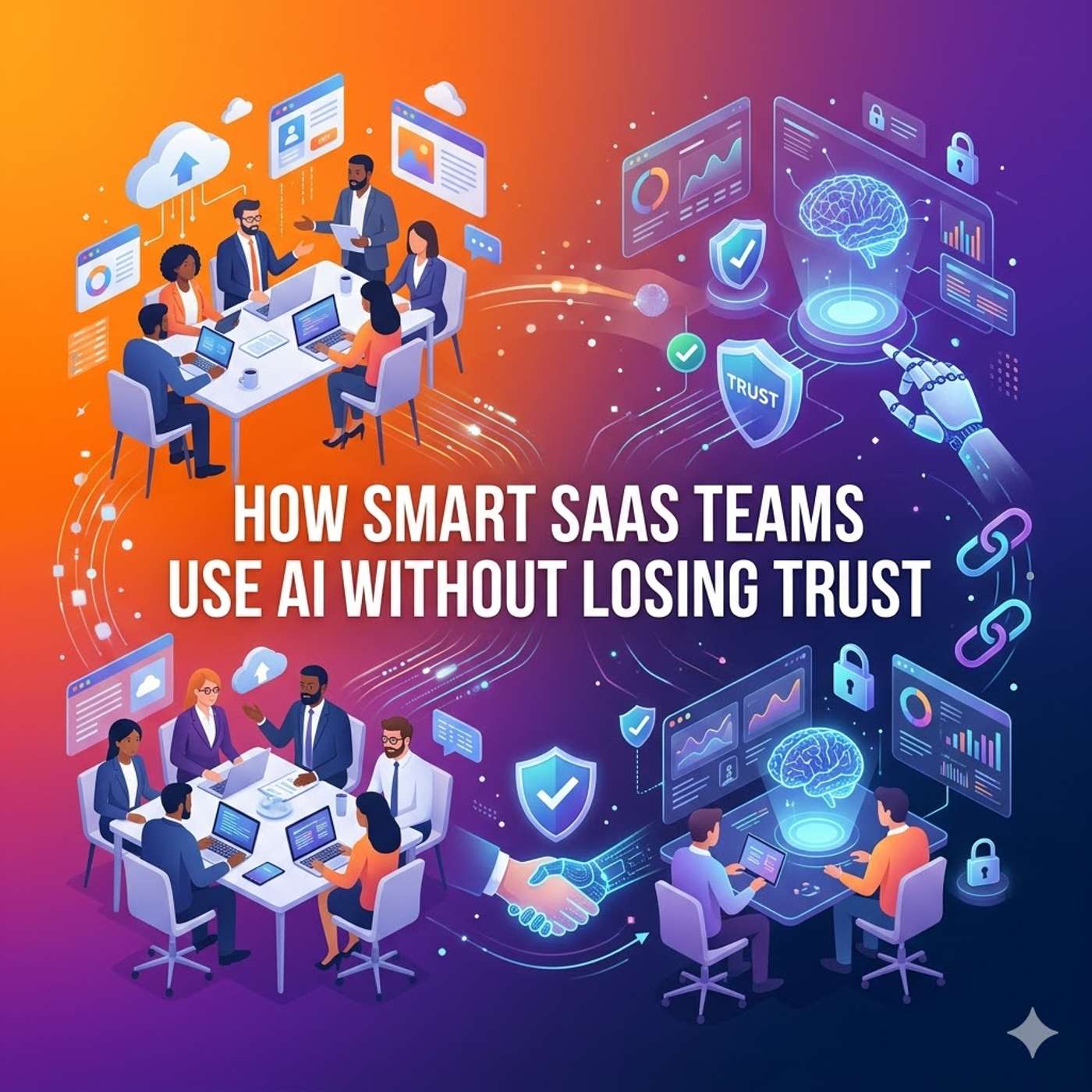
| 5/15/26 | ![]() How Smart SaaS Teams Use AI Without Losing Trust?✨ | AI in SaaStrust in technology+3 | — | SaaSAI | — | AI-poweredSaaS+5 | — | 14m 50s | |
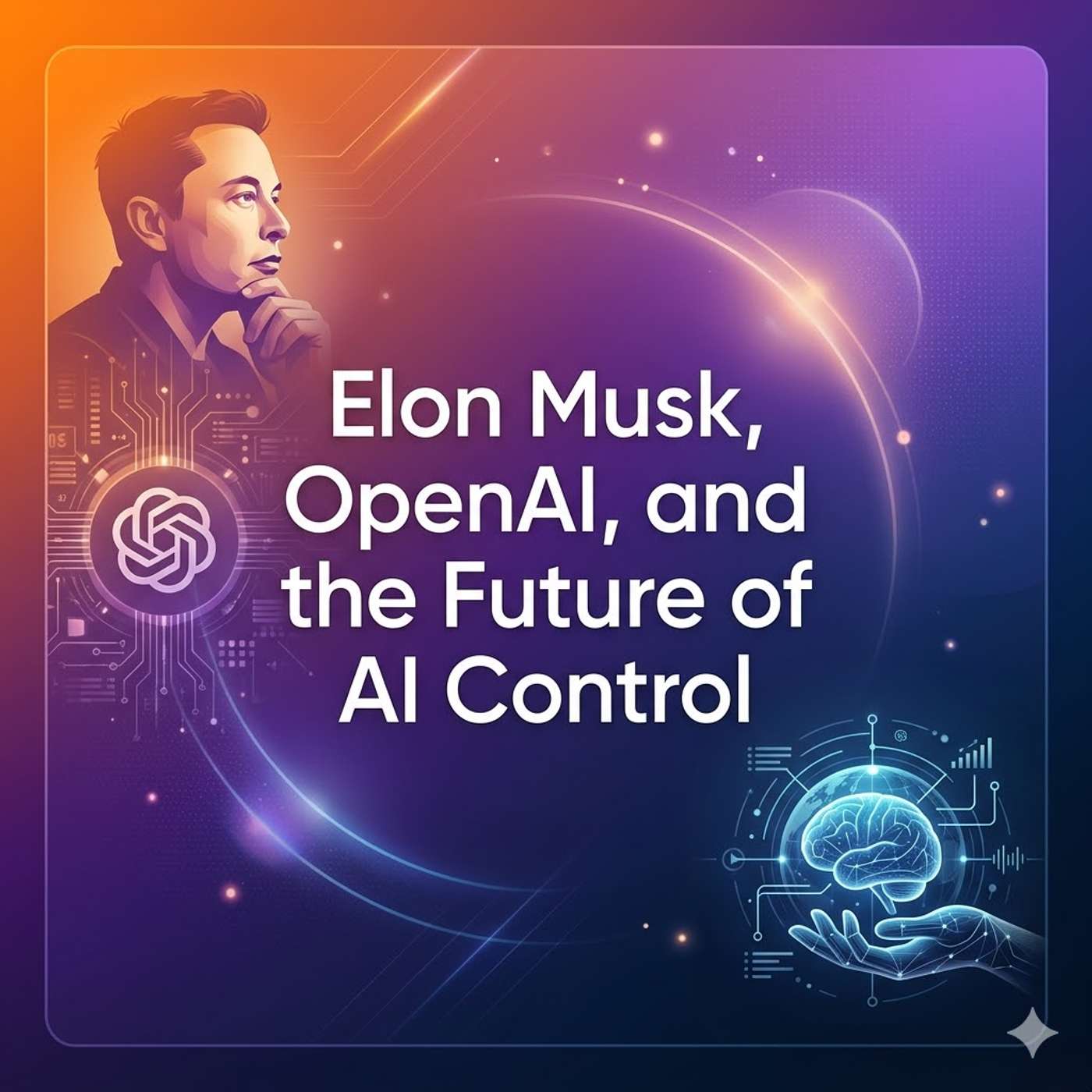
| 5/12/26 | ![]() Elon Musk, OpenAI, and the Future of AI Control✨ | AI controllegal battle+5 | — | OpenAIMicrosoft | — | Elon MuskOpenAI+8 | — | 18m 58s | |
Showing 25 of 497
Pitch Fit is a Pro feature
See how bookable this show is for guests, which brands already advertise, the per-episode ad value, and the best-fit guest and sponsor profile. The numbers are blurred on the free plan.
How readily this show books outside guests like you.
How proven this show is for host-read sponsorships.
For Guests
ProFor Advertisers
ProUpgrade to Pro to unlock guest cadence, sponsor categories, fit scores, and per-episode ad value for this show.
Chart Positions
1 placement across 1 market.
Chart Positions
1 placement across 1 market.