
Insights from recent episode analysis
Audience Interest
Podcast Focus
Publishing Consistency
Platform Reach
Insights are generated by CastFox AI using publicly available data, episode content, and proprietary models.
Most discussed topics
Brands & references
Total monthly reach
Estimated from 9 chart positions in 9 markets.
By chart position
- 🇦🇺AU · How To#1735K to 30K
- 🇰🇷KR · How To#7010K to 30K
- 🇪🇸ES · How To#7110K to 30K
- 🇭🇰HK · How To#653K to 10K
- 🇻🇳VN · How To#653K to 10K
- Per-Episode Audience
Est. listeners per new episode within ~30 days
19K to 68K🎙 Weekly cadence·123 episodes·Last published 3d ago - Monthly Reach
Unique listeners across all episodes (30 days)
38K to 136K🇦🇺22%🇰🇷22%🇪🇸22%+6 more - Active Followers
Loyal subscribers who consistently listen
11K to 41K
Market Insights
Platform Distribution
Reach across major podcast platforms, updated hourly
Total Followers
—
Total Plays
—
Total Reviews
—
* Data sourced directly from platform APIs and aggregated hourly across all major podcast directories.
On the show
From 10 epsHosts
Recent guests
Recent episodes
Moving Beyond the Coursebook with Young Learners — with Fiona Hunter
Jun 2, 2026
Unknown duration
Global Literature Circles for Teens — with Christian Fischer
Apr 23, 2026
14m 43s
Litter Picking, Learning & Lasting Change — with Patrick Jackson
Oct 28, 2025
15m 51s
Business English, Reimagined – with Megan Nicholls
Oct 21, 2025
15m 05s
The Power of Emergent Language — with Lewis Jaquest
Oct 14, 2025
15m 01s
Social Links & Contact
Official channels & resources
Official Website
Login
RSS Feed
Login
| Date | Episode | Topics | Guests | Brands | Places | Keywords | Sponsor | Length | |
|---|---|---|---|---|---|---|---|---|---|
| 6/2/26 | 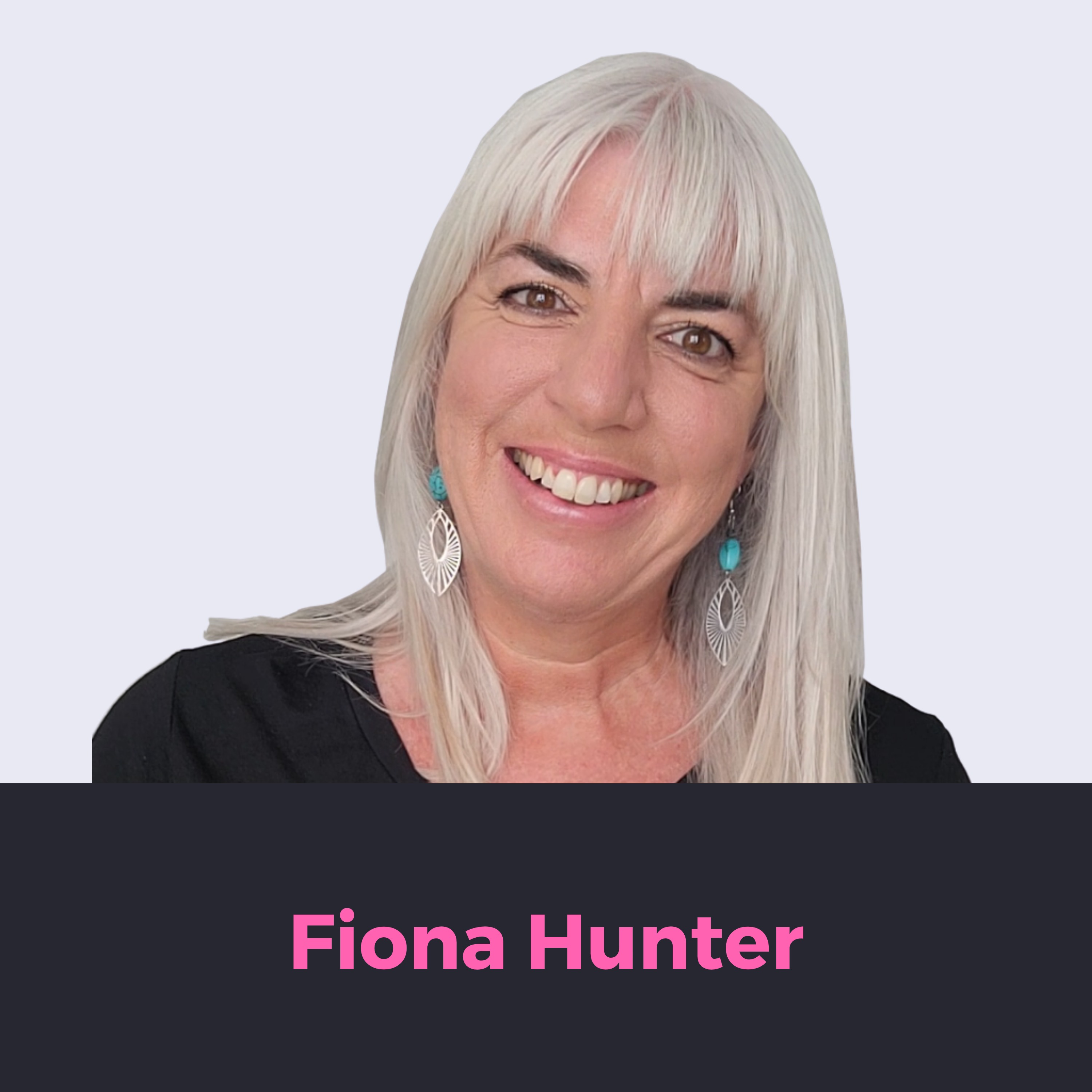 Moving Beyond the Coursebook with Young Learners — with Fiona Hunter | From textbook dependency to a "Starter, Main Course, and Dessert" approach. Fiona Hunter, founder of Kids Club English shares how to confidently step away from set materials to create authentic, play-based language experiences for young learners. From managing the psychological hurdles of letting go of the coursebook to structuring lessons around picture books, Fiona explains how stepping back allows young learners to take true ownership of their language.Watch with captions here.TALKING POINTS1. The textbook tension: engagement, syllabus pressure, and the progress gap2. Why moving away from a coursebook requires us to rethink our teaching3. The "Starter, Main Course, and Dessert" framework for structuring lessons4. How giving young learners ownership over their activities sky-rockets motivationABOUTFiona Hunter is a teacher, teacher trainer and the founder of Kids Club English. Originally from Scotland and now based in the south of Spain, she has worked in ELT for over twenty years, teaching in Spain, the UK, Argentina and South Korea, including at the British Council. She holds a DELTA with Merit and specialises in teaching preschool and primary learners.Now working independently, Fiona creates her own flexible, play-based courses built around stories, songs, games, crafts and drama - without relying on coursebooks. Through Kids Club English, she shares classroom-tested resources and runs an online Teacher Membership supporting freelance teachers and small language school owners who want to feel more confident, less overwhelmed and better equipped to build engaging, language-rich lessons for young learners.RESOURCES & REFERENCES🔗 Kids Club English Website: https://kidsclubenglish.com/🔗 Download Fiona’s Quick Start Guide to Flexible Units (available in the teaching tips section)🔗 Watch Fiona’s 4-part video series on teaching without coursebooks on her website🔗 Kids Club English @kidsclubenglish582 Fab Videos on Kids Club English YouTube:Getting Personal with Puppets - Teaching TipsHow to Prepare for Reading a Story -Teaching TipsSports Spinner Game CraftSUPPORT US☕ Buy us a coffee https://ko-fi.com/tesolpop⭐ Leave a review wherever you listenTHE PRODUCER'S EDITGet inspired to record more. Weekly stories, insights, and content tips for standout educators delivered to your inbox.👉 Subscribe here: https://communicating-for-impact.myflodesk.com/the-producers-editCREDITSProducer: Laura WilkesEditor: Haven TsangSpecial thanks to our guest, Fiona HunterProduction by Communicating for Impact @laurawilkesTIME STAMPS00:00 - Introduction to Fiona Hunter and the episode overview01:12 - The three biggest engagement and pressure challenges of coursebooks04:36 - The mindset shift: Rethinking your underlying teaching philosophy06:39 - Moving from "off-piste" projects to a semi-structured storybook approach11:08 - The "Starter, Main Course, and Dessert" lesson staging framework11:36 - Fostering learner identity and confidence through classroom roleplay12:00 - Where to find bite-sized teaching resources and closing thoughts Hosted on Acast. See acast.com/privacy for more information. | — | ||||||
| 4/23/26 |  Global Literature Circles for Teens — with Christian Fischer✨ | Global Literature Circlesteen engagement+3 | Christian Fischer | Gymnasium Schillerschule Hannover | — | Global Literature Circledigital tools+3 | — | 14m 43s | |
| 10/28/25 | 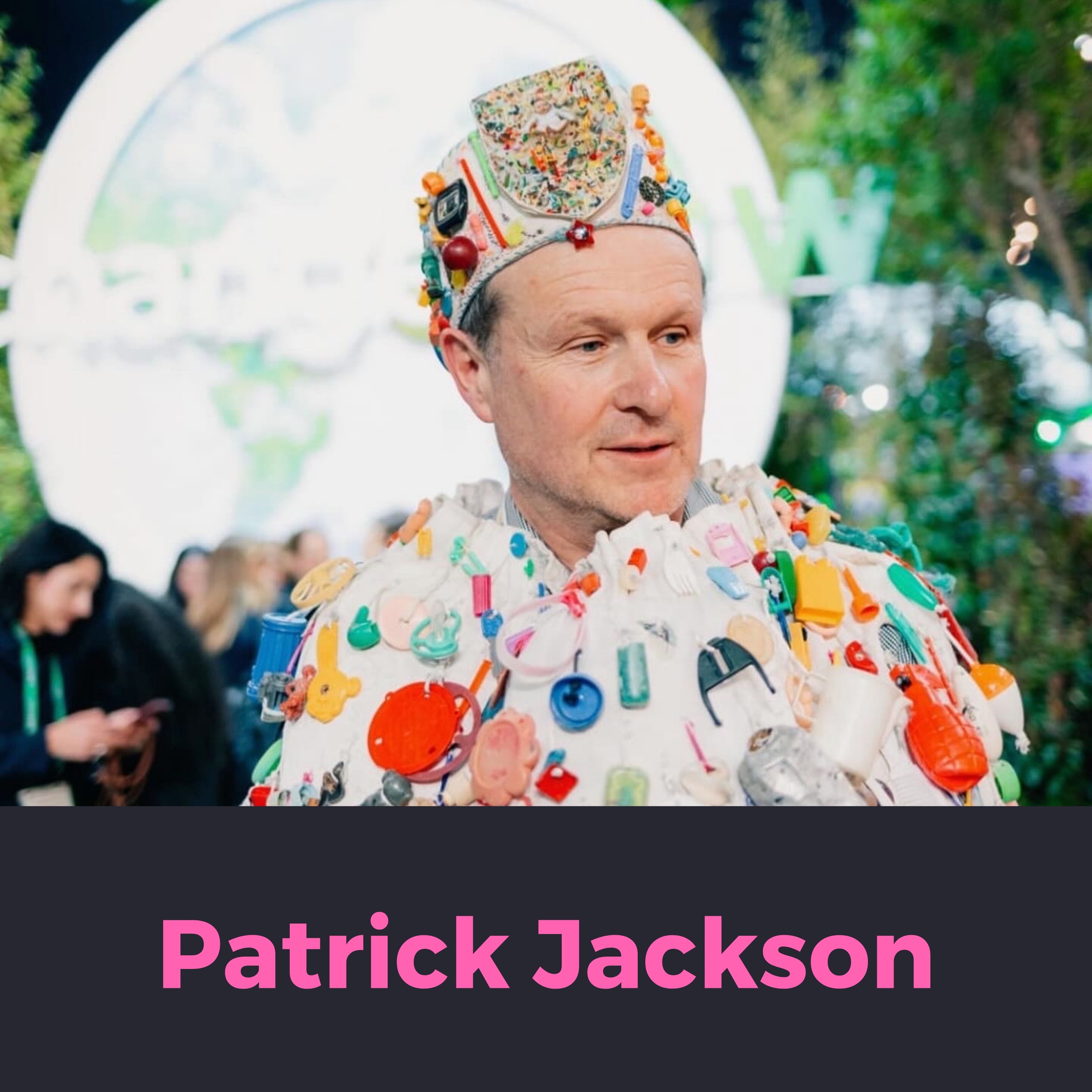 Litter Picking, Learning & Lasting Change — with Patrick Jackson✨ | environmental educationsustainability+3 | Patrick Jackson | Picker PalsEverybody Up+1 | Ireland | litter pickingenvironmental action+3 | — | 15m 51s | |
| 10/21/25 | 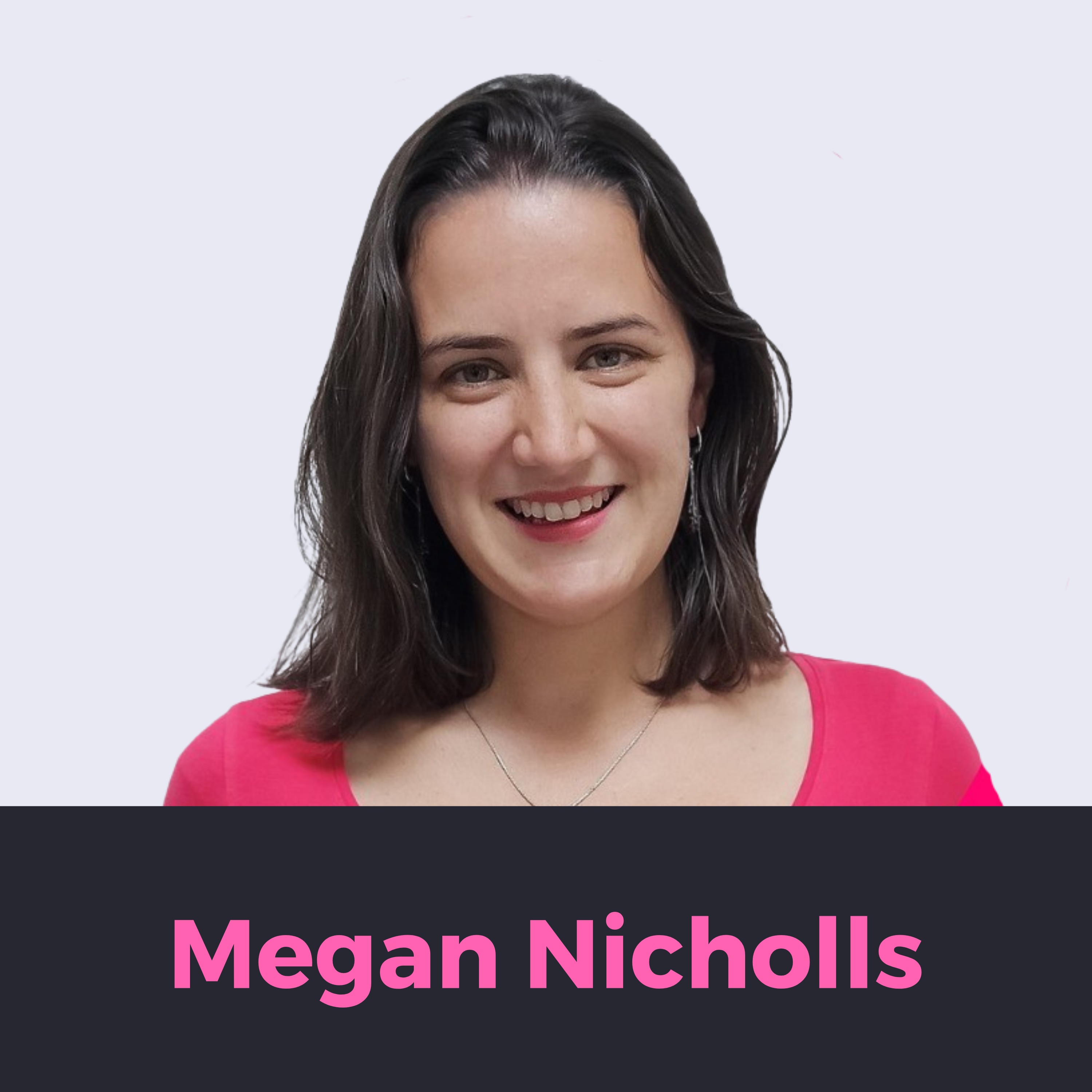 Business English, Reimagined – with Megan Nicholls✨ | Business Englishlanguage teaching+3 | Megan Nicholls | Mega Language Coach | Manchester, UKMexico | Business Englishteaching philosophy+3 | — | 15m 05s | |
| 10/14/25 |  The Power of Emergent Language — with Lewis Jaquest✨ | emergent languagelearner agency+5 | Lewis Jaquest | WordsmitheryDogme ELT+1 | Swansea, South WalesHamburg, Germany+1 | emergent languagelearner agency+5 | — | 15m 01s | |
| 10/7/25 | 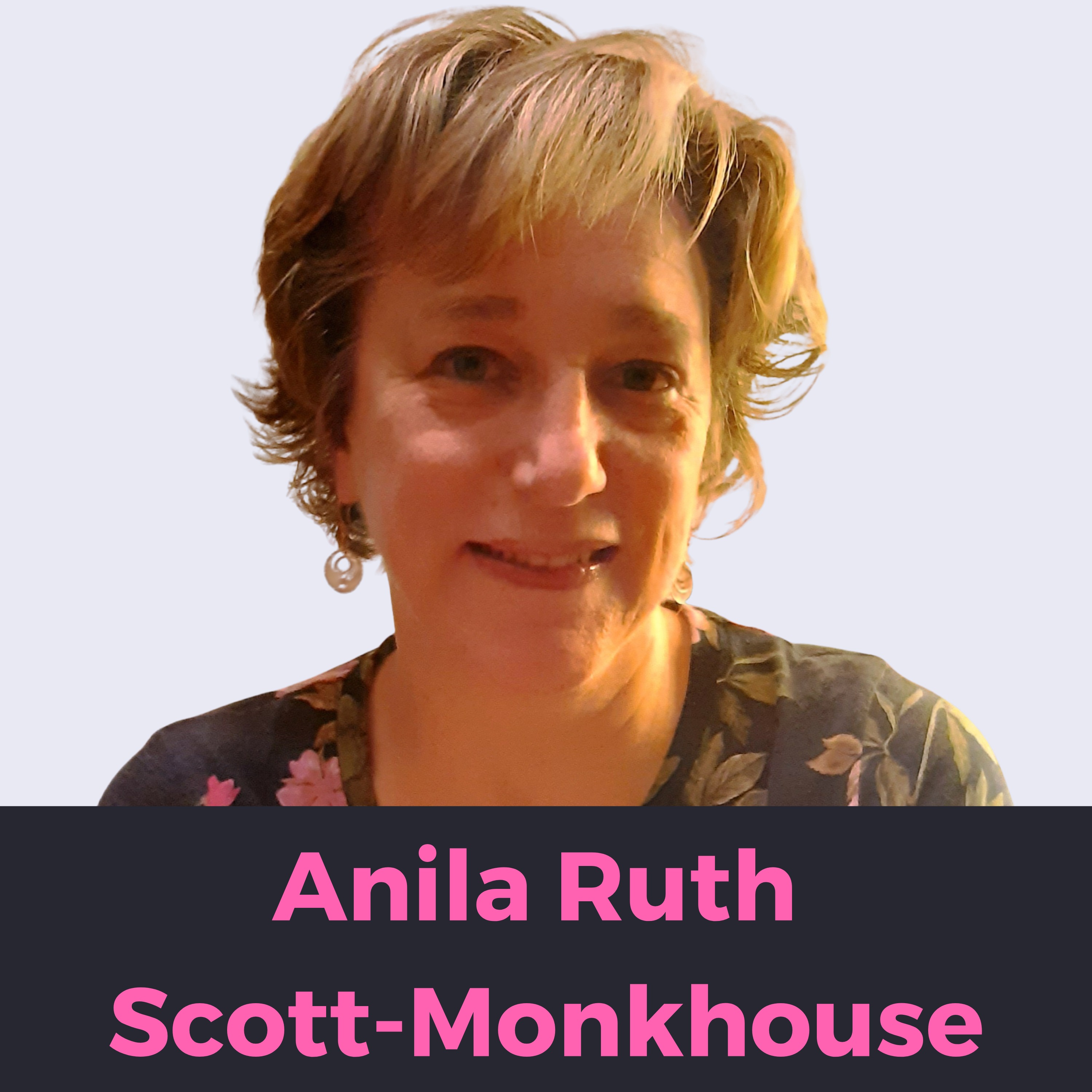 Teaching Debate to PhD STEM Students — with Anila Ruth Scott-Monkhouse✨ | academic debateSTEM education+4 | Anila Ruth Scott-Monkhouse | University of Parma | — | debateSTEM PhD+5 | — | 15m 05s | |
| 9/29/25 |  Contracts, Red Flags, and Career Choices – with Scott Allis✨ | contract negotiationteaching abroad+4 | Scott Allis | — | ChinaIraq+4 | contractsred flags+6 | — | 13m 29s | |
| 9/23/25 |  Facing the Fear: How You Can Grow by Doing It Anyway – with Steven Schmidt✨ | professional developmentovercoming fear+3 | Steven Schmidt | Dr Susan JeffersFive Truths of Fear | — | professional developmentfear+4 | — | 13m 31s | |
| 9/15/25 | 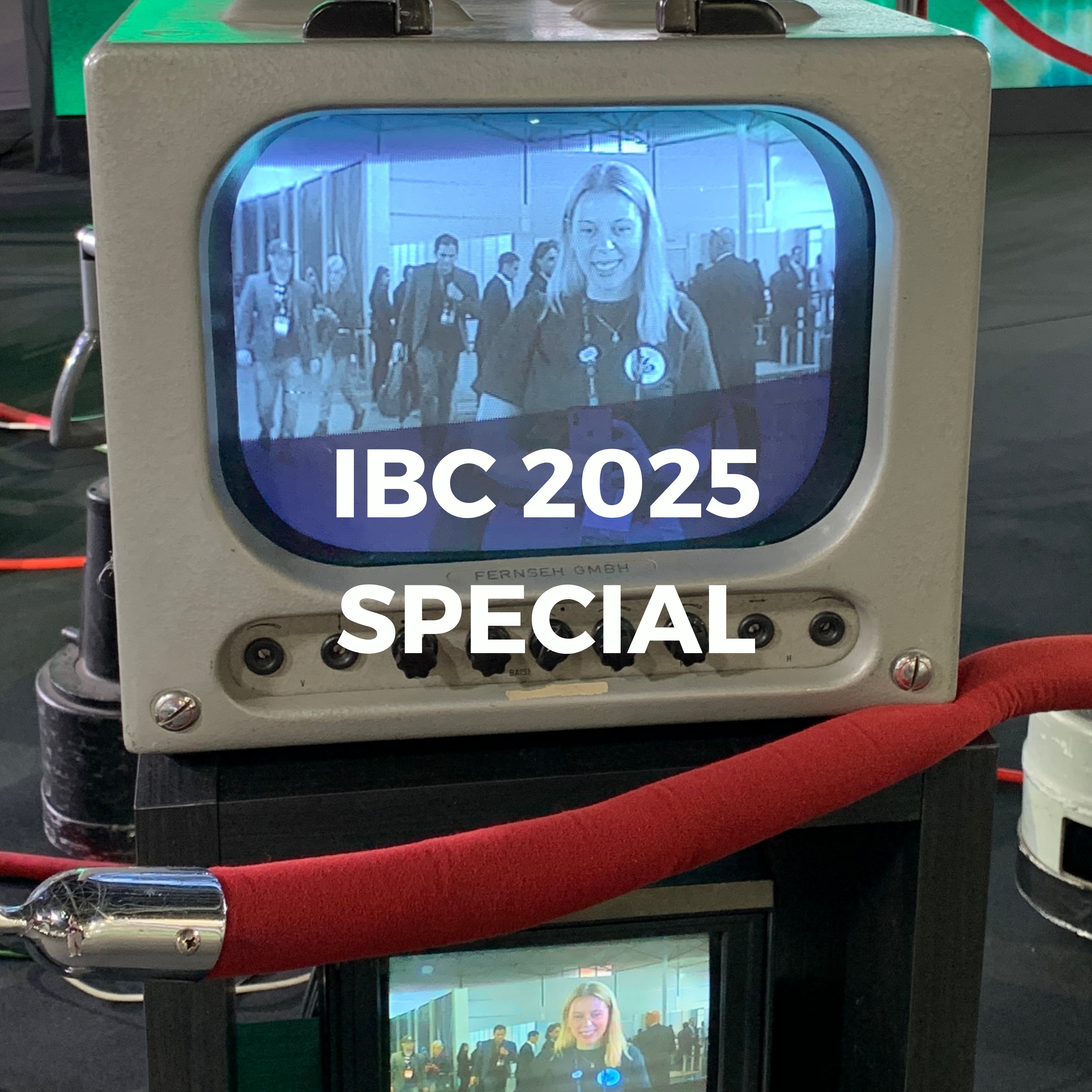 IBC 2025 for Educators: AI Captioning, Smarter Archives, and Story-First Production – with Haven Tsang✨ | AI CaptioningMultilingual Dubbing+3 | Haven Tsang | IBCBecoming Led Zeppelin | Amsterdam | AI CaptioningMultilingual Dubbing+5 | — | 15m 28s | |
| 5/28/25 |  From Students to Stakeholders: Creating a Shared Classroom – with Dr Joel Floyd✨ | inclusive learning environmentadult English language learners+4 | Dr. Joel Floyd | Ignite Career FoundationDelta Airlines+1 | VenezuelaNorcross, Georgia, USA | inclusive educationadult learners+3 | — | 14m 41s | |
Want analysis for the episodes below?Free for Pro Submit a request, we'll have your selected episodes analyzed within an hour. Free, at no cost to you, for Pro users. | |||||||||
| 5/6/25 | 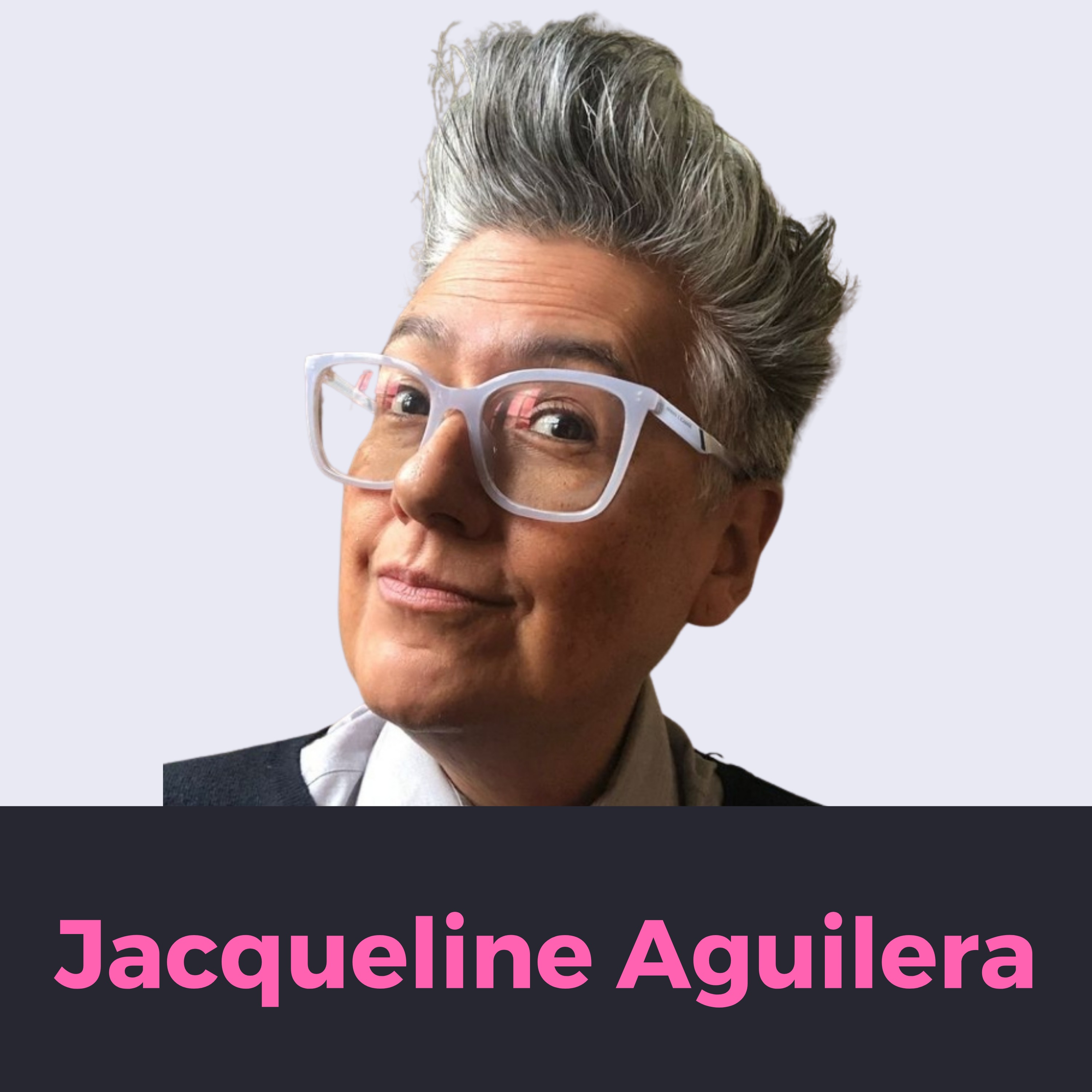 What Does Digital Literacy Really Mean for Educators? with Jacqueline Aguilera✨ | digital literacyeducation+3 | Jacqueline Aguilera | TESOL Pop | Texas | digital skillseducators+3 | — | 15m 56s | |
| 2/26/25 | 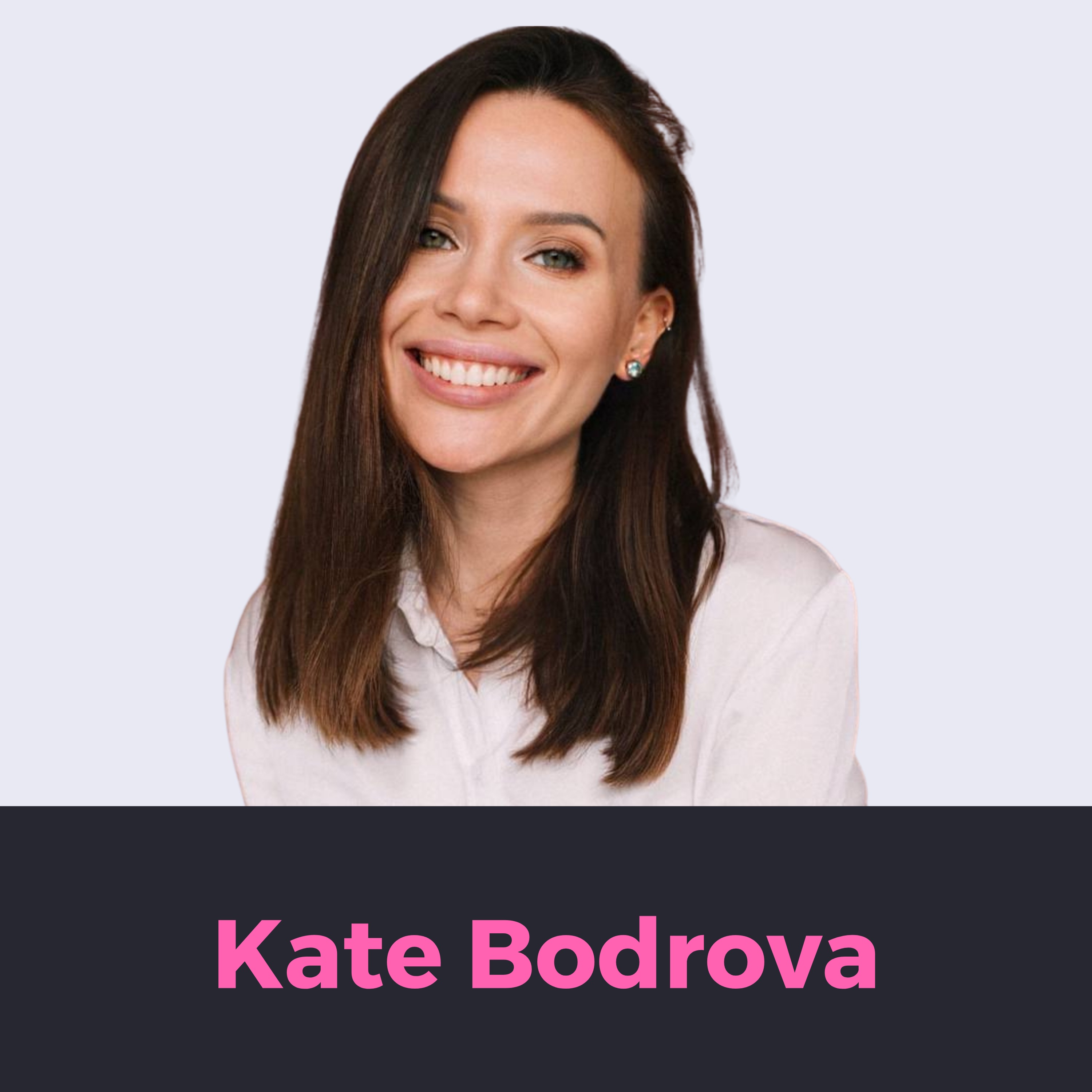 How EdTech is Transforming Teaching – with Kate Bodrova @Amazy.uk | Kate Bodrova, co-founder and CEO of Amazy, explores how technology is positively impacting teaching. Kate shares insights on how Amazy helps educators create and share interactive, media-rich resources while streamlining workflows. In this episode, Laura and Kate also discuss current trends, including AI’s role in education, the rise of the teacherpreneur, and how educators can leverage technology to enhance—rather than replace—human connection in the classroom.Watch with closed captions.TALKING POINTSIntroduction to Amazy: A platform that enables teachers to create and share interactive lesson materials, track student progress, and engage learners with various multimedia tools.Current Trends in EdTech: The growing influence of AI, the shift towards a creator economy for educators, and the importance of collecting data to optimize AI tools.Using AI to Empower Educators: How AI can streamline content creation, save time, and support personalized learning experiences without replacing teachers.Maintaining Human Connection in a Digital Age: Why technology should be a tool for enhancing education rather than diluting teacher-student relationships.ABOUTKate Bodrova is the co-founder and CEO of Amazy.uk, a London-based edtech and creator economy startup transforming the way educators create and share interactive learning materials. With a background in ESL teaching and over a decade of experience in education and technology, Kate is the driving force behind Amazy.uk, on a mission to revolutionise how we create and share educational content. Amazy.uk, recognised as the Best Startup in Europe by EdTechX in 2024, also participated in the UCL EdTech Labs accelerator program. Kate is passionate about helping teachers become creators, enabling them to design and share their own materials.REFERENCES & RESOURCESAmazy.ukFollow Kate on LinkedIn✨SPECIAL OFFER✨Use code TESOLPOP30 for 30% off Amazy's annual subscription plan.SUPPORT US💻 Sponsor us☕ Buy us a coffee⭐ Leave a reviewTHE PRODUCER'S EDITGet inspired to record more. Weekly stories, insights, and content tips for standout educators delivered to your inbox.👉 Subscribe hereCREDITSProducer Laura WilkesEditor Haven TsangThanks to our lovely guest, Kate Bodrova.Production by Communicating for Impact Hosted on Acast. See acast.com/privacy for more information. | — | ||||||
| 2/11/25 | 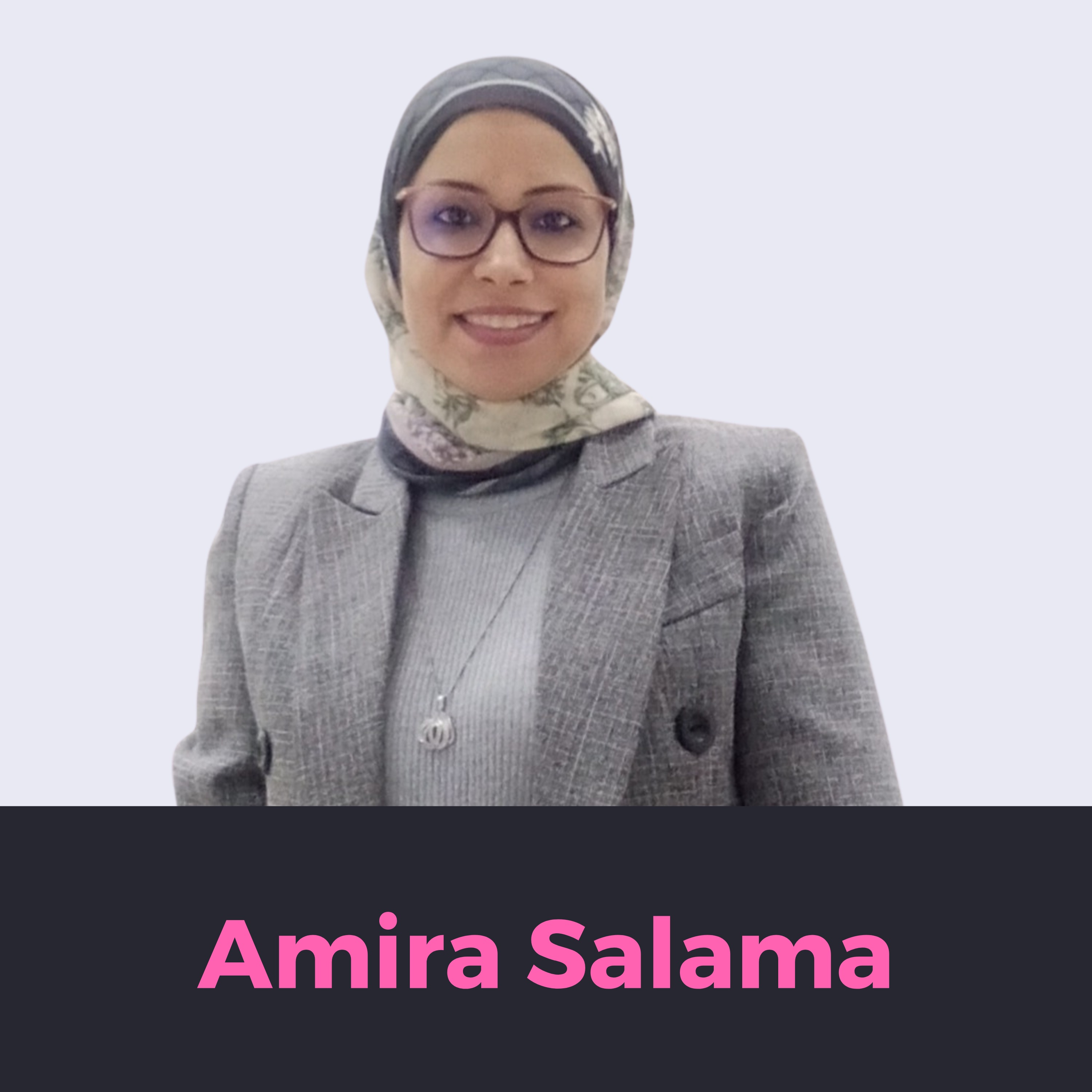 Bringing Research into Your Classroom – with Amira Salama | Amira Salama shares insights on practitioner research and how everyday classroom experiences can contribute to meaningful research. She challenges traditional notions of research and highlights how teachers are already engaging in research without realising it.Watch with closed captions.TALKING POINTS1. Research doesn’t have to be complex—any teacher reflecting on and improving their practice is engaging in research.2. Sharing findings with colleagues, at conferences, or within schools is just as valuable as publishing in journals.3. Teachers can use simple methods like student feedback, classroom observations, and collaborative discussions to gather insights.4. Research helps educators take control of challenges like AI integration and curriculum development.5. Contextualised, bottom-up approaches to teaching and research are more effective than applying generic ‘best practices.’ABOUTAmira Salama is the Chair of the TESOL International Research Professional Council (2024-2025) and the Past President of Africa ELTA. She has an MA TESOL from the American University in Cairo with a research focus on teacher leadership and is currently pursuing her Ph.D. in inclusive education. Amira is the winner of the TESOL Outstanding Advocate Honor Award in 2024. She has given a number of plenary and featured talks at local and international conferences and developed teacher training programs in Egypt and Africa with a focus on association leadership in low-resource contexts, classroom research, and women leadership.REFERENCESTESOL Research ReportAfrica ELTA (Mentoring programmes)SUPPORT US💻 Sponsor us☕ Buy us a coffee⭐ Leave a reviewTHE PRODUCER'S EDITGet inspired to record more. Weekly stories, insights, and content tips for standout educators delivered to your inbox.👉 Subscribe hereCREDITSProducer Laura WilkesEditor Haven TsangThanks to our lovely guest, Amira SalamaProduction by Communicating for Impact Hosted on Acast. See acast.com/privacy for more information. | — | ||||||
| 1/28/25 | 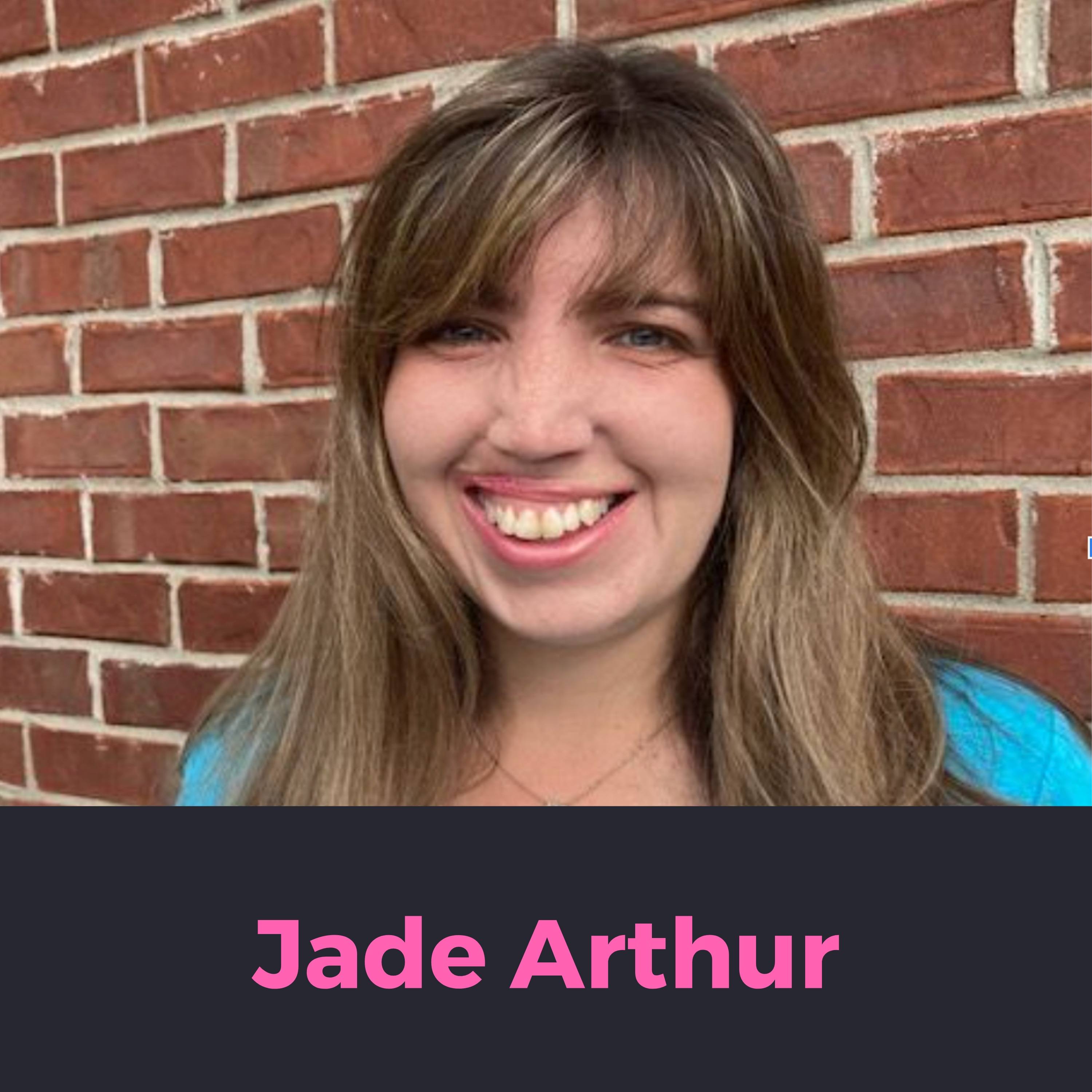 Rethinking Gamification in Adult Learning – with Jade Arthur | Jade Arthur explores the concept of gamification in teaching adult learners. In this episode, Laura and Jade dive into common misconceptions about gamification, discuss the importance of intrinsic motivation, and share actionable strategies for making learning fun, engaging, and effective for adultsWatch the episode with closed captions.TALKING POINTSWhat is Gamification?Jade explains how gamification uses elements like points, challenges, and rewards to enhance learning. She highlights how it can create meaningful and enjoyable learning experiences when applied thoughtfully.Intrinsic Motivation:Discover why gamification works best when it moves beyond external rewards and fosters a genuine love for learning.Collaboration Over Competition:Jade emphasises the importance of designing games that build community and cater to diverse learner needs rather than simply focusing on competition.Gamification for Adults:Practical tips for making gamified activities engaging yet appropriate for adult learners. From tone-setting to purposeful game design, Jade shares strategies for creating a low-pressure, high-impact learning environment.ABOUTJade is based in Tennessee, US, where she teaches adult English learners pronunciation, grammar, vocabulary, and conversation skills online. She has worked for TutorABC, Tutlo, English for IT, and Twenix, helping students from a variety of countries, including Taiwan, Ukraine, Poland, and Spain. Her goal is to encourage students to embrace the joy of learning through gamified education and inspire them to achieve creative and financial freedom. Visit Jade's website or follow her on LinkedIn.REFERENCES & RESOURCESRoman Rackwitz and his work on non-Skinnerian gamification (LinkedIn)B. F. Skinner and his work in the 1900s on behavioural psychology (Wikipedia)Try these speaking game ideas with your adult and teen students.SUPPORT US💻 Sponsor us☕ Buy us a coffee⭐ Leave a reviewTHE PRODUCER'S EDITGet inspired to record more. Weekly stories, insights, and content tips for standout educators delivered to your inbox.👉 Subscribe hereCREDITSProducer: Laura WilkesEditor: Haven TsangThanks to our lovely guest, Jade Arthur Production by Communicating for Impact Hosted on Acast. See acast.com/privacy for more information. | — | ||||||
| 1/2/25 | 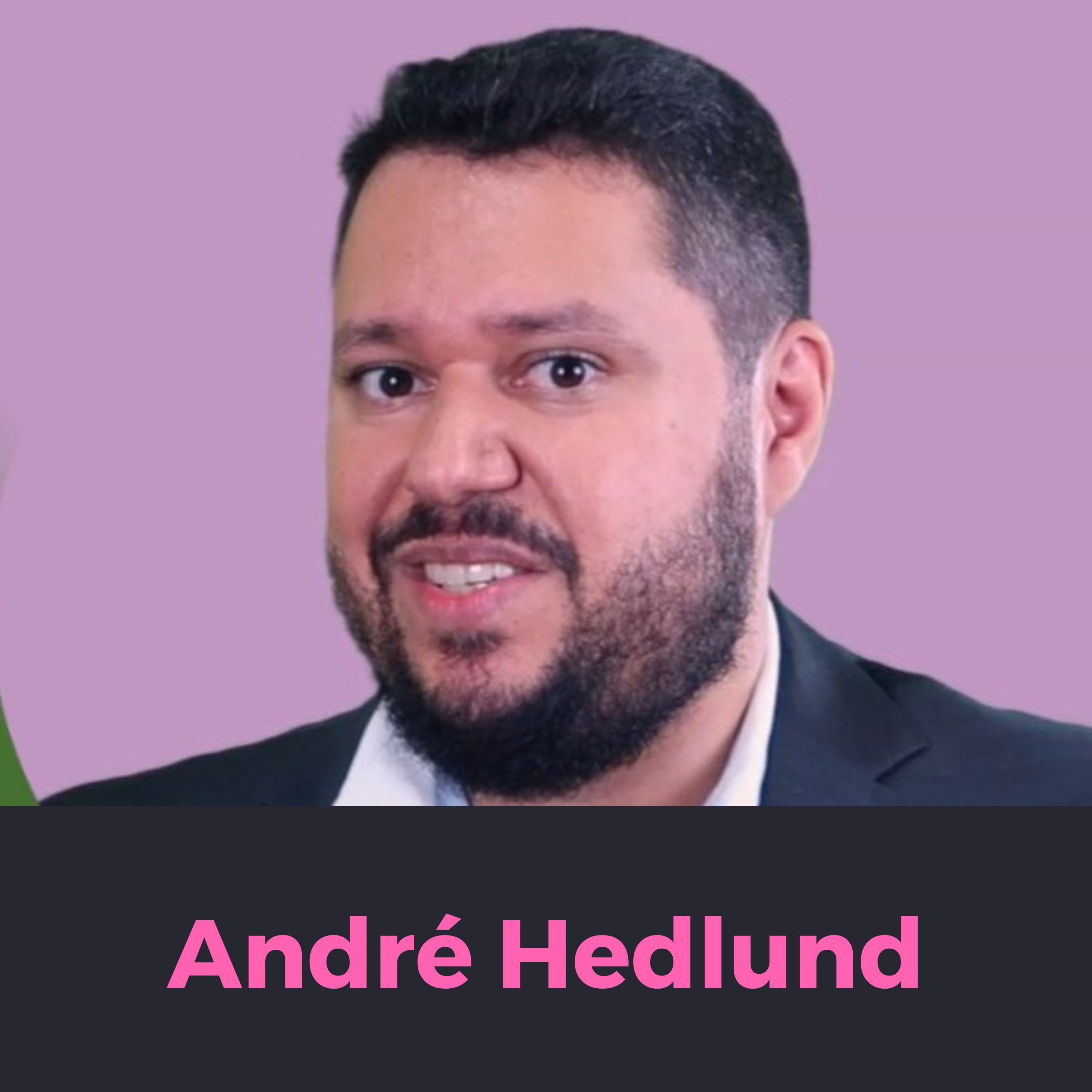 How to Improve Our Attention Span for Better Learning – with André Hedlund | Founder of the Learning Cosmos André Hedlund explores the growing challenges of maintaining attention spans in the age of digital distractions. André dives into the impact of screen time, the role of executive functions in learning, and how going back to basics can foster focus and resilience in our classrooms.Watch the episode with closed captions.TALKING POINTSDigital Overload: how delegating human interaction to devices has contributed to declining IQ levels for the first time and why educators must rethink the role of technology in teaching.Executive Functions: the importance of training the brain's "operational control centre'‘ through situations that challenge students' impulse control, emotional regulation, and focus.The Dopamine Dilemma: the neuroscience behind dopamine and how to find healthier ways to engage students without relying on instant gratification.Back to Basics: how traditional methods that prioritise interaction, exploration, and meaningful experiences can overthrow digital dependence.ABOUTAndré Hedlund is a Chevening (pronounced as evening) Alumnus, MSc Psychology of Education - University of Bristol, Educational Consultant, Speaker, Author, and Guest Lecturer on Bilingualism and Cognition in Postgraduate courses. He currently works as an e-moderator in British Council training programs. André is the leader of BRAZ-TESOL’s Mind, Brain, and Education SIG and the founder of the Learning Cosmos.REFERENCES & RESOURCESThe Learning Cosmos SubstackThe Learning Cosmos InstagramHaidt, J. (2024) The Anxious Generation. PenguinHedlund, A. (2022) The Owl Factor: Reframing your Teaching Philosophy. IndependentTESOL Pop: The Know, Show and Grow Stages of Teaching and Learning with André HedlundSUPPORT US💻 Sponsor us☕ Buy us a coffee⭐ Leave a reviewTHE PRODUCER'S EDITGet inspired to record more. Weekly stories, insights, and content tips for standout educators delivered to your inbox.👉 Subscribe hereCREDITSProducer: Laura WilkesEditor: Haven TsangThanks to our lovely guest, André Hedlund Production by Communicating for Impact Hosted on Acast. See acast.com/privacy for more information. | — | ||||||
| 11/26/24 | 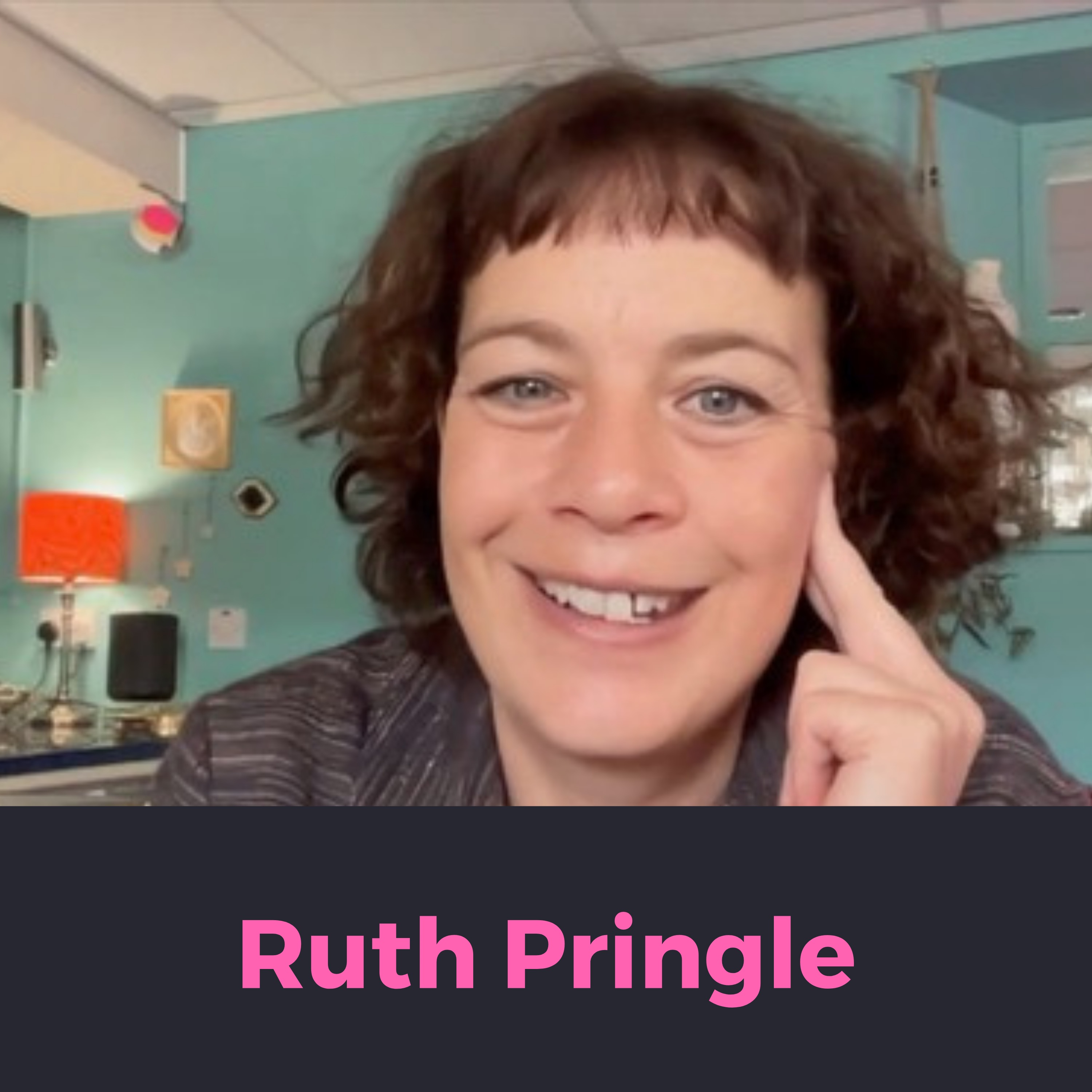 Curating Immersive English Experiences – with Ruth Pringle | Founder of Blue Noun, Ruth Pringle, discusses her innovative approach to immersive English learning. Ruth shares how combining outdoor exploration, artistic activities, and community engagement transforms English learners into confident English users.Watch with closed captions.TALKING POINTSWhat is Blue Noun?Ruth introduces Blue Noun, a language hub in Crieff, Scotland, surrounded by the stunning landscapes of Perthshire. Unlike traditional classrooms, Blue Noun offers English learners real-life opportunities to practice language skills while immersing themselves in the local culture.Learner to User: The Mindset ShiftRuth highlights the distinction between English learners and English users. She shares how focusing on using "wonky" English in authentic settings can help individuals overcome self-doubt and build confidence in their abilities.Tailored ExperiencesEach experience at Blue Noun is unique. Ruth shares examples of activities, like visiting local artist studios, participating in mosaic workshops, and exploring the scenic outdoors. These activities help learners pick up workplace-relevant vocabulary and build meaningful connections.Power of Playful LearningRuth explains how immersive and tactile experiences—like creating art or having informal conversations—allow learners to integrate English naturally into their identities, making language learning less about perfection and more about connection.ABOUTRuth offers English language coaching holidays in Perthshire, Scotland. These are curated immersive experiences that explore Scotland's landscapes and cultures and give ‘1000s of micro moments of you being you, in English’. Her background is in the arts. She spent 10 years exhibiting as an installation artist around Europe, UK & the USA and began teaching English to support this – first in a corporate language school, then freelance for art and architecture schools. She began the Blue Noun Hub 5 years ago, to unite L1 & L2 English users through stories, projects and a love of natural Scotland.REFERENCES & RESOURCESBlue Noun - Real Conversation-based English Holidays, Courses and CoachingView the gallery of photos of Blue Noun Immersive English Holidays.SUPPORT US💻 Sponsor us☕ Buy us a coffee⭐ Leave a reviewTHE PRODUCER'S EDITGet inspired to record more. Weekly stories, insights, and content tips for standout educators delivered to your inbox.👉 Subscribe hereCREDITSProducer: Laura WilkesEditor: Haven TsangThanks to our lovely guest, Ruth Pringle.Production by Communicating for Impact Hosted on Acast. See acast.com/privacy for more information. | — | ||||||
| 11/19/24 | 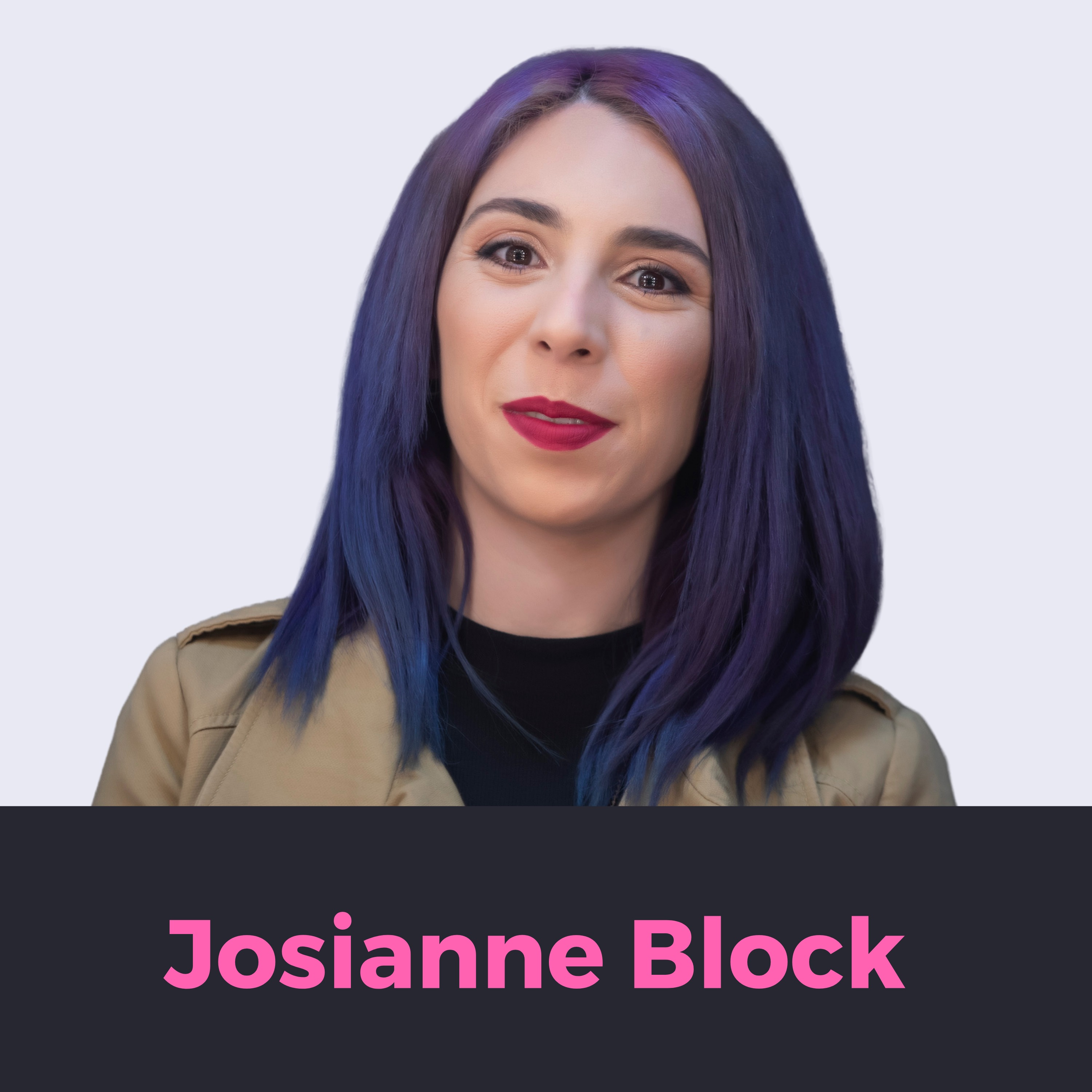 Teaching Tips for Translanguaging – with Josianne Block | Senior Teaching Associate Josianne Block shares insights on how embracing learners’ linguistic resources can enhance communication, foster inclusivity, and create a more dynamic learning environment.Watch with closed captions.TALKING POINTSWhat is translanguaging? Josianne defines translanguaging as the natural blending of languages to facilitate effective communication. She shares real-world examples, such as using gestures, words from other languages we know, and cultural knowledge to convey meaning.The role of translanguaging. How translanguaging reflects the interconnected nature of languages in our minds. Far from a shortcut, it’s a powerful tool for building confidence and fostering curiosity.Classroom strategies. Josianne describes how she incorporates translanguaging by starting lessons by writing vocabulary words in the learners' languages, as an example.Safe learning spaces. The importance of establishing clear guidelines for using learners’ first languages. She shares how this approach helps students transition from relying on their native languages to gaining confidence in English.ABOUTJosianne is based in Malta, a small island in the Mediterranean. She has over ten years of teaching experience in English and currently works as a senior teaching associate at the University of Malta. Josianne holds an M.A. in Applied Linguistics and TESOL and is also qualified to teach Italian and Maltese as foreign languages. Having taught several integration programmes, she is particularly interested in language dynamics and linguistic diversity within multilingual contexts. She also actively participates in local and international ELT conferences and enjoys conducting research.REFERENCESGarcia, O., & Wei, L. (2014). Translanguaging: Language, Bilingualism and Education. Palgrave Macmillan.Kerr, P. (2014). Translation and Own-language Activities. Cambridge University Press.Translanguaging Guides. CUNY-NYSIEB. (2021). Available at https://www.cunynysieb.org/ translanguaging-re Accessed on 19/11/2024.SUPPORT US💻 Sponsor us☕ Buy us a coffee⭐ Leave a reviewTHE PRODUCER'S EDITGet inspired to record more. Weekly stories, insights, and content tips for standout educators delivered to your inbox.👉 Subscribe hereCREDITSProducer: Laura WilkesEditor: Haven TsangThanks to our inspiring guest, Josianne Block.Production by Communicating for Impact Hosted on Acast. See acast.com/privacy for more information. | — | ||||||
| 11/12/24 |  From Teacher to Teacherpreneur – with Shélynn Riel | Shélynn Riel explores what it means to be a teacherpreneur and shares insights on how teachers can transition to entrepreneurship and leverage their skills to build flexible, impactful careersWatch the episode with closed captions here.What is Teacherpreneurship?Shé describes a teacherpreneur as an educator who leverages their teaching skills to start and run their own business. This can include freelancing, consulting, creating educational materials, and more.Essential Skills for TeacherpreneursTeachers already possess numerous skills that are useful in business, such as communication, organisation, flexibility, and empathy. Shé shares how these skills can be applied to tasks like marketing, lesson planning, and managing a business.Paths to TeacherpreneurshipShé outlines common paths, such as:Online Language Company Freelancer: A structured entry point where teachers work for language companies that handle logistics and curriculum.Marketplace Tutor: Teachers set their own rates and create course content while using tutoring platforms like Preply or Cambly to connect with students.Independent Teacherpreneur: Teachers establish their own brand, market their services, and have complete control over their business and teaching methods.ABOUTShélynn (Shé) Riel is Bridge's Expert Series Webinar Moderator and IDELTOnline instructor. She holds a Master of Education in TESOL and over fifteen years of experience in education. Throughout her career, Shé has held positions of leadership in curriculum development and program administration at universities and non-profits in the U.S., served as a facilitator for various digital exchanges for global English teachers, and delivered professional development to teachers on the ground in Argentina, Bangladesh, and China. Her interests include holistic teacher development, learner identity, and decolonial ethics in the language classroom. She is the co-creator of The Teacher Think-Aloud Podcast, which focuses on reflective practices for teachers around the world.REFERENCESBridge Teacherpreneur AcademySUPPORT US💻 Sponsor us☕ Buy us a coffee⭐ Leave a reviewTHE PRODUCER'S EDITGet inspired to record more. Weekly stories, insights, and content tips for standout educators delivered to your inbox.👉 Subscribe hereCREDITSProducer: Laura WilkesEditor: Haven TsangThanks to our inspiring guest, Shélynn RielProduction by Communicating for Impact Hosted on Acast. See acast.com/privacy for more information. | — | ||||||
| 10/29/24 |  Finding What Works for You as a Learner – with Urmi Hossain | Multilingual speaker Urmi Hossain joins us to share her experiences learning multiple languages and the personalised strategies she’s developed. Urmi’s learning journey highlights the importance of finding methods that resonate with personal goals, interests, and cultural backgrounds.Watch the episode with closed captions here.Learning with PurposeUrmi discusses how each language she’s learned holds a different significance in her life, from family connections to career advancement. By setting clear goals, she maintains motivation and purpose in her studies.Overcoming Dialect DifferencesLiving in Canada, Urmi encountered distinct French dialects that challenged her listening skills. She shares how she adapted to these variations, gaining confidence in her ability to comprehend diverse accents and expressions.Staying MotivatedUrmi stays driven through vision boards, regular goal check-ins, and strategic reminders. She believes motivation plays a vital role in language learning success, especially when progressing independently.ABOUTUrmi Hossain is Bengali by blood and Italian by birth. She works in the financial services industry in Canada, where she is currently residing. She is a self-published author, speaker, blogger, polyglot, and mentor. She is the holder of the CFA charter as well as the CAIA charter. Her first book is: Discovering your identity, a rebirth from interracial struggle. She is an advocate of women's empowerment and very passionate about teaching and mentoring other girls and women. She is part of the organisation called Women In Leadership for the Victoria Chapter in Canada as the social media lead where she spreads the message of gender equality and more women in leadership positions. She enjoys being a promoter of self-investing and personal development. Fun fact: she speaks 4.5 languages - Italian, Bengali, English, French and Spanish being the .5FOLLOWLinkedInMy Ways BlogYouTubeInstagramLove what we do? Say thanks with a coffee.https://ko-fi.com/tesolpopCREDITSProducer Laura WilkesEditor Haven TsangThanks to our inspiring guest, Urmi Hossain. Hosted on Acast. See acast.com/privacy for more information. | — | ||||||
| 10/22/24 | 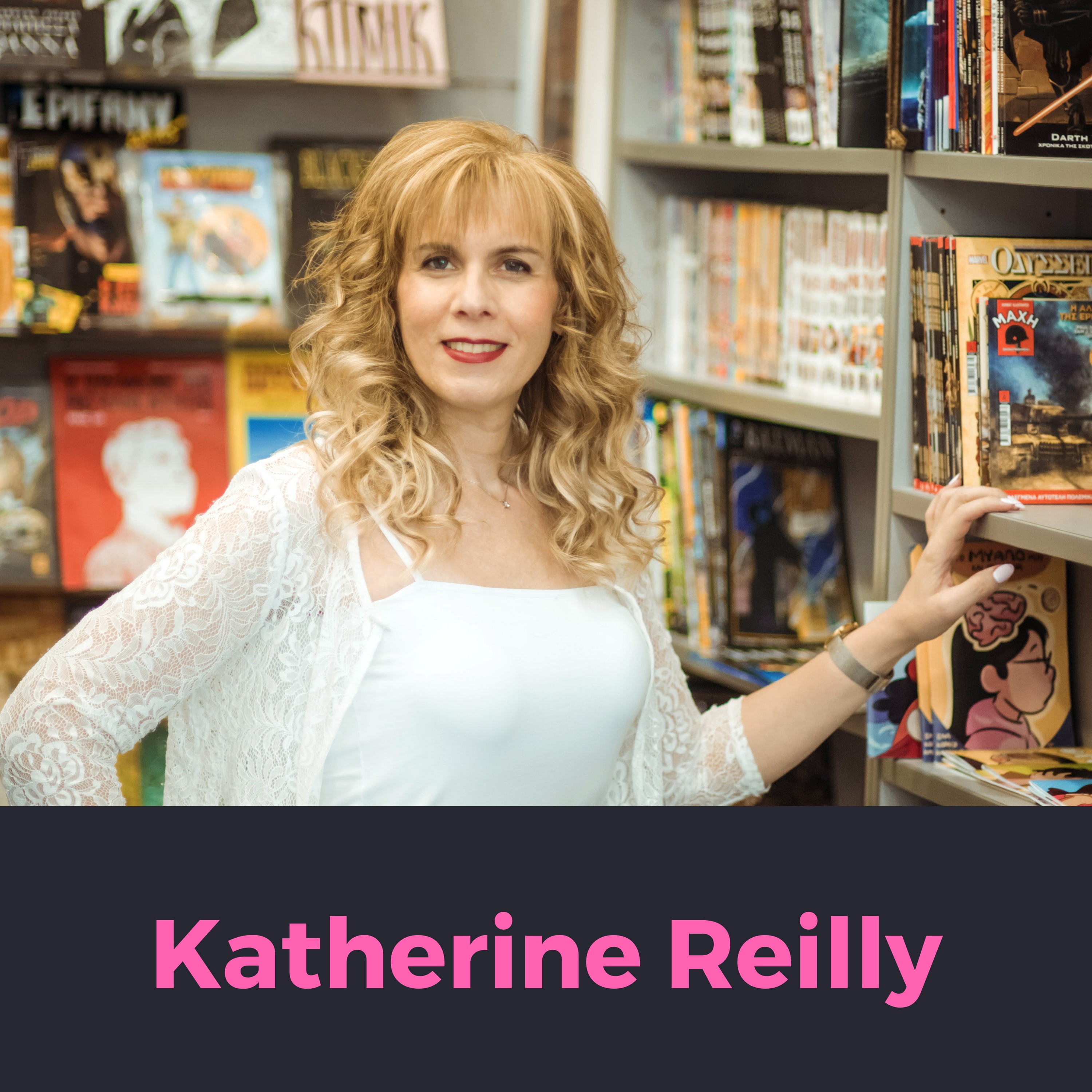 Uncovering Hidden Meaning in our Teaching Materials – with Katherine Reilly | Author and Teacher Trainer Katherine Rilley explores the role of Critical Discourse Analysis (CDA) in English language teaching and materials. Katherine explains how CDA can help educators identify hidden meanings, assumptions, and power dynamics within their teaching materials so we can make changes that foster a more inclusive and supportive environment.Watch with closed captions here.Understanding Critical Discourse Analysis (CDA)CDA is an approach that examines how language and imagery in teaching materials can shape social realities, reinforce stereotypes, and influence ideologies. Katherine emphasises the importance of ensuring materials reflect diverse voices, backgrounds, and experiences.Gender and Stereotypes in TextbooksKatherine shares examples of how textbooks can reinforce outdated gender roles, such as referring to professionals as "policemen" or "firemen" instead of using gender-neutral terms. She discusses how such representations can limit students' perceptions of their future potential.Adapting Materials for InclusivityKatherine stresses that no single textbook can fully meet the needs of all learners. Teachers should adapt materials to reflect different cultures, abilities, and perspectives. She encourages educators to use inclusive visuals, update resources, and incorporate diverse voices.Actionable Steps for TeachersKatherine’s top tips for educators:Evaluate your materials to ensure they are inclusive and cater to all students’ needs.Research to find materials that promote diversity and foster greater diversity and inclusion.ABOUTKatherine Reilly is an ELT Teacher Trainer and Author of numerous publications in children’s literature, teaching materials and ICT. She has taught Language Methodology and Materials Development at the University of Athens, previously at the Technological University of Cyprus and finally, at the Oxford TEFL Training Centre for the Innovate ELT Conference. Her expertise includes training school faculties in inclusive teaching methodology, diverse educational materials adaptation, and the application of Critical Discourse Analysis to examine socio-cultural dimensions.FOLLOWBlogLinkedInSUPPORT US💻 Sponsor us☕ Buy us a coffee⭐ Leave a reviewTHE PRODUCER'S EDITGet inspired to record more. Weekly stories, insights, and content tips for standout educators delivered to your inbox.👉 Subscribe hereCREDITSProducer: Laura WilkesEditor: Haven TsangThanks to our inspiring guest, Katherine ReillyProduction by Communicating for Impact Hosted on Acast. See acast.com/privacy for more information. | — | ||||||
| 10/15/24 |  Start Building the Career You Want – with Martin Hajek | Author Martin Hajek talks about the importance of role models and access to information to make informed decisions about our careers in the English Language Teaching industry. Martin shares three stories from his latest book More Than A Gap Year Adventure that demonstrate the wide range of career paths that are possible.Watch with closed captions here.Inspiration Behind the BookMartin shares how his training as a journalist inspired him to start researching and compiling various essays from educators around the world for More Than A Gap Year Adventure.Challenging Negative NarrativesPart of the inspiration for the title of the book was to challenge the perception that work in the industry is temporary and lacking in professional training and roles. He goes on to talk about the role click-through TEFL certificate course providers have to play in perpetuating this misconception.Three Different StoriesMartin shares three very different essays featured in More Than A Gap Year Adventure that sheds light on work in assessment and material design as just a few examples of what is possible in the ELT field.ABOUTMartin Hajek is a freelance ELT professional based in Colombia. Originally a journalist, he decided to sign up for a CELTA course at the age of 30. Martin immediately fell in love with teaching English and started looking for a way to move beyond entry-level jobs, which led him to complete a DELTA. Martin focuses on career development, language assessment, phonology, and teaching listening skills. In February 2024, he self-published More Than a Gap Year Adventure, a collaborative book aimed at those who wish to have a long-term career in the ELT profession.REFERENCESHajek, M. (2024) More Than a Gap Year Adventure: How to Make a Long-Term Career out of TEFL. IndependentFOLLOWBlog TEFL in ColumbiaLinkedInSUPPORT US💻 Sponsor us☕ Buy us a coffee⭐ Leave a reviewTHE PRODUCER'S EDITGet inspired to record more. Weekly stories, insights, and content tips for standout educators delivered to your inbox.👉 Subscribe hereCREDITSProducer: Laura WilkesEditor: Haven TsangThanks to our inspiring guest, Martin HajekProduction by Communicating for Impact Hosted on Acast. See acast.com/privacy for more information. | — | ||||||
| 10/1/24 | 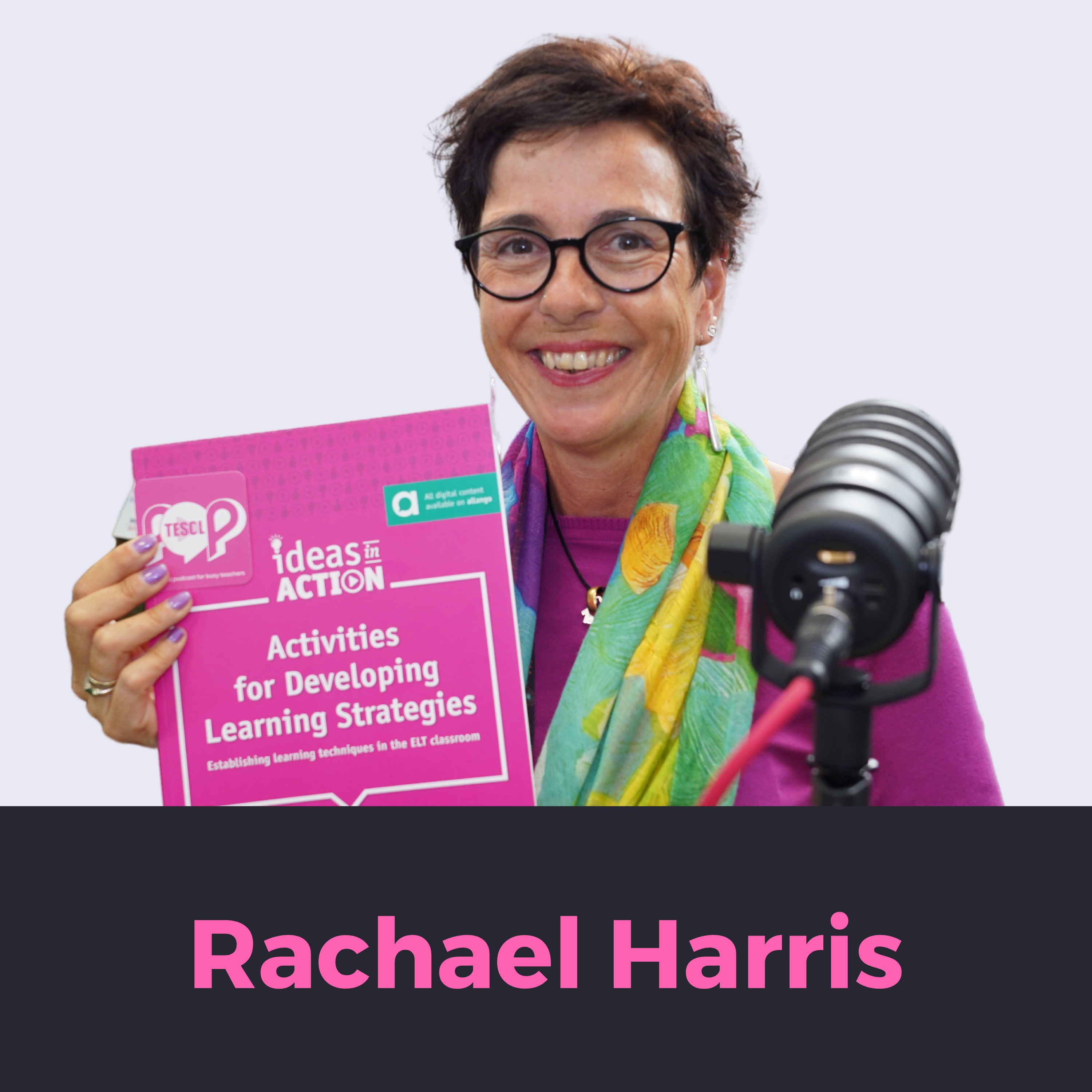 Learning Strategies that Get Results – with Rachael Harris (Recorded at IATEFL 2024) | Author Rachael Harris discusses her latest book, Activities for Developing Learning Strategies, and how her experience teaching teens and young learners inspired her to focus on inclusive practices and the importance of strategies to boost students' performance. The conversation explores examples from Rachael's book, emphasising direct and indirect learning strategies that can be applied in the classroom and beyond.Watch with closed captions here.TALKING POINTSInspiration Behind the Book. Rachael shares how her experience with teens and young learners inspired her to write Activities for Developing Learning Strategies. Direct and Indirect Learning Strategies. Rachael outlines the two main strategies: direct strategies (like vocabulary memorisation) and indirect strategies (such as goal setting and motivation). Both play a critical role in enhancing learning across different subjects.Goal Setting and Quick Wins. How the “quick wins” strategy helps maintain motivation by encouraging students to complete small, easy tasks when they feel stuck or demotivated.Scientific Basis for Learning. Rachael encourages her students to focus on proven methods such as spaced practice and self-testing, rather than relying on less effective techniques like re-reading and highlighting.ABOUTRachael Harris has taught ELT, literature & current affairs in primary & secondary schools in Geneva for over 15 years. Up until recently, she was the joint coordinator for the IATEFL Inclusive Practices & SEN special interest group. Her latest book, Activities for Developing Learning Strategies, is a collection of tried-and-tested strategies, designed to help learners succeed in the language classroom and beyond. Check out Rachael's blog, Fab English Ideas and follow her on LinkedIn.REFERENCESDunlosky, J. et al (2013) 'Improving Students’ Learning With Effective Learning Techniques: Promising Directions From Cognitive and Educational Psychology.' Psychological Science in the Public Interest (PSPI) Volume 15, pp. 4–58Harris, R. (2023) Activities for Developing Learning Strategies. DELTA Publishing.SUPPORT US💻 Sponsor us☕ Buy us a coffee⭐ Leave a reviewTHE PRODUCER'S EDITGet inspired to record more. Weekly stories, insights, and content tips for standout educators delivered to your inbox.👉 Subscribe hereCREDITSProducer: Laura WilkesEditor: Haven TsangThanks to our wonderful guest, Rachael HarrisProduction by Communicating for Impact Hosted on Acast. See acast.com/privacy for more information. | — | ||||||
| 9/24/24 |  Power up Your Professional Development with Experiential Learning – with Kirsten Holt | Kirsten Holt, founder of Creativity Sown, talks about experiential learning in teacher development. In this episode, Kirsten shares practical tips for getting started and highlights the value of building a community to exchange ideas and support growth.Watch this episode with closed captions here.KEY TALKING POINTSWhat is experiential learning?Kirsten explains that experiential learning involves applying knowledge in a practical setting (e.g., a classroom), followed by reflection and adjustment. This process helps teachers improve their teaching methods by learning from both successes and mistakes.Iterative Process of LearningTeachers are encouraged to try new activities, reflect on their outcomes, and make adjustments. This cycle of testing, analysing, and repeating leads to deeper learning and continuous professional development.Collaborative and Reflective PracticeExperiential learning thrives in a collaborative environment where teachers share ideas, reflect on their experiences, and help each other improve. It helps foster a positive, engaging staff room culture or even an online community for solo practitioners.Practical Applications and Resources:Kirsten highlights how experiential learning can be applied to new technologies, such as AI, by experimenting with different teaching tools and approaches. She also gives the example of Creativity Sown, where teachers can exchange ideas and receive feedback.ABOUTKirsten is based in Brighton, UK where she runs Creativity Sown, a company providing editorial, writing, training and education consultancy services. This encapsulates her 30 years’ experience in education, first in teaching, teacher training and school management, then in publishing, with her passion in training and mentoring. She has written course material for kindergarten learners through to adults, blog content and classroom resources for teachers and teacher trainers; designed and run face-to-face conferences, events online and training programmes, and edited hundreds of books! She is also an international conference speaker, a British Council ELTons judge and has served on the IATEFL MaWSIG and PronSIG Committees.FOLLOWWebsite Creativity SownLinkedInLove what we do? Say thanks with a coffee.https://ko-fi.com/tesolpopCREDITSProducer Laura WilkesEditor Haven TsangThanks to our inspiring guest, Kirsten Holt. Hosted on Acast. See acast.com/privacy for more information. | — | ||||||
| 9/17/24 |  Setting Students up for Success in the Workplace – with Leo Wu | English language trainer Leo Wu shares insights into tasks he uses in his classes to support his Business English learners in developing essential soft skills for the workplace. In this episode, Leo explains why communication, rather than just language proficiency, is key to success in the business world.Watch this episode with closed captions here.KEY TALKING POINTSMisconceptions in Business English EducationLeo discusses how many students, especially in Taiwan, see Business English as grammar and vocabulary-focused, rather than as a tool for effective communication in the workplace. Leo goes on to highlight the importance of building soft skills like confidence, teamwork, and interpersonal communication to succeed in real-world business environments.Classroom ActivitiesLeo walks through tasks and activities he uses in classes, such as mock business meetings, writing appreciation emails, and icebreaker activities, that foster teamwork and improve students' ability to communicate effectively.Test Preparation versus Communication SkillsLeo touches on the need to balance test-focused learning with practical language use to help students excel both academically and professionally.ABOUTLeo Wu, also known as Wuber on social media, is an ESL English teacher and trainer based in Taiwan. Over the past thirteen years, Leo has worked with learners of all ages in various online and offline settings. Currently, he is focused on teaching business-related content to professionals. He teaches at ILI Language Center(文化大學語言中心), and AMC English school, and also provides my private personalised English training lessons through his social media channels. He believes that everyone is capable of speaking languages beautifully and confidently - something that shines through in all the work he does.FOLLOW LEOTikTok @wuberenglishInstagram @wuberengFacebook @wuberengLove what we do? Say thanks with a coffee.https://ko-fi.com/tesolpopCREDITSProducer Laura WilkesEditor Haven TsangThanks to our lovely guest, Leo Wu. Hosted on Acast. See acast.com/privacy for more information. | — | ||||||
| 9/10/24 |  Curating Personalised Learning Paths with Online Platforms – with Roger Hubmann | Roger Hubmann, founder of Happy Students, talks about the evolving role of online learning platforms in language education. Roger shares how modern platforms can create dynamic, engaging, and personalised learning paths for students. He discusses the shift towards using digital tools to support pre and post-class activity, ensuring deeper learning engagement outside the classroom.Click here to watch this episode with closed captions.KEY TALKING POINTSEvolution of Online LearningRoger explains how platforms have evolved from static libraries to tools that support personalised and interactive learning paths. Online learning platforms can act as a digital frame that fosters communication and collaboration between learners and teachers.A Practical Case StudyMedicus Linguae is a great example of how mobile technology and learning platforms can interlink. In the case of Happy Students, the smartphone-compatible platform enables students to upload audio and video assignments, thus increasing their opportunities to develop their skills outside the live class hours.A Time-Saving SolutionOnline or blended learning experiences can save time so that teachers and learners can focus more on meaningful live interactions. Roger also points out how AI tools can assist in creating teaching materials to support teachers in moving to an online or blended teaching model.ABOUTRoger Hubmann, Founder of Happy Students, is passionate about creating engaging digital learning interactions and developing digital ecosystems with experts and their knowledge. With a background in economics, he has extensive experience in digital engagement, product development, and startup developments in virtual worlds and eCommerce. He’s Zurich-based, has lived over a decade in Spain, Berlin, and the UK. Roger believes that the education sector is undergoing similar digital transformations as banking and commerce, where innovation through digital means is key to differentiation.REFERENCESHappy Students. State-of-the-art learning softwareMedicus Linguae. German language training for nursing and health professionals.OpenAI. For the latest updates about ChatGPT, DALL-E and more.Love what we do? Say thanks with a coffee.https://ko-fi.com/tesolpopCREDITSProducer Laura WilkesEditor Haven TsangThanks to our special guest, Roger Hubmann. Hosted on Acast. See acast.com/privacy for more information. | — | ||||||
Showing 25 of 125
Sponsor Intelligence
Sign in to see which brands sponsor this podcast, their ad offers, and promo codes.
Chart Positions
9 placements across 9 markets.
Chart Positions
9 placements across 9 markets.