
Insights from recent episode analysis
Audience Interest
Podcast Focus
Publishing Consistency
Platform Reach
Insights are generated by CastFox AI using publicly available data, episode content, and proprietary models.
Total monthly reach
Estimated from 3 chart positions in 3 markets.
By chart position
- 🇬🇧GB · Visual Arts#30100K to 300K
- 🇺🇸US · Visual Arts#1985K to 30K
- 🇲🇾MY · Visual Arts#1430K to 100K
- Per-Episode Audience
Est. listeners per new episode within ~30 days
68K to 215K🎙 ~2x weekly·5 episodes·Last published 2d ago - Monthly Reach
Unique listeners across all episodes (30 days)
135K to 430K🇬🇧70%🇲🇾23%🇺🇸7% - Active Followers
Loyal subscribers who consistently listen
54K to 172K
Market Insights
Platform Distribution
Reach across major podcast platforms, updated hourly
Total Followers
—
Total Plays
—
Total Reviews
—
* Data sourced directly from platform APIs and aggregated hourly across all major podcast directories.
On the show
Recent episodes
Painting Begins Where the World Ends: The Psychedelic Attack of Oleg Holosiy
May 13, 2026
Unknown duration
The World on its Head: A Tribute to Georg Baselitz (1938-2026)
May 4, 2026
Unknown duration
Decommissioned Dreams and New Beginnings: Nikita Gashunin and Art After the USSR
Apr 27, 2026
Unknown duration
The Arms That Shook the System: Kovanda, Havel, and the Art of Disobedience
Apr 12, 2026
Unknown duration
Back to the Future: Each of us is Friedrich’s Wanderer above the Sea of Fog
Mar 30, 2026
Unknown duration
Social Links & Contact
Official channels & resources
Official Website
Login
RSS Feed
Login
| Date | Episode | Description | Length | |
|---|---|---|---|---|
| 5/13/26 | 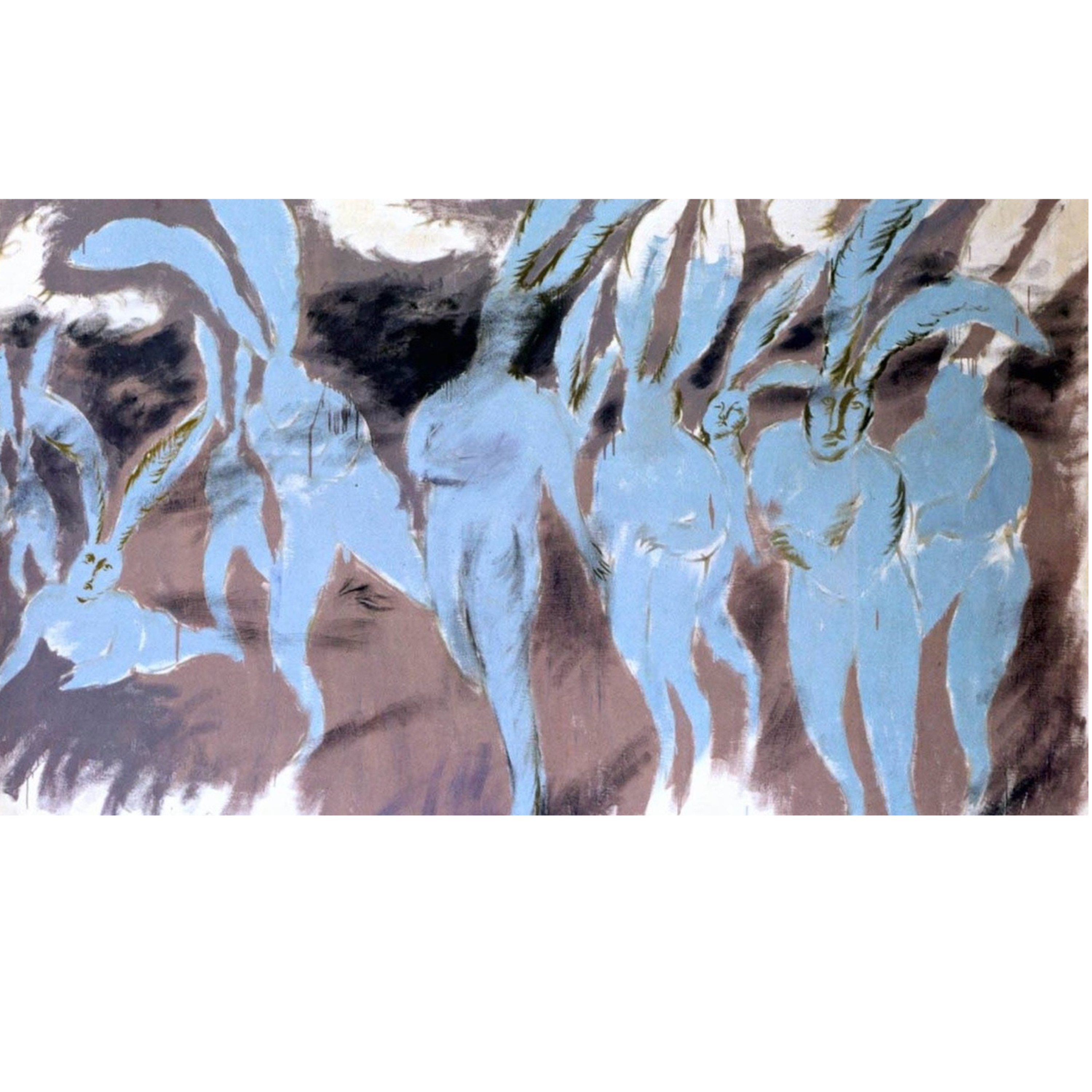 Painting Begins Where the World Ends: The Psychedelic Attack of Oleg Holosiy | In this episode of The Bigger Picture, Dr Peter Tuka explores Oleg Holosiy’s monumental 1990 painting Psychedelic Attack of the Blue Rabbits – a key work of the Ukrainian New Wave and a haunting, large-scale example of Neo-Expressionist painting shaped by Perestroika and the collapse of the Soviet Union. From Holosiy’s own writing (“Painting begins where the world ends”) to the artwork’s fever-dream imagery ofelectric-blue, humanoid rabbits, this art history podcast unpacks the painting’s politics, liminality, and metaphysical “inner space,” tracing connections to Kuzma Petrov-Vodkin’s On the Line of Fire, surrealist automatism, and the anxieties of transition in 1990s Ukraine. If you’re searching for a deep dive into Ukrainian contemporary art, Soviet and post-Soviet culture, Glasgow Museums hidden treasures, or the meaning behind Psychedelic Attack of the Blue Rabbits, this episode is your essential listening.Oleg Holosiy, Psychedelic Attack of the Blue Rabbits, oil on canvas, 200x300cm, Glasgow MuseumsKuzma Petrov-Vodkin, On the Line of Fire, 1616, oil on canvas, 196x275cm, State Russian Museum, St. Petersburg | — | |
| 5/4/26 | 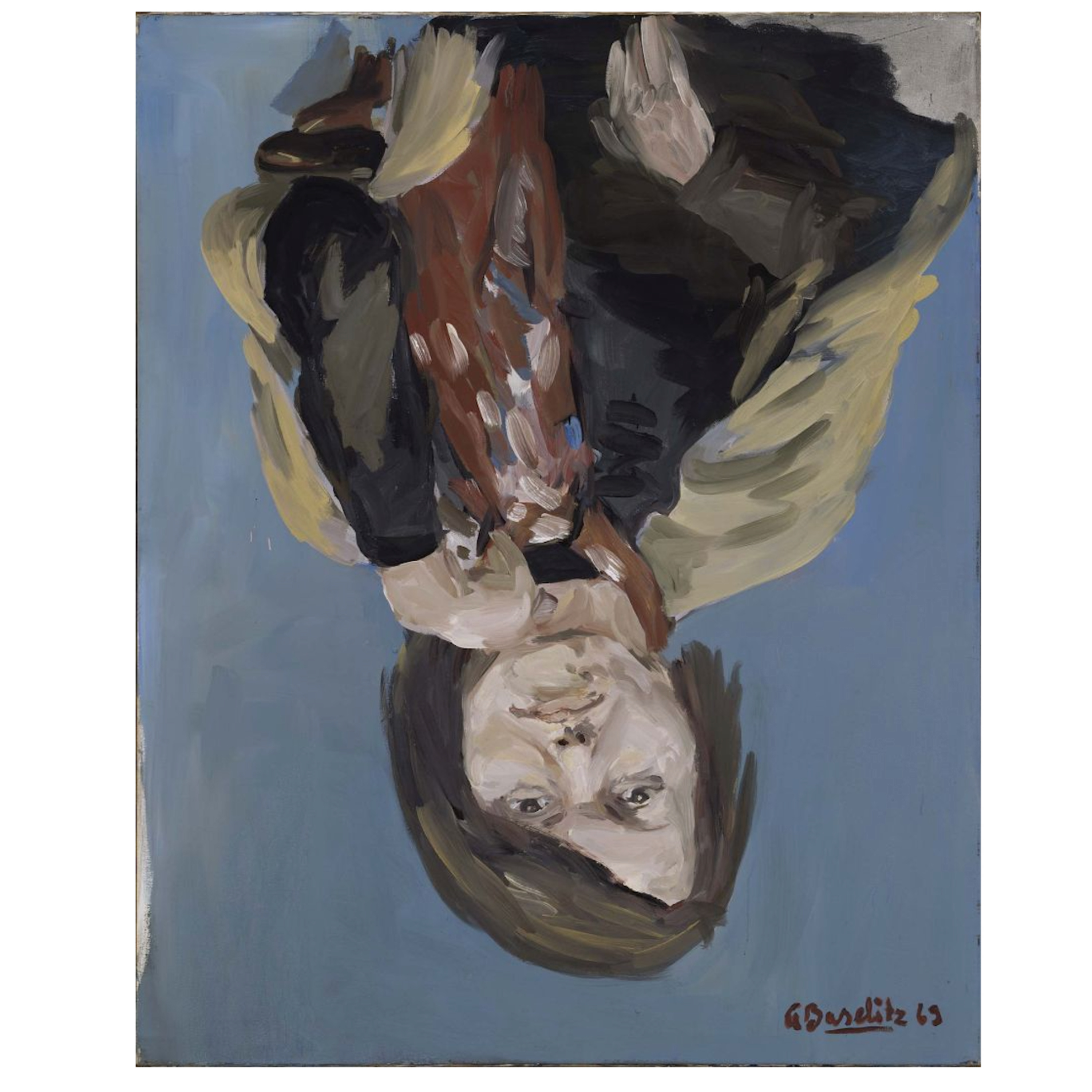 The World on its Head: A Tribute to Georg Baselitz (1938-2026) | In this bonus episode of The Bigger Picture, Dr Peter Tuka explores Portrait of Elke I (1969) by German artist Georg Baselitz — one of his first upside-down (inverted) paintings that helped redefine figurative painting in post-war German art. Through a close visual analysis, we unpack Baselitz’s radical inversion technique, his idea of creating visual irritation, and howhis work sits between abstraction and representation, often linked to Neo-Expressionism and contemporary art history. The episode also traces Baselitz’s life between East and West Germany and the “destroyed order” that shaped his aggressive brushwork, before turning to the intimate story of ElkeKretzschmar, his wife and lifelong muse. If you’re searching for an art history podcast on Georg Baselitz, inverted paintings, German Neo-Expressionism, or the meaning behind Portrait of Elke I, this episode is for you.Georg Baselitz, Portrait of Elke I, 1969, synthetic resin emulsion paints on canvas, 162x130cm, The Metropolitan Museum, New YorkGeorg Baselitz, The Wood on its Head, 1969, oil on canvas, Museum Ludwig, Cologne, GermanyLouis-Ferdinand von Rayski, Wermsdorf Forest, c.1859, oil on canvas, Staatliche Kunstsammlungen Dresden, Germany | — | |
| 4/27/26 | 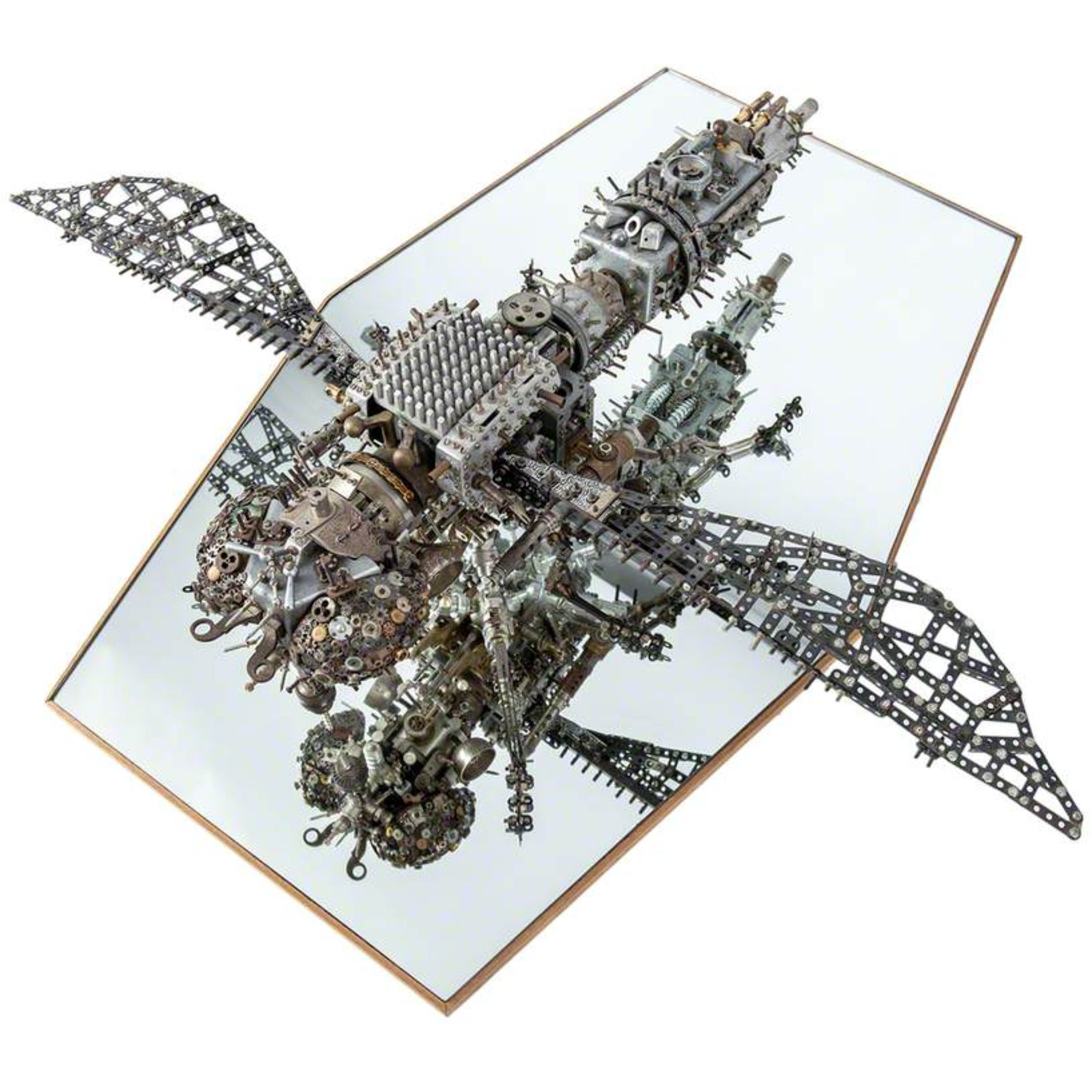 Decommissioned Dreams and New Beginnings: Nikita Gashunin and Art After the USSR | In Episode 6 of The Bigger Picture, host Dr Peter Tuka explores The Fly (1991) by Russian artist Nikita Gashunin — a piece of Russian modern sculpture and post-Soviet contemporary art held in the Glasgow Museums collection. Created as the Soviet Union collapse unfolded in 1991, this striking found-object sculpture — an industrial assemblage welded from salvaged machinery — transforms scrap into an oversized “robotic fly” that feels both alive and weaponised.We unpack how Gashunin’s materials, welding, and militarised details echo Perestroika and Glasnost — Mikhail Gorbachev’s reforms — and why The Fly reads as political art: a reflection on power, ideology, and the legacy of art and propaganda in the late USSR. The sculpture’s dual identity (insect and fighter jet, artwork and weapon) becomes a perfect case study in liminality — that unsettling “in-between” threshold where identities and systems dissolve, and a new order has not yet formed.The episode also follows The Fly’s journey to Scotland, connecting post-Soviet cultural change to Glasgow’s transformation from heavy engineering and shipbuilding on the River Clyde to a modern centre of arts and culture. We revisit the late-1980s cultural exchange between East and West, including the city’s Soviet arts showcase New Beginnings festival (1989) and the momentum that helped shape Glasgow City of Culture (1990) — a context that helps explain how this “hidden treasure” entered Glasgow’s collections in the first place.Nikita Gashunin, The Fly, 1991, metal assemblage, mirror and wood, 91x61x30cm, Glasgow MuseumsNext Episode:Oleg Holosiy, Psychedelic Attack of the Blue Rabbits, 1990, oil on canvas, 200x300cm, Glasgow Museums | — | |
| 4/12/26 | 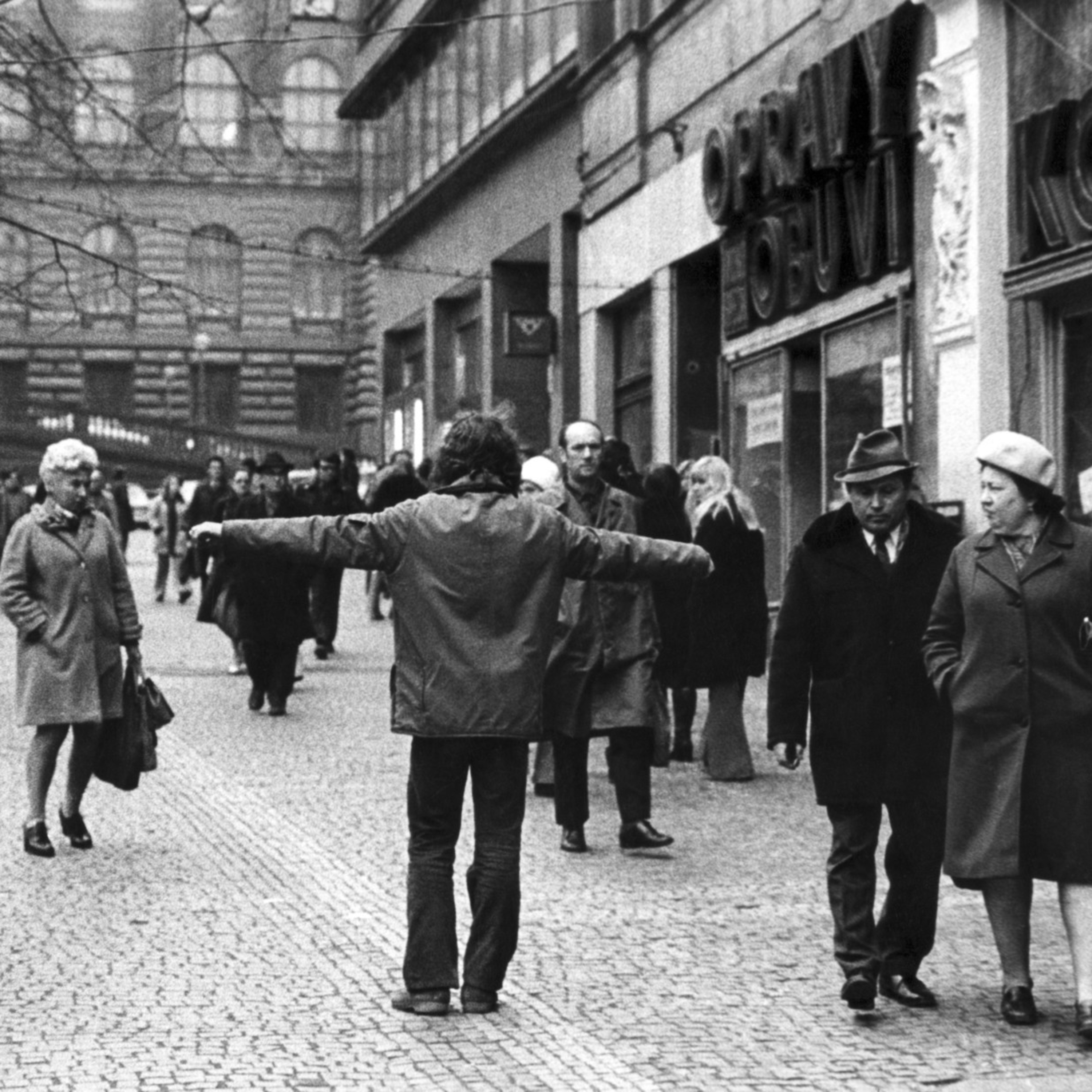 The Arms That Shook the System: Kovanda, Havel, and the Art of Disobedience | Prague, 1976. One man. Arms wide open. A crowdthat won’t come near. In this episode of The Bigger Picture, Dr Peter Tuka dives into Czech conceptual art and Eastern European performance art through Jiří Kovanda’s action art on Wenceslas Square — an experiment in public space, body politics, and everyday resistance under state surveillance inCommunist Czechoslovakia’s Normalization era (Cold War, Soviet bloc). With photographic documentation as our evidence, we connect art under communism to dissident culture via Václav Havel’s The Power of the Powerless, post-totalitarianism, self-censorship, and “living in truth.” Press play for art history with political bite and follow for more Central and Eastern European art stories.Jiří Kovanda, Untitled, 19th November 1976, black and white photographMark Carney's speech at the World Economic Forum, davos, January 2026In the next episode:Nikita Gashunin, The Fly, 1991, assembled sculpture, Glasgow Museums | — | |
| 3/30/26 | 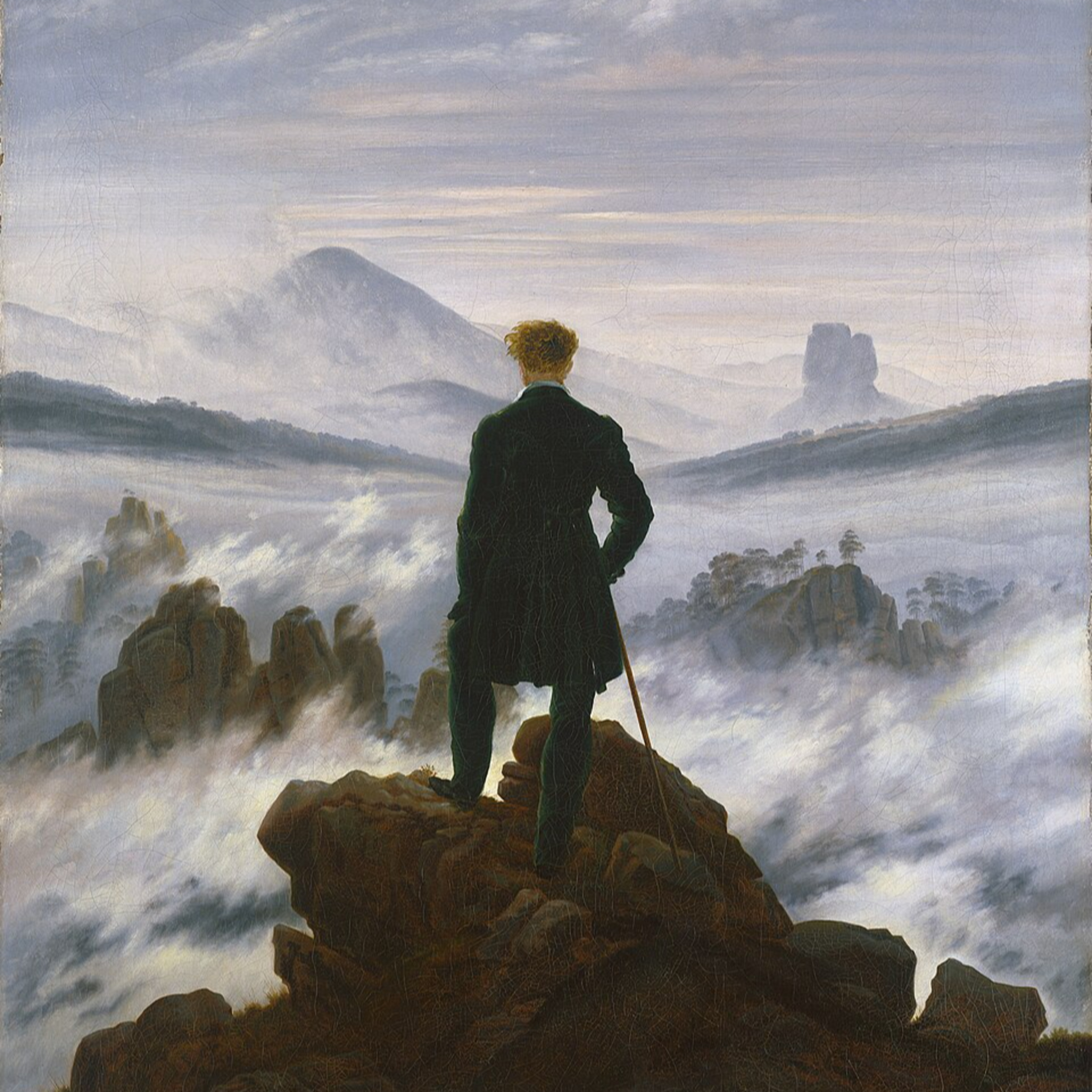 Back to the Future: Each of us is Friedrich’s Wanderer above the Sea of Fog | In this episode of The Bigger Picture, art historian Dr Peter Tuka offers an in‑depth exploration of Caspar David Friedrich’s Wanderer above the Sea of Fog (c.1818), a cornerstone of German Romanticism and one of the most iconic paintings in art history. Through detailed visual analysis, symbolism, and historical context, the episode unpacks key Romantic concepts such as the Sublime, the Romantic Hero, Sehnsucht, and the powerful tension between human reason, nature, and the unknown. The discussion connects painting with philosophy, Enlightenment thought, Mary Shelley’s Frankenstein, and 19th‑century German nationalism, revealing how Friedrich’s lone Wanderer speaks to themes of identity, self‑discovery, solitude, uncertainty, and modern existential thought. A compelling episode for listeners interested in art history podcasts, Romanticism, philosophy of art, symbolism in painting, and the deeper meanings behind famous artworks.Artworks mentioned:Kaspar David Friedrich, Wanderer above the Sea of Fog, c.1818, oil on canvas, 95x75cm, Hamburger Kunsthalle, GermanyEugène Delacroix, Liberty Leading the People, 1830, oil on canvas, 260x325cm, Louvre Paris | — | |
| 3/16/26 | 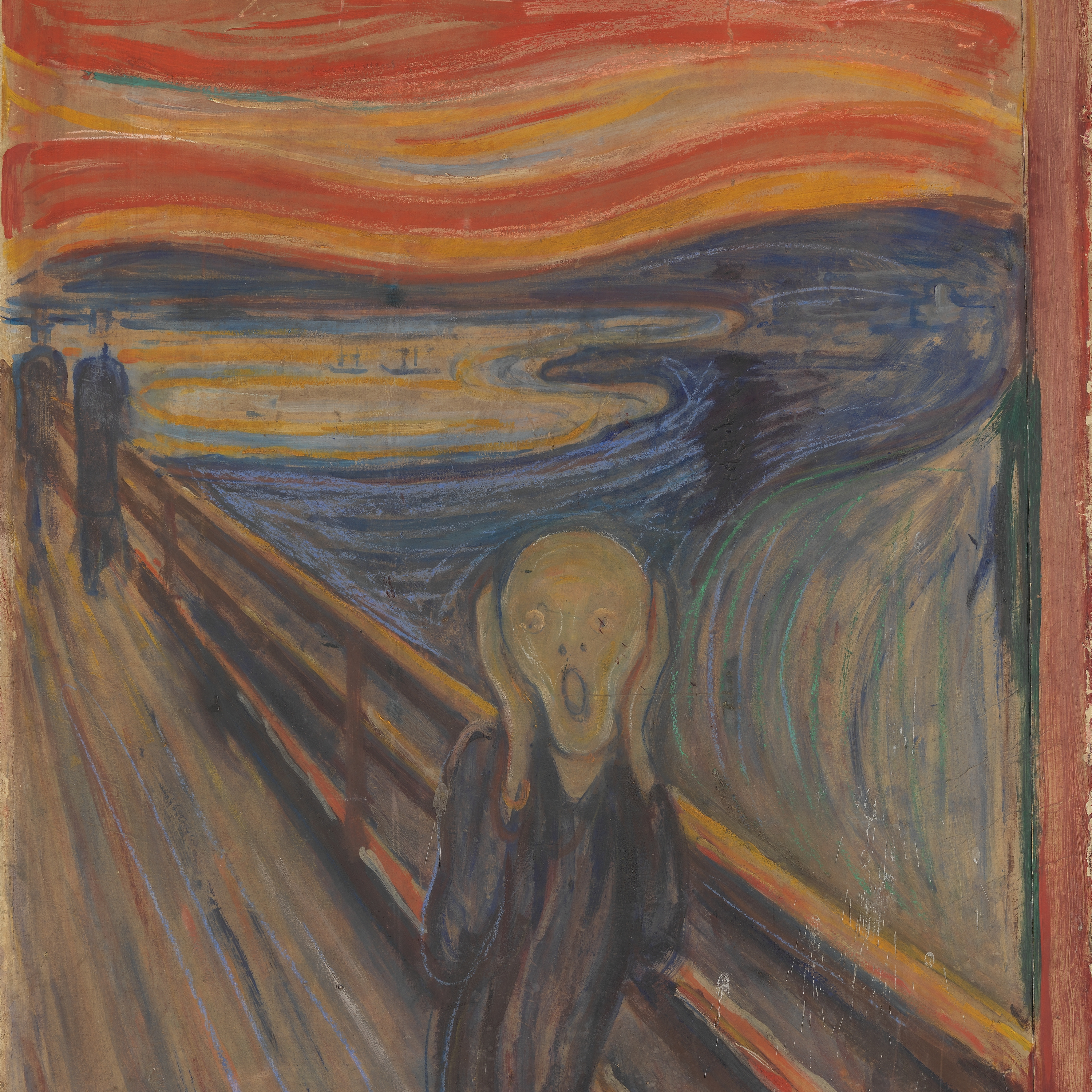 A Fjord-ian Slip: Edvard Munch’s The Scream as the Art History's Original Panic Attack | In this episode of The Bigger Picture, art historian Dr PeterTuka offers a deep, psychologically rich exploration of EdvardMunch’s The Scream, unpacking its enduring power as an icon of anxiety, alienation, and modern existential dread. Moving beyond surface‑level art history, the episode weaves together visual analysis, Symbolist aesthetics, Munch’s diary writings, and insights into panic attacks and mental health, revealing how distortion of colour and form becomes a language of inner trauma. From the painting’s multiple versions and material choices to its roots in fin‑de‑siècle anxiety, Nietzschean thought, and Munch’s personal struggles, this episode reframes The Scream as both a masterpiece of modern art and a radical act of emotional resilience. Ideal for listeners interested in art history podcasts, Expressionism, psychology in art, and thehidden stories behind iconic paintings, this episode invites us to confront our own inner landscapes—and discover meaning within the chaos.Edvard Munch, The Scream, 1893, oil, tempera, pastel and crayon on canvas, 91x73,5cm, National Museum and Munch Museum, Oslo | — | |
| 3/2/26 | 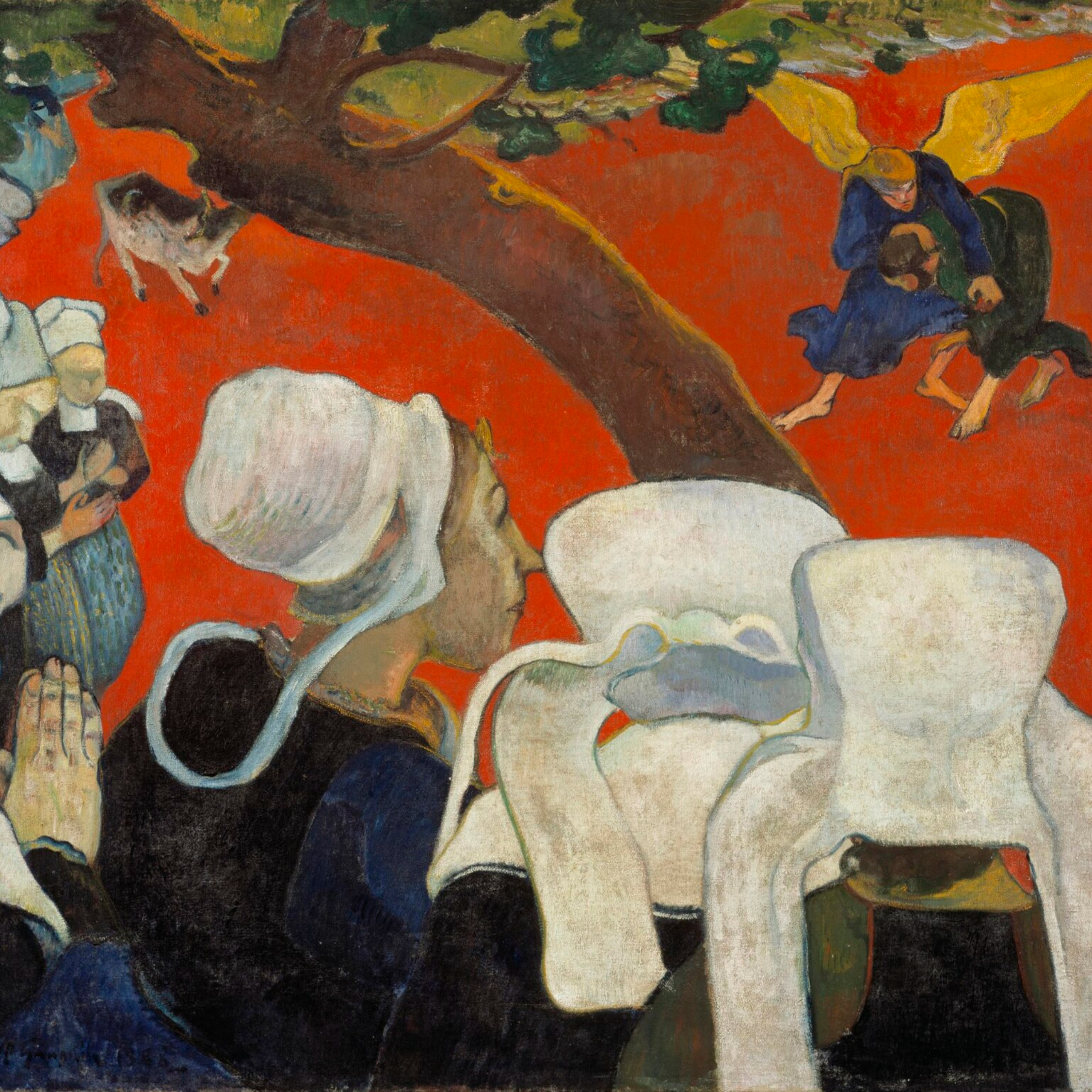 Bonnets, Blessings, and Brawls: Gauguin’s Wrestling with the Unseen | In this episode of The Bigger Picture, art historian Dr Peter Tuka delivers an in‑depth art history podcast analysis of Paul Gauguin’s Vision after the Sermon (1888), a landmark work of Post‑Impressionism and Symbolist painting. Blending vivid storytelling with scholarly insight, the episode explores Synthetism, Cloisonnism, Japanese ukiyo‑e influence, and Gauguin’s radical use of bold colour, flattened perspective, and symbolic form to express religious vision and spiritual experience in modern art. Listeners are guided through the Biblical narrative of Jacob wrestling with the angel, while uncovering how Gauguin transformed this story into a powerful meditation on collectivebelief, Breton Catholic spirituality, and mystical imagination ratherthan a literal religious scene. Set against Gauguin’s break from Impressionism, his life crisis, and his search for meaning beyond modern urban life, this episode connects 19th‑century art, religion, psychology, and symbolism in a compelling way. Perfect for fans of Gauguin, Symbolism, religious imagery in art, art interpretation, famous paintings explained, and modern art history, this episode invites you to look beyond surface appearances and discover how art becomes a mirror of the human soul.Artworks mentioned:Paul Gauguin, Vision after the Sermon (Jacob Wrestling with the Angel), 1888, oil on canvas, Scottish National Gallery, EdinburghPaul Gauguin, Where Do We Come From? What Are We? Where Are We Going?, 1897-1898, oil on canvas, Museum of Fine Arts, BostonRembrandt, Jacob Wrestling with the Angel, c.1659, oil on canvas, Gemäldegalerie, BerlinEugène Delacroix, Jacob Wrestling with the Angel, 1854-1861, mural, Chapel of the Holy Angels in the Church of Saint-Sulpice, Paris | — | |
| 2/23/26 | 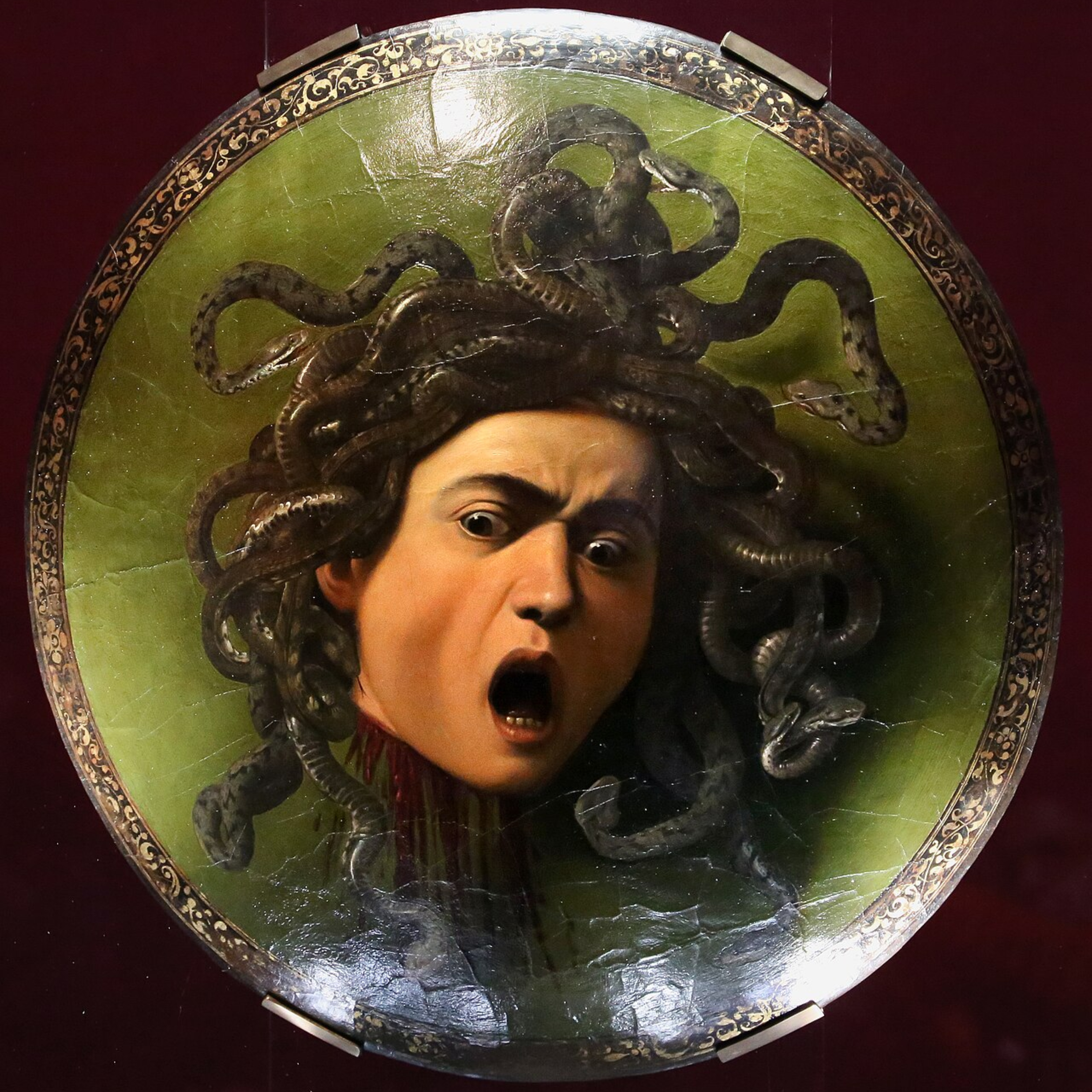 Snakes, Swords, and Shadow Selves: A Deep Dive into Caravaggio's Masterpiece | The Bigger Picture: your favourite art history podcast, launches with a powerful and intellectually rich episode dedicated to Caravaggio’s Medusa (1597), offering a compelling blend of art history podcast storytelling, Baroque painting analysis, mythology, psychology, and visual culture. Hosted by Dr Peter Tuka, this episode translates one of the most disturbing masterpieces of the Italian Baroque into vividaudio narration, guiding listeners through Caravaggio’s radical naturalism, dramatic chiaroscuro, restricted earth‑toned palette, and the illusionistic impact of the convex shield format. Thediscussion situates Medusa within its historical context, examining its commission by Cardinal Francesco Maria del Monte, its role as a competitive response to Leonardo da Vinci’s legendary painted shield, and its destination in the Medici court of Florence, while also unpacking the Greek myth of Perseus and Medusa and later interpretations that frame Medusa as both victim and monster. The episode’s central insight—that Medusa functions as a self‑portrait of Caravaggio, reflecting his own face, inner conflict, and volatile personality—opens the door to a deeper psychological reading informed by Carl Gustav Jung’s theory of individuation, including concepts of the Shadow and Anima/Animus. By presenting Medusa as an “authentic portrait” suspended between life and death, beauty and horror, masculinity and femininity, this episode sets a compelling tone for listeners interested in Caravaggio, Renaissance and Baroque art, mythological symbolism, art and psychology, and museum masterpieces, making it an essential starting point for anyone seeking to understand how great art confronts the darkest corners of the human psyche.Artworks mentioned:Caravaggio, Medusa, 1597, oil on canvas mounted on wood, Uffizi, Florence | — |
Showing 8 of 8
Sponsor Intelligence
Sign in to see which brands sponsor this podcast, their ad offers, and promo codes.
Chart Positions
3 placements across 3 markets.
Chart Positions
3 placements across 3 markets.