
Insights from recent episode analysis
Audience Interest
Podcast Focus
Publishing Consistency
Platform Reach
Insights are generated by CastFox AI using publicly available data, episode content, and proprietary models.
Most discussed topics
Brands & references
Total monthly reach
Estimated from 1 chart position in 1 market.
By chart position
- 🇳🇬NG · News Commentary#194500 to 3K
- Per-Episode Audience
Est. listeners per new episode within ~30 days
250 to 1.5K🎙 Weekly cadence·43 episodes·Last published 3mo ago - Monthly Reach
Unique listeners across all episodes (30 days)
500 to 3K🇳🇬100% - Active Followers
Loyal subscribers who consistently listen
150 to 900
Market Insights
Platform Distribution
Reach across major podcast platforms, updated hourly
Total Followers
—
Total Plays
—
Total Reviews
—
* Data sourced directly from platform APIs and aggregated hourly across all major podcast directories.
On the show
From 10 epsHost
Recent guests
Recent episodes
Under Siege on the West Bank: A Palestinian Documents the Violence and Destruction
Mar 3, 2026
25m 10s
Why Trump's "Board of Peace" Won't Work for Gaza
Jan 22, 2026
29m 19s
Trump's "Predatory Hegemony" Defines 2025: Prof. Stephen Walt
Jan 14, 2026
34m 49s
Amb. John D. Feeley on U.S. Troops and "Gunboat Diplomacy"
Nov 30, 2025
34m 39s
Pollster Obada Shtaya Reveals What Gazans Really Want
Nov 11, 2025
37m 21s
Social Links & Contact
Official channels & resources
Official Website
Login
RSS Feed
Login
| Date | Episode | Topics | Guests | Brands | Places | Keywords | Sponsor | Length | |
|---|---|---|---|---|---|---|---|---|---|
| 3/3/26 |  Under Siege on the West Bank: A Palestinian Documents the Violence and Destruction✨ | Palestinian conflictsettler violence+3 | Mohammad Huraini | — | South Hebron HillsMasafer Yatta | Palestinesettlers+5 | — | 25m 10s | |
| 1/22/26 |  Why Trump's "Board of Peace" Won't Work for Gaza✨ | Trump's Global Board of PeaceU.S. Democracy+3 | Sarah Leah Whitson | DAWN | GazaU.S. | TrumpGaza+5 | — | 29m 19s | |
| 1/14/26 |  Trump's "Predatory Hegemony" Defines 2025: Prof. Stephen Walt✨ | foreign policypolitics+4 | Stephen Walt | IsraelU.S.+3 | GazaVenezuela+2 | Trumpforeign policy+6 | — | 34m 49s | |
| 11/30/25 | 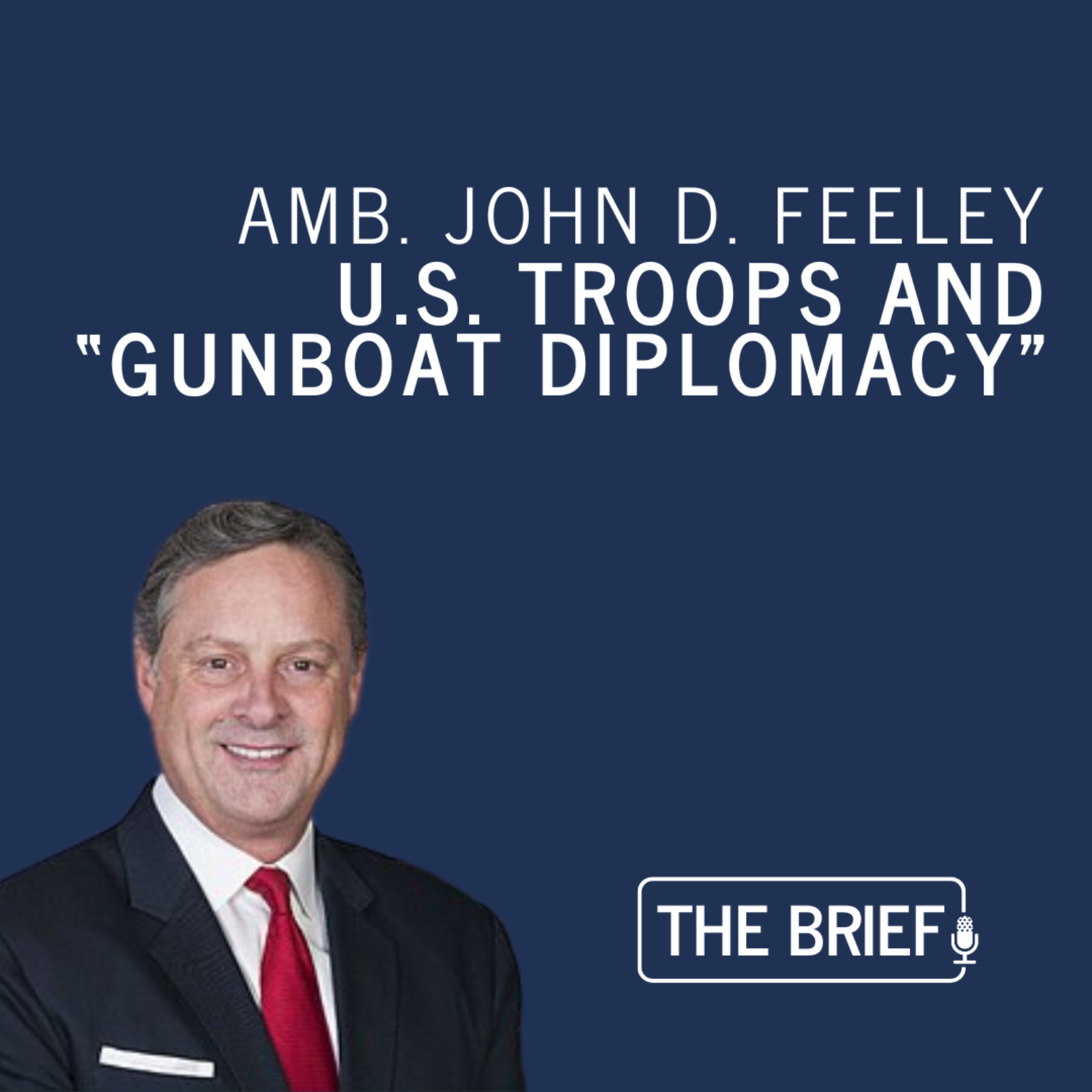 Amb. John D. Feeley on U.S. Troops and "Gunboat Diplomacy"✨ | U.S. militarydiplomacy+4 | John D. Feeley | Trump AdministrationBiden administrations+1 | PanamaUnited States+1 | U.S. troopsgunboat diplomacy+4 | — | 34m 39s | |
| 11/11/25 | 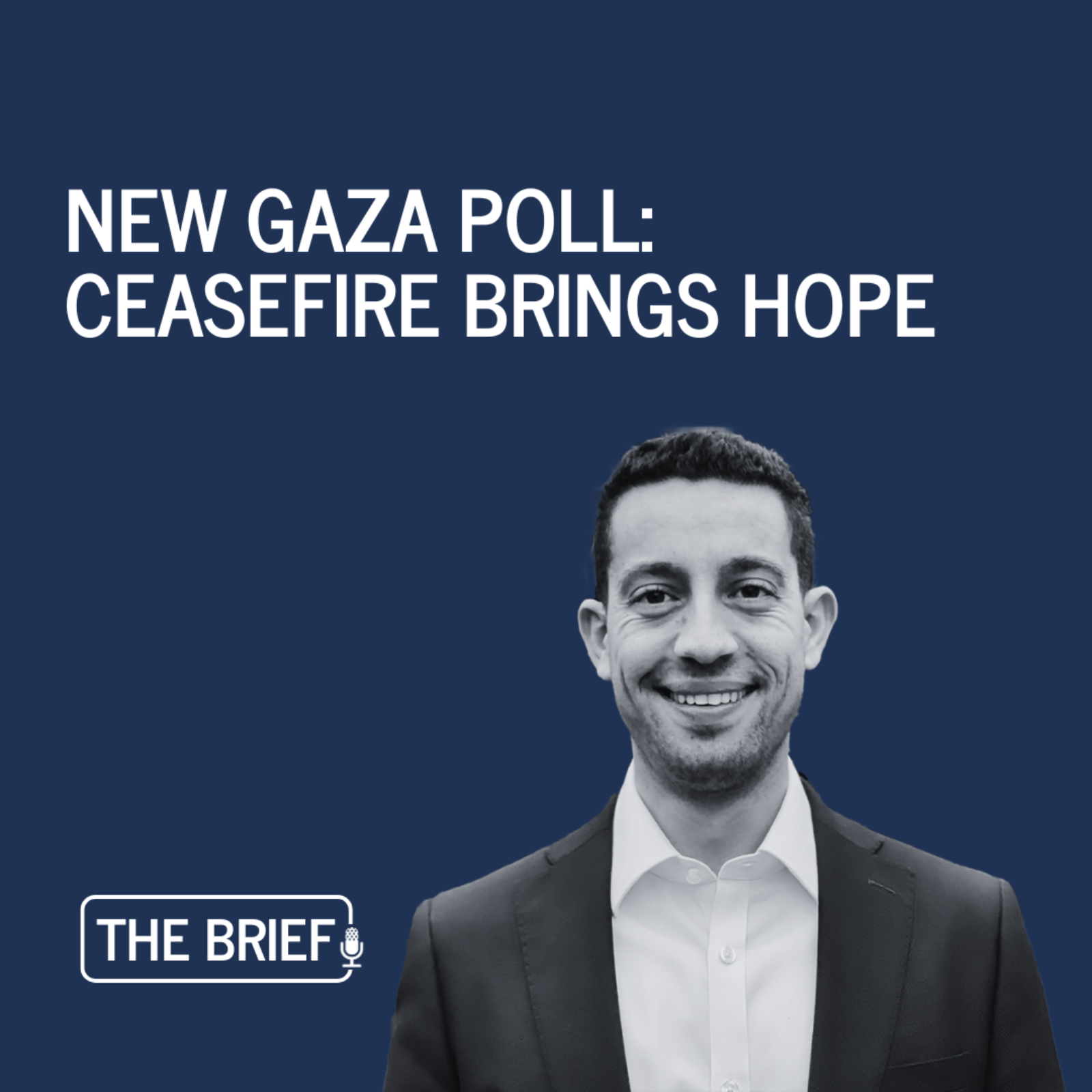 Pollster Obada Shtaya Reveals What Gazans Really Want✨ | Gazapolling+3 | Obada Shtaya | Institute for Social and Economic Progress | GazaPalestine | GazaObada Shtaya+5 | — | 37m 21s | |
| 10/21/25 |  A Harsh Deal: Palestinians Grapple with Trump’s Gaza Vision✨ | Israeli-Palestinian conflictGaza+4 | Zaha HassanDr. Jamal Nusseibeh | Trump PlanPalestinian Armistice Plan | GazaIsrael+1 | Trump PlanGaza+6 | — | 43m 30s | |
| 9/11/25 |  Gaza Tests the World's Commitment to Human Rights✨ | human rightsGaza+3 | — | — | Gaza | Gazahuman rights+3 | — | 32m 41s | |
| 8/20/25 |  A Furious, Unflinching Critique of U.S. and Western Leadership✨ | U.S. leadershipWestern leadership+3 | — | — | U.S.Western | critiqueleadership+4 | — | 47m 30s | |
| 8/20/25 |  Harvard Versus Trump: The Battle for Academia's Soul✨ | academiapolitics+3 | — | Harvard | — | HarvardTrump+3 | — | 40m 15s | |
| 8/19/25 |  UNRWA Under Siege: Weaponized Aid and Refugee Rights✨ | aidrefugee rights+4 | — | UNRWA | — | UNRWAaid+4 | — | 30m 02s | |
Want analysis for the episodes below?Free for Pro Submit a request, we'll have your selected episodes analyzed within an hour. Free, at no cost to you, for Pro users. | |||||||||
| 6/18/25 |  The Hidden Alliances: How Israel's Policies Shaped Hamas | Jeremy Hammond is a respected author, researcher, and analyst known for his in-depth studies on issues such as the Israel-Palestine conflict, U.S. foreign policy, and more. Hammond's work often focuses on dispelling misconceptions and misinformation surrounding controversial geopolitical topics. He is the author of several books, including “Obstacle to Peace: The US Role in the Israeli-Palestinian Conflict,” which critically examines the historical and ongoing factors influencing peace efforts in the Middle East. His writings have been published in various esteemed journals and platforms, showcasing his commitment to uncovering overlooked truths in international relations. | 46m 40s | ||||||
| 4/28/25 |  The Complexities of Conflict w/ Fmr. Prime Minister of Israel Ehud Olmert | In this episode of "The Brief," host Jim Clancy has a conversation with Ehud Olmert, the former Prime Minister of Israel, delving into the complexities surrounding the Israeli-Palestinian conflict. The discussion begins with addressing the pressing issue of hostages in Gaza and the severe restrictions on humanitarian aid. Olmert provides candid insights into the political dynamics currently shaping Israel’s policies, including the stance of Prime Minister Netanyahu and his right-wing allies. The conversation navigates the maze of conflicting ideologies, emphasizing Olmert's belief that the human cost outweighs the potential military gains. Olmert unequivocally opposes the continuation of the confrontation in Gaza and asserts that by all reasonable measures, Hamas has been defeated. In the course of their dialogue, Olmert tackles the fraught topic of a potential ceasefire and the humanitarian responsibilities of the Israeli government. With his extensive experience, he critiques Netanyahu’s approach to dealing with Hamas and outlines his vision for a future beyond the conflict. He reflects on the international implications of Israel's current military strategies and its global image, stressing the importance of humanitarian considerations. | 35m 31s | ||||||
| 4/17/25 | 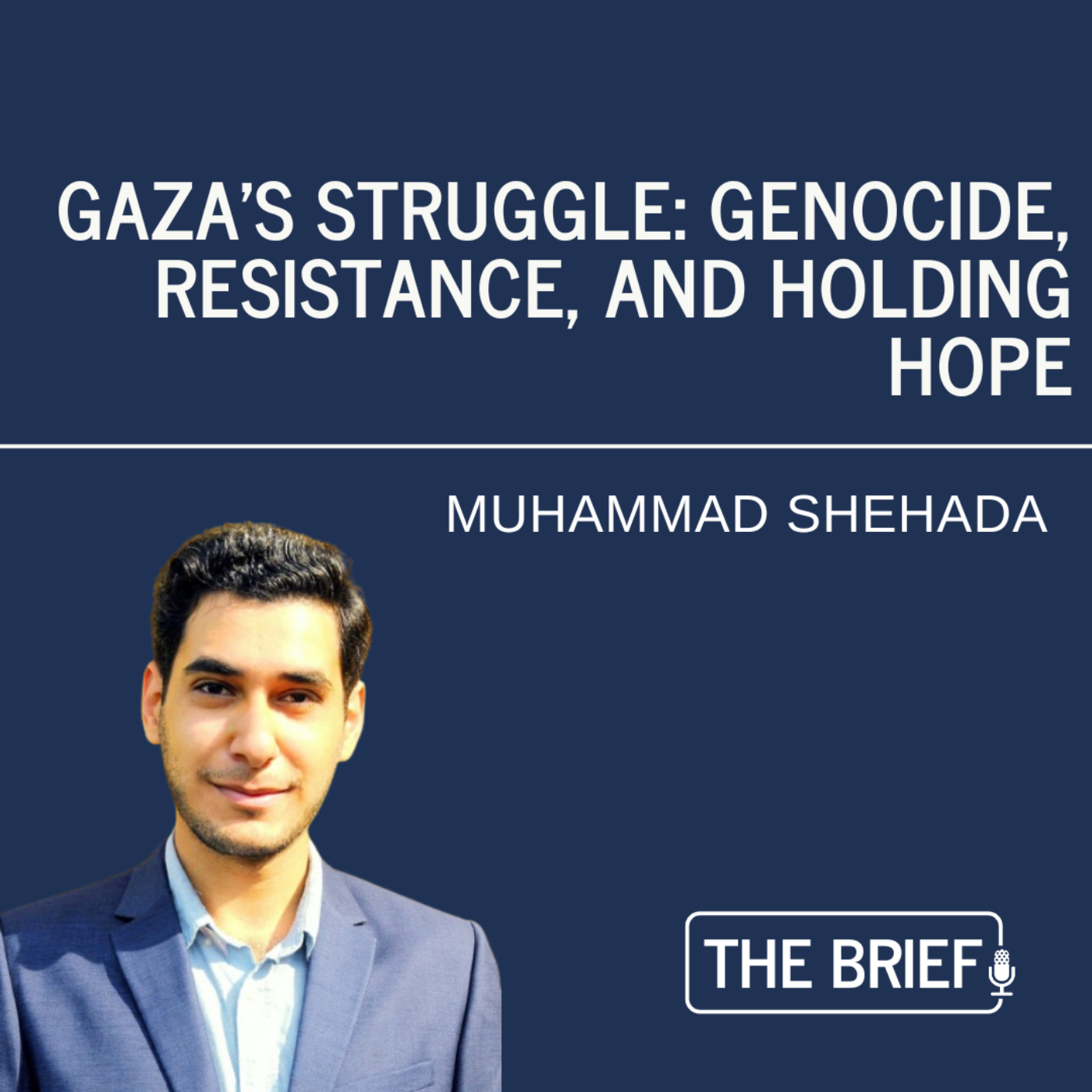 Gaza's Struggle: Genocide, Resistance, and Holding Hope | Muhammad Shehada joins Jim Clancy as they dive deep into the desolate landscape of the Israeli-Palestinian conflict in Gaza. They explore the implications of the White House meeting between Netanyahu and Trump, evidence of genocidal intentions, and the sheer devastation in Gaza. Shehada shares personal anecdotes, shedding light on the plight of Gazans and the desperate calls for aid and reform. The conversation covers international politics, the enduring spirit among Palestinians, and highlights voices within the Jewish diaspora advocating for change. A compelling discourse on the struggle and resilience of the Palestinian people. | 48m 52s | ||||||
| 3/30/25 | 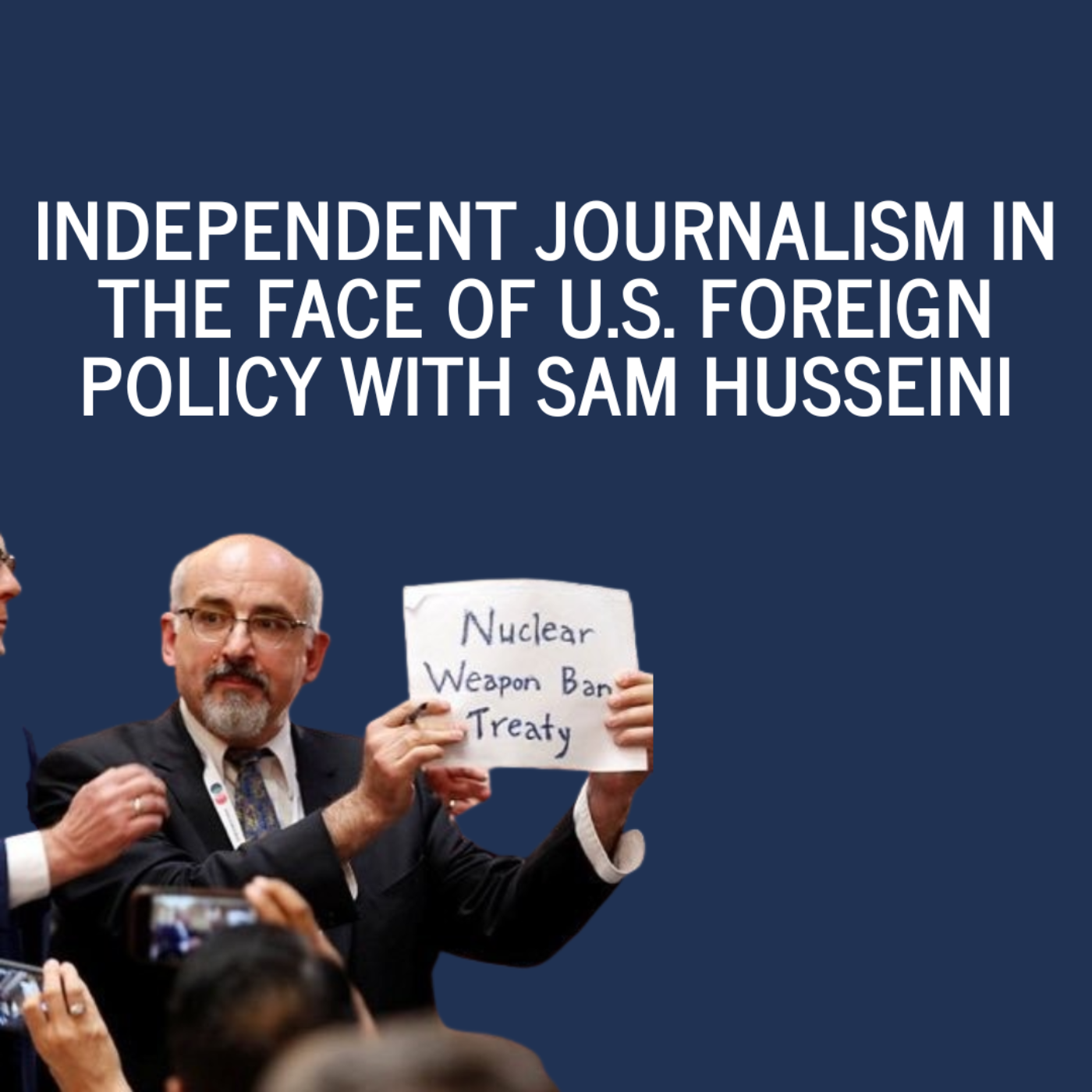 Independent journalism in the face of U.S. foreign policy with Sam Husseini | Independent journalist Sam Husseini joins Jim Clancy on The Brief to discuss the complex dynamics of questioning U.S. foreign policy in relation to Gaza. Husseini shares his challenging experiences at State Department press conferences, highlighting issues such as the Geneva Conventions’ applicability to Palestinians and the scrutiny faced by those questioning U.S. policy towards Israel. Amidst claims of media complicity and suppression of dissenting voices, the conversation uncovers the heightened pressure on journalists and activists asking uncomfortable questions and advocating for transparency and accountability in powerful institutions. | 29m 40s | ||||||
| 3/4/25 | 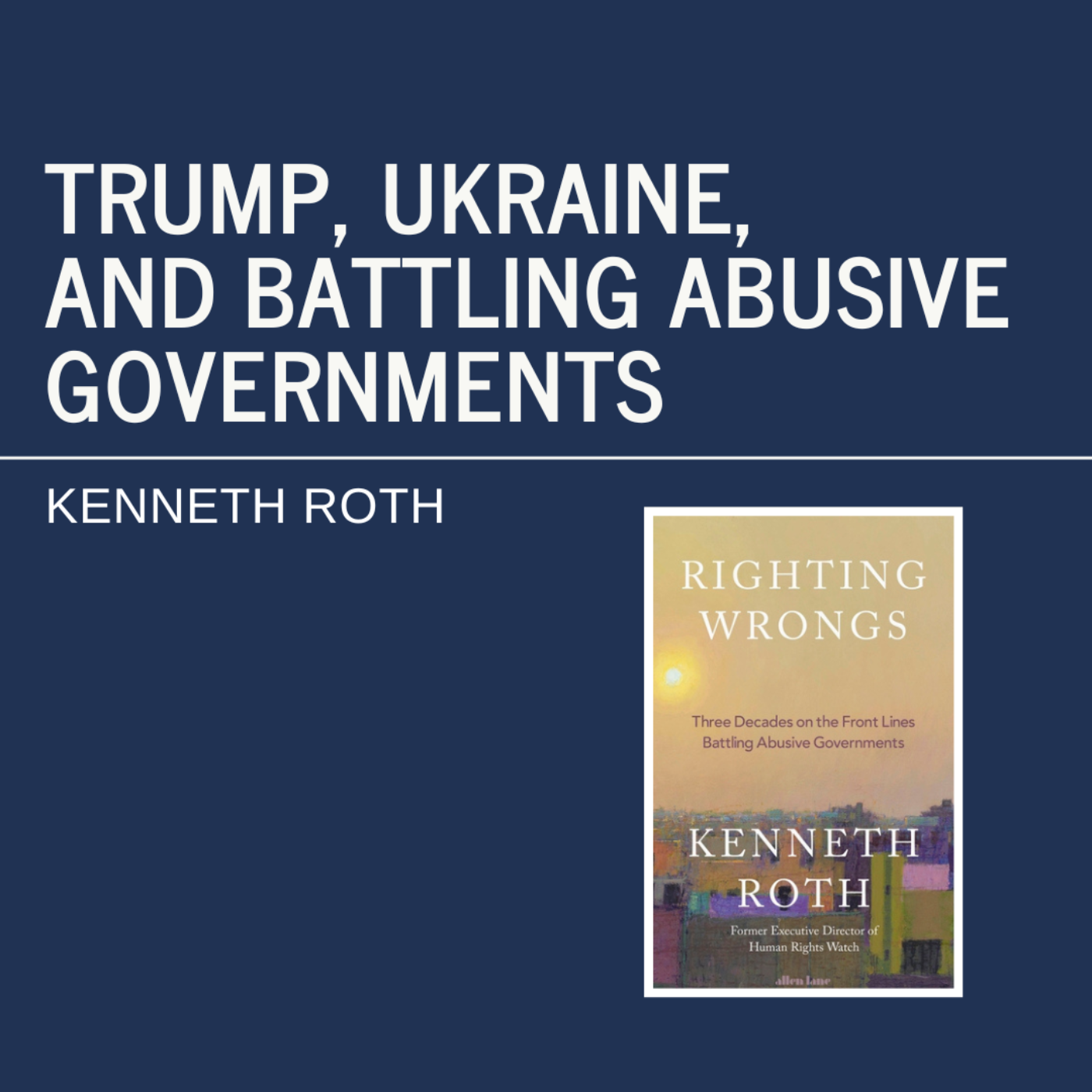 Trump, Ukraine, and battling abusive governments | Jim Clancy is joined by Kenneth Roth, a luminary in human rights advocacy, to dissect the seismic shifts observed in U.S. foreign policy under the Trump administration and its wider implications for global human rights issues. The discussion unveils complex political dynamics around U.S. relationships with countries like Ukraine, Israel, and China, while highlighting potential threats posed by changes in policy. The episode is not just an examination of geopolitical concerns but a political and moral exploration of progressive international law being undermined. Through Roth's lens, an expert viewpoint on the U.S. turning a blind eye to ethical international governance comes to light. | 35m 59s | ||||||
| 2/23/25 | 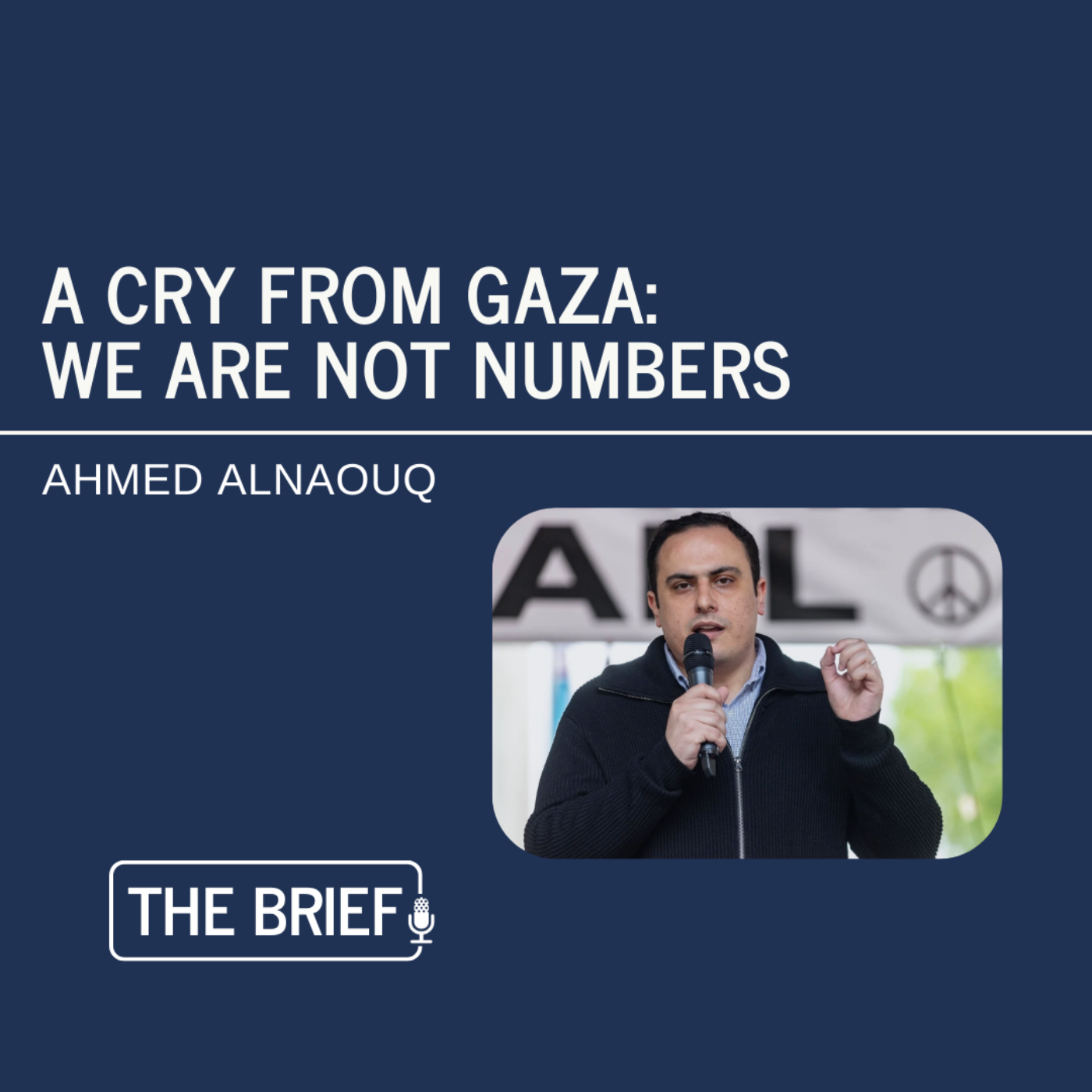 A cry from Gaza: we are not numbers w/ Ahmed Alnaouq | Journalist Jim Clancy hosts Ahmed Alnaouq, founder of “We Are Not Numbers,” as they discuss the ongoing crisis in Gaza. Ahmed shares personal losses and the destruction faced by Palestinians, emphasizing their resilience and attachment to their homeland despite adversities. The conversation sheds light on Palestinian efforts to amplify their voices through storytelling and journalism amidst media bias and political challenges. The dialogue explores the need for Palestinian unity and questions the role of international powers in resolving long-standing issues. Join Clancy and Alnaouq for a deep dive into the heart of the Gaza struggle. | 25m 40s | ||||||
| 2/11/25 | 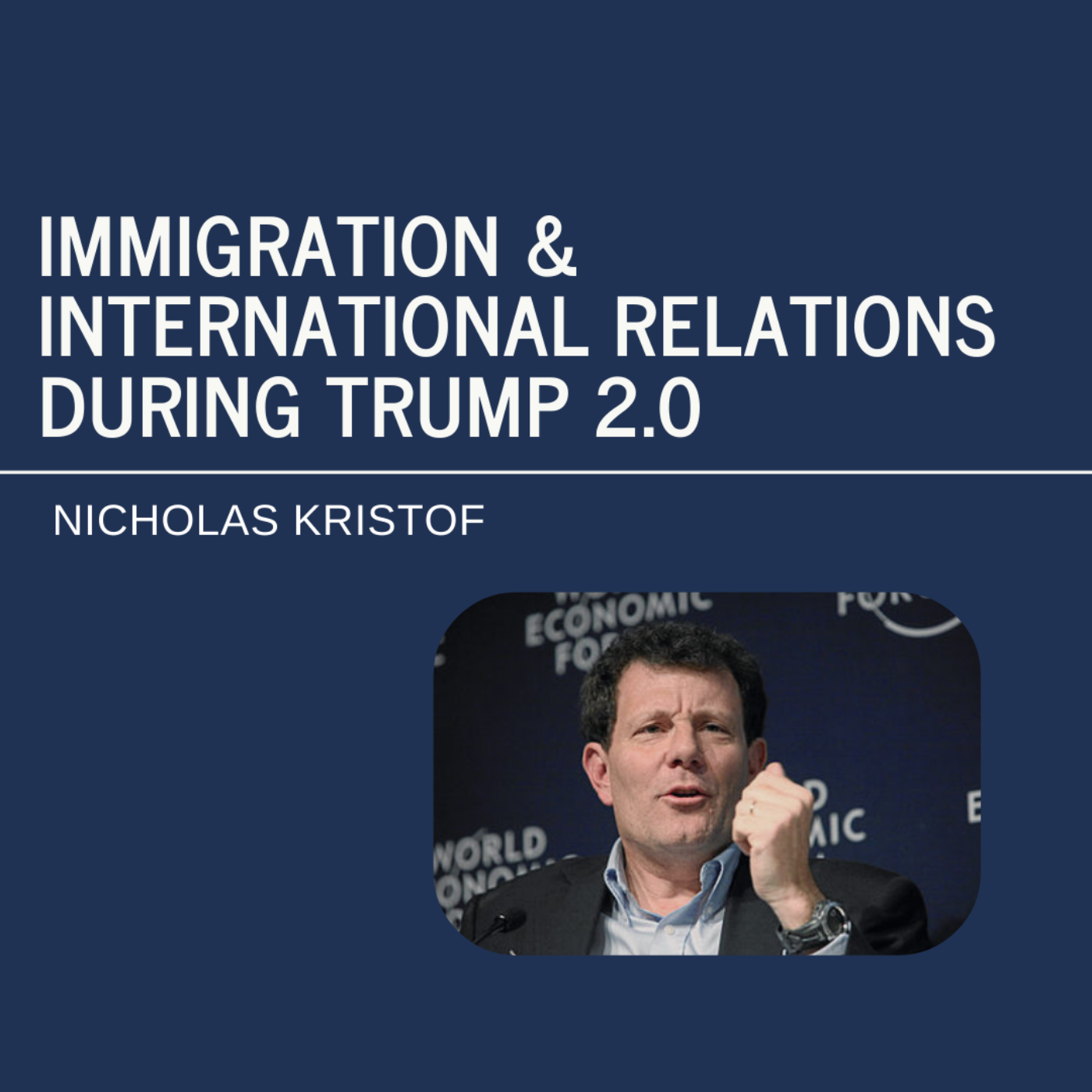 Immigration and International Relations During Trump 2.0 | Jim Clancy and Nick Kristof explore the complexities of global and domestic politics in this enlightening conversation. Kristof highlights positive global trends despite overwhelming negativity while also discussing the challenges posed by Trump’s presidency, including political violence, immigration policies, and economic implications. They delve into international relations, examining the US’s positions on China, Ukraine, and the Middle East, and critique the impact of US actions in Gaza. This episode offers a nuanced analysis of current geopolitical dynamics and their implications for the future. | 40m 28s | ||||||
| 2/1/25 | 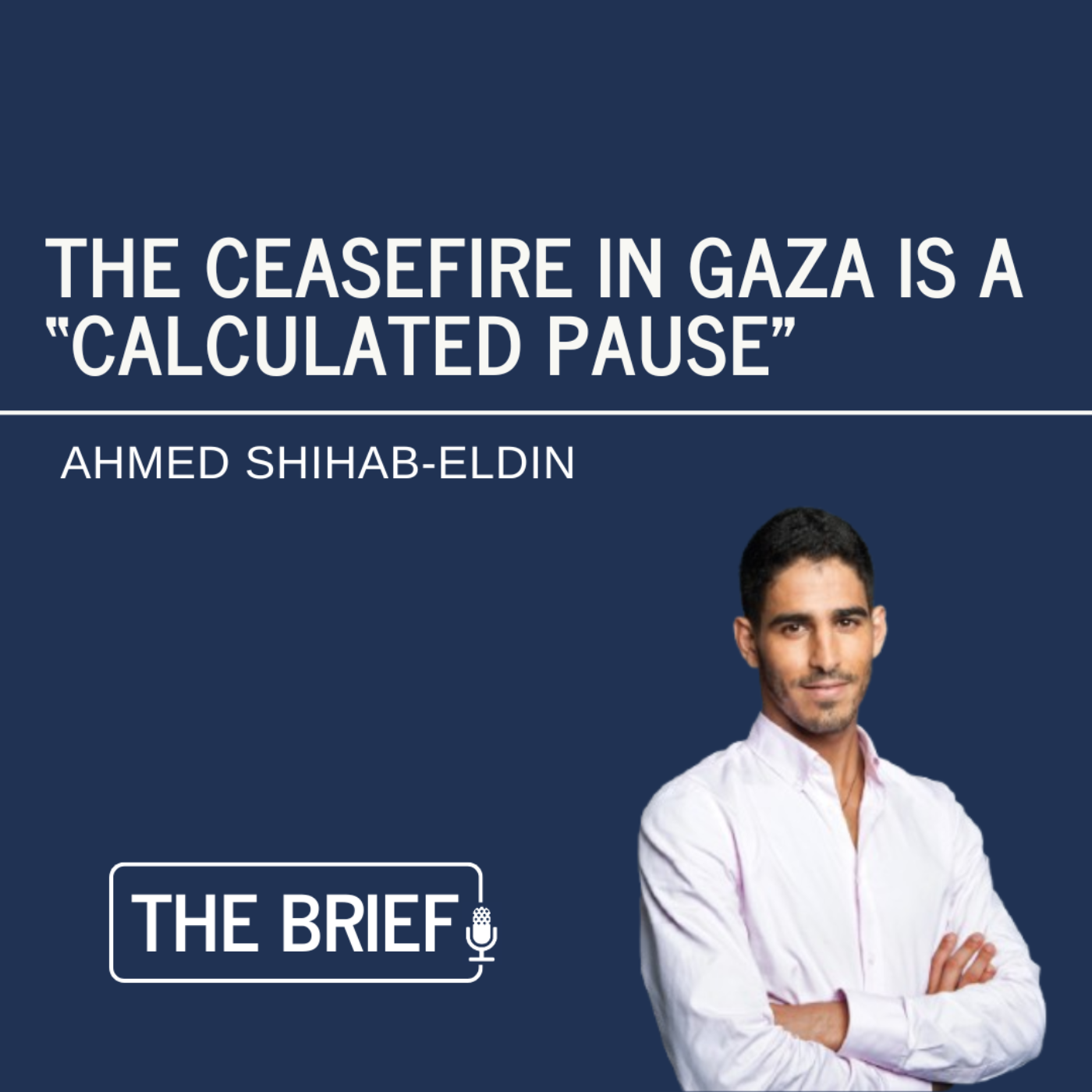 The ceasefire in Gaza is a “calculated pause" with Ahmed Shihab-Eldin | Ahmed Shihab-Eldin is a renowned journalist and multimedia producer with a focus on the Middle East and North African regions. He has previously worked with prominent media outlets like Al Jazeera and Huffington Post, where he has utilized his expertise to provide in-depth analysis and reporting on geopolitical issues. Ahmed is highly respected for his insightful contributions and his dedication to giving a voice to underrepresented communities in conflict-ridden areas. | 46m 17s | ||||||
| 2/1/25 |  Tackling centuries-old conflicts in child-friendly ways with Reza Aslan | In this episode of The Brief, host Jim Clancy engages in a compelling dialogue with Reza Aslan, focusing on Aslan’s new children’s book about the Israel-Palestine conflict. Aslan’s book aims to navigate the complexities of this ongoing conflict in a manner relatable to children aged five to twelve, encouraging a dialogue between young readers and their parents. The conversation touches on the need for addressing global issues such as war and trauma, and the pivotal role empathy plays in understanding multiple narratives. | 27m 27s | ||||||
| 1/7/24 |  Dr Joaquim Goes:What invasive algae blooms can teach us about human driven climate change | Every second breath we take comes from oceanic phytoplankton which use sunlight to fix atmospheric carbon dioxide and produce oxygen. They also form the base of the food chain because all other organisms depend on the organic matter produced by these phytoplankton. Discern this explores what happens when populations of this microorganism get out of balance and how they impact the climate and ecosystems around the world. | 35m 47s | ||||||
| 6/30/23 | 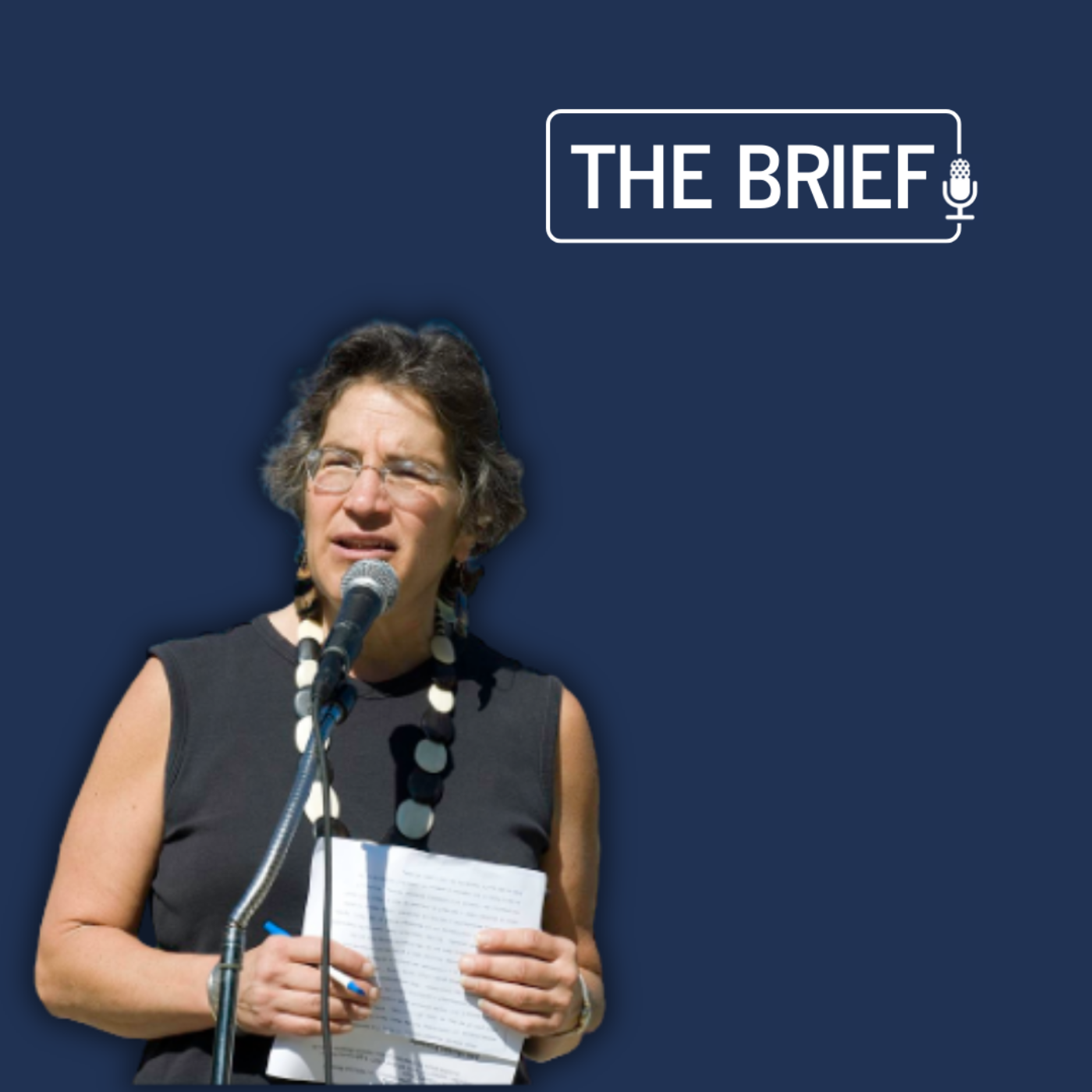 Phyllis Bennis: Reverend Barber and the Poor People’s Campaign | Discern This takes a look at the progressive movement in the United States with a focus on the Poor People’s Campaign founded by Reverend William Barber. This modern analogue to the social movement founded by Martin Luther King Jr. in the 1960s, echoes its predecessor’s conviction that society needs to confront the interlocking and mutually reinforcing injustices of poverty, racism, militarism, and adds climate change to the list. Author and progressive activist Phyllis Bennis explains how the PPC functions as fusion movement with interconnected objectives. Using clips from some of Reverend Barber’s powerful and emotive speeches, Discern This discusses the intellectual underpinnings and practical goals of the Poor People’s Campaign. Phyllis Bennis, who is a research partner to the campaign, gives context to the speeches and lays out Reverend Barber’s view of military spending and intersectionality. In her conversation with host Lonzo Cook, she emphasizes the importance of mobilization to achieve progressive goals.The conversation explores progressive landscape beyond the Poor People’s Campaign, with Lonzo Cook asking Phyllis if the American left has been undermined by its fissiparous tendency to split into narrow interest groups. In the final section, Phyllis Bennis details her engagement with local media outlets across the country and how that meshes with her focus on affecting change in local politics. Phyllis Bennis is an author and progressive activist. She is the Director of the New Internationalism Project at the Institute of Policy Studies in Washington DC. | 50m 04s | ||||||
| 4/28/23 | 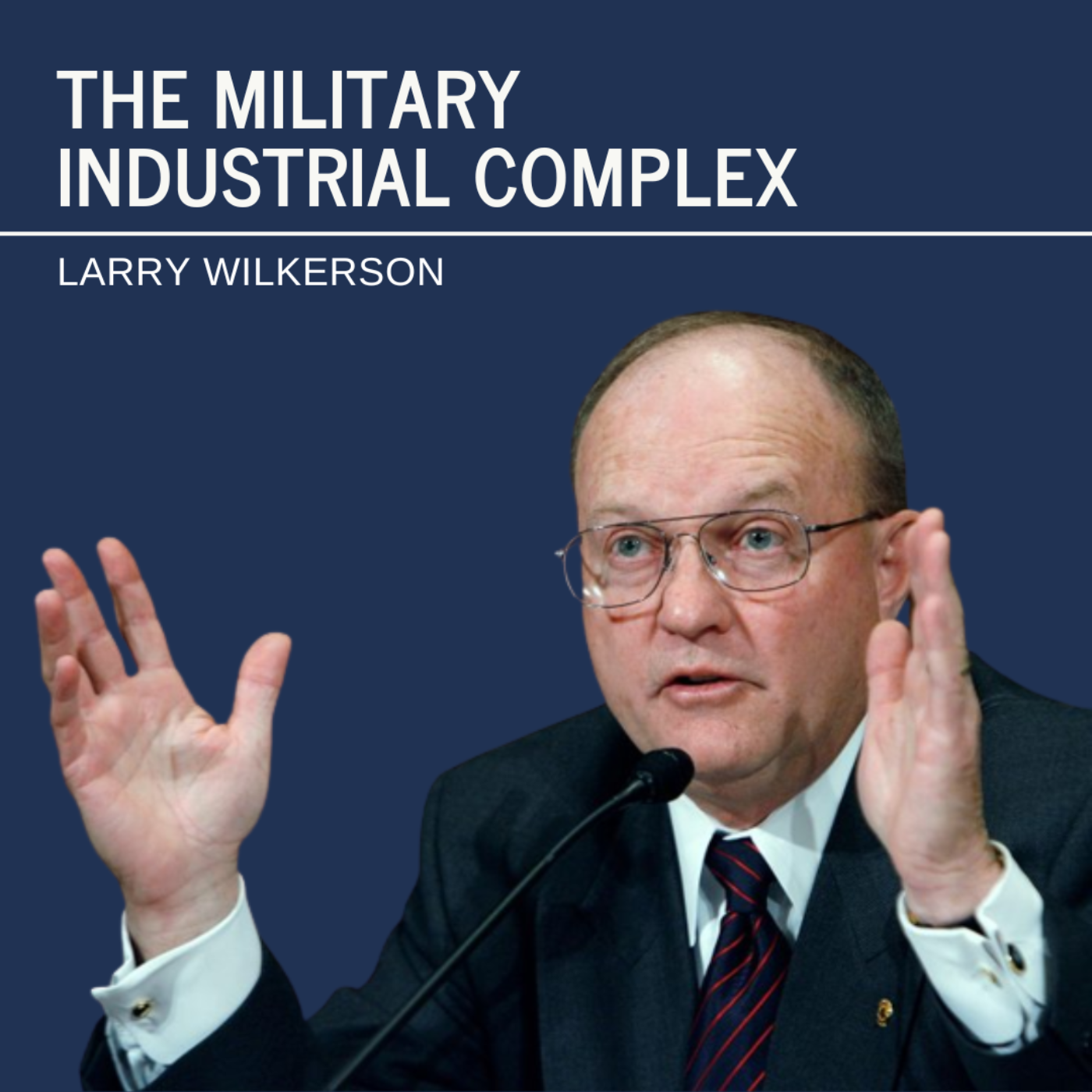 Larry Wilkerson: The price of Empire and the military industrial complex | The United States is an imperial power, driven by predatory capitalism with a foreign and security policy aimed at supporting the maintenance of an American Empire. So runs the controversial thesis of Colonel Larry Wilkerson, former Chief of Staff to US Secretary of State Colin Powell. He asserts that the long running wars which the US has fought in the wake of September 11,2001 have been waged for the deep state and the maintenance and extension of Empire. In his view, US support for Ukraine is motivated by a desire to maintain US hegemony over Europe.In an extended conversation with Discern This host Lonzo Cook, Colonel Wilkerson shares his independent view of US defense spending, a view at variance with establishment orthodoxy one might expect from a former senior military and government official. He charges that defense contractors have been massive beneficiaries of America’s post 911 foreign and security policy and lambasts the inefficiencies of prominent military procurement programs like the F-35 fighter. In an echo of President Eisenhower’s warnings about the military-industrial complex, Colonel Wilkerson explains how defense spending is not as productive as investments in health, education or business and laments the bloated defense budget as “a drain on the body of America”.Drawing on his experience at the highest levels of the Army and State Department, Colonel Wilkerson points out that the militarization of US foreign policy dulls the knife of diplomacy and chides the poor quality of senior US diplomats. And in a warning that all Empires run their course, he warns that US adventurism abroad could lead to an expanding global coalition of opponents to the US. | 42m 19s | ||||||
| 4/28/23 | 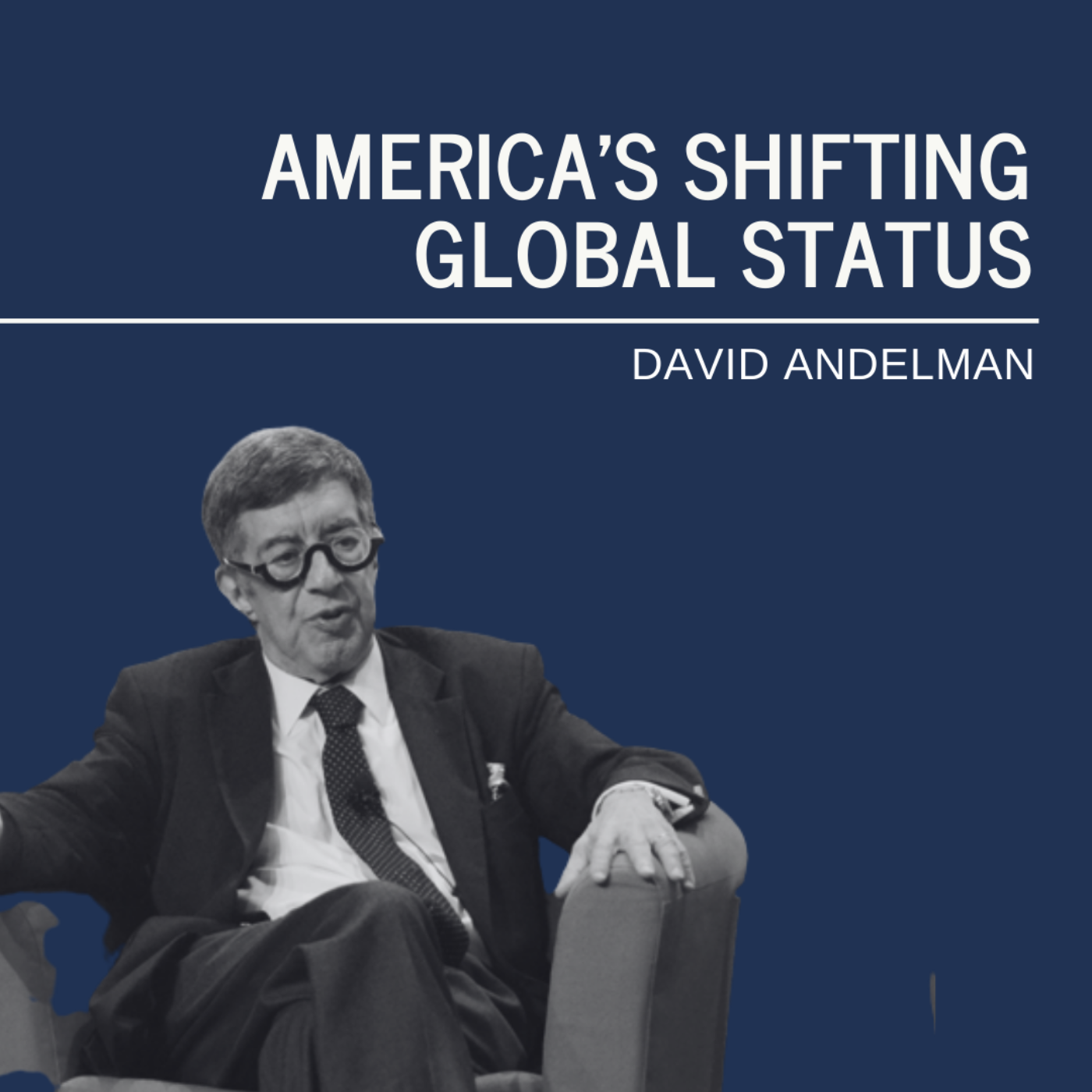 David Andelman: America’s shifting global status | Discern This delves into America’s changing role in the world with veteran journalist and political commentator David Andelman, whose career includes stints as New York Times bureau chief in Southeast Asia and Eastern Europe. How does the United States self-perception mesh with the views of it around the world and is it still “the shining city on the hill”? David Andelman brings into focus the shifting status of the US, as viewed from abroad, a topic he covers as a CNN columnist and in his own substack Andelman Unleashed.. He highlights a fascinating finding from a recent international survey which placed Canada and its constitution as the leading example to emulate, according to respondents in countries considering their own constitutional revisions.Drawing on his perspective gained from reporting from 86 countries over his career, David Andelman sketches the major fault lines in world affairs. He identifies the possibility of fighting a two front war- in Ukraine and over Taiwan- as the greatest threat facing the United States. Andelman explains why the Baltic states and Poland have had a more realistic and accurate appraisal of Russian intentions and how the France and Germany fell victim to wishful thinking in their policy with Moscow. He highlights the attritional nature of the war in Ukraine and posits the negative feedback loop of Russian casualties could have on the Kremlin. He adds that some of the overlooked disruptions caused by the Russian invasion, include overtures between former Soviet republics in central Asia and the United States.Andelman endorses Henry Kissinger’s dictum that strong domestic support is required of the conduct of a successful foreign policy- that international events are too often refracted through the prism of national politics. He chides the US media for inconsistently explaining the relevance and impact of international events to its domestic audience. For him one of the weaknesses of the American political system is that Americans are not being educated about the linkage between America’s global position and America’s prosperity.David Andelman is a journalist, author and political commentator. His career includes stints as New York Times bureau chief in Southeast Asia and Eastern Europe. David was also a Paris based correspondent for CBS News. He is currently an opinion columnist for CNN on international affairs and writes regularly for his own substack: Andelman Unleashed. | 39m 40s | ||||||
| 4/28/23 | 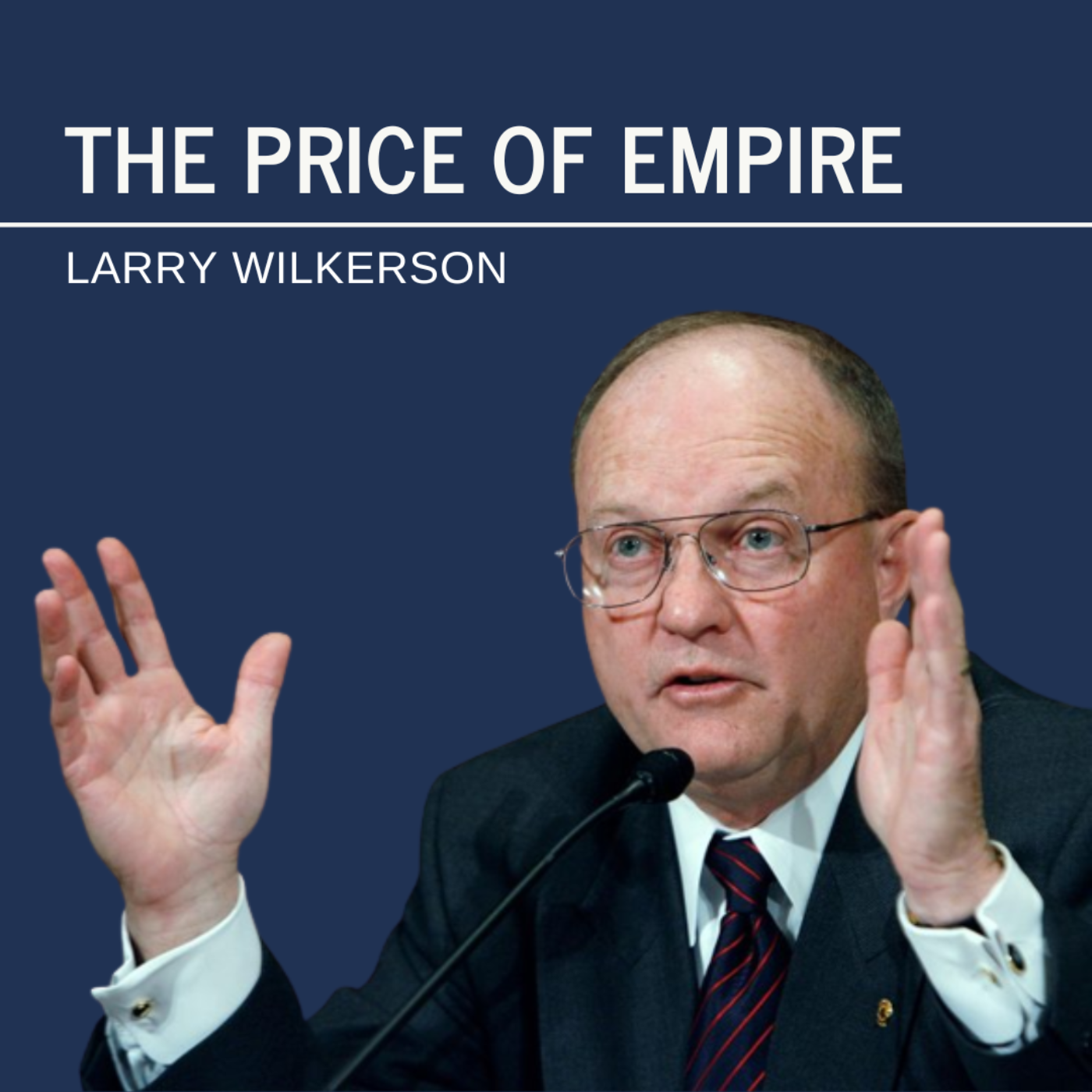 Larry Wilkerson: Price of Empire | What are the greatest threats facing the United States and how well has the current administration been managing them? Colonel Larry Wilkerson, who was Chief of Staff to US Secretary of State Colin Powell, identifies nuclear weapons and climate change as existential risks and sounds the alarm over military and civilian leaders in both America and Russia growing more comfortable with the idea of using battlefield nuclear weapons. On the war in Ukraine, Colonel Wilkerson castigates the “warmongering media” in the West and asserts there is no way Russia is going lose the war.Turning to Asia, Colonel Wilkerson warns that the US would probably be unable to win a war with China over Taiwan and would likely suffer over 100,000 casualties in the first 10 weeks of fighting. He highlights the numerical naval superiority the PRC has built up over the last two decades and raises the prospect of America losing two aircraft carriers with their 10,000 personnel within the opening days of hostilities. He paints a harrowing picture of survivors afloat amid flames and diesel in the South China Sea. In an even more stark warning, Colonel Wilkinson details China’s expanding nuclear arsenal and more aggressive force posture, which he says increases the risk that military conflict with China would lead to a nuclear exchange. | 21m 49s | ||||||
| 4/8/23 | 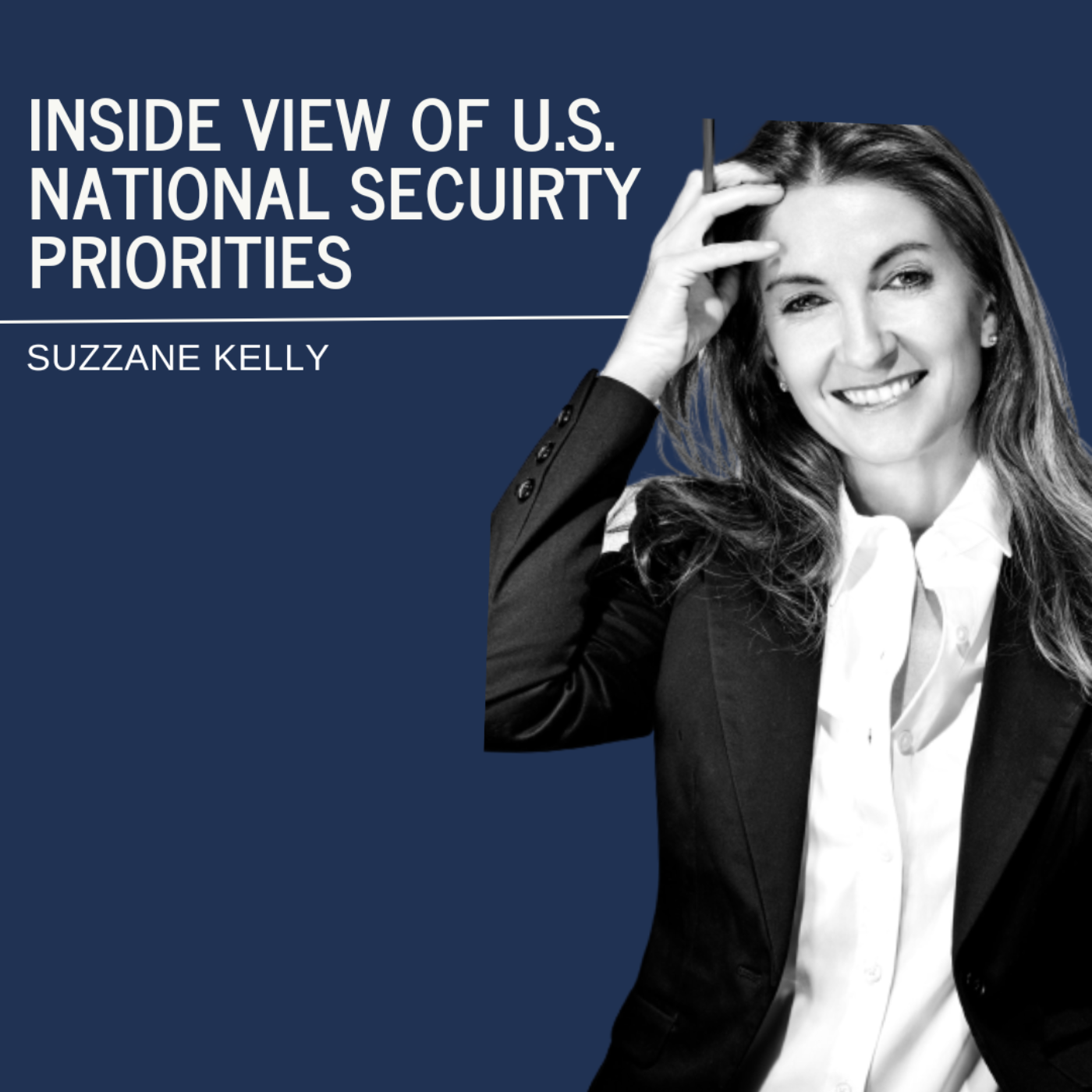 Suzanne Kelly: Inside view of U.S. national security priorities | How do US intelligence agencies view and prioritize the panoply of threats facing the country? Suzanne Kelly shares insights from her extensive knowledge and contacts built up over her career as an intelligence correspondent at CNN and as the founder and CEO of the Cipher Brief- a leading publication focused on national security. In conversation with her former CNN colleague Lonzo Cook, Suzanne dissects the long term, multipronged challenges presented by China, ranging from industrial espionage and squabbles over access to advanced computer chips to a burgeoning rivalry in space-based platforms. Suzanne highlights America is developing its offensive and defensive cyber capabilities and explains how US intelligence agencies responded to high profile hacks such as Solar Winds. We also discuss what Hollywood get right and wrong about the working of US intelligence agencies in films like Zero Dark Thirty. While the US intelligence community has long resembled an old boys club to the outside world, Suzanne explains that women have long held important positions behind the scenes and are increasingly in senior leadership positions. Noting that women within intelligence agencies are now playing a more public role we go on to discuss how a diversity of viewpoints leads to better intelligence analysis and decision making.Suzanne Kelly is the founder, CEO and publisher of The Cipher Brief, a national security focused media organization. She's also a former CNN intelligence correspondent and executive producer. | 43m 25s | ||||||
Showing 25 of 43
Pitch Fit is a Pro feature
See how bookable this show is for guests, which brands already advertise, the per-episode ad value, and the best-fit guest and sponsor profile. The numbers are blurred on the free plan.
How readily this show books outside guests like you.
How proven this show is for host-read sponsorships.
For Guests
ProFor Advertisers
ProUpgrade to Pro to unlock guest cadence, sponsor categories, fit scores, and per-episode ad value for this show.
Chart Positions
1 placement across 1 market.
Chart Positions
1 placement across 1 market.