
The Business
Hannah Prevett and Dominic O’Connell bring you one big business story you need to know every week. Uncovering the personalities, power plays, boardroom dramas and sheer ambition that drive the world of business, Hannah a...
Insights from recent episode analysis
On the show
- Trinny Woodall2 eps
- Tom Beahon2 eps
- Pano Christou1 ep
Also: Oliver Gill, David Bailey, Alan Milburn, Philippa O’Connor, James Pennefather, Mehreen Khan, Chris Jeffery
Audience Interest
Podcast Focus
Publishing Consistency
Insights are generated by CastFox AI using publicly available data, episode content, and proprietary models.
Most discussed topics
Brands & references
Total monthly reach
Based on 1 signal.
Built from
By chart position
- 🇬🇧United Kingdom · Business#881.5K to 7.8K
- 🇮🇪Ireland · Business#13156 to 295
- Per-Episode Audience
Est. listeners per new episode within ~30 days
1.5K to 8.1K🎙 Daily cadence·66 episodes·Last published yesterday - Monthly Reach
Unique listeners across all episodes (30 days)
5.1K to 27K🇺🇸71%🇬🇧28%🇮🇪1% - Active Followers
Loyal subscribers who consistently listen
2.8K to 15K
Market Insights
Platform Distribution
Reach across major podcast platforms, updated hourly
Total Followers
—
Total Plays
—
Total Reviews
—
* Data sourced directly from platform APIs and aggregated hourly across all major podcast directories.
| Date | Episode | Topics | Guests | Brands | Places | Keywords | Sponsor | Length | |
|---|---|---|---|---|---|---|---|---|---|
| 11/19/26 | 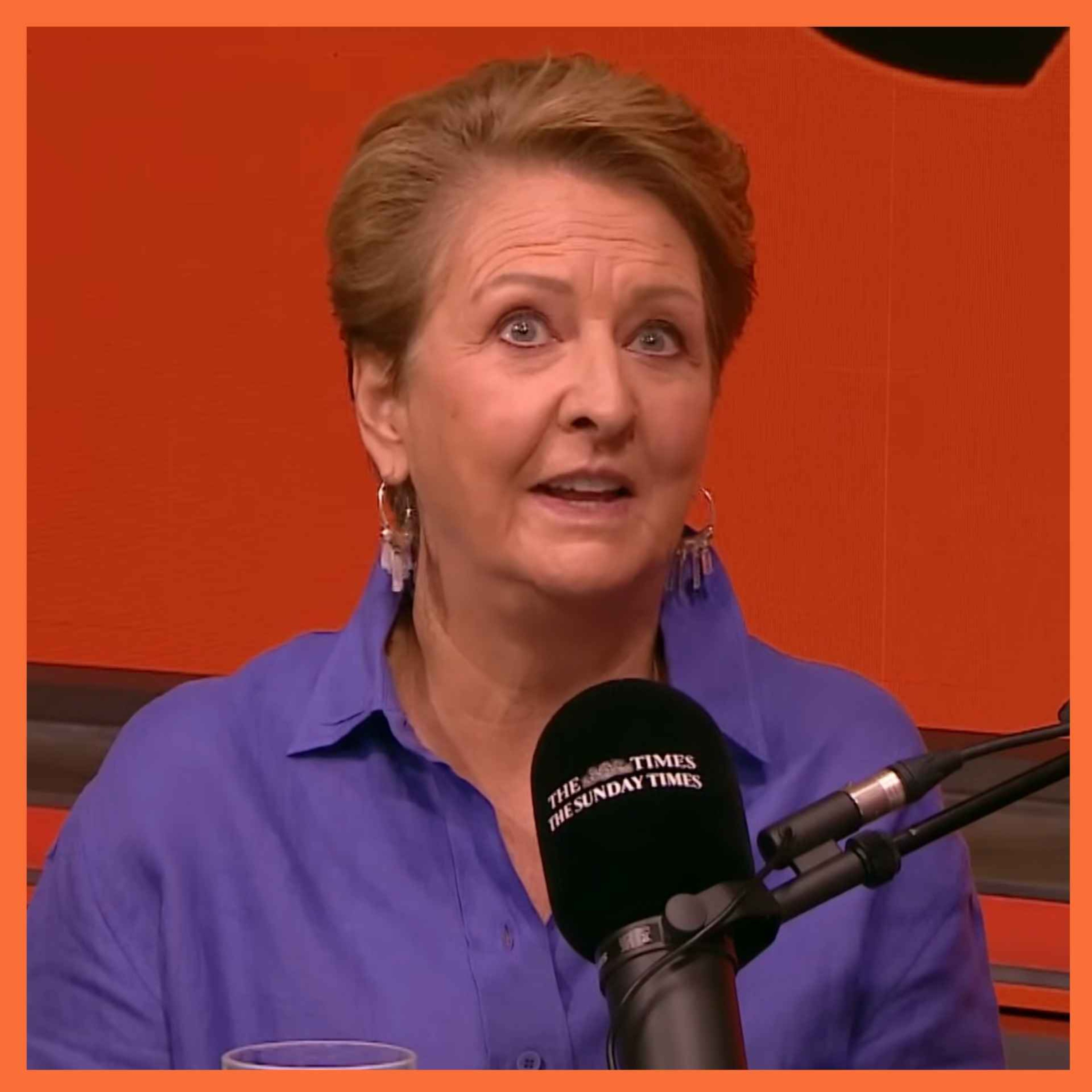 Pay transparency: A new burden on business? | Could new UK law on pay transparency help close the gender pay gap, or place a costly burden on British business?In this episode of The Business, Hannah Prevett is joined by Edwina Dunn, entrepreneur and founder of the non-profit The Female Lead, to discuss whether planned reforms to pay transparency rules could end pay discrimination as well as what impact the changes could have on businesses.The government's recently closed its consultation on equal pay and pay discrimination, recommending mandatory salary ranges on all job adverts. Legislation is set to be brought forward “as soon as possible”, according to Prime Minister Andy Burnham, who recently urged firms to adopt pay transparency voluntarily before the law changes.Dunn, who previously founded and led Dunnhumby, the data science firm behind the Tesco Clubcard, explains how salary transparency might not be a silver bullet for closing the gender pay gap. She also examines the wider impact on corporate strategy and the UK economy, addressing what industry leaders worry about most, from internal friction to potential salary inflation.If you enjoyed this episode, make sure to press follow at the top of your podcast app.This podcast was brought to you thanks to the support of readers of The Times and The Sunday Times. Subscribe today to get full digital access.This episode is sponsored by PwC.Presenter:Hannah Prevett, associate business editor at The Sunday TimesGuests:Edwina Dunn, entrepreneur and founder of The Female LeadProducer: Hope FedericoExecutive Producers: Emily Leahy and Miriam HallImage: GettyGet in touch: [email protected] from The TimesIs it time to ban job ads that hide the salary?Could I face an equal pay claim?Women hold majority of self-employed service jobs for first time More from The BusinessWhy Are Women Paid Less Than Men?Inside the Multi-Billion-Pound Resurgence of Marks & SpencerWealth and Inheritance Tax Driving Away the UK’s Super Rich? Hosted on Acast. See acast.com/privacy for more information. | 28m 38s | ||||||
| 11/17/26 |  Anthropic: The IPO that could make or break the AI Boom | How do the baffling numbers behind Anthropic’s massive float add up, and can the AI bull market justify a $1.3 trillion valuation?In this episode of The Business, Dominic O’Connell examines the public debut of Anthropic, the company behind the Claude AI assistant, as its shares begin trading on the stock market this week. Joined by veteran analyst Stephen Clapham of Behind the Balance Sheet and Wall Street Journal reporter Corrie Driebusch, we unpack the eye-watering figures inside the prospectus, consider what investors are actually buying into and whether the recent Nvidia scandal will impact demand.“If Anthropic prices it too high – and then the stock market has another bad day on its listing day – shares could fall 10%,” Driebusch said on the show. “As one large fund manager said to me: ‘If we've committed $100 million to Anthropic shares and the stock trades down 10%, there goes my year.’”Clapham stresses the importance of thinking carefully about Anthropic’s corporate strategy and how it may be positioned in three or five years' time across a fiercely competitive tech industry.“We know Anthropic has grown like a weed this year – we know that every programmer in the world was trying out Claude Code... But we don't know in the long run what competition there will be for Claude Code,” Clapham said on the show.This episode is sponsored by PwC.Guests:Stephen Clapham, founder of Behind the Balance SheetCorrie Driebusch, reporter at The Wall Street JournalPresenter:Dominic O’Connell, Times columnist and Times Radio business correspondentProducer: Hope Federico Executive Producers: Miriam Hall and Emily LeahyImage: GettyGet in touch: [email protected] you enjoyed this episode, make sure to press follow at the top of your podcast app.This podcast was brought to you thanks to the support of readers of The Times and The Sunday Times. Subscribe today to get full digital access.More from the Business:Nvidia’s Jensen Huang: The affair threatening a $4.5T tech giantIPOs Go ‘Mega’ – Should We Be Worried?More from the TimesWhy Britain’s biggest AI data centre is still a pile of bricksAI’s promise must not blind us to the risks to financial stability Hosted on Acast. See acast.com/privacy for more information. | 33m 22s | ||||||
| 11/12/26 | 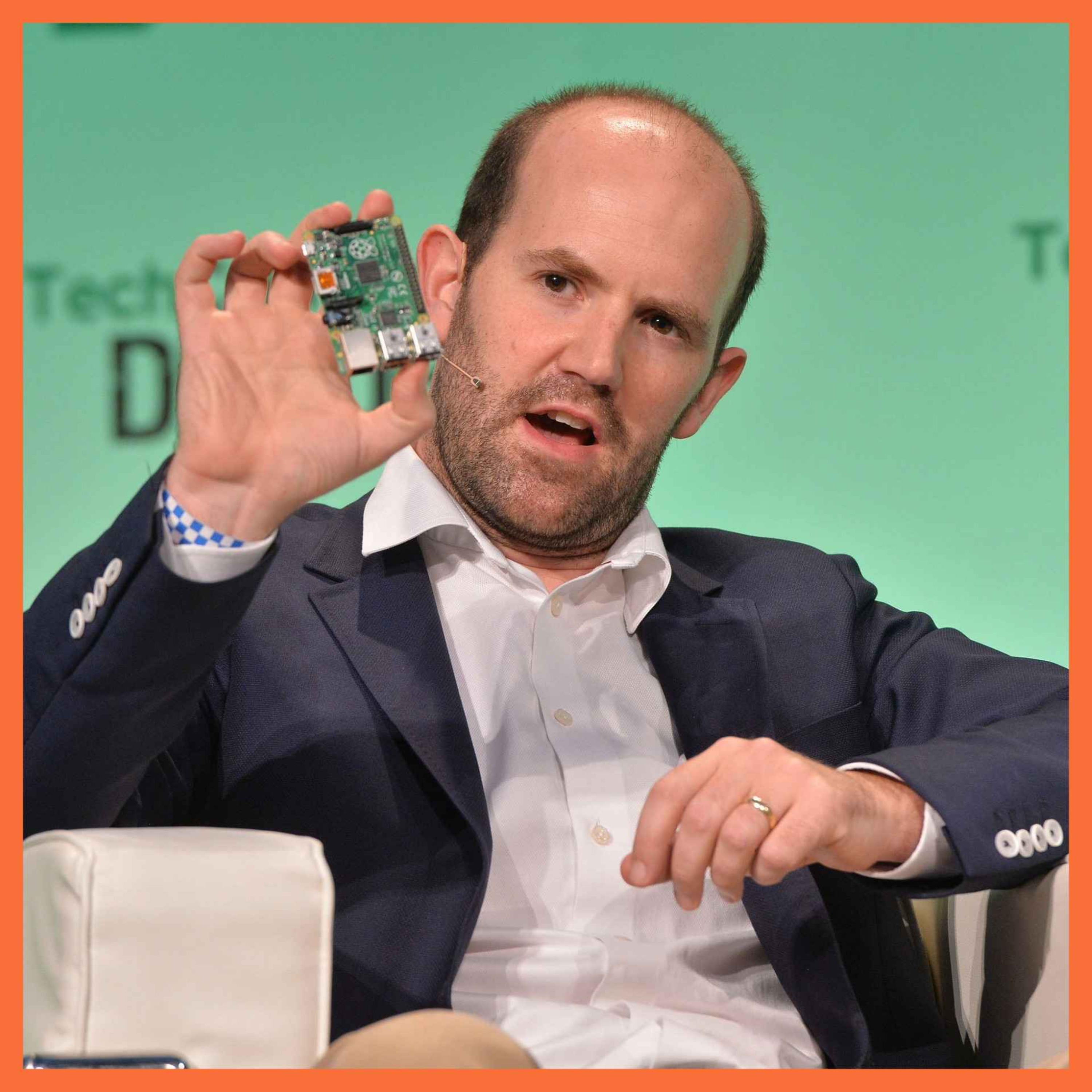 Raspberry Pi on the London Stock Exchange and data centres | How did Raspberry Pi turn a credit card-sized computer into one of the biggest success stories in British tech business? And has the world jumped to conclusions when it comes to investing in AI data centres?In this episode of The Business, Raspberry Pi co-founder and chief executive Eben Upton joins Hannah Prevett on stage at The Times Tech Summit to discuss why the company chose to manufacture and list in the UK, and what domestic technology firms must consider as they scale.Eben first developed the low-cost computer during his studies at the University of Cambridge to provide hands-on programming experience for computer science students. Fifteen years later, Raspberry Pi has grown into a cornerstone of the UK tech industry.When Raspberry Pi floated on the London Stock Exchange in 2024, Upton went against the grain of UK tech companies listing abroad. He explains why listing on the London stock market was the right strategic move for the business, how UK firms can successfully attract international capital without abandoning Britain, and what expanding domestic production means for the wider UK economy.“We build in the UK, not 'cause we're patriotic, but because it's the best place to build. And we listed in London, not because we're patriotic, but because it was the best place to list.”Upton also shares his candid view on current tech industry valuations, questioning the scaling and investment into AI data centres. “ It's four years after ChatGPT launched, right? And we have jumped to this conclusion about deployment of capital, really probably faster than the evidence supports. “If you enjoyed this episode, make sure to press follow at the top of your podcast app.This podcast was brought to you thanks to the support of readers of The Times and The Sunday Times. Subscribe today to get full digital access.This episode is sponsored by PwC.Guest:Eben Upton, co-founder and chief executive of Raspberry PiPresenter: Hannah Prevett, associate business editor at The Sunday TimesProducer: Hope FedericoExecutive Producers: Miriam Hall and Emily LeahyImage: GettyGet in touch: [email protected] from The TimesMemory chip shortage is boosting profits at UK’s Raspberry PiIs it worth buying a slice of Raspberry Pi?AI can’t live without data centres. Locals can’t live with them More from The BusinessSynthesia CEO: Europe is a "Trust Fund Kid"Nvidia's Jensen Huang: The affair threatening a $4.5T tech giantCould the UK Electricity Grid Fail? Hosted on Acast. See acast.com/privacy for more information. | 15m 50s | ||||||
| 11/9/26 | 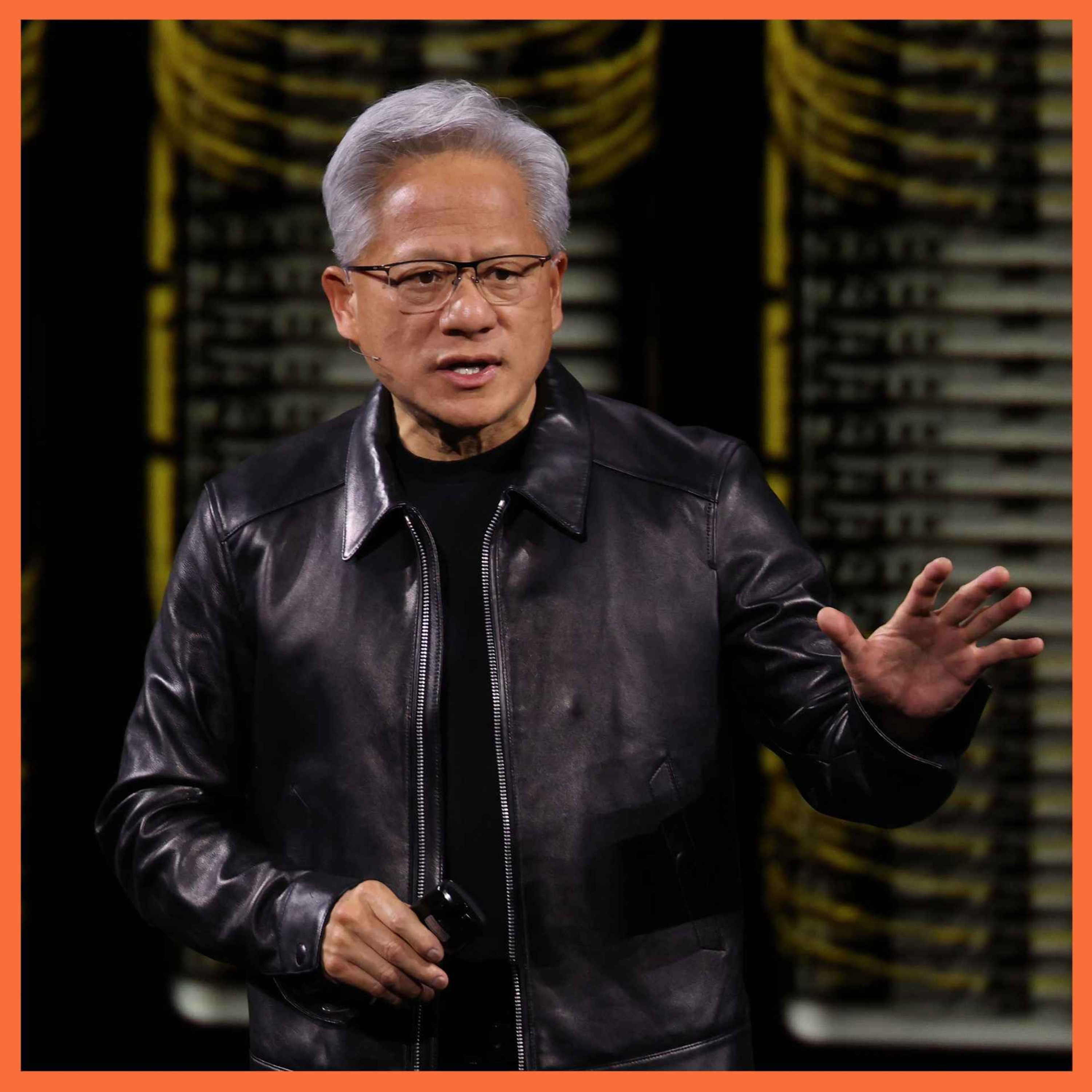 Nvidia’s Jensen Huang: The affair threatening a $4.5trn tech giant | Can Nvidia survive the explosive scandal engulfing chief executive Jensen Huang, or will the fallout trigger a wider crash across the AI boom?In this episode of The Business, Dominic O’Connell looks at the bombshell confession from Nvidia boss Jensen Huang regarding his affair with a businesswoman suspected of being linked to Chinese intelligence services. With the company's board launching an urgent inquiry, we examine whether the silicon giant's leadership is untenable.Dominic is joined by Louisa Clarence-Smith, US business editor for The Times, and Maike Currie, vice-president of personal finance at PensionBee, to break down how volatility at Nvidia could reverberate across the global stock market. Will tremors in the tech industry knock UK investor confidence, affect the FTSE and impact capital flows for British business?Ultimately, they ask: what is next for Huang, and the company he has shepherded to global dominance?"I think what is interesting here is that this is not just about an embarrassing personal relationship or infidelity - but what we've got here is the issue of national security,” PensionBee’s Maike Currie said on the show. “We know that the US and Washington, specifically, have been very focused on protecting its AI technology and its AI chips from reaching China … this is a race between China and America who is going to dominate.”Nvidia has said it “prioritises US national and economic security, which is paramount to the interests of Nvidia and its shareholders”. In announcing its investigation, it said while the board had “no reason to believe that either national security or Nvidia secrets were compromised”, it would examine “all available information”. Jensen Huang has made a public apology to his family and his colleagues, and said he will co-operate with the company investigation. This episode is sponsored by PwC.Guests:Louisa Clarence-Smith, US business editor, The TimesMaike Currie, vice-president of personal finance, PensionBeePresenter:Dominic O’Connell, Times columnist and Times Radio business correspondentProducer: Hope FedericoExecutive Producer: Miriam Hall and Emily LeahyGet in touch: [email protected] podcast was brought to you thanks to the support of readers of The Times and The Sunday Times. Subscribe today to get full digital access.More from the BusinessIPOs Go ‘Mega’ – Should We Be Worried?Synthesia CEO: Europe is a "Trust Fund Kid"More from the TimesNvidia takes $300bn hit after boss Jensen Huang admits affairWho is Alice Huang? The Nvidia scandal explained Hosted on Acast. See acast.com/privacy for more information. | 28m 05s | ||||||
| 11/5/26 |  Sustainable aviation fuel: can a UK start-up clean up flying? | Can the UK lead the world in sustainable aviation fuel?In this episode of The Business, Dominic O’Connell is joined by Andrew Symes, chief executive of British start-up OXCCU, to explore how an old technology could hold the key to the future of flight.Sustainable aviation fuel, made from renewables, waste materials and captured carbon dioxide could play a huge role in air travel’s future and limiting its damage to the environment.The UK government has mandated increasing amounts of sustainable aviation fuel into the standard jet fuel blend, rising to 10 per cent by 2030. Yet today's global supply remains limited, expensive, and dependent on imported waste fats.OXCCU believes it has found an answer. By reviving an old chemical technology, the company bypasses the energy-intensive and costly steps usually associated with synthetic fuel.Andrew Symes explains why commercial aviation cannot rely purely on battery electrification, how their technology unlocks domestic supply for the UK economy, and what it will take to scale sustainable aviation fuel production into commercial airlines and international global trade.Could British business innovation lead the race to decarbonise aviation?If you enjoyed this episode, make sure to press follow at the top of your podcast app.This podcast was brought to you thanks to the support of readers of The Times and The Sunday Times. Subscribe today to get full digital access. This episode is sponsored by PwC. Guests:Andrew Symes, chief executive of OXCCUPresenter:Dominic O’Connell, Times Radio business correspondentProducer: Hope FedericoExecutive Producers: Emily Leahy and Miriam HallVideo Producer: SuperllamaImage: GettyGet in touch: [email protected] from The TimesThe man on a mission to fuel flights with food wasteDirty secret of green fuel shortages to push up cost of flights Michael O’Leary: Air fares could rise by 20% next year More from The BusinessDubai Airports CEO: "This war could be our new normal"Diesel Crisis: Is UK facing a rationing threat? Can Labour reindustrialise Britain? Hosted on Acast. See acast.com/privacy for more information. | 32m 30s | ||||||
| 11/4/26 |  Covid bounce-back loans: the scheme that cost taxpayers billions | How did bounce-back loans end up in the hands of fraudsters? And can the government ever recover the lost funds?When the Covid bounce-back loan scheme was launched in May 2020, it was intended as an emergency lifeline for small and medium-sized British businesses. Issuing 1.2 million loans totalling £47 billion, it was the largest of the Covid-related business loan initiatives.While it was rolled out rapidly, it is now embroiled in scandal. The countless cases of fraudulent activity cost billions of taxpayers’ money.In this episode of The Business, James Hurley, The Times assistant business editor, and George Greenwood, The Times investigative reporter, join Hannah Prevett to lift the lid on the bounce-back loans scandal.George and James first broke the bounce-back loans story in 2021, and continue to track the ongoing fallout: from disqualified company directors to criminal convictions.Could these pricey mistakes have been avoided? And what lessons could be learnt?When asked about their lending being higher risk Starling Bank has said: “The majority of this lending was to eligible micro-businesses with single directors, many of which were relatively young businesses." They added: “Direct comparisons [with] other lenders are difficult, given limitations of the data, the different characteristics of each lender’s customer base, and the maturity of the scheme.”When asked about the guarantees being repaid Starling Bank has said they: “identified a group of loans made before April 2021 which potentially did not comply with a guarantee requirement”.These were loans where the bank’s “own procedures did not have strict adherence to the scheme rules around all the checks that have to be made”.If you enjoyed this episode, make sure to press follow at the top of your podcast app, so you never miss an episode. This episode is sponsored by PwC. Guests:George Greenwood, The Times investigative reporterJames Hurley, The Times assistant business editorPresenter: Hannah Prevett, The Sunday Times associate business editorProducer: Hope FedericoExecutive Producers: Miriam Hall and Emily LeahyVideo Producer: SuperllamaImage: GettyGet in touch: [email protected] from The TimesGovernment ‘dangerously flat-footed’ about recovering Covid fraudStarling takes a £28m hit from Covid bounce back loansSuitcases of Covid loan cash seized at UK’s borders More from The BusinessCan Labour really reindustrialise Britain? Taylor Wimpey: Can Labour fix the UK's broken housing market? Wealth and inheritance tax driving away the UK’s super rich? Hosted on Acast. See acast.com/privacy for more information. | 31m 55s | ||||||
| 10/28/26 | 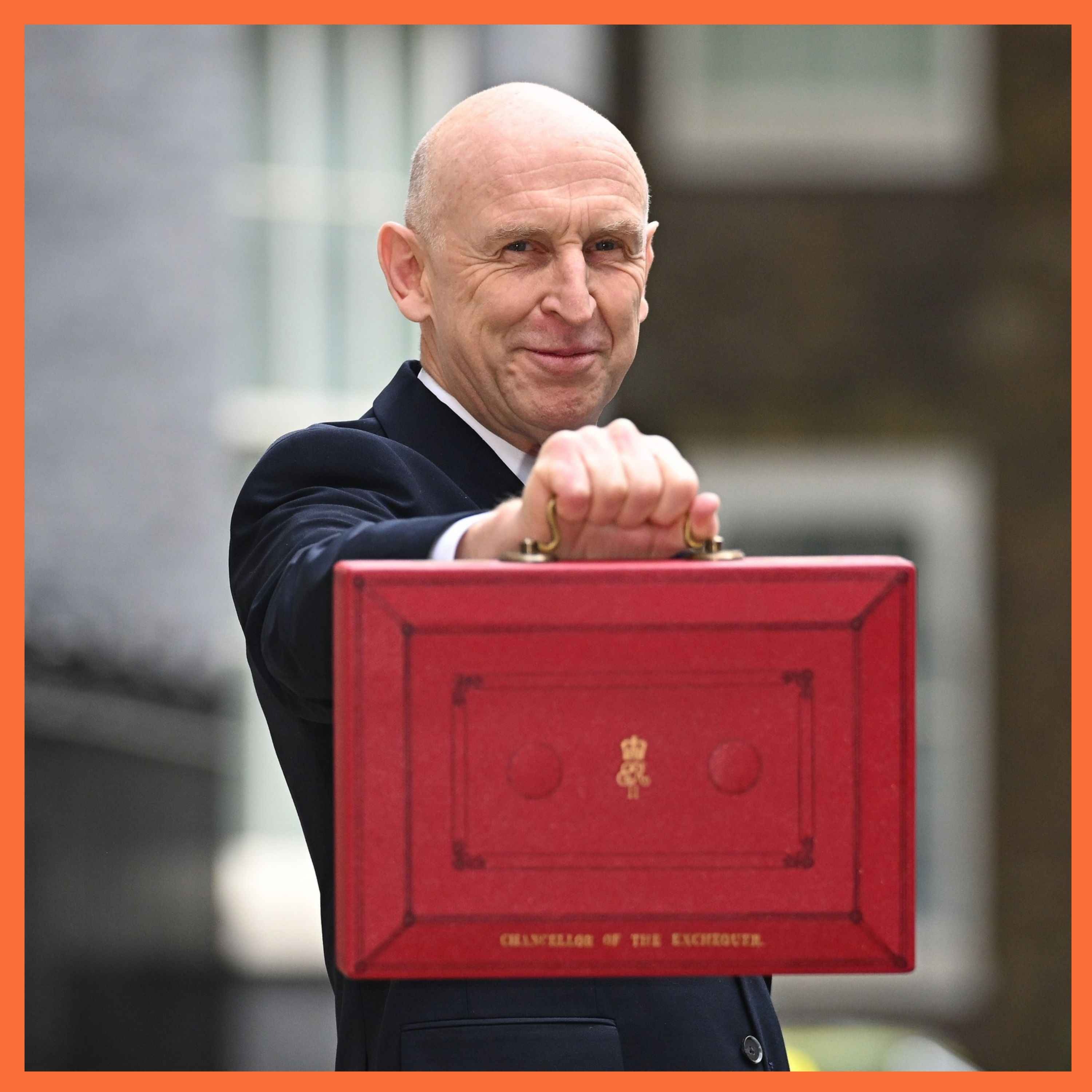 Budget 2026 Special: What's in it for business? | What does Chancellor John Healey's 2026 budget mean for business?In this episode of The Business, Dominic O’Connell is joined by Dan Neidle, founder of Tax Policy Associates, and Shevaun Haviland, director general of the British Chambers of Commerce, to unpack an Autumn Budget designed to give British people ‘breathing room’.At the despach box the chancellor said: "Too many people feel this country isn't working well for them, and in particular, households and businesses face challenges from rising energy costs due directly to the conflict in the Middle East. In the face of that, what matters is how we respond as a government. And my choice in the budget today is to give families and businesses some breathing space now, and to begin the radical reform of energy to reduce bills in the future."They examine how the Chancellor plans to balance short-term household relief with long-term economic growth. We break down the cash ISA U-turn, capital gains tax adjustments, and the new Founders’ Relief, dissecting the practical realities for British business owners and leaders.They also explore the devolution of business rates, and what this Autumn Budget means for high streets facing mounting costs.The Business is sponsored by PwCGuest:Shevaun Haviland, Director General of British Chambers of CommerceDan Neidle, founder of Tax Policy AssociatesPresenter:Dominic O’Connell, Times columnist and Times Radio business correspondentProducer: Hope FedericoExecutive Producer: Miriam Hall and Emily LeahyImage: GettyGet in touch: [email protected] from The TimesBudget 2026 key points: a summary of the highlights What the budget means for youMore from The BusinessDiesel Crisis: Is UK facing a rationing threat?Taylor Wimpey: Can Labour fix the UK’s broken housing market?Can Labour really reindustrialise Britain?Hosted on Acast. See acast.com/privacy for more information. Hosted on Acast. See acast.com/privacy for more information. | 30m 43s | ||||||
| 10/26/26 | 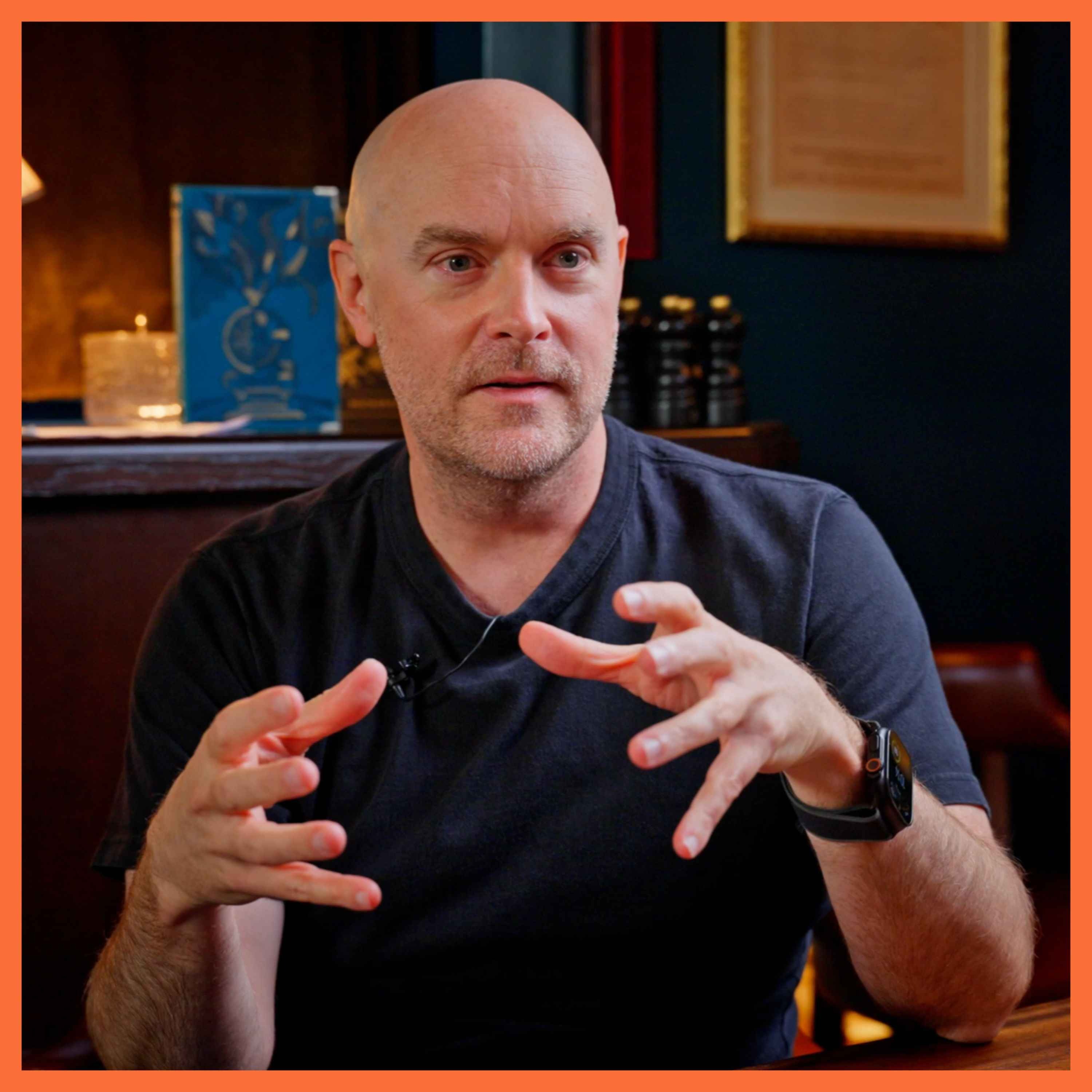 How Hawksmoor built a £100M restaurant empire | How did Hawksmoor grow from a single Shoreditch steakhouse into a global brand, and can UK hospitality survive rising tax burdens?In this episode of The Business, Hawksmoor co-founder and Chief Executive Will Beckett joins Hannah Prevett at Hawksmoor St Pancras to reflect on what he's learned from 20 years in British business, and what UK hospitality wants from Chancellor John Healey's budget.He breaks down the harsh financial pressures facing the industry, including how tax changes, rising business rates, and employment legislation impact hospitality margins.“I know that the hospitality industry would like me to say, ‘big, sweeping change’ - I just think it's unlikely,” he tells the programme. “Anything that is just relieving the tax burden or relieving the pressure slightly, that, in a way that would help smaller independent businesses flourish, I think has to be good news.”Beckett, who runs the business alongside his co-founder, Creative Director Huw Gott, also discusses scaling the steakhouse chain across London and taking on private equity investment to take the brand to the US with major openings in New York, Chicago, and Boston."We've learned about how to pitch Britishness and London. Boston's really well known for lobster rolls, but in Hawksmoor Boston, we do a lobster crumpet.”If you enjoyed this episode, make sure to follow this podcast.This podcast was brought to you thanks to the support of readers of The Times and The Sunday Times. Subscribe today to get full digital access.Guest:Will Beckett, chief executive and co-founder of HawksmoorPresenter:Hannah Prevett, associate business editor of The Sunday TimesProducer: Hope FedericoExecutive Producer: Miriam Hall and Emily LeahyGet in touch: [email protected] from The TimesI was a jack of all trades until I sunk my teeth into HawksmoorHow a very British steakhouse won over New YorkMore from The BusinessWill the Chancellor Increase Capital Gains Tax in the Budget?The Employment Rights Act: A Generational Shift for British Business Hosted on Acast. See acast.com/privacy for more information. | 33m 40s | ||||||
| 10/23/26 | 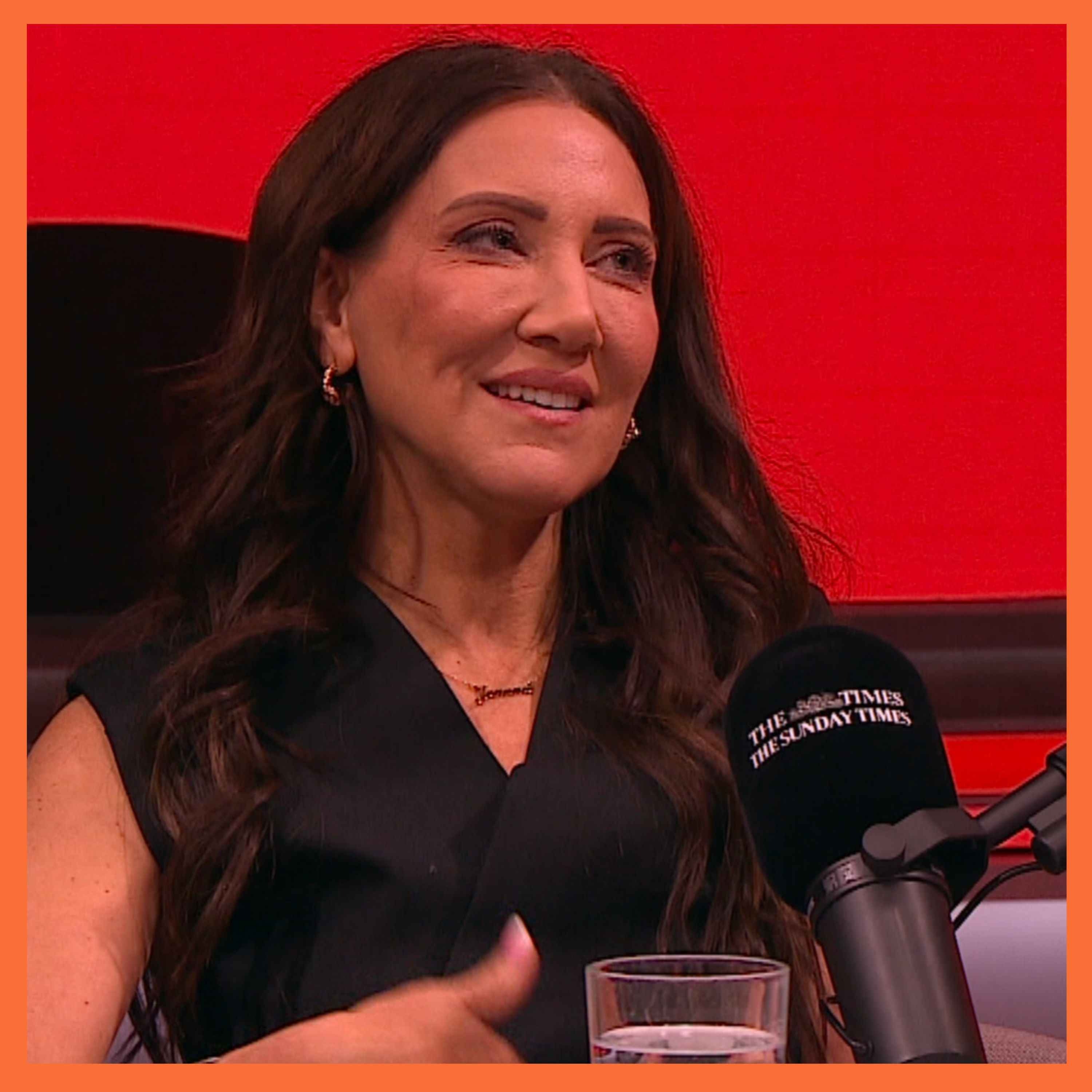 Inside the world of football agents with Jo Tongue | What does it take to become a top football agent in the UK? From negotiating million-pound contracts, to managing player transfers, a football agent holds the power to change the game long before players walk onto the pitch.In this episode of The Business, we explore the high-stakes world of sports management, where agent fees topped £400 million in the Premier League last year. Jo Tongue, leading football agent and chief executive of Tongue Tied Management, joins Hannah Prevett, associate business editor at The Sunday Times, to take us behind the scenes of commercial deal making in football. Jo discusses managing players' careers, negotiating commercial deals, and representing some of the biggest names across British football, including the manager of Manchester United, Michael Carrick.As a board member of Women in Football, Jo also reflects on working in a male-dominated industry and addressing the persistent inequalities facing female sports professionals.On social media she says abuse "is rife for women, to the point where I think a lot of females just go, ‘I'm just not gonna put anything out there because it's just not worth the stress." More from the Times: ‘It never occurred to me that I couldn’t succeed in football as a girl’ Michael Carrick hails ‘fresh start’ but one win in seven tells own storyMore from the BusinessBeyond TV: How Trinny Woodall Built A Beauty Brand“I was ashamed”: How failure built CastoreGuests: Jo Tongue, football agent and chief executive of Tongue Tied ManagementPresenter: Hannah Prevett, associate business editor at The Sunday TimesProducer: Hope FedericoExecutive Producer: Miriam Hall and Emily LeahyVideo Producer: Super Llama Hosted on Acast. See acast.com/privacy for more information. | 30m 47s | ||||||
| 10/21/26 |  Diesel Crisis: Could UK fuel rationing really happen? | With pump prices passing £2 a litre and national reserves dropping, could the diesel crisis force ministers to activate emergency fuel rationing? In this episode of The Business, Dominic O’Connell looks at what current diesel pricing means for the UK economy.Joined by Helen Thompson, Professor of Political Economy at Cambridge, and Joe DeLaura, Global Energy Strategist at Rabobank, we examine whether low reserves and refining capacity threaten long-term economic growth. They break down how global supply disruptions, refinery closures, and changing government fiscal policy are squeezing margins across British business. Crucially, they consider - could rationing truly be a reality in the United Kingdom?“There's always that possibility because the Trump administration has shown that we will extract our pie from other countries. [The thinking is]: ‘If you don't buy American we'll stop selling you diesel, or maybe we'll do a diesel export ban for 90 days unless you release some of your strategic petroleum reserves, or unless you sell us something, or unless you let us have an aircraft base in your country,’” DeLaura says on the show. “Fortunately, I think the US and the UK have a pretty strong long-standing relationship, but the Administration has tested a lot of those long-standing relationships … it's the fact that we even have to ask this question that really concerns me.”Thompson, however, said it is a risk, but not likely - though she pointed out that some Asian countries did have to take that path. “I think for that situation to materialise in Europe, there would have to be something else on top of what has already happened … [but] the Trump administration itself might bring that about,” she says on the program. “This administration's first port of call, in a way, in dealing with its supposed allies, is the energy weapon.”More from the Times: Get drilling at Rosebank or risk diesel shortages, ministers warnedTrump’s diesel deal with Putin is gift to Russia, says ZelenskyMore from the BusinessNorth Sea Oil and Gas: The Future of UK Energy SecurityCould the UK Electricity Grid Fail?Guests:Helen Thompson, Professor of Political Economy at Clare College, CambridgeJoe DeLaura, Global Energy Strategist at RabobankPresenter:Dominic O’Connell, Times columnist and Times Radio business correspondentProducer: Hope FedericoExecutive Producer: Miriam Hall and Emily LeahyPhoto: Getty Hosted on Acast. See acast.com/privacy for more information. | 35m 22s | ||||||
Want analysis for the episodes below?Free for Pro Submit a request, we'll have your selected episodes analyzed within an hour. Free, at no cost to you, for Pro users. | |||||||||
| 10/12/26 |  Dubai Airports CEO: "This war could be our new normal" | Can Dubai’s $35 billion Al Maktoum International Airport expansion survive growing Middle East conflict, or will regional tensions stall the world's biggest aviation megaproject?In this episode of The Business, Dominic O’Connell is joined by Paul Griffiths, chief executive of Dubai Airports, to discuss the ambitious expansion of Al Maktoum International Airport. Designed to handle 260 million passengers across five runways, the airport represents a massive investment in the future of global travel and trade. Griffiths reflects on navigating regional instability, missile threats, and managing airport security during heightened tensions.“I think there are some things that we are considering which could harden some of the infrastructure against possible threats, but I think most of this is going to be technology that actually stops the impact of any conflict being felt by the infrastructure, that’s the most important thing,” Griffiths says on the show.Following Houthi missile attacks on Saudi’s Riyadh airport, the UK Foreign Office has now advised against all but essential travel to a large portion of Saudi Arabia. Griffiths tells the program Dubai’s airspace is so far unaffected. “The attacks on civilian infrastructure that are happening in Saudi are very regrettable and abhorrent in so many ways,” he says. “We have to remember that the Middle East is a pretty big place - and Riyadh and Jeddah are as far away as Italy is from the UK, so it is a war between two countries that are not fortunately touching the UAE. Obviously we are maintaining vigilance.”From his early career alongside Sir Richard Branson at Virgin Atlantic to running Gatwick and leading Dubai Airports, Griffiths outlines his corporate strategy for connecting world markets. He also discusses how international aviation disruptions impact passenger recovery, supply chains, and the wider UK economy - as well as how he has balanced his other career as a pipe organ musician.Guest:Paul Griffiths, chief executive of Dubai AirportsPresenter:Dominic O’Connell, Times columnist and Times Radio business correspondentProducer: Hope FedericoExecutive Producer: Miriam Hall and Emily LeahyGet in touch: [email protected]: GettyMore from the Business:EasyJet vs Wall Street: The £5.7bn Battle for a British Budget AirlineInside the Multi-Billion-Pound Resurgence of Marks & SpencerWealth and inheritance tax driving away the UK’s super rich?More from the Times: Saudi Arabia airport hit by second Houthi strike after 13 killed in attack — as it happenedDubai airport prepares for take-off amid US-Iran conflict Hosted on Acast. See acast.com/privacy for more information. | 33m 32s | ||||||
| 10/12/26 |  What to expect from the Budget with Andy Haldane | This branded episode is brought to you by PwCWhat should business leaders expect from the chancellor's first Budget? President of the British Chambers of Commerce and former Bank of England Chief Economist Andy Haldane joins The Business to discuss.Hannah Prevett and Dominic O’Connell explore what John Healey will be weighing up before heading to the despatch box. Joined by Andy Haldane and Claire Blackburn (PwC’s UK Tax Leader), they examine the economic pressures facing the UK economy, the politics behind the potential fiscal policy choices, and potential changes to capital gains tax.They discuss what British business and industry leaders need from this Budget to drive economic growth, manage corporate strategy, and restore commercial confidence.You can also watch this episode on Times Business channel on YouTube.Guests:Andy Haldane, President of the British Chamber of Commerce and former Chief Economist at the Bank of EnglandClaire Blackburn, PwC’s UK Tax LeaderPresenter:Hannah Prevett, associate business editor, The Sunday TimesDominic O’Connell, business correspondent, Times RadioProducer: Shabnam GrewalExecutive Producer: Emily LeahyVideo Producer: Super LlamaGet in touch: [email protected] on Acast. See acast.com/privacy for more information. Hosted on Acast. See acast.com/privacy for more information. | 31m 01s | ||||||
| 10/7/26 |  Help to Buy reboot: Can Labour fix the housing market? | Will a re-imagined version of Help to Buy solve Britain's housing crisis? Dominic O’Connell examines whether government mortgage subsidies can rescue Labour's ambitious homebuilding targets.In this episode of The Business, we explore "Your First Home" - the government's proposed scheme to resurrect Help to Buy and subsidise mortgages for first-time buyers without the bank of mum and dad. With construction stalling across the UK economy, we ask whether restarting Help to Buy will stimulate homebuilding or simply inflate property prices.Dominic is joined by Jennie Daly, chief executive of Taylor Wimpey - one of Britain's largest house builders - and Carol Lewis, property editor at The Times. Together, they discuss planning delays, red tape, and how changing government fiscal policy impacts British business confidence. They analyse whether mortgage subsidies and supply chain reform can overcome material costs, unlock land development, and deliver long-term economic growth.“We have to step back and think: what does housebuilding deliver? It’s a fundamental human right,” Jennie Daly said on the show. “New home building is the only route to increasing the housing stock. So there's a fundamental economic and social case for intervention at times in the economic cycle where house building is particularly in danger of contracting.”Guests:Jennie Daly, chief executive of Taylor WimpeyCarol Lewis, property editor at The TimesPresenter:Dominic O’Connell, Times columnist and Times Radio business correspondentProducer: Hope FedericoExecutive Producer: Miriam Hall and Emily LeahyVideo Producer: Bronwen LathamGet in touch: [email protected] more from The Business:Why are the super rich leaving Britain? Does Andy Burnham’s government have the guts to deliver growth? The rise of the corporate landlord - with Grainger’s Helen Gordon Read more from The Times: New home approvals sink to 13-year low as PM revives Help to Buy How housebuilders won argument to revive help for first-time buyers Hosted on Acast. See acast.com/privacy for more information. | 31m 09s | ||||||
| 10/4/26 |  The Business of Formula 1®: Jenson Button on performing under pressure | This branded episode is brought to you by PwC.What can business learn from the high-stakes of Formula 1® racing?In the fourth and final episode of a special series, host Andy Jaye speaks to 2009 F1® World Champion Jenson Button and Amish Patel, PwC’s UK Transport Lead, about how elite drivers and teams perform under pressure.Jenson Button shares unique insights from his career in Formula 1® about how to manage talent in high-stress environments, build resilient teams, foster supportive workplace cultures, and allow room to experiment and sometimes fail.They explore what British business and industry leaders can learn from Formula 1® about execution under pressure, corporate strategy, and driving economic growth when stakes are high.You can also watch this episode on Times Business channel on YouTube.Presenter:Andy Jaye, BroadcasterGuests:Jenson Button, 2009 F1® World ChampionAmish Patel, PwC’s UK Transport LeadProducer: Robert Wallace and Shabnam GrewalExecutive Producer: Emily LeahyVideo Producer: Super LlamaGet in touch: [email protected] on Acast. See acast.com/privacy for more information. Hosted on Acast. See acast.com/privacy for more information. | 31m 02s | ||||||
| 9/30/26 | 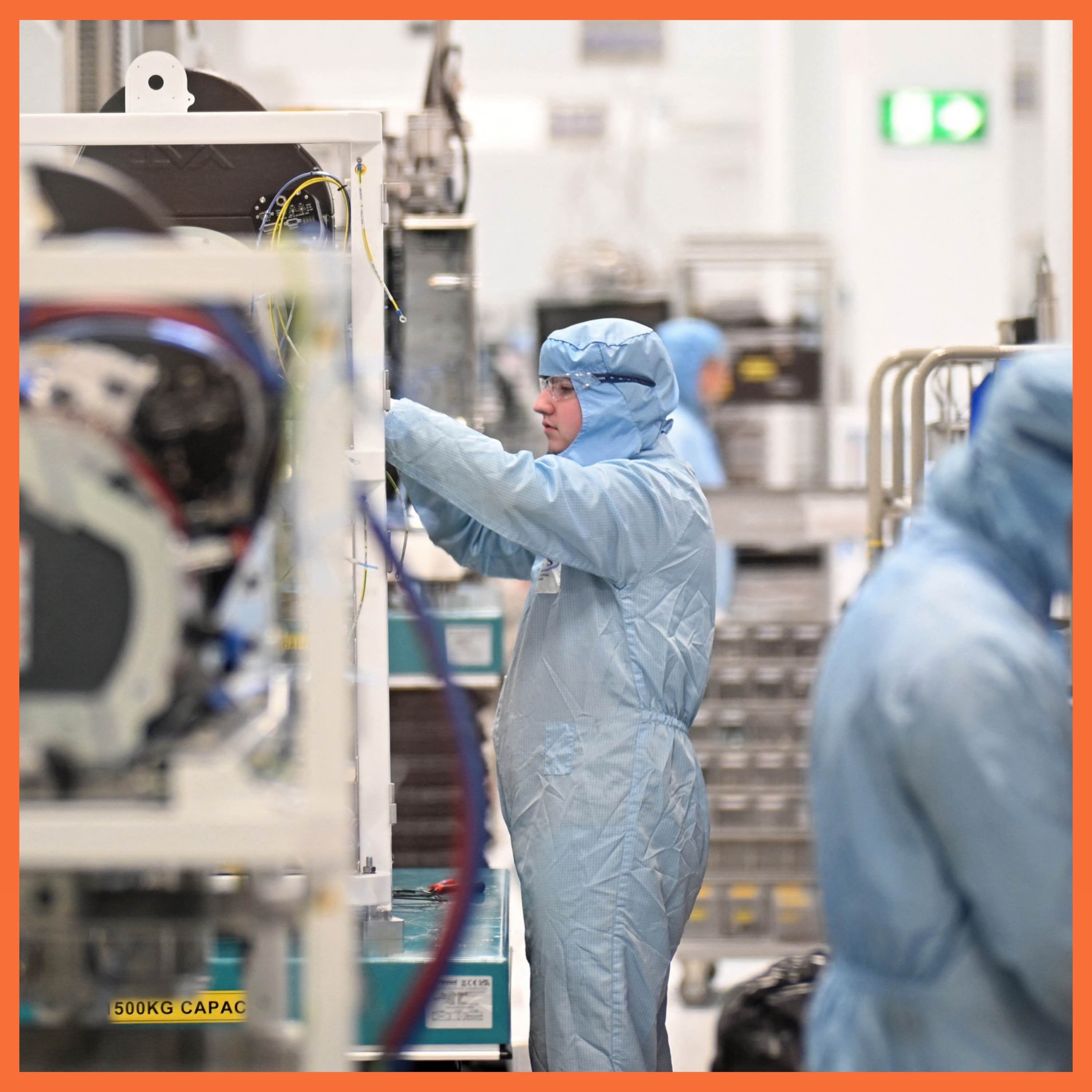 Reindustrialisation: Can Labour rebuild British manufacturing? | Is Labour’s promise of reindustrialisation realistic for the UK economy? Dominic O’Connell explores the future of British manufacturing.In his speech to the Labour Party conference, Chancellor John Healey promised "a new age of industrialisation". But with UK manufacturing output stagnant and England losing over 6,000 manufacturing businesses in the past five years according to the Office for National Statistics, can government fiscal policy turn the tide?In this episode of The Business, Dominic O’Connell considers whether genuine reindustrialisation is possible, as well as the obstacles in the way including the impact of high energy costs, skills shortages and the global impact of Chinese manufacturing competition.Joined by David Smith, economics editor at The Sunday Times, and Liam Sides, director of regional analysis at Oxford Economics, we examine the structural shifts that transformed Britain into a service-based economy over the last 50 years and evaluate what a realistic reindustrialisation strategy looks like for British business, from growing advanced manufacturing sectors like aerospace and pharmaceuticals to regional investment and planning reform.Guests:David Smith, Economics Editor at The Sunday TimesLiam Sides, Director of Regional Analysis at Oxford EconomicsPresenter:Dominic O’Connell, Times columnist and Times Radio business correspondentProducer: Hope FedericoExecutive Producers: Emily Leahy and Miriam HallPicture: Getty Hosted on Acast. See acast.com/privacy for more information. | 34m 15s | ||||||
| 9/29/26 | 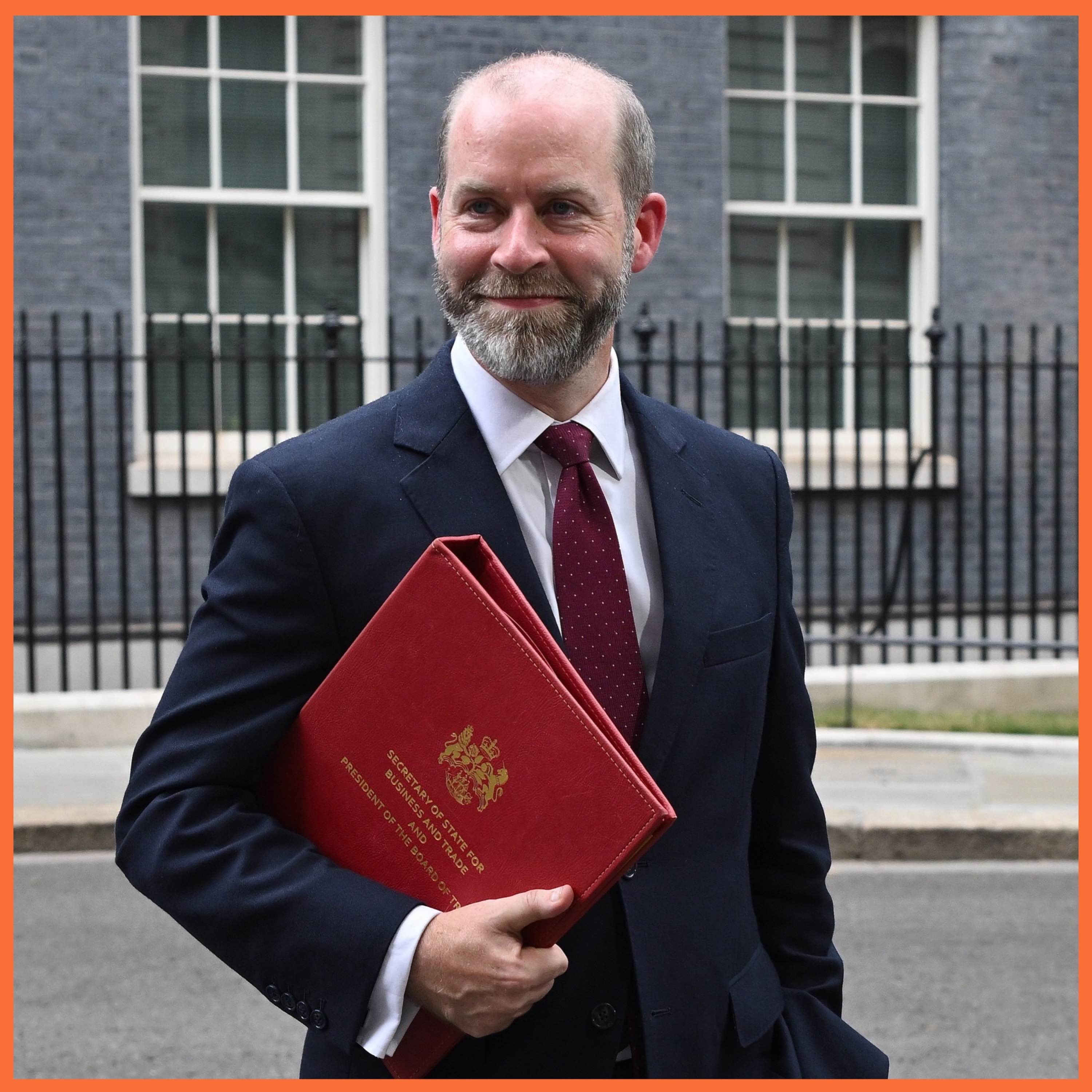 Business Secretary Jonathan Reynolds on Labour’s industrial strategy, Heathrow and diesel costs | What does Labour’s industrial strategy mean for British business? Business Secretary Jonathan Reynolds speaks to Hannah Prevett at the Labour Party conference.In this episode of The Business, recorded live on stage at the Labour Party conference in Liverpool, Business Secretary Jonathan Reynolds joins Hannah Prevett, associate business editor at The Sunday Times, to outline the government's plans for driving economic growth across the UK economy. Reynolds discusses how Labour’s industrial strategy will operate alongside regional growth plans, what the government's corporate strategy is for taking British Steel into public control, and how fiscal policy will support UK manufacturing and infrastructure. He also shares his perspective on Heathrow expansion, rising diesel costs, and the government's plans to restore business confidence.Guest:Jonathan Reynolds, Secretary of State for Business and TradePresenter:Hannah Prevett, associate business editor at The Sunday TimesProducer: Hope FedericoExecutive Producer: Miriam Hall and Emily LeahyGet in touch: [email protected] Hosted on Acast. See acast.com/privacy for more information. | 28m 12s | ||||||
| 9/27/26 |  The Business of Formula 1®: Secrets of the evolution into a global brand | This branded episode is brought to you by PwC.How has Formula 1® evolved from a legacy sport into a global entertainment powerhouse?In the third episode of a special series, host Andy Jaye speaks to Charlie Minors, Director of Strategy and Transformation at F1® and Jon Glick, PwC Advisory Marketing Leader to discuss the corporate strategy behind the business’ transformation. They discuss the key drivers of this commercial transformation from the success of the Netflix show Drive To Survive, expanding in the US market and creating engaged communities on social media. And the guests offer practical insights for industry leaders looking to scale modern consumer brands in a fast-changing global trade landscape.Presenter:Andy Jaye, BroadcasterGuests:Charlie Minors, Director of Strategy and Transformation at F1®Jon Glick, PwC Advisory Marketing LeaderProducer: Shabnam GrewalExecutive Producer: Emily LeahyVideo Producer: Super LlamaGet in touch: [email protected] on Acast. See acast.com/privacy for more information. Hosted on Acast. See acast.com/privacy for more information. | 24m 42s | ||||||
| 9/24/26 |  M&S revival: how the retail giant is defying high street trends | How did M&S pull off one of the biggest turnarounds in British retail? Hannah Prevett speaks to operations director Sacha Berendji about the high street giant's transformation.In this episode of The Business, we explore how M&S transformed its food, fashion, and shop location strategy to capture market share across British business. From store renewals and digital growth - to managing a cyber attack - we consider what its resurgence reveals about wider retail trends and consumer spending across the UK economy. M&S operations director Sacha Berendji joins Hannah Prevett, associate business editor at The Sunday Times, to discuss the corporate strategy behind the multi-billion-pound revival of M&S. He explains how leadership set the course to revamp its product lineup, handle the logistics of "fortress factories" and is now approaching shoplifting challenges. He also discusses the tax burden on high street retailers, along with what M&S wants from government fiscal policy to address rising costs and the youth unemployment crisis.He breaks down the company's decision to close a number of high street shops across the country:“We're very well aware of the role that we play on a high street and within a local community, so we never take these decisions [to close a location] lightly - but when you look at the economics at play, not just for us, but for all retailers, and, really importantly, where customers are shopping, it has become more and more difficult to justify being in locations where there isn't customer foot fall,” he says on the show. “It's not an anti-high street agenda … If the high street is the right place, then we'll be on the high street.”Guest:Sacha Berendji, operations director at M&SPresenter:Hannah Prevett, associate business editor at The Sunday TimesProducer: Hope FedericoExecutive Producer: Miriam Hall and Emily LeahyGet in touch: [email protected]: Getty Hosted on Acast. See acast.com/privacy for more information. | 34m 54s | ||||||
| 9/20/26 |  The Business of Formula 1®: Can a female driver break the gender barrier? | This branded episode is brought to you by PwC.Could we see the first female Formula 1® driver in 50 years racing in a Grand Prix?In the second episode of a special series, host Andy Jaye speaks to 19 year old F1 ACADEMY driver Rachel Robertson, who’s chasing that dream and breaking down barriers in motorsport. Joined by PwC’s chief people officer Phillippa O’Connor they discuss Rachel’s inspirational story from a karting to the F1 ACADEMY, and how talent investment and more inclusive workplace cultures can open up new career pathways.Together they explore how nurturing talent is vital for Formula 1® and how industry leaders can attract more diverse talent to drive high performance and long term economic growth.You can also watch this episode on Times Business channel on YouTube.Presenter:Andy Jaye, BroadcasterGuests:Rachel Robertson, F1 ACADEMY driverPhillippa O’Connor, PwC Chief People OfficerProducer: Harry Bligh and Shabnam GrewalExecutive Producer: Emily Leahy Video Producer: Super LlamaGet in touch: [email protected] on Acast. See acast.com/privacy for more information. Hosted on Acast. See acast.com/privacy for more information. | 31m 09s | ||||||
| 9/16/26 | 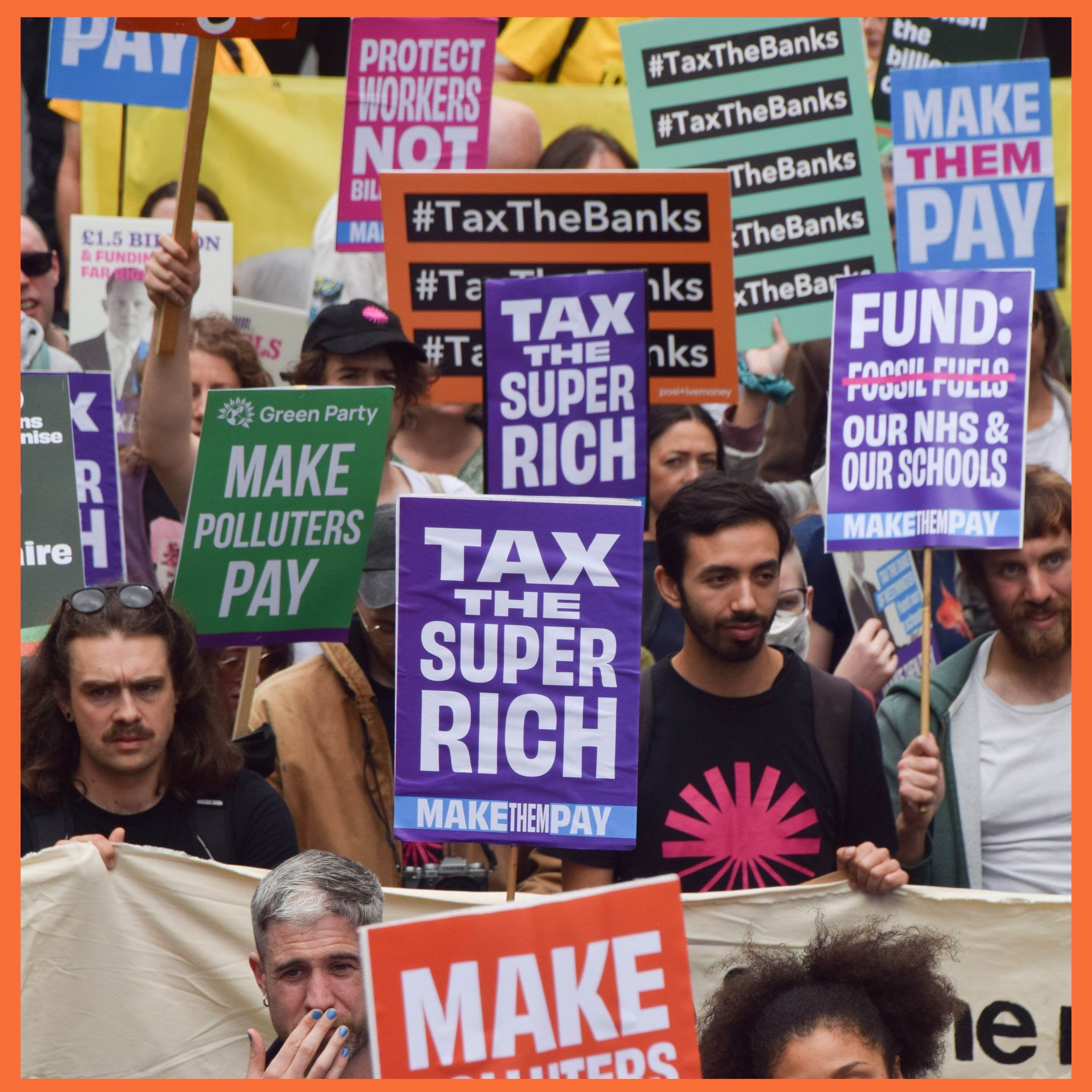 Why are the super rich leaving Britain? | Are wealth creators fleeing Britain, and what does a super-rich exodus mean for Treasury tax revenues and the wider UK economy?In this episode of The Business, Hannah Prevett investigates why high earners are leaving the country and whether changes to non-dom status are accelerating the trend. She is joined by Dan Neidle, tax lawyer and founder of Tax Policy Associates, and Robert Watts, Times contributor and compiler of the Sunday Times Rich List.Together, they explore high-profile departures, including hedge fund founder Chris Rokos, who paid £330m in UK tax in a single year. They examine how abolishing non-dom rules, rising inheritance tax, and proposed exit taxes impact capital investment across British business. And as ministers prepare their upcoming budget, Hannah asks how government fiscal policy can retain top talent in the country, protect tax receipts, and drive long-term economic growth.Presenter:Hannah Prevett, associate business editor at The Sunday TimesGuests:Dan Neidle, founder of Tax Policy AssociatesRobert Watts, Times contributorProducer: Hope FedericoExecutive Producer: Emily Leahy and Miriam Hall Video Producer: Bronwen LathamImage: Getty Hosted on Acast. See acast.com/privacy for more information. | 33m 05s | ||||||
| 9/13/26 |  The Business of Formula 1®: Inside Biggin Hill's global broadcasting mission control | This branded episode is brought to you by PwC.What does it take to broadcast the excitement and drama of Formula 1® to millions of fans across the world, with high pressure stakes and no room for error?In the first episode of a special series, host Andy Jaye speaks to Dean Locke, Formula 1®’s Executive Director of broadcast, Media and Race Operations and PwC’s UK Consulting Chief Markets Officer David Allen. Together they examine how innovation, AI and tech have transformed Formula 1®’s high-stakes broadcasting operation to deliver greater efficiency, sustainability and quality, and what industry leaders can learn about corporate strategy and harnessing tech.You can also watch this episode on Times Business channel on YouTube.Presenter:Andy Jaye, BroadcasterGuests:Dean Locke, Formula 1® Executive Director of broadcast, Media and Race Operations David Allen, PwC UK Consulting Chief Markets Officer Producers: Harry Bligh and Shabnam GrewalExecutive Producer: Emily Leahy Video Producer: Super LlamaGet in touch: [email protected] on Acast. See acast.com/privacy for more information. Hosted on Acast. See acast.com/privacy for more information. | 30m 04s | ||||||
| 9/11/26 | Formula 1business+3 | — | The BusinessTimes Business+2 | — | Formula 1business+5 | PwC | 0m 42s | ||
| 9/10/26 | retail strategyentrepreneurship+3 | Pano Christou | Pret A MangerThe Times+3 | — | Pret A MangerPano Christou+5 | — | 19m 59s | ||
| 9/8/26 | job cutsBritish car manufacturing+4 | Oliver GillDavid Bailey | Jaguar Land RoverThe Sunday Times+1 | UKBritain | Jaguar Land Roverjob cuts+6 | — | 31m 28s | ||
| 9/6/26 | youth unemploymentNEETs+4 | Alan MilburnPhilippa O’Connor | Social Market FoundationThe Times+2 | — | youth unemploymentNEETs+7 | PwC | 32m 09s | ||
| 9/4/26 | English sparkling wineChampagne competition+4 | James Pennefather | English sparkling wineChampagne+2 | UKKent | Chapel DownEnglish sparkling wine+5 | — | 22m 43s | ||
| 9/2/26 | UK borrowingbond markets+3 | Mehreen KhanChris Jeffery | US TreasuryLegal & General Investment Management+1 | — | UK borrowingbond markets+3 | — | 31m 00s | ||
| 8/27/26 | entrepreneurshipcorporate strategy+4 | Trinny Woodall | Trinny LondonThe Sunday Times | — | Trinny WoodallTrinny London+5 | — | 10m 28s | ||
| 8/25/26 | business reinventioncosmetics industry+3 | Trinny Woodall | Trinny LondonThe Sunday Times+1 | — | Trinny WoodallTrinny London+3 | — | 31m 08s | ||
| 8/20/26 | tax policyUK business+4 | Tom Beahon | Castore | UKBritain+1 | tax policyUK business+5 | — | 12m 18s | ||
| 8/18/26 | British sportswearentrepreneurship+4 | Tom Beahon | CastoreNike+8 | — | Castoresportswear+6 | — | 34m 17s | ||










Showing 31 of 66
Pitch Fit is a Pro feature
See how bookable this show is for guests, which brands already advertise, the per-episode ad value, and the best-fit guest and sponsor profile. The numbers are blurred on the free plan.
How readily this show books outside guests like you.
How proven this show is for host-read sponsorships.
For Guests
ProFor Advertisers
ProUpgrade to Pro to unlock guest cadence, sponsor categories, fit scores, and per-episode ad value for this show.
Chart history for The Business
Peaked at #88 in United Kingdom, currently #88 in United Kingdom.
| Market | Genre | Peak | Current | Trend |
|---|---|---|---|---|
| United Kingdom | — | #88 | #88 | — |
| Ireland | — | #131 | #131 | — |
Chart Positions
2 placements across 2 markets.
Chart Positions
2 placements across 2 markets.