
The Business of Fashion Podcast
by The Business of Fashion
Is this your podcast?The Business of Fashion is a leading authority in the fashion industry, known for providing insightful analysis and commentary on trends, business strategies, and the cultural implications of fashion. The organization has cultivated a globa…
On the show
From 42 epsHosts
Recent guests
Recent episodes
Ask Imran Anything: Vanity Metrics, Creativity and Commerce, Gucci’s Future
Oct 16, 2026
32m 33s
Who’s to Blame for Bad Customer Service?
Oct 14, 2026
29m 02s
How Independent Thinking Powered the Spring/Summer 2027 Shows
Oct 9, 2026
1h 08m 40s
The Verdict on Luxury Fashion’s Designer Reset
Oct 7, 2026
36m 52s
Marc Jacobs: 'I Don't Think That The Creative Is to Blame'
Oct 2, 2026
17m 24s
Insights from recent episode analysis
Audience Interest
- fashion industry insights
- business strategies
Podcast Focus
- fashion news and analysis
- interviews with industry leaders
Publishing Consistency
- 620 episodes produced
- active for 8 years
Platform Reach
- available on Acast
- global audience in 200 countries
Insights are generated by CastFox AI using publicly available data, episode content, and proprietary models.
Most discussed topics
Brands & references
Total monthly reach
Based on 3 signals.
Built from
By chart position
- 🇺🇸United States · Fashion & BeautyHOME#7243K to 1.3M
- 🇮🇳India · Fashion & Beauty#422K to 115K
- 🇬🇧United Kingdom · Fashion & Beauty#620K to 107K
- 🇨🇦Canada · Fashion & Beauty#420K to 103K
- 🇮🇩ID · Fashion & Beauty#119K to 100K
- Per-Episode Audience
Est. listeners per new episode within ~30 days
456K to 2.4M🎙 ~2x weekly·658 episodes·Last published 3d ago - Monthly Reach
Unique listeners across all episodes (30 days)
911K to 4.8M🇺🇸53%🇮🇳5%🇬🇧4%+19 more - Active Followers
Loyal subscribers who consistently listen
501K to 2.7M10K real followers tracked across platforms
Market Insights
Platform Distribution
Reach across major podcast platforms, updated hourly
Total Followers
—
Total Plays
—
Total Reviews
—
* Data sourced directly from platform APIs and aggregated hourly across all major podcast directories.
Social Links & Contact
Official channels & resources
Official Website
Login
RSS Feed
Login
| Date | Episode | Topics | Guests | Brands | Places | Keywords | Sponsor | Length | |
|---|---|---|---|---|---|---|---|---|---|
| 10/16/26 | 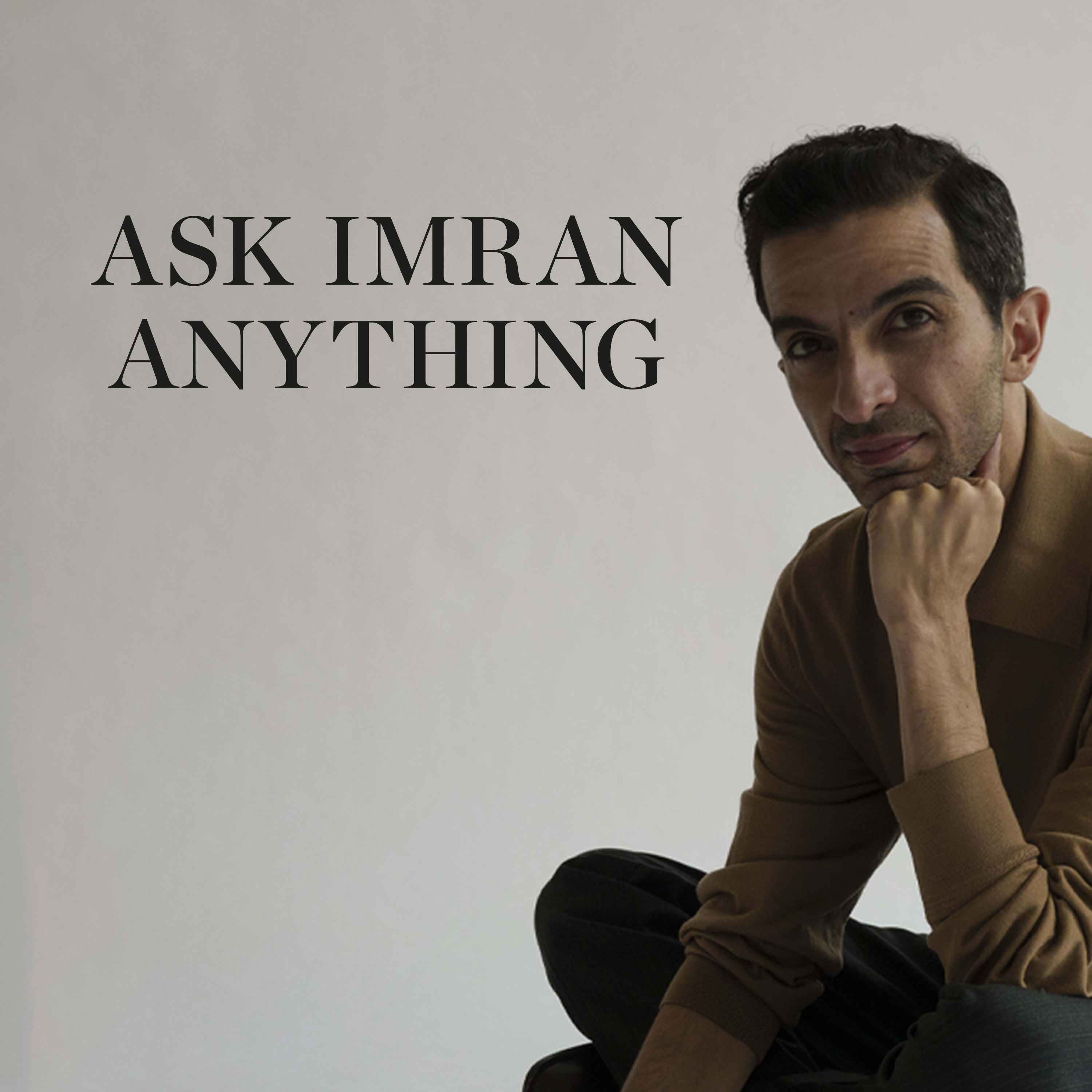 Ask Imran Anything: Vanity Metrics, Creativity and Commerce, Gucci’s Future | This week, by popular demand, we are back for the third installment of Ask Me Anything, where listeners from around the world send in their most pressing questions about what is happening in the fashion business.This time, the conversation jumps off from the latest season of shows, specifically what’s actually happening at Gucci, whether metrics like Earned Media Value (EMV) and Media Impact Value (MIV) are worth anything at all, how brands can strike the right balance between creativity and commerce, and where human judgement still remains integral, even as AI becomes part of everyday creative work.Key Insights:Gucci’s creative direction has sharpened, but the business case hasn’t. After several collections that felt disjointed, Amed sees Demna’s most recent Milan show as the clearest statement yet of his vision for the house. “This most recent show, The Store, just kind of clicked.” But Amed is not ready to call it a fix: “The remaining question I have is, is it enough in this very challenging market where the luxury industry is not growing?”Brand-measurement metrics deserve scepticism: Asked whether scores like Earned Media Value (EMV) and Media Impact Value (MIV) actually mean anything, Amed argues they’re built to serve a different purpose than the one marketed. “Honestly, these are vanity metrics,” he says, noting they’re often “designed for marketing teams to ask for money from finance people.” His test for any brand: “Long-term brand health and commercial performance, that matters.”Creative success depends on alignment between designer and business: Comparing the current moment at Balenciaga and Chanel, Amed suggests the difference isn’t talent but clarity of the brief. On Balenciaga: “I get the sense that the brief was a bit disjointed ... can you mine the heritage of Cristóbal Balenciaga ... and then can you also keep the customers that Demna managed to attract ... Are those things even compatible?” At Chanel, by contrast: “They’re all singing from the same hymn sheet about what Chanel is trying to do now ... When it works like it’s working at Chanel, it does feel like magic.”AI changes how humans create, not whether they’re needed. Amed pushes back on the idea that AI can generate campaigns or strategy on its own. “I don’t think AI on its own can generate beautiful campaigns ... it still requires a human to work with it.” His advice to anyone starting out: build real-world taste and judgement, “because that’s going to be priceless in the age of AI.”Crediting artisans is what separates collaboration from appropriation. Weighing the recent Prada and Fendi controversies over Indian craftsmanship, Amed draws a clear line between the two. On Fendi’s long relationship with Mumbai atelier Chanakya: “Maria Grazia is investing in and spending time with the artisans ... that for me is an example of how these things should work.” On Prada’s uncredited Kolhapuri sandals: “That felt like a real case of appropriation.” His broader principle: “If you’re going to take something from a culture, credit the people, make sure they’re properly compensated.”Additional Resources:Has Demna Solved Gucci’s Identity Crisis? | BoFChanel: The Designer Revamp That Worked | BoFDid Fendi Commit Cultural Appropriation in India? It’s Not That Simple | BoF Hosted on Acast. See acast.com/privacy for more information. | 32m 33s | ||||||
| 10/14/26 |  Who’s to Blame for Bad Customer Service? | A $15,000 mechanical bird named Molly has become an unlikely flashpoint for retail. After pop star Kelly Clarkson accused Brooklyn boutique Art of Play of treating her “like Julia Roberts’ character” in Pretty Woman, the dispute ignited a much bigger debate about customer service, training and who bears the brunt of bad retail experiences.In this episode, senior correspondent Sheena Butler-Young is joined by Jessica Kwon, who recently examined why poor customer service remains so pervasive across retail, and retail editor Cathaleen Chen, who spearheaded BoF’s coverage of the world’s best independent stores. Together, they explore why retailers struggle to get service right — and what it takes to deliver a better shopping experience.Key Insights:Kwon connects the Clarkson incident to a longer pattern of retail profiling. “There’s a reason there’s this dedicated phrase, ‘shopping while Black’, that points to this phenomenon of Black customers being disproportionately scrutinized and surveilled,” she says, noting Oprah, Cardi B and Savannah James have all described similar treatment.Chen is skeptical of the theory that cold treatment drives luxury sales. “I personally find that very hard to believe,” she says, arguing the opposite is now true: “I don’t think that a true luxury shopping environment should make anyone feel intimidated or condescended upon.”For Chen, salaried-plus-commission models — like those at Elyse Walker — build loyalty because staff see a path up. “The CEO of Aritzia – she started at that company as a sales associate,” she says, tying good service to employees who “feel like they have a stake in the store.”Chen points to average tenures of five to six months as the real culprit behind inconsistent service. “It’s really not enough time... to soak up the culture of the brand and feel like you are a part of this environment,” she says.Kwon links pandemic-era social isolation to a generational shift in what good service looks like. “A lot of young people want to be left alone,” she says, adding that attentive service can now read as “a little obsequious.”Additional Resources:Why Is It Still So Painful to Shop in Stores? | BoFThe Best Fashion Stores in the World | BoFHow to Build the Retail Customer Service Dream Team | BoF Hosted on Acast. See acast.com/privacy for more information. | 29m 02s | ||||||
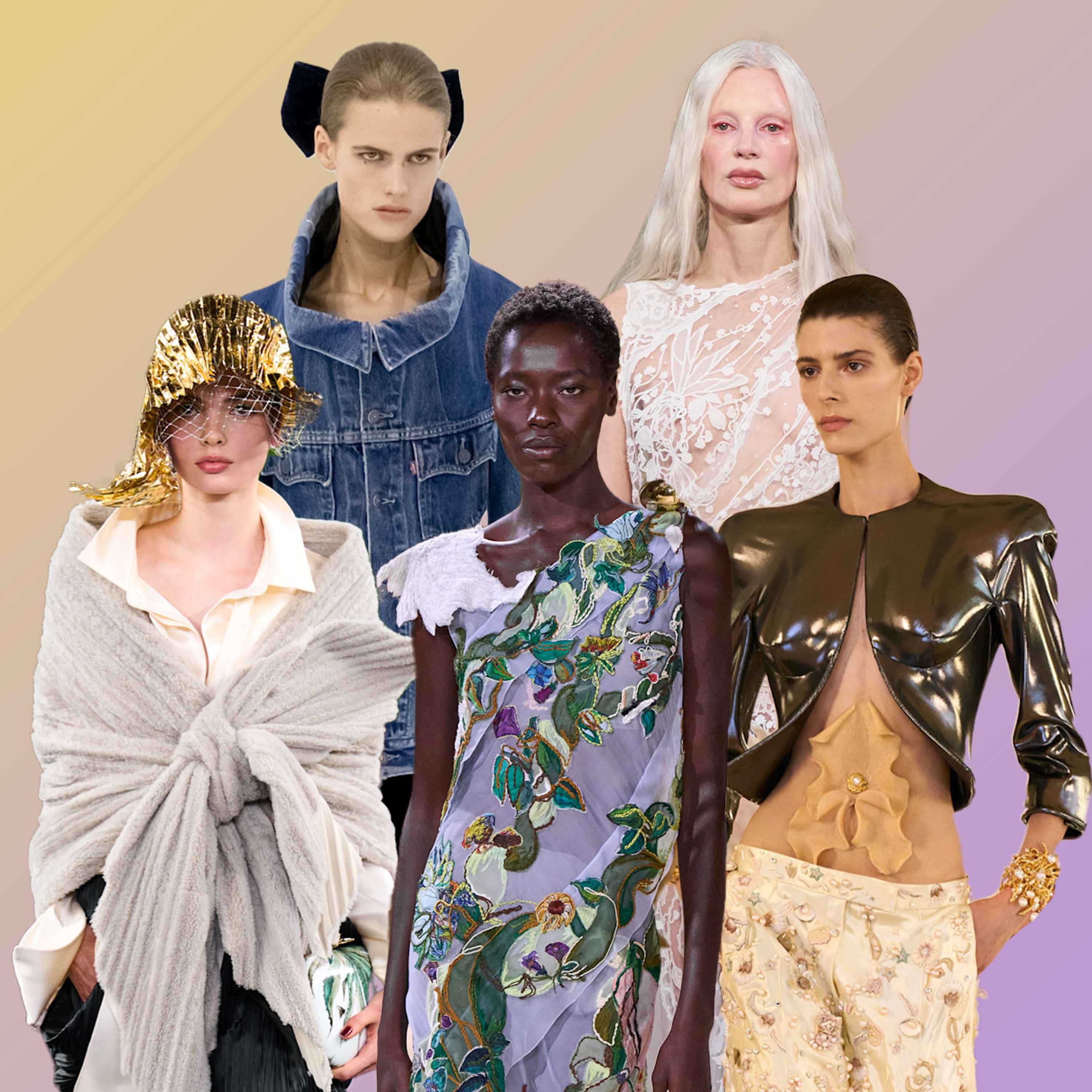
| 10/9/26 | 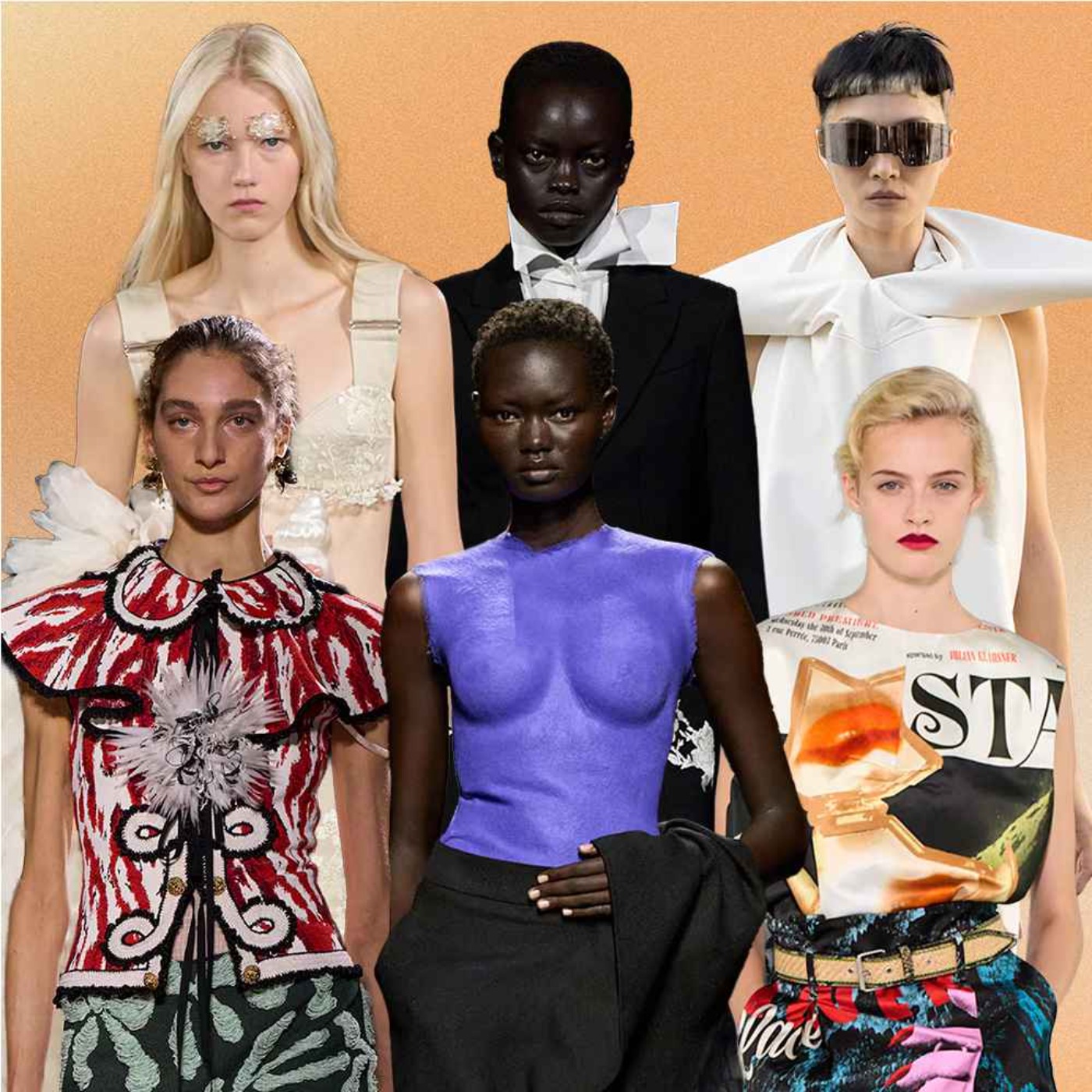 How Independent Thinking Powered the Spring/Summer 2027 Shows | Tim Blanks, editor-at-large at The Business of Fashion, joins Imran Amed for their seasonal review of the Spring/Summer 2027 shows. In London, Simone Rocha and Erdem delivered what Blanks calls career heights, and Christopher Kane made his debut at Mulberry, which brought the label back to the London schedule. In Milan, Demna presented his third show for Gucci, and Miuccia Prada and Raf Simons built Prada’s collection almost entirely around the skirt. In Paris, Anthony Vaccarello staged his final show for Saint Laurent, a collection built around gold. Kering confirmed his departure on Oct. 9.But the thread Blanks and Amed kept coming back to was bigger than any one show. In an industry dominated by giant groups trying to meet quarterly targets, there is a renaissance of independent designers and independent thinking. Blanks says independence is the theme he expects to return. He describes fashion at its best as an “individual idiosyncratic statement, this passion, and that applies not just to the designers but to the people who sell the designers.” Amed adds that independent stores around the world are looking for designers who offer something customers can’t find everywhere.Key Insights:London finds its feet again: Blanks saw two of the city's established names reach new heights. "I saw designers who are really part of the establishment, like Simone Rocha and Erdem, who reached career heights," he says, pointing to a mood of "anything goes, reckless" confidence. "I thought Erdem's show had a particularly wanton quality that was quite enthralling ... you do feel a volcanic force building sometimes, and in this show there was just this explosion of subversive energy."Demna's Gucci moment: After two seasons spent researching the house, Blanks felt Demna's third Gucci collection finally delivered clarity. "I really liked this show," he says, noting the designer "explored all those different elements — that hyper-bourgeois element, the Tom Ford element ... he really needed to find his way through Gucci." Prada doing Prada: Miuccia Prada's return to the main collection, built around 63 skirts and her own maxim — "the skirt is my T-shirt" — struck Blanks as a necessary reassertion rather than a retreat. "It totally resonated with me as a reflection of her golden era ... I felt it was a necessary reassertion. I think that anyone who loves Prada would love this collection."Rick Owens' new alchemy: Owens' Paris show marked a genuine shift for a designer whose idea of beauty is usually challenging. "This time, it was beautiful," Blanks says. "Those gowns at the beginning — they were woven from seatbelt material ... he is like an old-time alchemist, making extraordinary things out of actually quite banal things."Saint Laurent's gilded goodbye: Witnessing Anthony Vaccarello's final show after 10 years at the house, the collection was built entirely around gold. "This is his farewell to Saint Laurent ... the single-mindedness of his vision is quite overwhelming. It's imperial fashion," Blanks says. "The clothes were like a coronation."Chanel as "an Act of Faith": Matthieu Blazy's Chanel collection led Blanks to a bigger point about belief and independence inside a giant, privately-held house. "Fashion is an act of faith," he says. "It's something that people have to believe in for it to work ... [criticism] destroys the illusion." He frames Blazy's process as fundamentally independent: "The sheer joy in the making ... that's kind of really independent thinking. You know, when he says, 'I want something that's unknittable,' and comes up with knittable sequins."Additional Resources:Miuccia Prada: Future-Proofing a Fashion DynastyChristopher Kane Opens New Era at Mulberry Satoshi Kondo: Crafting Issey Miyake’s Comeback Hosted on Acast. See acast.com/privacy for more information. | 1h 08m 40s | ||||||
| 10/7/26 |  The Verdict on Luxury Fashion’s Designer Reset | Fashion's biggest wave of creative-director musical chairs is now a year or so in, and the early read is starting to emerge. Over a dozen major houses have brought in new leadership, and while the broader luxury market is still sluggish, the areas designers can actually move — product, image, storytelling — are showing real signs of life. On a global scale, Chanel is seeing an immediate commercial payoff under Matthieu Blazy, Gucci looks to be stabilising under Demna, and at Dior, Jonathan Anderson's vision is starting to take shape.In this episode, senior correspondent Sheena Butler-Young is joined by BoF's Chief Luxury Correspondent Robert Williams, who has spent the last few weeks on the ground in Milan and Paris covering the shows. Williams runs through the designer reboots at Chanel, Gucci, Dior, Celine, Loewe, Givenchy, Balenciaga and Saint Laurent — and separates the resets that are paying off from the ones still searching for a formula.Key Insights: Williams calls Chanel's revamp under Matthieu Blazy the standout of the cycle, with sales up around 16 percent in the first half of the year. "It's very easy to understand, to digest. It's very visually him, it's very Chanel," he says. The house’s next challenge, Williams says, is balancing the consistency Blazy has established with newness and innovation: :"There needs to be some kind of a formula... at the same time, they need to always make sure they're investing in having new ideas."After a polarizing debut in February, Demna's September show for Gucci clicked. "He was able to bring what he's really good at, which is documenting the way people dress in real life," Williams says, though he's candid that the product left a bit more to be desired: "I'm not sure that the product has caught up with the vision... the collection still has a little bit of a ways to go."At Dior, Jonathan Anderson has sharpened the brand's image quickly, but the clothes are proving trickier to land. Where previous collections felt overcomplicated to some, he sees progress this season: "It felt more cohesive to me and it felt refreshingly just pretty."At Celine, Michael Rider has taken a more evolutionary approach to the house after Hedi Slimane. Williams says Rider has brought “something looser, more playful … a bit more of a focus on design.” Loewe’s JackMcCollough and Lazaro Hernandez, meanwhile, also resisted a wholesale reinvention after Jonathan Anderson: “They've managed to keep the brand pillars going, but rather than the focus being so much about innovation and intellect, they've moved it to the body, to the senses,” Williams says.At Balenciaga, as reports mount that Pierpaolo Piccioli could already be on the way out, Williams argues the house got its strategy inverted: "They kept a lot of the merchandising plan, but they changed the message, the values."At Saint Laurent, with Anthony Vaccarello reportedly exiting after nearly a decade of laser-focused vision, Williams calls it one of the most compelling stories to watch: As luxury fashion became obsessed with relatability and lifestyle, “Vaccarello was running in the opposite direction" The opportunity, and the risk, lies in broadening that identity: "How to build on that without upsetting the apple cart is going to be really risky but also hugely interesting to watch."Additional Resources:Fashion’s Designer Reset (Kind of) Worked | BoFLuxury’s Mid-Year Review | BoFHas Demna Solved Gucci’s Identity Crisis? | BoF Hosted on Acast. See acast.com/privacy for more information. | 36m 52s | ||||||
| 10/2/26 | 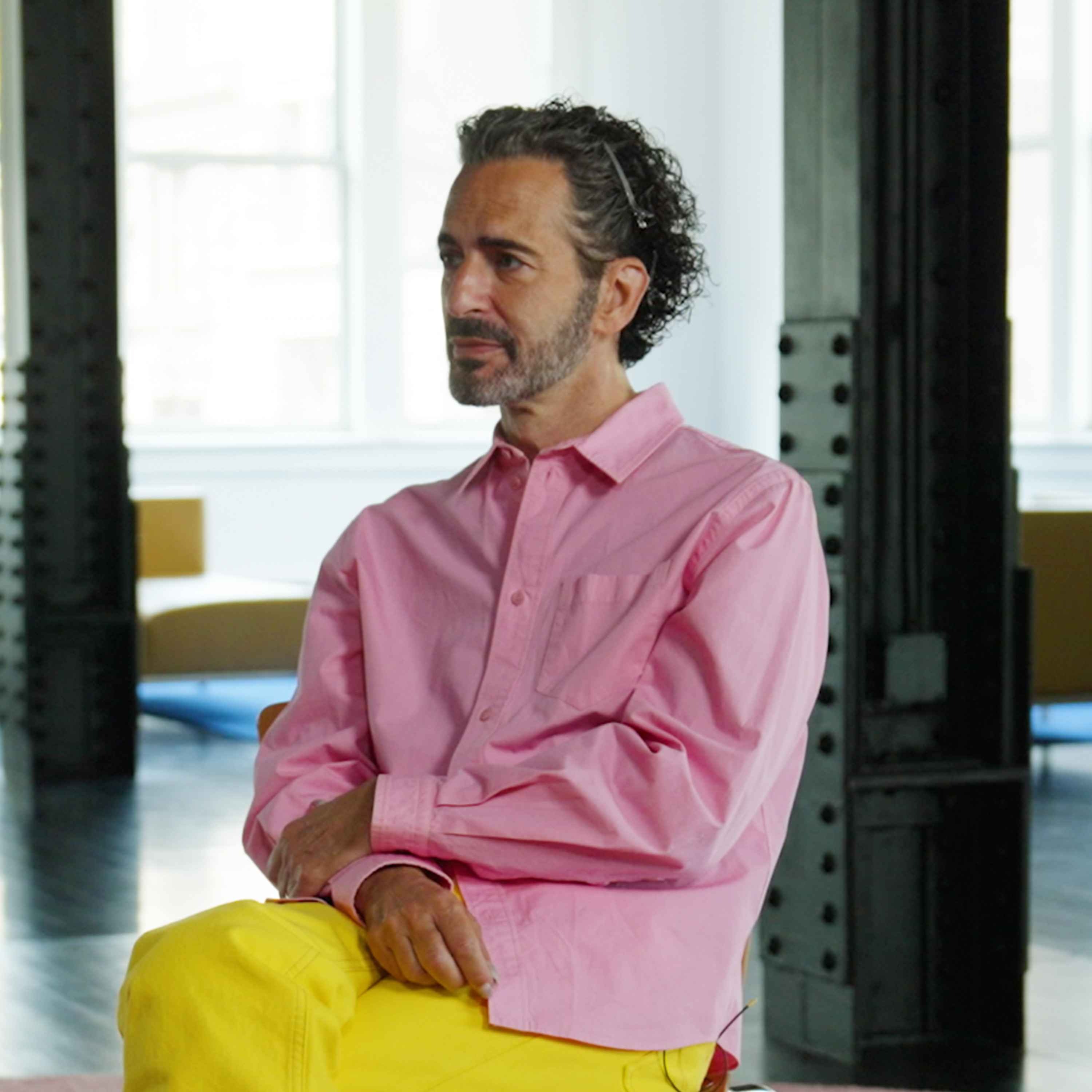 Marc Jacobs: 'I Don't Think That The Creative Is to Blame' | Today, we introduced The BoF 500 Class of 2026: 100 new members added to our ever-growing index of people shaping the global fashion industry. This year’s BoF 500 cover stories feature Miuccia Prada, Marc Jacobs, Givenchy’s Sarah Burton and Issey Miyake’s Satoshi Kondo, examining the ineffable creative quotient that turns clothes into things of desire.But creativity is just one part of the fashion equation. It is not something managers can simply turn on like a light switch. Designers also need sufficient time and resources, and teams that know how to translate their visions into commercial products — not to mention the best factories, strong retail networks and so on — to make a fashion business tick.Recently, Marc Jacobs has been grappling with some big changes at his namesake brand, opening a new chapter under new owners WHP and G-III which closed a deal to acquire the Marc Jacobs business from LVMH in September.Over the summer, Jacobs met with BoF contributor Eric Wilson in New York to discuss life after LVMH — and whether he can work with his new business partners without losing his soul. The full story is out on BoF on Oct. 7.After the cover shoot, Jacobs sat down with Imran Amed to talk about what’s next for his business and reflect on the ongoing fashion slump. “What I see is a bunch of non-creative people thinking that this all hangs on a creative person,” Jacobs says. “And I think it's just a big mistake.”Key Insights:The LVMH ceiling: Jacobs is candid that LVMH's backing came with a ceiling. “We might have a tote bag that's successful and we might have our show that's been applauded … [but] LVMH was not going to open stores or pour money into this place,” he says. Under his new owners WHP and G-III, he sees uncertainty paired with possibility: “There's an opportunity for something to change and grow, which certainly wasn't the case if we remained at LVMH. It would have just been a maintenance program, which is all that's really been in the past decade plus.”Changing the designer as a fix: Asked about last year’s wave of creative changes across the industry, Jacobs pushes back on the idea that just swapping out a designer fixes everything. “You can put a different logo over a designer's head or you can change the store that clothes are available in, but there’s an exhaustion, I think, from all of this stuff. And I don't know that the world even knows who's where at any given point,” he says.Instinct over advice: Jacobs resists offering advice to emerging designers, instead emphasising lived experience: “You do your best to trust your instincts and to go with your instincts in the gut ... I've been up and down and out, and I just never lose this desire to make things and be a part of this fashion world.”Additional Resources:Marc Jacobs | BoF 500 | The People Shaping the Global Fashion Industry Introducing The BoF 500 Class of 2026 Miuccia Prada, Marc Jacobs, Sarah Burton and Satoshi Kondo Are 2026’s BoF 500 Cover Stars Marc Jacobs Approaches a New Era Hosted on Acast. See acast.com/privacy for more information. | 17m 24s | ||||||
| 9/30/26 |  Luxury’s Italian Supply Chain Reckoning Isn’t Over | In 2024, Milan prosecutors uncovered sweatshop-like conditions within the Italian supply chains of major luxury brands, revealing that workers faced degrading living conditions, low pay, and 15-hour workdays. Nearly two years later, despite brands strengthening internal controls, increasing audits, and restricting subcontracting, labour groups report little fundamental change on the ground.This week, BoF’s Sarah Kent and Sheena Butler-Young explore whether the luxury sector's response has addressed the root causes of this exploitation, or merely added layers of compliance to the same flawed business model.Key Insights:Luxury’s supply chain problems are structural, not isolated. The 2024 investigations exposed more than a handful of bad factories. Kent says exploitative suppliers had become an “open secret” within parts of Italy’s manufacturing ecosystem, enabled by a fragmented supply chain and commercial pressure for low prices, speed and flexibility. “Everyone knows, no one tells because it is convenient to have them exist,” says Kent. “At its heart, when you really press people, they say it’s because of the price brands are willing to pay for products and the speed and flexibility at which they want them produced.”Brands have tightened oversight but audits are creating new pressure on suppliers. Luxury companies have increased inspections, consolidated suppliers and restricted subcontracting. But because each brand often uses a different audit system, manufacturers can face overlapping checks and conflicting requirements at a time when margins are already under pressure. “It’s a time cost, a financial cost, and a big burden to have this quite diversified system of audits that’s hitting suppliers at the moment,” Kent says.Despite tighter controls, there is little evidence that conditions have meaningfully improved for workers. According to Kent, labour groups report little change on the ground, while the luxury slowdown and falling orders are adding more pressure to manufacturers. “ From what I understand from labour groups, there is not a sense that a huge amount has changed on the ground, and I think that's partly because it's quite a complex situation that isn't only linked to luxury supply chains,” Kent says. Without changes to commercial practices that shape working conditions, improvements could remain limited.Compliance alone cannot fix the economics that helped create the problem. For years, luxury positioned craftsmanship, quality and responsible production as part of what justified premium prices. The investigations exposed significant blind spots in that narrative, particularly where brands knew which factories were producing their goods but focused on product quality rather than labour conditions. “It is very interesting to me that for luxury in particular, which has long spoken about issues of labour abuse or environmental degradation as being a fast fashion issue, to have such apparent blind spots when it comes to its own supply chain,” Kent says.Industry-wide solutions remain limited by fragmented standards and voluntary participation. Efforts such as the Milan Protocol aim to create common standards and a database of vetted suppliers. But participation remains voluntary and limited geographically, while brands have struggled to align around a single auditing framework. Kent questions: “If everyone’s not on it, and everyone’s not using it, and they don’t have to be on it and they don’t have to use it, how useful is it?”Additional Resources:Has Fashion Fixed Its Italian Supply Chain Problems? | BoF Inside Luxury’s Italian Sweatshops Problem | BoF Is Luxury Finally Set for a Sustainability Reckoning? | BoF Hosted on Acast. See acast.com/privacy for more information. | 26m 40s | ||||||
| 9/25/26 | 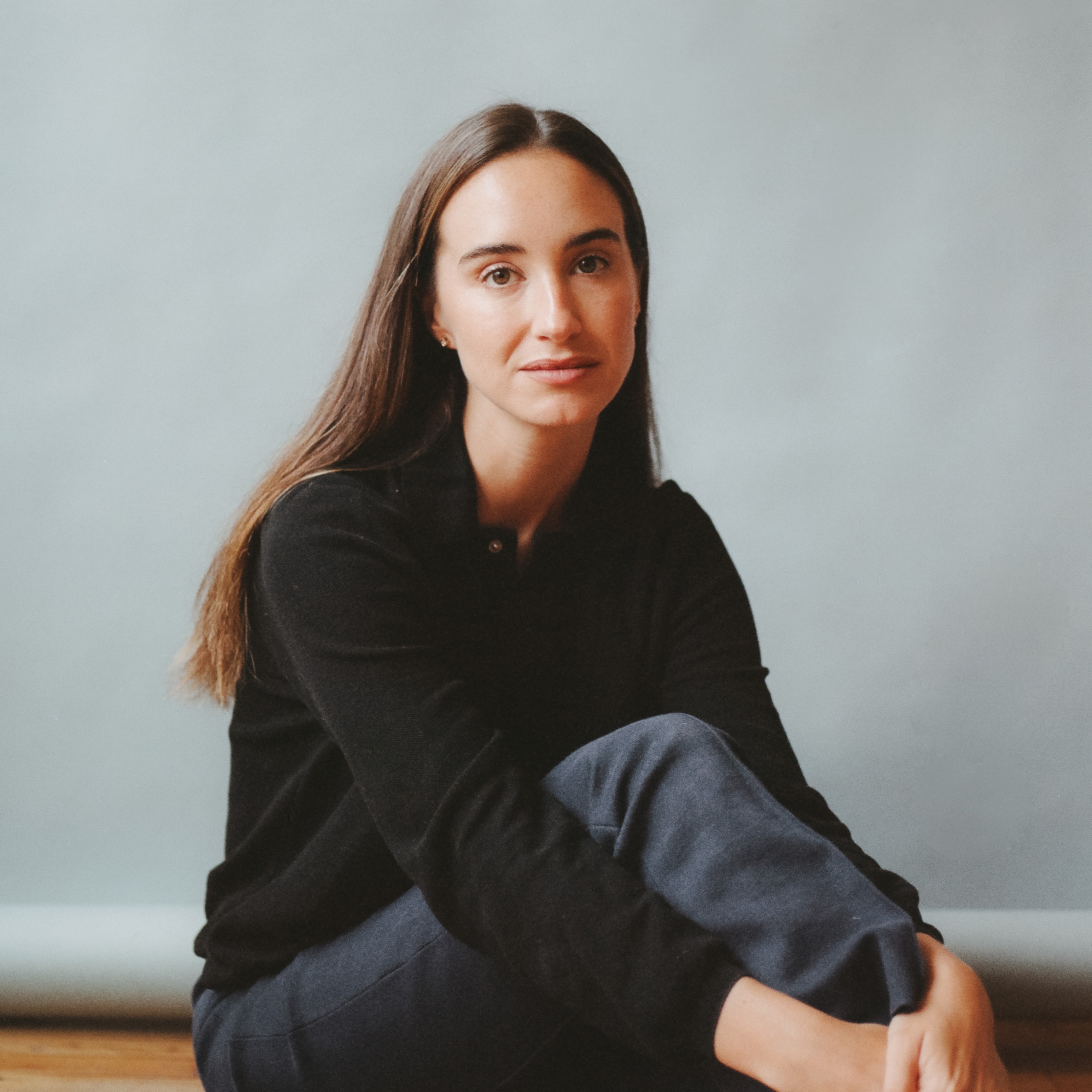 Feed Me's Emily Sundberg on How Fashion Underestimates Its Customers | Every weekday morning, a certain slice of New York opens the same e-mail. Lawyers, bankers, editors, restaurateurs: some of the city's most plugged-in people read Feed Me, the daily newsletter written by Emily Sundberg.In a few short years, Sundberg has turned a newsletter she started at her desk into one of the most talked-about new media publications in New York. She has built it herself, with a paywall from day one and no outside investors. Feed Me now includes contributing columnists, reader events, merchandise and a podcast.Her readers are exactly the people fashion brands are trying hardest to reach: smart, sceptical and very aware of how they are being marketed to. That makes Sundberg one of the sharpest outside observers of the industry today."I just never underestimate how clued in and informed my audience is, and I never want to speak down to them."Sundberg joins Amed to talk about building a media business on instinct, and capturing the attention of fashion's most sought after customers.Key Insights:Fashion's customers know exactly how they are being sold to: Sundberg notes that when a strong campaign lands on Instagram, the compliment is increasingly about the marketing itself. "They're in on the bit. They know that they're being sold to," she says. She tells brands to stop recycling the same models and copy, and to assume every campaign will be "dissected, potentially dunked on, on X or Substack or Instagram."Pushing a single product can backfire: Sundberg has noticed brands putting all their marketing behind one hero item, such as J.Crew's pink shrunken sweater or a Free People coat she saw 20 women promoting on her feed. "Why would I want to buy that coat if you're pushing it so hard?" she says. Sundberg cites shoppers booking flights to buy Chanel's new collection as "the best case scenario."Menswear is how fashion reaches readers who don't work in it: "Almost half my readers are men," Sundberg says, and many of them "actually geek out a lot about how they get dressed every day." Her male readers follow how their favourite clothing companies have changed through bankruptcies, investments and new creative directors. "There's a way to talk about fashion and style to non-fashion people," she says. "And that has become really important."Fashion media lacks the independent, authoritative voices that other fields have: Sundberg has trusted experts for restaurants, tech and books, but says: "I don't feel like I have as many of those voices right now in fashion." She worries that people starting Substacks and podcasts aren't being edited. When Amed says fashion media sits too close to the brands it covers, she agrees that too much of it runs on the "same press releases" and is "scared of advertisers."Three Books Emily Sundberg Recommends:Scribble Scribble: Notes on the Media, by Nora EphronThe Official Preppy Handbook, by Lisa BirnbachThe Shards, by Bret Easton Ellis Hosted on Acast. See acast.com/privacy for more information. | 1h 02m 11s | ||||||
| 9/24/26 |  Fashion’s Latest Obsession: The Grocery Store | Fashion brands have long used cafes, restaurants and hospitality to sell a broader lifestyle. Increasingly, they’re looking to a less obvious partner: the gourmet grocery store. From branded smoothies and limited-edition tote bags to run clubs, labels are tapping destinations such as Erewhon, Happier Grocery and Meadow Lane to reach consumers in the course of their everyday routines. The draw is clear: these spaces sit at the intersection of food, wellness and community, while offering a highly-sensory environment for brand storytelling. But as more labels pile in, the challenge is making sure these collaborations amount to more than an expensive Instagram moment.In this episode, senior correspondent Sheena Butler-Young is joined by BoF marketing correspondent Haley Crawford to discuss why fashion is moving into the grocery aisle and what brands need to do to get it right.Key Insights: Tie-ups between gourmet grocers and beauty predate today's boom. Erewhon laid the groundwork with early influencer- and celebrity-driven partnerships — including Hailey Bieber's strawberry glazed smoothie in 2022 — while British handbag label Anya Hindmarch has made custom grocery totes for Waitrose and Daylesford for years. Now, Crawford says, "gourmet grocery has just grown so much that there's a much larger sandbox for brands to play in."Crawford is skeptical that grocers are fertile ground for genuinely new fashion products. The more successful tie-ups — like On's long-term Erewhon partnership, which paired a running shoe capsule with a run club and a co-branded recovery juice — use the grocer to market products the brand already has. "This is where brands might have more success than trying to force a raffia skirt that has nothing to do with the brand or the grocer," she says. "It really has to lend itself well to the universe of the grocery store." For most brands, Crawford says the value of these collabs is primarily top-of-funnel – offering marketers a path to connect with customers who may not be ready for a major fashion purchase If they're not ready to shell out $500 for a handbag, they can definitely afford a $15 smoothie," she explains. "That can be something of a revenue driver, but it more so gets them into the funnel and drives that loyalty and brand awareness." In many cases, brands are borrowing "wellness halo" from these stores, Crawford says. But she warns the format risks becoming generic as more brands pile in: "We've seen it with every brand launching their own café... brands need to be wary of that as they tread into the space so it doesn't just become another hot new trend that they're jumping on."The strongest partnerships hinge on genuine identity overlap and understanding a grocer's specific capabilities — whether that's Meadow Lane's ability to whip up custom menu items like a trout dip for Dairy Boy, or Happier Grocery's built-in cafe setup, which let fashion brand Nanushka import its own cafe concept to New York. Prada Beauty took a different route entirely, partnering with local design agencies to stage market takeovers in cities like Milan for its Prada Spring Market. . Crawford's takeaway: brands should ask "what can these grocers offer to me?" before chasing the trend.Additional Resources:How Hotels Became Fashion's Most In-Demand Partner | BoFErewhon Is Coming to New York With a Smoothie Bar | BoF Hosted on Acast. See acast.com/privacy for more information. | 22m 41s | ||||||
| 9/18/26 | 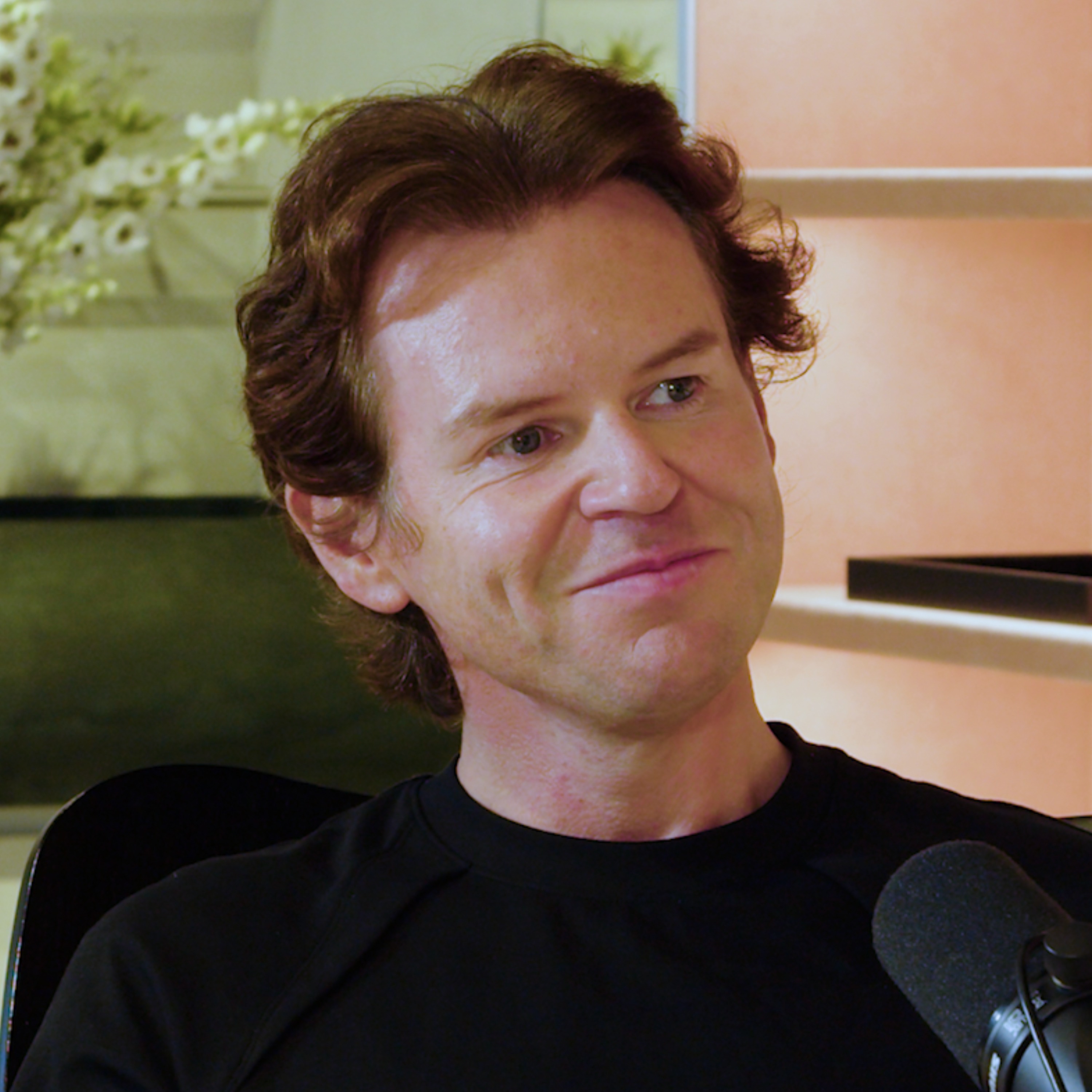 Christopher Kane: Mulberry’s Heritage Is a Foundation, Not a Limitation | In 2023, Christopher Kane did what no independent designer ever wants to do. He closed the label he had spent 17 years building with his sister, Tammy Kane. This was the man who put rubberised lace on the runway, who cut up saddle leather on a domestic sewing machine, and who found his ideas in the least obvious places.This Sunday, Kane returns to London Fashion Week as Mulberry’s creative director of womenswear.It's an unlikely pairing. Mulberry means Somerset leather, country houses and the bags everyone remembers from the brand’s buzzy Alexa Chung years. Kane’s world has always been more subversive: Catholic school uniforms, the strong women who raised him in Motherwell and the "bad, cool girls" who have run through his work for two decades. But Mulberry needs something new. Two years ago, it was fending off a takeover bid, cutting nearly a quarter of its corporate roles and seeing sales slide. Under chief executive Andrea Baldo, Mulberry is rebuilding itself around Britishness and craft, and there are early signs it's working. Sales rose 23 percent in the first quarter of this financial year. Kane’s first fashion show is the next and most visible test of that strategy. He sees the job as an extension of his idiosyncratic design sensibilities.A few days before the show, Kane sat down with BoF's editor-at-large, Tim Blanks, who has followed his work since the beginning. They talk about the axe in his Instagram teasers and what his years away from fashion has taught him.Key Insights:Pruning your work as a design philosophy: Kane has been posting images of an axe chopping a tree ahead of the show — a reference, he says, to arboriculture and to his own process. "I have been editing heavily and pruning, as you would say, to fine-tune this really clear message, but also having a blade-like precision," he says. "I think I've learned over 20 years in the business, of really having a heavy edit and just always trying to be precise."Mulberry’s mix of Britishness: Mulberry was never a status bag where Kane grew up; it was a football casual brand. Long before Alexa Chung and the brand's golden moment, Kane knew Mulberry as one label among many worn by football casuals in Motherwell. "Mulberry was definitely present when I was growing up, but it wasn't the obvious bag," he says. "It was the rugby shirt or the football T-shirt" — worn alongside labels like Burberry as "an amalgamation of street culture, youth culture."A failed business teaches you things a successful one never will: Kane is candid about what the two years since his label's closure gave him. "That time off really gave me perspective into what I really wanted in life," he says. "The highs are there, but they're very short-lived. And the lows are there, and they're also short-lived." He's blunt, too, about an industry that rarely acknowledges its casualties: "No one ever sees that, what designers and creatives go through, because it's a tough game, but for some reason we're truly addicted to it and we love it."Every collection is autobiography: Kane says the Mulberry collection carries the same personal references that defined his own work — Catholic school uniforms, the "bad, cool girls" of his Motherwell childhood, the women in his family who raised him. "Every collection I've done has always been a bit of an autobiographical look to my life or my childhood," he says. Additional Resources:Is London Fashion Week Back in Action? | BoFChristopher Kane Joins Mulberry to Power Ready-to-Wear Relaunch | BoFMulberry Quarterly Sales Jump 23% as Turnaround Gathers Pace | BoF Hosted on Acast. See acast.com/privacy for more information. | 33m 29s | ||||||
| 9/16/26 |  Can Fashion Sell a New Generation on Trade Jobs? | Behind every luxury handbag, bespoke suit and couture gown lies an intricate value chain powered by skilled artisans. But as master craftspeople retire without successors, fashion faces a growing shortage of skilled workers — US tailoring employment has fallen roughly 30 percent over the last decade. Nordstrom, North America's largest employer of tailors, is funding tailoring programmes at FIT and Seattle Central College with another planned at ASU FIDM. The effort is aimed at rebuilding that pipeline at a moment when skilled trades more broadly are enjoying renewed interest from young people questioning the value of a four-year degree.In this episode, Sheena Butler-Young is joined by BoF Commercial Features Editor Dan Hastings to explore why fashion’s skilled-trades pipeline has thinned, what the industry is doing to rebuild it, and whether rising tuition costs and anxiety around AI have created a new opportunity to sell young people on these careers. Key Insights: As Hastings sees it, today’s shortage reflects decades of consolidation and the shift of more luxury manufacturing outside traditional fashion capitals. In his view, the industry failed to invest enough in training the next generation of skilled craftspeople, leaving many expert artisans nearing retirement with too few successors in the pipeline. The industry, he says, "kept the offices in the West... but we didn't really train that next generation of handicraft people.”Fashion has long heralded the creative director while overlooking the production side. Hastings argues the industry " venerates the creative director" as its "rock stars," while the people making the clothes remain invisible — a visibility gap that can be compounded, particularly in more junior roles, by pay that doesn’t always reflect the skill required.Apprenticeship programmes tend to cluster around established luxury hubs, leaving many young people unaware these careers are even an option. Hastings argues that interest is there when people know where to look: “It all comes down to knowing that these programmes exist.” But information about apprenticeships, scholarships and bursaries doesn’t always reach prospective workers.Short courses can make trade careers look deceptively fast to enter, but true mastery takes decades. Hastings notes that at some fashion houses, reaching the highest levels can require decades of experience, warning that for a generation “raised on instant gratification,” the long runway between entering the trade and reaching real earning power can be a tough sell.While AI may automate some patternmaking functions, Hastings insists it can't touch the artistry of haute couture. He recalls the tradition of embroidering a strand of hair into a Chanel wedding gown for good luck — “that kind of magic doesn't really happen with AI” — arguing luxury houses will have no choice but to keep investing in training if they want to justify their prices on craftsmanship.Additional Resources:Can AI Ignite a New Generation of Fashion Tradespeople? | BoFFashion's Craftsmanship Challenge | BoFFacing a Shortage of Luxury Artisans, LVMH Seeks Apprentices in the US | BoF Hosted on Acast. See acast.com/privacy for more information. | 28m 48s | ||||||
Want analysis for the episodes below?Free for Pro Submit a request, we'll have your selected episodes analyzed within an hour. Free, at no cost to you, for Pro users. | |||||||||
| 9/13/26 |  Why Colleen Allen Turns Away Retailers That Won't Pay Deposits | Colleen Allen learned to sew sitting on her grandmother's lap, holding the fabric while her grandmother worked the pedal. Growing up in the Midwest, far from the industry, she found her way in through magazines, fashion blogs and old McQueen shows on YouTube.Allen studied menswear at Parsons, moved to London for a semester abroad at Central Saint Martins and asked to stay on to complete her degree. She landed her first job designing menswear at The Row but then something shifted. She decided to venture out on her own and create a womenswear label in 2024. Since then, Allen says the business has grown by triple digits year over year, with no outside investment and no full-time team other than herself. So how did she do it?This week on The BoF Podcast, Allen joins BoF founder Imran Amed to talk about the making of a womenswear label, the discipline behind self-funded growth and what she's building next. This conversation was recorded ahead of the LVMH Prize final in Paris, where Allen was one of nine finalists.Key Insights: A blog-era education: With no connections to the industry, Allen taught herself fashion through magazines, hand-me-downs and, later, fashion blogs. She describes Alexander McQueen's Plato's Atlantis livestream as a formative moment: "It just totally blew my mind that there was still something to be discovered and something new and something transformative."Advocating for herself at Central Saint Martins: After a single semester abroad, Allen asked to stay at CSM and was told no. "I thought, no, I'm going to figure it out. I'm going to find a way to stay," she says — and by the end of the year, the head of menswear invited her to remain in the programme.Leaving menswear to design for her own body: After years designing menswear at The Row, Allen realised she had "no connection to my femininity, to my body" — and that the only way to process that was through her own work. "The only way I was going to be able to create that space for myself and my sort of own becoming into myself was to be creative, to work through fashion," she says.Disciplined cash flow management : Entirely self-funded, Allen has grown her business by only working with retail partners willing to pay a deposit upfront — even if it means turning some away. “We are really only working with people on a deposit basis. Otherwise it's impossible. And so I'm very grateful that within the current retail clients, people have been accommodating for those terms because it's the only way it works.” she says.Building a world, not just a product: Looking ahead, Allen wants to reinvest wholesale revenue into her direct-to-consumer business while continuing to expand the creative universe around the brand — campaign imagery, casting and, eventually, a runway show. "It's about bringing people into the world and creating more than just the product, but like who our woman is," she says. Two Books Colleen Allen Recommends: Red Comet by Heather Clark Gods and Kings by Dana Thomas Additional Resources:What to Look Out for at New York Fashion Week | BoFLVMH Announces Young Designers’ Prize Semifinalists for 2026 | BoFNew York Fashion Week’s Identity Crisis | BoF Hosted on Acast. See acast.com/privacy for more information. | 46m 45s | ||||||
| 9/9/26 | AI in fashionconsumer behavior+3 | Diana PearlMarc Bain | The Business of Fashion | — | fashionAI+6 | — | 18m 36s | ||
| 9/4/26 | fashion historyJapanese culture+4 | W. David Marx | The Business of FashionAmetora+1 | TokyoShibuya+1 | fashionluxury+6 | — | 59m 44s | ||
| 9/2/26 | beauty industry trendsconsumer spending+4 | Daniela Morosini | CeraVeLa Roche-Posay+5 | — | beauty growthconsumer behavior+4 | — | 27m 24s | ||
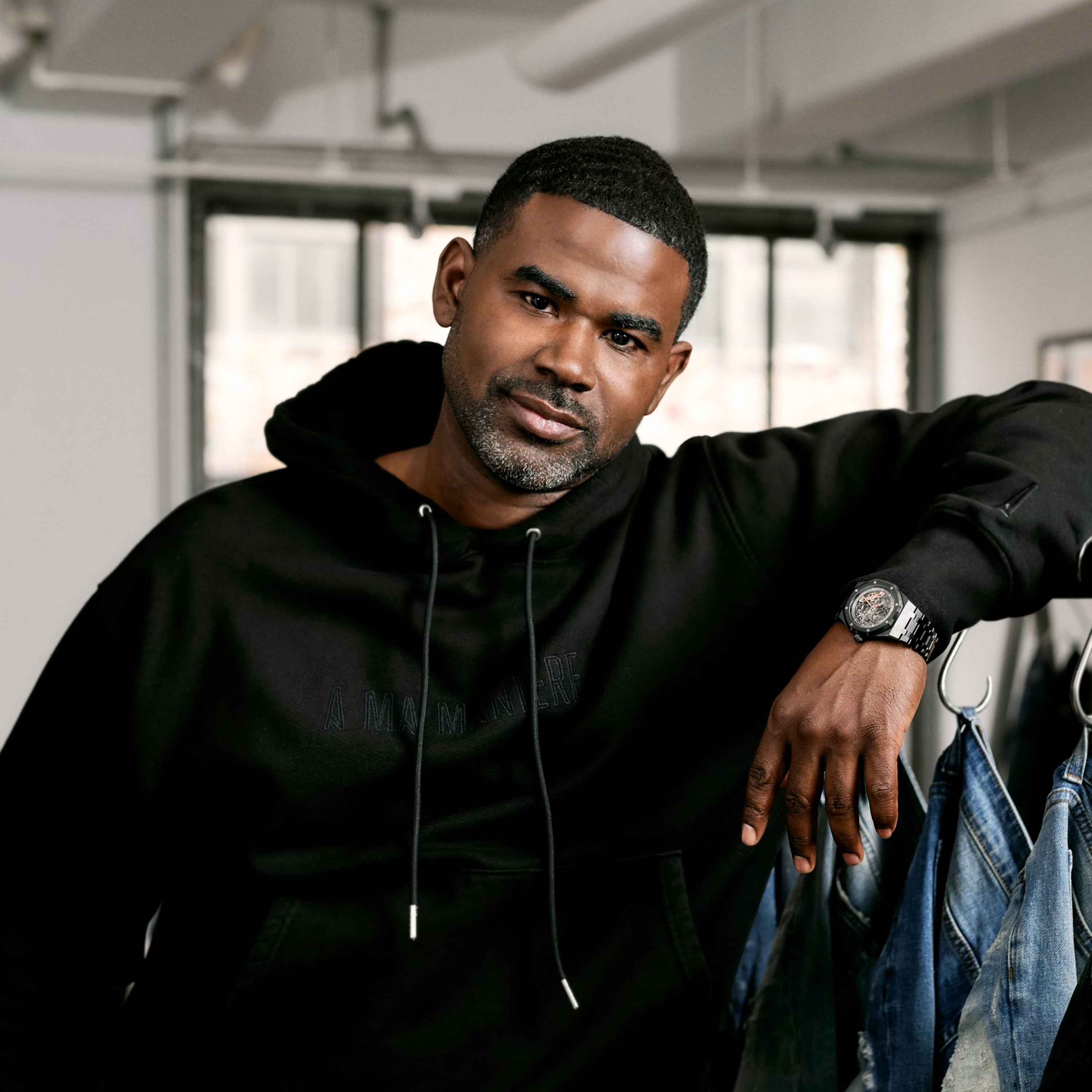
| 8/28/26 | retailcommunity development+3 | James Whitner | A Ma ManiéreThe Whitaker Group+1 | PittsburghUS | retailcommunity+5 | — | 40m 19s | ||
| 8/26/26 | upcyclingfashion industry+3 | Shayeza Walid | LVMHCoach+2 | — | upcyclingfashion+5 | — | 28m 24s | ||
| 8/21/26 | AI in fashionphotography+3 | Nick Knight | The Business of FashionMeta | — | AIfashion+5 | — | 39m 09s | ||
| 8/19/26 | influencer marketingsocial media trends+3 | Diana Pearl | TikTokInstagram+2 | — | influencerfollower count+6 | — | 23m 25s | ||
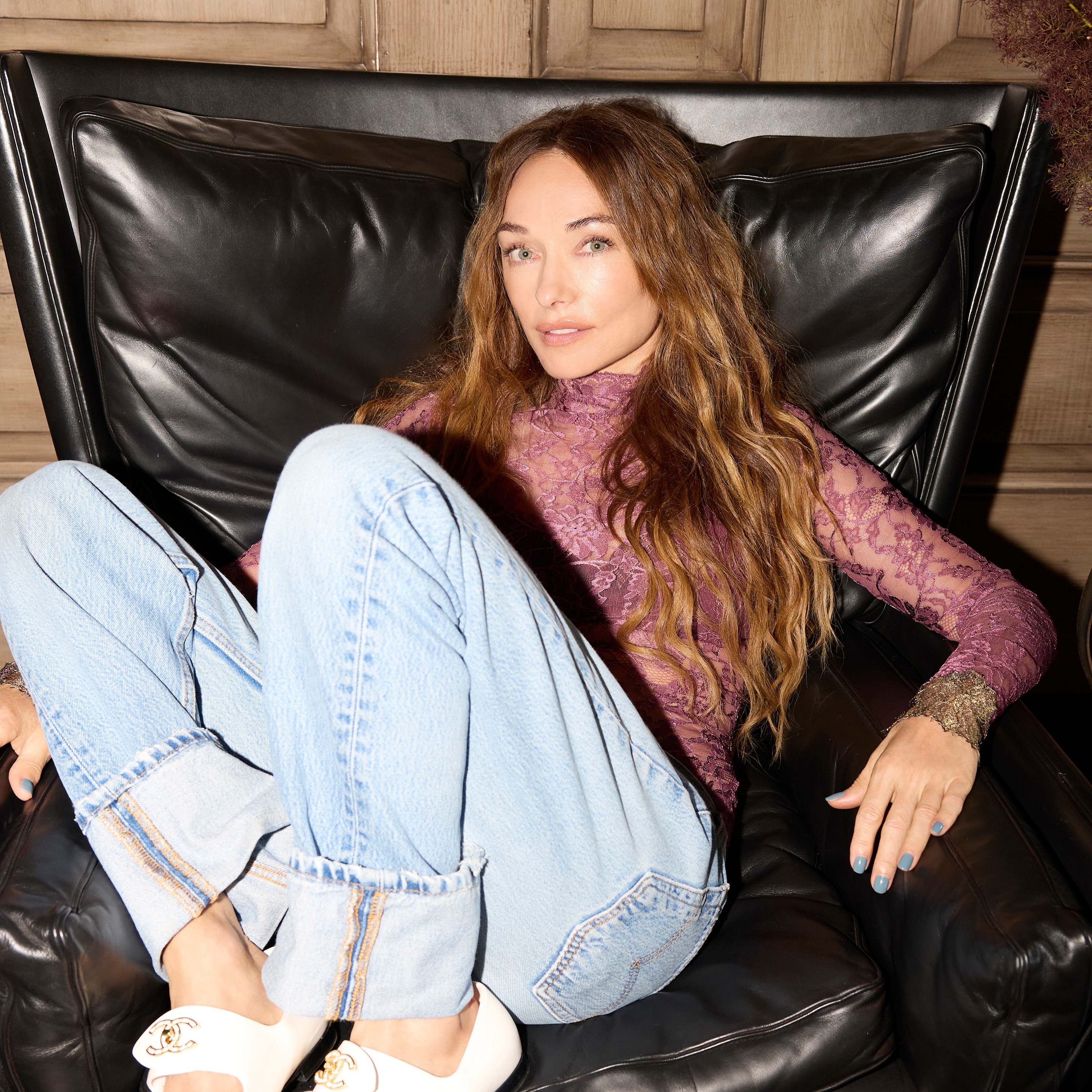
| 8/14/26 | designinterior design+3 | Kelly Wearstler | H&M HomeMilton Glaser+1 | Myrtle Beach, South Carolina | design educationinterior design+3 | — | 57m 11s | ||
| 8/12/26 | retailindependent retailers+4 | Cathaleen Chen | The Business of FashionMatches+1 | BrooklynShanghai+2 | fashion storesretail+6 | — | 31m 31s | ||
| 8/7/26 | independent retailfashion+3 | Chris Green | BoFVen. Space+1 | BrooklynCarroll Gardens | independent retailersphysical retail+3 | — | 49m 11s | ||
| 8/5/26 |  The Fashion and Beauty Companies Everyone Wants to Work For | What makes a fashion or beauty company a truly desirable place to work? BoF’s second annual ranking of the industry’s most sought-after employers looks beyond brand recognition to examine what workers value — and where companies’ reputations do not always sync up with employee experience. In this episode of The Debrief senior correspondent Sheena Butler-Young speaks with junior commercial writer Eoghan O’Donnell and commercial features editor Dan Hastings about the companies that topped the list, the factors shaping employees’ choices and the challenges facing employers today. They also discuss career development, leadership, workplace stability and how artificial intelligence is changing fashion jobs.Key Insights: The conglomerate stability draw: Amid market volatility, candidates are gravitating toward European luxury conglomerates and beauty giants. Chanel, Hermès and Dior topped the fashion list, while L'Oréal Paris led beauty, ahead of Dior Beauty and Charlotte Tilbury. Their appeal lies partly in perceived stability and career longevity. Founder-led brands including Charlotte Tilbury, Rhode, Victoria Beckham Beauty, Fenty Beauty and Rare Beauty also made the beauty top 20, driven more by product and creative vision than corporate scale.Prestige recruits, it doesn't retain: Iconic brand names remain powerful recruitment tools, but employees consistently rank pay, career progression and company culture as their top three priorities — even as prestige tops their stated reason for choosing a dream employer. The disconnect is measurable: only 28 percent of current workers say their employer's external reputation strongly aligns with their day-to-day experience, and among those who perceive a gap, 80 percent plan to leave within 12 months. "Prestige attracts talent, but it's not necessarily what retains it," says O'Donnell. The ivory tower effect: Of all cohorts surveyed, C-suite and HR respondents were the least likely to say their employer's external image differed from internal reality — the group best placed to close that gap is often the most disconnected from it. A Glassdoor and Indeed review analysis (December 2024 onward) of the top 10 companies in both rankings surfaced consistent complaints about workload, benefits, and disconnects between store-level management and headquarters. "There is a [difference] between having a prestigious brand name and working for a brand that doesn't necessarily deliver a healthy workplace," says O'Donnell. "The generational AI divide: Sentiment on AI splits sharply by seniority, not by digital fluency. Workers over 40 are the most AI-optimistic cohort — not Gen Z, as employers might assume — while 39 percent of fashion workers and 35 percent of beauty workers say they want AI training they haven't received. A small but notable share admitted using AI at work without disclosing it to their employer.The "job lock" threat: Many employees are staying in roles for economic security, not satisfaction. "We know that some employees are staying in roles because of economic uncertainty rather than that sense of genuine satisfaction," says O'Donnell. Hastings sees the same pressure building from the other direction: "I don't think [Gen Z] are willing to sacrifice their [salary], paying the rent, and eating on the altar of working for a prestigious fashion or beauty company — and that will create a lot of friction within the industry."Women's health is the next battleground: In survey responses skewing majority-female, respondents voiced urgent, largely unmet demand for egg freezing, menstrual leave, and support through perimenopause and menopause — benefits nearly absent from current employer offerings in two female-dominated industries.Additional Resources:The Most Desirable Beauty Companies to Work for in 2026 | BoFThe Most Desirable Fashion Companies to Work for in 2026 | BoFThe Debrief | Making Sense of Fashion’s Brutal Job Market | BoF Hosted on Acast. See acast.com/privacy for more information. | 34m 20s | ||||||
| 7/31/26 | 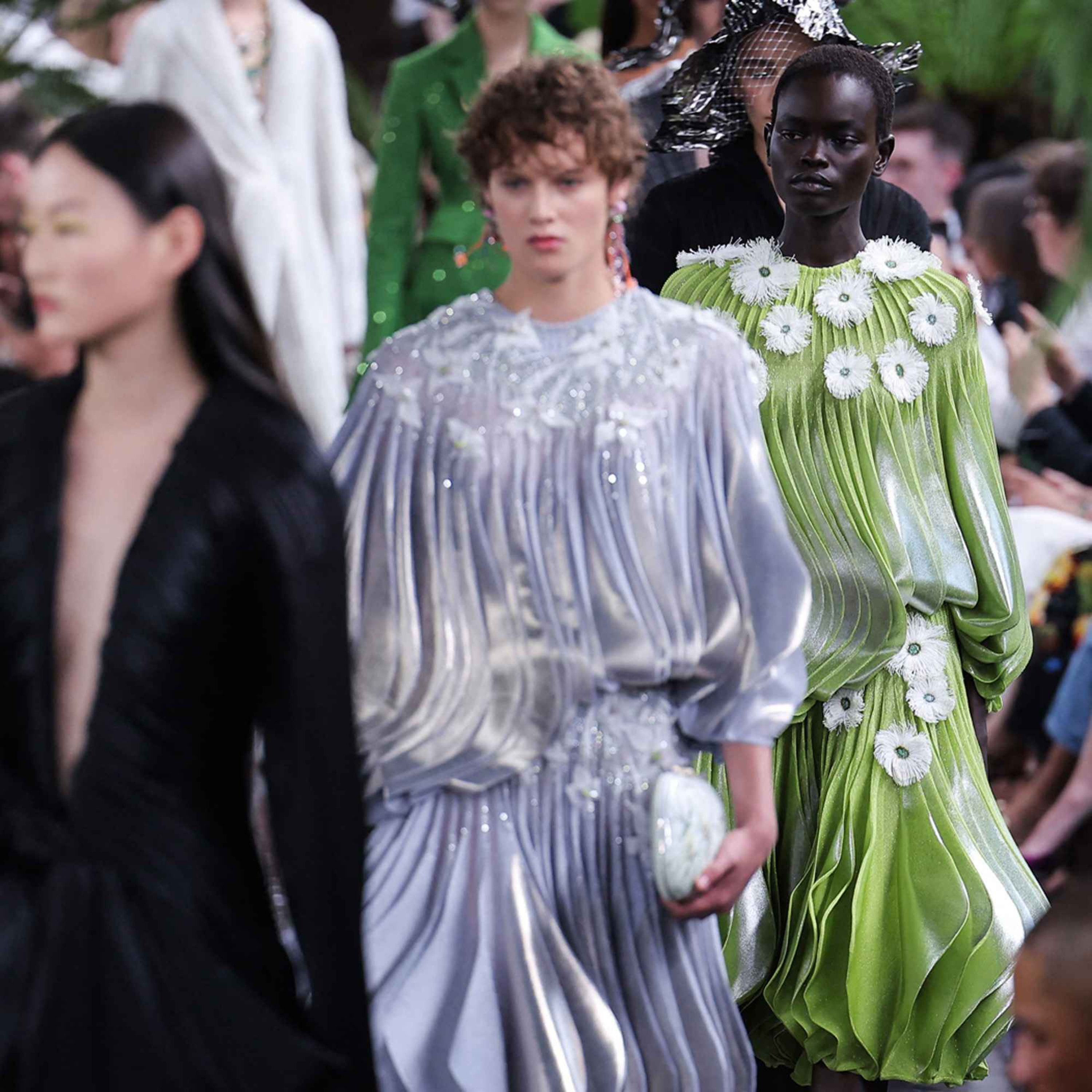 The Patient Work of Turning Around Dior | When I sat down with Jonathan Anderson in his Dior atelier last December, he hadn’t shown a single couture look yet and nothing he'd designed for the house had reached the shops. He was, by his own account, still working it out — joking that every fitting felt like doing a PhD, learning an institution with its own rules, its own hierarchy, its own way of making. Jonathan’s first products landed in Dior stores on January 2nd. Six months later, this week's LVMH half-year results showed that the Dior turnaround is starting to bear fruit.Listening to the conversation again now, you get a sense of how big a task he was undertaking. Key Insights: Early in the job, Anderson scrapped the traditional 30-day couture turnaround and rebuilt it as a six-month cycle — a structural bet, not a creative one. "I cannot do a couture show in 30 days. I guess it's just impossible. So I was like, let's change it into like a six-month cycle," he says. Six months later, that's roughly the exact runway LVMH pointed to this week: Dior's return to growth landed on almost the same timeline he set for himself.Anderson describes the six-month cycle as "a lab" — a space to experiment with fabrics, hardware and techniques that later filter into bags, shoes and jewellery. "You might learn something through that and then go, actually, we've opened all these looms now, we might as well use that," he says. The jewellery line alone drew on meteorites and Roman cameos; the bags on centuries-old French textiles. Months before the collection showed, Anderson was already in China and the US, talking directly to Dior's biggest couture buyers. "I met someone in America and I have been working out who else I want to attract to the brand," he says — describing collectors motivated by occasion, by history, and by newer buyers just discovering the house. That ground-level client work sits underneath this week's headline: LVMH's fashion and leather goods division, and Dior specifically, outperformed on the strength of exactly this kind of high-touch, VIC-level demand.Anderson pushed the show itself toward a secondary role — "the silhouette, the idea, the fantasy, the dream" — while putting real weight on the private Villa Dior presentations and the free public exhibition that followed. "A photograph is never going to tell you that a dress took 4,000 hours. You have to see it," he says. It's a bet that depth beats virality — harder to quantify than a same-store sales number, but one LVMH's CFO gestured toward this week in citing renewed desirability, not just volume, as the driver behind Dior's turn.Asked about balancing instinct against a business this size, Anderson doesn't reach for a creative answer — he reaches for an operational one. "A fashion show is not just me. I am just the conductor," he says, crediting merchandisers, logistics and finance teams for making the vision sellable. Additional Resources:LVMH Fashion Sales Rise 1% as Dior Turns Corner | BoFJonathan Anderson | BoF 500 | The People Shaping the Global Fashion Industry Hosted on Acast. See acast.com/privacy for more information. | 56m 36s | ||||||
| 7/29/26 |  Why Everyone's Reading Clothing Labels Again | Fabric content used to be a niche sustainability conversation. Now it's a mainstream health one, driven by the same scrutiny shoppers already apply to what they eat and put on their skin — searches for "natural fibre" are up over 100 percent in five years, and searches for "what is viscose?" have climbed roughly 5,000 percent in the US over the same period. Gap found out just how fast that shift can turn into backlash when its nostalgic Zac Posen knit drop — 80 percent polyester, 20 percent elastane — drew comparisons to fast fashion within days of launch, despite carrying a premium, above-$100 price tag.In this episode of The Debrief, Sheena Butler-Young and Shayeza Walid unpack why natural fibres have become a health obsession rather than a values debate, why "natural" doesn't automatically mean sustainable, and whether polyester can ever really be dethroned.Key Insights: Health Is the New Driver: The conversation used to centre on durability and value; now it's about wellness. Walid explains that shoppers are "instead of just talking about durability and value... starting [to go] more into this health conversation," adding that clothing has become "this final frontier" for the same scrutiny people already apply to food and skincare.Gap's Zac Posen Knit Became a Cautionary Tale: The backlash wasn't really about one sweater — it was about price and expectation. Walid notes the item retailed above $100, so "the disappointment was... doubled down on by the fact that this is supposed to be like a premium level of Gap." As she puts it, "people are [now] associating price with natural fiber."Natural Doesn't Automatically Mean Sustainable: Walid is blunt that the "natural equals good" framing oversimplifies things: "natural does mean that it might have a higher carbon footprint," she says, pointing to methane from grazing cattle for wool and the water intensity of cotton. Her summary: "anything that's derived from nature... naturally has a higher environmental footprint because it's from the earth."Different Generations, Same Shift: Motivations diverge by age, but the direction is the same. Gen Z shoppers are driven by "value signaling" around climate, Walid says, while older shoppers are asking "how can I live a healthier, better life?" Her takeaway: "you're seeing it across different age brackets, but the end result is this shift."Polyester Isn't Going Anywhere Soon: Despite the backlash, Walid says synthetics remain entrenched, especially in performance wear. "It's cheap... it is subsidized by... the oil lobby," she says, and its "malleable qualities are so unique to itself that it's very difficult to replace." Bio-based elastane is emerging, but only at pilot scale.Additional Resources:Why Consumers Are Ditching Polyester for Natural Fibres | BoFSustainable Fashion’s New Marketing Angle Is All About Wellness | BoFWool Workout Clothes? The Demand Is Growing | BoF Hosted on Acast. See acast.com/privacy for more information. | 30m 03s | ||||||
| 7/24/26 | 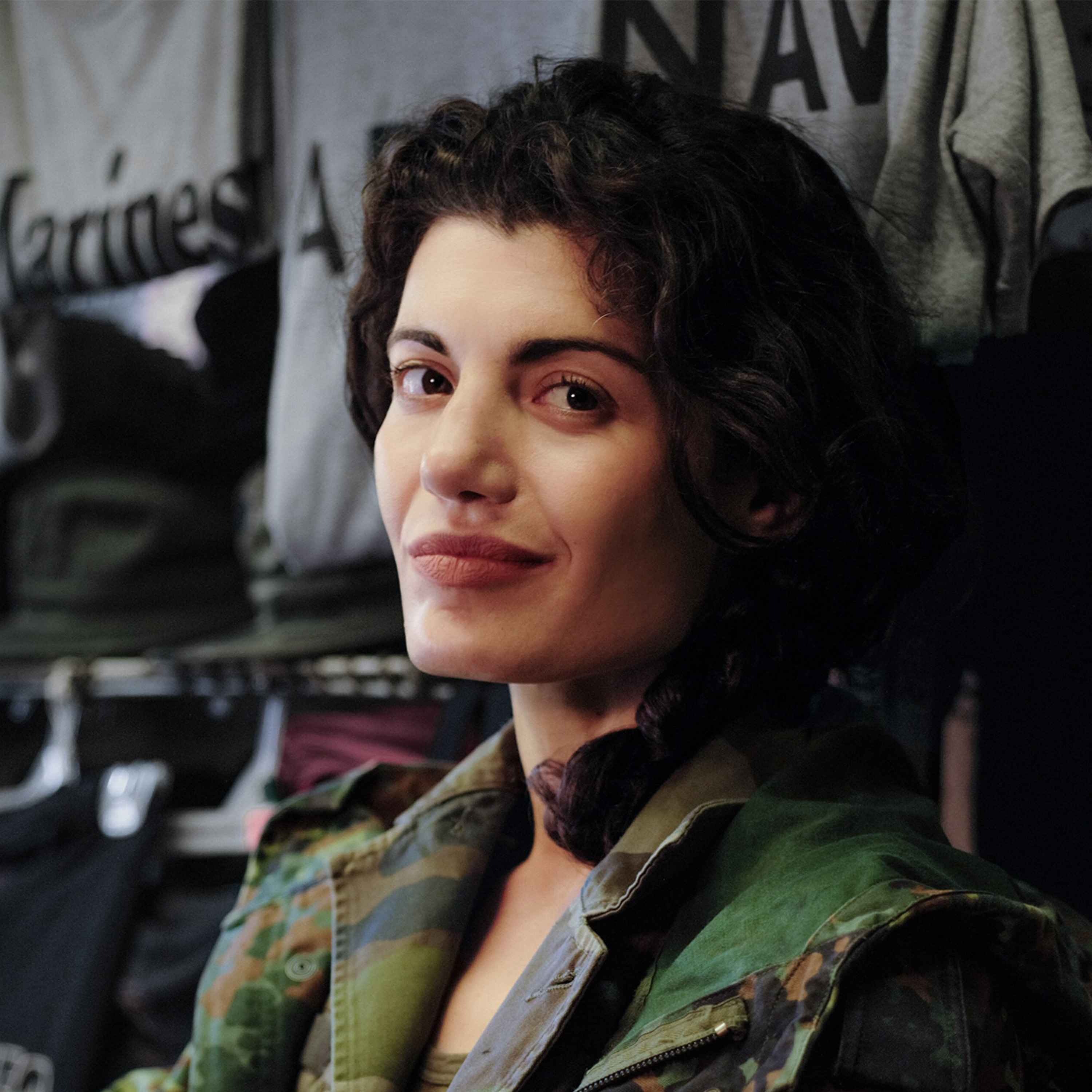 Avery Trufelman: “Everything Has Fashion. Fashion is Just Taste Over Time. ” | As fashion is increasingly consumed through a stream of images, products and fleeting trends, Avery Trufelman, host of the award-winning podcast “Articles of Interest,” takes a different approach. Trufelman zooms in on her subjects to uncover the histories, systems and human stories woven into the clothes we wear.“It’s crops, it’s the earth, it’s handwork, it’s culture, it’s society,” Trufelman says. “You tug on a thread and you get everything.”In this conversation from our archive, Trufelman joins BoF founder, CEO and editor-in-chief Imran Amed to discuss her path into podcasting and why understanding the story behind a garment can transform our relationship with it.Key Insights: For Trufelman, clothing was one of her earliest forms of self-expression. As a teenager, she wore unusual thrifted outfits that made her stand out among her peers. “It just made me realise how powerful clothing was,” she says. “Dressing in this wild way sort of set me apart.” As she grew older and found other ways to communicate, her reliance on clothing changed, realising that fashion is closely connected to freedom, identity and the ability to express oneself.Creating “Articles of Interest” expanded Trufelman’s understanding of what fashion encompasses. She initially distinguished between clothes, which she considered real and universal, and fashion, which she associated with an artificial and potentially alienating industry. Her reporting gradually dissolved that distinction. “Now, it’s all about fashion because everything has fashion,” she says. “Buildings have fashion, cars have fashion, colours have fashion. Fashion is just taste over time.”Audio can encourage audiences to look beyond immediate aesthetic judgements. Trufelman learnt how to translate visual subjects into sound while working on the architecture podcast “99% Invisible.” By allowing listeners to encounter the history and ideas behind an object before seeing it, audio can complicate instinctive reactions about whether something is attractive, ugly or fashionable. “There’s something really potent about hearing the story first,” she says.The deeper Trufelman investigates clothing, the more complex it becomes. Stories about individual garments lead into questions about agriculture, natural resources, garment construction, labour, social conventions and political history. Learning to sew gave her another perspective on the skill embedded in clothing and the people responsible for making it. Rather than offering simple explanations, her work embraces fashion as a “bottomless well” of conflicting histories and emotions, she says.Additional Resources:The BoF 500: Avery Trufelman Exclusive: ‘Articles of Interest’ Podcast to Tackle American ‘Gorpcore’ Next | BoF Hosted on Acast. See acast.com/privacy for more information. | 41m 40s | ||||||
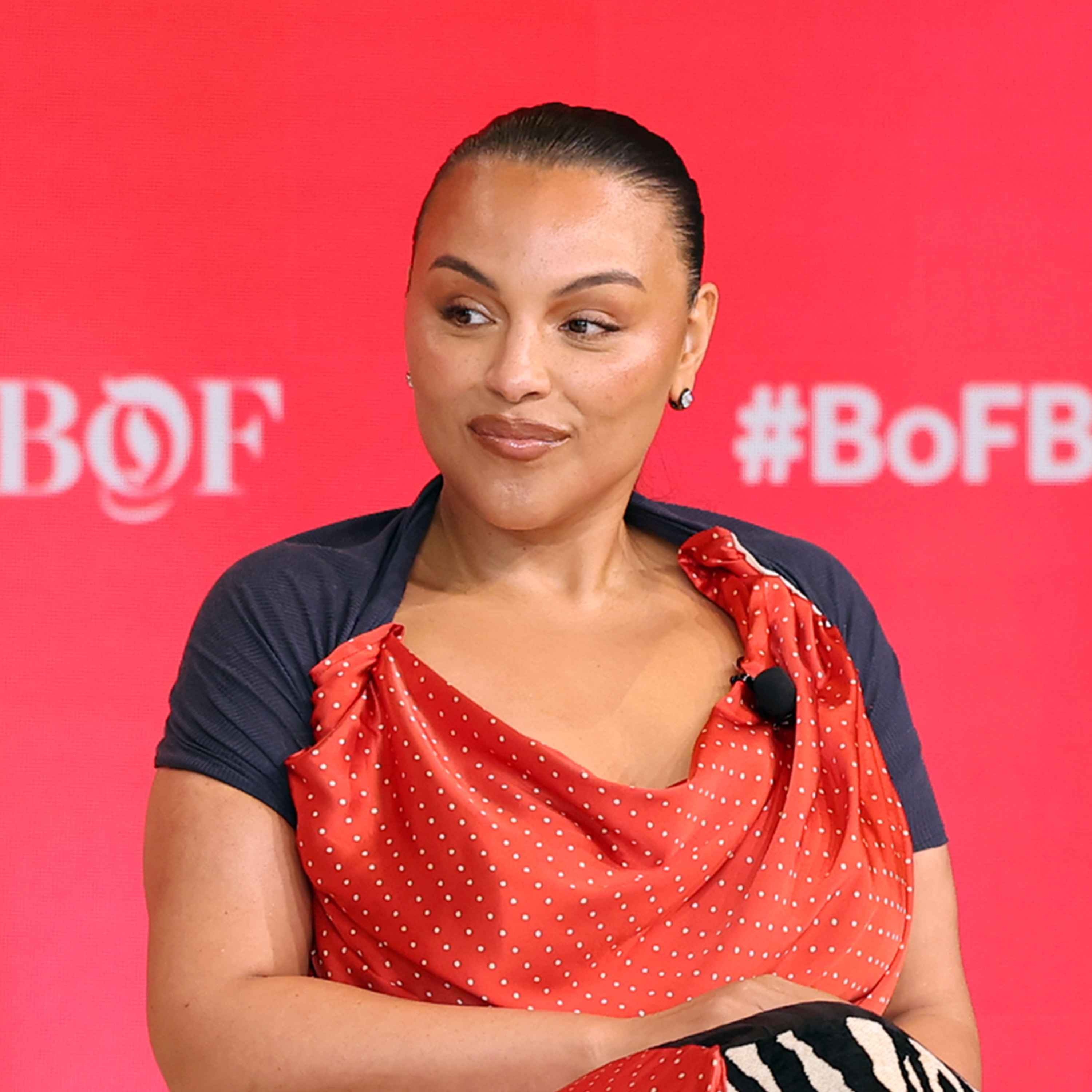
| 7/17/26 | body positivitydiversity+4 | Paloma Elsesser | Business of Beauty Global ForumThe Business of Fashion | — | body carerepresentation+5 | — | 22m 08s | ||
| 7/15/26 | direct-to-consumerretail landscape+4 | Diana Pearl | EverlaneGlossier+5 | — | DTCventure capital+4 | — | 27m 17s | ||
| 7/10/26 | Haute CoutureFashion Trends+4 | Tim Blanks | ChanelDior+1 | ParisMusée Rodin | Haute CoutureChanel+8 | — | 57m 27s | ||
| 7/9/26 | luxury shoppingemotional connection+3 | Robert Williams | The Business of Fashion | — | luxuryshopping+4 | — | 31m 53s | ||
| 7/3/26 | entrepreneurshipfragrance+3 | Mona Kattan | Huda BeautyKayali+2 | Napa Valley, California | Mona KattanKayali+5 | — | 24m 45s | ||
| 7/1/26 | Nike World Cup campaignfootball and culture+3 | Helena ThorntonMike Syke | Nike | USCanada+1 | NikeWorld Cup+7 | — | 48m 46s | ||
| 6/26/26 | health intelligencewearable technology+5 | Tom Hale | OuraThe Business of Fashion | Napa Valley, California | Ourahealth intelligence+7 | — | 29m 34s | ||
| 6/24/26 | activewearconsumer behavior+3 | Cathaleen Chen | LululemonNike+3 | — | activewearLululemon+7 | — | 24m 59s | ||
| 6/17/26 | fashionbooks+3 | Haley CrawfordShayeza Walid | The Business of FashionBookTok | — | fashionbooks+4 | — | 25m 40s | ||
| 6/12/26 | creativityhope+3 | Anoushka Shankar | BoF VOICES | — | Anoushka Shankarcreativity+4 | — | 23m 46s | ||
| 6/10/26 | GLP-1 drugsfashion industry+3 | Diana PearlBrennan Kilbane | OzempicWegovy+2 | — | GLP-1Ozempic+5 | — | 31m 17s | ||
| 6/5/26 | fashion designbusiness development+3 | Conner Ives | Central Saint MartinsNet-a-Porter | Bedford, New York | Conner Ivesfashion business+3 | — | 54m 04s | ||
| 5/29/26 | fashion imagerysubculture+4 | Carlos Nazario | American VogueW magazine+1 | QueensNew York+1 | fashion mediasubculture+6 | — | 1h 19m 24s | ||
| 5/22/26 | luxury fashioncreativity+3 | Leena NairMatthieu Blazy | ChanelBottega Veneta+1 | Soho Farmhouse | ChanelMatthieu Blazy+5 | — | 51m 09s | ||
| 5/20/26 | collaborationluxury watches+4 | Cathaleen ChenMimosa Spencer | Royal PopSwatch+1 | Times SquareDubai | SwatchAudemars Piguet+7 | — | 21m 33s | ||
| 5/15/26 | luxury industrygeopolitical volatility+4 | Jonathan WingfieldLuca Solca | System MagazineBernstein+1 | — | luxury growthChinese market+4 | — | 1h 15m 48s | ||
| 5/13/26 | marketing strategiesbrand engagement+3 | Priya RaoRachael Griffiths | LancômeColourPop+1 | — | rage baitbrand equity+3 | — | 20m 21s | ||
| 5/12/26 | bankruptcyretail strategy+3 | Geoffroy Van Raemdonck | Saks GlobalSaks Fifth Avenue+2 | — | Saks Globalbankruptcy+7 | — | 1h 04m 09s | ||
| 5/8/26 | fashion legacyavant-garde designers+3 | Mandi Lennard | BrownsComme Des Garçons | — | Joan BursteinBrowns+3 | — | 41m 42s | ||
| 5/6/26 | AI in fashionconsumer sentiment+3 | Marc BainHaley Crawford | ChatGPTClaude+1 | — | AI backlashfashion industry+3 | — | 30m 12s | ||
| 4/30/26 | fashion transitioncraftsmanship+3 | Dries Van Noten | The Business of Fashion | VenicePalazzo Pisani Moretta | Dries Van NotenVenice+5 | — | 44m 52s | ||
| 4/29/26 | retaildigital strategy+4 | Sheena Butler-YoungAustin Kim | Ven. SpaceDot Reeder | — | retailersinternet+4 | — | 25m 17s | ||
| 4/24/26 | luxury industryinterior design+3 | Britt Moran | Dimore Studio | MilanNorth Carolina | luxuryinterior design+5 | — | 43m 57s | ||
| 4/22/26 | luxury marketcreative directors+4 | Mimosa SpencerRobert Williams | DiorGucci+2 | ChinaMiddle East | luxurysales rebound+7 | — | 36m 51s | ||
| 4/17/26 | luxury fashionconsumer behavior+4 | Ermenegildo Zegna | LVMHKering+3 | Washington | luxuryfashion industry+5 | — | 36m 20s | ||
| 4/15/26 | Nikebusiness strategy+3 | Sykes | Nike | — | NikeElliot Hill+5 | — | 26m 27s | ||
| 4/10/26 | fashion industryluxury+4 | — | ChanelDior+2 | — | fashionluxury+5 | — | 51m 27s | ||
| 4/8/26 | sustainabilityfast fashion+3 | Leyla Ertur | H&M | — | H&Msustainability+4 | — | 27m 20s | ||
| 4/3/26 | luxury brandingwindow design+3 | Faye McLeod | Louis VuittonCloser | — | luxurywindow design+5 | — | 52m 15s | ||
| 4/1/26 | AI in retailinfluencer marketing+3 | Cathaleen Chen | RevolveShopbop+1 | — | RevolveAI+5 | — | 22m 26s | ||
| 3/27/26 | luxury handbagsprice vs quality+3 | Volkan Yilmaz | $3,000 Handbagluxury bags+1 | TurkeyTurkmenistan+2 | luxury handbagsleather quality+3 | — | 47m 35s | ||
| 3/25/26 | European luxuryAmerican fashion+3 | Diana Pearl | CoachRalph Lauren+3 | — | luxury fashionbrand identity+3 | — | 24m 42s | ||



























Showing 57 of 658
Pitch Fit is a Pro feature
See how bookable this show is for guests, which brands already advertise, the per-episode ad value, and the best-fit guest and sponsor profile. The numbers are blurred on the free plan.
How readily this show books outside guests like you.
How proven this show is for host-read sponsorships.
For Guests
ProFor Advertisers
ProUpgrade to Pro to unlock guest cadence, sponsor categories, fit scores, and per-episode ad value for this show.
Similar Audience Demographics
Podcasts that attract a similar listener profile


Distribution & Reach
About the show, platforms, and key insights.
Distribution & Reach
About the show, platforms, and key insights.
The Business of Fashion is a leading authority in the fashion industry, known for providing insightful analysis and commentary on trends, business strategies, and the cultural implications of fashion. The organization has cultivated a global audience of fashion creatives, executives, and entrepreneurs, positioning itself as an indispensable resource in the sector. The Business of Fashion Podcast stands out for its in-depth interviews and discussions with industry leaders, exploring topics that range from sustainability and innovation to the impact of technology on fashion. With over 620 episodes produced over six years, the podcast format allows for a blend of expert insights and narrative storytelling, making complex subjects accessible to listeners. The podcast attracts a diverse audience, including fashion professionals and enthusiasts who seek to stay informed about industry developments and strategies. Listeners gain valuable knowledge and inspiration, reinforcing the show's reputation as a must-listen in the fashion and business landscape.
By the numbers
- Total followers: 202K
- Total plays: 14M
- Total reviews: 573
Platforms
TuneIn
- Followers: 427
Castbox
- Followers: 9.4K
- Plays: 245K
- Reviews: 17
YouTube
- Subscribers: 192K
- Views: 14M
- Videos: 800
Podcast App
- Followers: 579
- Reviews: 556
Audience
teens, adults
Key insights
What the show covers
- fashion news and analysis
- interviews with industry leaders
- market trends discussions
- business growth strategies
Audience interests
- fashion industry insights
- business strategies
- creative entrepreneurship
- beauty trends
Platform reach
- available on Acast
- global audience in 200 countries
- growing follower base
- accessible to fashion professionals
Publishing consistency
- 620 episodes produced
- active for 8 years
- weekly or more often
- consistent content delivery
Chart history for The Business of Fashion Podcast
Peaked at #1 in AE, top 10 in 29 of 50 tracked markets, currently #1 in AE.
| Market | Genre | Peak | Current | Trend |
|---|---|---|---|---|
| AE | — | #1 | #1 | — |
| SA | — | #1 | #1 | — |
| HK | — | #1 | #1 | — |
| ID | — | #1 | #1 | — |
| PL | — | #2 | #2 | — |
| TR | — | #2 | #2 | — |
| South Korea | — | #2 | #2 | — |
| South Africa | — | #2 | #2 | — |
| Italy | — | #3 | #3 | — |
| PT | — | #3 | #3 | — |
| CO | — | #3 | #3 | — |
| NG | — | #3 | #3 | — |
| Canada | — | #4 | #4 | — |
| India | — | #4 | #4 | — |
| VN | — | #5 | #5 | — |
| United Kingdom | — | #6 | #6 | — |
| France | — | #6 | #6 | — |
| HU | — | #6 | #6 | — |
| SG | — | #6 | #6 | — |
| TW | — | #6 | #6 | — |
Chart Positions
50 placements across 43 markets.
Chart Positions
50 placements across 43 markets.