
Insights from recent episode analysis
Audience Interest
Podcast Focus
Publishing Consistency
Platform Reach
Insights are generated by CastFox AI using publicly available data, episode content, and proprietary models.
Total monthly reach
Estimated from 1 chart position in 1 market.
By chart position
- 🇨🇦CA · Management#1835K to 30K
- Per-Episode Audience
Est. listeners per new episode within ~30 days
1.5K to 9K🎙 Daily cadence·49 episodes·Last published yesterday - Monthly Reach
Unique listeners across all episodes (30 days)
5K to 30K🇨🇦100% - Active Followers
Loyal subscribers who consistently listen
2K to 12K
Market Insights
Platform Distribution
Reach across major podcast platforms, updated hourly
Total Followers
—
Total Plays
—
Total Reviews
—
* Data sourced directly from platform APIs and aggregated hourly across all major podcast directories.
On the show
Recent episodes
Ditching the 500-Pound Paperweight for Real Field Safety
Jun 4, 2026
23m 46s
Addressing suicide awareness and mental health in construction with Jim Ruggiero
May 28, 2026
35m 58s
From Volunteer Firefighter to VP of a National Safety Program
May 21, 2026
30m 50s
Safety Culture Means Giving Away Your Power with Robert Hudson
May 14, 2026
41m 26s
The Silent Stakeholder: Why Families Drive Safety with Mike Place
May 7, 2026
44m 41s
Social Links & Contact
Official channels & resources
Official Website
Login
RSS Feed
Login
| Date | Episode | Description | Length | ||||||
|---|---|---|---|---|---|---|---|---|---|
| 6/4/26 | 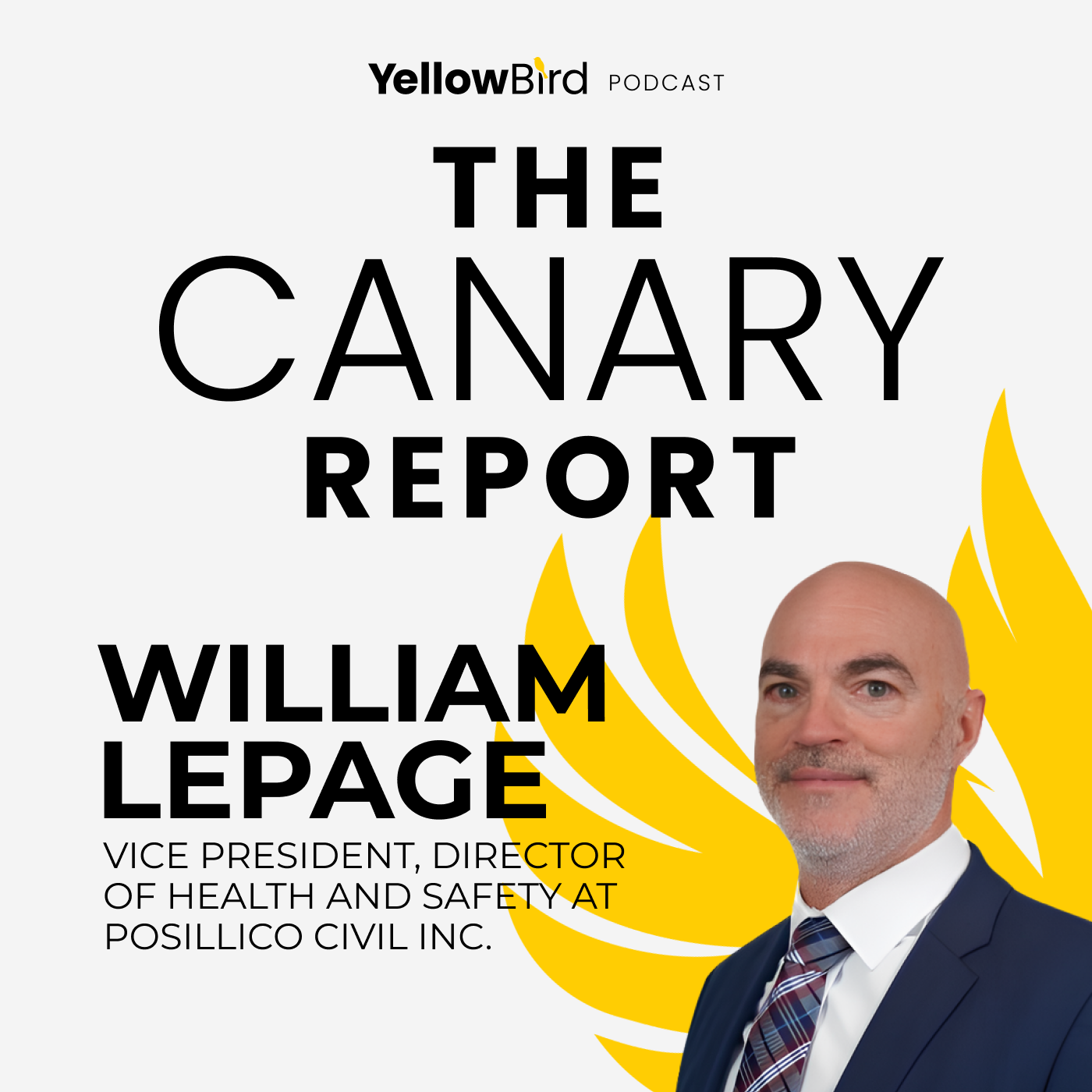 Ditching the 500-Pound Paperweight for Real Field Safety | In this episode, I talk about workplace safety culture and how energy-based safety drives incident rate reduction. William LePage from Posillico Civil Inc. details why his safety professional career focuses on what truly hurts people rather than useless checklists. I learn how he manages risk for 1,200 employees by building project-specific programs instead of generic manuals. We discuss why he prefers to watch real work before making any judgments. This conversation changed how I view safety compliance in heavy construction. | 23m 46s | ||||||
| 5/28/26 | 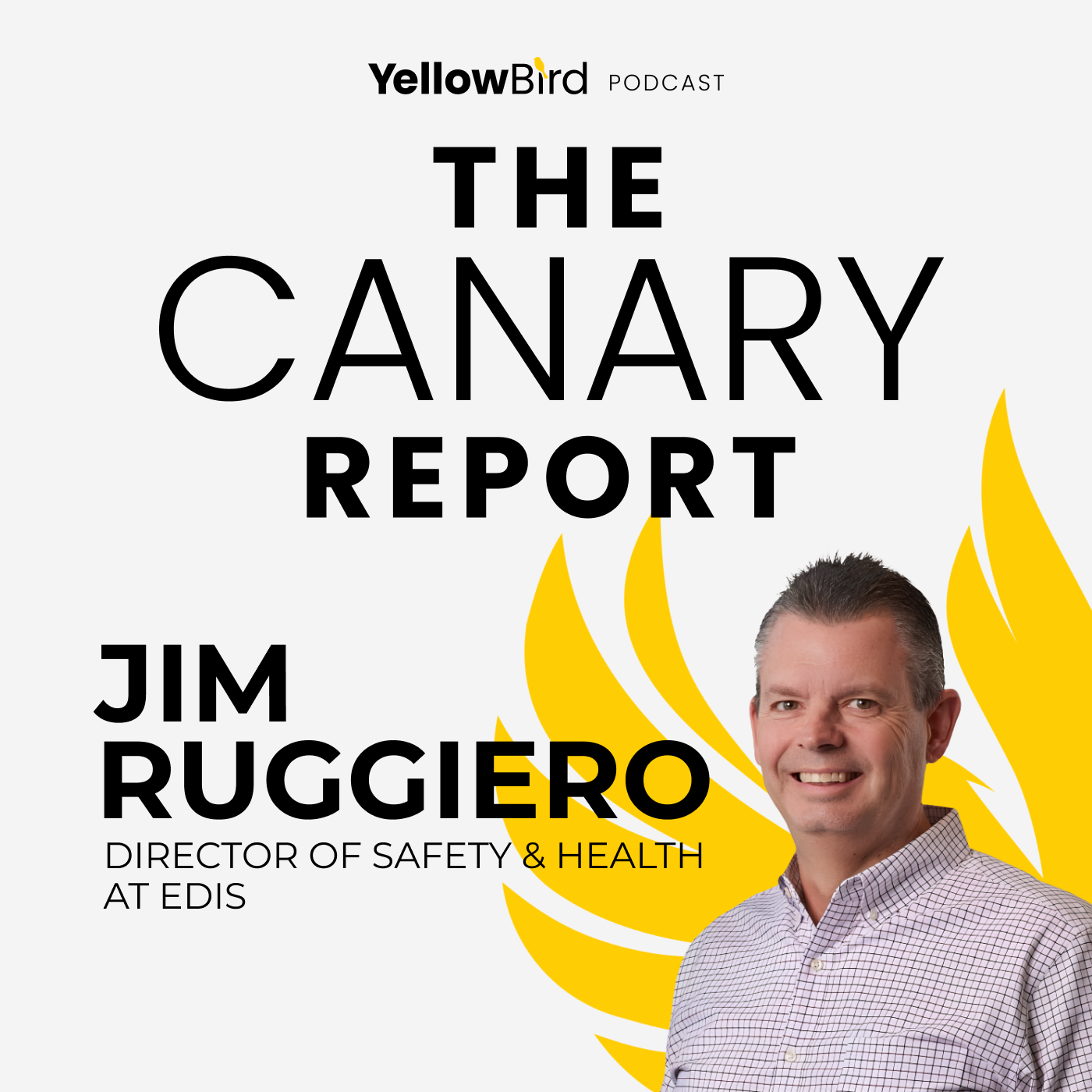 Addressing suicide awareness and mental health in construction with Jim Ruggiero | I explore workplace safety and construction safety management with Jim Ruggiero to understand how real risk management involves more than just procedures. Jim brings 40 years of experience from the steelworkers union and state OSHA to discuss why our industry needs a deeper focus on the human element. We talk about the personal tragedies that drive his mission and how he builds a safety culture at EDIS Company. I find his perspective on mental health and worker presence to be a vital shift for every safety leader today. | 35m 58s | ||||||
| 5/21/26 | 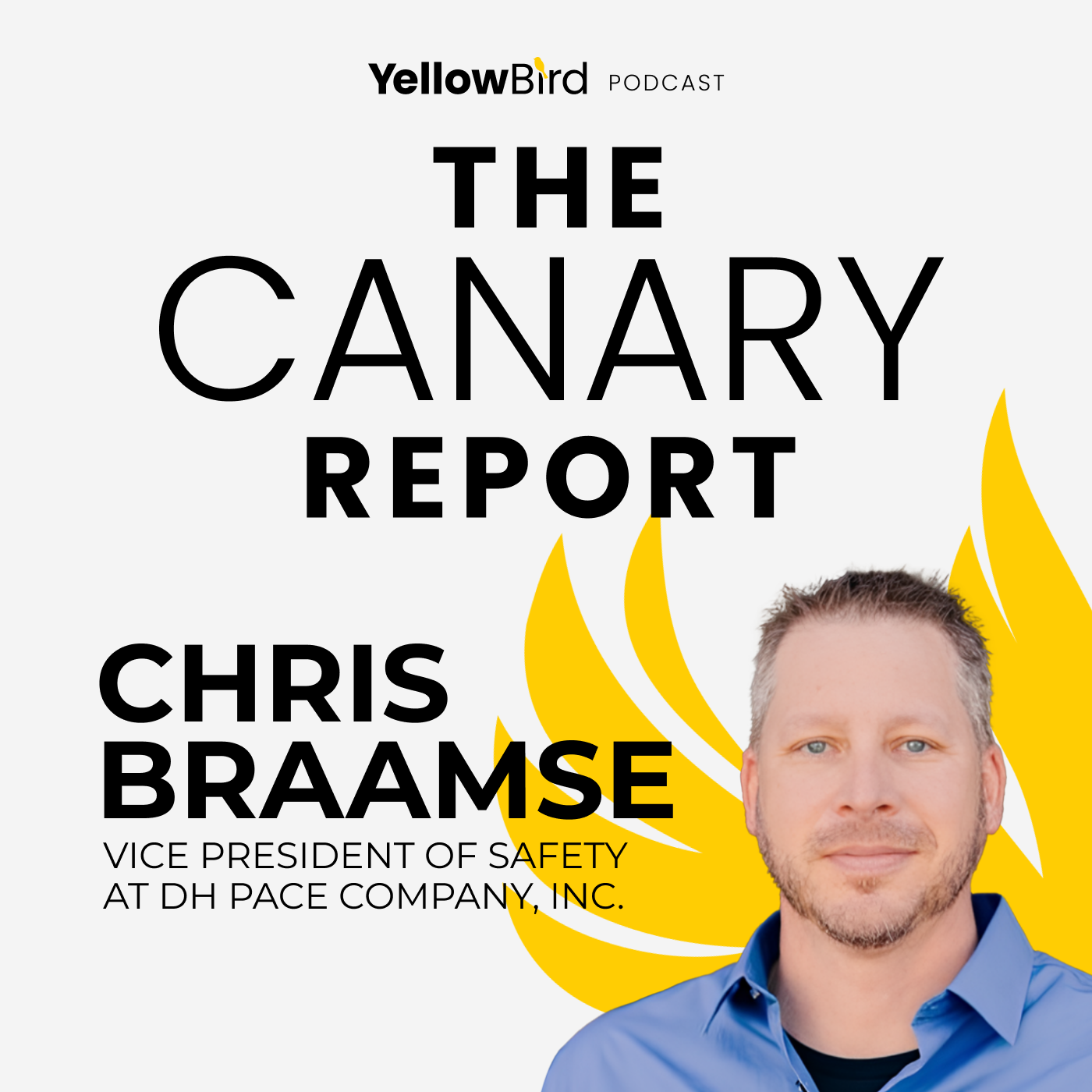 From Volunteer Firefighter to VP of a National Safety Program | Chris Braamse, VP of DH Pace and I explore how workplace safety leadership and risk management strategy apply across any industry, from trash trucks to pharmaceutical labs. Chris explains how he manages 60 locations using a smart hub and spoke model. We also talk about why a safety professional's career development path is more flexible than you might think. | 30m 50s | ||||||
| 5/14/26 | 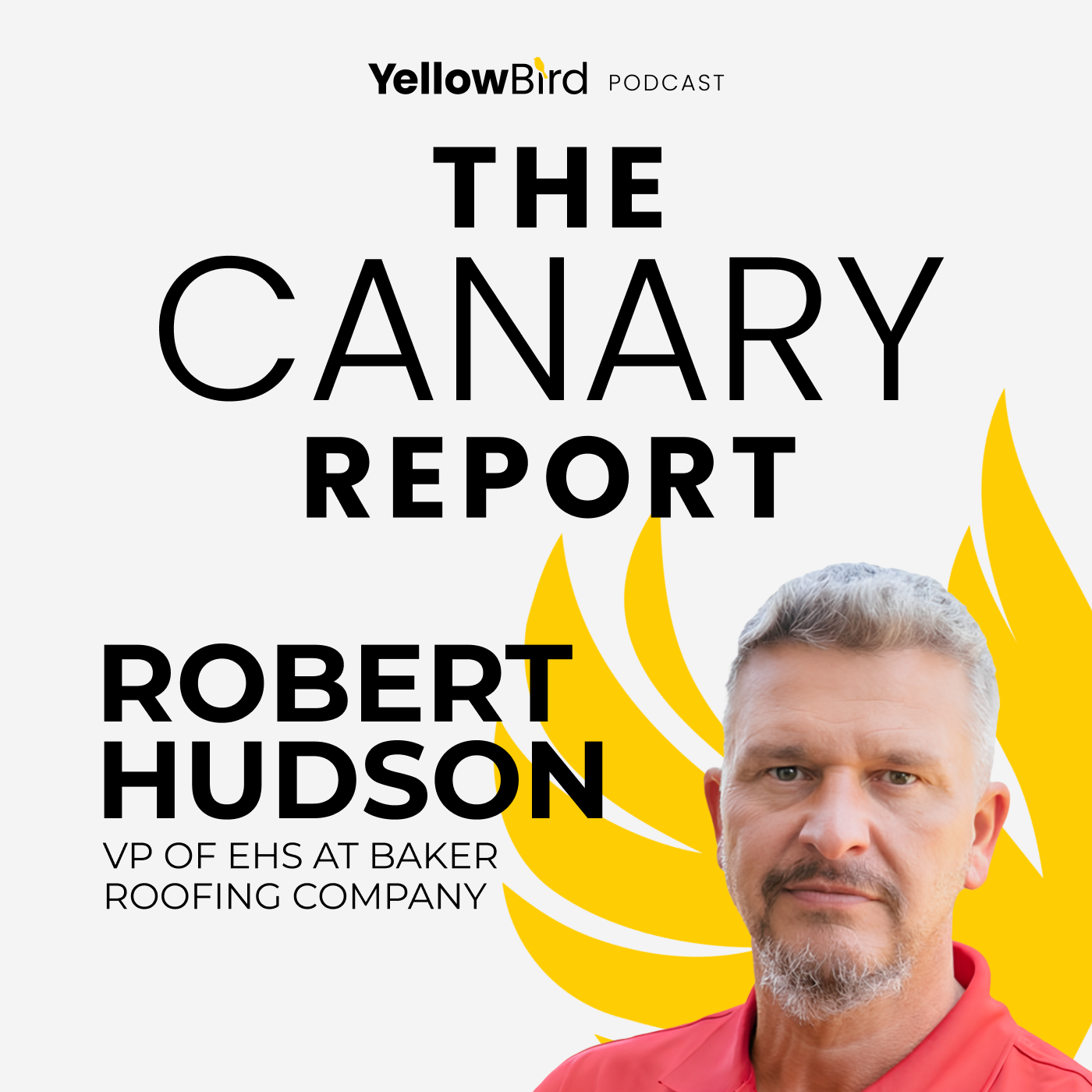 Safety Culture Means Giving Away Your Power with Robert Hudson | Workplace safety leadership and roofing company safety strategies require a shift in how we view control. In this episode, I speak with Robert Hudson, VP of EHS at Baker Roofing, to explore EHS risk management and construction safety across 28 locations. We discuss why 18 years of experience taught him that hoarding knowledge is a danger to the team. I love how Robert shares his journey from chemistry to safety leadership while managing a fleet of 750 vehicles and prioritizing the humans behind the hard hats. | 41m 26s | ||||||
| 5/7/26 | 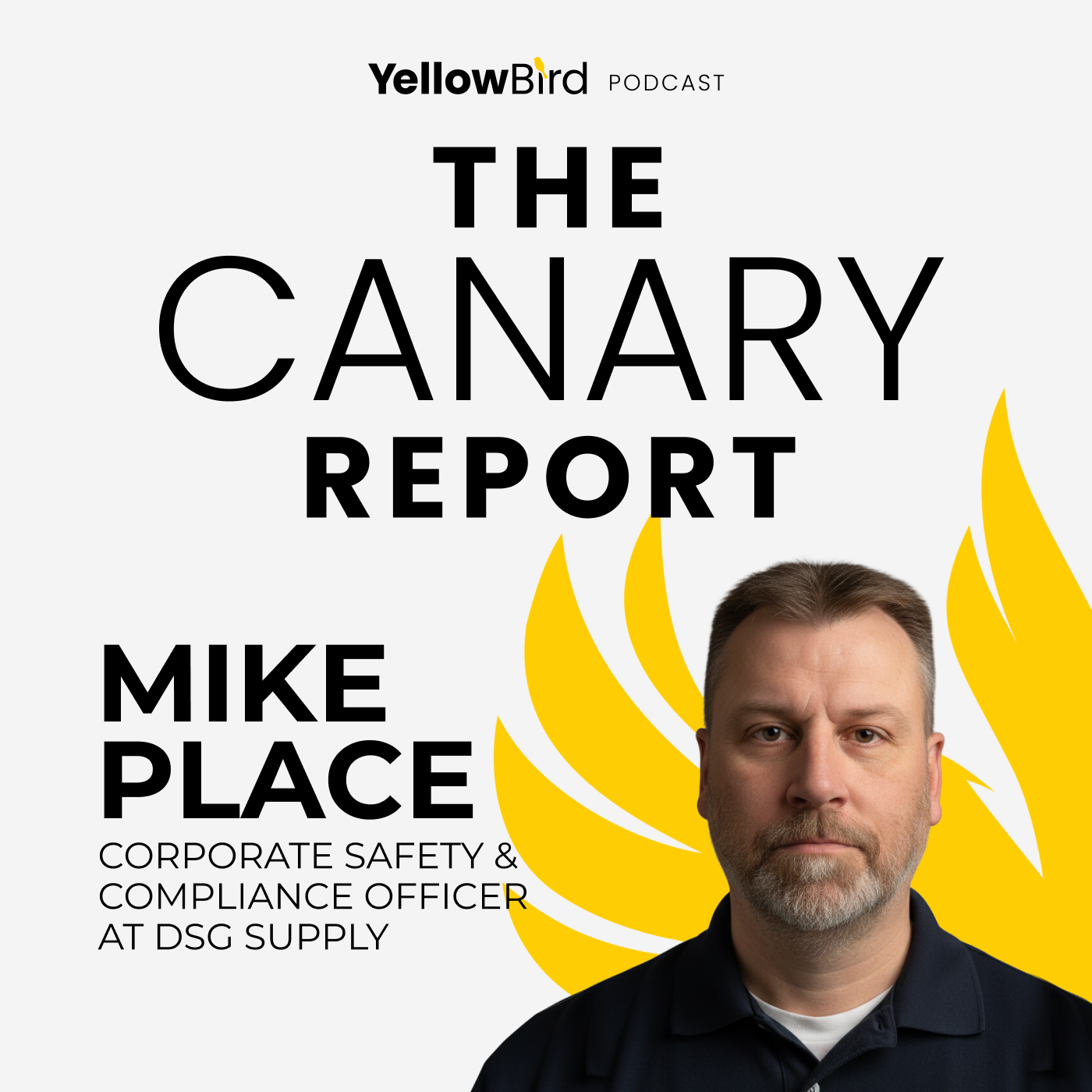 The Silent Stakeholder: Why Families Drive Safety with Mike Place | I sit down with Mike Place to discuss how a workplace safety culture and safety leadership drive incident prevention through a safety mindset. We discuss the reason we prioritize occupational health and safety, i.e. the "silent stakeholder.” Mike shares how Dakota Supply Group managed safety scaling in growing organizations while maintaining employee safety programs across 64 locations. I learn why treating your team with a parental eye helps in risk management strategies and hazard awareness training. | 44m 41s | ||||||
| 4/30/26 | 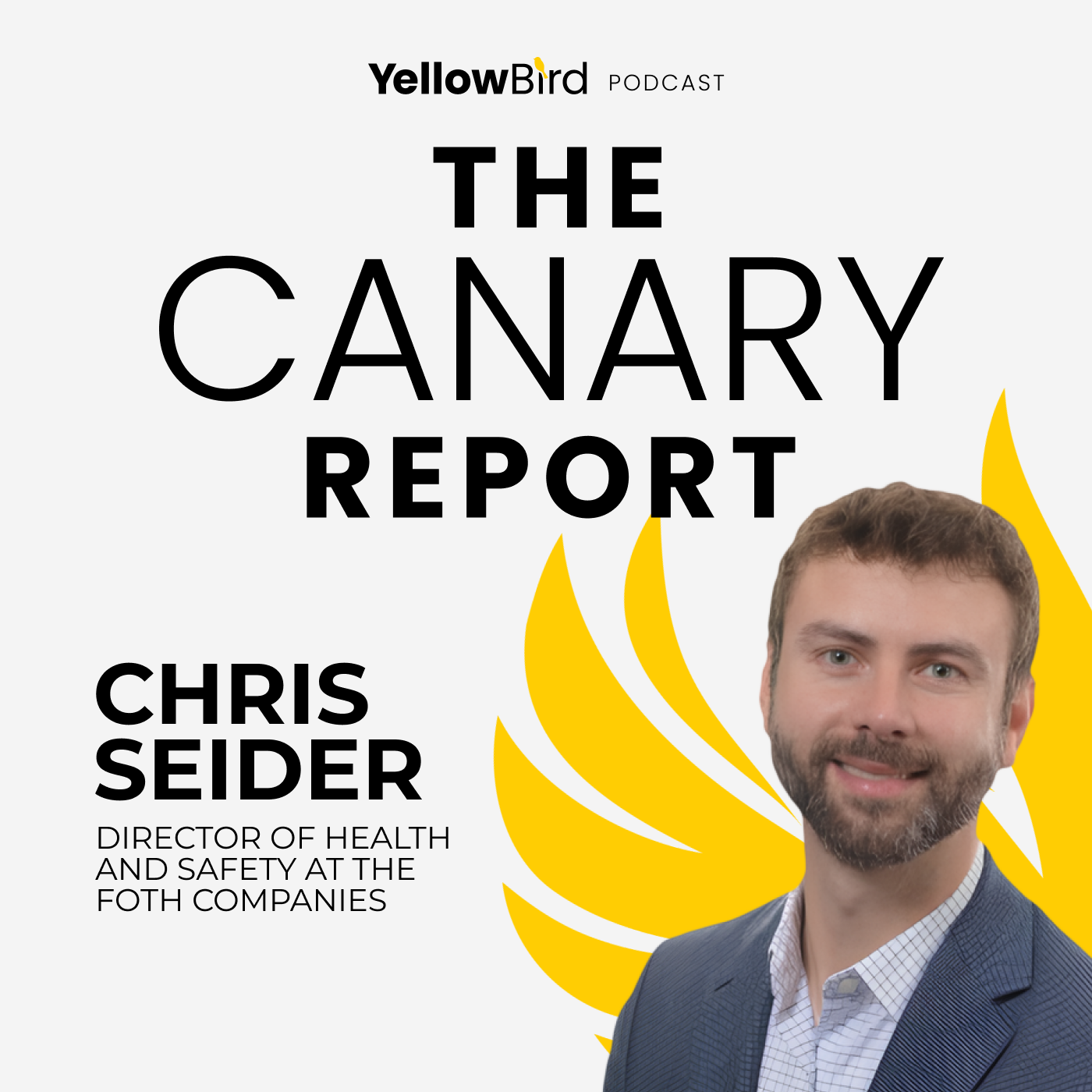 The Safety Culture Myth: Why Standalone Programs Fail with Chris Seider | In this episode, I sit down with Chris Seider to discuss how workplace safety culture and safety leadership lead to incident rate reduction. We explore why your safety professional career depends on building a risk management strategy that outlasts you. Chris shares how he transformed a massive shipyard by shifting from safety compliance to employee safety ownership. I learn why doing everything yourself kills the culture and how leading safety initiatives requires becoming a coach instead of an executor. It is a masterclass in safety transformation and workplace injury prevention. | 39m 33s | ||||||
| 4/23/26 | 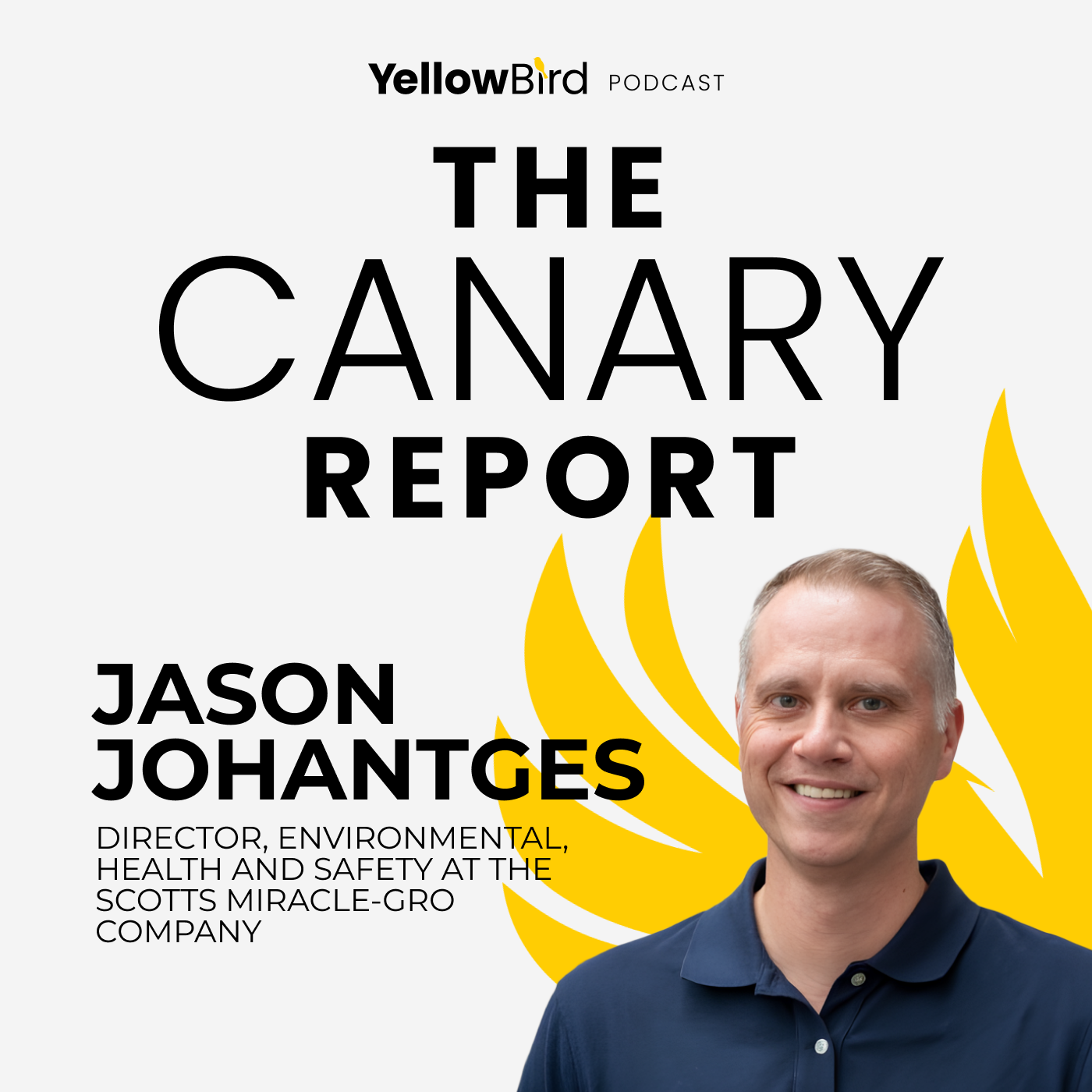 Safety Culture and Strategic Risk at Scotts Miracle-Gro | In this episode, I discuss EHS leadership, workplace safety programs, safety culture, risk management, and Scotts Miracle-Gro with Jason Johantges. I am fascinated by how his team achieved zero COVID deaths by monitoring regulatory changes and scientific data months in advance. We also dive into his "Kickoff for Safety" program, a football-themed gamification strategy that led to their safest fiscal year on record. It is a powerful look at how human-centered leadership transforms compliance into a competitive advantage for 8,000 employees. | 40m 04s | ||||||
| 4/16/26 | 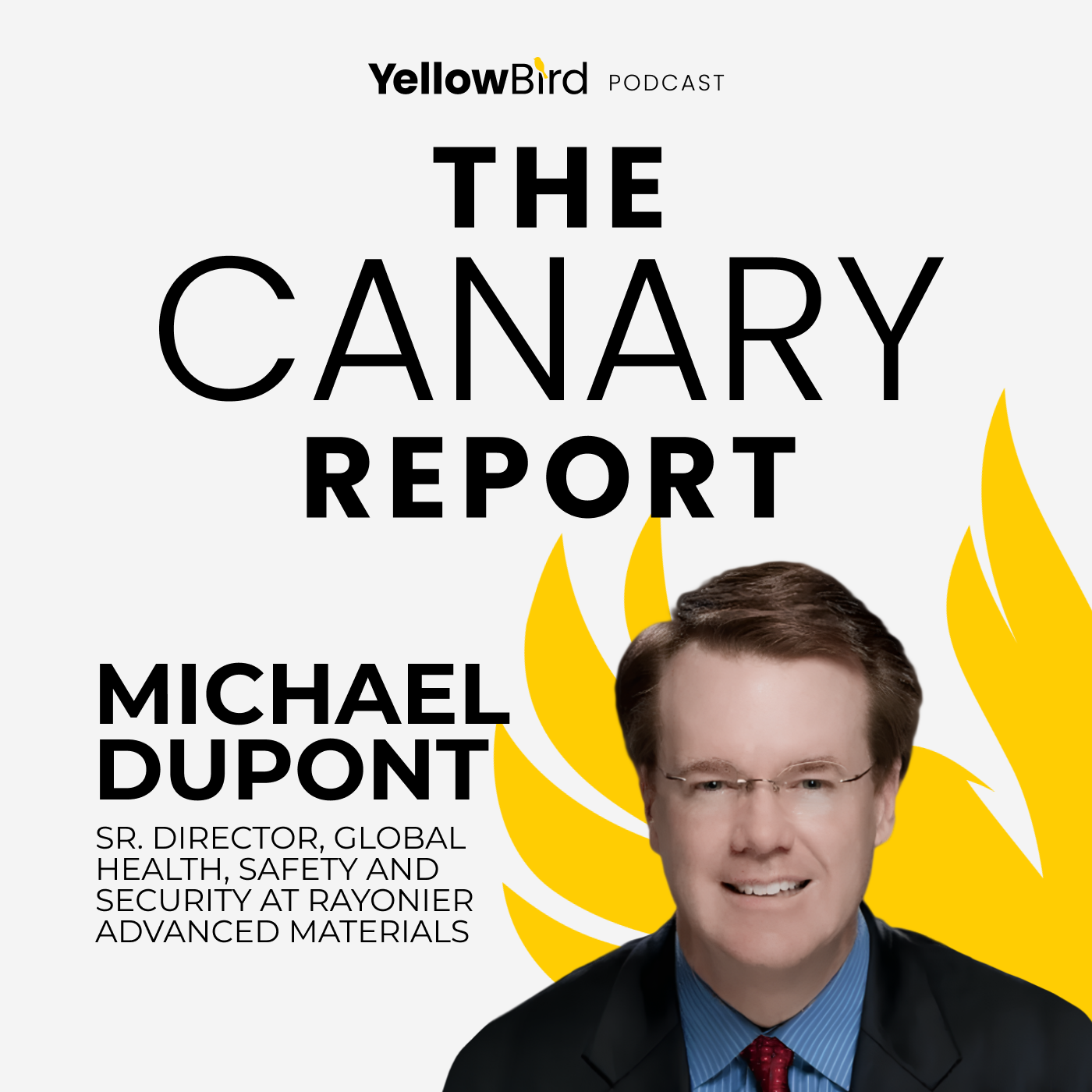 Safety Is a Mindset, Not Just a Role with Michael Dupont | “If you're being paid to do safety, why don’t you call yourself a professional?” In this episode of The Canary Report: Safety & Risk Management, I sit down with Michael Dupont who shares why safety is not just a role, but a mindset. He says that the scope extends from redefining professionalism to building systems that prevent injuries and its impact. In this conversation, we look at safety and ownership with a new lens. | 49m 41s | ||||||
| 4/9/26 | 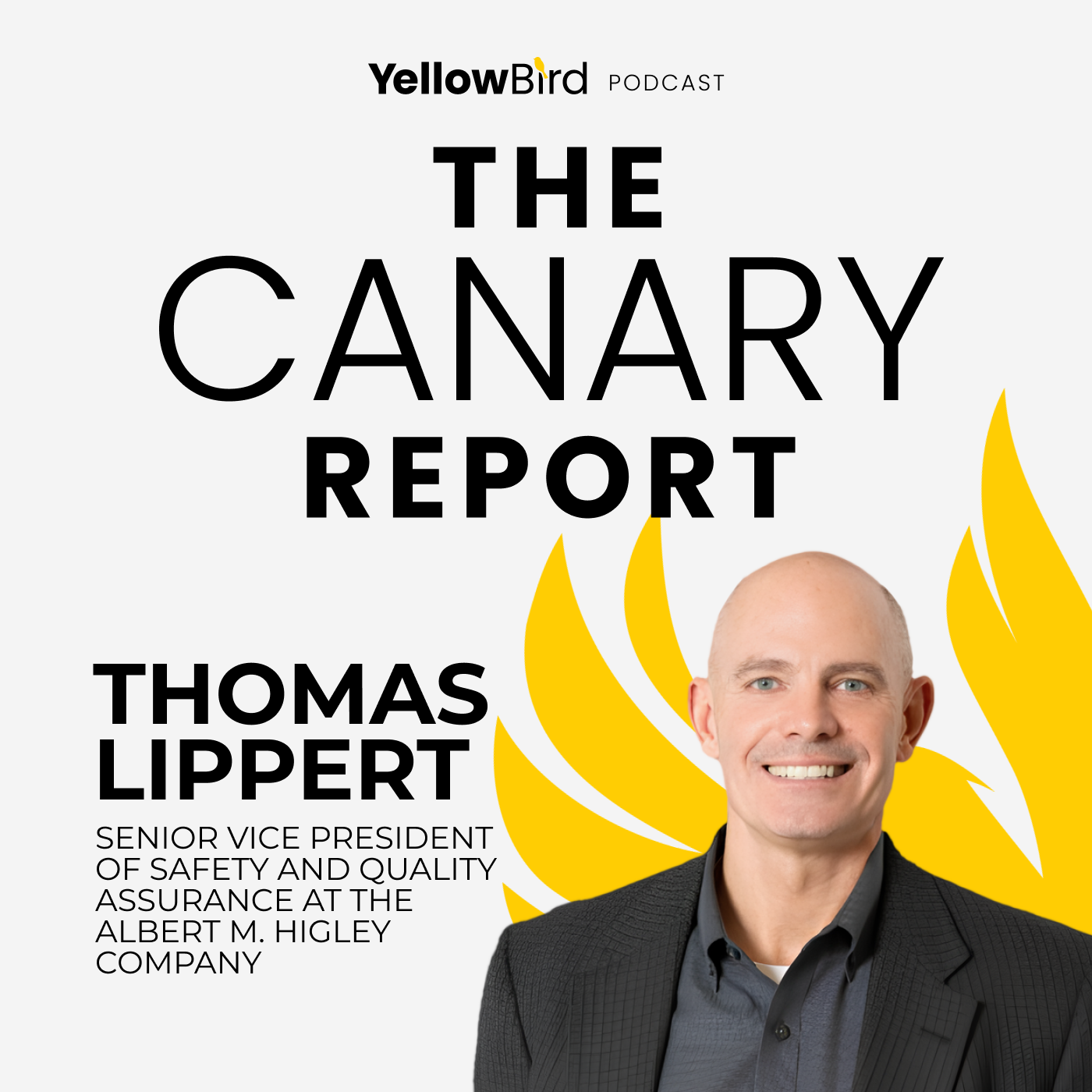 Military Discipline to Construction Safety Culture With Thomas Lippert | “I don’t ever want to have to give that speech in this job.” In this episode of The Canary Report: Safety & Risk Management, I sit down with Thomas Lippert, Senior Vice President of Safety & Quality Assurance at Higley Construction, to talk about how to build a safety culture that goes beyond compliance. Drawing from his military background and years in construction, Tom shares how discipline and constant vigilance shape safer worksites. We unpack why OSHA is only the baseline, how success can breed complacency, and what leaders must do to keep safety front of mind every single day. | 25m 44s | ||||||
| 4/2/26 | 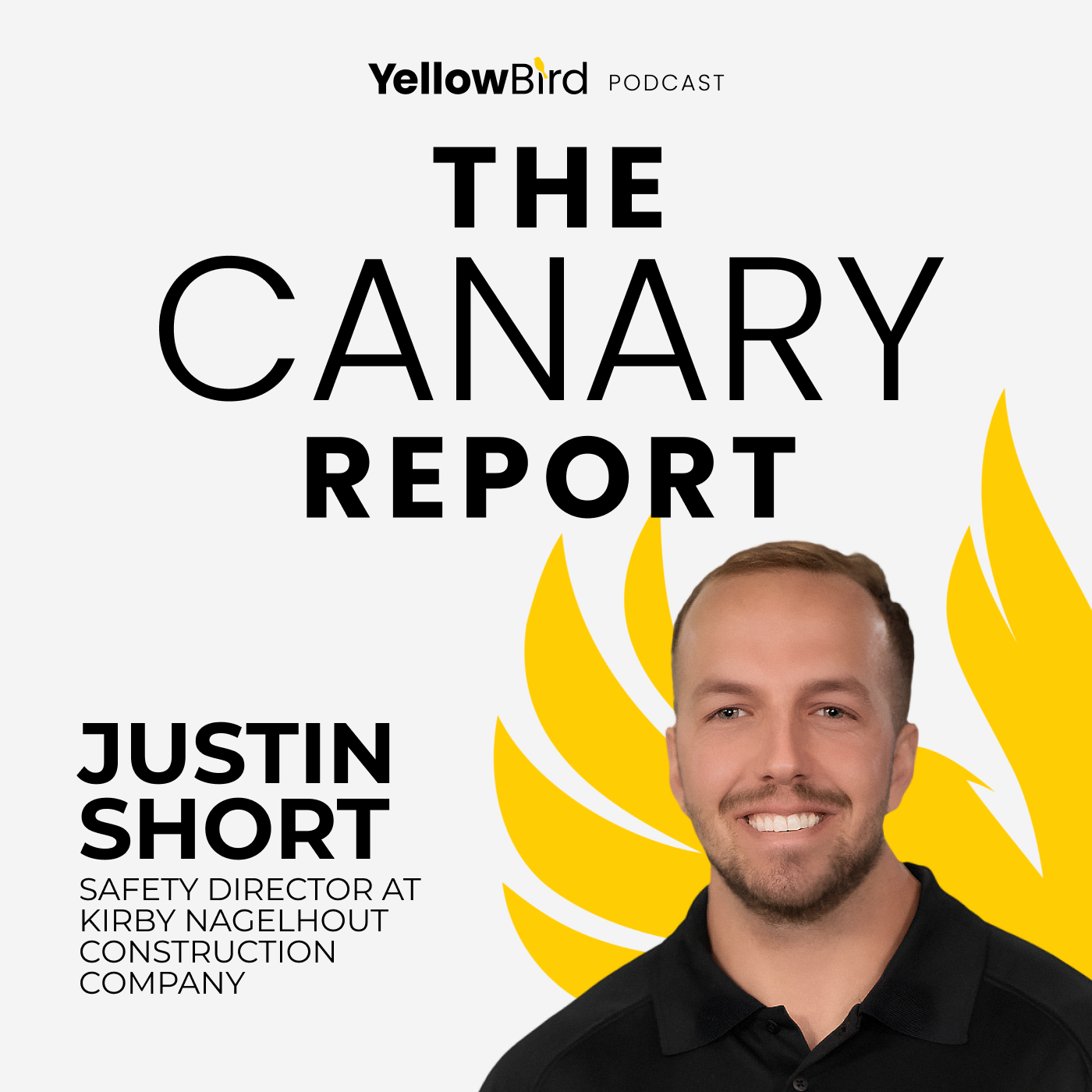 Why Safety Starts with People, Not Policies with Justin Short | “Blue collar, the roughest and toughest, yet the most emotional, they want to be cared about too.” - Justin Short, Safety Director, Kirby Nagelhout Construction Company I sat down with Justin Short, Safety Director at Kirby Nagelhout Construction Company, for a conversation that goes beyond compliance and into what makes safety work on the ground. Justin’s journey from the trades to the Air Force and back into construction has shaped a leadership style grounded in respect, connection, and real-world experience. We talk about what it takes to earn trust in the field, why leadership behaviour matters more than policy, and how safety professionals can bridge the gap between systems and people. | 58m 46s | ||||||
Want analysis for the episodes below?Free for Pro Submit a request, we'll have your selected episodes analyzed within an hour. Free, at no cost to you, for Pro users. | |||||||||
| 3/26/26 | 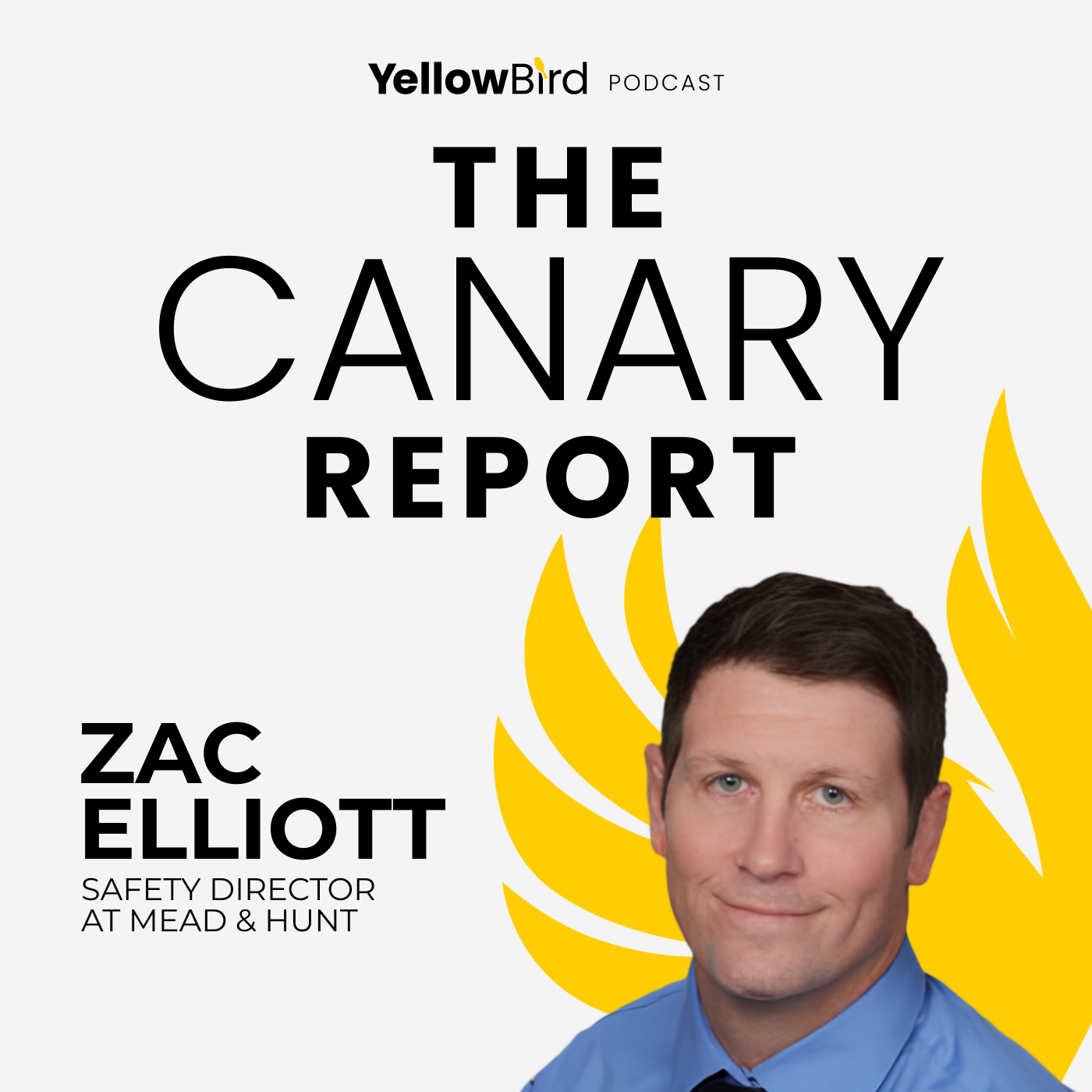 From Concrete Work to Corporate Safety Leadership with Zac Elliott | Most safety leaders think about job-site hazards first. But what if one of your biggest risks isn’t on the jobsite at all? In this episode of The Canary Report: Safety & Risk Management, I sit down with Zac Elliott, Safety Director at Mead & Hunt, to talk about one of the most overlooked risks in modern operations: driving. With employees logging more than 5 million business miles per year, Zac shares how his team manages fleet risk, distracted driving, and fatigue while maintaining a culture that truly puts people first. We also explore why some of the best safety professionals come directly from the field, how strong company culture enables strong safety culture, and why sometimes the most effective safety conversations are the most human ones. If you’re responsible for protecting people across complex operations, this conversation will challenge how you think about risk and where it really lives. | 32m 50s | ||||||
| 3/19/26 | 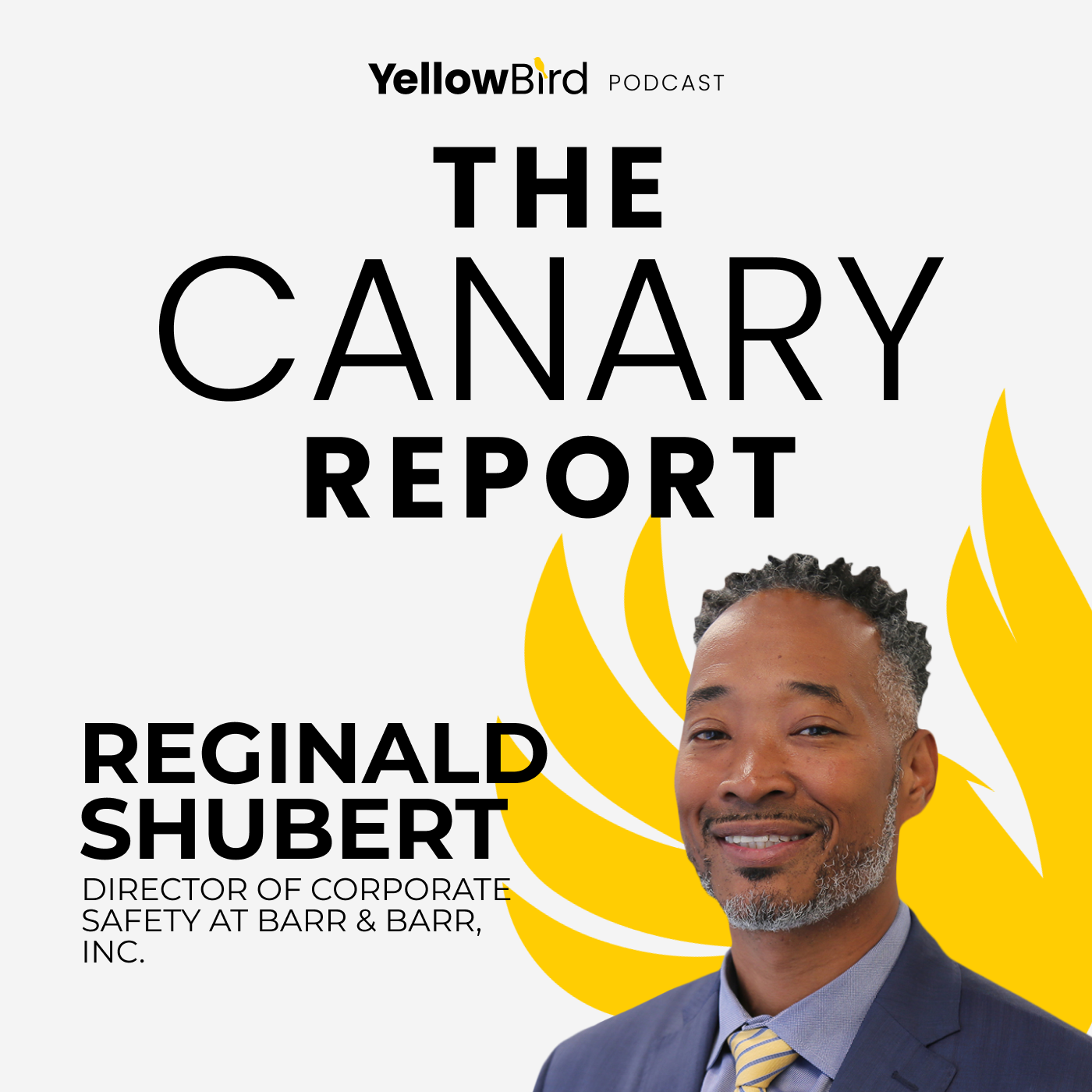 From the Field to the Boardroom: Reginald Shubert on Culture, Commitment, and What Safety Really Costs | "Once you hear that rack of that shotgun, if you take another step forward, we all know the outcome of that. When we ignore these so-called near misses, we lead ourselves down the road to having an incident." – Reginald Shubert, Director of Safety, Barr & Barr Reginald Shubert didn't set out to be a safety professional. He was a union ironworker, happy in the field, until three people saw something in him that he didn't yet see in himself. In this episode of The Canary Report: Safety & Risk Management, I sit down with Reggie, Director of Safety at Barr & Barr, a 100% employee-owned construction management firm operating across the East Coast. We talk about what it actually takes to shift a workforce from compliance to commitment. They get into near misses, psychological safety, the trades gap nobody wants to talk about, and why tying safety back to home changes everything on a job site. | 33m 24s | ||||||
| 3/12/26 | 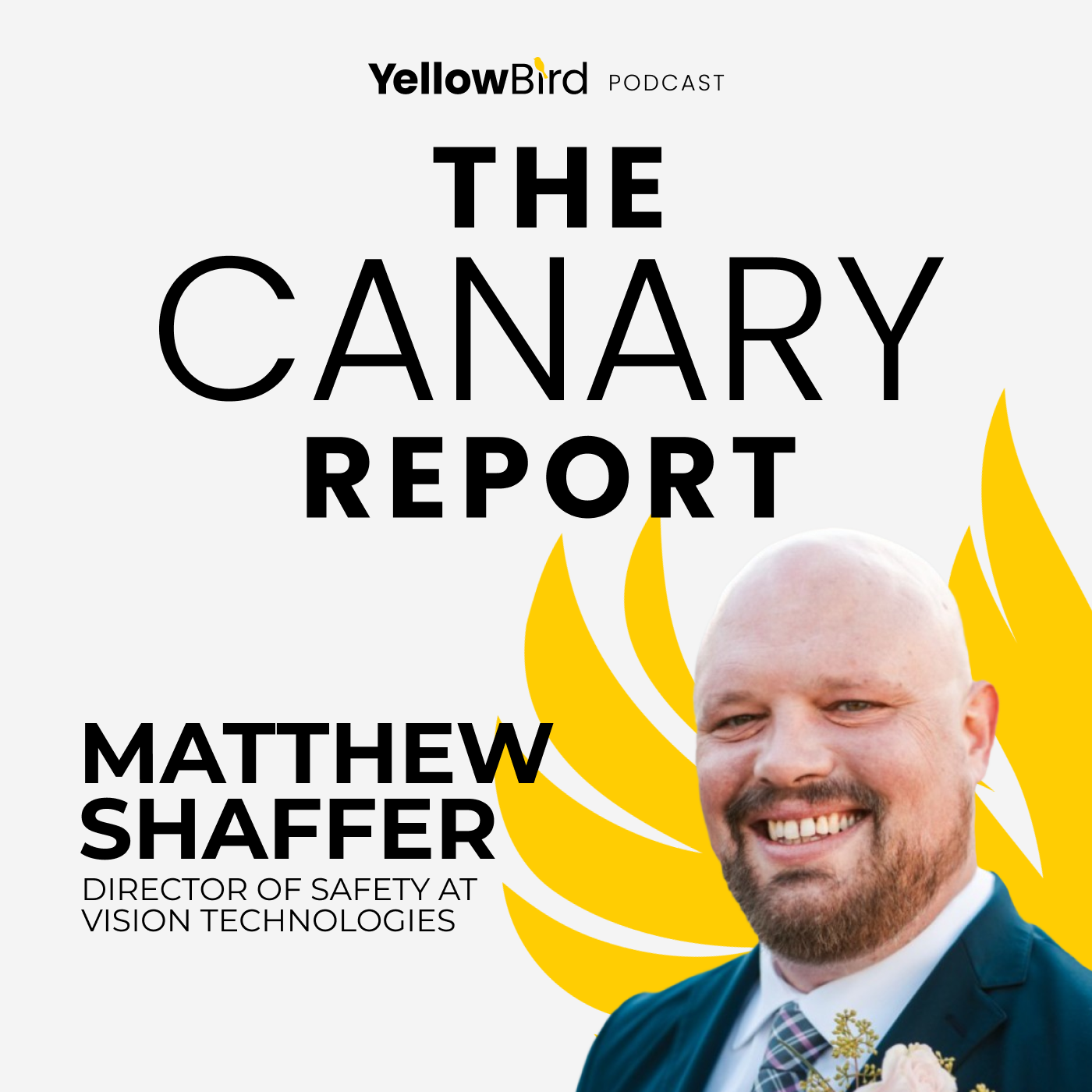 How Safety Skills Scale Across Industries with Matt Shaffer | "Everybody buys into safety. They just don't know how." Matt Shaffer, Director of Vision Technologies Most safety programs fail because of bad relationships, not bad rules. In this episode of The Canary Report: Safety & Risk Management, I speak with Matt Shaffer, Director of Vision Technologies, to explore why ditching the "safety versus operations" mindset is the single highest-leverage move any safety leader can make. From transforming workers' comp costs at a major airport to building inspection cultures where foremen get excited when the safety team shows up, Matt's approach is practical, human, and deeply effective. | 32m 18s | ||||||
| 3/5/26 | 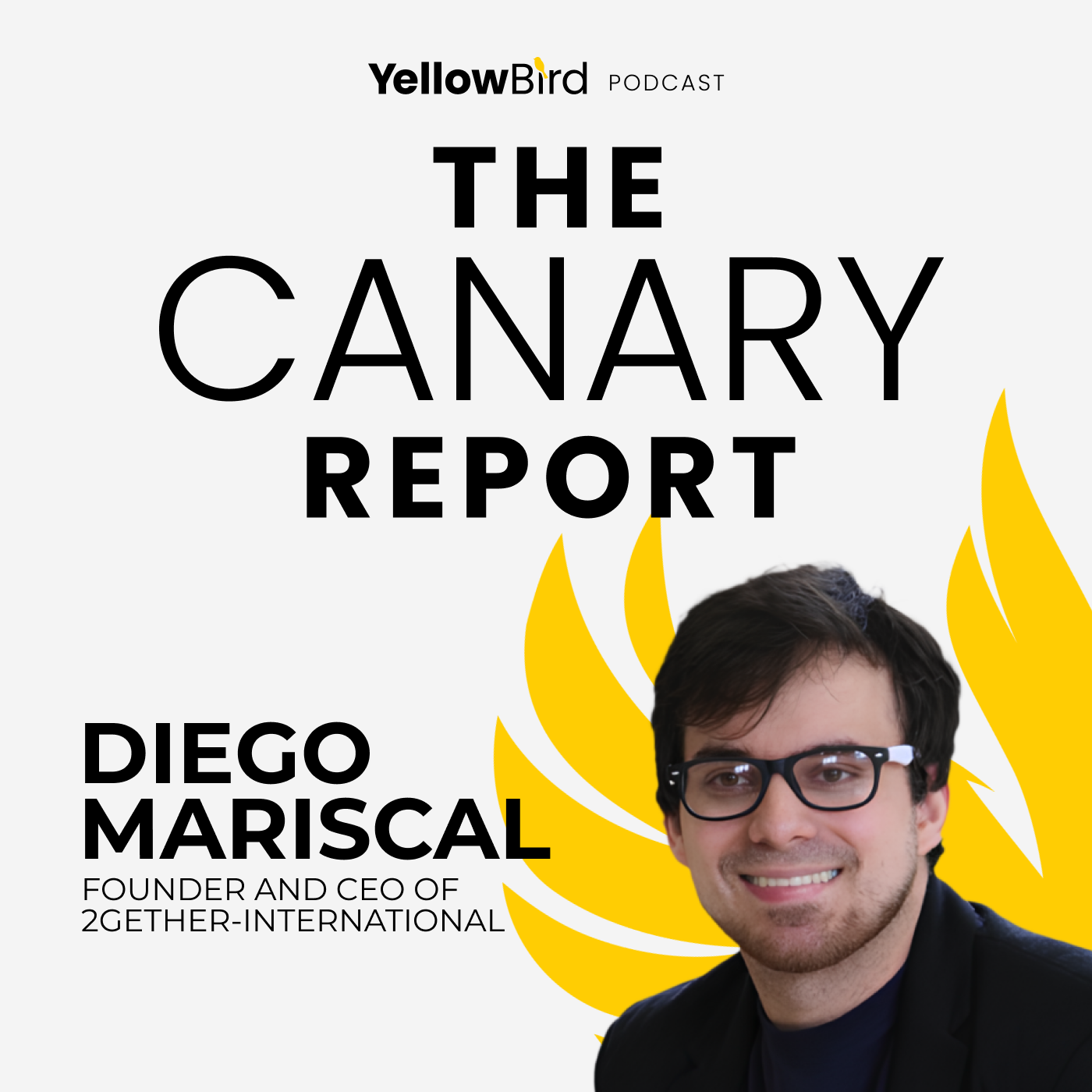 Disability as a Safety Advantage with Diego Mariscal | “You're not going to be successful in spite of your disability. You’re going to be successful in many ways because of your Disability.” Diego Mariscal, CEO of 2Gether-International Most people still frame disability as a limitation. Diego Mariscal sees it as a training ground for entrepreneurship. In this episode of The Canary Report: Safety & Risk Management, I sit down with Diego, Founder and CEO of 2Gether-International, to unpack why the daily problem-solving required to navigate life with a disability mirrors the resilience required to build companies. We explore systemic funding barriers, the poverty trap created by benefits cliffs, and how designing for Disability unlocks innovation that benefits everyone. | 36m 30s | ||||||
| 2/26/26 | 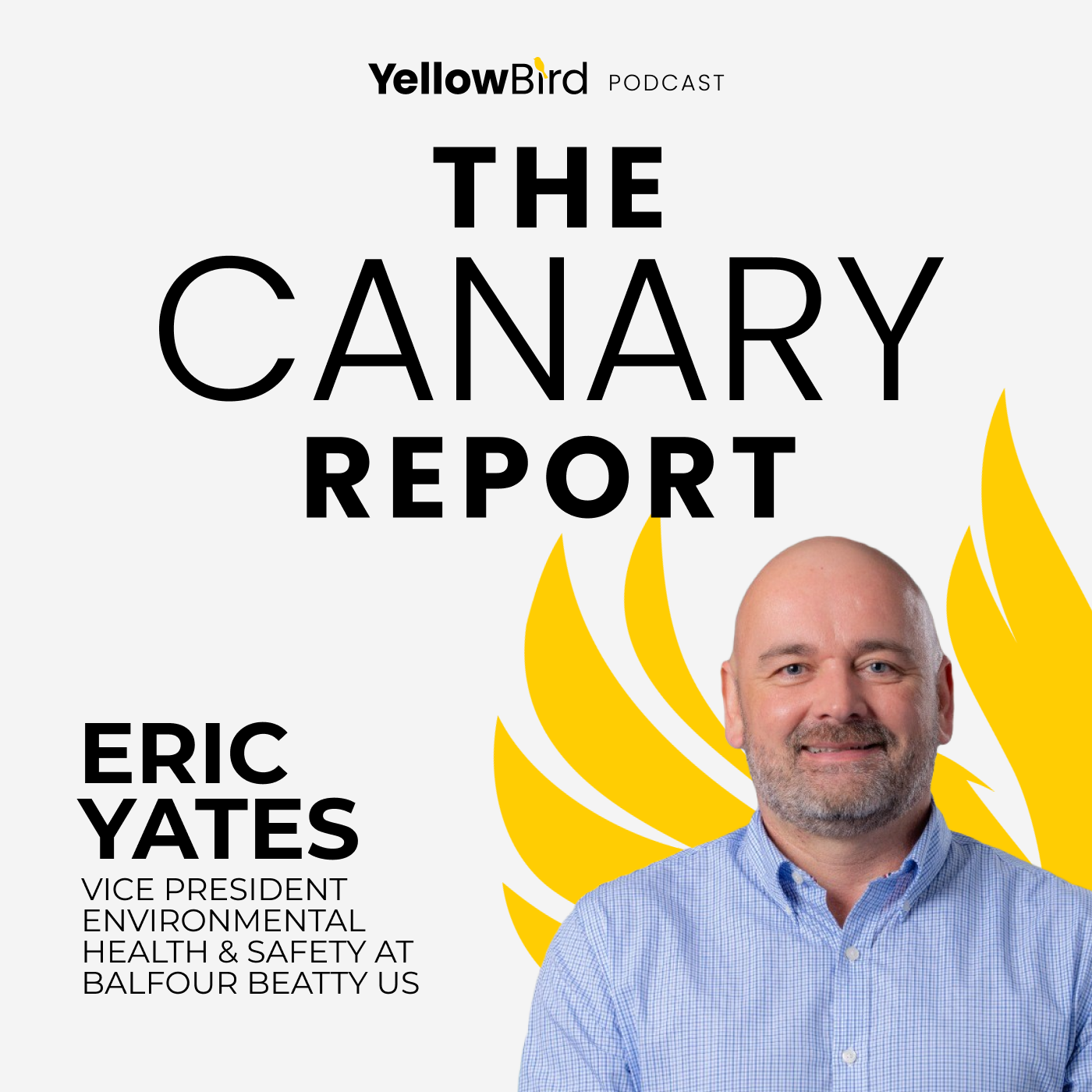 Scaling Safety Without Losing People: Lessons from Eric Yates | "It's not me, it's the people that work around me. If you have a good, strong team and everyone's focused on the same goals, it makes everything a lot easier." Eric Yates, VP EHS at Balfour Beatty US Most organizations say they want to scale safety. Fewer are willing to scale accountability, trust, and the right expertise along with it. That’s where things break down. In this episode of The Canary Report: Safety & Risk Management, I sit down with Eric Yates, VP of Environmental Health & Safety at Balfour Beatty, to talk about what it really takes to build high-performing EHS teams across complex, multi-state operations. With 27 years in construction and heavy civil, Eric shares hard-earned lessons on navigating OSHA, state plans, MSHA, DOT, and FRA requirements, without losing sight of the people doing the work. We dig into why regional expertise beats one-size-fits-all staffing, how project-based safety professionals can scale with demand, and why chasing a “perfect” safety record may actually undermine reporting. If you’re serious about embedding a people-first safety culture at scale, this conversation will challenge you and equip you to lead differently. | 35m 05s | ||||||
| 2/24/26 |  From Crash Scenes to Crash Prevention: Rethinking Vehicle Safety with Jennifer Morrison | "What we're trying to do is prevent (protect) the most precious cargo, the people. Right? And that's what the systems are designed for. That's why we're really proud to have some of those top safety ratings in the industry.”- Jennifer Morrison, Director, Vehicle Safety Strategy at Mazda Most of us don’t think about vehicle safety until something goes wrong. That’s a problem. Because the real work of safety happens long before impact. In this episode of The Canary Report: Safety & Risk Management, I sit down with Jennifer Morrison, Director of Vehicle Safety Strategies at Mazda North America, to talk about what it really takes to prevent crashes, not just investigate them. With two decades of experience at the NTSB and NHTSA, Jennifer brings a powerful perspective on why affordability should never mean compromising protection. We unpack how data is proving that technologies like automatic emergency braking prevent up to 60% of rear-end crashes, why making blind spot monitoring standard is a leadership decision, not a luxury one, and how regulators, manufacturers, and human drivers intersect at highway speeds. If you care about fleet safety, workplace risk, or the people riding in your car, this conversation is for you. | 46m 59s | ||||||
| 2/12/26 |  When Safety Looks Busy but Fails People: Plainspeak with Steve Davis | "There are five aspects to a safety program that if you align to these five elements and you connect them, the more connection points that you have between them, the better and stronger your safety program will be.” Steve Davis, VP of EHS at Forbes Brothers Companies Most organisations I work with are investing heavily in safety, but still not getting the results they expect. That’s exactly why this conversation with Steve Davis mattered so much to me. In this episode of The Canary Report: Safety & Risk Management, I talk to Steve Davis, Vice President of EHS at Forbes Brothers Companies. Steve brings a rare mix of operational experience and practical clarity to a space that’s often cluttered with noise. We dig into why disconnected safety programs fail, even when they look great on paper. Steve walks through a five-element framework that helps leaders connect the dots between programs, processes, metrics, communication, and structure, turning activity into real protection. We also talk candidly about why “good catches” tell you far more about your culture than lagging indicators, why high-energy hazards require a different mindset, and how to turn data into lessons people actually remember. | 41m 17s | ||||||
| 2/5/26 |  Why Personality-Driven Hiring Changes Safety Outcomes with Victor Buhr | "Brennan's really looking to take a different approach with employee safety. We're gonna start looking at bringing people on who have the personality for it and who are trainable." Victor Buhr, Director of Safety at J.F. Brennan Company OK everyone, this is one of those conversations that really reframes how we think about safety leadership. In this episode of The Canary Report: Safety & Risk Management, I sit down with Victor Buhr, Director of Safety at J.F. Brennan Company, a century-old marine construction and environmental remediation firm, operating in the US and Canada with over 600 employees. Together, they explore why the future of safety isn’t about being the “cop on site,” but about earning trust and genuinely caring whether people make it home. Victor breaks down why Brennan hires for personality and trainability before credentials, how they build safety training that actually sticks in a surge-demand, high-risk industry, and what it takes to manage compliance and skills verification at scale. At the heart of it all is a simple truth: safety isn’t paperwork, it’s people, their families, and the responsibility leaders carry every single day. This one’s for anyone ready to move safety from compliance to culture. | 34m 40s | ||||||
| 1/29/26 |  Making Construction Safety Easier to Follow and Harder to Ignore, with Kathryn Prus | "One of my phrases is make it easy for people to follow the rules. And I understand that if we've got a trade going from one general contractor to another, you want it to be as consistent as possible.” Kathryn Prus, EHS Director at Skanska OK, everyone, this one hits at the heart of what actually makes safety work at scale. The secret sauce isn’t stricter rules, but making it easier for people to follow them. In this episode of The Canary Report: Safety & Risk Management, I sit down with Kathryn Prus, Environmental Health & Safety Director at Skanska, for a grounded and honest conversation about building safety cultures that people want to be part of. We dig into why consistency across trade partners matters more than adding another rule, how authentic leadership creates real psychological safety on job sites, and what it takes to engage crews beyond compliance checklists. Kathryn shares practical strategies, from standardising expectations across projects to using hands-on, gamified approaches that get workers actively spotting hazards instead of tuning out. We also talk openly about mental health in construction and why making space for those conversations isn’t optional anymore. This episode is about moving safety from paperwork to people, so everyone goes home safe at the end of the day. | 30m 19s | ||||||
| 1/27/26 | 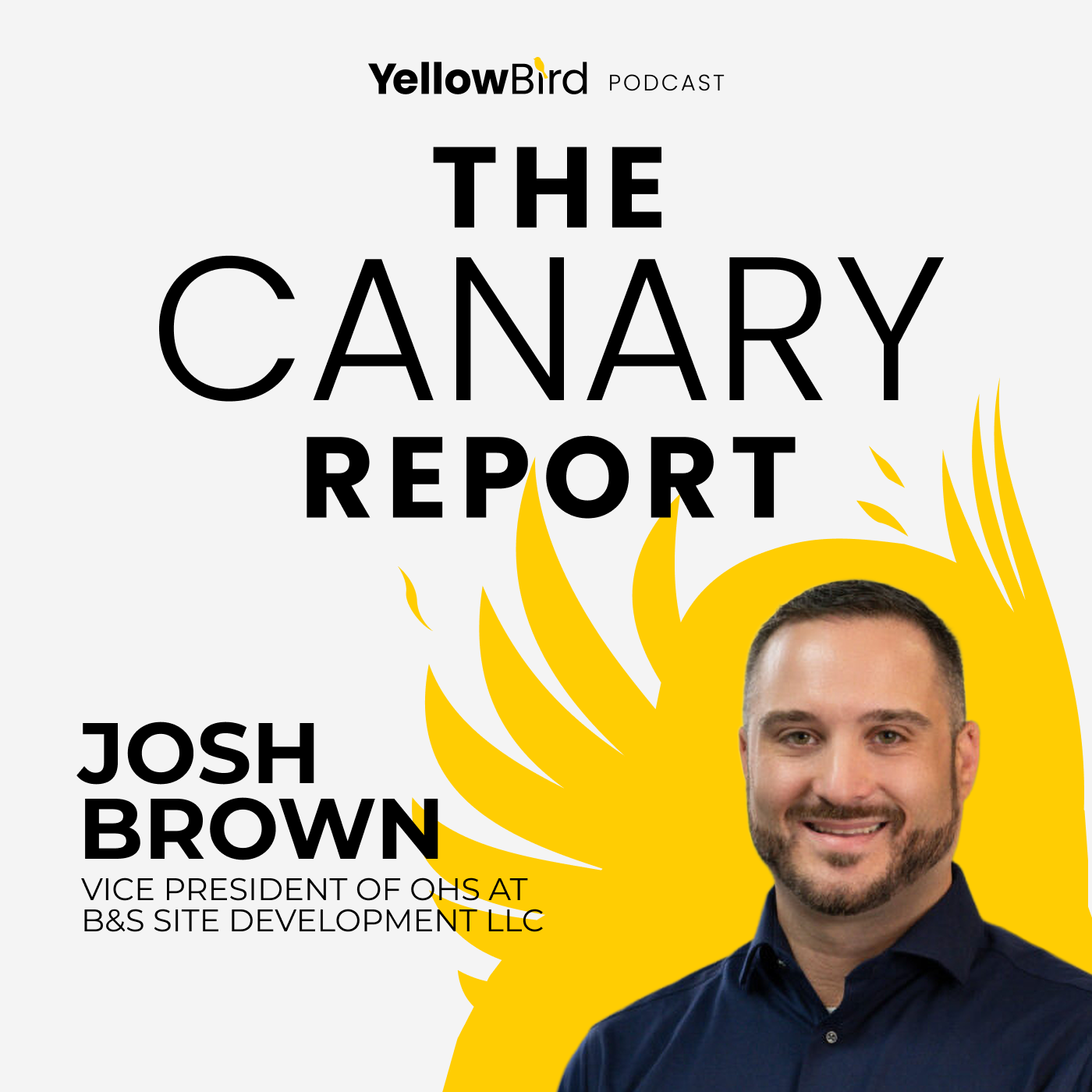 Why 30 Safety Pros in 2 Years Beats 400-Page Manuals: Josh Brown's Playbook at B&S Site Development | "I've been and seen 400 page safety manuals. I'm like, dude, nobody reads these. If we can make it relatable, if we can make it consumable for the people so that if you don't have to think as hard, it makes sense.” Josh Brown, VP of OHS at B&S Site Development In this episode of The Canary Report: Safety & Risk Management, I sit down with Josh Brown, VP of OHS at B&S Site Development, for a grounded, honest conversation about what real safety leadership actually looks like in the field. As organisations scale across regions and complexity grows, Josh makes a compelling case for why empathy, presence, and practicality matter more than bloated manuals and checkbox compliance. We talk about walking the job, listening to crews, and designing safety programmes that people will actually use, not just sign off on. Josh also shares how he scaled a safety function from a one-person role to a 30-person team in under two years, without losing trust or burning people out. This is a conversation about leading humans, not enforcing rules, about turning safety from an obligation into an advantage. If you’re building, scaling, or rethinking your safety approach, this one’s for you. | 38m 24s | ||||||
| 1/22/26 | 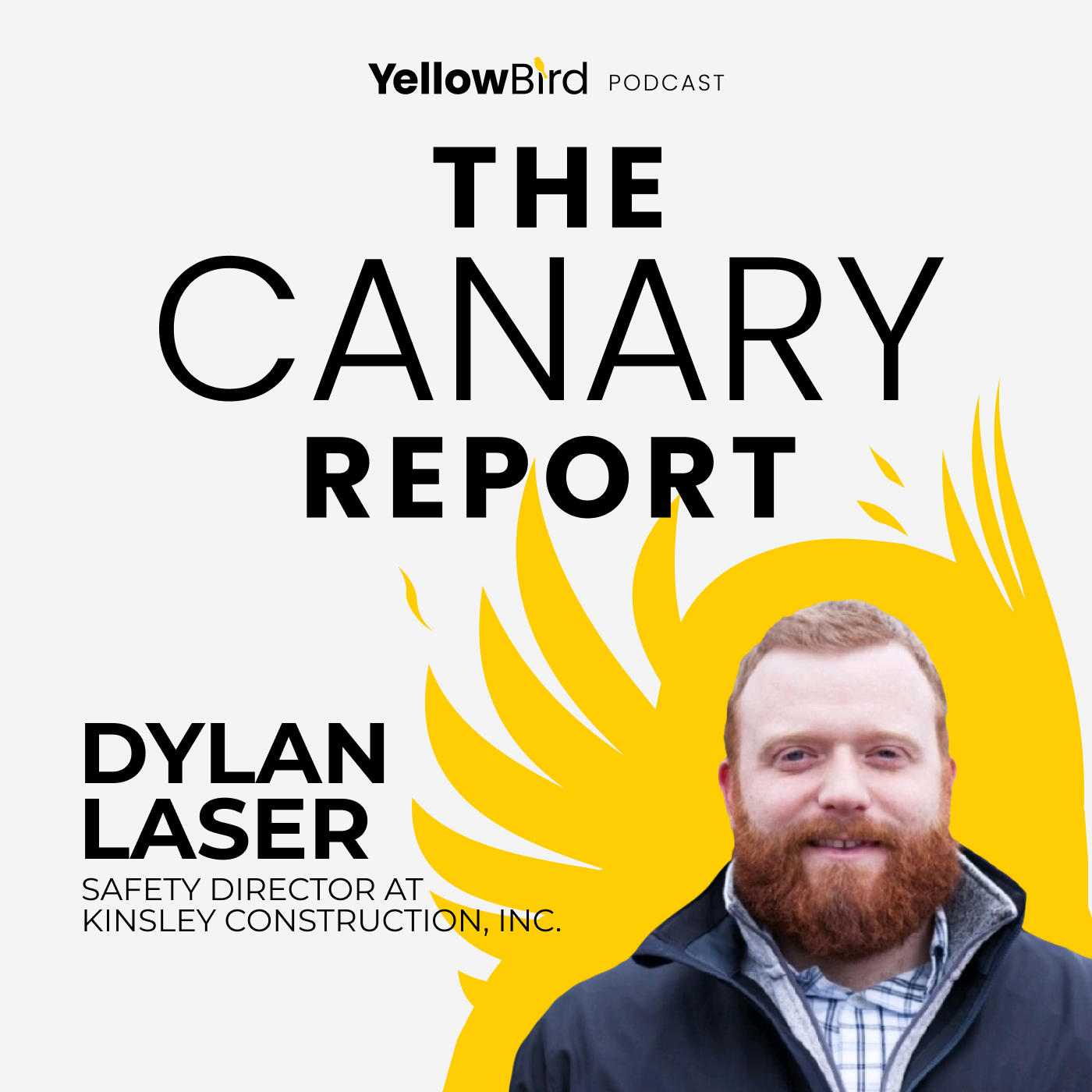 Why the Phrase “Safety Is Number One” Is Holding You Back with Dylan Laser | "If safety is number one, okay, all your employees are gonna stay home and wrap themselves in bubble wrap. And guess what? Bye bye, company." Dylan Laser, Director of Safety at Kinsley Construction. OK, everyone, this episode challenges one of the most familiar phrases in our industry, and honestly, it might change how you think about safety altogether. In this episode of The Canary Report: Safety & Risk Management, I sit down with Dylan Laser, Safety Director at Kinsley Construction, to unpack why saying “safety is number one,” often does more harm than good in real operations, and what actually works instead. Drawing from his experience overseeing safety across 2,500+ employees and multiple business divisions, Dylan shares why safety can’t live in isolation from productivity and efficiency. We talk about moving beyond checkbox compliance, building policies with field teams, and shifting from the role of safety police to trusted partner. Dylan also offers a candid look at where internal teams hit their limits, why smart outsourcing isn’t failure, and how connecting safety to business outcomes transforms culture, credibility, and results. If you’re serious about building safety that scales, and sticks, this one’s for you. | 44m 15s | ||||||
| 1/8/26 | 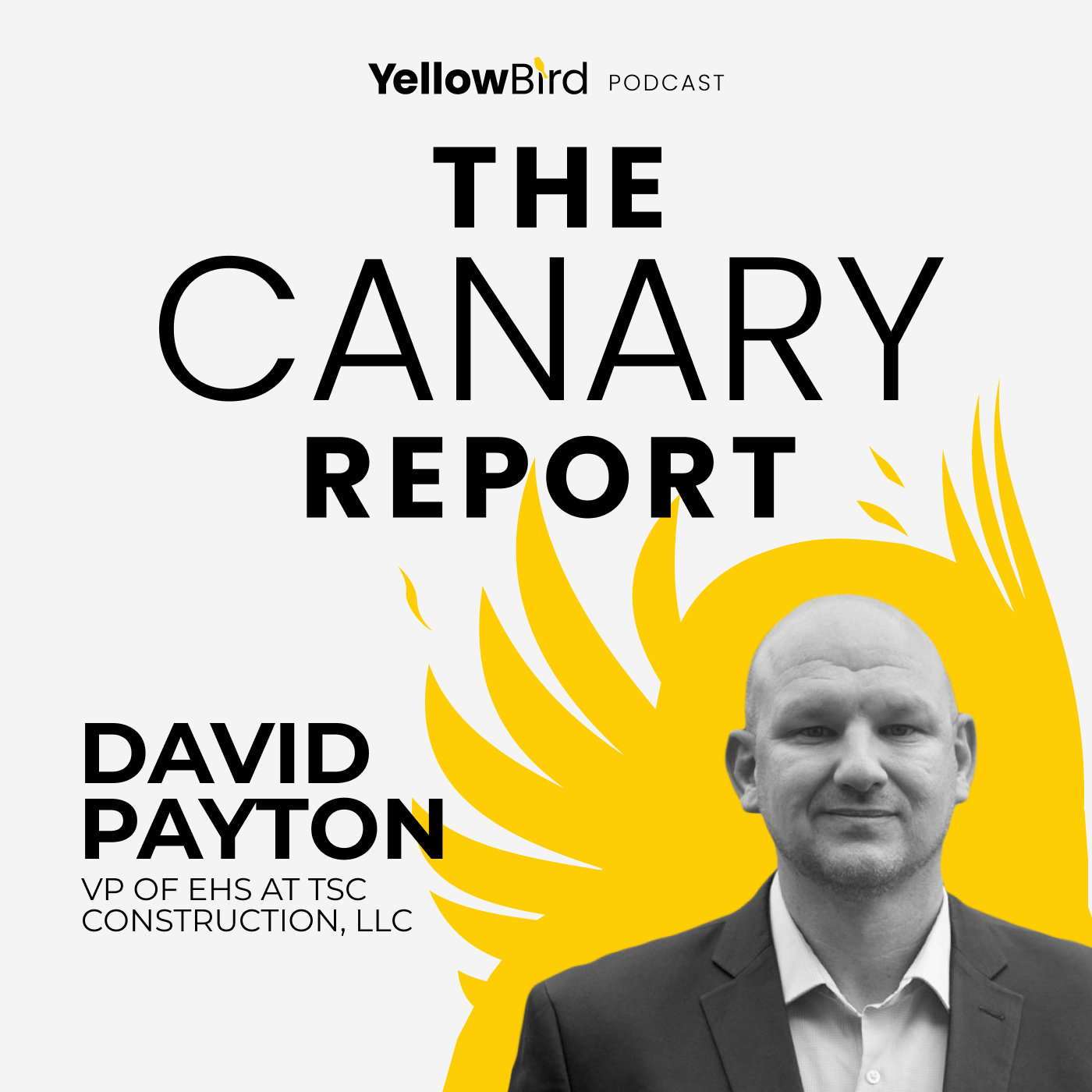 Stop Siloing Safety: Turning EHS into Operational Excellence with David Payton | "My whole goal is to drive operational excellence, but operational excellence is part of EHS, or EHS is part of operational excellence, if you do it appropriately. It shouldn't be siloed and separate. It should be together." - David Payton, VP of EHS at TSC Construction OK, everyone, this episode goes straight at one of the most persistent failures in our industry: treating safety like a standalone function instead of what it really is; an operational responsibility. On this episode of The Canary Report: Safety & Risk Management, I sit down with David Payton, VP of EHS at TSC Construction, to unpack why siloed safety programs don’t just fail audits, they fail people and margins. Drawing on two decades of experience across construction, maritime, telecommunications, and large-scale operations, David breaks down how integrating EHS directly into operations changes accountability, leadership buy-in, and business performance. We talk about tying safety to P&L, building scalable training systems across 23 markets, and why executive hiring interviews may be your most overlooked risk control. This conversation is about moving past compliance theatre and building safety systems that actually work, on the jobsite, in the field, and on the balance sheet. | 44m 00s | ||||||
| 12/31/25 | 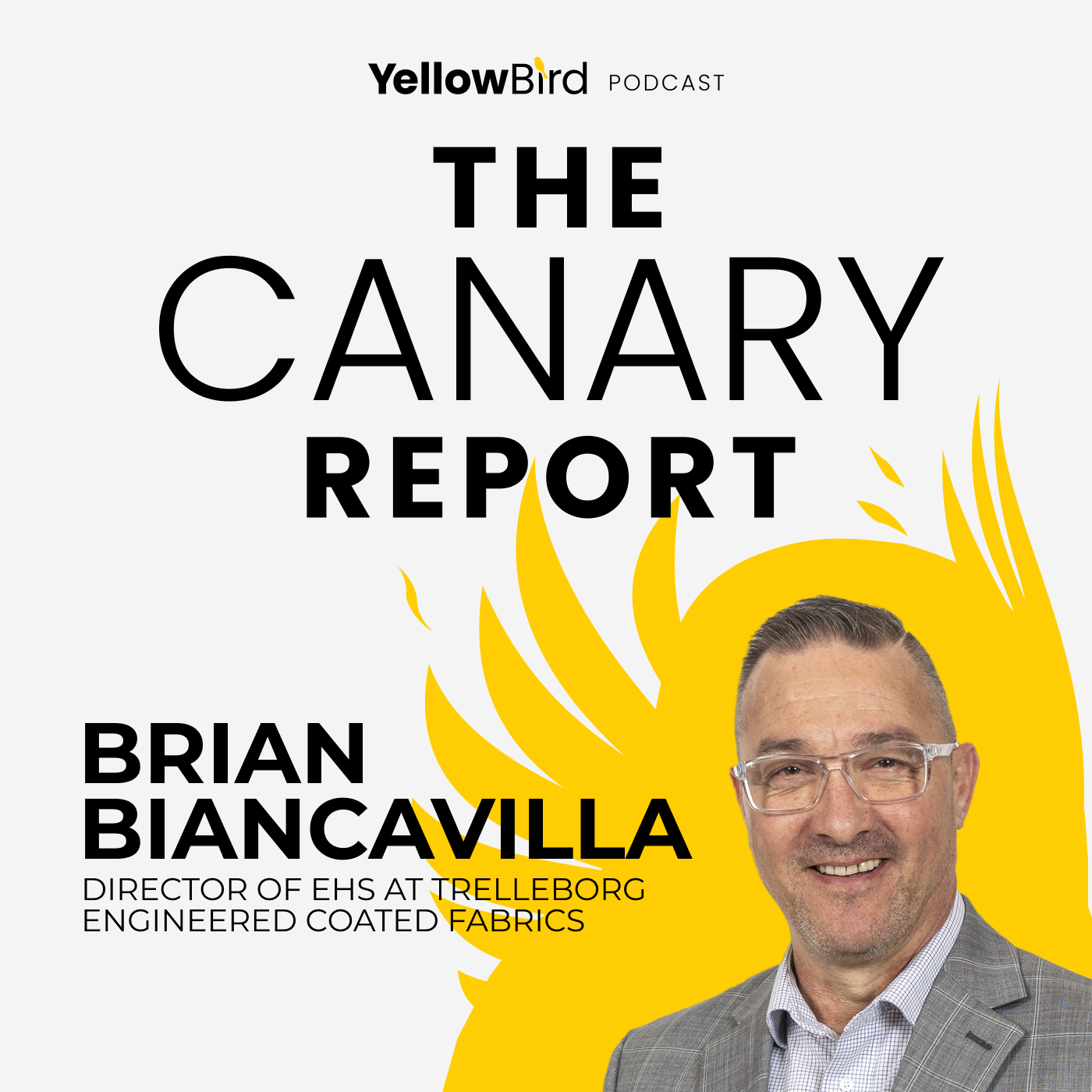 Listening Before It Breaks: Safety Leadership Lessons with Brian Biancavilla | "You don't just train everybody one time and say, okay. Everybody's good. You don't need any more training. You have to constantly be reminding people." - Brian Biancavilla, Director of EHS at Trelleborg Engineered Coated Fabrics OK, everyone, this one cuts straight to the heart of what actually separates real safety leadership from safety theatre. In this episode of The Canary Report: Safety & Risk Management, I sit down with Brian Biancavilla, EHS Director at Trelleborg Engineered Coated Fabrics, and a 35-year veteran of emergency response, hazmat remediation, and EHS leadership at scale. Brian challenges the idea that safety is something you can manage from a spreadsheet or a policy binder, and shows why your frontline teams are your most powerful early warning system, if you’re willing to truly listen and follow through. We get into building vendor partnerships that actually work, navigating corporate gatekeeping without stalling critical safety investments, and the thinking behind a $400K fire alarm system that became the most advanced in the county. This conversation is about paying attention to the subtleties, investing where it matters, and building people-driven safety cultures that hold up under real-world pressure. | 32m 04s | ||||||
| 12/24/25 | 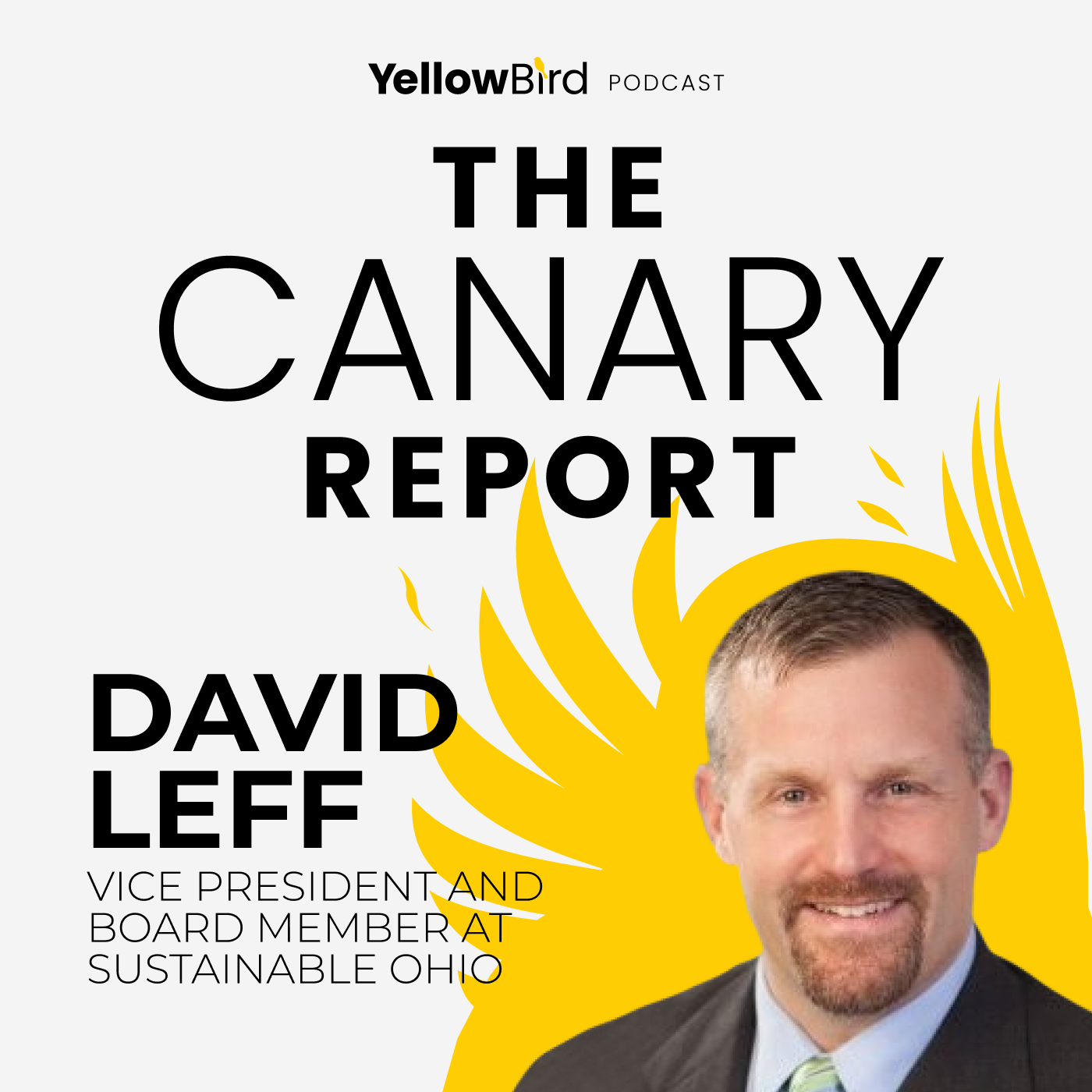 Pivoting From Compliance to Clarity with David Leff | "You don't wanna just walk in and say, okay, here's your new program, now implement it. You gotta figure out, does it work? Why is it working other places? Why isn't it working here?" - David Leff, VP and Board Member at Sustainable Ohio OK everyone, this one cuts right to the heart of what’s broken in how we approach safety, and how to fix it. In this episode of The Canary Report: Safety & Risk Management, I sit down with David Leff, VP and Board Member at Sustainable Ohio, and a 25-year veteran in insurance and risk management. David challenges the idea that safety starts and ends with compliance and shares what he’s learned leading risk programmes across 77 international facilities, in 11 countries, for a 15,000 head count, and why the most effective safety systems are built on understanding why the rules exist, not just enforcing them. We dig into data-driven site assessments, high-risk roles like forklift operations, and how real ownership beats fear-based training every time. This conversation is about moving past compliance theatre and building safety programmes that protect people, perform at scale, and stand up to real-world pressure. | 35m 19s | ||||||
| 12/18/25 | 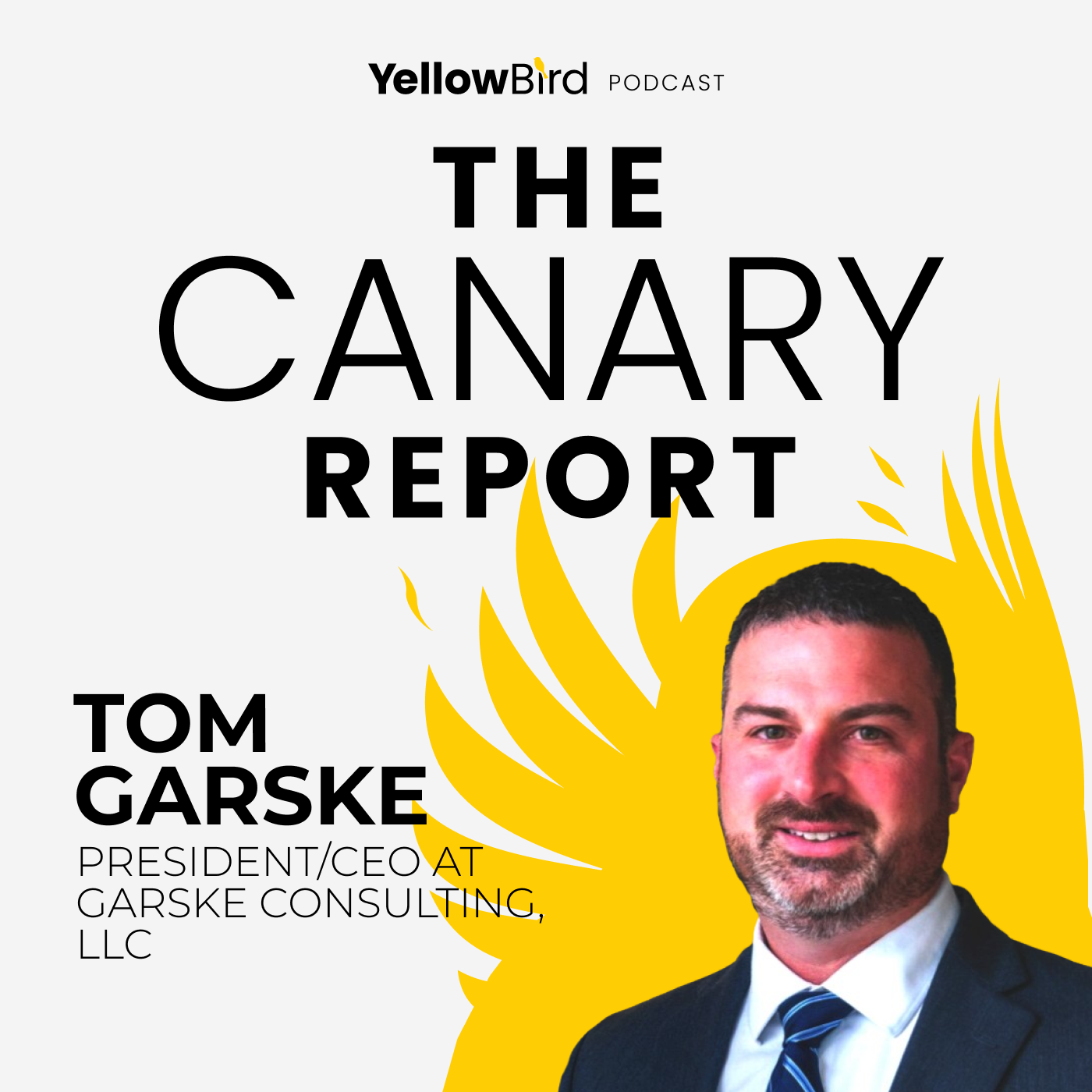 The Small-Project Safety Blueprint You Need but Aren’t Using, with Tom Garske | "Safety is relationship management. That's what it comes down to. It's being able to connect with people and understand their needs and what they wanna see and how they wanna see it and responding to them." - Tom Garske, President, Garske Consulting OK, everyone, this one’s for the builders, supers, and owner-operators who are running lean teams and still trying to do safety the right way. In this episode of The Canary Report: Safety & Risk Management, I sit down with Tom Garske to unpack what real safety leadership looks like when you don’t have mega-project resources. Tom breaks down why relationships and not rules drive safer crews, how day-one expectations create real behavioural change, and why multilingual communication can’t be an afterthought. We get candid about the high-risk areas that sink small contractors, the business case for investing in training, and the tough calls that save both lives and budgets. If you’re juggling margins and safety, this conversation is your blueprint. | 32m 44s | ||||||
Showing 25 of 56
Sponsor Intelligence
Sign in to see which brands sponsor this podcast, their ad offers, and promo codes.
Chart Positions
1 placement across 1 market.
Chart Positions
1 placement across 1 market.