
The Commercial Real Estate Investor Podcast
by Tyler Cauble
Is this your podcast?Insights from recent episode analysis
Audience Interest
Podcast Focus
Publishing Consistency
Platform Reach
Insights are generated by CastFox AI using publicly available data, episode content, and proprietary models.
Most discussed topics
Brands & references
Total monthly reach
Estimated from 1 chart position in 1 market.
By chart position
- 🇵🇱PL · Investing#155500 to 3K
- Per-Episode Audience
Est. listeners per new episode within ~30 days
150 to 900🎙 Daily cadence·300 episodes·Last published 2d ago - Monthly Reach
Unique listeners across all episodes (30 days)
500 to 3K🇵🇱100% - Active Followers
Loyal subscribers who consistently listen
150 to 900
Market Insights
Platform Distribution
Reach across major podcast platforms, updated hourly
Total Followers
—
Total Plays
—
Total Reviews
—
* Data sourced directly from platform APIs and aggregated hourly across all major podcast directories.
On the show
From 29 epsHost
Recent guests
Recent episodes
401. How to Buy Your First Trailer Park
Aug 31, 2026
Unknown duration
400. The Seller’s Numbers Are Lying to You
Aug 24, 2026
Unknown duration
398. What $250,000 Actually Buys in Commercial Real Estate (2026)
Aug 17, 2026
Unknown duration
397. 13 Years of Commercial Real Estate in One Livestream
Aug 13, 2026
Unknown duration
396. Analyzing Commercial Deals Isn't As Hard As You Think
Aug 6, 2026
Unknown duration
Social Links & Contact
Official channels & resources
Official Website
Login
RSS Feed
Login
| Date | Episode | Topics | Guests | Brands | Places | Keywords | Sponsor | Length | |
|---|---|---|---|---|---|---|---|---|---|
| 8/31/26 | 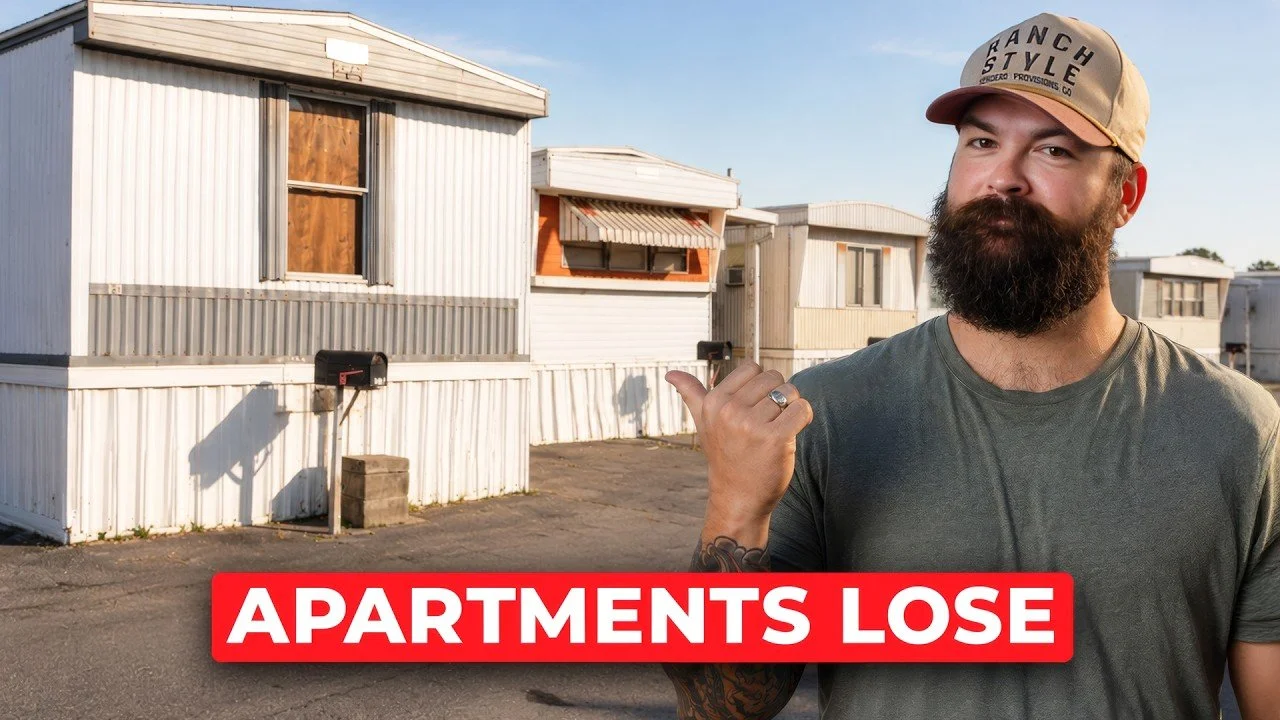 401. How to Buy Your First Trailer Park | Key TakeawaysMH parks = land business, not housing business. Owner rents pads, tenants own homes; owner avoids interior repairs and big capex on structures, focusing instead on utilities, roads, and management.Demand is counter-cyclical and supply is shrinking. Parks are the “Dollar Tree of housing,” performing best in downturns; new parks are almost never approved, while 100+/year are redeveloped into other uses.Economics are driven by NOI vs. interest rates. Deals are valued almost purely on income; investors seek cap rates 1–3 points over debt, targeting roughly 10–20% cash-on-cash by raising under-market rents, filling lots, and cutting waste.Expense ratios are lean vs. apartments. A well-run park often operates at 30–40% expenses (lower if tenants pay water/sewer, higher with high taxes or vacancy), compared to ~45–50% in typical multifamily.IDEAL framework for evaluating parks: Infrastructure (city water/sewer, no master meters), Density (lots big enough for modern homes), Economics (spread over debt), Age of homes (prefer 1990s+, paid-off), Location (urban-safe or strong suburban/exurban demand).Moat + controversy come from “stickiness.” Homes are effectively immobile (costly and risky to move), so tenants tend to stay long-term; this creates stable income and investor moat, but also fuels criticism around rent increases and perceived tenant lock-in. | — | ||||||
| 8/24/26 | 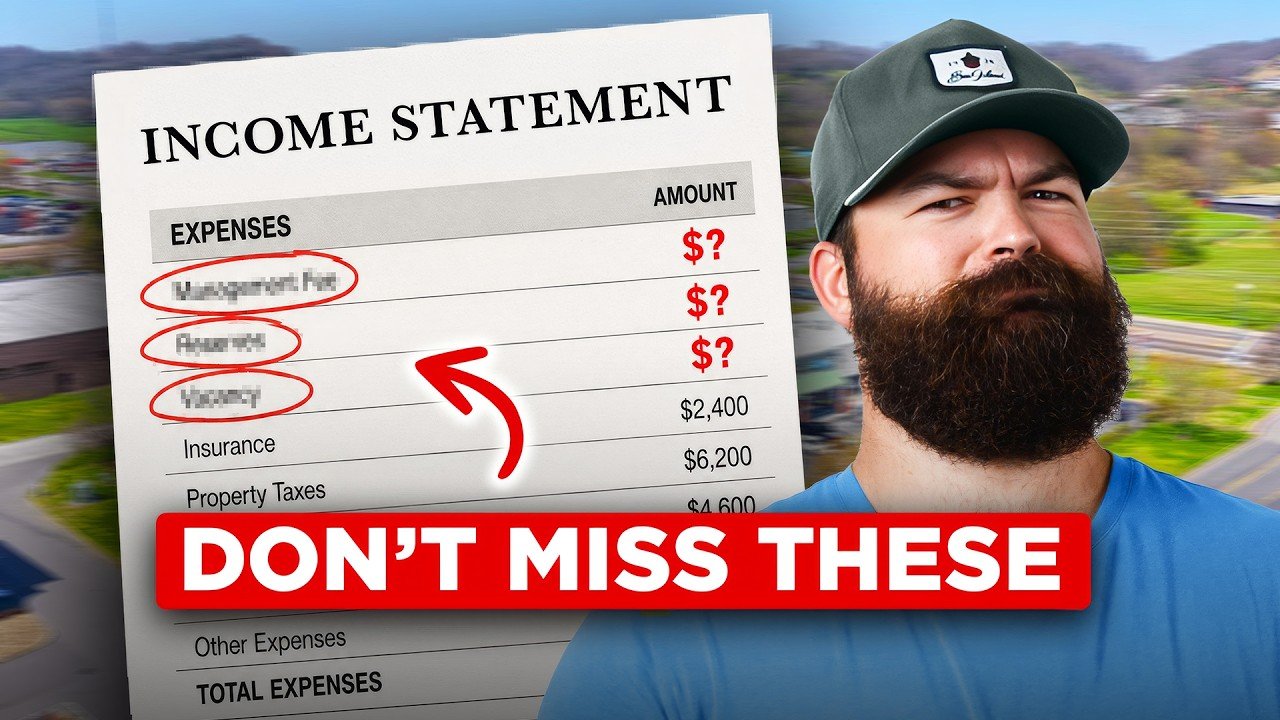 400. The Seller’s Numbers Are Lying to You | Key TakeawaysOMs are sales documents, not truth documents – headline cap rates and “stabilized pro forma” are usually built on optimistic, not proven, assumptions.Sanity-check income – don’t underwrite rents that no one at that property has ever paid, especially if the space has been sitting vacant for months.Rebuild expenses – recalc property taxes at your purchase price, and target a realistic 30–35% expense ratio instead of trusting the OM.Add the “missing three” every time – baseline 5–7% vacancy, market-rate property management, and capital reserves (e.g., per SF per year).Price the path to stabilization – include TI, leasing commissions, and downtime to reach the seller’s pro forma NOI; that upside isn’t free.Judge the deal on your version of the numbers – when Tyler rebuilt the OM, the deal went from a “7.25% cap, decent returns” to a 4.56% cap and negative returns. | — | ||||||
| 8/17/26 | 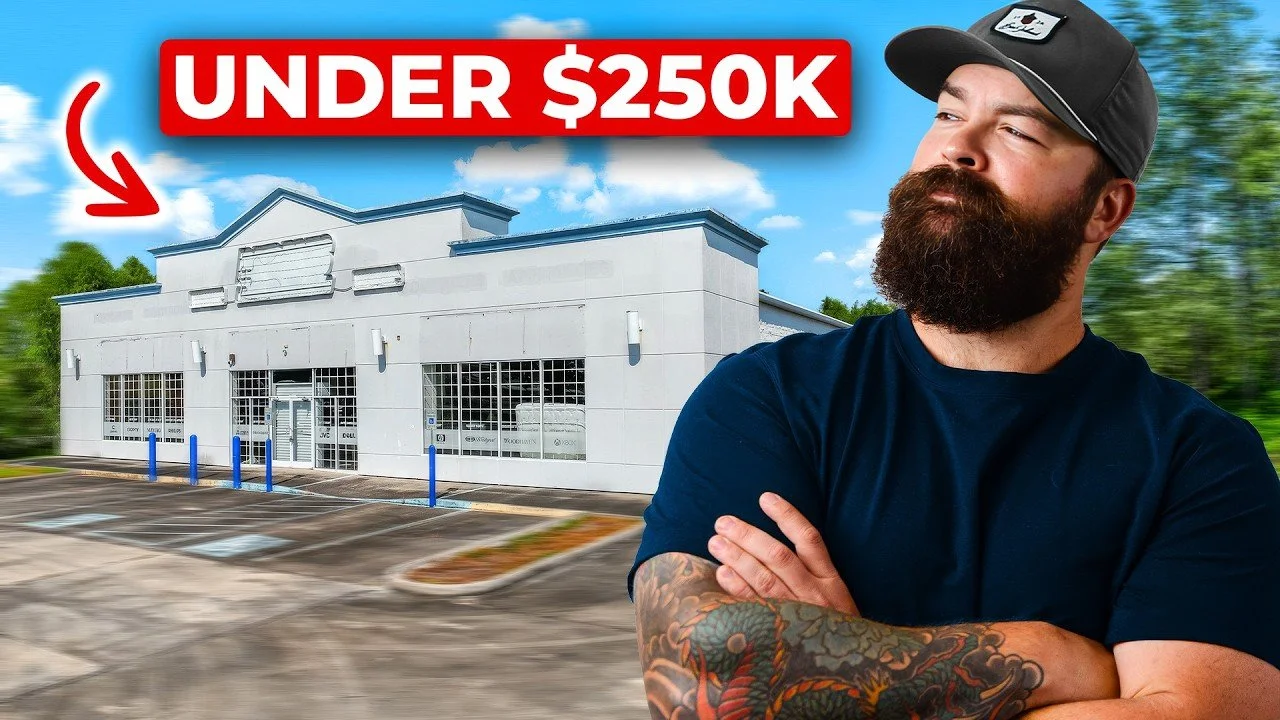 398. What $250,000 Actually Buys in Commercial Real Estate (2026) | Key TakeawaysThousands of retail properties nationwide fit a sub-$250K budget — the "no good deals" excuse doesn't hold, but you may need to look outside your immediate market.Cheap deals often come with catches (deferred maintenance, bad listings, long time on market), so always underwrite before assuming a low price = a good deal.Quick math check first: apply your target cap rate to price/sqft to see what rent you'd need — if it's realistic, dig deeper.On the Macon deal, the first full underwrite came back terrible (.12 equity multiple) because rehab costs ($376K) blew past the purchase price ($249K) while rent stayed too low.Fixing it took both negotiating price down ($199K) and pushing achievable rent up ($12/ft) — one lever alone wasn't enough.Final result: ~$200K invested turned into a $780K exit value, a $180K profit, and a 1.87x equity multiple over 5 years — doubling the money. | — | ||||||
| 8/13/26 | 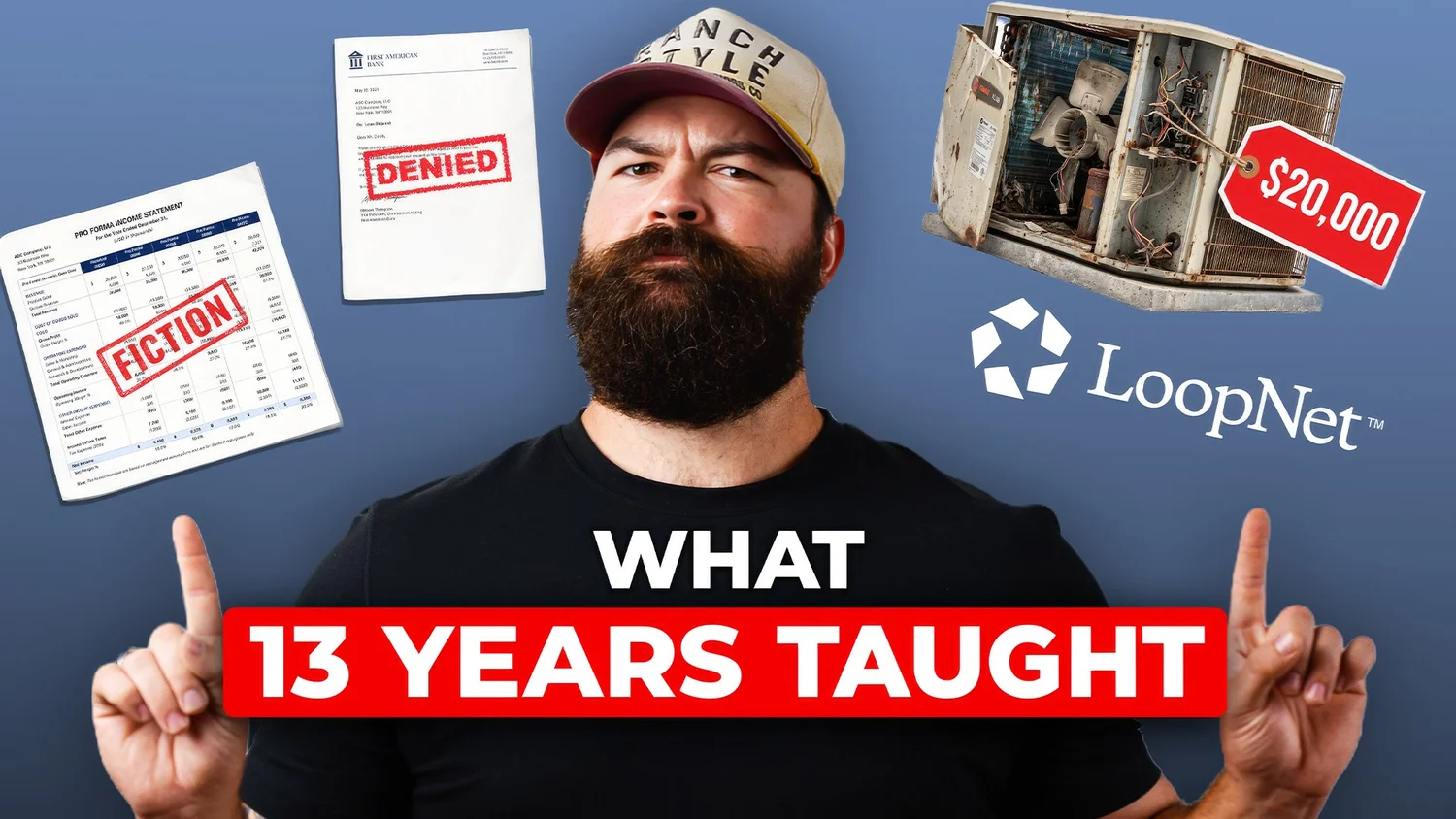 397. 13 Years of Commercial Real Estate in One Livestream | Key TakeawaysGet paid to learn: start near deal flow (brokerage, lending, property management) so you’re learning on someone else’s dime while seeing how real deals are structured.Buy “boring” assets: unsexy deals (industrial, parking lots, dirt, old car washes) often have less competition, better entry pricing, and strong cash flow and value-add potential.Buy right and in the path of growth: even with mistakes (bad pro forma, surprises, longer vacancy), deals can work if you buy well in emerging corridors before they “pop.”Embrace “no”: lender and investor rejections don’t mean the deal is bad—just not a fit for that party; persistence to the next lender/partner is part of the model.Build the base: focus on relationships, reputation, management excellence, and public storytelling about your projects—this foundation drives long-term deal flow, capital, and opportunities more than any single property pick. | — | ||||||
| 8/6/26 |  396. Analyzing Commercial Deals Isn't As Hard As You Think | Key TakeawaysCommercial underwriting is conceptually simple but operationally complex with spreadsheets. Residential back-of-the-napkin math doesn’t translate well to commercial deals because you must track many variables (NOI, cap rate, DSCR, loan terms, rent escalations, etc.). Traditional Excel models work but are error‑prone, formula‑heavy, and intimidating for most new investors.The new analyzer software replaces complex spreadsheets with guided, structured workflows. Instead of hunting through cells and formulas, users upload the offering memorandum, let AI pull in key deal data (price, NOI, cap rate, lease term, rent, square footage), and then move through clearly labeled tabs that walk them step by step through assumptions and scenarios.A real industrial deal example shows that “easy to analyze” is not the same as “a good deal.” Tyler underwrites a $2.3M industrial, absolute net lease in Tupelo in under 10 minutes. Even with different down payment levels, rent assumptions, and price negotiations, the deal struggles due to high purchase cap rate vs. exit cap rate, limited growth, and weak equity multiple. The tool makes it fast to see that a stabilized, low‑yield asset often won’t hit aggressive return targets.The software teaches users how to ‘read’ a deal, not just calculate outputs. The interface explains metrics (e.g., NOI, expense ratio, DSCR) and shows where numbers come from. It models lease structures (triple net vs. absolute net), rent bumps, vacancy, operating expenses, reserves, and exit assumptions so students learn how each lever affects cash flow and overall returns.Tax strategy and capital structure are integral to evaluating returns. The tool includes cost segregation modeling to estimate year‑one tax deductions and potential savings, plus structures for ownership, GP/LP splits, waterfalls, and preferred returns. Tyler notes that many investors justify lower nominal returns on stabilized NNN deals when factoring in tax benefits and hands‑off management.Integrated tools streamline the entire acquisitions workflow. Beyond the analyzer, the software includes a deal desk (pipeline management from lead to closing) and a cost estimator that adjusts renovation budgets by city and scope. This lets users quickly estimate renovation costs, attach them to deals, and track all documents, tasks, dates, and notes in one place.Core mindset shift: underwriting speed and clarity unlock more deal flow and better decisions. By making underwriting faster, more visual, and less spreadsheet‑dependent, more members in Tyler’s mastermind are submitting and evaluating deals. The emphasis is on quickly determining whether a deal is worth deeper pursuit, rather than getting bogged down in technical modeling. | — | ||||||
| 8/3/26 | 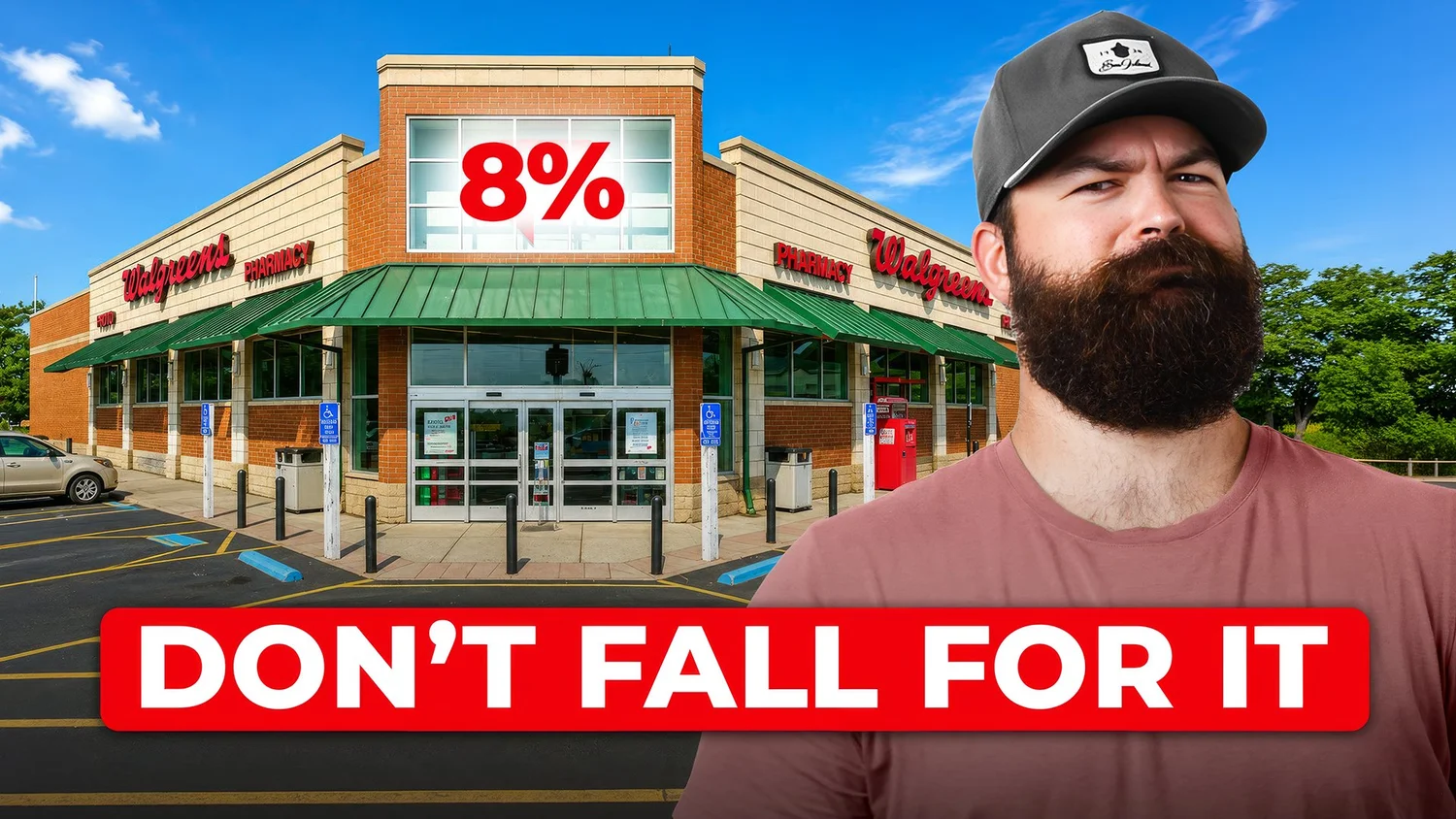 395. That 8% Cap Rate Is A Trap | Key TakeawaysCap rates price risk, not just return; higher cap rates signal more risk in the tenant, lease, building, or location.The spread between Chick-fil-A (4.45%) and Walgreens (8.1%) is “danger pay”—extra yield you get because you’re taking on extra risk.The real value is in the “box”: how desirable the dirt and building are if the tenant leaves, and how easily you can backfill.Corporate guarantees aren’t bonds; sectors change, companies bankrupt, and leases can be rejected in court.Use Tyler’s danger pay checklist: who signed the lease, what the sector is doing, how much term remains, and how current rent compares to market.High cap rate deals can work if you underwrite conservatively, plan for vacancy and re-tenanting, and don’t pay today for income that may vanish tomorrow. | — | ||||||
| 7/20/26 | real estate investmentsite selection+4 | — | Chick-fil-AIn-N-Out+4 | NashvilleDickerson Pike+1 | real estateinvestment+5 | — | 27m 32s | ||
| 7/13/26 | affordable housingreal estate development+3 | — | Amazon’s Housing Equity Fund | Goodlettsville, TN | affordable housingreal estate+5 | — | 17m 24s | ||
| 7/9/26 | redevelopmentcash flow+3 | — | Peerless Mill | Chattanooga | redevelopmentself-storage+5 | — | 27m 10s | ||
| 6/25/26 | single family rentalsW-2 income+4 | — | — | — | W-2single family rentals+5 | — | 33m 27s | ||
| 6/22/26 | commercial real estateresidential investing+3 | Bob | Facebook MarketplaceLoopNet+1 | Lansing | commercial propertyreal estate investment+3 | — | 33m 08s | ||
| 6/18/26 | self-storagereal estate investing+4 | — | — | — | self-storageexpansion+6 | — | 56m 57s | ||
| 6/15/26 | off-market dealsreal estate investing+3 | — | CrexiLoopNet | — | real estateinvesting+8 | — | 31m 12s | ||
| 6/11/26 | commercial real estatefirst property+3 | — | — | — | commercial propertyinvestment+5 | — | 21m 14s | ||
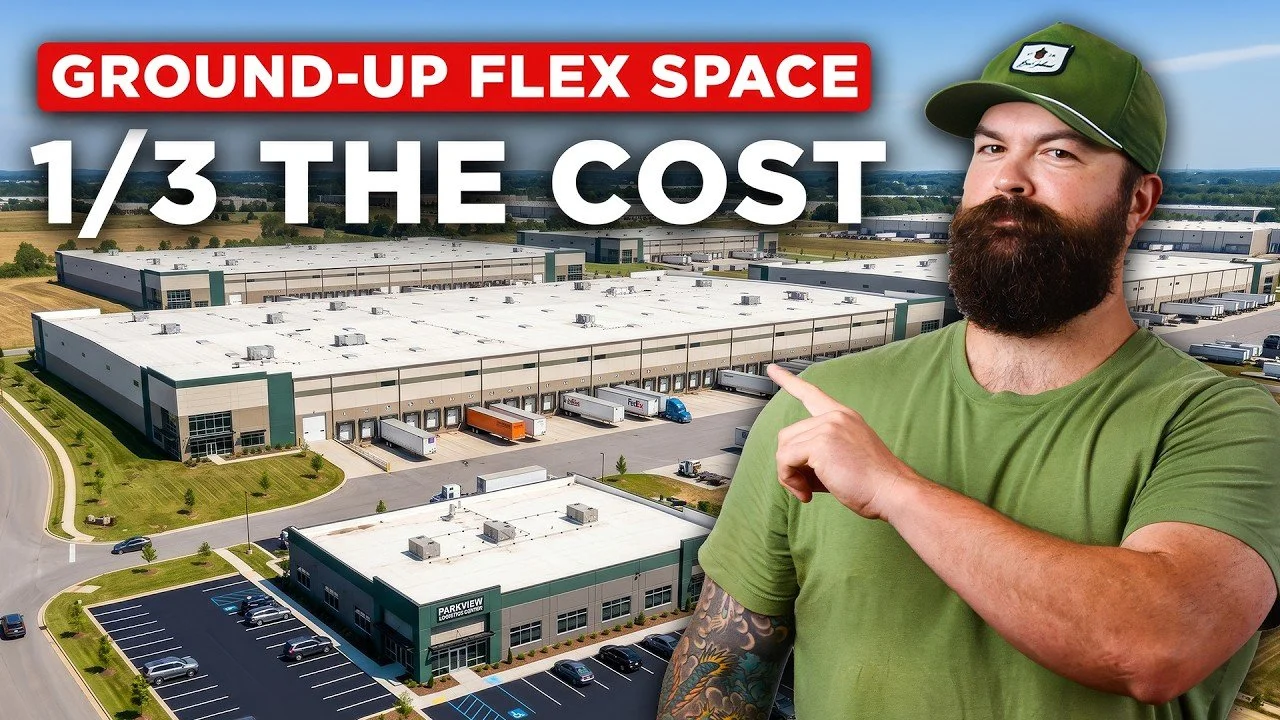
| 6/8/26 | 1031 exchangereal estate investing+4 | — | Google | Kansas CityRaytown | 1031 exchangeflex properties+5 | — | 25m 47s | ||
| 6/1/26 | real estate investingunderwriting+3 | — | Google | Kansas CityRaytown | underwritingindustrial real estate+5 | — | 41m 12s | ||
| 5/28/26 | real estate investingcommercial properties+3 | Ray | Section 8city lien-relief program | commercialfirst-gen spaces | private moneycash-flowing assets+3 | — | 37m 12s | ||
| 5/21/26 | cash flowproperty improvement+4 | — | The Commercial Real Estate Investor Podcastsmall business | — | cash flowmicro suites+5 | — | 36m 31s | ||
| 5/18/26 | commercial real estateresidential rentals+4 | — | — | — | Graham Stephancommercial real estate+4 | — | 41m 09s | ||
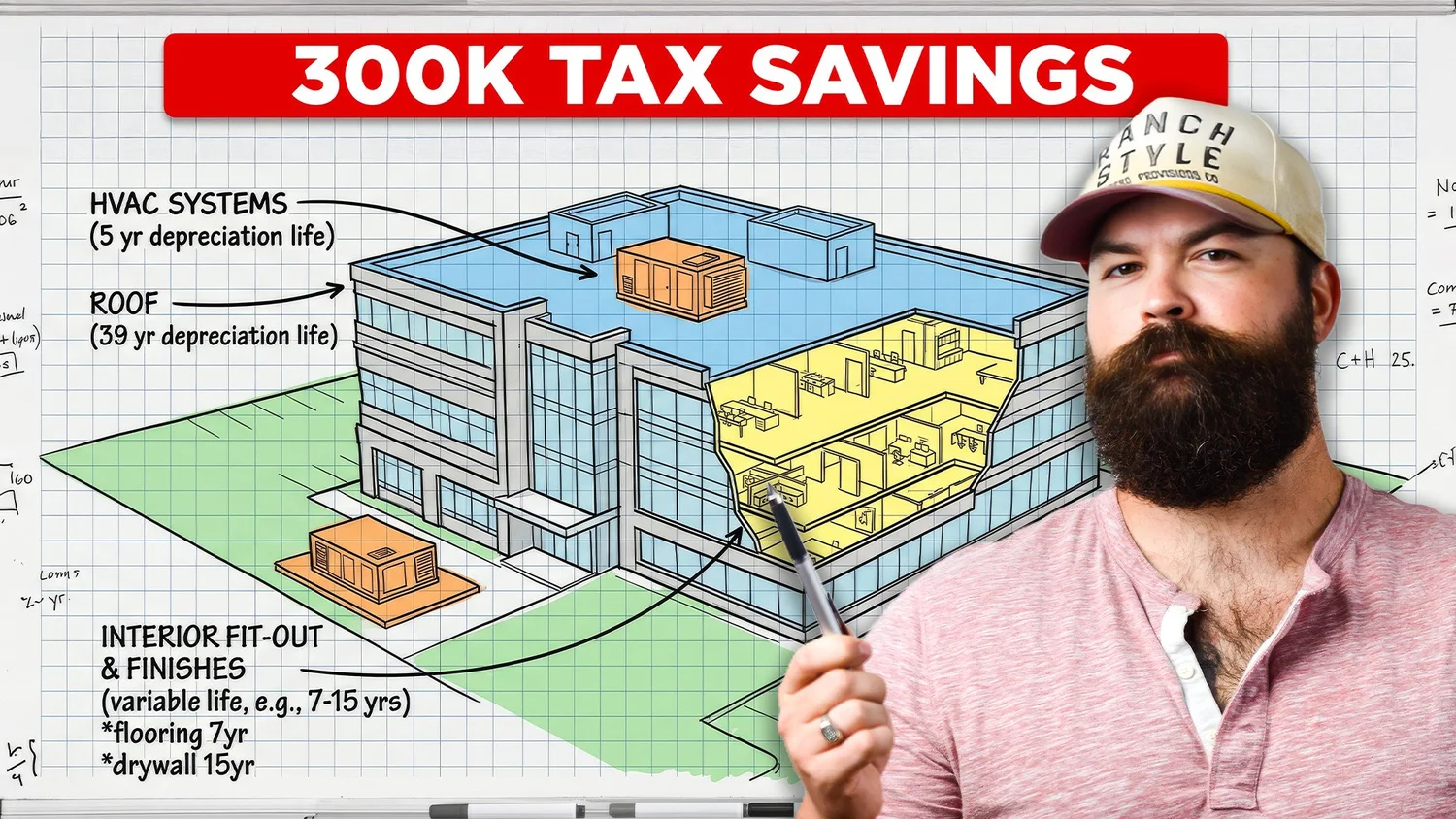
| 5/18/26 | tax strategycost segregation+4 | — | — | — | cost segregationaccelerated depreciation+5 | — | 23m 33s | ||
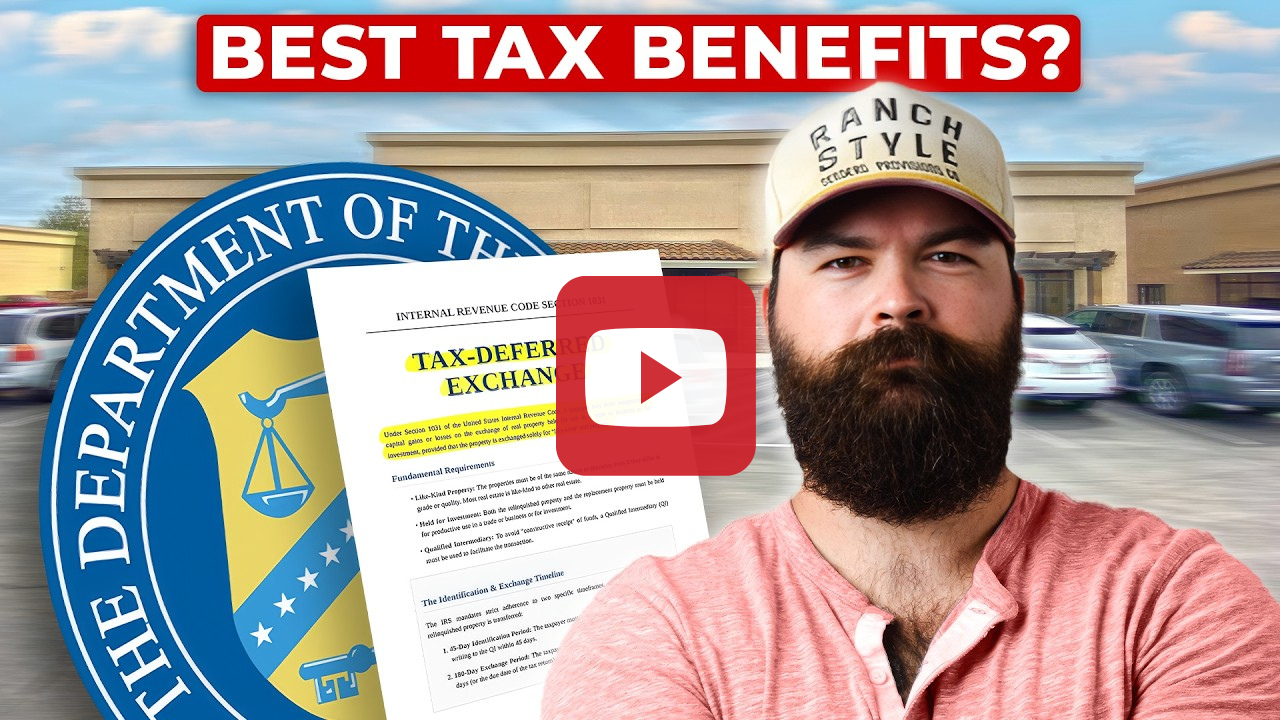
| 5/14/26 | tax codereal estate investing+4 | — | IRS1031 Exchange+1 | — | tax codereal estate+5 | — | 32m 44s | ||
| 5/12/26 | hospitalityreal estate investing+4 | Michael | — | Hawaii | Airbnbhostels+7 | — | 36m 38s | ||
| 5/7/26 | flex spacemaster lease+3 | — | Peerless Mill | — | flex spacemaster lease+6 | — | 36m 33s | ||
| 5/4/26 | commercial real estateinvesting+3 | Matt | goldcommercial real estate+1 | — | goldcommercial real estate+3 | — | 11m 39s | ||
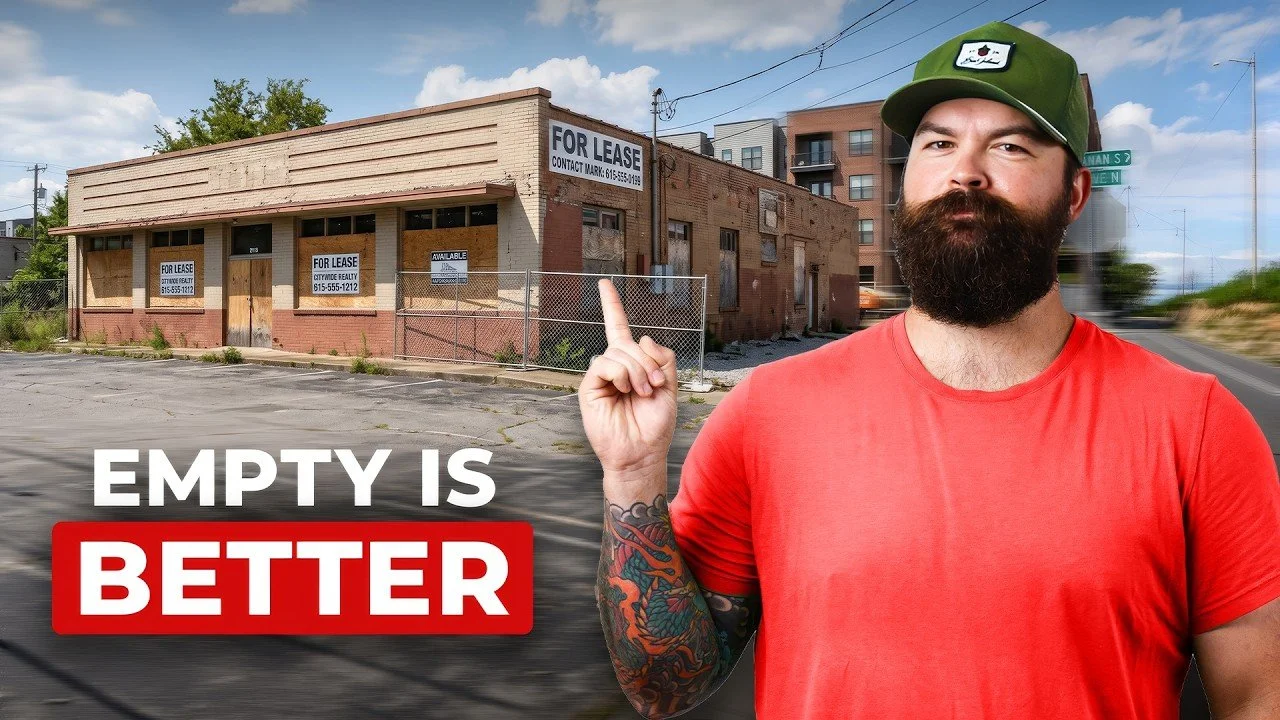
| 4/30/26 | real estate investingvacant buildings+4 | — | — | — | vacant buildingsreal estate+3 | — | 38m 08s | ||



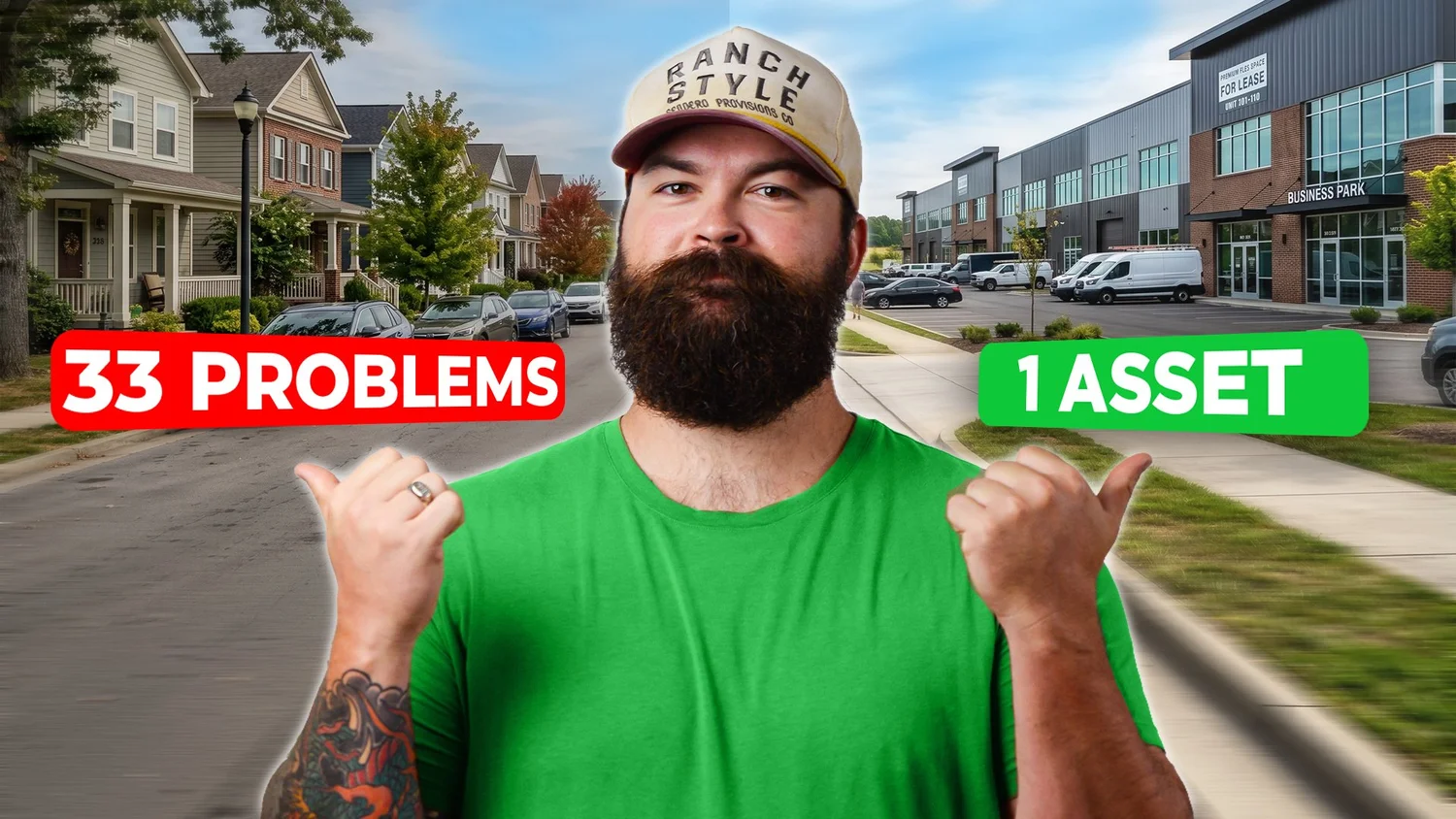
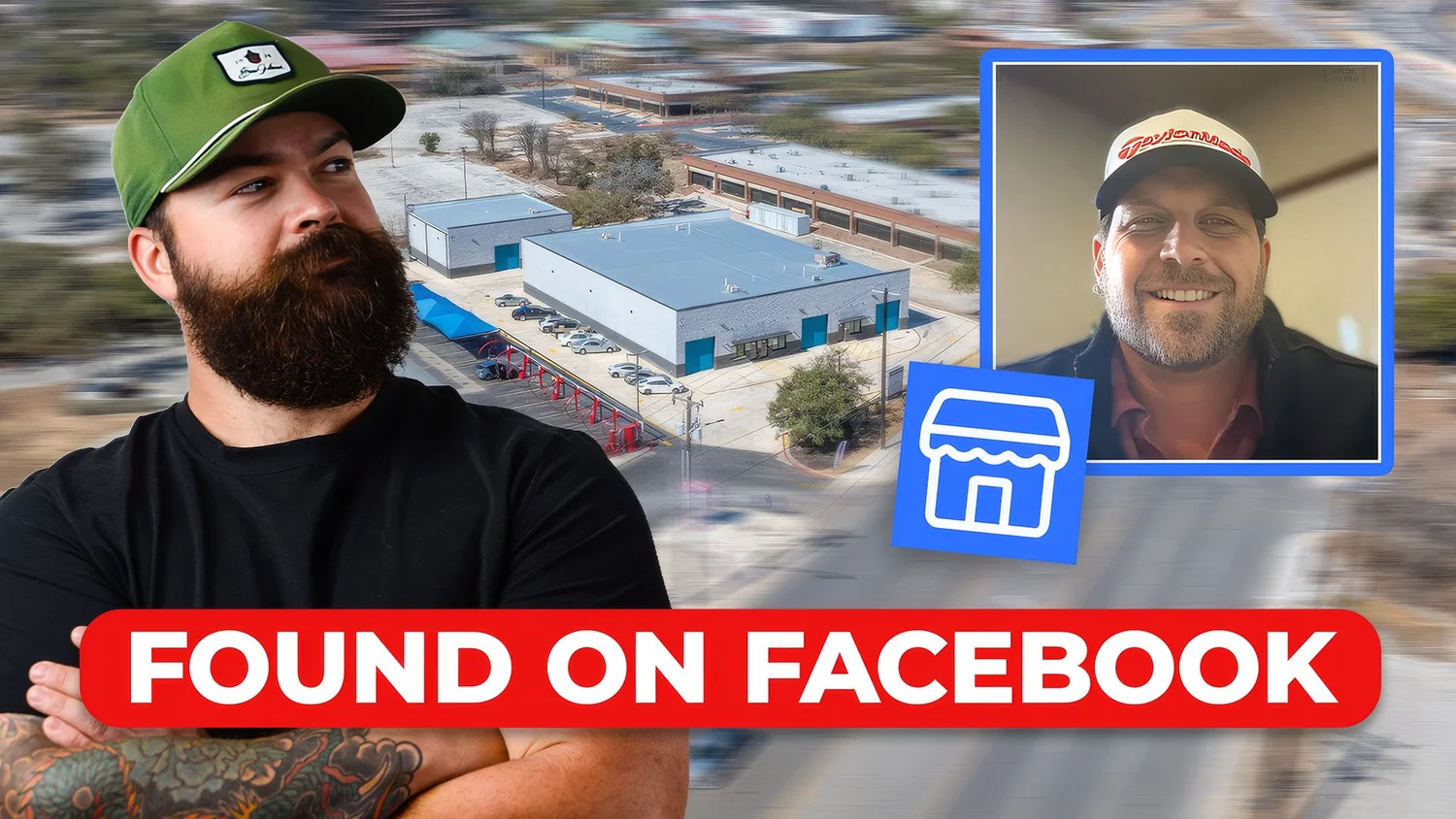


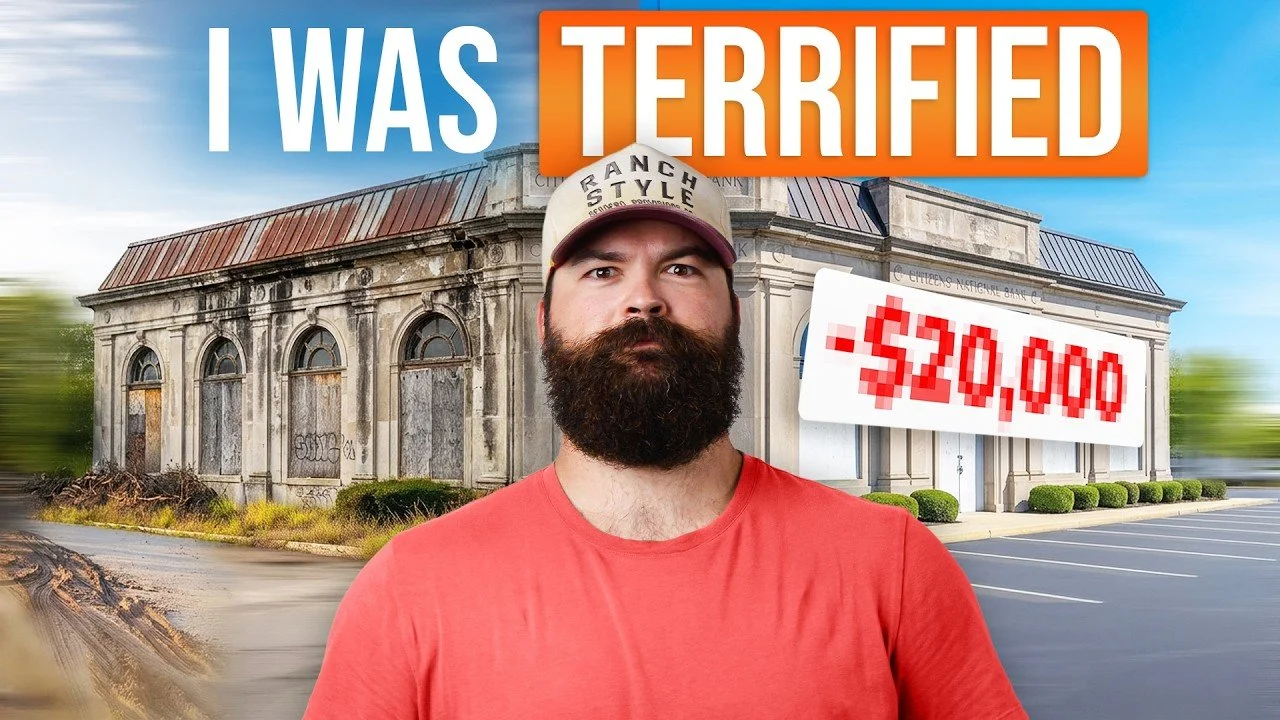



Showing 25 of 250
Pitch Fit is a Pro feature
See how bookable this show is for guests, which brands already advertise, the per-episode ad value, and the best-fit guest and sponsor profile. The numbers are blurred on the free plan.
How readily this show books outside guests like you.
How proven this show is for host-read sponsorships.
For Guests
ProFor Advertisers
ProUpgrade to Pro to unlock guest cadence, sponsor categories, fit scores, and per-episode ad value for this show.
Chart history for The Commercial Real Estate Investor Podcast
Peaked at #155 in PL, currently #155 in PL.
| Market | Genre | Peak | Current | Trend |
|---|---|---|---|---|
| PL | — | #155 | #155 | — |
Chart Positions
1 placement across 1 market.
Chart Positions
1 placement across 1 market.