

The Connection Code with Rachel and Jeana
by Jeana Anderson Cohen and Rachel Gillman Rischall
Insights from recent episode analysis
Audience Interest
Podcast Focus
Publishing Consistency
Platform Reach
Insights are generated by CastFox AI using publicly available data, episode content, and proprietary models.
Est. Listeners
Based on iTunes & Spotify (publisher stats).
- Per-Episode Audience
Est. listeners per new episode within ~30 days
1 - 1,000 - Monthly Reach
Unique listeners across all episodes (30 days)
1 - 5,000 - Active Followers
Loyal subscribers who consistently listen
1 - 500
Market Insights
Platform Distribution
Reach across major podcast platforms, updated hourly
Total Followers
—
Total Plays
—
Total Reviews
—
* Data sourced directly from platform APIs and aggregated hourly across all major podcast directories.
On the show
Recent episodes
Why Oversharing Builds Better Friendships featuring Leslie John
Apr 29, 2026
Unknown duration
Designing Connection: What Happens When Strangers Share a Table at Class Act Dining
Apr 22, 2026
Unknown duration
How to Fight for Your Friendships (Without Losing Them) with Danielle Bayard Jackson
Apr 15, 2026
Unknown duration
FOMO, Friendships & the Feed: Navigating Social Media in Real Life
Apr 8, 2026
Unknown duration
Stop Networking. Start Making Friends: Suzy Welch on Purpose and Real Connection
Mar 25, 2026
Unknown duration
Social Links & Contact
Official channels & resources
Official Website
Login
RSS Feed
Login
| Date | Episode | Description | Length | ||||||
|---|---|---|---|---|---|---|---|---|---|
| 4/29/26 | 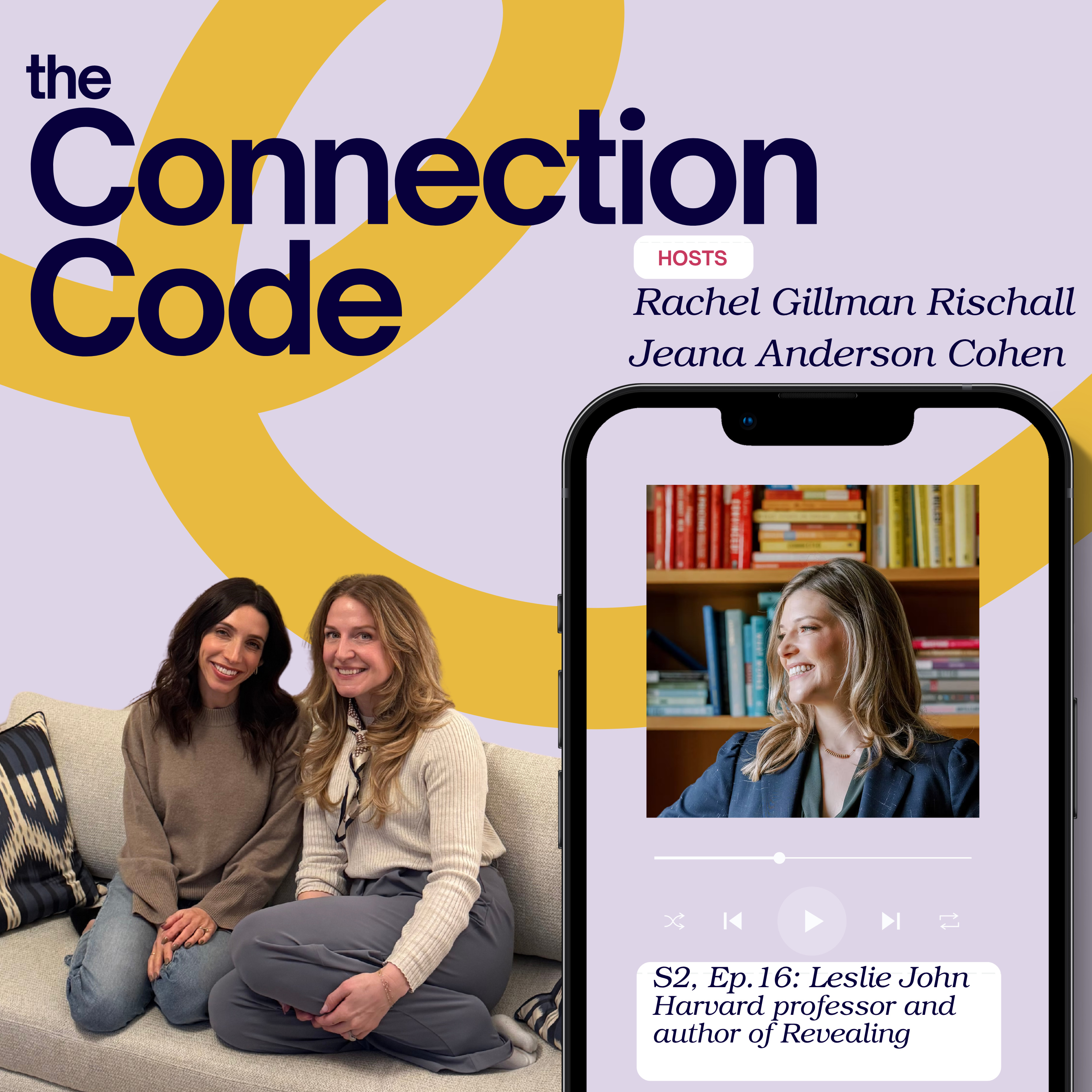 Why Oversharing Builds Better Friendships featuring Leslie John | What if oversharing isn’t something to fix, but something to use?This week on The Connection Code, we’re joined by Leslie John. She's a behavioral scientist, Harvard Business School professor, and author of Revealing: The Underrated Power of Oversharing Together, we unpack one of the biggest myths about connection: that saying “too much” is a social mistake. Leslie explains why what we call oversharing is often just … sharing and why it’s one of the most powerful tools we have to build trust, deepen relationships, and move from acquaintance to real friendship. We talk about:The science behind self-disclosure and why it literally activates the brain’s pleasure centers The “overshare hangover” (and why it’s usually misleading)How to go from small talk to meaningful connection without making it weirdWhat crying at work actually communicates (and how to handle it)The difference between TMI (too much information) and TLI (too little information)Why the biggest regrets in life often come from what we didn’t say Plus, we share our own stories of oversharing gone right (and wrong), and what it really looks like to build connection in real time.If you’ve ever walked away from a conversation thinking “did I say too much?” this episode might change how you see it forever.Mentioned in this episode:Leslie John's Website: https://www.proflesliejohn.comArthur Aron’s “36 Questions That Lead to Love”Leslie's book, Revealing: The Underrated Power of Oversharing | — | ||||||
| 4/22/26 | 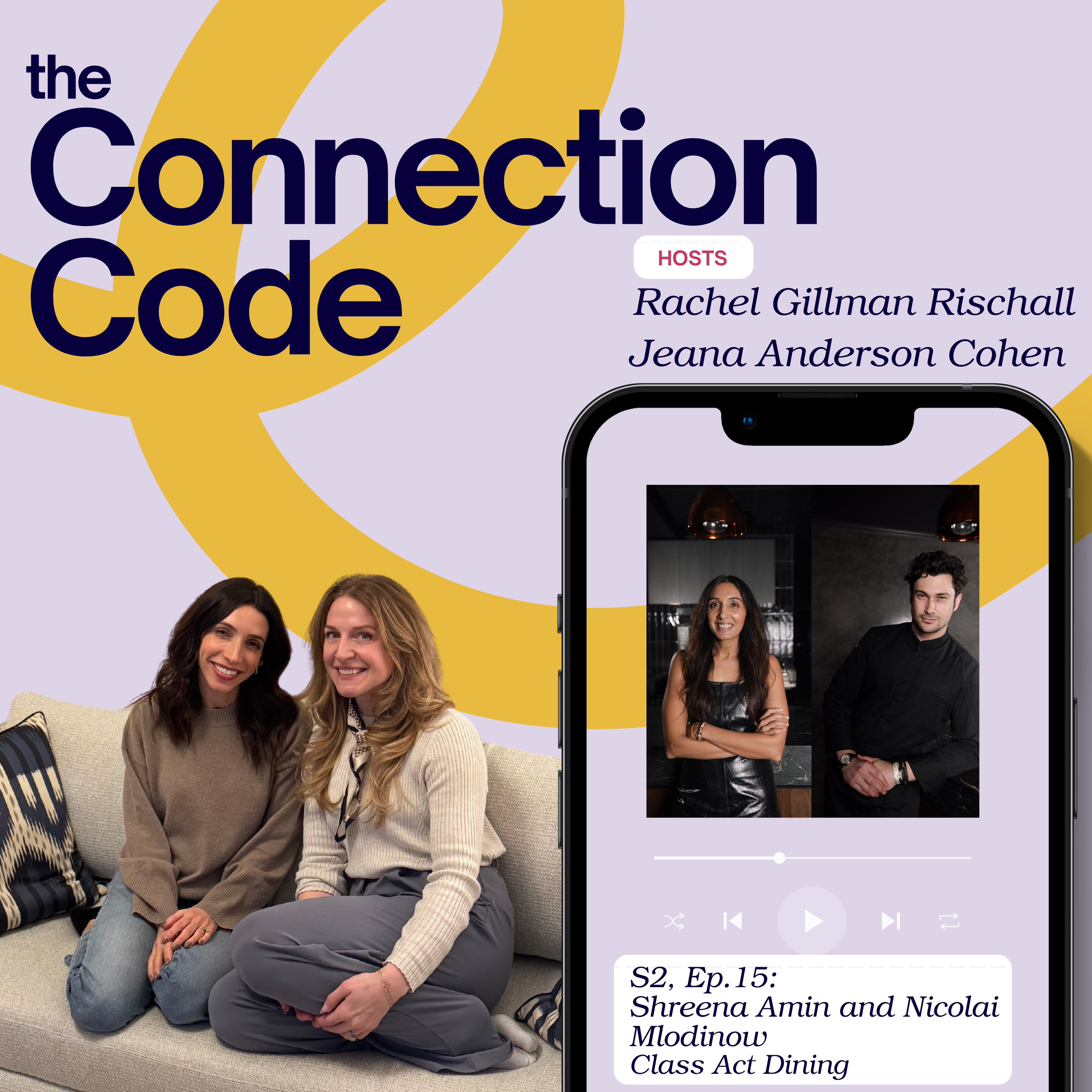 Designing Connection: What Happens When Strangers Share a Table at Class Act Dining | What happens when you take 16 strangers, sit them down at one table, and design every moment for connection?This week on The Connection Code, we sit down with Shreena Amin and Chef Nicolai Mlodinow, the founders of Class Act Dining—a Chicago-based, 16-seat communal dining experience built to bring people together through food, storytelling, and intentional design.What started as a scrappy, post-pandemic dinner party in an apartment has evolved into a full sensory experience. Today, Class act engineers connection with cocktail hour, a shared table, and a nightcap.In this conversation, we explore:Why connection doesn’t just happen, it’s createdWhat a dinner table can teach us about belongingThe surprising ways strangers become friends (even skeptics and introverts) How storytelling, space, and even menu design shape human interactionAnd the deeply personal “why” behind building a business centered on connectionFrom childhood memories of gathering around food to the vulnerability of not always feeling like you belong, this episode goes far beyond dining—it’s about what we’re all craving: to feel seen, included, and part of something.Because sometimes, the shortest path to connection… is a seat at the table. | — | ||||||
| 4/15/26 | 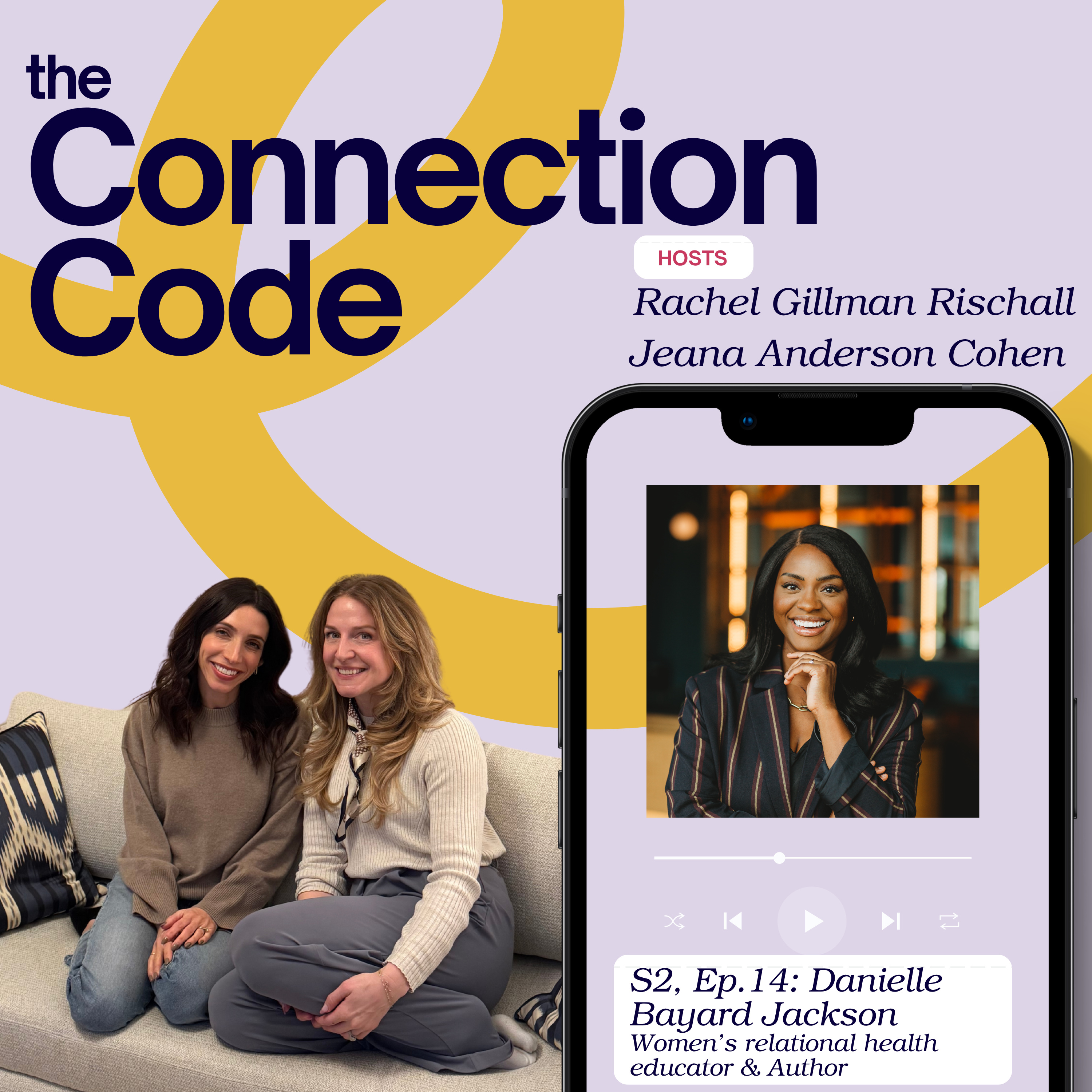 How to Fight for Your Friendships (Without Losing Them) with Danielle Bayard Jackson | Friendship expert Danielle Bayard Jackson joins us for one of our favorite conversations yet, breaking down the real work behind meaningful friendships.From why adult friendships feel harder than they used to, to the role of conflict, effort, and emotional support, Danielle shares the research-backed truths most of us were never taught.We talk about:Why friendship isn’t as “natural” as we think and what that meansHow healthy conflict can actually make friendships strongerThe difference between connection and friendship (and why you need both)What to do if you’re always the one initiating plansWhy women’s friendships are both complicated and essential for our healthHow to actually be a better friend (hint: you can ask)Plus, we get into texting habits, aggressive friendship, and the reality that relationships evolve—and that’s not a failure.If you’ve ever wondered why friendship can feel confusing, one-sided, or harder than it “should” be, this episode will change how you think about connection. | — | ||||||
| 4/8/26 | FOMO, Friendships & the Feed: Navigating Social Media in Real Life | What if social media actually made us better friends… instead of just better at watching each other live?Social media connects us, keeps us in the loop, and sometimes… makes us feel like we’re missing out on everything.In this episode of The Connection Code, Jeana Anderson Cohen and Rachel Gillman Rischall dive into the complicated role social media plays in our friendships, from the early days of Friendster and Facebook to today’s world of curated feeds and constant comparison.They explore:How social media can deepen connection (and sometimes replace it)Why FOMO hits differently at different stages of lifeThe unspoken rules of posting (and overthinking what others think)LinkedIn’s “humblebrag” culture—and how to navigate it authenticallyThe surprising power of oversharing in building real relationshipsPlus, they share thoughtful (and slightly radical) ideas for how social media could actually become a better tool for connection—from removing public likes to creating “friendship prompts” that nudge us offline.And in this week’s show & tell: a powerful story of how one vulnerable post turned into real-life community—and a reminder that sometimes, the internet gets it right.If you’ve ever questioned your relationship with social media… this one’s for you.Resources:Resource: National Domestic Violence Hotline (U.S.)Book: Revealing: The Underrated Power of OversharingExpert: Danielle Bayard Jackson | — | ||||||
| 3/25/26 | 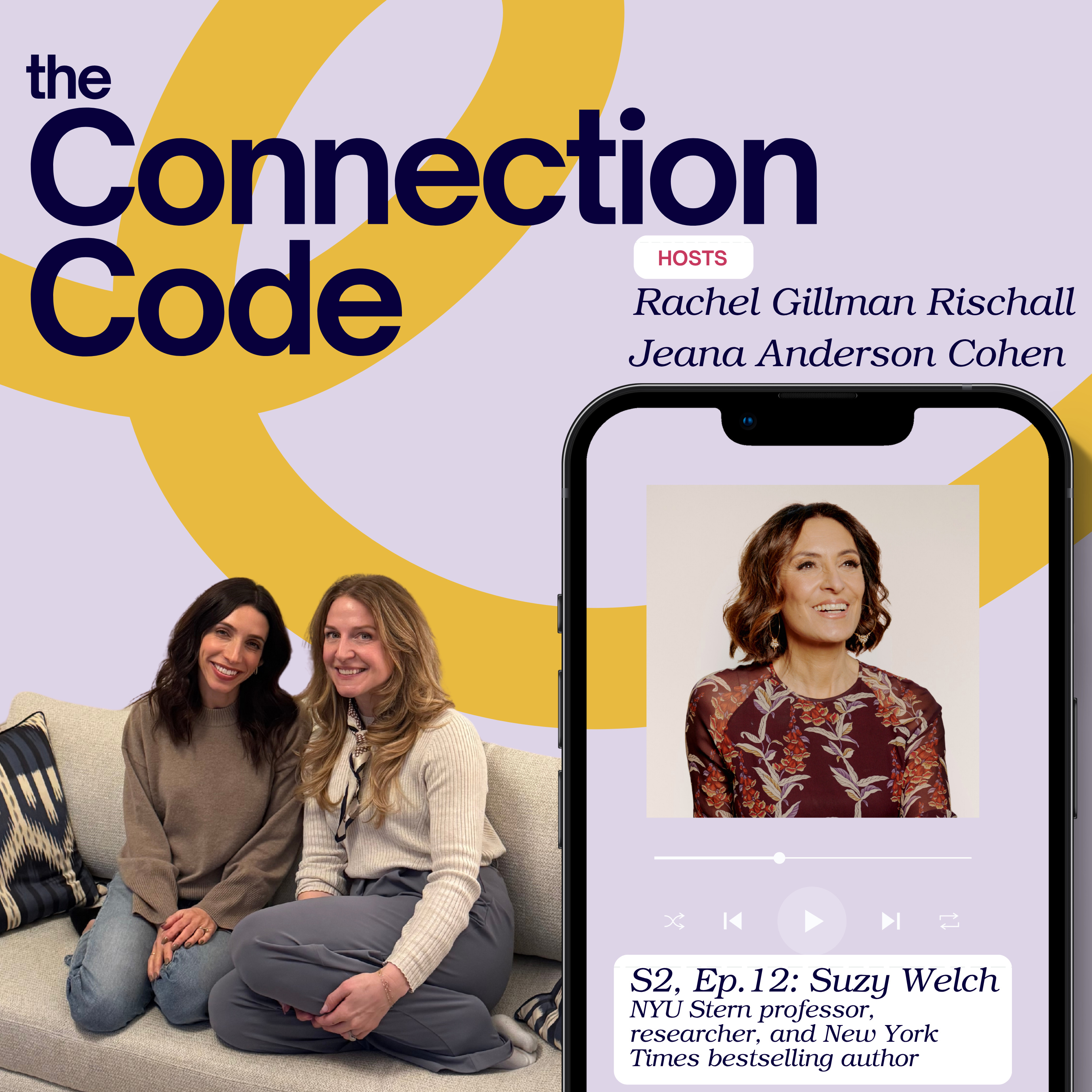 Stop Networking. Start Making Friends: Suzy Welch on Purpose and Real Connection | What if finding your purpose wasn’t about reinvention, but about alignment?This week on The Connection Code, we’re joined by Suzy Welch, NYU Stern professor, researcher, and New York Times bestselling author of Becoming You.Suzy has built a powerful, data-driven framework to help people uncover their purpose by looking at three key inputs:→ your values→ your aptitudes→ and what the world will pay you forIn this conversation, we explore:Why most people don’t actually know their values and how to find themHow values shape your decisions (often subconsciously)Why Suzy believes networking is broken—and what to do insteadThe surprising power of assuming the best in people (even when it backfires)How purpose becomes clearer—not through one big epiphany—but through honest self-auditWe also get personal. We spend time talking about grief, faith, teaching, and the moments that shape how we connect with others.If you’ve ever wondered whether you’re on the right path (or how to feel more aligned in your life and work) this episode will give you both language and tools to think about it differently.Media in this episode:The New York Times article about making friends as an adultSuzy Welch - visit her websiteSuzy Welch - Take the Values Bridge Assessment | — | ||||||
| 3/18/26 |  Borrowing Confidence & Building Real Connection with Laura Sanchez-Greenberg | What if confidence isn’t something you have, but something you can borrow?This week on The Connection Code, we’re joined by executive coach and managing partner of Verde Associates, Laura Sanchez-Greenberg. She's the kind of coach whose name gets passed quietly from founder to founder, with a simple message: “If you can get time with her, do it.”Laura has worked with some of the most respected leaders and high-growth brands, helping them navigate everything from team dynamics to personal confidence. But at the core of her work is something deeper: connection.In this episode, we talk about:Why so many high-achieving people secretly don’t feel like they’re enoughHow great leaders “lend” confidence before someone can access their ownThe difference between confidence and arrogance (and why vulnerability is power)How to navigate conflict—and what real “repair” actually looks likeWhy most people hate networking (and how to make it feel natural)The loneliness of leadership—and how to build your personal “board of directors”What we’ve lost since COVID when it comes to connection—and why it mattersLaura also shares the simple but life-changing advice she gives her clients again and again: state your intent—and name what you’re afraid of.This conversation is thoughtful, grounding, and packed with insights you’ll carry into your work, your relationships, and how you show up in the world.In this episode:Website: Verde Associates Email: Laura@verdeassociates.com The Hidden Life of Trees by Peter Wohlleben Positivity by Barbara Fredrickson Tuckman Model (Forming, Storming, Norming, Performing)Karpman Drama Triangle (Hero / Victim / Villain) Forest Bathing / Shinrin-yoku | — | ||||||
| 3/11/26 |  What a secret dinner party series teaches us about creating connections (ft. Jon Levy) | Behavioral scientist and bestselling author Jon Levy joins us to explore the science behind trust, connection, and influence.Jon is known for hosting the now-famous Influencers Dinner, a secret dining experience where strangers cook a meal together before discovering they’re sitting with Olympians, astronauts, Nobel laureates, and cultural leaders. The twist? No one is allowed to share their last name or what they do for work.In this conversation, Jon shares what hundreds of dinners and thousands of guests have taught him about human behavior, including:Why shared effort creates stronger relationships than small talkThe surprising psychology behind asking people for helpWhat makes a team truly intelligent (hint: it’s not IQ)Why people should introduce their connections more often, not lessHow vulnerability actually builds trust fasterWe also dive into Jon’s new book Team Intelligence, discuss the contagious nature of human behavior, and unpack why connection thrives when people collaborate instead of compete.If you’ve ever wondered how to create deeper relationships at work, in friendship, or even at a dinner party, this episode is full of surprising insights.Links to explore: Jon Levy's websiteThe Influencers DinnerJon Levy's new book: Team IntelligenceJon Levy's TED Talk "What Makes us Influential" | — | ||||||
| 3/4/26 | Reason, Season, or Lifetime: Navigating Friendship Breakups and Family Conflict | In this capsule conversation, Rachel Gillman Rischall and Jeana Anderson Cohen explore one of the most tender and rarely discussed relationship topics: friendship breakups and estrangement.Inspired by Hillary Duff and her recent reflections on estrangement in an interview with Anthony Mason, Rachel and Jeana unpack what it means to lose someone close to you — and not know how, or whether, to repair the relationship.Together, they discuss:How to tell the difference between a friendship worth repairing and one that’s okay to let goWhy friendship breakups can hurt differently — and sometimes more deeply — than romantic onesWhether there’s a way to have a “final conversation,” and what to do when closure doesn’t comeHow to hold boundaries without abandoning compassionDrawing from personal experience, research, and insights from Platonic and For You When I Am Gone, the episode closes with a reminder that friendship isn’t “just friends,” it’s a profound form of love. And when it ends, the grief deserves to be honored.In Show & Tell, Rachel shares the connective power of live storytelling and shared vulnerability, while Jeana highlights a striking insight about emotional connection and fear of loss — adding one final layer to how deeply we’re wired for friendship.In this episode:Hillary Duff and Anthony Mason interview, referencing estrangementPlatonic by Marisa G. FrancoFor You When I Am Gone by Rabbi Steve LederJay Shetty — referenced via The New York Times | — | ||||||
| 3/2/26 | Trailer: Navigating Friendship Breakups | (Catch full video episodes on The Connection Code with Rachel and Jeana's YouTube channel)In this clip from The Connection Code, Rachel and Jeana share the impact of friendship breakups and estrangements. Episode out everywhere March 4, 2026. | — | ||||||
| 2/25/26 | Building a Network From Scratch. (Lessons From Megan Roudebush) | This week’s conversation had us thinking a lot about systems — how people track relationships, follow through on introductions, and stay intentional about connection in busy seasons of life.Our guest, Megan Roudebush (founder of keepwith), shares her approach to networking as a long game — one built on curiosity, follow-through, and respect.It’s a thoughtful episode for anyone who’s ever wondered:“How do people actually do this well?”“And how could I be more deliberate about it?”More to explore: keepwith: Megan Roudebush’s relationship-first networking platformParker Dewey : Paid micro-internships for students and recent graduatesExecutives’ Club of Chicago: A cornerstone of Megan’s early Chicago network | — | ||||||
Want analysis for the episodes below?Free for Pro Submit a request, we'll have your selected episodes analyzed within an hour. Free, at no cost to you, for Pro users. | |||||||||
| 2/23/26 | Trailer: building a network from scratch with Megan Roudebush | (Catch full video episodes on The Connection Code with Rachel and Jeana's YouTube channel)In this clip from The Connection Code, Megan Roudebush shares how curiosity, informational interviews, and intentional relationship-building helped her create a network without shortcuts or inherited connections.Episode out everywhere Feb. 25, 2026. | — | ||||||
| 2/18/26 | What Does It Mean to Be “The Luckiest”? Kelly Cervantes on Grief, Friendship, and Perspective | Content warning: This episode and clip discuss grief, the loss of a child and breast cancer.What does it really mean to be lucky?In this deeply moving episode of The Connection Code, we’re joined by author, grief writer, and patient advocate Kelly Cervantes, whose memoir The Luckiest challenges everything we think we know about fortune, success, and happiness.Kelly shares her extraordinary story on navigating motherhood, caregiving, and devastating loss while her husband starred in Hamilton on Broadway and in Chicago. We talk about how luck is often just a snapshot of what others can see, how grief reshapes identity, and why community isn’t optional during life’s hardest chapters.This conversation explores:Why “luck” is often a matter of perspectiveHow female friendships can become lifelinesThe grief of losing an identity — not just a personLetting go of control and learning to surrenderWhy connection matters most when life feels unbearableKelly’s reflections are honest, funny, devastating, and deeply human. This conversation is a powerful reminder that none of us move through life alone.More from Kelly:READ: The Luckiest: A Memoir of Love, Loss, Motherhood, and the Pursuit of SelfFOLLOW: Kelly Cervantes on Instagram at @kellygc411SUBSCRIBE: Kelly's weekly substack here | — | ||||||
| 2/16/26 | Episode coming Feb. 18: Kelly Cervantes on Grief, Friendship, and Perspective | Content warning: This episode and clip discuss, grief and the loss of a child.In next week's episode, we're lucky to sit down with Kelly Cervantes, whose memoir The Luckiest challenges everything we think we know about fortune, success, and happiness.Prepare for a moving and truly human conversation of high-highs and low-lows. Kelly shares her extraordinary story on navigating motherhood, caregiving, and devastating loss while her husband starred in Hamilton on Broadway and in Chicago. | — | ||||||
| 2/11/26 | A Check-In on Friendship, Networking, and Following-Up | On this episode of The Connection Code, it’s just Rachel and Jeana.We kick off the year with a “connection inventory”—a thoughtful, honest look at the season of connection they’re each in right now. From nurturing core relationships to following up without being annoying, this conversation spans friendship, networking, rituals, and the lessons we only learn by getting it wrong first.If you’ve ever wondered:How often should I follow up?How do I build relationships without feeling transactional?What rituals actually keep friendships alive?And what does “connection” look like in this season of life?This episode is for you. Cozy, practical, and full of real talk. Consider this your permission slip to reconnect with intention. | — | ||||||
| 2/4/26 | Expecting Together Founder Georgia Kastaris on Building Community Before Parenthood Begins | What if community wasn’t something parents had to find after a baby arrives, but something they could build before?This week on The Connection Code, we’re joined by Georgia Kastaris, founder of Expecting Together, a prenatal social club designed to bring expecting parents together through education, connection, and shared experience.Inspired by the UK’s National Childbirth Trust, Georgia is reimagining how parents prepare for one of life’s biggest transitions—by forming small, intentionally matched cohorts of expecting parents based on due date and neighborhood, and pairing expert-led prenatal education with built-in community.In this conversation, we explore:Why loneliness in early parenthood is so common—and so solvableHow shared timing and life stage fast-track meaningful connectionWhat Georgia learned from becoming a parent abroadThe power of “organized friendship” for adultsFundraising, entrepreneurship, and building a mission-driven company while pregnantWhy connection should be part of healthcare, not an afterthoughtThis episode is for anyone thinking about friendship, systems of care, and how we show up for each other in moments of major life change. | — | ||||||
| 1/28/26 | Shabnam Mogharabi on Meaning, Connection, the Soul, and Why Rejection Is Protection | In this deeply resonant episode of The Connection Code, Jeana Anderson Cohen and Rachel Gilman Rischall sit down with Shabnam Mogharabi, entrepreneur, author, journalist, and co-founder of SoulPancake alongside Rainn Wilson.Shabnam shares her journey from traditional journalism to building one of the internet’s most uplifting corners, creating beloved series like Kid President, The Science of Happiness, and My Last Days. Together, the trio explore big questions about faith, purpose, rejection, and meaning. They dig into why the messiest moments of our lives often matter most.They discuss spirituality without dogma, the science behind awe and connection, parenting as soul-work, and Shabnam’s latest chapter: Soul Boom, a movement and upcoming workbook offering spiritual tools for modern living. From “rejection is God’s protection” to building community through service, this conversation is equal parts grounding, hopeful, and practical.If you’ve been craving more meaning, deeper connection, or permission to believe there’s something bigger at work, this episode is for you.More to love in this episode:Shabnam MogharabiSoul BoomThe Soul Boom WorkbookRelive Kid PresidentRevisit The Science of HappinessRevisit My Last DaysBooks & Thinkers Referenced:Viktor Frankl, Man’s Search for MeaningElizabeth Gilbert, Big MagicMartin Seligman & Positive Psychology (PERMA framework)Dacher Keltner Awe | — | ||||||
| 1/21/26 | NBC’s Morgan Radford on Purpose, Mentorship, and Why Journalism Is a Calling | In this deeply moving episode of The Connection Code, Jeana Anderson Cohen and Rachel Gillman Rischall sit down with Morgan Radford. She's an NBC News anchor, correspondent, Fulbright scholar, and debut novelist who joins for a wide-ranging conversation about purpose, connection, and the relationships that shape a life.Morgan describes journalism not as a job, but as a calling and a purpose, explaining why this difficult moment for the press is exactly the moment many journalists were “built for.” She offers a hopeful, service-oriented vision of the profession and why transparency and trust are central to her work.A centerpiece of the conversation is Morgan’s story about Nancy Han at ABC News, who invested in her early career, pushed her toward excellence, and ultimately helped put her on air. The story becomes a beautiful meditation on mentorship, visibility, and the power of one person believing in you.The episode then turns deeply personal. Morgan recounts a reporting story that changed her understanding of love and motherhood — a family who chose to adopt a high-school-aged basketball player. Witnessing that “chosen love” expanded her definition of family and later shaped how she thinks about her own life and future possibilities. Morgan reflects candidly on becoming a mother herself, calling it “the most healing thing” she has ever done. She shares why she wants her daughter to know she is not only loved, but liked, and how parenting has widened (not narrowed) her ambition and creativity.The conversation also explores Morgan’s debut novel, "Now Then," and how fiction allowed her to give shape, meaning, and emotional truth to experiences that journalism alone could not hold. Writing became a necessary creative outlet and a new way of understanding her own life.In true Connection Code style, Morgan speaks beautifully about friendship and reconnection and offers advice to her younger self: be bolder, ask for the coffee, and don’t be afraid of connection.She closes by naming her dream connection: filmmaker Ava DuVernay, whose storytelling across mediums gives life cultural and emotional shape.This episode is generous, vulnerable, and illuminating — one that lingers long after you press pause.Find Morgan: @morgankradford on Instagram and on NBC News Daily. | — | ||||||
| 1/14/26 | Holding Hope & Hard Things with Dr. Carlie Thompson | Content Note: This episode includes discussion of breast cancer, medical trauma, and serious illness. Please take care while listening, especially if these topics are close to home.In this powerful and deeply human conversation, Jeana Anderson Cohen and Rachel Gillman Rischall sit down with Dr. Carlie Thompson, a breast surgical oncologist, mother of two, and breast cancer survivor, to explore how life’s hardest moments can become catalysts for clarity, connection, and profound transformation.Only days after her final breast cancer surgery, Carlie shares her story with extraordinary honesty: from receiving her own diagnosis as a breast cancer surgeon, to choosing to pause her medical career, homeschool her children, and take her family on a bold global reset. Together, they talk about grief, resilience, friendship, identity, motherhood, marriage, and the people who show up when everything changes.This episode is about what it means to stop, listen, and realign (and how connection becomes the foundation for healing). We discuss:✨ Carlie’s diagnosis and the emotional impact of becoming both doctor and patient ✨ The wake-up call that led her to reshape her life and priorities ✨ How community and unexpected support became a lifeline during treatment ✨ Why she chose to step away from her career and begin a year of world travel with her family ✨ The courage to share her story publicly and the overwhelming response that followed ✨ Practical breast health guidance: when to start mammograms and who to see ✨ What true wellness really means — physically, emotionally, and spiritually ✨ The healing power of friendship and family connection during crisis Dr. Carlie Thompson is a board-certified, fellowship-trained breast surgical oncologist and associate professor of surgery at UCLA Health. She is also a breast cancer survivor whose personal journey has reshaped her mission: helping women reconnect with themselves and redefine what it means to truly be well.Follow Carlie’s journey and her work in women’s health at @drcarliethompson on Instagram & Facebook | — | ||||||
| 1/7/26 | Looking Back, Looking Forward: What Connection Will Mean in 2026 | Season 2 of The Connection Code kicks off with a heartfelt conversation between Jeana and Rachel reflecting on what Season 1 taught them about friendship, creativity, and community — and what they hope to build together in the year ahead. From personal connection goals and the surprising science of friendship to dream guests and real-life Connection Code gatherings, this episode sets the tone for a season rooted in intention, curiosity, and meaningful relationships.In This Episode: Season 1 ReflectionsJeana and Rachel revisit the original “joy metrics” that guided the podcast:Are we having fun? (Yes — this podcast has become their favorite hobby.)Are we connecting people? (Absolutely — including real-life introductions sparked by the show.)Are we receiving meaningful feedback? (Listeners from beyond their personal networks are engaging deeply.)Is it worth the time? (Unquestionably.)Are guests recommending new guests? (A powerful “daisy chain” of incredible women.) They also reflect on how the podcast has deepened their own friendship — shared history, mutual friends, and an expanding sense of “group” in their lives. Jeana’s Focus: Creating meaningful friendships where she lives and learning to join groups rather than always lead them. Rachel’s Focus: A “One-a-Day” connection practice: reaching out intentionally to one person every day with a simple message of gratitude, care, or curiosity. Rachel notices her mood and energy dramatically improve on recording days — something Jeana connects to the neuroscience of friendship: the brain releases oxytocin and dopamine in social bonding, producing effects similar to MDMA. In other words, deep conversation and human connection literally make us feel better. Rachel’s Pick: A New York Times story by Katherine Rosman about a group of six women who have met consistently for 44 years — a masterclass in commitment, vulnerability, and lifelong friendship. Jeana’s Pick: Insights from Why Brains Need Friends on the power of “loose ties” — the small, everyday interactions with strangers (baristas, neighbors, commuters) that significantly boost mood and wellbeing. Studies show even brief conversations with strangers improve daily happiness. Together, they explore how both close ties and loose ties are essential for a thriving social life. Jeana’s Dream Guests:Ty Haney (community-first business building)Founder of Girls Who WalkCasper ter Kuile (author of How We Gather and The Power of Ritual) Rachel’s Dream Guests:Gayle KingJenna Bush HagerPriya Parker (The Art of Gathering) They also share a vision of bringing The Connection Code to life with in-person gatherings — possibly at Petite Acres. | — | ||||||
| 11/12/25 | Connection as a Superpower: Jolene Rodriguez on Purpose and Persistence | In the Season 1 finale of The Connection Code, Jeana Anderson Cohen and Rachel Rischall sit down with film producer Jolene Rodriguez, CEO of Broken English Productions and one of Variety’s “10 Producers to Watch.” Jolene’s story is a testament to what happens when connection meets courage, from keeping her intern badge and showing up at Sony Pictures until she earned a job, to building a career anchored in generosity, inclusion, and heart.She opens up about the loss of her twin sister Julie and the creation of her nonprofit Friends of Julie, which helps young storytellers discover confidence and purpose. The conversation spans motherhood, mentorship, Hollywood hustle, and the quiet power of staying true to yourself.In Jolene’s world, connection isn’t just networking—it’s fuel for persistence, healing, and impact.In this episode:Broken English ProductionsFriends of Julie@jolene_rodriguez_ on InstagramBorder Hunter Trailer (Sony)Variety: 10 Producers to Watch – Jolene Rodriguez | — | ||||||
| 11/5/25 | How Recovered Tech Exec Carla Piñeyro Sublett Found Herself by Logging Off and Tuning In | This week on The Connection Code, Jeana and Rachel sit down with Carla Piñeyro Sublett — former CMO of IBM, recovering tech executive, and founder of Co-Effect, where she helps people and organizations find more human-centered ways to work.Carla shares her remarkable story of walking away from a high-powered tech career, taking her family offline for a year to reconnect, and rediscovering her purpose, “to be in service of humanity.” She opens up about her “100 first dates” experiment that helped her realign her professional values, what it means to work with an open heart, and why vulnerability is a leadership superpower.The conversation covers:The year Carla’s family went device-free and how it changed everythingThe hidden cost of technology on attention and connectionHow she rebuilt her identity after burnoutThe importance of following joy — not just successThis one’s for anyone rethinking what a holistic approach to life and work really looks like.Resources and links:Let's Go There (Carla's podcast)Carla's company, The CoEffectCarla Piñeyro Sublett on LinkedInHenry Crown Fellowship — the leadership program she references“Dances with Whales” expeditions — from her transformative trip experienceThursday Murder Club book series — Jeana’s “Show & Tell” pick | — | ||||||
| 10/29/25 | Connection Pet Peeves (and How to Fix Them) | What happens when connection goes wrong? In this episode of The Connection Code, Jeana Anderson Cohen and Rachel Gillman Rischall swap stories about their biggest connection pet peeves — from transactional networking emails and unfulfilled promises to the dreaded “we should grab coffee” that never happens.But this isn’t just a vent session. Together, Jeana and Rachel explore what these missteps can teach us about being better friends, colleagues, and connectors. Expect laughter, self-awareness, and even a few cringe-worthy personal stories (like the time Rachel asked a near-stranger for a celebrity birthday video … and lived to regret it).They’ll unpack:How to ask for introductions without making it transactionalThe art of following through on favors and commitmentsWhy “we should” is the most overused phrase in connectionThe beauty of being inclusive at events — and how to be the person who invites others inSimple scripts for repairing connection missteps (and why an authentic apology still matters)And stay tuned for Show & Tell, where Jeana shares the Washington Post article that proves almost everything is better with friends, and Rachel spotlights a Chicago restaurant’s inspiring story of community support after tragedy struck.Media:🗞️ Washington Post: “Doing almost anything is better with friends” — the article Jeana references in Show & Tell.📚 Priya Parker’s The Art of Gathering — the book that inspired Rachel’s “No Small Talk” event format.💌 GoFundMe for Dear Margaret Restaurant — the fundraiser Rachel started to help support a beloved neighborhood spot after a fire.🎧 Related episode: “Condensed Connections: Building Bonds on a Deadline” with Lindsay Shookus | — | ||||||
| 10/8/25 | Hospitality Is Connection: Jason Hammel on the Soul of a Restaurant, Community, and Care | James Beard Award–winner Jason Hammel, chef/owner of Chicago’s beloved Lula Cafe, joins us to unpack what hospitality really is (“empathy in action”), how a restaurant keeps its soul for 26+ years. We also touch on why showing up for staff, guests, and himself matters more than ever. We talk about teaching “service grammar” vs. cultivating a culture of generosity, the forest-like networks that sustain teams, and the art of building connection beyond the table - from Pilot Light’s food-education mission to LouLou, Lula’s intimate salon space for dinners, talks, and art.We also get personal: Jason’s sliding-doors path from MFA writer to chef, his Italian roots (and a magical Naples wine-bar connection sparked by a handwritten note), and his honest take on rekindling long-time friendships in a busy season of life. If you care about food, community, or the craft of welcoming people well, this one will refill your “care water.” Show Notes & Links:Lula Cafe — the Logan Square institution. https://www.lulacafe.com/2024 James Beard Award (Outstanding Hospitality) — Lula Cafe’s national winThe Lula Cafe Cookbook: Collected Recipes and Stories — Jason’s debut (Phaidon). Pilot Light — the chef-founded nonprofit bringing food education into classrooms.Jason’s Welcome Conference talk (“Showing Up First for Yourself”) — on hospitality, emotional labor, and empathy. LouLou by Lula — the new arts/salon venue around the cornerFind Jason on social:Jason Hammel (site & IG) — more writing, speeches, and kitchen life. @jasonhammelLula Cafe on Instagram — menus, collabs, and event drops. @lulacafe | — | ||||||
| 10/1/25 | Friendship, Food, and Finding Your People with Chef Joe Flamm | In this episode of The Connection Code, Jeana and Rachel sit down with Chef Joe Flamm,Top Chef winner, restaurateur, and lifelong South Sider, whose career and character are defined by one word: authenticity.Joe shares his journey from dropping out of college to culinary school, grinding in Chicago’s toughest kitchens, and ultimately winning Top Chef and opening acclaimed restaurants like Rose Mary and il Carciofo. He opens up about the friendships forged on the line, the mentors who shaped him (Stephanie Izard, Tony Mantuano, Art Smit, and Bill Kim), and the bold choices that built his career.We explore how authenticity shows up in friendships, leadership, and in the kitchen. He also shares why every chef (and every human) needs a friend like Joe’s lifelong hype man, Matt.If you’ve ever wondered what it takes to stay true to yourself while building something big, this conversation is for you.In the episode: Rose Mary Restaurant Il CarciofoBLVDTop Chef (Bravo) Season 15No Kid Hungry (Joe’s advocacy work mentioned in the episode)Between Bites (the storytelling dinner series referenced in the conversation)New York Times piece by Samin Nosrat on dinner rituals The New York Times piece reacting to the weekly dinner ritual by Melissa KirschFollow us:Follow Joe Flamm on Instagram | — | ||||||
| 9/24/25 | The Joy Nutrient: Building Friendships, Food Memories, and Fun with DJ Blatner | In this episode of The Connection Code, Jeana and Rachel sit down with the incomparable DJ Blatner, registered dietitian, sports nutritionist, bestselling author, and self-described joy evangelist.DJ shares how she hit rock bottom despite outward success, and how reframing joy as a skill set, not a mindset transformed her life, work, and relationships. Together, we explore:Why joy is a nutrient—and how to “dose” yourself daily with play, gratitude, and self-careHow DJ’s “Joy GPS” system keeps her grounded and energizedThe role of food as connection—from pizza croutons to family recipes that keep loved ones closeWhy being interested instead of interesting is the secret to effortless friendshipsHow flexible eating (and living!) lets us say yes to joy and connection without rigid rulesIf you’ve ever felt burnt out by chasing outcomes or struggled to infuse more fun into everyday life, this conversation will leave you energized, smiling, and ready to add more sparkle to your week.Mentioned in this conversation:DJ’s Website: djblatner.comThe Flexitarian Diet by DJ Blatner (top-rated every year on U.S. News)The Superfood Swap by DJ BlatnerBurnout: The Secret to Unlocking the Stress Cycle by Emily & Amelia NagoskiPlay: How It Shapes the Brain, Opens the Imagination, and Invigorates the Soul by Stuart BrownLaura Vanderkam’s work on time and memoryChef @donaldduckconfit who was the chef at the @savorwe dinner Rachel mentioned | — | ||||||
Showing 25 of 44
Sponsor Intelligence
Sign in to see which brands sponsor this podcast, their ad offers, and promo codes.
Chart Positions
1 placement across 1 market.
Chart Positions
1 placement across 1 market.