The impact of epilepsy
About this episode
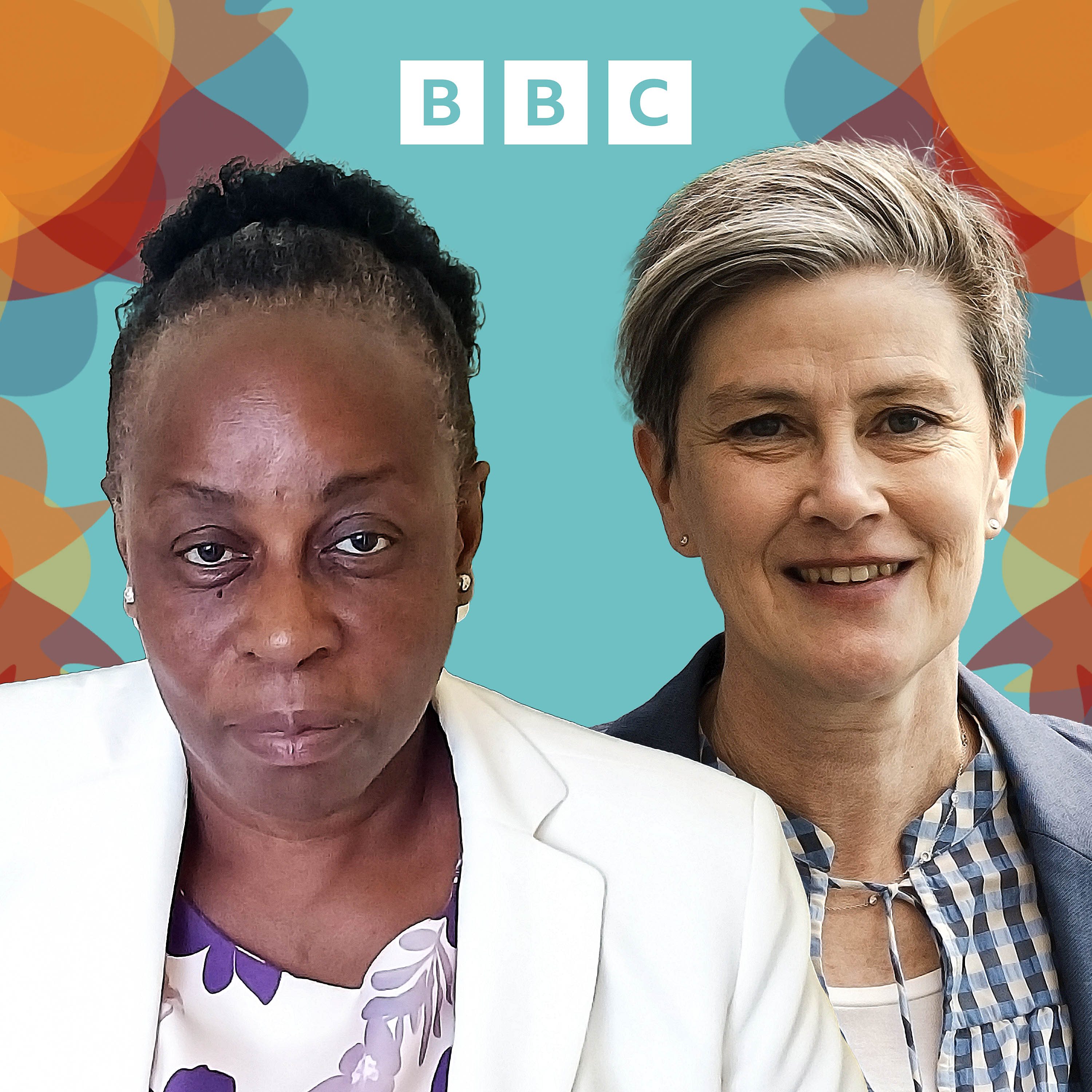
The episode discusses the impact of epilepsy, featuring insights from neurologist Sofia Eriksson and advocate Betty Barbara Nsachilwa.
Epilepsy is a brain condition that causes repeated episodes of sudden, brief changes in the brain's electrical activity causing seizures or convulsions. It's thought 50-million people have the condition, which can't be cured. The right treatment can alleviate symptoms but diagnosis and treatment is limited in many countries. Consultant neurologist Sofia Eriksson is from Sweden and works in the UK at University College London Hospital where she used to be the hospital’s clinical lead for epilepsy. She's president elect of the British Association of Neurologists. Sofia says it’s important more people talk openly about the condition to help stop people who have it feeling so isolated. Betty Barbara Nsachilwa had her first seizure when she was 13 years old. It took 18 months to find the right medication that has kept her seizures under control since. She says she's been lucky to have the support of her family and colleagues but says many others in Zambia face discrimination and stigma. Betty Barbara co-founded the Epilepsy Association of Zambia in 2001 to increase awareness and education about the condition and support others living with epilepsy. (Image: (L) Betty Barbara Nsachilwa…
More episodes of The Conversation
- The challenges for women in palliative care
- Women saving amphibians from extinction
- Catfishing and its consequences
- Falling in love with flowers
Explore listener stats, chart rankings, contacts and more on the The Conversation podcast page.