Insights from recent episode analysis
Audience Interest
Podcast Focus
Publishing Consistency
Platform Reach
Insights are generated by CastFox AI using publicly available data, episode content, and proprietary models.
Most discussed topics
Brands & references
Total monthly reach
Estimated from 1 chart position in 1 market.
By chart position
- 🇵🇹PT · Business#110500 to 3K
- Per-Episode Audience
Est. listeners per new episode within ~30 days
250 to 1.5K🎙 ~2x weekly·67 episodes·Last published today - Monthly Reach
Unique listeners across all episodes (30 days)
500 to 3K🇵🇹100% - Active Followers
Loyal subscribers who consistently listen
150 to 900
Market Insights
Platform Distribution
Reach across major podcast platforms, updated hourly
Total Followers
—
Total Plays
—
Total Reviews
—
* Data sourced directly from platform APIs and aggregated hourly across all major podcast directories.
On the show
From 26 epsHosts
Recent guests
Recent episodes
The Brain Knows How to Heal, Medicine Just Hasn't Caught Up with Dr. Leo Petrossian
Sep 2, 2026
Unknown duration
The Bravest Thing a CEO Can Say Is "I Don't Know" with Renee Ryan
Aug 19, 2026
Unknown duration
The Tricuspid Valve Was Forgotten for Decades. TRiCares Is Changing That with Ahmed Elmouelhi
Aug 7, 2026
Unknown duration
Migraines Are Not Just Headaches with Hubert Martens
Aug 5, 2026
Unknown duration
Europe's Med Tech Advantage Is Real, But Only If You Build It Right with Tatiana Lobanov-Rostovsky
Aug 4, 2026
Unknown duration
Social Links & Contact
Official channels & resources
Official Website
Login
RSS Feed
Login
| Date | Episode | Topics | Guests | Brands | Places | Keywords | Sponsor | Length | |
|---|---|---|---|---|---|---|---|---|---|
| 9/2/26 | 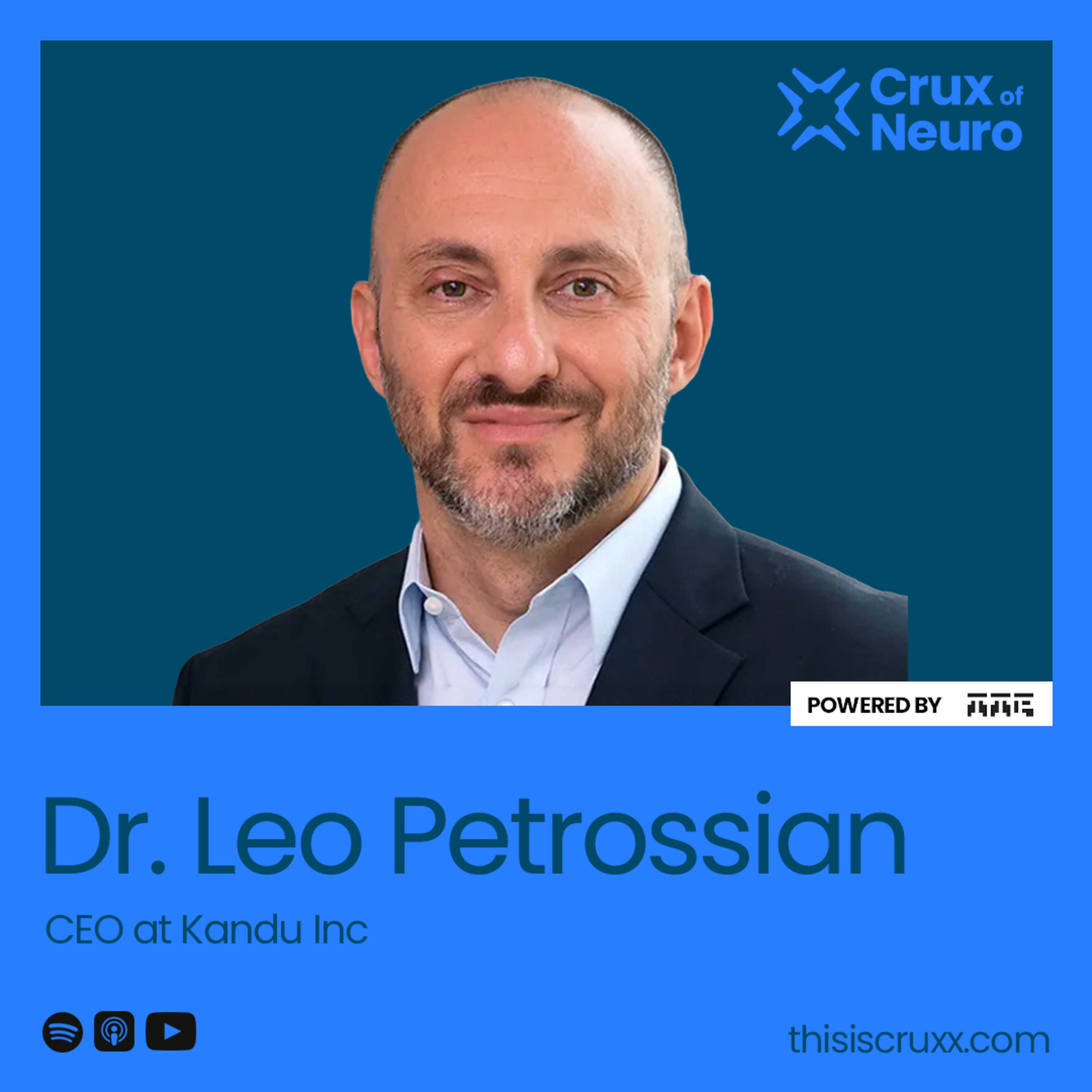 The Brain Knows How to Heal, Medicine Just Hasn't Caught Up with Dr. Leo Petrossian | In this episode of Crux of Neuro, host Liz Moyles is joined by Dr. Leo Petrossian, CEO of Kandu, Inc. the company formed from the merger of Neurolutions and Kandu Health. Leo has spent over 20 years at the intersection of neurotech and clinical care, and under his leadership, Neurolutions secured FDA breakthrough clearance for the IpsiHand®: the first non-invasive, at-home brain-computer interface for stroke rehabilitation. He also navigated the first BCI-specific CMS billing code and led a randomised controlled trial that was stopped early for efficacy. In this conversation, Leo and Liz cover the systemic failures in post-stroke care, the science behind the IpsiHand®, the brutal realities of getting novel devices covered by insurance, and what it will take to give 8 million stroke survivors in the US a real shot at recovery.Key TopicsThe "level 10 to zero" problem: why stroke survivors are abandoned at dischargeHow the IpsiHand® uses non-invasive EEG and ipsilateral brain signals to restore arm functionThe real cost of neurological disease and why most people underestimate itNavigating FDA breakthrough designation, de novo clearance, and the first BCI billing codeWhy the RCT was stopped early and what an NNT of 2.2 actually meansBuilding Kandu: why combining a clinical device with a virtual care platform changes outcomesThe barriers to adoption: awareness, insurance coverage, and clinician educationRelated InsightsWhy neurological disease spend is already approaching cardiovascular and still climbingThe indirect cost of stroke: pulling caregivers out of the workforce and what that costs the systemWhy "neurons that fire together, wire together" is more than a mantra, it's the therapeutic mechanismHow CMS's "reasonable and necessary" standard creates a maze that FDA's "safe and effective" never prepared you forThe case for collaboration over competition in neurotech and what Kandu is actively building towardCore ChallengesPost-stroke care is structurally broken: patients go from 24/7 hospital monitoring to zero follow-up overnight, with no systematised path back to function.The IpsiHand® has FDA clearance and a CMS billing code, but formal coverage policy remains the "final frontier," leaving most patients navigating reimbursement case by case.Novel device makers face a gap that drug companies don't: FDA has a clear pathway for innovation, but reimbursement bodies haven't built the equivalent and two attempts (MCIT and TCET) were both cancelled.🎧 Tune in now to hear why one in four people will suffer a neurological disease and how the IpsiHand® is giving stroke survivors a genuine shot at recovery, years after they were told rehab had run its course.The Crux of MedTech podcast is brought to you by Cruxx, a specialist surgical robotics recruitment agency. To learn more about Cruxx, click here.A big thank you to our sponsors on this season of the podcast; TTP plc With a 35-year track record, TTP excels in turning innovative ideas into market-ready solutions. Their team of 300+ experts deliver breakthrough solutions in areas ranging from endoluminal robotics and navigation systems to ultrasound imaging. Whether you're a startup or a multinational, TTP plc can accelerate your development with the latest technologies. Learn more at TTP.com | — | ||||||
| 8/19/26 | 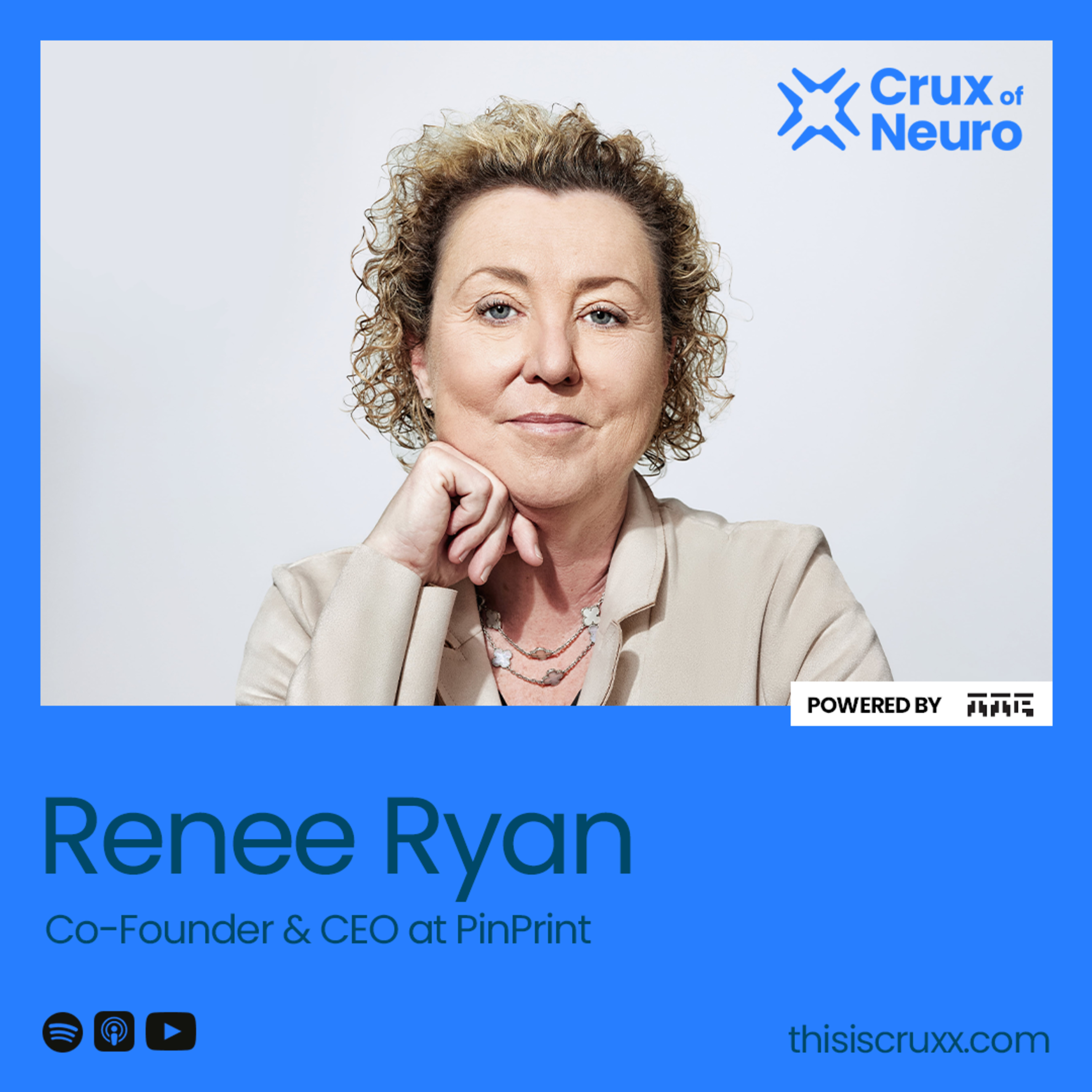 The Bravest Thing a CEO Can Say Is "I Don't Know" with Renee Ryan | In this episode of the Crux of Neuro, Renee Ryan, co-founder and CEO of PinPrint and former CEO of Cala Health. Renee traces her path from Wall Street healthcare banker to one of medtech’s most prolific investors and operators. She explains why, in neurotech today, getting reimbursed is often harder than getting cleared and how data became the whole story.Key TopicsRenee’s path from healthcare investment banking to leading J&J’s medtech investing (JJDC)Founding Verb Surgical and investing across J&J’s surgical-robotics portfolio (Auris, Verb)Crossing from investor to operator as CEO of Cala HealthWinning Medicare coverage for wearable, at-home neuromodulationLaunching PinPrint and high-resolution 3D-printed microneedle patchesRelated InsightsWhy “if it’s not published, it doesn’t exist” to payersHow a connected device turns real-world data into reimbursement evidenceThe shift in medtech from “get FDA approval” to “prove you can get paid”Pharma and medtech converging around sensors, biomarkers and real-time dataCore ChallengesWearable, at-home neuromodulation didn’t fit existing reimbursement codes forcing Cala to build the clinical evidence and the payment pathway from scratch, through repeated appeals.Microneedle/microarray patches have existed for decades without FDA approval; PinPrint argues the real bottleneck has been manufacturing precision, which high-resolution 3D printing now addresses.🎧 Tune in now to hear how Renee Ryan turned data into dollars in neuromodulation and where she’s taking the body’s next interface with PinPrint.The Crux of MedTech podcast is brought to you by Cruxx, a specialist surgical robotics recruitment agency. To learn more about Cruxx, click here.A big thank you to our sponsors on this season of the podcast; TTP plc With a 35-year track record, TTP excels in turning innovative ideas into market-ready solutions. Their team of 300+ experts deliver breakthrough solutions in areas ranging from endoluminal robotics and navigation systems to ultrasound imaging. Whether you're a startup or a multinational, TTP plc can accelerate your development with the latest technologies. Learn more at TTP.com | — | ||||||
| 8/7/26 | 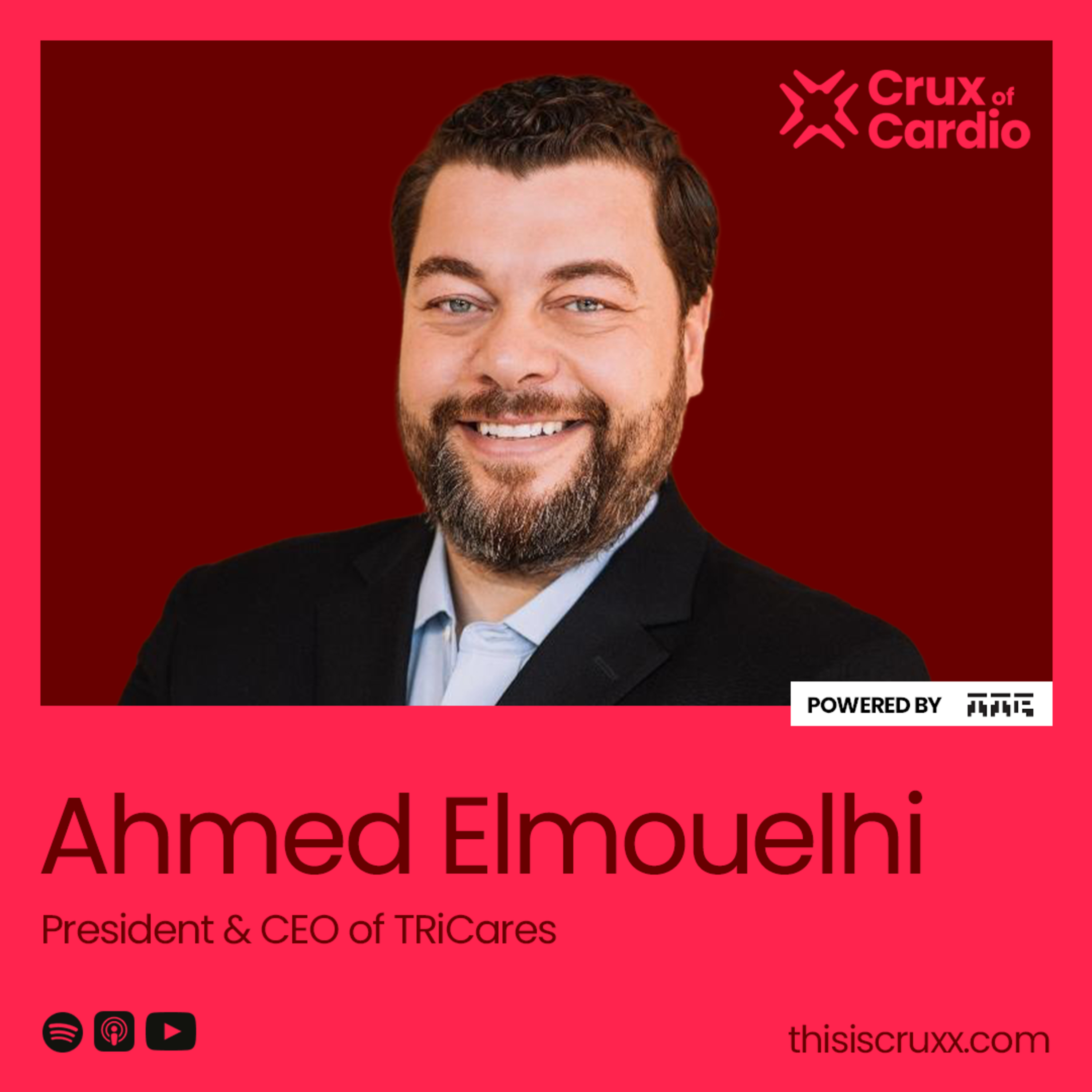 The Tricuspid Valve Was Forgotten for Decades. TRiCares Is Changing That with Ahmed Elmouelhi | In this episode, Jordan is joined by Ahmed Elmouelhi, President & CEO of TRiCares, the company behind Topaz, a purpose-built transcatheter tricuspid valve replacement system now in head-to-head pivotal trial against Edwards EVOQUE in the US.Ahmed brings over 20 years of structural heart experience, including nearly a decade building TAVR and LAA therapies at AtriCure and Medtronic, and explains exactly why he crossed to the right side of the heart and what it took to build a valve that doesn't behave like anything the field has seen before.Key Topics:Why the tricuspid valve was "the forgotten valve" for decades and what changedThe design philosophy behind Topaz: building a soft, flexible valve purpose-built for the right side of the heartGoing head-to-head with Edwards EVOQUE in the TRICURE US IDE pivotal trialWhat the first 20 patients taught TRiCares the good, the bad, and the uglyRunning dual CE mark and US pivotal studies simultaneously, and what that demands from leadership and boardThe three things TRiCares hires for: hungry, humble, and smartRelated Insights:Why more than 25% pacemaker rates in current TTVR systems are clinically and economically untenableHow ICE-based (intracardiac echo) guidance is reducing procedural imaging burden and removing the need for general anaesthesiaThe "smooth is fast, slow is smooth" operating philosophy borrowed from Formula OneWhat physicians should look for when choosing which TTVR pivotal study to joinCore Challenges:The tricuspid annulus is highly variable in anatomy and extremely low-pressure, everything that works in aortic and mitral valve replacement has to be unlearned when building for the right side of the heart.The current commercial standard (Edwards EVOQUE) carries a pacemaker implant rate exceeding 25%, often appearing after discharge, a clinical, economic, and patient safety problem that TRiCares is targeting with a reported 0% rate from its soft outer shell design.Running two concurrent pivotal trials across the US and Europe while building out a team, infrastructure, and physician network is a resource and execution challenge that demands an experienced, aligned board.Tune in now to hear why Ahmed believes the tricuspid space has the potential to outgrow TAVR and what it will take to get there.The Crux of MedTech podcast is brought to you by Cruxx, a specialist surgical robotics recruitment agency. To learn more about Cruxx, click here.A big thank you to our sponsors on this season of the podcast; TTP plc With a 35-year track record, TTP excels in turning innovative ideas into market-ready solutions. Their team of 300+ experts deliver breakthrough solutions in areas ranging from endoluminal robotics and navigation systems to ultrasound imaging. Whether you're a startup or a multinational, TTP plc can accelerate your development with the latest technologies. Learn more at TTP.com | — | ||||||
| 8/5/26 | 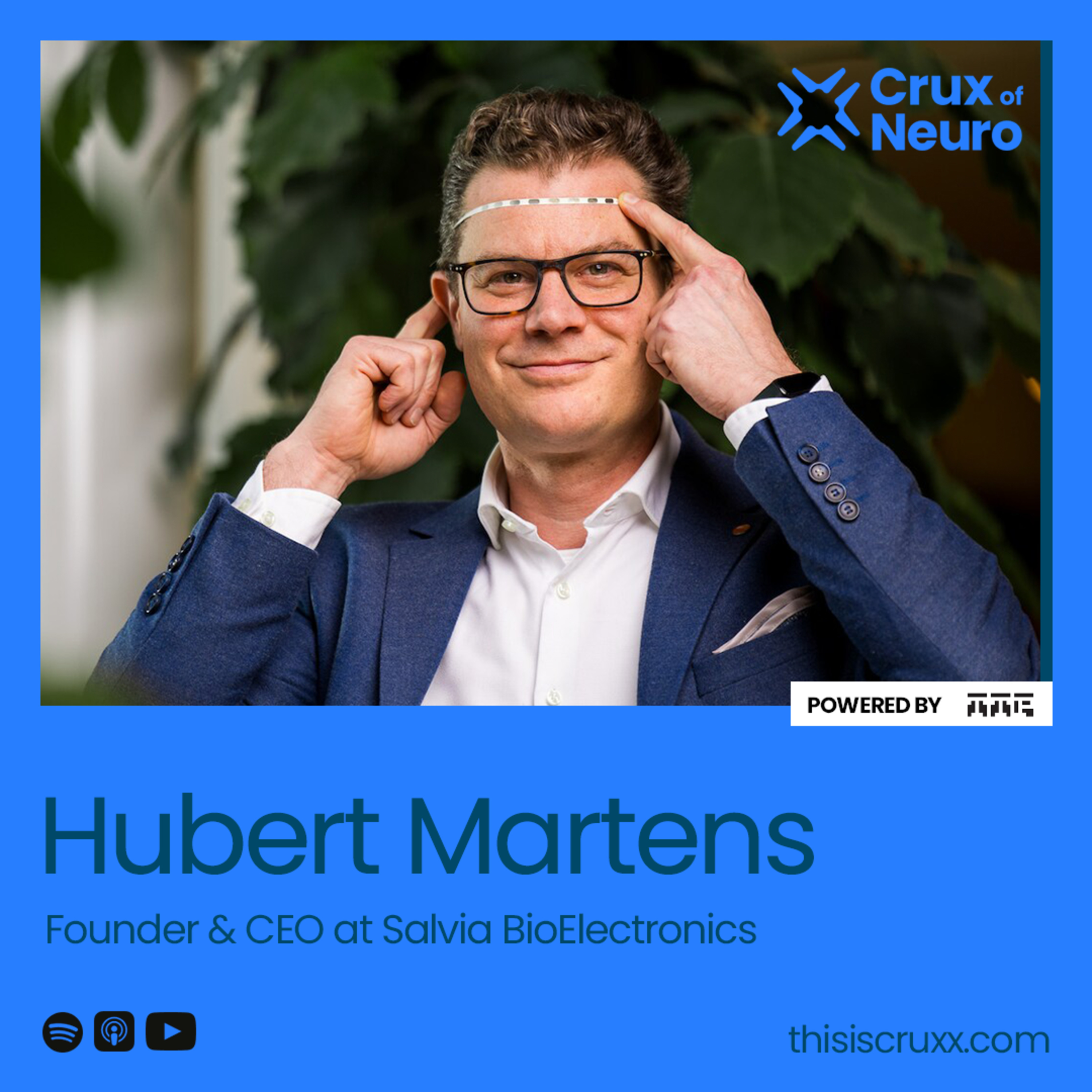 Migraines Are Not Just Headaches with Hubert Martens | In this episode of the Crux of Neuro, Liz Moyles is joined by Hubert Martens, physicist-turned-entrepreneur, co-founder of Sapiens Steering Brain Stimulation (acquired by Medtronic for ~$200M), and now CEO of Salvia BioElectronics. Hubert shares how a career that started with double-layer DVD technology at Philips led him to building a patient-centred neuromodulation implant for treatment-resistant migraine and what 25 years of hard-won startup experience has taught him about doing it right.Key TopicsFrom Philips R&D to Medtronic acquisition: Hubert's path into neuromodulationWhy chronic migraine is a neurological disorder, not just a headacheThe MySalvia system: how a battery-free implant targets treatment-resistant migraineFDA Breakthrough Device Designation: what it means in practiceWhy reimbursement strategy must start before you design the productBuilding patient-centricity into company culture from day oneThe emotional reality of being a medtech founder and who to call when it gets hardRelated InsightsThe clinical case for neuromodulation in migraine: decades of physician-led experimentationPositioning for payers: building economic and clinical evidence in parallel with regulatory approvalHow patient advocacy drives market adoption for novel implantable therapiesThe 14–17 year medtech funding gap and why consistent de-risking milestones matter more than everCore ChallengesTreatment-resistant migraine patients, those who have failed CGRP inhibitors and Botox, have no meaningful therapeutic option. The disease progressively worsens, and its invisibility compounds the psychological burden: isolation, shame, and the constant fear of the next attack.Bringing a novel implantable neuromodulation system to market requires simultaneous mastery of regulatory strategy, reimbursement landscape, and clinical evidence design, areas most early-stage founders engage too late, at significant cost.Tune in now to hear how Hubert Martens is building the therapy that treatment-resistant migraine patients have been waiting for and the hard lessons from three decades in neuromodulation that shaped how he's doing it.The Crux of MedTech podcast is brought to you by Cruxx, a specialist surgical robotics recruitment agency. To learn more about Cruxx, click here.A big thank you to our sponsors on this season of the podcast; TTP plc With a 35-year track record, TTP excels in turning innovative ideas into market-ready solutions. Their team of 300+ experts deliver breakthrough solutions in areas ranging from endoluminal robotics and navigation systems to ultrasound imaging. Whether you're a startup or a multinational, TTP plc can accelerate your development with the latest technologies. Learn more at TTP.com | — | ||||||
| 8/4/26 | 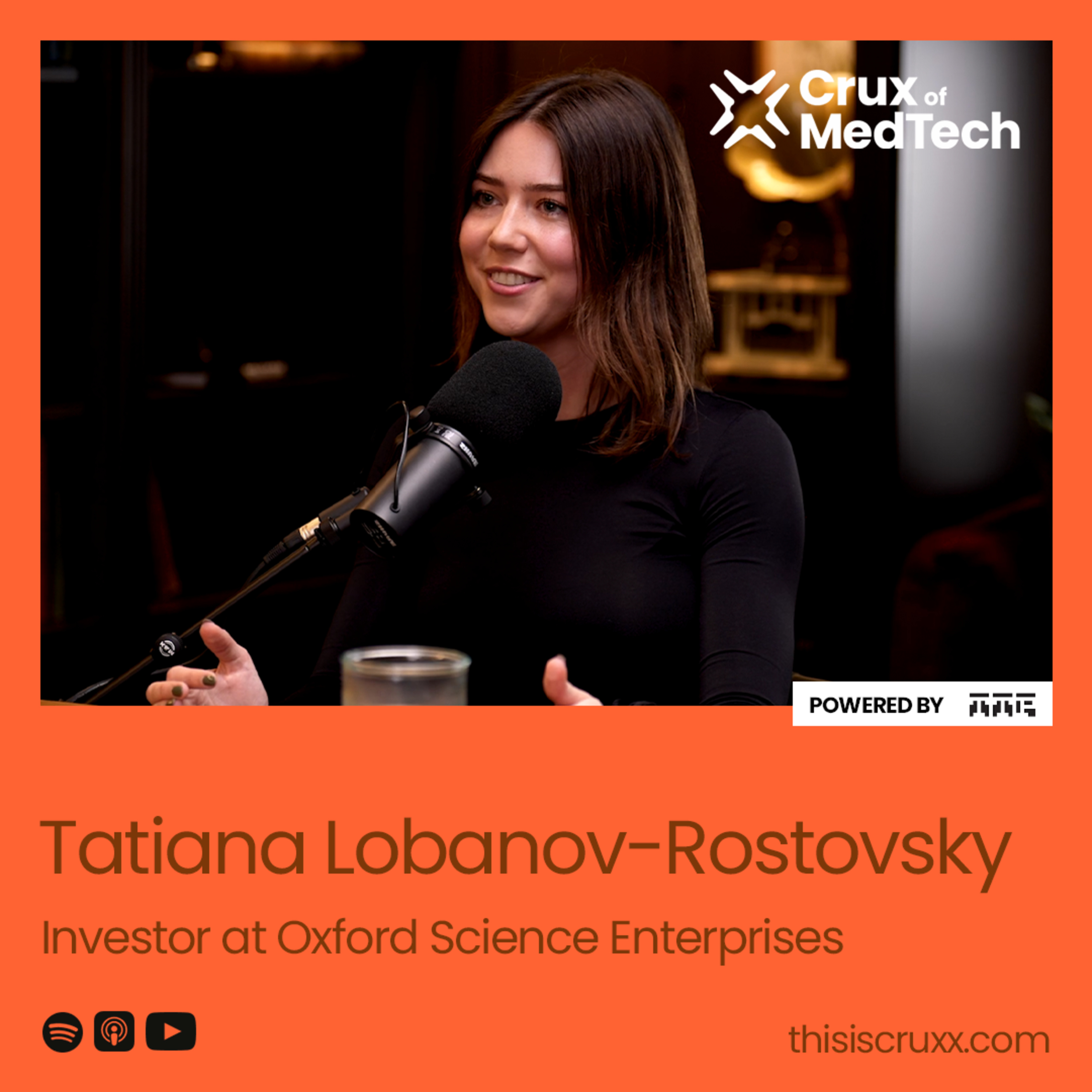 Europe's Med Tech Advantage Is Real, But Only If You Build It Right with Tatiana Lobanov-Rostovsky | In this episode of the Crux of MedTech, Henry Norton is joined by Tatiana Lobanov-Rostovsky, Investor at Oxford Science Enterprises, the independent, billion-pound investment company built in partnership with the University of Oxford. With a background in neuroscience, Healthcare M&A at Rothschild & Co, and hands-on experience inside a biotech startup, Tatiana brings a rare view across the full lifecycle of medtech company building.From the Europe vs US debate to why most companies fail not in R&D but in commercial and what the best founders do differently from day one, this is a candid conversation about what it actually takes to build something the strategics will want.Key TopicsEurope vs US: where medtech startups should build, raise, and scaleThe Oxford Science Enterprises model, patient capital, EIR programmes, and venture building from university spinoutsHow to spot the difference between a technology looking for a problem and a genuine clinical pullBuilding for a strategic acquisition from day one, what the buyers actually want to seeWhy commercial talent matters more than technical talent at the early stageThe EU/UK infrastructure gaps holding back medtech foundersRelated InsightsWhy hardware companies will outlast SaaS in a world of AI disruption and what that means for medtech investorsThe NHS as a data advantage: how UK founders can use patient data to build globally competitive productsStructural heart and neurovascular as active investment themes and what's driving OSE's thesis buildingCaristo Diagnostics and Ultromics as case studies in AI-powered cardiac diagnostics scaling for the US marketCore ChallengesThe majority of medtech companies that reach FDA approval still fail in commercial, making go-to-market strategy as important as clinical validation.European founders face a structural disadvantage in accessing the right commercial talent early enough, with risk aversion and brain drain compounding the problem.Investors are paralysed by AI disruption uncertainty, but hardware-first, highly regulated sectors like medtech remain defensible, if founders and investors are willing to think long-term.Tune in now to hear why the most valuable medtech companies are built from the commercial endpoint backwards and what the strategics are actually looking for when they acquire.The Crux of MedTech podcast is brought to you by Cruxx, a specialist surgical robotics recruitment agency. To learn more about Cruxx, click here.A big thank you to our sponsors on this season of the podcast; TTP plc With a 35-year track record, TTP excels in turning innovative ideas into market-ready solutions. Their team of 300+ experts deliver breakthrough solutions in areas ranging from endoluminal robotics and navigation systems to ultrasound imaging. Whether you're a startup or a multinational, TTP plc can accelerate your development with the latest technologies. Learn more at TTP.com | — | ||||||
| 7/31/26 |  The Hospital Gold Standard Catches Just 5% of Arrhythmias with Vlastimil Hrabal | In this episode, your host, Jordan Burgin, is joined by Vlastimil Hrabal, CEO and Co-Founder of Kardi AI, to unpack why a 24-hour Holter monitor the hospital gold standard misses most dangerous arrhythmias, and how long-term, AI-evaluated ECG monitoring is changing detection, prevention, and the economics of cardiac care.Key TopicsWhy long-term ECG monitoring outperforms the 24-hour Holter standardBuilding two AI models one to detect arrhythmias, one to strip out noise and artifactsEarning clinician trust through MDR Class IIa certification and university-hospital studiesA three-channel commercial model: hospitals, direct-to-consumer, and employee benefitsScaling a regulated device across Central Europe, India, the Gulf and Southeast AsiaRaising a Series A in a tougher, more data-hungry healthcare capital marketRelated InsightsWhy roughly half of arrhythmia patients are asymptomatic and what that means for screeningHow AI can act as a “third eye” for cardiologists rather than replacing themWhat sustained patient “stickiness” (four measurements a week, over years) reveals about real-world valueLocalising a regulated medical device market by market pricing, partners and presenceCore ChallengesA 24-hour Holter monitor detects an arrhythmia in only ~3–5% of cases, because dangerous rhythms such as atrial fibrillation appear unpredictably and are easily missed in a single day’s snapshot while patients can wait three to six months for testing and weeks more for results.Kardi AI’s certified, wearable long-term ECG belt lets patients measure anytime, with AI-evaluated reports returned within five minutes to both patient and physician reportedly a 10× higher detection rate, while reducing clinician workload and false positives.🎧 Tune in now to hear why the future of cardiac care is continuous, AI-evaluated, and built for prevention not just diagnosis.The Crux of MedTech podcast is brought to you by Cruxx, a specialist surgical robotics recruitment agency. To learn more about Cruxx, click here.A big thank you to our sponsors on this season of the podcast; TTP plc With a 35-year track record, TTP excels in turning innovative ideas into market-ready solutions. Their team of 300+ experts deliver breakthrough solutions in areas ranging from endoluminal robotics and navigation systems to ultrasound imaging. Whether you're a startup or a multinational, TTP plc can accelerate your development with the latest technologies. Learn more at TTP.com | — | ||||||
| 7/24/26 | 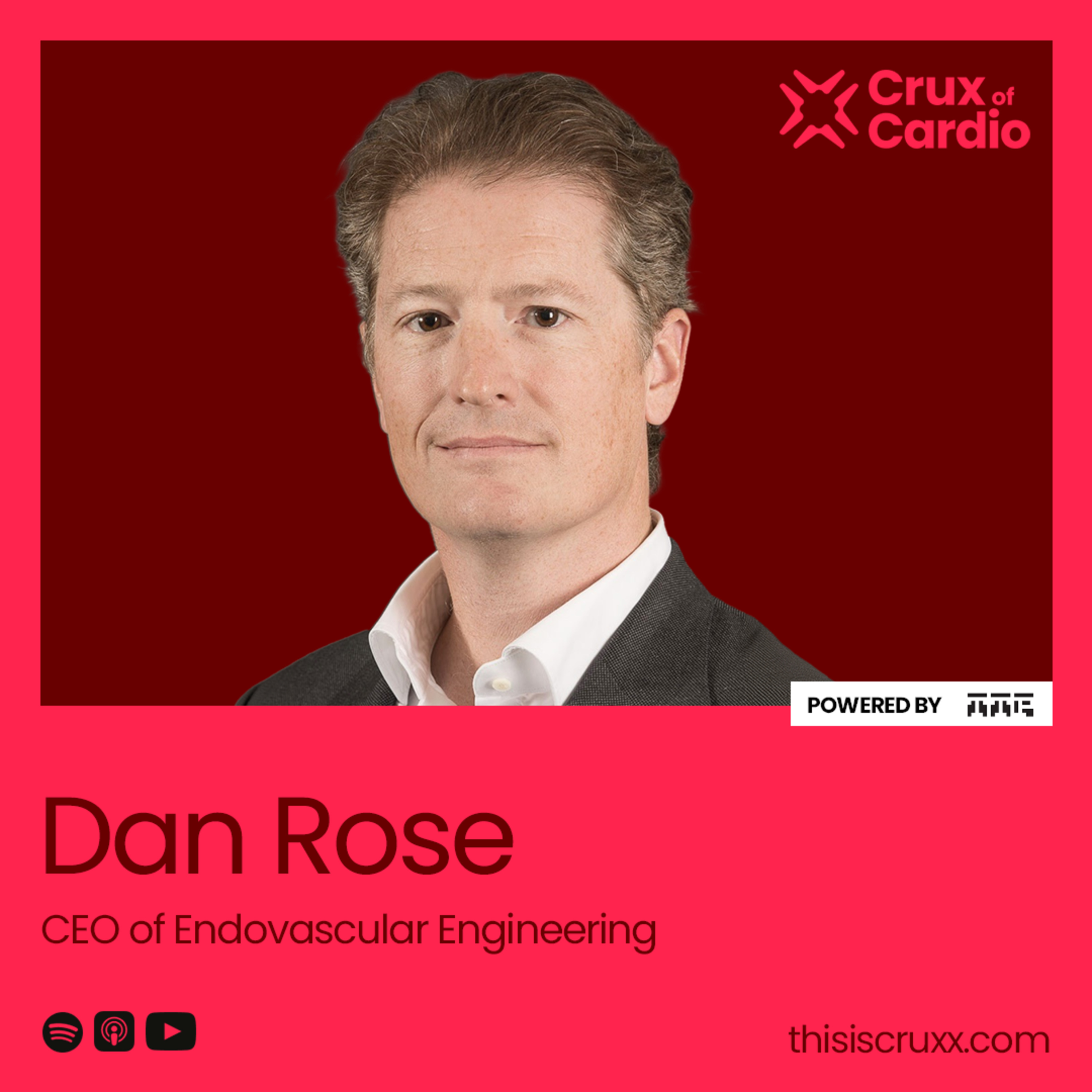 We Had Seven Days of Cash Left with Dan Rose | In this episode of the Crux of Cardio, Jordan Burgin sits down with Dan Rose, CEO of Endovascular Engineering (E2), to talk about building, exiting, and doing it all over again this time in one of the hottest spaces in cardiovascular medicine.Dan joined LimFlow as its first employee, guided it through an FDA approval, a landmark New England Journal of Medicine publication, and ultimately its acquisition by Inari Medical. Weeks before that deal closed, E2 had seven days of cash in the bank.Key TopicsThe PE thrombectomy market and what the Stryker–Inari and Boston Scientific–Penumbra acquisitions signalBuilding LimFlow from the ground up as a first-time CEO and first employeeWhy changing physician behaviour is harder than building the technologyCultivating strategic relationships before you need themManaging strategics on your cap table without compromising board integrityWhat physicians actually want from the next generation of PE devicesClosing an oversubscribed $80M Series C when most of the market is starved for capitalThe role of chair seats in extending a CEO's impact and perspectiveRelated InsightsWhy market development, not efficacy is often the real barrier to adoptionThe emotional reality of exits: the post-acquisition dip no one talks aboutWhy CEOs should proactively build peer networks and ask for helpHow arriving second in a category can be a structural advantage if you have differentiated technologyThe value of transatlantic commercial experience in European medtechCore ChallengesPulmonary embolism is the third leading cause of cardiovascular death, yet the current category leaders are delivering incremental innovation rather than the low-profile, high-efficiency, blood-return-capable devices physicians are asking for.Medtech startups moving into unfamiliar physician behaviour, like foot-focused wound care for interventional cardiologists at LimFlow, require deep clinical education infrastructure, not just compelling data.Founder CEOs face a lonely role where they cannot be fully transparent with their own teams, and must actively build external peer networks to stay effective and grounded.🎧 Tune in now to hear what it really takes to build, exit, and rebuild in medtech and why Dan Rose had just seven days of cash left when the LimFlow deal finally closed.The Crux of MedTech podcast is brought to you by Cruxx, a specialist surgical robotics recruitment agency. To learn more about Cruxx, click here.A big thank you to our sponsors on this season of the podcast; TTP plc With a 35-year track record, TTP excels in turning innovative ideas into market-ready solutions. Their team of 300+ experts deliver breakthrough solutions in areas ranging from endoluminal robotics and navigation systems to ultrasound imaging. Whether you're a startup or a multinational, TTP plc can accelerate your development with the latest technologies. Learn more at TTP.com | — | ||||||
| 7/22/26 |  Reimbursement Is Neurotech's Biggest Risk with Juan-Pablo Mas | In this episode, your host, Liz Moyles, is joined by Juan-Pablo Mas, Managing Director at Action Potential VC to talk about investing at the frontier of neurotech and bioelectronic medicine, and why reimbursement, not technology, is so often the make-or-break risk.Juan-Pablo traces his path from electrical engineering and a formative stint in Medtronic's cardiovascular division, through Stanford Biodesign and his first venture roles at Morgenthaler and Lightstone, to a decade investing in the brain and nervous system at Action Potential and now the Synapse Fund.He explains what he looks for in founders, why "herd mentality" in venture is where the real opportunity hides, how AI and signal processing are reshaping neurotech, and where he sees the healthcare system heading as clinical resources become more abundant.Key Topics:Juan-Pablo's route from engineering and Medtronic to venture and the Synapse FundInvesting in neuromodulation, bioelectronic medicine and the wider neurotech marketHow AI, signal processing and machine learning are accelerating the fieldWhat separates fundable founders from the restWhy reimbursement is the single biggest risk in neurotech todayRelated Insights:The "thirsty learner" founder mindset saying "I don't know, but I'll find out"Why a unique, against-the-grain take is where returns are madeChoosing investors and boards who actually understand the business technicallyThe shift toward preventative health as an investable categoryDesigning healthcare for abundance agentic tools, BCI and what comes nextCore Challenges:Reimbursement and coverage decisions not the technology are often the hardest, riskiest part of bringing a neurotech to market. Agencies can default to denial, and a single coverage setback can hit a company exactly when its burn is highest.Founders need a credible reimbursement and commercialisation strategy from day one, and a board that genuinely understands the business otherwise they risk setting up failure at later rounds without realising it.🎧 Tune in now to hear why the brain is medtech's last great frontier and what it really takes to fund and build there.The Crux of MedTech podcast is brought to you by Cruxx, a specialist surgical robotics recruitment agency. To learn more about Cruxx, click here.A big thank you to our sponsors on this season of the podcast; TTP plc With a 35-year track record, TTP excels in turning innovative ideas into market-ready solutions. Their team of 300+ experts deliver breakthrough solutions in areas ranging from endoluminal robotics and navigation systems to ultrasound imaging. Whether you're a startup or a multinational, TTP plc can accelerate your development with the latest technologies. Learn more at TTP.com | — | ||||||
| 7/17/26 | commercialization of cardiovascular technologyfirst commercial hire+4 | Brandon Allen | Atraverse MedicalJohnson & Johnson+6 | — | cardiovascular technologycommercial hire+7 | — | 57m 38s | ||
| 7/10/26 | heart disease diagnosisAI-driven coronary CT analysis+3 | Jim Hartman | CleerlyAI+2 | — | heart diseasecoronary CT analysis+5 | — | 51m 46s | ||
| 7/8/26 | medtech sales strategiesM&A in medtech+3 | Jim Surek | Advanced BionicsBoston Scientific+2 | — | medtechsales strategy+5 | — | 59m 20s | ||
| 6/26/26 | digital healthmedtech entrepreneurship+4 | Dr. Dave Albert | Kardia 12LAliveCor+3 | — | heart attack detectorECG+6 | — | 50m 26s | ||
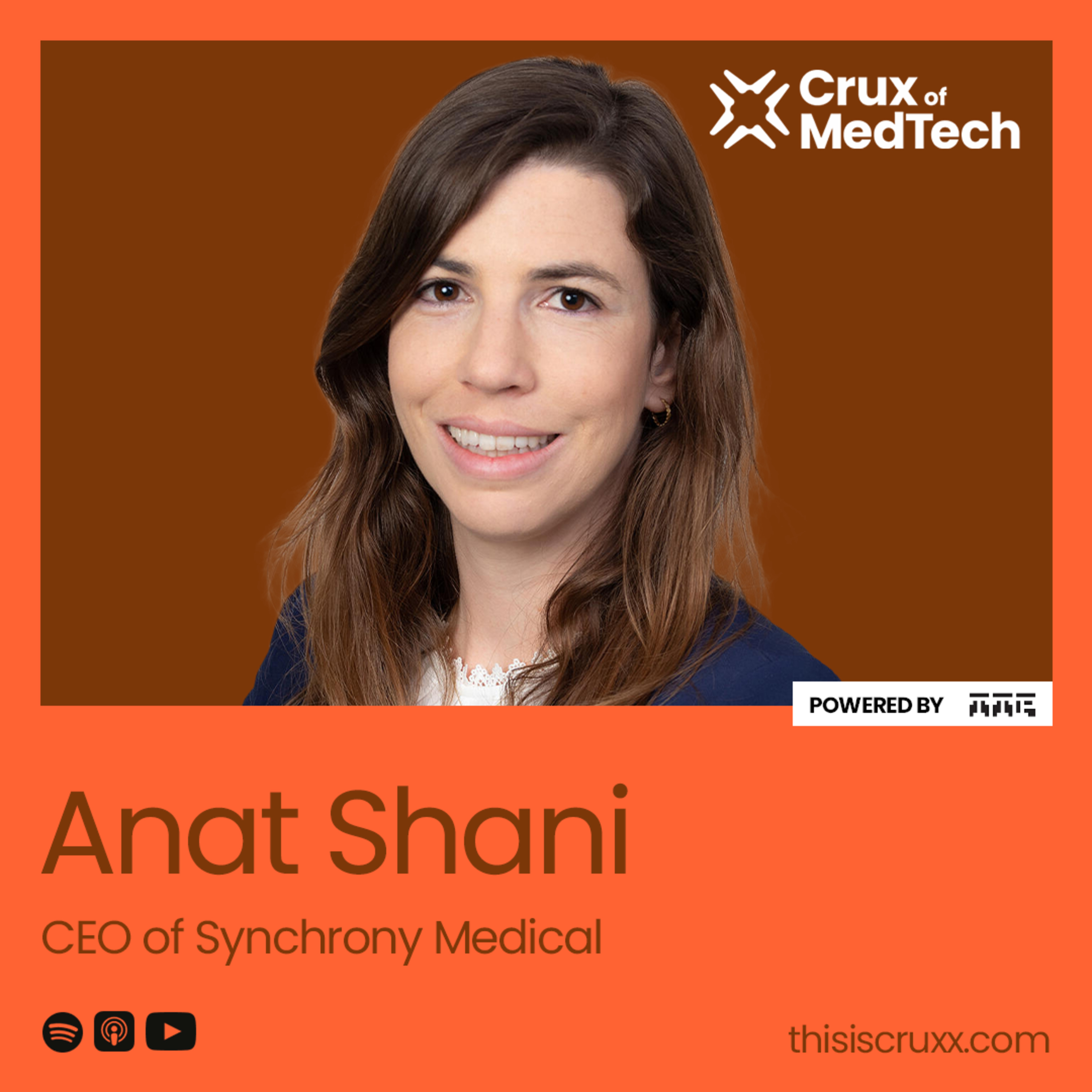
| 6/23/26 | airway clearancechronic lung disease+4 | Anat Shani | LibAirtySynchrony Medical+2 | US | LibAirtyairway clearance+7 | — | 44m 06s | ||
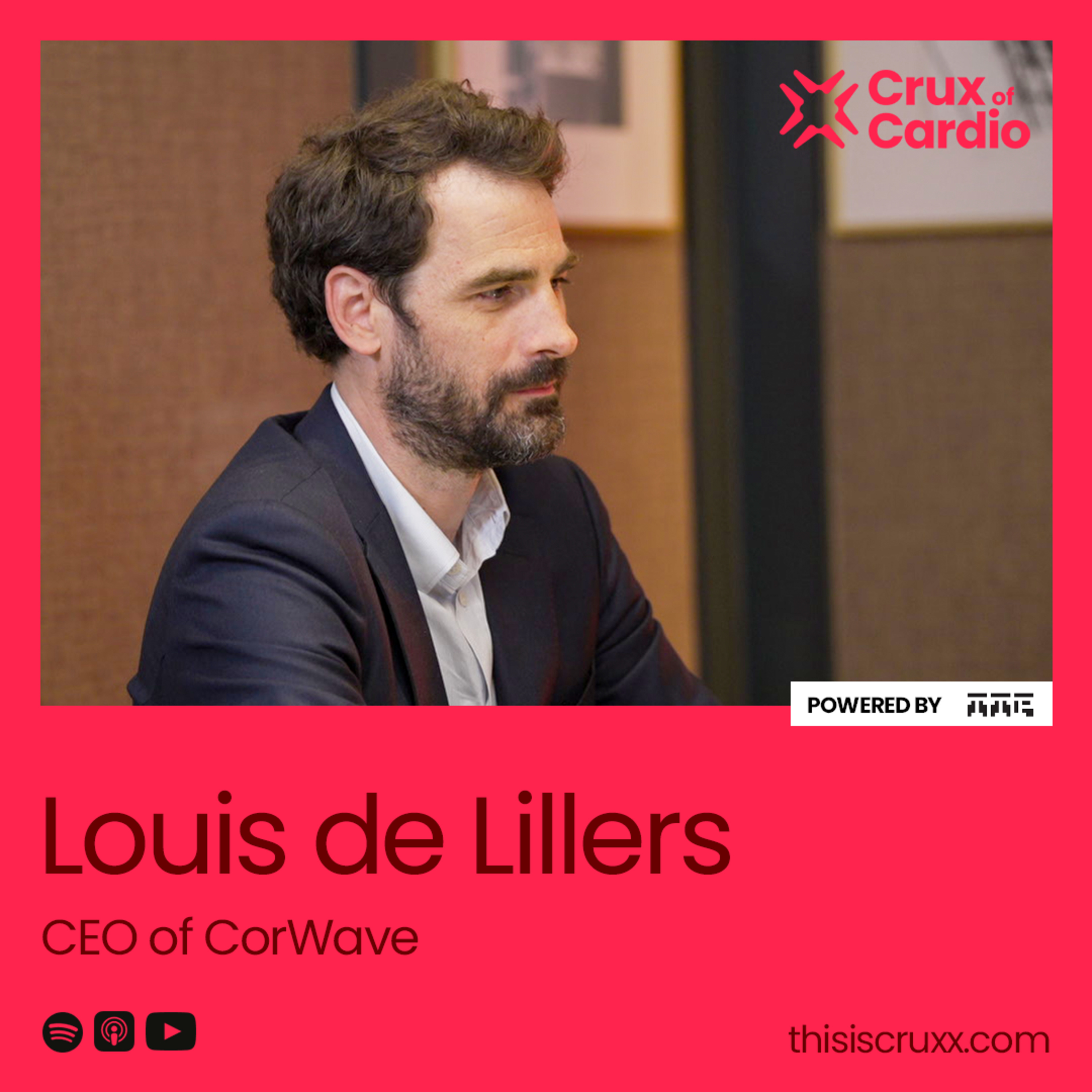
| 6/12/26 | next-generation heart pumpLVAD technology+4 | Louis de Lillers | CorWaveEuropean Commission+2 | — | LVADwave membrane technology+4 | — | 39m 39s | ||
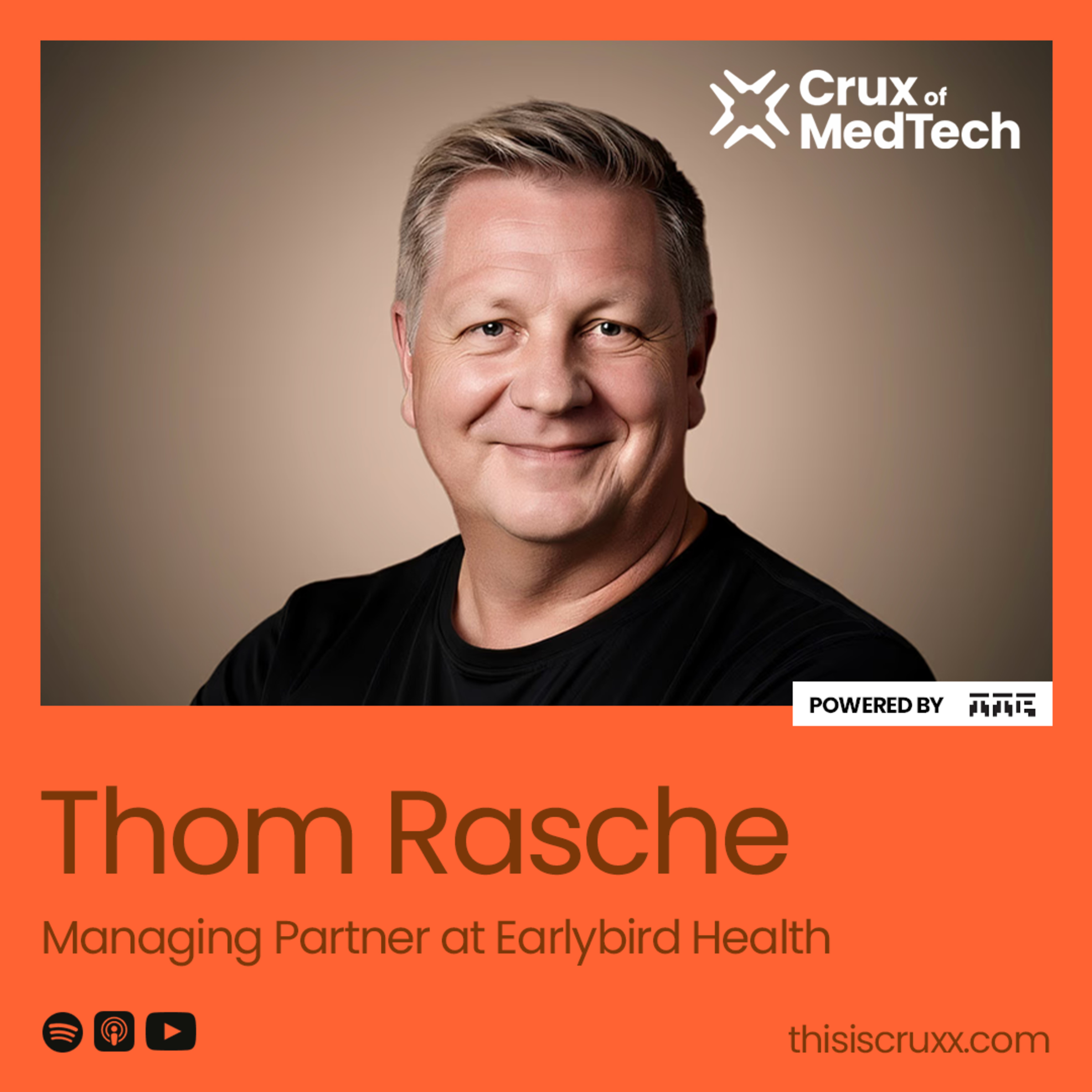
| 6/9/26 | medtech fundingEuropean health VC+4 | Thom Rasche | Earlybird HealthFDA+1 | GermanyEurope+1 | medtechventure capital+7 | — | 48m 47s | ||
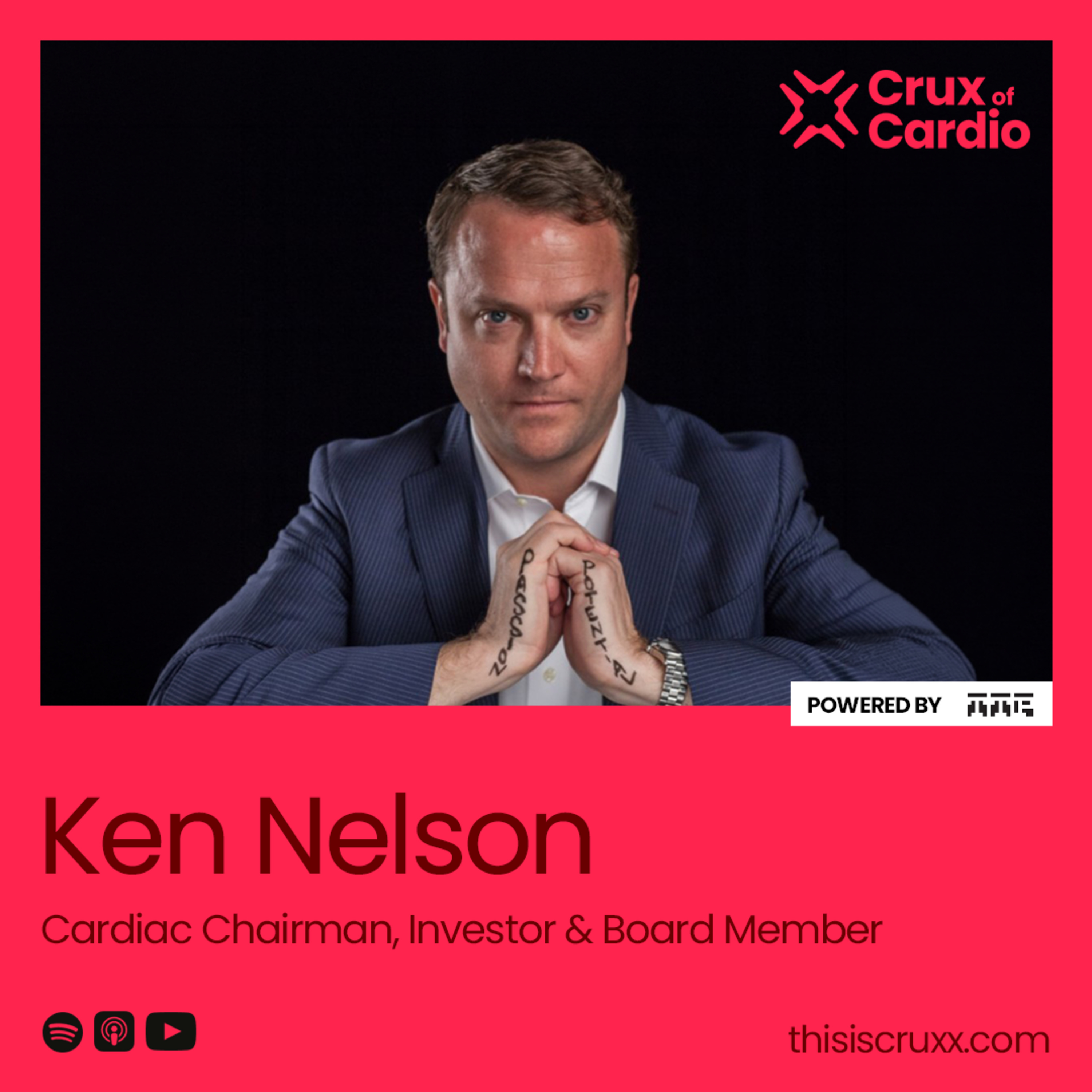
| 6/5/26 | cardiac monitoringM&A activity+4 | Ken Nelson | HeartBeamEcho IQ+10 | — | cardiac monitoringM&A+5 | — | 52m 09s | ||
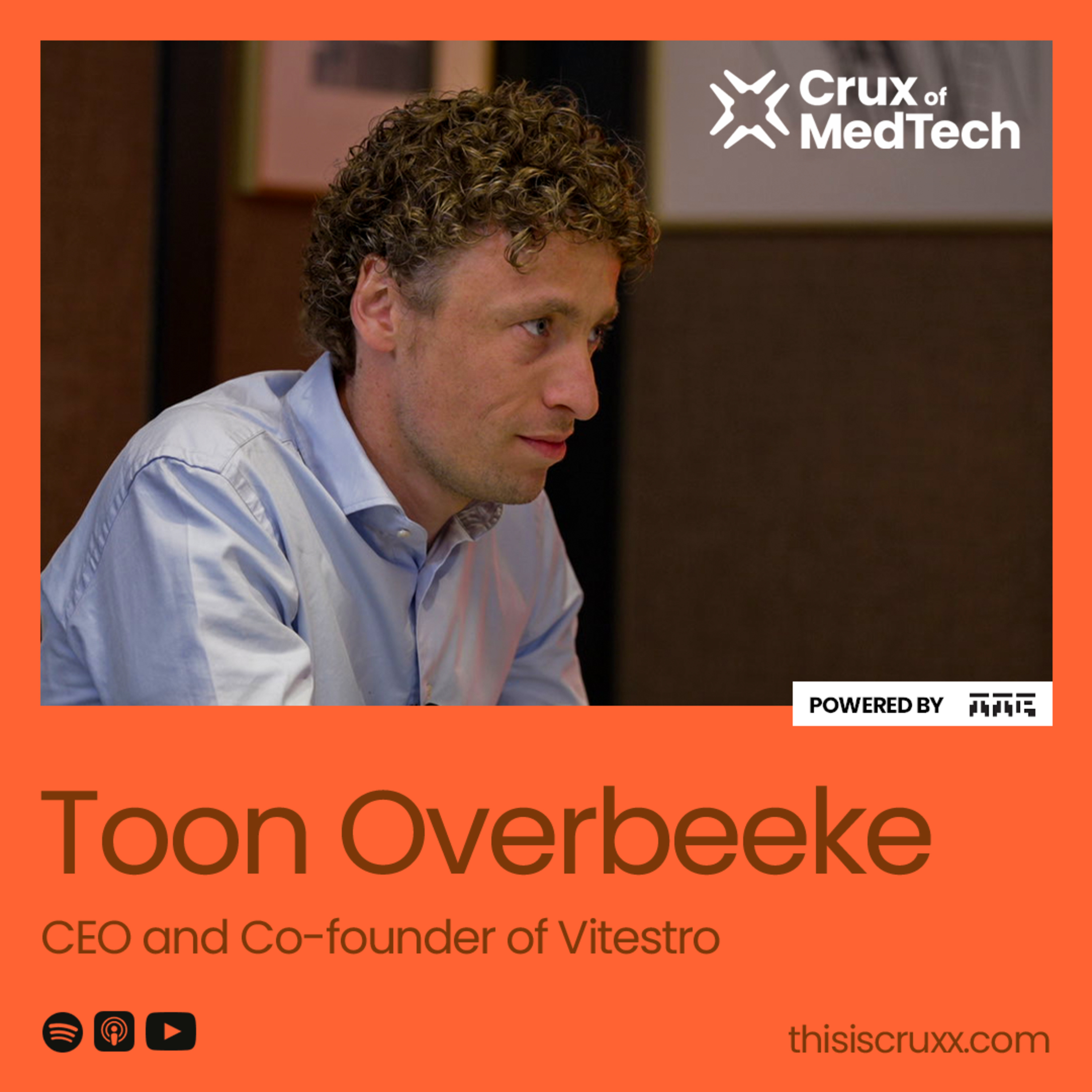
| 6/2/26 | autonomous robotic blood drawingpatient adoption data+3 | Toon Overbeeke | AlettaVitestro+4 | — | blood drawing robotphlebotomy+6 | — | 37m 53s | ||
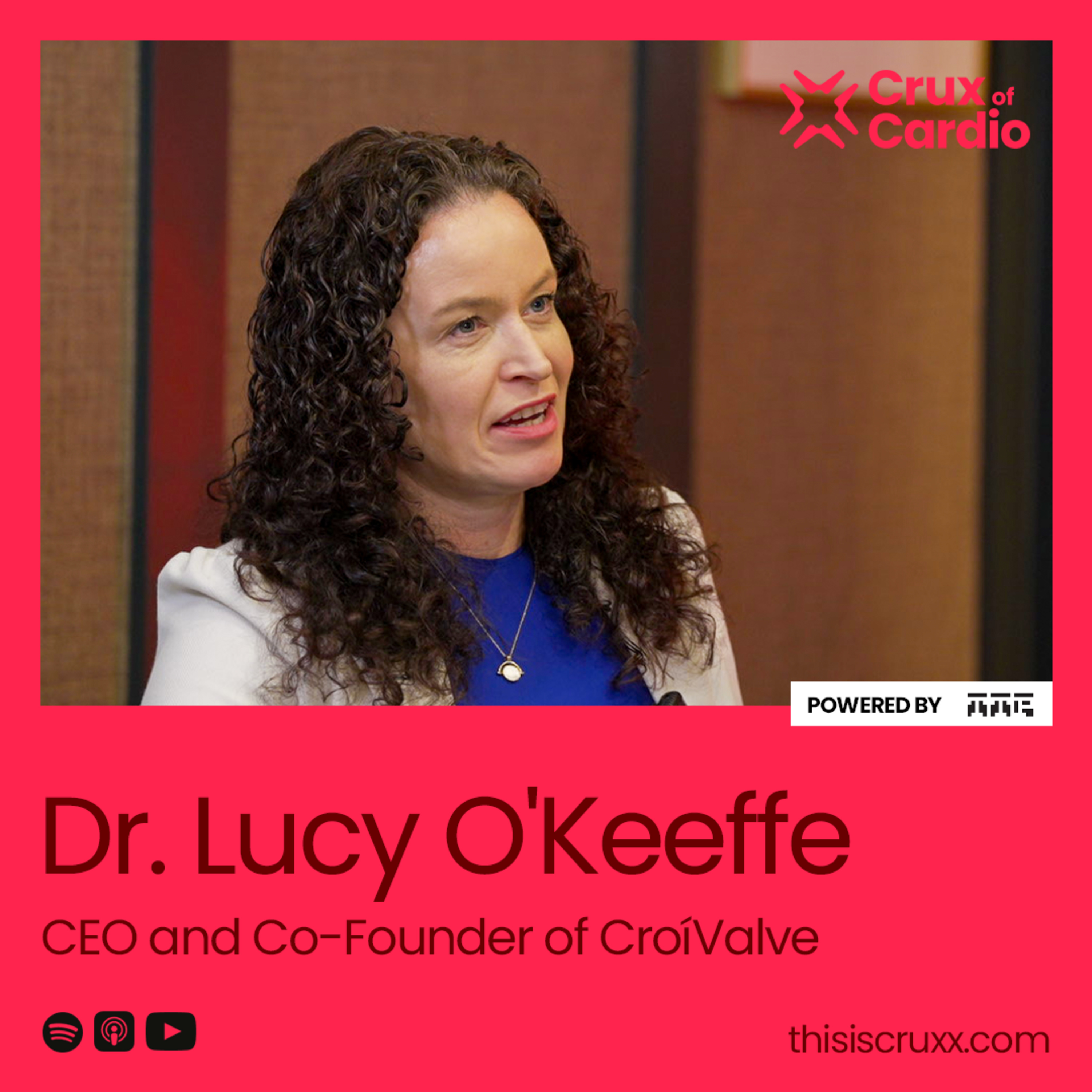
| 5/29/26 | tricuspid valvemedtech startups+4 | Dr. Lucy O'Keeffe | CroíValve | DublinIreland | tricuspid regurgitationCroíValve+5 | — | 42m 44s | ||
| 5/19/26 | emphysema treatmentmedtech innovation+4 | Karun Naga | BREATHE Airway ScaffoldApreo Health+4 | — | emphysemaApreo Health+6 | — | 47m 05s | ||
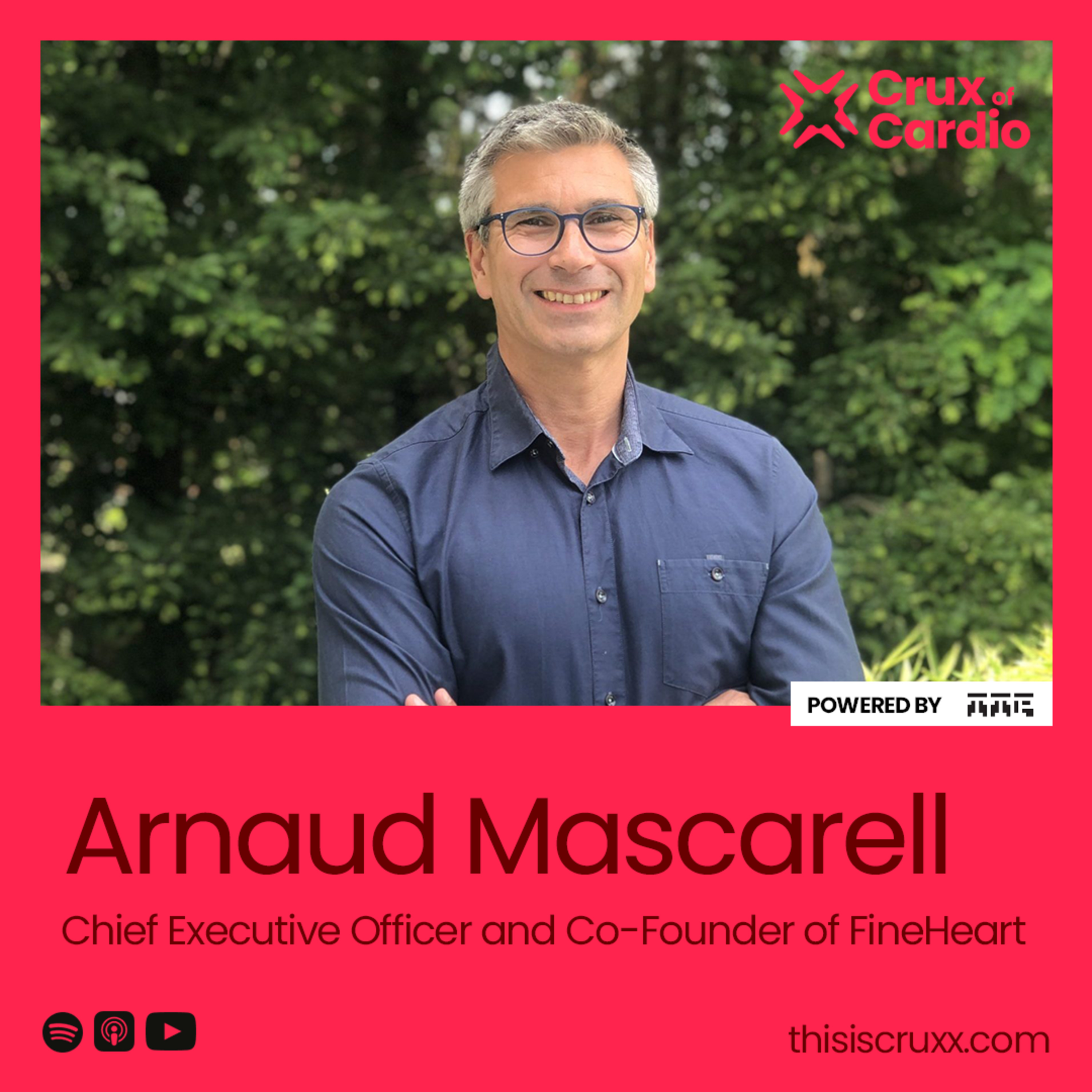
| 5/15/26 | heart failurecardiac assist devices+4 | Arnaud Mascarell | FlowMakerFineHeart+1 | Bordeaux | heart failureFlowMaker+6 | — | 46m 26s | ||
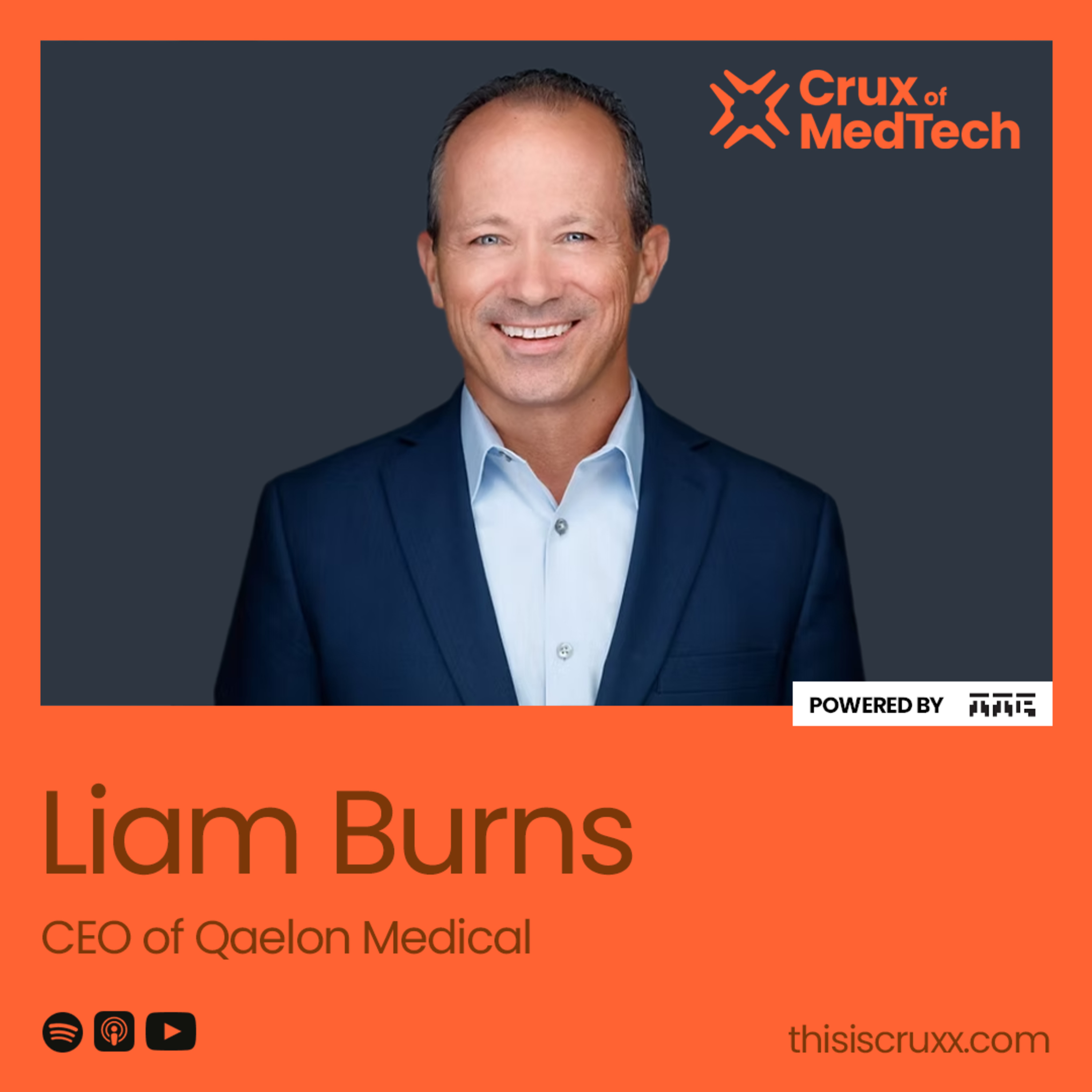
| 5/5/26 | surgical leak detectionanastomotic leak+4 | Liam Burns | Qaelon MedicalUS Navy+3 | US | anastomotic leaksurgery+7 | — | 53m 46s | ||
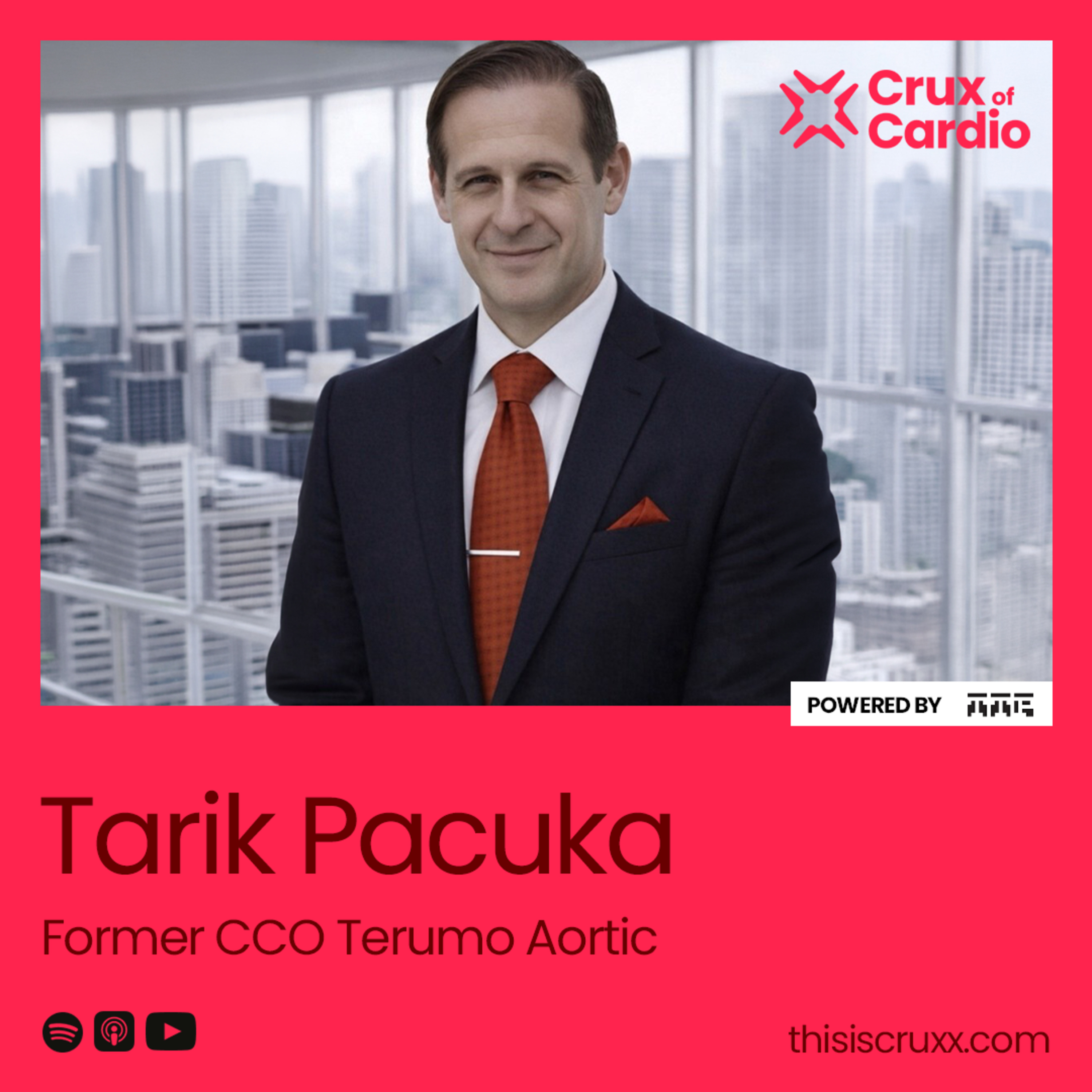
| 5/1/26 | career trajectorycommercial teams+4 | Tarik Pacuka | Terumo AorticVascutek | Cardiovascular | medtechcommercial playbook+5 | — | 58m 40s | ||
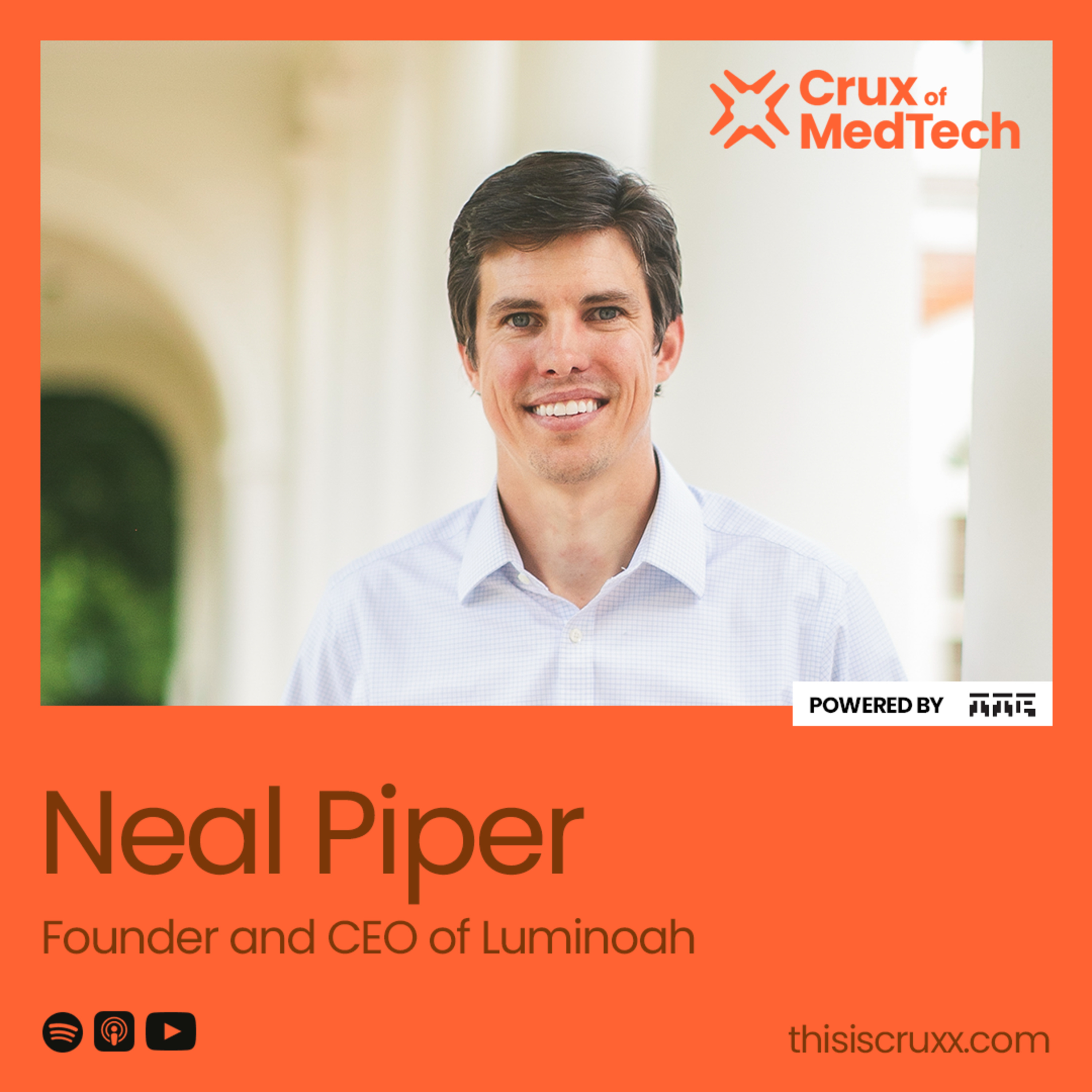
| 4/28/26 | enteral feeding technologymedtech innovation+5 | Neal Piper | Luminoah | — | feeding pumpwearable technology+6 | — | 48m 58s | ||
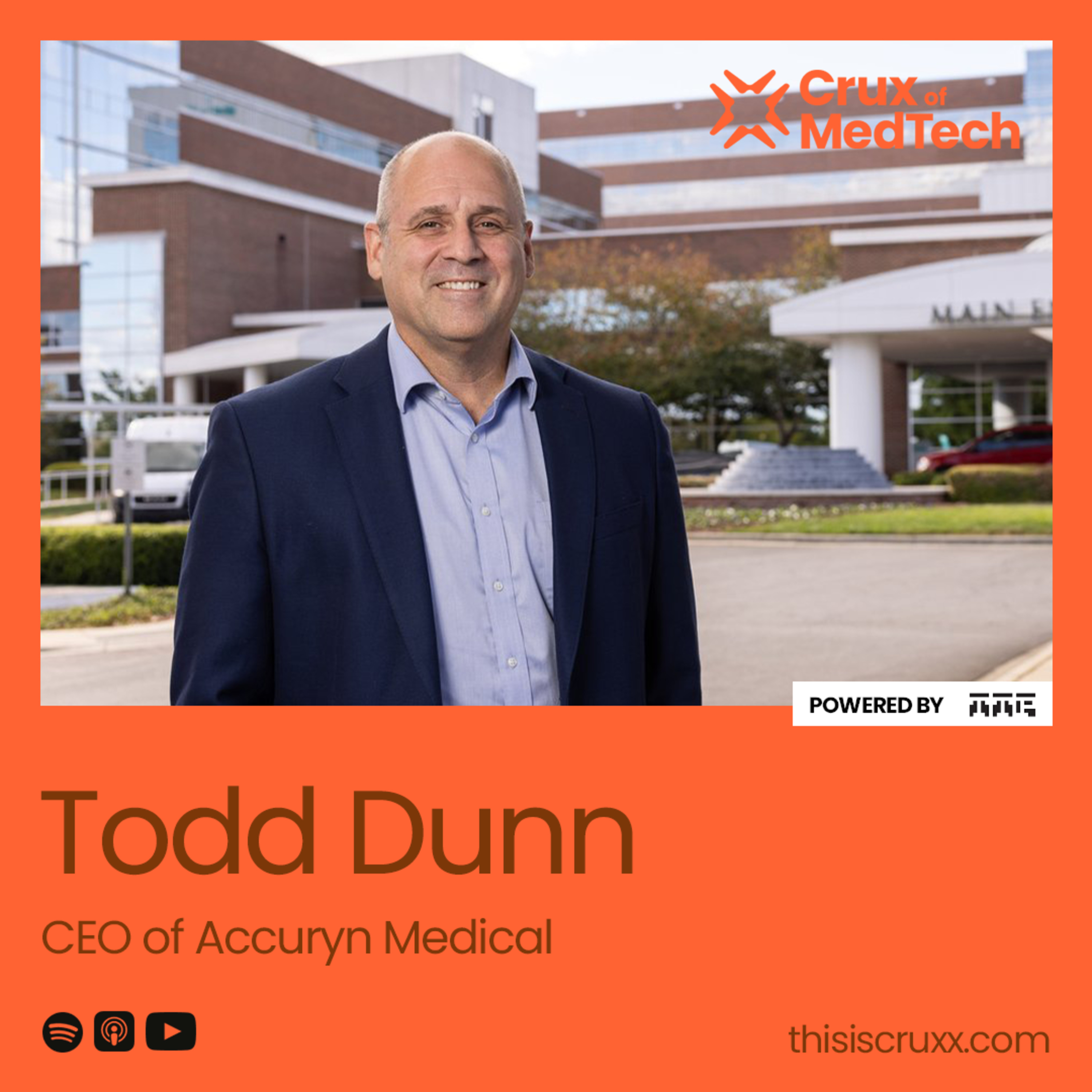
| 4/21/26 | kidney monitoringacute kidney injury+4 | Todd Dunn | Accuryn MedicalCR Bard+1 | Charlotte | kidney monitoringacute kidney injury+6 | — | 54m 25s | ||
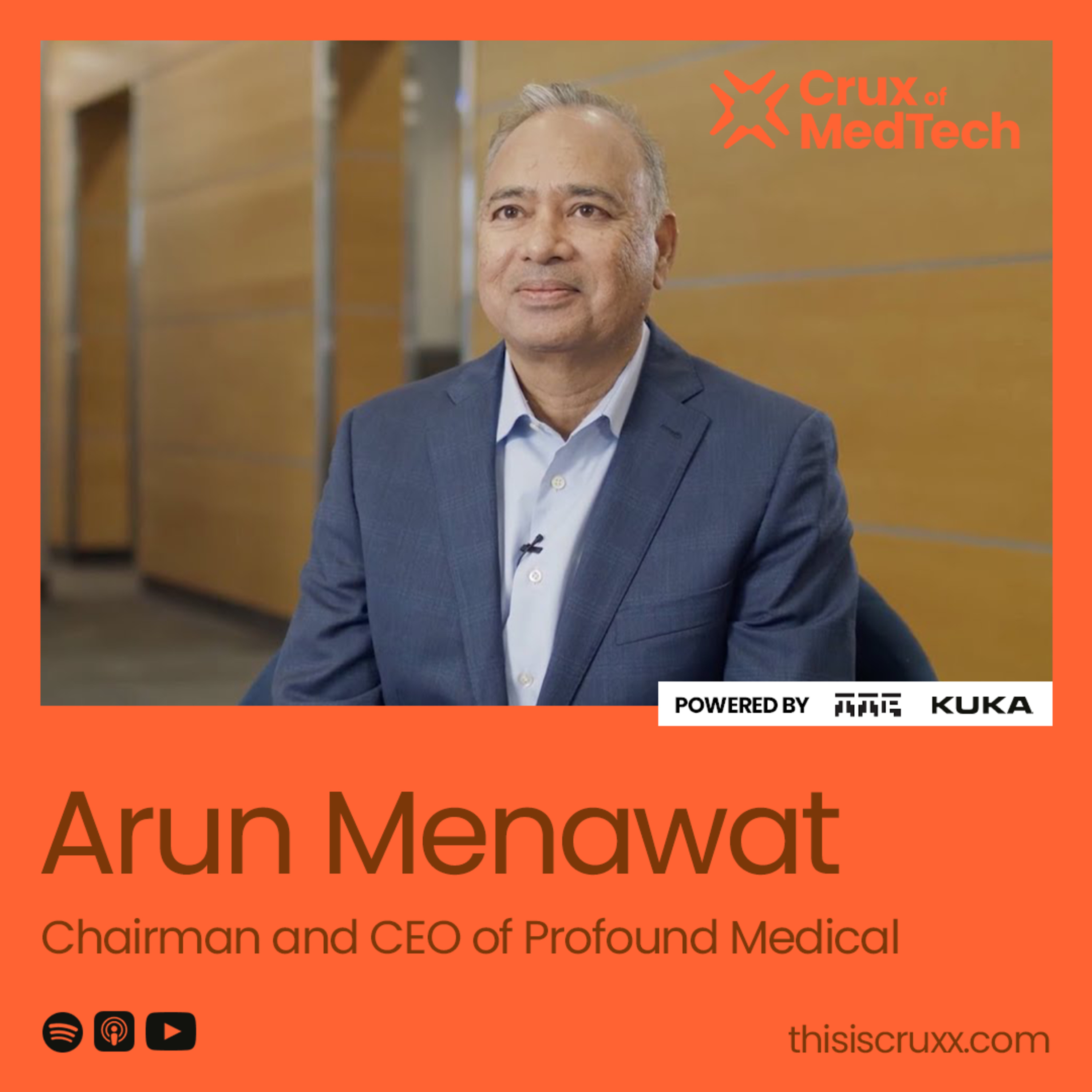
| 4/14/26 | robotic prostatectomyMRI-guided thermal ultrasound+4 | Dr. Arun Menawat | TULSA-PRO®Profound Medical+2 | — | robotic prostatectomyTULSA-PRO+7 | — | 48m 47s | ||
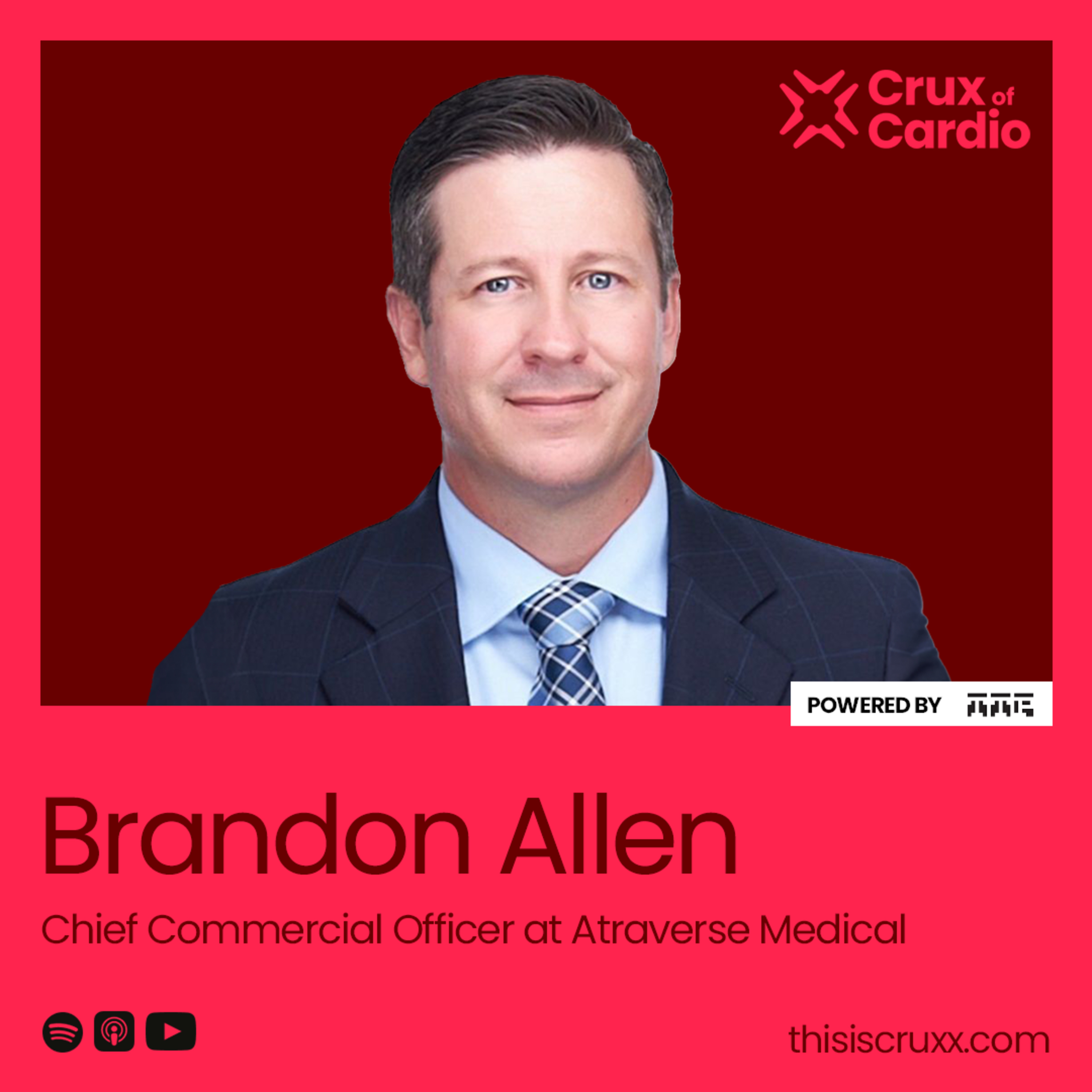
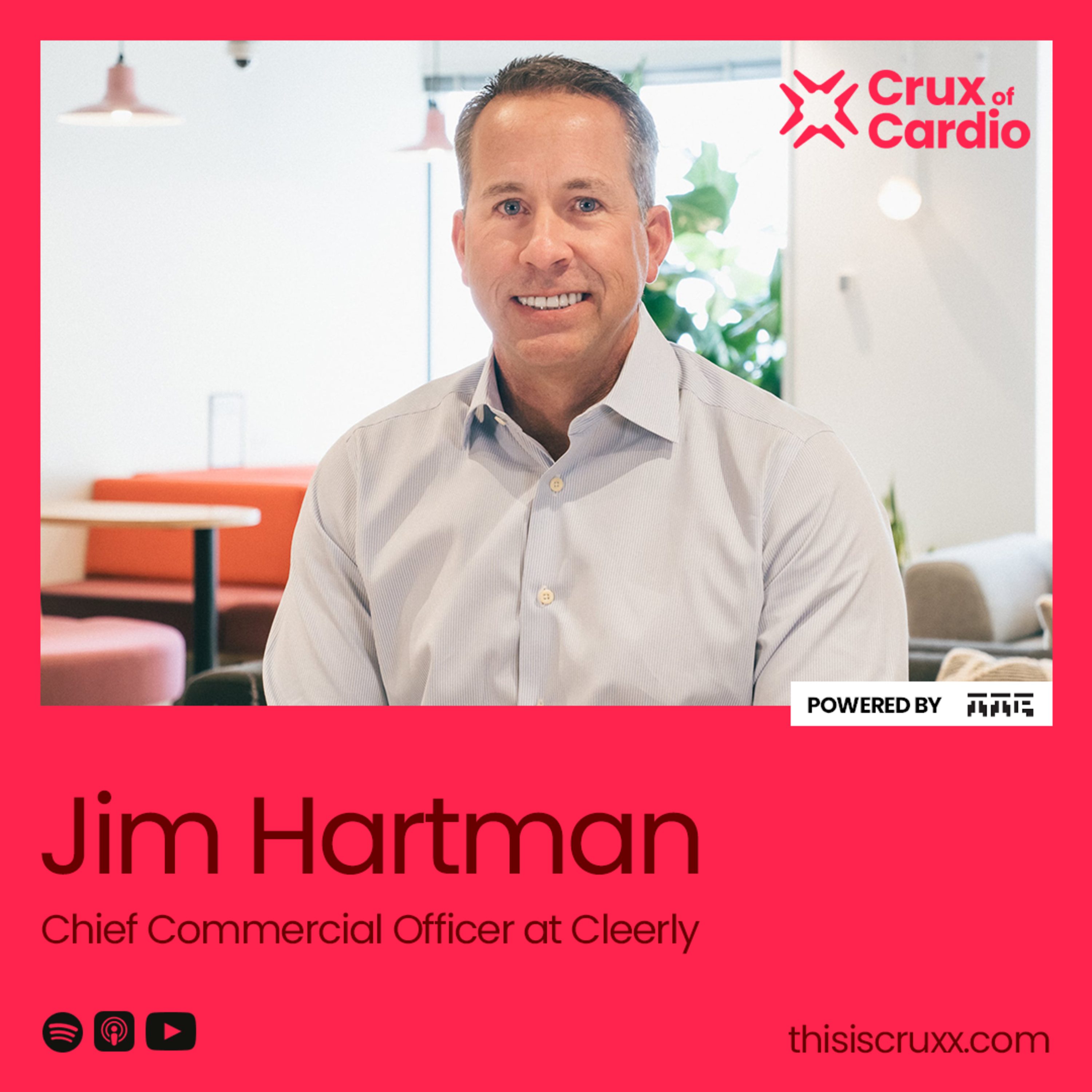
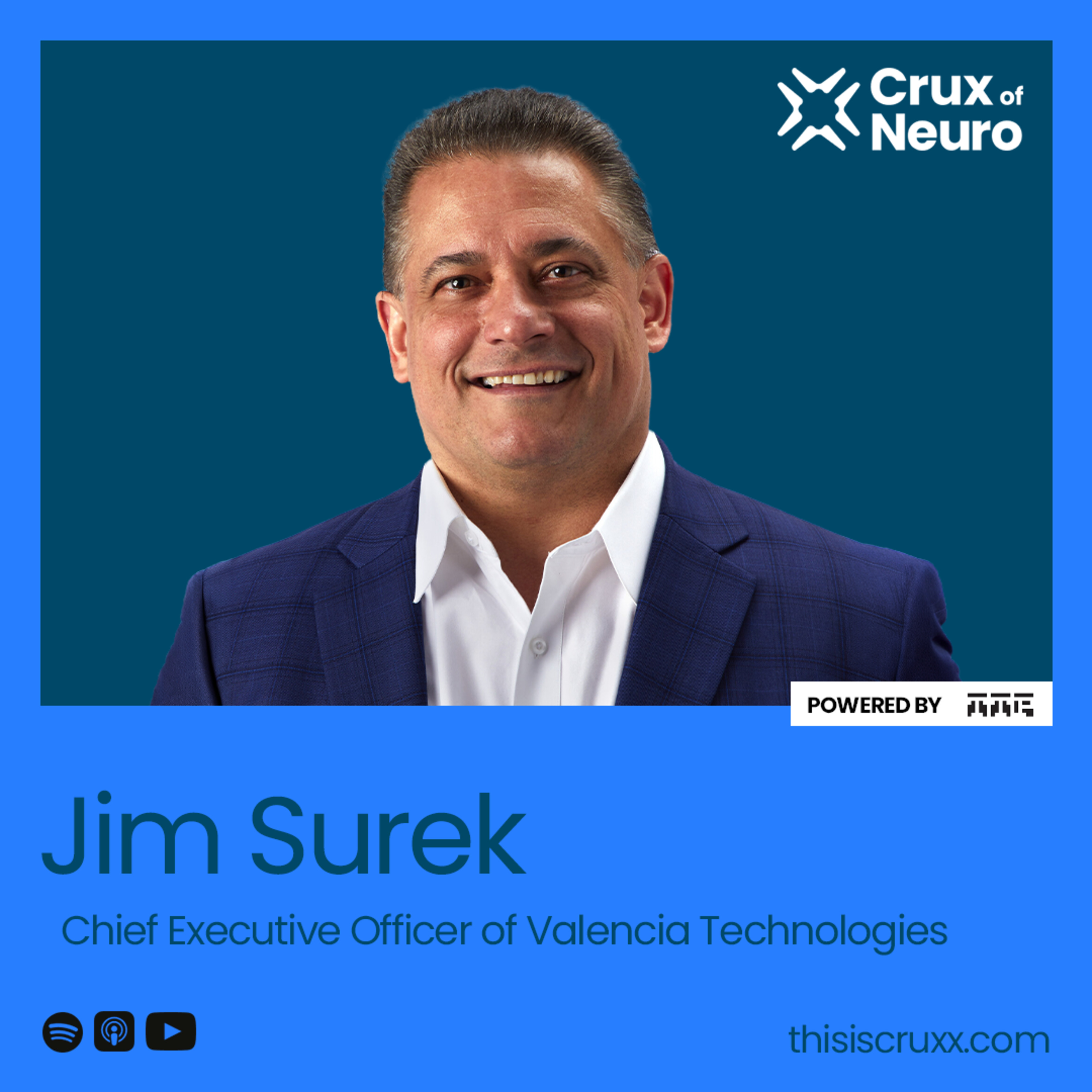
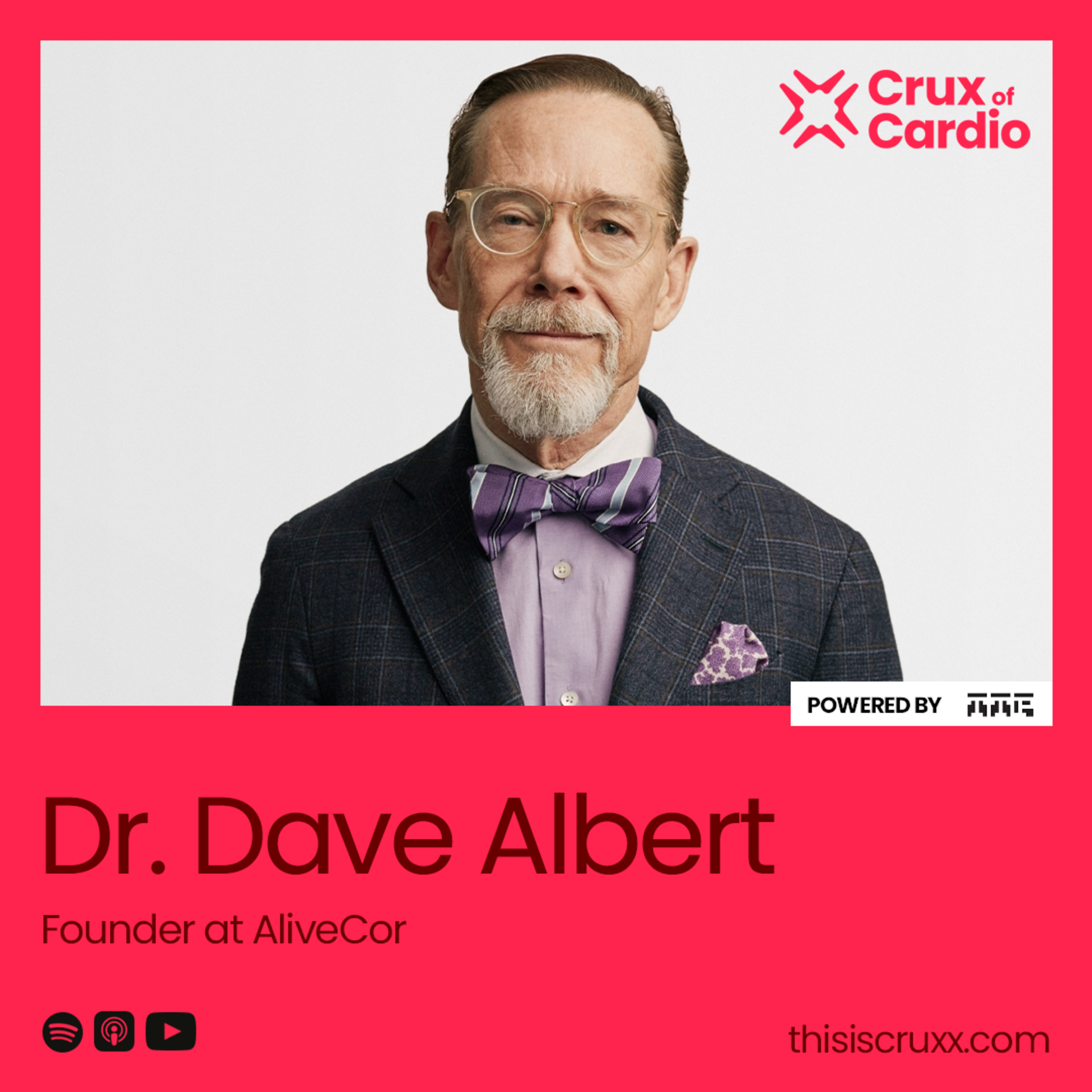

Showing 25 of 91
Pitch Fit is a Pro feature
See how bookable this show is for guests, which brands already advertise, the per-episode ad value, and the best-fit guest and sponsor profile. The numbers are blurred on the free plan.
How readily this show books outside guests like you.
How proven this show is for host-read sponsorships.
For Guests
ProFor Advertisers
ProUpgrade to Pro to unlock guest cadence, sponsor categories, fit scores, and per-episode ad value for this show.
Similar Audience Demographics
Podcasts that attract a similar listener profile



Chart history for The Crux of Medtech
Peaked at #110 in PT, currently #110 in PT.
| Market | Genre | Peak | Current | Trend |
|---|---|---|---|---|
| PT | — | #110 | #110 | — |
Chart Positions
1 placement across 1 market.
Chart Positions
1 placement across 1 market.