
The Culture Kit with Jenny & Sameer
by Berkeley Center for Workplace Culture and Innovation
Is this your podcast?Insights from recent episode analysis
Audience Interest
Podcast Focus
Publishing Consistency
Platform Reach
Insights are generated by CastFox AI using publicly available data, episode content, and proprietary models.
Total monthly reach
Estimated from 3 chart positions in 3 markets.
By chart position
- 🇦🇺AU · Management#6130K to 100K
- 🇸🇦SA · Management#953K to 10K
- 🇹🇭TH · Management#150500 to 3K
- Per-Episode Audience
Est. listeners per new episode within ~30 days
17K to 57K🎙 Weekly cadence·21 episodes·Last published 2w ago - Monthly Reach
Unique listeners across all episodes (30 days)
34K to 113K🇦🇺88%🇸🇦9%🇹🇭3% - Active Followers
Loyal subscribers who consistently listen
10K to 34K
Market Insights
Platform Distribution
Reach across major podcast platforms, updated hourly
Total Followers
—
Total Plays
—
Total Reviews
—
* Data sourced directly from platform APIs and aggregated hourly across all major podcast directories.
On the show
Recent episodes
Healthcare Has a Culture Problem. Can AI Help Fix It?
May 19, 2026
Unknown duration
The Office Has to Earn It: How Physical Space Shapes Organizational Culture
May 5, 2026
Unknown duration
Jeanne Tsai on the Invisible Standard That’s Governing Your Organization: Emotions
Apr 21, 2026
Unknown duration
Melissa Valentine on Assembling Your ‘Avengers’: Flash Teams in the Age of AI
Apr 7, 2026
Unknown duration
Jack Goncalo on What Organizations Get Wrong About Creativity—and What It's Costing Them
Mar 24, 2026
Unknown duration
Social Links & Contact
Official channels & resources
Official Website
Login
RSS Feed
Login
| Date | Episode | Description | Length | ||||||
|---|---|---|---|---|---|---|---|---|---|
| 5/19/26 | 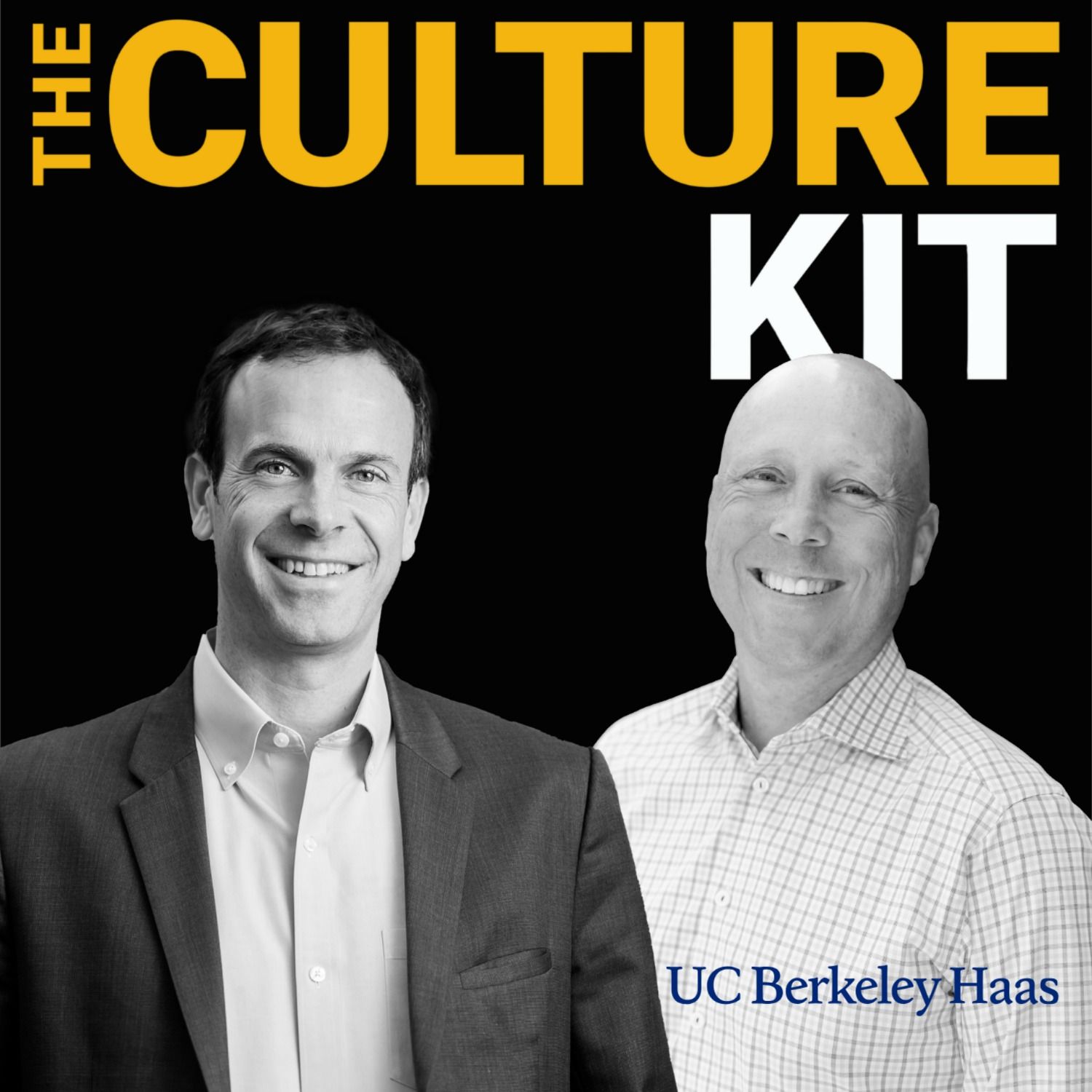 Healthcare Has a Culture Problem. Can AI Help Fix It? | Healthcare organizations don't just have an efficiency problem—they have a culture problem. Siloed specialists, misaligned incentives, and fragmented decision-making leave patients frustrated and clinicians burned out. Jonathan Kolstad is a professor of economic analysis and policy at UC Berkeley Haas and is one of the country's leading health economists. He’s the founder and faculty director of the Center for Healthcare Marketplace Innovation (CHMI), a joint center between Haas and UC Berkeley’s College of Computing, Data Science, and Society. CHMI’s executive director is Ted Robertson, who specializes in designing and building healthcare products with the best mix of human and AI insights in decision making. On this episode of The Culture Kit, Jon and Ted join organizational culture expert and co-host Jenny Chatman, Dean of the Haas School, to explain why healthcare’s broken structure is ultimately a culture problem, and how AI—deployed in the right way—might help fix it. (Note: Co-host Sameer Srivastava was out of town for this episode.) | — | ||||||
| 5/5/26 | 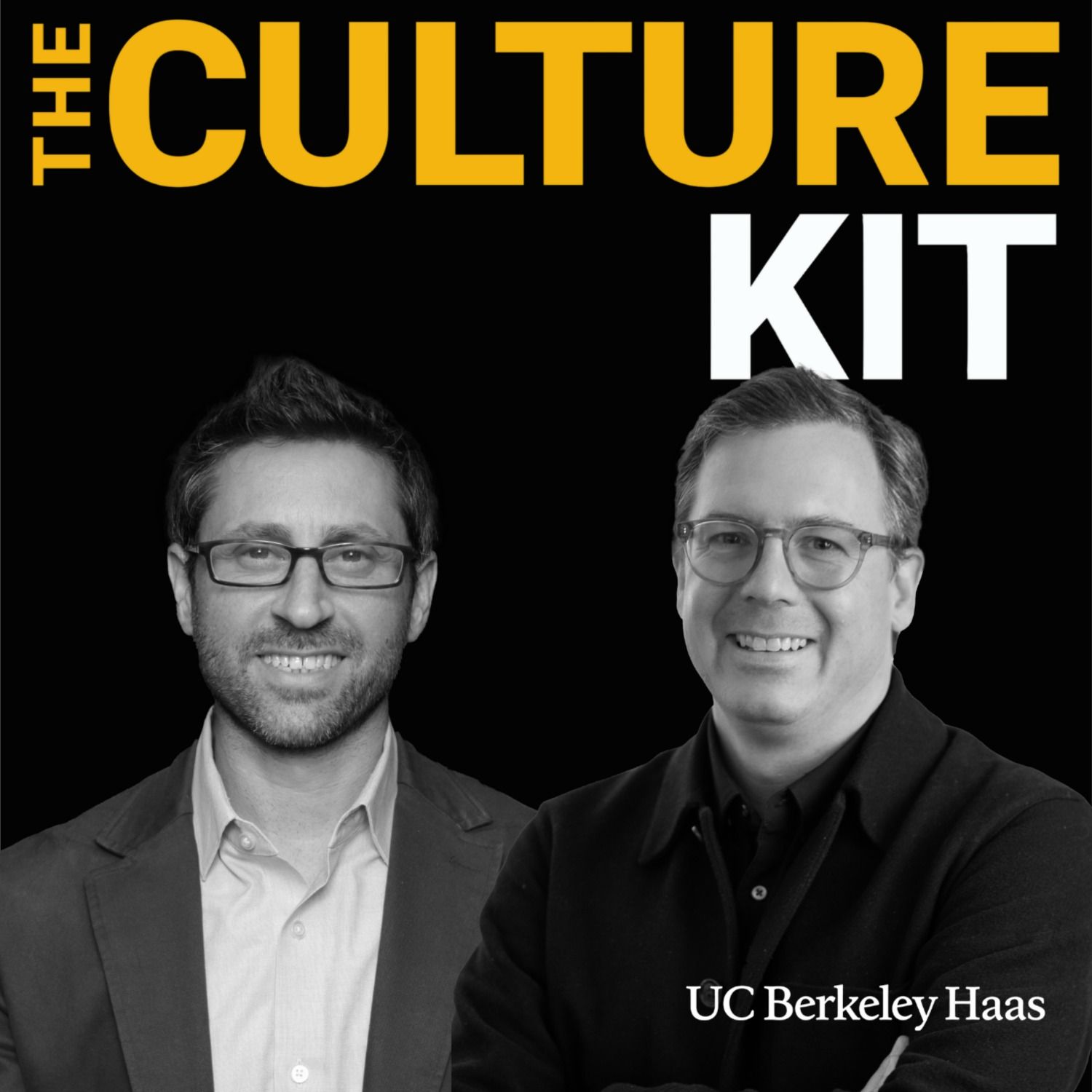 The Office Has to Earn It: How Physical Space Shapes Organizational Culture | The office has never been just a place to work, it both reflects and shapes an organization’s culture. The furniture, the light, the layout, the ratio of private to shared space—all of it sends signals, whether leaders intend them to or not. Paul Cooper and Christopher Good have spent their careers translating between what organizations say they value and what their spaces actually communicate. Paul is a principal at the architecture firm, TEF Design, and has spent 30 years designing places where people come together. Christopher is Chief Creative Officer at One Workplace, a workplace design and furnishings company, with the philosophy that no one should have to come into an office by default anymore, the office needs to earn it. On this episode, Paul and Christopher join organizational culture experts Jenny Chatman and Sameer Srivastava to discuss what offices should look like now in the age of remote and hybrid models, why rents in one AI-centric San Francisco neighborhood have doubled why downtown office space sits empty, and the unknowns of designing for the future as AI takes off. *The Culture Kit with Jenny & Sameer is a production of Haas School of Business and is produced by University FM.* | — | ||||||
| 4/21/26 | 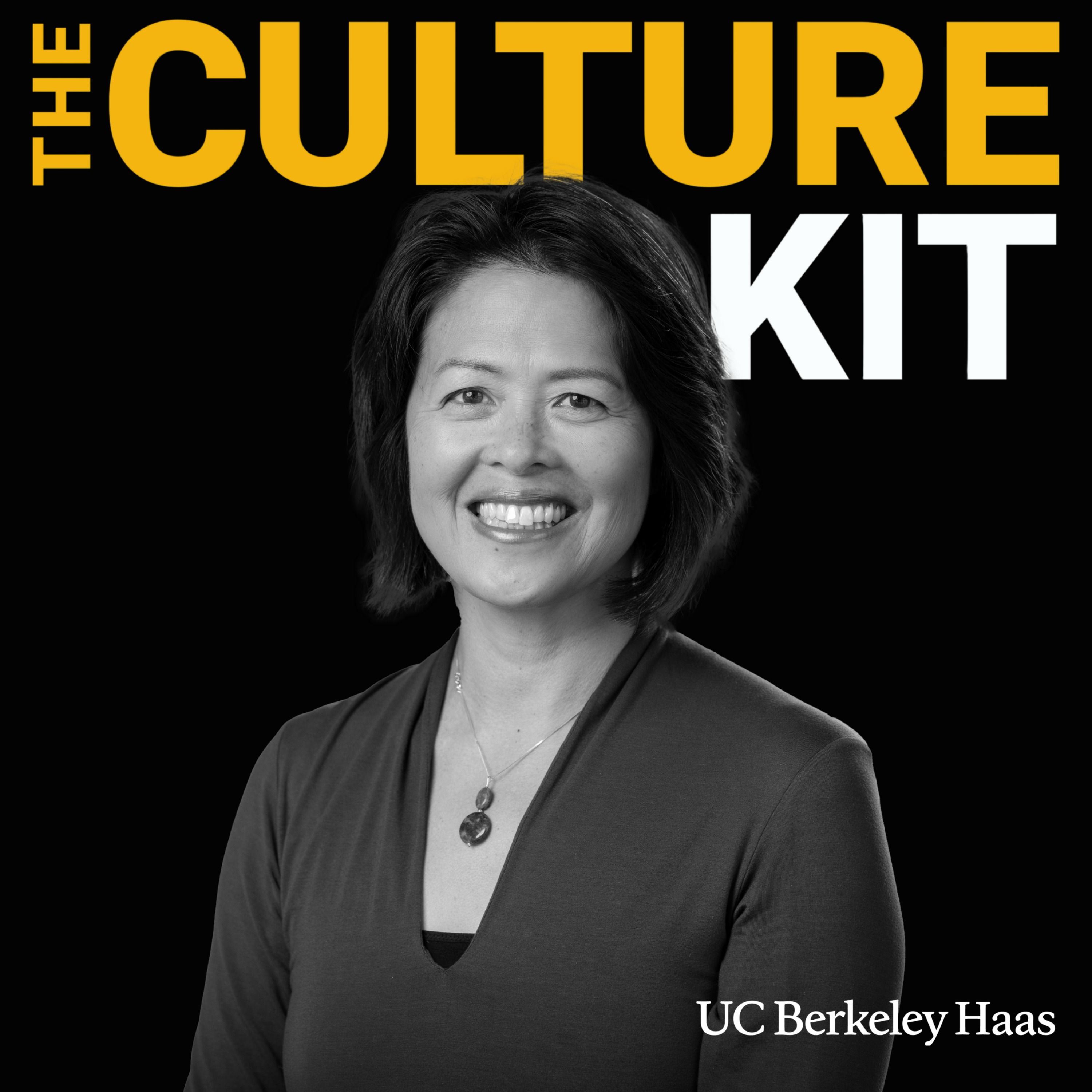 Jeanne Tsai on the Invisible Standard That’s Governing Your Organization: Emotions | Culture doesn’t just shape behavior; it shapes the emotional states people value. Those values operate largely below the surface and can drive some of the most consequential decisions organizations make—who gets hired, who gets promoted, who looks like a leader, and increasingly, how we design AI. For 30 years, psychologist Jeanne Tsai, the Dunlevie Family Professor at Stanford University and director of the Stanford Culture and Emotion Lab, has been building the science of how culture shapes emotion and its implications for decision-making, health, and how people are perceived.. She joins organizational culture experts Jenny Chatman and Sameer Srivastava to discuss why it’s important for leaders to understand and examine this unwritten standard for how employees feel at work. *The Culture Kit with Jenny & Sameer is a production of Haas School of Business and is produced by University FM.* | — | ||||||
| 4/7/26 |  Melissa Valentine on Assembling Your ‘Avengers’: Flash Teams in the Age of AI | We tend to treat organizational structures—such as job titles, departments, and reporting lines—like furniture: always there, moved around a bit, but rarely questioned. But what if AI is about to redesign the whole office? And in a world where you have humans and agents working alongside each other, how can leaders build a cohesive culture? Stanford professor Melissa Valentine anticipated some of these changes in her book, Flash Teams: Leading the Future of AI-Enhanced, On-Demand Work. In this episode of The Culture Kit, Melissa joined organizational culture experts Jenny Chatman and Sameer Srivastava to discuss how AI and online labor markets are enabling leaders to assemble teams, solve problems, and then disband at superhero speeds. They also explore tensions between algorithmic decision-making and human structures, the challenges of deploying AI agents alongside humans, and how to recognize the “invisible labor” that keeps everything running smoothly. Melissa is an associate professor of management science & engineering at Stanford University and a senior fellow at the Stanford Institute for Human-Centered AI. *The Culture Kit with Jenny & Sameer is a production of Haas School of Business and is produced by University FM.* | — | ||||||
| 3/24/26 |  Jack Goncalo on What Organizations Get Wrong About Creativity—and What It's Costing Them | Most organizations say they want to foster creativity. But decades of research by Jack Goncalo, PhD o4, reveals they misunderstand it in fundamental ways: Leaders often implicitly reject novel ideas and penalize creative people when they’re up for leadership roles. In our Season 5 kickoff, Goncalo unpacks the science behind why—and shares some genuinely counterintuitive findings: the conditions we think suppress creativity sometimes do the opposite. And the costs of creative work? They show up in places no one is tracking—including what your employees might eat and drink after a big brainstorm. Goncalo joins organizational culture experts Jenny Chatman and Sameer Srivastava to discuss why the bias against creativity is worst precisely when organizations need it most, why constraints and even social rejection can actually fuel original thinking, and why asking people to be creative all day has downstream consequences leaders aren't accounting for. *The Culture Kit with Jenny & Sameer is a production of Haas School of Business and is produced by University FM.* | — | ||||||
| 12/2/25 |  Glenn Carroll and Jenny Chatman on How to Make Your Organizational Culture Great | On this special episode, Sameer turns the tables on Jenny and puts her in the guest chair to talk about the new book she wrote with Stanford Professor Glenn Carroll – Making Organizational Culture Great: Moving Beyond Popular Beliefs, out April 2026. Based on decades of research, Glenn and Jenny’s book takes on the myths, clichés, and wishful thinking about organizational culture and replaces them with what works. In this interview, they give Sameer a sneak preview of some of the top tips in the book and how leaders can start building a great organizational culture today. Learn more about The Culture Kit and find the full transcript: https://haas.berkeley.edu/culture/culture-kit-podcast/ *The Culture Kit with Jenny & Sameer is a production of Haas School of Business and is produced by University FM.* | — | ||||||
| 11/11/25 |  Erica Bailey on Authenticity at Work—Beyond the Buzzword | Should you bring your “whole self” to work? Why does authenticity matter for organizations? And what does being “authentic” even mean? On this episode of The Culture Kit, Jenny and Sameer sit down with their colleague Erica Bailey, whose research is changing how we think about authenticity and leadership. Bailey, an assistant professor in the Management of Organizations Group at UC Berkeley Haas, talks about why she began studying authenticity, generational differences in attitudes about authenticity at work, and how we might preserve our human value in the age of AI. Learn more about The Culture Kit and find the full transcript: https://haas.berkeley.edu/culture/culture-kit-podcast/ *The Culture Kit with Jenny & Sameer is a production of Haas School of Business and is produced by University FM.* | — | ||||||
| 10/28/25 |  Rebecca Hinds on Overcoming a "Weapon of Mass Dysfunction": Meetings | It doesn’t matter where you work—bad meetings are a universal pain point. But they don’t have to be. Rebecca Hinds is an organizational researcher who has spent the past 15 years helping teams fix their broken meetings—and broken collaboration in general. Hinds has applied her Stanford PhD to the future of work, founding think tanks at two technology companies, and is now the author of the forthcoming book, Your Best Meeting Ever: Seven Principles for Designing Meetings That Get Things Done, out February 2026. Hinds joins organizational culture experts Jenny Chatman and Sameer Srivastava to discuss how bad meetings can degrade your company’s culture, the purpose meetings should actually serve, and how to start treating meetings as your most valuable product—and not an inevitable headache. Learn more about The Culture Kit and find the full transcript: https://haas.berkeley.edu/culture/culture-kit-podcast/ *The Culture Kit with Jenny & Sameer is a production of Haas School of Business and is produced by University FM.* | — | ||||||
| 10/14/25 |  How’s Your Battery? Calm CEO David Ko on Normalizing Mental Health at Work | With the majority of our waking life spent at work, conversations around mental health are crucial for a healthy workplace culture. But how do you open the conversation at work? How can leaders build the trust and psychological safety needed for these conversations? On this special episode, David Ko, CEO of the sleep and meditation app Calm and author of the book Recharge, shares his leadership journey from investment banking to purpose-driven leadership. Since 2022, he’s guided Calm’s work in over 190 countries, supporting millions of people seeking to improve their wellbeing. Ko describes “the battery check,” a simple framework for starting conversations about mental health, describes how burnout happens when leaders don’t explain the “why” behind decisions, and shares some candid personal anecdotes. The conversation is hosted by Professor Sameer Srivastava and led by UC Berkeley Haas students Avanika Lal and Esa Tilija, both MBA 26. The joint Dean’s Speaker Series and Berkeley Center for Workplace Culture and Innovation event took place at the Haas School of Business on September 30, 2025. *The Culture Kit with Jenny & Sameer is a production of Haas School of Business and is produced by University FM.* | — | ||||||
| 9/30/25 |  Toby Stuart on Why You Can’t Ignore the Hidden Forces of Social Status in Your Organization | Think your workplace runs on pure merit? Think again. In this season-opening episode, Berkeley Haas professor and leading sociologist Toby Stuart reveals how hidden status dynamics shape whose ideas get heard, who advances, and why meritocracies might be a “nice myth to think about” but nearly impossible to achieve in practice. But that doesn’t mean you shouldn’t try. Stuart, author of the new book Anointed: The Extraordinary Effects of Social Status in a Winner Take Most World, joins organizational culture experts Jenny Chatman and Sameer Srivastava to explore how social status quietly drives decisions, what functions it serves in organizations and societies, and how leaders can navigate—and reshape—these hidden hierarchies. *The Culture Kit with Jenny & Sameer is a production of Haas School of Business and is produced by University FM.* | — | ||||||
Want analysis for the episodes below?Free for Pro Submit a request, we'll have your selected episodes analyzed within an hour. Free, at no cost to you, for Pro users. | |||||||||
| 3/25/25 |  Work as Play: How Gaming Culture Can Power Your Career | With so many shifting rules and cultural norms, career success can feel like mastering a complex game. Jessica Lindl, Vice President of Ecosystem Growth at Unity Technologies and a Haas MBA alum, shows how a gaming mindset can be an advantage in today’s workplace. Her new book, The Career Game Loop: Learn to Earn in the New Economy, launches April 29. Jessica joins hosts Jenny Chatman and Sameer Srivastava in the season 3 finale of The Culture Kit to discuss the gamer mindset, strategies for job crafting, and how leaders can build game-inspired workplace cultures. | — | ||||||
| 3/11/25 |  Meet Your New Boss: An Algorithm | From ride-hailing services to warehouses to hiring platforms, algorithms are increasingly taking on the role of manager. What does this mean for worker autonomy and meaningful engagement with work? On this episode of The Culture Kit, hosts Jenny Chatman and Sameer Srivastava interview Lindsey Cameron, assistant professor of management at the University of Pennsylvania’s Wharton School, about the research insights she gained from getting behind the wheel as a ride-hailing driver. Cameron discusses the cultural aspects of gig work, the “good bad job” paradox, and strategies for fostering equity and worker dignity in an increasingly algorithm-driven world. | — | ||||||
| 2/27/25 |  The Dishwasher Divide: How to Decode Tight and Loose Cultures | Why do some workplaces enforce strict rules while others never seem to start a meeting on time? What happens when a rule-following “Order Muppet”—think Kermit the Frog—pairs up with a “Chaos Muppet” like Cookie Monster? And what does how you load the dishwasher reveal about your cultural mindset? In this episode of The Culture Kit, hosts Jenny Chatman and Sameer Srivastava welcome Dr. Michele Gelfand, a professor at Stanford’s Graduate School of Business and pioneer of the “tight-loose” framework for analyzing culture. Gelfand, a cross-cultural psychologist, reveals how invisible cultural forces shape behavior across nations, organizations, and even households, offering a powerful lens to understand why some groups thrive with structure while others flourish with freedom. The conversation unpacks how companies navigate cultural challenges during crises like the pandemic, mergers, and the remote work revolution. Gelfand shares tools for leaders to identify when their organization has become too rigid or too lax, and strategies for achieving “tight-loose ambidexterity—a balance of accountability and empowerment that drives success. | — | ||||||
| 2/11/25 | 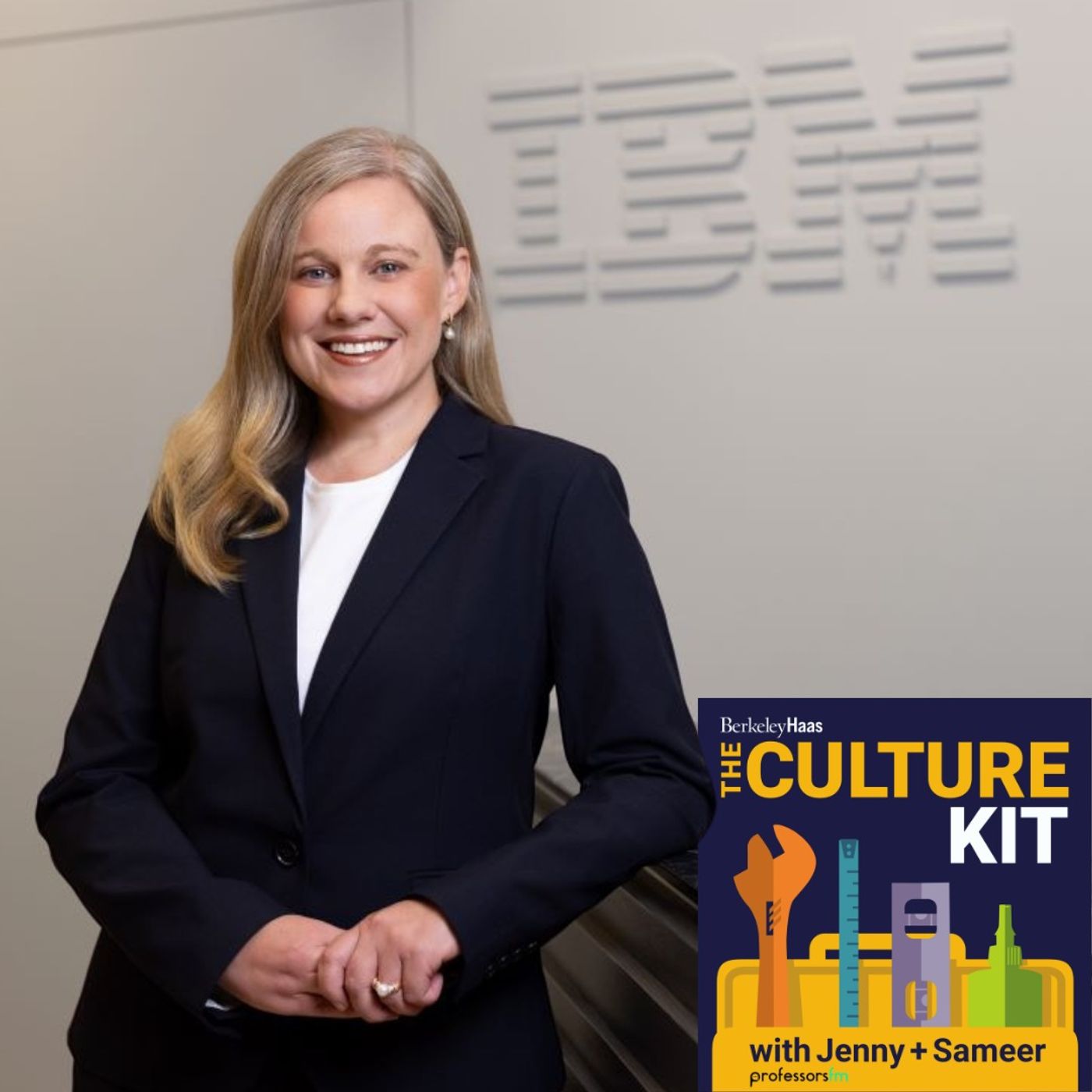 IBM’s Nickle LaMoreaux on how AI helped HR put people first | IBM Senior Vice President and Chief Human Resources Officer Nickle LaMoreaux is helping to steer the tech giant through the fastest change she’s seen in her two-decade career. In this interview with UC Berkeley Haas professors Jenny Chatman and Sameer Srivastava, she shares how IBM’s bold shift to AI-powered HR helped free up her human team to better support the company’s 275,000 global employees. IBM’s digital AI agent now handles 11 million interactions annually with a 94% resolution rate, and employee satisfaction has soared. LaMoreaux makes the case that this digital transformation has enabled her team to focus on high-value work like leadership coaching and complex problem-solving. She discusses how domain expertise has become more important than ever. | — | ||||||
| 1/28/25 | 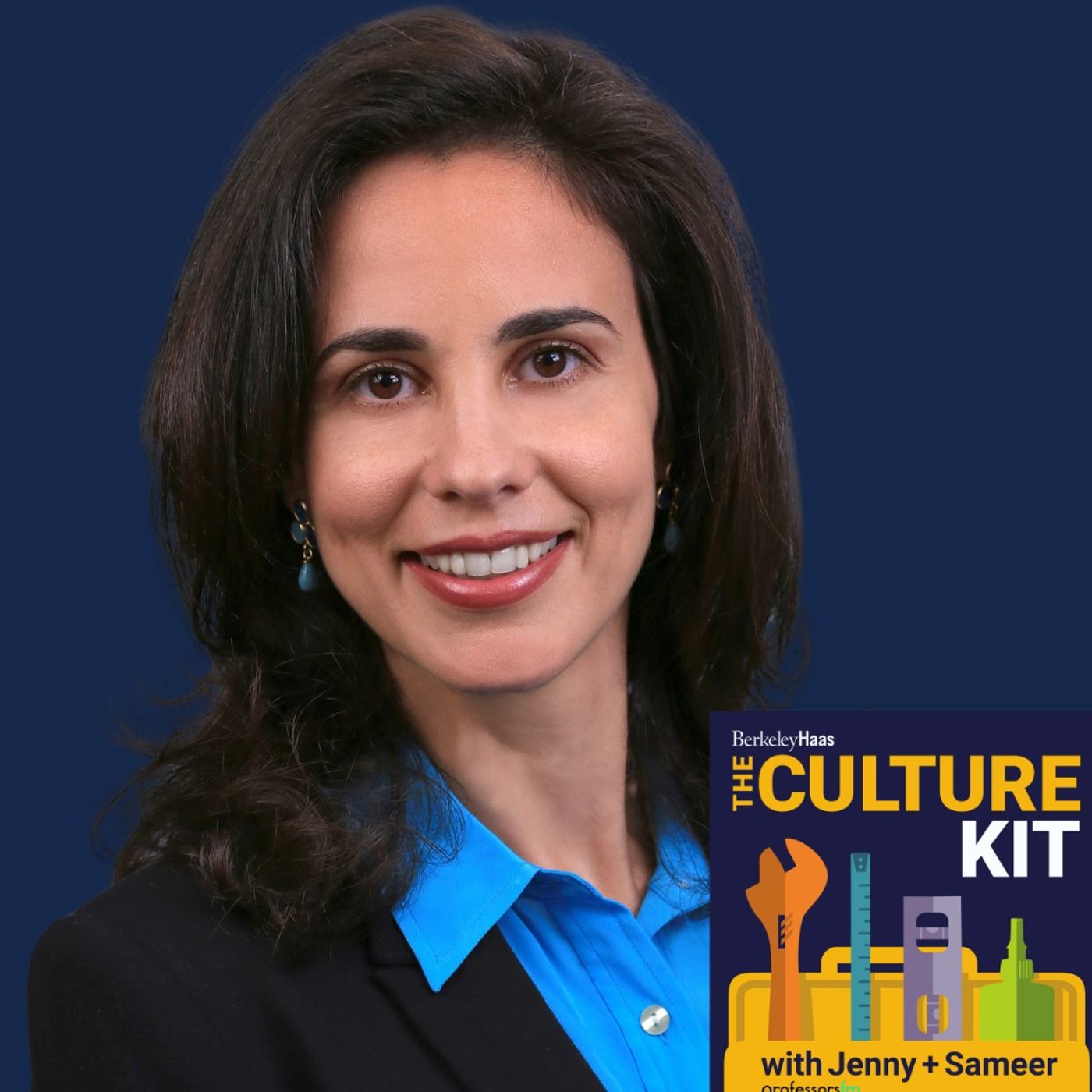 How to Cultivate the Human-AI Sweet Spot for Innovation | How can leaders put AI to work without stifling human creativity and innovation? Berkeley Haas organizational culture experts Jenny Chatman and Sameer Srivastava are back for season 3 of The Culture Kit! The season kicks off with Hila Lifshitz, a Professor of Management at Warwick Business School and head of The Artificial Intelligence Innovation Network. She’s also a visiting faculty member at Harvard University’s Lab for Innovation Science (LISH). Jenny, Sameer, and Hila dive into her pioneering research on open innovation at NASA, revealing how they transitioned to an open innovation model and the significant cultural shift it required. They also discuss new research with fashion company H&M that revealed a common pitfall when implementing AI, and how to avoid it. | — | ||||||
| 12/10/24 | How to Use Art to Build A Culture of Innovation | How can artistic thinking and practices foster a healthier and more effective organizational culture? On this episode of The Culture Kit, hosts Jenny Chatman and Sameer Srivastava host a panel of four experts to discuss using art in the workplace to unleash a team’s creativity and innovation—regardless of the industry. From Google’s art-infused Quantum AI Computing Lab to new methods of teaching, the discussion revolves around the profound impact of integrating art into business, the role of AI in creative processes, and practical advice for overcoming resistance from those who don’t understand the value of the sometimes-messy creative process. Panelists: Erik Lucero leads the Google AI Quantum lab. He believes in the deep relationship between art, beauty, and the ability to innovate. Erik brought art into his new lab for the sole purpose of inspiring creativity in the team. Forest Stearns is the Principal Artist and co-founder of the Artist-in-Residence program at the Google AI Quantum project. Nir Hindie founded The Artian, a training company committed to nurturing an artistic mindset in the business environment. He’s a relentless advocate for the connections between artistic talent and business entrepreneurship as two areas that fuel each other. Léo Boussioux is an assistant professor of Information Systems at the University of Washington’s Foster School of Business. He’s passionate about the transformative power of AI in art and creativity, and believes that we all have an artist within waiting to be unleashed. This episode is based on the CultureXChange forum “Finding the Synergy between Art, Creativity, and Innovation” held on December 2, 2024 by the Berkeley Center for Workplace Culture and Innovation. Learn more. | — | ||||||
| 11/12/24 |  How to Combat the Hidden Gender Biases that Can Make Your Culture Unfriendly to Women | Despite efforts to eliminate gender bias at work, women still face barriers their male colleagues don’t. How can companies today identify whether gender bias has crept into their organization and create cultures that are supportive of women? On this episode of The Culture Kit, hosts Jenny Chatman and Sameer Srivastava are joined by Laura Kray, a professor at Berkeley Haas and the faculty director of the Center for Equity, Gender, and Leadership. Laura has been studying the psychological barriers that hold women back at work for decades. Her work sheds light on the hidden biases that persist today. Jenny, Sameer, and Laura chat about the perceived differences between male and female leaders in terms of power versus status, as well as how age plays into how women are perceived. Laura discusses her research debunking the notion that pay disparities between men and women come from differences in negotiation skills and shares strategies for business leaders to uncover and correct inequities. | — | ||||||
| 10/29/24 | 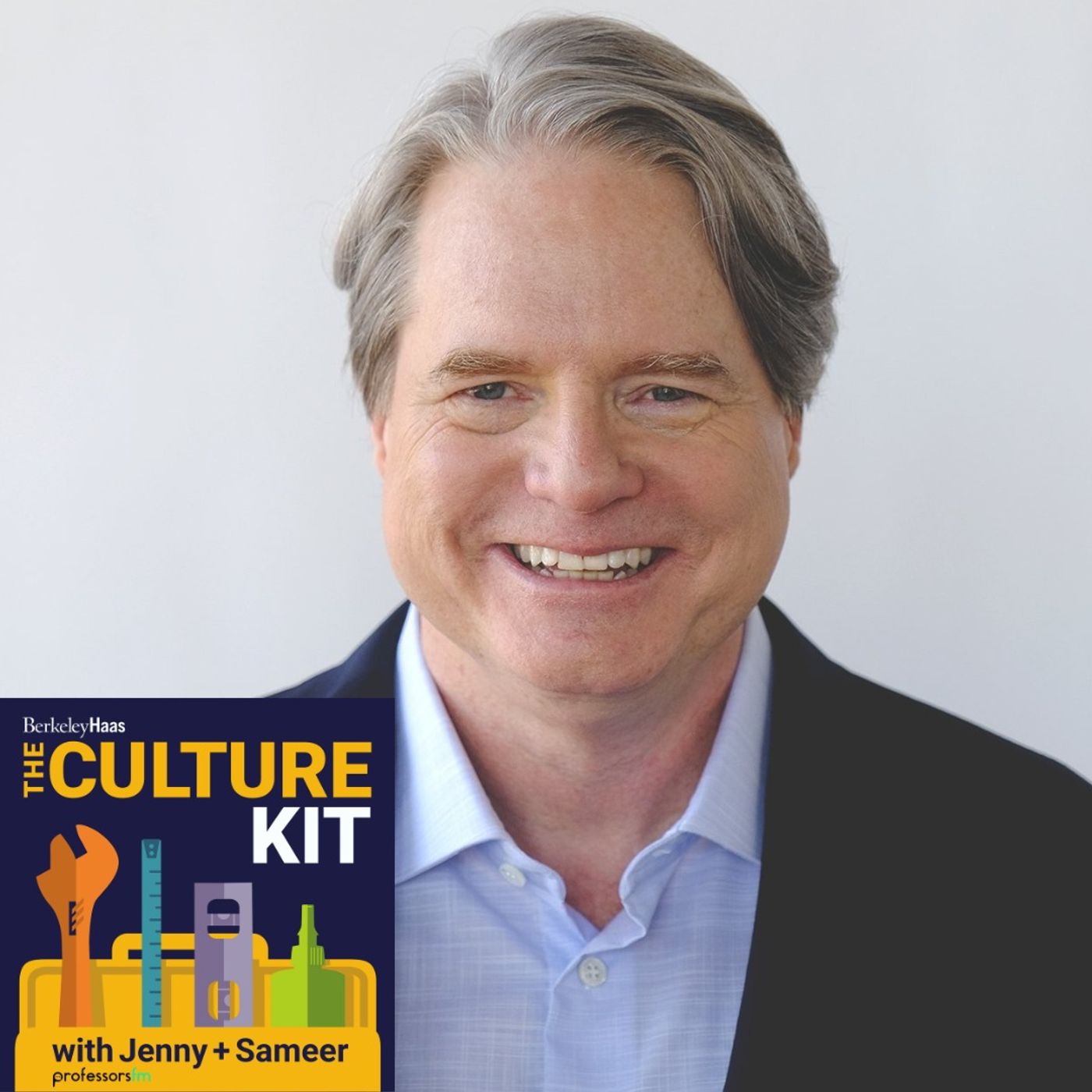 How Tribal Instincts Can Bring People Together | “Tribalism” has a generally negative reputation these days. It’s often used to refer to an us-versus-them mentality, or a culture that’s divisive and exclusionary. But that perception, according to cultural psychologist Michael Morris, “could not be more inaccurate as a description of what human tribal instincts are. They're instincts for solidarity, not for hostility.” On this episode of The Culture Kit, hosts Jenny Chatman and Sameer Srviastava interview Michael Morris, a professor at Columbia Business School, about his new book Tribal: How the Cultural Instincts That Divide Us Can Help Bring Us Together. Jenny, Sameer, and Michael discuss how tribal instincts allowed humans to break away from the primate back, and how these deeply ingrained instincts show up in organizations today. They also delve into modern and historical examples of leaders utilizing tribalism to adapt culture and even heal rifts. | — | ||||||
| 10/15/24 |  Should Corporate Leaders Speak Out on Social and Political Issues? | Should corporate leaders speak out on social and political issues? And if they decide to do so, what’s the best approach? On this episode of The Culture Kit, hosts Jenny Chatman and Sameer Srivastava chat with Matt Kohut, a leadership communications expert, about his new book Speaking Out: The New Rules of Business Leadership Communications. Jenny, Sameer, and Matt dig into historical examples of corporations and politics colliding, the potential pros and cons of deciding to weigh in on social issues, and strategies for business leaders to evaluate risk and maintain accountability when deciding to speak out. This episode’s question came from Laszlo Bock, co-founder of Humu and former Senior Vice President of People Operations at Google. | — | ||||||
| 10/1/24 |  Jarvis Sam on Cultivating Inclusion Amid Polarization | In the season two premiere of The Culture Kit, hosts Jenny Chatman and Sameer Srivastava tackle the complex question of how to create a culture of inclusion and belonging in the face of growing polarization in the workplace and society at large. To help answer this question, Jenny and Sameer turn to DEI expert Jarvis Sam. Jarvis is the CEO and founder of the strategy firm, Rainbow Disruption, which advises organizations on developing practical solutions that champion DEI in the workplace. Before that, Jarvis was the Chief Diversity, Equity, and Inclusion Officer at Nike, where he spearheaded initiatives to enhance diverse representation and foster inclusive leadership. He also led organizational efforts around DEI with athletes like Serena Williams and Lebron James, as well as leagues like the WNBA and NFL. Jenny, Sameer, and Jarvis discuss what an inclusive culture really means, go over actionable steps leaders can take to create and manage a culture of inclusion and belonging, and address some of the biggest myths and misconceptions surrounding DEI. | — | ||||||
| 9/3/24 |  Amy Edmondson & Steve Brass on Psychological Safety | While “psychological safety” has become somewhat of a buzzword in management circles, it’s a concept that forward-thinking leaders dismiss at their own peril. “I cannot think of a place where lower psychological safety would help you in any way,” says Harvard Business School Professor Amy Edmondson, known for her pioneering research on the topic. “Lower psychological safety would make you take fewer risks, but not necessarily better risks. So having anxiety about what other people think of you isn't a great state for optimal performance.” In this bonus episode of The Culture Kit with Jenny & Sameer, Edmondson, along with WD-40 CEO Steve Brass, joins hosts Jenny Chatman and Sameer Srivastava to discuss how to create a culture of psychological safety—and why it matters. This session was held November 13, 2023 as part of the Culture XChange series sponsored by the Berkeley Center for Workplace Culture and Innovation and is being broadcast publicly for the first time. Do you have a vexing question about work that you want Jenny and Sameer to answer? Submit your “Fixit Ticket!” You can learn more about the podcast and the Berkeley Center for Workplace Culture and Innovation at https://haas.berkeley.edu/culture/culture-kit-podcast/. *The Culture Kit with Jenny & Sameer is a production of Haas School of Business and is produced by University FM.* | — | ||||||
| 8/20/24 | Stripe CEO Patrick Collison on Crafting a Culture that Prizes Details | Dean's Speaker Series [Bonus Episode #3] | When Patrick Collison and his brother John Collison founded digital payment company Stripe in 2010, he didn't come in with “any kind of enlightened leadership expertise or genetic muscle memory.” As the company took off and grew to a dominant platform with $1 trillion in total payment volume and millions of customers, its culture grew more intentional—and strategic. “Because Stripe's domain is really complicated and the details really matter, if we make a mistake—just one mistake—there's a very good chance that somebody's paycheck is wrong…There's a culture at Stripe of just really prizing the small details,” he says. In this bonus episode of The Culture Kit with Jenny & Sameer, Collison shares his leadership journey and the evolution of Stripe’s unique culture in a fireside chat with hosts Jenny Chatman and Sameer Srivastava. This April 16, 2024 event was part of the Dean’s Speaker Series, co-sponsored by the Berkeley Center for Workplace Culture and Innovation. | — | ||||||
| 8/6/24 | The Remote Work Blueprint [Bonus Episode #2] | What are the benefits and challenges of running a fully remote company? What does research show about the shift to “work from anywhere”? In this bonus episode of The Culture Kit, host Sameer Srivastava interviews Prithwiraj (Raj) Choudhury, the Lumry Family Associate Professor at the Harvard Business School, and Brandon Sammut, Chief People Officer at Zapier, on how to use technology and organizational insights to create high-performing, inclusive, and engaging remote work cultures. Choudhury is one of the pioneers in research on the future of work, especially the changing geography of work. He was included in Forbes’ Future of Work 50 list last year and Time’s Charter 30 list of thinkers and innovators shaping the future of work in 2024. Sammut is a two-time chief people officer currently at Zapier, a software automation platform with an all-remote team that spans over 40 countries. He believes that remote work is the way to expand both individual opportunity and business results, drawing on his prior experience in talent acquisition, talent development, strategy, consulting, business development, and venture capital. This episode is based on a CultureXChange forum held on April 11th, 2024 by the Berkeley Center for Workplace Culture and Innovation. Learn more. | — | ||||||
| 7/23/24 | Author Michael Lewis on the cult-like culture around Sam Bankman-Fried | Dean's Speaker Series [Bonus Episode #1] | In a fireside chat with host Jenny Chatman, best-selling author Michael Lewis shares the inside story of the strange culture Sam Bankman-Fried created at his failed crypto exchange, FTX. Lewis got to know SBF for his latest book, "Going Infinite: The Rise and Fall of a New Tycoon." The story is a fascinating example of a strong organizational culture gone terribly wrong. | — | ||||||
| 6/11/24 | Laszlo Bock on the Key Skills to Become a Successful Leader of Tomorrow | With the world of work constantly evolving and the introduction of new technologies like AI, how can leaders prepare themselves to successfully lead their companies into the new frontier? On the season finale of The Culture Kit, Haas School of Business professors and organizational culture experts Jenny Chatman and Sameer Srivastava are joined by a special guest. Laszlo Bock, one of the leading industry voices on people management, was the Senior Vice President of People Operations at Google, served as the CEO of Humu, and then co-founded Gretel AI. He's also the author of The New York Times’ bestseller, Work Rules!: Insights from Inside Google That Will Transform How You Live and Lead. Jenny, Sameer, and Laszlo answer a question from Melissa Wernick, the Global Chief People Officer for Kraft Heinz, on what key skills leaders will need to be successful in the evolving workplace. Do you have a vexing question about work that you want Jenny and Sameer to answer? Submit your “Fixit Ticket!” You can learn more about the podcast and the Berkeley Center for Workplace Culture and Innovation at www.haas.org/culture-kit. *The Culture Kit with Jenny & Sameer is a production of Haas School of Business and is produced by University FM.* Jenny & Sameer’s 3 Main Takeaways: The best leaders are diagnostic and deliberate. They look at things on a situation-by-situation basis and ask themselves: How can I add value here? And they plan for that. Cultivate a broad and flexible set of leadership styles. Situations are varied and vast, so have a broad and flexible leadership portfolio that you can draw from depending on what the circumstances are. The best leaders recognize that they're never actually done learning. Leadership development is a lifelong pursuit, so keep working on it and be a student always (as we say at Haas). Show Links: Work Rules!: Insights from Inside Google That Will Transform How You Live and Lead by Laszlo Bock Navigating the Jagged Technological Frontier: Field Experimental Evidence of the Effects of AI on Knowledge Worker Productivity and Quality [Harvard Business School] Getting to Diversity: What Works and What Doesn’t by Frank Dobbin and Alexandra Kalev Right Kind of Wrong: The Science of Failing Well by Amy Edmondson Creativity from Constraint? How the Political Correctness Norm Influences Creativity in Mixed-sex Work Groups [Administrative Science Quarterly] Awe: The New Science of Everyday Wonder and How It Can Transform Your Life by Dacher Keltner CEO Fires 90 Percent of Support Staff, Saying AI Outperforms Them [Futurism] How Google Sold Its Engineers on Management [Harvard Business Review] Chatman, Jennifer A., Sameer Srivastava, and David Rochlin, “How Lyft’s Strategy Informed their Return to Work Approach.” University of California, Berkeley Haas Case Series, 2024. forthcoming. Maersk: Driving Culture Change at a Century-Old Company to Achieve Measurable Results [Berkeley Haas Case Series] Kaiser Permanente: The Electronic Health Record Journey [Kaiser Permanente International] The Next Normal: Let’s Rewrite the Rules Together [Mars] Vodafone: Managing Advanced Technologies and Artificial Intelligence [Harvard Business Publishing] The Berkeley Transformative CHRO Leadership Program co-led by Laszlo Bock [Berkeley Exec Ed] | — | ||||||
Showing 25 of 31
Sponsor Intelligence
Sign in to see which brands sponsor this podcast, their ad offers, and promo codes.
Chart Positions
3 placements across 3 markets.
Chart Positions
3 placements across 3 markets.