
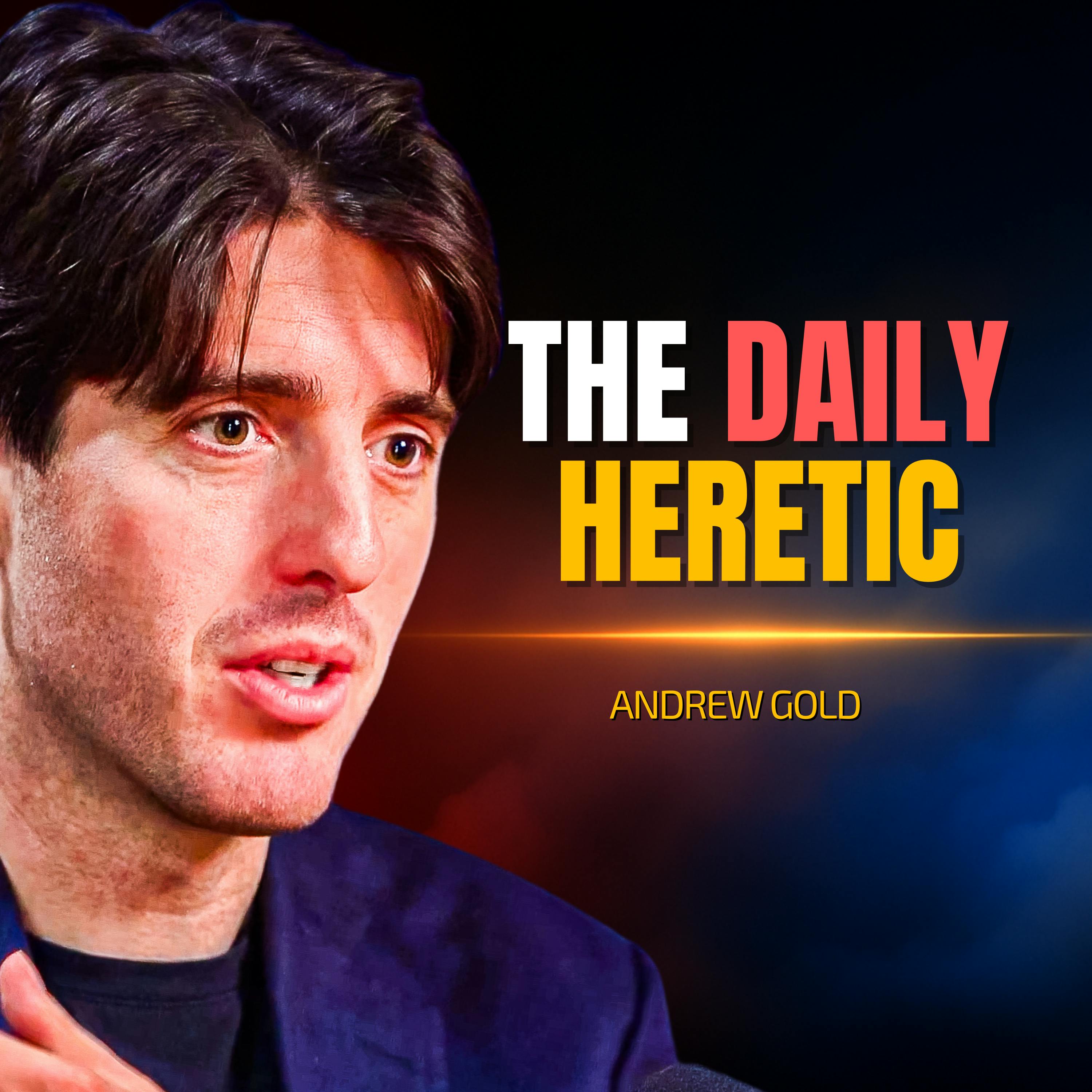
Insights from recent episode analysis
Audience Interest
Podcast Focus
Publishing Consistency
Platform Reach
Insights are generated by CastFox AI using publicly available data, episode content, and proprietary models.
Total monthly reach
Estimated from 3 chart positions in 3 markets.
By chart position
- 🇬🇧GB · Politics#9230K to 100K
- 🇦🇺AU · Politics#1845K to 30K
- 🇮🇪IE · Politics#200500 to 3K
- Per-Episode Audience
Est. listeners per new episode within ~30 days
11K to 40K🎙 Daily cadence·662 episodes·Last published today - Monthly Reach
Unique listeners across all episodes (30 days)
36K to 133K🇬🇧75%🇦🇺23%🇮🇪2% - Active Followers
Loyal subscribers who consistently listen
14K to 53K
Market Insights
Platform Distribution
Reach across major podcast platforms, updated hourly
Total Followers
—
Total Plays
—
Total Reviews
—
* Data sourced directly from platform APIs and aggregated hourly across all major podcast directories.
On the show
Recent episodes
Kevin O'Sullivan - Greta Thunberg is a Little MORONIC Grifter!
Jun 27, 2026
7m 04s
Project Unity - Baalbek Temple in Lebanon: Modern Tech EXISTED 11,000 Years Ago
Jun 26, 2026
4m 54s
Michael Murphy - Ireland is an Immigration Ticking Time Bomb
Jun 26, 2026
10m 18s
Andrew Lownie - Sarah Ferguson's OBSESSION with Sleeping with Powerful Men
Jun 26, 2026
7m 01s
Alex Armstrong - Why the ELITES Listen to Douglas Murray & NOT Tommy Robinson
Jun 26, 2026
6m 30s
Social Links & Contact
Official channels & resources
RSS Feed
Login
| Date | Episode | Description | Length | ||||||
|---|---|---|---|---|---|---|---|---|---|
| 6/27/26 | Kevin O'Sullivan - Greta Thunberg is a Little MORONIC Grifter! | Why has Greta Thunberg become one of the most polarising activists on the planet? In this explosive and unapologetic conversation, TalkTV commentator Kevin O’Sullivan explains why he believes Greta has evolved from climate campaigner into a symbol of elite-driven activism, media hysteria, and political theatre. 👉 Subscribe to The Daily Heretic now for fearless conversations: https://www.youtube.com/@hereticsclips/videos Kevin O’Sullivan joins Andrew Gold to unpack the backlash against Greta Thunberg and why growing numbers of critics believe celebrity-style climate activism has become increasingly detached from the realities facing ordinary people. In this focused discussion, O’Sullivan argues that Greta’s rise was fuelled not just by environmental concerns, but by a political and media establishment eager to elevate simplistic narratives and emotionally charged messaging. Why did global institutions, politicians, celebrities, and major broadcasters rally so aggressively behind one teenage activist? And why has public scepticism toward climate campaigning grown so dramatically in recent years? O’Sullivan reflects on how Greta became the face of a wider ideological movement surrounding climate policy, Net Zero, and activist politics. Why do critics believe many climate campaigns rely more on fear, guilt, and moral pressure than balanced debate? And why are ordinary voters increasingly pushing back against policies they believe damage living standards and economic stability? The conversation also explores the role of mainstream media in shaping Greta’s public image. Why do some commentators believe dissenting voices on climate policy are often marginalised or dismissed? And has climate activism become less about science and more about political identity and cultural conformity? Drawing on decades in journalism and broadcasting, O’Sullivan explains why he believes public trust in elite messaging is eroding across Britain and the West. Why are audiences becoming more resistant to celebrity activists, political grandstanding, and apocalyptic rhetoric? What makes this interview particularly compelling is its focus on the intersection of media, politics, and activism. O’Sullivan argues that many people no longer view Greta Thunberg simply as an environmental campaigner, but as part of a broader establishment narrative that critics believe discourages open debate. The discussion also touches on climate hysteria, media bias, political tribalism, and why anti-establishment movements continue gaining momentum. This interview stays tightly centred on one key issue: why Kevin O’Sullivan believes Greta Thunberg became a powerful symbol of ideological activism and elite-driven political messaging. If you’re interested in climate debates, media narratives, free speech, political activism, and the culture wars shaping modern Britain, this is a conversation you won’t want to miss. 🎥 Watch the full podcast here: https://www.youtube.com/watch?v=5iF2jjUkm5M&t=3869s #GretaThunberg #KevinOSullivan #ClimateChange #NetZero #AndrewGold #FreeSpeech #CultureWars #Heretics Learn more about your ad choices. Visit megaphone.fm/adchoices | 7m 04s | ||||||
| 6/26/26 | Project Unity - Baalbek Temple in Lebanon: Modern Tech EXISTED 11,000 Years Ago | 👉 Subscribe to The Daily Heretic for more deep-dive clips and thought-provoking conversations: https://www.youtube.com/@hereticsclips/videos How did ancient builders move and position the colossal stones of Baalbek — and are we missing something important about their capabilities? In this compelling Project Unity discussion, host Jay Anderson investigates one of the most puzzling ancient construction sites on Earth and why it continues to fuel debate among researchers. Jay Anderson, creator and host of Project Unity, is known for calm, research-driven conversations exploring UFOs, UAPs, human origins, and ancient mysteries. Rather than leaning into hype, Anderson focuses on careful questioning and evidence-based dialogue that encourages viewers to think critically about unresolved historical puzzles. In this episode, the spotlight falls on the massive stonework at Baalbek in Lebanon. How were these enormous blocks quarried, transported, and precisely placed with the tools traditionally attributed to the ancient world? Anderson explores why the site remains a focal point in discussions about lost knowledge and advanced ancient engineering. Project Unity stands apart by balancing open-minded curiosity with grounded analysis. Anderson regularly creates space for credible voices from scientific, military, and independent research communities, allowing complex and controversial topics to be examined without sensational conclusions. What makes the Baalbek mystery especially compelling is the scale involved. The sheer size and precision of the stones continue to raise questions about logistics, planning, and engineering methods used in antiquity. While mainstream archaeology offers established explanations, the discussion highlights why some researchers believe there may still be gaps in our understanding. If you’re fascinated by megalithic architecture, ancient engineering mysteries, or the possibility that human capabilities in the distant past were more sophisticated than commonly assumed, this is a conversation you won’t want to miss. The stones of Baalbek have stood silent for millennia — but the questions surrounding them are louder than ever. Watch the full podcast here: https://www.youtube.com/watch?v=L3oZiZOexA0 #Baalbek #ProjectUnity #JayAnderson #AncientMysteries #Megaliths #LostCivilization #AlternativeHistory #AncientEngineering #ForbiddenHistory #HistoricalMysteries Learn more about your ad choices. Visit megaphone.fm/adchoices | 4m 54s | ||||||
| 6/26/26 | Michael Murphy - Ireland is an Immigration Ticking Time Bomb | Subscribe to The Daily Heretic for fearless, unfiltered conversations you won’t hear anywhere else: https://www.youtube.com/@hereticsclips/videos Is Ireland facing mounting pressure from rapid change—and are the warning signs being fully addressed? In this compelling clip, journalist Michael Murphy shares his perspective on immigration, public services, and social cohesion, raising questions that are increasingly being debated across Europe. Murphy explores the idea that fast-paced population shifts can place strain on housing, infrastructure, and community relations if not carefully managed. But how much of this concern is grounded in data—and how much is shaped by perception? And why do discussions around immigration often become so polarised so quickly? This isn’t a one-dimensional argument. Murphy examines how policy decisions, resource allocation, and communication from leadership all play a role in shaping outcomes. When systems are under pressure, how do governments respond? And what happens when different parts of society experience change at different speeds? The conversation also touches on how narratives are formed. Are concerns being taken seriously—or dismissed too quickly? At the same time, how can discussions remain balanced, fact-based, and constructive without escalating tensions? These are the questions that make this topic so complex—and so important. As the discussion unfolds, Murphy raises broader issues about long-term planning and accountability. What does sustainable immigration policy look like? How do countries prepare for growth while maintaining stability? And are lessons being learned from past experiences across Europe? Expect a thought-provoking analysis that goes beyond headlines and into the underlying challenges facing modern societies. Whether you agree with Murphy or not, this clip encourages deeper thinking about policy, planning, and the future. 🔥 Why this video stands out: • Explores immigration and infrastructure pressures in Ireland • Raises questions about policy, planning, and public services • Encourages balanced, critical discussion • Connects local issues to wider European trends If you’re interested in current affairs, public policy, and the challenges shaping modern Europe, this is essential viewing. ⚡ The real question is: how can countries balance growth, stability, and cohesion in a rapidly changing world? 👇 Watch the full podcast here: https://www.youtube.com/watch?v=TyYm7_XXPEs #MichaelMurphy #Ireland #ImmigrationDebate #PublicPolicy #CurrentAffairs #Europe #PodcastClips #TheDailyHeretic #Discussion Learn more about your ad choices. Visit megaphone.fm/adchoices | 10m 18s | ||||||
| 6/26/26 | Andrew Lownie - Sarah Ferguson's OBSESSION with Sleeping with Powerful Men | Why does Sarah Ferguson keep appearing alongside some of the world’s most controversial and influential men? In this explosive interview, royal historian Andrew Lownie joins Andrew Gold to discuss the extraordinary social world surrounding Fergie, the elite figures she has reportedly associated with over the years, and why these connections continue raising difficult questions for the Royal Family. 👉 Subscribe to The Daily Heretic now for fearless conversations: https://www.youtube.com/@hereticsclips/videos Andrew Lownie, author of Entitled: Andrew, Fergie and the Palace, reveals shocking claims about Sarah Ferguson’s relationships with celebrities, billionaires, businessmen, and powerful public figures — including Sean “Diddy” Combs, Jeffrey Epstein, and other wealthy elite personalities frequently linked to royal controversy and media scrutiny. In this focused discussion, Lownie examines the overlap between celebrity culture, royal privilege, billionaire social circles, luxury travel, exclusive parties, and the powerful men who repeatedly appear throughout Fergie’s public and private life. Why do members of the Royal Family continually find themselves connected to controversial elite figures? And why have so many of these relationships remained largely unexplored by mainstream media for years? The conversation explores royal scandals, celebrity culture, palace PR, elite influence, media silence, investigative journalism, billionaire social networks, public image management, and the growing distrust surrounding powerful institutions. Lownie explains why he believes Sarah Ferguson’s connections to influential men reveal a broader pattern inside elite royal social circles — one involving access, status, wealth, and carefully managed reputations. What makes this interview particularly compelling is Lownie’s years of investigative work. Drawing on hundreds of sources, insider testimony, photographs, and extensive reporting, he argues that the public has only seen a small fraction of how interconnected these elite worlds truly are. The interview also examines reported links to Diddy, Jeffrey Epstein, luxury yacht culture, Dubai elite networks, celebrity friendships, media narratives, and why certain royal controversies receive dramatically different levels of public scrutiny. Andrew and Lownie discuss Prince Andrew, Princess Eugenie, celebrity billionaires, palace protection, social influence, and the strange overlap between royalty, entertainment culture, and political power. The conversation also touches on institutional loyalty, investigative reporting, elite networking culture, image management, and why royal scandals continue generating enormous global fascination. Despite the provocative title and sensitive allegations discussed, the interview remains focused on sourced reporting, documented relationships, investigative findings, and publicly discussed controversies rather than unsupported speculation. Lownie repeatedly emphasises that his reporting is based on years of research, corroborated accounts, and extensive investigation into royal and celebrity social networks. This interview stays tightly centred on one key issue: the controversial relationships and elite social circles surrounding Sarah Ferguson and the Royal Family. 🎥 Watch the full podcast here: https://www.youtube.com/watch?v=ShDpWhPrskQ&feature=youtu.be #SarahFerguson #AndrewLownie #RoyalFamily #Diddy #PrinceAndrew #Epstein #Heretics #Podcast Learn more about your ad choices. Visit megaphone.fm/adchoices | 7m 01s | ||||||
| 6/26/26 | Alex Armstrong - Why the ELITES Listen to Douglas Murray & NOT Tommy Robinson | Subscribe for more fearless conversations → https://www.youtube.com/@hereticsclips/videos Why are some voices welcomed into elite conversations—while others are pushed to the margins? In this sharp and revealing interview, Alex Armstrong explores why figures like Douglas Murray are taken seriously by institutions, while others remain excluded from the mainstream. Subscribe for more fearless conversations → https://www.youtube.com/@hereticsclips/videos Alex Armstrong, GB News presenter and investigative commentator on extremism and UK institutions, brings a direct and thought-provoking perspective to one of the most debated dynamics in modern public discourse. Known for his reporting on Britain’s prison system and controversial cases, he connects media narratives with deeper questions about influence and legitimacy. In this focused conversation, Armstrong examines the contrasting treatment of public figures such as Douglas Murray and Tommy Robinson. What determines who gets a platform within political, media, and institutional spaces? Is it credibility, tone, background—or something less visible? He breaks down how messaging, presentation, and perceived respectability can shape who is heard and who is ignored. Why do certain arguments gain traction when delivered by some voices—but face resistance when coming from others? And what does that reveal about the gatekeeping mechanisms within elite circles? Drawing on his own experience in media and investigative work, Armstrong highlights how narratives are often filtered before reaching the public. Are audiences seeing a full spectrum of perspectives—or a carefully curated version of debate? What makes this discussion particularly compelling is its focus on incentives. Institutions often respond to risk, reputation, and public perception—but how do those factors influence who is allowed into the conversation? Armstrong also raises broader questions about trust. If people feel certain viewpoints are excluded, does that deepen the divide between institutions and the public? And what are the long-term consequences of that gap? This interview stays tightly centred on one key issue: how influence, credibility, and access are shaped in modern Britain. If you want to understand why some voices carry weight in elite circles while others remain controversial—and what that means for public debate—this is a conversation that cuts through the noise. Watch closely—because who gets heard can matter just as much as what is being said. 🎥 Watch the full podcast here: https://www.youtube.com/watch?v=492bRl_XS-U&t=1255s #AlexArmstrong #UKPolitics #PublicDiscourse #MediaNarratives #DouglasMurray #TommyRobinson #FreeSpeech #BritishPolitics Learn more about your ad choices. Visit megaphone.fm/adchoices | 6m 30s | ||||||
| 6/25/26 | Nigel Biggar DESTROYS Lenny Henry's STUPID Claims for Reparations! | Should modern Britain pay trillions in reparations for slavery and empire? In this explosive conversation, Oxford ethicist Nigel Biggar joins Andrew Gold to challenge the growing calls for reparations and explain why he believes many modern debates about colonialism, slavery, and British history are driven more by ideology and emotion than historical balance or moral consistency. 👉 Subscribe to The Daily Heretic now for fearless conversations: https://www.youtube.com/@hereticsclips/videos Nigel Biggar is one of Oxford University’s most respected professors of ethics and public theology — but after publicly arguing that British history contains reasons for both “shame and pride”, he became one of the most controversial academics in Britain. In this focused discussion, Biggar examines high-profile calls for reparations linked to Britain’s role in the transatlantic slave trade and why demands involving enormous financial figures have become increasingly prominent in modern political and cultural discourse. Why are reparations debates becoming more mainstream across universities, media institutions, and politics? And can historical injustice ever realistically be quantified in financial terms centuries later? The conversation explores reparations, slavery, colonialism, British Empire debates, race politics, historical memory, academic freedom, identity politics, and the growing ideological divide shaping modern Britain. Biggar argues that modern discussions about slavery often overlook historical complexity, global context, and Britain’s eventual role in abolishing the transatlantic slave trade. What makes this interview particularly compelling is Biggar’s insistence that moral debates must be rooted in consistency and historical understanding rather than symbolic gestures, collective guilt, or emotionally charged political narratives. The interview also examines anti-racism activism, public apologies, postcolonial theory, institutional pressure, online outrage campaigns, and why many academics increasingly fear challenging dominant narratives surrounding race and empire. Andrew and Nigel discuss whether modern Western societies are increasingly encouraging younger generations to interpret their national histories primarily through shame, oppression, and inherited guilt. The conversation also touches on George Floyd, cancel culture, media narratives, ideological conformity, public statues, educational institutions, and why nuanced discussions about history now provoke fierce backlash and public controversy. Despite the provocative title, the discussion remains focused on ethics, historical inquiry, moral philosophy, and open debate rather than personal attacks or inflammatory rhetoric. Biggar repeatedly argues that societies cannot engage honestly with history if discussions are framed entirely around blame, guilt, and simplified moral storytelling. This interview stays tightly centred on one key issue: why Nigel Biggar believes modern reparations debates increasingly prioritise political symbolism over historical nuance and ethical consistency. If you’re interested in Nigel Biggar, reparations debates, British Empire discussions, slavery history, academic freedom, and modern culture wars, this is a conversation you won’t want to miss. 🎥 Watch the full podcast here: https://www.youtube.com/watch?v=AAQXqggRBQE #NigelBiggar #Reparations #BritishEmpire #Colonialism #FreeSpeech #AndrewGold #Heretics #Podcast Learn more about your ad choices. Visit megaphone.fm/adchoices | 8m 45s | ||||||
| 6/25/26 | Chris Shelton - The Hollywood Star Who Introduced Tom Cruise to SCIENTOLOGY | Subscribe to The Daily Heretic for fearless interviews and insider exposés you won’t hear anywhere else: https://www.youtube.com/@hereticsclips/videos Who really brought Tom Cruise into Scientology — and how did that moment change the trajectory of one of Hollywood’s biggest stars? In this revealing Heretics interview, former Scientologist Chris Shelton explains the pivotal role played by actress Mimi Rogers and why insiders believe that relationship reshaped Cruise’s personal and professional world. Shelton, who spent years inside Scientology before becoming a prominent critic, breaks down how Cruise’s early exposure to the Church came through Rogers — his first wife — and why that introduction is still viewed as one of the most consequential turning points in modern celebrity culture. Why did Scientology take such a strong interest in Cruise once he was inside? How did his rising Hollywood status intersect with the Church’s celebrity strategy? And what does Shelton say most media coverage still misses about those early years? In this focused and compelling discussion, Chris Shelton explores: How Mimi Rogers reportedly introduced Tom Cruise to Scientology Why Cruise quickly became one of the Church’s most valuable celebrity members The wider strategy around high-profile Hollywood recruits How Cruise’s relationships unfolded after his deeper involvement Why this origin story still matters decades later Shelton also places Cruise’s later marriages — including Nicole Kidman and Katie Holmes — into the broader context of Scientology’s expectations around celebrity families. Drawing on his insider experience, he explains how influence inside the Church often operates behind the scenes. This episode sticks to publicly discussed events and Shelton’s informed perspective as a former member. The goal is to provide clarity and context around a story that has generated enormous public interest for years. If you’re fascinated by the intersection of Hollywood, Scientology, and celebrity power, this is a must-watch deep dive into the moment that started it all. Watch the full podcast here: https://www.youtube.com/watch?v=AdO2_5F-9f0 #ChrisShelton #TomCruise #MimiRogers #Scientology #TheDailyHeretic #CultAwareness #CelebrityNews Learn more about your ad choices. Visit megaphone.fm/adchoices | 6m 37s | ||||||
| 6/25/26 | Norman Baker - The Royals Are SICK of Beatrice & Eugenie Hanging On! | Why do Princess Beatrice and Princess Eugenie still retain their royal titles and privileged status despite no longer being central working royals? And what does their position reveal about the hidden structure, protections, and internal politics of the British monarchy? In this explosive conversation, former MP and investigative author Norman Baker breaks down the growing controversy surrounding the Royal Family’s “hangers on” — royals who continue benefiting from status, connections, and influence while operating outside formal royal duties. 👉 Subscribe to The Daily Heretic now for fearless conversations: https://www.youtube.com/@hereticsclips/videos Norman Baker joins Andrew Gold to unpack the complicated position occupied by Princess Beatrice and Princess Eugenie inside the modern monarchy and why debates around royal privilege, titles, and taxpayer perception continue intensifying. In this focused discussion, Baker explores how the daughters of Prince Andrew have managed to retain their HRH status and elite royal access despite the enormous public fallout surrounding their father’s association with Jeffrey Epstein and the wider scandals engulfing the Royal Family in recent years. Why do some royals lose influence while others appear protected indefinitely? And why do critics argue the monarchy struggles to modernise while continuing to preserve layers of inherited privilege and status? Baker reflects on how the monarchy carefully manages public image during periods of controversy and why figures like Beatrice and Eugenie occupy an increasingly awkward position within the institution. Neither fully private citizens nor fully working royals, the sisters continue attracting scrutiny over titles, appearances, security, and royal association. The conversation also explores wider questions surrounding the monarchy’s structure and whether Britain still accepts inherited status in the modern era. Why do some people believe the Royal Family has become bloated, outdated, and financially difficult to justify? And why does criticism of lesser-known royals often provoke fierce establishment resistance? Drawing on his years as an MP and investigative author, Baker explains why royal titles are not simply symbolic, but tied to influence, access, prestige, and institutional protection. What makes this conversation particularly compelling is its focus on how monarchy functions behind the scenes. Baker argues that many members of the Royal Family continue benefiting from systems of privilege largely hidden from public view. The interview also touches on Prince Andrew controversies, royal finances, palace PR strategy, constitutional privilege, and why public attitudes toward the monarchy appear increasingly divided. This interview stays tightly centred on one key issue: why Norman Baker believes Princess Beatrice and Princess Eugenie represent a wider problem inside the modern British monarchy. If you’re interested in the Royal Family, Prince Andrew, royal privilege, monarchy reform, and the hidden workings of Britain’s elite institutions, this is a conversation you won’t want to miss. 🎥 Watch the full podcast here: https://www.youtube.com/watch?v=mdWlhsBklzE #PrincessBeatrice #PrincessEugenie #NormanBaker #RoyalFamily #PrinceAndrew #AndrewGold #BritishMonarchy #Heretics Learn more about your ad choices. Visit megaphone.fm/adchoices | 5m 02s | ||||||
| 6/25/26 | Peter Bleksley - Is Tommy Robinson the Nation-Builder Britain Needs? | Why does Tommy Robinson continue attracting such fierce support and equally fierce condemnation across Britain? In this explosive conversation, former undercover detective Peter Bleksley joins Andrew Gold to discuss populism, public anger, national identity, and why controversial anti-establishment figures are gaining enormous attention during a period of collapsing trust in British institutions. 👉 Subscribe to The Daily Heretic now for fearless conversations: https://www.youtube.com/@hereticsclips/videos Peter Bleksley — former Scotland Yard detective, policing expert, and familiar face from Channel 4’s Hunted — gives his unfiltered analysis of why large sections of the British public increasingly feel ignored, dismissed, or misrepresented by politicians, media outlets, and public institutions. In this focused discussion, Bleksley examines why figures like Tommy Robinson resonate with many people who believe concerns surrounding immigration, public safety, integration, and national identity have been avoided or caricatured by establishment voices. Why are anti-establishment movements growing across Britain and the West? And what happens when ordinary citizens feel mainstream political parties no longer represent their anxieties, priorities, or cultural concerns? The conversation explores populism, nationalism, public trust, free speech, policing, media narratives, identity politics, protest movements, and the widening gap between institutions and voters. Bleksley argues that dismissing millions of frustrated citizens as simply “far-right” or extremist risks inflaming tensions further and preventing serious conversations about social cohesion, policing, crime, and immigration policy. What makes this discussion particularly compelling is Bleksley’s background inside law enforcement. Drawing on decades of policing experience, he explains why public confidence matters enormously and how institutional credibility begins eroding when large groups feel consistently unheard or demonised. The interview also examines riots, protest culture, political tribalism, social media outrage, cancellation culture, and why modern Britain feels increasingly polarised and emotionally charged. Andrew and Peter debate whether controversial figures emerge primarily because existing institutions fail to address public concerns honestly and transparently. The conversation also touches on media bias, public demonstrations, social cohesion, cultural identity, policing strategy, and why political discourse increasingly revolves around emotionally loaded labels instead of substantive debate. Despite the controversial nature of the topic, the discussion remains focused on understanding the social and political conditions that create anti-establishment movements rather than promoting extremism or hostility. Bleksley repeatedly emphasises the importance of open debate, equal policing standards, and restoring public trust before divisions deepen further. This interview stays tightly centred on one key issue: why Peter Bleksley believes Britain’s growing political anger cannot simply be dismissed away by institutions or media narratives. If you’re interested in Peter Bleksley, Tommy Robinson debates, British politics, populism, policing, and modern culture wars, this is a conversation you won’t want to miss. 🎥 Watch the full podcast here: https://www.youtube.com/watch?v=6UbytXaQW2w&t=503s #PeterBleksley #TommyRobinson #BritishPolitics #Populism #AndrewGold #Heretics #FreeSpeech #Podcast Learn more about your ad choices. Visit megaphone.fm/adchoices | 10m 32s | ||||||
| 6/24/26 | Andrew Lownie - Sarah Ferguson Took 16 Year-Old Eugenie to Diddy FREAK OFFS | What really connected Sarah Ferguson, Princess Eugenie, and Sean “Diddy” Combs behind closed doors? In this explosive interview, royal historian Andrew Lownie joins Andrew Gold to discuss the allegations, photographs, witness accounts, and unanswered questions surrounding Fergie’s reported links to Diddy — and why this story could become one of the most controversial royal scandals in years. 👉 Subscribe to The Daily Heretic now for fearless conversations: https://www.youtube.com/@hereticsclips/videos Andrew Lownie, author of Entitled: Andrew, Fergie and the Palace, reveals the extraordinary claims surrounding Sarah Ferguson’s alleged relationship with Sean “Diddy” Combs — claims he says are backed by extensive sourcing, corroborated testimony, and evidence still emerging publicly. In this focused discussion, Lownie examines reports of luxury yacht parties, elite social circles, exclusive trips to Dubai, and private gatherings involving major celebrity and royal figures. Why have these stories remained largely underreported for so long? And what exactly did Diddy allegedly say about Princess Eugenie to people within his own circle? The conversation explores royal scandals, celebrity culture, elite networks, media silence, public image management, investigative journalism, and the growing public fascination with powerful figures operating inside highly exclusive social worlds. Lownie explains why he believes there are still major unanswered questions surrounding Sarah Ferguson’s connections, public denials, and the broader network of influential individuals linked socially to figures such as Diddy, Jeffrey Epstein, and Ghislaine Maxwell. What makes this discussion particularly compelling is Lownie’s reputation as one of Britain’s most connected royal historians. Drawing on hundreds of sources and years of investigative work, he explains why he believes these stories deserve far greater public scrutiny. The interview also examines how royal public relations operations function, how difficult stories are managed behind the scenes, and why certain scandals receive dramatically different media treatment depending on who is involved. Andrew and Lownie discuss the intersection between celebrity power, elite privilege, global influence networks, and public accountability — alongside the challenges journalists face when investigating extremely high-profile figures. The conversation also touches on media pressure, institutional protection, investigative reporting, palace dynamics, and why royal controversies continue generating enormous public interest across Britain and beyond. Despite the sensational nature of the allegations discussed, the interview remains tightly focused on reporting, sourcing, evidence, and unanswered questions rather than speculation. Lownie repeatedly emphasises that his claims are based on documented reporting, corroborated accounts, and years of detailed research into royal and elite social networks. This interview stays tightly centred on one key issue: the extraordinary allegations surrounding Sarah Ferguson, Princess Eugenie, and Sean “Diddy” Combs — and why Andrew Lownie believes this story is far from over. 🎥 Watch the full podcast here: https://www.youtube.com/watch?v=ShDpWhPrskQ&feature=youtu.be #SarahFerguson #PrincessEugenie #Diddy #AndrewLownie #RoyalFamily #Epstein #Heretics #Podcast Learn more about your ad choices. Visit megaphone.fm/adchoices | 11m 41s | ||||||
Want analysis for the episodes below?Free for Pro Submit a request, we'll have your selected episodes analyzed within an hour. Free, at no cost to you, for Pro users. | |||||||||
| 6/24/26 | Ex-BBC Journalist Michael Crick - This is Why Politicians Are DISHONEST | Subscribe to The Daily Heretic for fearless interviews and sharp political analysis you won’t hear anywhere else: https://www.youtube.com/@hereticsclips/videos Why do so many politicians appear dishonest? Is it personal character — or something deeper within the political system itself? In this fascinating interview, veteran investigative journalist and former BBC reporter Michael Crick explains why political dishonesty is more common than most voters realise — and why the system may actually encourage it. Crick has spent decades covering Westminster and investigating the behaviour of powerful political figures. As one of Britain’s most experienced political journalists, he has interviewed countless politicians, exposed controversies, and seen firsthand how the machinery of modern politics really works behind the scenes. In this conversation, Crick pulls back the curtain on the pressures, incentives, and political realities that shape how politicians communicate with the public. From media strategy to party discipline, he argues that the environment inside politics often rewards careful messaging over complete candour. But why does this keep happening? Crick explains that politicians operate in a world where every statement is scrutinised, every mistake can become a headline, and every internal disagreement can quickly turn into a political crisis. In such a high-stakes environment, many politicians learn to choose their words carefully — sometimes prioritising political survival over straightforward answers. The result, according to Crick, is a political culture where transparency can be difficult to maintain. The conversation also explores the role of journalists in holding politicians accountable. Investigative reporting, political scrutiny, and persistent questioning all play a role in ensuring that leaders remain answerable to the public. Crick reflects on some of the lessons he has learned during decades of reporting on Westminster — and why scepticism remains one of the most important tools in political journalism. At the same time, Crick argues that voters themselves play a crucial role in shaping political behaviour. When political incentives reward clear communication and accountability, the system can shift in a healthier direction. But when politics becomes dominated by partisan messaging and rapid media cycles, honesty can become harder to sustain. In this thought-provoking interview, Michael Crick explains why the problem of political honesty is rarely simple — and why understanding the pressures of modern politics is key to understanding the behaviour of those who operate within it. Watch the full podcast here: https://www.youtube.com/watch?v=RaqPokMFosk #MichaelCrick #UKPolitics #BritishPolitics #PoliticalHonesty #PoliticsPodcast #InvestigativeJournalism #TheDailyHeretic Learn more about your ad choices. Visit megaphone.fm/adchoices | 6m 27s | ||||||
| 6/24/26 | Norman Baker - King Charles is Worth £2 BILLION (He's LYING to Us!) | How wealthy is King Charles really? And why do critics believe the public still has no clear understanding of the true scale of royal wealth? In this explosive conversation, former MP and investigative author Norman Baker argues that the monarchy’s finances are far more vast, opaque, and protected than most Britons realise. 👉 Subscribe to The Daily Heretic now for fearless conversations: https://www.youtube.com/@hereticsclips/videos Norman Baker joins Andrew Gold to unpack the hidden wealth structures surrounding King Charles and why estimates of the monarch’s fortune continue sparking fierce public debate. In this focused discussion, Baker explains how the Royal Family built an enormous financial empire over generations through land ownership, Duchy revenues, inherited assets, royal exemptions, and constitutional protections that critics argue are shielded from proper scrutiny. Why do some analysts estimate King Charles’s personal and institutional wealth at billions of pounds? And why do critics believe official public narratives surrounding royal finances dramatically understate the monarchy’s true economic power? The conversation dives deep into the Duchy of Lancaster, the Duchy of Cornwall, royal estates, inherited property portfolios, and the financial arrangements that continue generating extraordinary wealth behind the scenes. Baker argues that while ordinary taxpayers face rising living costs, economic uncertainty, and growing pressure on public services, the monarchy remains uniquely insulated through a system few fully understand. Why do royal financial arrangements operate differently from almost every other publicly connected institution in Britain? Drawing on years of investigative research and political experience, Baker reflects on how the monarchy’s wealth has evolved from historic privilege into one of the most protected financial systems in the country today. What makes this conversation particularly compelling is its focus on transparency and accountability. Baker explains why he believes many royal assets, exemptions, and revenue streams remain poorly understood by the public and rarely challenged seriously by mainstream institutions. The discussion also explores King Charles’s lobbying controversies, the “Spider Letters,” palace secrecy, taxpayer funding, constitutional privilege, and why debates surrounding monarchy reform continue intensifying across Britain. Baker also examines the contrast between the monarchy’s carefully managed public image and the enormous private wealth structure operating behind the scenes. Why do critics believe the institution benefits from both public funding and private empire simultaneously? This interview stays tightly centred on one key issue: why Norman Baker believes the public deserves far greater transparency about the true scale of King Charles’s wealth and financial power. If you’re interested in King Charles, royal finances, monarchy reform, inherited wealth, and the hidden workings of Britain’s elite institutions, this is a conversation you won’t want to miss. 🎥 Watch the full podcast here: https://www.youtube.com/watch?v=mdWlhsBklzE #KingCharles #NormanBaker #RoyalFamily #RoyalWealth #BritishMonarchy #AndrewGold #RoyalFinances #Heretics Learn more about your ad choices. Visit megaphone.fm/adchoices | 9m 43s | ||||||
| 6/24/26 | Chris Shelton - Why Katie Holmes Won't ALLOW Tom Cruise to See His DAUGHTER! | Subscribe to The Daily Heretic for fearless interviews and insider exposés you won’t hear anywhere else: https://www.youtube.com/@hereticsclips/videos Why did Katie Holmes take such decisive steps to keep her daughter away from Scientology — and what does former insider Chris Shelton say most people still don’t understand about that decision? In this gripping Heretics interview, ex-Scientologist Chris Shelton breaks down the high-stakes family dynamics behind one of Hollywood’s most talked-about separations. Drawing on his years inside the Church of Scientology, Shelton explains why custody, upbringing, and religious influence were likely central concerns during Holmes’ split from Tom Cruise. According to Shelton, the story isn’t just celebrity drama — it’s about how high-control groups can affect family decisions at the highest levels of fame and power. So what pressures were potentially at play? Why was Holmes’ legal strategy seen by many observers as unusually fast and precise? And why has the situation around Cruise’s relationship with his daughter remained such a subject of public fascination? In this focused and revealing discussion, Chris Shelton explores: Why Katie Holmes’ priority may have been distancing her daughter from Scientology How custody and religious upbringing issues can become highly sensitive in high-profile splits The broader context of Scientology’s relationship with celebrity families What Shelton believes most media coverage missed at the time Why the story still resonates years later Shelton also provides context about the culture and expectations inside Scientology, helping viewers understand why departures — especially involving children — can become especially complex and closely watched. This episode sticks to publicly discussed events and Shelton’s informed perspective as a former member. The goal is to shed light on the dynamics at play, not to speculate beyond the available record. Whether you follow Scientology coverage, celebrity legal battles, or the psychology of high-control organizations, this conversation offers a fascinating lens on a story that continues to generate questions. If you want an insider-informed breakdown of why Katie Holmes made protecting her daughter a top priority — and what it reveals about life around Scientology — this is a must-watch. Watch the full podcast here: https://www.youtube.com/watch?v=AdO2_5F-9f0 #ChrisShelton #KatieHolmes #TomCruise #Scientology #TheDailyHeretic #CultAwareness #CelebrityNews Learn more about your ad choices. Visit megaphone.fm/adchoices | 7m 33s | ||||||
| 6/23/26 | Kellie-Jay Keen - 'I Will ALWAYS Hold the Line' | 👉 Subscribe now to The Daily Heretic for fearless interviews, cultural debates, and conversations the mainstream media won’t touch: https://www.youtube.com/@hereticsclips/videos What does it mean to “hold the line” in today’s cultural climate — and why does Kellie-Jay Keen say she refuses to back down, no matter the pressure? In this powerful and uncompromising interview, Kellie-Jay Keen (also known as Posie Parker) joins Andrew Gold to explain the mindset behind her activism — and why she believes standing firm has become more important than ever. As one of the most recognisable and controversial voices in current UK debates, Keen has built a global platform through campaigns, public events, and direct messaging. But with that visibility has come intense criticism, protests, and personal attacks. So why continue? 🔥 In this interview, Kellie-Jay Keen discusses: • What “holding the line” means in the context of modern activism • Why she refuses to change her views despite ongoing backlash • The personal and public challenges she has faced • How her campaigns gained international attention • Why she believes persistence is key in shaping public debate Keen reflects on how her journey began — from grassroots campaigning to becoming a central figure in one of the most contentious cultural discussions of our time. She explains that, for her, consistency and conviction are essential, especially when facing opposition. The conversation also explores how activism has evolved in the digital age, where ideas spread rapidly and reactions can be immediate and intense. Keen discusses how she navigates this environment, and why she believes resilience is necessary to maintain a clear message. Importantly, this interview focuses on personal conviction, public debate, and the realities of modern activism, offering viewers insight into what it takes to remain steadfast in a highly polarised landscape. For viewers interested in UK culture, activism, free speech, and public discourse, this episode provides a compelling look at the mindset behind one of the most talked-about figures in current debates. What does it take to stand firm when the pressure to step back is constant — and what are the consequences of refusing to do so? Watch the full podcast here: https://www.youtube.com/watch?v=I41xGdl_LIs&t=1202s #KellieJayKeen #PosieParker #UKCulture #FreeSpeech #Activism #TheDailyHeretic #CulturalDebate #Debate #Podcast #Discussion Learn more about your ad choices. Visit megaphone.fm/adchoices | 5m 56s | ||||||
| 6/23/26 | Nigel Biggar - WOKE Race-Baiting Cambridge Professor Got Me CANCELLED | What happens when an Oxford professor publicly challenges one of Cambridge’s most outspoken postcolonial academics? In this explosive conversation, renowned ethicist Nigel Biggar reveals how his disagreement with Cambridge Professor Priyamvada Gopal sparked a national academic firestorm over race, empire, free speech, and Britain’s historical identity. 👉 Subscribe to The Daily Heretic now for fearless conversations: https://www.youtube.com/@hereticsclips/videos Nigel Biggar, one of Oxford University’s leading professors of ethics and theology, joins Andrew Gold to unpack the backlash he faced after arguing that British imperial history should be examined with moral nuance rather than ideological absolutism. At the centre of the controversy was Professor Priyamvada Gopal — the Indian-born Cambridge academic, writer, and activist known for her outspoken views on colonialism, race, and British history. Biggar explains how disagreements over empire, slavery, and national identity escalated into petitions, public condemnation, professional pressure, and accusations of racism. Why did calls for historical balance provoke such intense outrage? And why do so many academics now fear discussing empire, colonialism, or race outside increasingly narrow ideological boundaries? The conversation explores academic freedom, cancel culture, postcolonial theory, identity politics, institutional pressure, British history, moral philosophy, and the growing culture war inside elite universities. Biggar reflects on how his attempts to argue that British history contains both “shame and pride” triggered fierce criticism from activists and academics who viewed his position as morally unacceptable. What makes this discussion particularly compelling is its focus on intellectual freedom and open inquiry. Biggar argues that universities should encourage difficult debates rather than suppressing dissenting viewpoints through reputational attacks and ideological pressure campaigns. The interview also examines Britain’s role in abolishing the slave trade, the ethics of empire, historical memory, media narratives, and why modern discussions around race and colonialism often become emotionally charged and deeply polarised. Drawing on decades of academic experience, Biggar reflects on how university culture changed dramatically in recent years, with increasing pressure toward ideological conformity on issues involving race, identity, and national history. Andrew and Nigel also discuss online outrage, activist scholarship, institutional reputation management, censorship fears, and why many academics privately avoid controversial topics altogether. Despite the controversy, Biggar insists societies cannot understand themselves honestly if history is approached only through guilt, moral simplification, or political tribalism. This interview stays tightly focused on one key issue: why Nigel Biggar believes academic freedom and historical complexity are increasingly under threat inside modern universities. 🎥 Watch the full podcast here: https://www.youtube.com/watch?v=AAQXqggRBQE #NigelBiggar #PriyamvadaGopal #CancelCulture #AcademicFreedom #BritishEmpire #FreeSpeech #AndrewGold #Heretics Learn more about your ad choices. Visit megaphone.fm/adchoices | 9m 53s | ||||||
| 6/23/26 | Doug Scott Kramer - Ex-Scientologist Reveals the BULL BAITING Technique | Subscribe to The Daily Heretic for more revealing insider conversations that unpack the psychology behind powerful belief systems: https://www.youtube.com/@hereticsclips/videos What is “bull baiting” — and why do former members say it plays a powerful role inside Scientology? In this gripping, documentary-style interview, ex-Scientologist Doug Scott Kramer breaks down the controversial training method he experienced while growing up in the organisation. Doug was brought into Scientology at just nine years old after his father enrolled the family. Having spent his formative years inside the movement, he offers a rare first-hand account of the techniques he says are used to condition members and shape emotional responses. In this episode, Doug explains what bull baiting is, how it works in practice, and why participants often don’t fully grasp its psychological impact until much later. According to Doug, the exercise is designed to train individuals to maintain composure under intense verbal pressure — but he argues the real effects can run deeper. What does the process feel like from the inside? Why do participants often comply without question? And how does this technique fit into the broader culture of high-control environments? This conversation goes beyond headlines and takes a measured look at group psychology, influence, and belief formation. Doug describes how recruitment pathways often begin subtly, how commitment builds over time, and why leaving can be far more complicated than outsiders assume. His reflections shed light on the emotional and cognitive pressures that can develop within tightly structured organisations. The interview also touches on the wider public fascination with Scientology and prominent members such as Tom Cruise, while keeping the focus firmly on Doug’s lived experience. Rather than sensationalising, this episode aims to help viewers better understand how persuasive systems operate — and what warning signs people should be aware of when evaluating high-control groups of any kind. Doug speaks candidly about the long-term personal impact of growing up in Scientology and what ultimately led him to step away. His story is thoughtful, reflective, and often surprising — offering rare insight into a world that is frequently discussed but rarely explained from the inside. This is a serious, experience-based discussion intended to inform and encourage critical thinking. Viewer discretion is advised as sensitive themes relating to high-control groups and psychological pressure are discussed. Watch the full podcast here: https://www.youtube.com/watch?v=CM2qcIg49O8 #DougScottKramer #Scientology #ExScientologist #BullBaiting #CultPsychology #MindControl #HighControlGroups #TheDailyHeretic #DocumentaryInterview #CriticalThinking Learn more about your ad choices. Visit megaphone.fm/adchoices | 14m 31s | ||||||
| 6/23/26 | Norman Baker - Is the Royal Family BANKRUPTING Britain? | How much does the British monarchy really cost the public? And why do critics believe the true figure is far higher than most people realise? In this explosive conversation, former MP and investigative author Norman Baker breaks down the hidden finances, privileges, and protections surrounding the Royal Family — and explains why he believes the current system is deeply unfair to British taxpayers. 👉 Subscribe to The Daily Heretic now for fearless conversations: https://www.youtube.com/@hereticsclips/videos Norman Baker joins Andrew Gold to unpack the extraordinary wealth and financial power surrounding the monarchy and why debates about royal funding have become increasingly controversial in modern Britain. In this focused discussion, Baker argues that the public is often given an incomplete picture of what the monarchy truly costs the country once security, ceremonial spending, Duchy revenues, tax exemptions, and indirect state support are fully considered. Why do official figures surrounding royal finances remain so heavily debated? And why do critics believe the institution benefits from layers of financial secrecy unavailable to ordinary citizens? The conversation explores the powerful role played by the Duchy of Lancaster and Duchy of Cornwall, often described as vast royal property empires generating enormous wealth behind the scenes. Baker explains why many critics view these structures as outdated and lacking meaningful transparency. Baker also reflects on the monarchy’s unique constitutional privileges and why he believes royal influence over legislation and financial affairs remains far greater than most people understand. What are the “hidden powers” critics claim the monarchy still possesses? And why have issues like the “Spider Letters” and royal lobbying generated such fierce debate? Drawing on his years in politics and investigative research, Baker argues that Britain’s royal funding system has evolved into something increasingly difficult to justify publicly during a period of economic pressure, rising taxes, and cost of living struggles. What makes this conversation particularly compelling is its focus on accountability and public transparency. Baker argues that many ordinary people are unaware of the scale of royal wealth, property ownership, and constitutional protection embedded within the British system. The discussion also touches on Prince Andrew controversies, establishment protection, media narratives, and why criticism of the monarchy often remains politically sensitive in Britain. This interview stays tightly centred on one key issue: why Norman Baker believes the financial relationship between the British public and the monarchy deserves far more scrutiny and public debate. If you’re interested in the Royal Family, royal finances, constitutional power, British politics, and establishment accountability, this is a conversation you won’t want to miss. 🎥 Watch the full podcast here: https://www.youtube.com/watch?v=mdWlhsBklzE #RoyalFamily #NormanBaker #Monarchy #KingCharles #AndrewGold #RoyalFinances #BritishPolitics #Heretics Learn more about your ad choices. Visit megaphone.fm/adchoices | 8m 13s | ||||||
| 6/22/26 | Peter Bleksley - Jaackmaate BETRAYED Me! | What really happened between Peter Bleksley and JaackMaate behind the scenes — and why did their relationship suddenly collapse? In this explosive conversation, former undercover detective Peter Bleksley opens up to Andrew Gold about podcast culture, loyalty, online audiences, and the fallout from one of the strangest public fallings-out in the UK podcast world. 👉 Subscribe to The Daily Heretic now for fearless conversations: https://www.youtube.com/@hereticsclips/videos Peter Bleksley — former Scotland Yard detective, policing expert, and familiar face from Channel 4’s Hunted — reflects on his experiences navigating internet fame, modern podcasting culture, and what happens when relationships inside the online world suddenly turn sour. In this focused discussion, Bleksley explains why he felt deeply disappointed by events involving popular podcaster JaackMaate and how misunderstandings, public commentary, and audience dynamics escalated tensions online. Why do collaborations between public figures so often unravel publicly in the age of social media? And has internet culture created an environment where controversy and conflict become almost impossible to avoid? The conversation explores loyalty, betrayal, podcast culture, online fame, social media audiences, cancellation culture, public perception, free speech, and the emotional pressures of living increasingly public lives online. Bleksley reflects on how rapidly internet audiences form opinions based on clips, headlines, and viral moments without always understanding the full context behind disagreements or personal tensions. What makes this discussion particularly compelling is Bleksley’s contrast between old-school policing culture and the emotionally reactive environment of modern online media. Drawing on decades of real-world experience, he explains why trust, loyalty, and honesty matter enormously in both policing and public life. The interview also examines online outrage, influencer culture, public feuds, reputational damage, media narratives, and why internet audiences increasingly demand simplistic heroes and villains rather than nuanced human disagreements. Andrew and Peter discuss whether podcast culture rewards conflict, emotional reactions, and viral controversy more than thoughtful conversation or genuine understanding. The conversation also touches on public scrutiny, social media pressure, online pile-ons, audience tribalism, and the psychological effects of becoming a highly visible internet personality. Despite the dramatic title, the discussion remains reflective rather than hostile, focusing on disappointment, communication breakdowns, and the challenges of maintaining trust inside the fast-moving world of online entertainment and commentary. Bleksley also reflects on how public disagreements can spiral far beyond their original context once social media audiences become emotionally invested. This interview stays tightly centred on one key issue: why Peter Bleksley believes modern online culture makes loyalty, trust, and honest communication increasingly difficult to maintain. If you’re interested in Peter Bleksley, JaackMaate, podcast drama, online culture, free speech, and internet controversies, this is a conversation you won’t want to miss. 🎥 Watch the full podcast here: https://www.youtube.com/watch?v=6UbytXaQW2w&t=503s #PeterBleksley #JaackMaate #PodcastDrama #AndrewGold #Heretics #FreeSpeech #OnlineCulture #Podcast Learn more about your ad choices. Visit megaphone.fm/adchoices | 7m 37s | ||||||
| 6/22/26 | Suella Braverman - 'I RESIGNED Because Liz Truss LIED' | What really happens behind closed doors in government—and what makes a senior politician walk away? In this explosive interview, Suella Braverman reveals the moment she decided she could no longer stay silent on immigration policy. 👉 Subscribe to The Daily Heretic now for fearless conversations: https://www.youtube.com/@hereticsclips/videos Suella Braverman, former Home Secretary and one of the most outspoken voices in British politics, joins Andrew Gold to discuss her resignation and the events that led up to it. With direct experience at the highest levels of government, she offers a rare insight into how political decisions are made—and what happens when trust breaks down. In this focused discussion, Braverman reflects on her time working under Liz Truss and why she felt compelled to step away. What happens when political messaging doesn’t align with private discussions? And how do those tensions affect decision-making at the top? She explores the challenges of navigating immigration policy in a highly charged political environment. How are positions formed? And what pressures influence how those positions are communicated to the public? Drawing on her own experience, Braverman explains why consistency and clarity matter in government. When expectations differ behind the scenes, what impact does that have on leadership and accountability? What makes this conversation particularly compelling is its focus on integrity. What does it take for someone in a senior role to resign on principle? And how often do those moments happen out of public view? She also discusses the broader implications for public trust. When voters hear one message but decisions suggest another, how does that shape confidence in leadership? This interview stays tightly centred on one key issue: the gap between political messaging and internal decision-making—and why it matters. If you’re interested in the realities of government, leadership, and policy-making, this is a conversation that offers a candid and thought-provoking perspective. Watch closely—because the most important political decisions often happen away from the spotlight. 🎥 Watch the full podcast here: https://www.youtube.com/watch?v=DHIM_5hDRug #SuellaBraverman #LizTruss #UKPolitics #Immigration #PoliticalIntegrity #ReformUK #Heretics Learn more about your ad choices. Visit megaphone.fm/adchoices | 8m 15s | ||||||
| 6/22/26 | Andrew Doyle - The Psychological Mindset of Intolerant WOKE Gender Ideologues | Why do so many activists, institutions, and medical professionals believe they are acting compassionately — even when critics argue serious harm is being ignored? In this explosive conversation, writer, comedian, and GB News presenter Andrew Doyle explores the psychology behind modern gender ideology and why he believes many people involved genuinely think they are helping vulnerable individuals. 👉 Subscribe to The Daily Heretic now for fearless conversations: https://www.youtube.com/@hereticsclips/videos Andrew Doyle, author of The New Puritans and Free Speech and Why It Matters, joins Andrew Gold to unpack one of the most emotionally charged and controversial debates of modern times. In this focused discussion, Doyle examines the psychological, social, and ideological forces driving contemporary gender activism and why so many institutions became deeply invested in affirming highly contested ideas around identity, medicine, and language. Why do intelligent people become convinced they are morally righteous even when evidence, ethics, or safeguarding concerns are questioned? And why did dissenting voices become so aggressively condemned during the height of the gender debate? The conversation explores identity politics, social conformity, activist culture, WPATH controversies, NHS gender debates, groupthink, institutional pressure, and the emotional incentives that Doyle believes shaped modern ideological movements. Drawing on themes from The New Puritans, Doyle argues that many activists were motivated not by malice, but by a powerful desire to appear compassionate, progressive, and morally virtuous. But what happens when empathy becomes detached from scrutiny, evidence, or caution? The discussion also examines why ideological environments can make questioning dominant narratives feel socially dangerous. Doyle reflects on cancellation culture, public shaming, online activism, and how fear of social punishment discouraged open debate across media, universities, politics, and healthcare. What makes this conversation particularly compelling is its focus on human psychology rather than simple political tribalism. Doyle argues that many people caught up in ideological movements sincerely believe they are protecting vulnerable groups — even while critics argue unintended consequences are being ignored. The interview also touches on free speech, moral certainty, activist language, safeguarding concerns, Tavistock, institutional capture, and why debates surrounding gender identity became some of the most polarising issues in the Western world. Doyle also explains why societies must preserve open discussion and intellectual humility when navigating emotionally complex issues involving identity, medicine, sexuality, and vulnerable young people. This interview stays tightly centred on one key issue: why Andrew Doyle believes ideology becomes dangerous when moral certainty replaces open inquiry and honest debate. If you’re interested in Andrew Doyle, gender ideology, psychology, WPATH, free speech, culture wars, and institutional groupthink, this is a conversation you won’t want to miss. 🎥 Watch the full podcast here: https://www.youtube.com/watch?v=UFITb6PSrRY #AndrewDoyle #GenderDebate #WPATH #FreeSpeech #CultureWars #NHS #AndrewGold #Heretics Learn more about your ad choices. Visit megaphone.fm/adchoices | 11m 50s | ||||||
| 6/22/26 | Project Unity - They've FOUND Atlantis? | 👉 Subscribe to The Daily Heretic for more deep-dive clips and thought-provoking conversations: https://www.youtube.com/@hereticsclips/videos Is the centuries-old mystery of Atlantis finally getting closer to an answer? In this fascinating Project Unity discussion, host Jay Anderson dives into one of history’s most enduring questions: Are we on the verge of discovering where Atlantis really was? Jay Anderson — creator and host of Project Unity — has built a loyal following by exploring the UFO and UAP phenomenon, human origins, and ancient mysteries with a calm, analytical approach. Rather than chasing hype, Anderson is known for thoughtful interviews and research-driven conversations that invite viewers to think deeper about the evidence. In this episode, the spotlight turns to the Atlantis enigma. With new research, fresh perspectives, and growing interest in lost civilizations, the conversation asks a bold question: Is the search for Atlantis entering its final chapter — or are we still missing the bigger picture? Project Unity stands out in the alternative research space by balancing open-minded curiosity with grounded discussion. Anderson regularly brings together credible voices from science, military backgrounds, and independent research communities, creating space for nuanced exploration instead of sensational claims. What makes this discussion particularly compelling is the broader context. Rather than treating Atlantis as an isolated myth, Anderson examines how the mystery connects to human history, ancient cataclysms, and evolving scientific inquiry. The result is a layered conversation that keeps both skeptics and believers leaning forward. If you’re intrigued by lost civilizations, ancient history puzzles, or the possibility that humanity’s past is more complex than we’ve been taught, this episode will give you plenty to think about. The clues are mounting — but do they actually point to a real location? Watch the full podcast here: https://www.youtube.com/watch?v=L3oZiZOexA0 #Atlantis #ProjectUnity #JayAnderson #AncientMysteries #LostCivilization #AncientHistory #AlternativeHistory #ForbiddenHistory #UAP #HistoricalMysteries Learn more about your ad choices. Visit megaphone.fm/adchoices | 5m 04s | ||||||
| 6/21/26 | David Goodhart - Bradford is UNRECOGNISABLE (Just Wait for 5 Years Time) | 👉 Subscribe to The Daily Heretic for more thought-provoking interviews and big-idea debates: https://www.youtube.com/@hereticsclips/videos How fast is Britain really changing — and are policymakers paying attention to what’s happening on the ground? In this striking and thought-provoking conversation, author and social commentator David Goodhart reflects on demographic change, social cohesion, and why places like Bradford have become central to the UK’s immigration debate. Goodhart, best known for The Road to Somewhere, has spent years analyzing the growing divide between the “Somewheres” and the “Anywheres.” His work explores how globalization, migration, and educational stratification have reshaped political loyalties and public trust across Western societies. But what makes Bradford such a revealing case study? In this episode, Goodhart examines how rapid local change can shape public perception far more powerfully than national statistics alone. Rather than focusing on slogans, he explores the sociology of community stability, integration, and the pace of cultural transformation. The discussion digs into a key question: when does social change begin to outpace a community’s sense of continuity and trust? Goodhart argues that much of today’s political friction stems not simply from immigration itself, but from how quickly and visibly change is experienced in everyday life. He also reflects on the broader political consequences, including the rise of populist movements and the widening gap between elite narratives and local sentiment. His analysis aims to understand why immigration remains one of the most politically sensitive issues in modern Britain. Importantly, this is a serious, good-faith discussion of political sociology and social cohesion. The goal is to examine competing perspectives and long-term trends — not to inflame division. If you’re interested in UK politics, immigration debates, the “Somewheres vs Anywheres” framework, or the deeper cultural forces reshaping Britain, this is a must-watch deep dive that will challenge how you think about change and community. #DavidGoodhart #Bradford #UKImmigration #UKPolitics #SomewheresAnywheres #SocialCohesion #NationalIdentity #BritishPolitics #Populism #LongFormInterview Learn more about your ad choices. Visit megaphone.fm/adchoices | 9m 28s | ||||||
| 6/21/26 | Michael Button - What Elite Institutions Are TERRIFIED to Tell YOU About CLIMATE Change! | What if the story you’ve been told about climate change isn’t the full picture? In this provocative and thought-provoking conversation, Michael Button challenges mainstream narratives and asks whether history itself offers a very different perspective. 👉 Subscribe to The Daily Heretic now for fearless conversations: https://www.youtube.com/@hereticsclips/videos Michael Button joins Andrew Gold to explore one of the most debated topics of our time: climate change. But instead of focusing on headlines, he looks to the past. What does historical evidence suggest about long-term climate patterns? And why do some believe those lessons aren’t discussed enough? In this focused discussion, Button examines the idea that Earth’s climate has always been subject to change. From ancient warming periods to natural fluctuations over millennia, how does history shape our understanding of today’s concerns? And are modern interpretations missing key context? He explores the role of energy in human development. Fossil fuels have played a major part in industrial growth—but how should that legacy be viewed in today’s debates? And why do some argue that access to reliable energy remains essential for global progress? Button also reflects on how information is presented to the public. Why do certain narratives dominate the conversation? And how can individuals approach complex topics like climate science with curiosity and critical thinking? Drawing on historical perspectives, he highlights the importance of asking broader questions. Are current discussions focusing on immediate concerns without considering long-term patterns? And how can looking at the bigger picture influence how we interpret present-day challenges? What makes this conversation particularly compelling is its emphasis on perspective. Button isn’t dismissing debate—he’s encouraging viewers to think more deeply about how conclusions are reached and what evidence is considered. He also touches on the role of institutions and public trust. How do people decide which sources to rely on? And what happens when confidence in those sources is questioned? This interview stays tightly centred on one key idea: how historical context can shape our understanding of climate—and why that perspective remains contested. If you’re interested in climate discussions, history, and the way narratives are formed, this is a conversation that will challenge you to think differently. Watch closely—because the past may hold insights that reshape the present. 🎥 Watch the full podcast here: https://www.youtube.com/watch?v=y_WOAoqgmdc #MichaelButton #AndrewGold #ClimateDebate #ClimateChange #EnergyPolicy #CriticalThinking #Heretics Learn more about your ad choices. Visit megaphone.fm/adchoices | 6m 29s | ||||||
| 6/21/26 | Trisha Goddard - Activism Debate: 'Nelson Mandela (Good), Tommy Robinson (BAD)' | Why are some activists celebrated as heroes while others are condemned as dangerous figures? And who gets to decide where that moral line is drawn? In this explosive and deeply uncomfortable debate, legendary broadcaster Trisha Goddard joins Andrew Gold to discuss activism, public perception, media narratives, and why comparisons between controversial public figures provoke such fierce emotional reactions. 👉 Subscribe to The Daily Heretic now for fearless conversations: https://www.youtube.com/@hereticsclips/videos Trisha Goddard and Andrew Gold sit down for a tense but thoughtful conversation exploring how modern society judges political activism, protest movements, and controversial public figures. In this focused discussion, Trisha challenges comparisons involving anti-establishment activists and reflects on why historical context, political goals, and public rhetoric matter when evaluating figures who claim to represent “ordinary people” against institutions. Why do some campaigners become celebrated symbols of justice while others are treated as socially toxic? And why are debates around activism increasingly shaped by emotion, tribalism, and media framing rather than careful discussion? The conversation explores political activism, free speech, media narratives, public trust, populism, identity politics, immigration debates, and the widening cultural divide inside Britain. Andrew raises questions surrounding public frustration, censorship, elite institutions, and whether establishment narratives sometimes dismiss legitimate concerns too quickly. Meanwhile, Trisha argues that rhetoric and messaging have real social consequences and that public figures carry serious responsibility when discussing divisive topics. What makes this conversation particularly compelling is that neither side fully retreats into predictable ideological talking points. Instead, Trisha and Andrew attempt to unpack why modern political debates have become so emotionally explosive and why trust in institutions continues declining across the West. The interview also examines media bias, cancellation culture, social division, celebrity activism, political tribalism, and why nuanced conversations about controversial figures are becoming increasingly difficult to have publicly. Drawing on her decades in broadcasting, Trisha reflects on the role public personalities play in shaping public discourse and why emotionally charged political debates often become simplified into “good versus evil” narratives online. Andrew and Trisha also discuss how social media amplified outrage culture, encouraged polarisation, and reshaped public conversations around immigration, nationalism, activism, and free speech. Despite moments of strong disagreement, both engage directly with difficult questions many interviews avoid entirely — making this one of the most candid and revealing exchanges on Heretics. This interview stays tightly focused on one key issue: how society decides which activists are viewed as legitimate voices for change and which become symbols of division. If you’re interested in Trisha Goddard, Andrew Gold, activism debates, free speech, media narratives, and modern culture wars, this is a conversation you won’t want to miss. 🎥 Watch the full podcast here: https://www.youtube.com/watch?v=YDwovhmWd2Y #TrishaGoddard #AndrewGold #FreeSpeech #Activism #CultureWars #Politics #Heretics #Podcast Learn more about your ad choices. Visit megaphone.fm/adchoices | 8m 35s | ||||||
| 6/21/26 | Royal Family Expert Norman Baker - What Prince Andrew Has Done is TREASON! | How did Prince Andrew go from being one of the most senior royals in Britain to one of the most controversial figures the monarchy has ever faced? In this explosive conversation, former MP and investigative author Norman Baker argues that Prince Andrew’s actions, associations, and behaviour created a crisis so severe that it fundamentally damaged Britain’s international reputation and public trust in the Royal Family itself. 👉 Subscribe to The Daily Heretic now for fearless conversations: https://www.youtube.com/@hereticsclips/videos Norman Baker joins Andrew Gold to unpack the extraordinary downfall of the Duke of York and why the fallout surrounding Prince Andrew continues haunting the monarchy years after the Jeffrey Epstein scandal exploded globally. In this focused discussion, Baker explains why he believes Andrew’s conduct went far beyond personal embarrassment and became a serious institutional crisis for Britain itself. Why did the Prince Andrew controversy trigger such intense anger among the public? And why do many critics believe the Royal Family initially failed to grasp the scale of reputational damage involved? The conversation explores Andrew’s relationship with Jeffrey Epstein, the infamous Newsnight interview, his withdrawal from royal duties, and the wider question of how elite institutions protect powerful individuals during moments of scandal. Baker argues that Prince Andrew’s position inside the monarchy granted him extraordinary privilege, access, and protection unavailable to ordinary people. Why do critics believe the Royal Family spent years shielding Andrew from meaningful accountability? And why does the controversy continue fuelling wider debates about privilege, power, and establishment protection in Britain? Drawing on years of political experience and investigative research, Baker reflects on how the monarchy manages crises internally and why royal scandals often reveal uncomfortable truths about the British establishment more broadly. What makes this conversation particularly compelling is its focus on institutional trust. Baker argues that the Prince Andrew scandal damaged not only the Duke himself, but public confidence in the monarchy’s judgement, transparency, and moral authority. The discussion also touches on royal finances, palace PR strategy, constitutional privilege, media narratives, and why the monarchy now faces growing scrutiny from younger generations increasingly sceptical of inherited power and status. Baker also explains why he believes difficult questions surrounding Prince Andrew remain unresolved despite attempts to move the institution forward following the scandal. This interview stays tightly centred on one key issue: why Norman Baker believes Prince Andrew became one of the greatest reputational disasters the Royal Family has faced in modern history. If you’re interested in Prince Andrew, Jeffrey Epstein, the Royal Family, monarchy scandals, and the hidden workings of Britain’s elite institutions, this is a conversation you won’t want to miss. 🎥 Watch the full podcast here: https://www.youtube.com/watch?v=mdWlhsBklzE #PrinceAndrew #NormanBaker #RoyalFamily #JeffreyEpstein #RoyalScandal #AndrewGold #BritishMonarchy #Heretics Learn more about your ad choices. Visit megaphone.fm/adchoices | 9m 46s | ||||||
Showing 25 of 654
Pitch Fit is a Pro feature
See how bookable this show is for guests, which brands already advertise, the per-episode ad value, and the best-fit guest and sponsor profile. The numbers are blurred on the free plan.
How readily this show books outside guests like you.
How proven this show is for host-read sponsorships.
For Guests
ProFor Advertisers
ProUpgrade to Pro to unlock guest cadence, sponsor categories, fit scores, and per-episode ad value for this show.
Chart Positions
3 placements across 3 markets.
Chart Positions
3 placements across 3 markets.