

Insights from recent episode analysis
Audience Interest
Podcast Focus
Publishing Consistency
Platform Reach
Insights are generated by CastFox AI using publicly available data, episode content, and proprietary models.
Total monthly reach
Estimated from 1 chart position in 1 market.
By chart position
- 🇨🇦CA · Judaism#8730K to 100K
- Per-Episode Audience
Est. listeners per new episode within ~30 days
15K to 50K🎙 Weekly cadence·49 episodes·Last published 8mo ago - Monthly Reach
Unique listeners across all episodes (30 days)
30K to 100K🇨🇦100% - Active Followers
Loyal subscribers who consistently listen
9K to 30K
Market Insights
Platform Distribution
Reach across major podcast platforms, updated hourly
Total Followers
—
Total Plays
—
Total Reviews
—
* Data sourced directly from platform APIs and aggregated hourly across all major podcast directories.
On the show
Recent episodes
Bereishit Ch. 6
Sep 7, 2025
Unknown duration
Bereishit Ch. 5
Sep 4, 2025
Unknown duration
Bereishit Ch. 4
Sep 3, 2025
Unknown duration
Bereishit Ch. 3
Sep 2, 2025
Unknown duration
Bereishit Ch. 1
Sep 1, 2025
Unknown duration
Social Links & Contact
Official channels & resources
Official Website
Login
RSS Feed
Login
| Date | Episode | Description | Length | |
|---|---|---|---|---|
| 9/7/25 |  Bereishit Ch. 6 | This enigmatic chapter opens with the “sons of God” and “daughters of men,” a mysterious union that has puzzled commentators for centuries. Rather than focusing only on their identity, we explore the narrative’s deeper message: the rise of the mighty Nephilim, the danger of glorifying physical strength over spiritual integrity, and God’s response of limiting human life to 120 years. Unlike other ancient traditions, the Torah frames mortality not as punishment but as a divine gift — a reminder of life’s urgency and the path to true greatness through righteousness, embodied by Noah. | — | |
| 9/4/25 |  Bereishit Ch. 5 | Lineage of Shet and comparison to Kayin | — | |
| 9/3/25 |  Bereishit Ch. 4 | Bereishit Chapter 4 recounts the story of Kayin and Hevel, the first murder in human history. This episode explores the striking literary parallels between this story and the Garden of Eden narrative in Chapter 3—shared structures of interrogation, evasion, curse, exile, and divine compassion. These connections reveal deep theological insights: the unity of moral and religious sin, the biblical pattern of exile following corruption, and the resilience of humanity to create and innovate even after punishment. | — | |
| 9/2/25 | 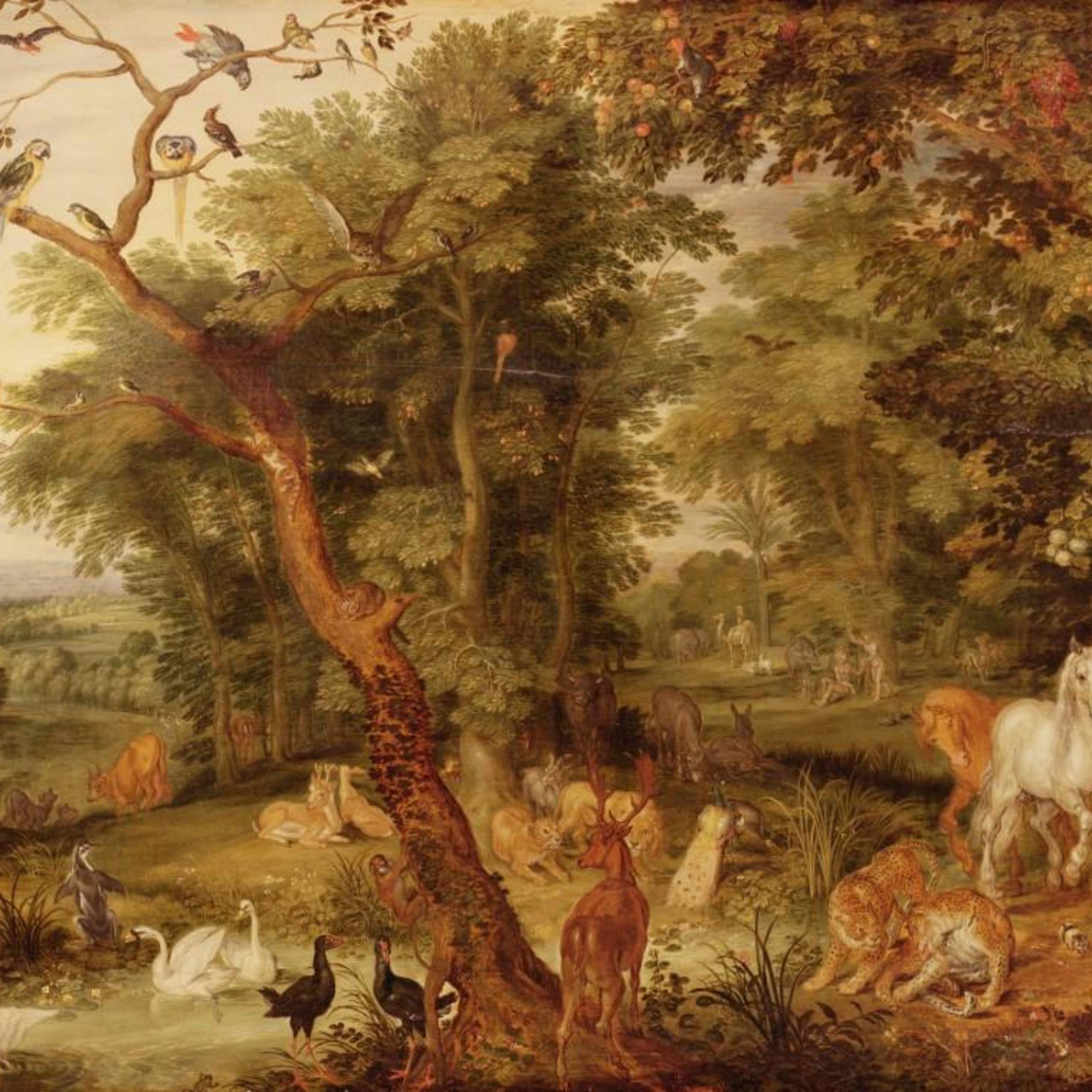 Bereishit Ch. 3 | In this episode we revisit the expulsion from Gan Eden and ask: was it purely punishment, or part of humanity’s destiny? Drawing on insights from contemporary scholars, we explore the story as a metaphor for adolescence and the transition to adulthood. Adam and Eve’s “sin” lies less in seeking knowledge than in how they handled it—through blame and denial that ruptured their relationship with God. The expulsion thus reflects both natural growth into responsibility and the pain of broken trust. Ultimately, the narrative affirms humanity’s dignity and purpose: to labor, create, and partner with God in shaping the world. | — | |
| 9/1/25 |  Bereishit Ch. 1 | In this first episode of the 929 Tanach Project, Rabbi Yoni Zolty explores the structure and patterns of Bereshit chapter 1. The creation story unfolds in symmetry—days 1–3 forming the world’s framework, and days 4–6 filling it with life. Rabbi Zolty highlights the equal creation of man and woman, humanity’s shared dependence with animals, and the Torah’s striking silence on whether humans are inherently “good,” leaving free will as the central question of Bereshit. | — | |
| 9/1/25 |  Bereishit Ch. 2 | In this episode, Rabbi Yoni Zolty explores the apparent contradictions between Bereshit chapters 1 and 2. While chapter 1 presents creation from a universal, ordered perspective, chapter 2 re-centers the narrative on humanity, highlighting man’s central role in naming, cultivating, and partnering with God. Rabbi Zolty compares classical approaches—from Rashi’s klal u’prat to modern readings by Rav Soloveitchik and others—and shows how chapter 2 reframes the story of Gan Eden. Far from being only a tale of expulsion, the text suggests that humanity’s true purpose is realized when returning to work the land outside the garden. | — |
Showing 6 of 6
Sponsor Intelligence
Sign in to see which brands sponsor this podcast, their ad offers, and promo codes.
Chart Positions
1 placement across 1 market.
Chart Positions
1 placement across 1 market.