The Documentary Podcast
by BBC World Service
Is this your podcast?On the show
From 50 epsHosts
Recent guests
Recent episodes
Afghan refugees: Back to zero
Oct 18, 2026
31m 49s
Afghan refugees: Life in exile
Oct 18, 2026
29m 18s
Afghan refugees: The exodus
Oct 18, 2026
28m 39s
Final moments with death row inmates
Oct 17, 2026
23m 58s
Living lands of Hawai'i
Oct 16, 2026
26m 36s
Insights from recent episode analysis
Audience Interest
Podcast Focus
Publishing Consistency
Platform Reach
Insights are generated by CastFox AI using publicly available data, episode content, and proprietary models.
Most discussed topics
Brands & references
Total monthly reach
Blended from 1 signal.
Built from
By chart position
- 🇬🇧United Kingdom · DocumentaryHOME#823K to 146K
- 🇮🇳India · Documentary#222K to 136K
- 🇨🇦Canada · Documentary#511K to 68K
- 🇰🇷South Korea · Documentary#28.7K to 54K
- 🇹🇷TR · Documentary#16K to 38K
- Per-Episode Audience
Est. listeners per new episode within ~30 days
139K to 872K🎙 Daily cadence·1,000 episodes·Last published yesterday - Monthly Reach
Unique listeners across all episodes (30 days)
465K to 2.9M🇬🇧17%🇮🇳16%🇨🇦8%+29 more - Active Followers
Loyal subscribers who consistently listen
186K to 1.2M
Market Insights
Platform Distribution
Reach across major podcast platforms, updated hourly
Total Followers
—
Total Plays
—
Total Reviews
—
* Data sourced directly from platform APIs and aggregated hourly across all major podcast directories.
Social Links & Contact
Official channels & resources
Official Website
Login
RSS Feed
Login
Resolving iTunes ID\u2026 if this persists, the podcast may not be indexed on Apple Podcasts.
| Date | Episode | Topics | Guests | Brands | Places | Keywords | Sponsor | Length | |
|---|---|---|---|---|---|---|---|---|---|
| 10/18/26 |  Afghan refugees: Back to zero | Why are millions of Afghans pushed into circular migration and what awaits them in Taliban-ruled Afghanistan? In this series, The Global Jigsaw explores one of the world’s largest and longest-running refugee crises - a story spanning decades and affecting nearly half of Afghanistan’s population. Once welcomed as guests and embraced in the spirit of Islamic solidarity in neighbouring Iran and Pakistan, Afghan refugees now find themselves facing restrictions, discrimination and deportation. In part three, we try to understand the reality awaiting the returnees amid the information black hole surrounding their story back home.Find out more about BBC Monitoring on our website: https://monitoring.bbc.co.ukContributors: Haroon Rahmani, Lyse Doucet Producer: Kriszta Satori, Barry Sadid, Elchin Suleymanov Presenter: Krassi Ivanova Twigg Music: Pete Cunningham | 31m 49s | ||||||
| 10/18/26 | Afghan refugees: Life in exile | Why are millions of Afghans forced to go home and what awaits them in Taliban-ruled Afghanistan? In this series, The Global Jigsaw explores one of the world’s largest and longest running refugee crises - a story spanning decades, and affecting nearly half of Afghanistan’s population. Once welcomed as guests and embraced in the spirit of Islamic solidarity in neighbouring Iran and Pakistan, Afghan refugees now find themselves facing restrictions, discrimination and deportation. In the second part of this series, we explore rising anti-migrant sentiments in Iran and Pakistan, and the official narratives used to justify the mass deportations. Find out more about BBC Monitoring on our website: https://monitoring.bbc.co.ukContributors: Haroon Rahmani, Umaima Zia, Barry Sadid Producer: Kriszta Satori, Barry Sadid Presenter: Krassi Ivanova Twigg Music: Pete Cunningham | 29m 18s | ||||||
| 10/18/26 | Afghan refugees: The exodus | Why are millions of Afghans pushed into circular migration, and what awaits them in Taliban-ruled Afghanistan? In this series, we explore one of the world’s largest and longest-running refugee crises - a story spanning decades and affecting nearly half of Afghanistan’s population. Once welcomed as guests and embraced in the spirit of Islamic solidarity in neighbouring Iran and Pakistan, Afghan refugees now find themselves facing restrictions, discrimination and deportation. In the first part, we go back to the geopolitics of the Cold War to see how the mix of Soviet tanks, American money and tribal warfare created the perfect conditions for a mass exodus. Find out more about BBC Monitoring on our website: https://monitoring.bbc.co.ukContributors: Haroon Rahmani, Umaima Zia, Barry Sadid Producer: Kriszta Satori, Barry Sadid Presenter: Krassi Ivanova Twigg Music: Pete Cunningham | 28m 39s | ||||||
| 10/17/26 |  Final moments with death row inmates | Two cases in recent weeks have reignited debate around capital punishment in the United States after the failed attempt to execute Christa Pike and controversy over – now abandoned – plans to live-stream another execution. We bring together three people who have witnessed prisoners being put to death to share their experiences. Retired Ghanaian army officer, Captain Budu Koomson says, “It has an eerie feeling of finality that something has been forever done and cannot be undone.” We also hear from chaplains who have counselled criminals before their executions. “We talk about everything from their case to what happens at the moment of death,” explains Father Dustin Feddon, a priest in Florida. | 23m 58s | ||||||
| 10/16/26 |  Living lands of Hawai'i | After 23 years in the US military left him broken, Native Hawaiian park ranger Keoni Kaholoaʻā finds healing in Kīlauea, one of the world's most active volcanoes, and in Pele, the elemental deity who lives within. Kīlauea, on the Big Island of Hawaiʻi, sometimes erupts as often as every few weeks. New land is still being constantly made. For Native Hawaiians, this is not geology, this is Pele, the volcano deity, elemental force of fire and creation and a living ancestor whose presence is felt in the lava, in the steam and in the volcanic rock itself. Her poetic name - 'Ka wahine `ai honua' - means the woman who devours the land. | 26m 36s | ||||||
| 10/15/26 |  The dream academy | Sean Allsop has had insomnia for much of his adult life and now sees it as a problem he wants to understand. He explores what countries are doing to tackle poor sleep and he examines the financial strain sleepless nights place on a nation. At home in the UK, he visits the first helpline dedicated to poor sleepers, joining a call as staff help people find answers and navigate the often confusing world of sleep advice. He also spends a night at the Netherlands Institute for Neuroscience in Amsterdam, wired up with EEG electrodes as we discover what happens inside the sleeping brain and see first hand how scientists study sleep and investigate why some of us struggle to get it. | 26m 37s | ||||||
| 10/14/26 |  Breaking the code of silence | We travel to the Italian island of Sicily to see how Palermo residents are fighting back against the influence of the mafia. Presenter Myra Anubi meets people from the charity Addiopizzo, which encourages residents to stop paying protection money known as "pizzo." Meanwhile we visit a neighbourhood regeneration scheme which encourages young people to get involved and resist the temptation of joining the mafia. | 23m 13s | ||||||
| 10/13/26 |  Hungary after Orban | Hungary under Viktor Orban was a model for the populist right the world over. But in April 2026 he and the party he led, Fidesz, was decisively defeated in an election that brought an end to his 16 years in power. In the six months since the election some of what Viktor Orban had institutionalised has been rolled back. The state-funded media is no longer under government control. Hungary has a new president, a former judge who had been peremptorily swept from office under the previous government. Hungary has recovered billions of Euros from the European Union withheld because of what it saw as democratic backsliding under Orban. There is a new policy towards Russia, in which the 2022 invasion of Ukraine is explicitly condemned. In early September Hungary expelled 10 Russian diplomats accusing them of activities incompatible with their status, a move unthinkable under Viktor Orban. | 26m 53s | ||||||
| 10/12/26 |  Why are birth rates falling across the world? | Birth rates are falling across much of the world, raising questions about the future of ageing populations and economies. We look at why people are having fewer children, from the financial pressures facing couples in the US to changing social attitudes. We also examine government efforts to reverse the trend, including Finland's generous family support system and Hungary's costly incentives for larger families. | 17m 50s | ||||||
| 10/11/26 |  Recommending: Trouble with Hubble | A brand new season of the BBC’s space podcast explores the story of the revolutionary Hubble Space Telescope and the tiny flaw that almost destroyed the dream. This is the first episode in the season, to listen to more just search 13 Minutes wherever you get your BBC podcasts. In this episode, our view of the universe could be transformed by one of the most ambitious scientific instruments ever built but a terrible disaster strikes Nasa. After decades of meticulous planning, will the Hubble Space Telescope make it into space? Nasa believes the telescope is capable of doing the impossible: peering deeper into the universe than ever before and unlocking some of its greatest secrets. But Hubble is delicate and extraordinarily complex and it will be Astronaut Kathy Sullivan’s responsibility to help get it into space, no matter what. Archive: Mission audio and oral histories, Nasa History Office Theme music by Hans Zimmer and Christian Lundberg, and produced by Russell Emanuel, for Bleeding Fingers Music. 13 Minutes: Trouble with Hubble is a BBC Audio Science Unit production for the BBC World Service. Presenter: Dame Dr Maggie Aderin | 34m 28s | ||||||
Want analysis for the episodes below?Free for Pro Submit a request, we'll have your selected episodes analyzed within an hour. Free, at no cost to you, for Pro users. | |||||||||
| 10/11/26 | The politics of water: Iraq and Turkey | Two rivers helped build civilisation. Now they are at the centre of a geopolitical struggle that casts a shadow over the future of the Middle East. For centuries, the Tigris and Euphrates carried goods, armies and ideas, shaping some of history's greatest empires. But today, a toxic mix of climate change, outdated irrigation methods and conflicting national interests is pushing these rivers to the brink. As Turkey’s vast dam projects reduce downstream flows, Iraq is being forced into negotiations that go far beyond water, touching on security cooperation, trade routes and energy. The Global Jigsaw tells the story of how water became a geopolitical bargaining chip.Find out more about BBC Monitoring on our website: monitoring.bbc.co.uk/Contributors: Dilay Yalcin, Mohammed al-Jumaily Producer: Dilay Yalcin, Barry Sadid Presenter: Krassi Ivanova Twigg Music: Pete Cunningham | 28m 57s | ||||||
| 10/10/26 |  What goes on in a US college frat house? | The President of Cornell University says it "must do better" after a woman alleged she was drugged and raped by a group of men at a fraternity – or frat – house. Fraternities are all-male social organisations where the students live, study and socialise, and many are known for their parties. But they are also controversial and have been criticised for elitism and dangerous initiation rituals, referred to as hazing. “There’s a lot of forced drinking to get guys into a state of severe inebriation and if you weren’t participating you would be punished,” Mikey, a former President of a frat house tells us. “I did some things that I’m certainly not proud of.” Our guests share their experiences of secrecy, alcohol and discuss attitudes to women. They also describe working with young men today to help them understand consent. | 23m 25s | ||||||
| 10/9/26 |  Jamaica: Shaken, not broken | From historic buildings linked to emancipation to tiny village chapels, Jamaica is home to the world’s highest density of churches. The Caribbean Island faced a profound spiritual crisis after Hurricane Melissa devastated many of the 1600 sacred spaces where people gathered to worship. Journalist and presenter Nick Davis, who has returned to his family's roots and now lives on the island, takes us on an emotional journey back to Black River and Lacovia, in the heart of the hardest-hit areas. Nearly six months on from one of the worst storms in living memory, Nick joins volunteers as they continue to dig through the rubble and salvage what they can. Their places of worship may be razed to the ground, but those who once gathered here demonstrate how faith brings fresh hope and a resilience that reaches far beyond the bricks and mortar. | 26m 38s | ||||||
| 10/8/26 |  America’s gerrymandering civil war | Electoral battle lines are being drawn and redrawn in the United States right now, as Republicans and Democrats up the ante in an electoral redistricting war that many fear is undermining democracy. BBC North America correspondent Anthony Zurcher looks at how a once-a-decade act of political admin has turned into a rolling process of political partisanship, as parties compete to redraw voting districts, as they try to lock in near-guaranteed majorities. We look at the recent US Supreme Court ruling which has fuelled this growing political battleground and explore accusations of racist bias behind the decision making. While many observers are focused on the impact this could have on the imminent midterm elections, we look beyond November to see how it could shape all future elections as political parties work to manipulate the system in order to leave nothing to chance. | 28m 21s | ||||||
| 10/7/26 |  The everyday tech helping to prevent disasters | For International Day for Disaster Risk Reduction (13 October), we are finding out how technology can help prevent disasters, save lives and help rescuers. In Argentina, we meet Franco Rodríguez Viau whose family friends lost their home in a fire, inspiring him to find a way of tracking wildfires. He was just a teenager when he began developing an app that combines Nasa satellite imagery with other data sources to identify and intercept fires before they become unmanageable. Meanwhile in Colombia, podcasters and sound engineers tell us about using their specialist recording equipment and live analysis of sound to detect breathing and tapping beneath earthquake rubble, helping rescuers locate survivors. | 25m 10s | ||||||
| 10/6/26 |  Saving young men from murder: The Homeboy story | British Psychiatrist Dr Gwen Adshead, who has spent a lifetime working with violence perpetrators, visits Homeboy Industries in Los Angeles, the largest gang rehabilitation in the world. It offers, training, education, therapy and other services, was set up by a Jesuit Priest, Father Gregory Boyle. It was his response to the so-called “decade of death,” in the late 1980s, as his neighbourhood was terrorised by gang violence. Today, 40 years on, it has been called one of the most successful gang rehabilitation organisations in the world. Talking to Father Boyle and several former gang members, Dr Adshead explores the Home Boy model of rehabilitation and asks if something similar could work in other parts of the world. | 26m 50s | ||||||
| 10/5/26 |  Bonds: Heroes or villains? | With the cost of Government debt hitting its highest for many decades across the world, we explore how the world became so dependent on bonds, those IOUs from governments and firms that helped build the modern economy. Bonds are often dismissed as a dull corner of finance, but behind the scenes they have played a central role in major economic dramas around the world. We hear about their history, how they have shaped companies and countries, and why some fear the bond market could trigger the next global meltdown. | 17m 55s | ||||||
| 10/4/26 | Syria’s justice in absentia | With perpetrators in exile, closure is out of reach. As Syria’s new authorities seek to hold figures of the former regime accountable, questions remain over the fate of Bashar al-Assad. The former president and members of his inner circle were granted asylum in Russia after a rebel offensive drove him from power in 2024. The transition ushered in a new chapter for Syria, raising hopes for justice, after decades of repression. The Global Jigsaw assesses the obstacles standing in the way of accountability, justice and closure. Can victims of Assad’s brutal reign find redress when some of the regime’s most notorious figures remain beyond the reach of Syrian courts? Find out more about BBC Monitoring on our website: https://monitoring.bbc.co.uk/Contributors: Tess Mallinder Heron, Clare Denning, Feras Kilani, Amalia Zatari Producer: Clare Denning, Tess Mallinder Heron, Kriszta Satori Presenter: Krassi Ivanova Twigg Music: Pete Cunningham | 41m 57s | ||||||
| 10/3/26 |  'Renting is such a struggle' | We bring people together from around the world who are struggling to find somewhere affordable to live. We hear from Spain where the eviction of an 87-year-old woman has led to widespread protests, highlighting the country’s housing crisis. Young people in Ireland, Nigeria and India share their experiences of the difficulties they face finding a home, and 26-year-old Adam in the UK tells us about moving back in with his parents. “It leaves you quite dreamless, you haven’t really got anything you’re working towards,” he explains. | 24m 11s | ||||||
| 10/2/26 |  The miracle doctor of Lourdes | The French town of Lourdes is a place of pilgrimage for Catholics – this year even welcoming the Pope. This shrine in the Pyrenees Mountains is the site of miracles and Christian fervour, where the young shepherdess Bernadette Soubirous saw 18 apparitions of the Virgin Mary and where many people believe they have been miraculously healed. The Feast of the Assumption is the most important date in the Lourdes calendar, when tens of thousands travel from all over the world, to drink and wash in the shrine’s water, and sing and pray in huge candle-lit processions behind the white statue of the Virgin Mary. John Laurenson has joined them to hear stories of the faithful, and to meet a woman whose job description is unique in the world. Dr Giana Monami investigates miracles. Her ‘Bureau de Constatation’ brings the cold analysis of science to claims of instant, otherwise-inexplicable, permanent healings. There have been 72 so far. Dr Monami talks about her investigations and the other miracles that happen here. Those that are healed in their hearts. That find God. That end addictions. And there is another Lourdes miracle: the extraordinary solidarity shown by the thousands of mostly-very young ‘hospitalier’ volunteers who help the sick and disabled people who come – also in their thousands – to turn their pain into joy and their suffering into hope | 26m 38s | ||||||
| 10/1/26 |  West Africa's Ebola outbreak: 10 years on | Ten years on from the Ebola outbreak which tore through West Africa, journalist Tulip Mazumdar reconnects with survivors, healthcare workers and volunteers she met when reporting extensively from the frontline. The 2014-2016 Ebola outbreak killed over 11,000. The epidemic exposed how unprepared the world was for fast-moving outbreaks - and how quickly they could spiral out of control. Ordinary people took action and managed to contain the virus. In 2026, Ebola is back in the headlines as the Bundibugyo strain spreads in the DRC. What have we learnt about science communication, pandemic preparedness and grief in the last decade, that can help us today? | 26m 45s | ||||||
| 9/30/26 |  The joy of walking | How something as simple as a walk can improve our wellbeing, sharpen our thinking and bring communities closer together. We try out an innovative walking map of the UK on a journey through London, then head to the United States and Hungary, where doctors are leading walks to build stronger relationships with their patients. | 23m 17s | ||||||
| 9/29/26 |  Nepal: In the shadow of a glacier | As Nepal deals with the aftermath of devastating floods, there have been renewed warnings about the impact of climate change on the Himalayas. As temperatures have risen, glaciers across the region have shrunk and the landscape has become more unstable. Antonia Bolingbroke-Kent reports from one remote Nepalese mountain community that faces an existential threat from a melting glacier. The ancient village of Halji, near the Tibetan border, is home to a thousand year-old Buddhist monastery, one of the oldest in Nepal. But high above the village, meltwater has created glacial lakes . In 2011, parts of the village were destroyed when a glacial lake burst and sent a torrent of water and rocks down the valley. Other communities in the area have abandoned their homes, yet here villagers remain. So why are they determined to stay? | 28m 22s | ||||||
| 9/28/26 |  Can Route 66 towns survive on nostalgia? | We head west along America's famed Route 66. As the road celebrates its 100th birthday, Victoria Craig finds out whether the pull of neon-drenched nostalgia is still attracting visitors and whether new investment can secure the future of the towns that depend on it. | 19m 07s | ||||||
| 9/27/26 |  Mapping India: The world's largest count | India is undertaking the biggest population count the world has ever attempted - a digital census designed to capture the lives, identities and realities of more than 1.4 billion people. With three million field staff, self‑enumeration in 16 languages, and real‑time monitoring across cities, forests, floodplains and megacities, the operation is both a national ritual and a vast technological experiment. The census reaches far beyond population totals. It records religion, language, housing, migration, education, work, and for the first time in nearly a century, caste. | 49m 09s | ||||||
| 9/11/26 | 9/11survival+4 | Paul Carris | Psalm 23 | — | 9/11World Trade Center+5 | — | 26m 37s | ||
| 9/10/26 | sinkholesdrought+3 | — | sugar beet | TurkeyKonya province | sinkholesTurkey+5 | — | 26m 37s | ||
| 9/9/26 | disabilityvisual communication+4 | — | Books Beyond WordsTapSOS | UK | disabled peopleBooks Beyond Words+5 | — | 23m 07s | ||
| 9/8/26 | language lawscultural identity+4 | — | — | UkraineOdesa+1 | UkraineRussian language+6 | — | 28m 39s | ||
| 9/7/26 | artificial intelligencejob market+3 | — | — | — | AIjob displacement+3 | — | 17m 37s | ||
| 9/6/26 | homelessnesshousing insecurity+3 | — | Social BiteBureaux du Cœur | EdinburghNantes+1 | homelessnesshousing+5 | — | 23m 41s | ||
| 9/5/26 | evacuationfrontline rescue+3 | — | BBC World Service | Ukraine | Ukraineevacuation+5 | — | 29m 11s | ||
| 9/5/26 | natural disasterssurvivor stories+4 | GauravSakil | — | NepalHimalayas | Nepalfloods+6 | — | 23m 40s | ||
| 9/4/26 | Gospel musicFaith+3 | Fred Hammond | The Winans | — | GospelGrammy awards+3 | — | 26m 37s | ||
| 9/3/26 | icebergsclimate change+3 | Dr. Catherine Walker | — | AntarcticLondon+2 | A23aiceberg+7 | — | 28m 08s | ||
| 7/21/26 | child obesityhealth crisis+5 | Sofia Bettiza | — | ItalyCampania+1 | obesitychildren+6 | — | 27m 10s | ||
| 7/20/26 | artclimate crisis+4 | Tom Bailey | BBC World Service | ArcticBritish | Tom BaileyArctic+5 | — | 26m 29s | ||
| 7/19/26 | child protection lawsconsensual relationships+4 | — | Protection of Children from Sexual Offences Act | India | Pocsochild protection+8 | — | 26m 44s | ||
| 7/18/26 | Belarusuniversity in exile+4 | Alina Isachenka | European Humanities UniversityBBC Russian+2 | BelarusLithuania+1 | BelarusEuropean Humanities University+5 | — | 26m 22s | ||
| 7/18/26 | IVFfertility+4 | DeeLana | BBC World Service | — | IVFfertility treatment+4 | — | 23m 10s | ||
| 7/17/26 | survivaltrauma+4 | Alan Haft | — | — | Harry Haftdeath matches+5 | — | 26m 34s | ||
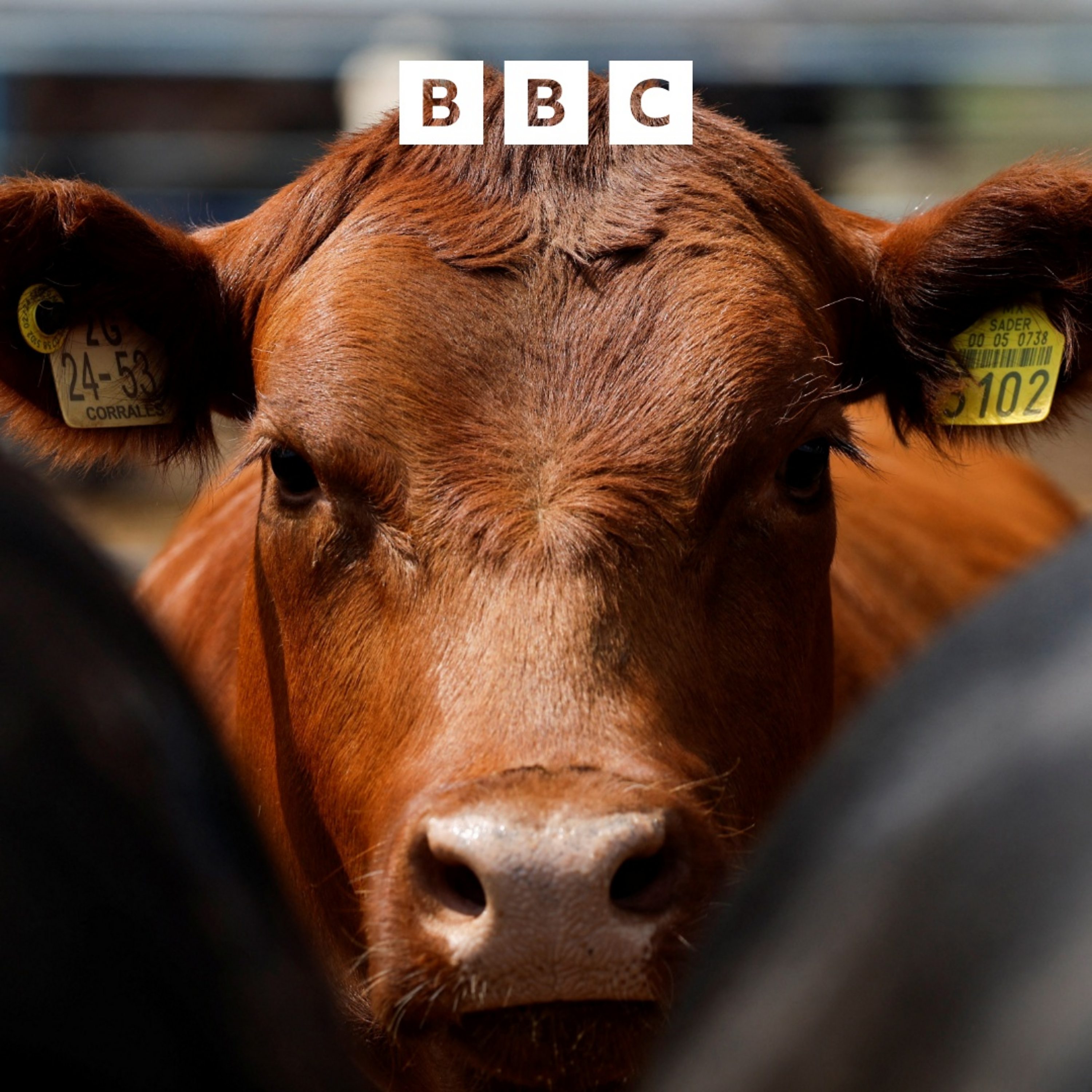
| 7/16/26 | US beef pricessupply chain+3 | — | US beef | South DakotaWisconsin+2 | beef pricescattle rancher+3 | — | 19m 32s | ||
| 7/15/26 | RussiaUK+4 | — | BritainUS+3 | — | RussiaUK+5 | — | 26m 33s | ||
| 7/14/26 | euthanasiaorgan donation+4 | — | Supreme CourtSpain’s health service | — | euthanasiaNoelia Castillo+6 | — | 29m 17s | ||
| 7/12/26 | drug traffickingfentanyl+4 | — | US law enforcementBBC+1 | — | Zhang Zhidongfentanyl+5 | — | 26m 50s | ||
| 6/12/26 | Mary MagdaleneChristian history+4 | — | — | Saintes-Marie-de-la-MerSaint Baume | Mary MagdaleneSaintes-Marie-de-la-Mer+5 | — | 26m 31s | ||
| 6/11/26 | job marketjob hugging+4 | Emer MoreauClaudia Hammond | BBCBBC World Service | — | job hugginglayoffs+5 | — | 21m 34s | ||
| 6/10/26 | TikTokinternet culture+3 | — | TikTokMinecraft | — | TikTok Farlandsdoomscrolling+3 | — | 42m 11s | ||
| 6/9/26 | civil wareducation+4 | Mohanad Hashim | — | SudanKhartoum | Sudancivil war+4 | — | 27m 57s | ||
| 6/8/26 | cookeryhygge+3 | Trine Hahnemann | Red Hot Chilli PeppersThe Rolling Stones | Copenhagen | hyggeDanish chef+3 | — | 26m 29s | ||
| 6/7/26 | potatofood culture+4 | AJ ShehataSandy Knapp+3 | Fallow restaurantNatural History Museum+2 | AndesPeru | potatocooking+6 | — | 27m 16s | ||
| 6/6/26 | Soviet prisoners of warWorld War Two+4 | — | BBC RussianBBC Africa | KenyaChannel Island of Jersey+1 | Soviet prisonerWorld War Two+5 | — | 26m 28s | ||
| 6/6/26 | childbirth injurieswomen's health+3 | Gill | — | Democratic Republic of Congo | childbirthinjuries+5 | — | 23m 32s | ||
| 6/5/26 | humanitarian workfaith in conflict+4 | David Eubank | Free Burma Rangers | BurmaThailand+1 | missionary soldierhumanitarian+6 | — | 26m 34s | ||
| 6/4/26 | musicpoverty+4 | — | The Black Power Station | Makhanda | Black Power StationMakhanda+5 | — | 28m 55s | ||
| 5/9/26 | conservationnature+3 | Wendy Kirorei | — | KenyaMaasai Mara | David Attenboroughconservationists+5 | — | 23m 00s | ||
| 5/8/26 | forgivenessreconciliation+4 | Daniel GasangwaSteven Ngabonziza+1 | — | Rwanda | forgivenessRwanda+6 | — | 26m 31s | ||
| 5/7/26 | internet censorshipdigital sovereignty+4 | — | KremlinYouTube+1 | — | Russiainternet censorship+7 | — | 35m 42s | ||
| 5/6/26 | space explorationNASA Artemis+3 | Jeremy Hansen | NASABBC World Service+2 | — | Artemis IINASA+7 | — | 41m 36s | ||
| 5/5/26 | government corruptionprotests+3 | — | — | SerbiaNovi Sad+1 | SerbiaNovi Sad+6 | — | 24m 17s | ||
| 5/5/26 | artScottish culture+4 | Kerry Gledhill | National Galleries of ScotlandBBC World Service+5 | — | Joan EardleyScottish art+6 | — | 26m 30s | ||
| 5/3/26 | dog rescue scamsonline con operations+3 | — | BBC Africa Eye | MityanaUganda | dog rescuescams+5 | — | 26m 43s | ||
| 5/2/26 | Jeffrey Epsteinglobal connections+3 | Abdirahim SaeedLuiz Fernando Toledo | BBC ArabicBBC News Brazil+2 | — | Epsteincorrespondence+4 | — | 26m 29s | ||
| 5/2/26 | disabilityaccessibility+4 | Maddie HainingBrian Muchiri+2 | — | UKKenya+3 | wheelchairdisability+6 | — | 24m 20s | ||
| 5/1/26 | faithcommunity+4 | Jane Codrington | We Are Church | Johannesburg | churchinclusivity+5 | — | 26m 29s | ||
| 4/30/26 | nuclear powerenergy independence+4 | Zuza Nazaruk | EU | Poland | nuclear powerPoland+5 | — | 26m 36s | ||
| 4/29/26 | natural wondersoceanography+3 | — | — | Mariana Trenchwestern Pacific+1 | Mariana TrenchHMS Challenger+3 | — | 49m 27s | ||
| 4/28/26 | populismcar culture+4 | — | electric carspetrol car+1 | ZwickauCzech Republic+1 | petrol carelectric cars+5 | — | 26m 39s | ||
| 4/27/26 | intimacy coordinationBollywood+4 | Neha Vyaso | NetflixAmazon+1 | — | intimacy coordinatorBollywood+4 | — | 26m 42s | ||
| 4/26/26 | climate changegreen energy+4 | Laura Bicker | — | ChinaInner Mongolia+1 | Chinagreen energy+5 | — | 27m 24s | ||
| 4/25/26 | Mugabe familysocial media influence+4 | — | — | ZimbabweSouth Africa+3 | Mugabe dynastyZimbabwe+6 | — | 26m 29s | ||
| 4/25/26 | preppersstockpiling+3 | preppers | BBC World Service | — | preppersstockpiling+3 | — | 23m 20s | ||
| 4/24/26 | faithrevolution+4 | Gregorio ‘Gringo’ HonasanSister Mary John Mananzan | Radio Veritas | PhilippinesManila | PhilippinesGregorio Honasan+7 | — | 26m 29s | ||
| 4/23/26 | AImental health+5 | — | AI chatbotChat GPT+2 | Northern IrelandLos Angeles | AIchatbot+7 | — | 27m 50s | ||
| 4/22/26 | DNA detectionBritish soldiers+4 | — | BBC World ServiceWorld of Secrets | Kenya | DNA detectivesBritish soldiers+5 | — | 3m 01s | ||





Showing 75 of 1000
Pitch Fit is a Pro feature
See how bookable this show is for guests, which brands already advertise, the per-episode ad value, and the best-fit guest and sponsor profile. The numbers are blurred on the free plan.
How readily this show books outside guests like you.
How proven this show is for host-read sponsorships.
For Guests
ProFor Advertisers
ProUpgrade to Pro to unlock guest cadence, sponsor categories, fit scores, and per-episode ad value for this show.
Chart history for The Documentary Podcast
Peaked at #1 in RO, top 10 in 30 of 50 tracked markets, currently #1 in RO.
| Market | Genre | Peak | Current | Trend |
|---|---|---|---|---|
| RO | — | #1 | #1 | — |
| TR | — | #1 | #1 | — |
| South Africa | — | #1 | #1 | — |
| NG | — | #1 | #1 | — |
| South Korea | — | #2 | #2 | — |
| India | — | #2 | #2 | — |
| SG | — | #2 | #2 | — |
| TH | — | #2 | #2 | — |
| CO | — | #2 | #2 | — |
| KE | — | #2 | #2 | — |
| Ireland | — | #3 | #3 | — |
| New Zealand | — | #3 | #3 | — |
| HK | — | #4 | #4 | — |
| ID | — | #4 | #4 | — |
| Canada | — | #5 | #5 | — |
| Italy | — | #5 | #5 | — |
| Norway | — | #5 | #5 | — |
| AE | — | #5 | #5 | — |
| VN | — | #5 | #5 | — |
| CL | — | #5 | #5 | — |
Chart Positions
50 placements across 41 markets.
Chart Positions
50 placements across 41 markets.