Insights from recent episode analysis
Audience Interest
Podcast Focus
Publishing Consistency
Platform Reach
Insights are generated by CastFox AI using publicly available data, episode content, and proprietary models.
Most discussed topics
Brands & references
Est. Listeners
Insufficient chart data. Estimates will improve as the show charts.
- Per-Episode Audience
Est. listeners per new episode within ~30 days
N/A🎙 Weekly cadence·61 episodes·Last published 1mo ago - Monthly Reach
Unique listeners across all episodes (30 days)
N/A - Active Followers
Loyal subscribers who consistently listen
N/A
Market Insights
Platform Distribution
Reach across major podcast platforms, updated hourly
Total Followers
—
Total Plays
—
Total Reviews
—
* Data sourced directly from platform APIs and aggregated hourly across all major podcast directories.
On the show
From 11 epsHosts
Recent guests
Recent episodes
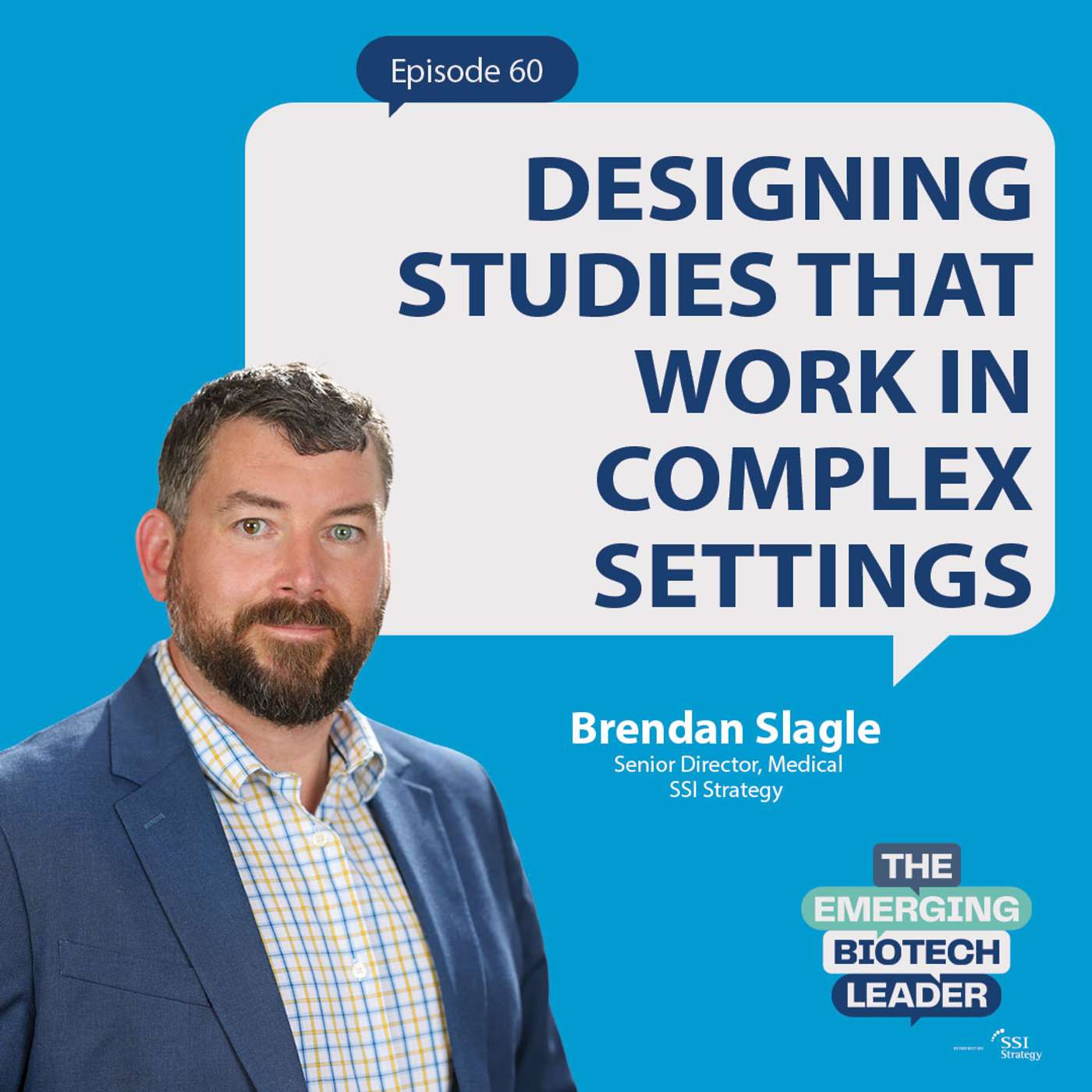
Designing Studies that Work in Complex Settings
May 22, 2026
18m 55s
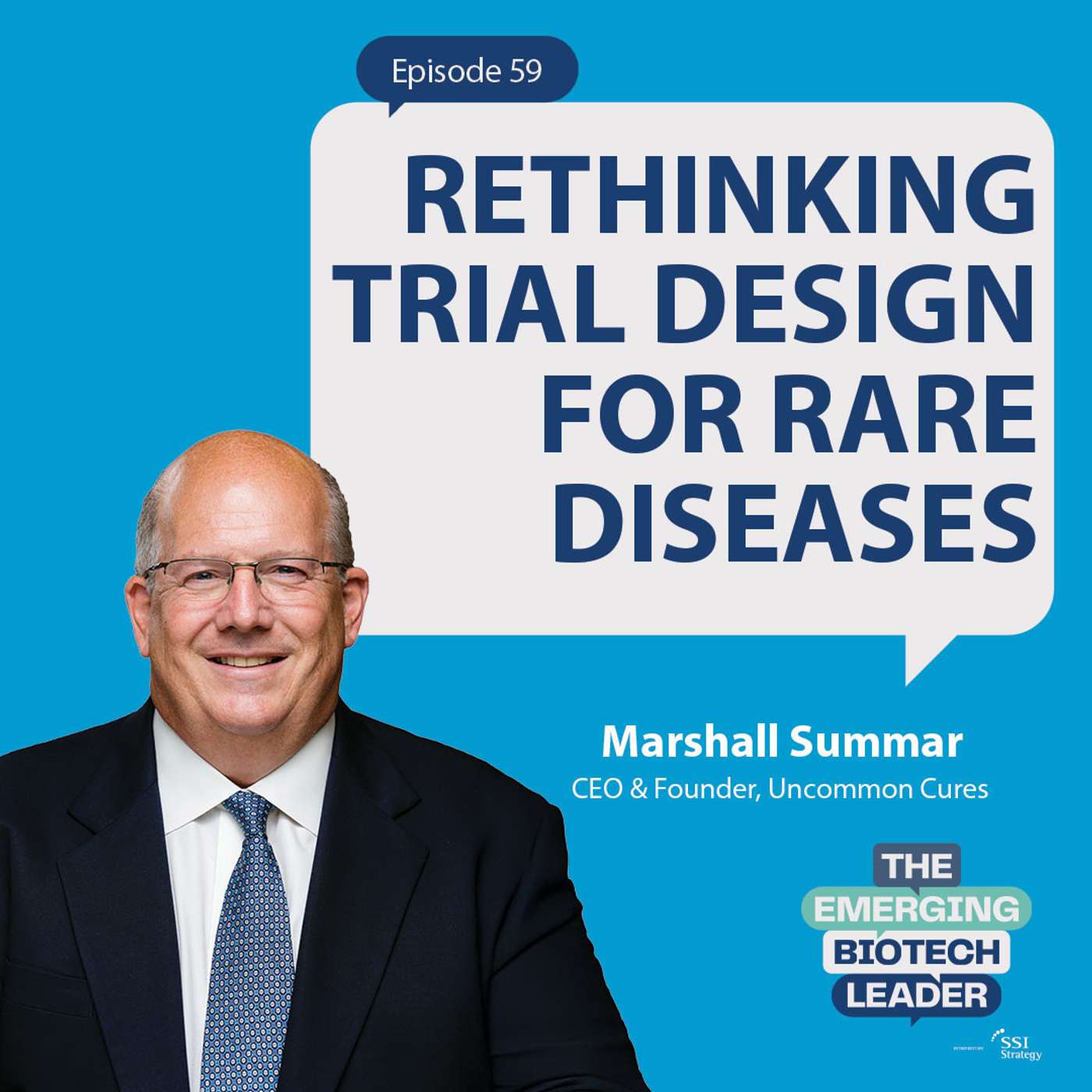
Rethinking Trial Design for Rare Diseases
May 8, 2026
36m 39s
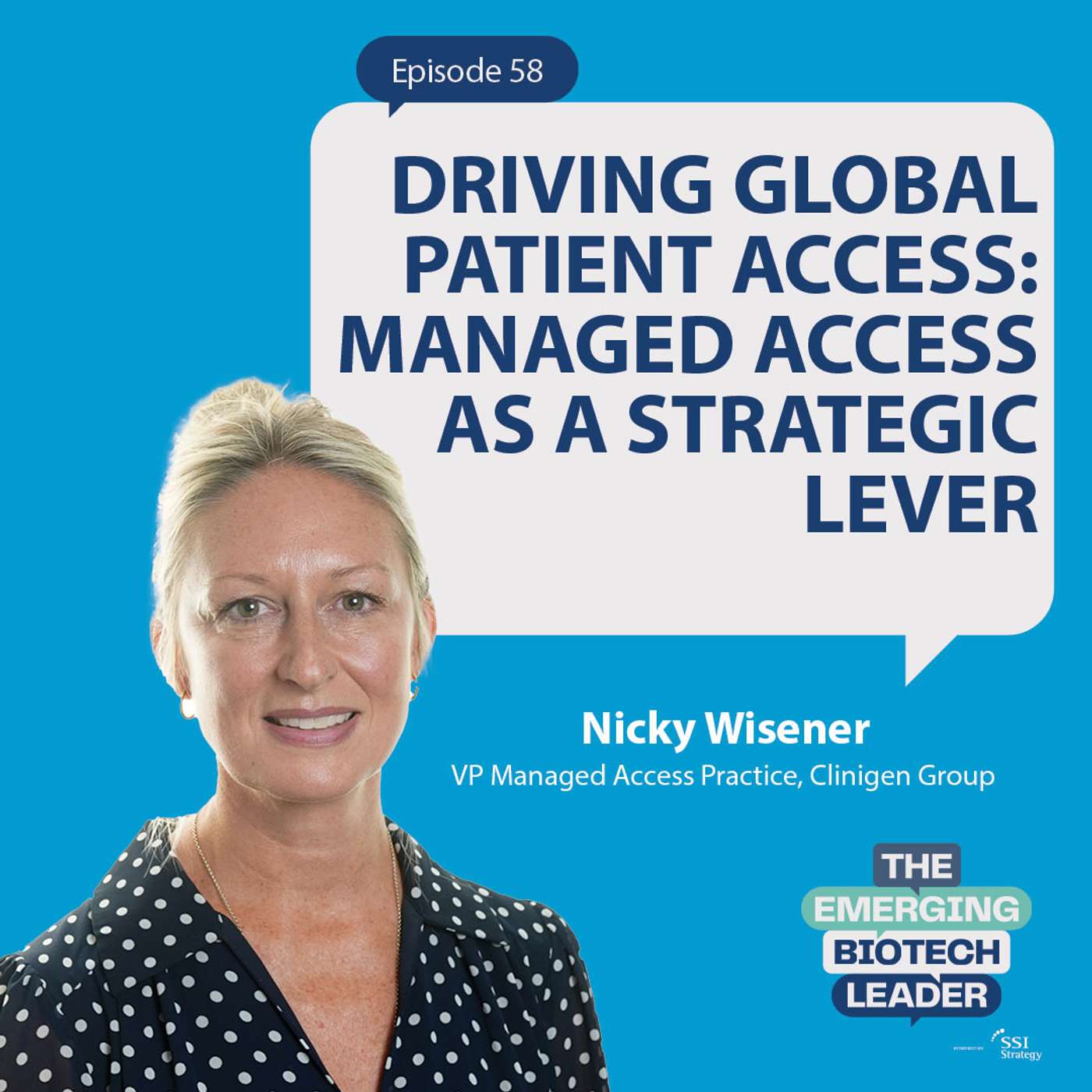
Driving Global Patient Access: Managed Access as a Strategic Lever
Feb 4, 2026
22m 17s
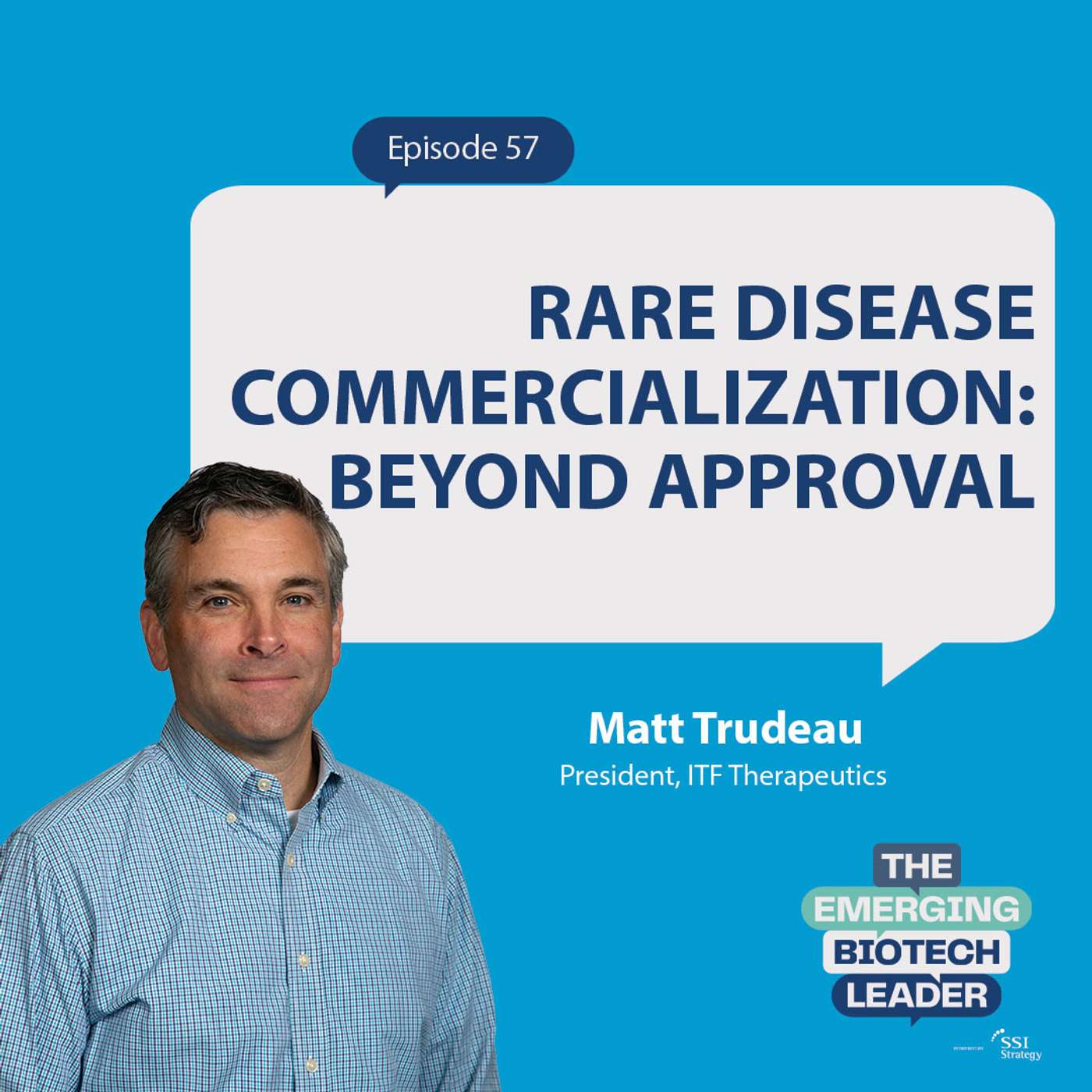
Rare Disease Commercialization: Beyond Approval
Jan 14, 2026
31m 55s
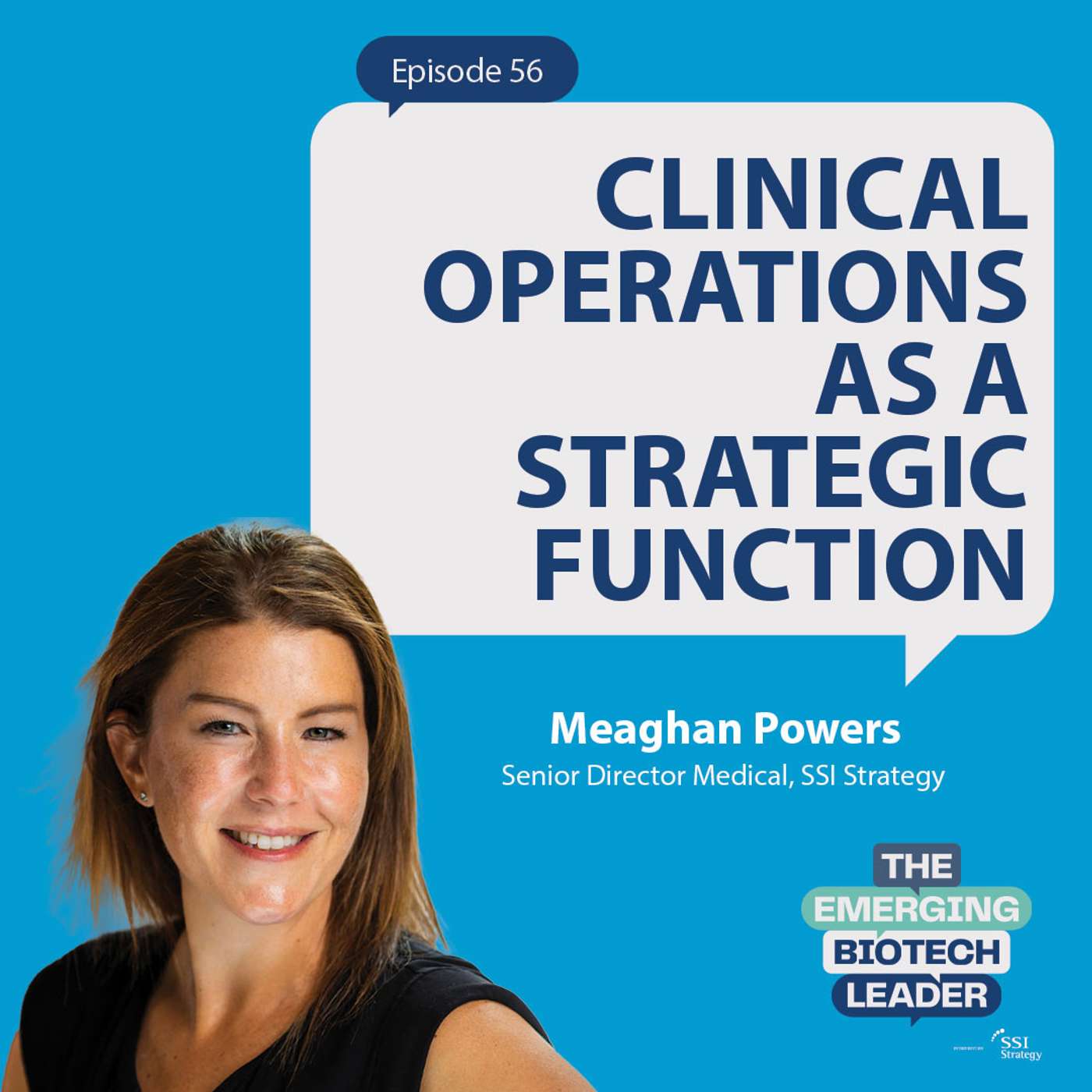
Clinical Operations as a Strategic Function
Dec 2, 2025
20m 59s
Social Links & Contact
Official channels & resources
Official Website
Login
RSS Feed
Login
| Date | Episode | Topics | Guests | Brands | Places | Keywords | Sponsor | Length | |
|---|---|---|---|---|---|---|---|---|---|
| 5/22/26 | ![]() Designing Studies that Work in Complex Settings✨ | rare diseasestudy design+4 | Brendan Slagle | SSI Strategy | — | rare diseasestudy design+7 | — | 18m 55s | |
| 5/8/26 | ![]() Rethinking Trial Design for Rare Diseases✨ | rare diseasestrial design+3 | Marshall Summar | Uncommon Cures | — | rare disease trialsclinical trial design+3 | — | 36m 39s | |
| 2/4/26 | ![]() Driving Global Patient Access: Managed Access as a Strategic Lever✨ | patient accessmanaged access+3 | Nicky Wisener | Clinigen Group | — | managed accesspatient access+5 | — | 22m 17s | |
| 1/14/26 | ![]() Rare Disease Commercialization: Beyond Approval✨ | rare disease commercializationpatient access+5 | Matt Trudeau | ITF TherapeuticsGenzyme+2 | — | rare diseasecommercialization+8 | — | 31m 55s | |
| 12/2/25 | ![]() Clinical Operations as a Strategic Function✨ | clinical operationsstrategic planning+4 | Meaghan Powers | SSI Strategy | — | clinical operationsstrategic value+6 | — | 20m 59s | |
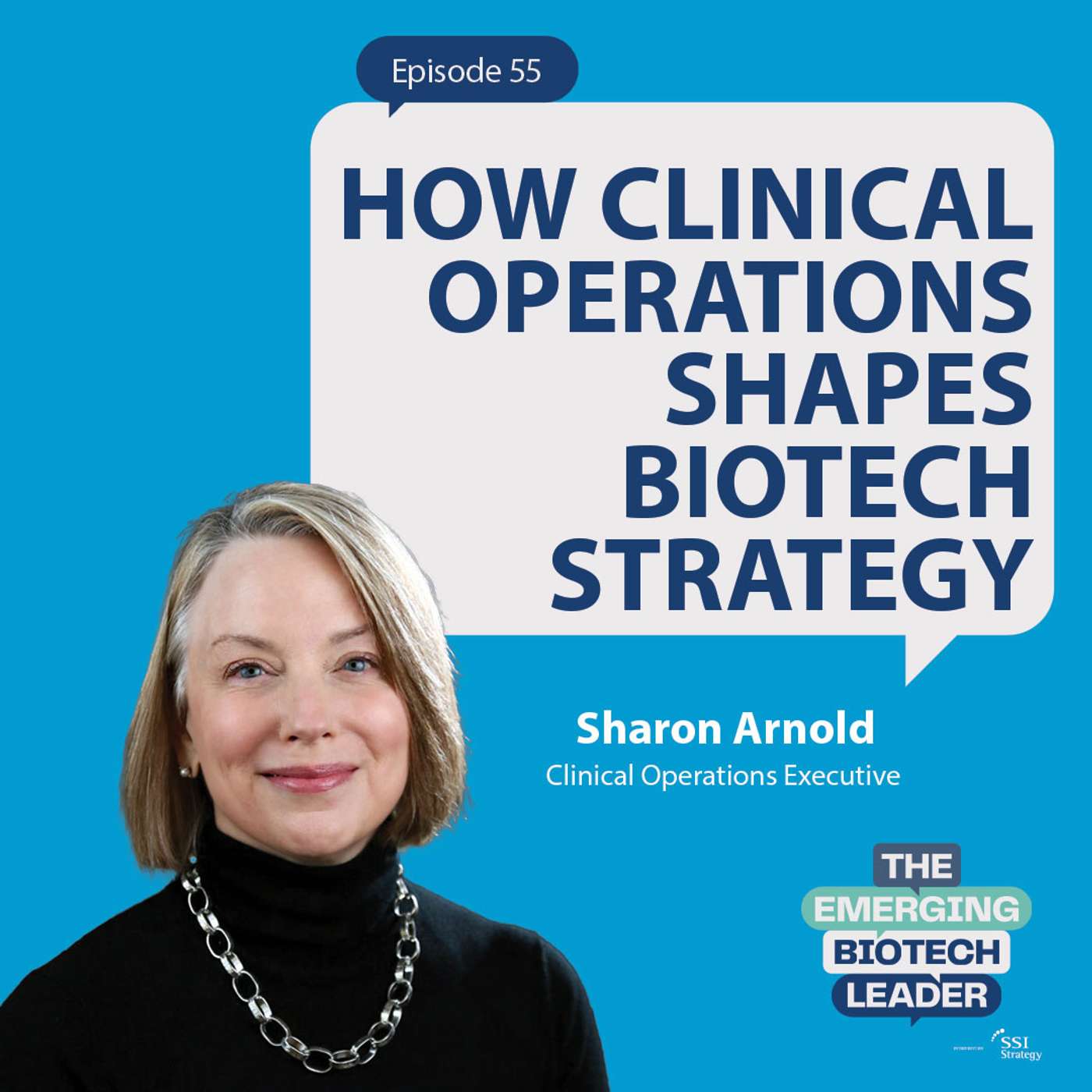
| 11/20/25 | ![]() How Clinical Operations Shapes Biotech Strategy✨ | clinical operationsbiotech strategy+4 | Sharon Arnold | SSI Strategy | — | clinical operationsbiotech+5 | — | 46m 08s | |
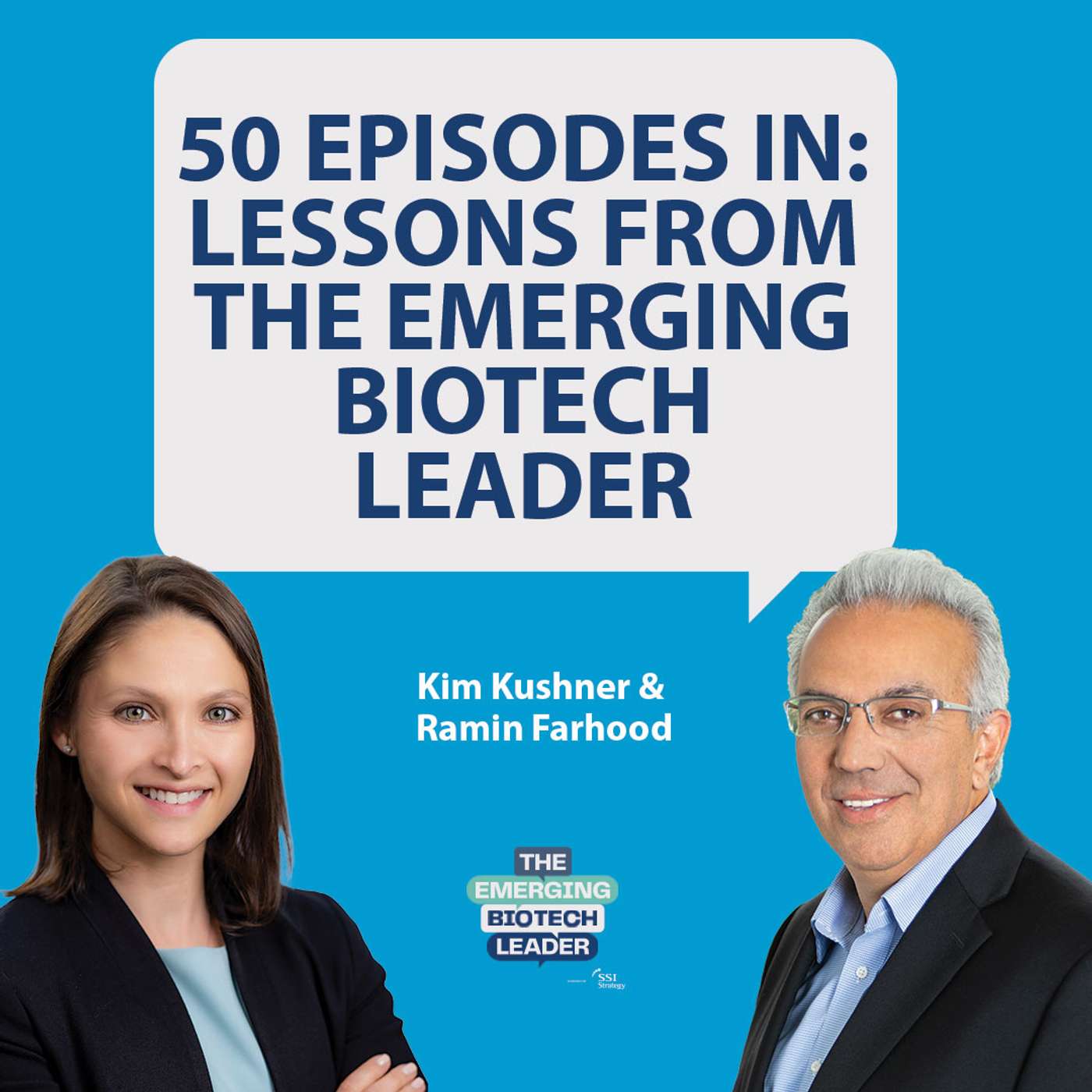
| 11/10/25 | ![]() 50 Episodes in: Lessons from The Emerging Biotech Leader✨ | leadershipbiotech+3 | — | The Emerging Biotech Leader | — | biotechleadership+3 | — | 36m 28s | |
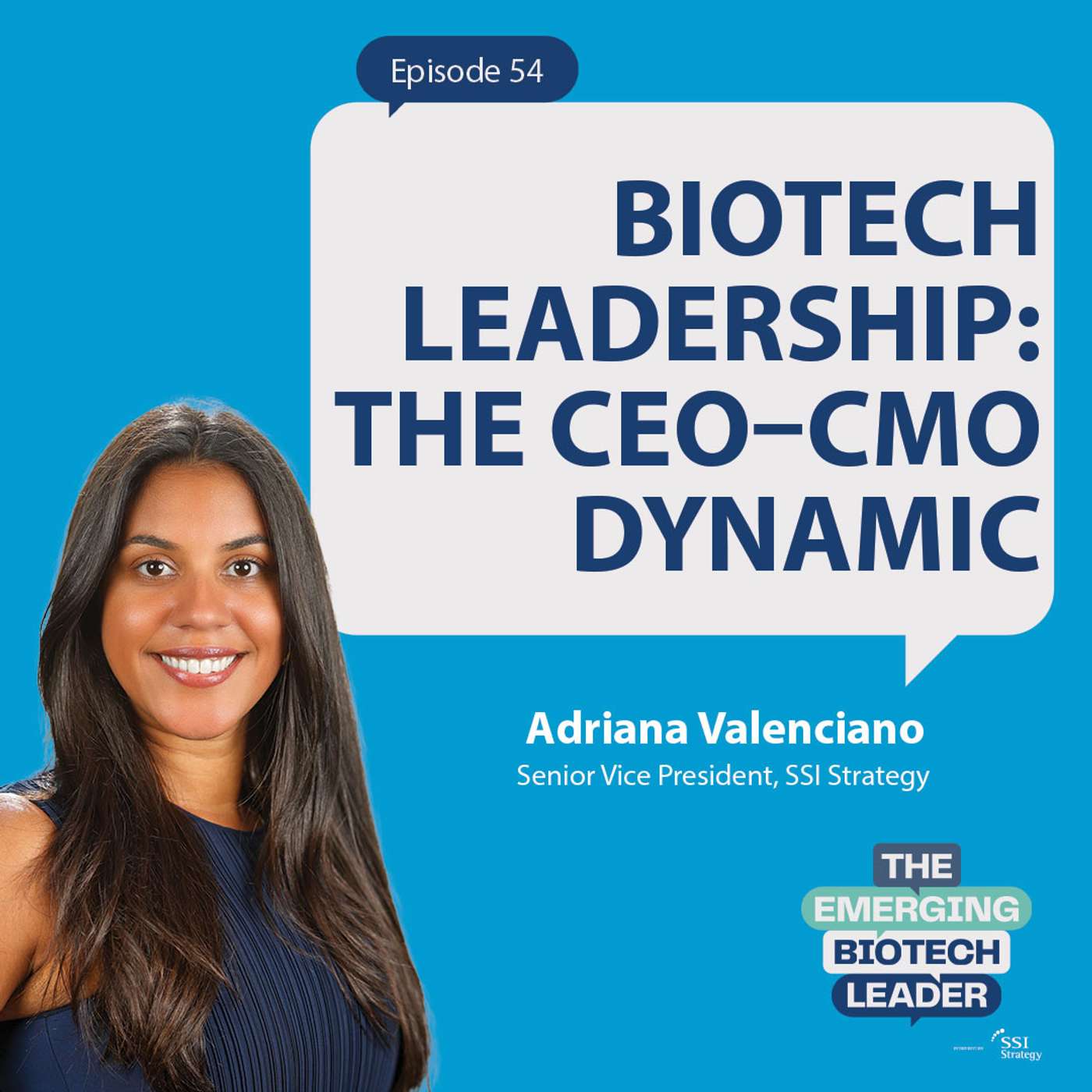
| 11/6/25 | ![]() Biotech Leadership: The CEO–CMO Dynamic✨ | biotech leadershipCEO-CMO dynamic+4 | Kim KushnerAdriana Valenciano | SSI Strategy | — | biotechleadership+6 | — | 24m 03s | |
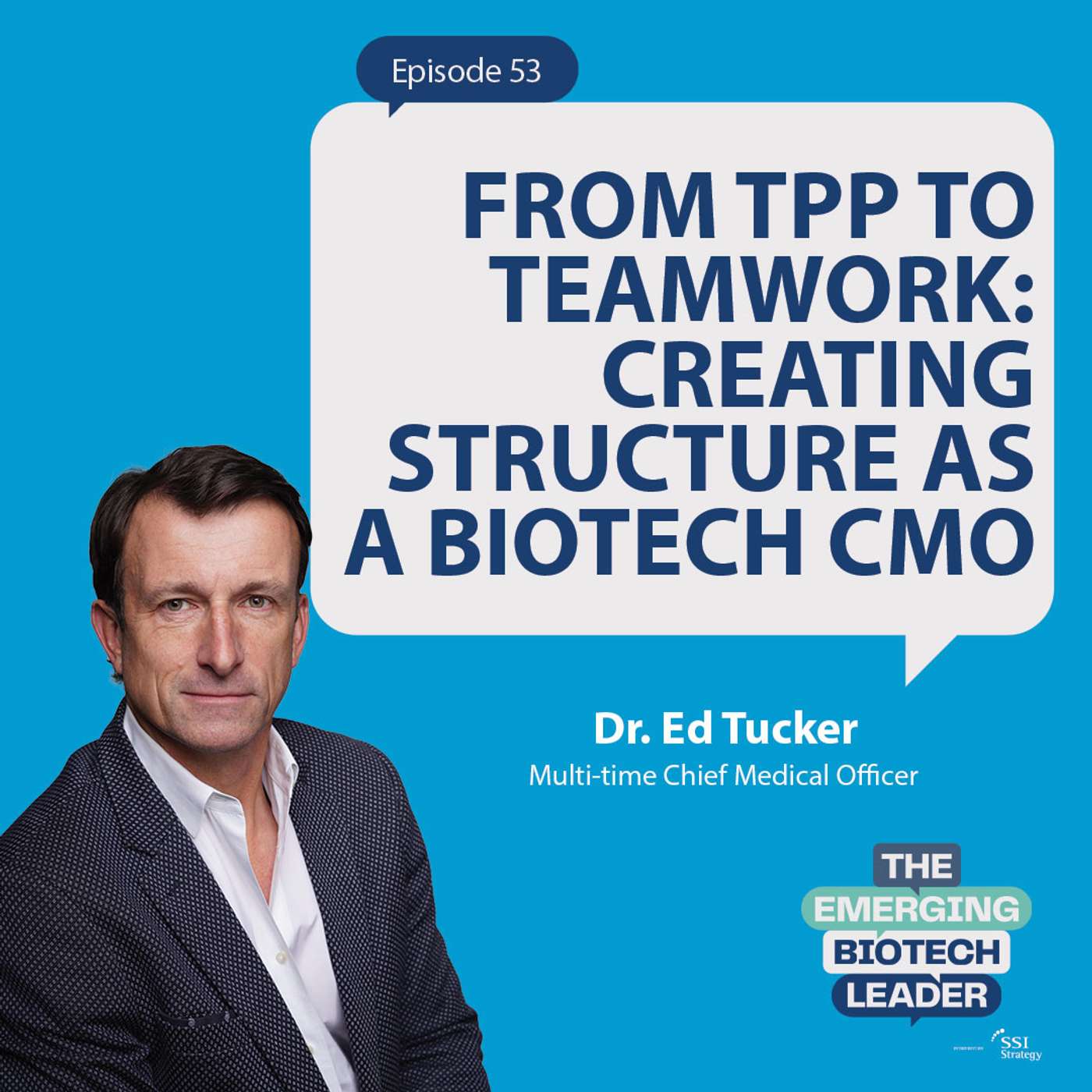
| 10/9/25 | ![]() From TPP to Teamwork: Creating Structure as a Biotech CMO✨ | Chief Medical Officerbiotech leadership+5 | Dr. Ed Tucker | SSI Strategy | — | biotechCMO+8 | — | 38m 32s | |
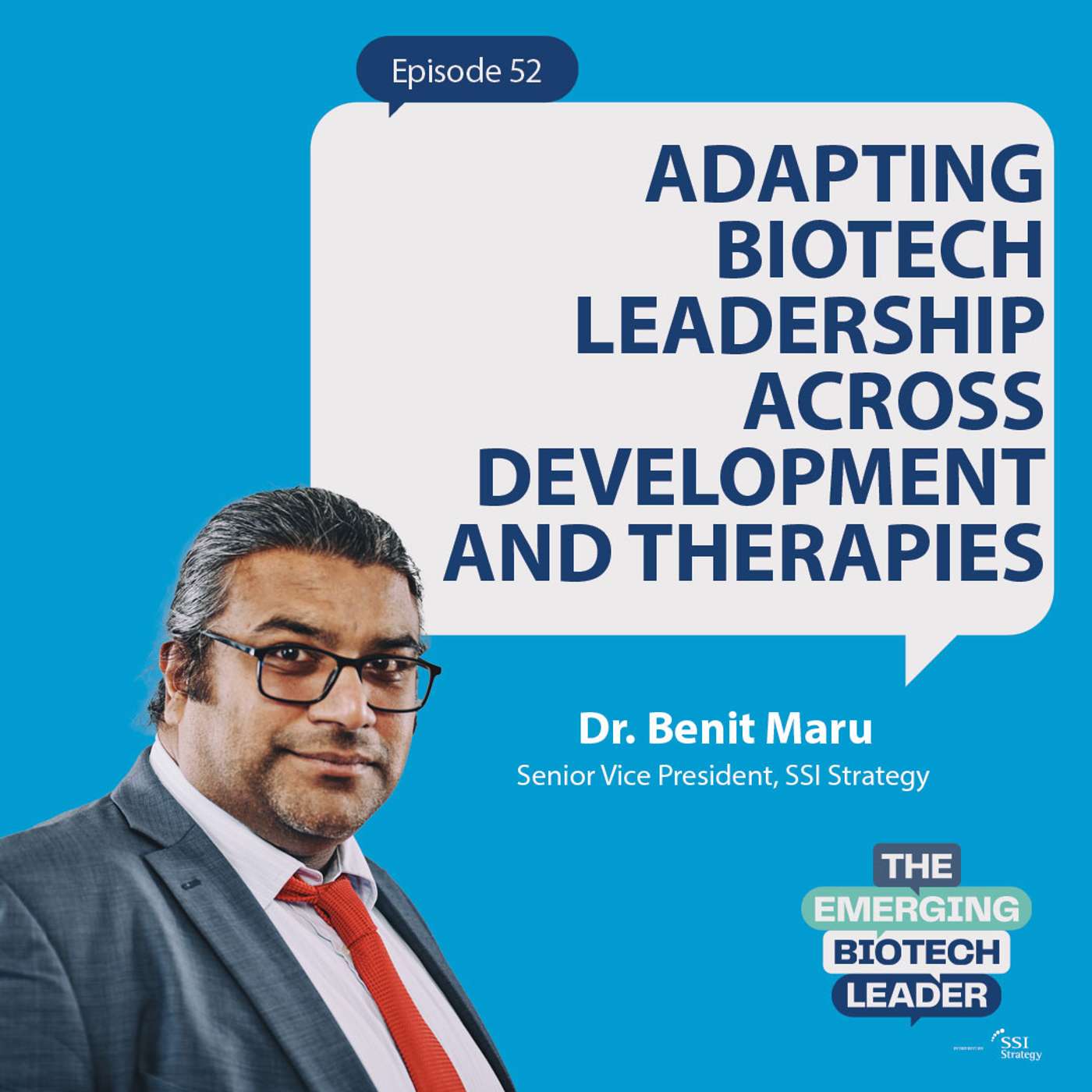
| 9/11/25 | ![]() Adapting Biotech Leadership Across Development and Therapies✨ | biotech leadershipdevelopment stages+3 | Dr. Benit Maru | SSI Strategy | — | biotechleadership+5 | — | 25m 29s | |
Want analysis for the episodes below?Free for Pro Submit a request, we'll have your selected episodes analyzed within an hour. Free, at no cost to you, for Pro users. | |||||||||
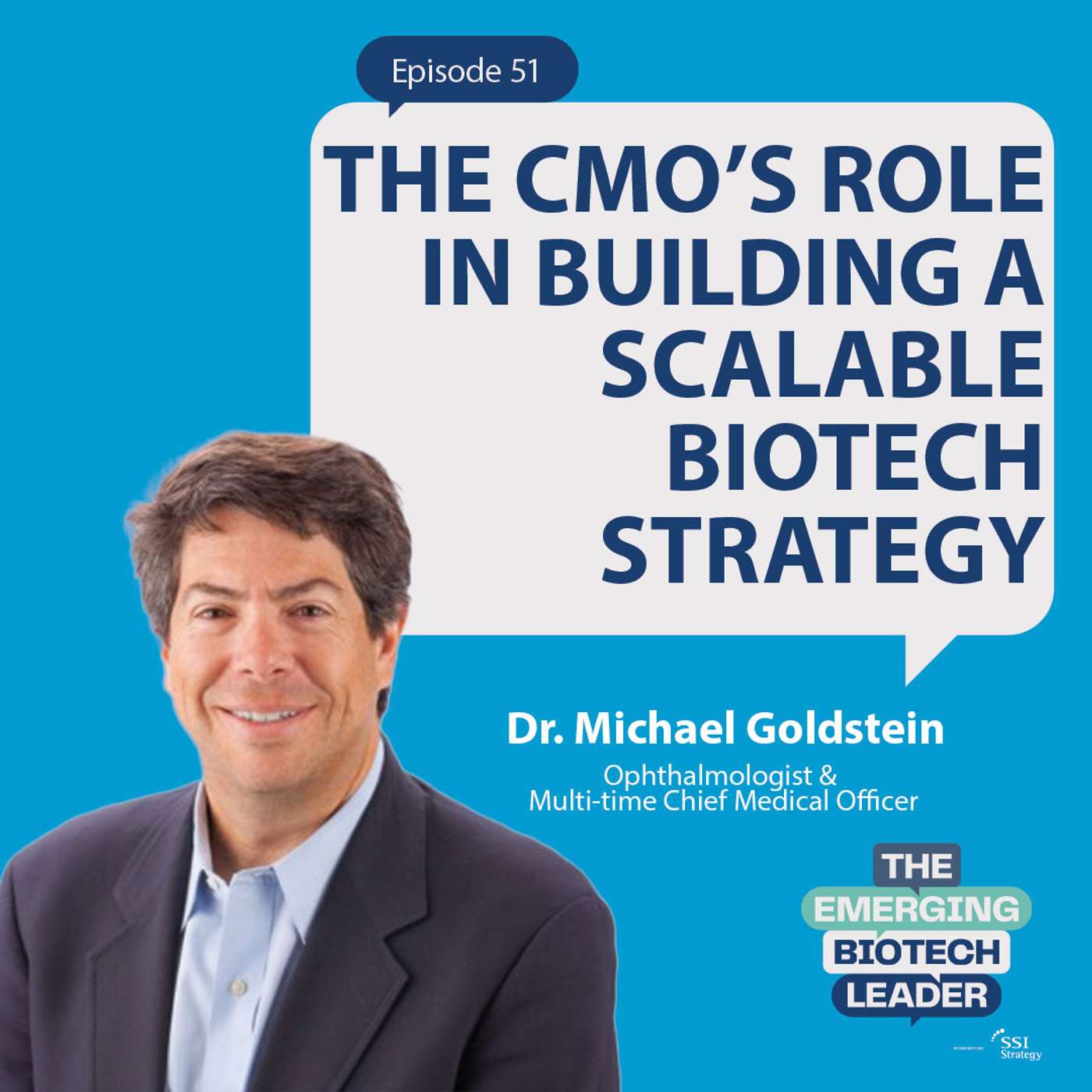
| 8/28/25 | ![]() The CMO’s Role in Building a Scalable Biotech Strategy✨ | biotech leadershipclinical programs+4 | Dr. Michael Goldstein | The Emerging Biotech LeaderSSI Strategy | IND | biotech strategyCMO role+5 | — | 46m 28s | |
| 7/24/25 | ![]() Designing Patient-Centric Trials That Work | What does it take to bring patient-focused values into the real decisions that shape drug development, especially when you're moving fast, working lean, and under pressure to deliver? In this episode, host Kim Kushner speaks with Victoria Oswald, Vice President at SSI Strategy, about how biotech teams can start small but think deliberately when embedding patient input and cultural intent into early-stage development. Together they explore: Why even basic decisions in Phase I, like assessment burden or endpoint design, should reflect patient relevance, not just regulatory safety How teams can integrate patient perspectives without large budgets or formal infrastructure The tension between doing what’s feasible now vs. setting up for long-term alignment The role of internal culture in shaping how development teams prioritize, communicate, and make trade-offs Drawing on her work across gene therapy, rare disease, and oncology, Victoria highlights how early engagement, shared mindset, and cross-functional awareness can help even lean teams avoid rework and stay focused on what truly matters. This episode offers insight for biotech leaders and clinical teams working to connect patient priorities with real-world development choices from the start. | 16m 35s | ||||||
| 7/8/25 | ![]() Build the Company You Say You Are: How culture shapes real-world execution | In this episode, Kim speaks with Jill Milne, Ph.D., CEO of Astria Therapeutics, about what it really takes to build a biotech company around patient needs, not just in mission statements, but in everyday decisions. Drawing on her 25+ years in pharma and biotech, Jill shares how Astria is redefining what it means to be patient-first, why culture is more than a slogan, and how leaders can align boards and investors behind values that also deliver business results. They talk about: Patient-Centricity as Strategy: Jill details how Astria embeds patient insight across every phase of development; from target product profile to clinical design to commercialization. This is not just about listening sessions or checkbox advocacy, it’s about consistently translating lived experiences into decisions that accelerate development, improve retention, and drive value. Culture being a Strategic Asset: With the motto “Patients first. People always,” Jill emphasizes how every function, from finance to CMC, is connected to patient impact. The culture extends beyond Astria’s walls to CROs and partners, creating a shared mindset that scales. Board & Business Alignment: Jill outlines a compelling case for why patient-centered and culture-led approaches aren't just feel-good strategies but force multipliers that enhance clinical development, commercial positioning, investor confidence, and regulatory credibility. For biotech leaders building companies with long-term impact in mind, this episode offers a grounded look at how values like culture and patient focus can be turned into consistent, daily execution. | 31m 37s | ||||||
| 6/26/25 | ![]() From Vision to Viability: The Decisions That Define a Biotech | What does it really take to launch a biotech company that lasts? In this episode, host Kim Kushner sits down with Dr. Marcia de Souza Lima, a physician-executive whose journey spans clinical care, global pharma, investment, and startup leadership. Together, they explore the earliest days of company formation—where every decision, from team design to product development, can shape the long-term path of the organization. The conversation begins with a familiar framework—the “Five P’s” of early biotech building: Product, People, Patents, Pennies, and Place. But Marcia challenges the idea that these alone are enough. She offers a fresh perspective on what leaders often overlook in the rush to build: the patient voice, the real-world context, and the flexibility to adapt as markets, teams, and therapies evolve. This Conversation Highlights: Why scientific novelty isn’t enough—your product must be positioned to matter. How to think about the patient perspective even before your first clinical milestone. Ways to balance scientific rigor with entrepreneurial speed in a resource-constrained environment. The talent trade-offs of hybrid vs. in-person teams—and how agility may be your biggest asset. The role of mentorship, curiosity, and asking the right questions—especially when you're doing this for the first time. Rather than presenting a checklist, this episode invites biotech leaders to think more holistically: How do you build something both scientifically sound and human-centered? How do you grow fast—without missing the fundamentals? If you're leading (or planning to lead) in biotech, this is a conversation that helps you zoom out, refocus, and reconsider what should come first. | 23m 26s | ||||||
| 6/13/25 | ![]() Five Fundamentals for Building a Biotech That Lasts | In this episode of The Emerging Biotech Leader, host Kim Kushner speaks with Al Beardsley, CEO of Cirius Therapeutics, about the foundational principles that guide sustainable biotech company building. A seasoned operator with experience across early discovery and late-stage development, Al introduces his “Five P’s” framework—a practical, clear-eyed guide for leaders responsible for turning science into durable enterprise value. The discussion covers: Product – How to ensure scientific innovation aligns with clinical relevance, provider expectations, and payer value frameworks—starting from day one. People – Why successful teams prioritize adaptability, strategic clarity, and trust over pedigree alone—and how CEOs can foster cohesion across lean or hybrid structures. Patents – The critical timing decisions that shape long-term market viability, particularly in light of small molecule vs. biologic exclusivity windows. Pennies – Why overcapitalization is rarely the problem, and how disciplined resource allocation—not just headcount—defines a company’s survival window. Place – Rethinking organizational design in a post-geography world, and how cultural alignment can outperform location-based hiring. Al also shares reflections on leadership at different stages of company maturity, the evolving role of the CEO as “Chief Everything Officer,” and how early-stage biotech leaders can structure their organizations to move deliberately, avoid unforced errors, and keep teams focused in uncertain conditions. This episode offers grounded, experience-based insight for biotech executives who are building with limited resources, high stakes, and longtime horizons. | 36m 23s | ||||||
| 5/30/25 | ![]() The Many Shapes of a CMO | In this episode, Chief Business Officer Kim Kushner talks with Dr. Carrie Brownstein, SVP Medical at SSI Strategy, about how to think through the fit between a biotech leader and their company’s stage of development. Carrie shares lessons from her own path from large pharma to biotech and how different kinds of experience shape what a CMO can offer at different points in a company’s growth. They talk about building the right kind of support team, knowing your own limits, and making space for others when it’s time. Topics include: How to assess your readiness for a CMO role Why no single background covers everything a biotech will need The value of building a team that fills in the gaps Learning to ask the questions that matter It’s a thoughtful discussion for anyone thinking about leadership fit—not just titles. Listen to hear Carrie’s perspective on what makes a CMO effective, and how to stay aligned with what your company really needs. | 15m 36s | ||||||
| 5/15/25 | ![]() Expanding the CMO Role: The Value of Difference | In this episode of The Emerging Biotech Leader, Chief Business Officer Kim Kushner and Dr. Carrie Brownstein, SVP Medical at SSI Strategy are joined by Dr. Chrystal Louis, Chief Medical Officer at TScan Therapeutics, to discuss how different professional experiences shape leadership approaches in the biotechnology sector. Dr. Louis brings extensive experience across clinical development and medical affairs, with a career spanning pediatric oncology, industry leadership roles, and the buildout of medical strategy teams at both early-stage and commercial-stage biotech companies. Drawing on their respective backgrounds in clinical development and medical affairs, Dr. Brownstein and Dr. Louis explore how different career experiences shape decision-making, stakeholder engagement, and development strategies within the CMO role. Being a CMO with medical affairs expertise often brings a broader focus on patient access, payer engagement, and real-world adoption, while those from clinical development backgrounds typically lead with regulatory strategy and trial execution. Dr. Brownstein and Dr. Louis explore how both profiles shape the CMO role, and why aligning clinical programs with real-world use is becoming increasingly important. The medical affairs perspective remains less common in biotech leadership today but offers growing strategic value across early and late-stage development. They also discuss how some biotech companies are shifting focus from oncology to immunology and metabolic diseases, partly in response to changing investment trends. This shift brings new challenges for leadership teams, including recalibrating risk-benefit expectations, regulatory standards, and long-term access planning. The episode closes with a discussion on the importance of deliberate career development and mentorship, particularly in supporting diverse leadership pipelines. Dr. Louis shares practical advice on planning career moves over a five-year horizon, gaining cross-functional experience, and driving leadership advancement with strategic intent. | 35m 01s | ||||||
| 12/18/24 | ![]() The Road Ahead: Biotech in 2025 | As biotech innovation accelerates across therapeutic areas organizations face complex strategic decisions about their future. In this episode of The Emerging Biotech Leader, former EMA Director Dr. Thomas Lönngren offers insights into the market dynamics and organizational requirements that will define success in 2025. Several key themes emerged from our discussion that will shape the industry's trajectory in the coming year. A Fight for Funding The funding environment remains challenging, with over 300 US biotech companies competing for limited capital. Thomas notes: "Many CEOs are spending more than 60% of their time talking with investors to get more money", highlighting a critical leadership challenge. While non-traditional investors, particularly from the tech sector, are entering the space, they're primarily interested in AI and digital health applications. The Regulatory Shift 2025 marks a pivotal year for regulatory changes, particularly in Europe. The new Health Technology Assessment (HTA) regulation introduces parallel clinical assessments, initially affecting oncology products and advanced therapies. This shift requires companies to think about market access evidence during early development stages – a significant departure from traditional approaches. US companies, in particular, need to prepare for these changes as they affect global development strategies. Organizational Design The complexity of modern biotech development demands a fundamental rethink of organizational structure. As Thomas emphasizes, "Biotech companies need to think about how they populate their organization with the right resources." Success requires strong medical leadership, regulatory expertise, and operational efficiency – all while maintaining focus on core drug development activities. The AI Advantage Artificial intelligence isn't just a trend; it's becoming a necessity for competitive advantage. Companies must strategically decide whether to develop internal AI capabilities or partner with specialized providers. This decision impacts everything from drug discovery to clinical trial efficiency and requires careful consideration of resources and core competencies. Looking Ahead As we move into 2025, success will depend on building organizations that can balance scientific innovation with operational excellence. Companies need partners who understand both the complexity of drug development and the organizational requirements for success. The coming year will require organizations to build effective regulatory and HTA capabilities to meet the demands of the new legislation. Your science deserves the strongest possible organization behind it. Let's talk about building yours. letstalk@ssistrategy.com | 36m 35s | ||||||
| 12/3/24 | ![]() Conducting the Medical Office | When does a biotech need a Chief Medical Officer? "If you're asking, you probably needed one yesterday," suggests Dr. Benit Maru in this straight-talking episode of Emerging Biotech Leader. The SSI Strategy medical lead breaks from convention, arguing that early-stage organizations - particularly those in rare disease or novel modalities - can't afford to postpone medical leadership. His analysis cuts through traditional timing metrics to focus on strategic impact and organizational readiness. Benit delivers three refreshing insights that challenge standard industry practices: The myth of the complete CMO. Rather than searching for "unicorns" who excel at everything, successful organizations build complementary teams that acknowledge and address leadership gaps. "Having the wherewithal to acknowledge your gaps and own them" proves more valuable than pretending they don't exist. The strategic necessity of early program management. While traditionally viewed as a later-stage hire, Benit positions strong program leadership as essential from day one - a shift he's seeing more frequently among successful biotechs. This infrastructure enables faster decision-making and more effective cross-functional collaboration. The critical CEO-CMO dynamic. Through candid examples, Benit illustrates how transparent communication about capabilities and needs strengthens rather than undermines leadership credibility. Ready to orchestrate your medical success? SSI Strategy partners with biotechs to build medical leadership structures that perform. Let’s talk! letstalk@ssistrategy.com | 24m 37s | ||||||
| 11/18/24 | ![]() Right Time, Right Team: How to Optimize Medical Leadership | Have you ever wondered what makes a great biotech CMO? In this episode of the Emerging Biotech Leader, Dr. Steven Zelenkofske shares the practical, hard-earned insights he’s gained from his five CMO positions and multiple board roles, offering straightforward advice on how CMOs can step in early, build strong executive relationships, and drive clinical programs to successful outcomes. This episode is your behind-the-scenes look at the evolving role of biotech’s top medical leaders. Steven strikingly describes the CMO role as "like an octopus with eight arms," each representing essential functions from external relations to operational oversight. This colorful analogy captures the multifaceted nature of modern medical leadership in biotech, where CMOs must constantly adapt their approach based on company stage and needs. Beyond One Leader Timing emerges as a critical theme: companies often delay bringing in clinical expertise until after key development decisions are made. While founders and CSOs excel at scientific innovation, Steven argues that early clinical perspective is essential to bridge the gap between groundbreaking science and effective drug development. The discussion explores a modern solution to the growing trend of fractional CMO roles. Rather than relying on a single part-time leader, Steven advocates for a "CMO office" model - a team of specialists collectively fulfilling the role's diverse requirements. This approach ensures comprehensive coverage while maintaining cost efficiency in today's resource-conscious environment. Steven also points out that successful clinical development often relies on preparation and anticipation of challenges. His practical advice includes building strong partnerships between CMOs and other executives, particularly CEOs and CSOs, while fostering a culture where teams feel empowered to provide critical feedback. If you are building a biotech organization, this episode offers practical answers to your critical questions: When do you need a CMO? What should you look for? And how can you structure the role to maximize impact while maintaining efficiency? Are you leading a biotech and would like to share your experience with our podcast audience? We'd love to hear from you! | 32m 22s | ||||||
| 11/4/24 | ![]() The New Board Game: Strategic Moves in Biotech | The relationship between biotech leadership and their boards is evolving, particularly as private equity takes a larger role in the industry. In this episode of the Emerging Biotech Leader, Nick Amigone from Amulet Capital Partners offers a unique perspective on building effective board relationships from the private equity vantage point. The conversation explores three distinct board structures that shape company governance: Public Company Boards: Diverse shareholders acting as fiduciary representatives Venture Capital Boards: Multiple meaningful shareholders but no controlling interest Private Equity Boards: Majority control while fostering collaborative decision-making A key theme that emerges is the importance of maximizing board effectiveness. Nick advocates moving beyond routine quarterly updates to strategic engagement focused on critical decisions. The role of independent board members is highlighted as vital. Nick outlines three key criteria for selecting these directors: Subject matter expertise that directly aligns with the company's focus and challenges A customer-centric perspective to provide valuable outside insights A true commitment to dedicated board engagement, rather than spreading themselves thin He emphasizes the importance of finding directors who will make their board service a top priority, noting that "it should be an important part of their professional life." From avoiding the "quarterly update trap" to balancing short-term milestones with long-term vision, Nick shares how biotech leaders can transform their board interactions from routine reporting exercises into strategic partnerships that drive company success. Would like to share your experience as a biotech leader on our podcast? Send a message to letstalk@ssistrategy.com | 16m 43s | ||||||
| 10/22/24 | ![]() Supercharging Biotechs: The Power of Strategic Board Engagement | How can biotech CEOs and their boards foster strong, trusting relationships that drive effective decision-making and long-term success? In this episode of Emerging Biotech Leader, host Kim Kushner explores this critical question together with Don de Bethizy. Don is a seasoned life sciences executive with over 30 years of experience, having served as a founder and CEO as well as board member and advisor. The episode highlights key strategies for building trust, setting clear objectives, and managing board relationships, making it essential listening for anyone looking to enhance their leadership approach in the biotech industry. Here you’ll find actionable advice that can significantly impact your company’s success and your own professional growth. Key takeaways include: The delicate balance of board relations: Don stresses the importance of transparency with the board while maintaining a strategic focus. Building the right team: "Get the right people on the bus, but in the right seats," Don advises. He discusses the challenges of early hiring decisions and the need to make tough choices quickly when someone isn't the right fit. Leveraging board expertise: Don highlights the value of specialized committees, like R&D, to dive deeper into critical areas without bogging down full board meetings. Throughout the discussion, Don's humility and willingness to learn shine through. He candidly shares mistakes and lessons learned, offering a refreshing perspective on leadership growth. Tune in to gain a deeper understanding of what it takes to successfully manage board relationships, refine your strategic focus, and build a culture of accountability and trust within your organization. Are you leading a biotech and would like to share your experience with our podcast audience? We'd love to hear from you! | 35m 24s | ||||||
| 10/7/24 | ![]() How Smart Risk Management Safeguards Your Biotech Venture | In this episode of "The Emerging Biotech Leader" podcast, host Ramin Frahood speaks with Helen Kargaryani, VP Global Head of Quality/Quality Services at SSI Strategy. With over 30 years of experience in the pharmaceutical and biotech industries, Helen shares her expertise on quality and risk management. Risk management in these industries is a critical process that helps companies identify, prioritize, and mitigate potential issues affecting their operations, compliance, and financial stability. "Quality is the ultimate goal” Helen explains. “A Quality Management System maintains quality, while risk assessment helps us identify and mitigate risks to quality. Together, these three elements build a solid platform for compliance in the company." The approach varies between organizations based on their specific business, stakeholders, and patients served. Key Takeaways: Proactive risk management is essential for biotech and pharma companies: It helps avoid regulatory issues and financial losses, working in tandem with quality management systems (QMS) to ensure effective compliance. Risk management should be tailored and integrated: Strategies need to be customized to a company's size, resources, and specific needs. Importantly, risk management should be integrated into company-wide strategy and culture, not isolated to a single department. Common pitfalls in risk management can have severe consequences: Many companies fail by either not including risk management in strategic planning or not implementing it effectively. This can lead to regulatory non-compliance, financial losses, and potential product shortages affecting patients. Early implementation is crucial, especially for startups and small biotech firms: Even with limited resources, companies should start implementing risk management early on a small scale, ensuring their approach is scalable as they grow. This episode provides valuable insights into the critical role of quality and risk management in the biotech and pharmaceutical industries, based on Helen’s extensive professional experience and perspective. If you'd like to discuss how you might apply these learnings to your own context, contact us at letstalk@ssistrategy.com | 25m 50s | ||||||
| 9/24/24 | ![]() Where Risk Meets Opportunity: Strategies for MedTech Success | This episode offers critical insights on leveraging risk management as a strategic advantage in medical device development. In a conversation with Ramin Farhood, Bijan Elahi, with over 30 years of experience, provides a roadmap for integrating safety considerations into innovation pipelines, potentially accelerating time-to-market and enhancing competitive positioning. Key Strategic Takeaways: Early integration of risk management, starting at the concept stage, can significantly reduce costs and accelerate time-to-market. This approach can level the playing field between firms of different sizes and serve as a market differentiator. Bijan emphasizes the balance between innovation and safety, noting that firms demonstrating significant benefits, especially in underserved areas, may find more regulatory flexibility. Risk-based approaches are increasingly expected across all business operations. Implementing this holistically can improve efficiency and reduce vulnerabilities in supply chain and manufacturing processes. Strategic Implications: Prioritize early investment in risk management capabilities for long-term cost savings and faster market entry. Consider risk management expertise in key hires and partnership decisions. Use risk management insights to refine product pipeline strategy, focusing resources on projects with the highest likelihood of regulatory success and market acceptance. Foster a company-wide culture of safety and risk awareness. This aligns with regulatory expectations and can drive responsible innovation. Robust risk management practices can serve as a powerful narrative for investors, demonstrating foresight and responsible innovation. By integrating these insights, companies can potentially accelerate development timelines, enhance their competitive position, and build a reputation for responsible innovation that resonates with regulators, partners, and customers alike. Are you leading a biotech and would like to share your experience with our podcast audience? We'd love to hear from you! Please reach out to us. | 44m 57s | ||||||
| 8/29/24 | ![]() Patients as Partners: A Winning Strategy for Drug Development - Laurie Smaldone-Alsup: 37 | The latest Emerging Biotech Leader podcast tackles the important topic of patient-focused drug development, offering valuable insights for the biotech industry. Our host Kim Kushner engages in an insightful dialogue with Dr. Laurie Smaldone-Alsup, SVP Regulatory Science at SSI Strategy, who brings years of hands-on regulatory experience to the conversation.Laurie’s career, spanning from pioneering HIV/AIDS treatments to her current work in rare diseases, underscores a powerful message: patients are not just beneficiaries of drug development, but essential partners in the process. She explains how early collaboration with patient advocacy groups can transform the development process, providing invaluable insights that shape everything from clinical trial design to regulatory strategies.The discussion explores the delicate balance between scientific rigor and patient needs, particularly in the context of rare diseases. Laurie offers practical advice on educating regulators, developing meaningful endpoints, and building a solid foundation of disease understanding. Her approach challenges the notion that speed always equals progress, advocating instead for a thoughtful, patient-centric strategy that may initially seem slower but ultimately leads to more successful outcomes.Another often overlooked challenge is getting boards and investors to support a patient-focused approach. Here Laurie shares strategies for convincing stakeholders of the long-term benefits, even when they're focused on short-term results.This episode is more than just a discussion; it's a call to action for the biotech industry to reimagine drug development with patients at its core. For leaders and innovators in the field, it provides not just food for thought, but actionable strategies to enhance their approach to drug development and, ultimately, improve patients' lives.If you'd like to discuss how you might apply these learnings to your own context, contact us now. | 24m 25s | ||||||
Showing 25 of 63
Pitch Fit is a Pro feature
See how bookable this show is for guests, which brands already advertise, the per-episode ad value, and the best-fit guest and sponsor profile. The numbers are blurred on the free plan.
How readily this show books outside guests like you.
How proven this show is for host-read sponsorships.
For Guests
ProFor Advertisers
ProUpgrade to Pro to unlock guest cadence, sponsor categories, fit scores, and per-episode ad value for this show.