Insights from recent episode analysis
Audience Interest
Podcast Focus
Publishing Consistency
Platform Reach
Insights are generated by CastFox AI using publicly available data, episode content, and proprietary models.
Most discussed topics
Brands & references
Est. Listeners
Insufficient chart data. Estimates will improve as the show charts.
- Per-Episode Audience
Est. listeners per new episode within ~30 days
N/A🎙 Daily cadence·353 episodes·Last published 2d ago - Monthly Reach
Unique listeners across all episodes (30 days)
N/A - Active Followers
Loyal subscribers who consistently listen
N/A
Market Insights
Platform Distribution
Reach across major podcast platforms, updated hourly
Total Followers
—
Total Plays
—
Total Reviews
—
* Data sourced directly from platform APIs and aggregated hourly across all major podcast directories.
On the show
From 17 epsHost
Recent guests
Recent episodes
The Last Soviet Artist
Jun 24, 2026
Unknown duration
Remembering Alexander Rabinowitch
Jun 17, 2026
Unknown duration
Anastas Mikoyan
Jun 10, 2026
50m 28s
Soviet Holocaust Literature
Jun 4, 2026
53m 48s
The Russian Paradox
May 27, 2026
50m 30s
Social Links & Contact
Official channels & resources
Official Website
Login
RSS Feed
Login
| Date | Episode | Topics | Guests | Brands | Places | Keywords | Sponsor | Length | |
|---|---|---|---|---|---|---|---|---|---|
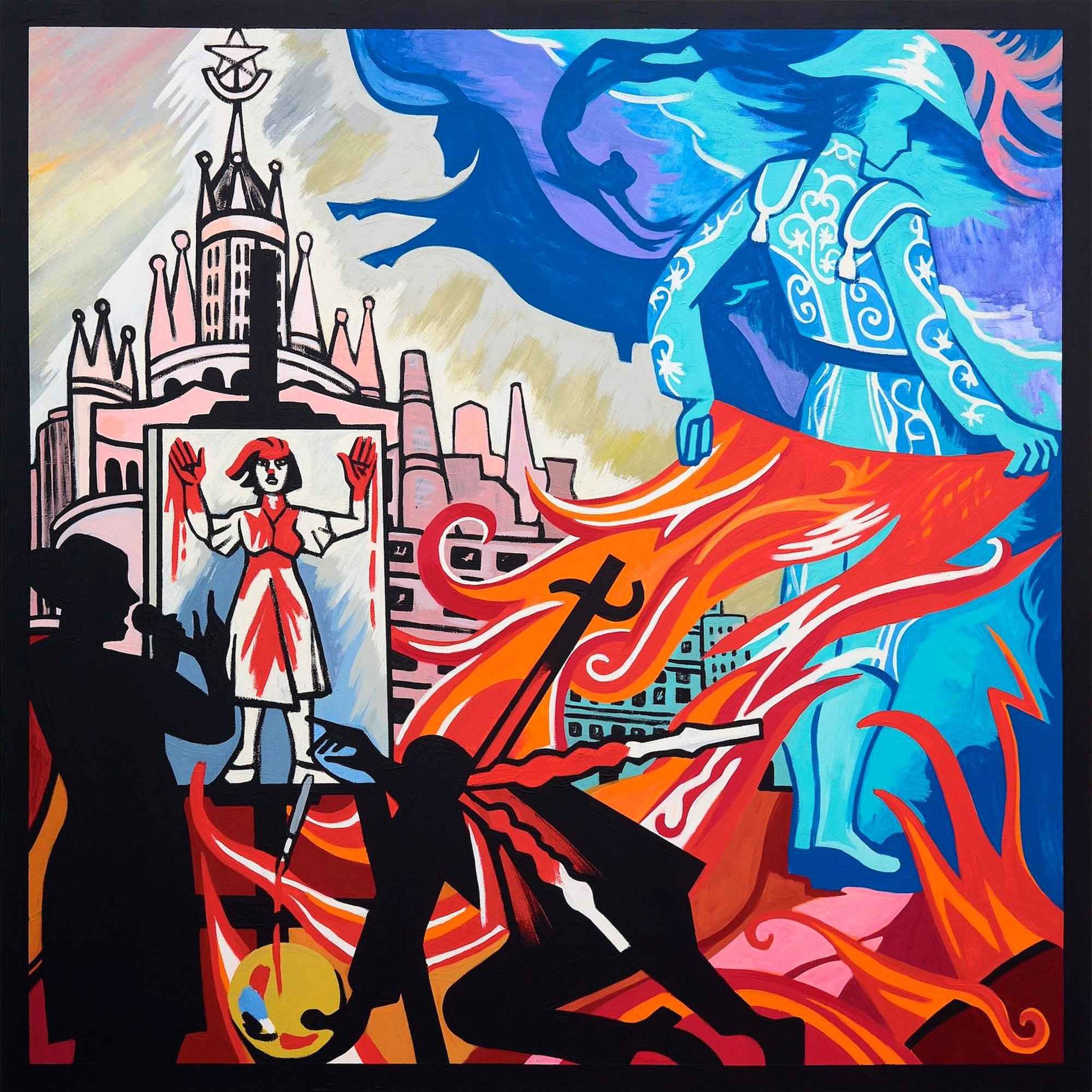
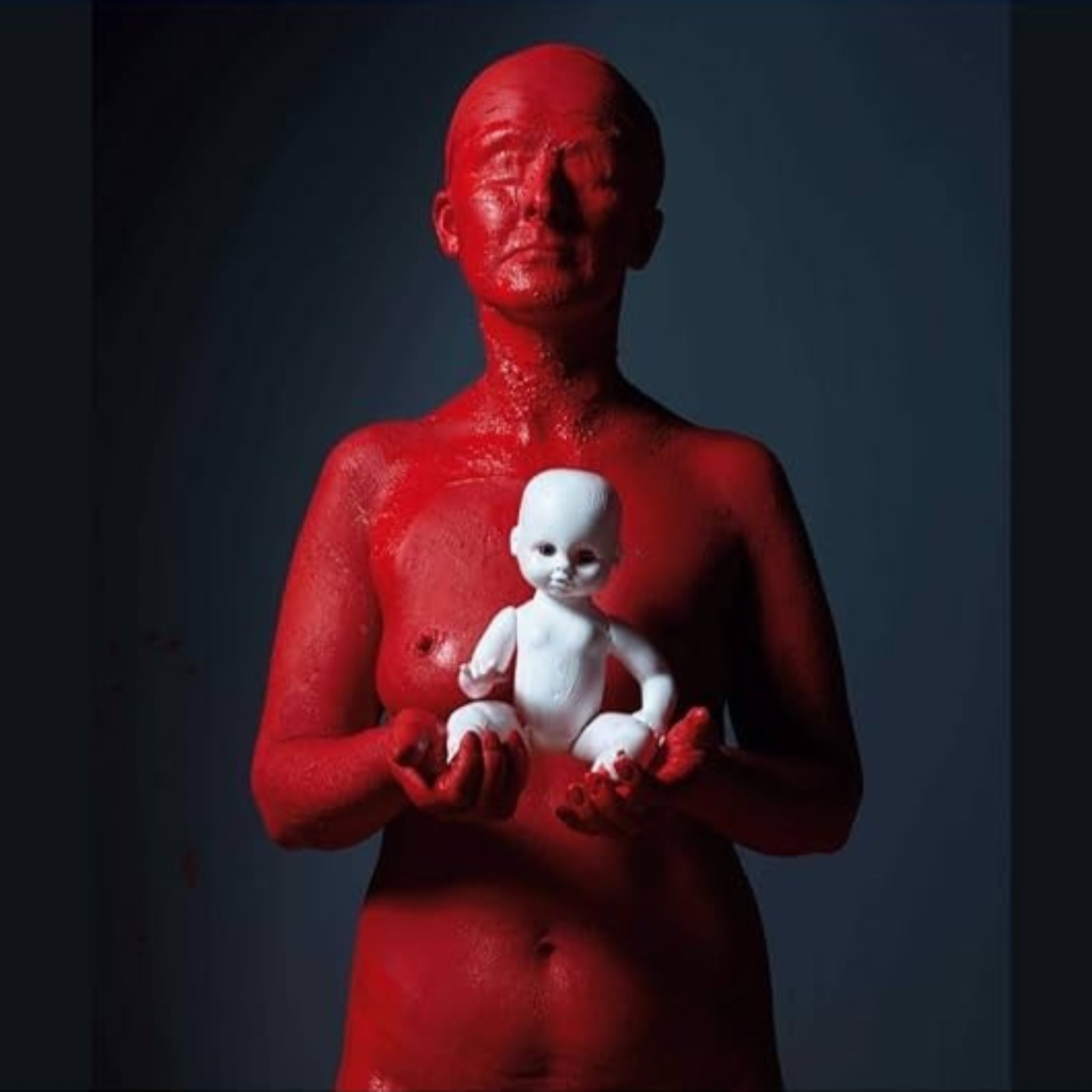
| 6/24/26 | ![]() The Last Soviet Artist | I met the graphic artist, Victoria Lomasko, about 10 years ago when she was a resident at the City of Asylum in Pittsburgh. I emceed an event with her back then. So I was happy when Victoria recently returned to the city to give a few talks at the University of Pittsburgh. Of course, the Eurasian Knot dragged her into a studio for an interview. A lot has changed for Victoria over the decade. Her graphic novel, Other Russias, represented the marginals of Russian society, and she won a Pushkin prize for the work. She got invited to speak, to show her art, and teach. She then went to Belarus to chronicle the mass protests. More art. More shows. But then Russia invaded Ukraine in 2022. The invites dried up as everything Russia became toxic. And political art forced her into exile in Germany. These experiences have caused her to question the efficacy of political art, and even her graphic style. Today, she’s embraced symbolic art that speaks to her political disillusion and difficulty in representing our current conjecture. Where does Lomasko stand today when it comes to art and politics? Tune in and find out. GuestVictoria Lomasko is a graphic artist and has lectured and written widely on graphic reportage. She lived in Moscow until March 2022 and now lives in exile. She is the author of Other Russias which received the Pushkin House Best Book in Translation award. Her latest book is The Last Soviet Artist published by N+1 Books Hosted on Acast. See acast.com/privacy for more information. | — | ||||||
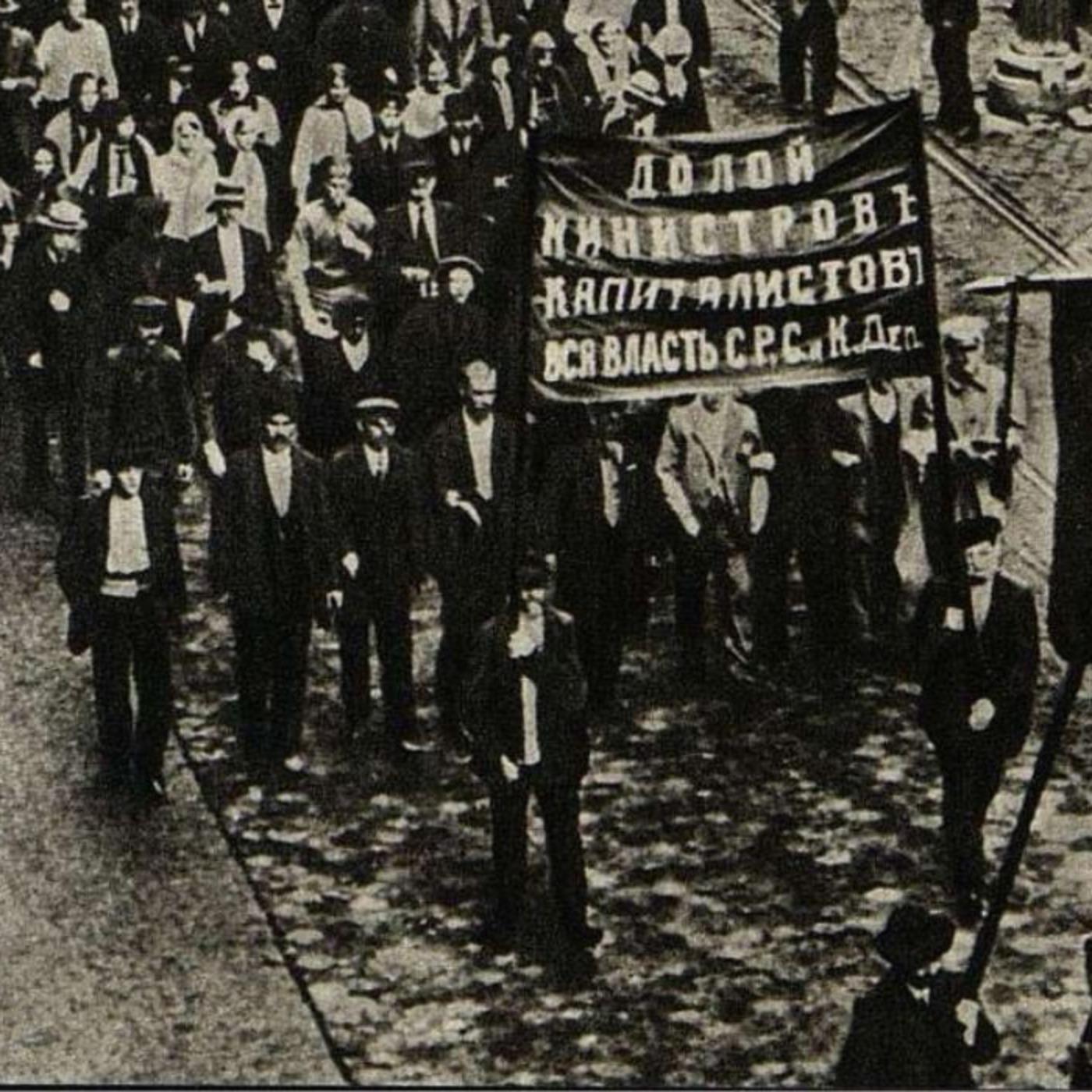
| 6/17/26 | ![]() Remembering Alexander Rabinowitch | When I opened Facebook this morning, as I do every morning, I learned that Alexander Rabinowitch died at 91 years old. Rabinowitch was arguably one of the most important historians of the Russian Revolution. It's hard to state how much Rabinowitch's work influence our understanding of 1917. Before him, it was assumed that the Bolsheviks were a highly disciplined, unpopular political party that came to power through a coup. What Rabinowitch repeatedly showed in his four books on Revolution, the Bolsheviks had popular support, most importantly in factories in Petrograd and in other large cities and at the front. Lenin's slogans, particularly, "Peace, Land, Bread!" had mass support, and by October 1917, successfully rode a wave of revolution into power. And now that Alexander Rabinowitch has left us, I figured I’d dig out my old interview with him from 2017, clean it up, and re-release it to commemorate the life and work of this scholarly giant.Guest:Alexander Rabinowitch was a Professor Emeritus of History at Indiana University, where he taught from 1968 until 1999. He’s the author of four books on the Russian Revolution: Prelude to Revolution: The Petrograd Bolsheviks and the July 1917 Uprising; The Bolsheviks Come To Power: The Revolution of 1917 in Petrograd; The Bolsheviks in Power: The First Year of Soviet Rule in Petrograd; and finally his fourth and last book which was just published in April, The Bolsheviks Survive: Petrograd 1919 published by the University of Pittsburgh Press. Hosted on Acast. See acast.com/privacy for more information. | — | ||||||
| 6/10/26 | ![]() Anastas Mikoyan✨ | Soviet historyStalinism+4 | Pietro A. Shakarian | American University of ArmeniaIndiana University Press | Soviet UnionArmenia | Anastas MikoyanPietro Shakarian+6 | — | 50m 28s | |
| 6/4/26 | ![]() Soviet Holocaust Literature✨ | Holocaust literatureSoviet Union+3 | Sasha SenderovichHarriet Murav | Stanford University PressIn the Shadow of the Holocaust: Short Fiction by Jewish Writers from the Soviet Union+1 | — | HolocaustSoviet Jews+5 | — | 53m 48s | |
| 5/27/26 | ![]() The Russian Paradox✨ | informalityRussian society+4 | Alena Ledeneva | University College LondonRussian Pendulum+1 | — | Russiainformal networks+5 | — | 50m 30s | |
| 5/18/26 | ![]() Kurt Vonnegut in the USSR✨ | Kurt VonnegutSoviet literature+4 | Sarah Phillips | Indiana University-BloomingtonIndiana University Press+5 | Soviet UnionUkraine | Kurt VonnegutSoviet Union+6 | — | 51m 01s | |
| 5/11/26 | ![]() The Post-Soviet Human Condition✨ | post-Soviet human conditioncollapse of communism+4 | Mikhail Minakov | University of PittsburghThe Post-Soviet Human: Philosophical Reflections on Social History after the End of Communism | KyivMilan | post-Soviethuman condition+5 | — | 1h 08m 42s | |
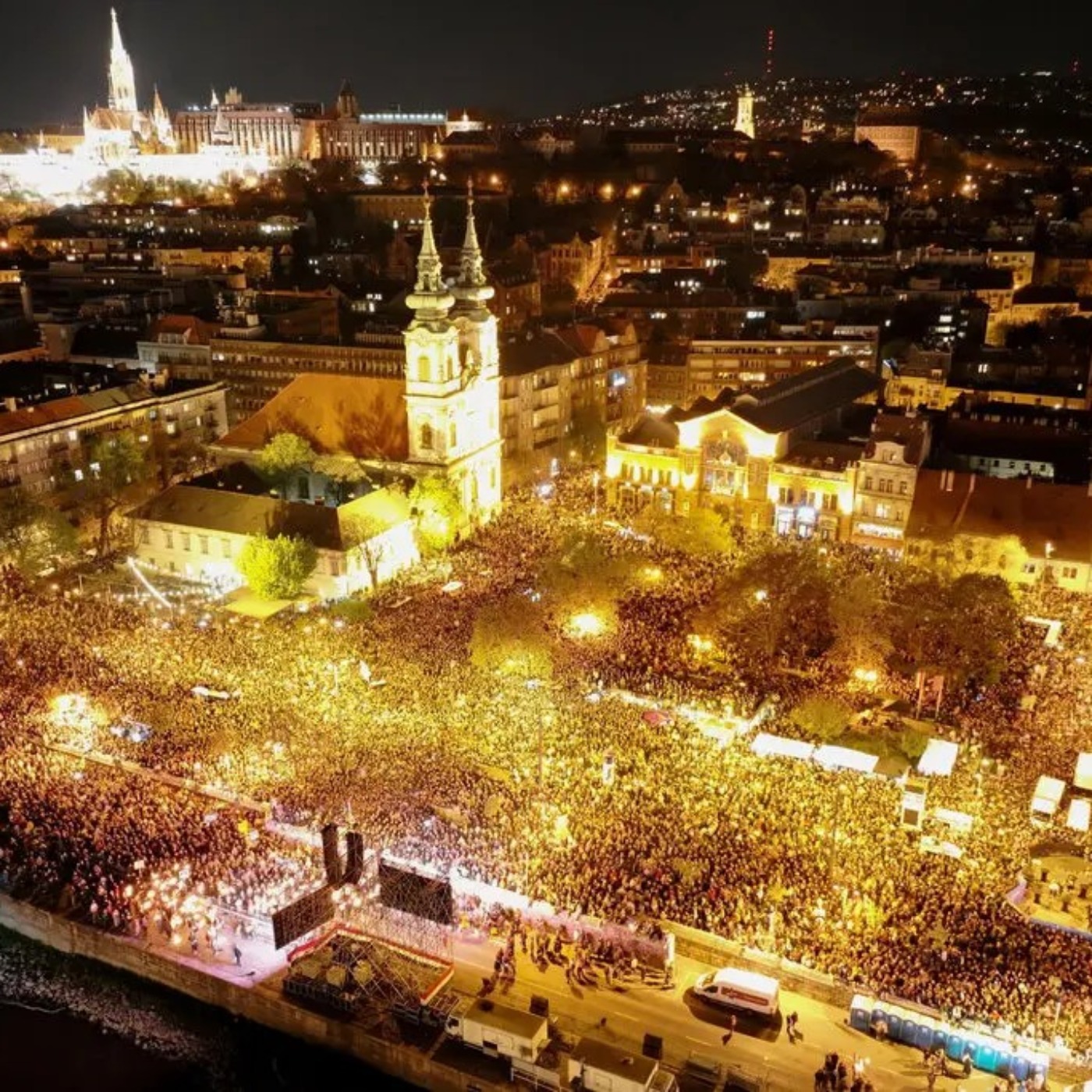
| 5/4/26 | ![]() Bye, Bye Orban✨ | Hungarian politicsauthoritarianism+3 | Stefano Bottoni | University of FlorenceThe Orbán Enigma | — | HungaryPeter Magyar+5 | — | 49m 37s | |
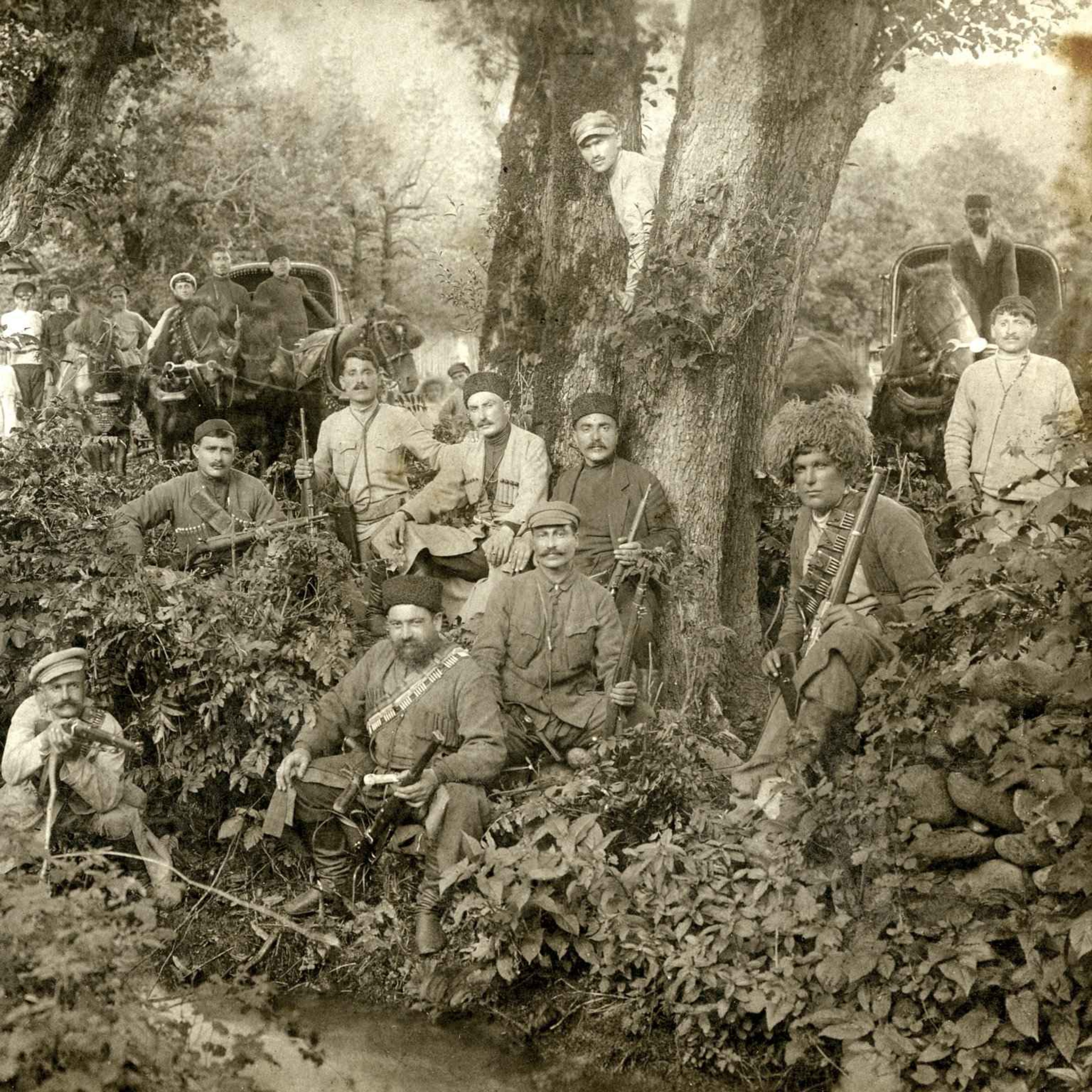
| 5/1/26 | ![]() The Georgian August 1924 Uprising✨ | Georgian historyBolshevik rule+3 | Eric Lee | Georgian Social Democratic Partyanti-Bolshevik Committee for the Independence of Georgia+1 | Georgia | Georgian UprisingBolshevik reaction+3 | — | 49m 42s | |
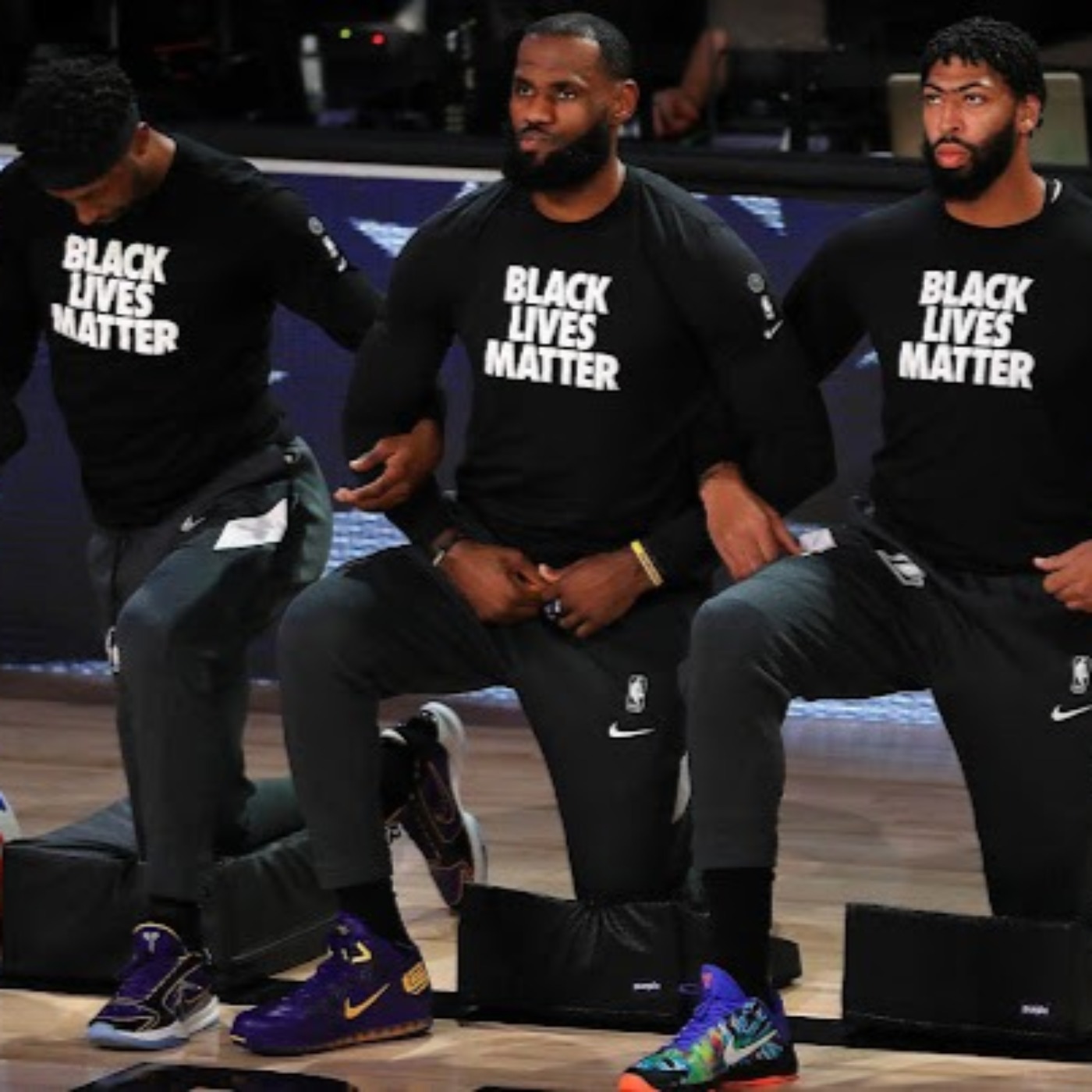
| 4/20/26 | ![]() The Edge of Sports✨ | sportspolitics+5 | Dave Zirin | The NationThe Kaepernick Effect: Taking a Knee, Changing the World+1 | University of Pittsburgh | sports journalismpolitics+5 | — | 47m 25s | |
Want analysis for the episodes below?Free for Pro Submit a request, we'll have your selected episodes analyzed within an hour. Free, at no cost to you, for Pro users. | |||||||||
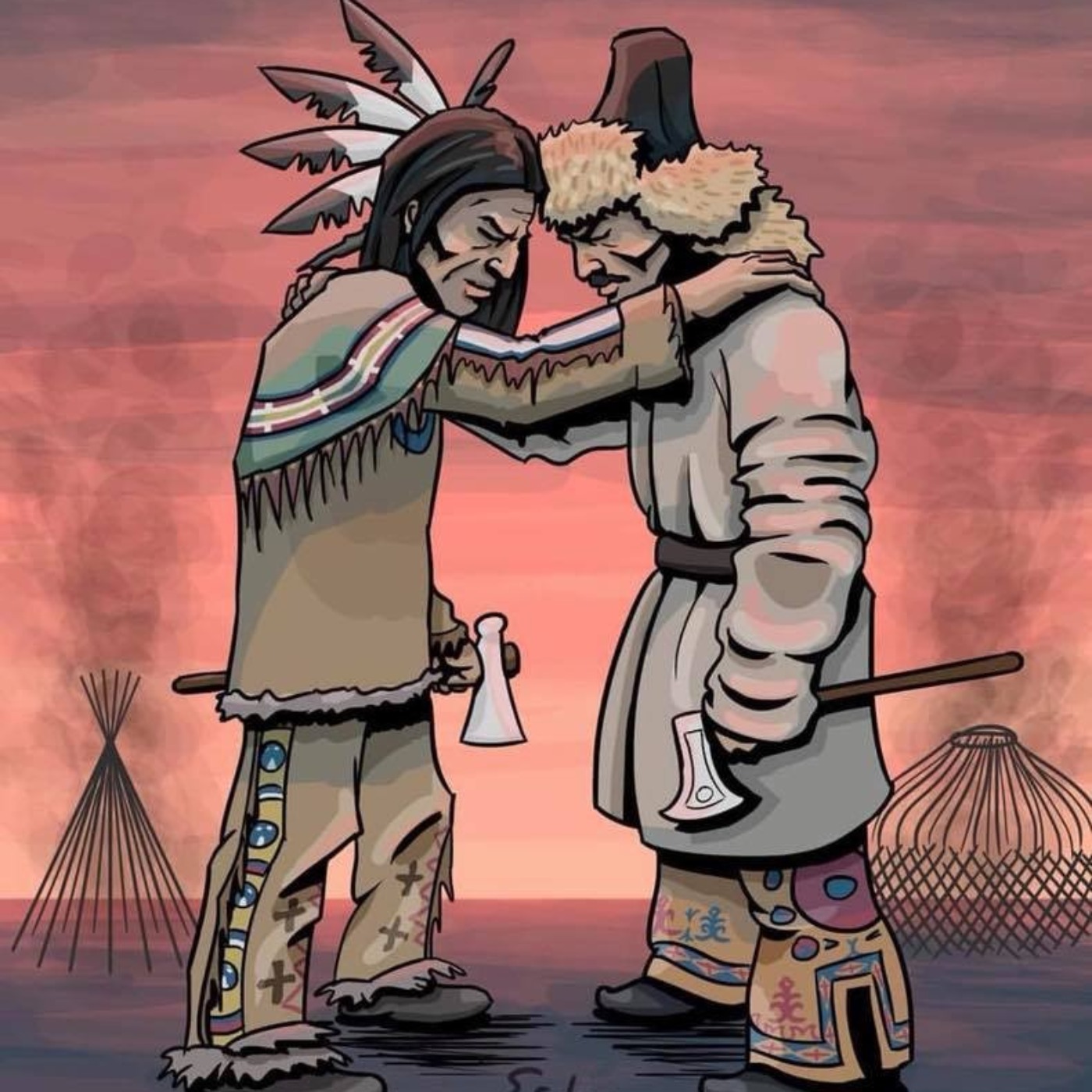
| 4/14/26 | ![]() Russian and American Internal Colonization✨ | internal colonizationindigenous populations+4 | Steven Sabol | North Carolina UniversityUniversity Press of Colorado+1 | United StatesRussia+2 | colonizationSioux+6 | — | 53m 33s | |
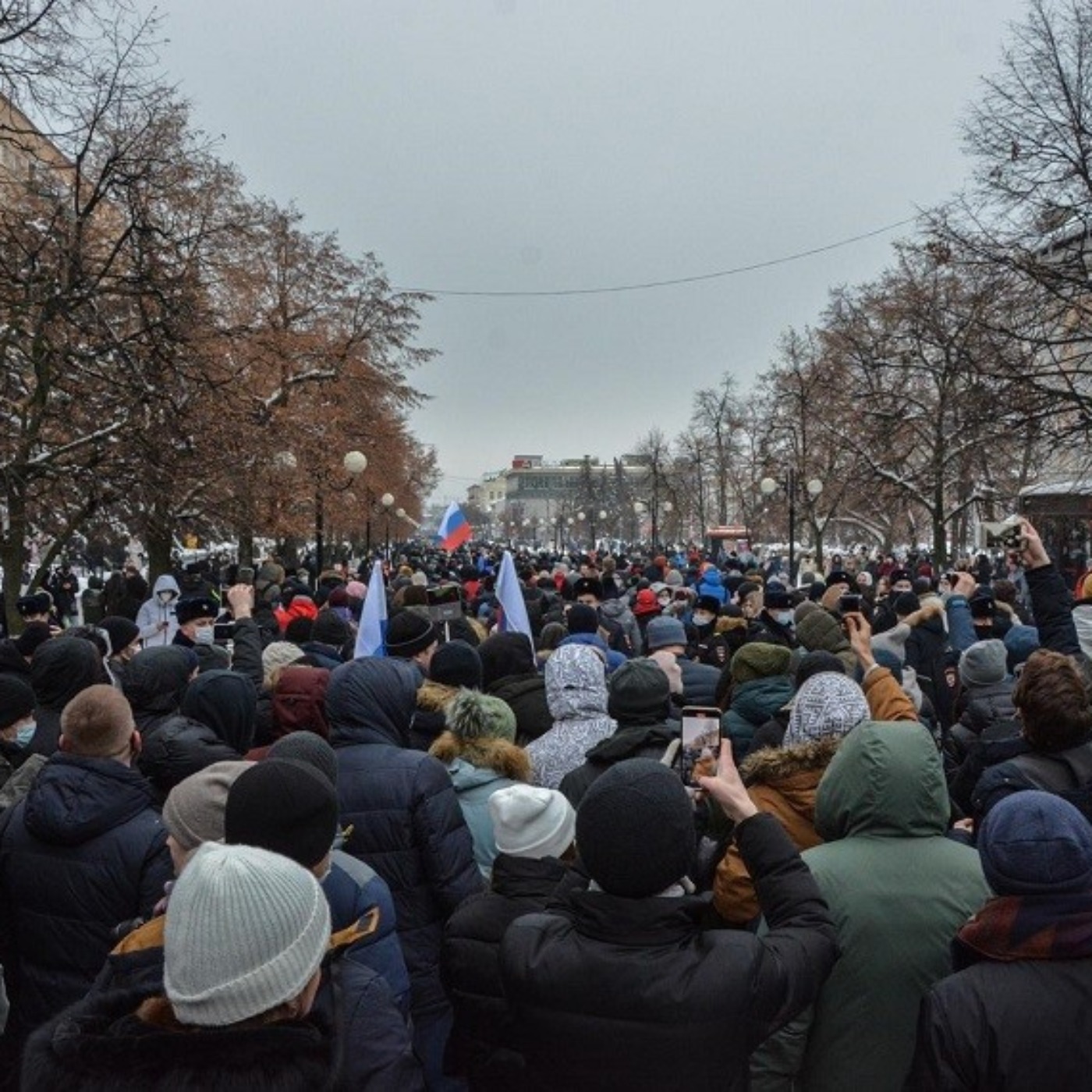
| 4/6/26 | ![]() Everyday Politics in Russia✨ | Russian politicsethnography+4 | Jeremy Morris | Aarhus UniversityBloomsbury Academic+1 | RussiaUkraine | Russiapolitics+5 | — | 59m 05s | |
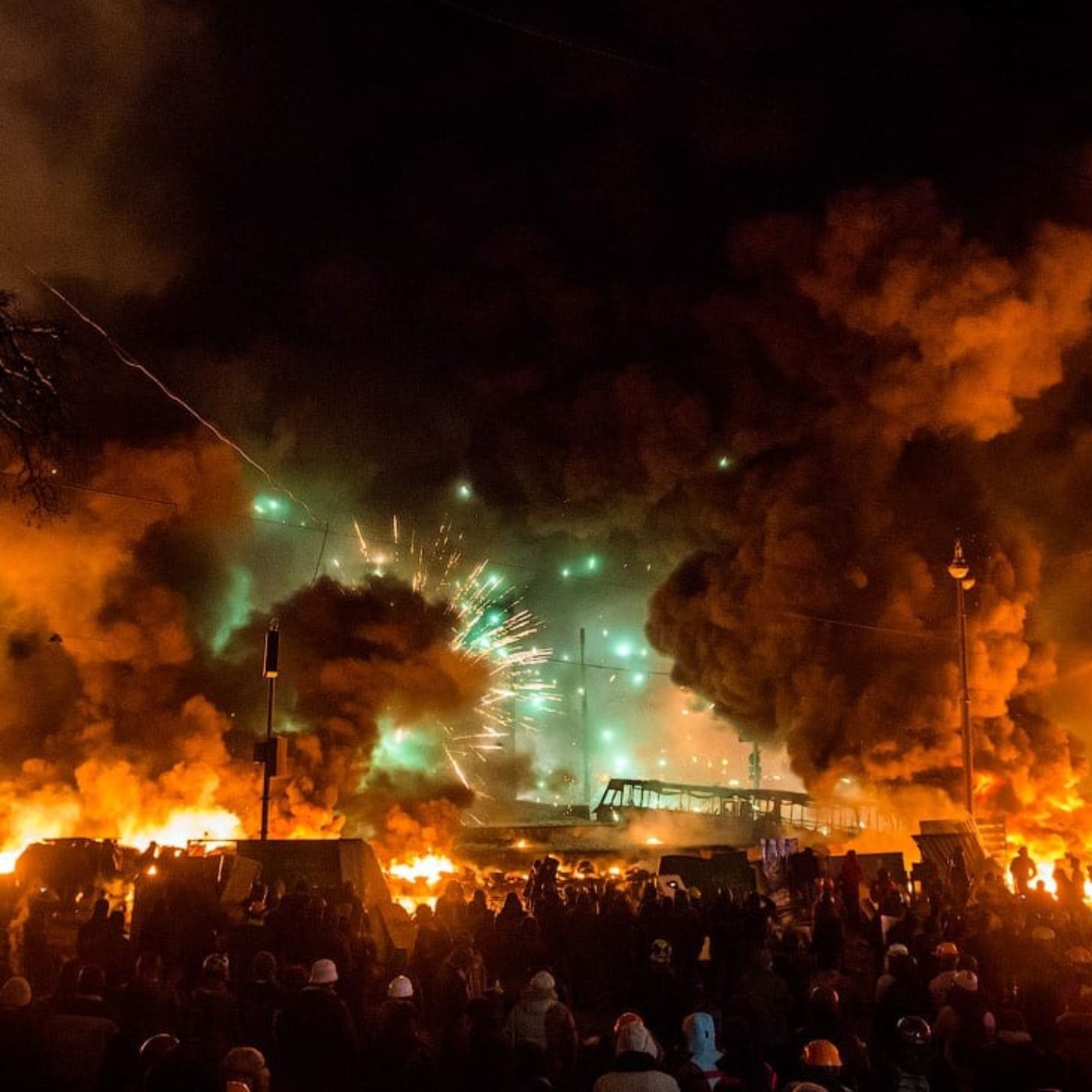
| 3/23/26 | ![]() Ukraine's Euromaidan✨ | protestsUkraine+4 | William Jay Risch | The Eurasian KnotUkraine's Euromaidan: From Revolutionary Euphoria to the Madness of War | UkraineKyiv | EuromaidanUkraine+4 | — | 1h 02m 34s | |
| 3/16/26 | ![]() KGB Same-Sex Honey Traps✨ | KGBsame-sex honey traps+4 | Irina Roldugina | University of BristolJournal of Cold War Studies+1 | — | KGBhoney traps+7 | — | 43m 26s | |
| 3/9/26 | ![]() The Bolshevik Rank and File✨ | Bolshevik PartySoviet system+3 | Yiannis Kokosalakis | Bielefeld UniversityCambridge University Press+1 | — | Bolshevik PartySoviet socialism+3 | — | 57m 17s | |
| 3/5/26 | ![]() Stalin's Last Days✨ | StalinSoviet leadership+5 | Joshua Rubenstein | Davis Center for Russian and Eurasian StudiesYale University Press+1 | — | StalinJoshua Rubenstein+5 | — | 36m 12s | |
| 3/2/26 | ![]() Searching for Belief during the Soviet End Times✨ | belief systemsSoviet Union+5 | Joseph Kellner | University of GeorgiaCornell University Press+1 | Soviet UnionRussia | Soviet collapsebelief seeking+5 | — | 1h 06m 37s | |
| 2/23/26 | ![]() Moscow's Hunt for Olympic Gold✨ | Cold WarOlympics+5 | Bruce Berglund | Charles UniversityThe Moscow Playbook: How Russia Used, Abused, and Transformed Sports in the Hunt for Gold | USSRUnited States | national prideOlympics+6 | — | 52m 42s | |
| 2/16/26 | ![]() The Long History of American-Russian Relations✨ | American-Russian relationshistory+3 | David FoglesongIvan Kurilla+1 | Rutgers UniversityOhio State University+2 | RussiaUnited States+1 | US-Russia relationshistory+3 | — | 1h 07m 11s | |
| 2/9/26 | ![]() REEES Faculty Spotlight: Gregor Thum | The history of borders and nations in Eastern Europe is fraught. What we even call the region is a site of contestation. Is it “Eastern Europe,” “Central Europe,” or “East Central Europe”? For Pitt historian Gregor Thum, space and how it’s delineated matters. This is especially the case for Germany and its eastern borderlands and people. Empire, war, ethnic cleansing, and shifting borders have left their marks on regional identity and memory. To the point, as Thum explains, a simple photograph he took in Poland can be interpreted with suspicion. How did the German empire regard its east? How do its shifting borders continue to live with us today? And how do we wrestle with the fractured memories that inhabit the national bricolage of Eastern Europe? The Eurasian Knot spoke to Gregor Thum to highlight his scholarship for a Pitt REEES Faculty Spotlight.Guest:Gregor Thum is an Associate Professor in the History Department at the University of Pittsburgh. He specializes in the history of empire, forced migration and memory in Central Eastern Europe. He’s the author of Uprooted: How Breslau became Wrocław during the Century of Expulsions published by Princeton University Press. Hosted on Acast. See acast.com/privacy for more information. | — | ||||||
| 2/2/26 | ![]() Russia Starts Here | What is Russia? There’s no easy answer. Travelers, scholars, philosophers, and journalists have pondered the question for centuries. And though answers vary, there is one point of consensus–whatever Russia is, you won’t find it in large cities. “Russia” exists out there, deep in the countryside, in the small towns and villages. For journalist Howard Amos, Russia begins in the provincial city of Pskov. “Russia Starts Here” is its slogan, and Amos uses it to pry open the lives of the region's citizens in his first book, Russia Starts Here: Real Lives in the Ruins of Empire. Amos conducted over 30 interviews during his decade stint in Russia until he left after its full-scale invasion of Ukraine. There’s the elderly couple who are the last of their village. The shattered young family whose’ father was killed in Ukraine. The oppositionist politician that risks it all to push back against Putin. And the priest, Father Tikhon Shevkunov, Putin’s supposed “spiritual father.” The Eurasian Knot spoke to Amos about his reporting and being a reporter in Russia, what people told him about daily life, the war in Ukraine, and where the country’s been and where it's going. Did Amos find Russia? Maybe just a snapshot. The country is just too big and too complex for anything more.Guest:Howard Amos is a writer and journalist who spent a decade as a correspondent in Moscow. He left Russia in the days after the full-scale invasion of Ukraine, and, based out of Armenia, did a year-long stint as editor-in-chief of The Moscow Times in exile. His first book is Russia Starts Here: Real Lives in the Ruins of Empire published by Bloomsbury Continuum. Hosted on Acast. See acast.com/privacy for more information. | — | ||||||
| 1/26/26 | ![]() The Further Adventures of the Black Russian | A decade ago, Vladimir Alexandrov published an excellent biography, The Black Russian, about an unknown historical figure–Fredrick Bruce Thomas. Thomas was a Black Mississippian who moved to Imperial Russia and became a successful Moscow nightclub owner until Revolution forced him to flee. Thomas’ life is a window into post-emancipation Black American aspiration, struggle and cosmopolitanism. Alexandrov found Thomas such an intriguing character, he couldn’t let him go. So now, Thomas is the principle in a suspense novel set in Russia’s Silver Age. The Eurasian Knot spoke to Alexandrov about Thomas’ new adventure, the challenges of writing a novel, and where can we expect Fredrick Bruce Thomas to go from here. Guest:Vladimir Alexandrov, B. E. Bensinger Professor Emeritus in the Slavic Department at Yale, is the author most recently of The Black Russian, and To Break Russia's Chains: Boris Savinkov and His Wars against the Tsar and the Bolsheviks. He is currently completing a history of Russian involvement in the American Civil War, and the second novel in The Black Russian series. His first novel is The Black Russian and the Serpents Sting published by NIMCA Press. Hosted on Acast. See acast.com/privacy for more information. | — | ||||||
| 1/20/26 | ![]() The Great Reforms | Alexander II’s Great Reforms were sweeping. They freed over 22 million serfs, overhauled the judicial, university, and municipal systems, and loosened censorship, among others. It was one of those pivot points in Russian history. If successful, Russia would have charted a more liberal path or stay on the autocratic road if a failure. Most historians have ruled them a failure. But what were the reforms trying to accomplish? What kind of Empire did it seek to create? Could they turn subjects of an autocracy into citizens of a nation? To discuss such a “big topic,” the Eurasian Knot spoke to Tatiana Borisova about her research into Alexander’s judicial reforms and their historical consequences. Can Russia’s attempt at reform in the mid-19th century provide some hope for a different Russia in the future?Guest:Tatiana Borisova is an Associate Professor of History at the Higher School of Economics St. Petersburg. Her most recent articles in English include: “Imperial legality through ‘Exception’: Gun control in the Russian Empire” and, with Jane Burbank, “Russia’s Legal Trajectories.” She co-edited, The Legal Dimension in Cold-War Interactions: Some Notes from the Field. Her newest book, in Russian, is Когда велит совесть: Культурные истоки Судебной реформы 1864 года в России published by Новое литературное обозрение. Hosted on Acast. See acast.com/privacy for more information. | — | ||||||
| 1/5/26 | ![]() Post-Soviet Graffiti | I love street art. And I don’t care in what form. Beautifully crafted murals. Spraypainted gang tags. Scrawls on bathroom stalls. Even guerilla sticker mosaics on streetlights. I especially like how street art alters the narrative of a space. So, I was excited when I received a copy of Alexis Lerner’s book, Post-Soviet Graffiti. Post-Soviet street art has gotten little scholarly attention making the topic ripe for exploration and discussion. Post-Soviet graffiti shares a lot with its global counterparts–similar aesthetics, themes, culture, and political edginess. It also shares attempts at its co-optation by governments and corporations. But what makes political street art different in authoritarian countries like Russia? Is its power to circumvent media censorship and political control? What is street art, anyway? Who are the artists? And does graffiti have a political impact? The Eurasian Knot spoke to Alexis to get her thoughts and discuss the content and form of some of the graffiti she’s encountered over the last decade.Guest:Alexis Lerner is an Assistant Professor of Political Science at the United States Naval Academy. She’s the author of Post-Soviet Graffiti: Free Speech in Authoritarian States, published by University of Toronto Press. You can see the Alexis’ gallery of graffiti at https://postsovietgraffiti.com/ Hosted on Acast. See acast.com/privacy for more information. | — | ||||||
| 12/15/25 | ![]() The Stiliagi | A new youth subculture emerged in the Soviet Union in the late 1940s and early 1950s–the Stiliagi. Roughly translated as “the stylish,” these youths, the majority of whom were men, wore flashy hairstyles and bright colored clothes, danced to jazz, and were obsessed with Western aesthetics. And of course, this style broke Soviet conventions, challenged social norms, and expanded gender performance. Though the exact origin of the Stiliagi is murky, it arose alongside other Western youth subcultures–the beatniks, the mods, the rockers–of the immediate post-WWII libertinism. The Stiliagi put the Soviet Union squarely within the history of a more globalized youth culture. But, what did it mean to be a “stiliagi”? Who were they? How did the style offer alternative forms of Soviet masculinity? How did the Soviet authorities react to these youths? And how did this subculture differ from its Western counterparts? The Eurasian Knot spoke to Alla Myzelev about her new book on the subculture, Stiliagi and Soviet Masculinities, 1945–2010: Fashion as Dissent, to get some answers.Guest:Alla Myzelev is a Professor and Chair of the Department of Art History and Museum Studies at SUNY Geneseo. She is currently editing a book titled Challenging Imperial Narratives Through Visual Art and Material Culture in Eastern Europe and Central Asia. Her new book, Stiliagi and Soviet Masculinities, 1945–2010: Fashion as Dissent, is published by Manchester University Press. Hosted on Acast. See acast.com/privacy for more information. | — | ||||||
Showing 25 of 363
Pitch Fit is a Pro feature
See how bookable this show is for guests, which brands already advertise, the per-episode ad value, and the best-fit guest and sponsor profile. The numbers are blurred on the free plan.
How readily this show books outside guests like you.
How proven this show is for host-read sponsorships.
For Guests
ProFor Advertisers
ProUpgrade to Pro to unlock guest cadence, sponsor categories, fit scores, and per-episode ad value for this show.