

Insights from recent episode analysis
Audience Interest
Podcast Focus
Publishing Consistency
Platform Reach
Insights are generated by CastFox AI using publicly available data, episode content, and proprietary models.
Most discussed topics
Brands & references
Total monthly reach
Estimated from 1 chart position in 1 market.
By chart position
- 🇰🇪KE · Science#187500 to 3K
- Per-Episode Audience
Est. listeners per new episode within ~30 days
250 to 1.5K🎙 ~2x weekly·147 episodes·Last published today - Monthly Reach
Unique listeners across all episodes (30 days)
500 to 3K🇰🇪100% - Active Followers
Loyal subscribers who consistently listen
200 to 1.2K
Market Insights
Platform Distribution
Reach across major podcast platforms, updated hourly
Total Followers
—
Total Plays
—
Total Reviews
—
* Data sourced directly from platform APIs and aggregated hourly across all major podcast directories.
On the show
From 12 epsHost
Recent guests
Recent episodes
Dr. Jennifer Duringer: Mycotoxin & Feed Safety | Ep. 156
Jun 24, 2026
31m 32s
Mikaela Heggenstaller: Organic Poultry Feed Challenges | Ep. 155
Jun 17, 2026
29m 23s
Dr. Gretchen Mosher: Feed Ingredient Recalls | Ep. 154
Jun 10, 2026
31m 01s
Cesar Menendez: Feed Mill Efficiency Strategies | Ep. 153
Jun 3, 2026
38m 08s
Dr. Merritt Drewery: Hemp Feeding For Beef Cattle | Ep. 152
May 27, 2026
31m 11s
Social Links & Contact
Official channels & resources
Official Website
Login
RSS Feed
Login
| Date | Episode | Topics | Guests | Brands | Places | Keywords | Sponsor | Length | |
|---|---|---|---|---|---|---|---|---|---|
| 6/24/26 | 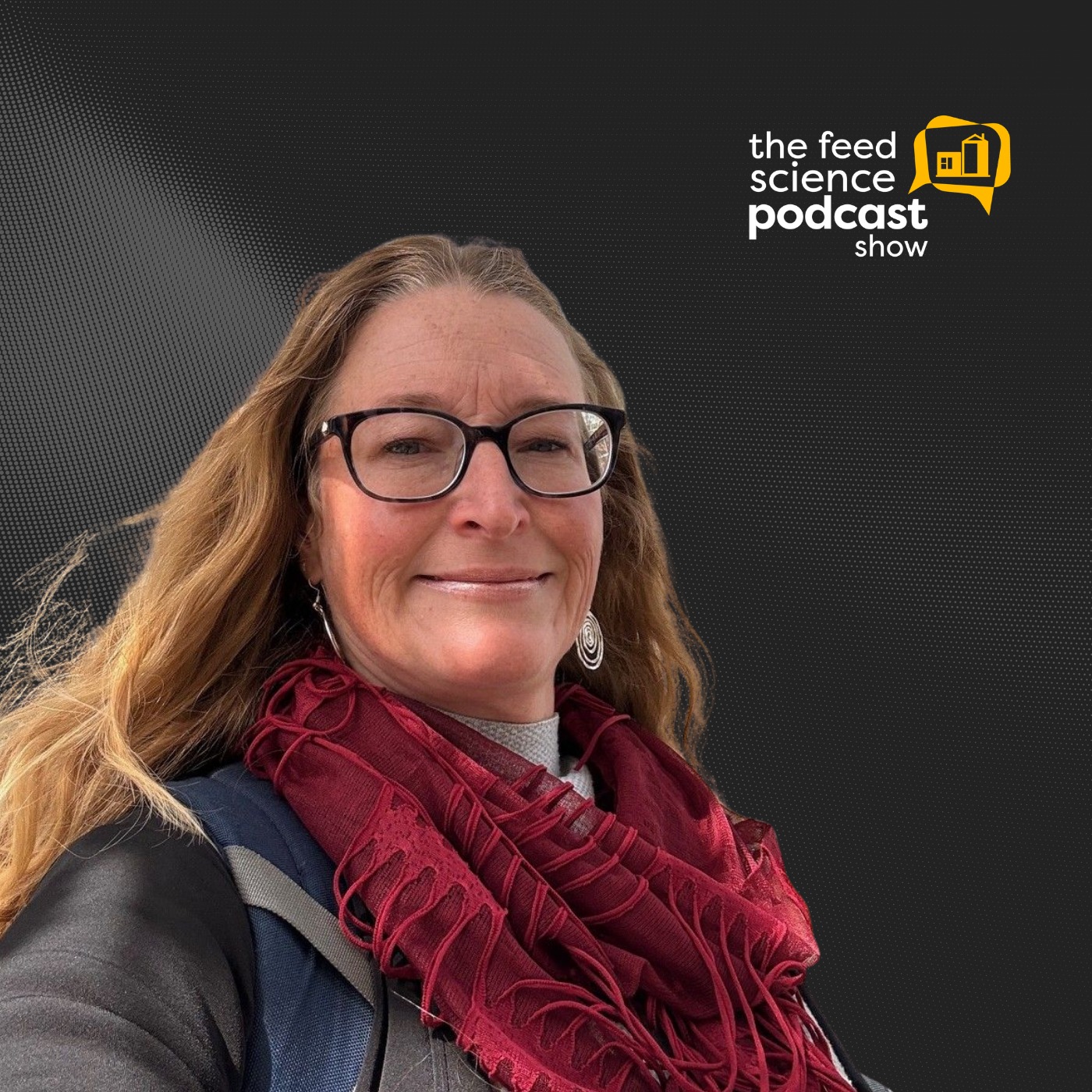 Dr. Jennifer Duringer: Mycotoxin & Feed Safety | Ep. 156 | In this special re-run episode of The Feed Science Podcast Show, we bring back our conversation with Dr. Jennifer Duringer from Oregon State University, who shares expert insight into mycotoxins in animal feed and how they impact livestock safety and productivity. She explains testing strategies, storage best practices, and how climate and geography influence contamination risks. Discover essential tools and guidance for producers to minimize toxin exposure. Listen now on all major platforms!"Mycotoxins are toxic compounds made by fungi that harm mammals consuming contaminated feed."Meet the guest: Dr. Jennifer Duringer earned her Ph.D. in Toxicology from Oregon State University and serves as Assistant Professor and Director of the Endophyte Service Laboratory. Her research focuses on mycotoxin toxicity, feed and food safety, analytical chemistry, livestock health, and fungal toxicants. She works closely with producers, researchers, and industry stakeholders to improve feed safety and risk management. Listen to Dr. Jennifer Duringer on The Feed Science Podcast Show, available on all major platforms.Liked this one? Don’t stop now — Here’s what we think you’ll love!What will you learn: (00:00) Highlight(00:55) Introduction(03:59) Understanding mycotoxins(06:10) Feed testing guidance(07:34) Sampling best practices(14:57) Global toxin standards(20:02) Current toxicology research(26:19) Final QuestionsThe Feed Science Podcast Show is trusted and supported by innovative companies like:* DietForge* Evonik* Kemin𝗟𝗶𝘀𝘁𝗲𝗻 𝗼𝗻 𝗔𝗽𝗽𝗹𝗲 𝗣𝗼𝗱𝗰𝗮𝘀𝘁𝘀, 𝗦𝗽𝗼𝘁𝗶𝗳𝘆 𝗼𝗿 𝗮𝗻𝘆 𝗺𝗮𝗷𝗼𝗿 𝗽𝗹𝗮𝘁𝗳𝗼𝗿𝗺.Website: The Feed Science Podcast ShowInstagram: The Feed Science Podcast ShowLinkedIn: The Feed Science Podcast Show | 31m 32s | ||||||
| 6/17/26 | 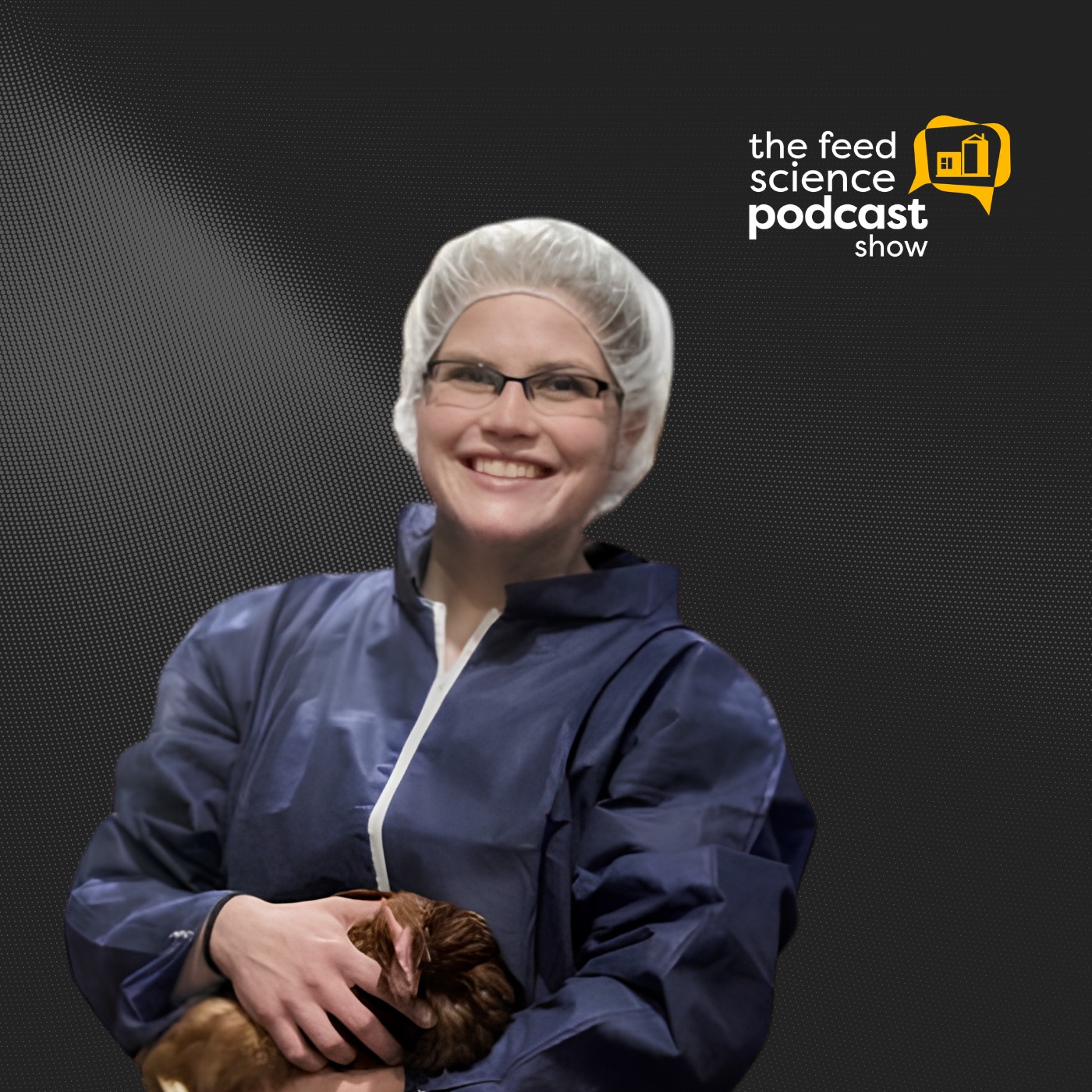 Mikaela Heggenstaller: Organic Poultry Feed Challenges | Ep. 155 | In this episode of The Feed Science Podcast Show, Mikaela Heggenstaller, Director of Poultry Nutrition at Handsome Brook Farms, discusses organic poultry nutrition, ingredient sourcing, amino acid limitations, feed quality management, and partnerships across the organic feed supply chain. She also shares perspectives on women in agriculture and evolving workplace dynamics within the feed industry. Listen now on all major platforms! "Organic soybean meal presents unique nutritional and processing challenges because ingredient quality, residual oil content, and nutrient consistency vary substantially." Meet the guest: Mikaela Heggenstaller https://www.linkedin.com/in/mikaela-heggenstaller-333661103/ is Director of Poultry Nutrition at Handsome Brook Farms, where she oversees nutrition, feed, and ingredient quality programs for specialty egg production. Her background includes feed manufacturing, quality management, poultry nutrition, and industry collaboration. Mikaela earned degrees from Tarleton State University and Texas A&M University Commerce and is pursuing a PhD in Poultry Science at North Carolina State University. Listen to Mikaela Heggenstaller on The Feed Science Podcast Show, available on all major platforms. Liked this one? Don’t stop now — Here’s what we think you’ll love: https://www.wisenetix.com/blog?tag=the+feed+science+podcast What will you learn: (00:00) Highlight (00:40) Introduction (03:36) Organic feed requirements (04:59) Amino acid limitations (06:56) Ingredient sourcing (10:48) Feed quality programs (16:38) Women in agriculture (28:22) Final Questions The Feed Science Podcast Show is trusted and supported by innovative companies like: * Kemin (https://www.kemin.com/na/en-us/markets/animal) * DietForge (https://dietforge.ai/) * Evonik (https://animal-nutrition.evonik.com/) 𝗟𝗶𝘀𝘁𝗲𝗻 𝗼𝗻 𝗔𝗽𝗽𝗹𝗲 𝗣𝗼𝗱𝗰𝗮𝘀𝘁𝘀, 𝗦𝗽𝗼𝘁𝗶𝗳𝘆 𝗼𝗿 𝗮𝗻𝘆 𝗺𝗮𝗷𝗼𝗿 𝗽𝗹𝗮𝘁𝗳𝗼𝗿𝗺. Website: https://www.wisenetix.com/feedsciencepodcast Instagram: https://www.instagram.com/feedsciencepodcast/ LinkedIn: https://www.linkedin.com/showcase/93232275 | 29m 23s | ||||||
| 6/10/26 | 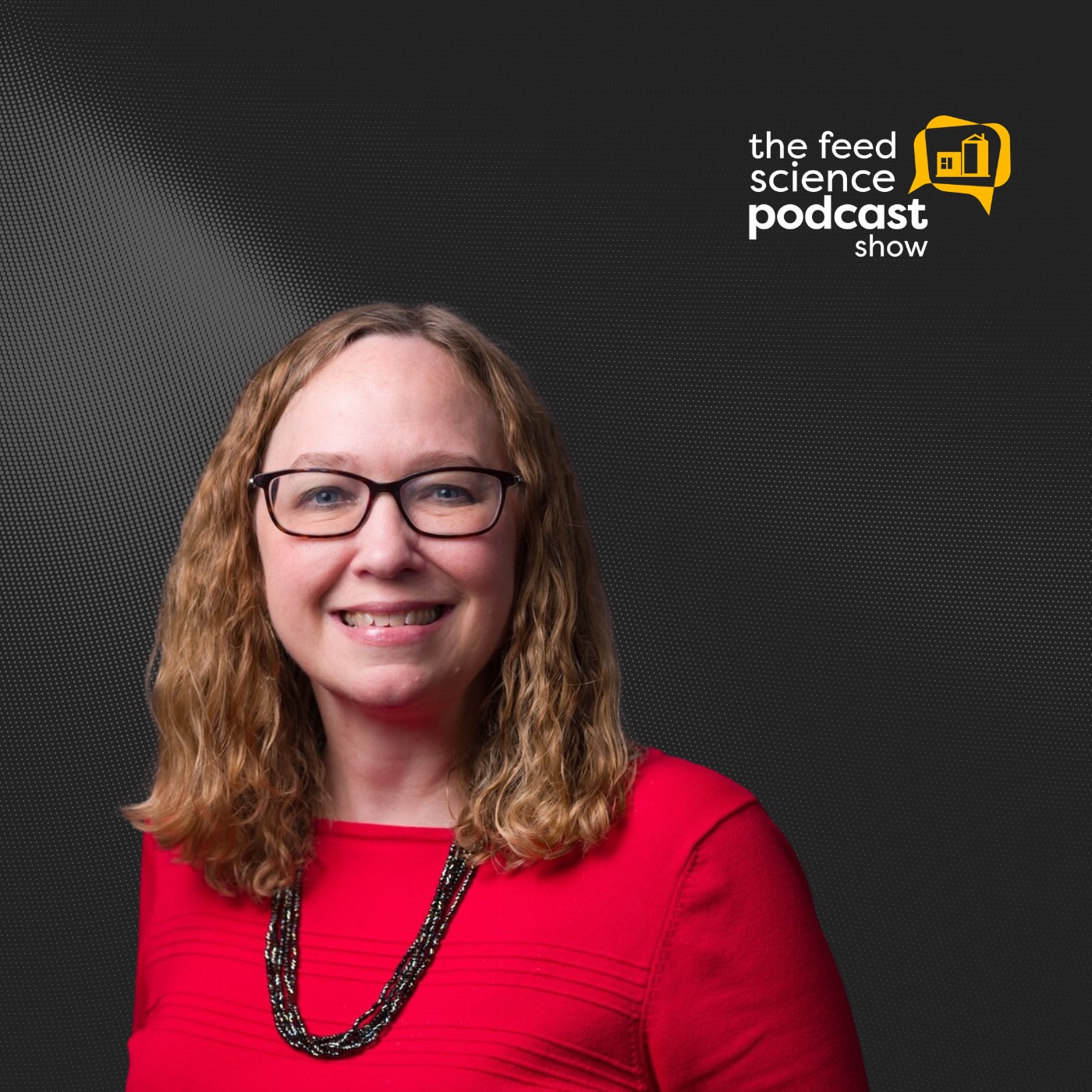 Dr. Gretchen Mosher: Feed Ingredient Recalls | Ep. 154 | In this episode of The Feed Science Podcast Show, Dr. Gretchen Mosher, Professor at Iowa State University, discusses ingredient recalls in animal feed systems, including common causes, supplier risk management, traceability, recall preparedness, communication strategies, and emerging technologies. She explains how preventive planning, recordkeeping, and effective response systems can reduce operational and financial impacts while protecting animal and public health. Listen now on all major platforms! "Animal food recalls occur less frequently than human food recalls, but disruptions, costs, and operational impacts often become significant when incidents affect feed supply chains." Meet the guest: Dr. Gretchen Mosher https://www.linkedin.com/in/gretchen-mosher-a032a568/ is a Professor in the Department of Agricultural and Biosystems Engineering at Iowa State University. Her work focuses on risk analysis, traceability, quality management, and safety systems for grain and feed ingredients. She studies how management practices, measurement technologies, and decision making influence feed safety and supply chain performance. Listen to The Feed Science Podcast Show with Dr. Gretchen Mosher on all major platforms. Liked this one? Don’t stop now — Here’s what we think you’ll love: https://www.wisenetix.com/blog?tag=the+feed+science+podcast What will you learn: (00:00) Highlight (00:52) Introduction (03:16) Ingredient recall trends (04:39) Common recall causes (08:57) Recall preparedness (11:41) Supplier risk management (27:21) Future traceability technologies (24:29) Final Questions The Feed Science Podcast Show is trusted and supported by innovative companies like: * Evonik (https://animal-nutrition.evonik.com/) * Kemin (https://www.kemin.com/na/en-us/markets/animal) * DietForge (https://dietforge.ai/) 𝗟𝗶𝘀𝘁𝗲𝗻 𝗼𝗻 𝗔𝗽𝗽𝗹𝗲 𝗣𝗼𝗱𝗰𝗮𝘀𝘁𝘀, 𝗦𝗽𝗼𝘁𝗶𝗳𝘆 𝗼𝗿 𝗮𝗻𝘆 𝗺𝗮𝗷𝗼𝗿 𝗽𝗹𝗮𝘁𝗳𝗼𝗿𝗺. Website: https://www.wisenetix.com/feedsciencepodcast Instagram: https://www.instagram.com/feedsciencepodcast/ LinkedIn: https://www.linkedin.com/showcase/93232275 | 31m 01s | ||||||
| 6/3/26 | 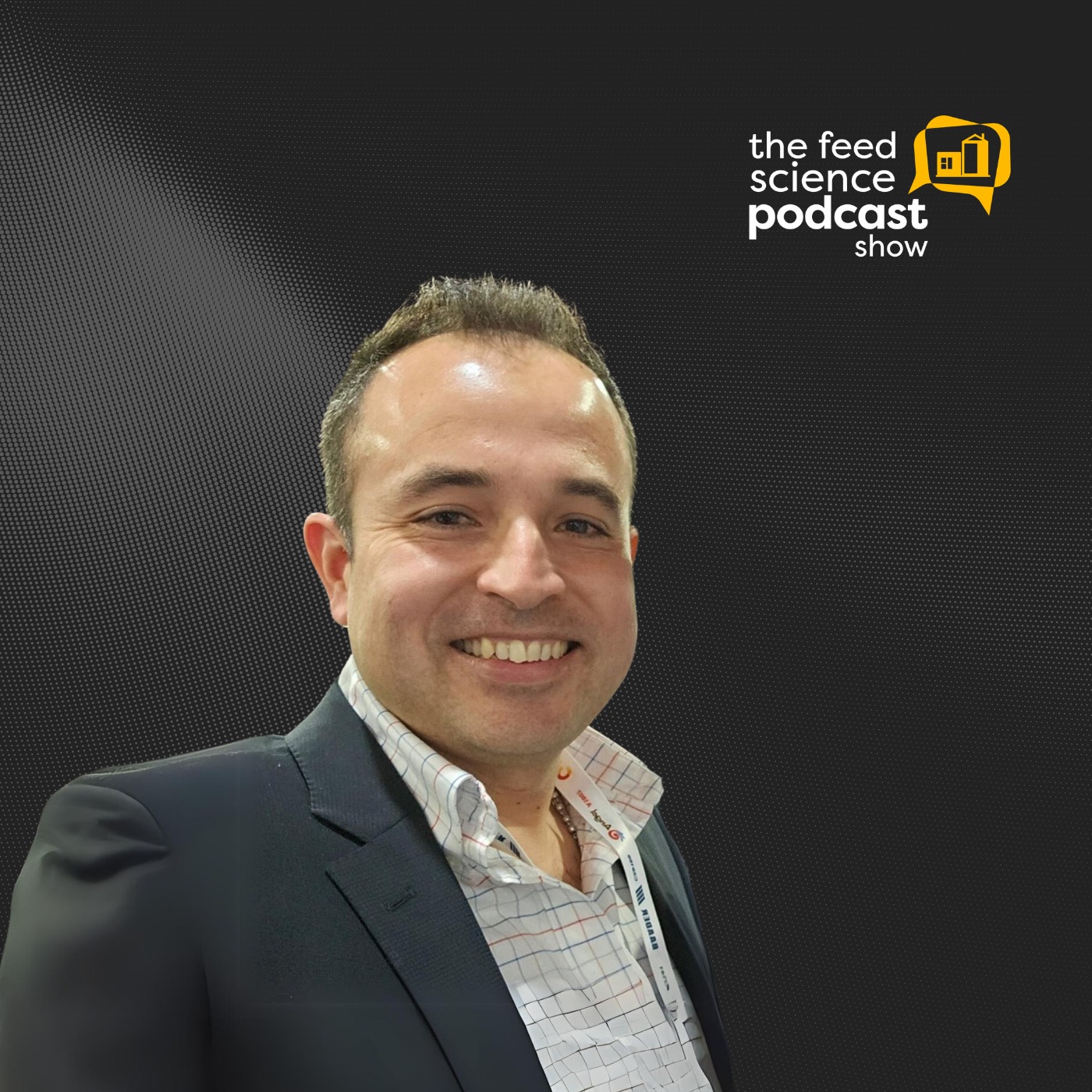 Cesar Menendez: Feed Mill Efficiency Strategies | Ep. 153 | In this episode of The Feed Science Podcast Show, Cesar Menendez from Smithfield Foods discusses feed mill efficiency, labor retention, equipment reliability, and operational strategies for modern feed manufacturing. He explains how preventive maintenance, employee training, alternative ingredients, and maximizing equipment performance can reduce production costs while improving feed quality and operational sustainability. Cesar also shares practical insights on pellet mill optimization and feed mill culture. Listen now on all major platforms! “Commodity pricing continues creating pressure across feed manufacturing operations, forcing facilities to evaluate alternative ingredients and improve efficiency while maintaining competitive feed costs.” Meet the guest: Cesar Menendez https://www.linkedin.com/in/cesar-j-menendez-19766512a/ is the Feed Manufacturing and Bakery Operations Director at Smithfield Foods, leading feed manufacturing operations across the United States. With more than 20 years of experience in feed and food manufacturing, Cesar specializes in feed mill efficiency, operational reliability, maintenance planning, and workforce development. He holds an MBA from Northcentral University and a degree in AG Industry Engineering from Zamorano University. Listen to Cesar Menendez on The Feed Science Podcast Show, available on all major platforms. Liked this one? Don’t stop now — Here’s what we think you’ll love: https://www.wisenetix.com/blog?tag=the+feed+science+podcast What will you learn: (00:00) Highlight (00:55) Introduction (06:54) Commodity cost challenges (17:11) Workforce retention (25:55) Improving mill efficiency (31:08) Pellet mill capacity (35:11) Conditioning and cooling (37:12) Final Questions The Feed Science Podcast Show is trusted and supported by innovative companies like: * DietForge (https://dietforge.ai/) * Kemin (https://www.kemin.com/na/en-us/markets/animal) * Evonik (https://animal-nutrition.evonik.com/) 𝗟𝗶𝘀𝘁𝗲𝗻 𝗼𝗻 𝗔𝗽𝗽𝗹𝗲 𝗣𝗼𝗱𝗰𝗮𝘀𝘁𝘀, 𝗦𝗽𝗼𝘁𝗶𝗳𝘆 𝗼𝗿 𝗮𝗻𝘆 𝗺𝗮𝗷𝗼𝗿 𝗽𝗹𝗮𝘁𝗳𝗼𝗿𝗺. Website: https://www.wisenetix.com/feedsciencepodcast Instagram: https://www.instagram.com/feedsciencepodcast/ LinkedIn: https://www.linkedin.com/showcase/93232275 | 38m 08s | ||||||
| 5/27/26 |  Dr. Merritt Drewery: Hemp Feeding For Beef Cattle | Ep. 152 | In this episode of The Feed Science Podcast Show, Dr. Merritt Drewery from Texas State University discusses hemp and biochar applications in beef cattle systems. She explains cannabinoid transference, sustainable forage opportunities, rumen impacts, and emerging research focused on improving pasture health and reducing methane production. Dr. Drewery also explores consumer perceptions and future regulatory considerations for livestock feeding systems. Listen now on all major platforms! “Hemp production systems could create sustainable forage opportunities because the crop survives drought conditions and requires relatively low water inputs.” Meet the guest: Dr. Merritt Drewery https://www.linkedin.com/in/merrittdrewery/ is an Associate Professor in Animal Science at Texas State University whose research focuses on sustainable beef cattle production, forage utilization, hemp feeding systems, and biochar applications. She has led multiple federally funded projects and published extensive research in animal nutrition and production systems. Learn more about sustainable feed innovation with Dr. Merritt Drewery on The Feed Science Podcast Show, available on all major platforms. Liked this one? Don’t stop now — Here’s what we think you’ll love: https://www.wisenetix.com/blog?tag=the+feed+science+podcast What will you learn: (00:00) Highlight (00:38) Introduction (02:03) Hemp forage research (09:35) Cannabinoid safety concerns (13:43) New hemp cultivars (17:56) Biochar feeding systems (24:22) Pasture health improvements (28:42) Final Questions The Feed Science Podcast Show is trusted and supported by innovative companies like: * Evonik (https://animal-nutrition.evonik.com/) * DietForge (https://dietforge.ai/) * Kemin (https://www.kemin.com/na/en-us/markets/animal) 𝗟𝗶𝘀𝘁𝗲𝗻 𝗼𝗻 𝗔𝗽𝗽𝗹𝗲 𝗣𝗼𝗱𝗰𝗮𝘀𝘁𝘀, 𝗦𝗽𝗼𝘁𝗶𝗳𝘆 𝗼𝗿 𝗮𝗻𝘆 𝗺𝗮𝗷𝗼𝗿 𝗽𝗹𝗮𝘁𝗳𝗼𝗿𝗺. Website: https://www.wisenetix.com/feedsciencepodcast Instagram: https://www.instagram.com/feedsciencepodcast/ LinkedIn: https://www.linkedin.com/showcase/93232275 | 31m 11s | ||||||
| 5/20/26 |  Matt Buyers: Local Feed Ingredient Strategies | Ep. 151 | In this episode of The Feed Science Podcast Show, Matt Buyers, President of AB Livestock at Agri Beef, explains how localized ingredient sourcing supports cattle performance in the Pacific Northwest. He discusses steam flaking, wheat-based diets, potato byproducts, and feed efficiency strategies. Matt also shares insights on vertical integration, sustainability, and leadership development in cattle operations. Learn how regional agriculture shapes modern beef production. Listen now on all major platforms! “Strong cattle performance depends on consistent feeding programs, ingredient flexibility, and environmental conditions that support stable feed intake patterns.” Meet the guest: Matt Buyers https://www.linkedin.com/in/mattbuyers/ is President of AB Livestock at Agri Beef and General Manager of El Oro Cattle Feeders. With nearly three decades in cattle feeding operations, leadership development, and feedyard management, Matt has led major operational improvements across the beef industry. His experience includes feedyard operations, ingredient sourcing, cattle performance, and vertically integrated beef production systems. Listen to Matt Buyers on The Feed Science Podcast Show, available on all major platforms. Liked this one? Don’t stop now — Here’s what we think you’ll love: https://www.wisenetix.com/blog?tag=the+feed+science+podcast What will you learn: (00:00) Highlight (00:32) Introduction (08:20) Local ingredients (13:00) Steam flaking (18:06) Fry matrix (23:42) Business sustainability (29:50) Leadership lessons (32:42) Final Questions The Feed Science Podcast Show is trusted and supported by innovative companies like: * Kemin (https://www.kemin.com/na/en-us/markets/animal) * Evonik (https://animal-nutrition.evonik.com/) * DietForge (https://dietforge.ai/) 𝗟𝗶𝘀𝘁𝗲𝗻 𝗼𝗻 𝗔𝗽𝗽𝗹𝗲 𝗣𝗼𝗱𝗰𝗮𝘀𝘁𝘀, 𝗦𝗽𝗼𝘁𝗶𝗳𝘆 𝗼𝗿 𝗮𝗻𝘆 𝗺𝗮𝗷𝗼𝗿 𝗽𝗹𝗮𝘁𝗳𝗼𝗿𝗺. Website: https://www.wisenetix.com/feedsciencepodcast Instagram: https://www.instagram.com/feedsciencepodcast/ LinkedIn: https://www.linkedin.com/showcase/93232275 | 34m 38s | ||||||
| 5/13/26 |  Dr. Peter Surai: Vitagenes And Oxidative Stress | Ep. 150 | In this episode of The Feed Science Podcast Show, Dr. Peter Surai, Professor at Vitagene and Health Research Centre, explains how vitagenes help poultry and pigs respond to production stress. He discusses oxidative stress, antioxidant defenses, heat shock proteins, and water-based nutritional strategies that support resilience during heat stress, vaccination, weaning, and other short-term challenges. Listen now on all major platforms! "At the molecular level, these stresses are related to overproduction of free radicals and oxidative stress." Meet the guest: Dr. Peter Surai https://www.linkedin.com/in/professor-surai-14236757/ is a Professor at Vitagene and Health Research Centre in the United Kingdom. His work focuses on nutritional biochemistry, antioxidants, oxidative stress, and stress adaptation in poultry and pigs. He previously served as Head of Antioxidant Research at Alltech and has decades of research and commercial experience translating molecular science into practical livestock nutrition tools. Learn more from Dr. Peter Surai on The Feed Science Podcast Show, available on all major platforms. Liked this one? Don’t stop now — Here’s what we think you’ll love: https://www.wisenetix.com/blog?tag=the+feed+science+podcast What will you learn: (00:00) Highlight (00:44) Introduction (05:17) Stress categories (08:03) Oxidative stress (11:03) Vitagenes role (17:36) Nutritional modulation (24:17) Practical tools (34:58) Closing thoughts The Feed Science Podcast Show is trusted and supported by innovative companies like: * DietForge (https://dietforge.ai/) * Evonik (https://animal-nutrition.evonik.com/) * Kemin (https://www.kemin.com/na/en-us/markets/animal) 𝗟𝗶𝘀𝘁𝗲𝗻 𝗼𝗻 𝗔𝗽𝗽𝗹𝗲 𝗣𝗼𝗱𝗰𝗮𝘀𝘁𝘀, 𝗦𝗽𝗼𝘁𝗶𝗳𝘆 𝗼𝗿 𝗮𝗻𝘆 𝗺𝗮𝗷𝗼𝗿 𝗽𝗹𝗮𝘁𝗳𝗼𝗿𝗺. Website: https://www.wisenetix.com/feedsciencepodcast Instagram: https://www.instagram.com/feedsciencepodcast/ LinkedIn: https://www.linkedin.com/showcase/93232275 | 36m 58s | ||||||
| 5/6/26 |  Dr. Charles Qin: Trace Mineral Strategies | Ep. 149✨ | trace mineralsanimal nutrition+4 | Dr. Charles Qin | WisenetixDietForge+1 | CanadaNorthwest A and F University | trace mineralsanimal feed+5 | — | 35m 31s | |
| 4/29/26 | 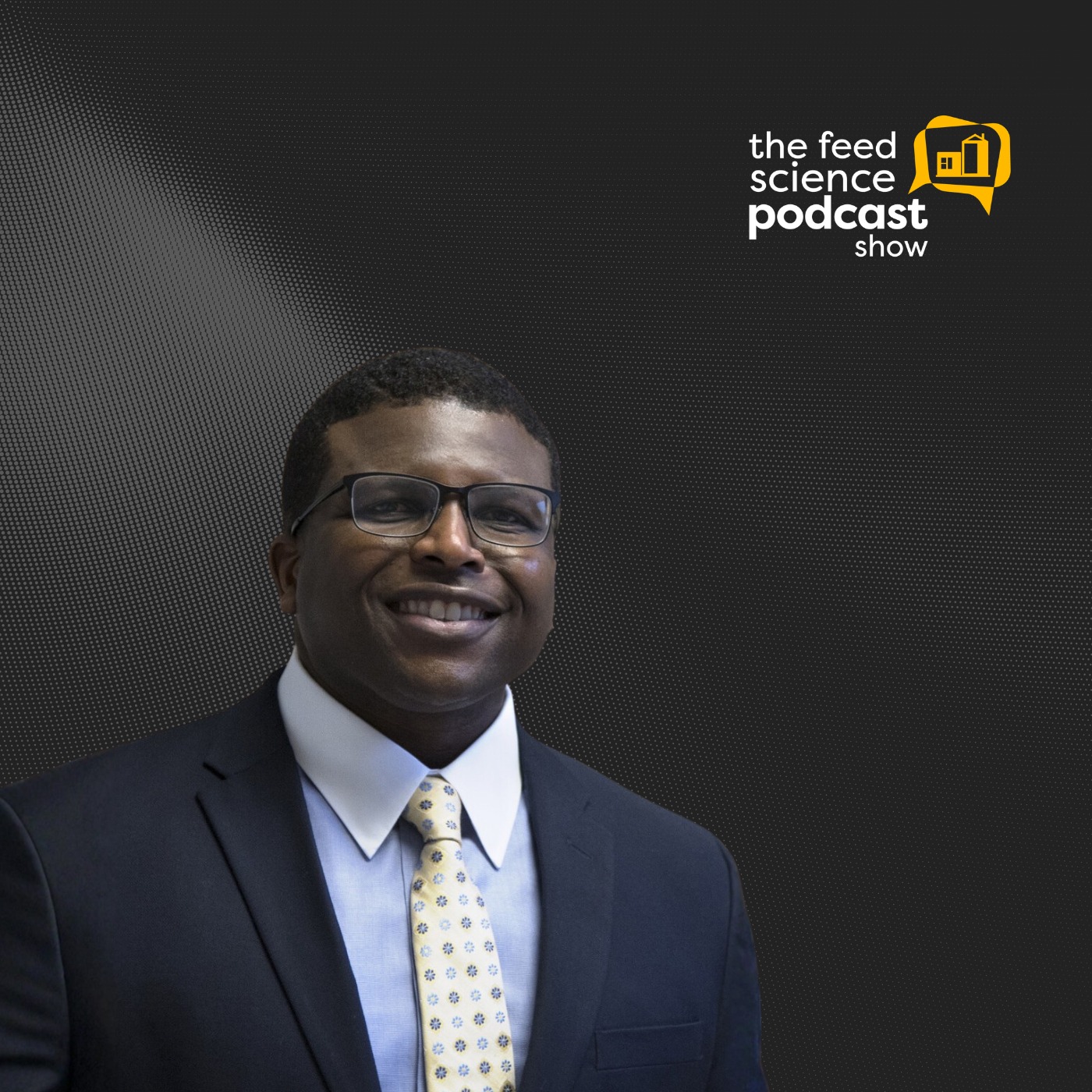 Dr. Andrew Muhammad: Global Trade And U.S. Feed Competitiveness | Ep. 148✨ | global tradeU.S. feed competitiveness+5 | Dr. Andrew Muhammad | University of TennesseeUSDA Economic Research Service | ChinaBrazil+3 | global tradeU.S. feed+6 | BinSentry | 35m 03s | |
| 4/22/26 | 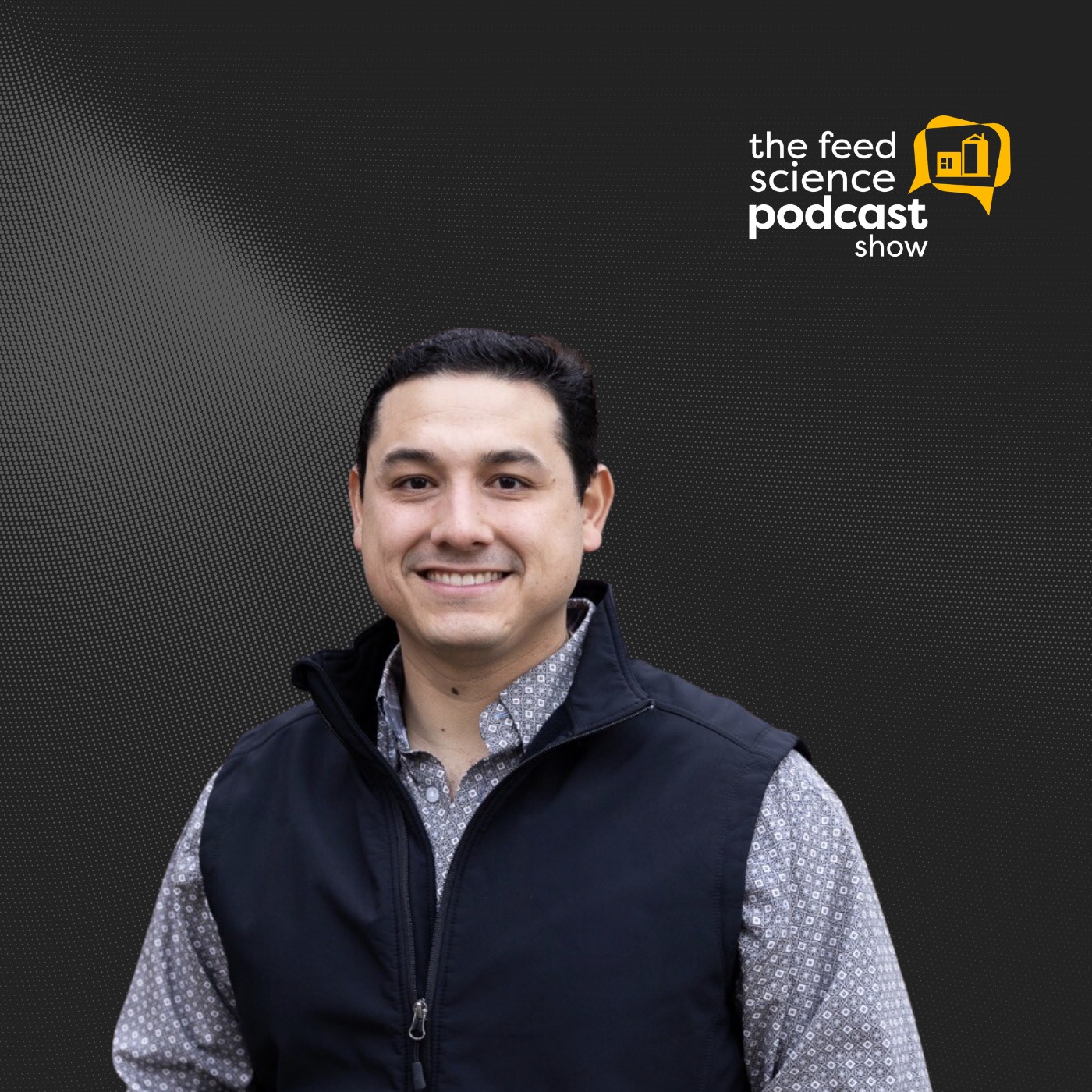 Dr. Charles Martinez: Feed Economics And Market Risk | Ep. 147✨ | feed economicsmarket risk+4 | Dr. Charles Martinez | University of Tennessee | — | feed ingredient pricingbasis pricing+5 | Kemin | 27m 33s | |
Want analysis for the episodes below?Free for Pro Submit a request, we'll have your selected episodes analyzed within an hour. Free, at no cost to you, for Pro users. | |||||||||
| 4/15/26 | 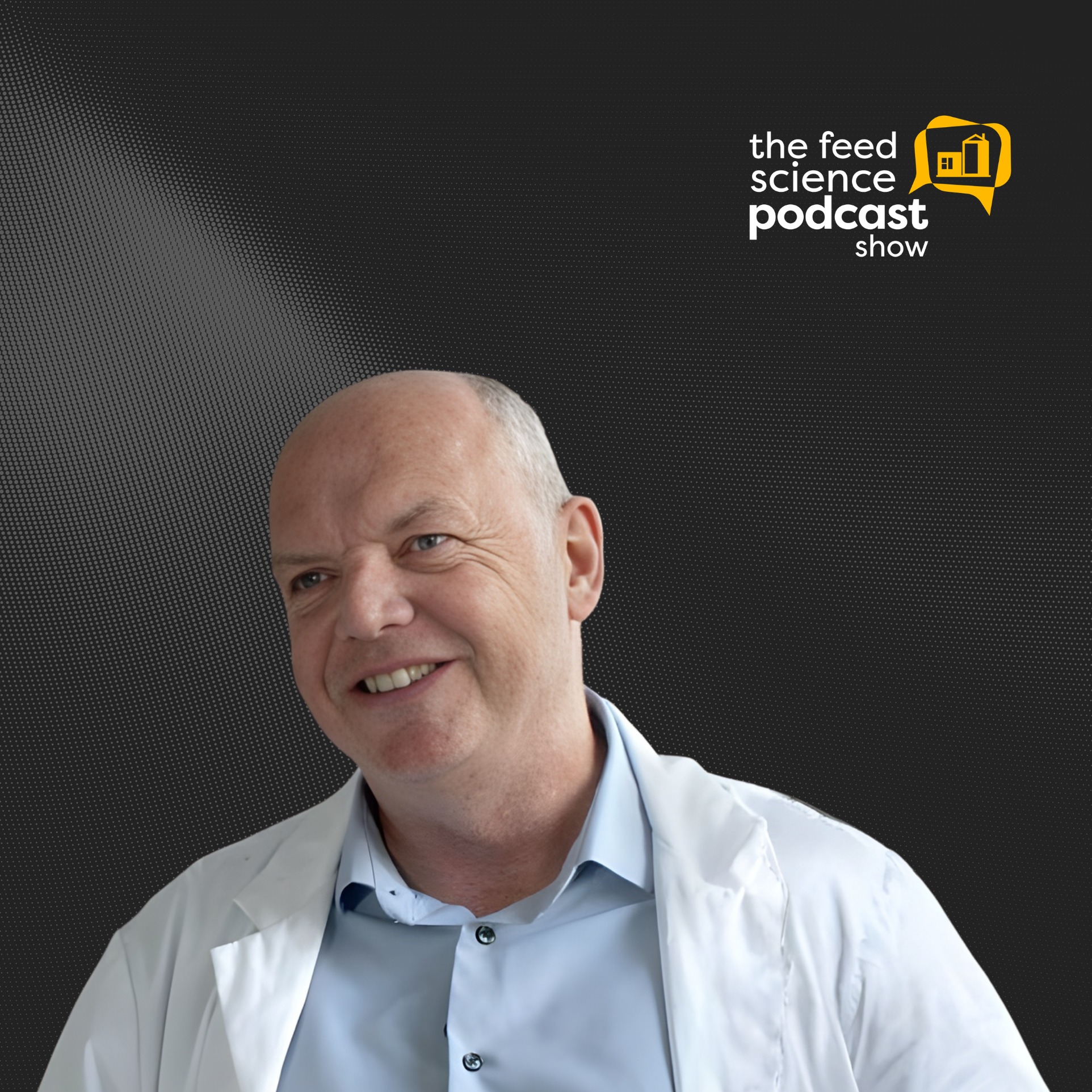 Dr. Keith Warriner: Biofilm Risks In Feed Mills | Ep. 146✨ | biofilmsfood safety+4 | Dr. Keith Warriner | University of GuelphWisenetix | — | biofilmfood microbiology+5 | Evonik | 25m 10s | |
| 4/8/26 | 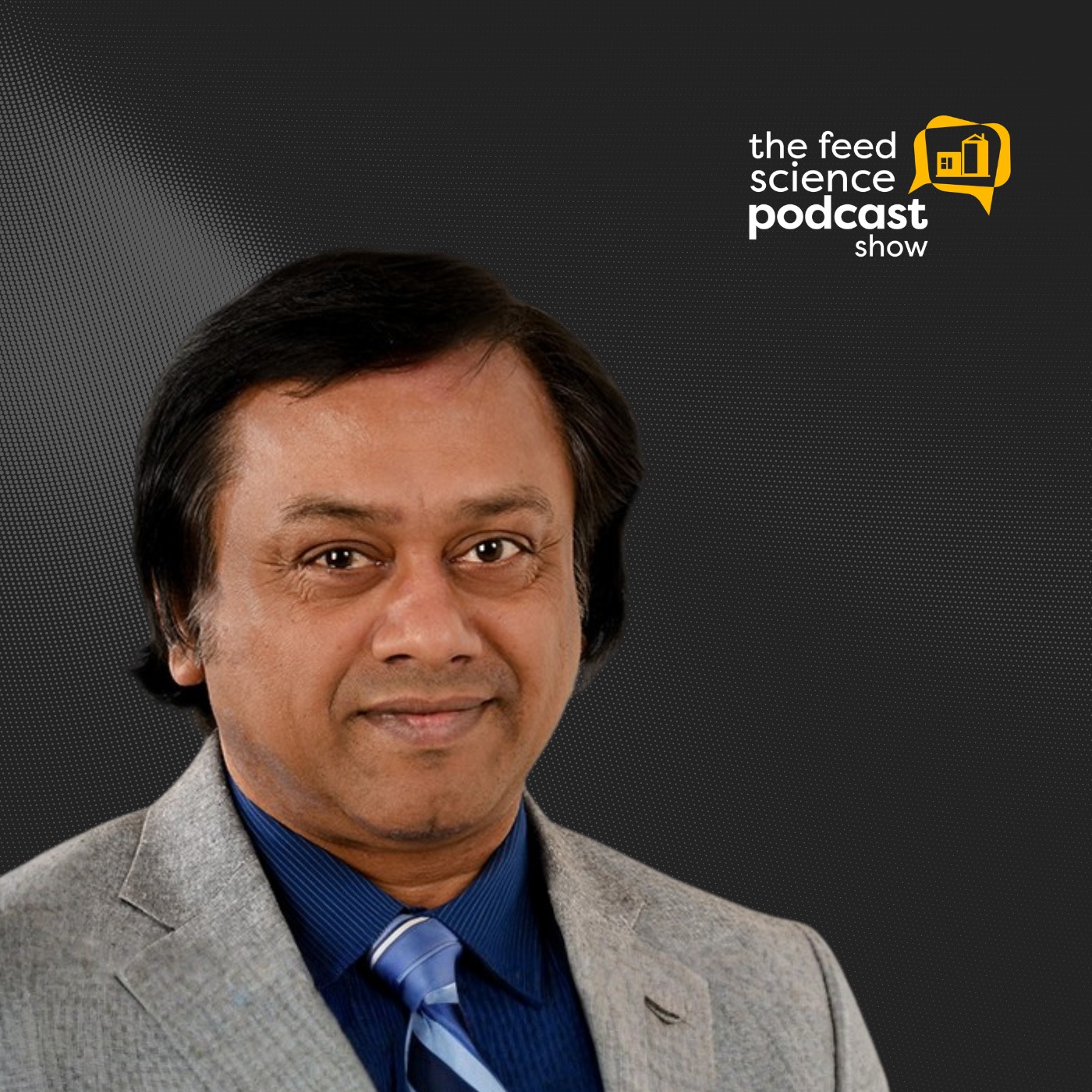 Dr. Michael Joseph: Extrusion vs Pelleting | Ep. 145✨ | extrusion processinganimal nutrition+4 | Dr. Michael Joseph | NC State UniversityWisenetix | — | extrusionpelleting+5 | DietForge | 27m 53s | |
| 4/1/26 | 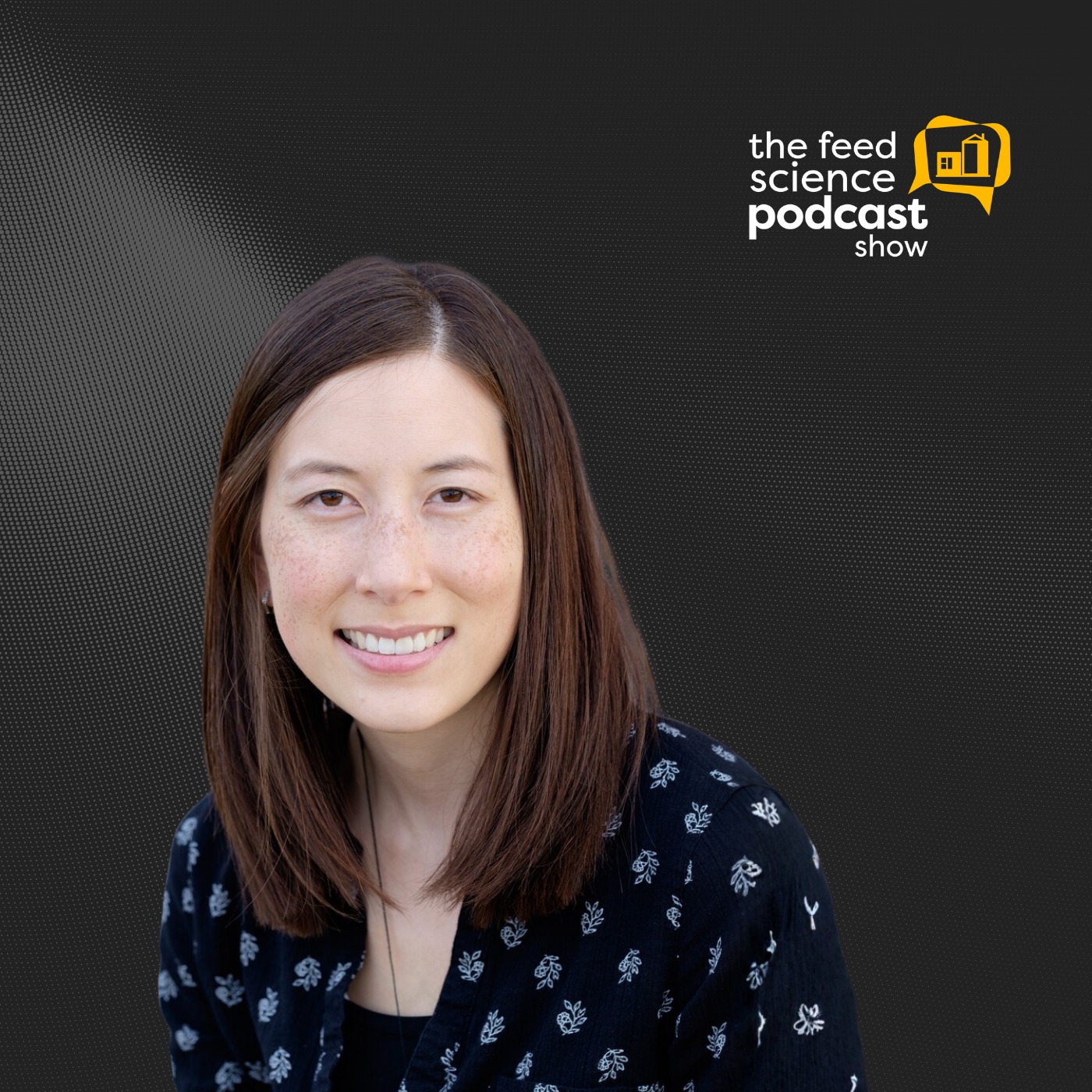 Elizabeth Willard: AI in Feed Monitoring | Ep. 144✨ | AI in feed monitoringpoultry operations+3 | Elizabeth Willard | BinSentryWisenetix | University of WaterlooWilfrid Laurier University | feed monitoringartificial intelligence+3 | — | 29m 04s | |
| 3/25/26 | 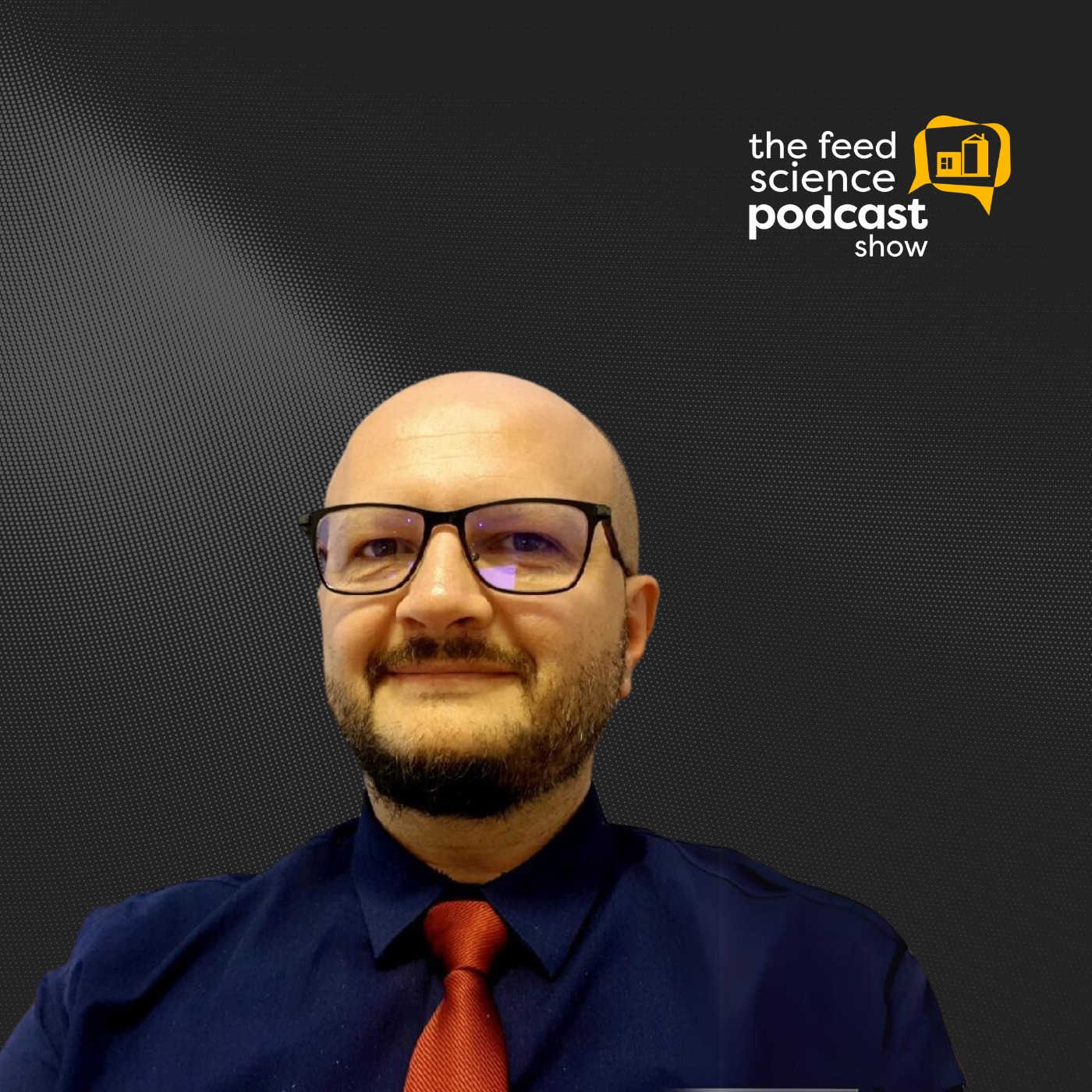 Dr. Dejan Miladinovic: Physical Feed Performance | Ep. 143✨ | physical feed qualitypellet durability+5 | Dr. Dejan Miladinovic | Norwegian University of Life SciencesWisenetix | — | feed qualitypellet durability+5 | — | 26m 26s | |
| 3/18/26 | 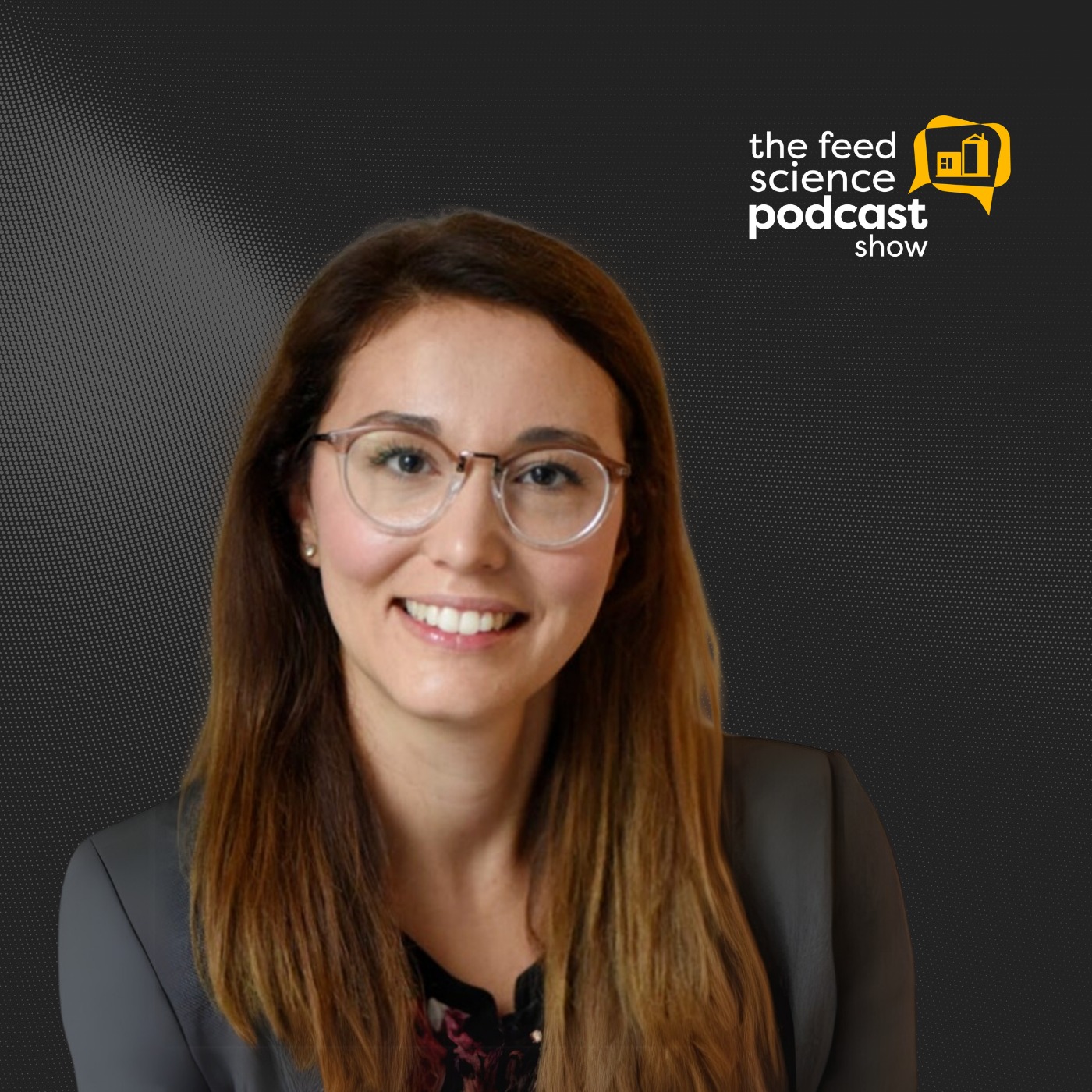 Dr. Virginie Lachapelle: Compliance & Risk | Ep. 142✨ | risk assessmentfeed safety+3 | Dr. Virginie Lachapelle | University of MontrealCanadian Food Inspection Agency | — | risk assessmentfeed industry+3 | — | 38m 26s | |
| 3/11/26 | 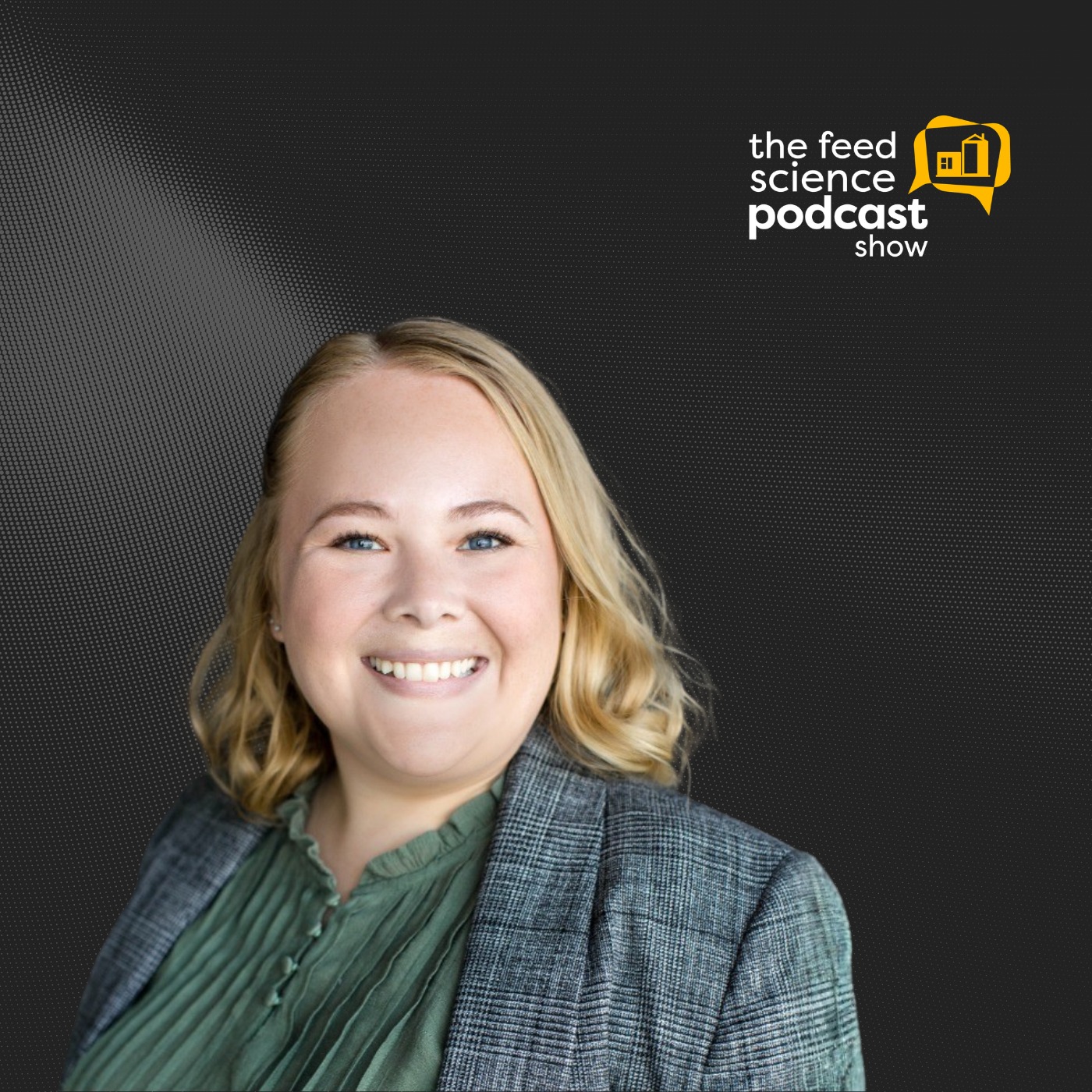 Olivia Harrison: Pathogen Control Strategies | Ep. 141✨ | pathogen controlswine feed+4 | Olivia Harrison | Kemin IndustriesKansas State University+2 | — | pathogen controlswine+5 | — | 25m 31s | |
| 3/4/26 | 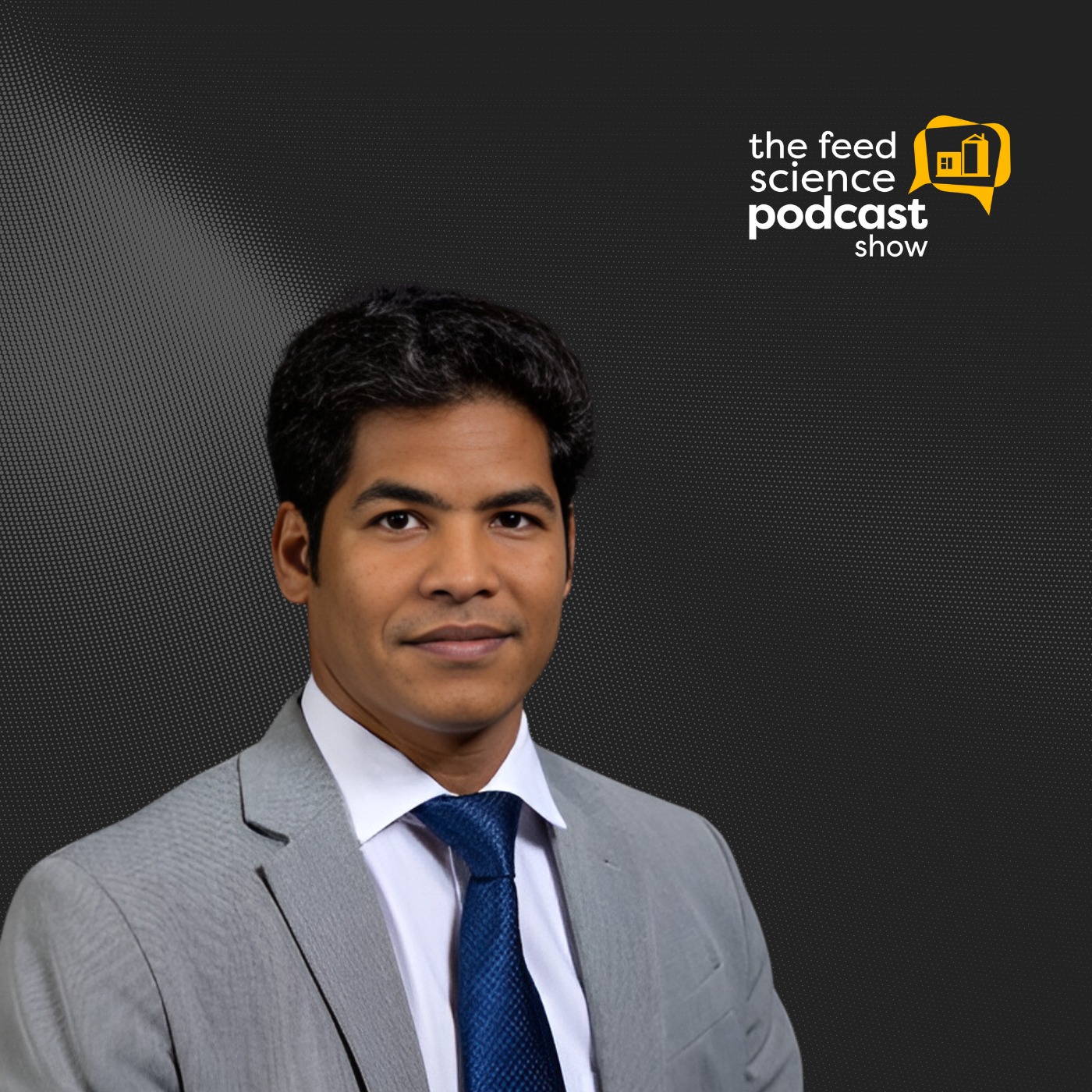 Dr. Elias Uddin: Carbon Footprint Trade-Offs | Ep. 140✨ | carbon footprintlife cycle assessment+4 | Dr. Elias Uddin | University of ConnecticutWisenetix | — | carbon footprintlife cycle assessment+4 | DietForge | 37m 50s | |
| 2/25/26 | 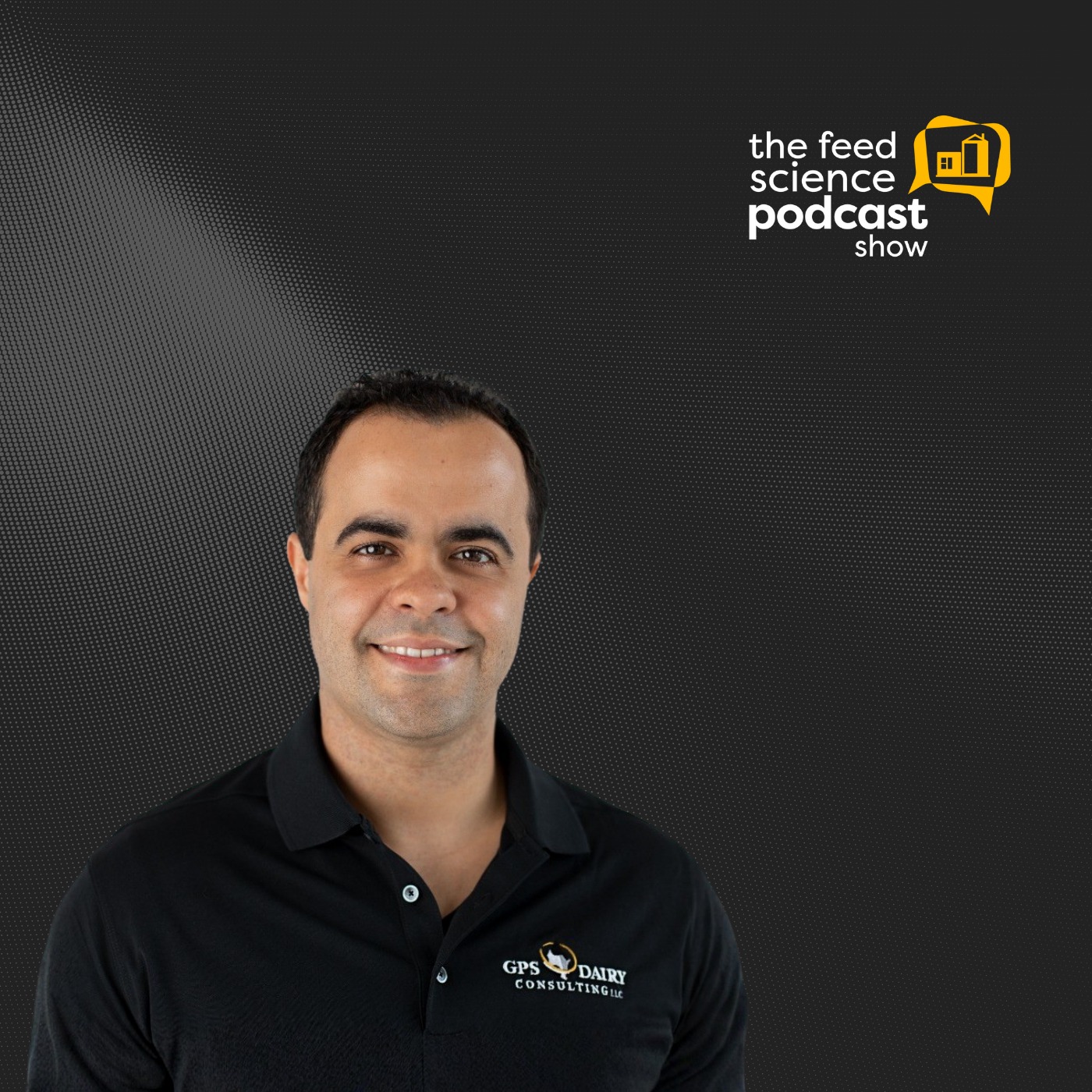 Dr. Andre Pereira: Dairy Feed in Low Margins | Ep. 139✨ | dairy nutritionfeed manufacturing+4 | Dr. Andre Pereira | GPS Dairy ConsultingUniversity of New Hampshire | Upper MidwestEurope | dairy feedmilk prices+5 | Kemin | 30m 49s | |
| 2/18/26 | 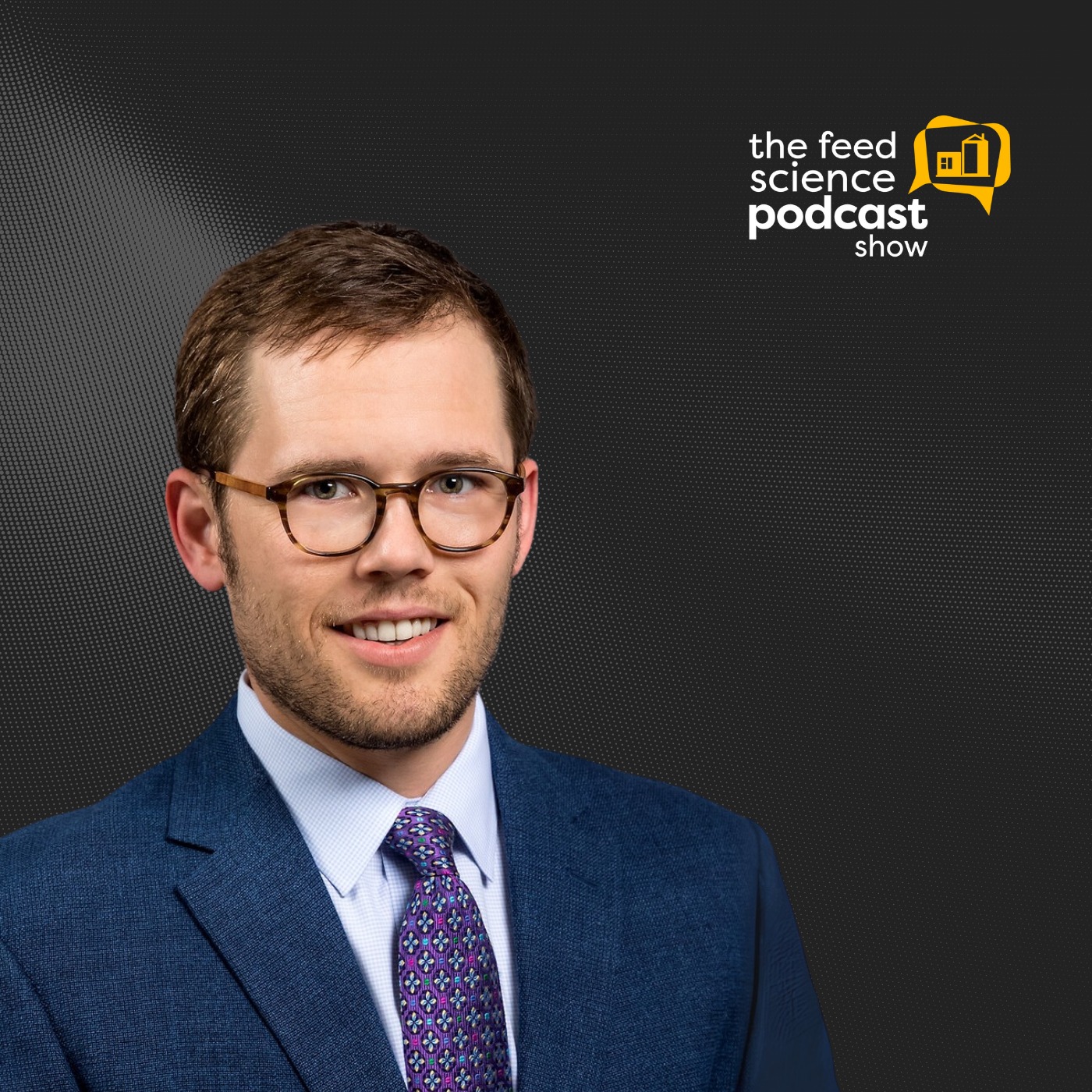 Dr. Zachary Smith: Kernel Processing | Ep. 138✨ | kernel processingcorn silage+3 | Dr. Zachary Smith | South Dakota State University | — | kernel processingcorn silage+3 | Evonik | 27m 48s | |
| 2/11/26 | 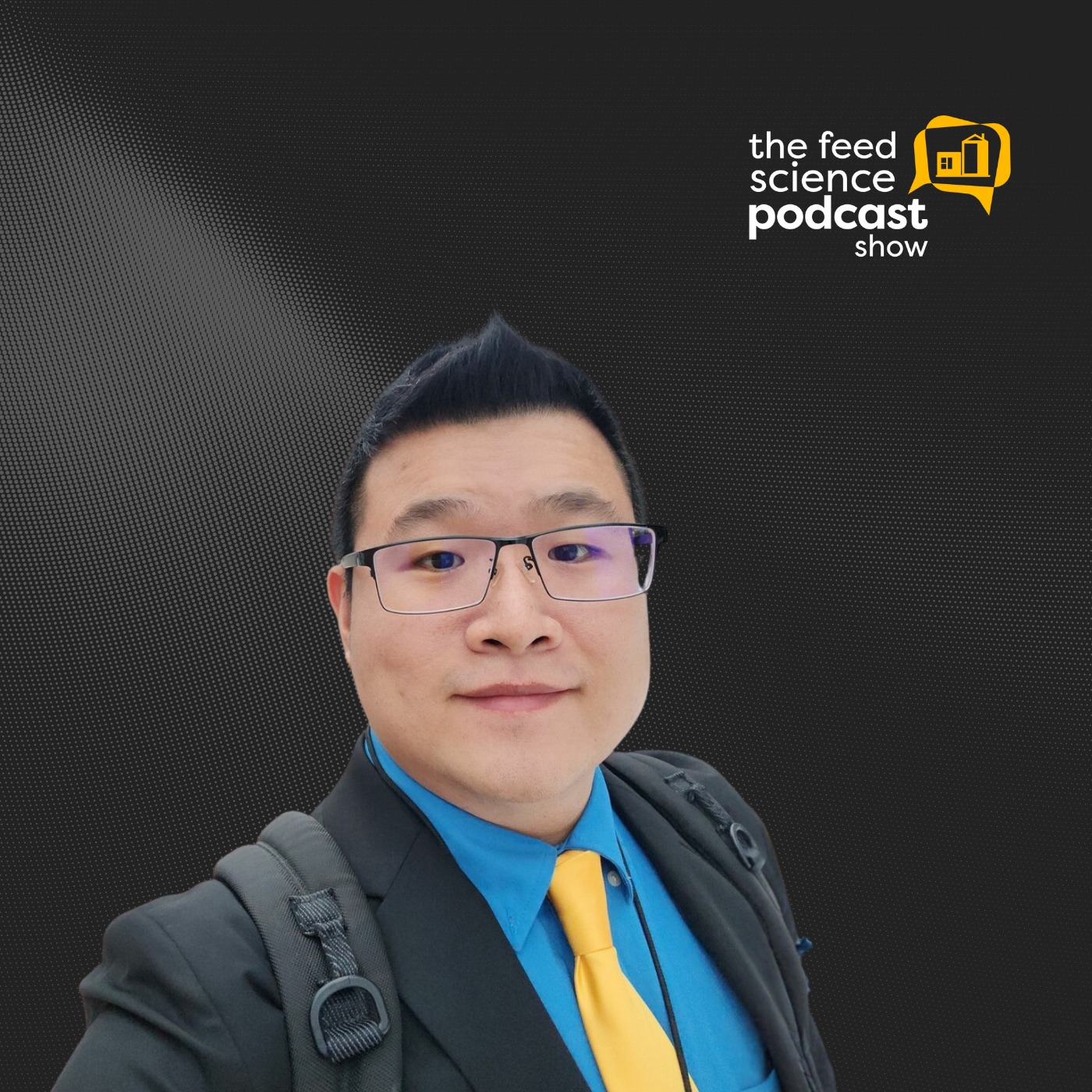 Dr. Liang-en Yu: In Ovo Feeding Science | Ep. 137 | In this episode of The Feed Science Podcast Show, Dr. Liang-en Yu, postdoctoral fellow at Academia Sinica in Taiwan, explains how prenatal nutrition can shape poultry performance from embryonic development onward. He discusses in ovo supplementation, intestinal and muscle development, bioactive compounds, and industry implementation challenges. Learn research-driven insight for poultry nutrition and feed professionals focused on innovation and efficiency. Listen now on all major platforms! “Organoid models provide representative intestinal cell interactions that improve evaluation of nutrient absorption and barrier function during embryonic development.” Meet the guest: Dr. Liang-en Yu https://www.linkedin.com/in/liang-en-yu-9486a2192/?originalSubdomain=tw earned a PhD in Animal and Food Science from the University of Delaware and currently serves as a postdoctoral fellow at Academia Sinica in Taiwan. His research focuses on prenatal nutrition, in ovo supplementation, and embryonic intestinal and muscle development in poultry. Dr. Yu received the 2025 Milton L. Sunde Award from the American Society for Nutrition. Liked this one? Don’t stop now — Here’s what we think you’ll love: https://www.wisenetix.com/blog?tag=the+feed+science+podcast What will you learn: (00:00) Highlight (01:02) Introduction (02:02) Prenatal nutrition (04:17) Organoid models (07:57) Award recognition (09:57) Industry application (12:39) Supplement benefits (20:11) Final Questions The Feed Science Podcast Show is trusted and supported by innovative companies like: * Evonik (https://animal-nutrition.evonik.com/) * Kemin (https://www.kemin.com/na/en-us/markets/animal) * DietForge (https://dietforge.ai/) - VAL-CO (https://www.val-co.com/optient-gradient-lighting/) 𝗟𝗶𝘀𝘁𝗲𝗻 𝗼𝗻 𝗔𝗽𝗽𝗹𝗲 𝗣𝗼𝗱𝗰𝗮𝘀𝘁𝘀, 𝗦𝗽𝗼𝘁𝗶𝗳𝘆 𝗼𝗿 𝗮𝗻𝘆 𝗺𝗮𝗷𝗼𝗿 𝗽𝗹𝗮𝘁𝗳𝗼𝗿𝗺. Website: https://www.wisenetix.com/feedsciencepodcast Instagram: https://www.instagram.com/feedsciencepodcast/ LinkedIn: https://www.linkedin.com/showcase/93232275 | 26m 01s | ||||||
| 2/4/26 | 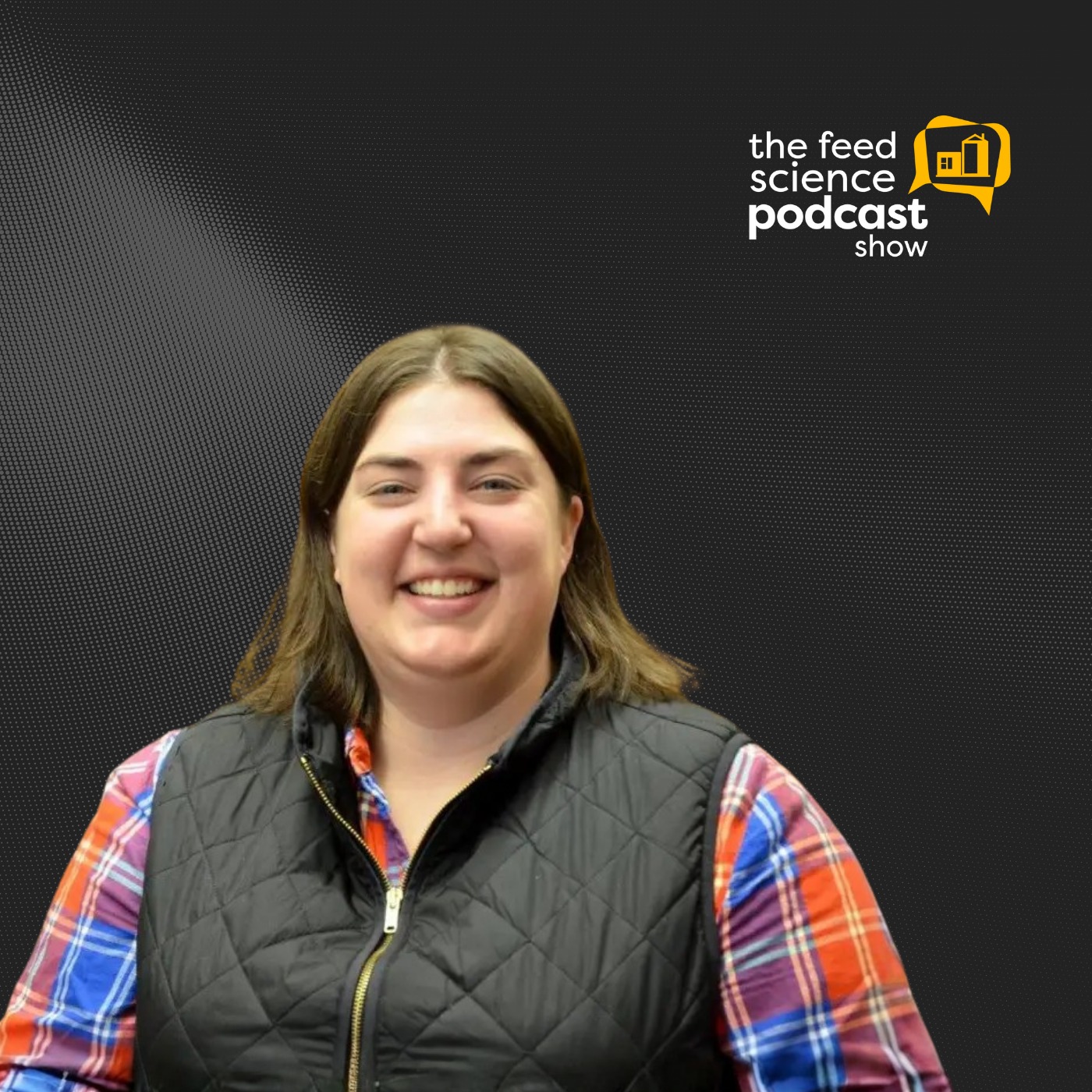 Dr. Megan Van Emon: Winter Feeding Cattle Decisions | Ep. 136 | In this episode of The Feed Science Podcast Show, Dr. Megan Van Emon, Extension Beef Cattle Specialist at Montana State University, shares practical insights on winter feeding strategies for beef cattle in cold climates. She explains forage quality evaluation, supplementation decisions, energy needs during late gestation, and managing alternative feed resources. Learn valuable guidance for nutrition and feed professionals focused on efficiency and resilience. Listen now on all major platforms! “Feed analysis is one of the most cost-effective tools available to improve winter ration accuracy and reduce unnecessary feed expenses.” Meet the guest: Dr. Megan Van Emon https://www.linkedin.com/in/megan-van-emon-4a633266/ is an Extension Beef Cattle Specialist and Associate Professor at Montana State University, based in Miles City, Montana. Her work focuses on beef cattle nutrition, winter feeding management, forage quality, and practical solutions for producers in cold environments. Liked this one? Don’t stop now — Here’s what we think you’ll love: https://www.wisenetix.com/blog?tag=the+feed+science+podcast What will you learn: (00:00) Highlight (00:52) Introduction (05:11) Feed analysis value (07:36) Forage maturity effects (09:05) Protein and energy needs (11:12) Cold weather demands (13:30) Forage quality choices (29:24) Final Questions The Feed Science Podcast Show is trusted and supported by innovative companies like: * DietForge (https://dietforge.ai/) * Kemin (https://www.kemin.com/na/en-us/markets/animal) * Evonik (https://animal-nutrition.evonik.com/) - VAL-CO (https://www.val-co.com/optient-gradient-lighting/) 𝗟𝗶𝘀𝘁𝗲𝗻 𝗼𝗻 𝗔𝗽𝗽𝗹𝗲 𝗣𝗼𝗱𝗰𝗮𝘀𝘁𝘀, 𝗦𝗽𝗼𝘁𝗶𝗳𝘆 𝗼𝗿 𝗮𝗻𝘆 𝗺𝗮𝗷𝗼𝗿 𝗽𝗹𝗮𝘁𝗳𝗼𝗿𝗺. Website: https://www.wisenetix.com/feedsciencepodcast Instagram: https://www.instagram.com/feedsciencepodcast/ LinkedIn: https://www.linkedin.com/showcase/93232275 | 31m 35s | ||||||
| 1/28/26 | 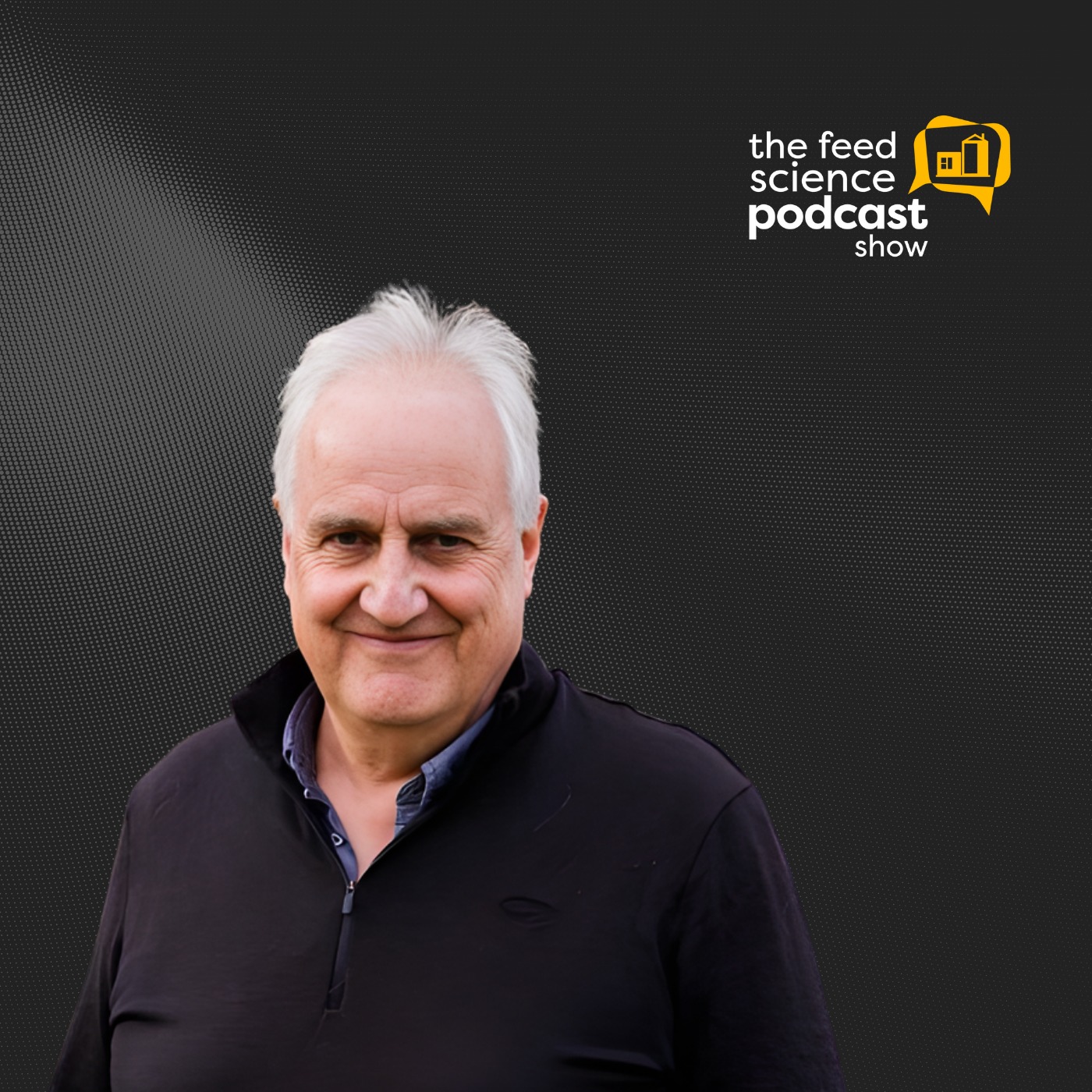 John McEwan: How Genomics Improves Feed Efficiency | Ep. 135 | In this episode of The Feed Science Podcast Show, John McEwan, Principal Scientist retired at BSI AgResearch in New Zealand, explains how genetics and genomics are transforming ruminant production. He discusses breeding strategies that reduce methane emissions while improving feed efficiency and productivity in sheep and cattle systems. John highlights genomic selection, difficult-to-measure traits, and practical implementation at industry scale. Learn valuable insight for feed and nutrition professionals focused on sustainability and performance. Listen now on all major platforms! “Selection lines now show about a twenty percent difference in methane output without compromising overall production performance.” Meet the guest: John McEwan https://www.linkedin.com/in/john-mcewan-2605591/ is a retired Principal Scientist at BSI AgResearch in New Zealand with more than four decades of experience in quantitative genetics, genomics, and bioinformatics. His work has focused on genomic selection, meat quality, feed efficiency, and breeding ruminants with lower methane emissions. Liked this one? Don’t stop now — Here’s what we think you’ll love: https://www.wisenetix.com/blog?tag=the+feed+science+podcast What will you learn: (00:00) Highlight (00:43) Introduction (02:50) Methane breeding (07:20) Emission measurement (10:51) Feed impact (14:55) Rumen profiling (17:45) Productivity gains (22:06) Final Questions The Feed Science Podcast Show is trusted and supported by innovative companies like: - VAL-CO (https://www.val-co.com/optient-gradient-lighting/) * DietForge (https://dietforge.ai/) * Kemin (https://www.kemin.com/na/en-us/markets/animal) * Evonik (https://animal-nutrition.evonik.com/) 𝗟𝗶𝘀𝘁𝗲𝗻 𝗼𝗻 𝗔𝗽𝗽𝗹𝗲 𝗣𝗼𝗱𝗰𝗮𝘀𝘁𝘀, 𝗦𝗽𝗼𝘁𝗶𝗳𝘆 𝗼𝗿 𝗮𝗻𝘆 𝗺𝗮𝗷𝗼𝗿 𝗽𝗹𝗮𝘁𝗳𝗼𝗿𝗺. Website: https://www.wisenetix.com/feedsciencepodcast Instagram: https://www.instagram.com/feedsciencepodcast/ LinkedIn: https://www.linkedin.com/showcase/93232275 | 31m 18s | ||||||
| 1/21/26 | 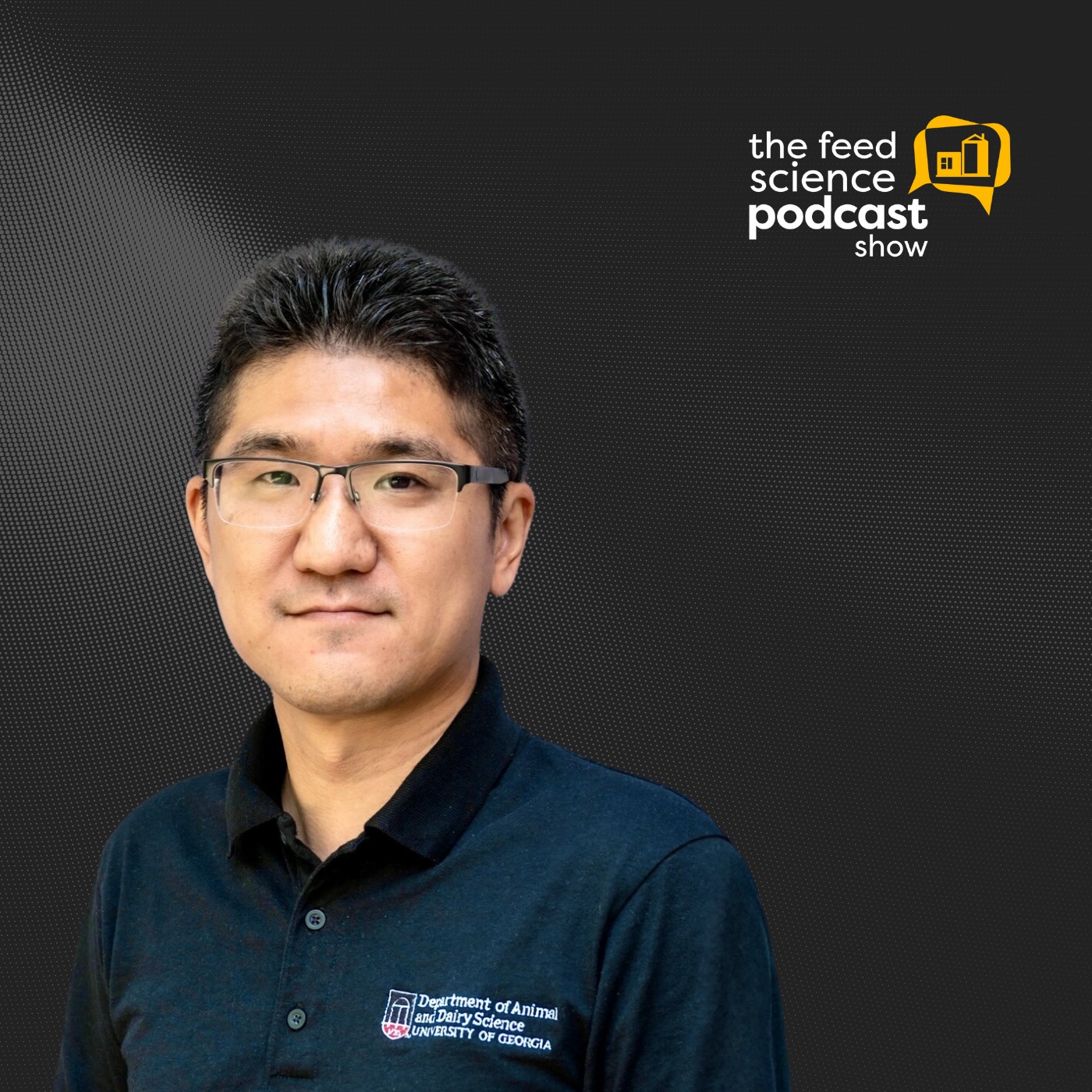 Dr. Young Dal Jang: Medium Chain Fatty Acids in Feed | Ep. 134 | In this special re-run episode of The Feed Science Podcast Show, we bring back our conversation with Dr. Young Dal Jang from the University of Georgia, who talks about the role of medium-chain fatty acids (MCFAs) in nursery pig diets. Dr. Jang covers the nutritional advantages of MCFAs, such as their ability to increase energy and help reduce post-weaning diarrhea. He also shares valuable insights into their antimicrobial effects and the potential cost-saving benefits for swine producers. Tune in now on all major platforms! "Medium-chain fatty acids are more polar and are absorbed quickly into the portal vein, offering a fast energy source for pigs." Meet the guest: Dr. Young Dal Jang https://www.linkedin.com/in/young-dal-jang-a864b3a1/ is an Assistant Professor of non-ruminant nutrition at the University of Georgia, with extensive experience in swine nutrition research across nursery, growing, and finishing systems. His work focuses on energy utilization, vitamin and trace mineral nutrition, and feed additive evaluation. Liked this one? Don’t stop now — Here’s what we think you’ll love: https://www.wisenetix.com/blog?tag=the+feed+science+podcast What will you learn: (00:00) Highlight (00:59) Introduction (04:13) Medium-chain fatty acids overview (07:10) Sources of MCFAs (09:59) Forms of MCFAs (12:17) Research on MCFAs (15:46) Nursery pig diets (23:16) Final Questions The Feed Science Podcast Show is trusted and supported by innovative companies like: * Evonik (https://animal-nutrition.evonik.com/) * DietForge (https://dietforge.ai/) * Kemin (https://www.kemin.com/na/en-us/markets/animal) - VAL-CO (https://www.val-co.com/optient-gradient-lighting/) 𝗟𝗶𝘀𝘁𝗲𝗻 𝗼𝗻 𝗔𝗽𝗽𝗹𝗲 𝗣𝗼𝗱𝗰𝗮𝘀𝘁𝘀, 𝗦𝗽𝗼𝘁𝗶𝗳𝘆 𝗼𝗿 𝗮𝗻𝘆 𝗺𝗮𝗷𝗼𝗿 𝗽𝗹𝗮𝘁𝗳𝗼𝗿𝗺. Website: https://www.wisenetix.com/feedsciencepodcast Instagram: https://www.instagram.com/feedsciencepodcast/ LinkedIn: https://www.linkedin.com/showcase/93232275 | 28m 13s | ||||||
| 1/14/26 | 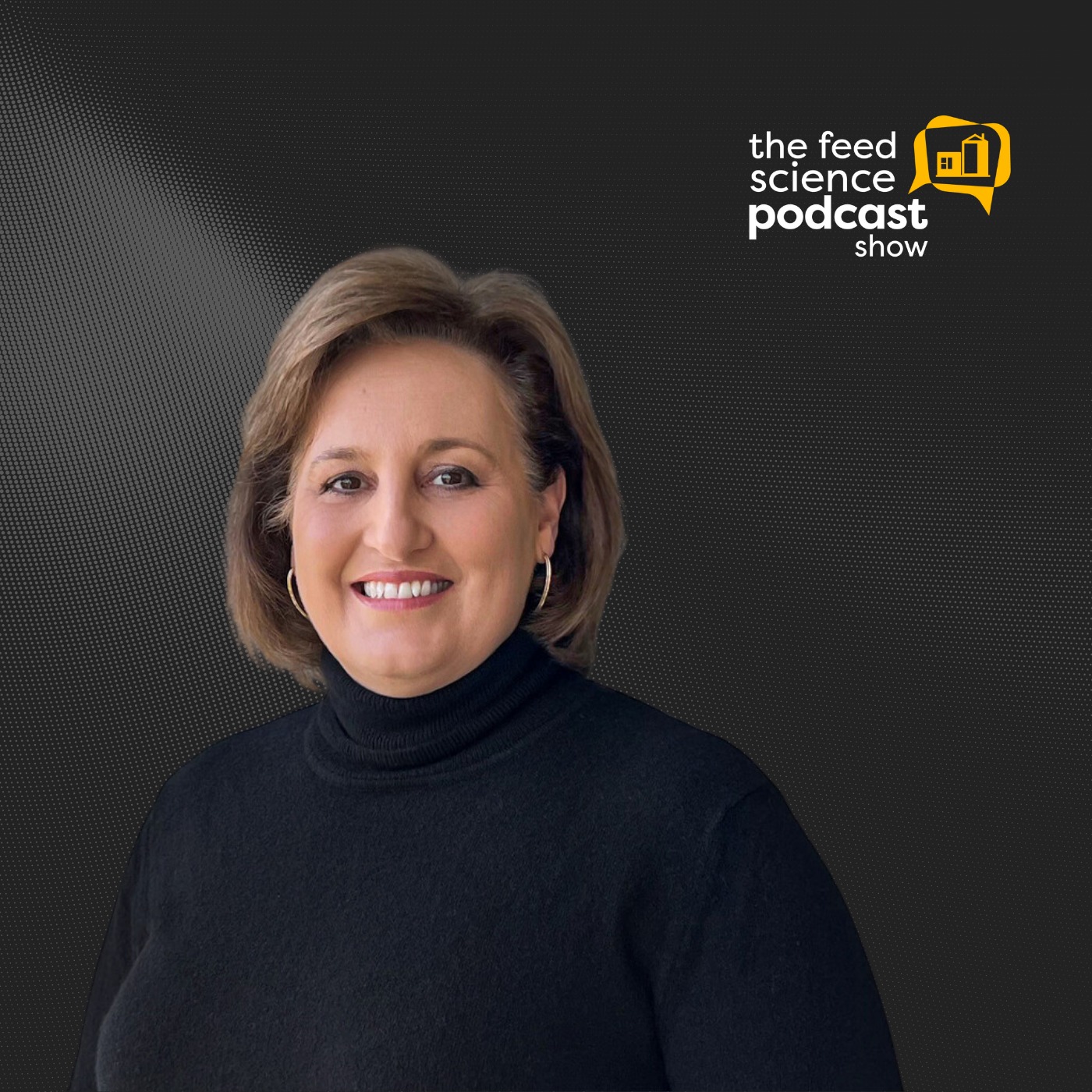 Constance Cullman: Global Feed Trade | Ep. 133 | In this episode of The Feed Science Podcast Show, Constance Cullman, president and CEO of the American Feed Industry Association, shares how global trade uncertainty is shaping the U.S. animal feed industry. She explains the role of international markets, regulatory alignment, and supply chain resilience in maintaining competitiveness. Constance highlights sustainability, circular feed systems, and why feed plays a critical role in environmental performance. Learn how policy decisions and global partnerships influence feed manufacturers today. Listen now on all major platforms! “Uncertainty in global trade makes long-term business planning extremely difficult for animal food manufacturers operating in export-dependent and ingredient-intensive supply chains.” Meet the guest: Constance Cullman https://www.linkedin.com/in/constance-cullman-6436002/ is the president and CEO of the American Feed Industry Association and president of the Institute for Feed Education and Research. She has held leadership roles across government, academia, and agricultural organizations, with deep experience in trade, regulatory affairs, and global feed policy. Liked this one? Don’t stop now — Here’s what we think you’ll love: https://www.wisenetix.com/blog?tag=the+feed+science+podcast What will you learn: (00:00) Highlight (00:34) Introduction (03:20) Trade uncertainty (05:44) China's dependence (09:38) Key markets (13:00) Vietnam strategy (20:01) Sustainability role (28:46) Final Questions The Feed Science Podcast Show is trusted and supported by innovative companies like: * Kemin (https://www.kemin.com/na/en-us/markets/animal) * Evonik (https://animal-nutrition.evonik.com/) * DietForge (https://dietforge.ai/) - VAL-CO (https://www.val-co.com/optient-gradient-lighting/) 𝗟𝗶𝘀𝘁𝗲𝗻 𝗼𝗻 𝗔𝗽𝗽𝗹𝗲 𝗣𝗼𝗱𝗰𝗮𝘀𝘁𝘀, 𝗦𝗽𝗼𝘁𝗶𝗳𝘆 𝗼𝗿 𝗮𝗻𝘆 𝗺𝗮𝗷𝗼𝗿 𝗽𝗹𝗮𝘁𝗳𝗼𝗿𝗺. Website: https://www.wisenetix.com/feedsciencepodcast Instagram: https://www.instagram.com/feedsciencepodcast/ LinkedIn: https://www.linkedin.com/showcase/93232275 | 32m 38s | ||||||
| 1/7/26 | 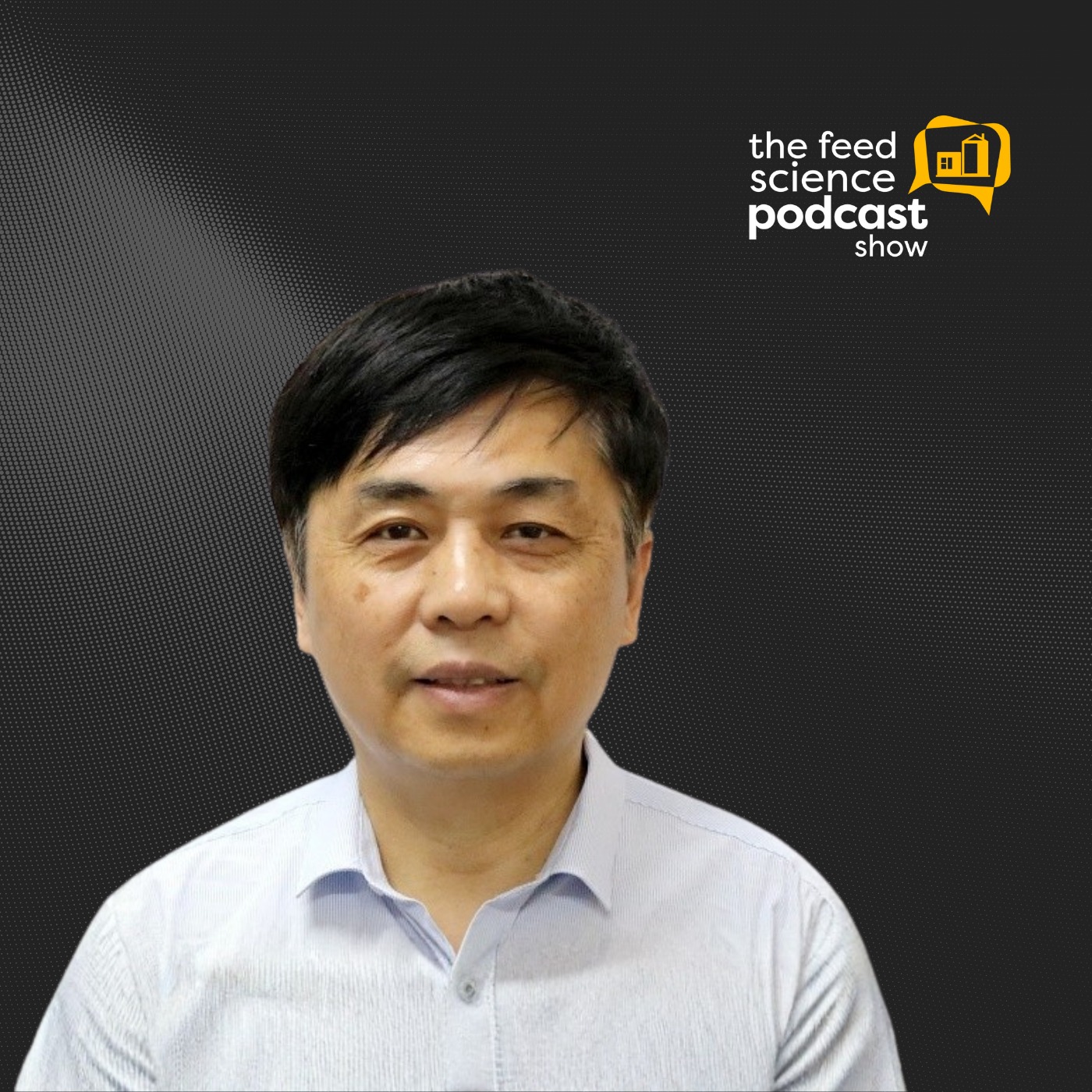 Dr. Hongyuan Cheng: China Digital Feed Ops | Ep. 132 | In this episode of The Feed Science Podcast Show, Dr. Hongyuan Cheng, consultant in process engineering and extrusion technology, explains how China’s feed mills are adapting to green manufacturing rules, digital systems, and rising production demands. He outlines challenges in quality control, ingredient variability, and equipment optimization across aquatic feed operations. Get a clear look at how technology is reshaping modern feed production. Listen now on all major platforms! “Chinese feed mills face difficulty attracting younger workers, making modernization and digital interfaces necessary to sustain stable operation in smaller regional facilities.” Meet the guest: Dr. Hongyuan Cheng https://www.linkedin.com/in/hongyuan-cheng/ is a process engineering consultant based in Denmark with decades of experience in aquatic feed extrusion, digital production modeling, and feed process optimization. His background spans chemical engineering, academic research, and hands-on industry work across China and Europe. He specializes in improving fish feed quality, troubleshooting production challenges, and developing smarter extrusion systems. Liked this one? Don’t stop now — Here’s what we think you’ll love: https://www.wisenetix.com/blog?tag=the+feed+science+podcast What will you learn: (00:00) Highlight (00:36) Introduction (03:39) Green manufacturing (06:14) Digital operations (11:22) Quality control (15:45) Ingredient shifts (16:52) Production planning (28:01) Final Questions The Feed Science Podcast Show is trusted and supported by innovative companies like: * DietForge (https://dietforge.ai/) * Kemin (https://www.kemin.com/na/en-us/markets/animal) * Evonik (https://animal-nutrition.evonik.com/) - VAL-CO (https://www.val-co.com/optient-gradient-lighting/) 𝗟𝗶𝘀𝘁𝗲𝗻 𝗼𝗻 𝗔𝗽𝗽𝗹𝗲 𝗣𝗼𝗱𝗰𝗮𝘀𝘁𝘀, 𝗦𝗽𝗼𝘁𝗶𝗳𝘆 𝗼𝗿 𝗮𝗻𝘆 𝗺𝗮𝗷𝗼𝗿 𝗽𝗹𝗮𝘁𝗳𝗼𝗿𝗺. Website: https://www.wisenetix.com/feedsciencepodcast Instagram: https://www.instagram.com/feedsciencepodcast/ LinkedIn: https://www.linkedin.com/showcase/93232275 | 31m 22s | ||||||
Showing 25 of 157
Sponsor Intelligence
Sign in to see which brands sponsor this podcast, their ad offers, and promo codes.
Chart Positions
1 placement across 1 market.
Chart Positions
1 placement across 1 market.