
Insights from recent episode analysis
Audience Interest
Podcast Focus
Publishing Consistency
Platform Reach
Insights are generated by CastFox AI using publicly available data, episode content, and proprietary models.
Total monthly reach
Estimated from 15 chart positions in 15 markets.
By chart position
- 🇦🇺AU · Physics#10300K to 1M
- 🇩🇪DE · Physics#46100K to 300K
- 🇬🇧GB · Physics#50100K to 300K
- 🇺🇸US · Physics#6030K to 100K
- 🇨🇦CA · Physics#6330K to 100K
- Per-Episode Audience
Est. listeners per new episode within ~30 days
567K to 1.8M🎙 Biweekly cadence·49 episodes·Long inactive - Monthly Reach
Unique listeners across all episodes (30 days)
810K to 2.6M🇦🇺39%🇩🇪12%🇬🇧12%+12 more - Active Followers
Loyal subscribers who consistently listen
243K to 774K
Market Insights
Platform Distribution
Reach across major podcast platforms, updated hourly
Total Followers
—
Total Plays
—
Total Reviews
—
* Data sourced directly from platform APIs and aggregated hourly across all major podcast directories.
On the show
Recent episodes
The Reason for Antiparticles
Dec 7, 2022
13m 00s
Bonus : The Perils of Science Communication
Nov 4, 2022
15m 40s
Bonus : The Physics of Muon Colliders
Sep 27, 2022
9m 33s
Bonus: We should build a muon collider.
Sep 22, 2022
9m 13s
Bonus : Do we really need new particle physics?
Sep 20, 2022
18m 36s
Social Links & Contact
Official channels & resources
Official Website
Login
RSS Feed
Login
| Date | Episode | Description | Length | ||||||
|---|---|---|---|---|---|---|---|---|---|
| 12/7/22 | 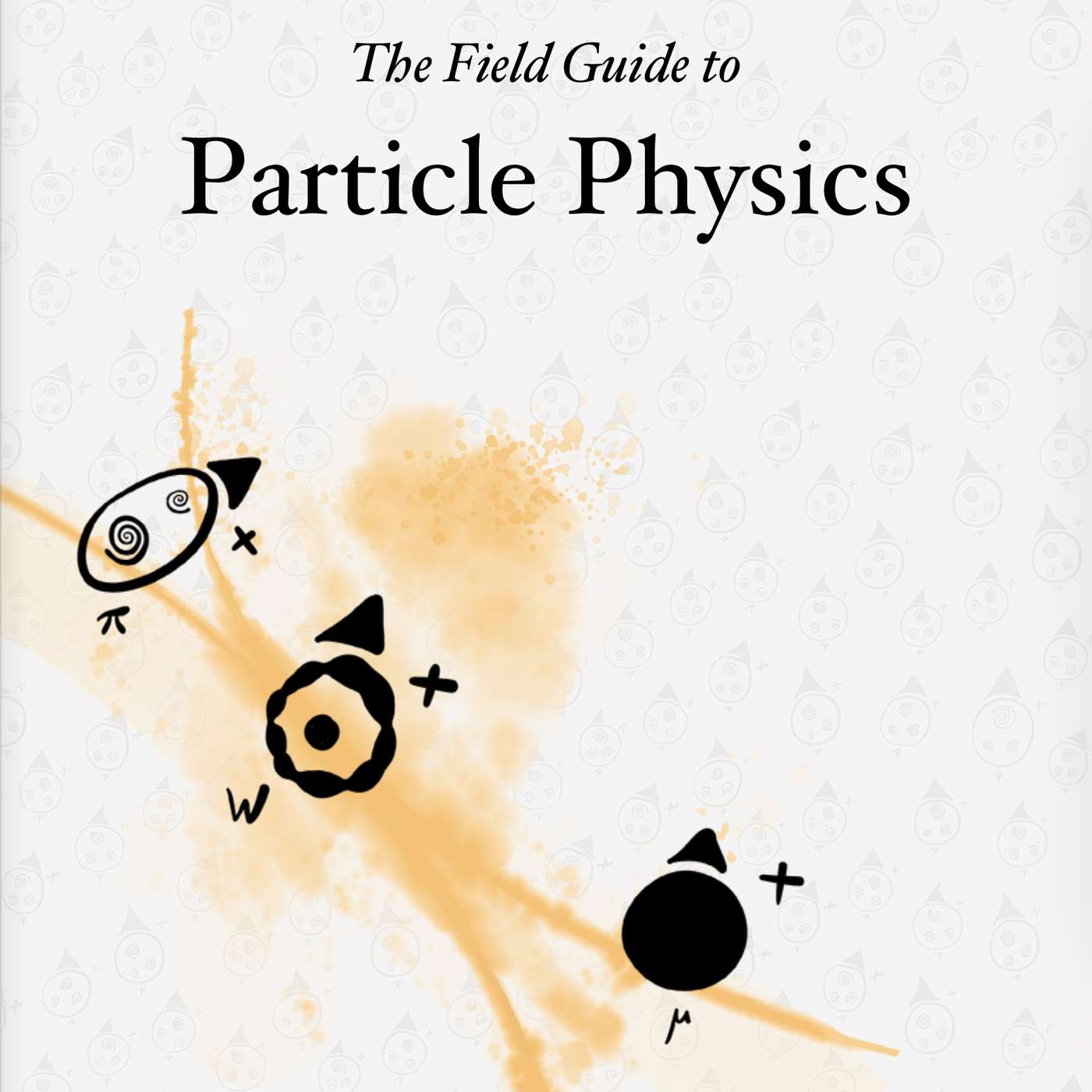 The Reason for Antiparticles | Antimatter is uncommon, but it’s not exactly rare. Antiparticles - especially those generated by cosmic radiation - are all around us, all the time. But just what is it doing here? As we discuss, the role of antimatter is fundamentally tied to our experience of reality. | 13m 00s | ||||||
| 11/4/22 |  Bonus : The Perils of Science Communication | Where do we draw the line between Outreach and Clickbait? | 15m 40s | ||||||
| 9/27/22 | 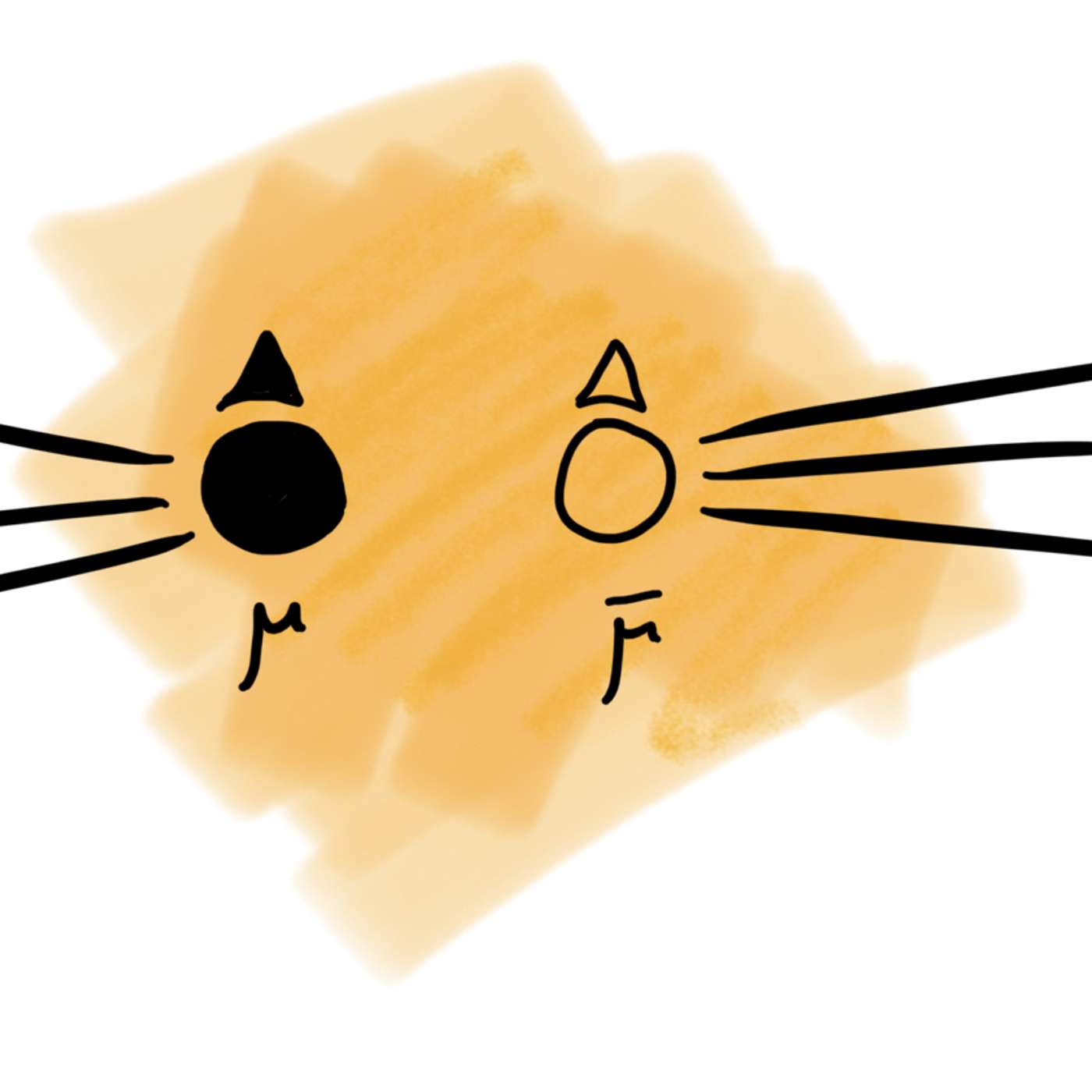 Bonus : The Physics of Muon Colliders | Novel technology and perhaps physics awaits us if we’re brave enough to build one. | 9m 33s | ||||||
| 9/22/22 |  Bonus: We should build a muon collider. | Particle Physics is a source of more than just fascinating questions. Today we give four important reasons why we should build another particle collider. Share these four reasons with someone, especially if they aren't bought in! | 9m 13s | ||||||
| 9/20/22 | 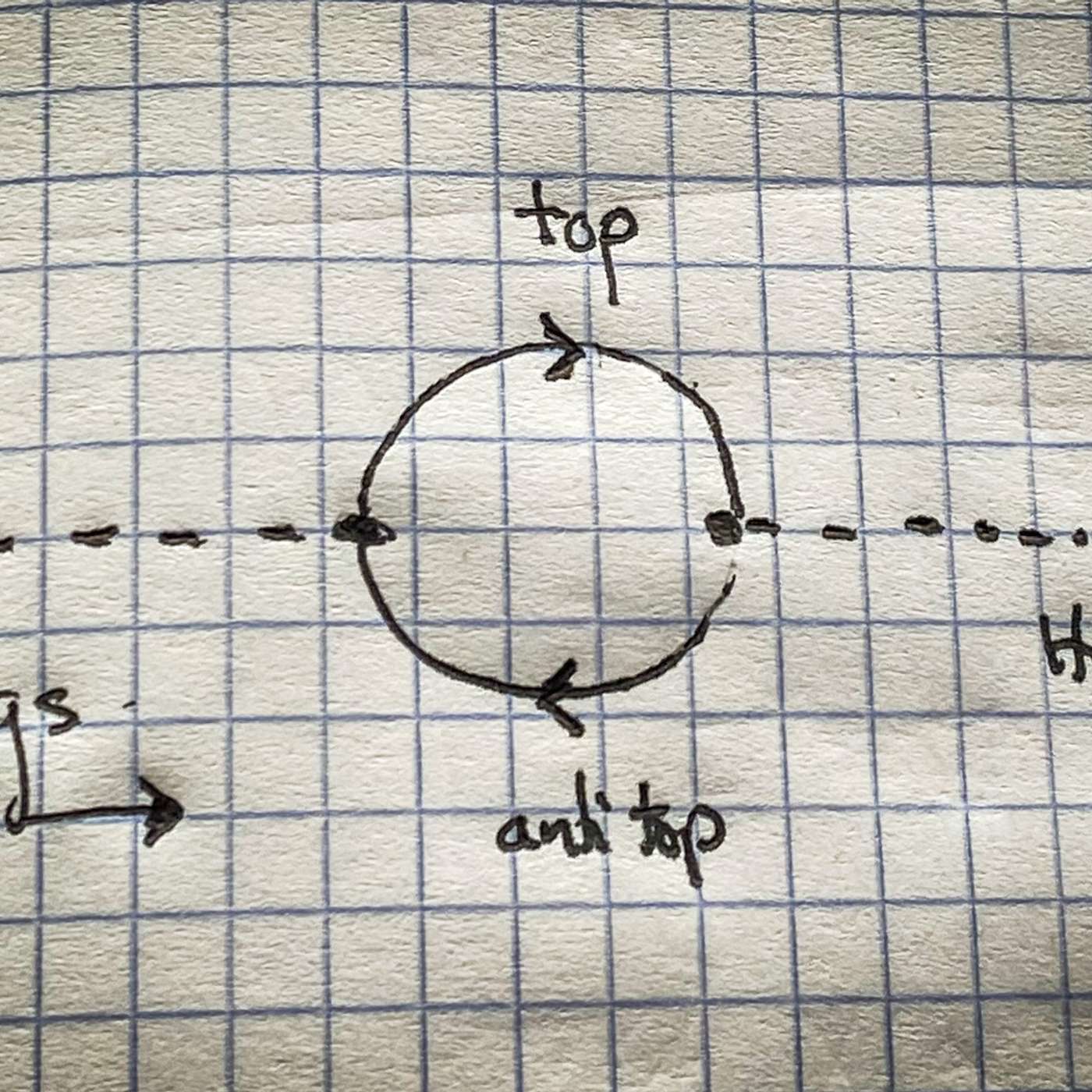 Bonus : Do we really need new particle physics? | A realistic, pragmatic look at the Standard Model of Particle Physics, and what might remain to be seen. | 18m 36s | ||||||
| 9/5/22 | 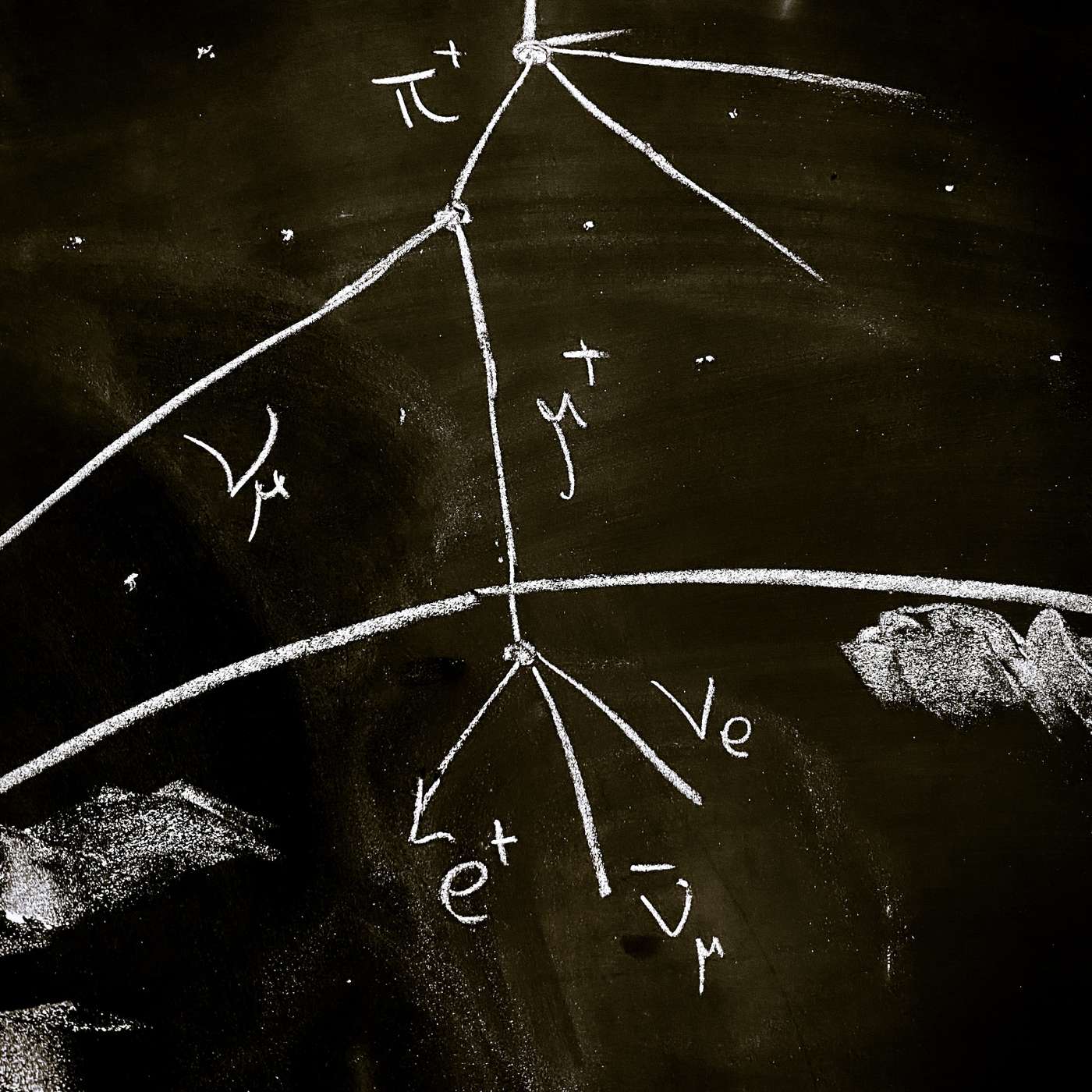 The Positron Excess | Searching for antimatter in the wild reveals a bit more than we expected. But only a bit. Are pulsars to blame? or is it Dark Matter? | 13m 54s | ||||||
| 8/16/22 |  The Antineutrino | Are there antineutrini out there? Yes, surely. But, a better question is what are antineutrini? | 11m 51s | ||||||
| 7/29/22 | 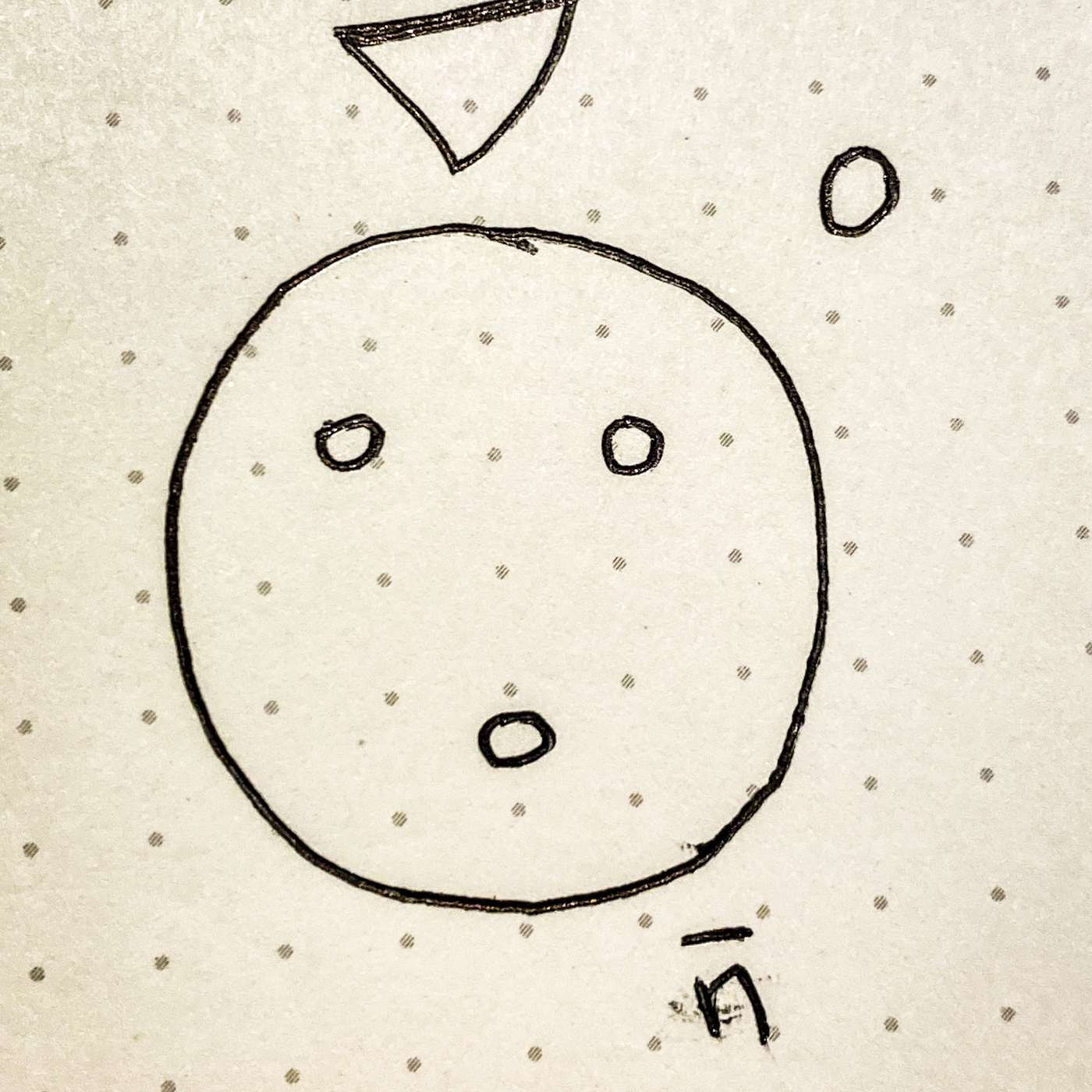 The Antineutron | Like the antiproton, the antineutron is a composite particle made up of antiquarks. It looks a lot like the neutron, and that’s pretty interesting because both of those particles have no electric charge! | 4m 48s | ||||||
| 7/27/22 | 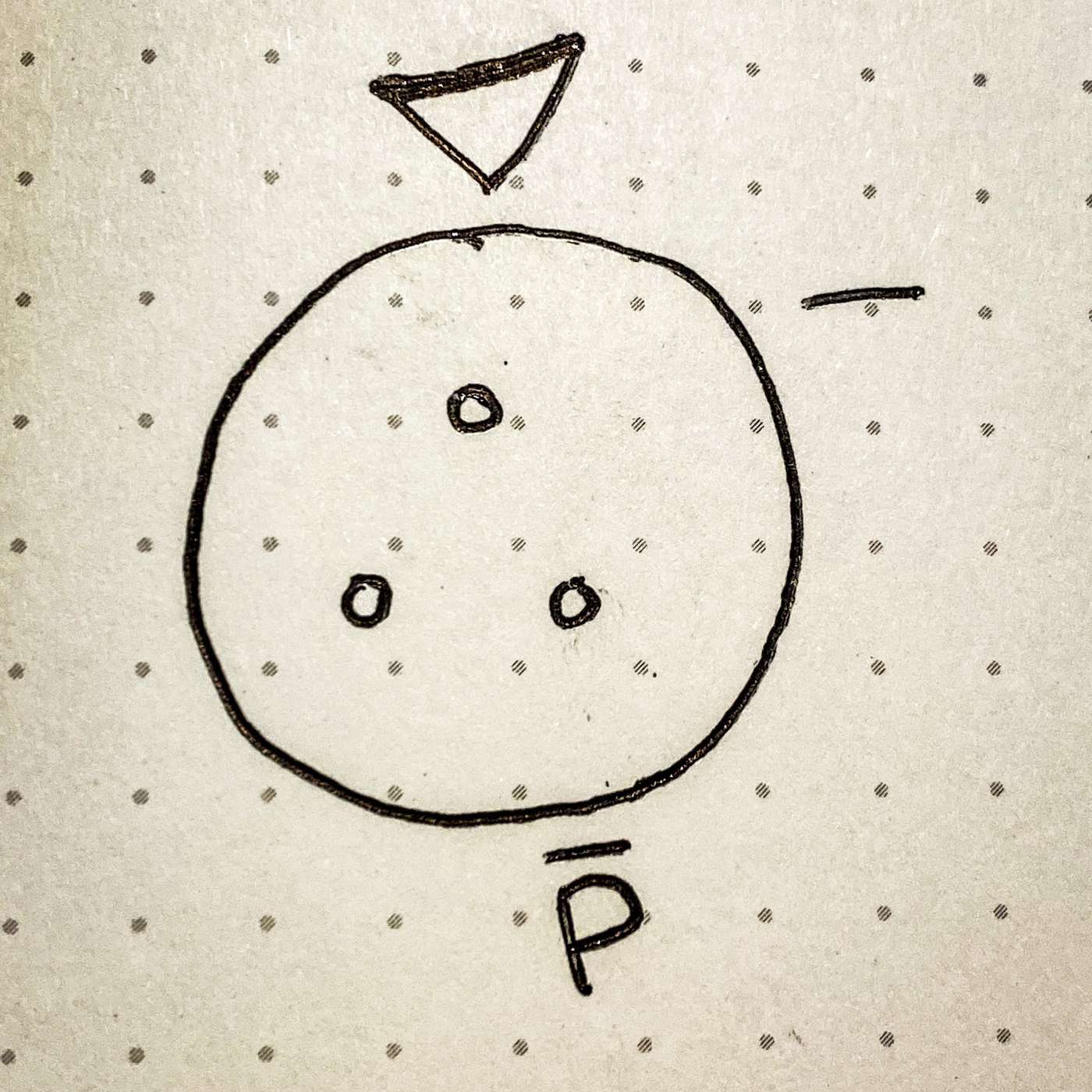 The Antiproton | Virtual pions and gluons and other quantum effects are all dressed up in the antiproton package around three valance antiquarks. That’s two anti-up quarks and one anti-down quark. The antiproton looks virtually identical to the proton - except that it has a negative electric charge. | 6m 55s | ||||||
| 7/21/22 | 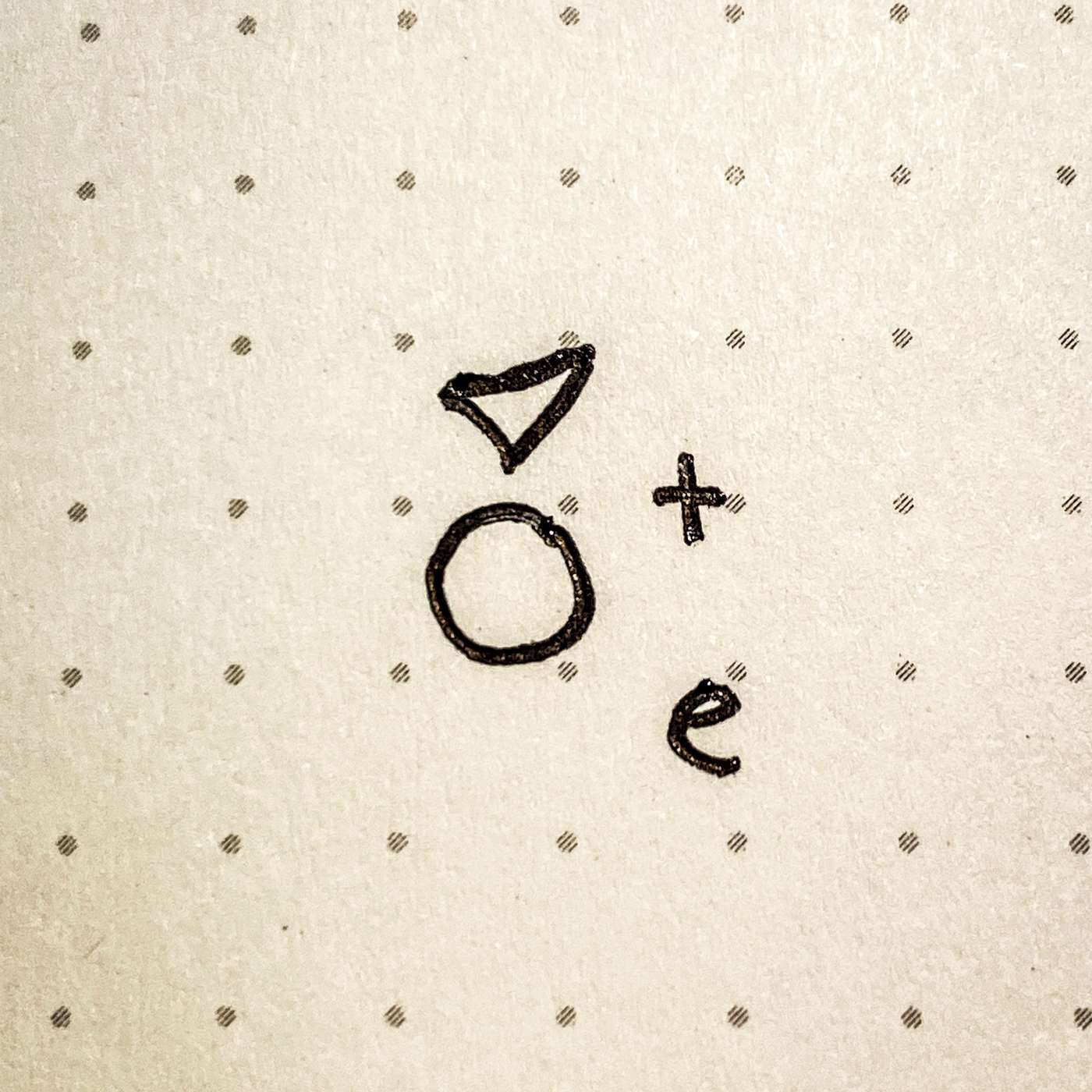 The Positron | The positron is the antiparticle partner to the electron. Like the electron, positrons are stable. They do not decay. But of course, we don’t see may of them around. | 5m 39s | ||||||
Want analysis for the episodes below?Free for Pro Submit a request, we'll have your selected episodes analyzed within an hour. Free, at no cost to you, for Pro users. | |||||||||
| 5/13/22 | Antimatter! : Season 3 Trailer | Introducing Season 3! | 1m 38s | ||||||
| 4/21/22 | The Impact of Particle Physics on the Moon | Planetary scientist Jean-Philippe Combe joints us to discuss the how cosmic rays and particles from the solar wind impact and affect the surface of the moon. | 16m 32s | ||||||
| 4/9/22 | Cosmic Rays : Part 4 : Paleoclimatology and Muons | When ice forms it traps air molecules with it. Ancient ice, trapped deep in glaciers near the Earth's poles can give us a record of what the atmosphere was like thousands - if not millions - of years ago. But only if we can calibrate the relationship between time and depth. Unlike sunlight, muons from cosmic rays can penetrate deep into this glacial ice, complicating this just a little bit. | 16m 47s | ||||||
| 4/3/22 | Cosmic Rays : Part 3 : Cosmogenic Muons and Special Relativity | Muons are all around us. Virtually all of them are the debris associated to collisions of cosmic rays from the upper atmosphere. We discuss why muons are present, and how their presence is a direct validation of Einstein's Theory of Special Relativity. | 12m 01s | ||||||
| 3/25/22 | Cosmic Rays : Part 2 : Plasma Physics | To explain the origin of cosmic rays, we discuss how out-of-equilibrium plasma physics can boost ions to extremely high velocities. | 13m 16s | ||||||
| 3/18/22 | Cosmic Rays : Part 1 : Particles from Space | The Cosmic Ray mini-series begins with the OH MY GOD! Particle. | 10m 03s | ||||||
| 3/4/22 |  The Omega Baryon | The Omega Baryon is the strangest particle we have encountered so far. It may also be the strangest particle known to Science, literally. | 6m 44s | ||||||
| 2/25/22 |  The Cascades | Prepare for trouble! And make it double! Today we confront the two Cascade or Xi /ksee/ baryons which each have a PAIR of strange quarks. | 6m 20s | ||||||
| 2/18/22 | 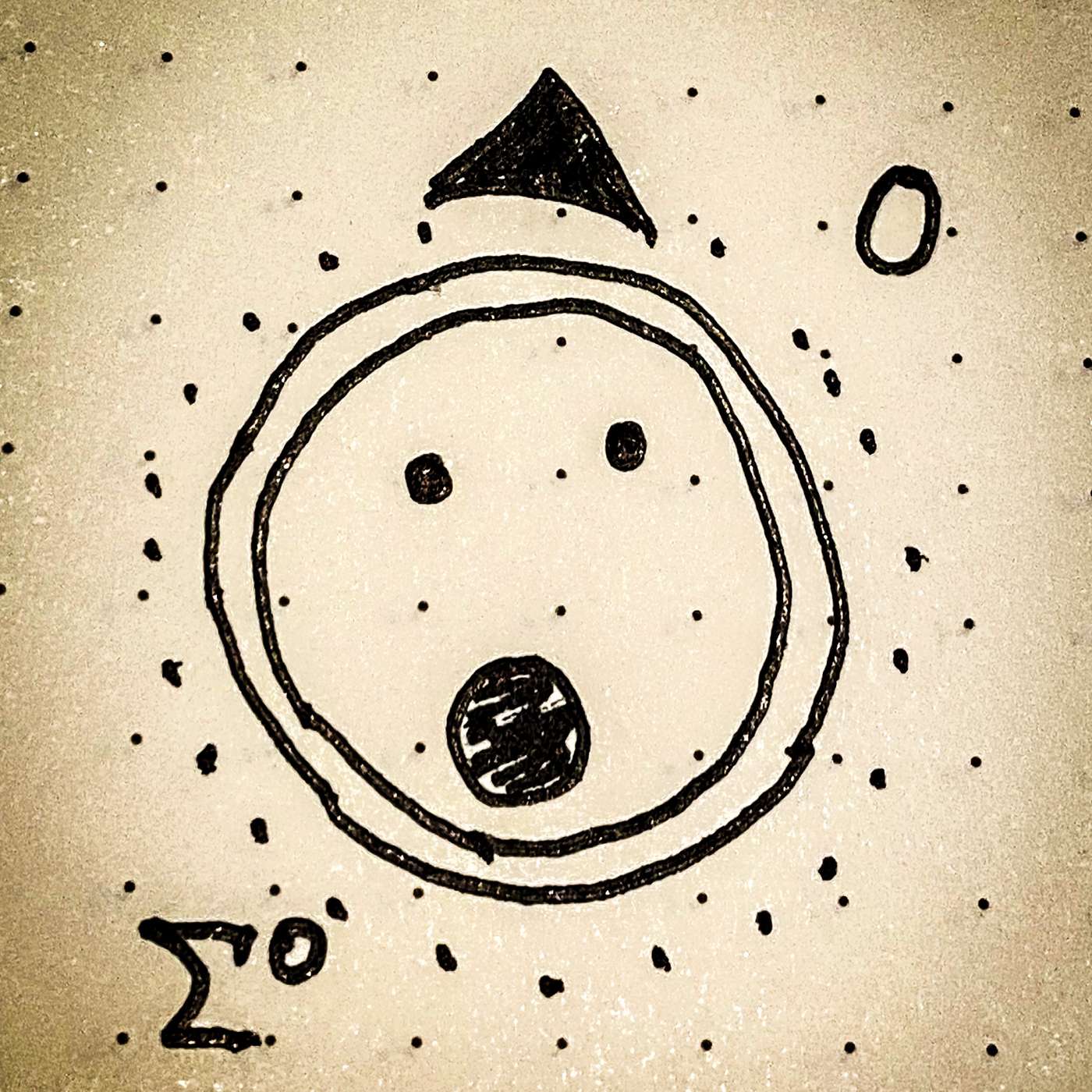 The Neutral Sigma Baryon | The Field Guide to Particle Physics : Season 2https://pasayten.org/the-field-guide-to-particle-physics©2022 The Pasayten Institute cc by-sa-4.0The definitive resource for all data in particle physics is the Particle Data Group: https://pdg.lbl.gov.The Pasayten Institute is on a mission to build and share physics knowledge, without barriers! Get in touch.The Neutral Sigma BaryonsIntroductionWeighing in at 1192 MeV, the middle-weight sigma baryon is also the the electrically neutral one.The Sigma Baryons are a trio of strange, slightly heavy cousins to everyday particles like the proton and the neutron. We’ve already talked at length about the charged Sigma baryons. Today, we’re focusing on their electrically neutral sibling, Sigma Zero.While the decay resistant charged sigma baryons - with their unusually long lifetimes - certainly qualify as “strange” particles, the sigma zero feels far less strange. At least at first.The Sigma Zero decays rapidly. Tens of trillions of times faster than its charged siblings Sigma Plus or Minus. If you’re into really small numbers, or just to measure time in seconds, that’s a decimal point followed by 19 zeroes before you get 7 and then a four. 0.000000000000000000074 secondsThat’s too short a time for us to fathom, but its about right for an unstable particle that heavy.Remember, it is STRANGE that the typical lifetime for strange baryons like Lambda Zero or the Charged Sigmas can be measured in nanoseconds. So why does the sigma zero baryon decay so quickly? OR why do we even consider it to be in the “Strange” family?DecaysOne reason to consider sigma zero “strange” is because it decays to a strange particle. Specifically, it decays, 100 percent of the time, to a lambda zero.In the process, the sigma zero throws out a photon - that is, a gamma ray - which itself might be hard to explain. You see, photons carry the electromagnetic force. Photons are passed around like baseballs between particles that have an electric charge. Photons can be thought of as building blocks for electric and magnetic fields. SO what business does the uncharged Sigma Zero - or Lambda Zero for that matter - have interacting with a photon?Electrically neutral pions, you might recall, decayed into a PAIR of photons. So perhaps it’s not weird. But pi zero decays were something of an anomaly. Literally. You might recall that pi zeros decayed to two photons because of the chiral anomaly. It involved these wild, quantum mechanical beasts known as instantons. Very nonlinear, very intricate, unusual stuff. In some sense, the neutral pion just vaporized into the electromagnetic field.This is decidedly NOT what happens with Sigma zero. It doesn’t vaporize. It just decays like any other particle. So what gives?To understand HOW an electrically neutral particle could spit out a photon, we have to look inside the baryon to that subnuclear goo of quarks and gluons.InnardsThe Sigma baryons are all bona fide strange particles, they all have a strange quark. Sigma Plus had two up quarks and a strange quark. Sigma minus shad two down quarks and a strange quark. Can you guess what a Sigma Zero has?One of each. Up, down and strange.But wait. Wasn’t the Lambda Zero ALSO made up from an up quark, a down quark and a strange quark? Well yes. And that fact explains in fact, why the sigma zero decays so quickly. It decays to the lambda zero because they both share the same number and kind of internal or valance quarks. As it turns out, the Sigma Zero is something of an “Excited” version of the Lambda zero. Internally, you might say that the up and down quarks are buzzing around in a slightly different configuration. A configuration with slightly more energy. They’re a little more spun up, as it were. That bit of spin energy gets released by the emission of a photon, leaving that bag of quarks and gluons with lower internal energy, otherwise known as the particle Lambda Zero.E = mc^2 after all just means that the MASS is proportional to ENERGY.Including PhotonsThe internal structure of the Sigma Zero also explains why an electrically neutral particle can throw out a photon. It’s just electrically neutral on AVERAGE. The average value of the electric charges of all the quarks is zero. But individually, they each have a charge.This brings us back to the story of the neutron. While the AVERAGE electric charge of a neutral baryon is zero, the electromagnetic field need not be identically zero.Like the neutron or the earth, the Sigma Zero baryon has a nonzero magnetic dipole moment. It probably should also has an electric dipole moment. All this means is that the electromagnetic fields kind of averages out to zero, but are still smeared out, in a way.And it’s these smeared out configurations that allow the Sigma Zero to throw out a photon and decay to a lambda zero. Or at least, that’s another fun way to think about it. | 6m 31s | ||||||
| 2/11/22 | 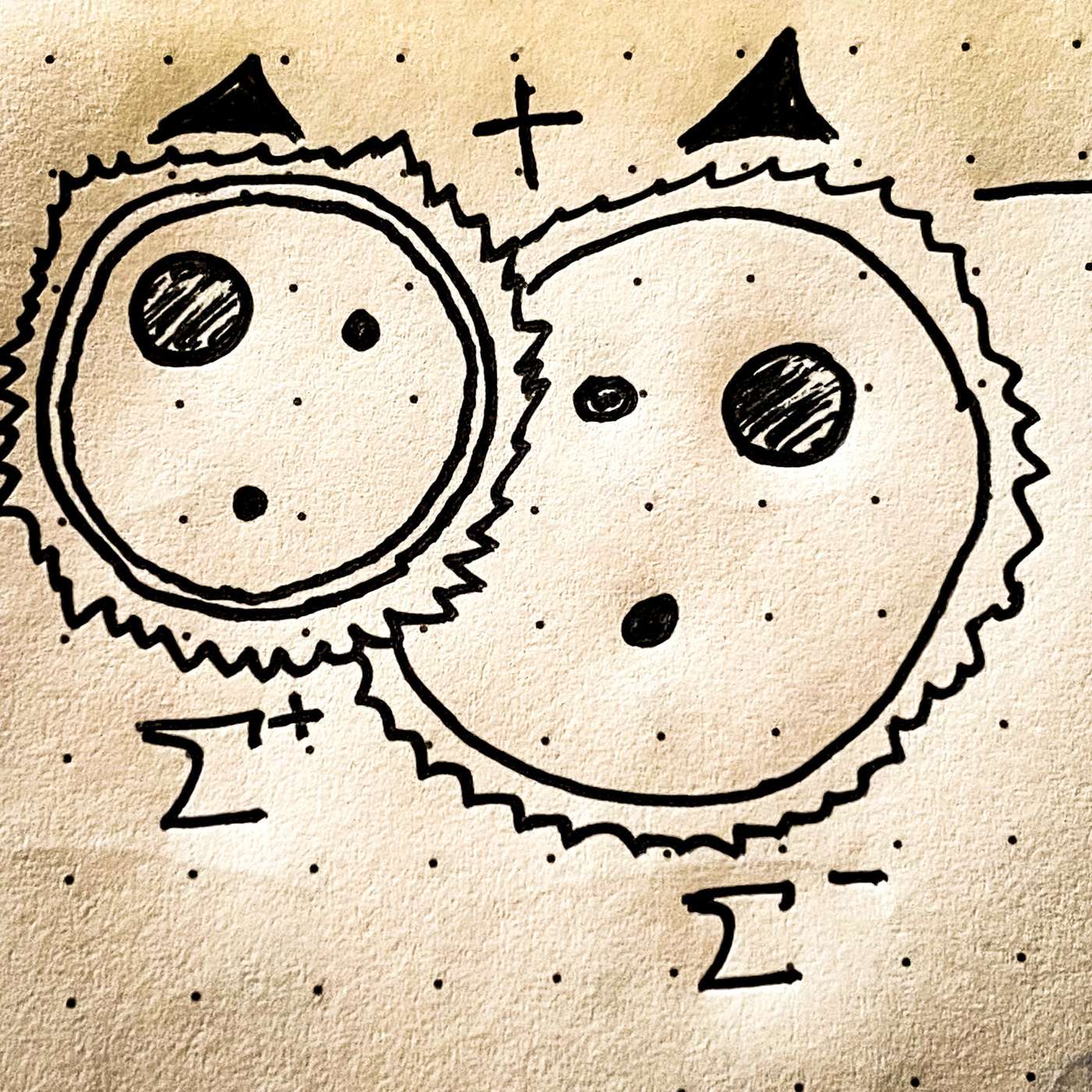 The Charged Sigma Baryons | The Sigma Baryons - that’s a capital Sigma - are a trio of slightly heavy cousins to everyday particles like the proton and the neutron. With masses of almost 1200 MeV each, it may surprise you that the physics of Sigma baryons feels much closer to a comparatively puny trio of pions. The similarities are helpful for building an intuition, but the differences are stark. While the charged pions are antiparticle partners, the charged Sigmas are anything but. | 9m 42s | ||||||
| 2/4/22 | 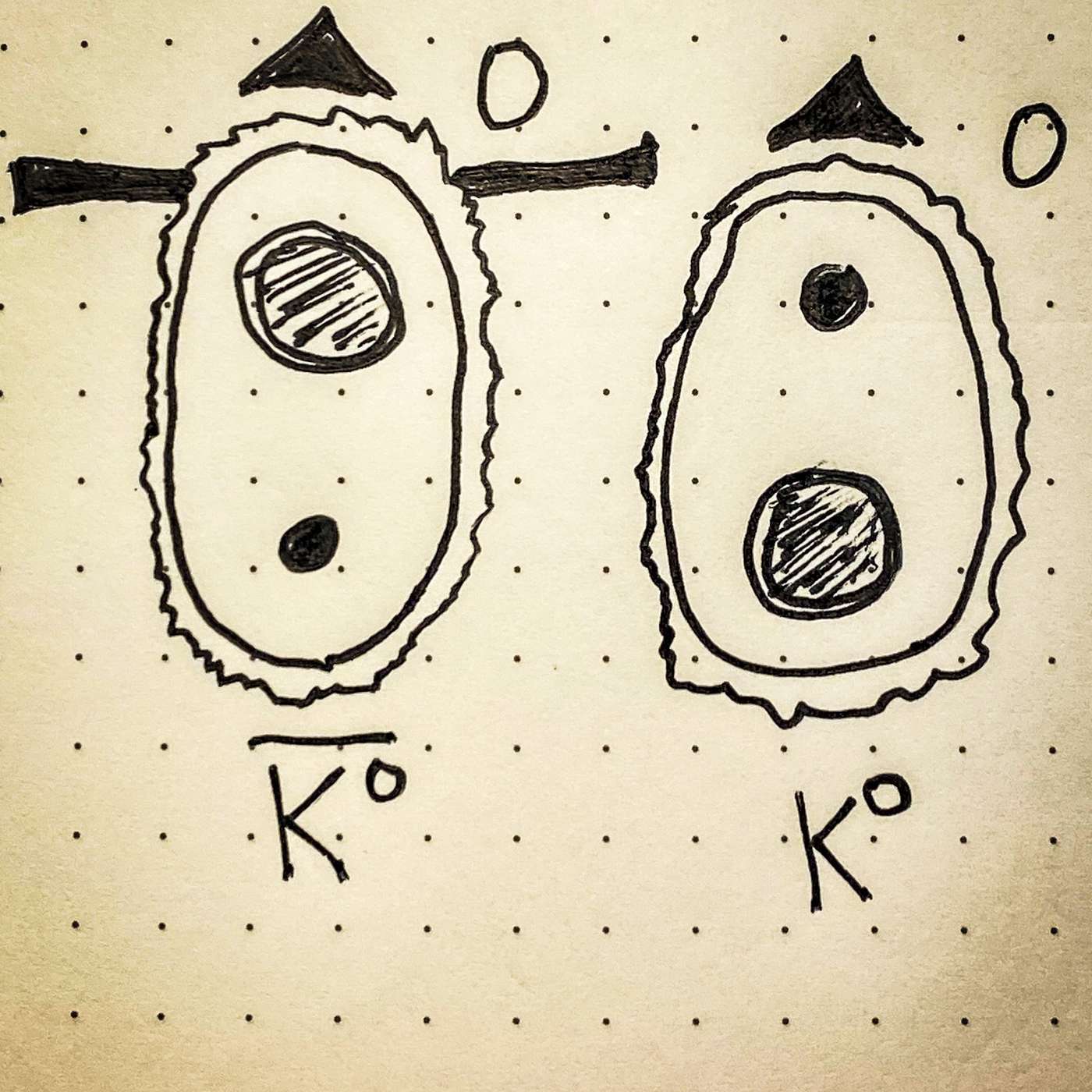 The Neutral Kaons | The neutral kaons are strange mesons that also live unexpectedly long. The difference between these two brings even more surprises. Their identities are a bit mixed up; they depend upon which nuclear force they're talking to. | 6m 56s | ||||||
| 1/28/22 | 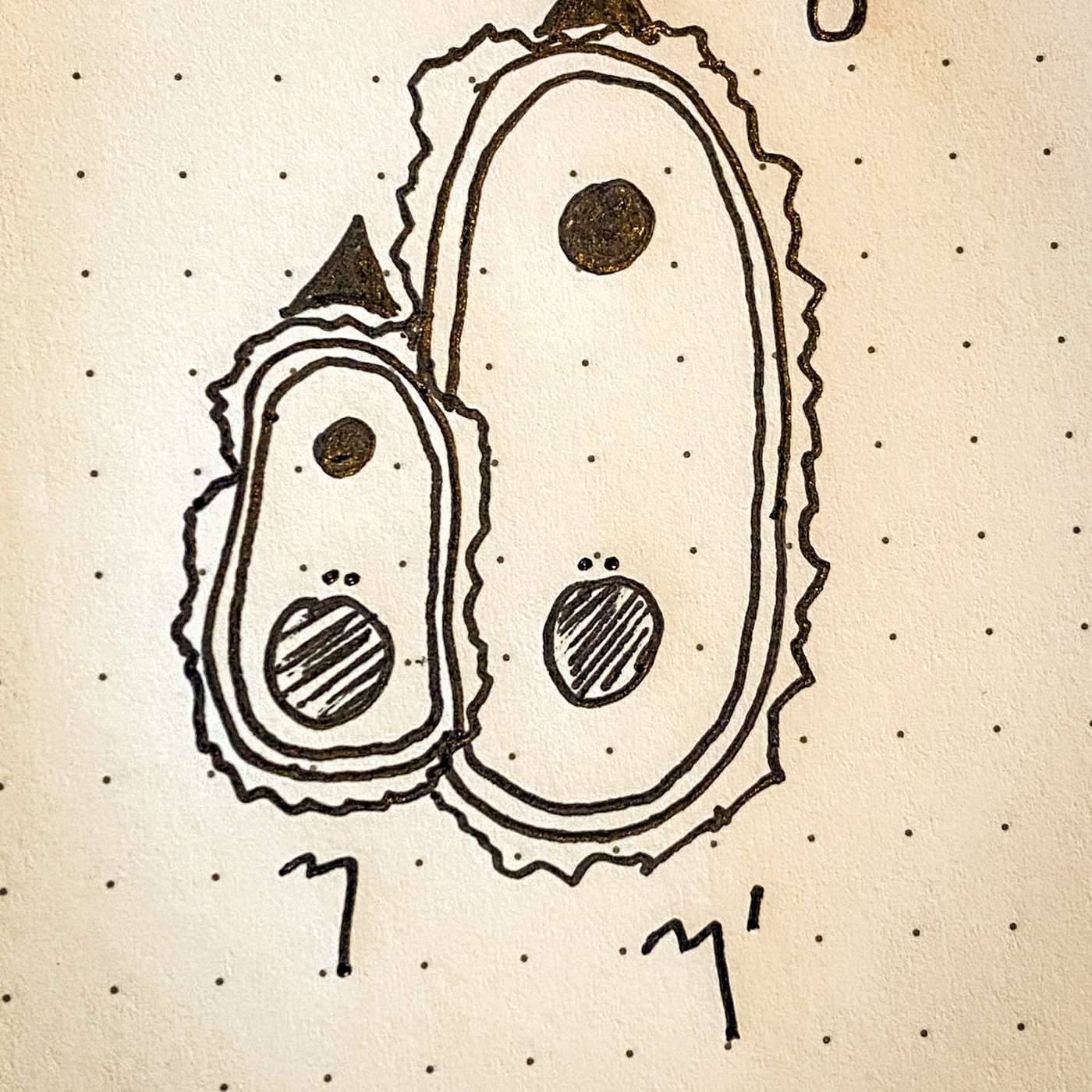 The Eta and Eta Prime Mesons | The Eta and Eta Prime particles are a pair of electrically neutral particles that were - for a moment anyway - the center of a fierce debate among physicists. | 5m 44s | ||||||
| 1/21/22 | 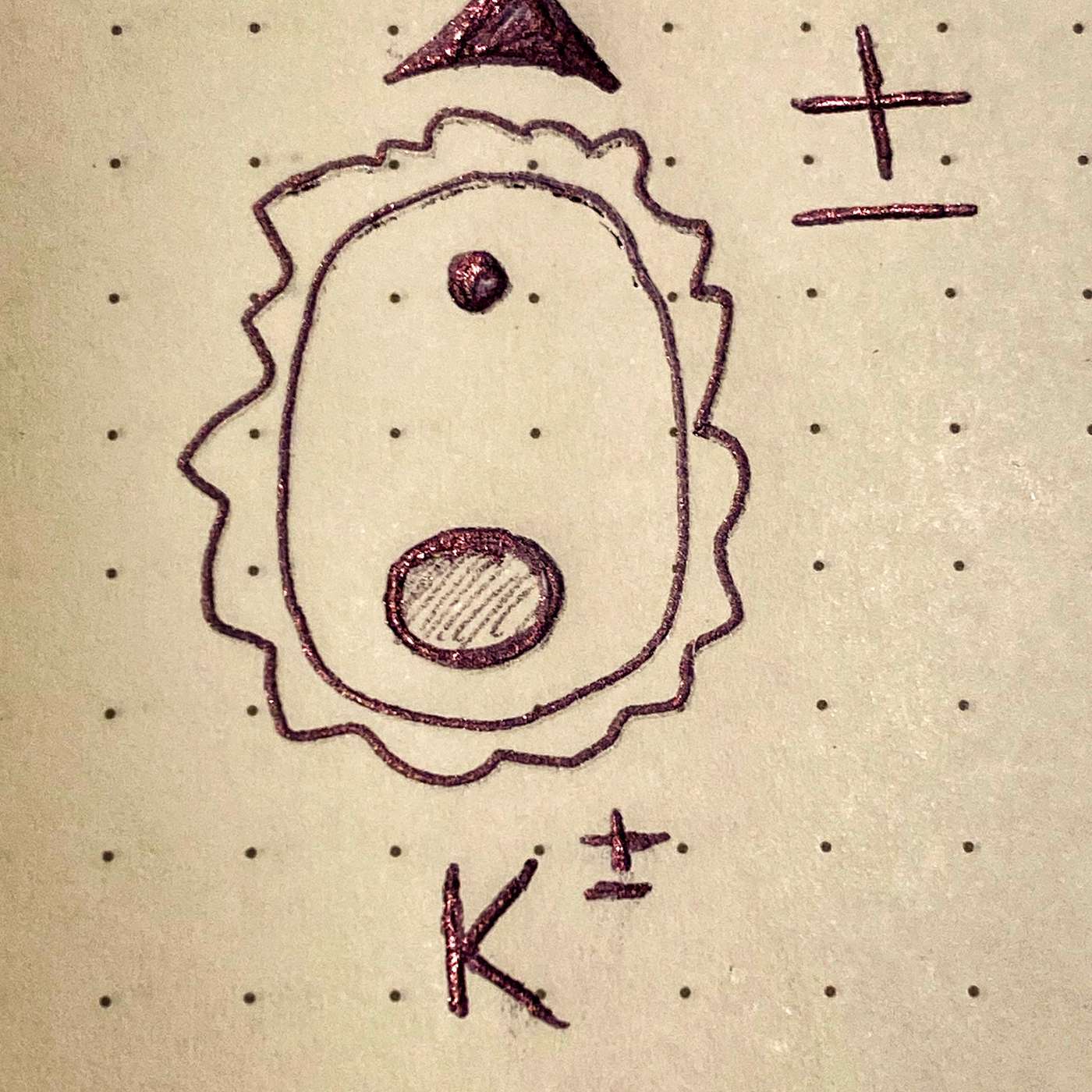 The Charged Kaons | Strangeness - as a property of particles - was an attempt to explain why some particles took a really long time to decay. By that measure, the charged Kaons are definitely strange. | 4m 02s | ||||||
| 1/14/22 | 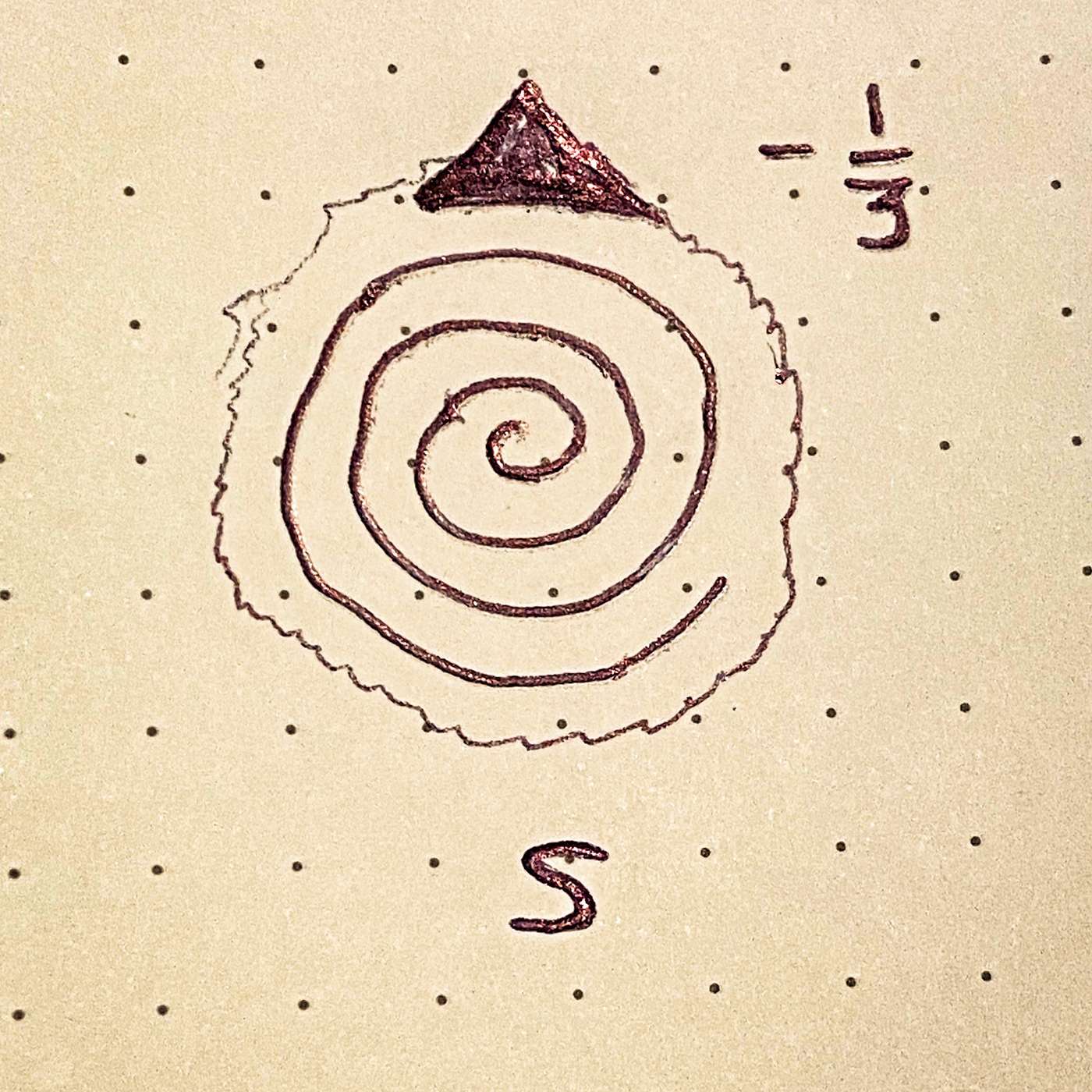 The Strange Quark | Quarks make up baryons like the proton and the neutron. Or more exotic things like the Lambda0 or the Delta++. Previously, we’ve learned about the up and down quarks - those fundamental constituents of matter like protons and neutrons. Today we’re learning about the third of the three light quarks - the strange quark! | 4m 41s | ||||||
| 1/12/22 | 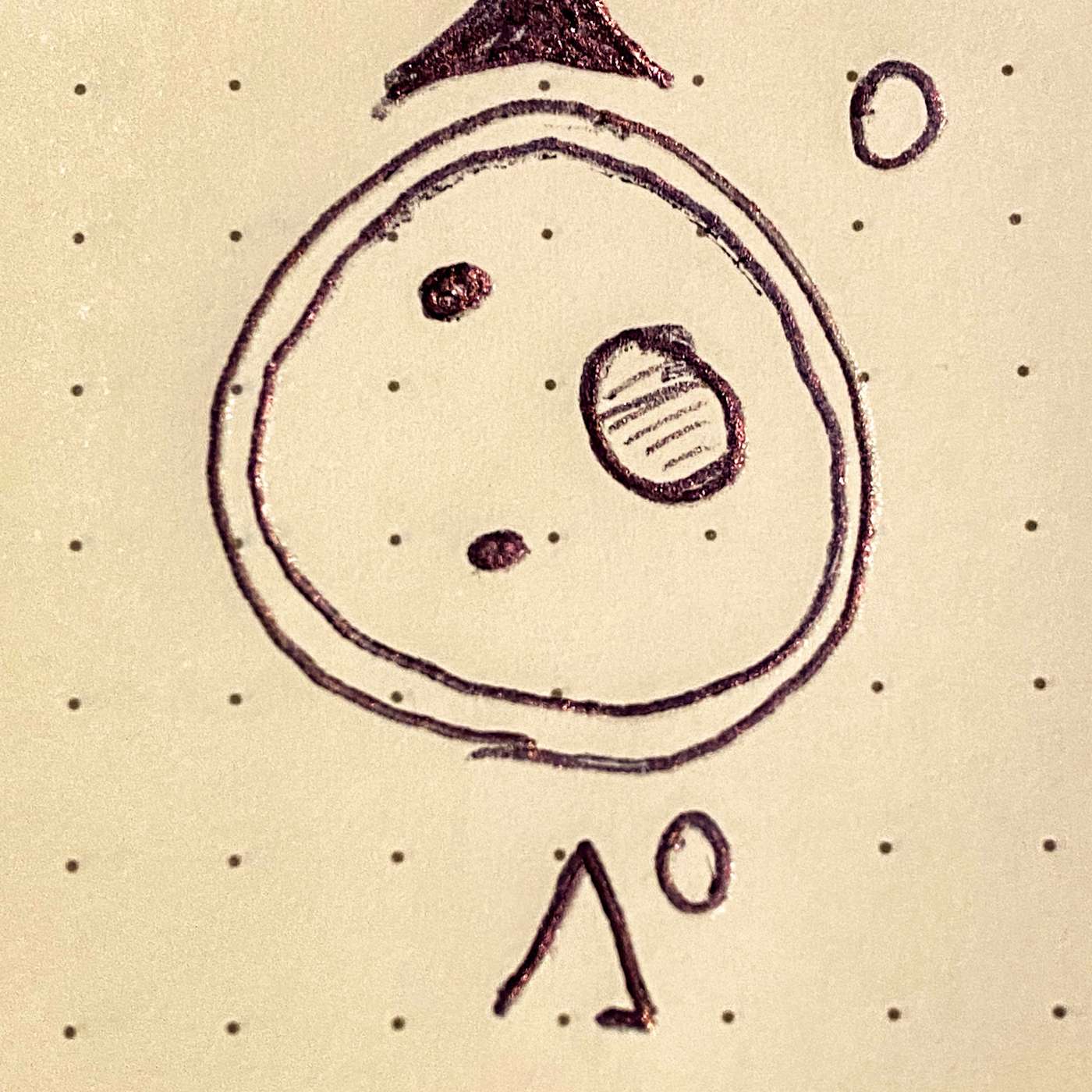 The Lambda 0 Baryon | The long lifetime of the Lambda 0 was so strange that physicists knew there was something special about that particle. It had a special property. And in the 50’s this new property of particles was showing up in more and more experiments. | 3m 25s | ||||||
Showing 25 of 49
Pitch Fit is a Pro feature
See how bookable this show is for guests, which brands already advertise, the per-episode ad value, and the best-fit guest and sponsor profile. The numbers are blurred on the free plan.
How readily this show books outside guests like you.
How proven this show is for host-read sponsorships.
For Guests
ProFor Advertisers
ProUpgrade to Pro to unlock guest cadence, sponsor categories, fit scores, and per-episode ad value for this show.
Chart Positions
16 placements across 15 markets.
Chart Positions
16 placements across 15 markets.