
The First Play w/ Matt Stone
by Matt Stone Enterprises
Is this your podcast?Insights from recent episode analysis
Audience Interest
Podcast Focus
Publishing Consistency
Platform Reach
Insights are generated by CastFox AI using publicly available data, episode content, and proprietary models.
Most discussed topics
Brands & references
Est. Listeners
Insufficient chart data. Estimates will improve as the show charts.
- Per-Episode Audience
Est. listeners per new episode within ~30 days
N/A🎙 Daily cadence·244 episodes·Last published today - Monthly Reach
Unique listeners across all episodes (30 days)
N/A - Active Followers
Loyal subscribers who consistently listen
N/A
Market Insights
Platform Distribution
Reach across major podcast platforms, updated hourly
Total Followers
—
Total Plays
—
Total Reviews
—
* Data sourced directly from platform APIs and aggregated hourly across all major podcast directories.
On the show
From 25 epsHost
Recent guests
Recent episodes
Lead the Whole Industry
Sep 2, 2026
9m 36s
A Different Font
Sep 1, 2026
13m 27s
Take Them on a Field Trip
Aug 31, 2026
12m 21s
Guardian of the Culture
Aug 28, 2026
11m 42s
Operator, Authority, Icon
Aug 27, 2026
11m 21s
Social Links & Contact
Official channels & resources
Official Website
Login
RSS Feed
Login
| Date | Episode | Topics | Guests | Brands | Places | Keywords | Sponsor | Length | |
|---|---|---|---|---|---|---|---|---|---|
| 9/2/26 |  Lead the Whole Industry | Lowe’s just assembled what’s being called the largest cross-sector skilled-trades coalition in the country — 75-plus members including NVIDIA, AT&T, Bank of America, and General Motors — aiming to help train a million tradespeople by 2035, against a projected shortfall of 2.1 million unfilled jobs by 2030. A company that sells the materials tradespeople use has an obvious stake in there being more of them. But what makes CEO Marvin Ellison’s move interesting to Matt is the diagnosis underneath it: part of the shortage is cultural. America spent decades selling college and white-collar work as the default path and quietly casting the trades as the consolation prize for people who didn’t succeed academically. Lowe’s isn’t just trying to widen the pipeline — it’s trying to change the status narrative. And changing the story, as Matt’s whole show argues, is often the real work.That’s the transferable lesson, whatever you sell. The most powerful growth strategy isn’t better selling — it’s leading your industry by bringing genuine value to the whole ecosystem and convening people around a cause that matters to you and to them. Do that, and selling gets easy, because you’re not just visible, you’re respected for what you bring. Matt (who once owned a painting business and has a soft spot for the trades) frames it as the outward-facing version of becoming a center of gravity: pull the field together around something real, and your reputation does the work. He opens the episode with a complementary signal from the media world — YouTube Live now commands roughly 60% of livestream watch time, a reminder that “live” and long-form are relationship media (people staying, connecting) while short video is merely discovery media. His reframe for the age everyone’s calling the creator economy: we’re not becoming content creators, we’re becoming connection creators. The question to sit with: in your lane and your community, how could you serve and lead in a way that brings real value to everyone in it? This is a public episode. If you would like to discuss this with other subscribers or get access to bonus episodes, visit mattstone.substack.com | 9m 36s | ||||||
| 9/1/26 |  A Different Font | Eileen Munoz spent nearly three decades in an insurance cubicle, never earning more than $70,000 and dreading Sundays — and when she finally quit in her mid-50s, she assumed the next thing would just be her old job “in a different font.” Instead, at 59, she’s doing around half a million dollars a year in the creator economy. Matt uses her story to puncture a myth he hears constantly from Gen X professionals: that cameras, TikTok, and social media belong to younger people. The data says otherwise (Fortune, citing Adobe, has pegged the average creator at around 40, and newer research suggests age can actually increase how much expertise an audience assumes you have). But Matt’s real insight is that the obstacle was never the camera itself. It’s never having expressed a point of view publicly — especially in service of your own business rather than an employer’s.That’s the deeper shift. Spend a career representing a company and you know exactly where the boundaries are; your point of view is a value used on someone else’s behalf. Strike out on your own and suddenly it’s just you, accountable not to a boss but to an audience — and for a lot of people that feels vain and unnatural, like walking around holding a mirror (Matt reaches for Miss Piggy). His fix is the one he’s built his whole practice on: skip the performance and just talk. He does interviews precisely to pull the point of view out of people, because a conversation feels natural where staring into a lens with no one in mind feels like screaming into an abyss. His own trick: he keeps a real listener in his head (he names his friend Tina, who he can picture smiling) so the mic becomes a conversation. He closes on the feedback loop — selling small items online gives you fast, brutal signal; bigger-ticket offers mean a longer loop you still have to nurture — and on the quiet power of being interviewed: it doesn’t just pull out your ideas, it reveals the limiting beliefs you’re using to talk yourself out of the thing you most want to do. The question: what’s your version of reinvention, and what media hang-up is standing in the way? This is a public episode. If you would like to discuss this with other subscribers or get access to bonus episodes, visit mattstone.substack.com | 13m 27s | ||||||
| 8/31/26 |  Take Them on a Field Trip | Matt’s thinking about jargon — the contagion of it. He traces his own history with it, from picking up the language of every industry he passed through to the intoxicating first year of law school, when a whole new vocabulary of Latin phrases made him feel like an insider. The problem is that insider language has an exclusionary effect, and it’s everywhere: he ran a quick search and pulled up the military-derived terms business swims in (war room, battle plan, boots on the ground, beachhead, kill switch) and the industrial-engineering ones (bottlenecks, throughput, feedback loop, stress test). Useful in their place — but even when everyone in the room shares the jargon, people glaze over.The antidote comes from an Inc. piece on Reed Hastings, analyzed by communication expert Carmine Gallo: Hastings repeatedly converts complicated leadership and AI ideas into simple, named metaphors. “Team, not family.” “Farming for dissent” — because a farm is something you never stop tending, always working the seasons and cycles, actively cultivating disagreement rather than passively waiting for it. The principle is to connect an unfamiliar idea to something the audience already knows, and to give important behaviors language people can remember and repeat. Matt is an unabashed devotee of the farm metaphor himself (a farm is simple to picture yet endlessly complex — soil, timing, seasons, one plant affecting another), and he widens the lesson: because we think in pictures, a vivid metaphor paints one, and even a spoken “imagine…” can lift people out of their jargon walls. His favorite frame for it is the field trip — that childhood jolt of wonder when the ordinary day cracks open into an adventure, a feeling we never outgrow. He notes this will be central to his upcoming “Iconic Introduction” program for established experts and executives leaving corporate. The prompt for the week: what jargon could you replace today with a metaphor or short story that takes people somewhere? This is a public episode. If you would like to discuss this with other subscribers or get access to bonus episodes, visit mattstone.substack.com | 12m 21s | ||||||
| 8/28/26 |  Guardian of the Culture | When Raj Subramaniam became only the second CEO in FedEx’s history — stepping out from under legendary founder Fred Smith, who died in 2025 — he did something telling: he wrote his own job description, and one central line in it was “guardian of the culture” Smith built. His promise, as Matt reads it, was that technologies, acquisitions, structures, and people may all change, but the cultural core will not. Matt’s skeptical by default of glossy CEO profiles (he says he’d want more data, and is only half-joking that he might just email Subramaniam and ask for an interview), but the sentiment lands, because it names the hardest problem in growth: when you start a company, your DNA, heart, and values are in it — and keeping that alive as you scale from five people to a thousand is brutally difficult.The thing most worth protecting, Matt argues, is trust — and it matters most precisely when you’re small and nimble. With few layers between you and your people and clients, the link between high trust and fast growth is close to causal (he points to Great Place to Work data, cited by Fortune, suggesting dramatically higher revenue growth in high-trust smaller companies). So how do you preserve it as the bureaucracy thickens? Through storytelling and aligned action. The stories we tell around the campfire reinforce our values — this is who we are, this is what we stand for — which is why PR isn’t all noise, and why the narrative has to be backed by behavior that matches it. Matt loves the small proof in the FedEx piece: their new DataWorks business traced back to an unsolicited white paper from a young employee, a thread from the past the CEO recognized and pulled forward. Get the story and the actions right, and you can change almost everything about how you operate without touching why. His weekend question is the one that ties the whole run together: everything else is fungible, so what are the few things in your enterprise that absolutely are not — and have you started making artifacts to preserve them? This is a public episode. If you would like to discuss this with other subscribers or get access to bonus episodes, visit mattstone.substack.com | 11m 42s | ||||||
| 8/27/26 |  Operator, Authority, Icon | An Inc. story caught Matt's eye — a bit of a puff piece, he's the first to say, but a revealing one: SEED Media founder Valeisha Butterfield gathered Fortune 100 and 500 executives on Martha's Vineyard for a "Corporate Creators" retreat built on a premise that would've sounded strange a few years ago — that senior executives should build an audience, intellectual property, and even independent revenue before they need them. Participants learned three paths (executive-facing creator, quieter domain authority through LinkedIn and Substack, or a non-social ecosystem of workshops and communities), and the detail that stuck with Matt: accomplished C-suite leaders starting with the basics, like getting comfortable speaking into a camera. It tells you this is a muscle even powerful people haven't built — and that developing a persona, distinct from but promoting the company, has gone mainstream at the highest levels.This is where Matt sharpens his own framework. The Bigger Stage is about turning operators into icons — but there's a middle step he names clearly here: operator, then authority, then icon. Authority means you have real power and influence inside a circle; people know you within the bubble, but you have no visibility outside it. The retreat is teaching exactly that authority-to-icon jump. And whether you're a Fortune 100 executive or a "corporate refugee" who left to build their own thing (Matt's thinking of a client finishing his book and eyeing stages and boards), the requirement is the same and non-negotiable: a point of view. Knowledge is cheap now; what's scarce is a point of view plus personality — a genuine perspective, grounded in real thought and experience, delivered by someone likable and energetic enough that people want to stick around. He nods to the individualization happening everywhere (Puck's big-personality reporters who collectively form the brand) and to why "personal branding" undersells it: it's really about which authentic part of your identity you pull from, for which audience, again and again. As his guest Jeremy Sirota put it, if you don't have a point of view, I can't help you. Matt's question: are you an operator, an authority, or moving into iconic? This is a public episode. If you would like to discuss this with other subscribers or get access to bonus episodes, visit mattstone.substack.com | 11m 21s | ||||||
| 8/26/26 |  A True Icon: Remembering Dolly Parton | Dolly Parton died this week at 80, and Matt — by his own admission not a devoted country fan — found himself moved to pay tribute, because if the word “iconic” means anything, it means her. This is a warm, reflective episode about a woman who transcended party, region, and genre, and who over many decades built something almost no one else could: a sprawling business empire that never once drifted from who she was. Matt walks through the arc — how she kept ownership of her songwriting catalog rather than just taking recording income (she wrote “I Will Always Love You”), then built Sandollar Productions, Dollywood, the Stampede dinner shows, resorts, and her own record labels — as a study in patience and consistency. It took decades, and every piece of it stayed true to her values.From that, Matt draws the qualities worth admiring and learning from. She was radically inclusive, but she led by showing rather than shouting — modeling love, kindness, and openness instead of wielding a hammer. She built experiences, not just merchandise: you could step into a world she designed. She was astonishingly consistent, owning a look so completely that only she could pull it off — proof that when you truly own your lane, people stop finding it strange and it simply becomes you. She never took herself too seriously, yet was tough as nails and whip-smart, with a graceful way of never stepping into a ring she didn’t choose. And she managed to be intensely public and genuinely private at once, giving people real access while holding clear boundaries. Matt closes on why losing her stings especially now, with the country’s unifying threads frayed — and on the invitation she leaves behind: to build our own stages her way, over the long haul, without ever letting go of love, kindness, and inclusion. This is a public episode. If you would like to discuss this with other subscribers or get access to bonus episodes, visit mattstone.substack.com | 12m 07s | ||||||
| 8/25/26 |  Be the Mast | The workforce is coming loose from its moorings. A Fortune commentary from the American Staffing Association’s chief economist reports that temporary help was among the fastest-growing job categories in 2026, up every month, with roughly one in ten new jobs this year being temporary — and the deeper point is that as employment becomes less permanent, the old assumptions linking company, career, and identity come apart with it. Matt reads that and sees confirmation of something he’s been feeling in the marketplace, right down to a tension in his own positioning: is he B2B or B2C? His answer is that the question is dissolving, because the people move. The professional you win as a client today, embedded in Company A, is increasingly likely to be fractional, contract, or gone tomorrow — which means even a B2B relationship is really a relationship with a person who’s about to change boats.So the strategic conclusion lands where the whole run has been pointing: build loyalty with people, not logos. When a client is a company, rising temporariness inside it shortens how long that company stays your client (unless you’re an Oracle or Microsoft with tentacles so deep that switching is too costly to risk). But when you build a genuine community — people who feel personally invested in you and you in them — they follow you wherever they go, even when they strike out on their own. Matt frames his own blended identity as the case in point: licensed attorney, consultant, media figure, someone who’s built businesses multiple times and can serve as concierge, counselor, advisor, and coach to people leaving corporate for the lonely, frustrating work of building their own thing. In stormy seas where people are constantly jumping from ship to ship, you want to be the mast with the flag they can point to and follow all the way through. His question: what does your community look like — and what could it be that would serve people even more? This is a public episode. If you would like to discuss this with other subscribers or get access to bonus episodes, visit mattstone.substack.com | 10m 14s | ||||||
| 8/24/26 |  What Would Your Pop-Up Be? | When Annabel and Emily Lui’s wholesale deals collapsed — right after they’d hired staff, leased production space, and bought equipment — the sisters behind British bakery Cutter & Squidge were down to about £15,000 and, with employees on the payroll, maybe a month of runway. They didn’t shut down. They poured what was left into a small physical pop-up, and that pop-up became the foundation of a fully bootstrapped business now doing nearly £8 million a year with around 50 employees and more than a million customers served. Matt pulls two threads from their story. One is the challenge they name themselves: scaling without losing the identity shaped by their immigrant parents and a childhood in the family restaurant — the fragile moment when a company grows past the garage and the founder no longer knows everyone, yet still wants it to feel like theirs.The other is the move that saved them, and it’s the heart of the episode: when you’re over your skis, the answer is usually radical simplification. Going back to the pop-up. For a solopreneur, that means fewer offers — try things quietly behind the scenes, and only put the winner on the billboard (it’s what big companies do with R&D, what Japanese firms do when they spin up a separate subsidiary to drill for oil). The pop-up’s real gift is the feedback loop: a little trailer with a window and no insulation between you and the customer, which is exactly how you discover and then hone your signature dish. So Matt’s questions are pointed. If you had a pop-up, what would it sell? What’s the one thing — the donut that outsells the rest — that draws people to you? What does your gut say, what does the data say, and how would you find out by asking the people who know your work? Radical simplification is hard to do alone, because it’s all about the feedback loop — the reason the best performers all have a coach and a camera on their swing. Go simple, drill down on your best thing, get it better than anyone else, and let the acceleration build from there. This is a public episode. If you would like to discuss this with other subscribers or get access to bonus episodes, visit mattstone.substack.com | 9m 46s | ||||||
| 8/21/26 |  The Attractive Nuisance | YouTube is changing the rules — counting a view the instant playback starts (so everyone’s numbers jump) while quietly making real monetization much harder to reach and keep. Matt uses the shift as a way into a bigger warning. Those inflated view counts will make people feel good about clicks that might say more about a thumbnail than the content, while the money moves further out of reach unless you go all-in as a full-time creator. And that’s the trap: if your goal is to make money directly from YouTube, the incentives can quietly turn you slavish to the platform, pouring in enormous time before you see a dollar. He borrows a term from tort law — the attractive nuisance, the beautiful pond that lures you in and becomes a drowning trap. Social media, he argues, is exactly that: you glance at it, decide everyone’s killing it, and start measuring yourself against a standard that’s completely unrealistic. He’s not preaching from above; he says he’s fallen into that psychological trap more than once.The way out is intention. These platforms are reward systems, and we’re deeply sensitive to reward — so treat them like drugs, used with care, for the right motives. Unless you have scads of time and genuinely want to become a platform celebrity, don’t try to out-create the full-time creators. Instead, pick one medium to cultivate and share your ideas — a podcast, daily writing, a short solo show like this one — build an efficient system around it, and spend the freed-up time on real relationships in real life: your networking group, breakfast club, wherever people actually gather. Matt’s candid about his own version: a tight morning process, research surfaced by an automated search, recorded and posted within minutes, done. And he closes with the reframe that ties the whole run together — the polished people you envy took years to become that. The pilot of a ‘90s sitcom looks flat; Kramer wasn’t fully Kramer until season two. Like a comedian grinding dive bars before the Netflix special, you need a sandbox to find who you are and pull out the marrow. The question for the weekend: are you using the platforms, or are they using you? This is a public episode. If you would like to discuss this with other subscribers or get access to bonus episodes, visit mattstone.substack.com | 14m 06s | ||||||
| 8/20/26 |  Trophies and the Troll | A new Boston Consulting Group study, reported by Fortune, found that only 40% of former CEOs of billion-dollar companies felt satisfied with their transition out of the role in the first year — and the biggest struggle wasn’t money or boredom. It was identity and relevance. Who am I when the title’s gone? Matt’s quick to say no one’s shedding tears for retiring CEOs, but he’s talking about it because he keeps meeting a version of this person who isn’t a retiree at all: the accomplished, seasoned corporate professional — sometimes former C-suite — who’s gone out on their own as a consultant and hit the same wall. They were great inside a company, where the work came to them, the title conferred standing, and the feedback loop told them they mattered. Out in the wild, those signals vanish, and rebuilding a sense of self without them is, in Matt’s long experience doing exactly this, no joke and no overnight fix.Then he offers the image that gives the episode its teeth. We all carry a troll — some core insecurity — and when you’re winning, you can line up trophies in front of it (the title, the pay, the status) and keep it quiet. Go out on your own, and suddenly the trophies are gone and the troll is getting fed, eating protein, building muscle, feasting while you stand there unsure how to project yourself. Matt’s message to anyone in that place: you’re not alone, it’s completely normal, and the way through is a self-awareness journey paired with a healthy dose of self-acceptance — because you may discover your old identity was quietly propping up an insecurity you never had to face. It’s work you generally can’t do alone, since you can’t see yourself. He gets a little raw at the end, invoking the moment in Lawrence of Arabia where you scream “I’m not an animal” — because sometimes you have to strip away the whole facade to reach the marrow of who you actually are, and from there you can finally grow. This is a public episode. If you would like to discuss this with other subscribers or get access to bonus episodes, visit mattstone.substack.com | 10m 43s | ||||||
Want analysis for the episodes below?Free for Pro Submit a request, we'll have your selected episodes analyzed within an hour. Free, at no cost to you, for Pro users. | |||||||||
| 8/19/26 |  The Clear Ask | Matt found a story in the AP that ties together nearly everything this show has been circling. Marisa Mender-Franklin was a teacher during the pandemic who dreamed of growing her own wedding flowers but owned no land. So she posted a single, specific ask to her local Facebook Buy Nothing group: she wanted a place to grow flowers. Her phone started pinging within minutes, and within a week she had roughly 40 offers of free space. Members began dropping cardboard and vases on her porch and volunteering to weed and plant. Today she runs Midtown Bramble & Bloom, oversees nine farm plots, employs ten people, and last year did 57 workshops and 44 weddings — built on the generosity of neighbors who wanted in on the dream.The line from her that stopped Matt: people like to help make dreams come true, and being part of an equal community means you also have to be willing to ask for help. That reciprocity is the part most of us miss. Matt pairs it with an anecdote a past podcast guest once shared — she’d worked for Amazon in France, assumed they’d have to pay small shop owners to host package pickups, and was told to flip it: the pickups would drive foot traffic, so the shops might gladly do it for free, even pay for it. Sometimes, asking for help is itself the gift. So Matt lands on two lessons. Make your asks genuinely specific — the sharper the ask, the more likely someone steps up. And stay open to the possibility that your request is a gift to the person granting it, because there’s real value you may be leaving on the table by only thinking about what you need instead of what they might need too. His prompt: what clear, win-win ask could you make in a community you belong to this week? Make it, and report back.Article link: https://apnews.com/article/flower-farms-sharing-gardens-buy-nothing-bartering-bc4c729304b053b21cf9b429045ddb12 This is a public episode. If you would like to discuss this with other subscribers or get access to bonus episodes, visit mattstone.substack.com | 8m 08s | ||||||
| 8/18/26 |  Become the Center of Gravity | Fresh from a doctor’s appointment and back on the mic, Matt reinforces the throughline he keeps landing on: building a business in 2026 is about community and events. His evidence is a Verge interview with Ben Smith, editor-in-chief of the news outlet Semafor, which has turned profitable in just a few years by doing what Smith calls an “anti-scale” business. Instead of the old maximum-traffic playbook, Semafor makes roughly half its revenue from convening — real-life events — and deliberately targets a specific, valuable audience of decision-makers rather than the largest possible crowd. The thesis Matt takes from it: it’s not about a million followers, it’s about a thousand people who matter to your business, understand why you matter, and are genuinely dedicated to you.From there Matt makes it personal and practical, drawing on more than thirty years in business development across everything from cold-calling to closing multi-million-dollar deals. Unless you’re selling a low-dollar commodity where price wins, you’re better off building a smaller, concentrated community and giving them things to do, places to go, people to meet. The goal is to become the center of gravity — the nucleus everyone interested in your topic orbits, the person they go to for information or an introduction, the one who’s there through thick and thin and refers people without being asked. That’s why “personal brand” feels too shallow to Matt; it’s not a brand you’re building, it’s a gravitational pull. And here’s the reframe that reorders everything: the content itself isn’t the pull. The environment is. The same post you’d have made six months ago performs better once there’s a gravitational field of real people around you talking about your work and sharing it. His prompt for the week: what’s the number one kind of value you can bring to your people with no sales motive, just service — because in that seed is a whole garden. This is a public episode. If you would like to discuss this with other subscribers or get access to bonus episodes, visit mattstone.substack.com | 10m 05s | ||||||
| 8/17/26 |  The Joy Compass | Matt kicks off the week with joy on his mind — no articles, no data, just one tool worth stealing. He’s three weeks into a book club run by his friend and colleague Shannon Hernandez around her workbook Practical Joy: Simple Tools to Cultivate More Joy Every Day, and last week’s exercise stuck with him. It starts from a feeling most builders know: waking up and wondering how you ended up doing so much you don’t enjoy, your schedule packed with meetings at the wrong times, pedaling hard and quietly asking whether it’s worth it. Even a little off-track, Matt notes, carries a high cost — and there’s no perfect fix, but there is a way to see the drift clearly.That’s the joy compass. Put a value that brings you real joy in the center — for Matt, it’s deep human connection — then draw the four directions. North is time: how does this value shape how you spend your hours? East is work: how do you want it to shape what you create, offer, sell, and how you operate? South is relationships: how does it shape the way you connect, collaborate, and ask for support? West is body and energy: how does it shape the way you care for your nervous system, your rest, your movement? Filling it out, Matt found himself reconsidering which meetings he takes and whether they should be in person, caught a blind spot (an auto-joining meeting recorder that quietly worked against connection with someone who wasn’t expecting it), and got the nudge to restart the Central Park walks that let him move and connect at once. Some of it revealed gaps; some of it simply validated what he already does for joy and reminded him to schedule the next one. His invitation: draw your own compass, find where you feel integrated with your value and where there’s a gap — because closing that gap is where a little more joy is hiding.More about Shannon here: https://joyfulbusinessrevolution.com This is a public episode. If you would like to discuss this with other subscribers or get access to bonus episodes, visit mattstone.substack.com | 10m 03s | ||||||
| 8/14/26 |  The Cake Is Already Baked | A Fortune piece stopped Matt this week: only 12% of family businesses stay in the family by the third generation. The Goldman Sachs chairman quoted in it argues the culprit usually isn’t a missing legal document — it’s optimism, founders who keep deferring the hard conversations about who leads, what control actually means, and what the next generation truly wants, until entitlement and assumption harden into a problem no contract can fix. Matt knows this one from the inside. In his past life helping teams navigate difficult conversations, he was once a finalist to come into a Midwest family manufacturer wrestling with a bitter succession handoff between two branches of the family. He could see it at the bidding stage: they were far too late. The cake was already baked.So he pushes the lesson way upstream, to founders in growth mode who can’t yet imagine an exit. Plan for succession from day one — and he means it broadly: selling, handing off, or something else entirely. The tool that makes it possible is the thing he’s been circling all along: your story and your meaning, developed early and harvested fully. Why did you start this? What’s the meaning underneath the business? The products and services will change; the underlying why, if you hold to it, won’t. That meaning becomes the foundation of your brand, reputation, and culture — it raises up the people who vibe with it and naturally repels those who don’t, which is exactly what you need aligned over the years and especially at the moment you hand it off. His question for the weekend: have you fully uncovered and written down the meaning behind your business — your North Star, your compass — clearly enough that if you passed it to someone tomorrow, you’d know whether they were in alignment with it? (He also teases what’s ahead: a new offering, fall and December events, a possible live podcast, and a roundtable episode with PR and marketing partners — insiders first.) This is a public episode. If you would like to discuss this with other subscribers or get access to bonus episodes, visit mattstone.substack.com | 9m 32s | ||||||
| 8/13/26 |  What's Your Repeatable Format? | Alex Cooper’s media company Unwell just took its first outside investment at a $500 million valuation, on its way, Matt suspects, to making her a billionaire. It started as one person (with a co-host) talking candidly into a mic and grew into a podcast network, live events, streaming projects, consumer products, and a creative agency. Matt’s quick to say this isn’t the path most of us are on, and he sets the controversy aside to get at the business lesson — because there’s one underneath the empire that’s genuinely transferable, no matter your scale.The lesson: find your repeatable format and commit to it. Cooper found a medium that let her show up over and over, hone her craft, and build an audience until she knew exactly who she served — and then she drilled in. That’s the move. What’s the format that lets a bit of your personality out, tells people where to find you in a chaotic feed, and lets you keep practicing? A newsletter isn’t one thing; it’s a blank palette for your unique expression. Same for a podcast, video, or audio-only. The magic isn’t the medium, it’s the repetition — Call Her Daddy has run many hundreds of episodes, and that consistency is what compounds. Matt reframes the goal, too: you don’t need Cooper’s millions, you need your first couple hundred true fans. Do it right and your audience becomes a market that becomes a community, and the overlap of those two is where the signal gets strong enough to tell you what to build next. It scales however you want — a media empire, or a two-person consultancy doing $3 million a year. The question is the same either way: what’s the repeatable format you’ll keep coming back to, fall on your face on, and show up for until the inflection point arrives? (Matt’s own answer is this show — still hovering around 50 Substack subscribers, and honest that losing even one stings, but growing across every platform, and he’s grateful you’re part of it.) This is a public episode. If you would like to discuss this with other subscribers or get access to bonus episodes, visit mattstone.substack.com | 12m 34s | ||||||
| 8/12/26 |  A Stage With No Rules | Matt traces his relationship with media back to its root. As a kid he turned everything into a microphone, pretending to be a talk show host; in junior high he and his friend David recorded fake radio shows on a brick of a tape recorder, complete with invented commercial breaks. That thread runs straight through to his first podcast, Connections That Matter, where every guest told him some version of “I learned so much about myself through this,” and onward to the solo-mic format he’s speaking into now. The point isn’t nostalgia. It’s that there are countless kinds of stages, and he’s spent his life getting to know the medium well enough to know that.Which sets up the reframe: growth for growth’s sake isn’t the point. A hundred people who are genuinely all in on you beats ten thousand who clicked subscribe and forgot — the TikTok sugar high gives broad, fleeting exposure without the long-term satiation, like a bad diet. So Matt has changed how he works: the first three months with a client now go to three questions — what are your real objectives, what’s your core story (backstory, origin, the story now), and what do the stages that actually make you happy look like? Because a stage doesn’t have to be a Tony-Robbins stadium with twenty thousand people walking on fire. It can be twelve people in a circle, an improv session that spills into Central Park, an outdoor adventure, a curated room in your own town, or a special online space you build from scratch. If the one you want doesn’t exist where you are, that’s not a dead end — it’s your opening to build it. He extends the same invitation to founders and CEOs: in a low-trust world, people crave real engagement and access, so what stage could you create where your clients, employees, and stakeholders actually feel seen? The closing prompt: if you had no rules, what would your stage look like? This is a public episode. If you would like to discuss this with other subscribers or get access to bonus episodes, visit mattstone.substack.com | 11m 05s | ||||||
| 8/11/26 | 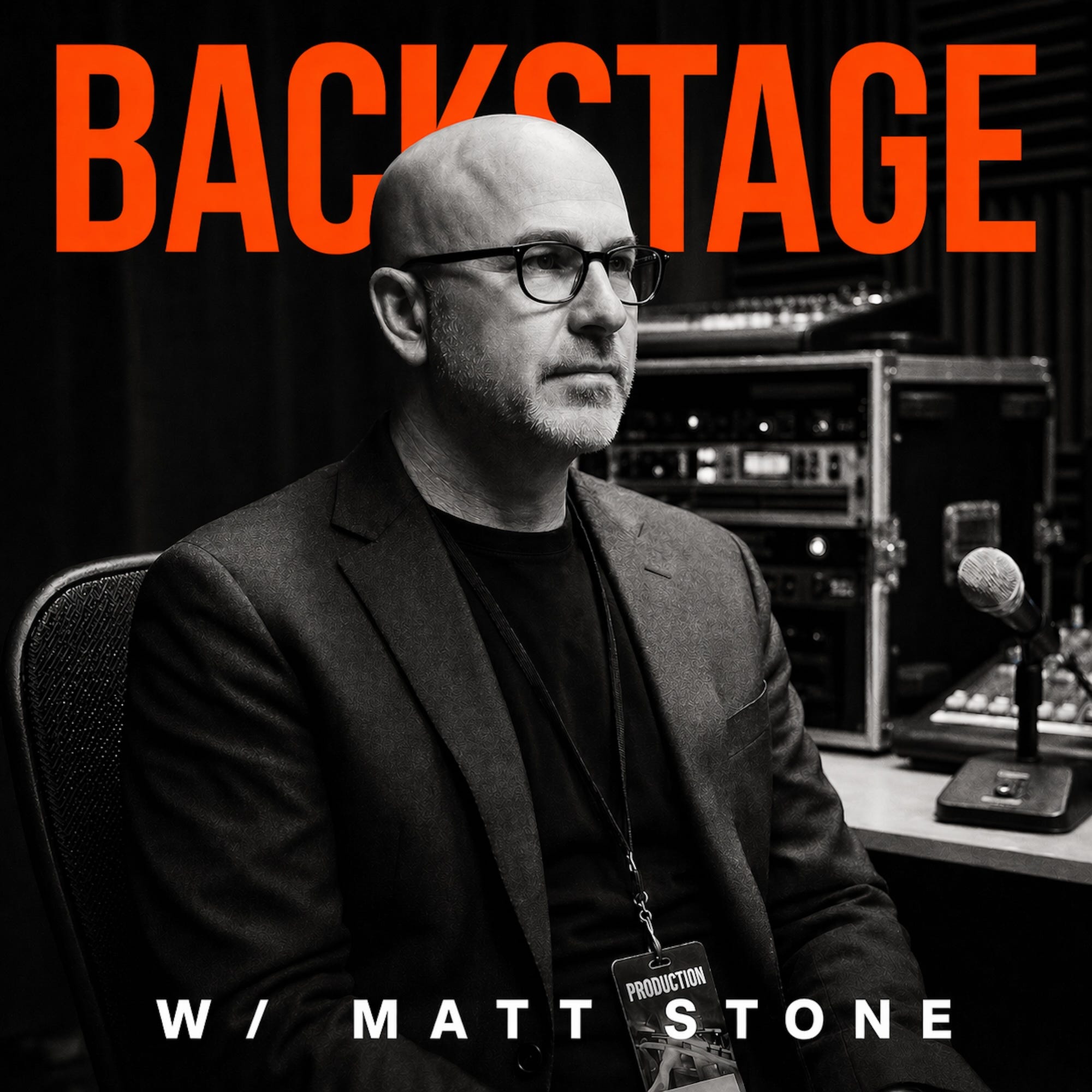 Which Lane Are You In? | Matt spots a tell in a Digiday headline: Zoom is leaning on creators to boost its AI search results. Zoom is Kleenex for video meetings, but it wants to be seen as a full end-to-end AI platform — and paid ads alone won’t rewrite that reputation. So it partnered with journalist-podcaster Nayeema Raza (30,000+ followers, a sponsored six-part series, a fall keynote at its conference) as a bet on authority and credibility, the very things AI chatbots weigh when deciding what to surface. In plain terms: it’s the new SEO. You used to pay Google to show up for keywords. Now the more third parties talk about you, the more likely a ChatGPT or Claude answer includes you. Zoom itself frames the strategy as earning a place inside conversations it doesn’t own.Here’s why it matters for anyone building a stage. When you post, you think you’re talking to your future client — but you’re actually feeding multiple constituencies at once, and one of them is now the AI systems assembling answers about your field. That’s the source of a tension Matt names precisely: if putting out content feels like mental jujitsu, it’s often because you’re instinctively trying to play several games at once, which is very hard to do well. His resolution is to choose your lane. Are you the creator building an audience you’ll monetize in multiple ways — consulting, services, collaborations, the real money that sits well beyond ad revenue? Or are you the company that needs to find and hire those trusted voices so you show up in more conversations? He points to the broader shift as proof: even in the speaking world, the data shows companies increasingly want a consultant who speaks — someone with follow-on services — over a speaker who just leaves behind a book, and a motorsport platform called Driven building community and personalities instead of leaning on algorithmic distribution. Everyone’s chasing the same thing in the attention economy: a real relationship with their people. Know which side you’re on, then build accordingly.Articles cited:https://digiday.com/marketing/zoom-relies-on-creators-to-boost-ai-search-results/https://www.sbnation.com/formula-one/1124318/driven-jenson-button-ben-collins-f1 This is a public episode. If you would like to discuss this with other subscribers or get access to bonus episodes, visit mattstone.substack.com | 11m 30s | ||||||
| 8/10/26 | 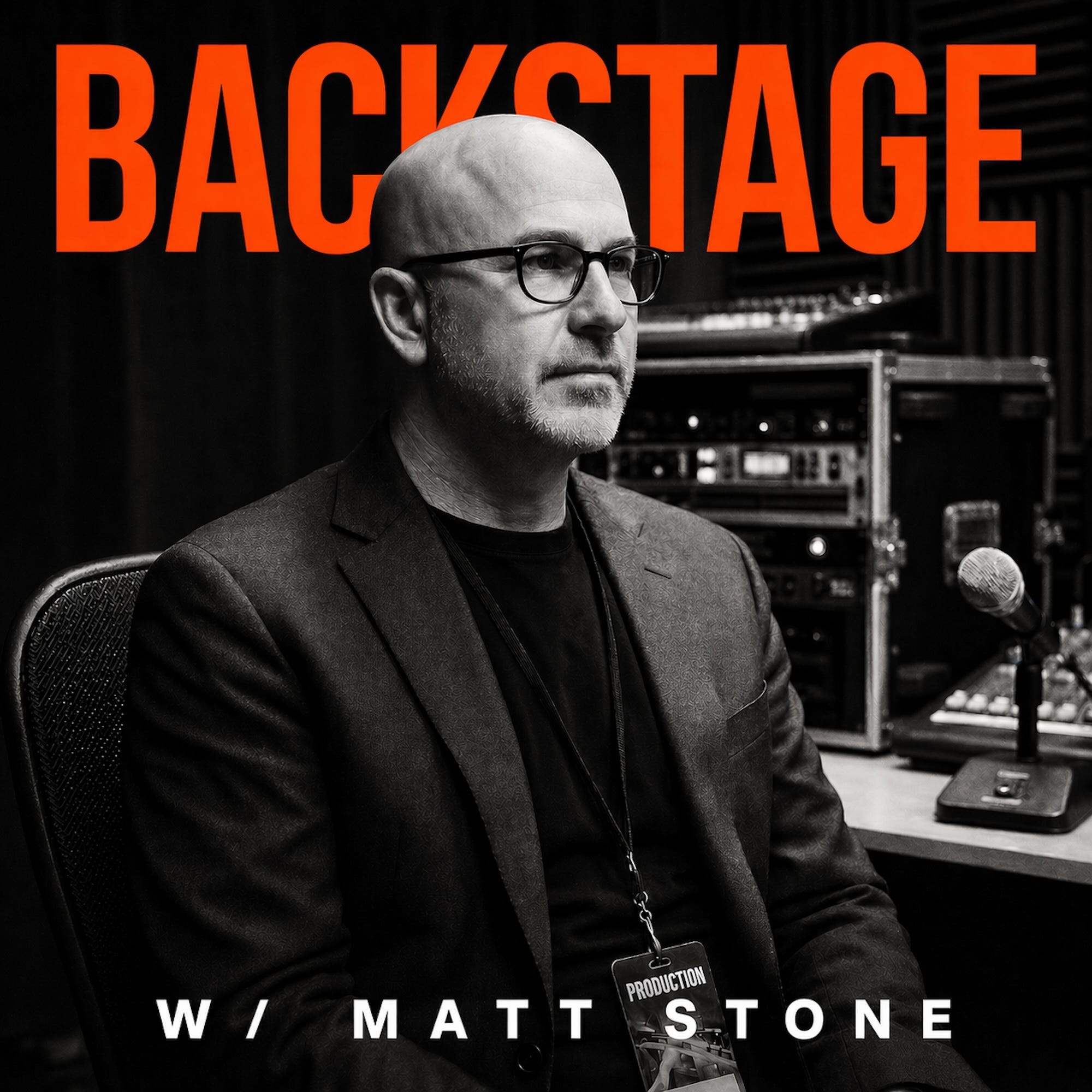 Beware enfeeblement | Bret Stephens wrote a New York Times plea this month titled “I’m Begging You: Never Write With AI,” and it clearly got under Matt’s skin — in the productive way. Stephens’ case isn’t about ethics (a citation handles that); it’s that writing with AI is mentally weakening, because writing is how we actually develop and test our ideas, and outsourcing it enfeebles us. Matt finds most of it compelling and lands, by his own admission, largely in Stephens’ corner. When he gets an email obviously drafted by AI, he can feel what’s missing: there’s no marrow in it, no nutrients in the dirt, no umami. The person isn’t in there.But Matt won’t go all the way to never. He’s honest that he uses AI to summarize this very show for the description box — it’s the reason he can publish daily — and he thinks that’s fine precisely because it’s an obvious summary of thinking he already did out loud, not a stand-in for the creative act itself. He draws the line elsewhere, with a sharp example: he tried a tool that studies your past posts to write in “your voice,” and it genuinely works. The trap is what happens over time — the more you let it write, the less of your actual writing gets pressure-tested by you, mistakes and odd little word choices and all. So each pass, the AI reaching for your voice finds a little less of you and a little more of itself, until what comes out is polished, vanilla, and useless. Noise. His frame for the whole thing is a familiar one: it’s like donuts. An apple cider donut now and then is a joy; deep-fried bread with sugar every single day is a problem. The question he leaves you with: where’s your line, and what are your priorities — because giving AI a few inches with your writing can quietly cost you a mile.Article link: https://www.nytimes.com/2026/08/04/opinion/artificial-intelligence-ai-writing.html?smid=url-share This is a public episode. If you would like to discuss this with other subscribers or get access to bonus episodes, visit mattstone.substack.com | 14m 39s | ||||||
| 8/7/26 | 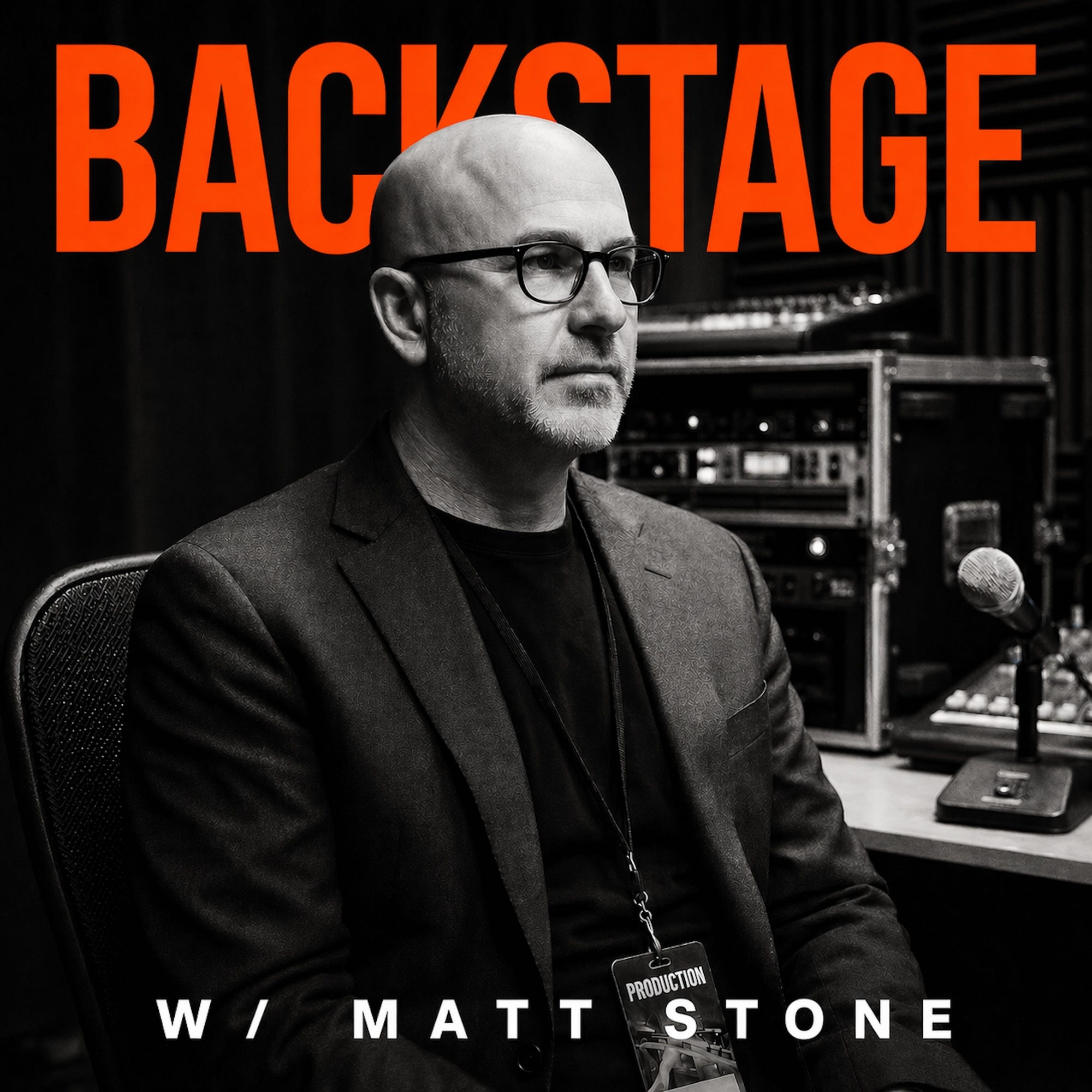 Whose God Are You Serving? | Matt earned LinkedIn Top Voice a couple of years back the hard way — no AI, just writing a steady stream of his own thought pieces until the editors noticed. So when he says he’s changed his relationship with the platform, it’s not sour grapes. It’s clarity. He walks through the thing most creators never reckon with: LinkedIn’s revenue engine is, and has long been, recruiting. Talent Solutions was nearly two-thirds of its revenue before Microsoft bought it and remains the largest segment today, and the platform’s newest AI hiring tools alone just crossed a $450 million run rate. That’s the god the platform actually serves. It wants everyone in the pool so recruiters pay a premium to fish in it — which is exactly why Top Voice badges, LinkedIn groups, and “post it and it’ll get shared” never delivered the community or the leads they seemed to promise. You and the platform are serving different purposes.So what should you do instead? Not abandon LinkedIn — keep it semi-fresh, publish a newsletter there, repurpose it to Substack and beyond — but put it firmly in its place and stop letting it eat your week. The deeper move is to tend your roots. Unless you’re an expat or living somewhere without a local market, the biggest quiet mistake Matt sees is neglecting local networking for the online kind: the grocery-store, coffee-shop, kids-at-the-same-school relationships are the strongest bonds, and your online presence works best when it reinforces those rather than replacing them. Underneath all of it is the fundamental he keeps returning to: none of the posting matters without a genuine point of view. Forced to choose between developing yours and cranking out AI content, he’d put the effort into the point of view every time. His end-of-week prompt: what is your relationship with the platforms you’re on — and are you serving your own life and business, or someone else’s? This is a public episode. If you would like to discuss this with other subscribers or get access to bonus episodes, visit mattstone.substack.com | 13m 52s | ||||||
| 8/6/26 | 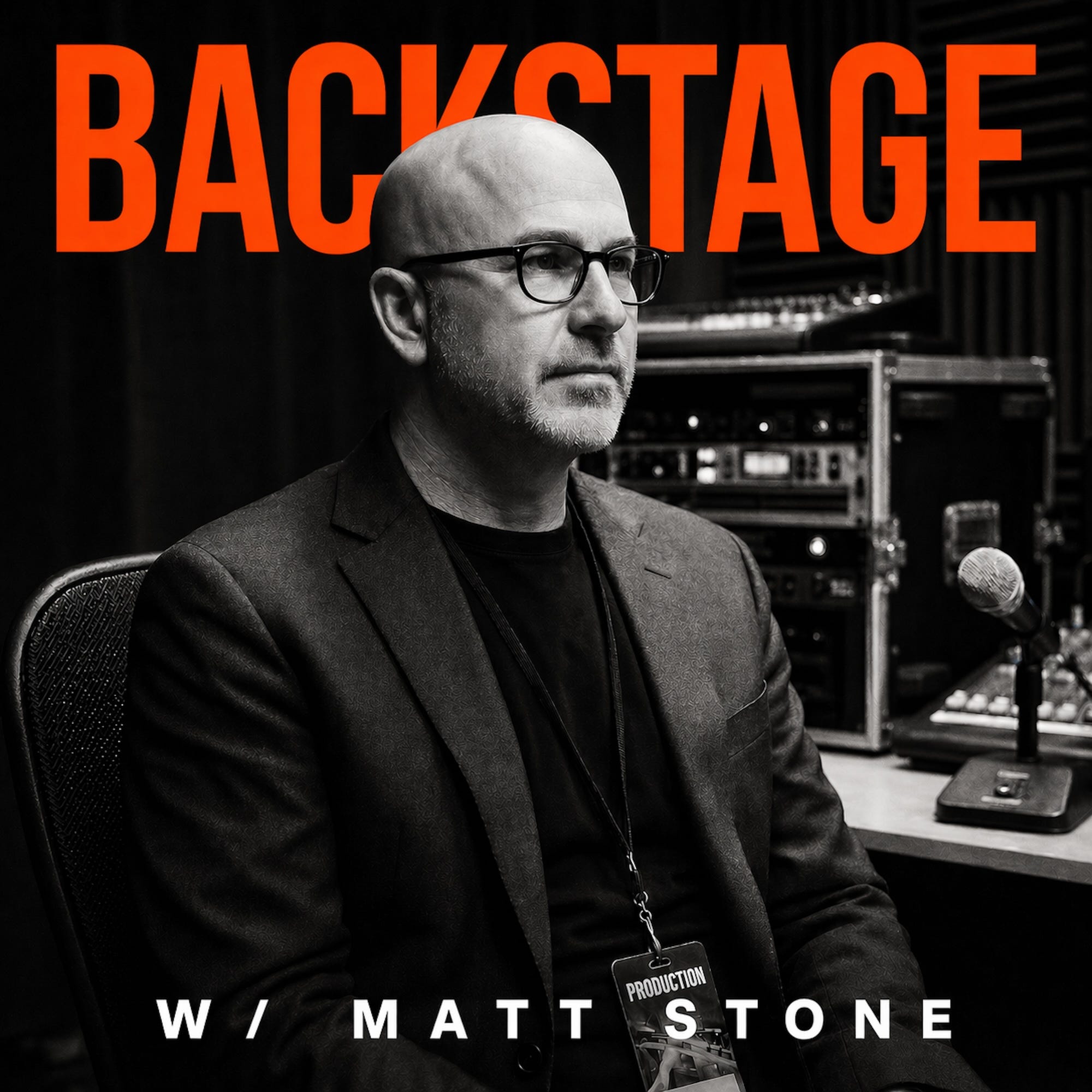 Credibility, Not Visibility | Matt’s been chasing a hunch with data: the speaking industry feels like it’s struggling, and both a (openly biased) vendor study and his own conversations with working speakers point the same direction. Some of that is just wind you can’t control — bigger trends blowing against you that have nothing to do with the quality of what you’re building. So where should your focus go? Not, he argues, down the black hole of social media. Go on LinkedIn and you’ll see polished content creators with big followings who seem to be winning — but notice what they’re almost always selling: marketing for LinkedIn, to an audience of people already on LinkedIn. It’s the most densely populated pool they could be fishing in, which makes their success a poor template for a consultant, coach, or founder whose real business lives off-platform.The reframe is the takeaway: social media is about credibility, not visibility. The data Matt keeps finding shows little causal link between content production and direct leads — while roughly two-thirds of people still report the bulk of their revenue coming from personal referrals, from people who already know, like, and trust them. So posting to be discovered is a frustrating game; posting so that when someone gets referred to you and checks you out, they find a real person with a track record and a few good thoughts — that’s the point. He’s blunt about the trap of engineering a post for 30% more engagement with zero evidence it yields 30% more quality leads, and about the danger of mirroring creators when you’re unsure what to do. The discipline he’s after: a light system for sharing genuine thinking without letting it devour your week, while you put your real energy into building and serving a community. Serve it, learn from it, and let what you learn become the content — a virtuous cycle. (There’s a squeaky chair. He knows. Oil is coming.) This is a public episode. If you would like to discuss this with other subscribers or get access to bonus episodes, visit mattstone.substack.com | 8m 54s | ||||||
| 8/5/26 |  They Never Know Your Name | Matt’s a year into building The Bigger Stage, and he uses this episode to define the word at the center of it: iconic. It’s not what most people assume. He starts with the state of the platforms — a growing body of reporting that people are posting less and pulling back from spaces that feel like performance, drifting toward smaller, participatory rooms where real relationship is possible. He’s blunt about the trap it sets for everyone else: there’s now a whole class of creators whose entire job is to live on an ecosystem and manufacture an image there, often curated to look uncurated (he remembers a law school classmate disheveled in all the perfect ways). If you run a business serving people off-platform, that polish is the wrong yardstick to measure yourself against — and forget the hand-wringing about whether “personal branding” is dead, because your brand was only ever your reputation, which will always matter.Then the switch that defines the term. Jordan Thomas lost both legs in a boating accident at sixteen and started a foundation from his hospital bed to get prosthetics to kids who couldn’t afford them. Years later, waiting at a prosthetist’s office, a woman named Shannon approached him: she’d seen his story on CNN, it moved her to adopt a child with limb loss, and her daughter turned out to be receiving support from his foundation. His line is the one Matt wants you to keep: the most powerful thing you can do as a human is have an impact on someone’s life and they never know your name. That, Matt says, is the real iconic transformation — the marriage of your point of view, your purpose, and your passion into a story that spreads when you’re not in the room and keeps working after your name falls away. The iconic language of The Bigger Stage was never about lights on you. It’s about what you do while the light is there, and who you help before it moves on. This is a public episode. If you would like to discuss this with other subscribers or get access to bonus episodes, visit mattstone.substack.com | 12m 14s | ||||||
| 8/4/26 |  Don't Surrender the Struggle | A British fiction magazine — Take a Break’s Fiction Feast, built entirely on human-written short stories for women — has started replacing its freelance writers with AI, and Matt thinks it’s about to backfire. Not just because readers tend to recoil from creative work once they know a machine made it, though he believes they will. The deeper mistake is the sequence. The magazine is having AI generate first drafts and bringing humans in afterward to approve them. Matt’s experience runs the opposite way: write your own rough, imperfect draft first, then hand it to AI to pressure-test, poke holes in, and suggest angles. Starting from a pool of pre-existing machine material and expecting something genuinely creative to come out isn’t how creativity works.From there he shares the principle he’s actively building his own practice around, learned years ago from a neuroscientist: your brain will focus on whatever you point it at. It’s tempting to drop a fragment of an idea into ChatGPT or Claude and get back something fleshed out and agreeable — but the moment it’s done for you, your brain stops processing. The missed opportunity is the struggle itself, because that’s what digs down into the soil of your thinking, your memories, how you actually see the world. And here’s the reframe worth keeping: you can set your brain on a problem the way you set an AI agent running and walk away — pose the question, do a little writing, then go live your day and let it work in the background. Writing is how you start that process and keep molding the idea like clay, where no two pieces come out the same. His prescription for a world drowning in synthetic content: use the tools for processes, files, and organization, but reserve the majority of your creative thought for yourself. Nurturing ideas takes time — are you willing to put it in, a little every day? (He also mentions he’s investing more heavily in Substack and building community there, so that’s the place to drop him a note.) This is a public episode. If you would like to discuss this with other subscribers or get access to bonus episodes, visit mattstone.substack.com | 9m 44s | ||||||
| 8/3/26 |  Put It in Your Pocket | MySpace is coming back. The owners (who bought the site in 2011) have been sitting on the once-dominant platform for years, and they’ve just confirmed they’re relaunching it — not because they rushed to revive it, but because they’ve been waiting for the right moment, and they think the moment is now. Their bet is that people are exhausted: worn out by algorithmic feeds optimized for outrage and addiction, and increasingly describing Instagram, TikTok, X, and LinkedIn as places they go to perform rather than connect. Layer on an internet flooded with AI content nobody’s sure is real, and you get a growing pull toward smaller rooms — Discord servers, Substack, group chats, niche forums. Matt felt a version of it himself over the weekend, watching a labeled “government survey” call ring twice and letting it go, because so much now is faked as real that the default response is simply to disregard.The lesson he draws is the one worth pocketing. The projects you research, start, maybe even have a little success with, and then set down aren’t dead — they’re part of your repertoire, waiting. Sometimes an idea isn’t weak; the timing is just wrong, and conditions change. So keep two things going at once: don’t stop creating new stuff, and don’t count the old stuff out. Dust it off now and then and ask, is this relevant now? It might just be. He connects it back to the through-line he keeps returning to: as fake content multiplies and the cereal aisle of options stretches a mile long, the premium moves to whatever makes people feel human — the talk, the story, the experience that helps someone see themselves and feel connected to you and to others. Even in tech. Especially in tech. The question to carry into the week: what project could you take another look at to give yourself an unfair advantage in the conditions you’re in right now? This is a public episode. If you would like to discuss this with other subscribers or get access to bonus episodes, visit mattstone.substack.com | 9m 13s | ||||||
| 7/31/26 |  Kudos to Warren | Matt walks all the way back to high school for this one. Four straight student-government wins — middle school class president on through school vice president — had him certain the top job was his by right. He got up at the assembly, gave a perfectly competent, perfectly familiar politician’s speech, and figured the coronation was a formality. Then his opposite number, a sharp, rule-breaking kid named Warren, got up, mocked the entire process, and promised something he plainly couldn’t deliver — longer breaks, or a longer lunch. Matt was sure everyone would see through the joke. Warren won. The administrators were dismayed. Matt was stunned. And decades later, with Warren now passed, Matt’s verdict is genuine and generous: kudos to Warren. He had something going on up there.The lesson has two parts, and they’ve both aged well. First, people are pulled toward the new and the revealed — even a slightly unrealistic promise beats a competent rerun, because Warren was simply more entertaining and a big freshman class didn’t know Matt as the career politician. Second, and the one Matt’s hardest on himself about: he treated the speech as a continuation instead of its own event. He walked in as the emperor addressing his subjects, and the truth is nobody owes you their attention — you don’t have a right to an audience finding you interesting, ever, no matter what you did last time. So every talk, every interview, every pitch is its own thing, and the only move is to stay present and break your own mold a little. His weekend questions: what does “different” look like for you, and who could you ask for the honest feedback on how you’re coming across? This is a public episode. If you would like to discuss this with other subscribers or get access to bonus episodes, visit mattstone.substack.com | 10m 59s | ||||||
| 7/30/26 |  Invest in Your Point of View | Recording through a rough cold, Matt lays out a theory about where all of this is heading. The feeds are filling with AI facsimiles — synthetic influencers, fake Pitbull-and-Rihanna “collaborations” convincing enough that he checked iTunes to be sure — and he notices his own reaction hardening: the moment he suspects something’s fake, even if it’s beautifully produced, he’s gone. Disregarded, and a little angry about it. He thinks he’s not the outlier he might seem, and that as distrust compounds — even a five percent shift — a lot of people will simply start turning it off. What follows a flood of the fake, in his read, is a growing hunger for the real.So what does someone building a business do about it? “Be authentic” is nothing new, and Matt admits he’s tired of the word. He wants something sharper: invest in your point of view. Not just what you believe, but how you arrived at it — because people will respect the way you got somewhere and follow you even when they disagree with the conclusion. A strong, curious, pressure-tested point of view that you’re willing to revise with new information is the thing that’s genuinely hard to duplicate, which is exactly why it’s becoming premium. He frames it as farming: go down into the soil of your business and your life and be willing to dig for what’s actually yours — your values, your lens, where they came from. He notes this can be a real muscle to build, especially for anyone coming out of a corporate culture that quietly disincentivized having a strong view, and points to a telling shift: companies now hiring PR firms to help their leaders show a personality and a perspective online. His closing challenge is pointed: what’s something you believe strongly but keep dancing around instead of saying plainly — “I despise this, and here’s why”? That might be exactly where your velocity is hiding. This is a public episode. If you would like to discuss this with other subscribers or get access to bonus episodes, visit mattstone.substack.com | 11m 34s | ||||||
Showing 25 of 304
Pitch Fit is a Pro feature
See how bookable this show is for guests, which brands already advertise, the per-episode ad value, and the best-fit guest and sponsor profile. The numbers are blurred on the free plan.
How readily this show books outside guests like you.
How proven this show is for host-read sponsorships.
For Guests
ProFor Advertisers
ProUpgrade to Pro to unlock guest cadence, sponsor categories, fit scores, and per-episode ad value for this show.