
The Food Chain
by BBC World Service
Is this your podcast?On the show
From 28 epsHosts
Recent guests
Recent episodes
How to eat well when travelling for work
Oct 14, 2026
26m 28s
Why do I feel hungry?
Oct 7, 2026
26m 28s
How to eat for success on weight-loss drugs
Sep 30, 2026
26m 29s
Culture shock
Sep 23, 2026
26m 29s
Is a healthy diet more expensive?
Sep 16, 2026
26m 29s
Insights from recent episode analysis
Audience Interest
Podcast Focus
Publishing Consistency
Platform Reach
Insights are generated by CastFox AI using publicly available data, episode content, and proprietary models.
Most discussed topics
Brands & references
Total monthly reach
Blended from 1 signal.
Built from
By chart position
- 🇺🇸United States · Food#4914K to 89K
- 🇬🇧United Kingdom · FoodHOME#1513K to 83K
- 🇨🇦Canada · Food#115.8K to 36K
- 🇮🇹Italy · Food#54.8K to 30K
- 🇪🇸Spain · Food#74.6K to 29K
- Per-Episode Audience
Est. listeners per new episode within ~30 days
90K to 561K🎙 Daily cadence·556 episodes·Last published 4d ago - Monthly Reach
Unique listeners across all episodes (30 days)
299K to 1.9M🇺🇸16%🇬🇧15%🇨🇦6%+28 more - Active Followers
Loyal subscribers who consistently listen
120K to 747K
Market Insights
Platform Distribution
Reach across major podcast platforms, updated hourly
Total Followers
—
Total Plays
—
Total Reviews
—
* Data sourced directly from platform APIs and aggregated hourly across all major podcast directories.
Social Links & Contact
Official channels & resources
Official Website
Login
RSS Feed
Login
| Date | Episode | Topics | Guests | Brands | Places | Keywords | Sponsor | Length | |
|---|---|---|---|---|---|---|---|---|---|
| 10/14/26 |  How to eat well when travelling for work | What does a life on tour do to a stand-up comedian's eating habits? And how do you stay healthy if half of your working life is spent travelling? Ruth Alexander finds out. If you travel regularly for work you'll know how hard it can be to hold onto good eating patterns. International flights, client dinners and the hotel's buffet breakfast can blow your diet out of the water. And that's before you consider the impact of sleep disruption, jet lag, late finishes and early starts. Plus a work trip may involve a big presentation, a stressful conversation or a performance of some kind. So what do nerves and stress do to your appetite? And can you eat to maximise your performance? Ruth chats to comedian Celya AB, currently three weeks into her UK tour and hears from Marisa Poster, boss of Perfect Ted Matcha who spends half of every month travelling – often taking long-haul flights. Plus South African dietician Nathalie Mat on how to handle stress and jet lag and the vital importance of travelling with good snacks. Produced by Lexy O'Connor, Sam Clack and Beatrice Pickup. Sound Engineer: Fiona Fairmaner.Image: A young woman in a business suit sits on the end of a hotel bed, gazing out of the window. She is holding a wheelie suitcase. Credit: Getty. If you would like to get in touch with the show, please email: [email protected] | 26m 28s | ||||||
| 10/7/26 |  Why do I feel hungry? | Are you hungry? How often do you stop to think about why that is and what sort of foods you are hungry for?In this programme Ruth Alexander explores the science of appetite – what causes us to feel hungry and full and why our appetites differ from one person to the next. Geneticist Professor Giles Yeo at the University of Cambridge in the UK explains how much of our appetite is informed by our genes and how much by our environment. Registered public health nutritionist Federica Amati, author of 'The Appetite Reset', explains what happens in our gut to help us feel full, not just immediately but for hours after eating. Amber Alhadeff, neuroscientist at the Monell Chemical Senses Center in Philadelphia, US says that GLP-1 weight-loss medications are changing what we know about appetite. And Ruth meets Darren Ratcliffe at his home in Manchester, UK. Darren shares how GLP-1 medications affected his appetite, and what happened when he stopped taking them.If you'd like to contact the programme you can email [email protected] by Beatrice Pickup and Lexy O'Connor. Sound engineer: Andrew Mills(Image: Darren Ratcliffe is standing in his kitchen. He is wearing a green t-shirt and holding a plate of food that contains a baked potato with tuna and sweetcorn and a salad. Credit: BBC). | 26m 28s | ||||||
| 9/30/26 |  How to eat for success on weight-loss drugs | Weight-loss medication, or GLP-1s as they are also known, are designed to suppress your appetite - so how do you make every mouthful count? Ruth Alexander looks into what happens to the body on these drugs and what it feels like to take them. She learns why it's vital to change your diet to minimise side effects like nausea and constipation and to avoid vitamin and mineral deficiencies. Plus why what you eat before you start taking the medicines also matters, and how to give yourself the best chance of coming off them without regaining all of your weight. Ruth Alexander talks to UK based medical scientist Federica Amati, author of The Appetite Reset and US dietician Whitney Black who takes the drugs herself and specialises in supporting patients on GLP-1s. Whitney shares her real-life experience alongside Michelle Herum from Denmark, a busy mum of four who's been taking Wegovy for three years. Produced by Lexy O'Connor and Beatrice Pickup. Sound Engineers: Hal Haines. Image: Two donuts, one pink and one brown are balanced on a small plate in the foreground. A woman's hands are visible, holding an apple in one hand and holding up her other hand to reject the donuts. (Credit: Getty) If you would like to get in touch with the show, please email: [email protected] | 26m 29s | ||||||
| 9/23/26 |  Culture shock | Imagine not recognising the food in the shops, markets and restaurants around you. Moving to a new country to live and work can come with some culture shocks and food can be a big part of that. Ruth Alexander speaks to people who have lived in different countries. Listener Jen Ballantyne in the UK has taught in Japan, Tanzania, Azerbaijan and Brunei. Chinese Canadian chef Kelvin Cheung has lived in Belgium and India and today has a restaurant called Jun's in Dubai. Miwa Kishi is a Japanese cookery teacher living with her family in The Netherlands. We also hear from listener Juanita Ruiz a Colombian chef living and working in a small ski town in British Columbia, Canada. (Photo: a man wearing a blue shirt pushing a supermarket trolley and looking at the shelves of food in a confused manner. Credit: Getty Images)If you'd like to contact the programme you can email [email protected]: Beatrice Pickup and Rumella Dasgupta | 26m 29s | ||||||
| 9/16/26 |  Is a healthy diet more expensive? | Is it more expensive to eat healthily? You might think the answer is simple: Yes of course, if you buy fruits, vegetables, beans and pulses and cook from scratch. But is it that easy? With the help of the UN's Food and Agriculture Organization, Ruth Alexander finds out where in the world a healthy basket of food costs the most, and why globally, billions of people are priced out of a nutritious and varied diet. She hears from Frances in Nigeria, struggling to afford healthy basics for her family, and from Aurora in the US state of Arizona, who is out of work and has lost the food benefit known as SNAP. She's being supported by the charity St Vincent de Paul.And even if you can afford healthy food, is it readily available within easy distance of where you live? Hear from the team running the mobile fruit and veg bus known as The Queen of Greens, tackling so called "food deserts" in Liverpool, North-West England. Plus your questions answered: How to eat well on any budget, with dietician Grace Derocha. Produced by Lexy O'Connor, Niamh McDermott and Beatrice Pickup Sound Engineer: Hal Haines Image: A woman with brown hair and glasses leans glumly on the handle of a supermarket trolley, contemplating the store's display of fruits and vegetables. (Credit: Getty) If you would like to get in touch with the show, please email: [email protected] | 26m 29s | ||||||
| 9/9/26 | chefsfood+3 | Juliette FellerMarisha Shukla+1 | BBC World ServiceFin Nichols+2 | LondonBengaluru+2 | chefsfood+5 | — | 26m 29s | ||
| 8/19/26 | local cafesregular customers+3 | — | BBC World Service | — | local caferestaurant+4 | — | 26m 28s | ||
| 8/12/26 | leaving homecooking skills+3 | Claire ThomsonGrace Williamson | Salford Youth ZoneBBC World Service+1 | — | leaving homecooking+5 | — | 26m 28s | ||
| 8/5/26 | food historyarchaeology+4 | Professor Peter ScholliersTarana Khan+1 | BBC World ServiceRampur | IndiaScotland | food historyarchaeology+4 | — | 26m 29s | ||
| 7/29/26 | carbohydratesnutrition+4 | Javier GonzalezJulie Stefanski+1 | University of BathAcademy of Nutrition and Dietetics | AustraliaSouth Asia | carbohydratesKeto+5 | — | 26m 29s | ||
| 7/22/26 | dinner timinghealth+3 | Dr Emily ManoogianProfessor Sarah Berry+1 | Salk InstituteKing's College London+1 | — | evening mealcircadian rhythm+3 | — | 26m 29s | ||
| 7/15/26 | eating alonesolo dining+3 | Melanie | New York University | — | eating alonesolo dining+3 | — | 26m 27s | ||
| 7/8/26 | nutritionfootball culture+4 | Professor Matthew TaylorKasper Schmeichel+2 | Liverpool FCUS Men's National Team+1 | — | footballers dietnutrition plans+3 | — | 26m 29s | ||
| 7/1/26 | restaurant diningfood critic+3 | Corinna HardgraveBrittany Felton+1 | The Irish TimesBBC World Service | — | restaurant mealdining tips+3 | — | 26m 28s | ||
| 6/24/26 | food and sleepdietary patterns+4 | Professor Marie-Pierre St-OngeDr Allie Hare | Center of Excellence for Sleep & Circadian ResearchColumbia University+1 | — | sleepdiet+6 | — | 26m 28s | ||
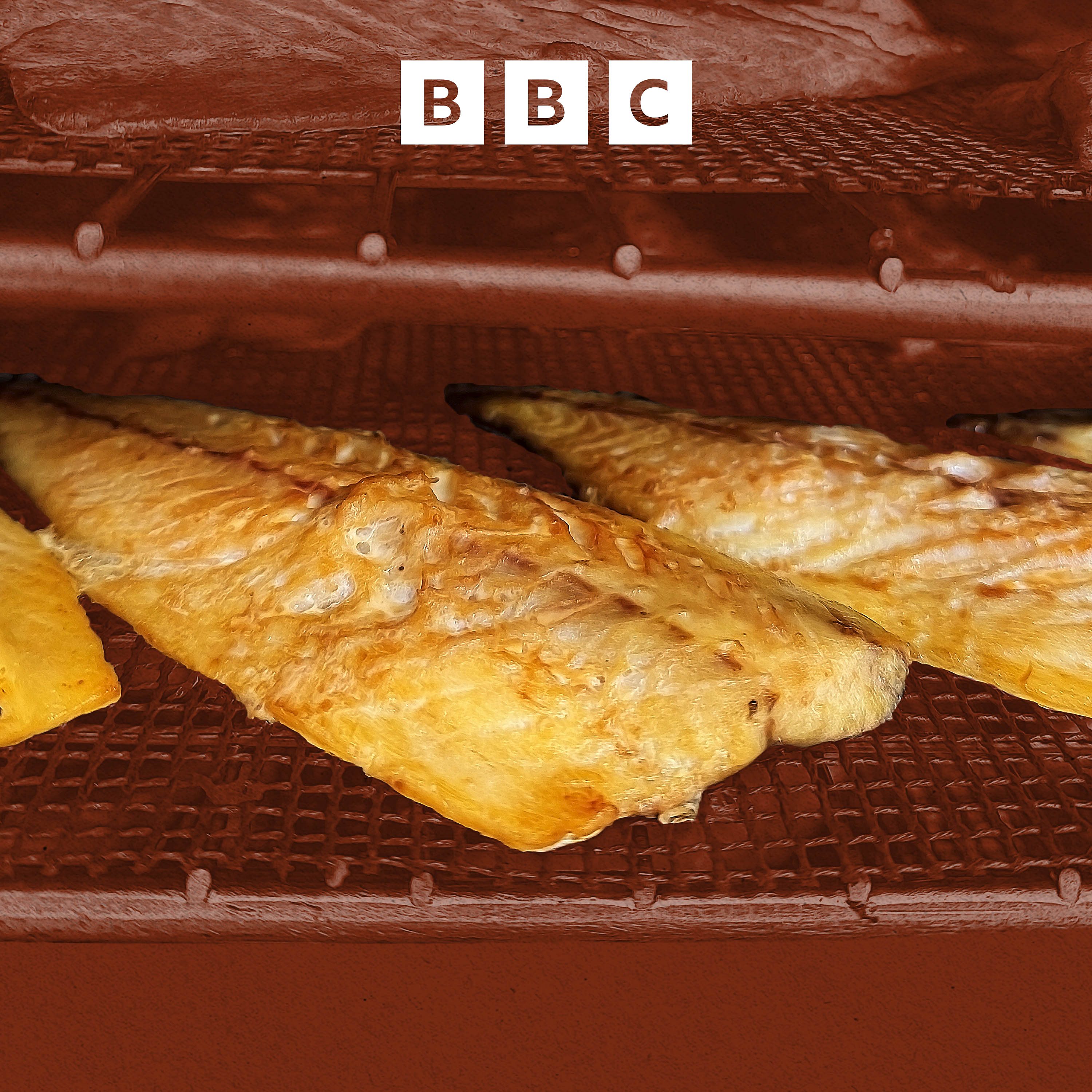
| 6/17/26 | smoked foodsfood preservation+4 | Michael PriceProfessor Heather Smyth+1 | University of QueenslandEuropean Food Safety Authority | LancasterBrisbane+2 | smoky flavoursfood history+4 | — | 26m 29s | ||
| 6/11/26 | music and foodsensory experience+3 | Gaggan AnandOphelia Deroy+2 | SoundtrackNoble Rot+1 | — | musicfood+6 | — | 26m 28s | ||
| 6/3/26 | restaurant managementfamily business+3 | Lisa He | Fifteen GroupChina Star | Edinburgh, ScotlandSydney Australia | restaurantfamily business+3 | — | 26m 27s | ||
| 5/27/26 | food tourismtravel industry+4 | Julia FairburnEric Wolf+2 | World Food Travel Association | ManchesterValencia+1 | food toursculinary tourism+3 | — | 26m 28s | ||
| 5/20/26 | cocktailsbartending+3 | — | — | — | cocktailsbartenders+3 | — | 26m 29s | ||
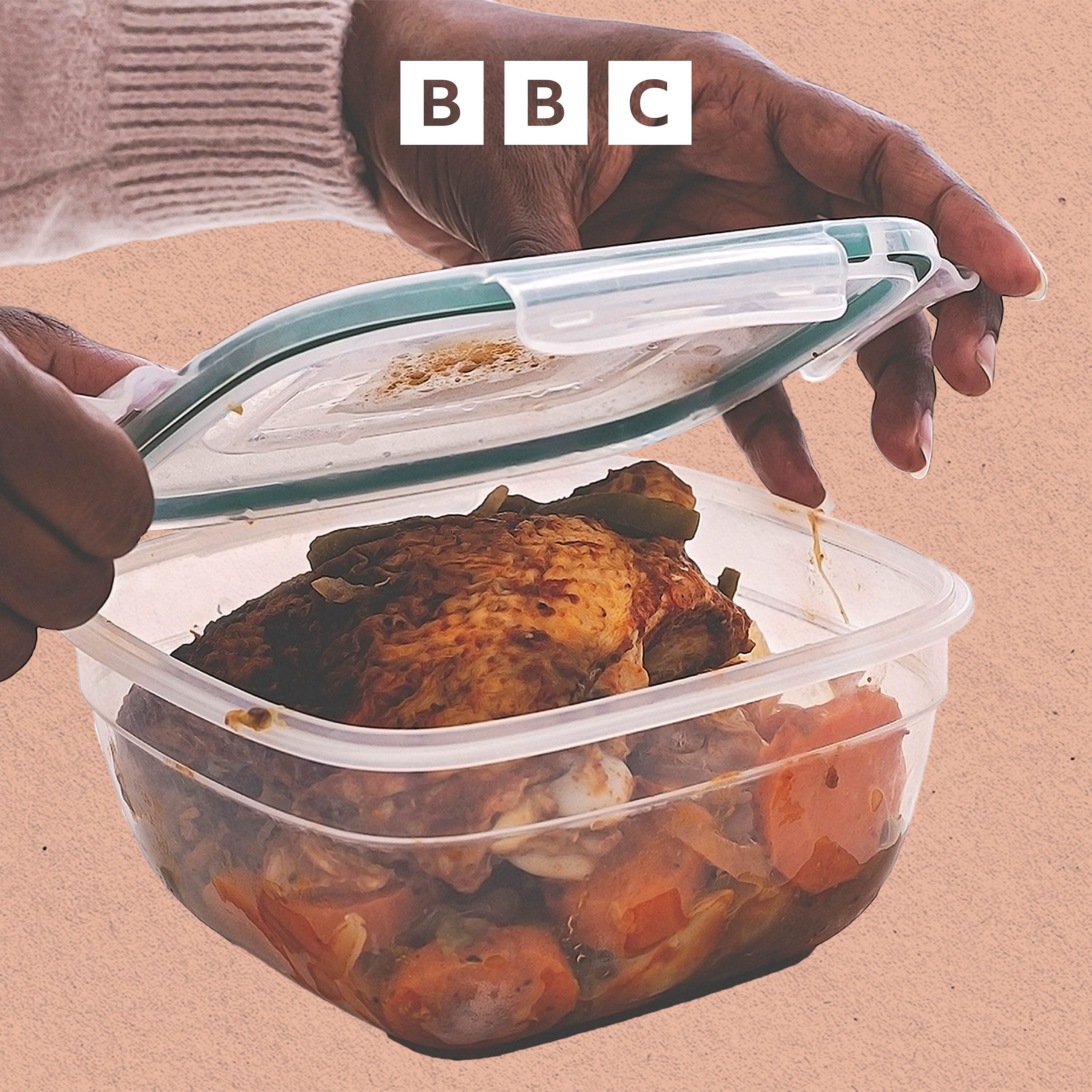
| 5/13/26 | meal preppingbatch cooking+3 | HannahJess Rice+1 | Budget BytesFit Men Cook+1 | — | meal prepbatch cooking+3 | — | 26m 28s | ||
| 5/6/26 | potato historyglobal food system+3 | Blair RichardsonCandida Rebello+1 | Potatoes USAInternational Potato Center | AndesPeru | potatonutrition+3 | — | 26m 29s | ||
| 4/29/26 | food writingjournalism+3 | — | — | — | food writersfood journalism+3 | — | 26m 29s | ||
| 4/22/26 | exam successbrain food+4 | Professor Julia RucklidgeLucy Upton | Te Puna ToioraUniversity of Canterbury+1 | UKUS+1 | brain foodexam diet+5 | — | 26m 28s | ||
| 4/15/26 | fibre intakehealthy diet+4 | Professor Joanne SlavinFathima Abdoola+1 | University of MinnesotaUniversity of Surrey | Brisbane Australia | fibrediet+5 | — | 26m 28s | ||
| 4/8/26 | cooking skillsconfidence in cooking+3 | Robin Van CreveldTokunbo Koiki+1 | Community ChefTokunbo’s Kitchen Catering Company+1 | LagosCheltenham | cookingconfidence+3 | — | 26m 29s | ||
| 4/1/26 | kitchen cultureprofessional kitchens+3 | Jun TanakaPreeti Mistry+1 | NomaSilver Oak+1 | — | toxic work environmentculinary industry+3 | — | 26m 29s | ||
| 3/26/26 | family mealsstress management+3 | — | BBC World Service | — | family mealsstress-free dining+3 | — | 26m 28s | ||
| 3/19/26 | marathon trainingnutrition for runners+3 | Paula RadcliffeSteve Cram+1 | dsm-firmenich Running Team | LondonBoston | marathonnutrition+5 | — | 26m 28s | ||
| 3/12/26 | career changefood industry+3 | Nisha KatonaJudy Joo+1 | MowgliSeoul Bird | HelsinkiUK+1 | career changefood entrepreneurship+6 | — | 26m 29s | ||
| 3/5/26 | sandwich historyfood culture+4 | Josh VeaseyDr Annie Gray+3 | RackMasterchef Australia+2 | — | sandwichfood history+5 | — | 26m 29s | ||
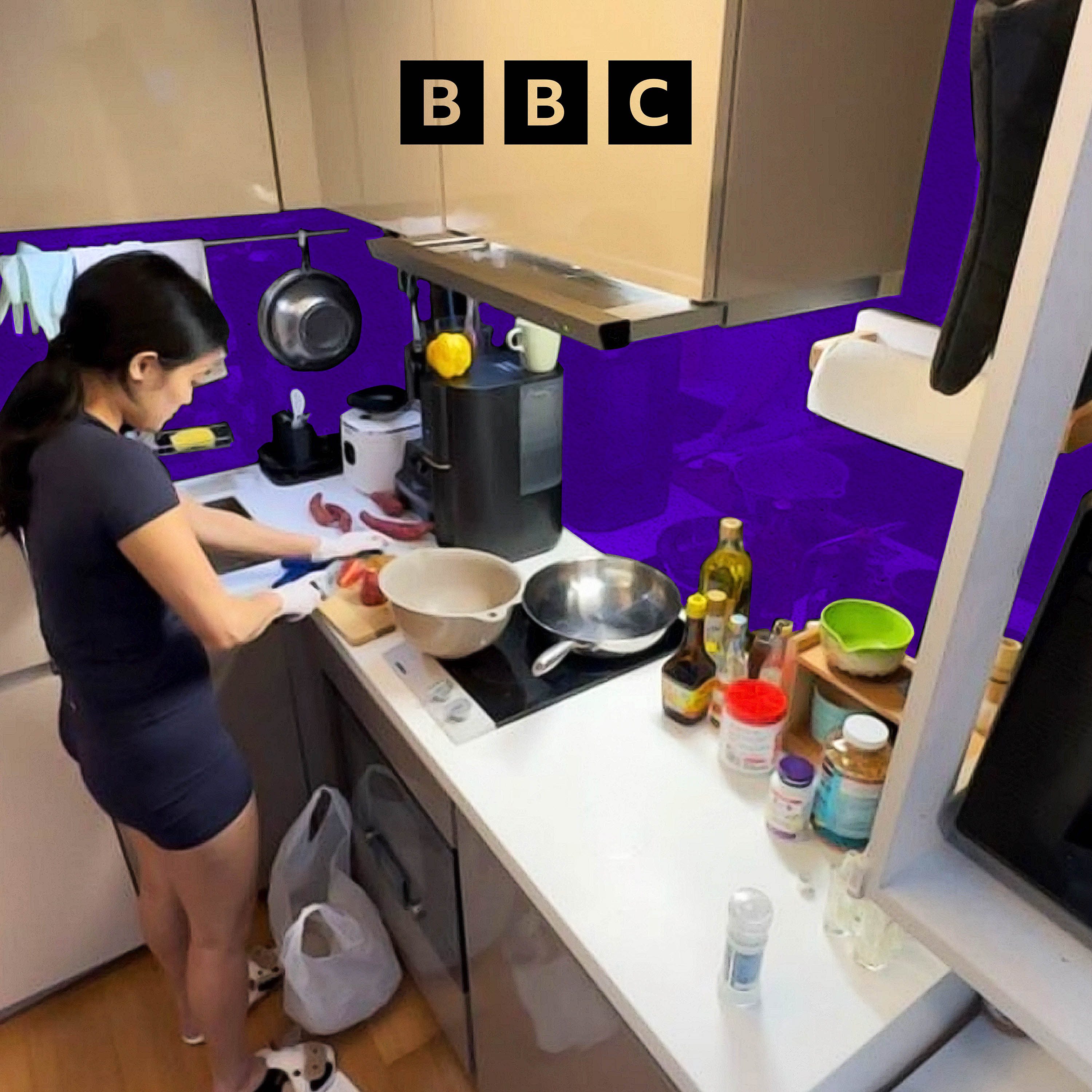
| 2/26/26 | cookingsmall kitchens+4 | Gina LaiRyan Blackburn+3 | — | Hong KongNairobi+1 | small kitchenscooking spaces+5 | — | 26m 29s | ||
| 2/19/26 | business risksfood industry+3 | Kim KiarieAdonis Norouznia+1 | Five Senses NairobiNomas Gastrobar+1 | KenyaMacclesfield+2 | food businessentrepreneurship+3 | — | 26m 29s | ||












Showing 33 of 556
Pitch Fit is a Pro feature
See how bookable this show is for guests, which brands already advertise, the per-episode ad value, and the best-fit guest and sponsor profile. The numbers are blurred on the free plan.
How readily this show books outside guests like you.
How proven this show is for host-read sponsorships.
For Guests
ProFor Advertisers
ProUpgrade to Pro to unlock guest cadence, sponsor categories, fit scores, and per-episode ad value for this show.
Similar Audience Demographics
Podcasts that attract a similar listener profile





Chart history for The Food Chain
Peaked at #2 in KE, top 10 in 14 of 50 tracked markets, currently #2 in KE.
| Market | Genre | Peak | Current | Trend |
|---|---|---|---|---|
| KE | — | #2 | #2 | — |
| VN | — | #3 | #3 | — |
| Italy | — | #5 | #5 | — |
| TR | — | #5 | #5 | — |
| RO | — | #6 | #6 | — |
| South Korea | — | #6 | #6 | — |
| PH | — | #6 | #6 | — |
| Ireland | — | #7 | #7 | — |
| Spain | — | #7 | #7 | — |
| New Zealand | — | #8 | #8 | — |
| NG | — | #8 | #8 | — |
| SG | — | #9 | #9 | — |
| ID | — | #9 | #9 | — |
| IS | — | #10 | #10 | — |
| Canada | — | #11 | #11 | — |
| Norway | — | #11 | #11 | — |
| GR | — | #11 | #11 | — |
| AR | — | #12 | #12 | — |
| CL | — | #12 | #12 | — |
| Australia | — | #13 | #13 | — |
Chart Positions
50 placements across 48 markets.
Chart Positions
50 placements across 48 markets.