

Insights from recent episode analysis
Audience Interest
Podcast Focus
Publishing Consistency
Platform Reach
Insights are generated by CastFox AI using publicly available data, episode content, and proprietary models.
Total monthly reach
Estimated from 1 chart position in 1 market.
By chart position
- 🇳🇿NZ · Philosophy#185500 to 3K
- Per-Episode Audience
Est. listeners per new episode within ~30 days
250 to 1.5K🎙 Weekly cadence·89 episodes·Last published 3mo ago - Monthly Reach
Unique listeners across all episodes (30 days)
500 to 3K🇳🇿100% - Active Followers
Loyal subscribers who consistently listen
150 to 900
Market Insights
Platform Distribution
Reach across major podcast platforms, updated hourly
Total Followers
—
Total Plays
—
Total Reviews
—
* Data sourced directly from platform APIs and aggregated hourly across all major podcast directories.
On the show
Recent episodes
#90: Wind Clearwater. 20 years of permaculture in the desert
Mar 31, 2026
Unknown duration
#89: Morgan Sjogren on advocating for western lands through immersive journalism
Dec 16, 2025
Unknown duration
#88: Trevor Warmedahl of Sour Milk School & Milk Trekker on the necessity of reclaiming pastoralism
Oct 30, 2025
Unknown duration
#87: Samuel Bautista Lazo and Mandalin Sattler on becoming good food for rock woman in Oaxaca, Mexico
Apr 3, 2025
Unknown duration
Episode #86: Wild Tending Series/ Samuel Bautista Lazo & Damián Jiménez Martínez on Tseé Xigie radio - ecology, wild tending, land politics (Español/English)
Feb 11, 2025
Unknown duration
Social Links & Contact
Official channels & resources
Official Website
Login
RSS Feed
Login
| Date | Episode | Description | Length | ||||||
|---|---|---|---|---|---|---|---|---|---|
| 3/31/26 | #90: Wind Clearwater. 20 years of permaculture in the desert | This episode of the Ground Shots Podcast is with Wind Clearwater, a horticulturist and permaculturist who lives near Hotchkiss, Colorado. For over 30 years, Wind Clearwater has been dabbling in horticulture, permaculture and landscape design. For the past 20 years, he has expanded his knowledge of these arts alongside skills like natural building, while living off grid in western Colorado at the Oasis. The Oasis is a land project that Wind has stewarded during this time where he has tended the 'Forest Garden,' a successful dry-land food forest over two decades. He propagates native and edible nursery stock for the Oasis Nursery, which sells desert adapted plants in the region. When he's not working with plants he finds joy playing music, creating art, raising children, growing and learning. We recorded this conversation in the heart of last summer on a hot day before monsoon season, though we didn't end up getting much monsoon rain last season and are gearing up for a dry summer again this year. We start this conversation informally in Wind's earthen home, and then we go on a land and garden tour for the rest of the conversation. There are chicken, water, wind, bug. bird and fly sounds - so be aware this this episode is very auditorily full! There is a little wind interference in a few moment but we tried to cut that down in audio editing as best we could. Links: Wind's website for Oasis Nursery Durango Wild Soul Support Francis of Mother Marrow's health journey! Vibrant Earth Seeds : Regionally adapted to the Southwest. Use 'GROUNDSHOTS10' at checkout for 10% off seed orders (your buying seeds also supports the podcast!) Ground Shots Ecologies Substack Venmo : @kelly-moody-6 Paypal : paypal.me/petitfawn website archive and extended shownotes: http://www.ofsedgeandsalt.com Our Instagram pages: @goldenberries / @groundshotspodcast Music: Ted Packard "Holy as Dirt" Hosted and Produced by: Kelly Moody | — | ||||||
| 12/16/25 | #89: Morgan Sjogren on advocating for western lands through immersive journalism | Morgan Sjogren writes about Western lands and water through a lens of history, culture, science, and adventure. She is the author of Path of Light: A Walk Through Colliding Legacies of Glen Canyon (Torrey House Press 2023); 2025 Utah Book Award Winner and Library of Congress "Great Reads from Great Places" selection. Read her stories in Archaeology Southwest, Arizona Highways, bioGraphic, Fast Company, Reasons to be Cheerful, Runner's World, and Sierra Magazine. Her work has been supported by the 2022 Water Desk Grant for reporting on the Colorado River and a 2024 Charles Redd Center for Western Studies Independent Research and Creative Works Award. She was the 2024 Entrada Institute Writer-in-Residence. Sjogren shares her Wild Words and explorations on Substack and on Instagram @morgan.sjogren. She is based in Utah's canyon country and migrates seasonally throughout the Southwest. In this episode of the podcast, we talk about: the importance of the context of the colonial history of the lands of the west when advocating for them some resonance I find in Morgan's work and our shared paths being nomadic, living on public land, being a similar age, and pulling together threads that weave culture, ecology and place in our work Morgan shares more about her book "Path of Light" and the goal of following Bernheimer's expedition through the desert to better understand his time and place contextualizing it to now. We reflect on what has changed with public lands in the west since Morgan wrote 'Path of Light.' We discuss issues of the Colorado river from Morgan's perspective, given her time on the ground in the field exploring this issue in her work (This will resonate with folks who are fans of the episode I did with Jeff Wagner of Groundwork 'We all eat the Colorado River' The importance of personal connections to landscapes even if our deep heritage is not from those lands, in order to be inspired to protect those places from extraction and privatization for energy industry, even 'green' energy Links: Support Francis of Mother Marrow's health journey! Morgan's website Morgan's substack: Wild Words Vibrant Earth Seeds : Regionally adapted to the Southwest. Use 'GROUNDSHOTS10' at checkout for 10% off seed orders (your buying seeds also supports the podcast!) Ground Shots Ecologies Substack : Subscribe here Bookshop : recommended books for you (buying here helps support the podcast) Venmo : @kelly-moody-6 Paypal : paypal.me/petitfawn website archive and extended shownotes: http://www.ofsedgeandsalt.com Our Instagram pages: @goldenberries / @groundshotspodcast Music: original song for this episode! Lucy Wild: Vocals and lyrics Ted Packard: Uncle Steve's Acoustic Guitar, Bowed and Plucked Banjo, Semi-Sentient Pedalboard, recording and production in Logic, with gratitude to Luke Kantola Annika Fae: lyric and watercolor Hosted and Produced by: Kelly Moody | — | ||||||
| 10/30/25 | 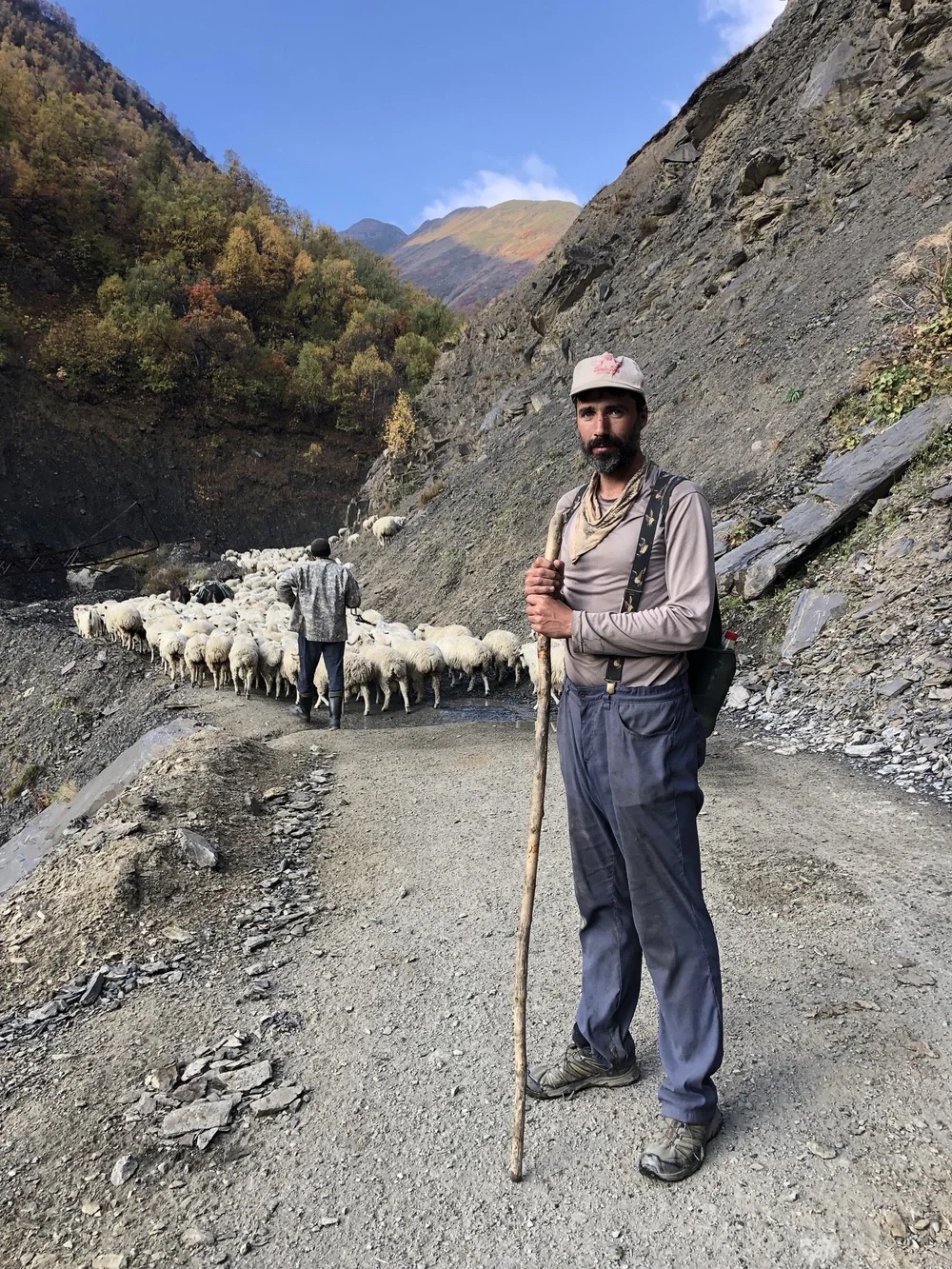 #88: Trevor Warmedahl of Sour Milk School & Milk Trekker on the necessity of reclaiming pastoralism | Episode #88 of the Ground Shots Podcast is with Trevor Warmedahl, who tuned in to this conversation from Albania where he was mending from a broken leg. Trevor Warmedahl is a traveler who spends his time documenting the worlds cheesemaking, dairying, and pastoral traditions. In his work as a researcher and cheesemaker, he explores the intersections between traditional and modern practices, from nomadic herders to innovative cheesemakers on the forefront of artisan cheese. Full show notes found here Links: Support Francis of Mother Marrow's health journey! Trevor's Substack publication: Milk Trekker Trevor's website where you can find Sour Milk School classes when they are scheduled, and where you can pre-order his new book "Cheese Trekking" : Sour Milk School Vibrant Earth Seeds : Regionally adapted to the Southwest. Use 'GROUNDSHOTS10' at checkout for 10% off seed orders (your buying seeds also supports the podcast!) Ground Shots Ecologies Substack : Subscribe here Bookshop : recommended books for you (buying here helps support the podcast) Venmo : @kelly-moody-6 Paypal : paypal.me/petitfawn website archive and extended shownotes: http://www.ofsedgeandsalt.com Our Instagram pages: @goldenberries / @groundshotspodcast Music: various field recordings by Trevor in his milk trek travels. Milking and pastoral sounds, Sardinian music. Hosted and Produced by: Kelly Moody | — | ||||||
| 4/3/25 | 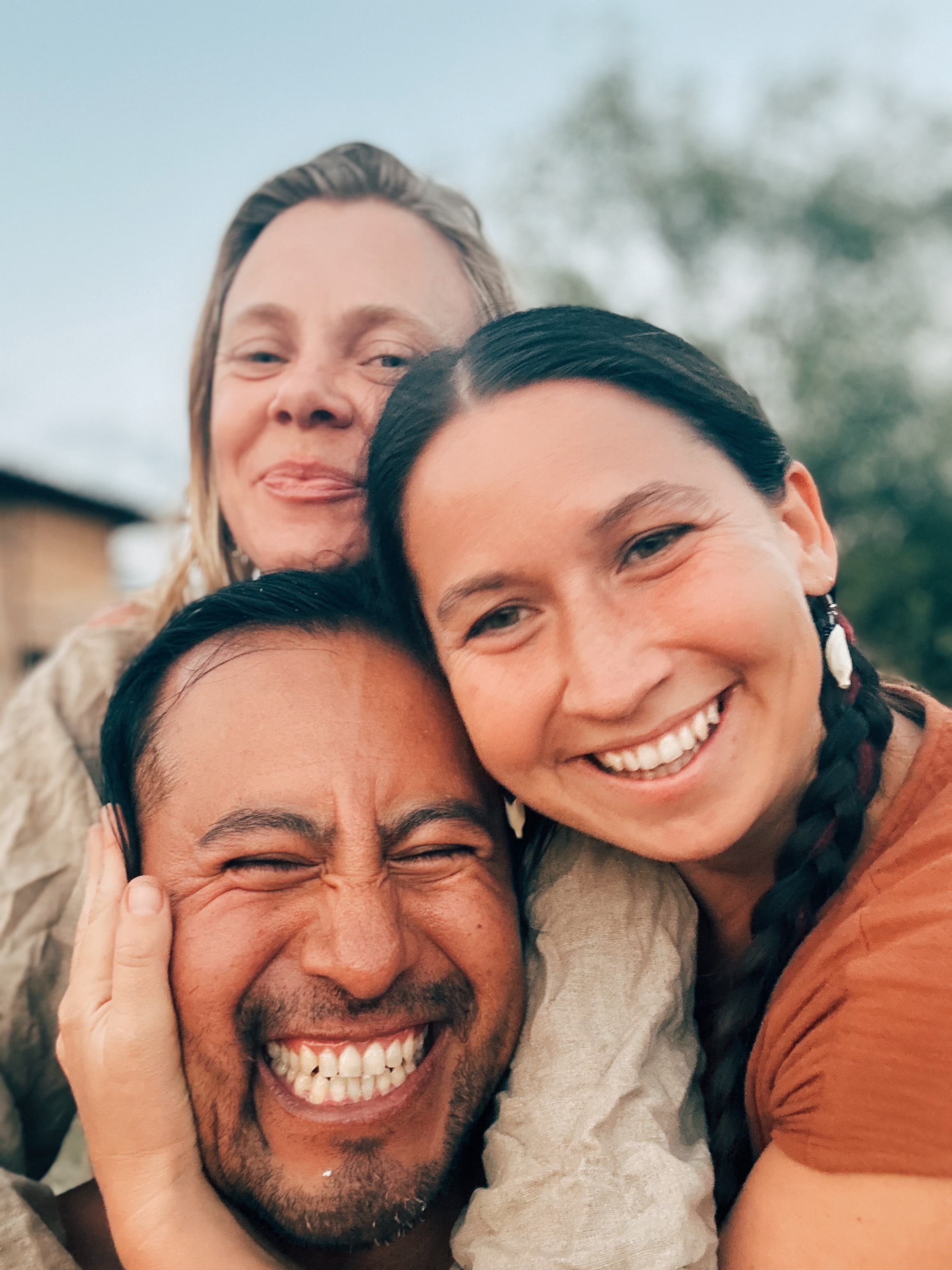 #87: Samuel Bautista Lazo and Mandalin Sattler on becoming good food for rock woman in Oaxaca, Mexico | birthday fundraiser for the podcast Episode #89 of the Ground Shots Podcast was recorded in the gallery at Dixza Farm and Rugs in Teotitlan de Valle, Oaxaca Mexico, in early February. It was recorded with Samuel Bautista Lazo, past podcast guest, and Mandalin Sattler, whose music has been featured on the podcast in the past. Rock Old Woman Samuel is Benizaa (Zapotec) and lives Xiguie'a (Teotitlán del Valle), located in the Central Valley of Oaxaca, Mexico. Samuel, his family and community come from a long line of weavers and farmers who have been tending the same land for thousands of years. This region is considered one of the cradles of civilization. Samuel has a Ph.d. in Sustainable Manufacturing from the University of Liverpool. Mandalin is an environmentalist focused on regenerative ecological living, direct action activism and community organization working through the lens of restoration, education and design. She enjoys helping communities, individuals, and families connect with the rhythms of Earth through hands-on land stewardship development & resiliency practices. She is a land steward, birth worker, teacher, artist, musician & nomad. In this episode of the podcast, we talk about: culture, impermanence, being food for rock woman, thinking outside of dualities cultural contradictions in Mexico and beyond what ills us in modern culture: isolation and individualism to live you must live in the grief how do we trace the threads back in a system that oppresses us and free ourselves from it? Links: Dixza farm and rugs Samuel's instagram Vibrant Earth Seeds : Regionally adapted to the Southwest. Use 'GROUNDSHOTS10' at checkout for 10% off seed orders (your buying seeds also supports the podcast!) Ground Shots Substack : Subscribe here Bookshop buy me a book! Bookshop : recommended books for you (buying here helps support the podcast) Venmo : @kelly-moody-6 Paypal : paypal.me/petitfawn website archive and extended shownotes: http://www.ofsedgeandsalt.com Our Instagram pages: @goldenberries / @groundshotspodcast Music by: Mandalin Sattler and Samuel Bautista Lazo Hosted and Produced by: Kelly Moody | — | ||||||
| 2/11/25 |  Episode #86: Wild Tending Series/ Samuel Bautista Lazo & Damián Jiménez Martínez on Tseé Xigie radio - ecology, wild tending, land politics (Español/English) | In this episode of the podcast, we talk about: the biodiversity of agaves, some of the issues with cultivation under pressure of capitalism, and private land ownership complexity of the commons in Oaxaca under pressure of modernity agave use for textiles, wild and rare species, and benefit of planting in polycultures we speak to ideas about wild tending in Oaxaca and the issues that come up when trying to reintegrate old ways of tending land in modern times the fact that oaks are not wild tending here or eaten but used to be long ago, what could people here learn from indigenous peoples to the north and vice versa— who tend oaks or piñon pine for food this episode was catered to the local village audience of Teotitlan de Valle, Oaxaca, Mexico, on the local radio, so listen with this in mind. It is a language in Spanish and English, if you are a Spanish speaker, you will get a richer experience from this episode Dixza farm and rugs Samuel's instagram Damien's contact: Teléfono Celular: 9515196315 gabdamian12@gmail.com Radio show facebook page where you can listen Buy me a coffee 2025 birthday fundraiser for the podcast Vibrant Earth Seeds : Regionally adapted to the Southwest. Use 'GROUNDSHOTS10' at checkout for 10% off seed orders (your buying seeds also supports the podcast!) Traditional Tanners online hide tanning courses, naturally tanned hides and tool supplier Ground Shots Substack : Subscribe here Bookshop buy me a book! Bookshop : recommended books for you (buying here helps support the podcast) Venmo : @kelly-moody-6 Paypal : paypal.me/petitfawn website archive and extended shownotes: http://www.ofsedgeandsalt.com Our Instagram pages: @goldenberries / @groundshotspodcast Music by: Mandalin Sattler on flute, music from town Hosted and Produced by: Kelly Moody | — | ||||||
| 1/1/25 |  #85: Dr. Cara Judea Alhadeff: Viscous Expectations: Justice, Vulnerability, The Ob-scene | consider supporting the annual fundraiser for the podcast in celebration of my 38th birthday, here. This episode of the Ground Shots Podcast is with Dr. Cara Judea Alhadeff. We did this interview in person this past summer in Paonia, Colorado. I have been sharing studio space with her partner Wild, a woodworker. This summer I was working on some carpentry in my trailer in the yard of the shop, and we retreated here for this conversation out of the heat and the hubub of the wood studio. Cara is a Mother, Artist, Author, Professor, Action-Philosopher, Environmental-Justice Organizer (full shownotes found here!) Cara's website with writings, photography projects, performance art work Cara's substack with old and new writings Cara's youtube channel where you can view some of her performances and videos 2025 birthday fundraiser for the podcast Vibrant Earth Seeds : Regionally adapted to the Southwest. Use 'GROUNDSHOTS10' at checkout for 10% off seed orders (your buying seeds also supports the podcast!) Traditional Tanners online hide tanning courses, naturally tanned hides and tool supplier Ground Shots Substack : Subscribe here Bookshop buy me a book! Bookshop : recommended books for you (buying here helps support the podcast) Venmo : @kelly-moody-6 Paypal : paypal.me/petitfawn website archive and extended shownotes: http://www.ofsedgeandsalt.com Our Instagram pages: @goldenberries / @groundshotspodcast Music by: Top Down Hosted and Produced by: Kelly Moody | — | ||||||
| 7/14/24 |  We all eat the Colorado River: this watershed is a microcosm of our society with Jeff Wagner | full shownotes and maps to reference in this episode: groundshots.substack.com Episode #84 of the Ground Shots Podcast is a conversation with Jeff Wagner out of Paonia, Colorado, director of Groundwork, a regional nonprofit educating about food systems in a changing world and more. Sign up for my August 2-8 high country field ecology and ethnobotany course in Western Colorado on the Grand Mesa Groundwork is a place-based education program working to deepen our society's relationships with land, food, and water and to cultivate generative and regenerative ways of living and relating. Our mission is to inspire the cultural shifts needed for a sustainable future. Rising to meet the challenges posed by climate change, ecological decline, and environmental injustice requires more than new technologies and policies. At Groundwork, we believe it also requires profound shifts in the ways we relate to one another and to the world around us. Groundwork offers educational programs and publications that seek to shift the foundations of the ways we understand ourselves and our place in the world, in order to work towards more just and sustainable shared futures. A culture, like our planet, is a living ecosystem, constantly shifting and changing based on the values, attitudes, and practices cultivated within a particular community. Groundwork creates spaces to critically reflect upon, challenge, experiment with, and create anew those building blocks of culture. Our offerings create opportunities for the emergence of new kinds of relationships and ways of being within the human and more-than-human world. We believe that reimagined relationships and practices—in essence, emergent cultures—are the foundations of systemic change. Colorado Public Radio 'Parched' Series 'Chasing Water' movie Johnathan Thompson's Landdesk publication on Substack regularly writes on current issues of the Colorado River Cadillac Desert The American West and Its Disappearing Water by Marc Reisner Where the Water Goes: Life and Death Along the Colorado River by David Owen Thinking Like a Watershed: Voices from the West by Jack Loeffler and Celestia Loeffler Glen Canyon Institute Encounters with the Archdruid: Narratives about a Conservationist and Three of His Natural Enemies by John McPhee The Unlikely Peace at Cuchumaquic: The Parallel Lives of People as Plants: Keeping the Seeds Alive by Martin Prechtel The Art of Fermentation by Sandor Katz The Parable of the Sower by Octavia Butler Water Education Colorado 'The uncompromising environmentalist behind the Sierra Club' by Joshua Zaffos High County News article about David Brower 'Western States Opposed TribesAccess to the Colorado River 70 Years Ago'. History Is Repeating Itself.' article by Mark Olalde, ProPublica, and Anna V. Smith, High Country News Colorado River Compact Elsewhere Studios | — | ||||||
| 6/18/24 |  Callie Russell on tending ecosystems with goats | for full shownotes to this episode, go to our website post here or our substack post here Episode #83 of the Ground Shots Podcast is a conversation with Callie Russell, an interview recorded in the field on a goat walk in New Mexico this past March. You may know Callie from the Alone show, though I have never watched it. We have known each other for many years and this past Spring we camped together for a few weeks by a river, with friends and her goats. We took time to record a conversation together for the podcast. The episode starts with us at camp with Rain, an old friend, and our banter getting ready to leave for a walk. If you want to skip that part you can fast forward 10 minutes or so past the field recording beginning. It's funny though- to get a glimpse into life at camp. Most of the convo is of us walking with the goats and talking while on a walk. We eventually sit down to finish the interview. On our way back, one of the goats pushes me off a cliff and abruptly stops the recording, and you hear the incident in the episode. Thankfully I catch a root and Callie grabs me and all is ok. What we do for podcast recordings.. Become a paid subscriber to Ground Shots extras on Substack to hear an extra story from Callie not included in the main interview. She tells a story of saving a goat from a mountain lion when she lived in the wilderness years ago. Its quite a story! Callie's website where you can find classes and updates Traditional Tanners online hide tanning courses Episode 10 : Adam Stolte and his Goats My August 2nd-8th field ecology course - sign up here! Vibrant Earth Seeds : Regionally adapted to the Southwest. Use 'GROUNDSHOTS10' at checkout for 10% off seed orders Bookshop buy me a book! Bookshop : recommended books for you (buying here helps support the podcast) Venmo : @kelly-moody-6 Paypal : paypal.me/petitfawn website archive and extended shownotes: http://www.ofsedgeandsalt.com Our Instagram pages: @goldenberries / @groundshotspodcast Theme Music: Mother Marrow Hosted and Produced by: Kelly Moody | — | ||||||
| 7/20/23 |  Sylvia Poareo on Planting Seeds of Collective and Inclusive Regeneration | Read extended show notes here (photo of Sylvia taken by Ricardo Nagaoka, used with permission from photographer. ) Episode #76 of the Ground Shots Podcast is a conversation with Sylvia Poareo from Connecting Within, out of Ashland, Oregon. Sylvia Poareo is a gentle Curandera/Consejera (healer/spiritual counselor) whose work is rooted in guiding and supporting each individual in their own liberation within collective healing. Informed by the Chicano experience and growing up as an orphan in SoCal, her life was an initiation into deep trust in and reliance on Spirit/Creator. Connecting deeply into the heart, to the cosmos and nature as a pathway to healing, she recognizes the profound wisdom, resilience and fortitude we carry in our bones. She supports ancestral remembrance and remembering parts of ourselves, our innate humanity and cultures of origin as a path to truth, healing and wholeness. (read full bio and show notes through the link above) Links: Sylvia's website: Connecting Within Ground Shots Substack Publication Bookshop account: buy me a book! Bookshop account: recommended books for you (adding a backlog of recs soon) Amazon wishlist for trailer renovation Laying Groundwork, late summer ecology classes Venmo to support the podcast: @kelly-moody-6 Guest Music: Tránsito, El Feo, and Medley: Pastures Of Plenty/This Land Is Your Land/Land by Lila Downs Hosted by: Kelly Moody Produced by: Kelly Moody | — | ||||||
| 12/19/22 | 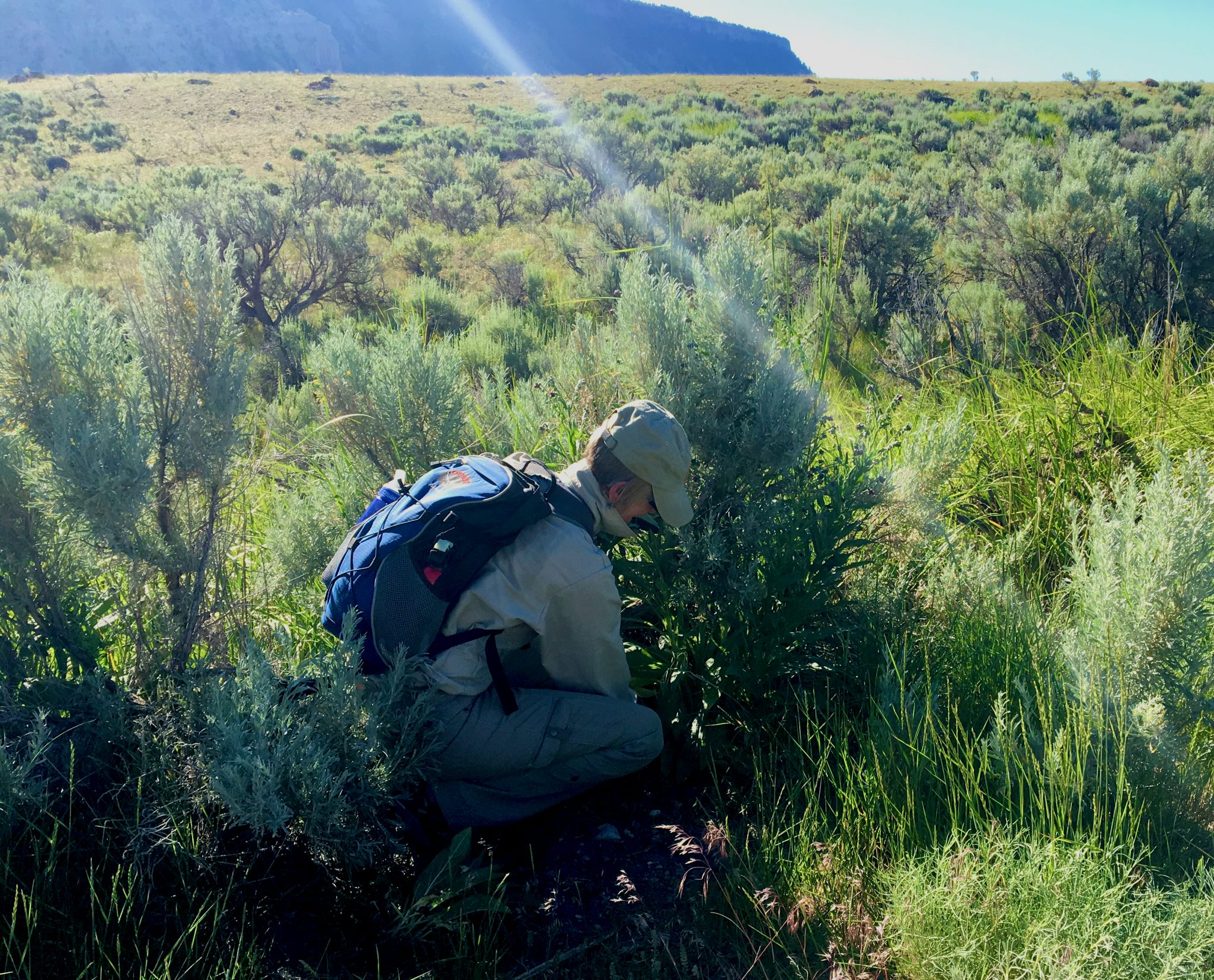 writer, botanist, Susan Tweit on being a walking ecosystem, writing the deserts of the West | Susan Tweit is a plant biologist with a calling to restore nature and our connection with the community of the land especially close to home. Plants are her people, as she says, fascinated by the myriad ways they weave the world's living communities, forming the green tapestry that covers this planet. Susan began her career as a field ecologist studying sagebrush, grizzly bears and wildfires. She reveled in the work and the time outside in the west's expansive landscapes, but eventually realized she loved the stories in the data more than collecting those data. So, she learned how to tell those stories, not an easy trick for a scientist schooled in dispassionate and impersonal prose. Susan and I met at the Paonia Books opening event in Paonia, Colorado in late fall 2022. During the event, we ended up getting into a conversation about plants by the hard cider sample table, and decided to try at some point to do an interview for the podcast. I was curious about Susan's work as a writer and botanist, ecology scientist and was excited to dig deeper. We managed to meet up a few weeks later and recorded a conversation in Paonia Books' back room where they hold writing workshops. She has written a handful of books on a variety of themes. Some of her titles include 'Barren, Wild and Worthless, Living in the Chihuahuan Desert,' 'The Rocky Mountain Garden Guide,' and 'Bless the Birds: Living with Love in a Time of Dying.' read the blog post for the episode, here Links: Susan's website Paonia Books Support the podcast on Patreon For one time donations to support this work: Paypal : paypal.me/petitfawn VENMO: @kelly-moody-6 Cashapp: cash.app/$groundshotsproject Our website with an archive of podcast episodes, educational resources, past travelogues and more: http://www.ofsedgeandsalt.com Our Instagram pages: @goldenberries / @groundshotspodcast Join the Ground Shots Podcast Facebook Group to discuss the episodes Subscribe to our newsletter for updates on the Ground Shots Project Theme music: 'Sweat and Splinters' by Mother Marrow Interstitial music: Old Maid's Draw by Riddy Arman Hosted by: Kelly Moody Produced by: Kelly Moody | — | ||||||
Want analysis for the episodes below?Free for Pro Submit a request, we'll have your selected episodes analyzed within an hour. Free, at no cost to you, for Pro users. | |||||||||
| 10/31/22 |  #70: Sarah Galvin: internal and external landscape tracking to address trauma, mothering in the modern world | Episode #70 of the Ground Shots Podcast is a conversation with Sarah Galvin of the House of Yore who was a past guest on the podcast. direct link to episode on our website Listen to Episode #54: Sarah Galvin of House of Yore on the need for madness and chaos medicine in our culture here. You might want to pop over and listen to that episode first before this one to get more context for Sarah's work, but you can also listen to this episode standalone. In this episode of the podcast, Sarah and I talk about: mothering in the modern era attachment wounds that begin at childbirth and how they are passed down through ancestral trauma lineages how changing ancestral traumas that are passed down happens incrementally, and we do the work for the people who come after us giving birth in her cabin in Alaska without much assistance tracking internal and external landscapes as self-work for healing how living in victimhood narratives even if we are victim to things that have happened to us perpetuates trauma and carries those wounds on radical self-responsibility and self-accountability as a path to healing breastfeeding and birth humor, and more Links: Sarah's website: House of Yore Sarah on Instagram: @house.of.yore Charity of Mother Marrow's GoFundMe GoFundMe for the podcast and transmission replacement for Kelly's truck Support the podcast on Patreon to contribute monthly to our grassroots self-funding of this project For one time donations to support this work: Paypal : paypal.me/petitfawn VENMO: @kelly-moody-6 Cashapp: cash.app/$groundshotsproject Our website with an archive of podcast episodes, educational resources, past travelogues and more: http://www.ofsedgeandsalt.com Our Instagram pages: @goldenberries / @groundshotspodcast Join the Ground Shots Podcast Facebook Group to discuss the episodes Subscribe to our newsletter for updates on the Ground Shots Project Theme music: 'Sweat and Splinters' by Mother Marrow Interstitial Music: 'New Futures' by Prae Hosted by: Kelly Moody Produced by: Kelly Moody | — | ||||||
| 9/29/22 |  Nikki Hill with Sigh Moon on Botany as Archaeology, to Stop a Lithium Mine | Episode #69 of the Ground Shots Podcast was recorded in southern Oregon this past August among old Juniper trees tucked just below a special Tableland mesa, with Nikki Hill of Walking Roots, and Sigh Moon assisting in the conversation. Link to our website where you can donate to the podcast, and find the blog post on the podcast episode with photos and bios of Nikki and Sigh Moon as well as a few photos from where we recorded the episode: www.ofsedgeandsalt.com/podcastblog/lithiummine We talk about: What is a tableland or mesa? Nikki's intention in doing survey work at Thacker Pass, a place in Nevada slated to become a large lithium mine Questioning the sustainability of lithium Seeing wild gardens and patterns on the landscape that reflect historical relationships of indigenous peoples and places How deserts have been hard for European ancestored folks to conceptualize and how this makes it easy for us to consider it a wasteland to be inverted to perpetuate modern culture Considering certain lands sacrifice zones comes from the idea that we are separate from land and that we can actually have an effect the effects of private land ownership on the water table and water flows on land seeing through a lens of botanical archaeology how archaeology is often focused on 'settled' life evidence not nomadic life evidence how do we start to re-see why plants are on the landscape in relationship to human historical tending of those plants? the misinformed idea that hunter-gatherers (gatherer-hunters) were not sophisticated in their tending what is the point in caring about anthropogenic landscapes? Nikki's plant survey process at Thacker Pass in Nevada and some of the plants she found like Yampah, Biscuitroots, Mariposa Lilies and more. Links: Nikki's Website: Walking Roots Counterpunch article by Nikki: "Botany as Archaeology, to Stop a Lithium Mine' Nikki's instagram page: walking.roots Sigh Moon's Instagram page: tenderwildeyes Sigh Moon's Youtube Channel: https://www.youtube.com/channel/UCrmu0A77ja3o8DZ32ttOsIA/videosSave Thacker Pass Campaign website 'The Ecology of Eden: An Inquiry into the Dream of Paradise and a New Vision of Our Role in Nature' book by Evan Eisenberg, a book I read in college on critical ecology that feels relevant to this episode "The Void, The Grid & The Sign: Traversing The Great Basin" by William Fox, all about concepts of void and land value in the Great Basin Desert, a fascinating book "1491" and "1493" by Charles Mann, alternative histories to North and South America mentioning anthropogenic landscapes including 'terra preta' in the Amazon, mentioned on the podcast Save Oak Flat and the Apache Stronghold Campaign Angela Moles Ground Shots Podcast interview mentioned on the podcast: Episode #57: Gabe Crawford interviews Angela Moles P.h.D. on the rapid evolutionary responses of plants due to climate change, challenging scientific dogma Past episodes of the podcast featuring Nikki Hill: Episode #31: Wild Tending series / Nikki Hill and Gabe Crawford on the basics of wild-tending Episode #33: Wild Tending series / Nikki Hill and Gabe Crawford on re-thinking the concept of invasive plants Episode #59: Is there such a thing as an "Invasive Species"? A conversation with Matt Chew Ph.d. hosted by Kollibri terre Sonnenblume, Nikki Hill and Gabe Crawford Music for this episode: Reverie, Spires and The Undergrowth by Juniper Blue This episode hosted by: Kelly Moody Produced by: Kelly Moody | — | ||||||
| 6/12/22 | 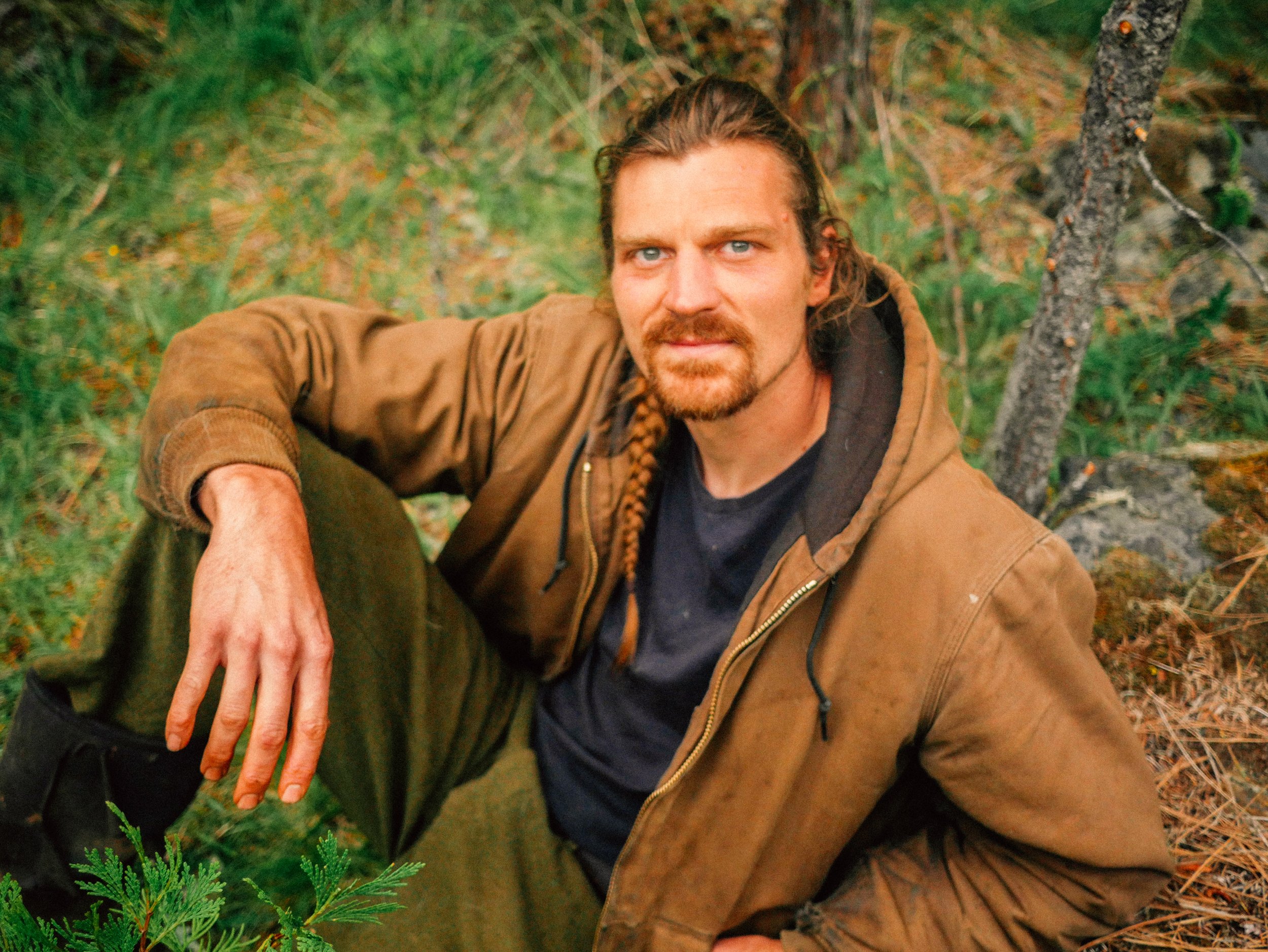 Wild Tending Series / A conversation in a Camas meadow. Adam Larue of Sharpening Stone on tending wild plants in southern Oregon | Episode #68 of the podcast is a conversation with Adam Larue of Sharpening Stone Gathering, out of Grants Pass, Oregon. visit our blog post on the episode to see a few photos of the land where we interviewed: https://www.ofsedgeandsalt.com/podcastblog/2022/6/12/episode-68-a-conversation-in-a-camas-meadow-adam-larue Adam and I recorded this conversation in a Camas meadow adjacent to his land after I taught wild-tending and critical ethnobotany plant plant walks for a week at the Sharpening Stone Earthskills Gathering, which Adam helps run. In this episode with Adam, we talk about: How Adam got the land that he lives on and runs the Sharpening Stone Earthskills Gathering Some of the methods and madness of logging in Oregon which happens all around Adam's private inholding near Umpqua National Forest, the herbicide spraying and GMP tree planting replacing forest diversity the downfalls of profit-centered thinking vs. ecological centered thinking some info about the Sharpening Stone Earthskills Gathering which takes place on the land we do the interview on Re-wilding as a hot topic and trend right now dancing with modern technology while trying to reconnect to land Links: For one time donations to support this podcast: Paypal : paypal.me/petitfawn VENMO: @kelly-moody-6 Cashapp: cash.app/$groundshotsproject Our website with an archive of podcast episodes, educational resources, past travelogues and more: http://www.ofsedgeandsalt.com Our Instagram pages: @goldenberries / @groundshotspodcast Join the Ground Shots Podcast Facebook Group to discuss the episodes Subscribe to our newsletter for updates on the Ground Shots Project Interstitial Music: 'I'm Moving to the Mountains' by Adam Larue Theme Music: 'Sweat and Splinters' by Mother Marrow This episode hosted by: Kelly Moody Produced by: Kelly Moody Sharpening Stone Gathering on Instagram Becoming Wild on Instagram Sharpening Stone Gathering Adam's Youtube project: 'Becoming Wild' | — | ||||||
| 3/20/22 |  Ted Packard on bodies as a multiplicity, coyote-trickster troubadour-ing, music as ecological channeling, kids and nature connection, & creating communities of mutuality | Direct link to episode with extra photos and Ted's poetry: https://www.ofsedgeandsalt.com/podcastblog/tedpackard Ted studied History and Anthropology at Christopher Newport University, got a Master's in Teaching, went on the road with the Momentary Prophets band, and then went to study with Alderleaf Wilderness College and Wilderness Awareness School. He taught various program for youth around the greater Seattle area for many years before relocating to Durango, Colorado to dry out, as he says. After some years of a break, Ted just started up a new nature connection program for youth in the Durango community. Ted does lots of things, including various handcrafts, refurbishing guitars and other instruments, music-making, writing, wood-burning and more. As college peers, we spent a lot of time together researching things like mushroom cults, the esoteric origins of Judeo-Christian religion, the anthropology of psychedelics, zen koans, and more. We both have lived in different places since and woven in and out of each others' lives so we spent some time really checking in about how we think about things now vs. when we were radical activist driven neo-pagan coyote-trickster troubadour mind-melters. In this episode with Ted, we talk about: Ted's nature connection mentorship work with youth in Washington and Colorado Ted's upbringing in northwestern Virginia Our experience in college of community: artists, philosophers, musicians, activists, and neo-pagans and our reflections on that time now seasonal ritual as a somatic map ways that Ted's anger at an eco-cidal culture has transformed over the years to a yearning for finding points of connection vs. telling someone they are wrong or how to live what is a community of mutuality in a broken society that emphasizes hyper-individualism? activism can look many ways and can even be in small moments of advocacy awareness of the isolation of capitalism is often crippling the reality that financial security is generally not available to our generation (millennials) Ted's musical projects which include Momentary Prophets from his early 20's, that had a coyote-troubadour element with community driven instigation, as well as his own solo projects paying attention to 'nature' bringing you closer to crazy synchronicities that become signposts to keep going weaving a web of interrelated ideas and ecologies as a way of being trauma, neutrinos, quantum physics intersecting eastern philosophy, bodies as multiplicity, the mycelium nature of everything, music as ecological channeling Links: The Emerald Podcast, mentioned on the podcast Daniel Quinn, author we mention on the podcast Mystic Moon of Norfolk, VA, pagan community mentioned Terence McKenna, mentioned on the podcast Mountain Justice: organization dedicated to ending mountain top removal in Appalachia Momentary Prophets on Facebook Momentary Prophets on Bandcamp (Interstitial music featured on the episode) Ted's music on Bandcamp (he is putting out a new album RIGHT NOW, his individual music featured in the intro of this episode) Wilderness Awareness School Living Earth School Sophie Strand Ted's Patreon for his music, art, writing Ted's revived blog of writing (do yourself a favor and read and savor) Ted's Venmo if you'd like to donate to help support his musical projects : @Theodore-Packard Support the podcast on Patreon to contribute monthly to our grassroots self-funding of this project For one time donations to support this podcast: Paypal : paypal.me/petitfawn VENMO: @kelly-moody-6 Cashapp: cash.app/$groundshotsproject Our website with an archive of podcast episodes, educational resources, past travelogues and more: http://www.ofsedgeandsalt.com Our Instagram pages: @goldenberries / @groundshotspodcast Join the Ground Shots Podcast Facebook Group to discuss the episodes Subscribe to our newsletter for updates on the Ground Shots Project Music: by Ted Packard and Momentary Prophets This episode hosted by: Kelly Moody Produced by: Kelly Moody and Ted Packard | — | ||||||
| 2/21/22 | 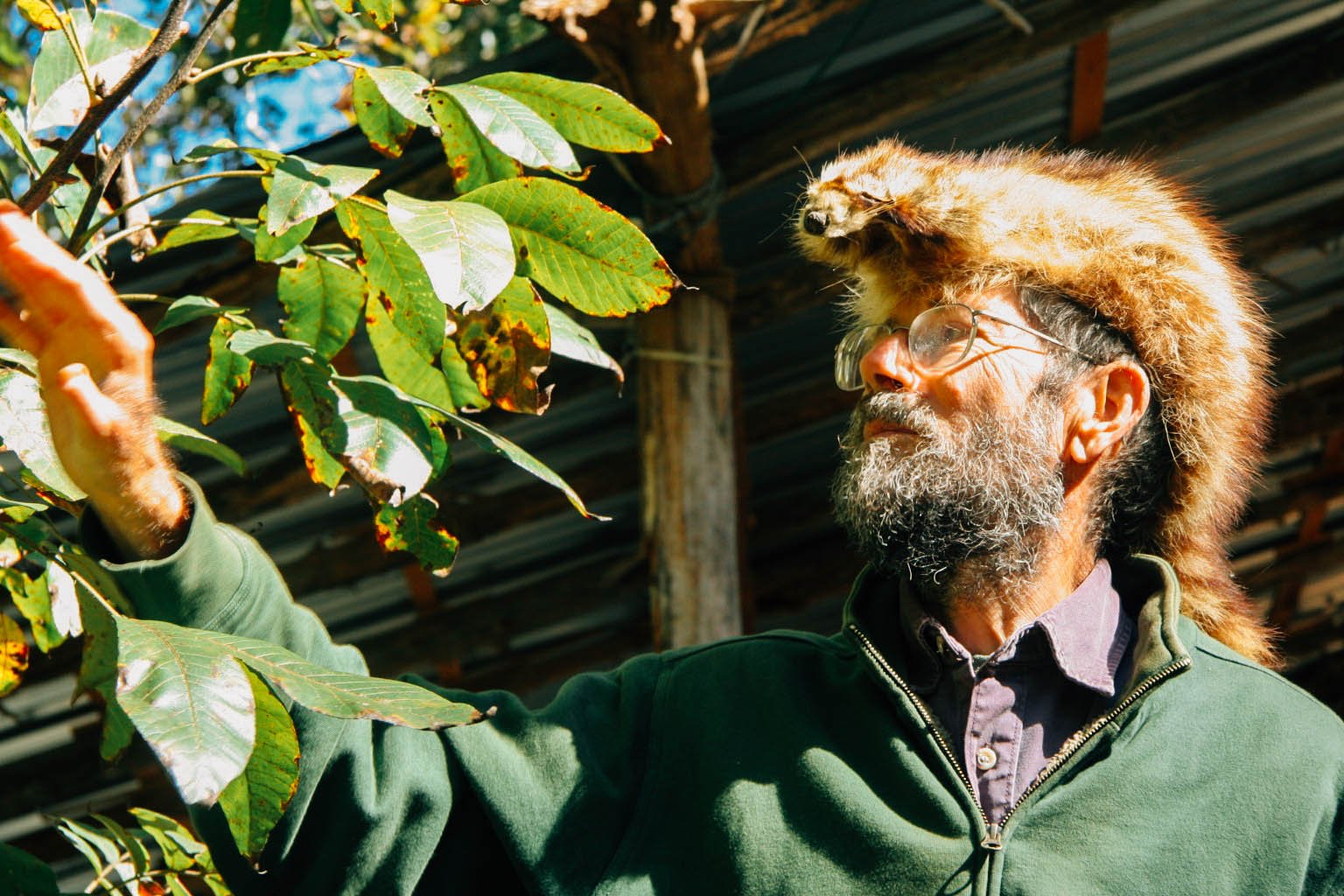 An ode to Doug Elliott, Appalachian storyteller, herbalist and naturalist | To access full blog post on the episode, full show notes and a photo diary, click below: https://www.ofsedgeandsalt.com/podcastblog/dougelliott Doug Elliott is a naturalist, herbalist, storyteller, basket maker, back-country guide, philosopher, and harmonica wizard. For many years made his living as a traveling herbalist, gathering and selling herbs, teas, and remedies. He has spent a great deal of time with traditional country folk and regional indigenous peoples, learning their stories, folklore and traditional ways of relating to the natural world. In recent years he has performed and presented programs at festivals, museums, botanical gardens, nature centers and schools from Canada to the Caribbean. He has been a featured storyteller at the National Storytelling Festival. He has lectured and performed at the American Museum of Natural History in New York, the Royal Ontario Museum in Toronto and conducted workshops for the Smithsonian Institution. He has led ranger training sessions for the National Park Service and guided people on wilderness experiences from down-east Maine to the Florida Everglades. He was named harmonica champion at Fiddler's Grove Festival in Union Grove, N.C. He is the author of five books, many articles in regional and national magazines, has recorded a number of award winning albums of stories and songs, and is occasionally seen on PBS-TV, and the History and National Geographic Channels. Links: Doug Elliott's Bandcamp page, where you can listen to and download all of his full length albums and story recordings: https://dougelliott.bandcamp.com/ Doug Elliott's website and blog: https://dougelliott.com/ Doug Elliott's Youtube channel: https://www.youtube.com/channel/UCKpxmzq7RqmnGeW2R0UnfpQ Todd Elliott's 'Mushrooms of the Southeast' book mentioned in the podcast Article on Bessie Jones, whom Doug mentions in a story on the podcast, national treasure and African American singer (also see video alongside others, displayed on blog post page for this episode) Support the podcast on Patreon to contribute monthly to our grassroots self-funding of this project For one time donations to support this podcast: Paypal : paypal.me/petitfawn VENMO: @kelly-moody-6 Cashapp: cash.app/$groundshotsproject Our website with an archive of podcast episodes, educational resources, past travelogues and more: http://www.ofsedgeandsalt.com Our Instagram pages: @goldenberries / @groundshotspodcast Join the Ground Shots Podcast Facebook Group to discuss the episodes Subscribe to our newsletter for updates on the Ground Shots Project This episode hosted by: Kelly Moody Produced by: Kelly Moody and Ted Packard | — | ||||||
| 12/16/21 | 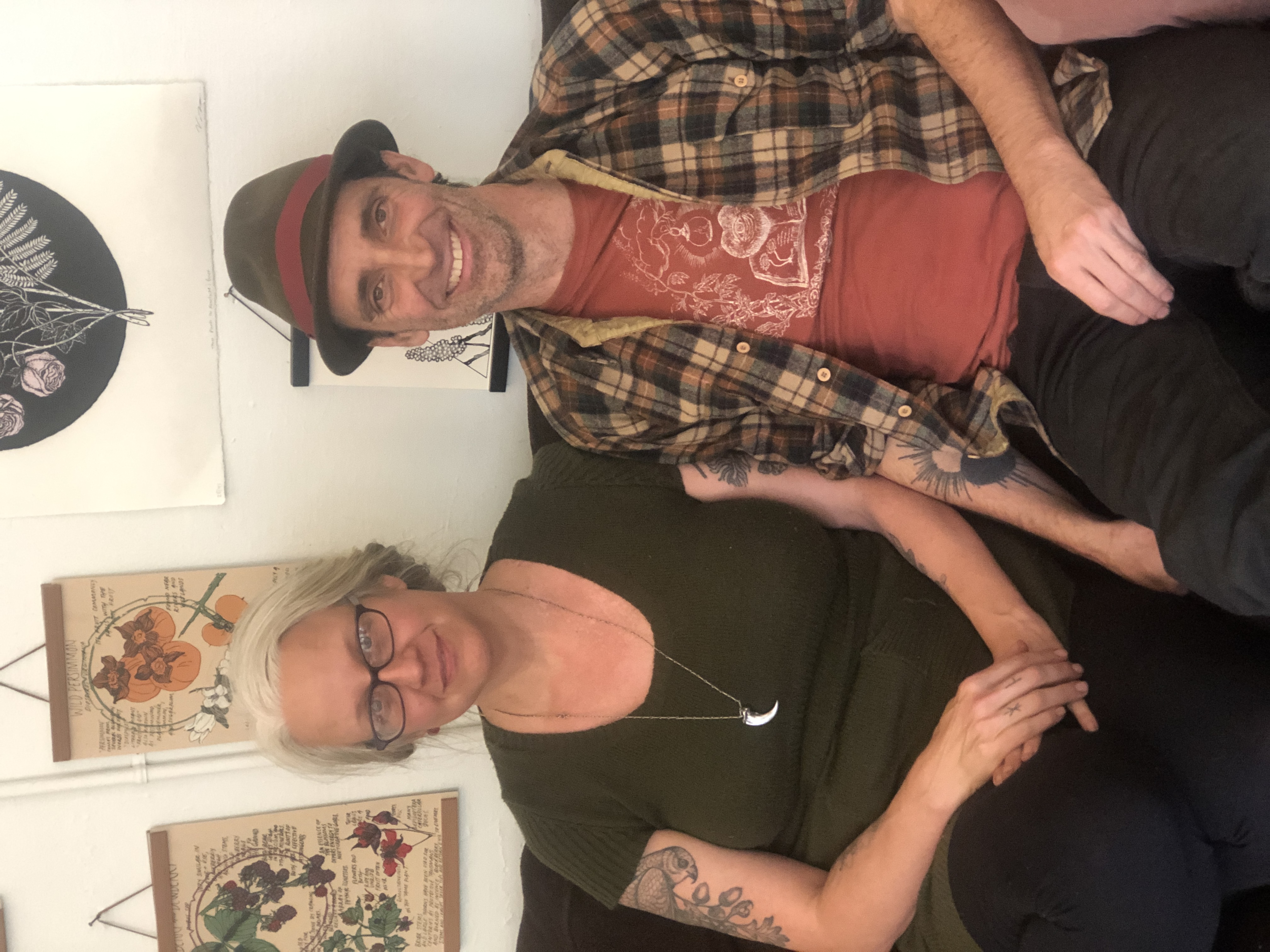 #65: Wild Tending Series / Janet Kent and Dave Meesters of the Terra Sylva School of Botanical Medicine on disempowering the engines of disruption through intentional land-tending | Episode #65 of the Ground Shots Podcast is a conversation with Dave Meesters and Janet Kent of the Terra Sylva School of Botanical Medicine out of Madison County, North Carolina. https://www.ofsedgeandsalt.com/podcastblog/terrasylvaschool After trying to get together for a conversation all summer, we finally met up in the early fall at Dave and Janet's herbalism school classroom at the Marshall High Studios, in Marshall, North Carolina. It was a frigid fall day and when I arrived, they had tea going and snacks out on a table in their beautifully lit and decorated studio space. It was obviously curated and inhabited by herbalists. Dave and Janet run the Terra Sylva School of Botanical Medicine with Jen Stovall, and have a clinical herbalism practice in the rural area where they live and the nearby city of Asheville, NC. Dave Meesters grew up in Miami, Florida and attended college at the University of North Carolina at Chapel Hill. He moved to Asheville, North Carolina in the winter of 1998. In 2003, his formal herbal training began with an apprenticeship with CoreyPine Shane at the Blue Ridge School of Herbal Medicine, and since then his experience has included organizing and staffing a free clinic in New Orleans in the months after hurricane Katrina, and starting and practicing at a free clinic in Asheville's homeless day shelter. Dave has plans to be involved with another herbal free or low-cost clinic in the future, but until then he sees clients privately and provides care to the mountain folks in his rural Appalachian neighborhood, most of whom would rather see an herbalist than a doctor. From 2013 to 2016, Dave was, with Janet, the director and primary instructor at the Terra Sylva School's summer apprenticeship program, which was held on the communal mountain land where he resides before the school moved to Marshall. He and Janet are the founders of Medicine County Herbs, an herb apothecary, medicinal plant nursery, and blog. Dave sees herbalism as a way to provide a more appropriate, accessible, pleasurable, and effective form of health care than the dominant model, and as a means to bond and integrate ourselves with plants, the garden, and the wilds. His herbalism is wedded to a life-long resistance to the forces of domination and alienation, especially domination of and alienation from Nature. His practice and his teaching reflect a deep evolving holism attained by listening to, honoring, embracing, and collaborating with the whole of Nature, and by his study of the threads connecting holistic physiology, energetics, ecology, gardening, systems theory, magic, alchemy and permaculture. Janet Kent is a clinical and community herbalist, educator, gardener and writer. The child of two naturalists, Janet grew up in the foothills of the Blue Ridge mountains, learning the amazing diversity of regional wild flowers at an early age. She began studying the medicinal uses of plants when she moved to a rich Appalachian cove high in the mountains of Madison county, North Carolina fifteen years ago. She did not set out to become an herbalist, but as she learned over the years in her forest home, if we are open, we do not change the land we inhabit as much as it changes us. The transformative healing power of the plants around her turned an interest into a calling. The vast power to heal through reconnection is the medicine she most seeks to share. Whenever possible, she encourages her students and clients to grow their own herbs, to make their own medicine, and most of all, to experience the more-than-human world first hand. Here is where deep, foundational healing is most profound. Janet views herbal medicine as a means of reconnecting to the long tradition of plant medicine in rural Appalachia. This tradition has become more relevant with the ailing state of the dominant health care system and the rising cost of herbal medicine. Janet considers herbalism the best option for addressing injustice in health care. Herbalists, being outside the biomedical system, can avoid its inequalities. Affordable care, medicine and education are central to this paradigm. In addition to being co-founder and a core faculty member at the Terra Sylva School of Botanical Medicine, Janet also runs a medicinal and native plant nursery, apothecary and blog, Medicine County Herbs with Dave. Terra Sylva combines the experience of herbalists who've done their work in very different regions: rural Appalachia and the city of New Orleans. Dave Meesters and Janet Kent founded and run Medicine County Herbs in the mountains of North Carolina and publish the Radical Vitalism blog, while Jen Stovall is one of the herbalists behind the Crescent City's Maypop Community Herb Shop. Despite the geographical separation, this team have been partners in herbalism for over a decade, going back to the first herb classes Jen & Dave taught together in New Orleans in 2004. The Terra Sylva School fulfills a dream we've nurtured for a long time, to meld our diverse strengths and perspectives to create a comprehensive, dynamic program well-suited to equip and inspire the next generation of herbalists to practice in the 21st century. Our teaching reflects both Janet & Dave's land-based herbalism practiced in a rural setting and Jen's experience caring for folks in the big city. In this conversation with Dave and Janet, we talk about: some of the culture of the holler Dave and Janet live in deep in southern Appalachia pros and cons of living remotely in Appalachia how herbalism tied them to the land they live on and kept them there when other folks involved in the land project didn't stay teaching herbalism online vs. in person the magic of tuning into one small piece of land year after year Dave and Janet's wild-tending and land-tending work over 20 years in Madison county the problem with human misanthropy in punk culture or the 'humans suck' mentality the importance of human tending on land and Appalachia specifically the effects of capitalism on wild harvest of medicinal plants and the complex nuances of this, and effects Michael Moore's books and teachings had on wild plant populations like Yerba Mansa we geek out on Pedicularis as an example of a plant that is tricky to wildcraft because of its inability to be cultivated some of Dave and Janet's views on 'invasive plants' and land-tending and the responsibility of human engagement why it is important to ask where the garden begins and ends? how land-tending and restoration can't be about going back to a past that is impossible to recreate due to loss of topsoil and keystone species (think Chestnuts in the east) but about working with a compass of creating diversity and resilience in a rapidly changing world, tending to baselines of the past and ever-shifting baselines of present What can disempowering the engines of disruption with other disruption look like? some thoughts on changes in 'western' herbalism from a focus on the individual to a focus on the collective and cultural mending using 'biomedicine' vs. 'allopathic' to describe mainstream western medicine and some history around the use of these words Dave and Janet's podcast 'The Book on Fire,' what it focuses on and why they facilitate it we do a mini overview of the book 'The Caliban and the Witch,' a book they review and deconstruct on their podcast (book linked in Link list below) Links: Terra Sylva School of Botanical Medicine Radical Vitalism essay by Janet and Dave on their underlying philosophy To Fulfill the Promise of Herbalism Dave's piece on the power and potential for grassroots herbalism Uncontrollable Night: Herbs for Grief Janet's piece on working with herbs to ease the phases of grief The Book on Fire podcast "The Caliban and the Witch: Women, the Body and Primitive Accumulation" book by Silvia Federici mentioned on the podcast, reviewed in detail by Dave and Janet on their podcast 'The Book on Fire' "Rambunctious Garden: Saving Nature in a Post-Wild World" by Emma Marris, briefly mentioned in the podcast, also mentioned in GSP Episode #53 : Wild Tending Series / Gabe and Kelly on ecological history, anthropogenic landscapes and the negative side of conservation Mountain Gardens, a regional Appalachian botanical sanctuary run by Joe Hollis mentioned on the podcast Mountain Gardens Youtube Channel, mentioned on the podcast Donna Haraway "Staying with the Trouble", mentioned in the podcast, a book Dave and Janet review on their podcast 'The Book on Fire' Support the podcast on Patreon to contribute monthly to our grassroots self-funding of this project For one time donations to support this podcast: Paypal : paypal.me/petitfawn VENMO: @kelly-moody-6 Cashapp: cash.app/$groundshotsproject Our website with an archive of podcast episodes, educational resources, past travelogues and more: http://www.ofsedgeandsalt.com Our Instagram pages: @goldenberries / @groundshotspodcast Join the Ground Shots Podcast Facebook Group to discuss the episodes Subscribe to our newsletter for updates on the Ground Shots Project Theme music: 'Sweat and Splinters' by Mother Marrow Guest music: Little Wind and Sea by Village of Spaces This episode hosted by: Kelly Moody Produced by: Kelly Moody | — | ||||||
| 12/1/21 |  #64: Mary Morgaine Plantwalker of Herb Mountain Farm on care-taking a botanical sanctuary in Appalachia | Episode #64 is a conversation with Mary Morgaine Plantwalker of Herb Mountain Farm in Weaverville, NC. This episode was recorded in person in the gardens of Herb Mountain Farm August 2021. Mary Morgaine Plantwalker is one of the main caretakers of Herb Mountain Farm alongside her partner, Hart Squire. Located in the oldest mountains on earth, Herb Mountain Farm was established in 1970, originally as an organic vegetable and flower farm, by Hart Squire and his family, in Weaverville, North Carolina. Herb Mountain Farm was a piece of land that had been overgrazed, logged and farmed unsustainably for over a century and needed a lot of conscious stewarding to build up the soil that had been washed away to the Mississippi Delta. Hart, with the help of many hands over the decades, brought in organic matter and plant diversity. For decades, Hart sold vegetable and flowers from the farm to local markets, restaurants and grocers, then built an earth-bermed warehouse on the property for the organic farmers in the area, called Hart Distributing, which eventually grew into a distribution center for organic ale and wine – long before Asheville was beer city! Hart spent several years in California, opening one of the first farm to table restaurants called 'The Seasons' in the 1970's. In 2005, Mary Morgaine (aka Mary Plantwalker) came to work on Herb Mountain Farm's garlic production crew and first met Hart. She worked there for a few years before starting her own business, Earth Dancers, where she taught an array of "Plants as Allies" classes and workshops. In 2010, Buchi Kombucha took over the warehouse and began what grew into a very successful fermented health drink business. Buchi remained on the farm until they outgrew the space in 2016. In 2011, Hart and Mary Morgaine reconnected and fell in love. They married in 2012, and their union birthed the vision to transition the farm into a Learning Center and Botanical Sanctuary. In 2013, their daughter, Nadia, was born and has been absorbing the gardening and plant knowledge of her parents since day one and gives Hart and Mary Morgaine the inspiration to keep sailing on for the future generations. Herb Mountain Farm's website Herb Mountain Farm on Instagram United Plant Savers Support the podcast on Patreon to contribute monthly to our grassroots self-funding of this project For one time donations to support this podcast: Paypal : paypal.me/petitfawn VENMO: @kelly-moody-6 Cashapp: cash.app/$groundshotsproject Our website with an archive of podcast episodes, educational resources, past travelogues and more: http://www.ofsedgeandsalt.com Our Instagram pages: @goldenberries / @groundshotspodcast Join the Ground Shots Podcast Facebook Group to discuss the episodes Subscribe to our newsletter for updates on the Ground Shots Project Theme music: 'Sweat and Splinters' by Mother Marrow Guest music: 'Overflow,' 'Entropy,' and 'The One' by Cole Sullivan This episode hosted by: Kelly Moody Produced by: Kelly Moody | — | ||||||
| 8/21/21 |  Living in the wilderness, fermenting on the road and facing the immediacy of death with Marissa Percoco | Episode #63 is a conversation with Marissa Percoco out of Barnardsville, NC. Marissa (she/her) is an avid fermentation enthusiast who has spent the last 10 years exploring community and the wilds, as well as living deeply with various fermented cultures and local plants, and learning how it all comes together. Traveling through the wild places of Tennessee, Florida, the Southwest, California, Colorado, Arizona, Utah, Oregon, Washington, Hawaii and most everywhere in between with her four amazingly adventurous children, Marissa has gathered cultures from far and wide. Deeply rooted in the Earthskills movement and committed to co-creating a new culture within which we, our children and all beings thrive, they are now nesting in Barnardsville, NC, and she humbly offers her humorous experiences to you. She is also the Director of the Firefly Gathering. In this conversation with Marissa, we talk about: rural Appalachia dynamics and gentrification in a valley outside of a hip city, Asheville, NC some stories of Marissa's moving from the bay area of California to the rural south in the early 2000's and what it was like initially, the culture shock shifting from years of nomadism to mainly tending one small place in community some of Marissa's childhood experiences in California with chemically bonded parents and plant loving grandparents farming in west climates vs. arid climates tending tropical plants in a subtropical four season place, and pushing the edge of what is possible during rapid climate change the perspective gained from travel and having an awareness of the plants in those places Marissa's time in the Gila wilderness doing walks and we geek on plants we found there the pros and cons of isolation living in wilderness areas, co-dependency, addiction and depression wrapped in idealism, and how can we contribute to society living 'out there?' Marissa's mead brewing practice on the road over the years, capturing place through brewing plants how facing the immediacy of death changes perspective Firefly Gathering, sign up for year round classes or attend the annual gathering: http://www.fireflygathering.org Firefly on Instagram: http://www.instagram.com/fireflygatheringnc Support the podcast on Patreon to contribute monthly to our grassroots self-funding of this project For one time donations to support this podcast: Paypal : paypal.me/petitfawn VENMO: @kelly-moody-6 Cashapp: cash.app/$groundshotsproject Our website with an archive of podcast episodes, educational resources, past travelogues and more: http://www.ofsedgeandsalt.com Our Instagram pages: @goldenberries / @groundshotspodcast Join the Ground Shots Podcast Facebook Group to discuss the episodes Subscribe to our newsletter for updates on the Ground Shots Project Theme music: 'Sweat and Splinters' by Mother Marrow This episode hosted by: Kelly Moody Produced by: Kelly Moody | — | ||||||
| 7/12/21 |  Chama Woydak of Homegrown Families on birth, death, and land connection | Episode #62 of the Ground Shots Podcast features a conversation with Chama Woydak of Homegrown Families and Dancing Springs Farm, out of Asheville, North Carolina. Chama and I have a relationship that spans over a decade, which began when I landed on her farm in 2012 to go to herbal medicine school. We ended up farming together for a few years before I hit the road, and I owe a lot of my knowledge about growing food and caring for animals to Chama who has dedicated the last few decades to these practices alongside her work as a doula and childbirth educator. As you'll hear in this interview, her work as a farmer tending life and death is inextricably linked to her work as a doula re-humanizing care for others' births in a society that doesn't prioritize it or see it as vitally important. In this conversation with Chama, we talk about: Chama's journey into childbirth education and birthwork The role of doulas in childbirth The difference between a OBGYN, doula and midwife The problematic nature of the medical industrial complex in relationship to birth how doulas can re-humanize care in a culture and system that dehumanizes from the bottom up raising the bar of birth experiences the intricacies of complex medical trauma and how it trickles into our society taking a restorative justice approach to birthwork the connection between farming and birthwork how tending space in nature can help teach us how to tend and care for our human systems (we are nature) doula work is inherently justice work the power of small adjustments and interactions in making big change and how tending land can teach us about this how death and birth are parallel initiations Chama on Instagram: @chamawoydak Homegrown Families on Instagram: @homegrown_families https://www.ashevillehomegrownfamilies.com/ Support the podcast on Patreon to contribute monthly to our grassroots self-funding of this project For one time donations to support this podcast: Paypal : paypal.me/petitfawn VENMO: @kelly-moody-6 Cashapp: cash.app/$groundshotsproject Our website with an archive of podcast episodes, educational resources, past travelogues and more: http://www.ofsedgeandsalt.com Our Instagram pages: @goldenberries / @groundshotspodcast Join the Ground Shots Podcast Facebook Group to discuss the episodes Subscribe to our newsletter for updates on the Ground Shots Project Theme music: 'Sweat and Splinters' by Mother Marrow Interstitial Music: Ebb and Flow, Finger and the Bone by Brown Bird This episode hosted by: Kelly Moody Produced by: Kelly Moody | — | ||||||
| 6/21/21 | 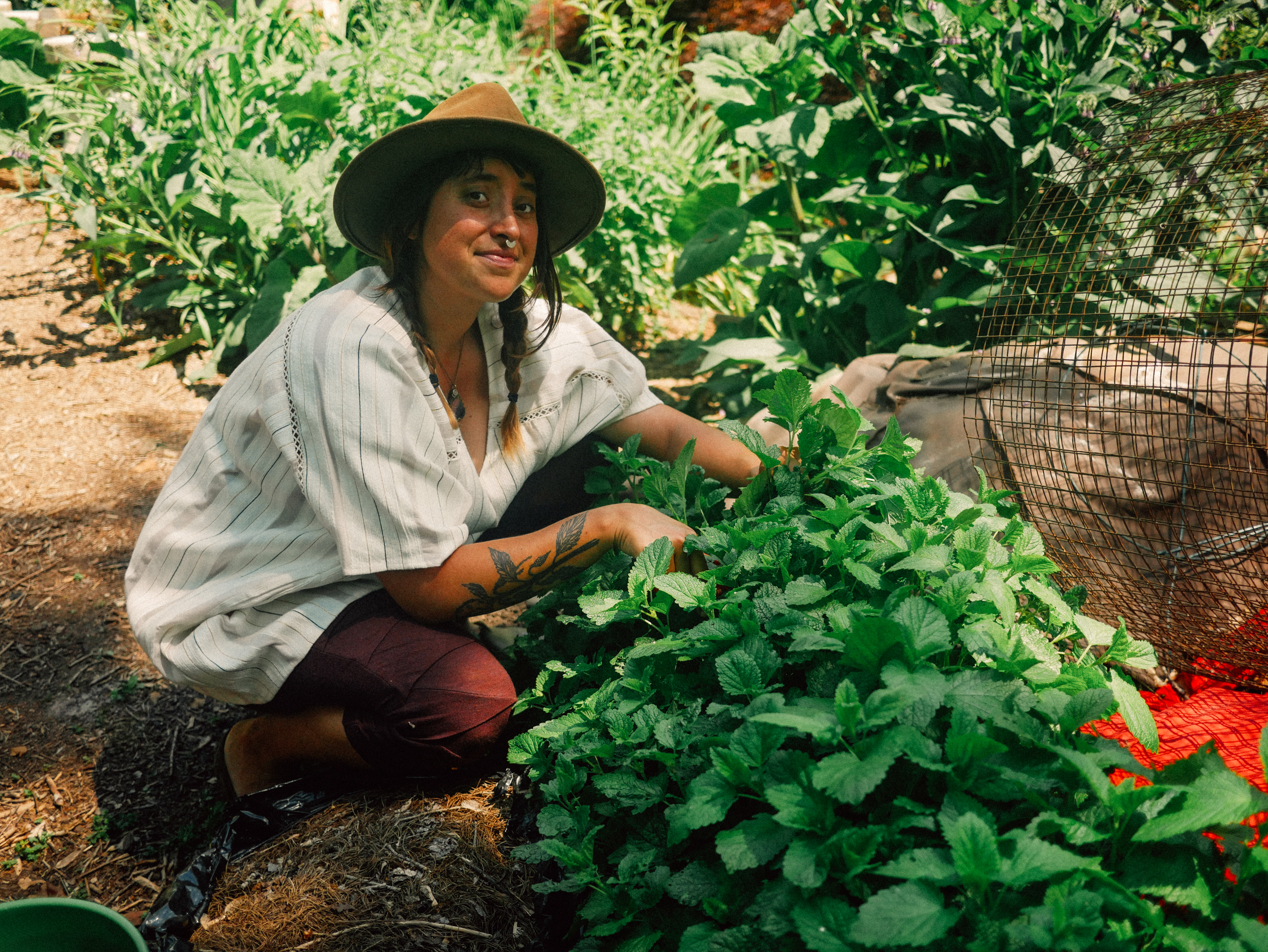 Jillian Ashley aka. Jill Trashley on the origins of the NOHM collective, nomadic business, community & plant tending across ecologies | Episode #61 of the Ground Shots Podcast features a conversation with Jill Trashley out of Asheville, North Carolina. ... ... Earlier in the Spring, Jill and I met up in Asheville to distill some Lemon Balm together. First, we went to her friends' house, down the road from hers, where we had permission to harvest Lemon Balm from their very abundant gardens right in the city. The Lemon Balm was in it's prime. Jill comes to their house often to help in the gardens and harvest extra herbs to distill or to make medicine. Stepping into their yard, I thought for a moment that I was suddenly in Berkeley, California, where gardens and quirky folk abound, tucked into an urban weaving of lush flowering plants and treehouses, Redwoods and backyard nooks. But no, this was Asheville, and the treehouse was in a big healthy Eastern Hemlock tree, the carefully placed rock walls abound, the exposed dirt southern red, the hand built greenhouse off the back of the house full of desert plants one wouldn't expect deep in Appalachia. We gathered Lemon Balm by cutting bunches and dug up some young plants to transplant elsewhere. Lemon Balm tends to spread easily in some environments and Jill's friends wanted us to take some away. I later transported some of these plants back to the land where I'm living for the summer and tucked them into an empty bed and wished them well. We took our harvest back to Jill's house, where we had some mid-day Mertails drinks. (Mertails are elixirs that can be used as mixers instead of alcohol, or with alcohol if you desire, Jill talks more about this company she co-owns on the podcast) I felt so good after having one of these, as my drink was very hydrating on what was a hot day. We started then setting up the copper still Jill owns and got it heating up to prepare for distilling the Lemon Balm into hydrosol. In the time while we were waiting for the still to heat up, we sat down to chat about some of Jill's projects over the years, including working with trash disposal at festivals, starting a mobile elixir bar, living on the road with intention and more. ... ... Blog post for this episode which includes a photo diary of our Lemon Balm distillation and meetup: www.ofsedgeandsalt.com/podcastblog/jillofnohm Jill on Instagram: @herban_urbalist NOHM on Instagram: @thenohm The Mertails on Instagram: @the_mertails Shop Jill's apothecary The Mertails online Theme music: 'Sweat and Splinters' by Mother Marrow Interstitial Music: "Clay" by Rising Appalachia This episode hosted by: Kelly Moody Produced by: Kelly Moody | — | ||||||
| 6/2/21 | 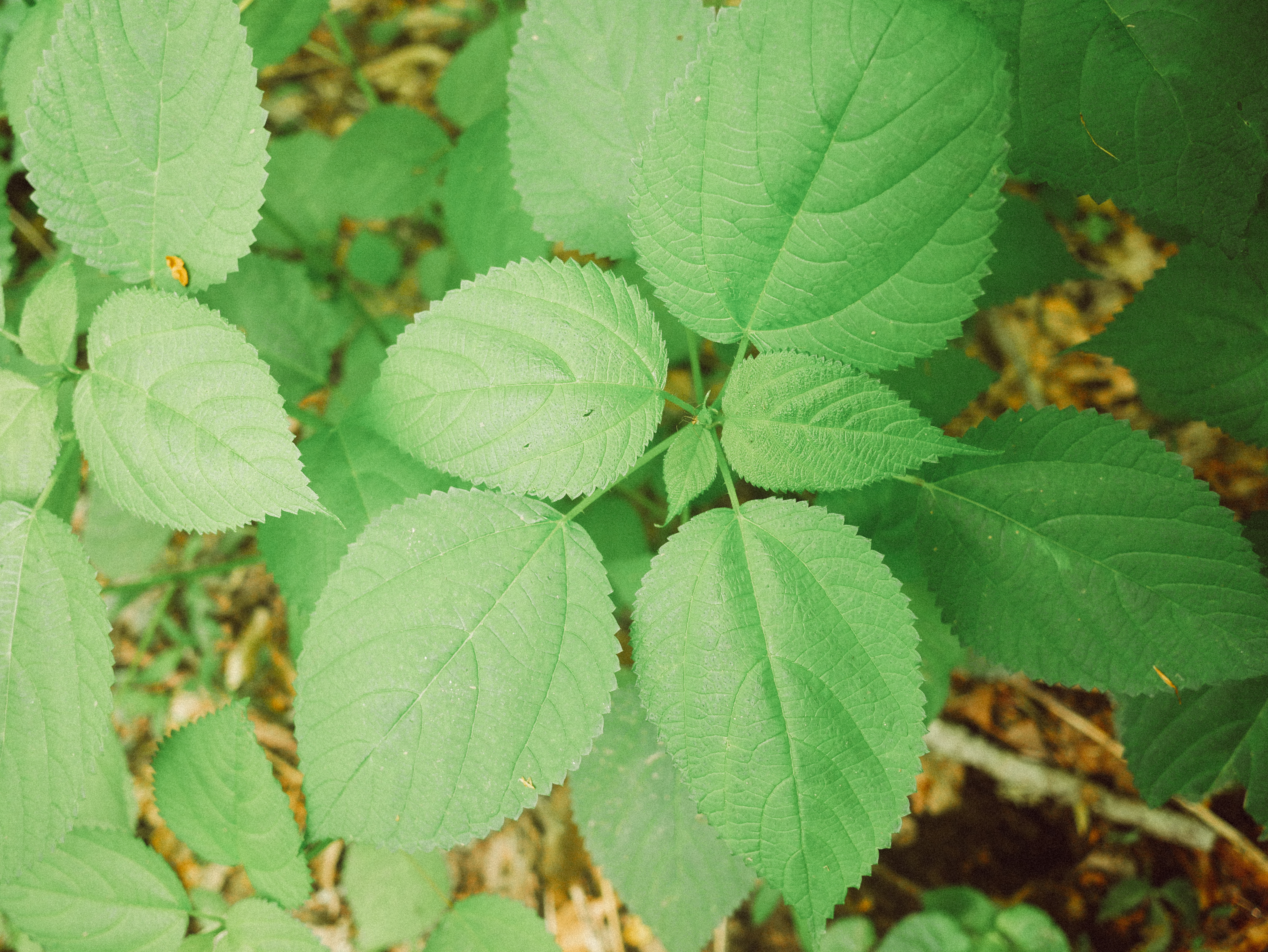 #60: Land Diary / Southern Appalachia and Nettles in Spring | Episode #60 of the Ground Shots Podcast is a solo episode with Kelly, glimpsing into a window of Spring in southern Appalachia. In this episode of the podcast, I chat about paying attention to details of place and how those moments of attention become stories of reverence. Some observations late May on the current land where I'm spending time Info on and experiences with Nettle, Wood Nettles and Nettle relatives The everyday journey of land-tending in different environments and playing with cultivated/wild tending dynamics How land-tending looks so different in different places Plants are old friends! Some thoughts on invasive plants and biological invasions in the South Support the podcast on Patreon to contribute monthly to our grassroots self-funding of this project For one time donations to support this work: Paypal : paypal.me/petitfawn VENMO: @kelly-moody-6 Cashapp: cash.app/$groundshotsproject Our website with an archive of podcast episodes, educational resources, past travelogues and more: http://www.ofsedgeandsalt.com Our Instagram pages: @goldenberries / @groundshotspodcast Join the Ground Shots Podcast Facebook Group to discuss the episodes Subscribe to our newsletter for updates on the Ground Shots Project Theme music: 'Sweat and Splinters' by Mother Marrow This episode hosted by: Kelly Moody Produced by: Kelly Moody | — | ||||||
| 5/4/21 |  Is there such a thing as an "Invasive Species"? A conversation with Matt Chew Ph.d. hosted by Kollibri terre Sonnenblume, Nikki Hill and Gabe Crawford | Episode #59 of the Ground Shots Podcast is a conversation with Professor Matt Chew, and is hosted by Kollibri terre Sonnenblume, Nikki Hill and Gabe Crawford. Dubbed a 'gadfly of invasion biology' by Scientific American, Matt Chew is known for critiquing ecology's overreliance on societal metaphors and conservationists' misapplication of notions like 'nativeness'. Dr. Chew has a B.S. Environmental Interpretation and an M.S. Range Science (Ecology) from Colorado State University, and a Ph.D. in Biology from Arizona State University. As statewide Natural Resources Planner for Arizona State Parks, he coordinated their Natural Areas Program, researched wildlife issues, and served on interagency committees, one of which also included his future wife, plant ecologist Julie Stromberg. Julie was recently featured as a guest on Kollibri terre Sonnenblume's podcast, Voices for Nature and Peace. With Julie's encouragement, he abandoned government work to earn a biology Ph.D. based entirely on historical research. Currently employed at Arizona State University, Dr. Chew conducts a field course in 'novel ecosystems,' lectures in 'history of biology' and 'biology and society', and works with postgraduate students. He was awarded an Oxford research fellowship in 2014. His articles in "Nature," "Science" and other publications have been cited in over 200 different journals. Former podcast guests, Kollibri terre Sonnenblume, Gabe Crawford, and Nikki Hill host this episode. Nikki Hill has a degree in environmental science and has worked in restoration and agriculture. Currently she invests her energy in wildtending efforts. Nikki and Kollibri co-authored a zine together called, "The Troubles of 'Invasive' Plants," which you can download for free on Kollibri's blog, linked in the show notes. Kollibri terre Sonnenblume is a writer, photographer, podcaster, tree hugger, animal lover, and cultural dissident. Past experiences include urban bike farmer, Indymedia activist, and music critic. Kollibri holds a BA in "Writing Fiction & Non-fiction" from the St. Olaf Paracollege in Northfield, Minnesota. Kollibri hosts and curates the Voices for Nature and Peace Podcast. You can read his writings focused on ecology and politics at Maska Moskska press, linked in the bio. Gabe Crawford was raised on a small homestead outside of Durango, Colorado and started learning about plants from an early age. He got launched on his plant journey by studying with Katrina Blair at the Turtle Lake Refuge in Durango. He moved to Sandpoint, Idaho where he worked with Twin Eagles Wilderness School and Kaniksu Land Trust mentoring kids. Through this, he started naturalist training which opened him up to the world of wild tending, Traditional Ecological Knowledge and the ancient and intricate relationships between humans and ecology. Gabe spent time with Finisia Medrano learning about the ancient wild gardens of the west that were and still are tended by indigenous peoples and was taught how to tend these first foods and plant back for future abundance. He collects the seeds of native foods plants, fruit trees, berries and other exotics to plant feral orchards and wild gardens. In this conversation, Kollibri, Nikki and Gabe take a deep dive into the history of "invasion biology" and reveal its scientific shortcomings and its cultural biases. This is a crossover episode with Kollibri's podcast, Voices for Nature and Peace, so we are airing it on both podcasts at the same time. I highly recommend checking out Kollibri's guests and the breadth of what he has been covering lately visiting the intersections of social action, politics, the environment, animals rights, land justice and more. Also check out Kollibri's weekly column read out loud on his platform Radio Free Sunroot. You can also find Voices for Nature and Peace on most mainstream podcast streaming platforms. Links: Kollibri's website where you can find his writings, zines and more: Macska Moksha Press Radio Free Sunroot and the Voices for Nature and Peace Podcast Gabe Crawford on instagram: @plumsforbums Nikki Hill's website, Walking Roots Voices for Nature and Peace Patreon page Call the podcast and leave a message (while you're there, if your ok with us airing it on the podcast, give us verbal permission): 1-434-233-0097 Support the podcast on Patreon to contribute monthly to our grassroots self-funding of this project For one time donations to support this work: Paypal : paypal.me/petitfawn VENMO: @kelly-moody-6 Cashapp: cash.app/$groundshotsproject Our website with an archive of podcast episodes, educational resources, past travelogues and more: http://www.ofsedgeandsalt.com Our Instagram pages: @goldenberries / @groundshotspodcast Join the Ground Shots Podcast Facebook Group to discuss the episodes Subscribe to our newsletter for updates on the Ground Shots Project Theme music: 'Sweat and Splinters' by Mother Marrow This episode hosted by: Kollibri terre Sonnenblume, Nikki Hill and Gabe Crawford Produced by: Kollibri terre Sonnenblume and Kelly Moody | — | ||||||
| 4/24/21 |  A conversation with Sean Croke of the Hawthorn School of Plant Medicine | Episode #58 of the podcast features Sean Croke, who runs the Hawthorn School of Plant Medicine in the Pacific Northwest. In this episode of the podcast, we talk about: Sean's herbalism practice herbalism during covid and the gain in interest in natural medicine since the pandemic started some special characteristics of Cascadia and the Pacific Northwest Sean's school, the Hawthorn School of Plant Medicine based in Olympia, Washington, a little bit on how it started and how it has evolved over time Sean's focus on propagating wild plants before wildcrafting the Olympia Free Clinic and how it used to function Links: Hawthorn School website Understory Apothecary Want to share something? Call the podcast and leave a message (while you're there, if your ok with us airing it on the podcast, give us verbal permission): 1-434-233-0097 Support the podcast on Patreon to contribute monthly to our grassroots self-funding of this project For one time donations to support this work: Paypal : paypal.me/petitfawn VENMO: @kelly-moody-6 Cashapp: cash.app/$groundshotsproject Our website with an archive of podcast episodes, educational resources, past travelogues and more: http://www.ofsedgeandsalt.com Our Instagram pages: @goldenberries / @groundshotspodcast Join the Ground Shots Podcast Facebook Group to discuss the episodes Subscribe to our newsletter for updates on the Ground Shots Project Theme music: 'Sweat and Splinters' by Mother Marrow Interstitial Music: Losgrinn by Vaughn Aed Hosted by: Kelly Moody Produced by: Kelly Moody | — | ||||||
| 4/9/21 |  Gabe Crawford interviews Angela Moles P.h.D. on the rapid evolutionary responses of plants due to climate change, challenging scientific dogma | Episode #57 of the podcast is a conversation between Gabe Crawford and Dr. Angela Moles. Gabe Crawford, a former podcast guest, hosts this episode of the Ground Shots Podcast. Gabe has been conducting research on the history of anthropogenic landscapes, ecology, botany, and ethnobotany, and discovering bias and racism in those fields that have carried into our understanding of human relationship with the land today. This research also inevitably brings one to diving into the science and culture of invasion biology, a fairly new field of study. If you're a regular listener of the podcast, you know that we have spoken a few times on anthropogenic landscapes and visit the often controversial topic of invasive plants. We spoke about this with Nikki Hill on Episode #33 of the podcast, and on more recently on Episode #53 of the podcast. After diving into this controversial topic and realizing that it is complex and requires looking at a lot of different perspectives, Gabe decided to reach out to Dr. Angela Moles, whose articles he discovered in his research. Angela Moles in an Australian scientist doing research on plant morphology and rapid plant evolution and many of her findings are challenging previously held as true assumptions in the scientific community about the ways certain plants function under certain conditions. Professor Angela Moles is the director of the Evolution & Ecology Research Centre at UNSW Sydney in Australia. Her research aims to improve understanding of plant responses to climate change, and to quantify the ways introduced species change when they are introduced to new ranges. Angela is also a mother, and a surf lifesaver. In this episode of the podcast, Gabe and Angela talk about: Angela's research with the Global Herbivory Project and in evolutionary biology and ecology how plants and animals can evolve and change faster than we previously though, and Angela's quantifiable research on this the change in cultural attitudes towards introduced species in the last hundred years some history on the Acclimatization Society, which encouraged the introduction of non-native plants from Europe in the 19th and 20th centuries to lands being colonized, as a way to bring familiarity to settlers and with the assumption that this practice enriched foreign ecologies dogma present in the scientific community how ecosystems are dynamic and don't just stay in one place how difficult it is for scientists to make paradigm shifts some Australian anthropogenic landscape ecology, fire, colonization whether it is the invading plants that are the issue or the change in disturbance regimes of landscapes including native folks in ecology and urban ecology work the gridlock between the need for assisted migration or 'natural' self-led plant migrations due to climate change, and the fear of invasive plants harming ecosystems Links: Gabe Crawford, guest host, on Instagram: @plumsforbums Article by Angela Moles and research team: "Invasions: the trail behind, the path ahead, and a test of a disturbing idea" Journal of Ecology. 2012. doi: 10.1111/j.1365-2745.2011.01915.x I highly recommend perusing Google Scholar and reading other academic articles written by Angela Moles, of which there are many, to get more perspective on her groundbreaking research. Angela's UNSW Sydney webpage Acclimatisation society Angela's Global Herbivory Project Call the podcast and leave a message (while you're there, if your ok with us airing it on the podcast, give us verbal permission): 1-434-233-0097 Support the podcast on Patreon to contribute monthly to our grassroots self-funding of this project For one time donations to support this work: Paypal : paypal.me/petitfawn VENMO: @kelly-moody-6 Cashapp: cash.app/$groundshotsproject Our website with an archive of podcast episodes, educational resources, past travelogues and more: http://www.ofsedgeandsalt.com Our Instagram pages: @goldenberries / @groundshotspodcast Join the Ground Shots Podcast Facebook Group to discuss the episodes Subscribe to our newsletter for updates on the Ground Shots Project Theme music: 'Sweat and Splinters' by Mother Marrow This episode hosted by: Gabe Crawford Produced by: Kelly Moody | — | ||||||
| 3/28/21 |  Dan Nanamkin part two: Gabe Crawford catches up with Dan on how his indigenous community stepped up to Covid, updates on the Young Warrior Society | In this episode of the podcast, Gabe Crawford, a former podcast guest, catches up with Dan Nanamkin, who was featured previously on Episode #39 of the Podcast. Dan Nanamkin is from the Chief Joseph Band Of Wallowa, Nez Perce, and Colville Confederated Tribes of Washington State has been an advocate/teacher for indigenous culture, community unity, youth empowerment, racial equality, and peace for several decades. Prior to Standing Rock, Dan took one of the leads in helping to restore ancient canoe culture of the northwest plateau tribes, the River Warriors. This inspired him further to connect with the Water, something that led him to Standing Rock. He endured months of peaceful front line action at Standing Rock from September 2016 until March 2017. Dan has since traveled across the nation speaking with his two dogs and band, the One Tribe Movement. Dan advocates for people to be better informed, to get more involved, to resist racism and violence, and to support the movement to protect Mother Earth. He is a public presenter, musician and author who remains active in bringing forth awareness of Native culture. His mission is to connect modern day people with the traditions that are still absolutely relevant and critical to life today. Dan hopes to bring back traditional knowledge of the earth/plants/medicines and survival in a way to encourage healing, wellness and respect for balance with Mother Earth and all living things. In this conversation with Dan and Gabe, they talk about: Dan's new podcast "Honor All Life" update on Sovereignty Camps and the name change to Young Warrior Society organic food access on the reservation how Dan's community stepped up during Covid to support one another some #landback talk from Dan's perspective the difficulty of being able to tend and harvest native first foods with how land is now split up in modern times due to colonization, racism, access issues some updates on Dan's land projects Links: Dan's link-tree page with links to all of his projects: https://linktr.ee/nanamkin Guest Host, Gabe Crawford's instagram page: @plumsforbums Call the podcast and leave a message (while you're there, if your ok with us airing it on the podcast, give us verbal permission): 1-434-233-0097 Support the podcast on Patreon to contribute monthly to our grassroots self-funding of this project For one time donations to support this work: Paypal : paypal.me/petitfawn VENMO: @kelly-moody-6 Cashapp: cash.app/$groundshotsproject Our website with an archive of podcast episodes, educational resources, past travelogues and more: http://www.ofsedgeandsalt.com Our Instagram pages: @goldenberries / @groundshotspodcast Join the Ground Shots Podcast Facebook Group to discuss the episodes Subscribe to our newsletter for updates on the Ground Shots Project Theme music: 'Sweat and Splinters' by Mother Marrow Interstitial Music: "I am a Bird" by Fen Swale This episode hosted by: Gabe Crawford Produced by: Kelly Moody | — | ||||||
Showing 25 of 78
Pitch Fit is a Pro feature
See how bookable this show is for guests, which brands already advertise, the per-episode ad value, and the best-fit guest and sponsor profile. The numbers are blurred on the free plan.
How readily this show books outside guests like you.
How proven this show is for host-read sponsorships.
For Guests
ProFor Advertisers
ProUpgrade to Pro to unlock guest cadence, sponsor categories, fit scores, and per-episode ad value for this show.
Chart Positions
1 placement across 1 market.
Chart Positions
1 placement across 1 market.