Insights from recent episode analysis
Audience Interest
Podcast Focus
Publishing Consistency
Platform Reach
Insights are generated by CastFox AI using publicly available data, episode content, and proprietary models.
Most discussed topics
Brands & references
Est. Listeners
Based on iTunes & Spotify (publisher stats).
- Per-Episode Audience
Est. listeners per new episode within ~30 days
10,001 - 25,000 - Monthly Reach
Unique listeners across all episodes (30 days)
25,001 - 75,000 - Active Followers
Loyal subscribers who consistently listen
5,001 - 15,000
Market Insights
Platform Distribution
Reach across major podcast platforms, updated hourly
Total Followers
—
Total Plays
—
Total Reviews
—
* Data sourced directly from platform APIs and aggregated hourly across all major podcast directories.
On the show
From 1 epsHosts
Not detected.
Recent guests
Recent episodes
British Columbia Can’t Outrun the Past
May 1, 2026
9m 46s
Canada's Monopolies Are Marching On (w/ Peter Nowak & Vass Bednar)
Apr 24, 2026
21m 46s
Fishy Business on the Island (w/ Stu Neatby)
Apr 23, 2026
9m 09s
The Promise and Peril of Avi Lewis (w/ Nora Loreto)
Apr 14, 2026
51m 35s
The Toronto Police Has Been a Rogue Agency for Too Long. Rein Them In.
Feb 14, 2026
29m 25s
Social Links & Contact
Official channels & resources
Official Website
Login
RSS Feed
Login
| Date | Episode | Topics | Guests | Brands | Places | Keywords | Sponsor | Length | |
|---|---|---|---|---|---|---|---|---|---|
| 5/1/26 | ![]() British Columbia Can’t Outrun the Past✨ | Indigenous rightsBC politics+3 | Adam Olsen | Hatchet Media | British Columbia | British ColumbiaIndigenous rights+5 | — | 9m 46s | |
| 4/24/26 | ![]() Canada's Monopolies Are Marching On (w/ Peter Nowak & Vass Bednar) | As I’m sure you all know, the media is not doing well. Layoffs and closures have left the industry in a state of absolute disrepair. Even the so-called new media outlets that were supposed to save us — think BuzzFeed and Vice — have largely packed it in.The podcasting bubble has popped and newsletters have flatlined. In short, there just isn’t some magical business model or format waiting in the wings to save journalism, especially here in Canada.But some of us just, including us over here at The Hatchet, just can’t help ourselves. We’re going to keep plugging away, hell or high water, because we think that someone has to.And there are others like us, including Peter Nowak at Do Not Pass Go, an outlet dedicated to exposing the dirty dealings of Canada’s many many monopolies and oligopolies. And despite the difficulties of trying to build new outlets from scratch in this environment, one nice thing is that folks like Peter and ourselves have been helping each other out in trying to build up a new media ecosystem.So I was so happy when Peter invited me and Vass Bednar on to his show to celebrate his 1000th subscriber, just to talk a little bit about the state of competition in the country.Give it a listen. And know that behind the scenes, we’re collaborating on some pretty interesting stories together that we think you’re going to love.Featured in this Episode: Peter Nowak, Vass BednarTo Learn More:"Six Months and 1,000 Subscribers: Celebrating Do Not Pass Go Milestones!" by Peter Nowak in Do Not Pass Go"Manitoba Takes the Power Back and Doug Ford Flip Flops on Scalpers" by Peter Nowak in Do Not Pass Go This is a public episode. If you'd like to discuss this with other subscribers or get access to bonus episodes, visit hatchetmedia.substack.com/subscribe | 21m 46s | ||||||
| 4/23/26 | ![]() Fishy Business on the Island (w/ Stu Neatby) | This is a free preview of a paid episode. To hear more, visit hatchetmedia.substack.comIt’s not surprising that Prince Edward Island gets ignored by most of the press outside of the Maritimes. It’s by far the smallest province, with less than 200,000 residents. And the last time PEI politics were being covered nationally was when PEI senator Mike Duffy was at the centre of a massive expense scandal well over a decade ago.But that lack of attention is a disservice. Because PEI isn’t just a collection of small communities. It’s a full-fledged province, with equal standing in Confederation, and with a government responsible for hundreds of millions of dollars in spending.For a relatively small place, those are some pretty high stakes.So I was really interested to read about a possible corruption scandal that’s come out in the province, which has already led to the resignation of a cabinet minister and is being investigated by the RCMP. It involves allegations of a golf course development, sensitive wetlands and allegations of bribery. Which sounds like your cookie-cutter corruption scandal.But there’s a lot of things about this story that are out of the ordinary. First off, this alleged bribe wasn’t paid to the politician, but to a sort of do-gooder group of retired francophone teachers. And secondly, it was the premier himself that exposed his alleged corruption.So I decided to give a call to Stu Neatby, the political reporter for The Guardian, PEI’s paper of record. Alongside trying to parse through this corruption scandal, Stu also walks us through the state of PEI politics and another strange conflict-of-interest case involving another PEI minister, who just wants to go fishing. It’s the most Prince Edward Island political story you’ll ever hear.Featured in this episode: Stu NeatbyTo Learn More:"RCMP confirm former P.E.I. cabinet minister under investigation" by Stu Neatby in The Guardian"'I never wanted to break rules': Former P.E.I. minister Arsenault says permit change was never linked to donation" by Stu Neatby in The Guardian"P.E.I. lobster-fishing minister says conflict laws will need to change" by Stu Neatby in The Guardian | 9m 09s | ||||||
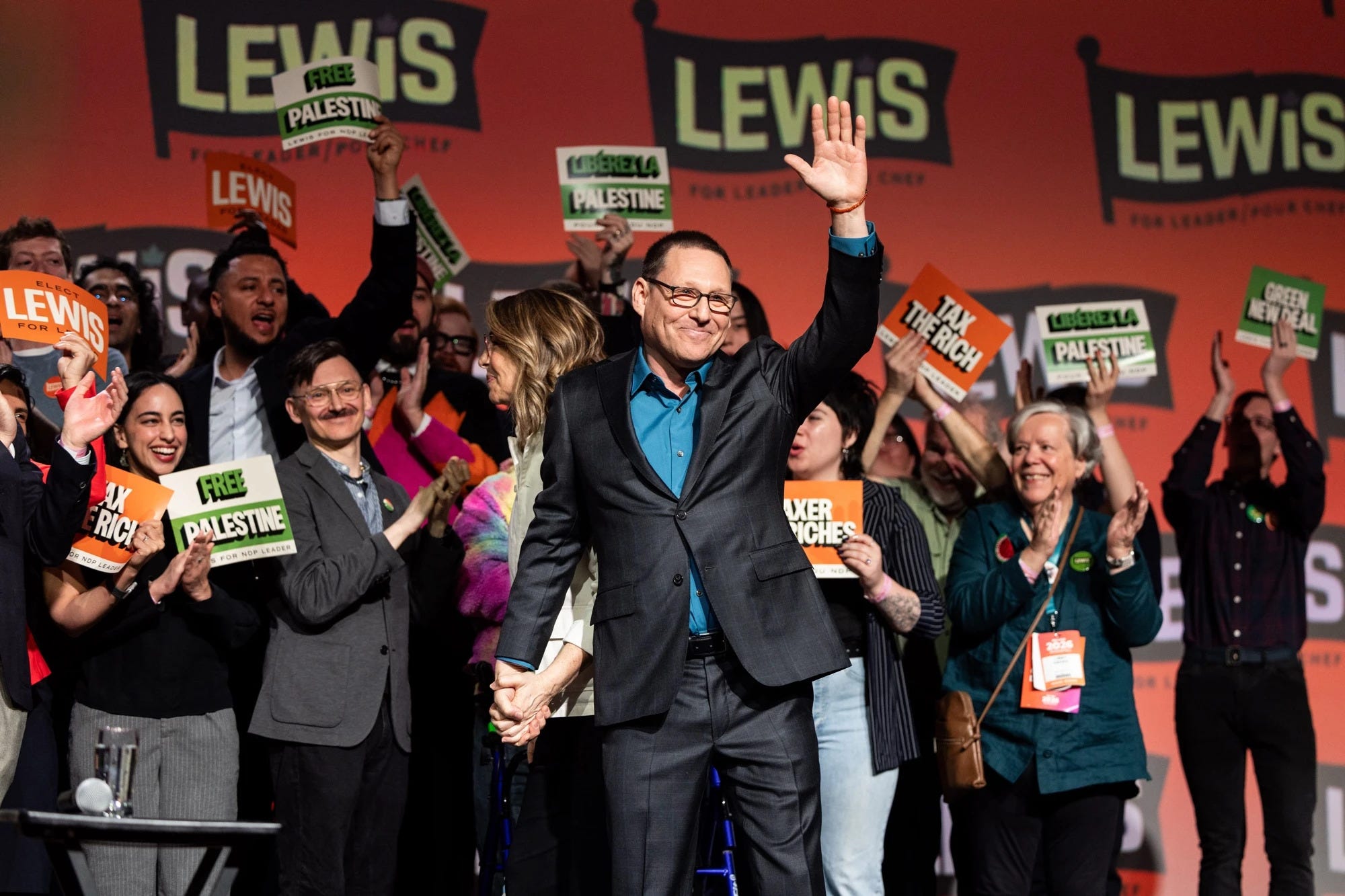
| 4/14/26 | ![]() The Promise and Peril of Avi Lewis (w/ Nora Loreto) | Nora Loreto comes on The Hatchet to discuss whether Avi Lewis, the NDP's new leader, is set to be the socialist saviour or doomed to be another Dipper dud.We recorded this not long after the NDP convention and we dissect the challenges Avi will face as the party’s standard-bearer, including his relationships with labour, the provincial parties, his own party’s bureaucracy and much more.Also, an update on The Hatchet.Featured in this episode: Nora LoretoTo learn more"The Elephant in the NDP race" by Nora Loreto on Substack"Five takeaways from the NDP Convention" by Nora Loreto on Substack"Opportunity or distraction? 5 organizers debate how to work with a Lewis-led NDP" in The Breach"Avi Lewis’s Victory Is A Chance For Labour To Revitalize" by Adam D.K. King in The Maple"Avi Lewis as NDP Leader: a new disruptor or a step backwards?" by Rick Salutin in The Toronto Star This is a public episode. If you'd like to discuss this with other subscribers or get access to bonus episodes, visit hatchetmedia.substack.com/subscribe | 51m 35s | ||||||
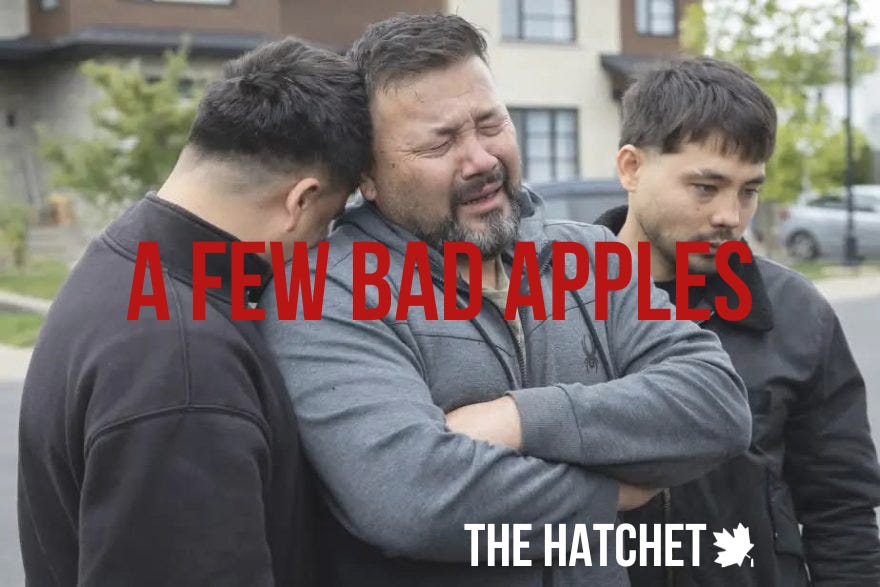
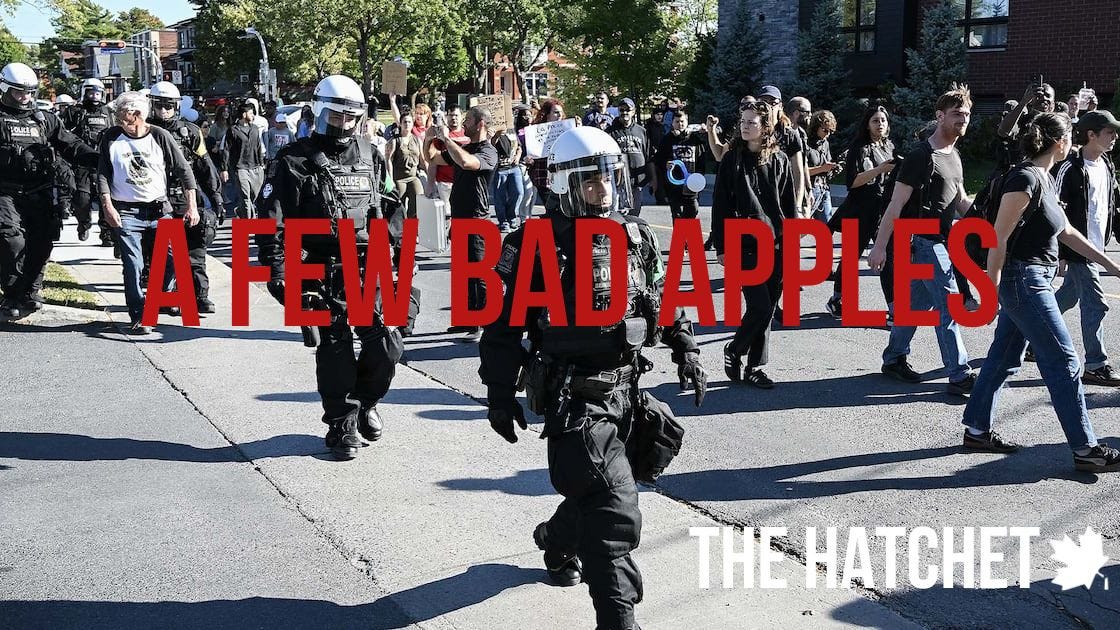
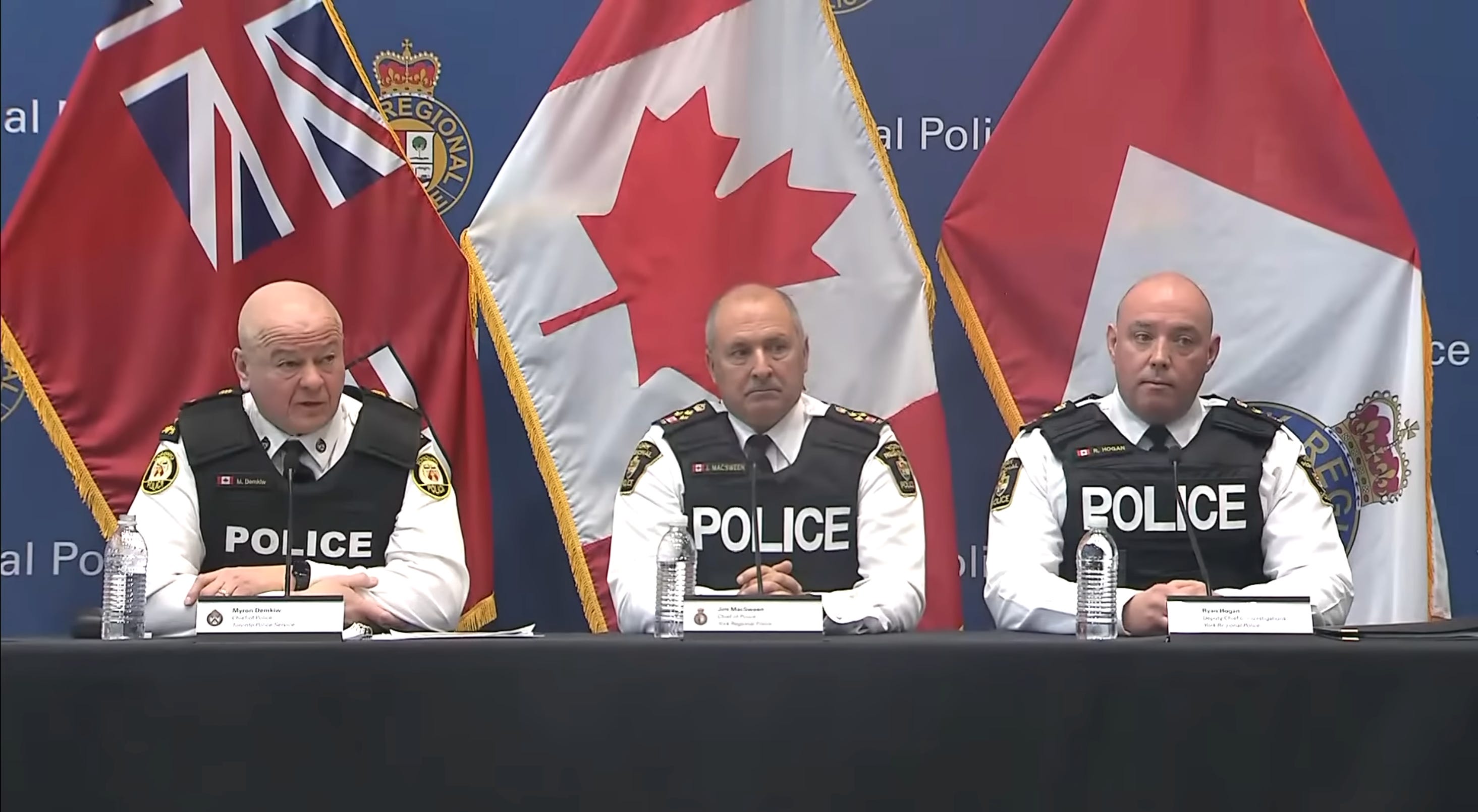
| 2/14/26 | ![]() The Toronto Police Has Been a Rogue Agency for Too Long. Rein Them In. | The Toronto Police Service is one of the oldest institutions in this country. In fact it’s 33 years older than the country itself. And in all of those nearly two hundred years of history, you’d be hard-pressed to find a darker time for the force than right now.That’s because last week, seven current and one former Toronto Police officers were arrested and charged with an absolute litany of offences — drug trafficking, theft, accepting bribes, illegal weapons possession, conspiracy to obstruct justice, fraud, breach of trust, harassment and, worst of all, conspiracy to commit murder. And while we don’t have many details yet, the little we do know is certainly breathtaking. The investigation began after hitmen attempted to assassinate a corrections officer at his home last year. And many of these officers are alleged to have used the police database to facilitate shootings across the region, seemingly at the behest of an alleged drug trafficker Brian Da Costa.During the press conference announcing the charges, the media were shown video after video of gunmen firing shots into cars and homes in suburban neighbourhoods. In addition to murder and intimidation on behalf of a drug trafficker, many of these officers were allegedly dealing themselves, everything from cocaine to adderall to fentanyl, while also working with illegal cannabis stores dotted throughout the city. And there already appears to be connections to the city’s infamous tow-truck industry, which has itself been responsible for an absurd number of shootings and murders over the last few years.This is far from the first scandal of a similar variety that has plagued police forces in Ontario. The most obvious parallel is the so-called “Scherzer crew,” a rogue TPS drug squad that was alleged to have embarked on a four-year-long crime spree, robbing drug dealers throughout the city. More recently, cops from a variety of agencies have been charged with corruption in connection with all of that tow-truck crime.But this latest set of allegation is at a level above anything else this city has ever seen. Conspiracy to commit murder? Of a corrections officer? That speaks to a level of brazenness that’s hard to comprehend. But here’s the truth of the matter — none of this should be a surprise. This deep-rooted corruption is an inevitable consequence of how the TPS operates. For at least half-a-century, the Toronto Police have been masters of this city, subject to no authority other than their own. We have allowed this police force to morph into a violent gang. It’s time they were finally brought to heel. This case of corruption is only the latest symptom of an obviously sick institution. On the Toronto subreddit, one user named u/whatistheQuestion, compiles a rolling list of news stories about local police misconduct every year. It makes for desultory reading — police shootings, excessive force, robbing civilians, lying on the stand, professional incompetence, sexual assault, drunk driving and every other kind of bad behaviour under the sun. There are around five thousand sworn officers in the service. And it’s truly hard to imagine a random sampling of five thousand city residents committing as many unethical and illegal actions on a regular basis. And the irony is that most of those stories recount the kinds of incidents that are in the news one day and gone the next. Ask your average Torontonian, and they’re likely to mention an entirely separate set of major scandals — the G20 mass arrests; the killings of people in mental health crisis, like Sammy Yatim and Andrew Loku; the specious murder prosecution of Umar Zameer; the longtime use of carding against Black boys and men; sexual harassment of female officers within the department; the negligence of allowing a serial killer to run rampant in the city’s queer community; and much more. At first glance, all of these controversies might seem to have little do with one another. But what unites all of these, as well as the most recent corruption scandal, is that they all share the same root cause — impunity. The cops simply aren’t accountable to anyone outside of themselves. Like other municipal police forces across the country, the TPS isn’t merely a public service provided by the city to its residents. It has morphed into a power centre of its own, the most influential and untouchable political entity in the city. This allows the police to ensure that the systems that are set up to hold them to account are defanged, allowing both individual officers and the force as a whole to do as they wish. None of this is new. For five decades, the Toronto Police have fought against civilian control over the agency, one of the most hallowed principles of Canadian policing. And whenever anyone or anything tries to put a limit on their unbridled powers — whether it be a mayor, city council, the police board or everyday citizens — the cops have been willing to use whatever means necessary to get their way. The Toronto Police have been at war with this city’s residents and its representatives. And it’s a war that they continue to win.Fifty years ago, the Toronto Police were facing a similar crisis. In 1976, a royal commission report detailed the brutal and illegal methods employed by many officers. The arbitrary arrests. Random beatings. Routine lying. But what was especially distributing was the normalized use of sexual torture on suspects who would be stripped and abused with implements like the so-called “claw.”Much of the public was incensed and reform was clearly in order. But the situation just got worse from there. In the late 1970s, the Toronto Police went on a killing spree. In the span of 13 months, they had shot eight men dead. That included Albert Johnson, a 35-year-old Jamaican-Canadian who had been complaining of police harassment for months before he was gunned down in his home. Two officers chased a clearly erratic Johnson into his home and killed him in his room. Things devolved to a point that Gerald Carter, the Roman Catholic archbishop of Toronto, was openly proclaiming that “it was dangerous” for everyday people to even complain about police misconduct.And then, in 1978, John Sewell, the leader of city council’s progressive wing, was elected mayor. And Sewell, to his great credit and his political detriment, did his best to take on the power of the Toronto police.It’s not like Sewell was some kind of a radical on policing — he was an advocate of reform. He wanted the cops to stop harassing Toronto’s gay community and for city council to have an actual say in how the police budget was spent. For these sins, the Toronto Police took to routinely calling him gay slurs and tried to destroy his reputation in the press. The provincial government overruled him at every turn and Sewell was defeated in his re-election bid.But it’s what happened next that’s really important to understand. Two months after Sewell was out of office, the Toronto Police initiated Operation Soap, a mass arrest of more than 300 gay men in various clubs and bathhouses throughout the city. The Bathhouse Raids were the largest mass arrest in Canadian history to the point, with the exception of the October Crisis.Even at the time, this enormous violation of civil rights was correctly understood as a rebuke to Sewell — the cops were spitting in the face of a mayor who had dared stand up to the Toronto Police. And they were sending a message to anyone else who might try to do the same.And ever since then, the Toronto Police have reigned supreme. Far more than our elected mayors or city councillors, it is the cops who have had final say in this city. And whenever anyone dared challenge them, they’ve gotten the Sewell treatmentIn 1988, a man named Lester Donaldson was shot and killed by a Toronto Police officer in his home. It was an eerie repeat of Albert Johnson killing a decade earlier. And in response, a number of Black Torontonians created the Black Action Defence Committee, an activist organization aimed at holding the police to account. They were led by a man named Dudley Laws, a longtime police critic and one of the most compelling activists in the city’s history. And they were effective. They argued that it was a conflict-of-interest for the police to investigate its own officers when they killed someone on the job. And because of their advocacy, the province created a civilian review commission, the Special Investigations Unit, to take that power away from the police. Once again, the Toronto Police could not abide by that kind of disrespect. And so, as with police critics both before and after him, they sought to destroy Dudley Laws’s reputation. The cops targeted him as if he were a mafia boss, enlisting two other police forces and using 75 individual officers, all in an effort to try to find a crime they could pin on him. And they were successful. Laws, who worked as an immigration consultant, was charged with helping four people illegally cross the border. And while the charges were eventually stayed by the Crown and Laws was never convicted, the Toronto Police had accomplished their goal — they had defamed their most prominent critic and made him a criminal in the eyes of much of the public.They were still left with the SIU, this new civilian agency. But that also proved to not be much of a problem. According to various reports written by the province’s ombudsman, SIU investigations almost never result in criminal charges. While the ombudsman’s office demonstrated that the agency itself often has a pro-police bias, they also showed that almost every part of the law enforcement apparatus — whether it be individual officers, the police services, the police unions and even the Ministry of the Attorney-General, actively work to cripple SIU. An agency built to hold the police to account became an exoneration machine. Another crucial way that the police are supposed to be held in check in this province is through direct civilian oversight. The police chiefs are hired and governed by the police services board, whose members are appointed jointly by the provincial and municipal governments. This is who the police chiefs are supposed to be directly accountable to. But as we’ve seen, the Toronto Police do not like accountability.In 1991, Susan Eng, a prominent Toronto lawyer and police critic, was appointed chair the Toronto Police Service Board. She soon began to publicly clash with the chief. And so the cops did what they’d always done — they used their extraordinary powers to target their bossThe police put together a secret dossier on Eng, full of unfounded rumours that she was connected to East Asian gangsters. And they began to surveil her, having detectives follow her around and wiretapping conversations she would have with her friends. The man who led the investigations into both Dudley Laws and Susan Eng, an up-and-coming detective named Julian Fantino, would go on to be appointed chief of the Toronto Police Service in 2000.In the years that followed, other members of the Toronto Police board, invariably politicians who were critical of the cops in some way, also came under attack.In 2000, the cops succeeded in pressuring then-city councillor Olivia Chow into resigning from the police board after she made remarks criticizing the police response to a protest in front of Queen’s Park that turned violent.In 2003, Alan Heisey, another man who was viewed as a police critic, was appointed to be chair of the Toronto Police Service Board. And within a week, the Toronto Police had leaked a memo claiming that Heisey had told a sex crimes investigator that he understood how someone could be attracted to an eight-year-old. It was a blatant attempt to smear their new boss as a pedophile.When city councillor John Filion was appointed to the police board in 2004, details of his divorce were leaked to the Toronto Sun. While it has never been proven this was done by the Toronto police, Filion made it clear who he thought was behind the story. He also alleged that neighbours had complained to him that someone was surveilling his home.All of this created a situation where Toronto police board members became fearful of criticizing, let alone enforcing any kind of accountability from, the Toronto police. In the words of one former vice-chair of the board, they had become “the tail wagging the dog.”And to see just how cowed the police board eventually became, you only have to look at what happened in 2007, when news of that secret investigation into Susan Eng finally became public. Instead of demanding an explanation of how such inappropriate and illegal surveillance could have taken place, the police board ordered an investigation into how the story had become public. While there hasn’t been evidence of this kind of surveillance in recent years, the Toronto police board has not been able to reassert true civilian oversight over the cops. Under Bill Blair, who was seen as a leader of a new generation of progressive cops, the Toronto police continued to do what they willed. The mass arrests and absurd levels of police brutality during the G20 protests in 2010 were only one indication. By the end of his tenure, Blair was fighting the police board tooth-and-nail over carding, refusing to implement new regulations over the blatantly illegal practice. Toronto police board chair Alok Mukherjee all but admitted that Blair was “insubordinate” and was forced to compromise with him. Blair, like Fantino before him, was rewarded for this disobedience. He was elected to parliament, made a minister, and, just last week, was appointed to the cushiest job in government — high commissioner to the United Kingdom.Like the Special Investigations Unit, the Toronto Police board has demonstrated time-and-time again that it doesn’t have the will or the ability to hold the cops to account.As the power of institutions like the police board have waned, the police union continues to be in the ascendancy. The Toronto Police Association is probably the single most powerful political force in this city, a cozy position its enjoyed for years.Here’s what former TPA president Craig Bromell told The Toronto Star in 2016.“We weren’t the most powerful police union, we were the most powerful union in the country. We were it.”And he was clear-eyed about what the union did.“The police union’s only job is to protect those who protect others, not the community, not the politicians. Their only function in life is to protect those coppers and their civilian members.”Whenever politicians proposed any changes in an attempt to reign the police in, the TPA had numerous tools at its disposal to make sure that they got their way. If an officer was disciplined in a manner the union disagreed with, they’d initiate a wild-cat strike, refusing to do their jobs. If there were tense negotiations over a new contract, the union would threaten that police might be liable to get the “Blue Flu” and all call in sick at once if they didn’t get their way. Take for example one of the many recent fights over the police budget. By the end of Bill Blair’s tenure as chief, the Toronto police were being asked to find savings in their ever-ballooning budgets. This did not go over well with the Toronto Police Association. The police responded with an unofficial labour action where they refused to enforce traffic laws. This was never officially acknowledged by either the top brass or the police union, but the consequences for everyday Torontonians were very real. The number of collisions in the city skyrocketed by 2018, while the money brought in by tickets declined by over $30 million.The union has long had the power to make-or-break political careers. They’ll label city councillors and MPPs they didn’t like as “soft-on-crime,” a political death sentence in a city always anxious about public safety. And they too have conducted their own off-the-books surveillance operations into police critics. All together, the political power of the police union has created a situation where, almost without fail, the police budget increases, even when other municipal services are being squeezed. And despite the fact that it’s city council that provides the actual money that funds the police force, they don’t get a say in what the cops spend that money on. In fact, until 2020, city councillors couldn’t even see what was in the budget itself.The power of the police union has never been more evident than in the last few years, where they’ve won even larger budgets for themselves — a 60 per cent increase over ten years — at a time when the city has been in a state of fiscal crisis. Just days ago, they received a $94 million increase, even in the wake of the corruption allegations. The union fights tooth-and-nail to protect the other financial benefits that cops are given, like being first-in-line for lucrative off-duty contracts to guard municipal construction sites, a job that often pays around $100 an hour. And regardless of the severity of the misconduct, the police union will use every tool in its power to ensure no Toronto police officer faces any consequences for what they do on the job.Together, all of this has created a police force whose first and last loyalty is to itself. Which brings us back to the incredible allegations announced last week. As always, whenever there’s a story about police corruption, the top cops went to great lengths to paint this as a case of “a few bad apples.”“We will not let actions of a few define the reputation of the many,” thundered TPS Chief Myron Demkiw from the podium. And while details are still minimal, the little we do know paints an extraordinary portrait of a broken institution. First, there’s the breadth of the corruption. The eight officers came from four completely different police divisions (11, 12, 23 and 52), as well as a member of a city-wide task force. In other words, many of these officers did not even work together, unlike the Scherzer crew, which was a more limited story of a drug squad gone bad.When asked by the press how these disparate officers even knew each other, York Regional Police said that they were connected by a single officer, Constable Timothy Barnhard. “Our information led us to believe that it was relationships that Constable Barnhard had with other officers….But instead of framing it as individual divisions, I would frame it more as relationships amongst individual police officers, connected specifically to Constable Barnhard at the genesis of this investigation.”Now one of the most important things to understand about these allegations is that the investigation didn’t begin within the Toronto Police, but the York Regional Police, a neighbouring force. And that might be the most damning fact of all.Because if we are to believe the police narrative about this case, it means that one constable, with ties to a drug trafficker, was able to recruit seven others into a criminal conspiracy. This leads to one of the three possibilities. Either every single police officer who Constable Barnhard approached agreed to join with him to commit crimes. Or, Barnhard approached other officers, who declined, but those officers refused to speak out about it. Or finally, there were Toronto police who were approached by Barnhard, reported his conduct through the proper channels, and nothing was done to stop him.Each of those possibilities leaves us with the same conclusion — the Toronto Police is broken. And there were opportunities to stop Barnhard before. In 2016, he pled guilty of using his police powers to illegally investigate a man who he had gotten in an argument with. He lied, claiming that he’d seen the man run a red light, using that as an excuse to search him and issue him a ticket. When Barnhard finally admitted to the lie, his punishment was giving up a few days of pay.Of course, this isn’t just a Toronto problem — we’re already seeing three officers suspended in connection with the investigation from the Peel Regional Police.Now I don’t want to downplay the fact that these charges have indeed come to light. According to the York Regional Police, more than 400 officers from four different law enforcement agencies participated in Project South, the seven-month investigation that led to these arrests. They should be applauded for that. “The investigating officers represent the very best in what we expect of our police officer; demonstrating integrity, professionalism, ethical investigations, and a commitment to uncovering the truth and holding offenders accountable, including fellow police officers,” YRP deputy chief Hogan said during the press conference. Hogan is correct. Even without knowing the details, I don’t doubt that Project South involved some of the most impressive police work that this province has seen. And yet, I’m still left asking myself an uncomfortable question. How many of those 400 officers who were involved in this totem of police accountability have ever witnessed their fellow officers engaging in unethical or criminal activity, and refused to report it? “We have left no stone unturned,” TPS Chief Demkiw told reporters. But so far, that’s obviously not the case. Other people within the police service knew something about what was going on. Kicking every single one of those officers off of the force will only be the beginning of accountability. Ontario’s inspector-general for policing, a relatively new police watchdog, has already ordered a province-wide investigation that will focus on issues such as access to police databases, vetting of officers and how officers are supervised. All of that is well and good. But if history is any guide, this new watchdog will do what the old ones did — put the interests of the police ahead of the public. That’s because the problem with the Toronto Police, and police services across this country, is a political one. They are simply too powerful. That power consistently allows them to evade external accountability and creates a culture where corruption is tolerated. Whenever controversies like this arise, reforms are initiated, police chiefs are fired, oversight agencies are created. But the fundamental problem never changes. In fact, we can already see the wheels of this big blue machine beginning to spin. Chief Demkiw claimed that understaffing was partially to blame for this corruption, incredibly turning this story about massive police misconduct into another opportunity to turn on the money spigot. The Toronto Police Association has demanded that they, and every other police union, be given a seat at the table for the inspector-general’s investigation. And politician after politician has already started to fall into line. Councillor Shelley Carroll, the current chair of the police services board, expressed her “utmost confidence” in Chief Demkiw. Mayor Olivia Chow pushed through that $94 million increase to the police budget with barely a debate. And Premier Doug Ford called this all “ a bump in the road” and deployed that ever-present cliche. That this was merely a few “bad apples.”We’re long past the point where the Toronto Police need to be brought to heel. If the cops continue to resist reform, then maybe revolution is in order. It’s time to start contemplating radical measures that will severely limit their power — you could start by taking routine discipline out of the hands of uniformed officers; assigning police responsibilities like traffic and parking enforcement to other municipal agencies; and finding ways to break the back of the police union. But the most radical reform of all may also be the most necessary — civilianizing the police force. It is not a commandment from heaven that all police forces need to be treated like the military, where one rises through the ranks and only uniformed officers can manage one another. Few other institutions in our society operate in this way. This is what creates the “thin blue line” culture where officers do whatever they can to protect each other, even at the cost of the public’s well-being.Why can’t civilians be brought in to manage cops, especially at a time when things have gone so spectacularly wrong?Of course, that kind of solution is impossible in the near-term, even if it’s necessary in the long-term. For now, we’re left with what we have — a broken institution that we have no real way of holding to account.In the aftermath of this corruption investigation, there’s been a lot of talk about trust. Mayor Olivia Chow said that the police have to “earn” back the trust of residents and Premier Doug Ford said that “I don’t want the public to lose trust in our great police.”But the problem with all of that rhetoric is that the Toronto Police never earned our trust to begin with. This is a public episode. If you'd like to discuss this with other subscribers or get access to bonus episodes, visit hatchetmedia.substack.com/subscribe | 29m 25s | ||||||
| 2/6/26 | ![]() Separation Anxiety (w/ Paul Wells) | This is a free preview of a paid episode. To hear more, visit hatchetmedia.substack.comJust over a year ago, when we were launching The Hatchet, there was one thing in particular that worried me — I’ve never felt fluent in federal politics.I think I knew as much as your average journalist — I followed the news, I had my opinions and I had a general sense of the history. But outside of the occasional story, it just wasn’t a beat that I had a lot of experience covering.Once Trudeau resigned in January 2025, it became clear that Parliament Hill was going to dominate the news cycle. And so over that winter break, I set myself a mission. I was going to learn as much as I could about federal politics.I went back and read through (or at least familiarized myself with) as many of the classic books of Canadian political journalism and history as I could. Most were written by authors that we don’t talk about much anymore, despite the fact that they were giants of their respective eras. Christina McCall-Newman, Jeffrey Simpson, Peter C. Newman, Donald Creighton, John Duffy. And then there were excellent books by more contemporary writers about the Ottawa of the past and present from journalists like Susan Delacourt and John Ibbitson.But none of these writers, great though they may be, made me feel like I was getting a nitty-gritty understanding of federal politics more than Paul Wells.Now of course, like almost every journalist in the country with even a passing interesting in federal politics, I’ve been reading Wells for years. But during that winter, I really immersed myself in his work, his books, past features, his current reporting, the whole shebang.And I have to say, I often found myself disagreeing with him. But I emerged with a new appreciation for what he does.Wells has a keen eye for history and a willingness to call out b******t. His prose is evocative, without being flashy. And despite his many, many years of experience reporting on politics from Montreal and then from Ottawa, he never felt to me like he’d been co-opted by the Laurentian establishment.I’m sure this sounds like a lot of unnecessary fawning over someone who is probably the most respected political journalist in Anglo-Canada.But I just want to convey to you all how excited I was to talk to him — especially right now, at a time when Canadian politics all of a sudden feels more serious than it has in years.Since the beginning of the New Year, we’ve been inundated not with soundbites, not with scandals, but with speeches.And I don’t think there’s anybody better to dig into these serious times than Wells.During our conversation, we covered a lot of ground, including the 20th anniversary of Stephen Harper’s election and the ups-and-downs that Carney and Poilievre have recently faced. But I was especially glad that we got to spend a good amount of time talking about the return of national unity as a serious political issue in this country.Featured in this episode: Paul WellsTo Learn More"The longer he's not Prime Minister" by Paul Wells on Substack"Get started on maybe: Memories of the 1995 Quebec referendum" by Paul Wells on SubstackRight Side Up: The Fall of Paul Martin and the Rise of Stephen Harper's New Conservatism by Paul WellsThe Longer I'm Prime Minister: Stephen Harper and Canada, 2006- by Paul Wells | 6m 05s | ||||||
| 1/20/26 | ![]() The Green Party is a Natural Disaster | This is a free preview of a paid episode. To hear more, visit hatchetmedia.substack.comThis episode is for paid subscribers. If you would like to hear the whole thing, please support The Hatchet by going to hatchetmedia.substack.com.Now this might seem hard to believe, but there was a time when the Green Party of Canada was riding high. If just a few things went their way, they were on track to becoming a mean Green winning machine and supplant the NDP as the progressive party of choice.But since then, the party has been a cavalcade of absurdities too long to document here. But for me, the lowest point might have come at the end of last year.That’s when Elizabeth May, after consulting with Prime Minister Mark Carney, voted in support of his budget. And then not too long after, he went and signed an MOU with Alberta Premier Danielle Smith committing to more pipelines for the oil sands.For Mark Lerien-Young, none of the rolling disaster that is the Green Party of Canada has come as a surprise. After all, he was watching from the inside as much of it went down.Mark is a longtime writer, journalist, humorist, science podcaster, environmental activist and former Green Party of Canada employee and campaign manager. And he’s just written a book about what it was like to try to navigate the egos and incompetence of the Greens. The book is called Greener Than Thou: Surviving the Toxic Sludge of Canadian Ecopolitics, and in it, he gives and insider account of the cult of Elizabeth May.And some of the details make working in that party sound like living in a house of mirrors. Mark says that at a certain point he came to realize that many people in the Green Party didn’t actually want to elect more MPs because that would mean more work for them.He writes that “Many books you read come with the proviso that all persons are fictional and any resemblance anyone living or dead is purely coincidental. My disclaimer is that the Green Party of Canada is purely fictional.”In our conversation, Mark was brutally honest about the frankly absurd way that a party that more than a million Canadians voted for in 2019 does business. And why despite their abysmal recent performances, Elizabeth May is here to stay.Featured in this episode: Mark Leiren-YoungTo Learn MoreGreener Than Thou: Surviving the Toxic Sludge of Canadian Ecopolitics by Mark Leiren-Young | 6m 03s | ||||||
| 1/9/26 | ![]() The Dark Prince of Bay Street | Brookfield | Support us at hatchetmedia.substack.comIn 1978, a South African accountant orchestrated one of the most audacious and ruthless hostile takeovers in the history of Canadian business.His name was Jack Cockwell. And over the next decade, he would build a corporate empire unlike anything Canada had ever seen.This is the third episode in our series examining the history of Brookfield. In our first two episodes, we traced the company’s lineage through Brazilian Traction, the neo-colonial monopoly that dominated South America, and through the Bronfmans, the bootlegging dynasty that supplied liquor to American gangsters during Prohibition.But those were just the origin stories. This episode is about what happened when those two worlds collided.Edper-Brascan controlled over 500 companies. The beer you drank, the team you watched, the mall you shopped at, the house you lived in — all of it could be traced back to this sprawling conglomerate. At its height, it was worth more than $120 billion.All of this was Jack Cockwell’s domain. Immigrant, corporate philosopher, ruthless operator, Cockwell single-handedly imposed his will on Canada’s business establishment and dominated the 1980s like no one else.But by the end of the decade, people on Bay Street began to whisper.Something was rotten at the heart of Cockwell’s empire. They said that the whole thing was a mirage. A lie. A house of card waiting to fall over.They all turned out to be right.To learn more:The Brass Ring: Power, Influence and the Brascan Empire by Patricia Best & Ann ShortellEdper by Keith Dalrymple“The Edper Puzzle” by Kimberly Noble in The Globe and Mail“The Second Coming” by Rod McQueen in The Financial Post“Fears for a Leveraged Leviathan” by Clyde Farnsworth in The New York Times“He was a titan of Bay Street and a senator. But J. Trevor Eyton died owing millions in taxes and on the verge of bankruptcy” by David Bruser & Jesse McLean in The Toronto Star This is a public episode. If you'd like to discuss this with other subscribers or get access to bonus episodes, visit hatchetmedia.substack.com/subscribe | 1h 07m 18s | ||||||
| 1/7/26 | ![]() The House of Bronfman | Brookfield | Support us at hatchetmedia.substack.comThis is the second episode in our series about Brookfield, the Canadian financial giant. In our first episode, we told you about one half of the company’s corporate lineage — Brascan, the Canadian monopoly that dominated Brazil for half-a-century.But Brookfield has another parent — the Bronfman family. And their story is even more remarkable.It begins in the dusty prairie towns of Saskatchewan at the turn-of-the-century, where Jewish cowboys and American gangsters came together to create one of the great fortunes in world history.And behind every great fortune, there is a great crime. And the crimes of the Bronfmans were numerous. But they were able to get away with it all, thanks to bribery, destruction of evidence and the intimidation of witnesses.For decades, the Bronfmans were able to write their own history of how their wealth was acquired. But the truth can only stay buried for so long.The Bronfman dynasty is one of the greatest dynasties that the Americas have ever seen. But like so many dynasties, they would fall apart into ignominy.And at the centre of all of this was the most powerful businessman in Canadian history, the kingpin himself — Sam Bronfman.Featured in this episode: Stephen Maher, Jordan CornishTo learn moreThe Bronfman Dynasty: The Rothschilds of the New World by Peter C. Newman“The ties that bind the Liberals and the Bronfmans” by Stephen Maher in Maclean’sThe Brass Ring: Power, Influence, and the Brascan Empire by Patricia Best & Ann ShortellThe Bronfmans: The Rise and Fall of the House of Seagram by Nicholas FaithMavericks: Canadian Rebels, Renegades and Anti-Heroes by Peter C. NewmanMusic“Throne of the Soul” by Nihilore. Adapted. Licensed under Creative Commons: By Attribution 4.0 License http://creativecommons.org/licenses/by/4.0/"Magic Escape Room"Kevin MacLeod (incompetech.com) Licensed under Creative Commons: By Attribution 4.0 License http://creativecommons.org/licenses/by/4.0/I dunno by grapes (c) copyright 2008 Licensed under a Creative Commons Attribution (3.0) license. Ft: J Lang, Morusque This is a public episode. If you'd like to discuss this with other subscribers or get access to bonus episodes, visit hatchetmedia.substack.com/subscribe | 56m 40s | ||||||
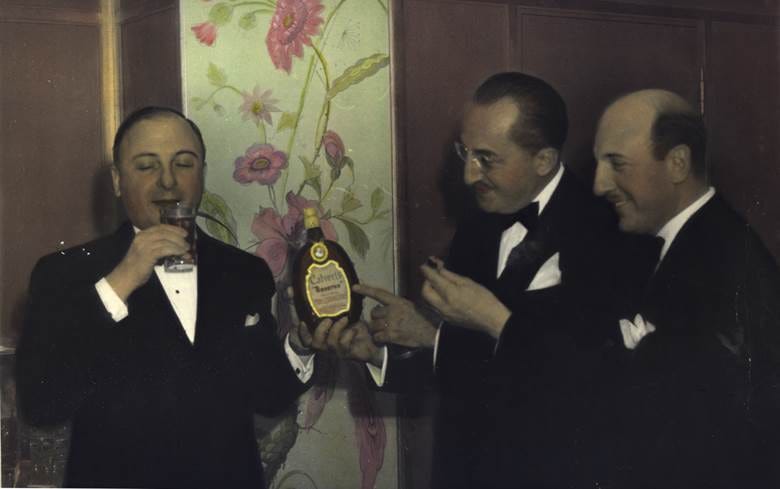
| 1/6/26 | ![]() The Canadian Octopus | Brookfield | This episode was first published on April 12th, 2025. Happy New Year, Hatchet listeners!The chance to put out good journalism is its own reward, but to everyone who has listened, shared, or supported us over the last year—thank you. We wanted to kick off the year by updating you on our series on Brookfield. It’s been a long road, but we’ll be publishing the next two new episodes this week, with more to come later in the month.We can’t wait for you to hear it.But before you do, we wanted to re-publish the first episode in the series. It’s an important primer for an increasingly complicated story.Brookfield has been in the news constantly over recent months. The Conservatives attacked the company for moving the headquarters of one of their subsidiaries to New York City. The NDP have accused it of avoiding taxes through offshore havens. And Prime Minister Mark Carney, the former chairman of Brookfield Asset Management, has found himself on the defensive because of his association with the company.But what these political attacks miss is a far more important story. It’s a story of a company that has been central to Canada’s history and economy for more than a century.So what exactly is Brookfield? That’s a question that we here at The Hatchet have set out to answer.What we found was a company that almost defies description.Brookfield has been a financial universe unto itself, operating by a different set of cosmic laws and fundamental forces than other corporations.It’s a company that’s shown an almost unparalleled talent for reinvention. Over its 125-year-history, it’s morphed from a neo-colonial experiment to Canada’s most ruthless corporate raider to a seemingly boring storehouse of our collective pension earnings.Now it is one of a tiny handful of financial entities that sit at the very centre of the global economy.And so that’s why we’ll be spending this series focusing exclusively on this incredibly important and yet rarely understood company.We’ll be digging into its epic history, its contentious present and what the continued domination of firms like Brookfield could mean for everyday people.In this first episode, we shine a light on it’s first incarnation — Brazilian Traction, Light and Power — and how it managed to dominate the people of South America’s biggest nation for most of the 20th century.Featured in this episode: Tyler ShipleyTo learn moreCanada In The World: Settler Capitalism and the Colonial Imagination by Tyler ShipleyThe Brass Ring: Power, Influence and the Brascan Empire by Patricia Best & Ann ShortellLet Us Prey: The Practices and Profits of Canadian Corporations and Businessmen edited by Robert Chodos & Ray MurphyThe Light: Brazilian Traction, Light, and Power Company Limited, 1899-1945 by Duncan McDowallSupport us at hatchetmedia.substack.comThe Hatchet is a podcast and newsletter dedicated to exposing power and money in Canada. We deliver important, original and fascinating journalism about how this country actually works.Music: I dunno by grapes (c) copyright 2008 Licensed under a Creative Commons Attribution (3.0) license. Ft: J Lang, Morusque This is a public episode. If you'd like to discuss this with other subscribers or get access to bonus episodes, visit hatchetmedia.substack.com/subscribe | 29m 18s | ||||||
Want analysis for the episodes below?Free for Pro Submit a request, we'll have your selected episodes analyzed within an hour. Free, at no cost to you, for Pro users. | |||||||||
| 12/3/25 | ![]() What the mainstream media won't tell you about Jeffrey Epstein | I’ve had a hard time knowing what to make of the still-unfolding saga around Jeffrey Epstein.Like basically everyone else in the world, I’ve been following the story with interest for years.Even before the Miami Herald’s explosive 2018 investigation into the extend of his sexual abuse and how he had been able to get away with it, I had a vague understanding of a man named Jeffrey Epstein who abused girls and hobnobbed with powerful men like Bill Clinton and Bill Gates.And since then we’ve learned so much more. There have been so many journalistic investigations into Epstein’s connections with the elite, into his finances and into the circumstances around his death.Of course, we’re still left with more questions than answers. Which has allowed Epstein to become this sort of Ur-conspiracy theory that people online obsess over. Was he a CIA asset or a Mossad agent? Was he collecting blackmail on the rich and powerful? Did he really kill himself?But somehow, there was a part of me that felt like these were the wrong questions to ask. That they didn’t explain exactly who this guy was and why he was able to get away with what he did for so long. And didn’t really get at the heart of why this story has global importance.And then just the other week, I read a piece by Canadian journalist Jeet Heer in The Nation that made it all make sense to me.Heer argues that the Epstein was — alongside many other things — a warlord.He was basing this assessment on a number of articles that have been coming out of publications like Drop Site News and Reason that examine troves of email correspondence that Epstein had that the mainstream media is so far refusing to report on.And the case he makes is compelling. So I decided to give Jeet a call and ask him all about it.Featured in this episode: Jeet HeerTo learn more"Jeffrey Epstein Was a Warlord. We Have to Talk About It." by Jeet Heer in The Nation"Jeffrey Epstein and the Mossad: How The Sex-Trafficker Helped Israel Build a Backchannel to Russia Amid Syrian Civil War" by Murtaza Hussain & Ryan Grim in Drop Site News"Inside Jeffrey Epstein's Spy Industry Connections" by Matthew Petti in ReasonSupport us at hatchetmedia.substack.comThe Hatchet is a podcast and newsletter dedicated to exposing power and money in Canada. We deliver important, original and fascinating journalism about how this country actually works.Music: I dunno by grapes (c) copyright 2008 Licensed under a Creative Commons Attribution (3.0) license. Ft: J Lang, Morusque This is a public episode. If you'd like to discuss this with other subscribers or get access to bonus episodes, visit hatchetmedia.substack.com/subscribe | 28m 49s | ||||||
| 11/11/25 | ![]() Guns and Splutter: Breaking Down the Budget | This is a free preview of a paid episode. To hear more, visit hatchetmedia.substack.comThe much anticipated budget is finally here and it promises to make "Canada Strong."Between the eye-popping promise to enable $1 trillion dollars in investments over the next five years and the $78.3 billion deficit, there’s a lot to take in.And that’s before we get into the really critical stuff… like maybe Canada will try to join Eurovision for some reason? (We don't talk about Eurovision at all).Today on The Hatchet, Jordan sits down with Arshy to break down the budget and try to make sense of what this all means for Canada.Support us at hatchetmedia.substack.comThe Hatchet is a podcast and newsletter dedicated to exposing power and money in Canada. We deliver important, original and fascinating journalism about how this country actually works.Music: I dunno by grapes (c) copyright 2008 Licensed under a Creative Commons Attribution (3.0) license. Ft: J Lang, Morusque | 3m 48s | ||||||
| 11/3/25 | ![]() Wild, Wild (Rose) Country | So last week, Alberta Premier Danielle Smith used the notwithstanding clause to force Alberta teachers back to work.It’s the first time the notwithstanding clause has ever been used in this kind of a manner to end a labour action. And that’s led to some softening of support for Danielle Smith.But here’s the truth. The latest polls show that if an election were held today, Danielle Smith’s United Conservative Party would still easily come out on top.Why is that? How is Smith’s appeal so resilient? And why the hell can’t Naheed Nenshi and the Alberta NDP get their s**t together?Well, luckily for us, Jeremy Appel from The Orchard is here to answer those questions and many more.A few months ago we had a great discussion with Jen Gerson about the unique political figure that is Danielle Smith and her relationship with Alberta’s nascent sovereignty movement. You can think of this conversation with Jeremy as a bit of a sequel to that one.We talk about some of the underlying reasons behind the teacher’s strike, Smith’s continued flirtation with separatism, how she holds her coalition together with culture wars, the return of pipeline politics and of course, the many failures of Alberta’s NDP.Now just for context, this was recorded before Smith invoked the notwithstanding clause, but the discussion is still just as relevant today.Support us at hatchetmedia.substack.comThe Hatchet is a podcast and newsletter dedicated to exposing power and money in Canada. We deliver important, original and fascinating journalism about how this country actually works.Music: I dunno by grapes (c) copyright 2008 Licensed under a Creative Commons Attribution (3.0) license. Ft: J Lang, Morusque This is a public episode. If you'd like to discuss this with other subscribers or get access to bonus episodes, visit hatchetmedia.substack.com/subscribe | 44m 38s | ||||||
| 10/31/25 | ![]() Killing Canada Post | In 1965, Canada’s postal workers did something so radical, so unprecedented, that it shook our country’s political establishment to the core.They went on strike.It was radical and unprecedented because up until then public employees had no right to walk off the job. But for two weeks, postal workers conducted an illegal wildcat action which, by the end of it, saw them winning the right to strike for almost all government workers.Over the next few decades, you’d see the same pattern time and time again. In the 1970s, union leaders were jailed for defying back-to-work legislation. And in 1981, the union won the right for paid-maternity leave, a first for the public sector, and a right that would gradually expand to many other workers.In other words, you can attribute many of our labour rights, and even key planks of the welfare state, to the resolve of posties past.But the age of the noble postal worker appears to be coming to an end. The Liberal government announced major cuts to Canada Post’s core services last months.And I know what you’re thinking.This was all inevitable, wasn’t it?After all, who sends letters nowadays? Maybe once-upon-a-time Canada needed a public mail service, but those days are long behind us. And sure, we’re all sad for the thousands of those people at Canada Post who will be laid off, but that’s just the way of the world.That’s the narrative that you’re hearing regurgitated in comment sections across the internet and in quotes from business professors to the mainstream press.But the ongoing labour dispute between Canada Post and its workers is far more complicated, and far more important, than that simplistic story.Instead this is a story about the hollowing out of the Canadian state. About the gigification of work. About how the managerial class places their need to control workers over the viability of the actual businesses that they run.So to talk about it all, we’re bringing on Adam D.K. King, a labour studies professor at the University of Manitoba and a labour columnist for The Maple, who has been following this story for years.Featured in this episode: Adam D.K. KingTo learn more"Canada Post’s Moment Of Reckoning May Finally Be Here" by Adam D.K. King in The Maple"Return to Sender: As Canada Post evades bankruptcy, workers push back on a future where efficiency trumps the collective" by Stephan Boissonneault in Maisonneuve"Liberal government instructs Canada Post to end home delivery, close some post offices" Peter Zimonjic in CBC NewsSupport us at hatchetmedia.substack.comThe Hatchet is a podcast and newsletter dedicated to exposing power and money in Canada. We deliver important, original and fascinating journalism about how this country actually works.Music: I dunno by grapes (c) copyright 2008 Licensed under a Creative Commons Attribution (3.0) license. Ft: J Lang, Morusque This is a public episode. If you'd like to discuss this with other subscribers or get access to bonus episodes, visit hatchetmedia.substack.com/subscribe | 55m 05s | ||||||
| 10/24/25 | ![]() Election Shock on the Rock | I think it’s kind of funny how we talk about election campaigns while they’re in progress. Between the polling and the poll aggregators, there’s often a feeling of inevitability to the result.But it also makes those times when the result is unexpected, when the actual will of the voters turns out to be very different from what the polls and the pundits predicted, to stand out in stark relief.We got one of those last week.The polls that were conducted in Newfoundland and Labrador’s provincial election campaign showed that the incumbent Liberals were set to handily win another majority, which would have been their fourth victory in a row. The only question seemed to be how big their victory would be.But it was not to be.The Progressive Conservatives, led by the mild-mannered Tony Wakeham, prevailed, rendering John Hogan a half-year premier.But really, all of this has just been a capper to an incredibly strange year in Newfoundland and Labrador politics.It started when Premier Andrew Furey announced that he and Quebec premier François Legault had created a framework for a new deal around Churchill Falls. Since 1969, Newfoundland and Labrador has provided unbelievably cheap energy to Quebec from Churchill Falls. The lopsided arrangement has been a thorn-in-the-side for the province ever since.We talked about this all in-depth earlier this year in an episode about Churchill Falls.But not long after announcing this new deal, Furey resigned. With no explanation.The PC’s election victory has put the Churchill Falls deal, which was the centrepiece of the Liberal campaign, into question.So what does all of this mean for Newfoundland and Labrador, for Churchill Falls and for the country during a testy time for Confederation?I decided to call up friend of The Hatchet Ed Hollett, one of the keenest political observers on the Rock, to talk about it all.Featured in this episode: Edward Hollett (Bond Papers)To learn moreThe Hundred Years' War between Newfoundland and Quebec from The Hatchet"Easy grift and hard graft" by Edward Hollet in Bond Papers"Red Team. Blue Team." by Edward Hollet in Bond PapersSupport us at hatchetmedia.substack.comThe Hatchet is a podcast and newsletter dedicated to exposing power and money in Canada. We deliver important, original and fascinating journalism about how this country actually works.Music: I dunno by grapes (c) copyright 2008 Licensed under a Creative Commons Attribution (3.0) license. Ft: J Lang, Morusque This is a public episode. If you'd like to discuss this with other subscribers or get access to bonus episodes, visit hatchetmedia.substack.com/subscribe | 36m 25s | ||||||
| 10/8/25 | ![]() The Decline and Fall of the Canadian State (w/ Nora Loreto) | Why can’t the government do stuff?I’m not being facetious here. I think most Canadians — in fact, most people who live in western democracies — have a feeling that their governments are incapable of actually delivering on projects or providing services.But it wasn’t always this way. There was an era, not so far back in the future, when the Canadian governments turned petrochemicals into plastics, dug uranium out of the ground, operated airlines and railroads and so much more.But today, governments seem to be focused exclusively on two things: handing out money to big businesses and overseeing an increasingly fraying social safety net.So how exactly did we get here?Nora Loreto has part of the answer. Earlier this year, she released the second book in her Canada in Decline series called Corporate Control.In it, she details the policy decisions that hollowed out the Canadian government and makes it next-to-impossible to actually get anything done.In our conversation, we cover a lot of ground, from free trade to the Chrétien/Martin austerity budgets, the rise and fall of Crown corporations and why governments don’t care about Canadian culture.I think it’s really one of the most interesting discussions we’ve had on this show so far, so I’m excited for you all to give it a listen.Featured in this episode: Nora LoretoTo Learn MoreCorporate Control by Nora Loreto"What Canadian nationalism?" by Nora Loreto on SubstackThe Social Safety Net by Nora LoretoSupport us at hatchetmedia.substack.comThe Hatchet is a podcast and newsletter dedicated to exposing power and money in Canada. We deliver important, original and fascinating journalism about how this country actually works.Music: I dunno by grapes (c) copyright 2008 Licensed under a Creative Commons Attribution (3.0) license. Ft: J Lang, Morusque This is a public episode. If you'd like to discuss this with other subscribers or get access to bonus episodes, visit hatchetmedia.substack.com/subscribe | 1h 06m 01s | ||||||
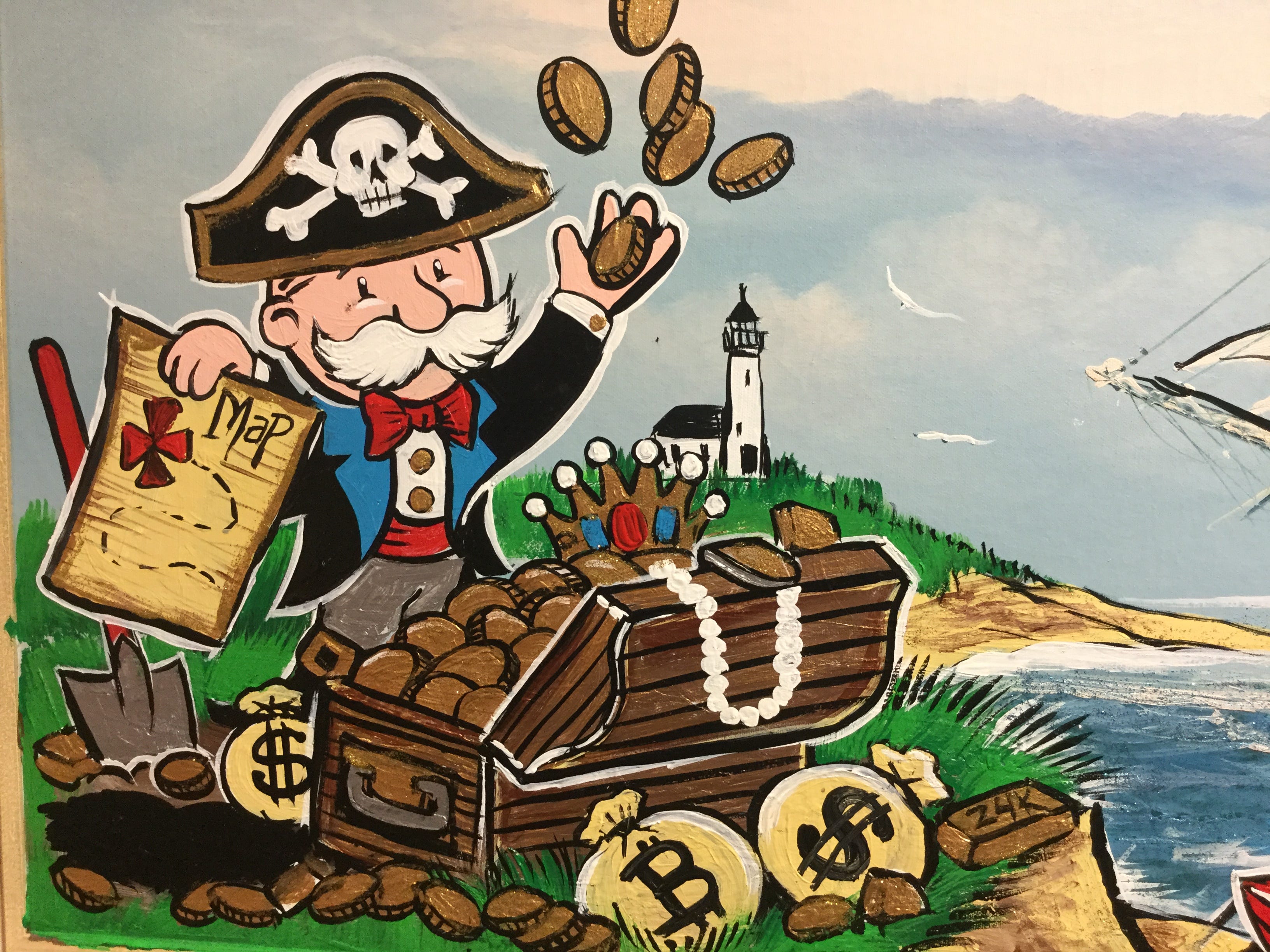
| 10/4/25 | ![]() Monopoly Man (w/ Peter Nowak) | Back a few years ago, there was this moment where it felt like there was a movement building against monopolies.It started in the United States with academics like Lena Khan and Tim Wu and journalists like Matt Stoller speaking out about the creeping corporate concentration that was infecting so much of American life.Eventually that movement found purchase in the Biden administration, which put antitrust at the centre of their agenda.And because Canada is always a little bit behind the United States, we got our own version of that movement. And in a weird way, Jordan and I were both a part of that, when in 2022 and 2023 we put out our series on Monopolies on Canadaland COMMONS. It really felt like momentum was building and that everyday people were getting more and more upset about the domination of the big banks and the big telcos and the big grocery chains.But recently, it’s felt like that momentum has kind of….gone away. And there’s still plenty of people working on this issues here, but at least in terms of journalism, the trade war and the Trump administration and a million other things seem to have distracted away from what I still believe is such an essential issue.And that’s why I was so excited to get an email from Peter Nowak a few months ago. He said he had an idea and wanted to talk.Now for those of you don’t know Peter, he’s a longtime journalist who has done some amazing work over the years.When I was getting interested in business reporting more than a decade ago, Peter was one of the best out there. His main focus was the telecom industry. And that was a really interesting time for the telecoms. The Harper government was actually putting some pressure on them and had appointed an aggressive CRTC commissioner instead of just the usual corporate toady. And Peter was a dogged reporters covering all of this and was honestly a bit of an inspiration for me. He was the kind of journalist that I one day wanted to be. But he’d gone off to work at tech savvy, a small internet service provider, a few years back, so I thought he was out of the game.So I was really excited when he told me that not only did he want to get back into journalism, but that he saw our Monopoly series on COMMONS as his primary inspiration.You know, when you hear that kind of thing from someone you really admire, it’s pretty damn flattering. But more than that, I just think it’s so important, so necessary right now to have dedicated journalists on the monopoly beat.This week, Peter has finally launched his own Substack called Do Not Pass Go, the first two episodes are out already, and you should absolutely go subscribe and give it a listen.And we wanted to sit down to talk to him about reporting on monopolies, what he has in store and why he always forces himself to drive to another city just to watch a movie.Featured in this episode: Peter NowakTo Learn MoreDo Not Pass Go: The Debut Episode The Great Awakening: Competition Commissioner Matthew BoswellSupport us at hatchetmedia.substack.comThe Hatchet is a podcast and newsletter dedicated to exposing power and money in Canada. We deliver important, original and fascinating journalism about how this country actually works.Music: I dunno by grapes (c) copyright 2008 Licensed under a Creative Commons Attribution (3.0) license. Ft: J Lang, Morusque This is a public episode. If you'd like to discuss this with other subscribers or get access to bonus episodes, visit hatchetmedia.substack.com/subscribe | 36m 44s | ||||||
| 9/26/25 | ![]() Visions of Vancouver (w/ Justin McElroy) | This is a free preview of a paid episode. To hear more, visit hatchetmedia.substack.comVancouver is a funny place.It’s without a doubt the most beautiful city in the country, probably also the continent and maybe even the world — at least when the sun’s shining. The rainy season, which lasts around eight months of the year, can turn it into a dreary, inescapable limbo.It’s a place filled luxury car dealerships, high-end watch stores and other markers of flamboyant wealth. But also absolutely heart-wrenching displays of visible poverty.Vancouverites are simultaneously proud of their city, and often deeply insecure about how it compares to other metropolises.It’s also, I’d argue, deeply misunderstood by the rest of the country.Strangely enough, Vancouver, and British Columbia more broadly, are left out of the national conversation, despite its population, economic importance and unique political culture.There’s this conversation I always have with my journalism friends from BC about how whatever’s happening in Vancouver eventually ends up becoming the rest of the country’s problem. You’ve seen that over and over again, whether it’s about the housing crisis or debates around drug use or crime.And so I figured, why not just bring one of those friends on to have that discussion right here on The Hatchet.Last week I was at a wedding in St. John’s, Newfoundland, where I was able to corner my old friend and CBC Vancouver’s municipal reporter Justin McElroy, and bully him into being on the show.For the British Columbians in the audience, Justin really needs no introduction. He is by almost any measure one of the best-known journalists in the province. And he’s gained this enormous cult following, not just through his reporting or his penchant for ranking things, but because he has an almost uncanny ability to make people care about the things that he cares about.And in addition to being one of my oldest friends, Justin is also the man who taught me how to be a journalist more than fifteen years ago.In this conversation, we talk a little bit about Justin’s erstwhile fame, and then give listeners a full political education in all things Vancouver and why the rest of the country should be paying for attention.And after that, for our paid supporters, we have a little something extra. Justin and I do some reminiscing about the good old days, when we worked together at The Ubyssey, UBC’s student newspaper. So if you want to hear about how I forced Justin to resign as editor of the newspaper, whether or not I was a decent roommate or the time we were in an honest-to-god zombie apocalypse, make sure to become a paid supporter today.Featured in this episode: Justin McElroyTo Learn More:"B.C. government says more oversight coming for dysfunctional municipalities" by Justin McElroy in CBC News"Vancouver's byelection a story of big lines, big passion, and ABC coping with a big loss" by Justin McElroy in CBC NewsThe Four Pillars Revisited by Sam Fenn and Gordon Katic in The TyeeSupport us at hatchetmedia.substack.comThe Hatchet is a podcast and newsletter dedicated to exposing power and money in Canada. We deliver important, original and fascinating journalism about how this country actually works.Music: I dunno by grapes (c) copyright 2008 Licensed under a Creative Commons Attribution (3.0) license. Ft: J Lang, Morusque | 58m 16s | ||||||
| 9/5/25 | ![]() Northern Apocalypse | The Canadian Pacific | This is a free preview of a paid episode. To hear more, visit hatchetmedia.substack.comThis episode is available immediately to paid supporters. For unpaid supporters, we're providing a short preview. Please consider supporting us at hatchetmedia.substack.comThe Canadian Pacific created a nation. But it also destroyed nations in the process.This is our third and final episode in our series about the building of the CPR and the foundation of Canada. And at the heart of this story is an unescapable question — what did it cost to create this country? And who paid that terrible price?In the years after Confederation, Canada signed treaties with numerous Indigenous nations on the plains, promising aid in the event of a famine. But when the buffalo were slaughtered into extinction, the Canadian government was unable — or unwilling — to fulfill its treaty obligations.At the same time, the CPR was facing financial ruin. And if it fell, Canada as an independent political entity would almost certainly cease to exist.Famine, disease, economic collapse — all of these calamities came to a head in 1885, the single most significant year in Canadian history. Which is when Louis Riel rose up once again. Featured in this episode: Stephen BownTo Learn More:Dominion: The Railway and the Rise of Canada by Stephen BownThe Diary of Dukesang Wong: A Voice from Gold Mountain by Dukesang Wong, David McIlwraith & Wanda Joy HoeThe North-West Is Our Mother: The Story of Louis Riel's People, the Métis Nation by Jean TeilletThe National DreamSupport us at hatchetmedia.substack.comThe Hatchet is a podcast and newsletter dedicated to exposing power and money in Canada. We deliver important, original and fascinating journalism about how this country actually works.Music: I dunno by grapes (c) copyright 2008 Licensed under a Creative Commons Attribution (3.0) license. Ft: J Lang, Morusque | 30m 13s | ||||||
| 9/4/25 | ![]() Blood on the Tracks | The Canadian Pacific | This is a free preview of a paid episode. To hear more, visit hatchetmedia.substack.comThis episode is available immediately to paid supporters. For unpaid supporters, we're providing a short preview. Please consider supporting us at hatchetmedia.substack.comThere’s a story we like to tell ourselves about how Canada was built. It’s about John A. Macdonald’s fearless vision and how Canadians across the continent came together in a noble quest to create a nation.And then there’s what actually happened.This is the second instalment in our series on the Canadian Pacific Railroad and the founding of Canada. Paid supporters can listen to it immediately. And if you aren’t already supporting us, please consider joining The Hatchet family, it’s only $11 a month.In this episode, we're looking at what happens when the most powerful politician in the land gets into bed with the richest man in the country. And how the workers caught in the wake of their machinations end up paying the price. Prime Minister John A. Macdonald promised to build a railroad that would unite Canada, and went so far as to rig an election to get his way. But the robber barons who financed his corruption ended up turning on him. They blackmailed Canada’s first prime minister and plunged the country into a crisis. And after the rich and powerful were done destroying each other, thousands of workers risked life and limb to build an industrial marvel that would benefit everyone except them. Many of the men who crossed an ocean to do this work wouldn’t make it home alive. And even those who survived saw their rights stripped away, year after year.This is the story of how Canada was really built — political corruption, exploitation and a willingness to sacrifice everyday people at the altar of the progress.Sound familiar?The final episode in our series will be available to paid supporters tomorrow.Featured in this episode: Stephen BownTo Learn More:Dominion: The Railway and the Rise of Canada by Stephen BownThe Diary of Dukesang Wong: A Voice from Gold Mountain by Dukesang Wong, David McIlwraith & Wanda Joy HoeThe North-West Is Our Mother: The Story of Louis Riel's People, the Métis Nation by Jean TeilletThe National DreamSupport us at hatchetmedia.substack.comThe Hatchet is a podcast and newsletter dedicated to exposing power and money in Canada. We deliver important, original and fascinating journalism about how this country actually works.Music: I dunno by grapes (c) copyright 2008 Licensed under a Creative Commons Attribution (3.0) license. Ft: J Lang, Morusque | 40m 12s | ||||||
| 9/3/25 | ![]() Empire of Steel | The Canadian Pacific | Most countries have a founding myth of some kind, a moment in time that serves as an anchor for the grand national story.For the United States, it’s the American Revolution and the founding of the republic. France’s history goes back centuries, but their national narrative begins with the storming of the Bastille. Which is why Bastille Day is their most important holiday.England has the Norman invasion and the Battle of Hastings. And Mexicans usually trace their history back to the fall of Tenochtitlan.But Canada, as usual, is strange.Some will inevitably point to the Charlottetown and Quebec City conferences as the moment when our national story begins. And sure, that may be where the idea of Confederation was born. But the country that emerged was simply a union of what are today only four of our provinces.The real Canada, the one made up of a massive landmass that stretches from the Atlantic to the Pacific, across the entire length of the North American continent, the country we have today, wasn’t born on July 1st, 1867. That nation came into existence on November 7, 1885, when the last spike of the Canadian Pacific Railway was driven into the ground at Craigellachie, British Columbia.It seems fitting to me that Canada wasn’t created out of some spirit of revolutionary zeal or war of conquest or high-minded ideal.Instead, our grand national story is about an industrial project.And I find that apt. Because the story of the CPR truly does speak to what it means to be a Canadian. You can see so many of the themes of our history, so much of what it means to be Canadian, in this monumental endeavour.There’s the resistance to the American behemoth. The taming of a wild, unforgiving landscape. The ingenuity and persistence and grit of thousands of Canadians working together to build one of the greatest marvels of the industrial age.But there’s also the unparalleled corporate and political corruption. Labour exploitation on a scale that’s hard to fathom. And the utter subjugation of the Indigenous peoples of this land.And all of that put together is what makes the story of the construction of the CPR a fitting foundational myth for Canada.So on this episode of The Hatchet, at a time when Canadian nationalism is peaking, we’re going to lay out the true story of the Canadian Pacific Railway in all of its glorious and gory detail. In order to bring us closer to an honest understanding of who we are as a nation, for good and for ill.Featured in this episode: Stephen BownTo Learn More:Dominion: The Railway and the Rise of Canada by Stephen BownThe North-West Is Our Mother: The Story of Louis Riel's People, the Métis Nation by Jean TeilletThe National DreamThe Diary of Dukesang Wong: A Voice from Gold Mountain by Dukesang Wong, David McIlwraith & Wanda Joy HoeSupport us at hatchetmedia.substack.comThe Hatchet is a podcast and newsletter dedicated to exposing power and money in Canada. We deliver important, original and fascinating journalism about how this country actually works.Music: I dunno by grapes (c) copyright 2008 Licensed under a Creative Commons Attribution (3.0) license. Ft: J Lang, Morusque This is a public episode. If you'd like to discuss this with other subscribers or get access to bonus episodes, visit hatchetmedia.substack.com/subscribe | 34m 48s | ||||||
| 7/10/25 | ![]() A Lament for Nationalism | During my lifetime, there have only been a handful of times that quote unquote Canadian nationalism has been a potent force of any kind.The first, actual wave of Canadian patriotism I ever encountered was in the year 2000. That’s when Molson put out their “I Am Canadian” ad.You know the one I’m talking about.And for many people, that kind of came to encapsulate what it meant to be Canadian. Even though, at the end of the day, they’re paper-thin slogans from a beer company’s advertising campaign.And to tell you the truth, that’s kind of what I’ve been feeling about the surge in Canadian nationalism over the last few months. Aside from most people agreeing that Trump is a b*****d and we don’t want to join the United States, this much-vaunted, much-discussed nationalistic wave lacks substance. It’s paper-thin.It’s Mike Myers, a guy who hasn’t lived here in three decades. It’s shopping at Loblaws instead of Walmart. And, weirdly, it’s loosening regulations on mining and oil companies in the name of patriotism.But I do think there could be another way. There have been moments in our country’s history where we really wrestled with what it should mean to be Canadian. When different political parties and social movements put forward their own visions of nationalism.That’s why I wanted to talk to Luke Savage. Savage is a long-time journalist and one of the smartest thinkers on the left in Canada. He’s been one of the people I’ve been reading throughout the last few months to try to figure out how this moment of nationalistic fervour fits in with the rest of Canadian history.In our conversation, we cover a lot of ground, including Mark Carney’s cynical deployment of patriotic sentiment and why the left should once again embrace nationalism.And we spend a good amount of time talking about the most important Canadian political book every published, Lament for a Nation, which came out sixty years ago, but is still incredibly relevant today.Featured in this episode: Luke SavageTo learn more:“Why a 60-year-old surprise hit about the fall of John Diefenbaker is the most important Canadian read of 2025” by Luke Savage in The Toronto Star“Canadian Nationalism Is Back. Now What?” by Luke Savage in The Walrus“Canadian socialism against US domination” by Luke Savage on SubstackSupport us at hatchetmedia.substack.comThe Hatchet is a podcast and newsletter dedicated to exposing power and money in Canada. We deliver important, original and fascinating journalism about how this country actually works.Music: I dunno by grapes (c) copyright 2008 Licensed under a Creative Commons Attribution (3.0) license. Ft: J Lang, Morusque This is a public episode. If you'd like to discuss this with other subscribers or get access to bonus episodes, visit hatchetmedia.substack.com/subscribe | 59m 19s | ||||||
| 7/2/25 | ![]() Hockey's Recurring Nightmare | The Hockey Canada trial has been going on for two months now. And during that time, the Canadian media has meticulously covered every twist and turn that’s taken place in the London, Ontario courthouse.Five men — Michael McLeod, Dillon Dubé, Alex Formenton, Cal Foote and Carter Hart — have been accused of sexually assaulting a twenty-year-old woman, who is only being identified as E.M., after a Hockey Canada gala in 2018.All of them have pled not guilty and the judge is set to render a verdict on July 24.And while I’ve been following the trial closely, I’ve been especially interested in how the media has been covering the story, and the way that the public has been reacting to it all.Two years ago, Jordan and I made a series at Canadaland that focused specifically on the deep, systemic issues with hockey culture.And what became incredibly clear to us is that most of the media and the powers-that-be in the hockey world don’t understand or are unwilling to acknowledge what’s going on in the sport.During this trial, that’s become even more obvious. Because hockey doesn’t just have a problem with sexual violence. It has a problem with gang rape.Between 1989 and 2018, there was, on average, one alleged case of gang rape by professional hockey players every two years. And those are just the accusations that went public.And yet, every time this happens, the hockey world acts like it’s the first time. And the media tends to go along with it. Even when the press talks about the problem of sexual violence in hockey, they refuse to acknowledge the specificity.A handful of journalists and researchers — foremost amongst them Laura Robinson, who has been covering this for years, — have tried to explain what’s really happening.The truth is that, from a young age, many junior hockey players are hazed, beaten and sexually abused. And then are groomed by older players into engaging in group sex with their teammates. Sometimes these encounters are consensual for the girls and women involved. But too often, they’re not.All of this broader context has been missing from much of the coverage around the Hockey Canada trial.And that’s why I was relieved when I read a piece in The Globe and Mail by Andrea Werhun on this topic. Werhun is a writer and performer, best known for her memoir Modern W***e, which details her experience working as an escort and stripper. She was also a consultant on the most recent Academy Award Best Picture winner, Anora.And Werhun’s piece digs into all of this necessary context. And she also focuses in specifically on one piece of testimony from the complainant, in which she describes taking on a “porn star persona” during that night in the hotel room, as a coping mechanism.That quote became a cornerstone in the defence’s narrative disputing the allegations. And something that I’ve seen constantly brought up again and again in online comments that accuse EM of being a liar.My conversation with Werhun isn’t about trying to evaluate the criminal guilt or innocence of the men who are on trial. We won’t be digging into the conflicting stories or analyzing the specific evidence.This is about trying to understand the broader cycles of violence within men’s hockey.Featured in this episode: Andrea WerhunTo learn more:“Porn isn’t to blame for sexual assault” by Andrea Werhun in The Globe and Mail“The Problem Hockey Won’t Name” from Canadaland COMMONS“Anatomy of a scandal” by CBC’s The Fifth Estate“Legal decision for the ‘Hockey Canada 5’ won’t come for weeks, but judgment can be rendered” by Dan Robson and Katie Strang in The AthleticSupport us at hatchetmedia.substack.comThe Hatchet is a podcast and newsletter dedicated to exposing power and money in Canada. We deliver important, original and fascinating journalism about how this country actually works.Music: I dunno by grapes (c) copyright 2008 Licensed under a Creative Commons Attribution (3.0) license. Ft: J Lang, Morusque This is a public episode. If you'd like to discuss this with other subscribers or get access to bonus episodes, visit hatchetmedia.substack.com/subscribe | 35m 03s | ||||||
| 6/24/25 | ![]() What Isn’t Being Said About Iran | It’s so hard to know where to start a story. Choosing a starting point shapes the entire message and moral of whatever story you’re trying to tell.And that’s especially true when it comes to something like the recent Israeli and American bombardment of Iran.The simplest way to start would be to parrot what most Western governments and the mainstream media have been saying. For them, you need to begin with the fact that Iran was months, maybe even weeks, away from developing nuclear weapons. And that’s why Israel had to act. That of course ignores the fact that Rafeal Grossi, the head of the International Atomic Energy Agency, says that there’s no evidence they were developing an atomic bomb. But let’s ignore that for now.Instead, we could decide to start the story at another point, even a few weeks earlier. Let’s say June 3. That was when Israeli Prime Minister Benjamin Netanyahu began to be cross-examined during his corruption trial, which might see him land in prison. Netanyahu has succeeded numerous times in dragging out the trial, which has been going on for five years now, because he’s been leading the country, especially during times of war. However, this month, his coalition government appeared like it might fall apart. But while he’s at war with Iran, that’s certain to not happen.Maybe we could go back even further, say to 2022 when Iranian women were leading the largest protest movement in fifty years after a young woman, Mahsa Amina, was killed by the regime’s morality police. Will the bombardment by two hostile powers strengthen similar opposition movements or will it be the most hardcore and militaristic elements of the government that gain the upper hand? That’s not a question I see being asked by much of the media these days.Of course, we could go back even further. To 2018 when Donald Trump pulled the US out of an Iranian nuclear deal that had been working. To 2003 and George Bush’s Axis of Evil of speech and the invasion of Iraq. To the mid-90s when Ayatollah Ali Khamenei issued a fatwa against nuclear weapons, in all circumstances. To 1992, when Nentanyahu, then a backbencher, claimed that Iran was only a year away from developing a nuclear weapon.All the way back to the Islamic Revolution of 1979, that created this theocratic regime and caused millions of Iranians to flee the country. To the western-backed coup of 1953 that brought the hated Shah Mohammed Reza Pahlavi back to power because the democratically elected prime minister was planning on nationalizing the country’s oil reserves. Or maybe it would be best to start the mid-1800s, when Iran was so dominated by the Russian and British empires that they couldn’t even appoint their own cabinet ministers without foreign approval.Where you begin the story in some ways will determine what you think of it. And I think that helps me explain just how weird politicians and the mainstream media get when it comes to talking about this attack on Iran. They’re desperately grasping for any justification that they can get a hold of. At one moment, it’s all about ensuring that Iran doesn’t get nuclear weapons. Another, it’s retaliation for terror attacks and Iran’s support for Hezbollah or Hamas. Then all of a sudden it’s about regime change and freeing the Iranian people from tyranny. It reminds me so much of Iraq, which I’ve been thinking about a lot in the last few months. And while so far we haven’t heard any talk of a ground invasion, the Iraqi example is illustrative. Western governments and the media convinced themselves beyond any doubt that Saddam Hussein had weapons of mass destruction. Which of course wasn’t true. But if you had the temerity to suggest that it might not be, you were labelled either naive or heartless or an apologist for a monstrous regime.So during this moment, I wanted to talk a woman whose work I’ve followed for years, and who has been one of the most aggressive and thoughtful critics of the Iranian Regime. Samira Mohyeddin arrived in Canada as a child in 1979, one of so many refugees of the Islamic Revolution. She’s a longtime journalist whose work often focuses on highlighting the crimes of the Iranian government. But she’s also been an outspoken critic of Israel, especially the ongoing genocide in Gaza. So I wanted to know how a woman like Samira is thinking about everything that’s going on. And where the story starts for her.Featured in this episode: Samira MohyeddinTo learn more:“Iranians deserve a path to freedom that is also free from violence” by Samira Mohyeddin in The Globe and Mail“‘I urge you to hear the voices of the Iranian people.’ Nobel laureate Narges Mohammadi remains unbowed” by Samira Mohyeddin in The Globe and Mail“IAEA chief: No evidence Iran is building a nuclear weapon” in Al-Jazeera News“Dragging Out Netanyahu's Trial Is a Delay of Justice for the Israeli Public” by Sami Peretz in HaaretzSupport us at hatchetmedia.substack.comThe Hatchet is a podcast and newsletter dedicated to exposing power and money in Canada. We deliver important, original and fascinating journalism about how this country actually works.Music: I dunno by grapes (c) copyright 2008 Licensed under a Creative Commons Attribution (3.0) license. Ft: J Lang, Morusque This is a public episode. If you'd like to discuss this with other subscribers or get access to bonus episodes, visit hatchetmedia.substack.com/subscribe | 37m 56s | ||||||
| 6/21/25 | ![]() What's Coming Up Next for The Hatchet | Arshy and Jordan sit down to give a quick update about how things have been going, a sneak peak at some upcoming projects, and the future of The Hatchet. This is a public episode. If you'd like to discuss this with other subscribers or get access to bonus episodes, visit hatchetmedia.substack.com/subscribe | 17m 23s | ||||||
Showing 25 of 49
Sponsor Intelligence
Sign in to see which brands sponsor this podcast, their ad offers, and promo codes.
Chart Positions
1 placement across 1 market.
Chart Positions
1 placement across 1 market.