
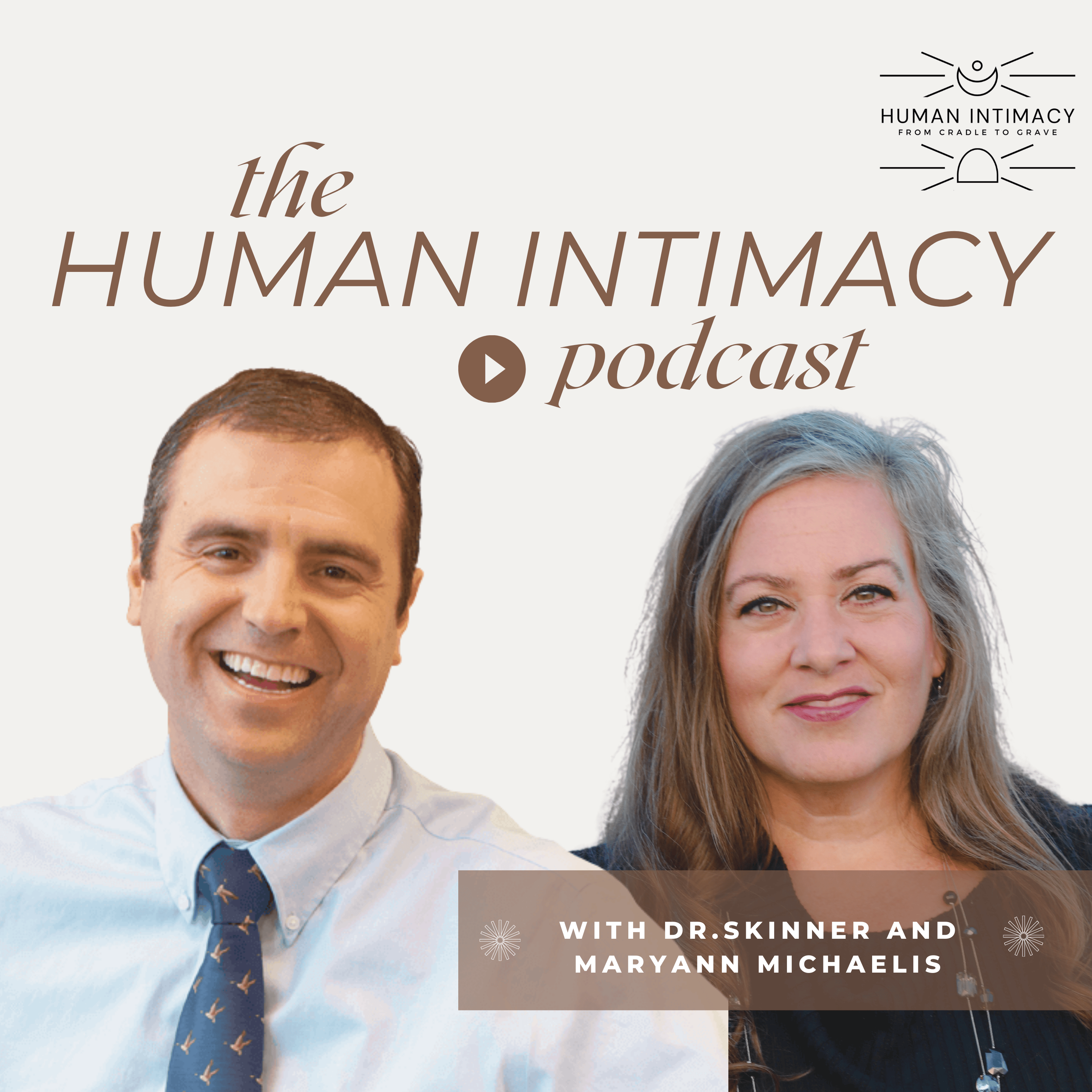
Insights from recent episode analysis
Audience Interest
Podcast Focus
Publishing Consistency
Platform Reach
Insights are generated by CastFox AI using publicly available data, episode content, and proprietary models.
Total monthly reach
Estimated from 2 chart positions in 2 markets.
By chart position
- 🇦🇺AU · Relationships#1495K to 30K
- 🇹🇷TR · Relationships#1003K to 10K
- Per-Episode Audience
Est. listeners per new episode within ~30 days
2.4K to 12K🎙 Daily cadence·100 episodes·Last published today - Monthly Reach
Unique listeners across all episodes (30 days)
8K to 40K🇦🇺75%🇹🇷25% - Active Followers
Loyal subscribers who consistently listen
3.2K to 16K
Market Insights
Platform Distribution
Reach across major podcast platforms, updated hourly
Total Followers
—
Total Plays
—
Total Reviews
—
* Data sourced directly from platform APIs and aggregated hourly across all major podcast directories.
On the show
Recent episodes
Emotional Safety After Betrayal: Understanding Emotions, Trauma, and Relationship Healing (Episode 119)
May 20, 2026
36m 30s
Sex After Betrayal: Navigating Sexuality, Safety, and Connection (Episode #118)
May 13, 2026
33m 56s
Why Can’t I Stop Thinking About the Affair? Understanding Rumination, Triggers, and Healing After Betrayal (Episode #117)
May 6, 2026
34m 34s
Crucial Moments: How Couples Can Navigate Triggers Without Destroying Connection (Episode #116)
Apr 29, 2026
33m 09s
How Do You Know You’re Making Progress After Betrayal? Understanding Safety, Awareness, and Real Change (Episode #115)
Apr 22, 2026
35m 53s
Social Links & Contact
Official channels & resources
Official Website
Login
RSS Feed
Login
| Date | Episode | Description | Length | ||||||
|---|---|---|---|---|---|---|---|---|---|
| 5/20/26 | Emotional Safety After Betrayal: Understanding Emotions, Trauma, and Relationship Healing (Episode 119) | Emotional Safety After Betrayal: Understanding Emotions, Trauma, and Relationship Healing Podcast Summary In this episode of the Human Intimacy Podcast, Dr. Kevin Skinner and MaryAnn Michaelis explore the connection between emotional safety, betrayal trauma, emotional regulation, and relationship healing after infidelity or sexual betrayal. Many individuals struggling with betrayal trauma, anxiety, emotional disconnection, or relationship conflict often suppress their true emotions by saying “I’m fine” while internally feeling overwhelmed, hurt, angry, anxious, or emotionally exhausted. In this conversation, Dr. Skinner and MaryAnn discuss why emotional honesty and emotional congruency are essential for rebuilding trust, emotional intimacy, and healthy communication in relationships. The episode examines how shame, emotional shutdown, avoidance, and trauma responses interfere with connection and healing. Listeners will also learn about emotional contagion, nervous system regulation, co-regulation, and the importance of creating emotionally safe relationships where both partners can openly express their feelings without fear of judgment, defensiveness, or rejection. Topics discussed include: Betrayal trauma recovery Healing after infidelity Emotional regulation in relationships Relationship communication skills Emotional safety and trust rebuilding PTSD symptoms after betrayal Emotional disconnection in marriage Co-regulation and nervous system healing Shame and emotional shutdown Understanding contradictory emotions after betrayal Emotional intelligence and self-awareness How unresolved emotions impact intimacy and connection Whether you are recovering from betrayal trauma, struggling with emotional intimacy, or trying to strengthen communication in your relationship, this episode provides practical insights into understanding emotions, rebuilding trust, and creating deeper human connection. Resources Mentioned in This Episode Emotional Intelligence by Daniel GolemanA foundational book on emotional awareness, emotional regulation, empathy, and developing healthier relationship skills. The Choice by Edith EgerDiscusses emotional healing, resilience, trauma recovery, and understanding core emotional experiences. The work of Brené BrownEspecially her research on vulnerability, shame, emotional connection, and authentic relationships. Stephen Porges and Polyvagal TheoryUnderstanding nervous system regulation, emotional safety, co-regulation, and trauma responses in relationships. Thich Nhat HanhReferenced for his teachings on deep listening, mindfulness, emotional presence, and compassionate communication. Al SiebertConcepts on resiliency, emotional flexibility, and the “both/and” approach to emotional experiences. The Intimacy Repair Method (IRM) CourseA structured framework designed to help couples heal from betrayal trauma, rebuild emotional safety, improve communication, and strengthen intimacy. Human Intimacy Resources and CoursesHuman Intimacy Additional Resources for Betrayal Trauma & Relationship Healing Attached by Amir Levine and Rachel HellerUnderstanding attachment styles, emotional needs, and relationship dynamics. The Body Keeps the Score by Bessel van der KolkA leading resource on trauma, nervous system responses, emotional regulation, and healing. Hold Me Tight by Sue JohnsonA guide to emotional bonding, attachment, and strengthening relationships after emotional injuries. Addo Therapy & Recovery ResourcesTherapy, betrayal trauma recovery support, couples counseling, anxiety treatment, mindfulness resources, and emotional healing support. | 36m 30s | ||||||
| 5/13/26 | Sex After Betrayal: Navigating Sexuality, Safety, and Connection (Episode #118) | Sex After Betrayal: Navigating Sexuality, Safety, and Connection In this episode of the Human Intimacy Podcast, Dr. Kevin Skinner and Marianne Michaelis explore one of the most confusing and emotionally charged topics couples face after betrayal: sexuality after discovery. Why do some couples stop having sex entirely while others become more sexual after betrayal? What does it mean if a betrayed partner still desires intimacy? And how do couples navigate sexuality in ways that are emotionally safe and healthy? Together, they discuss the impact betrayal has on sexual desire, emotional bonding, pornography, hypersexuality, shame, and the confusion many individuals feel surrounding intimacy after discovery. The conversation introduces the concept of “sexual self-mastery” and emphasizes the importance of awareness, communication, emotional safety, and intentionality in rebuilding intimacy. This episode offers compassionate guidance for individuals and couples trying to better understand their sexuality, emotions, and relationship dynamics during recovery and healing. Resources Mentioned The Betrayal Bond by Patrick Carnes Sensate-focused therapy concepts Sexual self-mastery Emotional regulation and communication skills Pornography and relational intimacy research HumanIntimacy.com | 33m 56s | ||||||
| 5/6/26 | Why Can’t I Stop Thinking About the Affair? Understanding Rumination, Triggers, and Healing After Betrayal (Episode #117) | Why Can’t I Stop Thinking About the Affair? Understanding Rumination, Triggers, and Healing After Betrayal In this important episode of the Human Intimacy Podcast, Dr. Kevin Skinner and MaryAnn Michaelis explore one of the most common and painful questions after betrayal: “Why can’t I stop thinking about it?” Together, they unpack the neuroscience and emotional reality behind rumination, intrusive thoughts, PTSD responses, triggers, and nervous system dysregulation after sexual betrayal and affairs. The conversation helps both betrayed and betraying partners understand why the mind and body struggle to “move on,” even when logic says the relationship may be improving. Dr. Skinner and MaryAnn discuss how betrayal disrupts safety, attachment, and reality itself, often leaving the betrayed partner feeling emotionally flooded, hypervigilant, and stuck in repetitive thoughts. They also explain how healing requires more than simply stopping behaviors—it involves nervous system regulation, emotional attunement, compassion, consistency, and deeper relational repair. Listeners will also learn practical tools for responding to triggers, including grounding exercises, journaling, movement-based trauma release, self-attunement, parts work, emotional regulation, and therapeutic approaches such as EMDR and ART. This episode offers hope, validation, and practical guidance for anyone struggling with intrusive thoughts after betrayal trauma. Key Topics Covered Why betrayed partners experience rumination and intrusive thoughts PTSD and betrayal trauma responses The difference between logical understanding and nervous system safety Why triggers continue even after behavior stops Emotional flooding and nervous system dysregulation How betraying partners can respond in healing ways Self-compassion and trauma recovery Tools for emotional regulation and trauma release Parts work and self-attunement EMDR, ART, and trauma-informed healing approaches Recovery capital and building support systems Resources Mentioned The Body Keeps the Score by Bessel van der Kolk Brené Brown – research on exhaustion and uncertainty Jill Bolte Taylor – emotional processing concepts Calming the Emotional Storm by Sheri Van Dijk EMDR Therapy (Eye Movement Desensitization and Reprocessing) ART (Accelerated Resolution Therapy) Polyvagal Theory by Stephen Porges Internal Parts Work / Self-Attunement Approaches Recovery Capital framework Human Intimacy Podcast episode on Empathy vs. Compassion Upcoming Course Intimacy Repair Method (IRM) — 12 Week Course Join Dr. Kevin Skinner and MaryAnn Michaelis for the upcoming Intimacy Repair Method (IRM) course beginning May 7th. The course is designed to help couples heal from betrayal trauma through a structured process focused on: Safety Emotional regulation Accountability How to measure and create relational repair Compassion Rebuilding intimacy Learn More & Register: The Intimacy Repair Method (12-Week Online Course) | 34m 34s | ||||||
| 4/29/26 | Crucial Moments: How Couples Can Navigate Triggers Without Destroying Connection (Episode #116) | Crucial Moments: How Couples Can Navigate Triggers Without Destroying Connection Episode Overview What happens when a trigger hits in your relationship—and everything escalates? In this episode of the Human Intimacy Podcast, Dr. Kevin Skinner and MaryAnn Michaelis break down what they call “crucial moments”—those intense emotional experiences where couples either move toward healing or fall back into painful patterns. If you’ve ever found yourself stuck in the same argument, feeling unheard, or overwhelmed by emotional reactions, this episode will help you understand why those patterns happen—and how to change them. Why Triggers Feel So Overwhelming When a trigger hits, your brain shifts into survival mode. The amygdala activates, your nervous system becomes dysregulated, and your ability to communicate effectively drops. This is why: Conversations escalate quickly You repeat the same arguments You feel misunderstood or dismissed Your partner becomes defensive or shuts down Key Insight:You cannot create connection when your body is in a fight-or-flight state. The Missing Step in Relationship Repair Most couples try to fix the relationship while they’re emotionally flooded. Dr. Skinner emphasizes a critical principle: Stabilize yourself first. Then engage your partner. Without emotional regulation, even the best communication tools won’t work. Common Mistakes Couples Make During Conflict Many couples unknowingly reinforce disconnection during triggers. Watch for these patterns: 1. Marathon Conversations Trying to resolve everything in one conversation while both partners are overwhelmed 2. Defensiveness Disguised as Empathy Statements like: “I didn’t mean to hurt you” “I’m sorry you feel that way” These often feel minimizing instead of supportive 3. Relying Only on Your Partner for Regulation Expecting your partner to calm you down when they may also be triggered 4. Repeating the Same Cycle Having the same argument over and over without new tools or awareness How to Respond in Triggered Moments (What Actually Works) 1. Pause and Regulate Before responding, ask yourself: Am I emotionally stable right now? Is my body calm enough to have this conversation? If not, step away and regulate first. 2. Use Outside Support Sometimes your partner is not the right person in that moment to help you regulate. Consider: A trusted friend A support group A mentor or sponsor This can help you return to the conversation with clarity. 3. Shift from Reactivity to Curiosity Instead of reacting, try: “Help me understand what you’re experiencing” “Tell me more about what you’re feeling” This lowers defensiveness and builds connection. 4. Take Responsibility for Your Emotional Response Your emotions are valid—but how you express them matters. Healthy communication includes: Emotional honesty Self-awareness Respectful expression Understanding the Power Struggle in Relationships After betrayal or disconnection, couples often fall into power imbalances: One partner holds information or control The other feels uncertain, hurt, or reactive True healing requires moving away from: “One-up / one-down” dynamics And toward: Mutual honesty, vulnerability, and accountability Why Some Couples Stay Stuck for Years If you feel like you’re not making progress, it’s often due to: Incomplete or staggered disclosure Lack of emotional regulation skills Repeating patterns without addressing root issues Avoiding deeper vulnerability Key Insight:Without new skills, the same patterns will continue—no matter how much you talk. A Better Way Forward Healing doesn’t come from saying more—it comes from learning how to show up differently. That includes: Regulating your nervous system Communicating with clarity and compassion Practicing new patterns consistently Building emotional safety over time Key Takeaways You cannot be relational when you are emotionally dysregulated Per | 33m 09s | ||||||
| 4/22/26 | How Do You Know You’re Making Progress After Betrayal? Understanding Safety, Awareness, and Real Change (Episode #115) | How Do You Know You’re Making Progress After Betrayal? Understanding Safety, Awareness, and Real Change In this episode of The Human Intimacy Podcast, Dr. Kevin Skinner and MaryAnn explore one of the most common—and emotionally loaded—questions couples ask after betrayal: *“How do we know if we’re actually making progress?”* Healing doesn’t follow a straight line. Many couples feel stuck in a painful cycle of “two steps forward, three steps back,” leaving them wondering if anything is truly changing. Dr. Skinner and MaryAnn break down what real progress looks like—not through checklists or surface behaviors, but through a deeper, more meaningful shift: **perceived relational safety**. They discuss how the body plays a central role in detecting safety through what is often called a “gut feeling,” drawing on concepts like neuroception from Stephen Porges. Listeners will learn why healing requires more than logical reassurance—and why the nervous system must begin to *feel* safe before true connection can return. Through a powerful role-play, they demonstrate the difference between reactive, defensive conversations and regulated, productive ones. This real-life example highlights how self-awareness, emotional regulation, and vulnerability can transform conflict into connection. They also address: Why some betrayed partners struggle to trust even when their partner is “doing everything right” The impact of shock versus gradual awareness in discovery How deception can distort one’s internal sense of safety Why stabilization must come before meaningful repair How consistency—not perfection—builds trust over time Ultimately, progress is not measured by the absence of conflict, but by how couples navigate it. When both partners develop awareness of their internal experiences and learn to communicate those experiences safely, healing becomes not only possible—but measurable. If you’ve ever questioned whether your relationship is moving forward, this episode offers clarity, validation, and a roadmap for what real progress actually looks like. Key Resources & Mentions The Intimacy Repair Method (IRM) A structured approach to healing after betrayal, focusing on safety, stabilization, and rebuilding connection. Perceived Relational Safety Scale (PRSS) A practical assessment tool to help individuals and couples measure how safe they feel in the relationship and track progress over time. Polyvagal Theory & Neuroception – Polyvagal Theory Developed by Stephen Porges, this framework explains how the nervous system detects safety or threat and influences connection and emotional regulation. HumanIntimacy.com Access courses, assessments, and resources to support healing and relationship repair. 12-Week Intimacy Repair Course A guided program with role-plays, assessments, and step-by-step instruction to help couples rebuild trust and connection. --- Key Takeaway Progress isn’t about doing everything perfectly—it’s about creating consistent, safe, and honest interactions where both partners can begin to feel, not just think, that change is happening. | 35m 53s | ||||||
| 4/15/26 | Introducing the Intimacy Repair Method: A New Path to Healing, Connection, and Lasting Change (Episode #114) | Introducing the Intimacy Repair Method: A New Path to Healing, Connection, and Lasting Change What if the reason your relationship feels stuck isn’t a lack of effort—but a lack of a clear model for connection? In this episode of the Human Intimacy Podcast, Dr. Kevin Skinner (LMFT-S) and MaryAnne Michaelis, LCSW introduce the Intimacy Repair Method (IRM)—a comprehensive, research-informed framework designed to help individuals and couples rebuild trust, improve communication, and create deeper emotional connection. Drawing from decades of clinical experience and integrating leading models like Gottman Method, Emotionally Focused Therapy (EFT), and Polyvagal Theory, Dr. Skinner explains why most people were never taught how to build healthy relationships—and how that gap continues to impact us today. You’ll learn: Why most people rate their relationship models growing up below a 5 out of 10 The foundational role of safety in all meaningful connection How generational patterns shape communication, conflict, and intimacy The phases of the Intimacy Repair Method, including assessment, stabilization, and relational repair Why understanding your nervous system responses is key to transforming conflict How personalized assessments can guide real, measurable change in your relationship Whether you’ve experienced betrayal, feel disconnected, or simply want a stronger relationship, this episode offers a clear roadmap forward. Resources Mentioned Core Resources Human Intimacy Website (Course + Registration):https://www.humanintimacy.com Upcoming Course:Intimacy Repair Method – 12-Week Live Webinar Experience Start Date: May 7, 2026 Includes: Personalized relationship assessments Weekly live Q&A sessions Role-play practice scenarios Ongoing access to recordings and materials Key Concepts & Models Referenced Intimacy Repair Method (IRM) – A structured pathway for relational healing and growth Perceived Relational Safety – Feeling emotionally safe, open, and secure in your relationship Polyvagal Theory – Understanding how your nervous system drives connection, conflict, and safety Gottman Method – Research-based insights on communication and conflict patterns Emotionally Focused Therapy (EFT) – Attachment-based approach to strengthening emotional bonds Zeigarnik Effect – How unresolved issues keep relationships stuck Differentiation – Developing a strong sense of self while staying connected in relationships Assessments Mentioned Self-Assessment (Individual Awareness) “Test Your Relationship” Assessment Provides up to 90 pages of personalized feedback Identifies strengths, breakdowns, and actionable next steps Key Takeaway Most people aren’t failing in relationships because they don’t care—they’re struggling because they were never shown how to succeed. The Intimacy Repair Method offers a clear, structured way to learn what works—and finally create the connection you’ve been looking for. | 34m 43s | ||||||
| 4/8/26 | Hope After Betrayal: Is Healing Your Relationship Still Possible? (Episode #113) | Hope After Betrayal: Is Healing Your Relationship Still Possible? After betrayal, many couples quietly wonder: Is there any real hope for us? In this powerful episode, Dr. Kevin Skinner and MaryAnn Michaelis explore what hope actually looks like in the aftermath of sexual betrayal—and why so many people struggle to find it. Drawing from decades of clinical experience, they discuss the reality behind discouraging statistics, the isolation many betrayed partners feel, and why healing often requires more than just good intentions. They introduce a critical shift: hope is not built through words alone, but through new patterns, emotional regulation, and learning how to stay present in the hardest moments. You’ll also hear: Why many couples stay stuck in repeating emotional “loops” How shame and defensiveness block true repair The danger of trying to heal in isolation—or relying on the wrong sources What actually creates change: principles, skills, and consistent application Why healing is possible—even if the relationship doesn’t survive Whether you’re fighting for your relationship or trying to rebuild your life after it, this episode offers a grounded, honest message: 👉 Hope is real—but it’s built through learning, practice, and connection. | 31m 50s | ||||||
| 4/1/26 | The Courage to Heal: Facing Pain, Shame, and Change Together (Episode #112) | The Courage to Heal: Facing Pain, Shame, and Change Together Episode Summary In this episode of the Human Intimacy Podcast, Dr. Kevin Skinner and Marianne Michaelis explore the many forms of courage required in the healing process—both individually and as a couple. Courage is not just about staying in a relationship after betrayal. It’s about facing pain, telling the truth, asking for help, and being willing to see yourself clearly. It’s the courage to slow down when emotions are overwhelming, to remain present in difficult conversations, and to confront shame rather than avoid it. Dr. Skinner and Marianne highlight how healing is not just emotional—it is deeply biological. When individuals feel shame or fear, their nervous system becomes activated, making it difficult to stay grounded and connected. True courage, then, is learning how to regulate those internal responses so that meaningful repair can happen. Through powerful metaphors—including riding through dark tunnels, wearing the wrong “lens,” and learning to ride a backwards bike—they illustrate how healing requires patience, intentionality, and repeated effort. Change often feels unnatural at first, but with practice, new patterns can emerge. Ultimately, this episode invites listeners to reflect on one essential question: Where do I need courage right now? Healing is not about perfection—it’s about continuing forward, even when the path is unclear. Key Takeaways Healing from betrayal requires multiple forms of courage—not just endurance, but self-awareness and vulnerability Shame is both emotional and physiological; regulation must come before meaningful connection Slowing down is sometimes more courageous than pushing forward Change feels unnatural at first—like using your non-dominant hand or riding a backwards bike Progress happens through repetition, curiosity, and compassionate self-reflection Each person’s pace is different—comparison can disrupt healing Resources & References Human Intimacy Resources Human Intimacy Website (Courses & Conference Access):https://www.humanintimacy.com 2026 Human Intimacy Conference (Recordings Available):Available under “Courses” after creating a free account Contact for Questions:info@humanintimacy.com Concepts & Influences Mentioned Intimacy Repair Method (IRM) – Dr. Kevin Skinner Polyvagal Theory – Dr. Stephen Porges Shame & Vulnerability Research – Brené Brown Interpersonal Neurobiology – Dr. Dan Siegel EMDR & Trauma Processing Models Suggested Viewing The Backwards Brain Bicycle (Learning & Change):A powerful illustration of how difficult it is to rewire learned patterns Reflection Questions for Listeners Where in my life do I need courage right now? What am I avoiding because it feels uncomfortable or overwhelming? When I feel triggered or flooded, how do I typically respond? What would it look like to slow down instead of react? Where have I already demonstrated courage in my healing journey? | 27m 23s | ||||||
| 3/25/26 | Understanding Your Pain: How Childhood Experiences Shape Your Life and Relationships (Episode #111) | Understanding Your Pain: How Childhood Experiences Shape Your Life and Relationships Episode Summary In this deeply honest and meaningful conversation, Dr. Kevin Skinner and MaryAnn Michaels explore one of the most important—and often avoided—topics in healing: personal pain. Whether that pain feels overwhelming and present, or buried and difficult to access, it plays a powerful role in shaping how we think, feel, and connect with others. In this episode, we examine how early life experiences—especially Adverse Childhood Experiences (ACEs)—can influence emotional health, physical well-being, and relationship patterns later in life. Dr. Skinner shares both clinical insights and personal experiences to illustrate how unresolved pain can remain stored in the body for years, quietly influencing behavior and perception. Together, we discuss why some experiences are difficult to recall, how trauma impacts the brain and nervous system, and why having a safe, supportive environment is essential for healing. This episode also offers hope. Through the concept of Benevolent Childhood Experiences (BCEs), we explore how even one positive, supportive relationship can shift outcomes and foster resilience. Healing is possible—and it often begins with awareness, compassion, and a willingness to gently explore your story. If you’ve ever felt stuck, overwhelmed, or unsure why certain patterns keep repeating, this episode is an invitation to better understand yourself—and to take the next step toward healing. 🔗 Resources Mentioned Adverse Childhood Experiences (ACEs) AssessmentA 10-item framework for understanding early life adversity and its long-term impact. Benevolent Childhood Experiences (BCEs)A complementary framework highlighting the protective power of positive early relationships. The Deepest Well by Nadine Burke HarrisExplores how childhood adversity impacts lifelong health and how healing is possible. The Body Keeps the Score by Bessel van der KolkA foundational resource on how trauma is stored in the body and approaches to healing. Trauma-Informed Modalities Mentioned EMDR (Eye Movement Desensitization and Reprocessing) Somatic-based approaches to trauma recovery Continue the Conversation If this topic resonates with you, we invite you to explore more through the Human Intimacy community: Watch sessions from our recent conference:Human Intimacy Conference (Past Event Highlights & Resources) Learn more about courses, assessments, and tools for healing and connection:HumanIntimacy.com 💬 Closing Invitation Your story matters.And while it may feel difficult to look at the past, understanding your experiences can become one of the most powerful steps toward freedom, healing, and deeper connection. If you feel overwhelmed, we encourage you to seek support from a qualified professional. You don’t have to do this work alone. | 31m 57s | ||||||
| 3/18/26 | Grieving the Unseen Loss: Understanding Grief After Betrayal (Episode #110) | Grieving the Unseen Loss: Understanding Grief After Betrayal Summary In this episode of the Human Intimacy Podcast, Dr. Kevin Skinner and MaryAnn Michaelis reflect on the powerful insights emerging from the 2026 Human Intimacy Conference, with a particular focus on grief following sexual betrayal. While much of the field has emphasized trauma and post-traumatic stress, this conversation highlights a critical gap: the profound and often unaddressed grief experienced by both betrayed and betraying partners. Drawing from early data on the Grief After Betrayal Impact Scale, MaryAnn shares a striking finding—the most significant loss reported is not just the relationship, but the loss of self, including identity, trust in oneself, and a coherent sense of reality. The discussion explores how betrayal creates a “collapsed self,” alters one’s perception of a partner, and leads to ongoing grief that can persist for decades. The episode introduces emerging frameworks for understanding betrayal-related grief, including stages of emotional shock, internal conflict, withdrawal, rage, and eventual reclamation. Dr. Skinner and Marianne emphasize that grief is not a single event but a long-term process, often unfolding over years as individuals grieve not only what happened, but what could have been. A key theme is the importance of giving grief a voice in safe relationships. Healing is accelerated when individuals are witnessed, validated, and supported—whether by a partner, therapist, or trusted connection. Without this, grief often becomes prolonged and isolating. The conversation also raises important clinical and societal implications, including the need for better training, expanded research, and more effective support systems—particularly in faith communities, where many individuals report feeling misunderstood or unsupported. Ultimately, this episode reframes betrayal recovery by integrating grief as a central component of healing, calling for a more compassionate, relational, and research-informed approach to addressing the deep emotional losses that accompany betrayal. Click here to take the Grief After Betrayal Impact Scale References (Note: These are foundational and aligned with concepts discussed in the episode—ideal for podcast notes and future academic integration.) Jennifer J. Freyd (1996). Betrayal Trauma: The Logic of Forgetting Childhood Abuse. Harvard University Press. Judith Herman (1992). Trauma and Recovery. Basic Books. Susan Anderson (2010). The Journey from Abandonment to Healing. Berkley Books. Elisabeth Kübler-Ross & Kessler, D. (2005). On Grief and Grieving. Scribner. William Worden (2009). Grief Counseling and Grief Therapy. Springer Publishing. Bessel van der Kolk (2014). The Body Keeps the Score. Viking. Stephen W. Porges (2011). The Polyvagal Theory. Norton. John Bowlby (1980). Attachment and Loss: Vol. 3 – Loss. Basic Books. Pauline Boss (1999). Ambiguous Loss. Harvard University Press. Kenneth J. Doka (1989). Disenfranchised Grief. Lexington Books. | 30m 26s | ||||||
Want analysis for the episodes below?Free for Pro Submit a request, we'll have your selected episodes analyzed within an hour. Free, at no cost to you, for Pro users. | |||||||||
| 3/11/26 | When Recovery Means Different Things to Each Partner (Episode #109) | When Recovery Means Different Things to Each Partner Summary: One of the most difficult aspects of healing after betrayal is that both partners may believe they are working toward recovery, yet they may have very different ideas about what healing actually looks like. In this episode of the Human Intimacy Podcast, Dr. Kevin Skinner is joined by MaryAnn Michaels and Geoff Steurer to explore why couples often struggle to align their expectations during the recovery process. While both partners may want the relationship to improve, the impact of betrayal trauma, personal histories, and emotional needs can create very different timelines and definitions of what recovery means. The conversation explores the early stages of recovery, when many couples are simply trying to stabilize after the shock of discovery. Dr. Skinner, MaryAnn, and Geoff discuss why healing is rarely a straight path and how grief, emotional processing, and honest conversations play an essential role in rebuilding trust. They also explore a common challenge in recovery: when one partner feels they are doing everything they can to repair the relationship, yet the other partner still does not feel safe or connected. Rather than focusing on checklists or expectations, the discussion emphasizes the importance of curiosity, deep listening, and emotional presence. Another important topic addressed is the difference in timing when couples begin considering physical or sexual reconnection. Geoff shares insights from his work with couples and introduces the concept of “Not Yet,” highlighting the importance of patience, safety, and open dialogue when partners are not emotionally ready at the same time. Ultimately, healing after betrayal requires more than stopping harmful behaviors. It involves rebuilding emotional safety, learning to communicate vulnerably, and continually checking in with each other as the relationship evolves. As the conversation highlights, recovery is not a single event but an ongoing process of deeper understanding, connection, and growth. Resources Mentioned in This Episode: Geoff Steurer – From Crisis to Connection PodcastGeoff Steurer – Courageous Together Couples Program Dr. Kevin Skinner – Treating Sexual Addiction: A Compassionate Approach to Recovery Dr. Sue Johnson – Love Sense John Gottman – Love Maps Brené Brown – Research and teachings on vulnerability, safety, and self-trust Human Intimacy Conference Geoff Steurer will be presenting at the 2nd Annual Human Intimacy Conference, held March 13–14, 2026, where he will speak on the topic “Not Yet,” focusing on how couples can thoughtfully and safely navigate sexual reconnection after betrayal. To learn more or register for the conference, visit:bit.ly/humanintimacy Use the Coupon Code: 30off New Sponsorship If you or someone you love is looking for a place to begin the healing journey, you can learn more at BeginAgainInstitute.com. We’re grateful to Begin Again Institute for supporting the Human Intimacy Podcast. | 37m 20s | ||||||
| 3/4/26 | Empathy Overload: Why Feeling Too Much Can Hurt Your Relationship (And How Compassion Heals It) (Episode #108) | Empathy Overload: Why Feeling Too Much Can Hurt Your Relationship (And How Compassion Heals It) 📝 Episode Summary In this powerful episode of the Human Intimacy Podcast, Dr. Kevin Skinner and MaryAnn explore a surprising truth: empathy—while essential—can sometimes be the very thing that keeps couples stuck. Drawing on research from Stephen Porges and insights from polyvagal theory, Dr. Skinner explains how empathy activates the autonomic nervous system—often triggering fight, flight, or freeze responses. When empathy becomes overwhelming, it can lead to shutdown, defensiveness, or emotional withdrawal—what we call empathy overload. Many partners interpret this reaction as, “You don’t care.”But what if the real issue isn’t a lack of empathy… but an overwhelmed nervous system? In this episode, you’ll learn: The critical difference between empathy and compassion Why empathy can activate fight-or-flight responses How unresolved personal experiences intensify emotional overload Why some partners look away or shut down during intense conversations How compassion allows you to stay present without losing yourself A live role-play demonstrating healthy regulation in conflict Practical ways to build emotional capacity and expand your “window of tolerance” (inspired by Daniel Siegel) How this framework applies specifically to betrayal recovery Dr. Skinner also previews a groundbreaking autonomic-based assessment he will introduce at the upcoming Human Intimacy Conference, designed to help couples identify their fight, flight, and freeze patterns during emotionally charged moments. If you’ve ever said—or heard—“My partner has no empathy,” this episode may completely shift your perspective. 🔑 Key Takeaways Empathy is instinctive and automatic—but it can overwhelm the nervous system. Compassion requires regulation—it allows you to be with someone without being consumed. Emotional regulation is a learned skill. Many relational conflicts stem from misinterpreting autonomic responses. Healing requires both partners to strengthen emotional capacity—not just emotional intensity. 📚 Resources Mentioned Research & Frameworks Stephen Porges – Polyvagal Theory Daniel Siegel – Window of Tolerance Brené Brown – Empathy vs. Sympathy animation Literary Reference To Kill a Mockingbird by Harper Lee “You never really understand a person until you consider things from his point of view… until you climb into his skin and walk around in it.” Human Intimacy Resources 🎥 Watch on YouTube: youtube.com/@human-intimacy 🌐 HumanIntimacy.com 🧠 Intimacy Repair Method (IRM) Assessment – Coming Soon 🎤 Human Intimacy Conference 💬 Reflection Questions for Listeners When my partner is emotional, what happens in my body? Do I tend to fight, flee, or freeze during intense conversations? Am I confusing empathy overload with lack of caring? What would compassion look like in my relationship this week? If this episode resonated with you, share it with someone who may be struggling in their relationship—and join us next week as we continue exploring the science and skills behind deeper human connection. —Human Intimacy Podcast with Dr. Kevin Skinner & MaryAnn | 27m 50s | ||||||
| 2/25/26 | When Couples Feel Stuck: Breaking the Patterns That Keep You From Healing (Episode #107) | When Couples Feel Stuck: Breaking the Patterns That Keep You From Healing What do you do when you’ve tried everything—therapy, groups, individual work—and you still feel stuck? In this powerful conversation, Dr. Kevin Skinner and Maryanne Michaelis, LCSW, explore why couples get trapped in the same relational patterns and, more importantly, how those patterns can change. This episode speaks directly to couples who feel hopeless, exhausted, or unsure whether real progress is possible. You’ll learn why feeling stuck is often a signal—not of failure—but of unexamined patterns, unspoken fears, missing structure, or hidden truths. 🔑 In This Episode, We Discuss: Why couples repeat the same conflict “dance” The difference between individual progress and coupleship healing How secrets vs. structure (Patrick Carnes) keep relationships stuck Readiness for vulnerability and why partners move at different paces Letting go of expectations that damage repair The role of emotional regulation in rebuilding connection Why validation—not fixing—is the pathway forward How authentic conversations create real movement in recovery ❤️ For Betrayed Partners: We validate the fear, grief, anger, and confusion that can make trust feel impossible—and why not being “ready” is an honest and healthy place to start. 🔥 For the Partner in Recovery: You’ll learn how pressure, defensiveness, and relapse cycles block progress—and how structure, consistency, and compassion create safety. 🎟️ Join Us at the 2026 Human Intimacy Conference March 13–14, 2026 (Live + Recordings Included)Featuring:Michelle Mays • Dr. Dave Robinson • Dr. Alex Theobald • Dr. Hal Stewart •Dr. Karen Strange • Dan Oaks • Maryanne Michaelis • Dr. Kevin Skinner & more 👉 Get 30% off through the end of FebruaryUse code: 30OFFRegister: https://bit.ly/HumanIntimacy ❓ FREE Live Q&A – February 26 With Dr. Kevin Skinner, Maryanne Michaelis, Michelle Mays & Darrell BrazellBring your questions about healing, recovery, and relationship repair.🔗 Link for Q&A with Dr. Kevin Skinner ▶️ Explore Our Resources 🔹 New YouTube Channel:youtube.com/@human-intimacy 🔹 Our Three Podcasts: Human Intimacy Podcast – Couples & relational healing RISE: Hope & Healing After Sexual Betrayal – For betrayed partners Reclaim – Recovery from unwanted sexual behaviors 💬 We Want to Hear From You Have a topic or question you’d like us to address?📩 info@humanintimacy.com Our Mission To provide research-based, trauma-informed resources that help individuals and couples heal, rebuild trust, and create deeper connection. If this episode helped you, please:👍 Like🔔 Subscribe📤 Share with someone who needs hope in their relationship | 25m 37s | ||||||
| 2/18/26 | Understanding Sexual Intimacy: Self-Awareness, Healing, and Connection in the Intimacy Triangle (Part 2) (Episode #106) | Understanding Sexual Intimacy: Self-Awareness, Healing, and Connection in the Intimacy Triangle (Part 2) Episode Summary In this concluding conversation on the Intimacy Triangle, Dr. Kevin Skinner and MaryAnn Michaelis explore the most complex and often misunderstood dimension of intimacy—sexual intimacy. Together, they examine how personal history, trauma, shame, cultural messaging, betrayal, and biology shape the way individuals and couples experience sexuality. The discussion begins with a powerful question: “Who am I as a sexual being?” From there, they unpack the importance of self-awareness, emotional safety, and honest communication as the foundation for a healthy sexual relationship. Listeners will learn: Why many people feel confused, anxious, or avoidant around sexuality How early experiences, body shame, pornography, and betrayal trauma impact sexual connection The biological differences in male and female arousal and desire cycles How resentment, unresolved relational ruptures, and fear block intimacy Why obligation and pressure damage sexual bonding How vulnerability and attachment create deeper connection than performance The role of boundaries (“bridling passion”) in creating safe and meaningful sexual expression Dr. Skinner also outlines practical steps toward healthy sexual intimacy, including developing self-awareness, turning toward your partner with honesty, addressing past ruptures, and learning to negotiate desire in a non-threatening way. This episode reframes sexuality not as a source of shame or conflict, but as a bonding experience that can be joyful, healing, and deeply connecting when approached with compassion, safety, and understanding. The episode also includes: An invitation to participate in a grief and betrayal survey for the upcoming Human Intimacy Conference Details about the Seven Pillars of the Intimacy Repair Method training Access to the Human Intimacy YouTube channel Key Themes & Concepts Sexual self-awareness Celebration vs. shame of sexuality Attachment and “turning toward” your partner Bridling passion through boundaries Threat vs. desire systems in the brain Porn-induced sexual dysfunction and body shame Obligation vs. authentic sexual connection Repairing sexual ruptures through timeline work Presence and attunement after betrayal Negotiating desire differences with respect Resources & References Mentioned Human Intimacy & Conference 2nd Annual Human Intimacy Conference (March 13–14) Tracks: Betrayal Trauma Unwanted Sexual Behaviors Couple Healing Dr. Skinner’s training: The Seven Pillars of the Intimacy Repair Method MaryAnn Michaelis’ presentation: Grief After Betrayal Pre-conference Grief & Betrayal Survey (listener participation) Human Intimacy Platforms Human Intimacy YouTube Channel→ youtube.com/@humanintimacy Contact: info@humanintimacy.com Models & Frameworks The Intimacy Triangle The Intimacy Repair Method Sexual history timeline in couple healing Zeigarnik Effect (unresolved relational ruptures) Research & Clinical Voices Dr. John Gottman – The Science of Trust (physiological and relational cycles) Dr. Pat Love – Hot Monogamy (desire differences and adaptation) Dr. Sue Johnson – Attachment & “turning toward” Clinical & Psychoeducational Concepts Attachment bonding and vulnerability Threat vs. arousal systems in female sexuality Testosterone and male sexual rhythms Porn-induced erectile dysfunction Body shame and betrayal trauma Obligation vs. authentic consent and presence Action Steps for Listeners (derived from the episode) Develop sexual self-awareness Practice honesty with yourself first Learn to communicate desire without pressure or shame Address past relational ruptures that still carry emotional scar tissue Turn toward your partner in vulnerability and curiosity Create boundaries that make sexualit | 35m 08s | ||||||
| 2/11/26 | Physical & Sexual Intimacy: Rebuilding Touch, Safety, and Connection (Episode #105) | Summary In this milestone episode celebrating two years of the Human Intimacy Podcast, Dr. Kevin Skinner and MaryAnn Michaelis explore one of the most meaningful — and often misunderstood — dimensions of connection: physical and sexual intimacy. Many relationships struggle in this area, especially when trust has been disrupted or when couples have never learned how to build intimacy from a strong psychological and emotional foundation. Rather than viewing sexuality as the starting point of connection, Dr. Skinner and MaryAnn explain why healthy relationships are built from the ground up — with safety, communication, emotional closeness, and trust forming the base. Listeners will learn why touch is a core human need across the lifespan, how the body responds to healthy connection, and why confusion often arises when partners attach different meanings to physical contact. The conversation also addresses the impact of betrayal, trauma, body image concerns, sensory sensitivity, and internalized shame — all of which can influence how safe or unsafe touch feels. Dr. Skinner introduces the concept of discovering your resistance, inviting listeners to notice what happens internally when they experience or anticipate physical touch. Is there comfort? Anxiety? Fear? Longing? Awareness is the first step toward rebuilding intimacy. The episode also emphasizes the importance of consent, compassionate communication, and pacing. For many couples, healing may begin by temporarily removing sexual expectations and returning to simple, non-sexual forms of connection such as holding hands, hugging, or sitting close together. When emotional, psychological, and relational intimacy are strengthened, sexual intimacy becomes less confusing and more connecting — allowing couples to experience the bonding power of vulnerability, presence, and trust. Whether you are rebuilding after betrayal or simply seeking a deeper connection, this episode offers a thoughtful roadmap toward creating safety in touch and rediscovering the beauty of being fully seen, accepted, and loved. Resources Human Intimacy Conference (March 13–14, 2026)Join Dr. Kevin Skinner, MaryAnn Michaelis, and leading experts for two days of live teaching focused on healing from betrayal and strengthening relationships.Register at: bit.ly/humanintimacyUse coupon code 30OFF for a discount. Human Intimacy YouTube ChannelWatch full podcast episodes and access additional relationship resources:youtube.com/@human-intimacy Related Episodes Episode 22: Exploring Sexuality — Navigating the Line Between Healthy and Unhealthy Behaviors Episode 65: Consent, Communication, and the Core of Intimacy Books & Educational Resources Treating Trauma from Sexual Betrayal — Dr. Kevin Skinner The Intimacy Pyramid & Seven Types of Intimacy teachings HumanIntimacy.com for courses, assessments, and relationship tools | 36m 34s | ||||||
| 2/4/26 | Spiritual Intimacy: Being Seen, Sharing Meaning, and Deepening Connection (Episode #104) | Spiritual Intimacy: Being Seen, Sharing Meaning, and Deepening Connection In this episode of the Human Intimacy Podcast, Dr. Kevin Skinner and MaryAnn Michaelis explore the often-misunderstood concept of spiritual intimacy. Moving beyond narrow definitions of religion, they discuss spirituality as a deeply human experience—how we make meaning, experience stillness, share vulnerability, and feel connected to something greater than ourselves. Through personal stories, cross-cultural insights, and reflections on nature, trauma, loss, healing, and disclosure, this conversation highlights how spiritual intimacy can exist in marriages, families, friendships, and even therapeutic spaces. The episode also addresses spiritual wounding, attachment injuries related to faith, and how creating safety allows partners to share their deepest beliefs, doubts, and experiences. Ultimately, this discussion invites listeners to slow down, reflect on their own spiritual story, and consider how allowing themselves to be fully seen—without judgment—can lead to profound bonding and connection. 📚 Resources Mentioned Unbroken – Laura Hillenbrand The Betrayal Bond – Patrick Carnes The Art of Confession – Exploring confession and disclosure across spiritual traditions Mindful eye-contact meditation for couples (used in intensives) Impact Letters, Disclosure, and Emotional Restitution as sacred relational moments Reflective exercise: Writing your personal spiritual narrative 📅 Upcoming Event: Human Intimacy Conference Join Dr. Kevin Skinner and leading experts for the Second Annual Human Intimacy Conference, focused on healing from sexual betrayal, trauma recovery, and rebuilding connection in relationships. 🗓 Dates: March 13–14🌐 Register here:👉 https://bit.ly/humanintimacy 💸 Coupon Code: 30offUse this code at checkout to receive 30% off your registration. | 26m 41s | ||||||
| 1/28/26 | Creative & Intellectual Intimacy: Growing, Playing, and Building Meaning Together (Episode #103) | Creative & Intellectual Intimacy: Growing, Playing, and Building Meaning Together Episode Summary In this episode of the Human Intimacy Podcast, Dr. Kevin Skinner and MaryAnn Michaelis explore creative and intellectual intimacy—two often overlooked but deeply powerful ways couples build connection, trust, and shared meaning. Rather than viewing intimacy as a checklist or a linear process, they describe it as a living, dynamic experience—one that ebbs and flows through shared ideas, curiosity, problem-solving, creativity, play, and growth. Through personal stories—reading books aloud early in marriage, building businesses, learning to dance, creating art, and dreaming about the future—they illustrate how couples grow closer when they think, create, and imagine together. The conversation also highlights how intellectual intimacy becomes a meaningful trust-builder, especially after betrayal, when partners begin sharing what they are learning, how they are changing, and what is happening in their inner world. When paired with creativity—planning, building, playing, or envisioning something together—these forms of intimacy foster bonding, growth, and renewed joy in the relationship. Listeners are invited to reflect on a simple but transformative question:Are we growing together—or have we stopped creating and learning side by side? For those who want to deepen these conversations and continue growing together, Dr. Skinner and MaryAnn invite listeners to the Second Annual Human Intimacy Conference (March 13–14). The conference brings together leading voices in healing, intimacy repair, grief, sexual reintegration, and relationship growth—and offers couples a powerful opportunity to learn together, reflect together, and strengthen both intellectual and creative intimacy. 🎟 Register here and receive 40% off for a limited time:👉 Coupon Code: 40off https://humanintimacy.zohobackstage.com/HumanIntimacy2ndAnnualConference#/ | 28m 09s | ||||||
| 1/21/26 | Verbal & Emotional Intimacy: Using Your Voice to Create Deeper Connection (Episode #102) | Verbal & Emotional Intimacy: Using Your Voice to Create Deeper Connection Episode Summary In this episode of the Human Intimacy Podcast, Dr. Kevin Skinner and Maryanne Michaelis continue their exploration of intimacy by focusing on verbal and emotional intimacy. They discuss how curiosity, vulnerability, and emotional expression create deeper connection—while assumptions, fear, and unspoken emotions quietly erode it. Through personal stories, clinical insight, and practical examples, they show how verbal intimacy often opens the door to emotional intimacy—and how safe, intentional communication strengthens relationships with partners, children, and community. The episode also addresses why intimacy can feel unsafe after trauma or betrayal and how to begin rebuilding connection in healthy, realistic ways. Key Topics Covered The connection between verbal intimacy and emotional intimacy Why curiosity (“Tell me more”) deepens connection How assumptions block intimacy—even in long-term relationships Using “I feel” statements instead of blame or shame Emotional safety, boundaries, and timing in disclosure The role of community in helping people find words after trauma Applying intimacy skills in parenting and everyday relationships Understanding inner circles of trust and emotional access Notable Concepts Referenced Psychological safety as the foundation for intimacy Mirror neurons and emotional attunement Self-disclosure vs. emotional flooding Differentiation in relationships Trauma-informed communication The healing power of shared experience and community 🌟 Upcoming Event: Second Annual Human Intimacy Conference The themes discussed in this episode—connection, vulnerability, emotional safety, and repair—will be explored in depth at the upcoming Human Intimacy Conference. 📅 March 13–14📍 Online | Mountain Time This two-day conference is designed for individuals and couples seeking healing and deeper connection after betrayal. It includes: Separate individual and couples tracks Live and recorded expert presentations Trauma-informed yoga sessions On-demand access to all recordings Bonus access to last year’s full conference recordings 🎟️ Special Discount:Use coupon code 40OFF to receive 40% off registration(Valid through the end of January) 🔗 Register here:https://humanintimacy.zohobackstage.com/HumanIntimacy2ndAnnualConference#/ Listener Reflection Questions Who in my life feels safe enough for deeper verbal and emotional intimacy? Where do I assume instead of asking curious, open questions? What emotions have I been holding inside that may need safe expression? Closing Thought Verbal and emotional intimacy grow when we show up, stay curious, and speak honestly—without blame or assumption. Intimacy isn’t about perfect words; it’s about presence, safety, and the courage to be seen. | 33m 34s | ||||||
| 1/14/26 | Psychological Intimacy: The Foundation of Trust, Safety, and Healing After Betrayal (Episode #101) | Psychological Intimacy: The Foundation of Trust, Safety, and Healing After Betrayal In this episode of the Human Intimacy Podcast, Dr. Kevin Skinner and MaryAnn Michaelis take a deeper dive into the seven types of intimacy, focusing specifically on psychological intimacy as the foundation of all connection. They explore how honesty, trust, loyalty, and commitment are disrupted by betrayal—and why secrecy and deception, more than behaviors alone, create trauma. The discussion highlights how vulnerability, accountability, and repair rebuild safety over time, especially in relationships impacted by betrayal trauma. This episode offers clarity, compassion, and practical insight for couples navigating healing and reconnection. Resources Relationship Intimacy Test & Intimacy PyramidFree assessment and companion materialsHumanIntimacy.com → Free Courses → Companionship Course Reclaim: Healing from Pornography and Rebuilding Your LifePodcast and course for individuals seeking recovery from unwanted sexual behaviorsAvailable at HumanIntimacy.com Rise: Hope & Healing After Sexual BetrayalPodcast and course created specifically for betrayed partnersAvailable at HumanIntimacy.com Human Intimacy Conference – March 13–14, 2026Online conference featuring leading experts on individual healing, recovery, and relationship repairRegistration link: 2nd Annual Human Intimacy Conference 2026 Use 40off to get 40% off your registration | 33m 27s | ||||||
| 1/7/26 | The 7 Types of Intimacy: Reclaiming Connection in a Disconnected World (Episode #100) | The 7 Types of Intimacy: Reclaiming Connection in a Disconnected World Episode Summary In this milestone 100th episode of the Human Intimacy Podcast, Dr. Kevin Skinner and MaryAnn Michaelis reflect on two years of conversations—and over 50,000 downloads—by returning to the very heart of their work: human intimacy. This episode introduces Dr. Skinner’s Intimacy Triangle (or Pyramid), a framework he developed more than 20 years ago to help individuals and couples understand that intimacy is far more than sex. Instead, deep, lasting connection is built from the ground up through seven distinct but interconnected forms of intimacy: Psychological Intimacy – the foundation of safety built on trust, honesty, loyalty, and commitment Verbal Intimacy – sharing information and everyday experiences Emotional Intimacy – expressing feelings, fears, hopes, and vulnerabilities Cognitive / Intellectual Intimacy – engaging ideas, beliefs, and curiosity together Creative Intimacy – bonding through shared projects and co-creation Spiritual Intimacy – connection that transcends words, often felt in shared meaning, values, or sacred moments Physical / Sexual Intimacy – the natural expression that emerges when the other layers are present Dr. Skinner and MaryAnn explore how modern culture often reverses this order—placing sexual intimacy at the foundation—and how this inversion contributes to loneliness, disconnection, and relational distress. When intimacy is rebuilt from the bottom up, relationships become safer, deeper, and more resilient. This episode also sets the stage for upcoming conversations that will break down each layer of intimacy in depth, offering listeners practical tools for healing, repair, and growth. Key Takeaways Intimacy is multidimensional, not synonymous with sex Psychological safety is the cornerstone of all healthy connection Skipping layers of intimacy leads to counterfeit connection and deeper loneliness When intimacy is repaired holistically, emotional and physical closeness naturally follow Strong relationships are foundational to mental health, resilience, and well-being Resources Mentioned Free Human Intimacy Podcast Companion CourseIncludes: The Intimacy Triangle / Pyramid A self-scoring intimacy reflection tool The Relationship Intimacy Test👉 Available at HumanIntimacy.com Book: Rebuild Your Relationship After Sexual Betrayal by Dr. Kevin Skinner(Includes access to the Relationship Intimacy Test) Upcoming Event Dr. Skinner will be offering an in-depth two-hour training for couples on the Intimacy Repair Method at the upcoming conference: 🌿 2nd Annual Human Intimacy Conference Dates: March 2025What to Expect: Expert presentations Live Q&A Practical tools for rebuilding intimacy after betrayal Deep dives into connection, safety, and repair 🔗 Register here:https://humanintimacy.zohobackstage.com/HumanIntimacy2ndAnnualConference#/ If you’re beginning a new year with a desire for deeper connection, healing, and meaningful relationships, this episode offers both a powerful framework and a hopeful path forward. | 27m 02s | ||||||
| 12/31/25 | Nine Simple Practices That Strengthen Relationships (Episode #99) | Nine Simple Practices That Strengthen Relationships Summary In Episode #99 of the Human Intimacy Podcast, Dr. Kevin Skinner and MaryAnn Michaelis celebrate their 99th episode by sharing nine powerful practices couples can use to strengthen connection, deepen trust, and build meaningful intimacy. Each principle is grounded in years of clinical experience, neuroscience, and relationship research—while remaining practical and accessible for real-life relationships. Together they explore why emotional safety is the foundation of all connection, the importance of ownership over blame, and how consistent attunement builds emotional closeness. They emphasize spending intentional time together, rebuilding trust through small daily actions, learning to emotionally regulate before communicating, and facing—not avoiding—conflict. They also highlight how positive relational interactions nurture bonding and why dreaming and planning for the future together creates shared hope and purpose. Listeners are encouraged to start small, picking one area to work on, knowing that meaningful relationships are built one intentional step at a time. Key References & Influences These concepts draw from established research and recognized thought leaders in relationships, trauma, emotional regulation, and neurobiology: Polyvagal Theory & SafetyPorges, S. W. (2011). The Polyvagal Theory: Neurophysiological Foundations of Emotions, Attachment, Communication, and Self-Regulation. Emotional Attunement & AttachmentSiegel, D. J. (2010). The Mindful Therapist: A Clinician’s Guide to Mindsight and Neural Integration. Trust and Relationship RepairGottman, J. & Silver, N. (2015). The Seven Principles for Making Marriage Work.Gottman, J. (2011). What Makes Love Last? Ownership vs. Blame / Emotional ResponsibilityBrown, B. (2015). Rising Strong. Conflict Resolution & The Zeigarnik EffectZeigarnik, B. (1927). On Finished and Unfinished Tasks. Psychologische Forschung. Hope & Future OrientationSeligman, M. (2018). The Hope Circuit: A Psychologist’s Journey from Helplessness to Optimism. Trauma, Safety & Human Connectionvan der Kolk, B. (2014). The Body Keeps the Score. Conference Invitation If you’re ready to go deeper in strengthening your relationship, we invite you to join us at the Human Intimacy 2nd Annual Conference.Use coupon code 50off to receive 50% off registration (limited time): https://humanintimacy.zohobackstage.com/HumanIntimacy2ndAnnualConference#/ Online Supplemental Course: (It’s Free) The Human Intimacy Companion Course | 37m 05s | ||||||
| 12/24/25 | The Gift of Your Presence: Why Showing Up Matters More Than You Think (Episode #98) | The Gift of Your Presence: Why Showing Up Matters More Than You Think In this heartfelt Human Intimacy Podcast episode, Dr. Kevin Skinner and MaryAnn Michaelis explore the powerful impact of truly being present in the lives of the people we love. During a season filled with busyness, distraction, and endless to-do lists, they invite listeners to slow down and consider the deeper message presence communicates: You matter. I see you. I care. Through meaningful personal stories—celebrations, graduations, family milestones, healing conversations, and everyday moments—Kevin and MaryAnn reflect on how presence fosters connection, emotional safety, belonging, and joy. They also discuss how curiosity, vulnerability, emotional attunement, and reducing distraction can transform relationships, reduce loneliness, and nurture human intimacy. Listeners are encouraged to offer the gift of presence intentionally this season: celebrate others’ wins, sit with them in pain, express appreciation, forgive where needed, and take time to let people feel seen and “felt.” Because when we show up, we don’t just fill space—we change hearts, regulate nervous systems, strengthen bonds, and remind each other we are not alone. Resources & Links Human Intimacy Conference — March 13–14, 2026Join leading experts including Dr. Jill Manning, Dr. Karen Strange, and others for two powerful days of learning, healing, and connection. Includes pre-conference Q&A with experts and full session recordings.👉 Register here: https://humanintimacy.zohobackstage.com/HumanIntimacy2ndAnnualConference#/Use Coupon Code: 50off for 50% off (valid through December 31) Human Intimacy Courses & Online ProgramsExplore courses to support healing from betrayal, emotional regulation, rebuilding intimacy, and relationship connection.👉 https://www.humanintimacy.com Referenced Concepts / Recommended Reading Dan Siegel — Feeling Felt & Interpersonal Neurobiology Irving Yalom — Presence and relational connection Research on loneliness as a public health concern and the power of human connection | 23m 40s | ||||||
| 12/17/25 | The Stories We Tell Ourselves: How Meaning, Shame, and Assumptions Shape Our Relationships (Episode #97) | The Stories We Tell Ourselves: How Meaning, Shame, and Assumptions Shape Our Relationships Summary In this episode of the Human Intimacy Podcast, Dr. Kevin Skinner and licensed clinical social worker Marianne Michaelis explore the powerful—and often invisible—stories we tell ourselves about who we are and how others see us. Even when people share the same experience, their interpretations can be radically different, shaped by past wounds, shame, fear, and unmet needs. Through clinical examples, personal stories, and everyday moments of misunderstanding, they unpack how the brain naturally fills in gaps to create meaning—and how those meanings can quietly dictate our emotions, reactions, and relationships. The conversation highlights common shame-based narratives such as “I’m too much,” “I’m not enough,”or “I don’t matter,” and how these stories become internalized as truth over time. Dr. Skinner and Marianne emphasize the importance of awareness, fact-checking, emotional ownership, and curiosity—both toward ourselves and others. Healing begins when we slow down, speak our stories in safe places, challenge old assumptions, and allow compassion to replace judgment. The episode closes with an invitation to approach others—and ourselves—with deeper curiosity, asking not “What’s wrong?” but “What’s the story?” Resources & References Skinner, K. – Treating Trauma from Sexual Betrayal Tutu, D. & Tutu, M. – The Book of Forgiveness Brown, B. – I Thought It Was Just Me (But It Isn’t) Siegel, D. – Mindsight Human Intimacy Podcast – Episode on Emotional Ownership Journaling as a tool for emotional processing and self-reflection Concepts referenced: Shame narratives Emotional ownership Fact-checking internal stories Fight-or-flight responses and meaning-making Compassion vs. judgment The Human Intimacy 2nd Annual Conference (discount 50% off Coupon Code = 50off | 31m 21s | ||||||
| 12/10/25 | Emotional Ownership: Understanding and Responding to Your Inner World (Podcast #96) | Emotional Ownership: Understanding and Responding to Your Inner World Summary In this timely episode, Dr. Kevin Skinner and MaryAnn Michaelis explore one of the most essential—and most avoided—skills in relationships: emotional ownership. As the holiday season intensifies stress, loneliness, old family wounds, and relational tension, the ability to understand and take responsibility for our internal world becomes even more vital. Together, they break down what emotional ownership looks like and what it does not look like. Using real-life examples, including a vulnerable story from Dr. Skinner, the conversation highlights how quickly couples slip into blame, shame spirals, and reactive “hot” responses. MaryAnn emphasizes the role of tone, kindness, and Gottman’s concept of positive sentiment override, while Dr. Skinner demonstrates how owning one’s emotional experience opens the door to connection rather than conflict. Listeners will learn: Why people often don’t know what they feel—and why that’s okay How holiday dynamics intensify emotional triggers The difference between owning an emotion and shifting responsibility How tone and delivery change everything in difficult conversations How shame, avoidance, and catastrophizing block intimacy Why slowing down your internal experience leads to deeper connection How emotional ownership becomes the foundation of relational safety, trust, and maturity The episode ends with practical guidance on taking responsibility for your own emotions, choosing kindness, and knowing when deeper therapeutic work is needed. Dr. Skinner and MaryAnn invite listeners to reflect honestly on their emotional patterns and make conscious choices that lead to healthier, more intimate relationships. Resources Mentioned Books & Authors Desmond Tutu & Mpho Tutu — The Book of ForgivingExplores the fourfold path to forgiveness, including moving through anger, grief, and acceptance. John Gottman — Research on Bids for Connection & Positive Sentiment OverrideEssential relationship frameworks explaining how couples build or deplete emotional trust. Dr. Kevin Skinner — Treating Trauma from Sexual BetrayalA clinical guide to understanding trauma responses, emotional dysregulation, and healing after betrayal. Concepts & Clinical Frameworks Emotional Ownership vs. Emotional ShiftingTaking responsibility for internal experience rather than blaming or projecting. Tone & Delivery in ConflictHow softening your approach changes relational outcomes. Fight–Flight–Freeze–Fawn ResponsesUnderstanding physiological reactions to emotional threat. Shame SpiralsPatterns where individuals turn against themselves in moments of relational stress. Betrayal Trauma Responses & Trigger CyclesWhy certain relational moments evoke intense reactions. Therapeutic Support Individual TherapyWhen emotions feel overwhelming, confusing, or out of control. Couples TherapyFor recurring patterns of blame, avoidance, or emotional disconnection. Links Human Intimacy Conference – 50% Off Through December 2025 (Coupon Code: 50off) 2nd Annual Human Intimacy Conference 2026(Coupon code available on website; offer valid through Dec 31, 2025) Human Intimacy Podcast Homepage https://www.humanintimacy.com/podcast Human Intimacy Main Site https://www.humanintimacy.com | 36m 08s | ||||||
| 12/3/25 | The Somatic Experience: How the Body Stores Trauma and the Path to Physiological Healing (Episode #95) | The Somatic Experience: How the Body Stores Trauma and the Path to Physiological Healing In this powerful episode of the Human Intimacy Podcast, Dr. Kevin Skinner and MaryAnn Michaelis, LCSW, explore the essential connection between trauma, physiology, and healing through a somatic lens. Drawing on the work of Peter Levine, Bessel van der Kolk, Deb Dana, and polyvagal theory, they highlight how trauma is not only a psychological experience but a physical one stored in the muscles, nervous system, and internal energy of the body. Dr. Skinner and MaryAnn discuss why individuals—especially betrayed partners—often disconnect from their bodies after chronic stress, betrayal trauma, or overwhelming life experiences. They examine how fight, flight, and freeze responses affect the nervous system, how chronic cortisol disrupts mood and metabolism, and why many trauma survivors struggle to sense or interpret their own physiological cues. Through stories, research, and lived experiences, the hosts illustrate how the body keeps the score and how healing requires learning to listen to internal sensations rather than pushing them aside. They offer practical tools such as somatic tracking, Peter Levine’s completion techniques, trauma-informed yoga, breathing exercises that access the vagus nerve, and movement-based approaches for releasing stored energy. The episode includes a guided somatic check-in where listeners rate their tension level and are invited into a simple three-minute breathing practice designed to lower physiological arousal. Dr. Skinner and MaryAnn also normalize the experience of increased anxiety during quiet moments and suggest alternative vagus nerve–based exercises and sound-based practices (like the “vu” exhale) to support regulation. They close by emphasizing self-compassion, intentionality, and noticing “glimmers” of safety as signs that the body is returning to calm. Listeners are also invited to deepen their healing journey by attending the 2nd Annual Human Intimacy Conference, where leading experts will share tools for recovering from sexual betrayal, infidelity, and building deeper, safer relationships. References & Resources (Updated) Key Authors & Theories Peter A. Levine, PhDWaking the Tiger: Healing Trauma — foundational work on Somatic Experiencing and how trauma is stored and released through the body. Bessel van der Kolk, MDThe Body Keeps the Score — seminal text on how trauma affects the nervous system, brain, and body. Stephen W. Porges, PhDPolyvagal Theory — explains the body's hierarchy of safety, fight/flight, and shutdown responses. Deb Dana, LCSWThe Polyvagal Theory in Therapy — introduces “glimmers” and practical tools for nervous-system regulation. Practices Mentioned Trauma-Informed Yoga Somatic Experiencing (SE) Vagus Nerve Stimulation / “Basic Exercise” (Polyvagal-based) Breathwork for parasympathetic activation Sound-based regulation (e.g., “vu” exhale with hand on abdomen) Movement-based release (running in place, shaking, kicking safely, dancing) Grounding and body-scan exercises Human Intimacy Resources HumanIntimacy.com – Articles, courses, and assessments on betrayal trauma, recovery, and deeper connection. 2nd Annual Human Intimacy Conference – Coupon Code: 50%off —A live event featuring leading experts (including Dr. Kevin Skinner and colleagues) focused on healing from sexual betrayal and infidelity, rebuilding safety and trust, and creating deeper, more connected relationships. Human Intimacy Intensives – Including betrayal trauma intensives and couples intensives that incorporate trauma-informed yoga and somatic work. | 33m 10s | ||||||
Showing 25 of 100
Sponsor Intelligence
Sign in to see which brands sponsor this podcast, their ad offers, and promo codes.
Chart Positions
2 placements across 2 markets.
Chart Positions
2 placements across 2 markets.