
Insights from recent episode analysis
Audience Interest
Podcast Focus
Publishing Consistency
Platform Reach
Insights are generated by CastFox AI using publicly available data, episode content, and proprietary models.
Total monthly reach
Estimated from 1 chart position in 1 market.
By chart position
- 🇺🇸US · Business News#1245K to 30K
- Per-Episode Audience
Est. listeners per new episode within ~30 days
1.5K to 9K🎙 Daily cadence·396 episodes·Last published 2d ago - Monthly Reach
Unique listeners across all episodes (30 days)
5K to 30K🇺🇸100% - Active Followers
Loyal subscribers who consistently listen
2K to 12K
Market Insights
Platform Distribution
Reach across major podcast platforms, updated hourly
Total Followers
—
Total Plays
—
Total Reviews
—
* Data sourced directly from platform APIs and aggregated hourly across all major podcast directories.
On the show
Recent episodes
Immigration law firm swells from one-man band to 137 employees, thousands of cases
Jun 22, 2026
48m 30s
Indy-based tech exec on joining global firm, being remote-only leader
Jun 15, 2026
43m 03s
Indy Pride chair talks festival changes, political backdrop and financial challenges
Jun 8, 2026
33m 08s
Pete the Planner on why Americans feel broke at $150,000 a year
Jun 1, 2026
47m 35s
After firm’s $50M sale, co-founder was done with startups. Then AI pulled him back in.
May 26, 2026
57m 58s
Social Links & Contact
Official channels & resources
Official Website
Login
RSS Feed
Login
| Date | Episode | Description | Length | ||||||
|---|---|---|---|---|---|---|---|---|---|
| 6/22/26 |  Immigration law firm swells from one-man band to 137 employees, thousands of cases | In 2009, a freshly graduated Jason Flora opened a law firm in a tiny office on the west side of Indianapolis near Hispanic-run car lots, Honduran restaurants and Guatemalan grocery stores. In its early days, the firm was a one-man shop, with Flora, who speaks Spanish fluently, working 60 hours or more a week and often driving back and forth between Chicago’s immigration court and his office. Last month, Flora Legal Group ranked No. 3 on IBJ’s list of the region’s fastest-growing companies based on its two-year growth, which ballooned 250%. It now has 23 attorneys among its nearly 140 full-time employees, who handle thousands of cases per year. And yet the firm’s mission is essentially the same as it was in 2009: to protect the rights of immigrants and provide the legal services they need — particularly in immigration cases — to make their lives better and more prosperous. In this week’s edition of the IBJ Podcast, Flora expounds on the evolution of his firm. As he explains it, one of the reasons he started his career as a street lawyer was due to the lack of interest from recruiters in established law firms. And he delves into how he learned he could be more valuable by pursuing more growth for the firm than he could by spending all of his time practicing law. | 48m 30s | ||||||
| 6/15/26 |  Indy-based tech exec on joining global firm, being remote-only leader | Darin Brown is an executive for a global software testing firm with hundreds of employees and a roster of some 80,000 freelancers. But to do his job, he doesn’t have to leave his home in Westfield, Indiana. The firm, known as Testlio, is one of an increasing number of companies that don’t have physical home bases and instead let employees work entirely remotely. Brown recently had the same arrangement when he worked for Zoom, the company virtually synonymous with remote work. In 2022, Zoom acquired a startup that Brown co-founded in central Indiana which led to him being named Zoom’s head of product for productivity applications. He left Zoom earlier this year to be Testlio’s chief product and technology officer. Brown boasts a distinguished career in the Indianapolis area tech community as a project manager and developer. The list of companies includes ChaCha Search, ExactTarget, Salesforce and then Angie’s List, where he was chief technology officer. There he found a problem that he was inspired to solve by co-founding the startup Docket, which then led him to Zoom. In this week’s podcast, Brown discusses his new position with Testlio, his tenure with Zoom and how he made the transition at mid-career from supervising team members in the office to being an online-only leader. | 43m 03s | ||||||
| 6/8/26 |  Indy Pride chair talks festival changes, political backdrop and financial challenges | In this week’s edition of the IBJ Podcast, Indy Pride Inc. board Chair Alex Richardson previews the June 13 parade on Massachusetts Avenue and a revamped festival footprint spanning Military Park and White River State Park as the nonprofit marches forward under new leadership. Richardson, a DePauw University faculty member who became board chair in December, discusses the January hire of Executive Director Jennifer Carruthers, who previously led Capital City Pride in Des Moines. Richardson also addresses the financial pressures facing Indy Pride, including a $210,000 budget shortfall in 2024 tied in part to reduced corporate sponsorship, and explains how new individual giving programs and small-business outreach aim to close that gap. This year’s events will include a Saturday night concert featuring headliners Todrick Hall, Brooke Eden and Crystal Waters, in addition to a New York City ballroom showcase rooted in the Harlem ballroom scene of the early 1970s. Richardson also responds to Gov. Mike Braun's proclamation of June as "Nuclear Family Month.” | 33m 08s | ||||||
| 6/1/26 |  Pete the Planner on why Americans feel broke at $150,000 a year | Hitting six figures in household income is a powerful milestone. You are situated comfortably in the middle class, which in the U.S. is currently defined as making $56,000 to $168,000 per year. If we want to zoom in on Indiana, the parameters for the middle class are $48,000 to $144,000 per year. We all know that the cost of living is rising faster and higher than anyone wants, but doesn’t it seem like you should be able to make it work on six figures per year? Over the last couple of years, a national conversation has been brewing online about why some people who make as much as $150,000 per year feel like they’re barely getting by. And consumer sentiment just last week hit its lowest point in at least 50 years. Pete the Planner isn’t here to judge. His computations show how easy it can be for the finances for a $150,000 household to go off the rails. One unexpected blow to your budget for housing, transportation, child care or essentials like food can make it feel like the ceiling is caving in. At the same time, we need to consider whether the expenses we believe are necessary are actually the result in our culture of normalizing overconsumption. Pete is our guest this week to explain the math behind the financial struggles for $150,000 households and provide some guidance – with a dose of straight talk – about reducing expenses. | 47m 35s | ||||||
| 5/26/26 |  After firm’s $50M sale, co-founder was done with startups. Then AI pulled him back in. | Santiago Jaramillo has been the subject of – or at least mentioned in – 44 articles in the Indianapolis Business Journal, including several columns he wrote about entrepreneurism. The stories largely appeared between 2013 and 2021, while he was building, running and exiting two Indianapolis-area tech companies. After the second firm, known as Emplify, was acquired for $50 million in 2021, Jaramillo had a severe case of burnout. He went on an extended sabbatical, planning to forego any future forays into founding startups. Then ChatGPT dropped. Suddenly entrepreneurs and executives had widespread access to artificial intelligence tools, and Jaramillo quickly saw their potential for transforming businesses and the workflows of their employees. The pull eventually proved too great. Jaramillo co-founded a firm named Pragmatico to help companies make the leap into AI in a way that sticks. In this week’s podcast, Jaramillo takes us on his entrepreneurial journey, which began in Colombia, South America, where he narrowly avoided a kidnapping. His career took turns through Florida, Indiana and Australia before settling back in the Hoosier state. Jaramillo also discusses why he decided to get back in the game, the reasons why many firms have trouble adopting AI and why the technology shouldn’t be set loose without human judgement as a guide. | 57m 58s | ||||||
| 5/18/26 |  IBJ’s editor on making mistakes, combatting bias, diversifying revenue | We at the Indianapolis Business Journal committed a serious error earlier this month that created significant problems for one of central Indiana’s most important not-for-profit organizations. If you listened to last week’s podcast, you have a sense of what happened. In the interest of transparency, IBJ Editor Lesley Weidenbener explained in her latest column how the error occurred and how that affected the organization. The column opens a window to the workings of the IBJ newsroom and the potential for multiple editors to miss a red flag when moving quickly to break news. For this week's episode, host Mason King recruited Weidenbener to throw open the curtains and give you an even broader look inside IBJ. In this week's episode, she addresses the error, some of the questions posed regularly about IBJ's financial health, and how its leaders maintain barriers between the newsroom, advertisers and the politics of IBJ’s owner and CEO. | 59m 09s | ||||||
| 5/11/26 |  Indiana Black Expo’s CEO on Circle City Classic’s gridiron shift and creating hoops invitational | Founded in 1970, Indiana Black Expo has broad brand recognition for its 10-day Summer Celebration, which highlights Black culture and elevation. But the umbrella not-for-profit organization operates 365 days a year, acting as a voice and vehicle for the social and economic advancement of Black youths and families. The other high-profile annual event hosted by IBE is the Circle City Classic, which typically features a football game between two historically black colleges or universities, along with a downtown parade and events focused on education, careers and culture. Last week, IBE announced a change at the heart of the Classic amid declining attendance, as well as the addition of a new event that would bring basketball teams from HBCUs to Indianapolis. CEO Alice Watson is our guest this week to explain in detail the economic tensions behind the switch this fall from college football programs to Indianapolis-based high school teams, including the $750,000-plus price tag IBE faced to recruit college teams and their bands this year. She also delves into the creation of an HBCU basketball invitational for 2027, which is expected to be more affordable for attracting programs. And she takes a deep dive into all of the educational programming and scholarships IBE offers throughout the year without nearly as much fanfare. | 1h 02m 19s | ||||||
| 5/4/26 |  Why do some big companies fail at meaningful innovation? | Virtually every large or medium-sized company today says it’s dedicated to innovation, especially in light of the generational disruption in business created by artificial intelligence. But “innovative” is a broad and squishy term. One company’s so-called “cutting-edge development” might look to another like rearranging the deck chairs on the Titanic. Elliott Parker of Indianapolis-based startup builder Alloy Partners has seen many examples of what he calls “the illusion of innovation” – meaning corporate attempts at change that are either mostly for show or that don’t go nearly far enough to make a real impact. Indeed, Parker says, large companies often are unable to innovate their business models because they’re designed and incentivized to keep doing the thing they’re successful at doing. For the owners, executives and managers who are truly interested in making big bets on innovation and challenging dogma within their businesses, what will work? Parker is our guest this week to talk about his book, titled “The Illusion of Innovation,” and how companies can evade the traps. He also discusses how the recent explosion in AI is altering the innovation ecosystem and how companies are built and run. Parker says he’s optimistic, although “things are going to get very, very weird very quickly.” | 54m 59s | ||||||
| 4/27/26 | 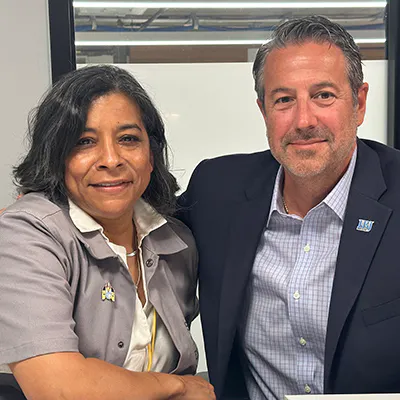 Final Four co-chairs debrief on Post Malone, Fan Fest, coach swag and what it all meant | Earlier this month, Indianapolis wrapped up its ninth Final Four since 1980 — a Herculean hosting gig that requires thousands of volunteers and flawless coordination between the NCAA, the city of Indianapolis, hospitality officials, transportation services, public safety workers, a bunch of colleges and an untold number of vendors. Near the top of the organizational chart were the co-chairs of the local organizing committee — Judith Thomas and Nate Feltman. The world saw the basketball action online and on TV, and many in Indianapolis experienced big attractions staged in concert with the Final Four, including a three-day music festival witnessed by tens of thousands of fans. In this edition of the podcast, Thomas and Feltman take us behind the scenes of the three-year planning process and then the week of the event as plans played out in sometimes unexpected or poignant ways. For example, Feltman became a wingman of sorts for superstar Post Malone. Thomas, who attended Indy’s first Final Four in 1980, clearly saw her career arc from that experience to the convention industry, her role as deputy mayor, CEO of the Indy Arts Council and committee co-chair. Feltman, owner and CEO of IBJ Media, also experienced a change of heart on the city's lead role in financing the 800-room Signia by Hilton hotel, now nearing completion. | 53m 25s | ||||||
| 4/20/26 |  Indianapolis criminal defense attorney Jim Voyles Jr. on representing Mike Tyson, the Indianapolis 500 and his new book | Indianapolis attorney Jim Voyles gives each of his clients a card that reads, “Stop talking.” And Voyles is hardly what you’d consider a chatty guy in public, due in large part to the sensitive nature of his cases as one of the Midwest’s premier criminal defense attorneys. His clients sometimes are accustomed to having public platforms, so prescribing silence might be a challenge. Voyles has represented members of the Indianapolis Colts, including Pat McAfee, and members of the Indiana Pacers, including a participant in the infamous Malice in the Palace incident. He also served as local counsel for Mike Tyson during the boxer’s sexual assault trial in Indianapolis. After more than five decades practicing law, Voyles has co-authored a legal memoir titled "All Rise: My Life in Trials with the Famous, Infamous and the Misunderstood.” He recently made himself available for an interview with reporter Maura Johnson of IBJ sib The Indiana Lawyer for the publication’s eponymous podcast. We’re sharing it with IBJ Podcast listeners this week to provide a rare, first-hand account of Voyle’s career, his devotion to the Sixth Amendment and his lifelong passion for motorsports. | 37m 57s | ||||||
Want analysis for the episodes below?Free for Pro Submit a request, we'll have your selected episodes analyzed within an hour. Free, at no cost to you, for Pro users. | |||||||||
| 4/13/26 |  Indians CEO on putting butts in seats at Victory Field, grinding it out | Here are a few tidbits the Indianapolis Indians want you to know this season. When it comes to professional sports in Indianapolis, the minor league baseball team is older than the Indianapolis 500 and has lapped both the Pacers and the Colts at least once. Likewise, Victory Field, which remains one of the great jewels in minor league baseball, is now older than Market Square Arena and the Hoosier/RCA Dome when they met their ends. And there’s no reason to fear for Victory Field’s fate: The Indians have been profitable every year for many decades, with the sole exception of 2020, and are always at the top or near the top of the minor league for attendance. Team operations had been under the control of the Schumacher family for many decades before 2024, when longtime executive Randy Lewandowski took over as president and CEO. The primary mission, as he puts it, is to put butts in seats while making sure those seats and the rest of the ballpark are pristine. Great players come and go, so the marketing pitch needs to focus on the Indians as an experience. Lewandowski is our guest this week to talk about the team’s revenue streams and the challenge of losing your most marketable players just as their hitting their strides. He also discusses his career in college baseball, how he found a position with the Indians organization in 1994 and then cut his teeth as director of operations at the brand-new Victory Field just a few years later. | 58m 30s | ||||||
| 4/6/26 |  Pete the Planner on the chances for recession, plus petrodollars, mortgage rates and TACO trades | The U.S. economy has been sending troubling signals for months now in the form of high energy prices, rising inflation, modest hiring and slowing growth of gross domestic product. The United States began attacks on Iran in late February. Stalled tanker traffic at the Strait of Hormuz has disrupted the global oil market, and stock investors have yo-yoed along with mixed signals from Washington, D.C., about America’s goals for the war. IBJ personal finance columnist Pete the Planner sees signs that point toward recession in the U.S., as well as a humanitarian crisis in Asia. In this week’s podcast, Pete parses a passel of new challenges and layers on the potential impact of tariff refunds and rising mortgage rates. He also is concerned about the Trump administration’s apparent attempts at influencing investor sentiment with statements about America’s intentions in Iran. | 45m 09s | ||||||
| 3/30/26 |  Mitch Daniels on bringing Purdue biz programs to downtown Indy; plus AI, Social Security | This week's guest is Mitch Daniels, former governor of the state of Indiana and president emeritus of Purdue University. Barely a month after Daniels’ departure from Purdue's top job in 2023, the university named its business school after its former president, creating the Mitch Daniels School of Business and embarking on changes in its curriculum to emphasize technology and elements of a classical education. Daniels maintains some involvement in the business school’s evolution and is particularly interested in the growth of its programs in downtown Indianapolis, following the split of IUPUI that he championed late in his presidency. In this week’s podcast, Daniels and host Mason King cover those developments and their potential benefits for Indianapolis. They then take a deeper dive into the ways artificial intelligence is threatening to disrupt the market for white-collar jobs, and particularly entry-level positions. They also explore one of the biggest political, academic and economic debates of the last decade: What is the value of a college degree? Then, just for good measure, Daniels runs through his ideas for fixing Social Security. | 33m 27s | ||||||
| 3/23/26 | 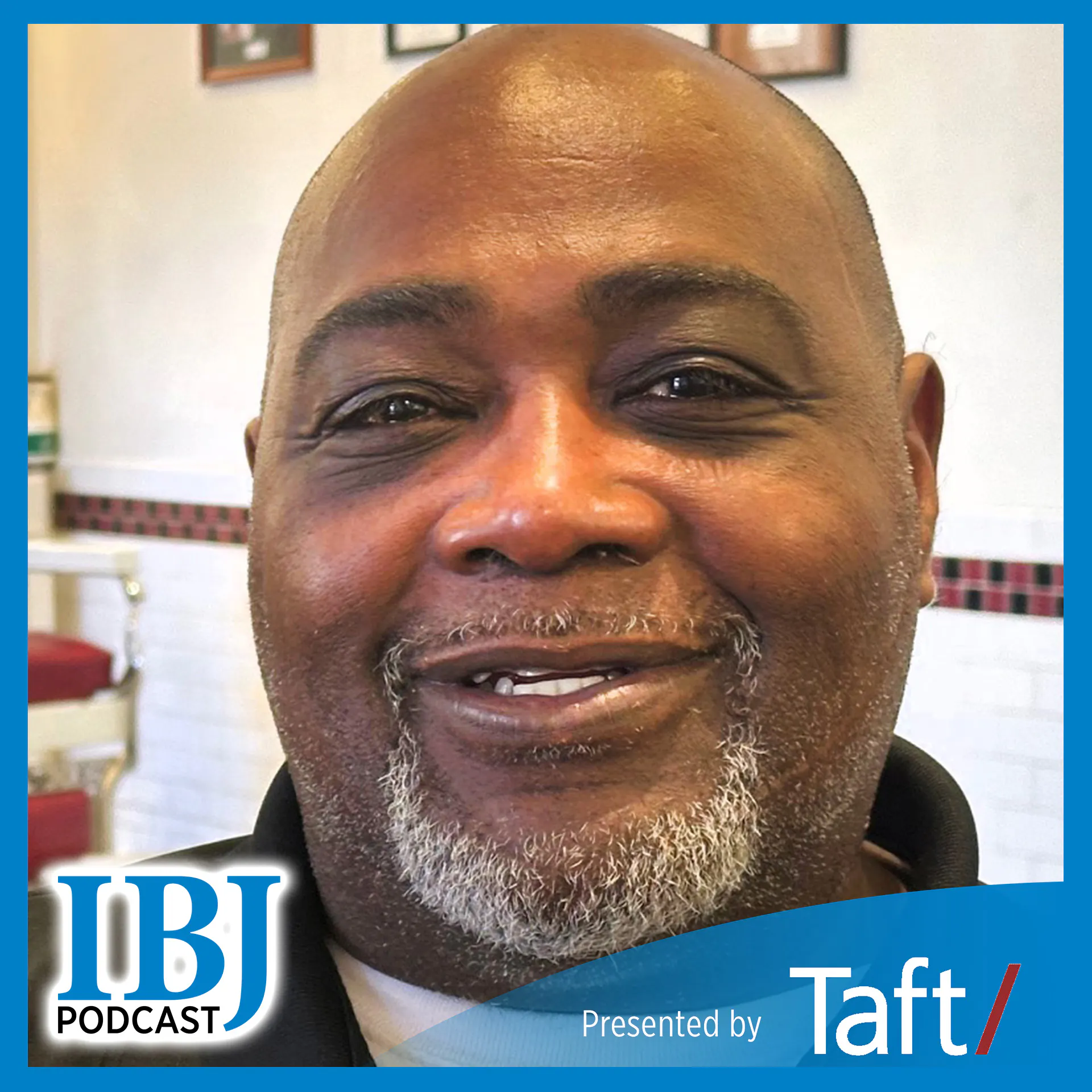 Downtown barbershop owner anticipating Final Four, new hotels, 'big boom ahead' | Although it looks like a time capsule from the 1930s, Red’s Classic Barber Shop in downtown Indianapolis was founded in 2007 by Alexandra Ridgway, Michael Ridgway and Roy Stevenson. They wanted to transport customers back to the era of traditional gentlemen’s barbering, populating it with antique furniture, equipment and supplies. In 2022, Red’s was purchased by William Hogg, a barber who has been managing the shop since its early days. He sometimes can be seen cutting the hair of prominent Indiana politicians, and his client list has included our four most recent governors. For this week's podcast, Hogg took a break between appointments to discuss how Red’s benefits from downtown’s big tourism events (including the upcomning Final Four), as well as the recent surges in residential and hotel development. He also digs into the value of the shop’s location at the literal crossroads of the Midwest as Red’s claws its way back from the pandemic years. And he shares his street-level perspective on the growth of downtown over nearly two decades and whether it’s as dangerous as some have persistently portrayed it. | 38m 14s | ||||||
| 3/16/26 |  What are the opportunities for humans as AI impacts workforce? | Jamie Merisotis, president and CEO of Indianapolis-based Lumina Foundation, is one of the nation’s top experts on providing access to higher education and the ways higher education can prepare the future workforce. Several years ago, he realized how the rapidly accelerating development of artificial intelligence could profoundly impact these two vital currents of American life. In 2020 he published a book titled “Human Work in the Age of Smart Machines,” warning that the roles of workers will radically shift and spotlighting the need to redesign education, training and the workplace as a whole. Today, he admits he underestimated the speed of change due to AI. Last month, he delivered an address to the Economic Club of Indiana about what it means for jobs, education and the economy. On this week’s episode of the IBJ Podcast, Merisotis and host Mason King dig deeper into his conclusions. Number one: AI is here to stay. We humans need to focus on how we can complement AI and excel at work best handled with human traits and skills as AI begins to encroach on the turf of even C-suite executives. In the meantime, higher education must go undergo radical transformation. | 52m 37s | ||||||
| 3/9/26 |  Originally on path to be preacher, Damar CEO leads efforts to aid thousands per day | Jim Dalton grew up in Indianapolis in a devout, church-going family. He entered college thinking he would become a preacher, but another career path made itself clear – one in which he’d be able to serve and guide children to healthier and happier lives. He didn’t know at the time that he eventually would be able to have an impact on thousands of people every day. Today he is just the third president and CEO of Indianapolis-based Damar Services, a 59-year-old nonprofit that provides essential support for adults and children with intellectual and developmental disabilities. He joined Damar as chief operating officer in 2002 and became CEO in 2013. Over that 24 years, the organization’s annual budget has grown from about $4 million to more than $140 million, and its employee count has grown from 67 to about 1,400, directly serving about 1,800 clients per day. It recently expanded from central Indiana to East Chicago and just launched operations in Richmond. Dalton is our guest this week to talk about his evolution from child psychologist to chief executive of one of central Indiana’s largest nonprofits. He also explains the aggressive strategy behind Damar’s expansion, which in a sense boils down this: “If there are still people who need our services, we should expand to meet them.” Here’s our conversation. | 54m 17s | ||||||
| 3/2/26 |  Inside Christel House’s plan to expand its global network of schools | Let’s go back about three decades to the mid-1990s when Indianapolis businesswoman Christel Dehaan sold her company Resort Condominiums International for $825 million. With a new focus on philanthropy and education, DeHaan created Christel House International, a global network of schools with a mission to not only educate its low-income students but to provide the necessary nutrition, health care and career mentoring – even after graduation – to help them break the cycle of poverty. DeHaan established Christel House schools in Indianapolis, Mexico, South Africa, Jamaica and India before her death in 2020.Today, the network is entering a new era of growth. David Harris, probably best known in Indianapolis as the founding CEO of education reform group The Mind Trust, became Christel House’s president and CEO in 2024, succeeding former Indianapolis Mayor Bart Peterson. Harris soon established a new plan for expansion that calls for boosting Christel House’s presence in countries where it already operates while opening new schools in Colombia and Nepal. In this week’s episode of the podcast, Harris discusses the challenges of continuing Christel House’s mission without its founder, how it now finances its mission, the organization’s process for establishing schools from scratch in new countries and the expansion of a global program that’s now helping students from four Indianapolis high schools succeed after graduation. | 44m 34s | ||||||
| 2/23/26 |  How Mom Water got hot, and the answer to, 'Am I the best person to be CEO?' | The canned cocktail known as Mom Water, created by a husband-and-wife team in a small Indiana town, sounds like one of the purest mom-and-pop success stories in state history. The only part of the narrative that doesn’t seem to fit is that Mom Water doesn’t pop, per se—it’s non-carbonated, which set it apart from alcoholic seltzers. Jill and Bryce Morrison created the beverage and the brand several years ago, and it hit the shelves of a few local retailers in March 2021. It's now available in 40 states at retailers including Target, Walmart, Meijer and Whole Foods. The Morrisons didn’t set out make this their careers, but Mom Water’s quick success persuaded them to quit their day jobs. A couple of years later, Bryce decided he needed to step aside as CEO and install a new chief executive to handle day-to-day operations while he and Jill looked at bigger-picture strategy while gathering input from customers face-to-face. They are our guest on the IBJ Podcast this week, and, as they tell it, they’re more of a seat-of-your pants enterprise run by gut hunches than one that invests in megabytes of market research. They also discuss their leap of faith, the wisdom in handing over the CEO reins, and the creation of their new product based on unsweetened tea. | 50m 05s | ||||||
| 2/16/26 | 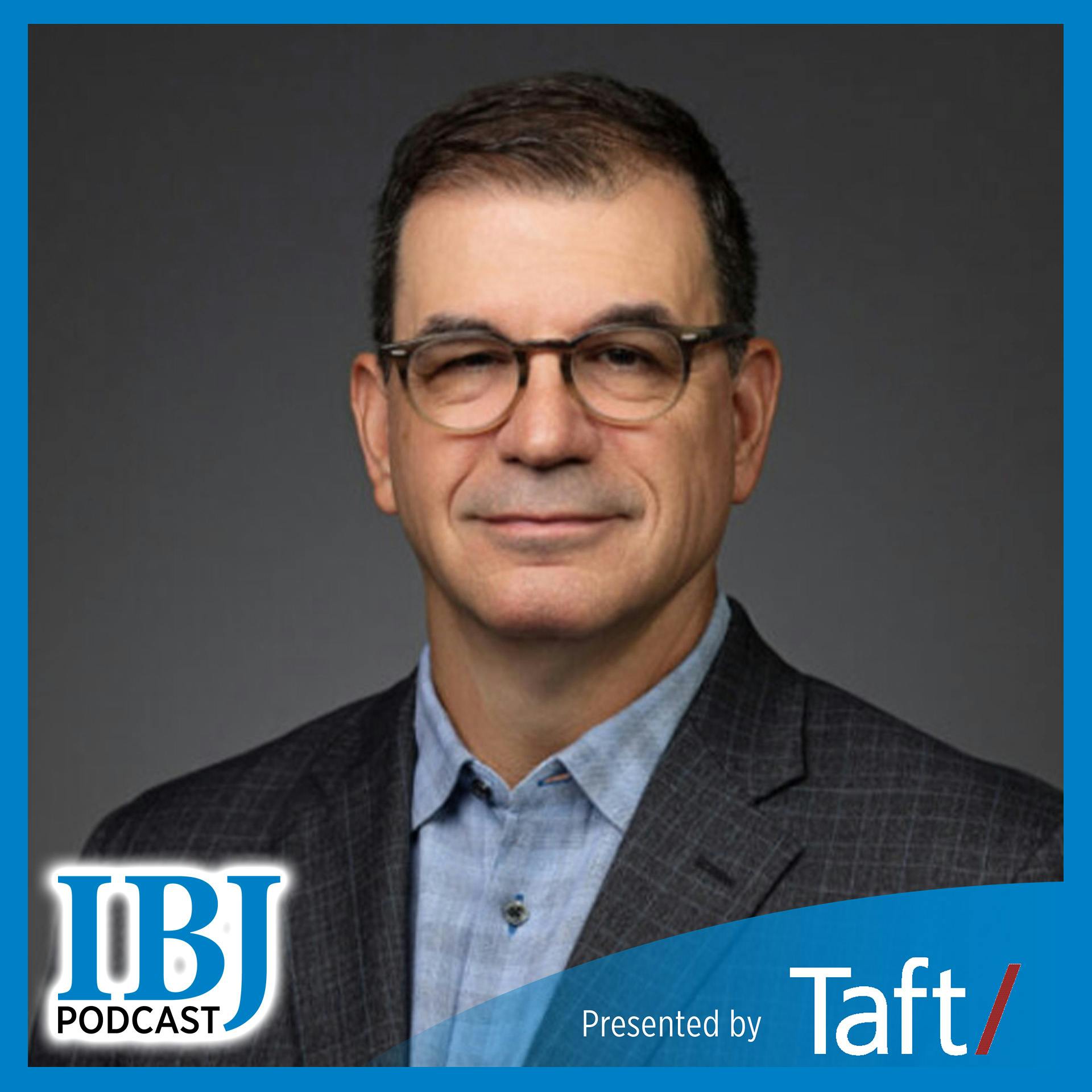 BiomEdit CEO offers peek behind $18.4M fundraising round | Fishers-based BiomEdit — a startup that spun out of Elanco Animal Health in 2022 — last year raised $18.4 million in a series B round. That’s despite what was a tough year overall for fundraising — nationwide and in Indiana. In this week’s episode, BiomEdit CEO and founder Aaron Schacht talks about the strategy behind the round and the changes the animal health startup had to make to secure the money it needed to bring its first product to market, which should happen this fall. You can find similar conversations and information about VC funding in The Deal, IBJ’s newest weekly newsletter covering venture capital, mergers and acquisitions, private equity, government contracts and the people who make those deals happen. Sign up for the newsletter at IBJ.com. | 38m 52s | ||||||
| 2/9/26 |  City-County Council’s new chief of staff on role models, soft power and public policy | Doran Moreland grew up in Indianapolis, fell in love with politics and public policy at a relatively young age and became the special assistant for Mayor Bart Peterson after studying political science at Indiana University. That’s a pretty good introduction to how politics and policy work on the local level. Fast forward a quarter century or so: On Monday, Feb. 2, Moreland returned to the City-County Building for the first day of his new job as chief of staff and chief policy officer for the City-County Council. The 25-member council dominated by Democrats has new leaders, including President Maggie Lewis, who have said they want to emphasize policymaking, collaboration and transparency after instances of internal infighting last year.Moreland’s new job has nuts-and-bolts aspects like budgeting, managing staff, maintaining community access and helping push the council’s initiatives across the finish line. It also entails supplying higher-level policy guidance on topics like data centers, inclusive growth, the city’s built environment and maintaining competitiveness. In this week’s episode of the podcast, he discusses the lessons learned from his father as a small business owner, his own foray into business, the administrative and public policy experience he’s gained since then and what he expects from his new position. [Editor's note: This text has been changed to reflect that Moreland did not receive a degree from Indiana University in 2000. His degree ultimately was conferred in 2024.] | 43m 06s | ||||||
| 2/2/26 | 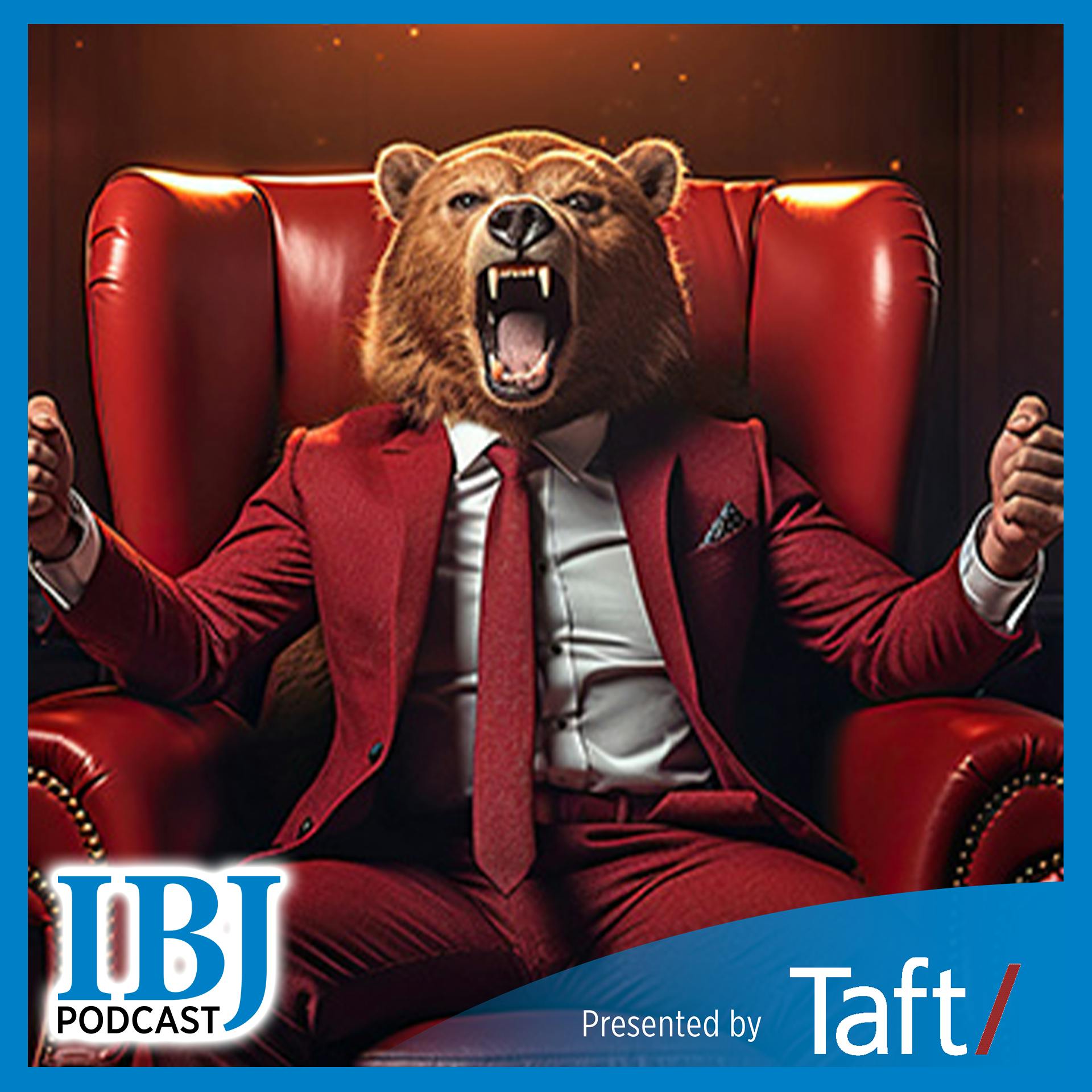 Pete the Planner: 'Stocks are at all-time highs, so why am I terrified about the future?’ | According to the latest federal data, the U.S. economy is chugging along at a strong clip, unemployment is under control, the prices of consumer goods are increasing at a fairly typical rate, and interest rates for mortgages are steadily dropping. Plus, the stock market is regularly hitting all-time highs. What’s there to worry about? The Consumer Confidence Index, which is used to measure how consumers feel about their expected financial situation, is at its lowest point since 2014. Specifically, Americans’ short-term expectations for their incomes, business conditions and the job market have fallen well below the marker that could signal a recession. The misalignment of the big picture numbers and how consumers feel might indicate that not everyone is benefitting from the positive economic indicators. Throw on top of that the amount of anxiety Americans feel about polarized politics, a recent wave of five-figure layoffs at large U.S. firms, and data pointing toward a bear market, and you can appreciate any undercurrent of pessimism. On this week's edition of the podcast, Pete the Planner and host Mason King discuss the role that our feelings can play in our financial decisions even when we’re presented with cold, hard data. To that point, they discuss the return of the vibecession, a term describing the disconnect between positive economic indicators and the public's negative perception of the economy and how they’re doing. Fear can inspire some people to eliminate all risk in their investments, which isn’t necessarily a good idea. | 57m 17s | ||||||
| 1/26/26 |  IBJ owner Nate Feltman, reporter Dave Lindquist talk IU championship | It has been a week since Indiana University won the College Football Playoff national championship and Hoosier fans are still celebrating. On the podcast this week, guest host Lesley Weidenbener talks with two people with different perspectives on the game between IU and the University of Miami at Hard Rock Stadium in Miami. First up will be Nate Feltman, the owner and publisher of IBJ Media. He’s an IU graduate—with three degrees, in fact—and very active with the university. He went to the Rose Bowl in California, the Peach Bowl in Atlanta and the title game in Miami. Nate tells us about those experiences and explains why he decided that IBJ should send a reporter to Miami. And then Lesley talks with that reporter—Dave Lindquist—about his experiences at the game. Dave is not an IU grad and has not been to IU football games. But he has covered the hoopla surrounding many of the biggest sporting events that have taken place in Indianapolis. So he has an interesting perspective on the events in Miami. Click here to see some of the photos that Dave took during his trip to Miami. And here’s the link to the video Dave mentions that shows IU coach Curt Cignetti on the Big Ten Network’s Postgame Show. You can spot Dave in a dark jacket in the background of the shot at the beginning of the video. | 48m 08s | ||||||
| 1/19/26 |  Explaining the blitz of news about the Bears’ potential move to Indiana | The Colts are done for the year, but news is heating up about the potential for the Chicago Bears to move their stadium to Indiana, Here’s the scouting report: The Bears want a new stadium. They say Soldier Field isn’t cutting it anymore. They’ve purchased a huge site in one of Chicago’s suburbs that formerly was home to a racetrack. The team says it's willing to pay for stadium construction, but the team needs the Illinois Legislature to help pave the way with about $855 million in infrastructure improvements and by approving a bill that would enable a long-term property tax deal. In December, Bears President and CEO Kevin Warren announced that the team wasn’t getting anywhere with the Illinois Legislature and that it was expanding its search for a new stadium site to include northwest Indiana. Indiana Gov. Mike Braun and local officials in the area immediately jumped at the opening and the chance to get the ball rolling. There was a healthy amount of skepticism that the Bears were namechecking Indiana simply to get leverage with Illinois. But several surprising developments in the last two weeks show that Indiana is moving quickly to lay the groundwork for a stadium, the Bears are giving the state serious consideration and that some Illinois officials are seriously concerned about losing the team. In this episode of the IBJ Podcast, we’ll review the moves made by the Bears and Indiana officials that have brought us to this point. We have two guests: We’ll first hear from Marc Ganis, a consultant for pro sports teams who has lived in Chicago for three decades; and then we’ll hear from Mickey Shuey, who covers real estate and sports business for IBJ. | 39m 52s | ||||||
| 1/12/26 |  Indy-centric arts and culture offerings to circle on your calendar | We’re all familiar with the way city and state officials have hitched central Indiana’s economic wagon to sports and tourism. Arts and entertainment have received less focus over that time, but the sports/tourism strategy has paid fringe benefits by making Indy a more viable option for A-list stars on tour and helping to elevate the city’s profile. It also has provided many opportunities for local artists and performers. The latest case in point is Indy’s hosting gig for the NCAA’s Final Four in April, which will include a series of concerts for big stars and smaller shows for homegrown talents. Meanwhile, a local actor has made a dramatic entrance on the Hollywood awards circuit—Chase Infinity from “One Battle After Another”—which in its way helps plug Indy as a conduit for top talent. Indianapolis also plays a role in a new movie from two-time Oscar-nominated director Gus Van Sant about the Tony Kiritsis hostage crisis in 1977. And the city is about to get several new arts venues, providing more opportunities for expression and inspiration. IBJ arts and entertainment reporter Dave Lindquist recently crafted a list of some of the best ways Indy-area residents can soak in culture in 2026. He’s the guest on this week’s IBJ Podcast to talk about “Dead Man’s Wire,” David Byrne, the Contemporary Art Museum of Indianapolis, cowboy couture, listening rooms and more. | 40m 50s | ||||||
| 1/5/26 |  'I joke that I went from selling paper money to toilet paper,' says former banker | Originally aired 8-25-2025. Cindy Schum grew up in a troubled family situation and, as she describes herself today, was terribly shy and awkward. Still, she found ways to put herself in situations that could help her be more outgoing. She was great at working with numbers, and she gravitated to a career in commercial lending that put her in front of business owners who loved to talk about how they made things work. She picked a heck of a time to jump from banking to buying a 104-year-old small business. She felt something vital was missing from her career, and her husband, Brad, persuaded her to purchase a company in 2019 in the less-than-glamorous janitorial-supply industry. She knew from her experience evaluating company financials and acquisitions that the numbers looked good. And when the pandemic hit several months later, Schum found herself in a position to help customers struggling with the sudden disruption. Still, Schum’s plans to grow A.G. Maas Supply Co. were delayed. But its headcount has swelled from two employees to 10 over the past six years, and its annual revenue has jumped 250%. Its core business is procurement—connecting customers in the utility, education, manufacturing and hospitality industries with the right suppliers of cleaning and safety products, office tools and facility furnishings. After some early trepidation, Schum learned that her career in banking perfectly prepared her for entrepreneurship. Whether you’re talking about banknotes or toilet paper, she says in this week’s episode of the IBJ Podcast that it all comes down to relationships. | 51m 55s | ||||||
Showing 25 of 406
Sponsor Intelligence
Sign in to see which brands sponsor this podcast, their ad offers, and promo codes.
Chart Positions
1 placement across 1 market.
Chart Positions
1 placement across 1 market.