
Insights from recent episode analysis
Audience Interest
Podcast Focus
Publishing Consistency
Platform Reach
Insights are generated by CastFox AI using publicly available data, episode content, and proprietary models.
Total monthly reach
Estimated from 4 chart positions in 4 markets.
By chart position
- 🇨🇦CA · Technology#2005K to 30K
- 🇰🇪KE · Technology#2610K to 30K
- 🇮🇪IE · Technology#563K to 10K
- 🇸🇬SG · Technology#149500 to 3K
- Per-Episode Audience
Est. listeners per new episode within ~30 days
9.3K to 37K🎙 Weekly cadence·500 episodes·Last published 8mo ago - Monthly Reach
Unique listeners across all episodes (30 days)
19K to 73K🇨🇦41%🇰🇪41%🇮🇪14%+1 more - Active Followers
Loyal subscribers who consistently listen
5.5K to 22K
Market Insights
Platform Distribution
Reach across major podcast platforms, updated hourly
Total Followers
—
Total Plays
—
Total Reviews
—
* Data sourced directly from platform APIs and aggregated hourly across all major podcast directories.
On the show
Recent episodes
Michael Raynor on Strategy RAP Model BCE Case Study
Sep 24, 2025
Unknown duration
Why Failure Fuels Success with Manu Kapur | The Power of Productive Failure
Sep 10, 2025
Unknown duration
Sangeet Paul Choudary - Reshuffle: Figma Adobe and Just about Everything
Aug 27, 2025
Unknown duration
Elise Loehnen - On Our Best Behaviour
Aug 12, 2025
Unknown duration
Steven Gundry - The Gut Brain Paradox
Aug 7, 2025
Unknown duration
Social Links & Contact
Official channels & resources
Official Website
Login
RSS Feed
Login
| Date | Episode | Description | Length | ||||||
|---|---|---|---|---|---|---|---|---|---|
| 9/24/25 | 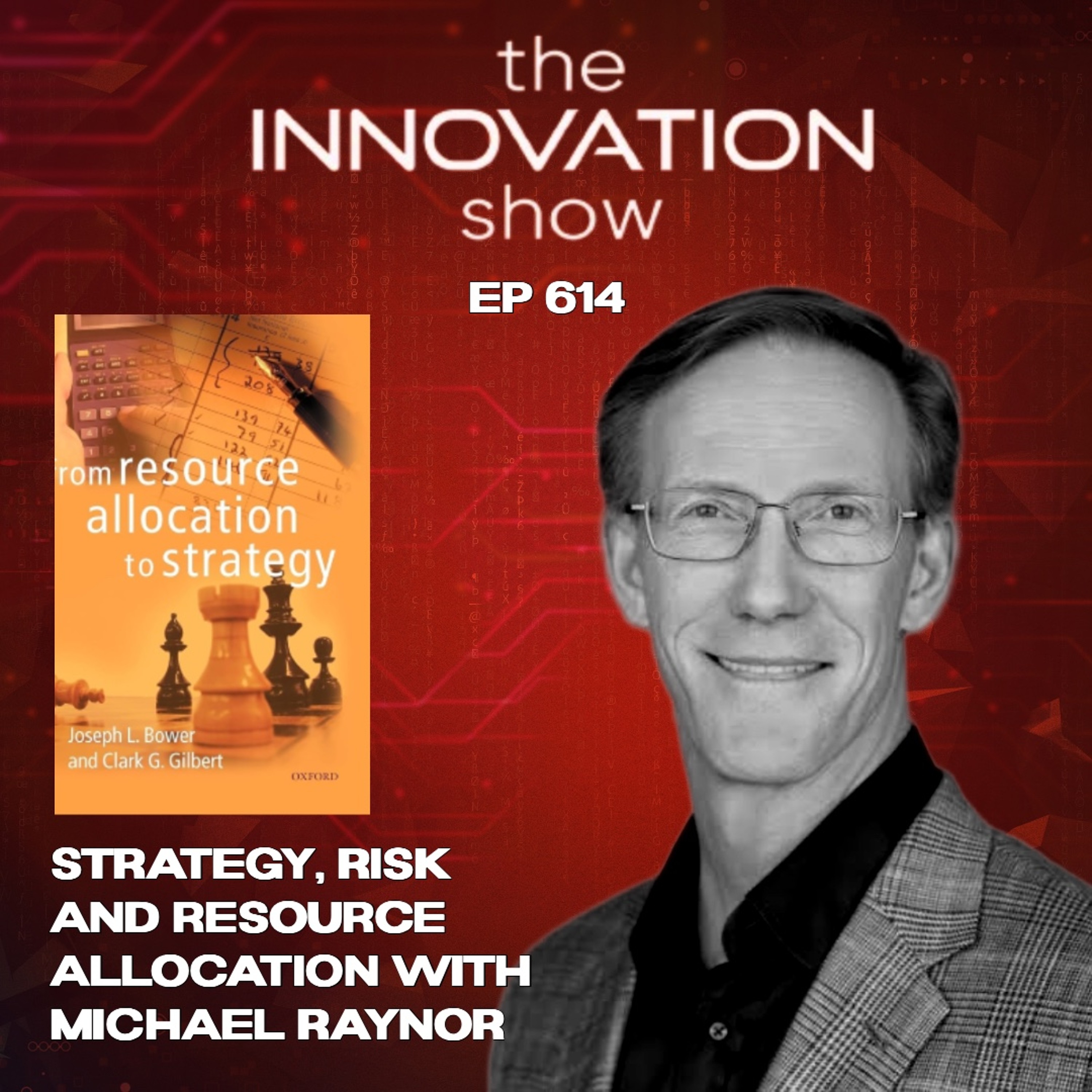 Michael Raynor on Strategy RAP Model BCE Case Study | In this episode, Michael Raynor — author of The Strategy Paradox and co-author with Clayton Christensen of The Innovator’s Solution — joins Aidan McCullen to explore why most strategies fail and how leaders can fix them. From the RAP (Resource Allocation Process) model to the real-world case of BCE’s diversification journey, Raynor unpacks how strategy is shaped by resource allocation, risk, and CEO intervention. Learn how top leaders can navigate uncertainty, overcome divisional barriers, and unlock strategic synergies. 🔑 What You’ll Learn in This Episode Why strategies often fail — and the CEO’s role in fixing them How the RAP model explains real-world decision-making Lessons from BCE’s diversification journey The tension between divisional goals and corporate strategy Practical tools for managing risk and strategic integration ⏱️ Episode Guide 00:00 Intro & Kyndryl Overview 00:28 Historical Perspectives on Strategy 00:57 Approaches to Resource Allocation 02:36 Guest Introduction: Michael Raynor 03:13 Academic Journey & Mentors 07:35 The RAP Model Explained 11:32 Challenges in Strategic Decision Making 22:51 BCE’s Diversification Story 31:46 Entering Mobile Telephony 32:28 Strategic Synergies & Capital Constraints 33:48 Independent Operations & Market Dynamics 35:19 Challenges of Strategic Integration 36:11 Retail Distribution & Evolutionary Lessons 38:36 Governance Rights & Incentive Structures 48:31 Historical Lessons & Modern Applications 58:20 Concluding Thoughts & Future Directions 🚀 Topics Covered: strategy, resource allocation, RAP model, diversification, BCE, corporate governance, disruptive innovation, CEO decision-making, real options, strategic integration. 👉 If you enjoy this episode, please subscribe, share, and explore more insights at https://thethursdaythought.substack.com | — | ||||||
| 9/10/25 | 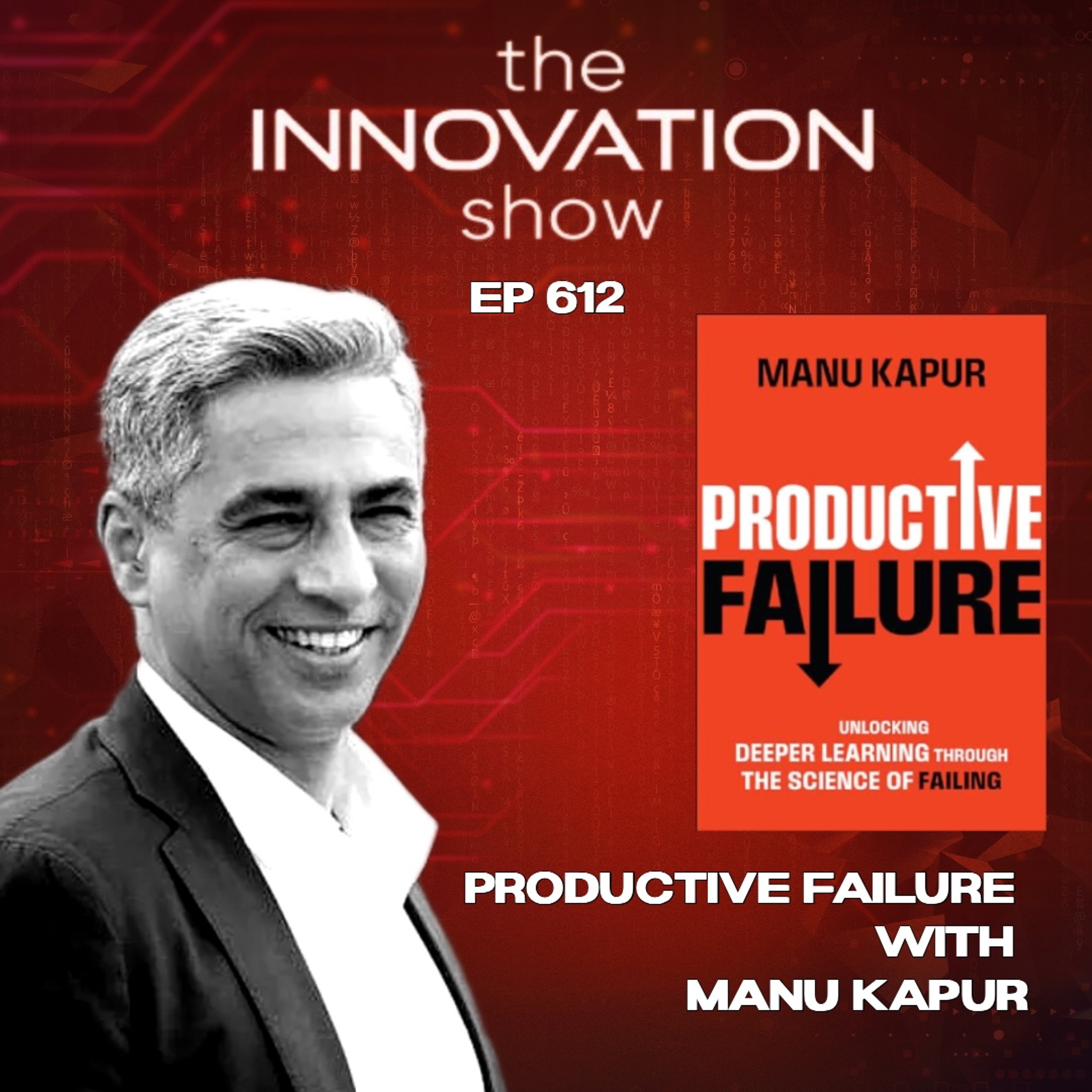 Why Failure Fuels Success with Manu Kapur | The Power of Productive Failure | What if failure wasn’t the end, but the beginning of real growth? In this episode, Aidan McCullen sits down with Manu Kapur, author of Productive Failure, to explore how struggle, setbacks, and mistakes can actually unlock deep learning, creativity, and adaptability. 🔑 What You’ll Learn in This Episode: Why productive failure is the secret to lifelong learning How to turn mistakes into powerful growth mindset strategies Why even “good lectures” don’t always create deep understanding How leaders and innovators can use failure to adapt in a changing world The psychology of resilience, success, and transformation Find Manu Kapur: https://www.manukapur.com From a soccer career cut short by injury to becoming a global thought leader in education innovation, Manu shares stories and research that challenge how we think about failure. Whether you’re a teacher, leader, parent, or entrepreneur, this conversation will help you embrace failure as a pathway to success. | — | ||||||
| 8/27/25 | 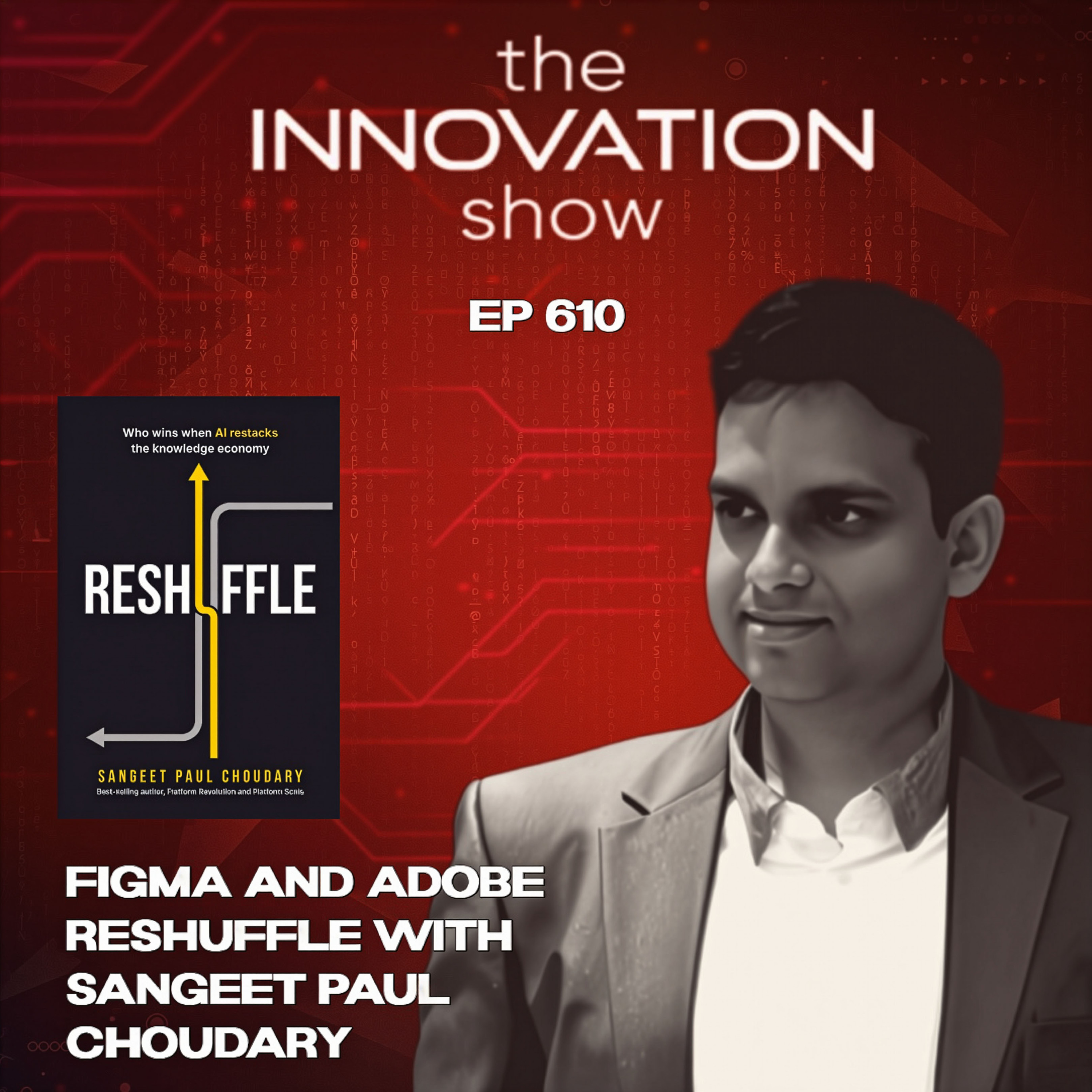 Sangeet Paul Choudary - Reshuffle: Figma Adobe and Just about Everything | What happens when startups like Figma outpace industry giants like Adobe? In this episode of The Innovation Show, Aidan McCullen sits down with bestselling author Sangeet Paul Choudary (Platform Revolution, Reshuffle) to explore how AI, cloud technology, and mindset shifts are reshaping the future of work, design, and competition. Discover why incumbents often fail—not from lack of innovation, but from failing to unlearn old architectures. Using the case of Figma vs. Adobe, we unpack how element-based design, governance-led workflows, and AI-first thinkingare redefining industries from design to law to construction. Key takeaways: Why adapting mindsets matters more than adopting tools How AI is unbundling knowledge work and rewriting career paths The importance of governance in enterprise-wide collaboration Why the forgetting curve is as critical as the learning curve Perfect for innovators, leaders, and professionals navigating the knowledge economy, this episode is a roadmap for thriving in a world of structural uncertainty where AI and cloud-native startups are rewriting the rules. 00:00 Introduction and Sponsor Message 00:17 The Hammer and the Nail: Misreading New Technology 00:28 Adobe vs. Figma: A Case Study in Innovation 01:03 The Importance of Mindset in Technological Shifts 01:20 Guest Introduction: Sanjeet Paul Choudary 01:49 Figma vs. Adobe: A Deep Dive 04:07 Technological Shifts and Organizational Change 05:57 The Impact of AI on Work and Careers 17:00 Governance vs. Execution in Modern Enterprises 18:22 The Future of Competition and Industry Structure 21:40 The Need for Unlearning in the Age of AI 24:34 Preparing for the Future: Skills and Careers 36:54 Conclusion and Final Thoughts 38:05 Closing Remarks and Sponsor Message 📚 Resources & Links • Reshuffle: Who Wins When AI Reshapes the Knowledge Economy → https://amzn.to/3HWwj1I • Platform Revolution → https://amzn.to/4mBq2aQ • Sangeet’s Substack → https://substack.com/@platforms/posts • Aidan’s show notes → https://thethursdaythought.substack.com 🎙️ Listen now to learn how to reshuffle your thinking, your organization, and your career for the AI-driven future. | — | ||||||
| 8/12/25 | 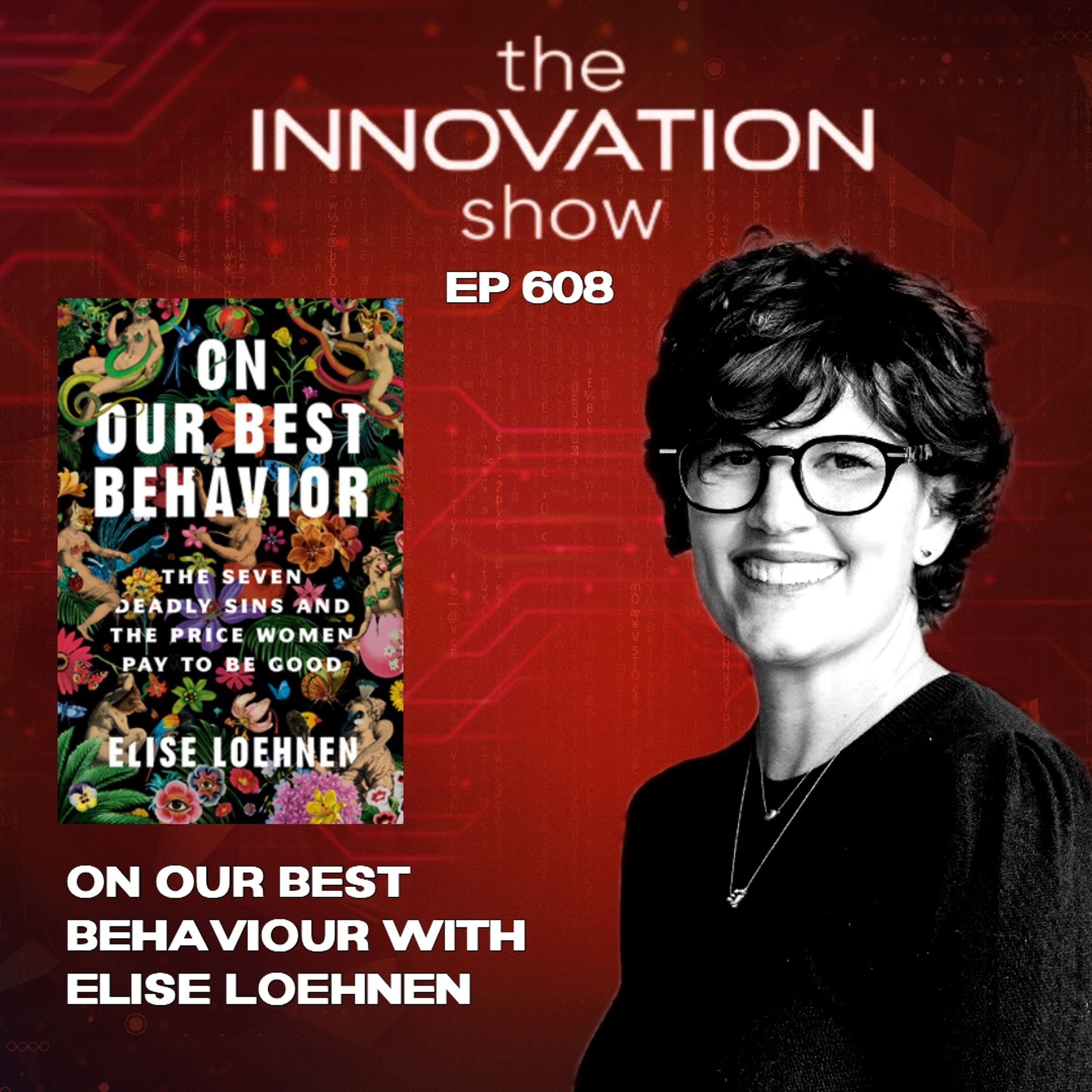 Elise Loehnen - On Our Best Behaviour | We delve into Elise Loehnan's acclaimed book 'On Our Best Behaviour,' exploring the societal and cultural forces shaping women's behaviors and the concept of the 'seven deadly sins.' Elise discusses the ingrained cultural pressures that lead women to self-denial and the impact of patriarchal norms. We explore topics such as envy, pride, sloth, and the importance of embracing both masculine and feminine energies for a balanced life. Join us for an eye-opening conversation with insights on redefining cultural narratives and reclaiming full selves. 00:00 Introduction and Sponsor Message 00:35 The Cultural Conditioning of Women 01:39 Guest Introduction: Elise London 02:01 Personal Struggles and Panic Attacks 03:48 The Pressure of Perfection 07:53 The Concept of Goodness in Women 13:45 Historical Myths and Gender Roles 19:17 The Origins of the Seven Deadly Sins 28:47 The Witch Trials and Cultural Trauma 37:08 Balancing Roles and Responsibilities 47:09 Embracing Discomfort and Presence 48:10 Understanding Envy as a Directional Signal 48:29 The Gateway to Other Sins: Envy 49:45 Women and Envy: A Cultural Examination 50:33 The Role of Envy in Personal Desires 53:21 Reframing Envy and Scarcity 54:28 The Impact of Cultural Narratives on Women 01:09:07 Pride and Gender Bias in the Workplace 01:17:13 The Importance of Sadness and Emotional Expression 01:28:23 Final Thoughts and Call to Action Find Elise: Podcast: Substack: New Book: On Our Best Behaviour Book: | — | ||||||
| 8/7/25 |  Steven Gundry - The Gut Brain Paradox | Unveiling the Gut-Brain Connection: Dr. Steven Gundry on Leaky Gut, Microbiome, and Health In today's episode, we dive deep into the fascinating world of the gut-brain connection with Dr. Steven Gundry, a prolific author and expert on the subject. Starting with a brief introduction about our sponsor, Kyndryl, we explore the historical context of medical insights from figures like Hippocrates and Ignaz Semmelweis. Dr. Gundry shares compelling stories from his practice, including miraculous patient turnarounds attributed to gut health. We discuss the latest in microbiome research, the concept of leaky gut, and how our gut's terrain influences overall health. Learn about the critical role of bacteria in our body's ecosystem, the intelligence of microorganisms, and their impact on our well-being. Join us as we unlock the secrets of a balanced inner terrain and its implications for a healthier life. 00:00 Introduction and Sponsor Message 00:30 Dedications and Historical Insights 02:06 Guest Introduction: Stephen Gundry 03:04 Remarkable Patient Stories 07:19 The Gut-Brain Connection 12:52 Historical Debate: Pasteur vs. Bechamp 16:58 Microbiome Discoveries and Implications 19:08 Bacterial Intelligence and Communication 26:29 Elephant Communication and Eavesdropping 27:04 Understanding Leaky Gut 27:52 Aging Research and Sea Elegans 29:45 The Role of Tight Junctions in Gut Health 32:46 Impact of Diet and Antibiotics on Gut Health 36:44 Environmental Toxins and Autoimmune Diseases 37:40 Lipopolysaccharides and Immune Response 42:03 The Rise of Food Sensitivities and Allergies 47:05 Gut Microbiome and Food Cravings 48:10 Conclusion and Resources Find Steven: https://drgundry.com | — | ||||||
| 7/22/25 | 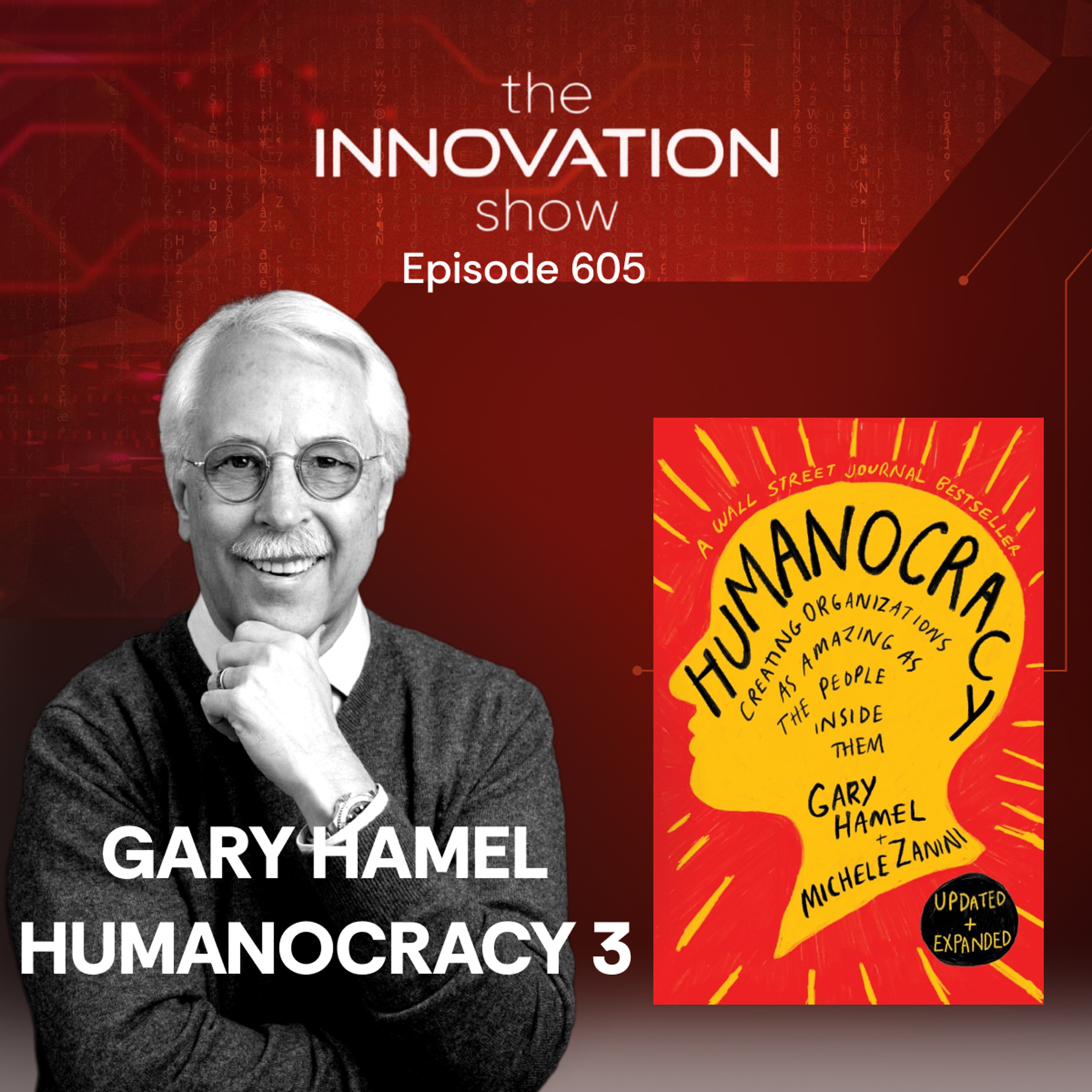 Gary Hamel - Humanocracy Finale Reinventing Roche | In this episode, we conclude the comprehensive series on Gary Hamel and 'Humanocracy,' diving deep into the principles and practices that can transform entrenched bureaucracies into more dynamic and innovative organizations. Host Aidan interviews Gary Hamel to discuss the persistent issue of bureaucracy stifling economic growth and the groundbreaking transformation at Roche as a case study. The conversation covers the increasing bureaucracy in global companies, the decline in productivity, and innovative methods like outcome-based planning and cross-functional squads to elevate organizational efficiency. The episode also emphasizes personal accountability and offers actionable steps for leaders aiming to foster a more adaptive and resilient work environment. This informative discussion is a must-watch for CEOs and business leaders looking to revolutionize their companies. 00:00 Introduction and Giveaway Announcement 00:52 The Problem with Bureaucracy in Organizations 06:16 Case Study: Roche's Transformation 11:16 Leadership Reboot and Principles at Roche 20:31 Implementing Change: Design Teams and I Squads 26:34 Outcome-Based Planning and Resource Allocation 29:53 Resource Allocation and Organizational Ethos 31:16 Resilience in the Face of Challenges 32:59 Leadership and Change Management 37:47 Cross-Functional Squads and Collaboration 42:43 Patient-Centric Approach 46:31 Personal Accountability and Bureaucracy 50:30 Experimentation and Innovation 56:22 Conclusion and Final Thoughts Find Gary | — | ||||||
| 6/9/25 | 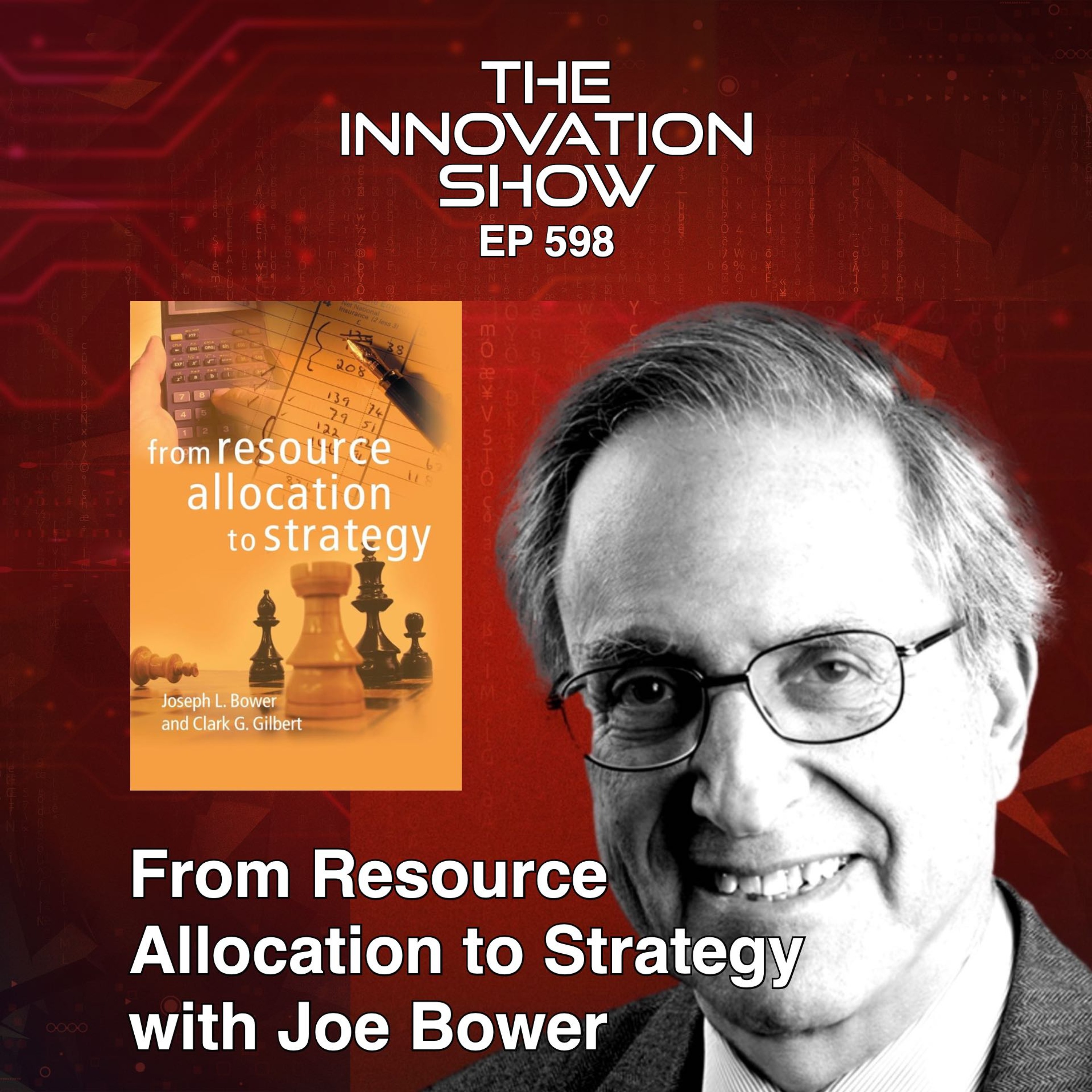 Joseph L. Bower on Resource Allocation and Strategy | Joseph L. Bower on Resource Allocation and Strategy "Where you stand depends on where you sit." In this exclusive episode of The Innovation Show, Harvard legend Joseph L. Bower shares the untold story behind his groundbreaking work on Resource Allocation to Strategy — a theory that has shaped generations of business leaders, strategists, and scholars. Bower reveals: How real strategy emerges through the decisions of middle managers Why structure drives strategy more than PowerPoint slides do What we can learn from Lou Hughes at Opel, and the power of acting before HQ gives permission Insights into companies like GM, Timken, and even Tesla This is a masterclass in how strategy really works — not in theory, but on the ground. Revisit the origins of strategic thought that still matter today. 00:00 Introduction and Sponsor Announcement 00:42 Introducing the Guest: Joseph L. Bower 03:16 The Origins of Resource Allocation Theory 05:30 Insights from the Field: Case Studies and Key Learnings 17:26 The Role of Empathy and Perspective in Management 20:57 Case Study: Opel's Strategic Response to the Berlin Wall 35:38 Case Study: Timken's Bottom-Up Acquisition 38:04 The Importance of Learning and Adaptation in Strategy 52:59 Conclusion and Final Thoughts 53:25 Closing Remarks and Sponsor Acknowledgment Thanks to our sponsor Kyndryl: | — | ||||||
| 5/18/25 | 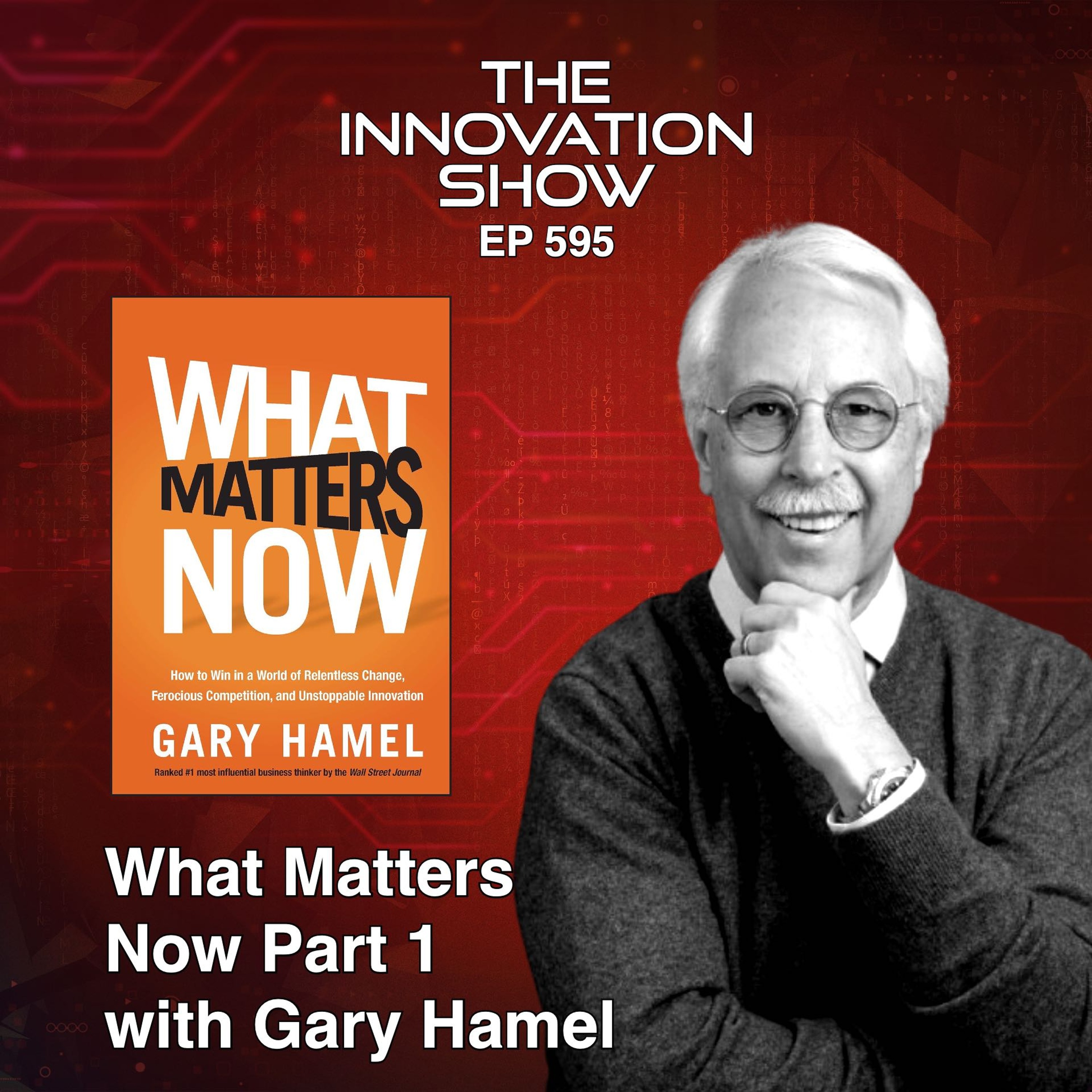 Gary Hamel - What Matters Now Part 1 | Join us in this insightful episode as we welcome back Gary Hamel, author of 'What Matters Now: How to Win in a World of Relentless Change, Ferocious Competition, and Unstoppable Innovation.' In this episode, Gary discusses his latest book, which provides an agenda for building resilient organizations amidst dynamic global challenges. The conversation delves into the importance of core values such as stewardship, accountability, and equity. Gary also reflects on the 2008 financial crisis and its lessons on ethical leadership and innovation. Tune in to explore how businesses can rehumanize their approach, foster a culture of innovation, and retain a sense of purpose and moral high ground. 00:00 Introduction to the Book and Author 01:22 Dedication and Personal Insights 02:13 Book Structure and Context 03:29 The Importance of Values 04:02 Capitalism and Ethical Challenges 10:50 Learning from the Financial Crisis 16:53 Rediscovering Farmer Values 21:19 Renouncing Capitalism's Conceits 29:16 Reclaiming the Noble in Business 38:07 The Importance of Innovation 45:07 Conclusion and Contact Information Gary Hamel, What Matters Now, Reinventing Management, Future of Work, Innovation Culture, Organizational Change, Capitalism Reform, Moral Leadership, Business Ethics, Corporate Accountability, Management Strategy, Values in Business, Adaptive Organizations, Leadership Innovation, Future-Ready Companies, Strategic Agility, Purpose-Driven Leadership, Post-Crisis Management, Employee Empowerment, Organizational Renewal | — | ||||||
| 5/11/25 | 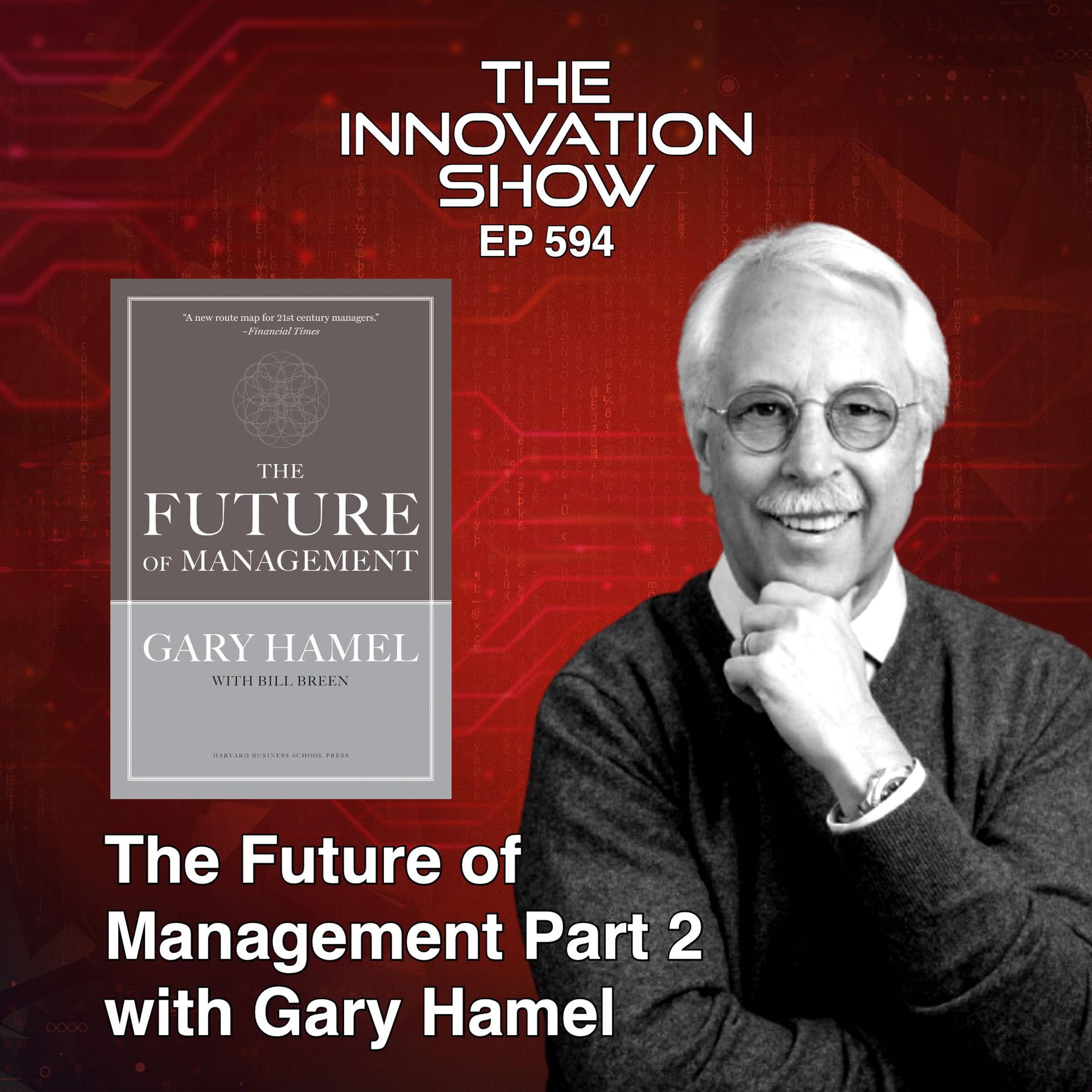 Gary Hamel - The Future of Management Part 2 | Welcome to part two of our enlightening series with special guest, Gary Hamel. In this episode, we dive deep into Hamel's insights from his book and explore the evolution of unconventional management models through case studies of pioneering companies like W.L. Gore & Associates and Google. We discuss the principles that distinguish innovative organizations, the challenges of breaking free from traditional hierarchical structures, and the critical role of purpose in driving change. With real-life examples and practical advice, this conversation is a must-watch for anyone interested in future-proofing their organization and reigniting the human spirit at work. 00:00 Introduction and Welcome Back 00:39 Exploring Gore's Unique Management Structure 04:13 Leadership and Followership at Gore 06:26 Commitments vs Assignments at Gore 08:07 Innovation and Collaboration at Gore 20:13 Google's Evolution and Challenges 26:25 Management Innovation: A Critical Necessity 27:00 A Disenchanted View of Google 28:17 The Importance of Lateral Communication 29:51 Utilizing Technology for Collective Intelligence 33:18 Challenging Organizational Orthodoxy 47:20 The Role of Purpose in Driving Change 52:39 Concluding Thoughts on Management Reinvention The Future of Management, Gary Hamel, Management Innovation, Leadership, Organizational Culture, Collaboration, Gore, Bill Gore, Gore-Tex, Decentralized Management, Employee Empowerment, Hierarchy, Organizational Design, Innovative Companies, Workplace Culture, Management Practices, Leadership Development, Decision-Making, Peer Evaluation, Team Dynamics | — | ||||||
| 5/5/25 | 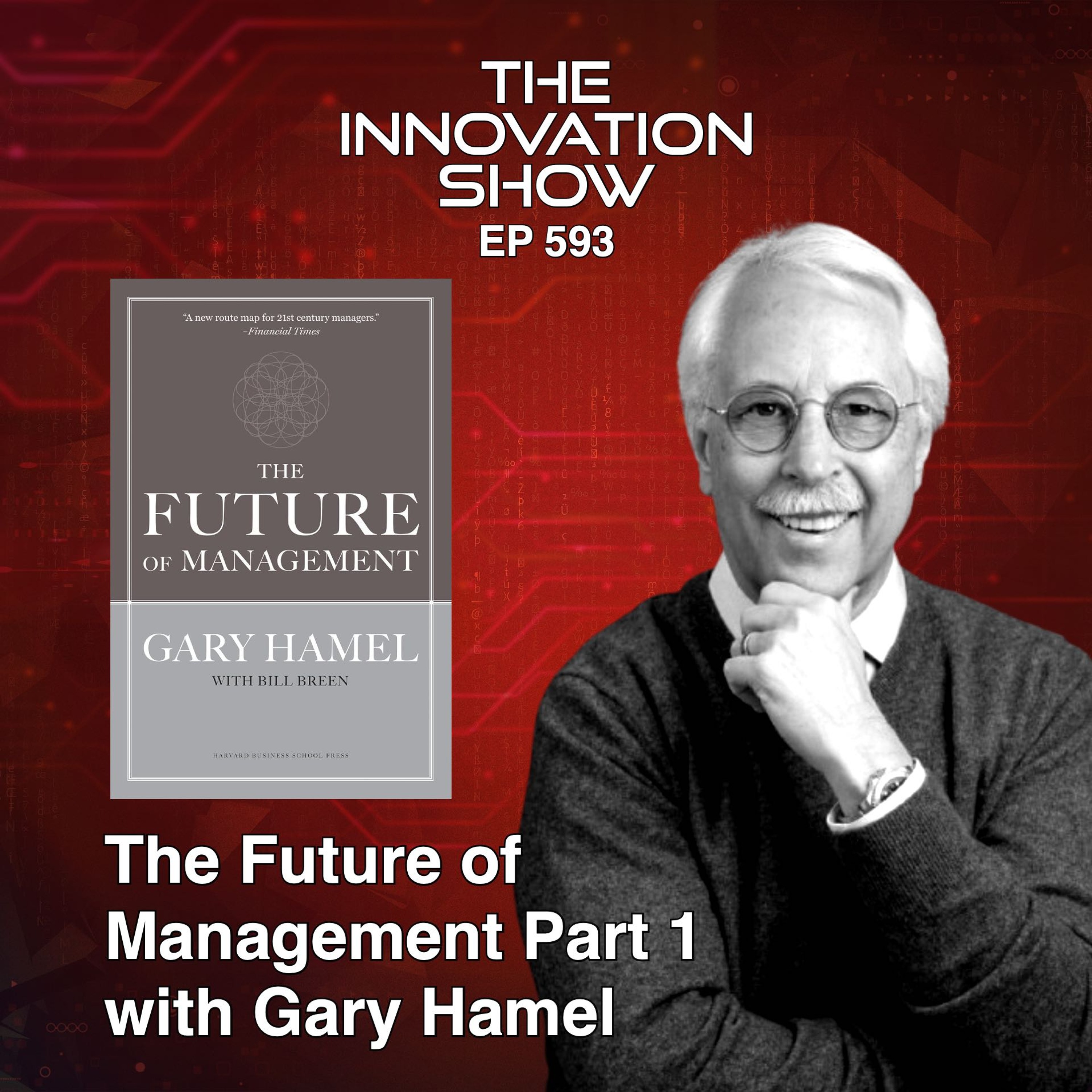 Gary Hamel - The Future of Management Part 1 | In this insightful episode, Gary Hamel discusses the foundational ideas behind his book, 'The Future of Management.' Delving into the historical context and evolution of management principles, Hamel explores how long-standing conventions, established by early 20th-century theorists like Frederick Winslow Taylor and Max Weber, continue to shape modern companies. He underscores the need for a radical rethink in organizational management to address contemporary challenges such as innovation, strategic renewal, and employee engagement. Drawing parallels from history, Hamel illustrates how groundbreaking management innovations in companies like Whole Foods, WL Gore, and Nucor have driven exceptional performance. He emphasizes the importance of creating human-centric workplaces that inspire and motivate employees, advocating for a shift away from bureaucratic, control-driven models towards environments rooted in purpose, community, and mutual respect. Join us for part one of this engaging conversation with one of management’s leading thinkers. 00:00 Introduction to the Future of Management 02:01 The Origins of Modern Management 04:17 The Evolution of Management Innovation 08:49 Military Analogies in Management 12:34 The Layers of Innovation 22:20 Historical Management Innovations 29:56 The Industrial Revolution and Management 36:48 The Overlooked Innovation: Management 37:20 Taylor's Influence on Productivity 38:00 Ford's System and Its Limitations 39:04 Bureaucracy: A Double-Edged Sword 41:32 Adapting to the Knowledge Economy 43:16 The Role of Computational Power and Connectivity 45:50 The Need for Organizational Innovation 53:34 Case Studies: Whole Foods and Gore 01:01:54 Building Human-Centric Organizations 01:05:03 Concluding Thoughts on Leadership and Innovation | — | ||||||
Want analysis for the episodes below?Free for Pro Submit a request, we'll have your selected episodes analyzed within an hour. Free, at no cost to you, for Pro users. | |||||||||
| 4/26/25 | 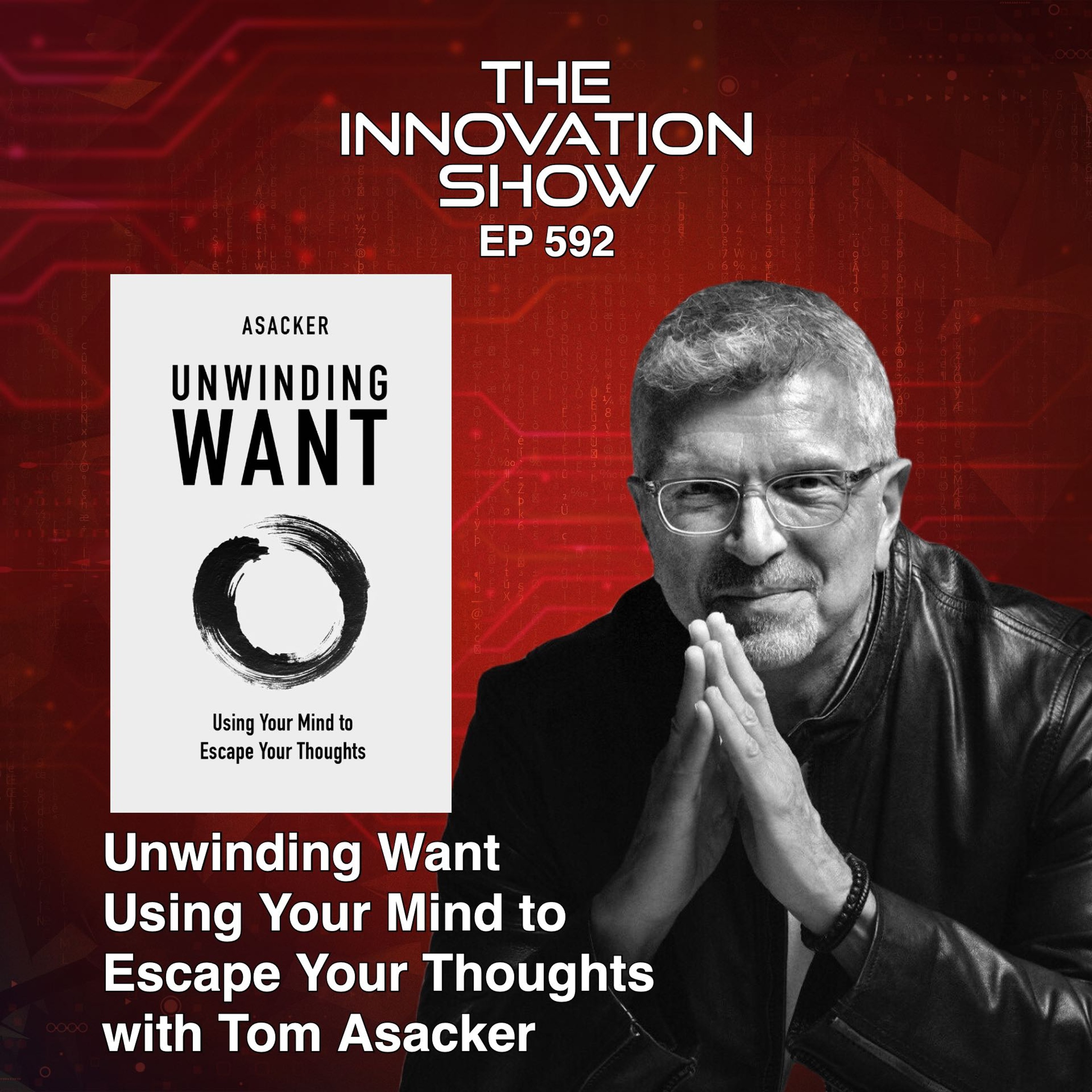 Tom Asacker - Unwinding Want: A Deep Dive into Self-Exploration | Tom Asacker - Unwinding Want: A Deep Dive into Self-Exploration In this episode of the Innovation Show, the Aidan McCullen dives deep into the hidden forces that control our lives with Tom Asacker, the author of 'Unwinding Want.' Drawing on decades of research, Asacker reveals how unconscious self-hypnosis traps us in cycles of overthinking and dissatisfaction. With groundbreaking insights, he exposes the delusions that leave us anxious and lost, advocating for a life of curiosity and self-exploration. Learn how to reframe your wants, understand your internal world, and improve your relationships. The episode also touches on mindfulness, overcoming fears, and embracing the uncertainty that leads to a meaningful life. A must-watch for anyone looking to escape the matrix of reality and find true happiness. 00:00 Introduction to the Hidden Forces Shaping Our Lives 01:04 Welcoming Tom Asacker: Author of Unwinding Want 06:18 Exploring the Concept of Want and Self-Delusion 09:00 The Power of Wonder and Language 11:09 Rewiring Negative Feelings and Embracing Curiosity 25:27 Understanding and Unwinding Delusion 28:23 Exploring the Root of Consumer Habits 29:58 Breaking Free from Work Addiction 31:18 The Illusion of Corporate Loyalty 32:47 Understanding Systems Thinking 35:04 The Power of Mindfulness and Meditation 37:03 Embracing Uncertainty and Creativity 45:29 The Essence of Relationship in Reality 50:42 Final Thoughts on Living Authentically Find Tom: Tom Asacker, Unwinding Want, Innovation Show, Aidan McCullen, Self-Awareness, Mindfulness, Personal Growth, Emotional Intelligence, Curiosity, Internal Freedom, Breaking Habits, Conscious Living, Inner Peace, Zen Philosophy, James Baldwin Quote, Overcoming Fear, Behavioral Change, Awakening, Self-Hypnosis, Reality Perception | — | ||||||
| 4/22/25 | 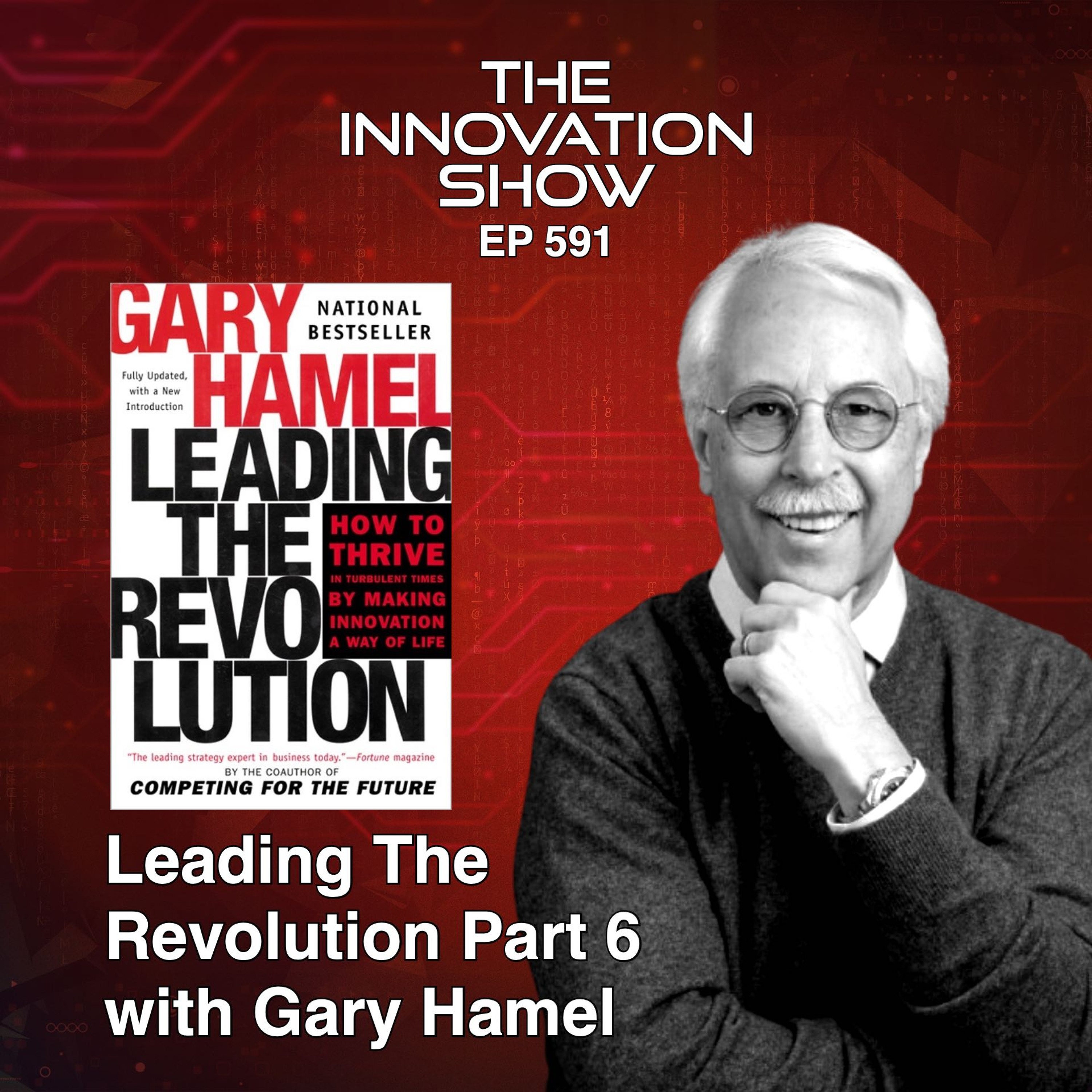 Gary Hamel - Leading The Revolution Part 6 | Welcome to the finale episode of our exploration of Gary Hamel's groundbreaking book, 'Leading the Revolution.' In this episode, Gary Hamel joins the discussion to delve into the timeless principles of innovation that have maintained their relevance despite evolving business landscapes. This episode is packed with insights on creating wealth through revolutionary design rules, fostering new business concepts, and the importance of low-risk experimentation for long-term success. We examine case studies from companies like Disney, Apple, and Shell, highlighting the practical application of these principles. Get ready to be inspired and equipped with actionable strategies to lead your own revolution! 00:00 Introduction and Overview 00:42 The Role of Top Management in Innovation 01:08 Introduction of Guest and Positive Feedback 01:50 Complexity Theory and Simple Rules 04:29 Unreasonable Expectations and Stretch Goals 11:17 The Importance of Elastic Business Definitions 20:02 The Power of a Noble Cause 26:09 The Need for New Voices and Neurodiversity 32:09 Creating a Market for Innovation 36:40 Shell's Game Changer: Internal Innovation Marketplace 38:46 Challenges of Low-Risk Experimentation 39:48 Commitment to Learning and Experimentation 41:43 The Importance of Patience in Innovation 43:47 Cellular Division: A Model for Organizational Growth 47:22 Connectivity: Learning from Other Industries 50:50 Re-engineering the Management Model for Innovation 57:17 Wealth Creation Index and Innovation Metrics 01:00:05 Balancing Big Bets and Learning in Innovation 01:07:01 Final Thoughts: Embracing the Age of Revolution | — | ||||||
| 4/18/25 | 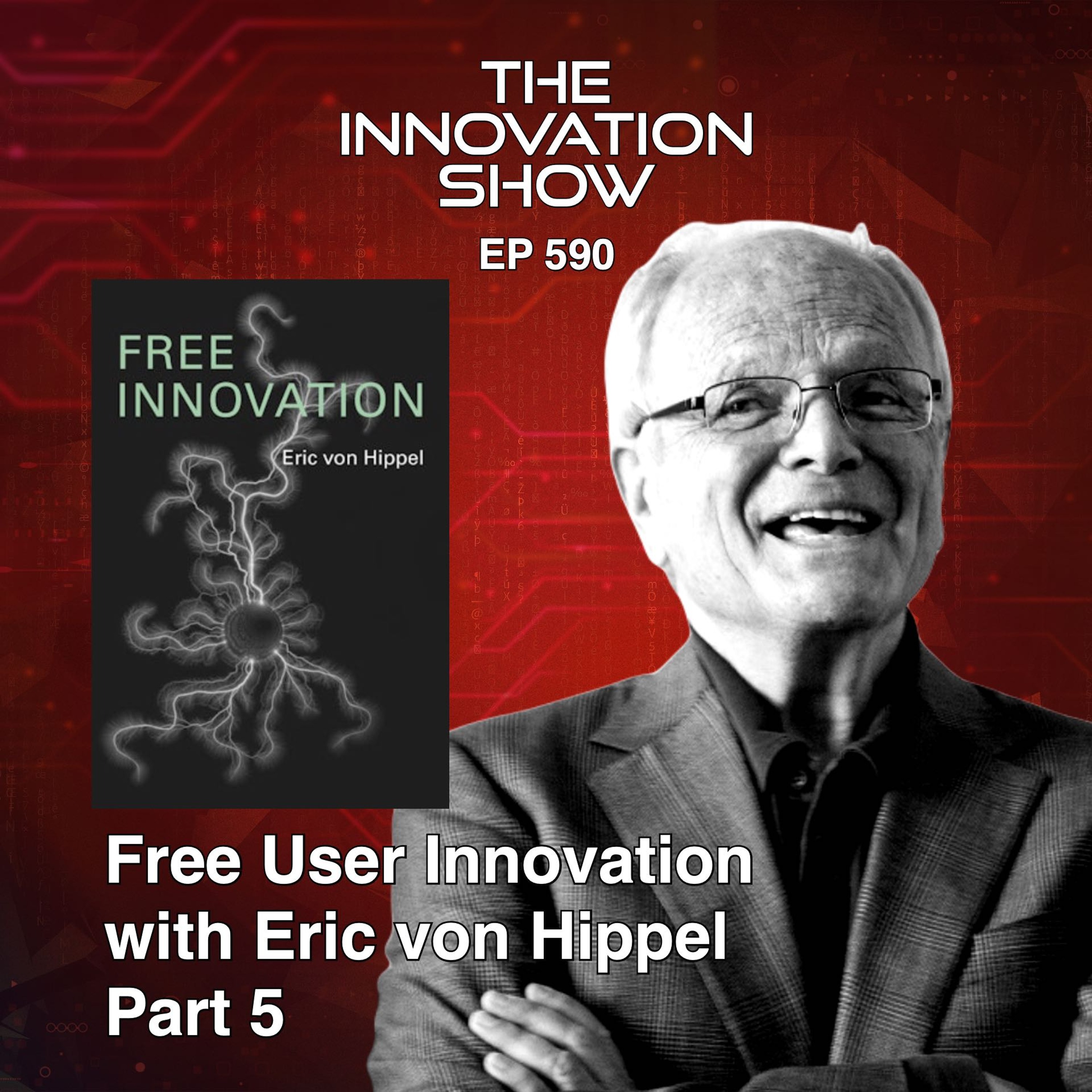 Eric von Hippel - Free User Innovation Part 5 | Welcome to part five of our enlightening series on open innovation and free user innovation, featuring Eric von Hippel. In this episode, we delve deep into the concept of user-driven innovation and explore real-world examples from sports and daily life. Eric recounts the origins of mountain biking and innovative techniques in rugby, emphasizing how users are not just passive consumers but active innovators. We also discuss insights on lead user studies and how radical user behaviors are driving change in various fields. Tune in to uncover how you can harness the power of user innovation in your own ventures. 00:00 Introduction and Sponsor Acknowledgment 00:53 Recap of Previous Sessions 01:15 The Importance of User Innovation 03:46 Mountain Biking: A Case Study in User Innovation 06:29 Behavioral Innovations in Sports 10:23 User Innovation in Parenting 13:32 Rugby Innovations: Aiden's Experience 16:56 Final Thoughts on User Innovation 20:47 Lead User Studies and Conclusion Find Eric: | — | ||||||
| 4/14/25 | 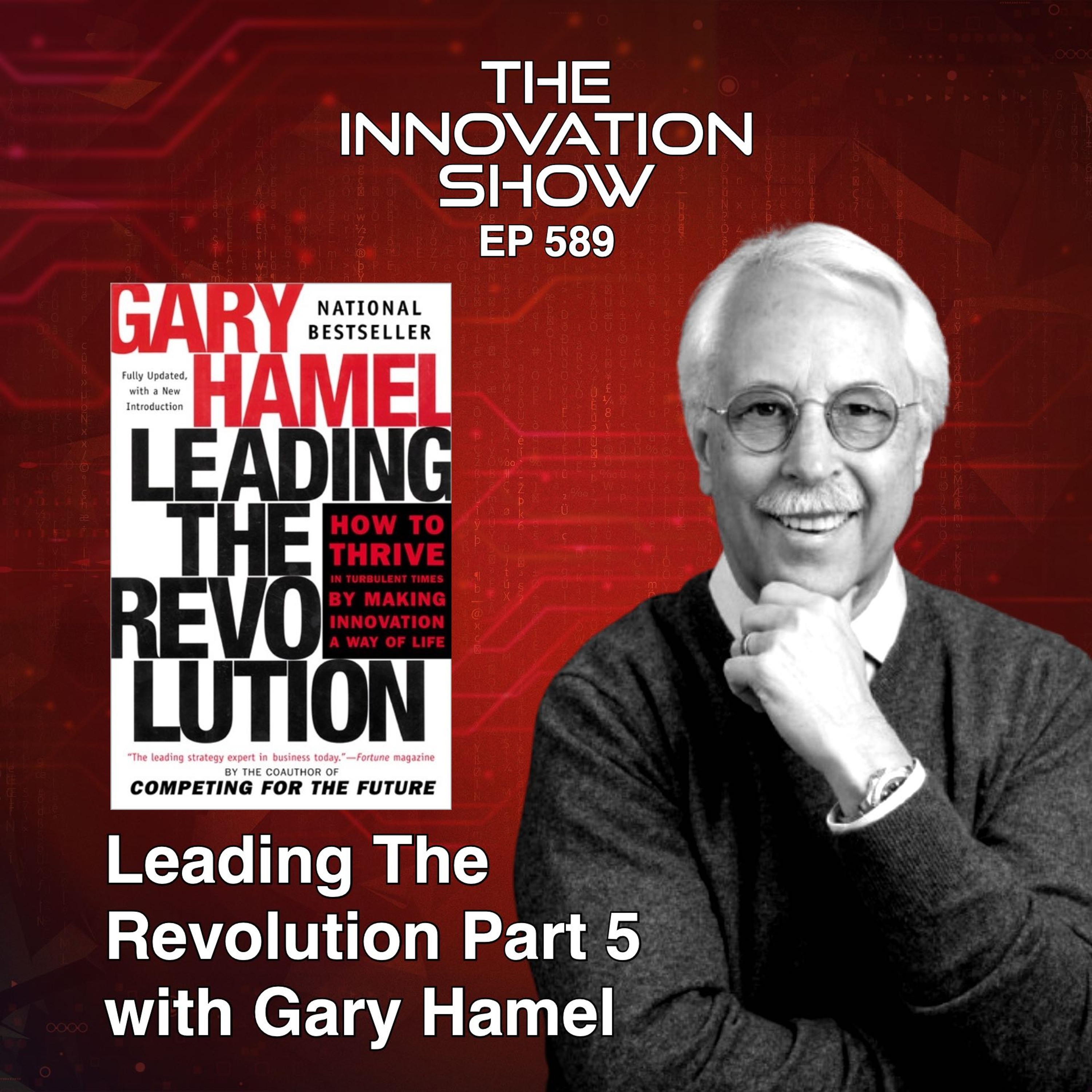 Gary Hamel - Leading the Revolution Part 5 | In this episode of the Innovation Show, Aiden is joined once again by renowned business thinker Gary Hamel. Together, they delve into the transformative insights from Gary's book 'Leading the Revolution.' The discussion explores how deeply embedded principles of innovation and renewal can help companies navigate and flourish in turbulent industries. Case studies from industry giants like Cemex, UPS, and Charles Schwab illustrate how these companies have reinvented themselves by fostering organizational activism, customer-centricity, and rapid experimentation. Whether you are a leader looking to future-proof your organization or an innovation enthusiast, this episode offers valuable takeaways on institutionalizing change and sustaining growth. 00:00 Introduction and Welcome 00:24 Discussing the Book's Relevance 01:01 Gray-Haired Revolutionaries 02:14 Institutionalizing Activism 02:38 Case Studies: Charles Schwab, UPS, and Cemex 03:12 Challenges in Sustaining Growth 06:35 Reinvention and Resilience 12:33 UPS: From Trucking to Technology 22:29 Charles Schwab: Bricks and Clicks 35:04 Customer Sensitivity in Pricing Strategies 35:42 Southwest Airlines' Unique Approach 37:17 Innovating in Media: A Personal Story 38:38 Pro-Consumer Decisions in Companies 40:06 The Importance of Understanding Value 40:24 Apple's Retail Strategy 44:12 Promoting Innovation at Charles Schwab 48:09 The Numbers Game of Innovation 51:57 Cemex: Innovating in the Cement Industry 01:07:27 Conclusion and Final Thoughts | — | ||||||
| 4/4/25 | 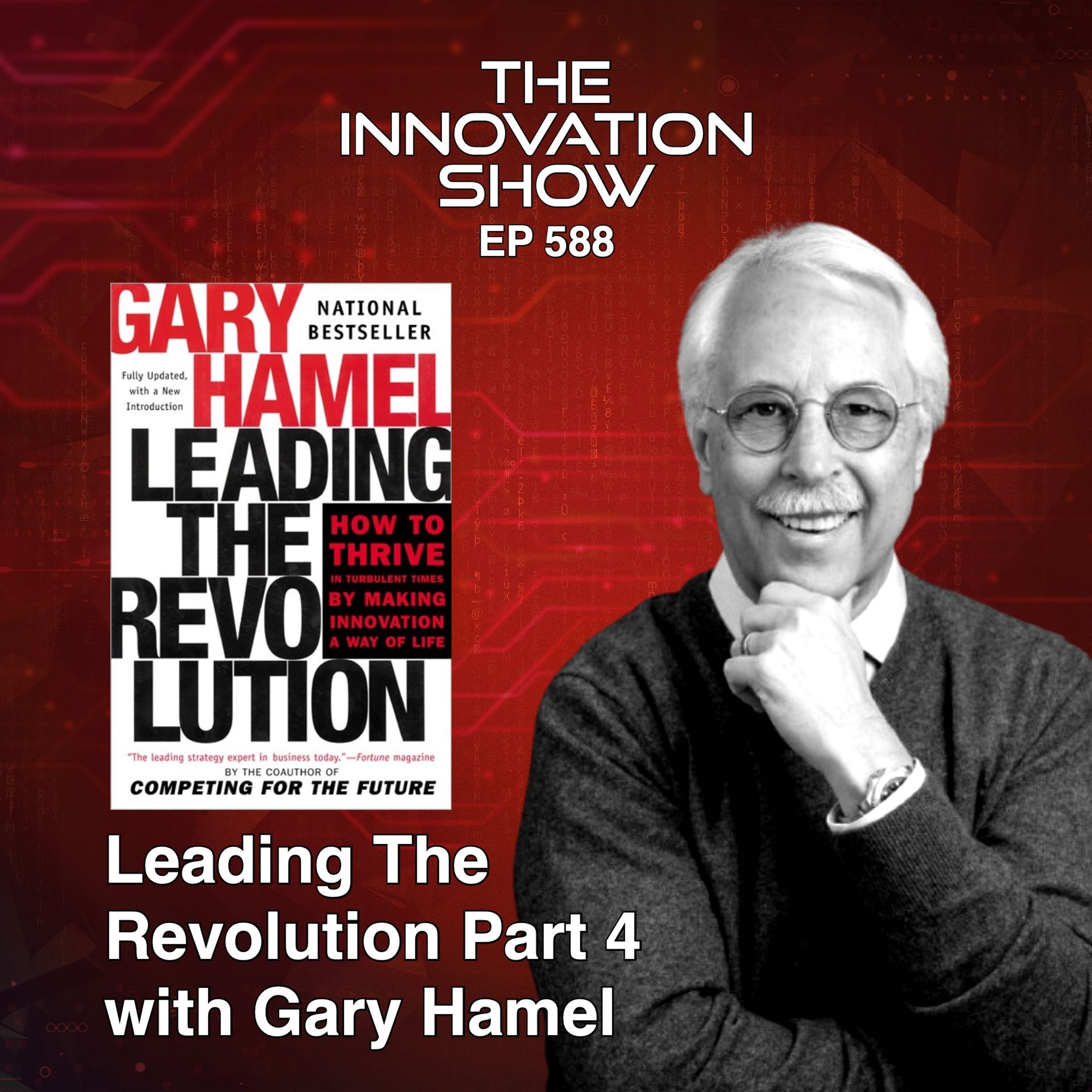 Gary Hamel - Leading The Revolution Part 4 | Leading the Revolution: Gary Hamel Explores Corporate Innovation and Change In this episode, we're joined by Gary Hamel, the acclaimed author of 'Leading the Revolution.' Gary delves deep into the essence of corporate innovation and the challenges faced by change-makers within organizations. We discuss how to punch above your weight and capture attention for transformative ideas, the necessity of building coalitions, understanding resistance, and the importance of courage in navigating change. Gary shares profound insights from his book, illuminating how individuals can drive radical change in even the most resistant corporate environments. This conversation is a must-listen for anyone passionate about innovation, strategy, and leading transformative change in business. Discover how to: Challenge outdated business models Overcome organizational resistance Build grassroots momentum for innovation Lead change even when you don’t have formal authority This is Part 4 of our deep-dive series on Leading the Revolution, where Hamel outlines the practical playbook for driving radical innovation inside established organizations. Whether you're an intrapreneur, innovation leader, or just tired of business-as-usual, this episode will fuel your fire to lead change from within. 00:00 Introduction and Welcome 00:22 Corporate Rebels and Navigating the Corporate Maze 00:46 The Revolutionary Imperative 00:58 Challenges of Pitching New Ideas 01:35 The Path Less Trodden 02:00 Gary Hamel's Insights on Corporate Innovation 04:04 The Importance of Alignment and Its Pitfalls 07:33 Case Studies of Successful Change Makers 12:31 Building a Point of View and Writing a Manifesto 36:24 Anticipating Resistance and Overcoming Objections 38:47 Navigating Relationship Challenges 39:14 The Four Stages of Denial in Relationships 40:18 Corporate Lessons from Toyota's Success 42:07 The Importance of Confronting Beliefs 44:26 Leadership and Organizational Renewal 46:01 Challenges in Entrepreneurial Companies 49:07 Building Coalitions for Change 01:12:10 The Role of Courage in Leadership 01:16:41 Final Thoughts and Reflections Find the book here: Find Gary here: Find Aidan and the Innovation Show: | — | ||||||
| 3/29/25 | 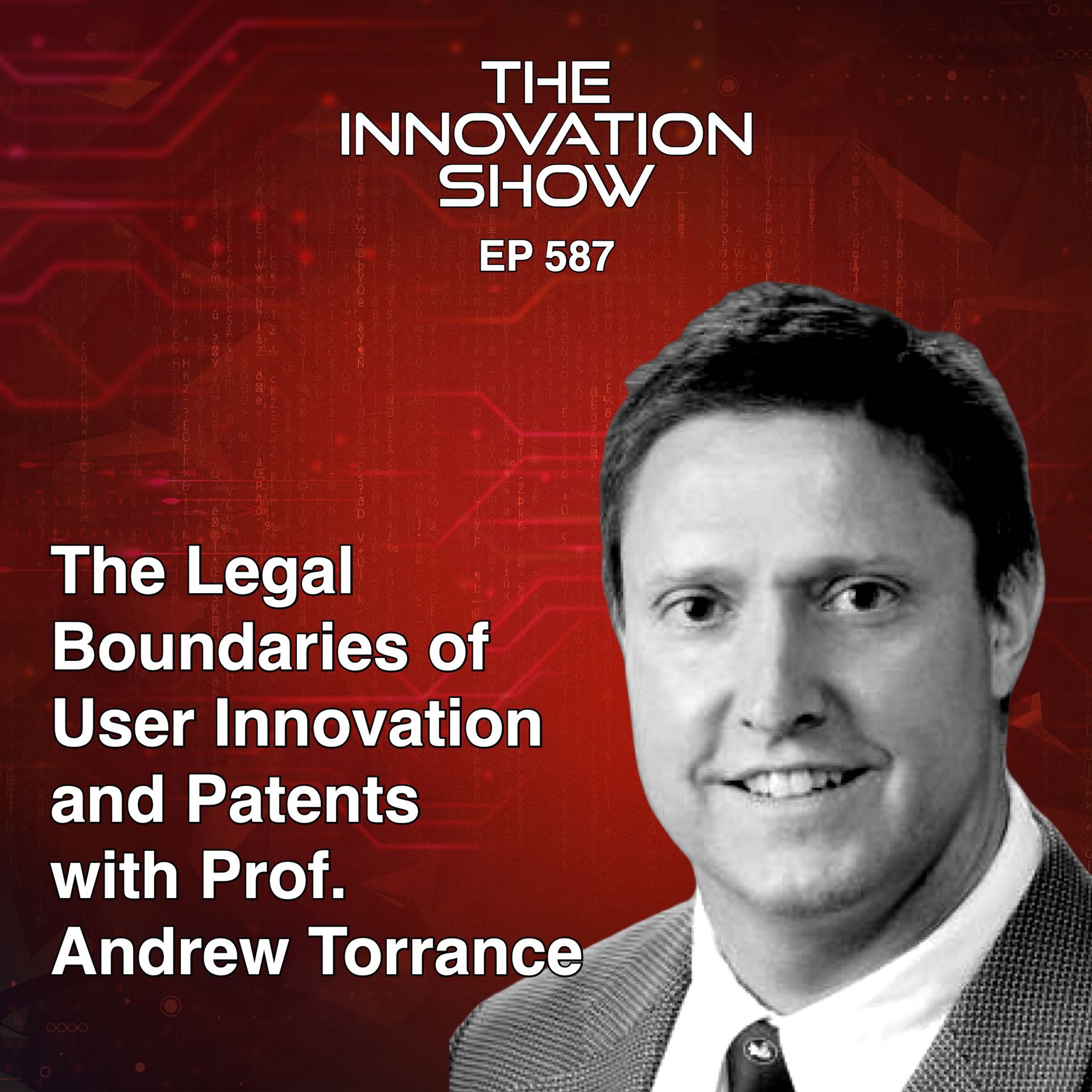 The Legal Boundaries of User Innovation and Patents with Prof. Andrew Torrance | We welcome Prof. Andrew Torrance, distinguished Professor of Law at the University of Kansas and visiting scholar at MIT, to discuss the complex legal landscape surrounding user innovation and patents. The conversation delves into the freedom and challenges of product innovation, the balance between open and closed inventions, and the ethical implications of experimental treatments. They also explore the historical and ongoing impact of FDA regulations and the role of patents in fostering or hindering innovation. Sponsored by Wazoku, this episode is essential listening for innovators, legal experts, and anyone interested in the intersection of technology, law, and ethics. 00:00 Introduction and Wazoku Sponsor Message 00:27 Upcoming Reinvention Summit 01:01 Previous Episodes Recap 01:28 Introducing Andrew W. Torrance 02:01 Legal Aspects of Free User Innovation 03:29 Experimenting and Sharing Innovations 09:02 Selling Innovations and Legal Implications 11:07 Influencers and Legal Responsibilities 17:21 Trust in the FDA and Alternative Medicine 24:38 Patient Rights and Experimental Drugs 30:44 Patenting Innovations 38:54 Closing Remarks and Contact Information 39:44 Final Wazoku Sponsor Message Andrew on SSRN: Ted Talk: https://youtu.be/g8GTg_632qY?si=lieqXrcdwUWD1l_l | — | ||||||
| 3/22/25 | 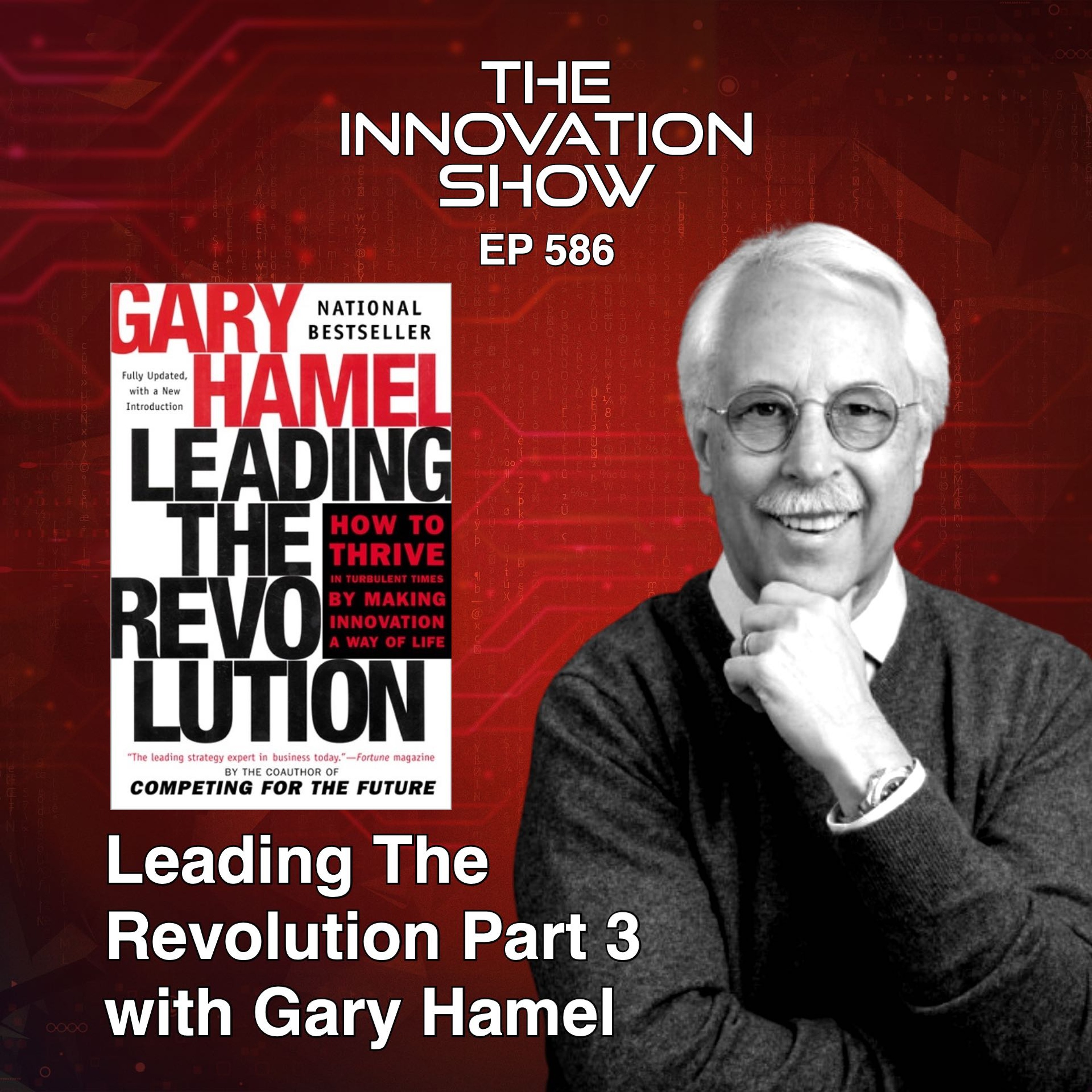 Gary Hamel - Leading the Revolution Part 3 Bee Your Own Seer | Welcome back to part three of 'Leading the Revolution' with the legendary Gary Hamel. In this episode of The Innovation Show, Gary and host Aiden dive deep into two key chapters from Gary's books, exploring the principle of learning to be your own seer and the critical distinction between imagination and prediction in innovation. They discuss the importance of psychological safety in fostering creativity within companies and why many organizations fail to imagine the future. Gary shares his insights on developing foresight, the role of contrarianism in innovation, and the necessity of building a foundation of unconventional, differentiated insights for genuine innovation. He also emphasizes the importance of stepping outside the insular corporate environment to seek out underappreciated trends, frustrations customers face, and the deeper, broader questions around societal changes. Packed with practical exercises and real-world examples, this episode offers valuable takeaways for individuals and companies alike aiming to break free from conventional thinking and lead the charge in their industries. 00:00 Introduction and Welcome 00:25 The Importance of Being Your Own Seer 02:23 Imagination and Foresight in Innovation 06:12 The Role of Discontinuities in Innovation 08:11 The Need for Organizational Foresight 09:42 Building a Foundation of New Insights 18:18 Challenges in Allocating Resources for Innovation 25:15 The Importance of Transcendent Themes 29:15 Understanding Deeper Changes in Society 31:24 Impact of Connectivity on Society 32:19 Customer Frustration and Business Opportunities 33:37 Reinventing Education and Knowledge Consumption 34:42 Identifying and Addressing Industry Dogmas 41:20 Empowering Employees for Innovation 46:41 Distinguishing Form from Function in Business 49:07 Encouraging Radical New Possibilities 55:43 Conclusion and Future Topics | — | ||||||
| 3/15/25 | 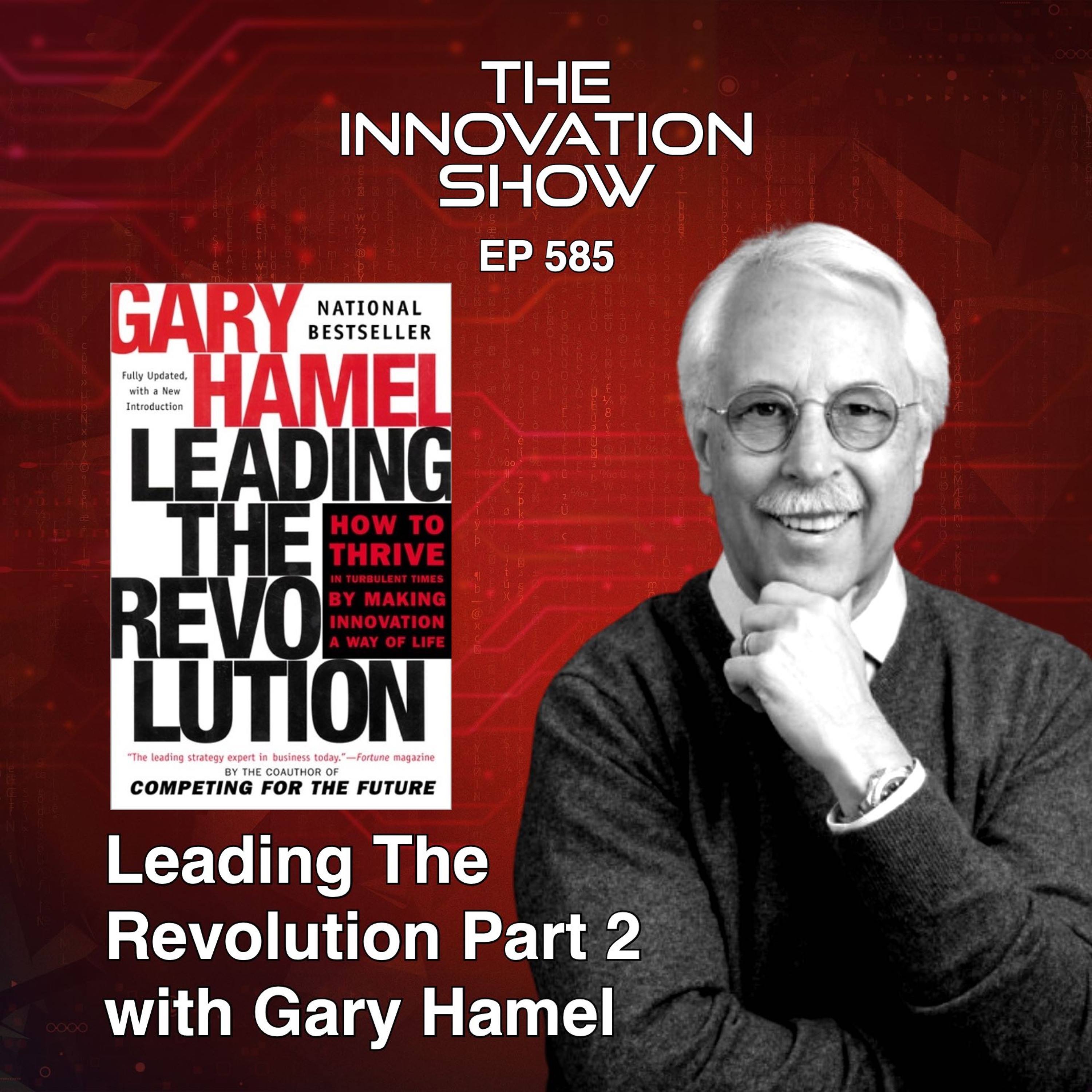 Gary Hamel: Leading the Revolution Part 2 Business Concept Innovation | In this episode of the Innovation Show, we dive into Chapter 3 of Gary Hamel's influential book, 'Leading the Revolution.' Gary, one of the early proponents of business model generation, discusses the concept of Business Concept Innovation and how it has reshaped industries over the years. We explore examples of companies like Dell and Apple, which have successfully implemented innovative business models, and we delve into the components of business model innovation, including customer interaction, strategies, and value networks. Gary also shares his insights on overcoming organizational inertia, fostering a culture of innovation, and the importance of rethinking conventional business assumptions. This episode is a must-listen for anyone interested in driving innovation within their organization and staying ahead of the curve. 00:00 Introduction to Gary Hamill Series 00:13 Business Concept Innovation 02:44 Examples of Business Model Innovation 04:41 Expanding the Innovation Horizon 05:49 Defining Radical Innovation 08:49 Challenges in Business Model Innovation 17:07 Importance of Deconstructing Assumptions 26:01 Executive Support for Innovation 37:46 Assessing Company Resources for Innovation 38:24 Challenges in Big Companies vs. Startups 38:38 Haier's Approach to Entrepreneurship 40:42 The Importance of Public Policy in Innovation 44:19 The Role of Government in Business Innovation 44:31 Decadence and Complacency in Organizations 46:03 Historical Examples of Efficient Government 50:46 The Need for Courageous Leadership 51:52 Activism and Innovation in Companies 53:27 Building a Resilient Business Model 56:42 Strategic Decisions in Business Models 59:21 The Importance of Customer Contact 01:03:44 First Mover vs. Smart Mover 01:07:44 Competitive Lockout and Choke Points 01:12:14 Preparing for a Rapidly Changing Economy 01:12:44 Continuous Learning and Personal Responsibility 01:14:03 Conclusion and Contact Information | — | ||||||
| 3/10/25 | 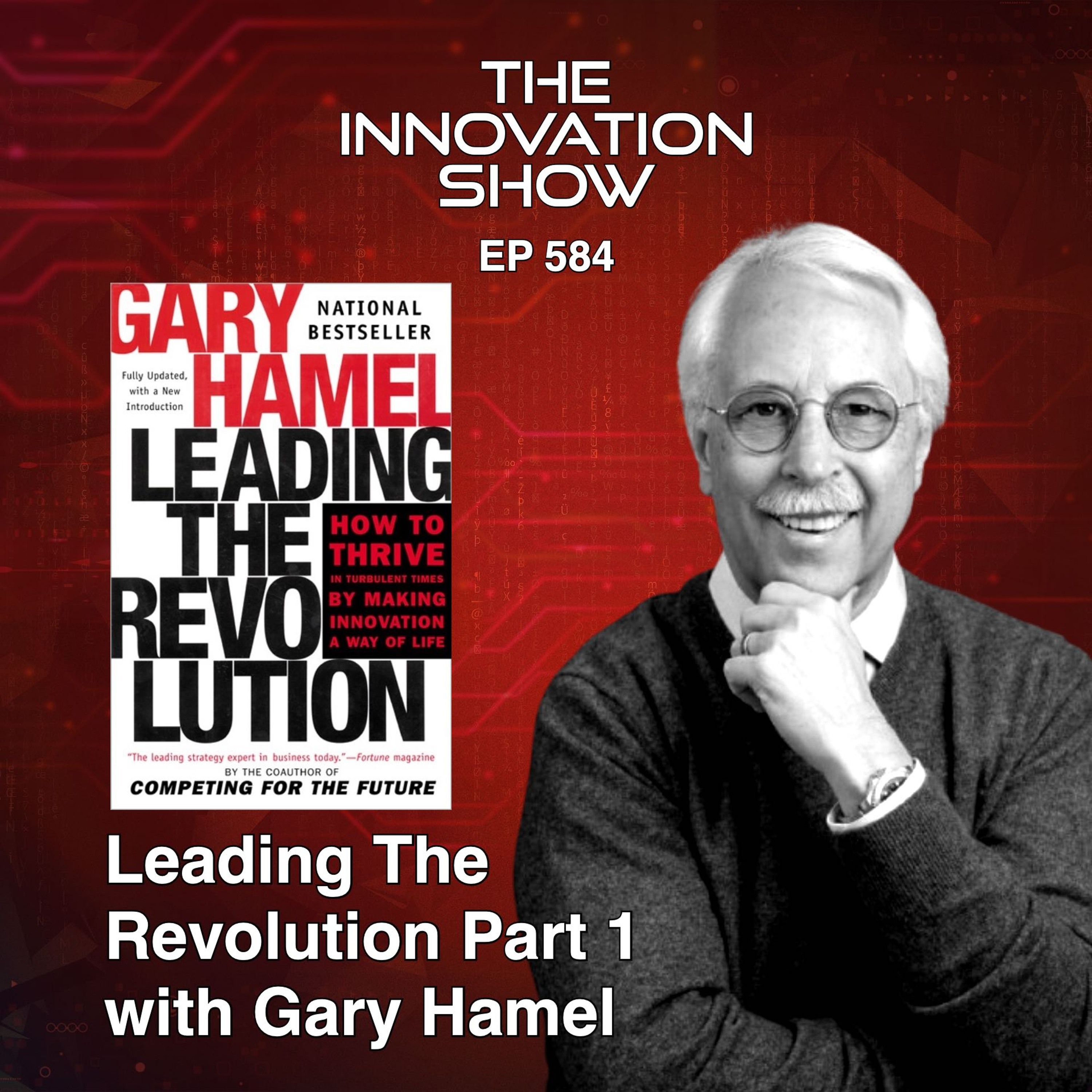 Gary Hamel - Leading the Revolution Part 1 | Gary Hamel on Leading the Revolution Part 1 In this episode, renowned business thinker Gary Hamel discusses his book 'Leading the Revolution' with Aidan McCullen, offering an innovative action plan for companies or individuals aiming to stay ahead of the industry. Drawing on successful examples from companies like Charles Schwab, Virgin, GE Capital, and profiling innovators like Ken Kutaragi of Sony PlayStation, Hamel shares how to grow and innovate amidst market chaos. He explores the origin of revolutionary business concepts, key criteria for building activist-friendly and revolutionary-ready companies, the dangers of becoming ‘one vision wonders,’ and harnessing employee imagination. The conversation also reflects on business failures, the cyclical nature of market success, and the essential need for continuous reinvention. Join for invaluable insights on thriving in turbulent times. 00:00 Introduction to Industry Revolutionaries 00:41 Exploring Revolutionary Business Concepts 00:48 Key Criteria for Building Revolutionary Companies 00:55 Avoiding One Vision Wonders 00:59 Harnessing Employee Imagination 01:11 Practical Advice for 21st Century Success 01:23 Welcoming Back a Business Thinker 01:50 Insights from Leading the Revolution 02:37 Honoring Professor Paul Hamel 03:23 Corporate Climate in 2000 03:56 Technological Advancements and Market Shifts 04:43 The Importance of Innovation 05:16 Challenges for Established Companies 06:15 Digital Transformation and Its Pitfalls 06:53 Investment in Technology 09:04 Organizational Orthodoxies 10:42 The Danger of Unchallenged Assumptions 11:19 Examples of Missed Opportunities 15:25 The Future of Retail and Education 17:23 The Importance of Humility in Leadership 18:24 Case Study: Sony's Rise and Challenges 20:44 Leadership and Organizational Dynamics 23:31 Encouraging Innovation from the Periphery 24:32 Case Study: Haier's Entrepreneurial Platform 29:07 Changing the Rules for Success 31:17 Forming Partnerships with Young Companies 32:22 Understanding Innovation Risk 36:31 De-Risking Innovation 37:55 The Importance of Intellectual Commitment 39:17 Challenges of Business Model Innovation 44:37 Strategic Planning vs. Strategy 50:27 The Illusion of Corporate Vitality 59:11 The Need for Innovative Leadership 01:01:13 Conclusion and Next Steps Find Gary: | — | ||||||
| 3/5/25 | 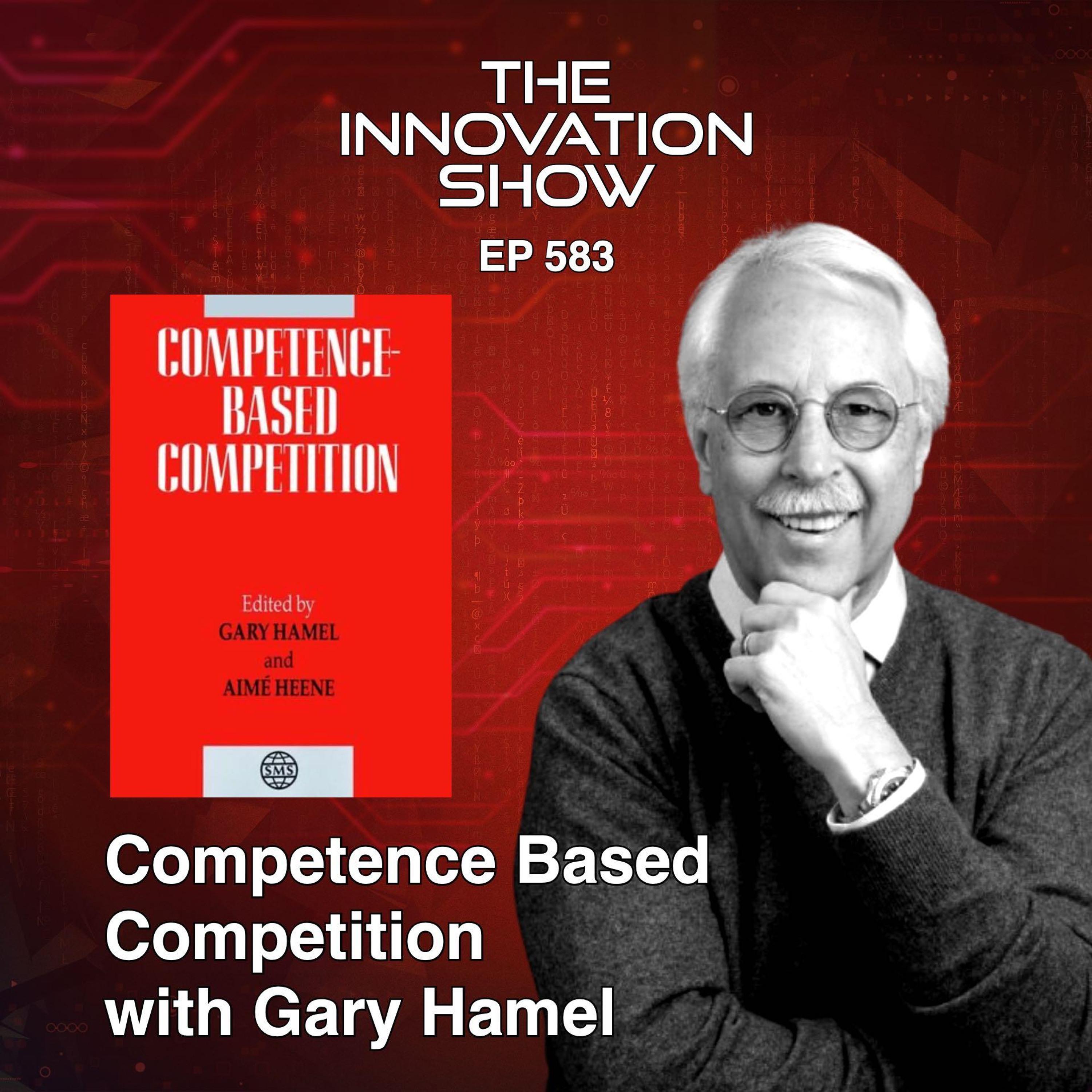 Gary Hamel - Competence Based Competition | In this episode of The Innovation Show, host Aidan McCullen welcomes back esteemed guest Gary Hamel, celebrated business strategist and co-author of the revolutionary article on core competencies. They dive deep into the concept of competence-based competition, discussing the origins, importance, and modern applications of core competencies. Gary shares insights from his extensive work alongside CK Prahalad and reflects on how their ideas shaped corporate strategy. Using historical and contemporary examples, including Tesla and HAIER, they explore how focusing on deep skills can lead to enduring competitive advantages. This episode is a must-listen for anyone interested in innovation, strategy, and the future of business in a rapidly evolving world. 00:00 Introduction and Welcome 00:23 The Concept of Competence-Based Competition 01:24 Historical Context and Development 02:26 Core Competence and Strategic Implications 05:03 Challenges and Misinterpretations 13:37 Modern Examples and Applications 28:23 Strategic Conversations and Future Focus 35:12 The Danger of Viewing Companies as Product Sets 35:33 Intel vs. TSMC: A Strategic Misstep 37:56 Bounded Innovation and Core Competencies 38:49 Uber's Broader Vision Beyond Ride-Hailing 42:23 Amazon's Evolution from Online Retailer to Logistics Giant 43:21 US Car Makers' Myopia and Missed Opportunities 44:24 Historical Examples: Honda and Sony 47:01 Tesla: An Energy Company, Not Just a Car Maker 48:08 Microsoft's Myopic View and Missed Opportunities 56:00 The Importance of Organizational Flexibility 01:02:26 Encouraging Internal Innovation 01:08:42 Conclusion and Next Steps | — | ||||||
| 2/25/25 | 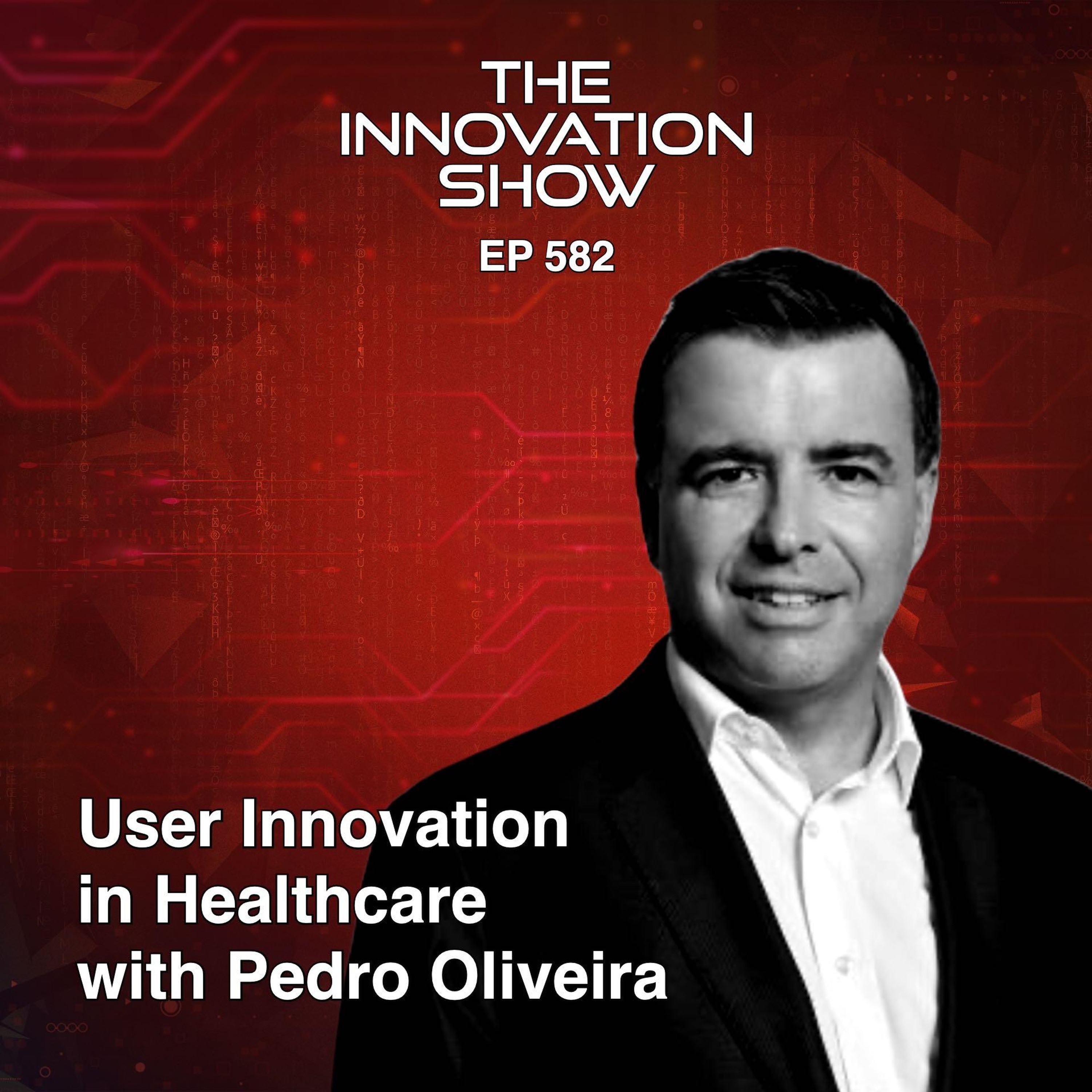 Pedro Oliveira: User Innovation in Healthcare | Pedro Oliveira: User Innovation in Healthcare Welcome to a new series inspired by Eric Von Hippel, and sponsored by Wazoku. In today's episode, we are joined by Professor Pedro Oliveira, founder and president of Patient Innovation, to explore the role of patients and caregivers in developing new medical products and services. Discover remarkable stories of user-generated medical innovations, such as Tal Golesworthy's life-saving aortic support and Louis Plante's innovative lung-clearing device. Learn how Patient Innovation is helping to bring these solutions to market through a multi-sided platform that connects patient innovators with industry. Find out more about this transformative approach to healthcare innovation and the positive impact it has had on countless lives. 00:00 Introduction to the Series and Sponsor 00:29 Focus on User Innovation in Healthcare 00:53 Interview with Professor Pedro Oliveira 01:20 Eric von Hippel's Influence on User Innovation 03:55 Patient Innovator Stories: Tal Golesworthy 05:17 Patient Innovator Stories: Louis Plante 12:35 Patient Innovator Stories: Hans and Be My Eyes 19:06 The Multi-Sided Platform for Patient Innovation 25:35 Encouraging More Patient Innovations 27:26 Conclusion and Sponsor Message Find Pedro Find Wazoku: User Innovation, Healthcare Innovation, Patient-Driven Innovation, Medical Breakthroughs, Pedro Oliveira, Eric von Hippel, Tal Golesworthy, ExoVasc, Louis Plante, Flutter Device, Hans Be My Eyes, Be My Eyes, Multi-Sided Platforms, Patient Entrepreneurship, Medical Devices, Assistive Technology, Digital Health, Open Innovation, Future of Medicine, Patient Advocacy, Caregiver Innovation | — | ||||||
| 2/21/25 | 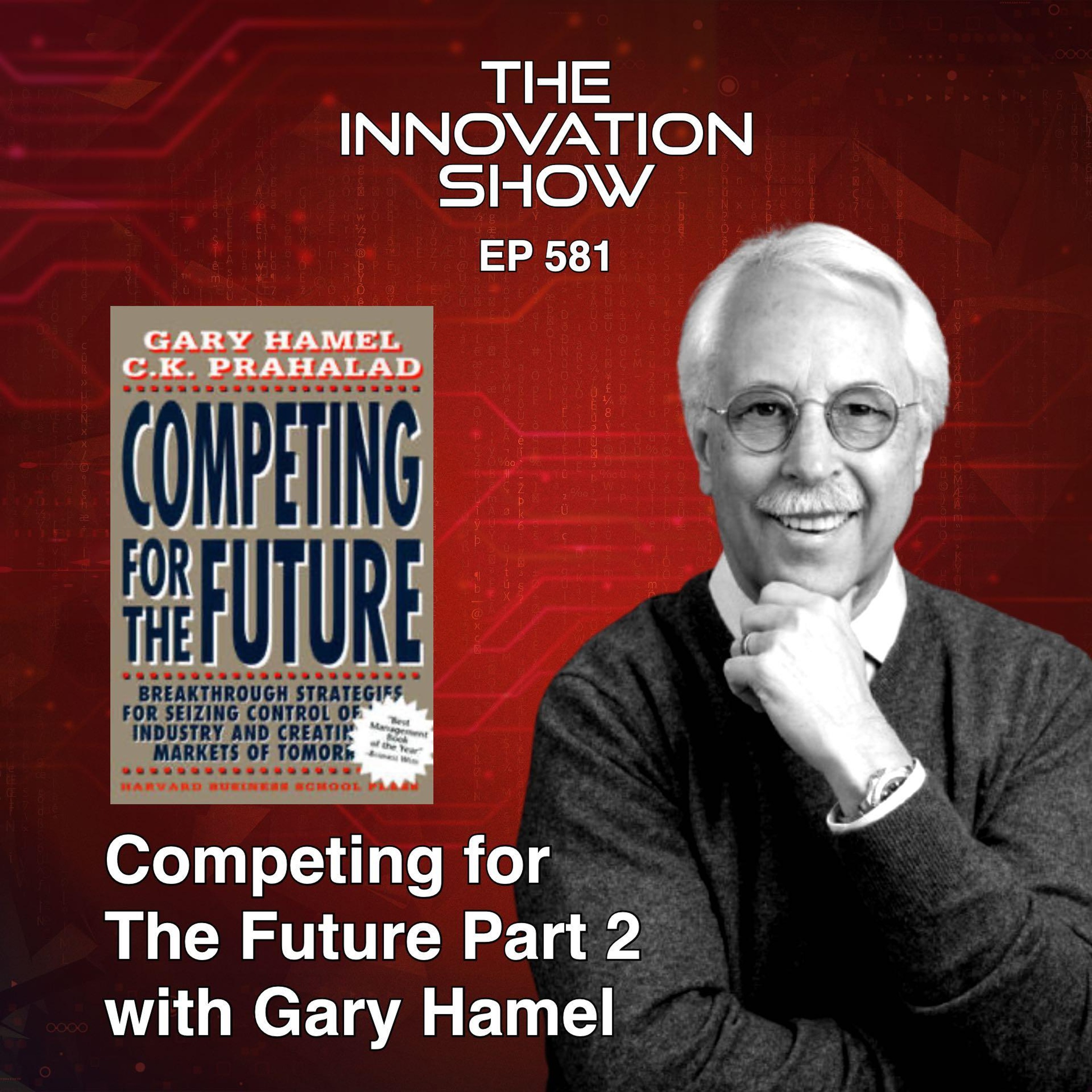 Gary Hamel - Competing For The Future Part 2 | The Future of Foresight & Innovation: Insights with Gary Hamel | The Innovation Show In this episode, we have the pleasure of welcoming back Gary Hamel, a leading expert in business strategy and management. Host Aidan McCullen and Gary Hamel dive deep into the concept of foresight, stressing the importance of understanding broad themes and emerging trends to guide companies toward future opportunities. They discuss companies' common blind spots and failures in anticipating the future, as well as ways to leverage resources effectively. Gary shares insights on the necessity of innovation at all levels of an organization, the perils of becoming too attached to current successes, and how organizations can think more creatively about emerging technologies. They also cover historical examples from companies like IBM, Kodak, and 3M to illustrate key lessons in foresight and innovation. 00:00 Introduction and Welcome 00:20 The Importance of Foresight 02:19 Recognizing Emerging Trends 04:30 Challenges of Organizational Change 09:13 Cultural Perspectives on Innovation 14:31 Historical Examples of Foresight Failures 30:58 Innovation in Cost Structures 34:34 The Urgency of Innovation in Healthcare 35:10 The Need for Builders in Leadership 35:55 Resource Leverage: Doing More with Less 36:55 Learning from Guerrilla Warfare and 9/11 39:06 Speed to Market: Lessons from Japanese Companies 40:24 The Importance of Rapid Iteration 44:00 Building Consensus and Leveraging Employee Insights 47:47 The Role of Strategic Focus in Innovation 53:30 Learning from Kodak and 3M 57:48 Metaphors and Organizational Change 01:07:12 Predicting the Future: The Smartphone and Cloud Computing 01:10:04 Final Thoughts and Contact Information | — | ||||||
| 2/13/25 | 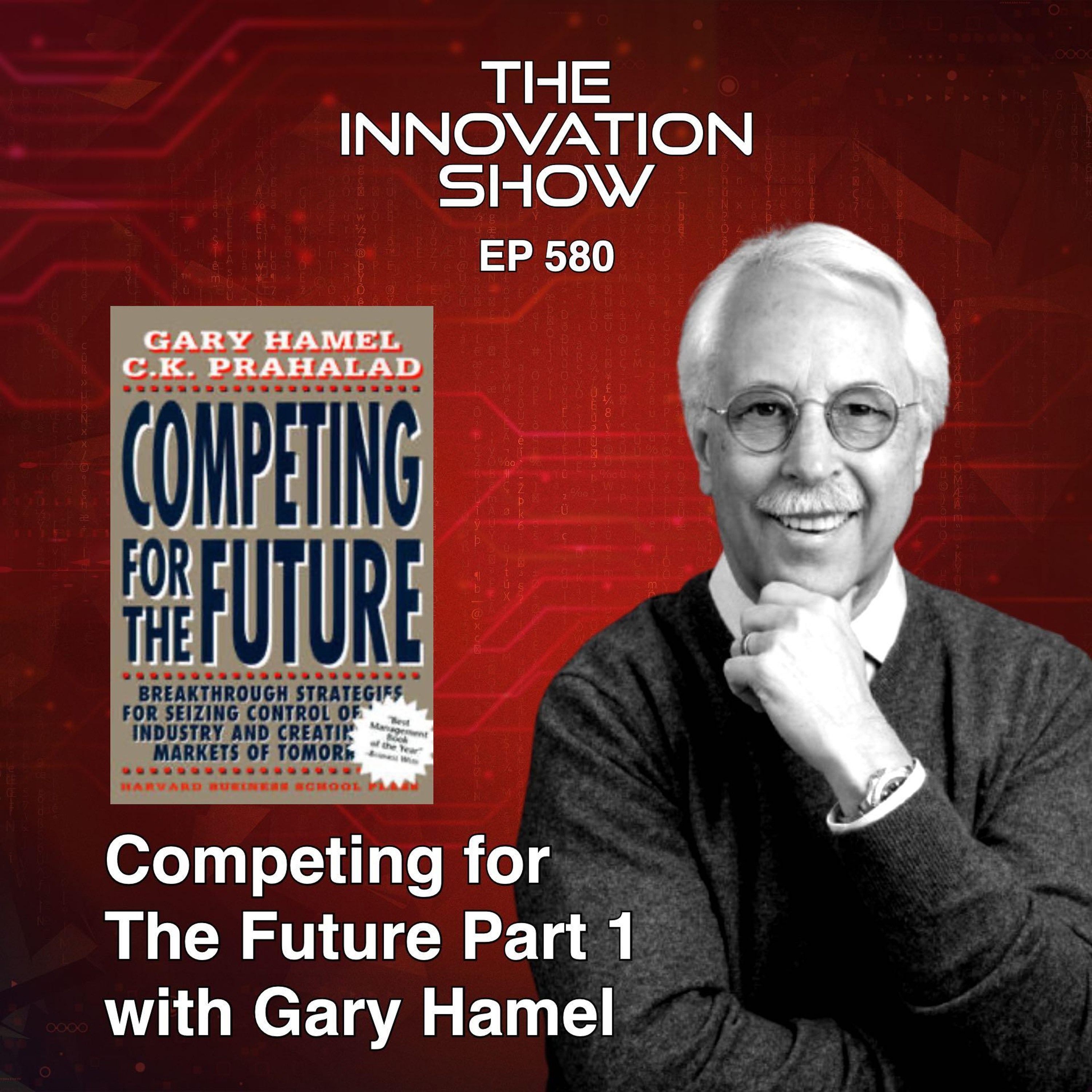 Gary Hamel Part 1: Competing for the Future 1 | Gary Hamel Part 1: Competing for the Future 1 In this episode of the Innovation Show, renowned management thinker Gary Hamel discusses his extensive work in the field of organizational transformation and innovation. Reflecting on his early experiences at the University of Michigan and the London Business School, Hamel shares insights into the impact of foreign competition on American businesses in the late 1970s, and the critical importance of foresight and humility for executives. He delves into his consulting work with companies like Nokia and Apple, emphasizing the need for open strategy, diversity of thought, and the constant reinvention of competencies. Hamel also offers practical advice for leaders on avoiding the pitfalls of complacency and short-term thinking, urging them to build organizations that can thrive and innovate in a rapidly changing world. 00:00 Introduction and Welcome 00:43 Early Career and Influences 02:38 Teaching at London Business School 04:50 Consulting and Industry Experience 07:27 Collaboration with CK Prahalad 08:23 Lessons from Global Competition 22:10 Nokia's Rise and Fall 37:22 Innovative Leadership Through Video Messaging 37:42 Predicting the Future: Challenges and Insights 39:12 The Rise of Streaming and the Fall of Broadcast TV 40:39 Executive Resistance to Change 42:05 The Importance of Forgetting and Unlearning 43:49 Youthful Perspectives in Strategy Meetings 44:32 The Downfall of Nokia: Lessons in Innovation 47:06 Apple's Commitment to Silicon Mastery 48:44 Building Competencies for Future Success 53:28 The Persistence of Corporate Failings 01:04:54 The Role of Leadership in Innovation 01:10:15 Conclusion and Call to Action Find Gary: | — | ||||||
| 2/10/25 | 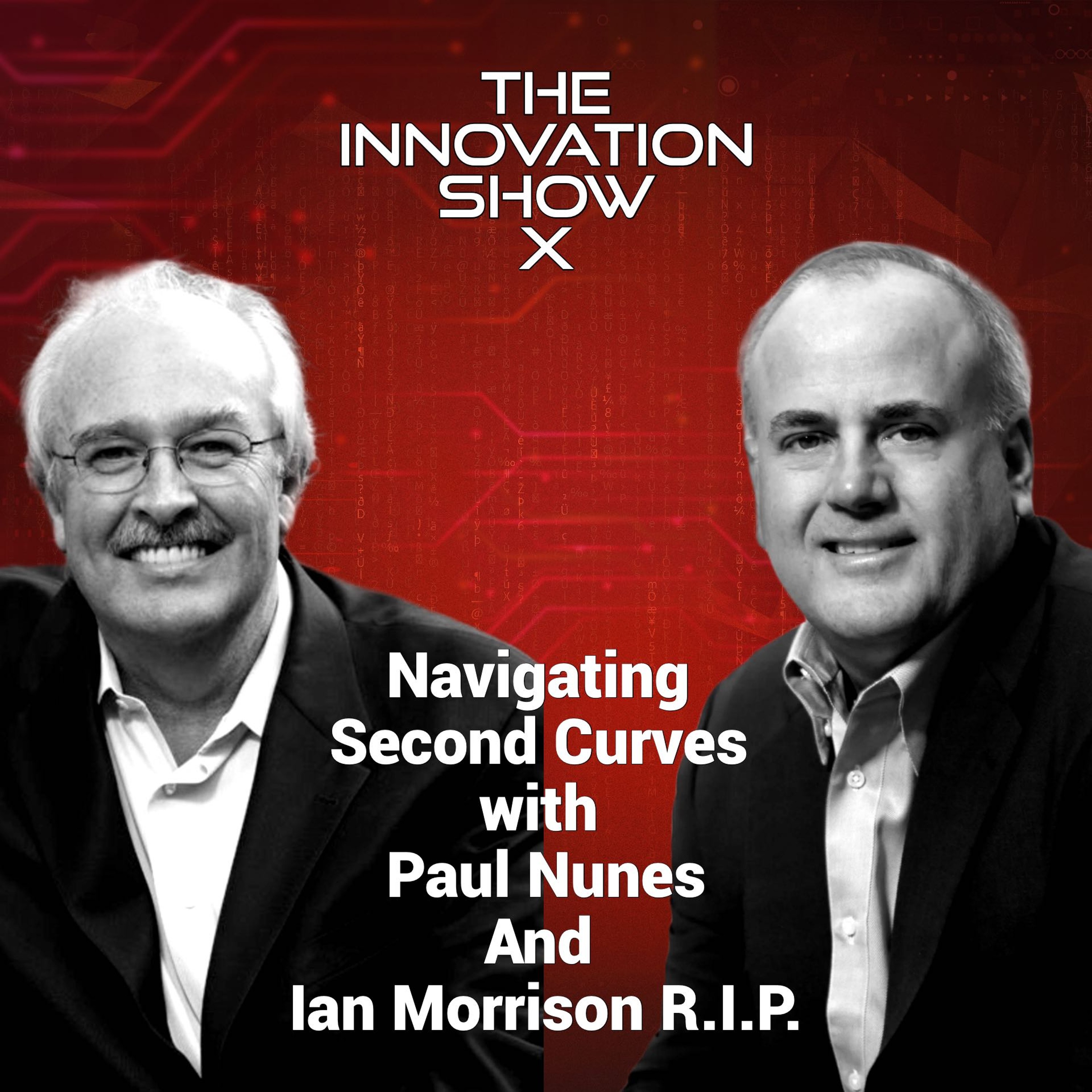 Paul Nunes and Ian Morrison (R.I.P.) - Navigating Second Curves | To Ian Morrison, Rest in Peace. In this inaugural episode of 'Innovation Show X,' host Aidan McCullen is joined by renowned guests Ian Morrison and Paul Nunes to discuss navigating the complex landscape of innovation. They explore key concepts from their influential books, 'The Second Curve' and 'Jumping the S-Curve,' providing insights into managing transitions in business, the challenges of risk and asset allocation, and how companies can sustain high performance over time. The episode also pays tribute to the late Ian Morrison for his contributions to thought leadership and innovation. Tune in to learn about the profound changes in industries like healthcare and technology and the essential balance between legacy systems and new ventures. 00:00 Sad News and Dedication to Ian Morrison 01:27 Introduction to Innovation Show X 01:52 Ian Morrison's Second Curve 04:17 Paul Nunez on Jumping the S Curve 06:38 Discussion on Technology and Market Changes 21:46 Healthcare and Digital Disruption 33:59 Challenges in Innovation and Risk Management 40:15 The Phoenix Metaphor and Organizational Change 53:39 Conclusion and Reflections | — | ||||||
| 2/6/25 | 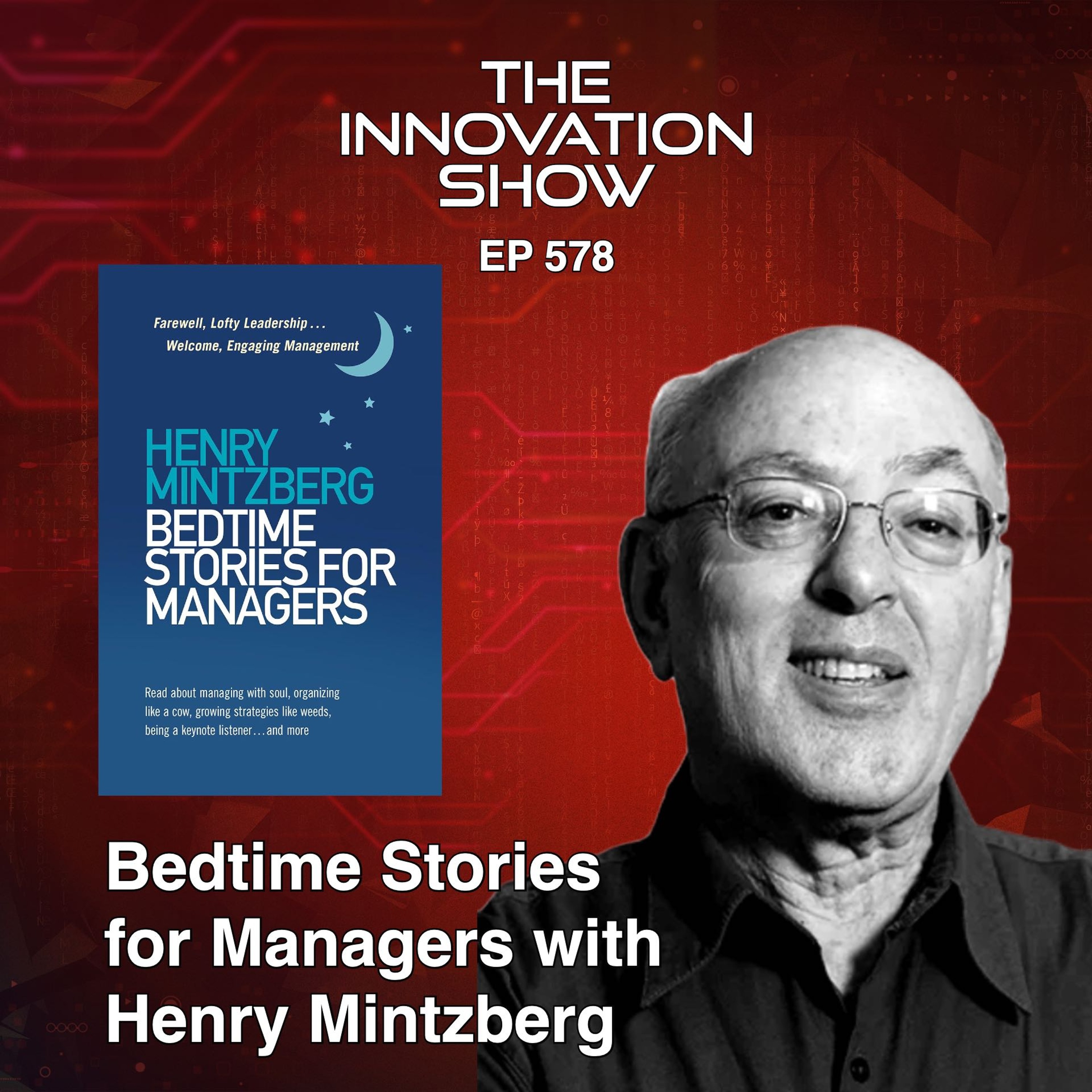 Henry Mintzberg - Bedtime Stories for Managers | Henry Mintzberg - Bedtime Stories for Managers In this episode, our guest is Henry Mintzberg, celebrated management thinker and author of 'Bedtime Stories for Managers.' We explore key themes from his 20th book, which is a collection of insightful essays from his widely read blog. Henry discusses the importance of managers getting out of their lofty offices to truly understand their organizations, the myth of the managerial 'maestro,' and the dangers of over-reliance on hard data. We also delve into the pitfalls of MBA programs, short-term strategy thinking, and the importance of engaging with employees and customers. This episode is a must-watch for anyone interested in thoughtful, experience-based approaches to management. Get ready for a wealth of metaphors, real-world examples, and thought-provoking anecdotes from one of the most respected voices in the field. 00:00 Introduction to Bedtime Stories for Managers 02:01 The Scrambled Eggs Story 04:28 The Myth of the Maestro Manager 06:20 Critique of MBA Programs 10:55 Emergent Strategy Explained 16:12 Leadership vs. Management 21:20 The Importance of Measuring the Right Things 23:55 The Symphony Orchestra Fallacy 24:50 Executive Boredom and Misguided Changes 26:44 The Right Leadership for Different Business Stages 29:52 Challenges of Legacy Organizations 31:53 The Family Business Dilemma 36:11 Short-Term Gains vs. Long-Term Success 44:21 Organizing Like a Cow 48:11 The Role of the Board 49:39 The Illusion of Constant Change Find the book here: | — | ||||||
Showing 25 of 499
Sponsor Intelligence
Sign in to see which brands sponsor this podcast, their ad offers, and promo codes.
Chart Positions
4 placements across 4 markets.
Chart Positions
4 placements across 4 markets.