
Insights from recent episode analysis
Audience Interest
Podcast Focus
Publishing Consistency
Platform Reach
Insights are generated by CastFox AI using publicly available data, episode content, and proprietary models.
Most discussed topics
Brands & references
Total monthly reach
Estimated from 1 chart position in 1 market.
By chart position
- 🇺🇸US · Social Sciences#1815K to 30K
- Per-Episode Audience
Est. listeners per new episode within ~30 days
2.5K to 15K🎙 Weekly cadence·9 episodes·Last published 3mo ago - Monthly Reach
Unique listeners across all episodes (30 days)
5K to 30K🇺🇸100% - Active Followers
Loyal subscribers who consistently listen
1.5K to 9K
Market Insights
Platform Distribution
Reach across major podcast platforms, updated hourly
Total Followers
—
Total Plays
—
Total Reviews
—
* Data sourced directly from platform APIs and aggregated hourly across all major podcast directories.
On the show
From 1 epsHost
Recent guests
No guests detected in recent episodes.
Recent episodes
Flood & the Consequences of At-Risk Building
Mar 13, 2026
2m 03s
Love in the Small: TikTok’s “Bird Theory,” Bids for Connection
Feb 26, 2026
7m 21s
The New Architects of Influence: How Digital Platforms Quietly Reshape Power, Justice, and Public Life.
Feb 26, 2026
1m 33s
Walking Toward Peace: What the Texas‑to‑DC Monks Teach Us About Conflict Transformation
Feb 12, 2026
5m 49s
Scarcity by Design | Infrastructural Negligence
Nov 4, 2025
1h 12m 48s
Social Links & Contact
Official channels & resources
Official Website
Login
RSS Feed
Login
| Date | Episode | Topics | Guests | Brands | Places | Keywords | Sponsor | Length | |
|---|---|---|---|---|---|---|---|---|---|
| 3/13/26 |  Flood & the Consequences of At-Risk Building✨ | flood eventsland-use decisions+3 | — | The Irreverent Podcast | Central TexasFlash Flood Alley | Guadalupe River Floodflash floods+3 | — | 2m 03s | |
| 2/26/26 |  Love in the Small: TikTok’s “Bird Theory,” Bids for Connection | If you’ve seen the viral “Bird Theory” on TikTok, someone says, “I saw a bird today,” and captures their partner’s reaction, then you’ve just glimpsed into the ever-evolving meme world.This one has real science behind it. The trend repackages John and Julie Gottman’s research on “bids for connection”, tiny attempts to engage, and what partners do next: turn toward, turn away, or turn against.In longitudinal studies, couples who stayed together, "turned towards" the bids ~86% of the time; those who later divorced did so ~33%. These “small” moments add up to a big predictor of resilience.To read our full article on Substack: https://substack.com/@theirreverentapproach/note/p-187868960?r=o3jrh&utm_source=notes-share-action&utm_medium=web | 7m 21s | ||||||
| 2/26/26 |  The New Architects of Influence: How Digital Platforms Quietly Reshape Power, Justice, and Public Life. | In the 20th century, authoritarianism announced itself — it censored newspapers, burned books, and sent police into the streets. But in the 21st century… authoritarianism whispers through design.Today’s most powerful institutions don’t look like governments. They look like platforms. Like feeds and algorithms. Like cloud services, ad networks, and AI models.These infrastructures — owned mostly by corporations — now govern what billions of people can see, say, organize, and verify.And that makes them architects of influence. | 1m 33s | ||||||
| 2/12/26 |  Walking Toward Peace: What the Texas‑to‑DC Monks Teach Us About Conflict Transformation | A 2,300‑mile, 100‑day pilgrimage is offering the United States a living case study in embodied nonviolence, civic healing, and the quiet power of presence. Lessons conflict resolvers can apply from the street to the negotiation table. To read the full article for this podcast, please go to Substack or LinkedIn and search for the same title. | 5m 49s | ||||||
| 11/4/25 | 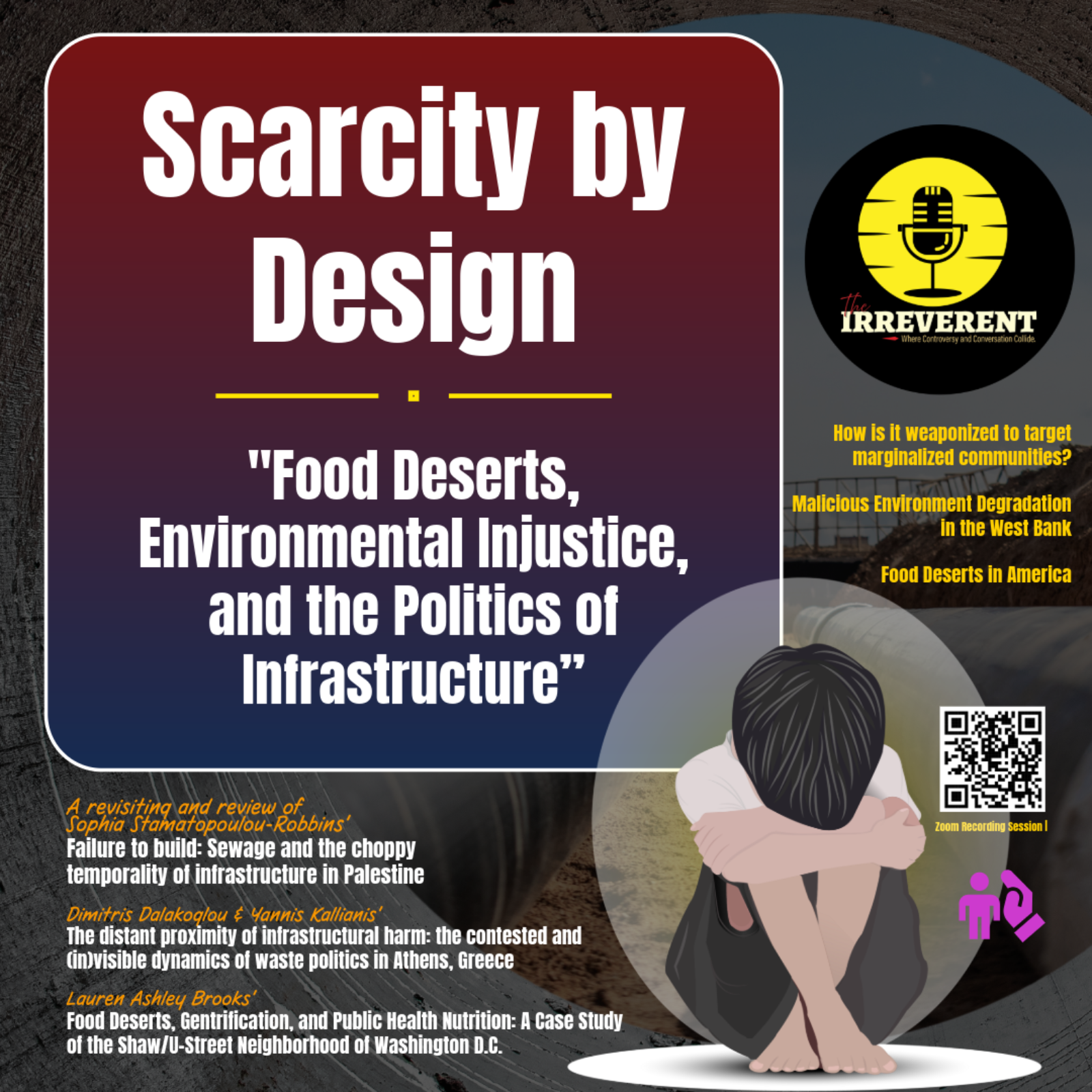 Scarcity by Design | Infrastructural Negligence | Ever wonder why certain areas remain marginalized and in a food desert (a geographical area where nutritious food is absent)? Why are certain fundamental infrastructures for the well-being of people never addressed? These are just some of the questions for our upcoming podcast on INFRASTRUCTURAL NEGLIGENCE — the malicious and conscious withholding of addressing foundational necessities for a community to thrive, in order to keep the community impoverished. | 1h 12m 48s | ||||||
| 10/17/25 | 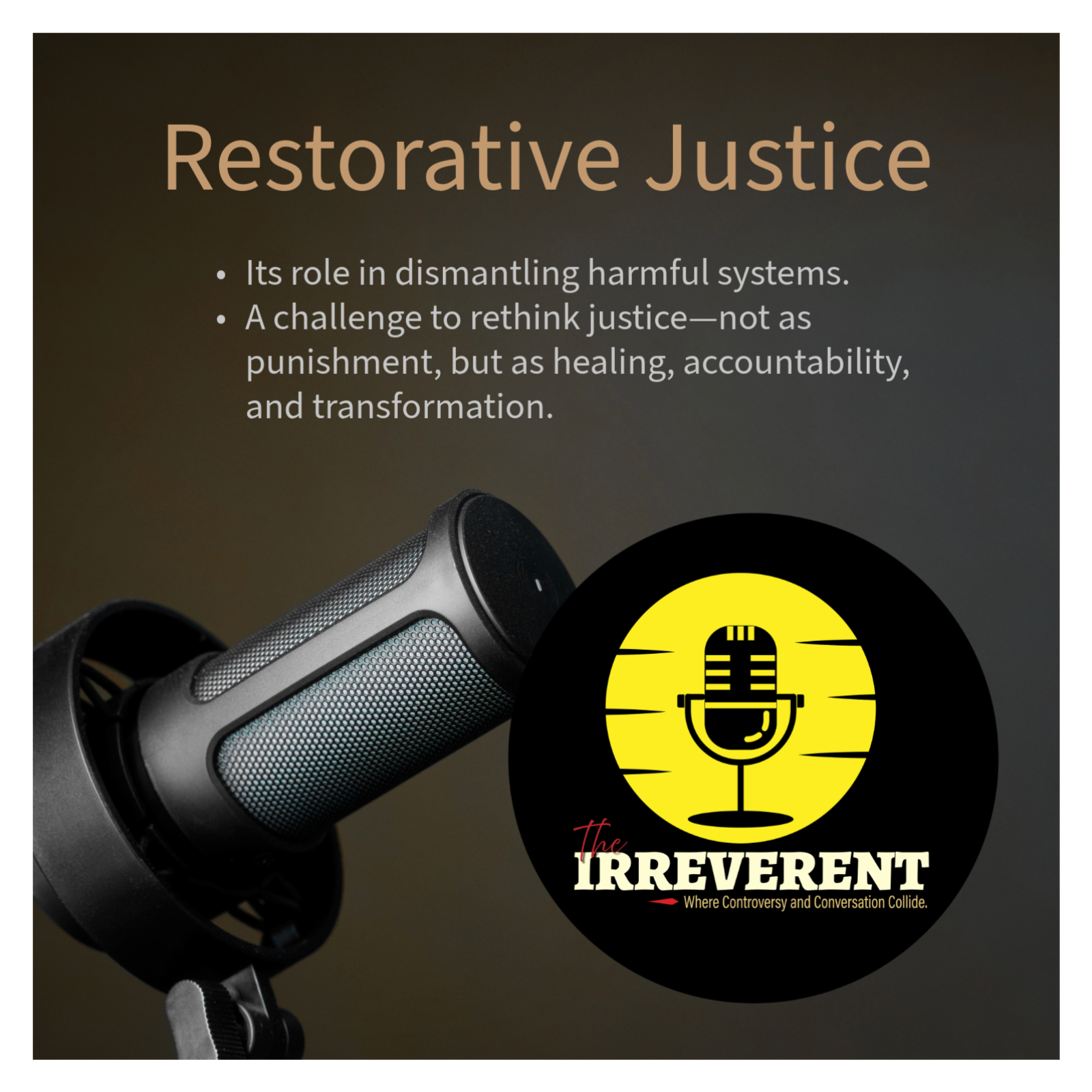 Let's talk about Restorative Justice | Restorative justice is an approach to justice that focuses on repairing the harm caused by wrongdoing or conflict, rather than simply punishing the offender. It emphasizes healing, accountability, and the active involvement of all affected parties—especially victims, offenders, and the community.Core Principles of Restorative Justice:Repairing Harm: The primary goal is to address the harm done to victims and communities, not just to enforce laws.Inclusive Process: It brings together victims, offenders, and sometimes community members in a structured dialogue to understand the impact and find a path forward.Accountability: Offenders are encouraged to take responsibility for their actions and make amends.Reintegration: It supports the reintegration of both victims and offenders into society, aiming to restore relationships and trust.Common Practices:Victim-Offender Mediation: A facilitated meeting where both parties discuss the offense and its impact.Restorative Circles or Conferences: Community-based meetings involving multiple stakeholders.Community Service or Restitution: Offenders may perform acts that benefit the community or directly compensate the victim.Benefits:Empowers victims by giving them a voice.Reduces recidivism by fostering empathy and understanding.Strengthens community bonds and promotes healing. | 1h 25m 28s | ||||||
| 12/13/24 | 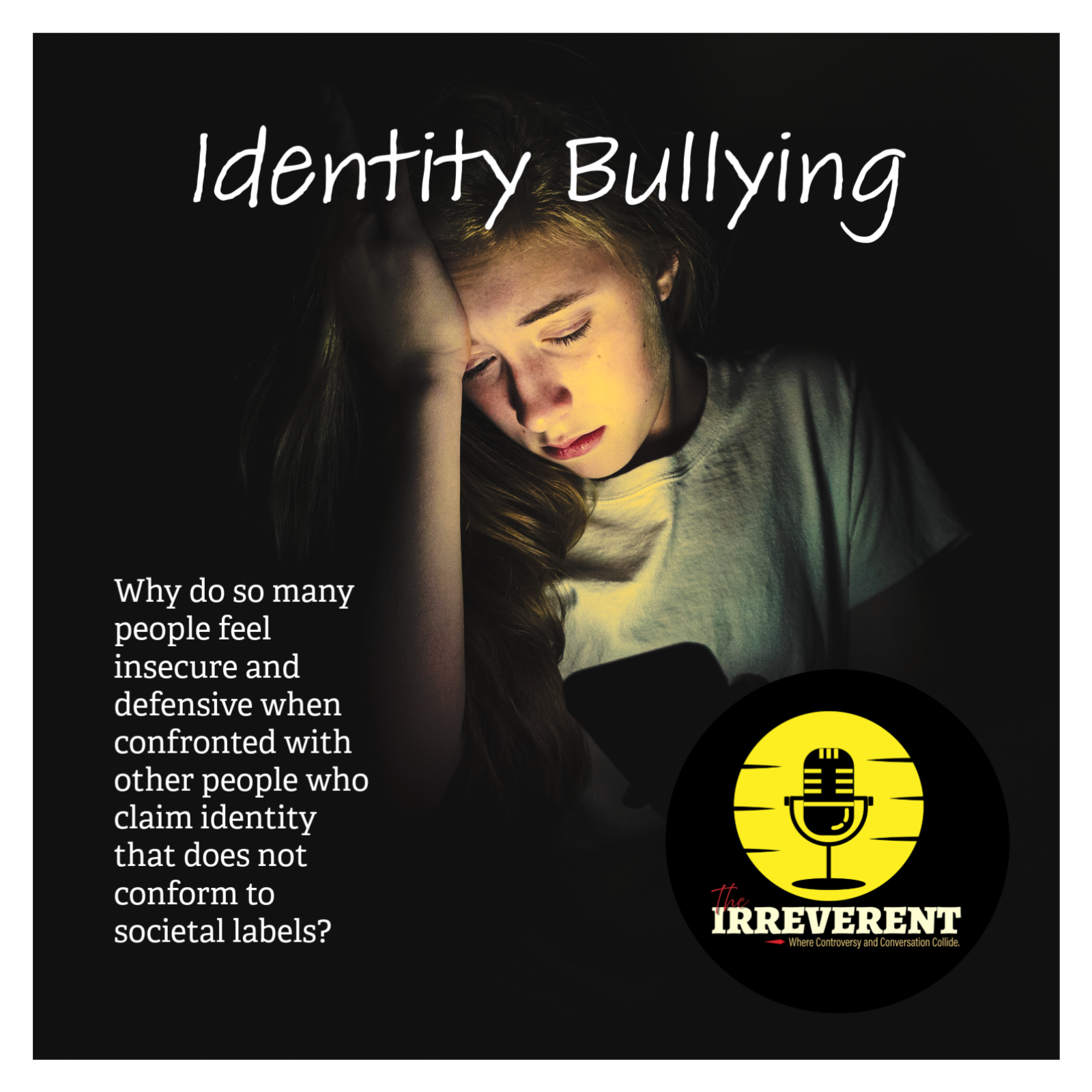 Episode 1, Part 2 : Identity and Societal Labels (PART 2) | TOPIC 2: What is Labeling Theory? Labeling theory is a sociological theory, mainly in criminology, that suggests that individuals come to identify and behave in ways that reflect how others label them. This theory stems from a school of thought referred to as “symbolic interactionism” based on ideas from George Herbert Mead, John Dewey, W.I. Thomas, Charles Horton Cooley, and Herbert Blumer, among others. Labeling Theory in Function (Criminology): Primary Deviance: An individual commits a deviant act. Public Labeling: The act is publicly labeled as deviant, and the individual is stigmatized. Internalization of the Label: The individual internalizes the label and begins to see themselves as deviant. Secondary Deviance: The individual engages in further deviant behavior, confirming the label. TOPIC 2.1: Why Does Labeling Matter? Societal Implications Opportunities: Labels can limit and open opportunities for [insert your topic of choice]. Discrimination: labels create an “other” which depending on the narrative, can be harmful or helpful for the goal of a society. Personal Implications Self-Concept: individuals may internalize labels, leading to self-destructive behavior; labels can shape an individual's sense of self and their future aspirations. Social Relationships: labeled individuals may face social exclusion. Mental Health: negative labels can erode self-esteem and confidence while positive ones can bolster self-esteem and confidence. CONCLUSION: Episode Reflection…Thanks for listening. We hope you’ll tune in to the next episode of The Irreverent where… [INSERT HOST/TOPIC]. Please check out our website and send your thoughts, opinions, and concerns; we want to incorporate listener discussions into our future episodes. That’s all that’s planned for this episode. Go out and understand the world and everything within it by having uncomfortable conversations. That’s what our identity as a podcast is, and hopefully, anyone listening can find a place in that sentiment. | 45m 56s | ||||||
| 12/13/24 | 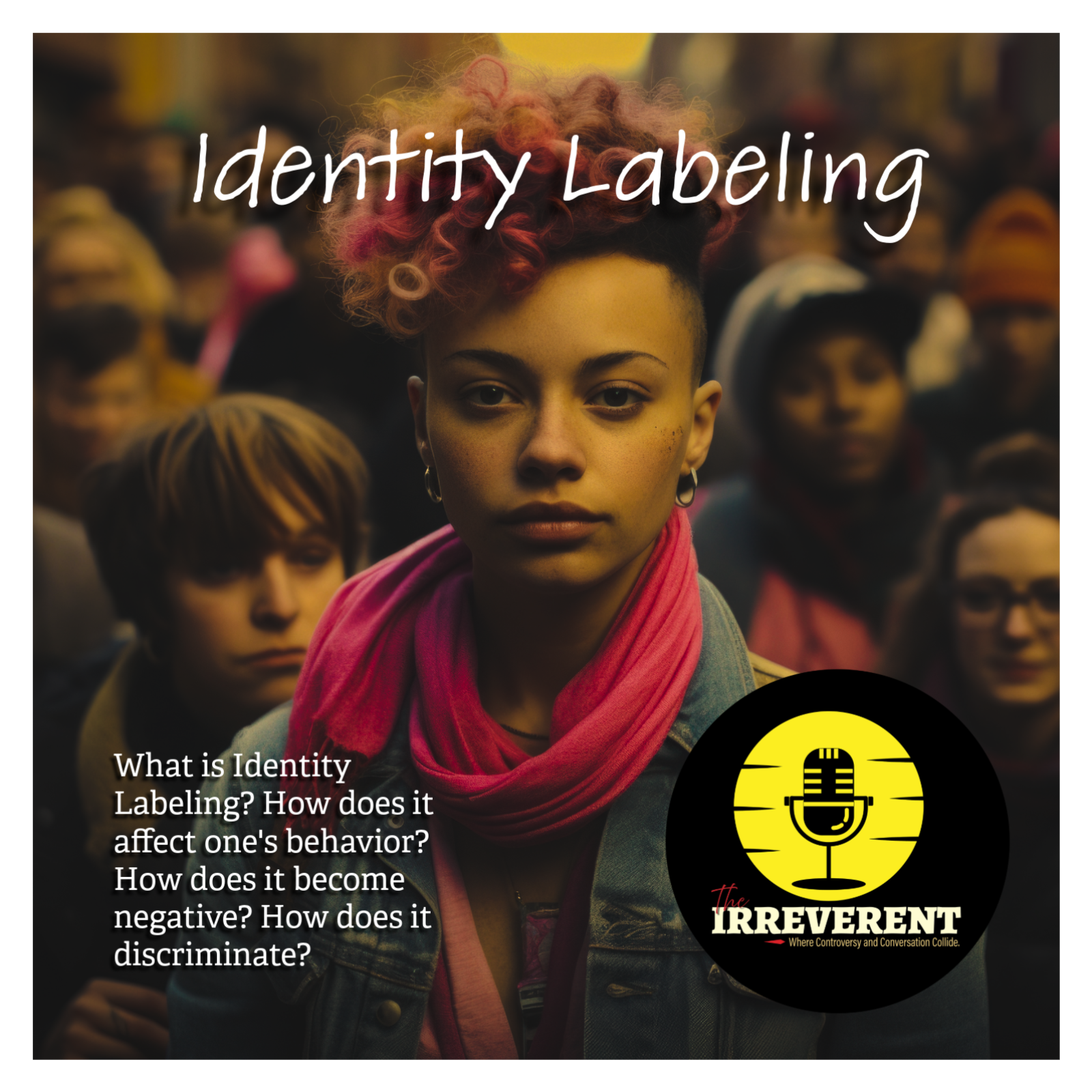 Episode 1 -- Identity and Societal Labels (PART 1) | Synopsis: This podcast episode will explore the relationship between personal identity and societal labels. It will delve into theories of personal identity, discussing how factors like physical body, soul, memory, and psychological continuity contribute to our sense of self. The episode will also examine the societal implications of identity, highlighting how it influences our roles, relationships, and decision-making. Additionally, it will delve into labeling theory, explaining how societal labels can shape individual behavior and lead to self-fulfilling prophecies. The podcast will conclude by discussing the personal and societal implications of labeling, emphasizing the importance of challenging negative stereotypes and promoting understanding. EPISODE TOPICS: TOPIC 1: What is Identity? Theories of Personal Identity Bodily Identity Theory Soul Theory Memory Theory Psychological Continuity TOPIC 1.1: Why Does Identity Matter? Societal Implications Morality and EthicsRights and ResponsibilitiesSocial Roles Personal Implications RelationshipsDecision MakingMental Health | 25m 28s | ||||||
| 12/13/24 | 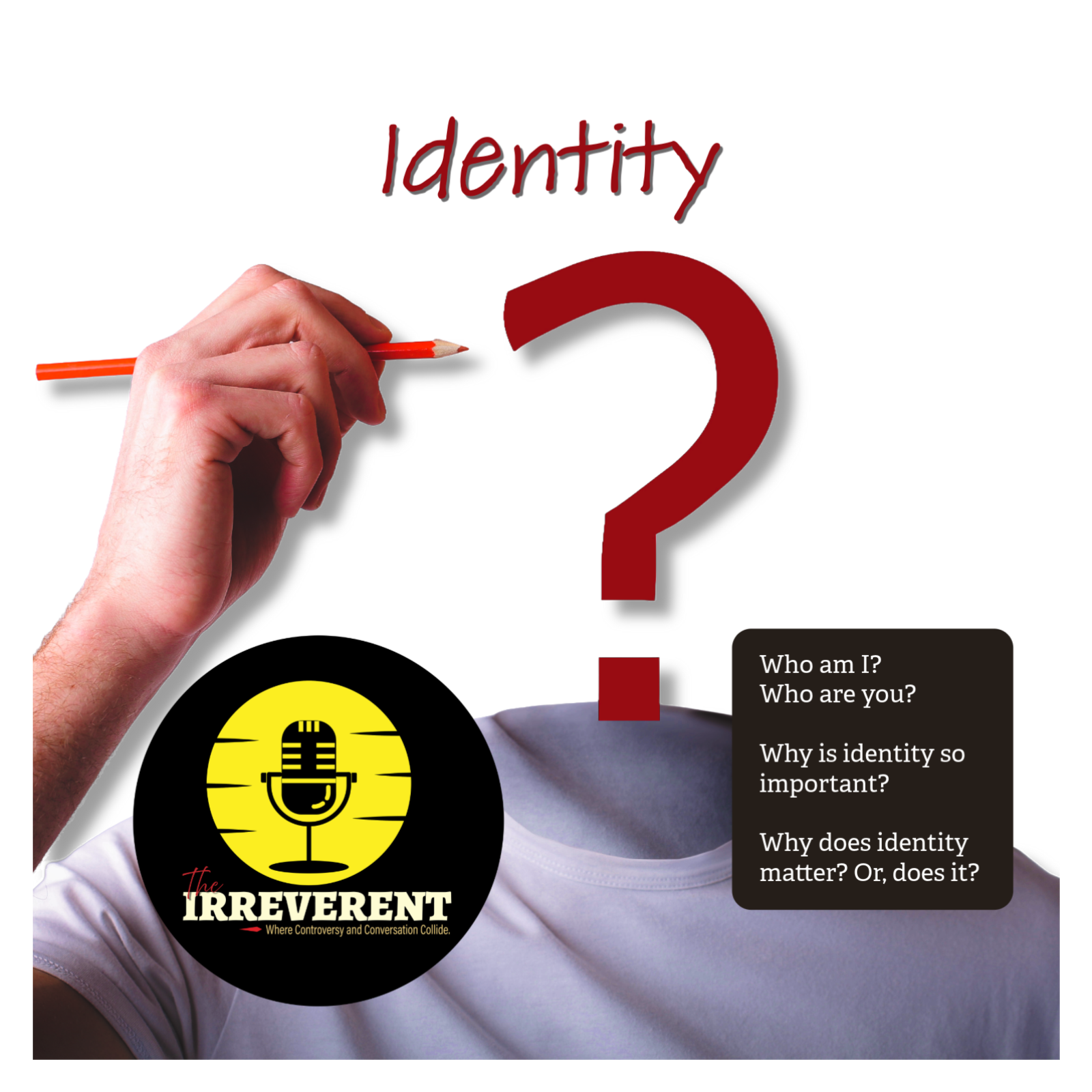 Pilot --- Let's see how these things work | Welcome to the Pilot Programming of our brand new podcast at the Mason Innovation Exchange (MIX) at George Mason University!In this pilot episode, which was originally not intended to be published as the creators were only intending it to be a private session amongst the three founders in trying to figure out how each one fits each other in terms of the different nuances of group conversation -- well, the result was a pretty engaging, if not totally hilarious session. But the obvious camaraderie and good-natured banter, coupled with the instantly cohesive deep dive discussion into some intense and controversial topics -- we know we have something worth recording, worth having people listen and join us in the future.And so, The Irreverent was born. | 29m 20s | ||||||
Showing 9 of 9
Sponsor Intelligence
Sign in to see which brands sponsor this podcast, their ad offers, and promo codes.
Chart Positions
1 placement across 1 market.
Chart Positions
1 placement across 1 market.