Insights from recent episode analysis
Audience Interest
Podcast Focus
Publishing Consistency
Platform Reach
Insights are generated by CastFox AI using publicly available data, episode content, and proprietary models.
Most discussed topics
Brands & references
Est. Listeners
Insufficient chart data. Estimates will improve as the show charts.
- Per-Episode Audience
Est. listeners per new episode within ~30 days
N/A🎙 ~2x weekly·68 episodes·Last published today - Monthly Reach
Unique listeners across all episodes (30 days)
N/A - Active Followers
Loyal subscribers who consistently listen
N/A
Market Insights
Platform Distribution
Reach across major podcast platforms, updated hourly
Total Followers
—
Total Plays
—
Total Reviews
—
* Data sourced directly from platform APIs and aggregated hourly across all major podcast directories.
On the show
From 10 epsHost
Recent guests
Recent episodes
The World Cup Psychology Show: England vs Ghana - 'never too high, never too low'
Jun 24, 2026
56m 29s
The World Cup Psychology Show: how did England engineer that second half display against Croatia?
Jun 18, 2026
50m 44s
How to build better performance lifestyle-sport psychology partnerships (and why it's increasingly critical)
Jun 14, 2026
8m 39s
The World Cup Psychology Show: are England mentally ready to win the World Cup?
Jun 10, 2026
56m 07s
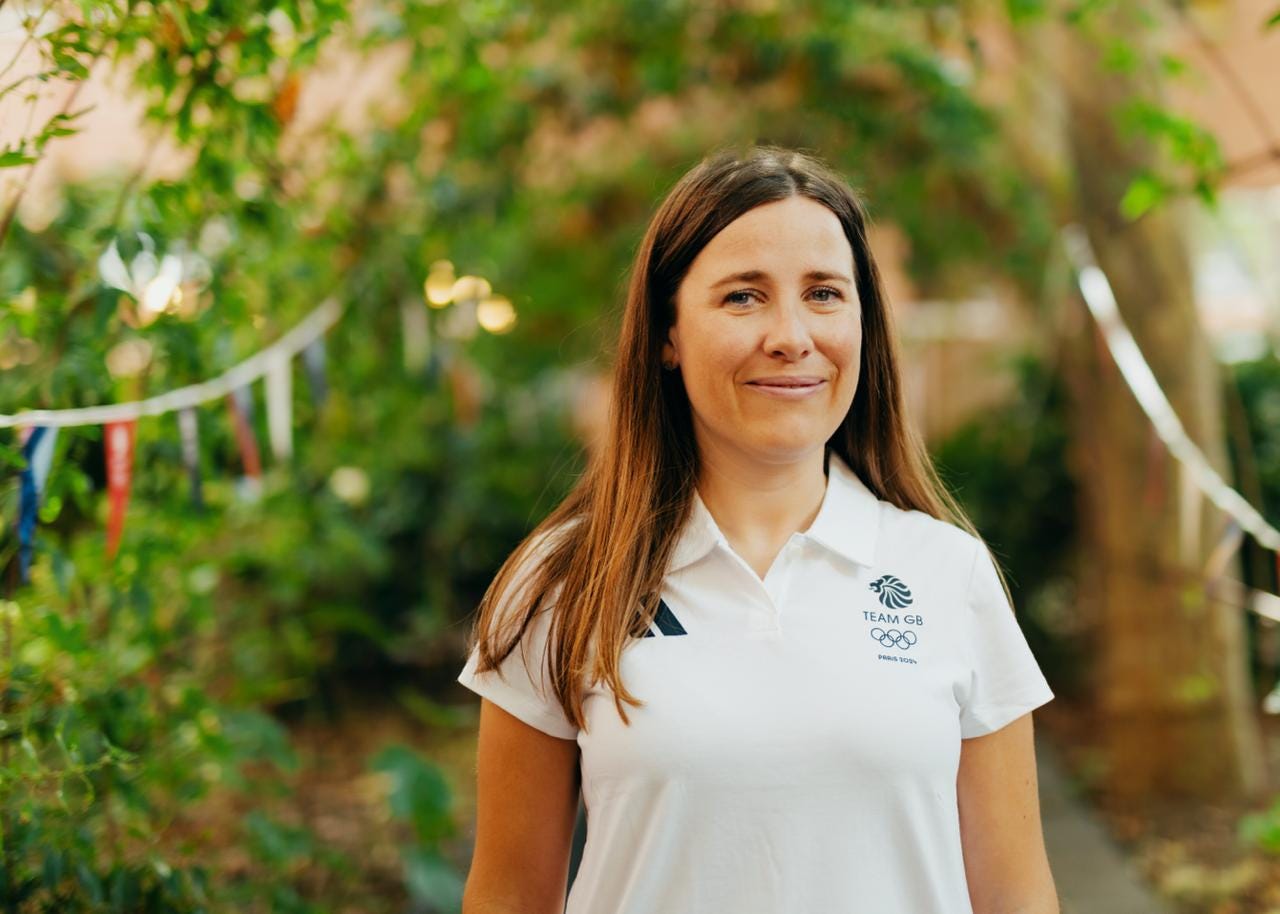
How to psychologically prepare for a major tournament (with Jess Thom)
Jun 7, 2026
5m 52s
Social Links & Contact
Official channels & resources
Official Website
Login
RSS Feed
Login
| Date | Episode | Topics | Guests | Brands | Places | Keywords | Sponsor | Length | |
|---|---|---|---|---|---|---|---|---|---|
| 6/24/26 | ![]() The World Cup Psychology Show: England vs Ghana - 'never too high, never too low' | In the latest episode of The World Cup Psychology Show, Tim Harkness, Chelsea’s former head of Sport Science & Psychology, who worked with Thomas Tuchel at Stamford Bridge, and David Wheeler, one of the only former pro footballers turned psychologists working in the game, join me to look back at England’s draw against Ghana.We consider how Tuchel, his squad and backroom staff will react to the result, analyse the pysche behind Ghana’s rearguard action and examine the challenge-focused psychological framing pivotal to England’s potential progress in the tournament.Questions?If you have any queries about the newsletter, get in touch by emailing mindroomenquiries@gmail.com.Previous articlesAs a Mind Room Member, you can access all of the website stories - covering everything from AC Milan’s neuroscience lab to the way English rugby teams are embracing ‘shared mental models’ - via the four sections below:* Theory* Practice* Strategy * FeaturesThanks again for reading The Mind Room! This is a public episode. If you'd like to discuss this with other subscribers or get access to bonus episodes, visit themindroom.substack.com/subscribe | 56m 29s | ||||||
| 6/18/26 | ![]() The World Cup Psychology Show: how did England engineer that second half display against Croatia? | In the latest episode of The World Cup Psychology Show, Tim Harkness, Chelsea’s former head of Sport Science & Psychology, who worked with Thomas Tuchel at Stamford Bridge, and David Wheeler, one of the only former pro footballers turned psychologists working in the game, join me to look back at England’s win against Croatia.We consider what did Tuchel said in the dressing room to inspire his side’s second half showing, examine the nuances of Harry’s Kane leadership and dissect one of the most memorable interviews delivered by an England assistant. Questions?If you have any queries about the newsletter, get in touch by emailing mindroomenquiries@gmail.com.Previous articlesAs a Mind Room Member, you can access all of the website stories - covering everything from AC Milan’s neuroscience lab to the way English rugby teams are embracing ‘shared mental models’ - via the four sections below:* Theory* Practice* Strategy * FeaturesThanks again for reading The Mind Room! This is a public episode. If you'd like to discuss this with other subscribers or get access to bonus episodes, visit themindroom.substack.com/subscribe | 50m 44s | ||||||
| 6/14/26 | ![]() How to build better performance lifestyle-sport psychology partnerships (and why it's increasingly critical) | This is a free preview of a paid episode. To hear more, visit themindroom.substack.com “The number of roles that are out there, some of which are driven by leagues mandating it, sometimes makes you feel like, ‘Gosh, the clarity and needs analysis piece hasn't happened before somebody's through the door’. “Team dynamics can feel strained because there’s a bit of confusion about what we even call this: there are about five or six different… | 8m 39s | ||||||
| 6/10/26 | ![]() The World Cup Psychology Show: are England mentally ready to win the World Cup?✨ | psychology in sportsEngland football team+4 | Tim HarknessDavid Wheeler | Chelsea | England | World CupEngland+6 | — | 56m 07s | |
| 6/7/26 | ![]() How to psychologically prepare for a major tournament (with Jess Thom)✨ | mental preparationsports psychology+4 | Jess Thom | Team GB | — | mental preparationsports psychology+5 | — | 5m 52s | |
| 5/22/26 | ![]() How a mental performance programme helped Bodo/Glimt make history (with Bjorn Mannsverk)✨ | mental performancesoccer history+3 | Bjorn Mannsverk | Bodo/Glimt | Europe | mental performanceBodo/Glimt+5 | — | 5m 39s | |
| 5/18/26 | ![]() How to work with performance and sporting directors (with James Bell)✨ | performance directorssporting directors+3 | James Bell | The Mind Room | — | performancesporting director+4 | — | 6m 26s | |
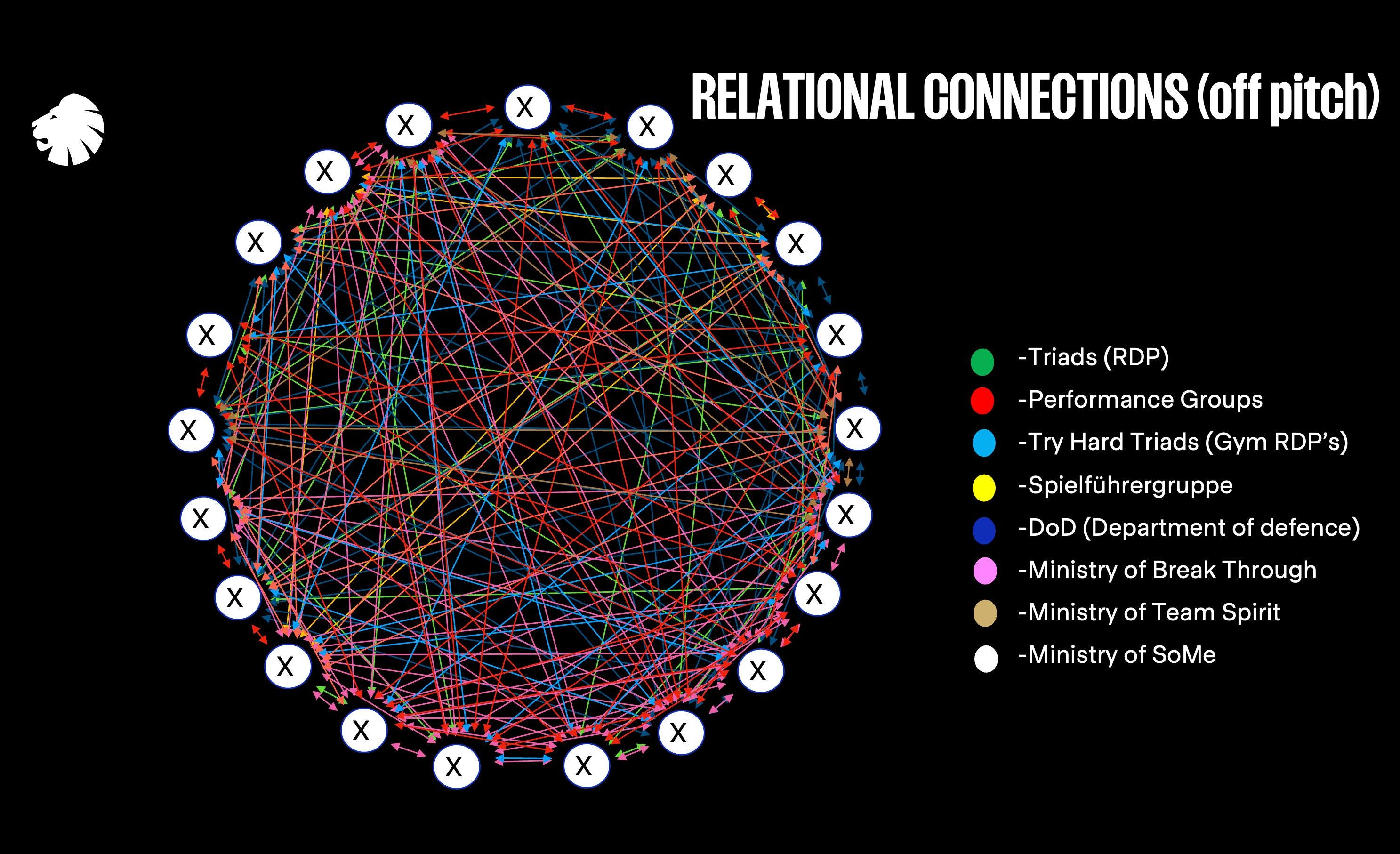
| 4/27/26 | ![]() Why 'relational connections' are your team's missing link (and how to create them)✨ | team dynamicspsychological preparation+3 | Morten Bertelsen | Barcelona | — | relational connectionsteam performance+4 | — | 8m 21s | |
| 4/12/26 | ![]() How to fix sport psychology's 'quick fix' problem✨ | sport psychologyquick fix problem+3 | — | Manchester United | — | sport psychologyquick fix+5 | — | 7m 50s | |
| 4/3/26 | ![]() How to setup and run a sport psychology lab✨ | sport psychologylaboratory setup+3 | — | AC Milan | — | sport psychologylab setup+3 | — | 6m 01s | |
Want analysis for the episodes below?Free for Pro Submit a request, we'll have your selected episodes analyzed within an hour. Free, at no cost to you, for Pro users. | |||||||||
| 3/30/26 | ![]() Exclusive: Michael Caulfield on why conversation trumps convention, sport psychology 'salespeople' and the profession's future✨ | sport psychologyconversation+3 | Michael Caulfield | — | — | sport psychologyconversation+3 | — | 9m 51s | |
| 2/15/26 | ![]() What players want from psychologists✨ | mental healthsports psychology+3 | Sam Winnall | Derby Countythemindroom.substack.com | — | mental healthsoccer+3 | — | 3m 56s | |
| 1/11/26 | ![]() Inside Australia's national wellbeing system✨ | wellbeing programsports psychology+3 | Bianca Fermi | The Mind Room | AustraliaBritain | wellbeingsports+5 | — | 3m 11s | |
| 12/19/25 | ![]() Why mental health support for African players needs to change | This is a free preview of a paid episode. To hear more, visit themindroom.substack.com“Africa is 10 years behind in addressing mental health.”Ex-Botswana national team psychologist Dr. Tshepang Tshube, speaking to Jonathan HardingThe days of the Africa Cup of Nations being derided as some kind of second-rate tournament are largely over. The 2024 tournament was watched by an estimated audience of more than 2 billion people. Over the next … | 3m 01s | ||||||
| 11/28/25 | ![]() From the Ryder Cup to Wigan: inside the psychologist-team leader relationship (with Tom Young) - Part 2 | This is a free preview of a paid episode. To hear more, visit themindroom.substack.comThis is the second half of a two-part conversation with Team Europe & Wigan Warriors psychologist Tom Young. To catch up on Part 1, click here or use the embedded link below.It’s not often that the Ryder Cup and rugby league are mentioned in the same breath. The contrast between the sun-drenched fairways of Bethpage and rain-soaked pitches in Wigan is s… | 2m 00s | ||||||
| 11/21/25 | ![]() From the Ryder Cup to Wigan: inside the psychologist-team leader relationship (with Tom Young) - Part 1 | This is a free preview of a paid episode. To hear more, visit themindroom.substack.comIt’s not often that the Ryder Cup and rugby league are mentioned in the same breath. The contrast between the sun-drenched fairways of Bethpage and rain-soaked pitches in Wigan is stark, to say the least. But, in the form of Luke Donald and Matt Peet, the competitions share two standout leaders. Psychologist Tom Young has been fortunate enough to work w… | 2m 22s | ||||||
| 10/31/25 | ![]() Exclusive: Building Chelsea's sport science & psychology setup (with Tim Harkness) - Part 2 | Sometimes, stats really help to paint a picture. Tim Harkness worked at Chelsea for 14 years, between 2009 and 2023, during which time the London club won 14 major trophies. Whilst no-one's claiming that Tim’s time at the club was as significant as some of the coaches he worked with, from Jose Mourinho to Carlo Ancelotti, it’s also true that sustained sporting success (spanning different coaches, owners and, of course, players) is usually underpinned by sound backroom practices. In the second part of a two-episode interview with Tim, we look at how he worked with coaches from Antonio Conte to Frank Lampard, why Thomas Tuchel’s approach to supporting backroom staff left such an impression on him and what lessons there are to take from a near decade-and-a-half stint at Stamford Bridge. You can listen to the second part of this two-episode conversation via the audio player above. Part 1, which focuses on the first part of Tim’s tenure at Chelsea, is available here.Special Offer - 20% off! Subscribe before November 8 for only £3.99 per month Key takeaways If you don’t have time to checkout the pod, which I’d definitely recommend doing, here’s a quick rundown of my thoughts on the episode:* Confidence’s counter-intuitive impact on performance: the reality, from Tim’s experience, is that some of the very best players in the world (and we’re talking about the top 0.1%) aren’t actually as wedded to self-improvement as you might think. Their belief in their ability (backed, it should be said, by experience of winning the biggest titles in football) is such that confidence fuels performance. This strips away some of the negative side-effects, such as self-dissatisfaction and introspection under pressure, of an over-zealous drive to improve. Tim joked about a piece of advice he gave to coaches (‘Don’t care too much, don’t try too hard and don’t try to get better’) and whilst this might not sound like performance principles made for elite football clubs, there’s more than a grain of truth in that triumvirate. * Game intelligence translates to off-pitch interactions: the common perception of Antonio Conte is of a manically-focused, machine-like manager, perhaps lacking the social skills associated with some of the other coaches Tim worked with, such as Carlo Ancelotti. But Tim was emphatic when I asked him about Conte’s ability to collaborate with support staff: as a former Italian international, imbued with the intelligence to read other players (and, by proxy, people), Conte knew how to get the best out of people. He employed his brother to act as an intermediary between the coaching and analysis staff. He also employed a fitness coach who acted as conduit with the performance team. Conte might be robotically tunnel-visioned when it comes to winning, but there’s a social strategy behind his methods.* How a head coach should protect his support staff: during our conversation, Tim singled out a story showing Thomas Tuchel’s way of working with his backroom team. Ex-Chelsea midfielder Hakim Ziyech picked up a calf strain and the support staff were concerned about his load, to the point where Tim suggested the Moroccan should be left out of the following game. The recommendation, which Tim provided to Tuchel in written form, was accepted and Ziyech was rested, much to the midfielder’s consternation. The former Ajax winger stormed around the Chelsea training ground, demanding to know who had propsoed resting him. On hearing the fallout, Tim spoke to Ziyech, showed him the data underpinning his recommendation to rest and told Tuchel about the conversation, saying that he felt it was his duty to tell the player. Tuchel’s reaction was emphatic. As Tim recalls, the German head coach’s reply was simple: ‘No, I’m the one that’s going to take the hit for that’. Tuchel explained that he took the decision to leave Ziyech out of the team and would take full responsibility for the selection. Not only did the now-England head coach talk to Tim, but he also followed the one-on-one by addressing the entire non-playing staff, saying: “I will never criticise what you do and I will never criticise you for sharing your opinion.” It’s an episode that speaks volumes for Tuchel’s integrity and paints a picture of how head coaches should support their backroom teams.Special Offer - 20% off! Subscribe before November 8 for only £3.99 per month Questions?If you have any queries about the newsletter, get in touch by emailing mindroomenquiries@gmail.com.Previous articlesAs a Mind Room Member, you can access all of the website stories - covering everything from AC Milan’s neuroscience lab to the way English rugby teams are embracing ‘shared mental models’ - via the four sections below:* Theory* Practice* Strategy * FeaturesThanks again for reading The Mind Room! This is a public episode. If you'd like to discuss this with other subscribers or get access to bonus episodes, visit themindroom.substack.com/subscribe | 47m 28s | ||||||
| 10/10/25 | ![]() How to integrate sport psychology across an elite environment (with Sara Symington) | This is a free preview of a paid episode. To hear more, visit themindroom.substack.comPerformance directors have a huge say in how seriously an organisation treats sport psychology. They can ensure the profession is integrated effectively alongside other support specialisms - or decide the discipline isn’t really their cup of tea. But despite their influence, there’s precious little publicly-available insight about how they view psycholo… | 2m 25s | ||||||
| 10/3/25 | ![]() Exclusive: Building Chelsea's sport science & psychology setup (with Tim Harkness) - Part 1 | Sometimes, stats really help to paint a picture. Tim Harkness worked at Chelsea for 14 years, between 2009 and 2023, during which time the London club won 14 major trophies. Whilst no-one’s claiming that Tim’s time at the club was as significant as some of the coaches he worked with, from Jose Mourinho to Carlo Ancelotti, it’s also true that sustained sporting success (spanning different coaches, owners and, of course, players) is usually underpinned by sound backroom practices. In this episode of the Mind Room podcast, we look at how Tim helped to build Chelsea’s sport science and psychology setup, what he did to develop relationships with figures like Bruno Demichelis (Chelsea’s former Human Performance Director and founder of AC Milan’s ‘Mind Room’) and why ‘surviving’ as a sport psychologist in elite football is about much more than sport psychology.You can listen to the first part of this two-episode conversation via the audio player above. Part 2, which will focus on the second half of Tim’s tenure at Chelsea, will be available soon on The Mind Room site soon.Key takeaways If you don’t have time to checkout the pod, which I’d definitely recommend doing, here’s a quick rundown of my thoughts on the episode:* Adapt your approach to your surroundings: it sounds like an obvious point, but how many of us (in any walk of life, let alone elite football, where support staff are hired and fired with disheartening regularity) have tried too hard to leave an immediate imprint on an organisation? Tim would have been easily forgiven for experimenting as soon as he arrived at Stamford Bridge, particularly given the backing he received from Bruno Demichelis (Ancelotti’s right-hand man, in many respects), but he realised he was joining a club with an established culture, natural leaders sprinkled throughout the squad and a track record of performing under pressure. So, a chunk of the early part of Tim’s tenure was devoted to relationship building across the organisation, from Ancelotti all the way down to academy coaches and backroom team members.* Being a sport psychologist is not just about sport psychology: during our conversation, Tim tells a tale of taking a first-team team-talk, just prior to a 6-0 win. Despite the victory, he wasn’t invited to address the side in the dressing room again. Whatever the decision was down to, it backs up Tim’s point that the job would be so easy ‘if it was just sport psychology.’ In reality, at a club like Chelsea, it’s as much about responding to unusual requests and slight setbacks (such as the team talk example Tim cites), as it is about holding group workshops and one-on-one sessions.* Stakeholder engagement isn’t just about the first-team: there will be spells during a sport psychologist’s time with a team where they might not be flavour of the month. After enjoying the backing of Bruno Demichelis and establishing a relationship with Carlo Ancelotti, Tim had comparatively little interaction with the Italian’s successor, Andre Villas Boas. Rather than bashing his head against a brick wall, Tim chose to spend time with the academy and loan management teams, developing links with figures like Eddie Newton (who would go on to work as the club’s assistant manager during Roberto Di Matteo’s time in charge). It was a smart strategy, which paid off in spades as Chelsea doubled-down on backing an academy now ranked as one of the best in the world.* Backroom team relationships can be just as important as specialist skills: it was really interesting to hear Tim reference the player relationships he and his backroom team colleagues built, when we discussed the impact of the head coach changes Chelsea made between 2011 and 2013. Tim points out that the managerial flux was in contrast to a relatively settled squad of support staff, who were able to provide incoming coaching teams with invaluable institutional knowledge and understanding of first-team dynamics. It underscores the point that support staff, beyond their specialist skillset, provide value to coaching teams in a range of different ways.Questions?If you have any queries about the newsletter, get in touch by emailing mindroomenquiries@gmail.com.Previous articlesAs a Mind Room Member, you can access all of the website stories - covering everything from AC Milan’s neuroscience lab to the way English rugby teams are embracing ‘shared mental models’ - via the four sections below:* Theory* Practice* Strategy * FeaturesThanks again for reading The Mind Room! This is a public episode. If you'd like to discuss this with other subscribers or get access to bonus episodes, visit themindroom.substack.com/subscribe | 47m 25s | ||||||
| 9/24/25 | ![]() How To Psychologically Prepare For The Ryder Cup | This is a free preview of a paid episode. To hear more, visit themindroom.substack.com “If I was Luke Donald, I would be getting together and - understanding and respecting that each individual player has their own way of mentally dealing with pressure - saying, ‘How can we share ways that each individual is going to deal with the pressure and how can we help each other to do that?’….I think it’s that coordination of managing the (crowd)… | 1m 11s | ||||||
| 9/7/25 | ![]() Sport Psychology Snapshot | This is a free preview of a paid episode. To hear more, visit themindroom.substack.comHello Mind Room Members! In this edition of the Sport Psychology Snapshot series, I run a quick health check over the profession’s job market, analysing the organisations and teams hiring sport psychologists (as well as mental performance and player care & wellbeing professionals), reflect on insights from interviews with Stuart Middleton, Jon Brady and… | 3m 08s | ||||||
| 8/31/25 | ![]() How sport psychologists can influence coach recruitment | This is a free preview of a paid episode. To hear more, visit themindroom.substack.comIt only takes two fingers to count the number of sport psychologists I’ve spoken to about their involvement in coach recruitment. I talked to the first of the pair, Alex Auerbach, last year, as part of a conversation in which the ex-Toronto Raptors Head of Wellness & Development revealed how his behaviour-based questioning and character assessments help… | 2m 22s | ||||||
| 8/21/25 | ![]() How to recover from severe sporting setbacks | This is a free preview of a paid episode. To hear more, visit themindroom.substack.comBodies strewn across the turf. Players locked in thousand-yard stares. This wasn't how the last day of Northampton's season was meant to look.The end of the 2021-22 campaign will live with Jon Brady forever. His side were seemingly set for automatic promotion from English football's League Two. 25 minutes into the final match of the season, their closes… | 1m 51s | ||||||
| 8/14/25 | ![]() What coaches want from psychologists | This is a free preview of a paid episode. To hear more, visit themindroom.substack.com“I was interested in how could we move away from the experience of sport psychology we'd had - that I didn't think was particularly impactful - to one really focused on what I believed was the essence of what we were all trying to do, which was drive performance on the field.”Simon Middleton doesn’t waste words. The former England head coach, who led th… | 6m 20s | ||||||
| 8/3/25 | ![]() Why sport psychology's next generation need a new skillset | This is a free preview of a paid episode. To hear more, visit themindroom.substack.comBusiness development. Entrepreneurship. Marketing. Not three of the skills you’d necessarily associate with becoming a sport psychologist, but a trio of competencies that are increasingly important for students and trainees to understand. That’s the view of Dr Nick Wadsworth, psychologist and senior lecturer at Liverpool John Moores University, who spok… | 3m 03s | ||||||
Showing 25 of 77
Sponsor Intelligence
Sign in to see which brands sponsor this podcast, their ad offers, and promo codes.