
Insights from recent episode analysis
Audience Interest
Podcast Focus
Publishing Consistency
Platform Reach
Insights are generated by CastFox AI using publicly available data, episode content, and proprietary models.
Total monthly reach
Estimated from 1 chart position in 1 market.
By chart position
- 🇳🇿NZ · Arts#167500 to 3K
- Per-Episode Audience
Est. listeners per new episode within ~30 days
250 to 1.5K🎙 Weekly cadence·53 episodes·Last published 8mo ago - Monthly Reach
Unique listeners across all episodes (30 days)
500 to 3K🇳🇿100% - Active Followers
Loyal subscribers who consistently listen
150 to 900
Market Insights
Platform Distribution
Reach across major podcast platforms, updated hourly
Total Followers
—
Total Plays
—
Total Reviews
—
* Data sourced directly from platform APIs and aggregated hourly across all major podcast directories.
On the show
Recent episodes
“That’s Why Lil’ Kim and Flo-Jo Matter”: Talking About Nail Art
Sep 2, 2025
32m 04s
“My Friends Gave Me Their Love”: Friendship and Resistance During the AIDS Crisis
Jul 2, 2025
13m 08s
“I’m Making Biscuits for a Funeral”: Life and Death During the AIDS Crisis
Jun 26, 2025
9m 17s
“They Needed Help, and People Were Turning Their Backs”: Love and Loss During the AIDS Crisis
Jun 20, 2025
12m 06s
“A Space Where We Felt Welcome”: Community and Mutual Aid During the AIDS Crisis
Jun 11, 2025
14m 34s
Social Links & Contact
Official channels & resources
Official Website
Login
RSS Feed
Login
| Date | Episode | Description | Length | ||||||
|---|---|---|---|---|---|---|---|---|---|
| 9/2/25 | “That’s Why Lil’ Kim and Flo-Jo Matter”: Talking About Nail Art | Two women discuss the history and artistry behind manicured nails. In this episode of the Magazine Podcast, we speak with Dr. Tressie McMillan Cottom, a writer and sociologist, about the history of nail art and how it is connected to larger ideas around beauty, power, and freedom. We also hear from Margarita Lizcano Hernandez, a curatorial assistant at MoMA, about how nail art has changed her life. Read the full transcript at https://www.moma.org/magazine/articles/1354 | 32m 04s | ||||||
| 7/2/25 | 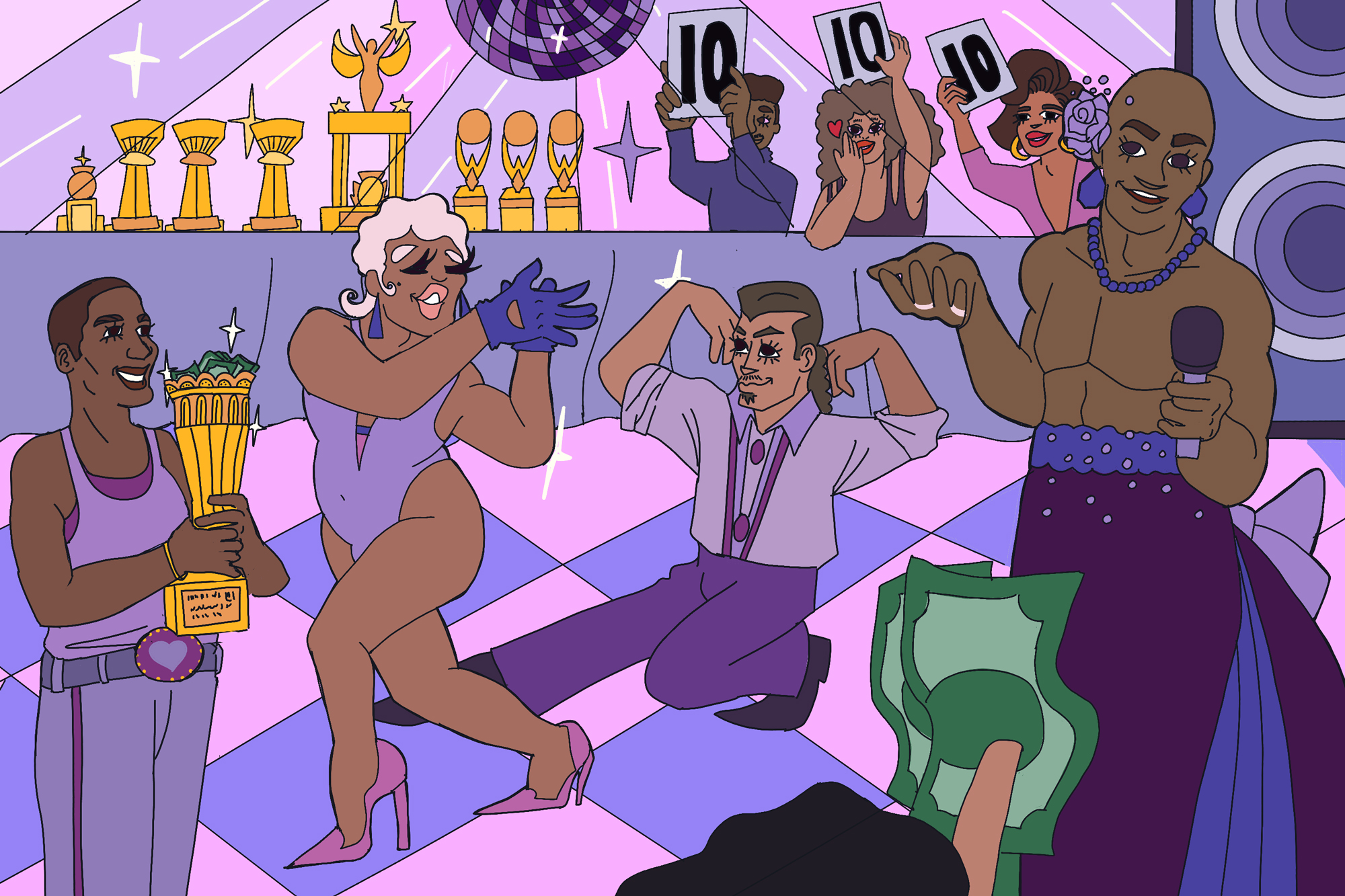 “My Friends Gave Me Their Love”: Friendship and Resistance During the AIDS Crisis | Join artist and photographer Lola Flash for a six-part podcast series exploring New York City during the AIDS epidemic of the 1980s and ‘90s. In this final episode, Flash takes a quick trip north to Harlem, where Idris Mignott and Pamela Sneed discuss the impact of AIDS on Black and Brown folks in the city. Then, she concludes with a reflection on the state of AIDS today, calling upon the perspectives of a queer elder who lives through the crisis and a younger person who was born after its peak. Learn more about Lola Flash, her work, and the stories shared in this project at https://www.moma.org/magazine/articles/1222 | 13m 08s | ||||||
| 6/26/25 | 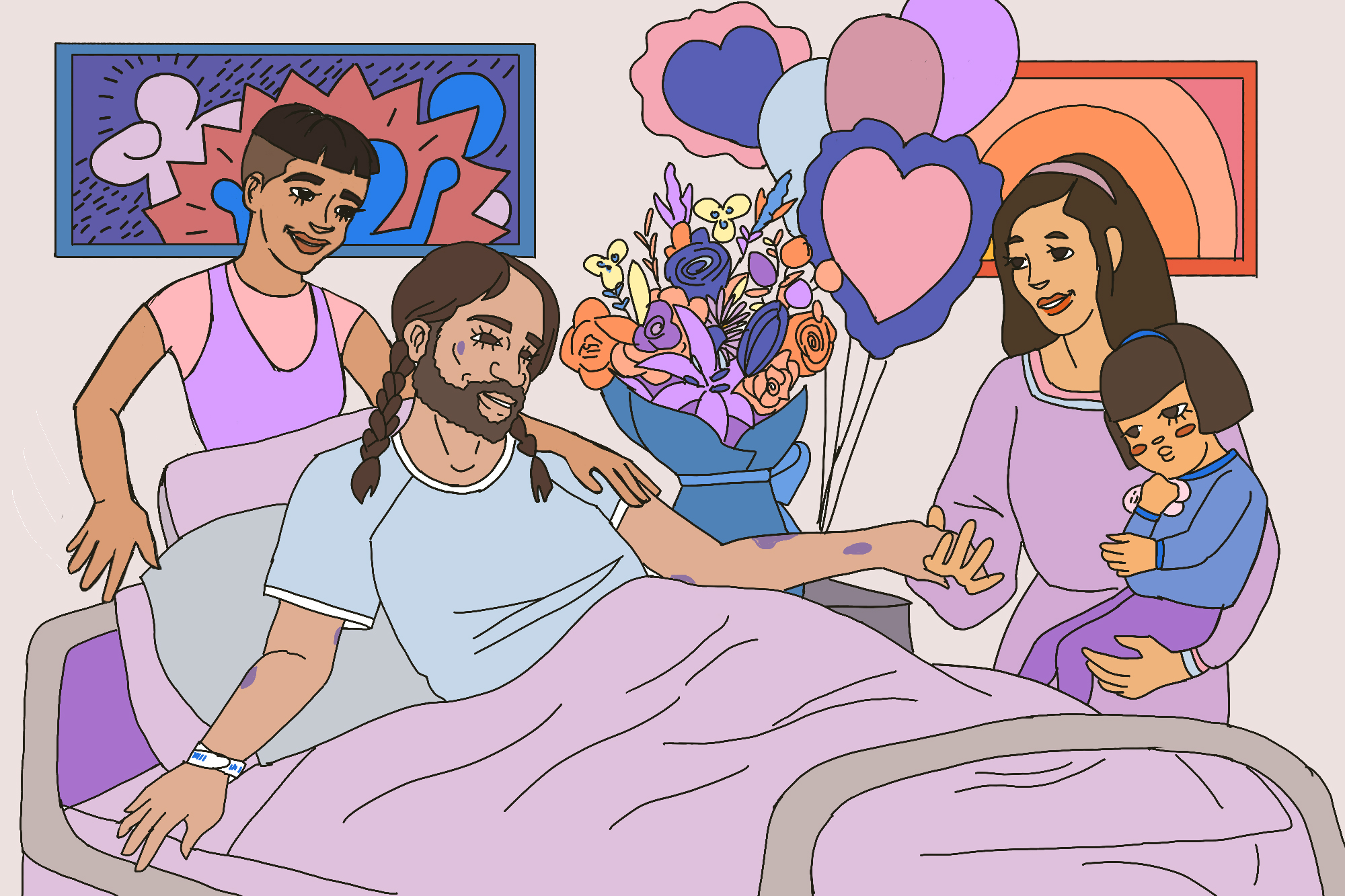 “I’m Making Biscuits for a Funeral”: Life and Death During the AIDS Crisis | Join artist and photographer Lola Flash for a six-part podcast series exploring New York City during the AIDS epidemic of the 1980s and ‘90s. In this penultimate episode, Flash concentrates on a single site: St. Vincent’s Hospital, which, in the 1980s, housed the first and largest AIDS ward on the East Coast. In conversation with friends Pamela Sneed, Idris Mignott, Agosto Machado, and Aldo Hernandez, Flash shares how this hospital touched their lives. She also introduces us to a new friend—someone with a different relationship to St. Vincent’s. Learn more about Lola Flash, her work, and the stories shared in this project at https://www.moma.org/magazine/articles/1222 | 9m 17s | ||||||
| 6/20/25 |  “They Needed Help, and People Were Turning Their Backs”: Love and Loss During the AIDS Crisis | Join artist and photographer Lola Flash for a six-part podcast series exploring New York City during the AIDS epidemic of the 1980s and ‘90s. For episode four, Flash wanders through memories of Christopher Street and the queer histories that took shape there. She’s joined by fellow artist Agosto Machado, as well as familiar friends Pamela Sneed and Idris Mignott, to discuss different places and spaces along the street. They share memories of the people they met on Christopher Street, and the ways love and loss shaped their lives during and after the AIDS crisis. Learn more about Lola Flash, her work, and the stories shared in this project at https://www.moma.org/magazine/articles/1222 | 12m 06s | ||||||
| 6/11/25 |  “A Space Where We Felt Welcome”: Community and Mutual Aid During the AIDS Crisis | Join artist and photographer Lola Flash for a six-part podcast series exploring New York City during the AIDS epidemic of the 1980s and ‘90s. Episode three looks at the ways people built community during the epidemic, and how these communities mobilized to spread knowledge, resources, and care. Flash is joined by friends Aldo Hernandez, Pamela Sneed, and Idris Mignott to discuss two organizations: the Clit Club and the Hetrick-Martin Institute. Learn more about Lola Flash, her work, and the stories shared in this project at https://www.moma.org/magazine/articles/1222 | 14m 34s | ||||||
| 6/6/25 |  “I’m Laughing so I Don’t Cry”: Coming Together During the AIDS Crisis | Join artist and photographer Lola Flash for a six-part series exploring New York City during the AIDS epidemic of the 1980s and ‘90s. Episode two reunites Flash with her longtime friend Aldo Hernandez. They discuss their involvement with ACT UP and two sites that helped shape their activism: the LGBT Center in Greenwich Village and Aldo’s apartment near Tompkins Square Park. Learn more about Lola Flash, her work, and the stories shared in this project at https://www.moma.org/magazine/articles/1222 | 16m 50s | ||||||
| 6/3/25 |  “The History We Remember”: NYC During the AIDS Crisis | Join artist and photographer Lola Flash for a six-part series exploring the sites, sounds, and stories of New York City during the AIDS epidemic of the 1980s and ’90s. In this first episode, Flash introduces the series and the people you’ll meet along the way. Learn more about Lola Flash, her work, and the stories shared in this project at https://www.moma.org/magazine/articles/1222 | 4m 13s | ||||||
| 4/22/25 | Designing for Climate Change | A climate scientist and an architect discuss how design can be a force for positive environmental change. “I certainly remember, as a child growing up in the UK, we had a lot more snow than we do recently,” says UK-based climate scientist Ed Hawkins in this month’s episode of the Magazine podcast. Hawkins’s work, which visualizes the globe’s warming temperatures over the last 160 years, is striking in more ways than one, showing us just how quickly and dramatically the environment has been changing. But climate change is more than escalating temperatures. It has tangible effects on how people live, and architects like Marina Tabassum have been using design as a tool to address hazardous conditions like flooding and soil erosion. For this Earth Month edition of the Magazine Podcast, we’ll also hear from Tabassum about her collaboration with Bangladesh’s landless populations and her project Khudi Bari (tiny house). Access a transcript of the conversation at https://www.moma.org/magazine/articles/1212. | 22m 38s | ||||||
| 4/15/25 | Frequency Gardens: This Room Feels Like a Hug | Listen to a teen-led conversation with DonChristian Jones, about building spaces for belonging and memory. When artist DonChristian Jones started at MoMA as the inaugural Adobe Creative Resident, they created a vision for working with young people to share their stories about what art and community meant to them. In the summer of 2024, DonChristian—through their Residency at MoMA, along with the nonprofit they run, Public Assistant—and the Lower Eastside Girls Club collaborated on Frequency Gardens, a summer program and radio show. Over the course of a month, eight teens learned how to record and edit audio, conduct live interviews, and tell their stories through art. Four of the teen participants interviewed DonChristian about their collaborative process and what it was like to hear themselves as part of the exhibition. Read a transcript of the audio: https://www.moma.org/magazine/articles/1208 | 13m 27s | ||||||
| 3/28/25 | The Art of Making It Up as You Go | Hear from two artists and an educator about how they use improvisation to engage with art. Improvisation informs all kinds of creative practice. But how does chance really play out in an artist’s work? And how might it inform their everyday lives? Choreographer and dancer Mariana Valencia and artist and musician Jazmin “Jazzy” Romero test these ideas in the performance Jacklean (in rehearsal). In this episode of the Magazine podcast, they discuss how chance operates in their work, what a performance score for improvisation looks like, and share more about their collaboration. Their story of friendship and innovation is bookended by anecdotes from Sarah Dinkelacker, an educator at MoMA who uses improvisation to help people engage with art. Tune in to hear more about improvisation as a tool for life—a way to make it up as you go and move through the world with others. Access a transcript of the conversation at https://www.moma.org/magazine/articles/1201 | 27m 58s | ||||||
Want analysis for the episodes below?Free for Pro Submit a request, we'll have your selected episodes analyzed within an hour. Free, at no cost to you, for Pro users. | |||||||||
| 2/14/25 | Can Loneliness Open the Door to Love? | The future of this complex emotion is still being written, but its history can offer interesting insights on our present day. “ Everybody fundamentally wants to be loved…to feel like they belong,” says historian Fay Bound Alberti. “But many people don’t find that, or they think about romantic love as the answer to all of their problems.” As a result, many of us end up feeling something else entirely: loneliness. Recent scientific research has described loneliness as a “modern epidemic,” an experience that can pose a threat to our health. While there is truth to these claims, they risk simplifying the complexity of this experience. For this year’s Valentine’s Day episode of the Magazine podcast we speak to Professor Fay Bound Alberti, author of A Biography of Loneliness. She guides us through the history of this emotion—its roots in the modern era and the ways it has been depicted in the work of artists. The podcast also revisits last year’s conversation with Dr. Stephanie Cacioppo; alongside Professor Alberti, she offers strategies for reframing our perceptions of love and loneliness. Access a transcript of the conversation at https://www.moma.org/magazine/articles/1184 | 22m 43s | ||||||
| 1/29/25 | How can art help with feelings of grief? | Hear from artists, writers, and therapists about what happens when art and grief collide. When was the last time you grieved? What is for a person or an animal? A place or a thing? Did you experience grief at the loss of something intangible? These questions are not meant to cause pain. Rather, they offer an opportunity to acknowledge the grief that may be hiding within us—even if it’s been several years since you experienced the loss. Many artists have used their talents to document, understand, and share their experiences of death, dying, grief, and loss. In this Magazine podcast episode, we discuss three of these artists: Kay WalkingStick, Georg Kolbe, and Käthe Kollwitz. We’ll explore how grief entered their lives and how art helped them see it in new ways. We’ll also hear from a somatic therapist and a thanatologist (a person who studies death and grief). Together, they’ll help us make sense of this complex experience that affects our bodies, minds, and spirits, and discuss the role of art in helping us heal. Access a transcript of the conversation here: https://www.moma.org/magazine/articles/1178 | 27m 20s | ||||||
| 1/10/25 | How a "Most Typical Victorian Daughter" Found Freedom in the Radical Art of Her Time | Society ridiculed the modern art she loved, so Lillie P. Bliss set out to create a museum to house it. It might be hard to imagine, but there was a time when the work of modern artists like Vincent van Gogh, Henri Matisse, and Paul Cézanne was ridiculed by the public. Despite all the criticism, three women founded a museum dedicated to art that was new. In this edition of the Magazine podcast, we explore the life and work of Lillie P. Bliss, one of MoMA’s three founders and a passionate advocate for modern art. Bliss is also the subject of MoMA’s exhibition Lillie P. Bliss and the Birth of the Modern. Described by her niece as “the most typical Victorian daughter,” the dutiful Bliss nonetheless defied not only society but her parents by going on to build an art collection that became the cornerstone of The Museum of Modern Art. Access a transcript of the conversation here: https://www.moma.org/magazine/articles/1169 | 28m 59s | ||||||
| 10/17/24 | The Curious Case of Meret Oppenheim’s Furry Teacup | A hundred years later, a Surrealist artwork continues to inspire curiosity in all who encounter it. “It is an object that—once you’ve seen it, it’s there in your imagination forever,” says former MoMA senior curator Anne Umland about Meret Oppenheim’s Surrealist Object. Objects conservator Caitlin Gozo Richeson had a similar reaction on seeing the fur-lined teacup, saucer, and spoon for the first time as a MoMA intern. “I remember seeing it in the galleries and just being floored,” she recalls. “For me, it’s always been one of those objects that is just so burned into my memory and my senses.” Oppenheim’s Object is one of the most celebrated works in MoMA’s collection—and for good reason. It’s an artwork full of wonder and humor, often leaving us with more questions than answers. For this edition of the Magazine podcast, we plumb the mysteries of an artwork that has come to embody Surrealism, an artistic and literary movement celebrating its 100th anniversary this year. Access a transcript of the conversation here: https://www.moma.org/magazine/articles/1133 | 35m 48s | ||||||
| 6/24/24 | Jazz in the Garden, Episode Three | Jazz in the Garden, Episode Three: “Return to the Garden” An overwhelmingly popular series of jazz concerts in MoMA’s Sculpture Garden in 1985 proved…a little too popular, and it would be nearly a decade before live jazz was once again a regular occurrence at the Museum. In our third and final episode, hear about a new generation of musicians who revived the legacy of jazz at the Museum in the 1990s, and brought it into the 21st century. Writer/producers: Naeem Douglas, Alex Halberstadt, Jason PersseHost: Naeem DouglasAdditional readings: Karen ChiltonEngineer, mixer, original music: Zubin HenslerSpecial thanks: Prudence Peiffer, Arlette Hernandez, Ellen Levitt, Kelsey Head, Dore Murphy, Allison Knoll, Tina James, Michelle Harvey, Marc-Auguste Desert II, Omer Leibovitz, Peter Oleksik Music:“Namesake.” Written and performed by Milt Jackson. Courtesy of Universal Music Group. By arrangement with Reecie Music; “Soloscope, Part 1.” Written and performed by Sonny Rollins. Courtesy of Concord Records. By arrangement with Kobalt obo Son Rol Music Company; “Strauss Waltz Medley.” Written by Johann Strauss II. Performed by the United States Air Force Band. Public domain recording; “The Thrill Is Gone.” Written by Ray Henderson and Lew Brown. Performed by Claudia Acuña. Used by permission. By arrangement with Warner Chappell Music; “Mambo Jazz.” Written (as “Titorama”) by Chris Washburne. Performed by Chris Washburne and the Syotos Band. Used by permission. Courtesy Wash and Burne Music; “Moon Bird.” Written by Myra Melford. Performed by Myra Melford’s The Tent. Used by permission. Courtesy Myra Melford; “Malinke’s Dance.” Written by Marty Ehrlich. Performed by the Marty Ehrlich Sextet. Used by permission. Courtesy Marty Ehrlich | 19m 17s | ||||||
| 6/19/24 | How Art Is Helping Teens Find Their True Selves | Hear from current and former teens about their experiences of growing up queer. When was the last time you thought about your teenage self? For a lot of us, our teenage years were an uncomfortable time. Sure, there were some good moments, but there were also a lot of confusing thoughts and big emotions that we couldn't figure out. For Pride 2024, we invite you to enter the world of Open Art Space (OAS), MoMA’s weekly drop-in program for LGBTQ+ high school students and their allies. You’ll hear from different community members about the ways they discovered and embraced their identity as queer people. They discuss what it was like growing up queer, the role of art in their lives, and the places and spaces that played a vital role in making them feel safe. | 22m 50s | ||||||
| 6/11/24 | Jazz in the Garden, Episode Two | Jazz in the Garden, Episode Two: “One Magic Summer” After a golden age of big names and big crowds throughout the 1960s, by the mid 1970s live jazz at MoMA had become something of an afterthought. But a magical summer of performances in 1985—including landmark concerts by the Art Ensemble of Chicago, “Butch” Morris, and the “saxophone colossus” himself, Sonny Rollins—put the music back at center stage. Join us for our second episode, and hear the story from Rollins and others who were there. Writer/producers: Naeem Douglas, Alex Halberstadt, Jason PersseHost: Naeem DouglasAdditional readings: Karen ChiltonEngineer, mixer, original music: Zubin HenslerSpecial thanks: Prudence Peiffer, Arlette Hernandez, Ellen Levitt, Kelsey Head, Dore Murphy, Allison Knoll, Tina James, Michelle Harvey, Marc-Auguste Desert II, Omer Leibovitz, Peter Oleksik Music: “Now’s the Time.” Written by Charlie Parker. Performed by Clark Terry. Courtesy of The Orchard. By arrangement with Universal Music Publishing and Sony Music Publishing; “Uncle.” Written by Roscoe Mitchell. Performed by the Art Ensemble of Chicago. Courtesy of Universal Music Group. By arrangement with Art Ensemble of Chicago Publishing; “Soloscope, Part 1.” Written and performed by Sonny Rollins. Courtesy of Concord Records. By arrangement with Kobalt obo Son Rol Music Company; “Namesake.” Written and performed by Milt Jackson. Courtesy of Universal Music Group. By arrangement with Reecie Music; “On Green Dolphin Street.” Written by Kaper Bronislaw, Ned Washington. Performed by Sonny Rollins. Courtesy of Universal Music Group. By arrangement with Reservoir Media, BRTS, and BMG | 19m 26s | ||||||
| 5/27/24 | Jazz in the Garden, Episode One | Jazz in the Garden, Episode One: “In the Beginning” Our story begins on June 16, 1960, when George Wein and the Storyville Sextet played the first jazz concert in MoMA’s Sculpture Garden—and launched more than a decade of legendary performances and recordings from some of the leading lights of jazz, including Dizzy Gillespie, Thelonious Monk, Duke Ellington, and Sonny Rollins. In this episode, you’ll hear about the first era of jazz at MoMA from some of the musicians who were there. Writer/producers: Naeem Douglas, Alex Halberstadt, Jason PersseHost: Naeem DouglasAdditional readings: Karen ChiltonEngineer, mixer, original music: Zubin HenslerSpecial thanks: Prudence Peiffer, Arlette Hernandez, Ellen Levitt, Kelsey Head, Dore Murphy, Allison Knoll, Tina James, Michelle Harvey, Marc-Auguste Desert II, Omer Leibovitz, Peter Oleksik Music:“That’s a Plenty” (Live) (2014 remaster). Written by Lew Pollack. Performed by George Wein and the Storyville Sextet. Courtesy of Bethlehem Records. By arrangement with BMG Rights Management; “Soloscope.” Written and perfrormed by Sonny Rollins. Courtesy of Concord Records. By arrangement with Kobalt obo Son Rol Music Company; “Namesake.” Written and performed by Milt Jackson. Courtesy of Universal Music Group. Bt arrangement with Reecie Music; “September in the Rain.” Written by Al Dubin, Harry Warren. Performed by George Wein and the Storyville Sextet. Courtesy of BMG. By arrangement with WC Music Corp. (ASCAP); “Undecided.” Written by Charles Shavers. Performed by George Wein and the Storyville Sextet. Courtesy of BMG. By arrangement with Universal Music Publishing; “Novamo.” Written and performed by Milt Jackson. Courtesy of Universal Music Group. By arrangement with Hall Leonard; “Take the A Train.” Written by Billy Strayhorn. Performed by Clark Terry. Courtesy of The Orchard. By arrangement with Reservoir Media and WISE; “Take Three Parts Jazz.” Written by Teddy Charles. Performed by the Teddy Charles New Directions Quartet. Courtesy of 43 North Broadway LLC. By arrangement with Raybird Music; “A Night in Tunisia.” Written by John Gillespie, Frank Paparelli. Performed by the Dizzy Gillespie Quintet. Courtesy of Universal Music Group; “On Green Dolphin Street.” Written by Kaper Bronislaw, Ned Washington. Performed by Sonny Rollins. Courtesy of Universal Music Group. By arrangement with Reservoir Media, BRTS, and BMG; “The Quota.” Written by Jimmy Heath. Performed by Milt Jackson. Courtesy of Universal Music Group. By arrangement with Hall Leonard; “Now’s The Time.” Written by Charlie Parker. Performed by Clark Terry. Courtesy of The Orchard. By arrangement with Universal Music Publishing and Sony Music Publishing | 16m 18s | ||||||
| 4/23/24 | Can Corn Do More Than Feed Us? | Hear how this popular crop is helping craft a more sustainable future in Mexico. What do corn, craft, and Mexico have in common? The answer to this question comes in the form of Totomoxtle, a project and materials created by designer Fernando Laposse in collaboration with the village of Tonohuixtla. On view through July 7 in the exhibition Life Cycles: The Materials of Contemporary Design, Totomoxtle is an example of how good design can do more than please the eye—it can offer new pathways to preserving cultures, supporting local communities, and bringing balance to an ecosystem that has been exploited for far too long. For this Earth Month edition of the Magazine podcast, we sat down with Laposse to discuss the origins of his Totomoxtle project and how corn is helping build a more sustainable future for people and planet. Access a transcript of the conversation here: https://www.moma.org/magazine/articles/1062 | 24m 26s | ||||||
| 2/13/24 | Must Love Art II | Is art the secret to everlasting love? It’s no secret that some of the most powerful art has been inspired by love, that singular, indescribable feeling that, as it turns out, we are all capable of experiencing. “We all have the 12 brain areas that are critical for love,” says Dr. Stephanie Cacioppo, a leading figure in the neuroscience of social connections. It doesn’t matter if that love we feel is for our friends, our community, or our romantic partners, the only thing that changes between these relationships is the intensity we feel and see in the brain. What’s more, when we embrace that love, amazing things can happen and our brains become stronger. In this Valentine’s Day episode of the Magazine Podcast, we’re exploring the science of love and how art can help foster it. We’ll hear from Dr. Cacioppo about her research, and from a couple who met at MoMA more than 50 years ago. Together, they’ll teach us that we don’t need to look far for love—sometimes we’ll find it where we least expect. Access a transcript of the conversation here: moma.org/magazine/articles/1027 | 28m 12s | ||||||
| 1/29/24 |  A Color-Infused Meditation with Dora Kamau | Join meditation artist Dora Kamau for an eight-minute guided audio meditation that explores the spectrum of emotions and energies associated with each color. We’ll delve into color theory and the psychological and emotional effects colors can have on us. Composer James Pratley Watson, who created the soundscape for this meditation, aligned each color with its respective sonic “healing frequency,” in an attempt to infuse it with a deeper vibrational resonance. As Kamau leads you through this immersive meditation, allow the interplay of sound and color to guide you through a calming exploration of your own consciousness. | 8m 49s | ||||||
| 1/17/24 | Ten Minutes with Rachel Herz: On Smell | A neuroscientist discusses how smell influences everything from emotions and relationships to identity and wellbeing. Our sense of smell is something many of us take for granted, but this sensation is more powerful than you may think. “It literally filters through all aspects of our existence,” explains neuroscientist Rachel Herz, “and the more we deliberately use our sense of smell…the better our brain health is, and even the general health of our bodies.” Smell also plays an important role in art, with many artists using scent as a way to prompt questions. These artworks encourage us to slow down and engage our senses. As Herz reminds us, when we stop and smell the metaphorical roses, “it can really ground us and bring us into that moment.” For this month’s Ten Minutes podcast, we dig into the complex process that takes beans to bars, and the real-world impact chocolate has on the people who make it. Access a transcript of the conversation here: https://www.moma.org/magazine/articles/1017 | 9m 54s | ||||||
| 10/19/23 | Ten Minutes with Jessica Spaulding: On Chocolate | The founder of Harlem Chocolate Factory reflects on her lifelong journey with chocolate—and why you should never buy it at a low price. Inspired by artists’ inventive uses of chocolate, we interviewed Jessica Spaulding, local chocolatier and cofounder of Harlem Chocolate Factory. For Spaulding, chocolate offers endless opportunity: “I think that being a chocolatier is that space where you get to get into your Willy Wonka greatness and just let your imagination run wild.” For this month’s Ten Minutes podcast, we dig into the complex process that takes beans to bars, and the real-world impact chocolate has on the people who make it. Access a transcript of the conversation here: https://www.moma.org/magazine/articles/980 | 9m 51s | ||||||
| 9/27/23 | Ten Minutes with Detroit Hives: On Bees | Beekeepers reflect on how fear transformed into love after they realized the huge impact of these tiny creatures. In 2016, Tim Jackson and Nicole Lindsey founded Detroit Hives, a local organization dedicated to transforming vacant lots into urban bee farms, where they not only produce honey for their communities but also host educational programs about the crucial role of bees. This month’s Ten Minutes podcast is all about bees—what they do, how they’re organized, and why we need them. Bees do more than just produce honey—they help our ecosystem grow and keep the produce sections of our supermarkets plentiful. Even more importantly, they can teach us about living and thriving in community. Access a transcript of the conversation here: https://www.moma.org/magazine/articles/965 | 9m 44s | ||||||
| 8/18/23 | Ten Minutes with Emory Douglas: On Arts Activism | Hear from the revolutionary artist about his iconic designs for the Black Panther newspaper. Emory Douglas has a battle cry: “Culture is a weapon.” And this chant reverberates throughout everything he does. In 1967, Douglas was chosen as the minister of culture and revolutionary artist for the Black Panther Party, where he designed the layouts and iconic imagery for the Black Panther newspaper. For this month’s Ten Minutes podcast, Douglas shares his path toward arts activism and the power of art to “penetrate the souls of the resistance via the resistors (We The People) against all forms of cruel and unjust authority.” Access a transcript of the conversation here: https://www.moma.org/magazine/articles/939 | 11m 19s | ||||||
Showing 25 of 52
Sponsor Intelligence
Sign in to see which brands sponsor this podcast, their ad offers, and promo codes.
Chart Positions
1 placement across 1 market.
Chart Positions
1 placement across 1 market.