

Insights from recent episode analysis
Audience Interest
Podcast Focus
Publishing Consistency
Platform Reach
Insights are generated by CastFox AI using publicly available data, episode content, and proprietary models.
Most discussed topics
Brands & references
Est. Listeners
Insufficient chart data. Estimates will improve as the show charts.
- Per-Episode Audience
Est. listeners per new episode within ~30 days
N/A🎙 Weekly cadence·163 episodes·Last published 3mo ago - Monthly Reach
Unique listeners across all episodes (30 days)
N/A - Active Followers
Loyal subscribers who consistently listen
N/A
Market Insights
Platform Distribution
Reach across major podcast platforms, updated hourly
Total Followers
—
Total Plays
—
Total Reviews
—
* Data sourced directly from platform APIs and aggregated hourly across all major podcast directories.
On the show
From 10 epsHost
Recent guests
Recent episodes
Nature & Nurture #164: Dr. Matt Zwolinski - The History of Libertarianism
Mar 10, 2026
1h 02m 52s
Nature & Nurture #163: Nicholas Wade - The Origin of Politics
Oct 26, 2025
59m 41s
Nature & Nurture #162: Dr. Simon LeVay - The Science of Desire
Aug 31, 2025
50m 57s
Nature & Nurture #161: Dr. Lars Krutak - The History of Indigenous Tattoos
Jul 16, 2025
52m 28s
Nature & Nurture #160: Dr. Robert King - The Science of Orgasms
Jul 6, 2025
48m 41s
Social Links & Contact
Official channels & resources
Official Website
Login
RSS Feed
Login
Resolving iTunes ID\u2026 if this persists, the podcast may not be indexed on Apple Podcasts.
| Date | Episode | Topics | Guests | Brands | Places | Keywords | Sponsor | Length | |
|---|---|---|---|---|---|---|---|---|---|
| 3/10/26 | Nature & Nurture #164: Dr. Matt Zwolinski - The History of Libertarianism✨ | libertarianismpolitical philosophy+4 | Dr. Matt Zwolinski | University of San DiegoThe Individualists: Radicals, Reactionaries, and the Struggle for the Soul of Libertarianism | — | libertarianismpolitical philosophy+7 | — | 1h 02m 52s | |
| 10/26/25 | 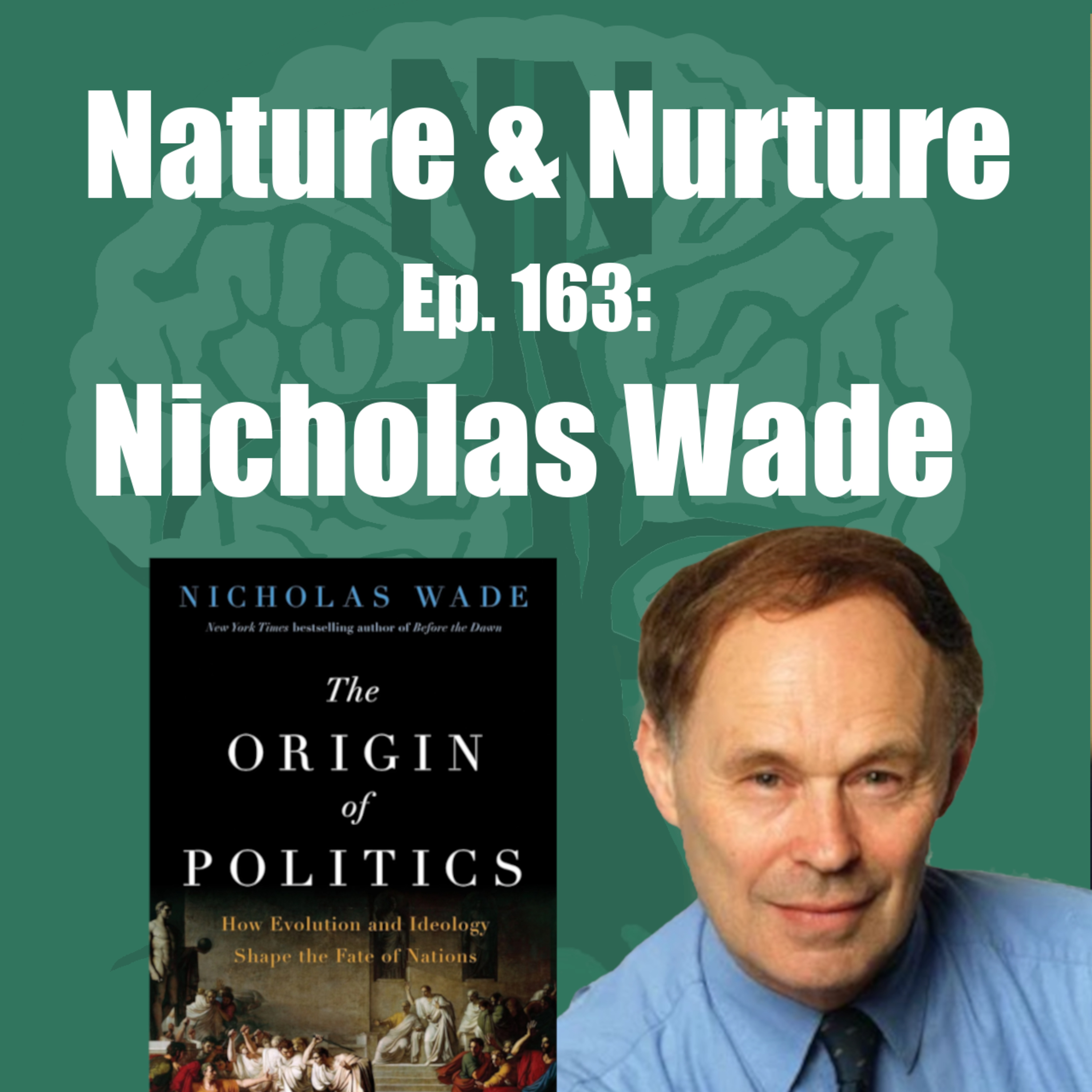 Nature & Nurture #163: Nicholas Wade - The Origin of Politics✨ | human evolutionevolutionary psychology+5 | Nicholas Wade | NatureScience+2 | — | Nicholas Wadeevolutionary psychology+5 | — | 59m 41s | |
| 8/31/25 | 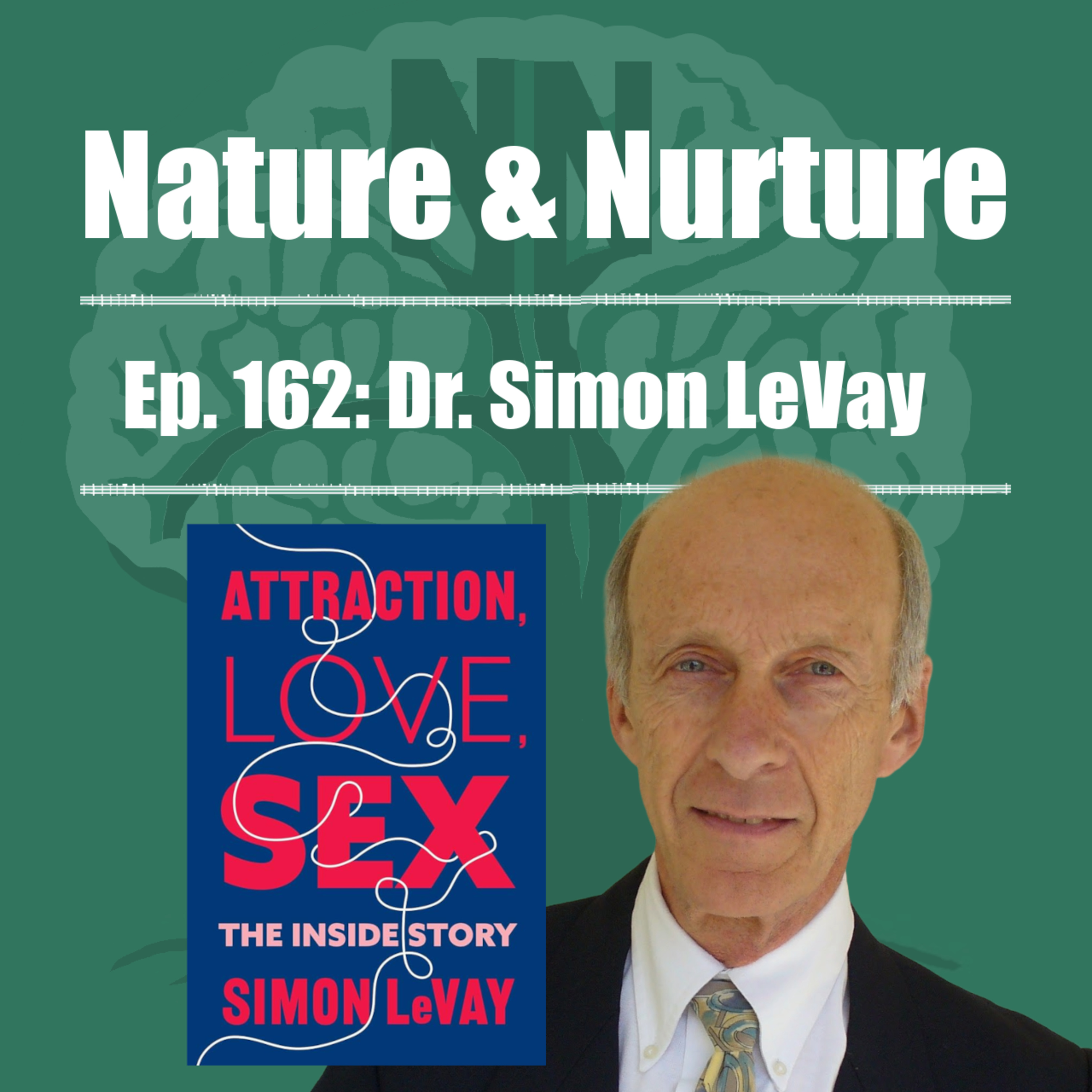 Nature & Nurture #162: Dr. Simon LeVay - The Science of Desire✨ | neurosciencedesire+3 | Dr. Simon LeVay | Attraction, Love, Sex: The Inside Story | — | neurosciencedesire+4 | — | 50m 57s | |
| 7/16/25 | 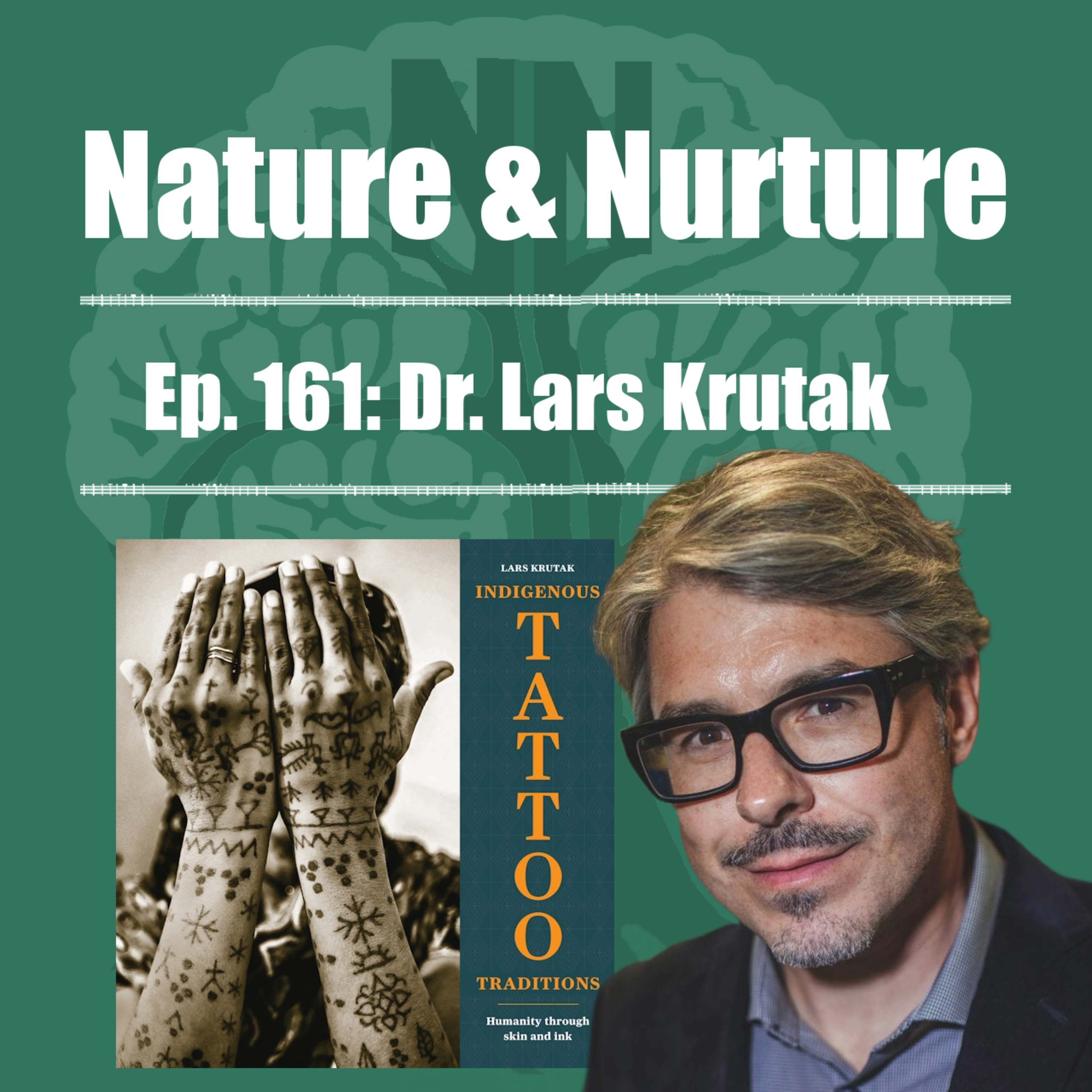 Nature & Nurture #161: Dr. Lars Krutak - The History of Indigenous Tattoos✨ | Indigenous tattoosanthropology+4 | Dr. Lars Krutak | Museum of International Folk ArtDiscovery Channel+1 | — | tattoosIndigenous+4 | — | 52m 28s | |
| 7/6/25 | 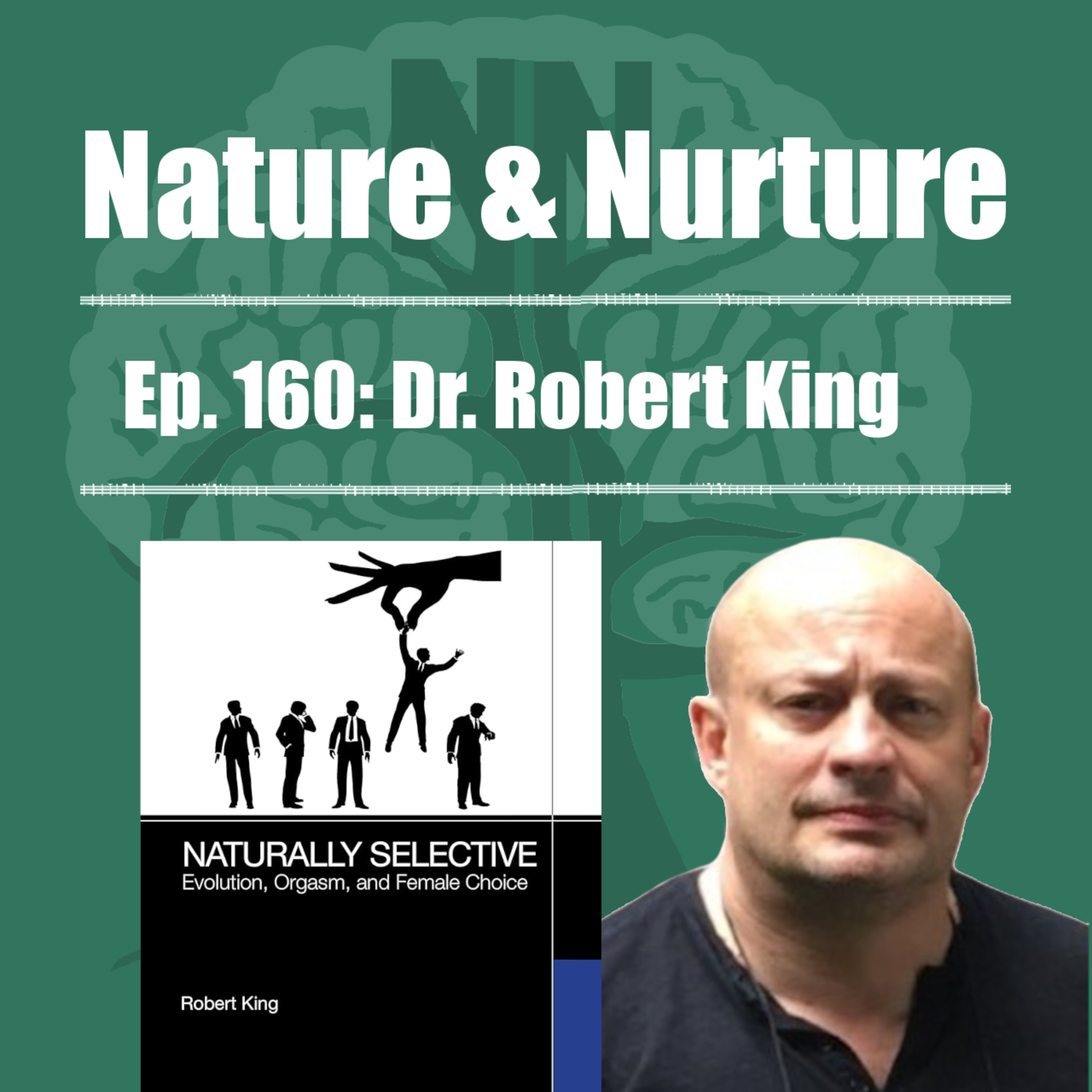 Nature & Nurture #160: Dr. Robert King - The Science of Orgasms✨ | evolutionary psychologysexual selection+3 | Dr. Robert King | School of Applied Psychology of University College CorkNaturally Selective: Evolution, Orgasm, and Female Choice | — | orgasmsevolutionary psychology+3 | — | 48m 41s | |
| 6/16/25 | 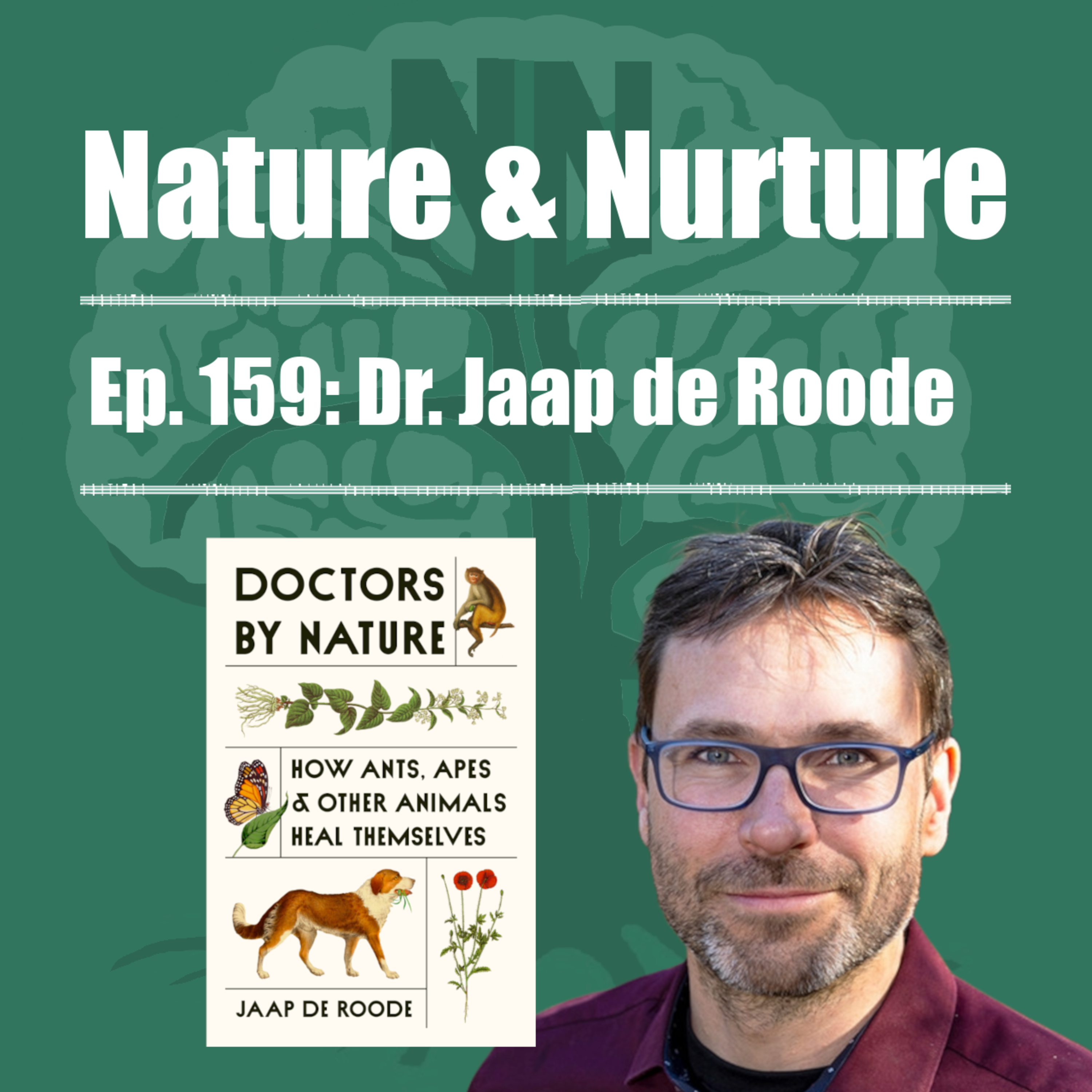 Nature & Nurture #159: Dr. Jaap de Roode - How Parasites & Immune Systems Evolved✨ | parasitesimmune systems+3 | Dr. Jaap de Roode | Emory UniversityDoctors by Nature: How Ants, Apes, & Other Animals Heal Themselves | — | parasitesimmune systems+3 | — | 47m 36s | |
| 6/7/25 | 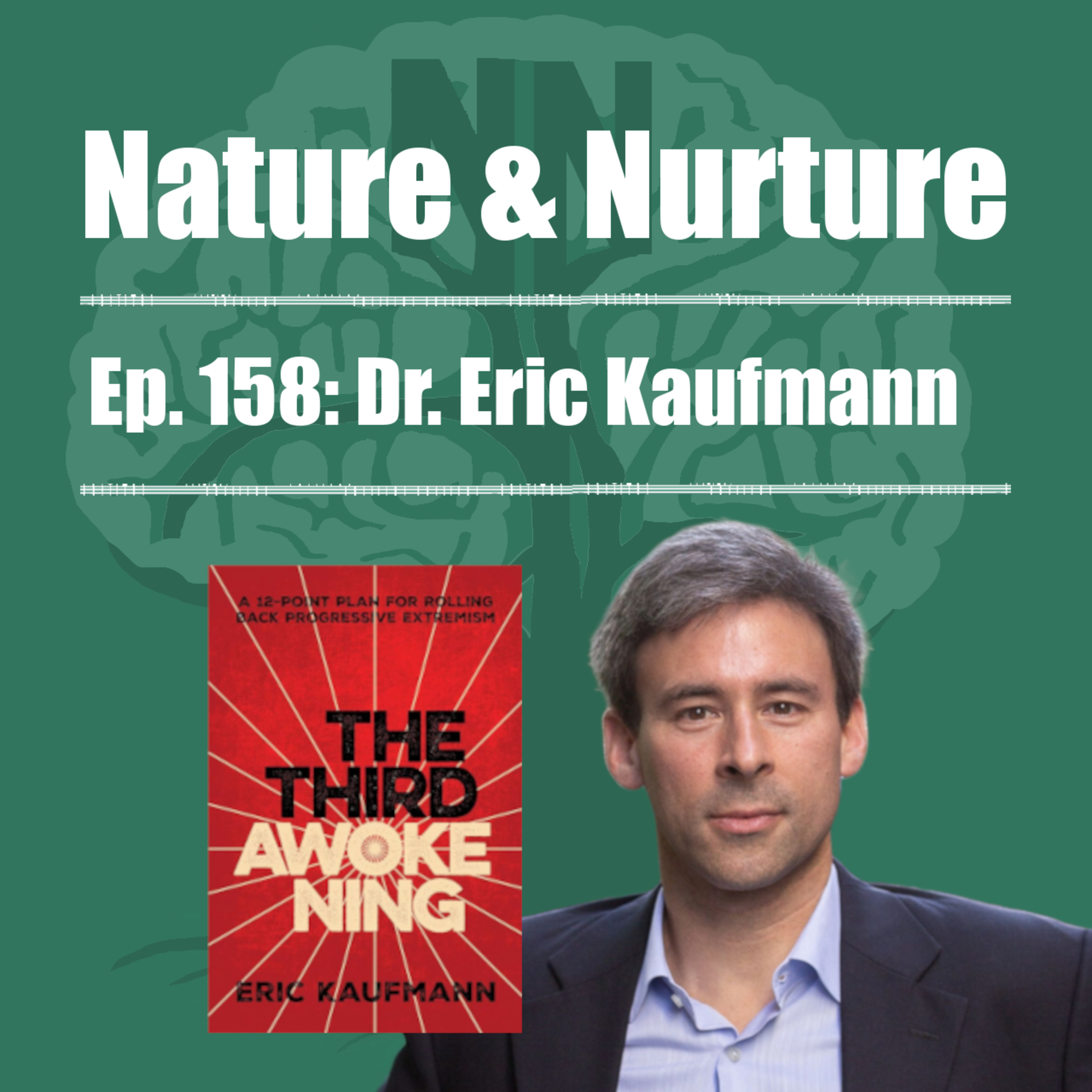 Nature & Nurture #158: Dr. Eric Kaufmann - Universities & The History of Wokeness✨ | wokenesspostmodernism+4 | Dr. Eric Kaufmann | The University of BuckinghamThe Third Awokening: A 12-Point Plan for Rolling Back Progressive Extremism | — | wokenesspostmodernism+3 | — | 1h 04m 05s | |
| 5/26/25 | 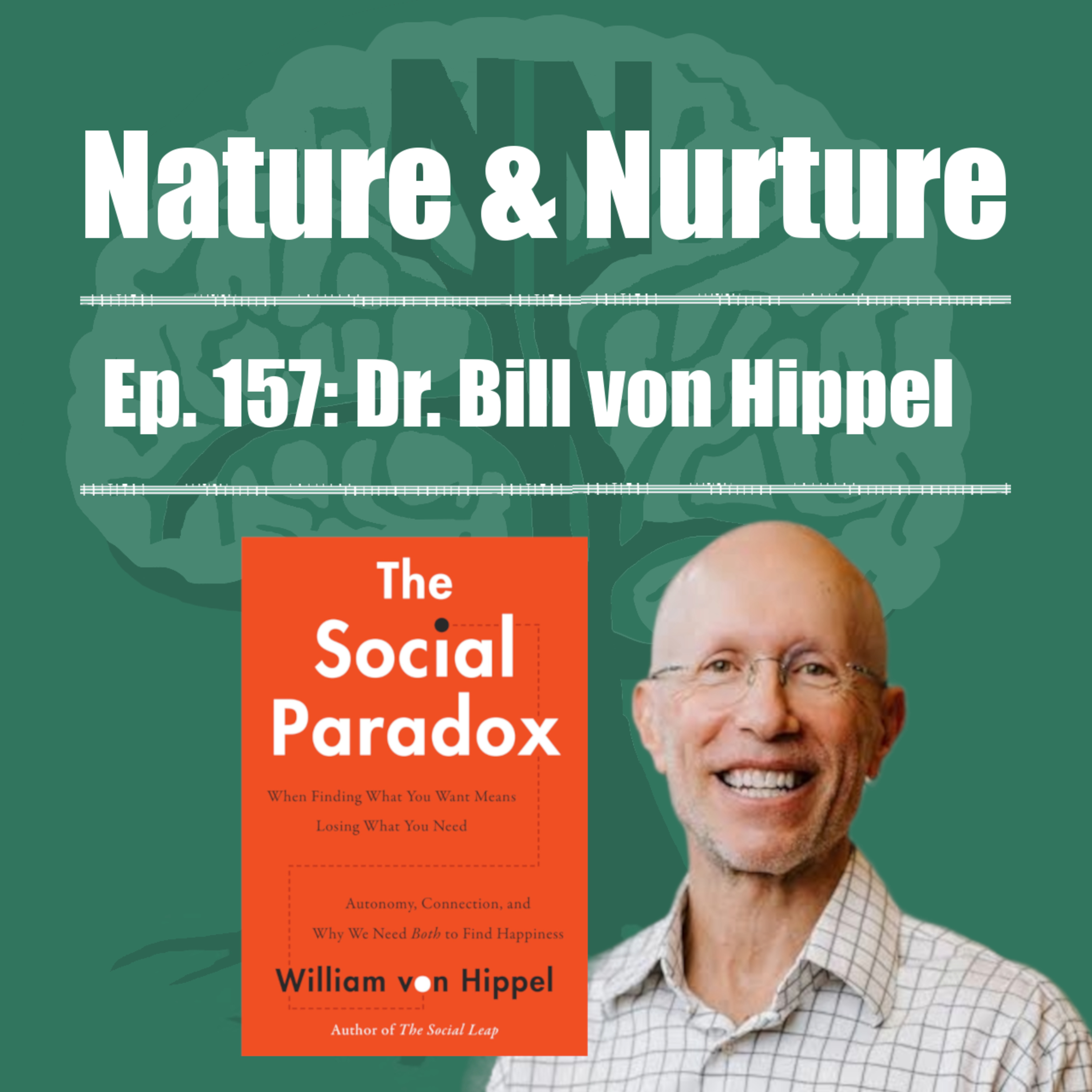 Nature & Nurture #157: Dr. Bill von Hippel - Evolutionary Psychology & Digital Health✨ | evolutionary psychologydigital health+4 | Dr. Bill von Hippel | The Social Paradox | — | evolutionary psychologydigital health+4 | — | 1h 21m 12s | |
| 5/10/25 |  Nature & Nurture #156: Dr. Dean Hamer - The Genetics of Sexual Orientation✨ | geneticssexual orientation+4 | Dr. Dean Hamer | The Nature & Nurture Podcastgay civil rights+2 | — | geneticssexual orientation+5 | — | 1h 19m 54s | |
| 4/18/25 | 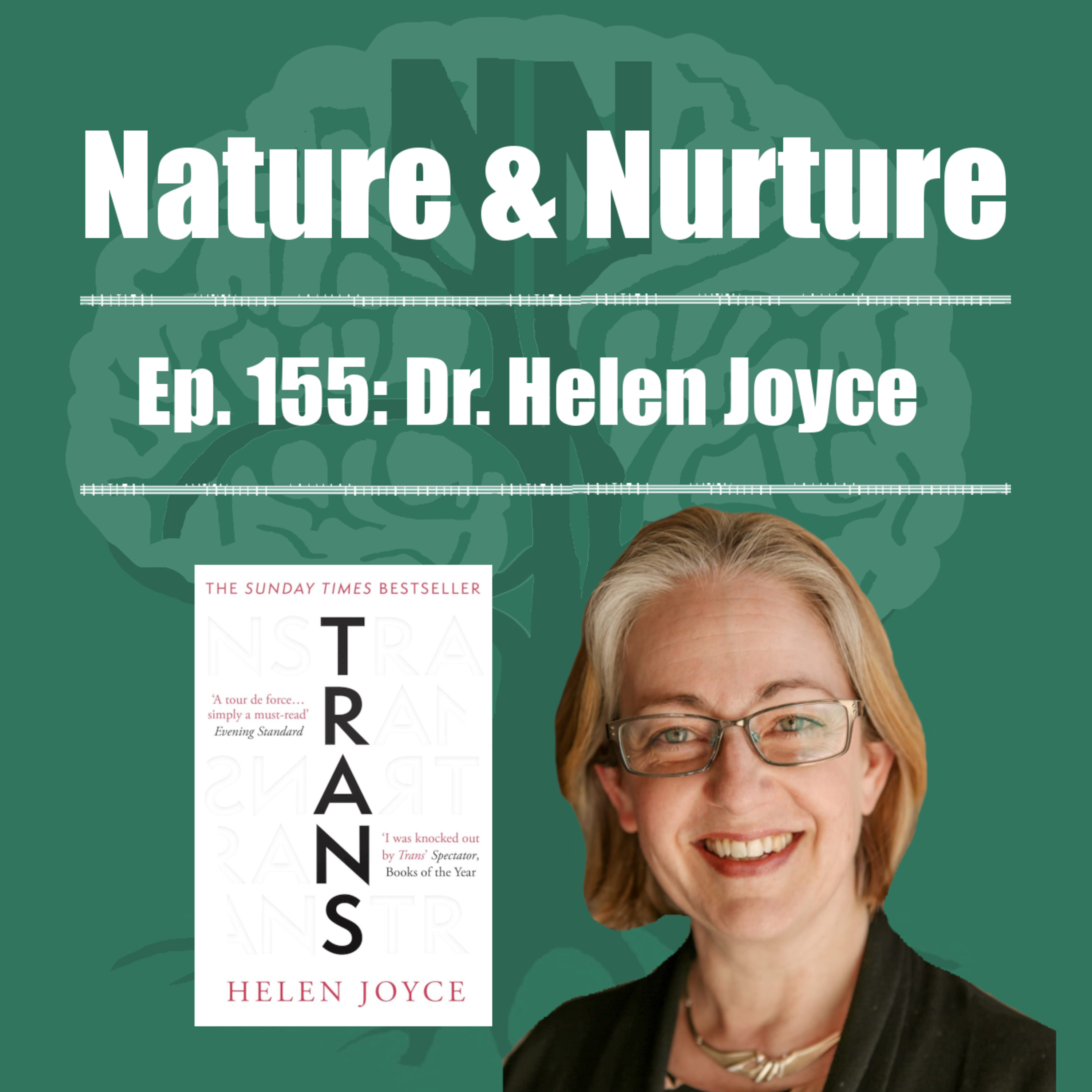 Nature & Nurture #155: Dr. Helen Joyce - Making Sense of the Transgender Debate✨ | transgender debategender nonconformity+5 | Dr. Helen Joyce | Trans: When Ideology Meets Reality | — | transgendergender identity+5 | — | 1h 33m 41s | |
Want analysis for the episodes below?Free for Pro Submit a request, we'll have your selected episodes analyzed within an hour. Free, at no cost to you, for Pro users. | |||||||||
| 2/7/25 | Nature & Nurture #153: Dr. Robin Nusslock - Neuroinflammation, Emotion, & Mindfulness | Dr. Robin Nusslock is a neuroscientist and Associate Professor of Psychology at Northwestern University. He is an expert on the interactions between the brain and the immune system, including the role of neuroinflammation in regulating positive emotion, negative emotion, and mental health. In this episode, we discuss Robin’s research on the brain and immune system in the context of diet, stress, and lifestyle choices. We discuss Robin’s research on Tibetan Buddhist monks, what monastic lifestyles reveal about mindfulness, sleep, and how the brain processes rewards and concepts of self and other. We also discuss the neurobiology of reward processing, including hedonistic vs. eudaimonic rewards, and the role of narrative and reinforcement learning in shaping the brain’s ability to delay gratification as exemplified by monastic life, religious sacrifice, and the practice of delayed gratification in pursuing an education. | — | ||||||
| 1/24/25 | Nature & Nurture #152: Dr. Webb Keane - Technology, Morality, & Narrative | Dr. Webb Keane is the George Herbert Mead Distinguished University Professor in the Department of Anthropology at the University of Michigan. He is an expert in the anthropology of religion and ethics; semiotics and language; material culture; gifts, commodities, and money; and media. He is the author of Animals, Robots, Gods: Adventures in the Moral Imagination. In this episode we discuss Webb’s central argument that ethical dilemmas posed by interactions with non-humans and near-humans, including animals and AI, share common themes reflected in narrative and mythology cross-culturally. We discuss these findings in relation to cultural anthropology, evolutionary psychology, AI and large language models, and video games. 00:23 Exploring the Book's Themes 01:04 AI and Moral Imagination 04:51 Religious Language and AI 08:29 Human-AI Interaction 17:32 Moral Dimensions of Hunting 22:01 Animal Emotions and Morality 31:10 AI as a Moral Entity 34:45 The Fear of AI and Human Intentions 35:38 The Moral Implications of AI Decisions 38:34 Ethics and Social Interaction 41:04 Language and Perception 47:19 Cultural Differences in Language 52:48 The Intersection of Technology and Identity 59:46 Mythology and Technology in Popular Culture | — | ||||||
| 1/15/25 | Nature & Nurture #151: Dr. Michael Bernstein - The Placebo & Nocebo Effects | Dr. Michael Bernstein is an experimental psychologist, Assistant Professor at Brown University Medical School, and the author of The Nocebo Effect: When Words Make You Sick. Dr. Bernstein’s research is focused on the overlap between cognitive science and medicine, studying the role of expectation in healthcare and leveraging the placebo effect to improve patient outcomes. In this episode, we explore the mechanisms, implications, and ethical dilemmas of the placebo and nocebo effects in healthcare. Dr. Bernstein explains that the nocebo effect is essentially the opposite of the placebo effect, where negative expectations can lead to worsening symptoms. He shares examples from randomized trials and addresses ethical challenges in medical disclosure. We also discuss the impact of patient expectancy, anxiety, and media influence on symptom manifestation, along with considerations for future research and practical applications in medicine. 00:27 Understanding the Nocebo Effect 02:11 Ethical Dilemmas in Medical Disclosure 04:38 The WebMD Effect and Media Influence 08:20 Psychological Mechanisms of Nocebo and Placebo 17:28 Conditioning and Expectation in Healthcare 18:34 Evolutionary Perspectives on Placebo 23:16 Trust, Authority, and the Placebo Effect 29:04 Understanding Negativity Bias in Behavioral Economics 29:46 Environmental Factors and Nocebo Effects 31:54 Recency Bias in Medical Procedures 33:47 The Role of Cognitive Biases in Healthcare 35:46 The Placebo Effect in Surgeries 43:24 AI in Medicine: Ethical Considerations and Future Directions 51:52 Open Label Placebos and Pain Management 53:44 The Importance of Ritual in Healing 55:30 Exploring Placebo Effects in Animals | — | ||||||
| 12/2/24 | 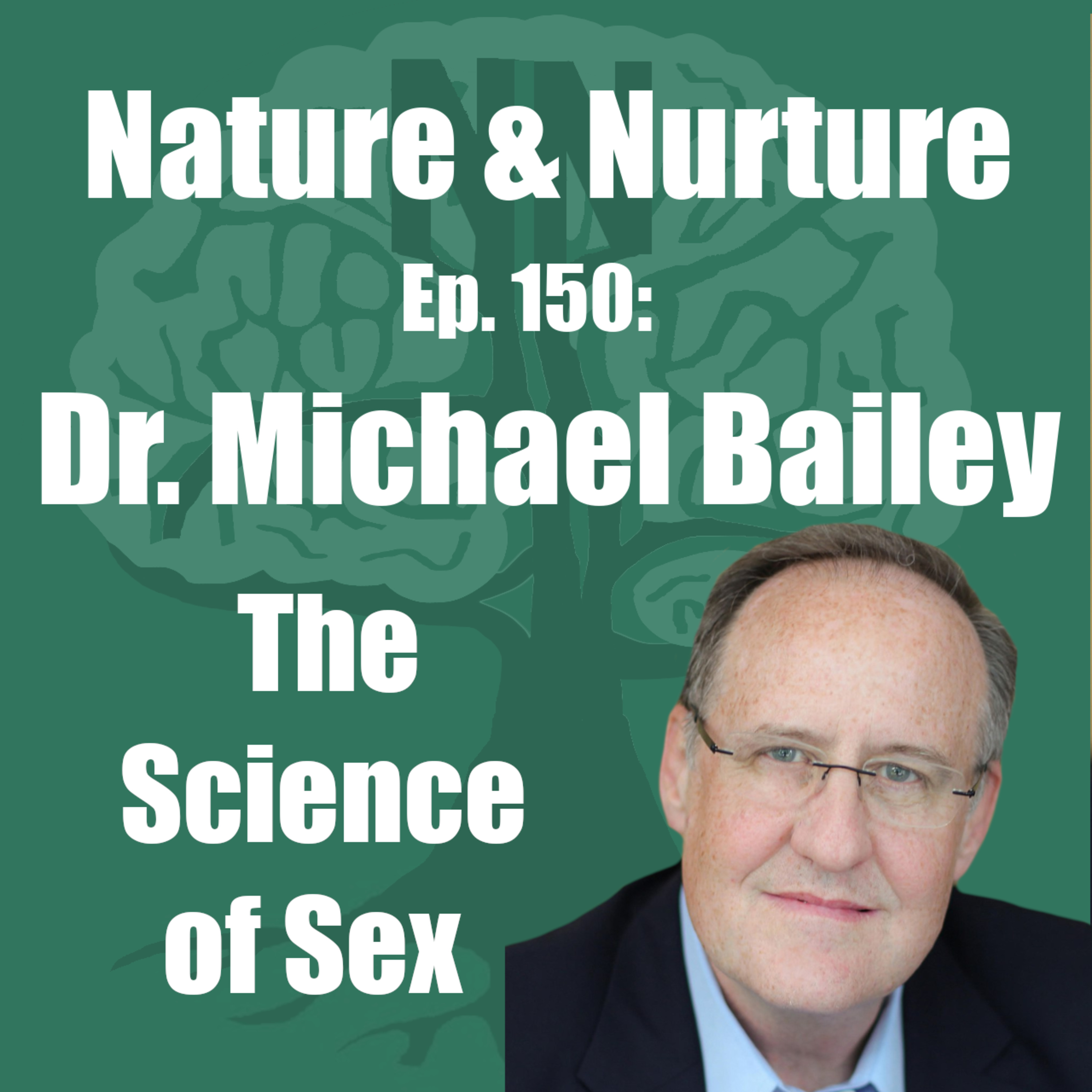 Nature & Nurture #150: Dr. Michael Bailey - Gender Dysphoria and Sexual Orientation | Dr. Bailey is a psychologist, behavioral geneticist, and Professor at Northwestern University specializing in the etiology of sexual orientation, sexual preferences and paraphilias, and gender diversity. In this episode, we discuss the history of transexualism in clinical psychology and its relation to modern transgender identifying people, the science and ethics of gender affirming care in adults and children, and the different manifestations of gender dysphoria across children, men, women, and comorbidity with autogynephilia. We also discuss the heritability of sexual orientation, the role of prenatal hormones in determining sexual orientation, gender identity, and psychological gender differences, and arousal patterns. Lastly, we discuss the politics of sexology as a field, and how to conduct effective and impartial research on politically charged topics such as researching gender dysphoria, its causes, and evidence bases. | — | ||||||
| 11/26/24 | 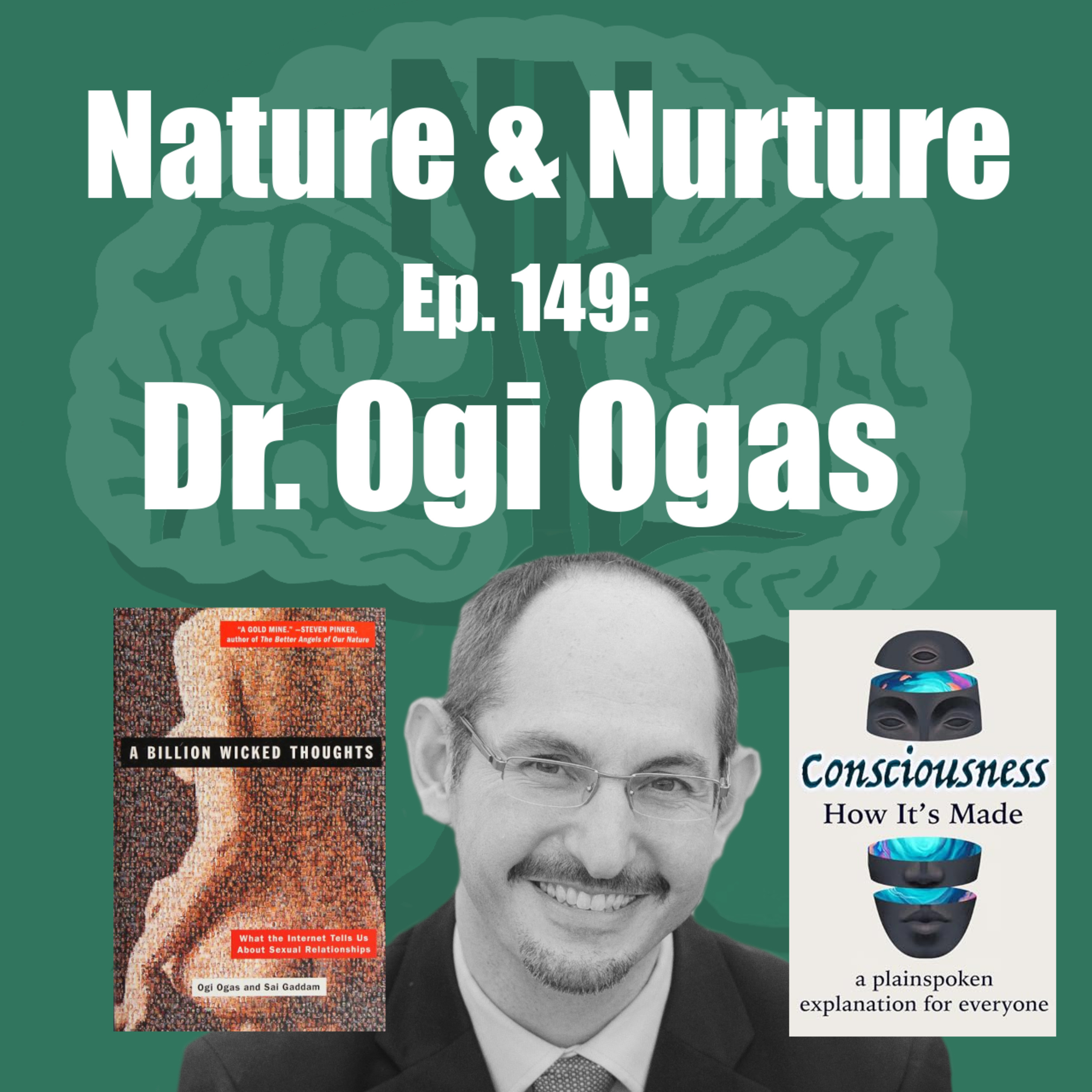 Nature & Nurture #149: Dr. Ogi Ogas - Autism, Sex, & Consciousness | Dr. Ogi Ogas is a mathematical neuroscientist and author several books including Consciousness: How It’s Made, and A Billion Wicked Thoughts. He writes about autism, mathematical neuroscience, consciousness, and more on his Dark Gift blog: https://www.ogiogas.com/ In this episode Ogi and I discuss the history of mathematical neuroscience, competing computational views of consciousness and why Ogi favors dynamical theories over statistical and deterministic theories of mind, how consciousness evolved, and how human consciousness differs from other species. We also discuss human sexuality and his book A Billion Wicked Thoughts, reflecting on sex differences in online sexual behavior and media consumption. Lastly, we discuss the neuroscience of autism, the subjective experience of autism, its diagnostic history, and how a mathematical and biological account can improve clinical psychology. | — | ||||||
| 11/16/24 |  Nature & Nurture #148: Dr. Holly Bowen - Emotion, Motivation, & Memory | Dr. Holly Bowen is an Assistant Professor of Psychology at Southern Methodist University. Dr. Bowen’s research focuses on how affective states, specifically emotion and motivation, influence how we form memories and remember past experiences. She is also interested in how the links between emotion, motivation and memory are impacted by age-related cognitive changes, using multiple methods including behavioral paradigms, computational modeling, and neuroimaging with event-related potentials (ERP) and functional magnetic resonance imaging (fMRI). In this episode Holly and I discuss emotion and motivation’s impact on memory encoding and consolidation, the differences between emotional valence verses arousal and their neurophysiology, and their connections to the reward system, the amygdala, and the hippocampus. We talk about dual-systems models of reward processing, cognitive control, and decision-making, the role of dopamine in facilitating learning and memory, the role of norepinephrine and cortisol in threat processing and fear conditioning, and paradoxes in how brain activity and behavior changes with age. Lastly, we discuss the negativity bias in memory, the positivity bias in nostalgia, and how socioemotional selectivity and changes in emotion regulation skills may explain age-related changes in these phenomena. | — | ||||||
| 12/6/23 | 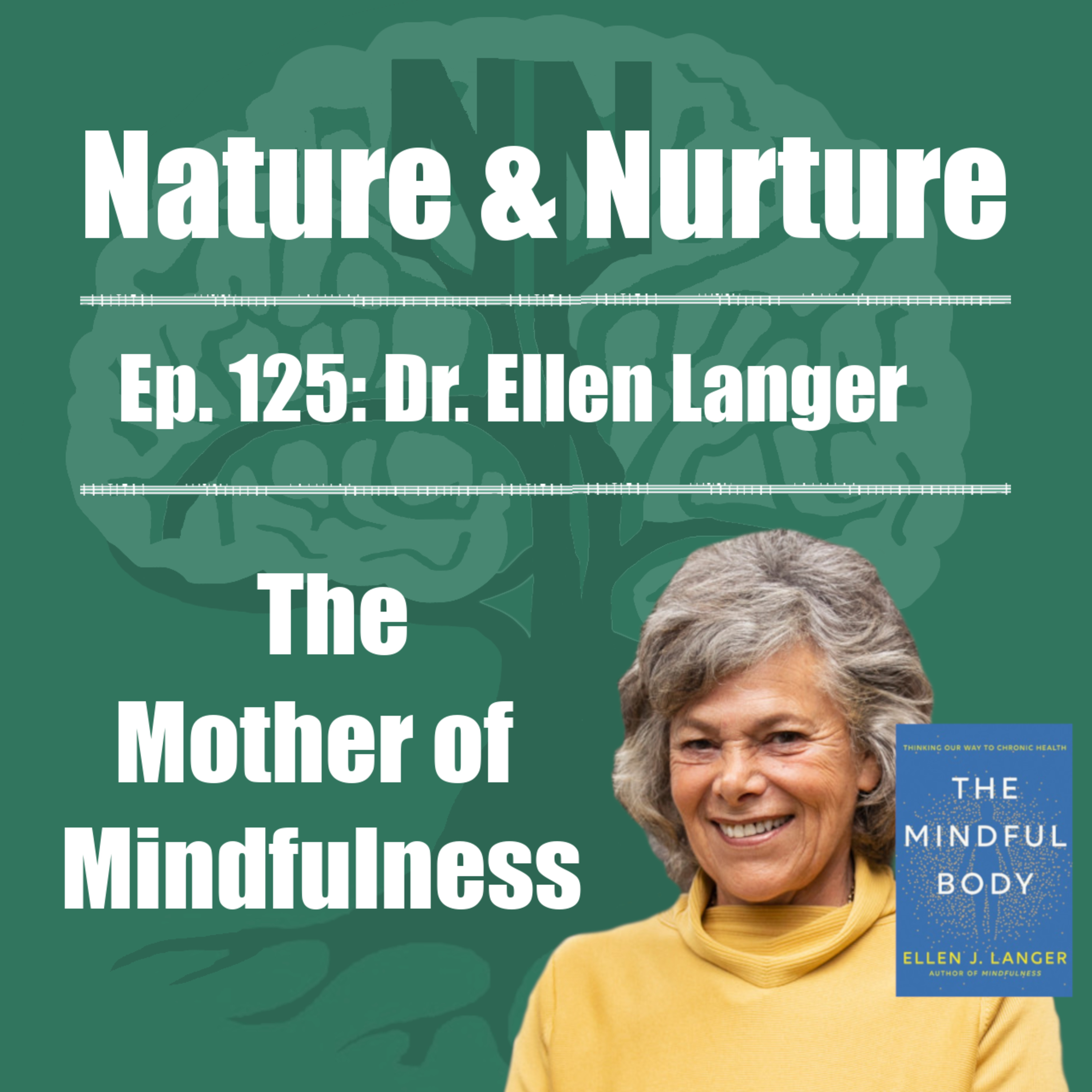 Nature & Nurture #125: Dr. Ellen Langer - The Mother of Mindfulness | Dr. Ellen Langer is a Professor of Psychology at Harvard University and one of the pioneers of the positive psychology movement, known as the Mother of Mindfulness. Dr. Langer has won numerous awards including 3 Distinguished Scientist Award, the Staats Award for Unifying Psychology, and the Liberty Science Genius Award. She is the author of 13 books on mindfulness, including 5 on mindfulness, most recently The Mindful Body. | — | ||||||
| 11/4/23 | 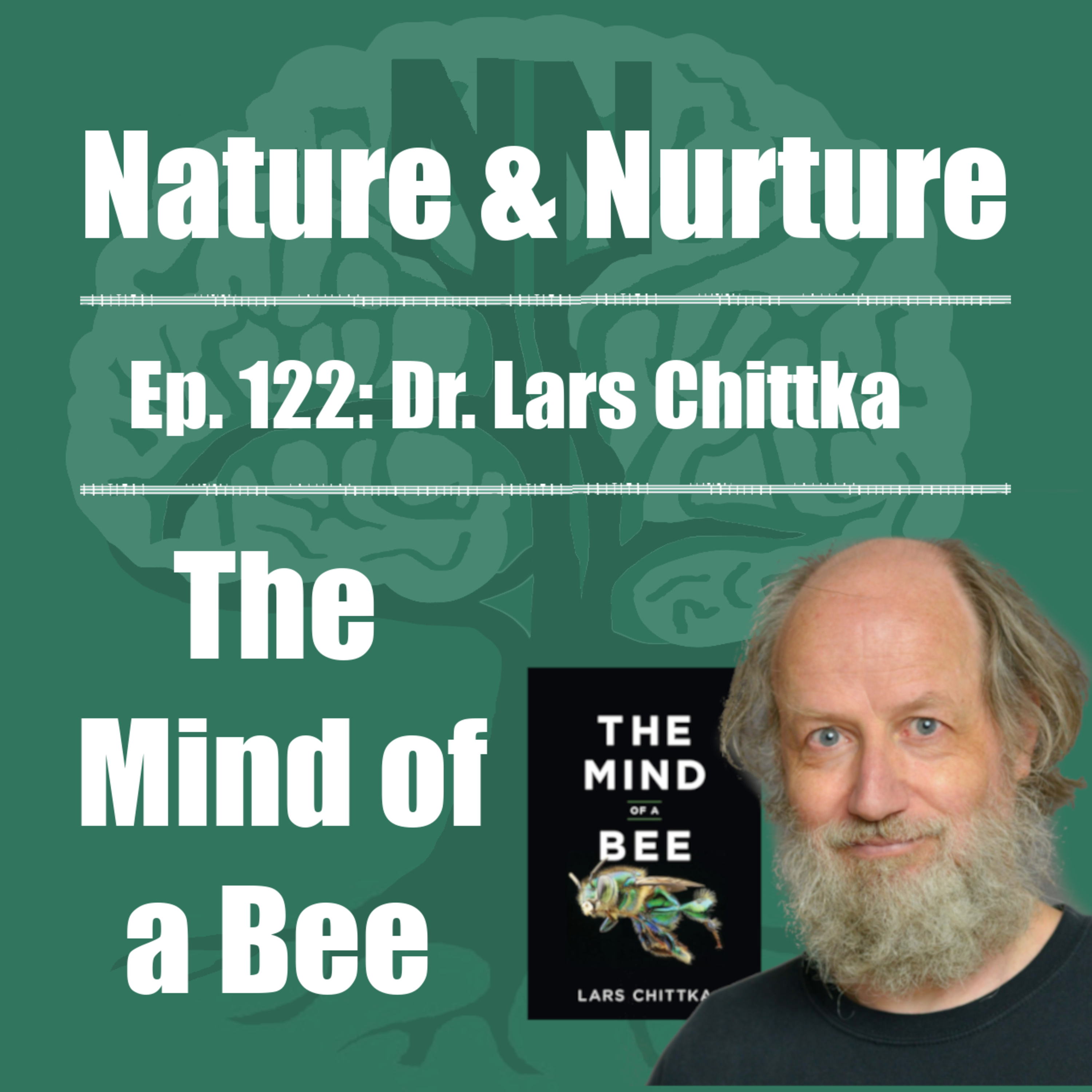 Nature & Nurture #122: Dr. Lars Chittka - The Mind of a Bee | Dr. Lars Chittka is a Professor of Sensory and Behavioral Ecology and the founder of the Research Center for Psychology at Queen Mary University of London. He directs the Bee Sensory and Behavioral Ecology Lab, and is the author of The Mind of a Bee. In this episode, we discuss the results of decades of research on intelligence in bees and other insects. This includes findings of numerical and spatial cognition, memory, perception, and personality. Lars describes differences and similarities between bumblebees, wasps, and honeybees, why honeybees produce so much honey and die after stinging and mating, and more. We also discuss the evidence for bees having emotions, feeling, and consciousness, and efforts for the preservation and ethical handling of bees. | — | ||||||
| 10/27/23 | 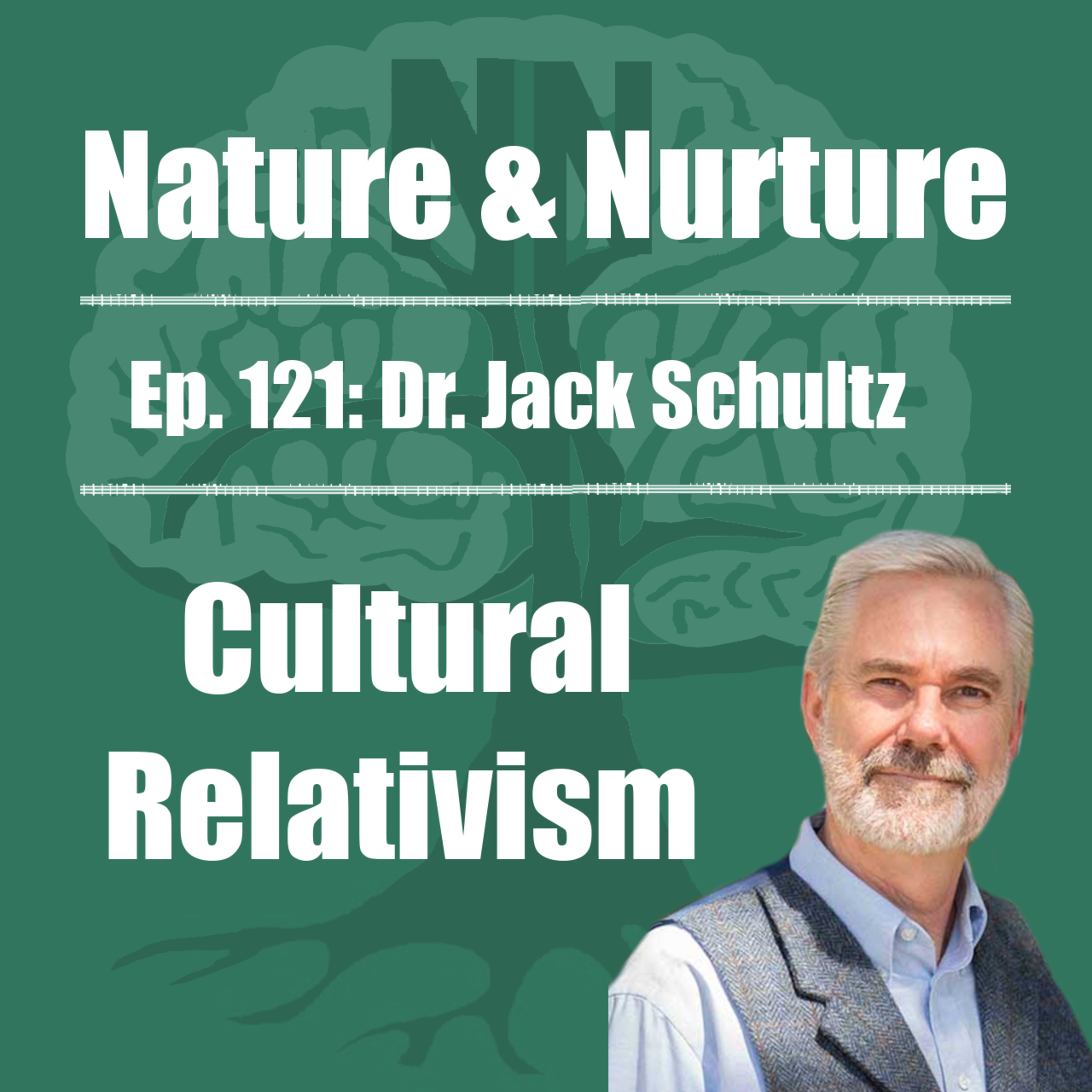 Nature & Nurture #121: Dr. Jack Schultz - Cultural Anthropology, Religion, & Relativism | Dr. Jack Schultz is a Professor of Anthropology at Concordia University and an expert in the cultural anthropology of religion and sociology of knowledge. | — | ||||||
| 10/18/23 | 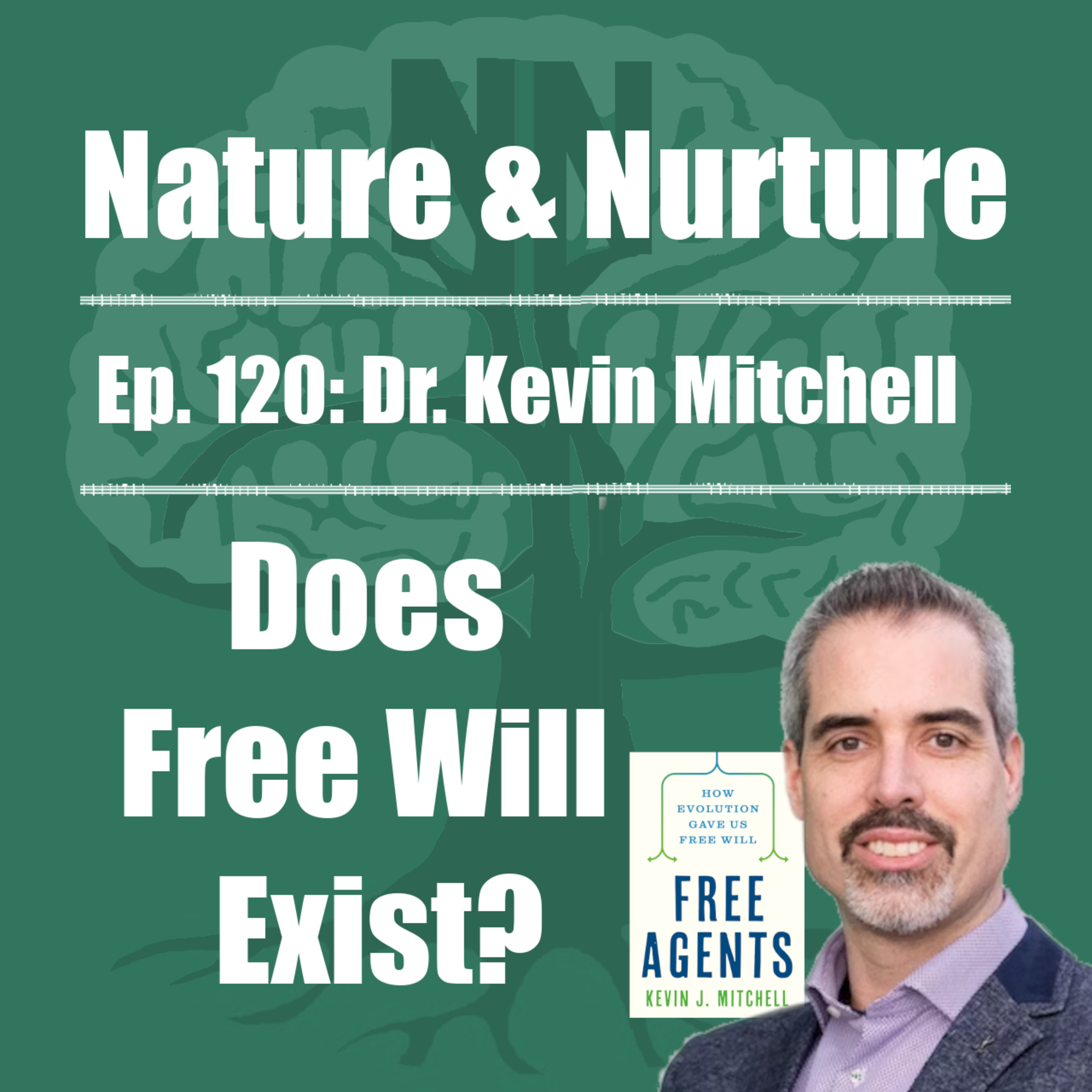 Nature & Nurture #120: Dr. Kevin Mitchell - Evolution, Entropy, Neurogenetics, & Free Will | Dr. Kevin Mitchell is an Associate Professor of Genetics and Neuroscience at Trinity College Dublin. He's the author of Innate: How the Wiring of Our Brains Shapes Who We Are, and Free Agents: How Evolution Gave Us Free Will. In this episode, we talk about Free Agents and the question of free will. We discuss what we mean by freedom, how living organisms have inherent biological constraints which actually define ourselves as causal agents. We also discuss the common scientific view of reductionist determinism and its limitations, and how causal agents use the inherent indeterminacy and forward motion of time in our universe as "causal slack" to make predictions and control their behavior in a meaningful way. We talk about the role entropy plays in life and computation, how free will grows as computational and cognitive complexity grows, and how these realities should define our ethical and legal conceptions of moral responsibility. Lastly, we talk about how individual differences in genes, environment, and brain development shape our personalities and constrain us in some ways, but also offer opportunities for unique identity, character development, meaning, and purpose. | — | ||||||
| 10/14/23 | 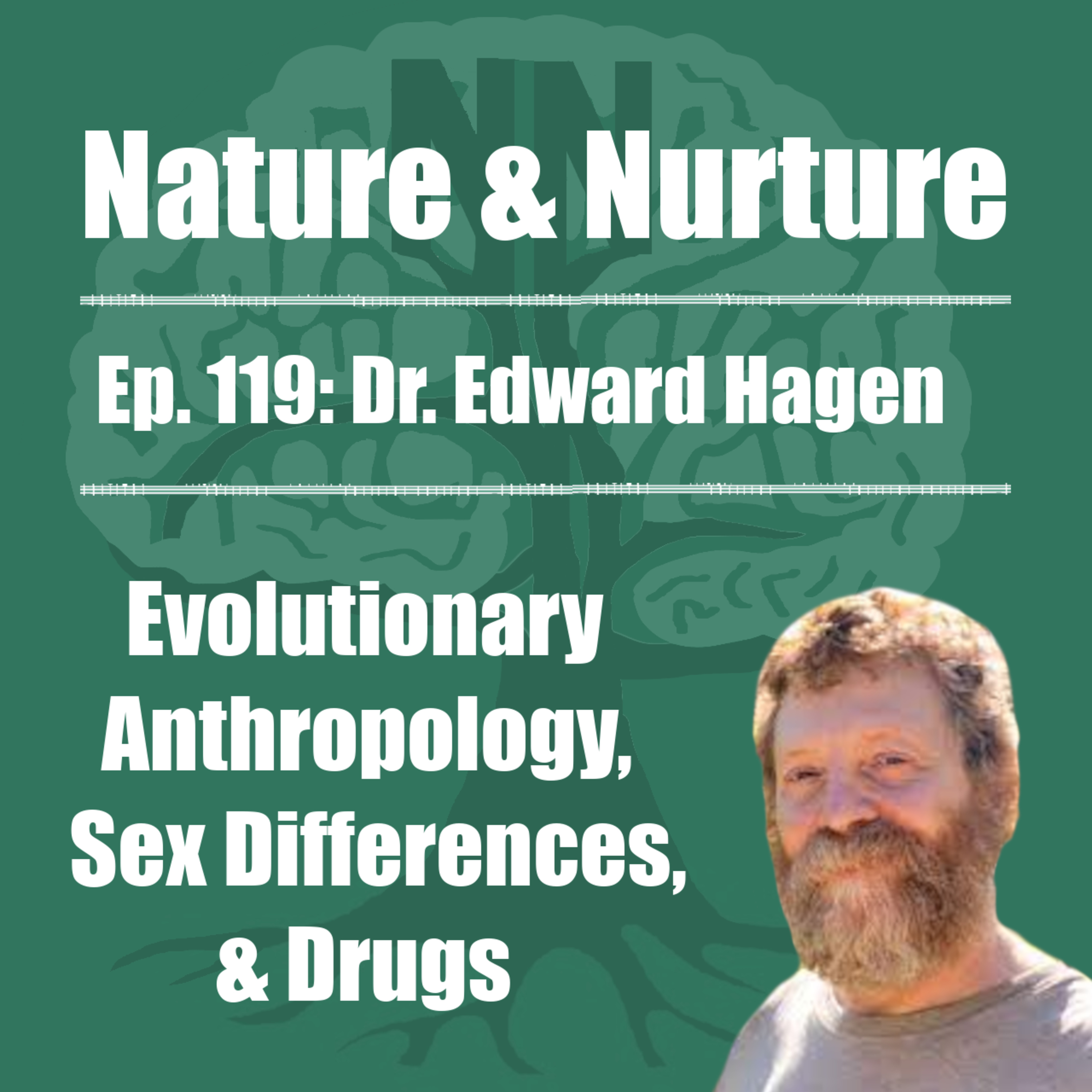 Nature & Nurture #119: Dr. Edward Hagen - Evolutionary Anthropology, Sex Differences, & Drugs | Dr. Edward Hagen is a Professor of Evolutionary Anthropology at Washington State University, where he directs the Bioanthropology Lab. In this episode, Ed and I discuss the recent controversy of the American Anthropological Association’s decision to censor a conference panel on sex differences, the reality and importance of understanding sex differences in evolutionary anthropology and biology research, and the complexity of sex beyond the binary, such as in the case of intersex disorders and different and conflicting gender norms cross-culturally. We then move on to discuss Ed’s research on the evolution of substance use, including humans’ bizarre taste for spices and bitter plant toxins such as coffee and tobacco. We also talk about the evolutionary advantages and disadvantages for the use of other psychoactive drugs, such as hallucinogens, the evolution of human intelligence, and modern computational neuroscientific theories of consciousness. | — | ||||||
| 10/4/23 | 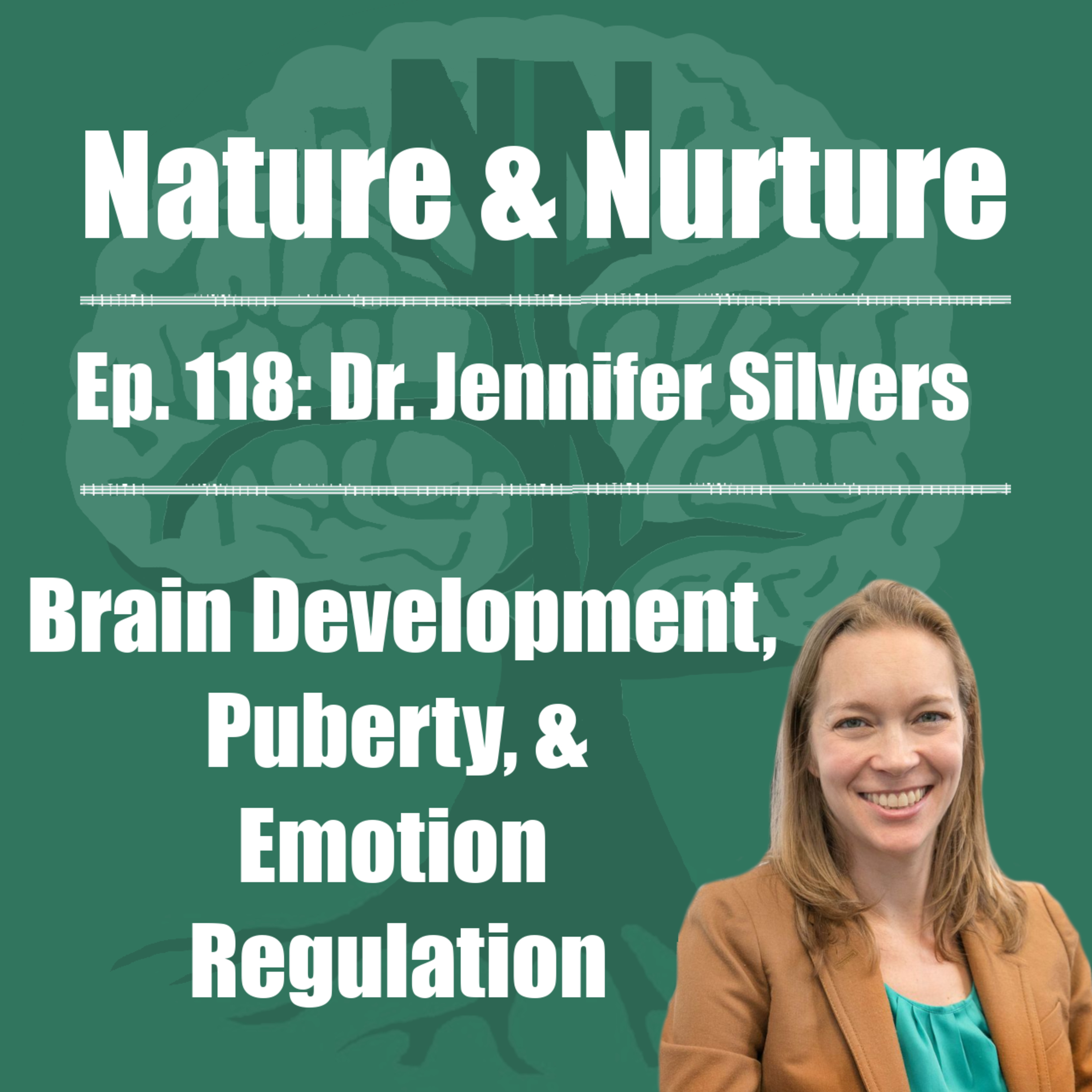 Nature & Nurture #118: Dr. Jennifer Silvers - Brain Development, Puberty, & Emotion Regulation | Dr. Jennifer Silvers is an Associate Professor of Psychology and the Bernice Wenzel and Wendell Jeffrey Term Endowed Chair in Developmental Neuroscience at UCLA, where she runs the Social Affective Neuroscience and Development Lab. She is an expert in adolescent brain, cognitive, and emotional development, particularly in the development of emotion regulation strategies. In this episode, we talk about Jen’s background in developmental neuroscience, the use and limitations of animal models for understanding human brain development, and how adolescence is a particularly exciting window of brain development both due to puberty and other social and environmental changes. We talk about the role of stress and adversity influencing brain development, temperamental factors in emotion processing, emotion regulation as a learned skill, and how puberty interacts with all of these processes. We then discuss relatively recent effects on social and emotional development, such as the COVID-19 pandemic, social media use, and the influence of online dating apps in young adults’ sexual development. Lastly, we talk about other windows of rapid change influencing socioemotional processing, such as pregnancy, and future directions linking our shared interests in hormones and brain development in large-scale consortium-based studies. | — | ||||||
| 9/24/23 | 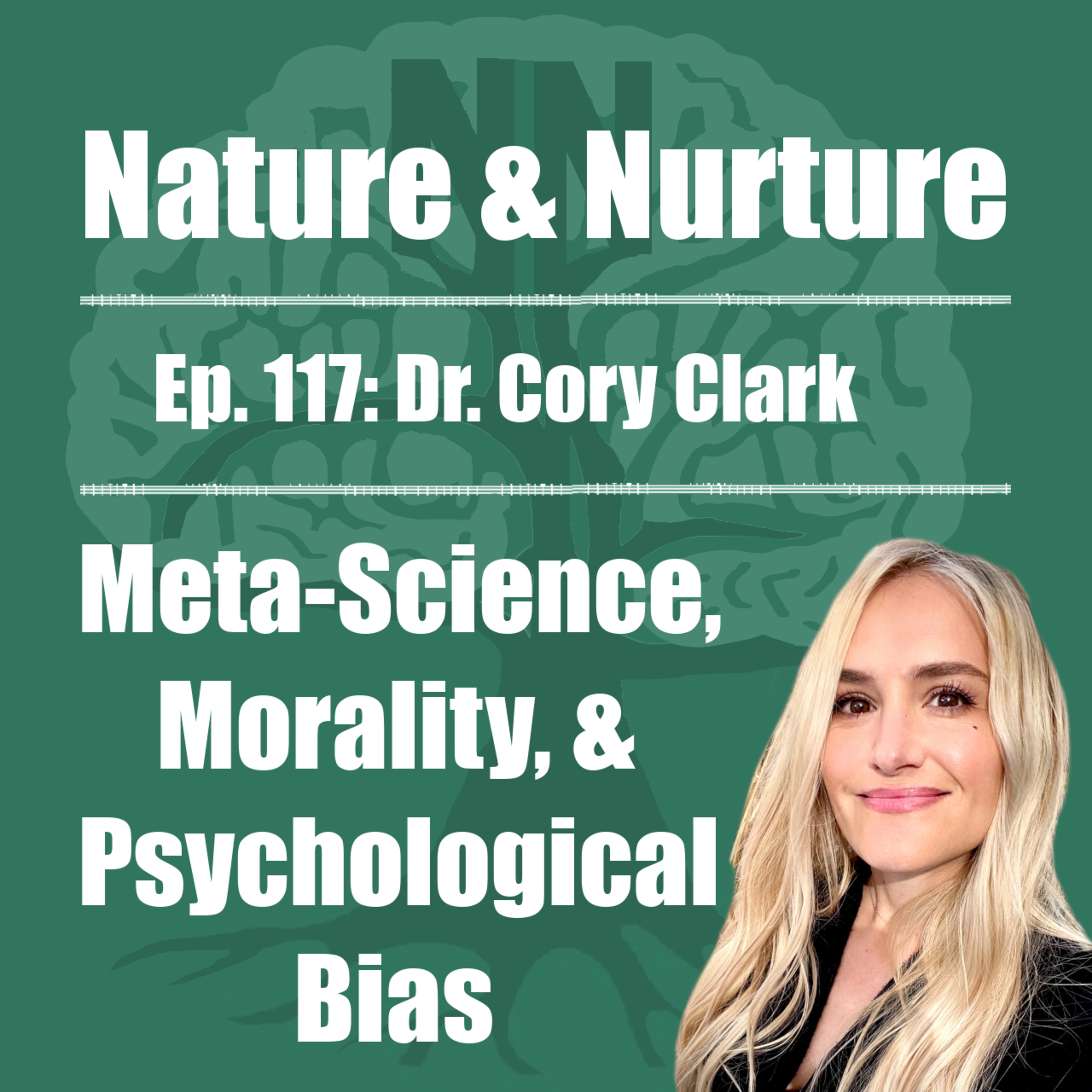 Nature & Nurture #117: Dr. Cory Clark - Meta-Science, Morality, and Psychological Bias | Dr. Cory Clark is a social psychologist and Director of the Adversarial Collaboration Project at the University of Pennsylvania. In this episode we talk about adversarial collaboration and open science, meta-psychology research on common biases in psychology carried by psychologists themselves, and its moralization. We also discuss gender differences in moral beliefs, how social media and culture shape moral norms, how rationality can combat this, and whether faith is compatible with rationality. | — | ||||||
| 9/11/23 | 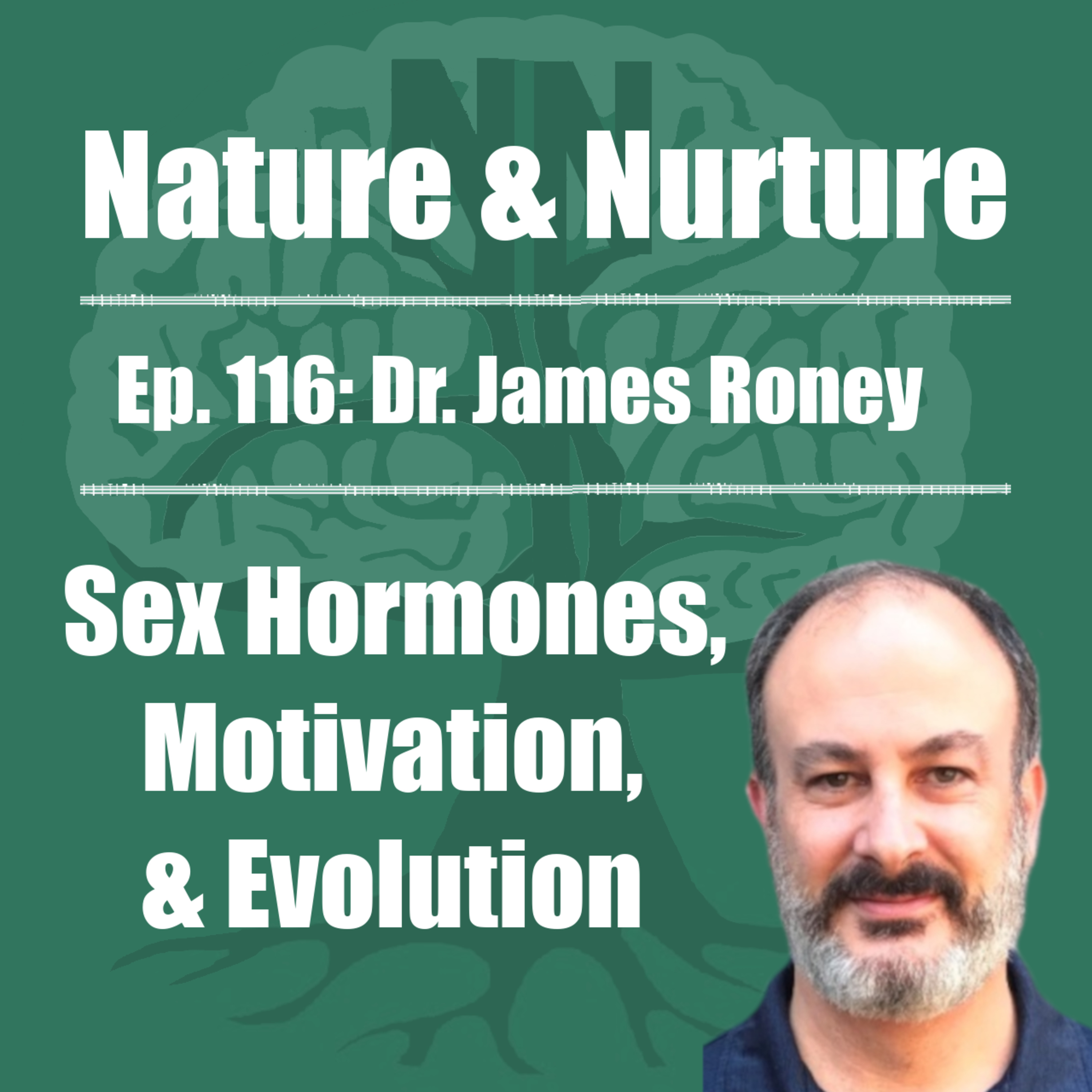 Nature & Nurture #116: Dr. James Roney - Sex Hormones, Motivation, & Evolution | Dr. James Roney is a Professor of Psychological & Brain Sciences at the University of California, Santa Barbara, where he runs the Human Behavioral Endocrinology Lab. In this episode we talk about the proximate and ultimate evolutionary explanations of different sex hormones’ roles in coordinating motivated behavior, such as testosterone’s influence on aggression and sex drive, and ovarian hormones’ influence on sex and food drive. We discuss how testosterone leads to sex differentiation in the brain and body both prenatally and during puberty; threshold effects, rather than continuous relationships, between testosterone and motivation; the opposite effects of estradiol and progesterone on women’s sex and food motivation across the menstrual cycle. We also discuss genetic differences in the receptors to different hormones, their interactions with other hormones, and how these subtle differences may predict traits ranging from morphology to sexuality. Lastly, we discuss Jim’s recent research using daily diaries and saliva hormones to test whether daily hormonal fluctuations influence sex drive and other motivated behavior, how smell and pheromones influence attraction in males and females, and how sex hormones influence reward processing in the brain, particularly during puberty. Timestamps: 0:00:51 Hormones act as coordinators in the body 0:02:06 Example of testosterone's input and output relationships 0:05:41 Importance of understanding the inputs and outputs of hormones 0:07:43 Conservation of hormone functions from non-human species to humans 0:09:35 The role of hormones in motivated behaviors 0:11:19 Time lag between stimulus event and hormone response 0:15:19 Evolutionary theories and mating behavior tied to sex hormones 0:18:23 Evolution and psychological functions of testosterone and oxytocin 0:20:08 Understanding hormone inputs and context for coordinated effects 0:21:58 Oxytocin paradox and effects on maternal aggression 0:23:33 Confounding effects of multiple signals on hormone outputs 0:25:14 Individual variability and receptor sensitivity to testosterone 0:26:47 Genetic polymorphism and developmental calibrators of individual differences 0:28:10 Prenatal testosterone and sexual orientation 0:38:21 Threshold effects of testosterone 0:41:06 Continuous relationship between estradiol, progesterone, sex drive, and food drive in women 0:53:01 Testosterone's effect on reward may be more generalized than estradiol and progesterone 0:54:47 Estradiol may affect satiety mechanisms, not just reward systems. 0:56:56 Theoretical framework for risk taking and impulsivity. 0:58:26 Research on anxiety and depression in females during puberty. 0:59:58 Effects of testosterone on motivation and individual differences 1:08:08 Study on concealed ovulatory timing, pheromones, and scent attractiveness during ovulation | — | ||||||
| 9/4/23 |  Nature & Nurture #115: Dr. Joseph Henrich - Culture, Cognition, & Coevolution | Dr. Joseph Henrich is an anthropologist and Chair of the Human Evolutionary Biology Department at Harvard University, where he runs the Culture, Cognition, and Coevolution Lab. Joe is also the author of the WEIRDest People in the World and The Secret of Our Success. Timestamps:0:00:46 Environmental factors leading to cultural evolution0:03:19 Cultural adaptations, rituals, and technological advancements0:05:11 Cultural adaptations operating outside of conscious awareness0:07:04 The role of religion in cultural transformations0:09:40 Impact of religious prohibitions on social ties0:10:59 Exploring the spread of monotheistic religions0:12:01 The expansion of gods and competition among groups0:13:55 Transition to monotheism and personification of social awareness0:16:18 Intergroup competition and tension between small and large group cooperation0:17:37 Individualistic guilt vs collectivist shame0:19:18 Variation in use of mental state terms in folktales0:23:00 Patterns in cooperation and moral judgment from human nature and cultural evolution0:24:44 Cultural evolution and species differences0:25:56 Intersection of biology and culture in sex and gender differences0:26:24 Culture changes our biology and brain0:28:28 Male inclination towards violence observed in every human society0:29:50 Testosterone levels and aggression linked to social hierarchy0:30:28 Gender paradox: greater gender equality, bigger personality/morality differences0:32:06 Sex differences observed in primates0:35:15 Fathering dynamics in human societies0:37:26 Genetic fitness and hunter-gatherer societies0:41:28 Sex ratio, crime rates, and marriage markets[0:43:32 Dating apps, competition, and inequality0:46:14 Zero sum games, land, and cultural differences0:53:18 Demographic changes and the impact on parenting styles.0:55:07 Adversity-exposed brain and its relation to life history theory.0:57:37 Using surname diversity as a proxy for diversity of thought and experience in a society.1:01:50 Linking surname diversity to occupational diversity, trust, and innovation1:04:32 Christianity's impact on scientific revolution and analytic thinking1:06:11 Bias towards progress and the concept of progress emerging | — | ||||||
Showing 25 of 36
Pitch Fit is a Pro feature
See how bookable this show is for guests, which brands already advertise, the per-episode ad value, and the best-fit guest and sponsor profile. The numbers are blurred on the free plan.
How readily this show books outside guests like you.
How proven this show is for host-read sponsorships.
For Guests
ProFor Advertisers
ProUpgrade to Pro to unlock guest cadence, sponsor categories, fit scores, and per-episode ad value for this show.