
Insights from recent episode analysis
Audience Interest
Podcast Focus
Publishing Consistency
Platform Reach
Insights are generated by CastFox AI using publicly available data, episode content, and proprietary models.
Total monthly reach
Estimated from 7 chart positions in 7 markets.
By chart position
- 🇩🇪DE · Aviation#11300K to 1M
- 🇺🇸US · Aviation#30100K to 300K
- 🇨🇦CA · Aviation#9630K to 100K
- 🇬🇧GB · Aviation#1125K to 30K
- 🇦🇺AU · Aviation#1325K to 30K
- Per-Episode Audience
Est. listeners per new episode within ~30 days
138K to 456K🎙 Daily cadence·25 episodes·Last published yesterday - Monthly Reach
Unique listeners across all episodes (30 days)
460K to 1.5M🇩🇪66%🇺🇸20%🇨🇦7%+4 more - Active Followers
Loyal subscribers who consistently listen
184K to 608K
Market Insights
Platform Distribution
Reach across major podcast platforms, updated hourly
Total Followers
—
Total Plays
—
Total Reviews
—
* Data sourced directly from platform APIs and aggregated hourly across all major podcast directories.
On the show
Recent episodes
540 Miles From Land: A Solo Pilot’s Nightmare and Miracle Rescue
Jun 23, 2026
1h 05m 02s
Halsey’s Typhoon: The Bull vs. the Barometer
Jun 18, 2026
45m 18s
Marine Aviation in WWII: The Real Story of VMF-221
Jun 9, 2026
53m 14s
The Revolt of the Admirals: Five Days that Shook the Navy
Jun 4, 2026
45m 06s
Trapped Under the Abyss: 37-Degree Water and Malfunctioning Gear
May 26, 2026
50m 54s
Social Links & Contact
Official channels & resources
Official Website
Login
RSS Feed
Login
| Date | Episode | Description | Length | ||||||
|---|---|---|---|---|---|---|---|---|---|
| 6/23/26 | 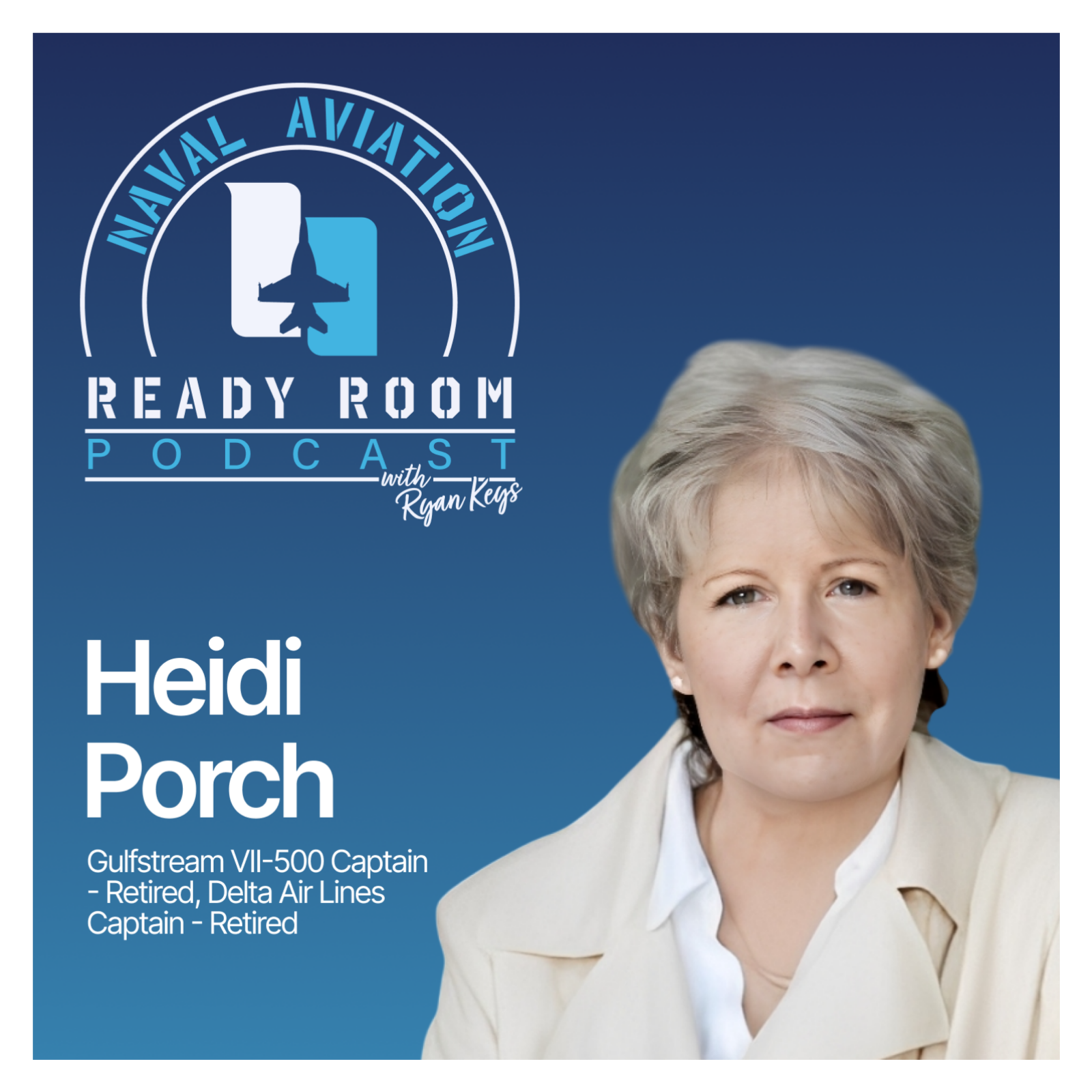 540 Miles From Land: A Solo Pilot’s Nightmare and Miracle Rescue | Aviation survival often focuses on standard checklists and technical execution, but what happens when you face every pilot's ultimate nightmare an engine failure in a single-engine aircraft hundreds of miles out at sea, compounded by a childhood fear of drowning?In this episode of The Naval Aviation Ready Room Podcast, host Ryan Keys welcomes Heidi Porch, whose extraordinary 35-plus year career spans from towing gliders and ferrying light aircraft across the ocean to captaining wide-body commercial airliners like the Boeing 747 and Airbus A330. Heidi deep-dives into the harrowing events of her tenth transpacific delivery flight in 1984. She breaks down the precise moments her oil pressure plummeted, the out-of-body calm that took over once she accepted her fate, and the critical modifications she made to standard ditching procedures to ensure her own survival.The conversation unearths the incredible chain of events that kept her alive: the intervention of a Navy P-3 Orion squadron that sacrificed their journey home to coordinate search efforts, why staying put in her tiny raft saved her from immediate death, and the surreal Cold War twist that led a Soviet ship to pluck her from 13-foot swells in the pitch black. Beyond the crash, Heidi shares insights from her pioneering career as a female aviator, managing the massive DC-9 fleet training department, and the powerful lessons of resilience captured in her memoir, Ditching the Sky.What You’ll Learn:The Transpacific Ferry Reality: Inside the intense logistics of solo transoceanic ferry flights before GPS, where aircraft were stuffed with spare internal fuel tanks and navigated via Loran-C and dead reckoning.Adapting the Checklist: Why Heidi chose to reject official military "swell stall" advice, opting instead to maintain airspeed so she could keep her wings level despite restricted visibility.The Fatal Supply Trap: Why staying with her immediate flotation device, rather than trying to swim out to the superior survival bundles dropped by the Coast Guard, was the single decision that saved her life.Cold War Collaboration: How US Navy P-3 Orion and Coast Guard aircraft worked in tandem across hours of darkness to guide a Soviet merchant vessel to her precise location.Sustaining Longevity: How an aviator transitions from a traumatic survival event back into the cockpit to build a decorated multi-decade career as an international airline captainIf you enjoyed this episode, make sure to subscribe, rate, and review it on Apple Podcasts, Spotify, and YouTube Podcasts. Instructions on how to do so are here. | 1h 05m 02s | ||||||
| 6/18/26 |  Halsey’s Typhoon: The Bull vs. the Barometer | December 1944. The United States Navy is riding an unprecedented wave of triumph across the Pacific theater, closing in on the liberation of the Philippines. Armed with the most powerful armada ever assembled, Admiral William "Bull" Halsey is laser-focused on crushing the Japanese empire. But an enemy far more relentless than the Imperial Japanese Navy is brewing right in their path: Typhoon Cobra.As the barometer plummets and thirty-foot seas begin to batter the fleet, a silent, internal battle emerges between the hard-charging "Bull" Halsey and the frantic warnings of weather experts. Blinded by the pressure to maintain operational momentum and hampered by fragmented weather information exchanges across the theater, Halsey pushes his fleet directly into the eye of a monster.The resulting disaster remains one of the darkest chapters in U.S. naval history—ships capsize, hundreds of men are plunged into shark-infested waters, and future leaders are pushed to the absolute brink of survival. Through the lens of a career sailor who has flown rescue missions into the heart of modern typhoons, Captain Kinsella reconstructs the tragic chronology, the jaw-dropping survival stories—including a young Lieutenant Gerald Ford's near-death experience; and the sobering leadership lessons left behind in the wake of the storm. What You’ll LearnThe Majesty and Terror of the Sea: A veteran helicopter pilot's perspective on what happens when a 100-knot wind and thirty-foot seas strip away human technology and leave sailors entirely at the mercy of nature.The Fragmented Information Squeeze: How fragmented communications and a lack of centralized data exchange between weather units led to critical, catastrophic miscalculations on the flagship.The Ultimate Test of Survival: The terrifying, minute-by-minute reality faced by small destroyers like the USS Spence and USS Hull as they lost stability and fought murderous rolls in the heart of the storm.The Steel Lip of Fate: The chilling, near-miss story of a young Lieutenant named Gerald Ford sliding across a pitching flight deck toward a watery grave, and the two inches of metal that changed American history.The Price of Dissent vs. Compliance: A breakdown of the Court of Inquiry following the disaster, examining the fine line between following operational orders and recognizing when an apex commander has misjudged the barometer.Episode Resources:US Navy WebsiteNaval Aviation Museum Foundation WebsiteTim “Lucky” Kinsella on LinkedIn | 45m 18s | ||||||
| 6/9/26 | 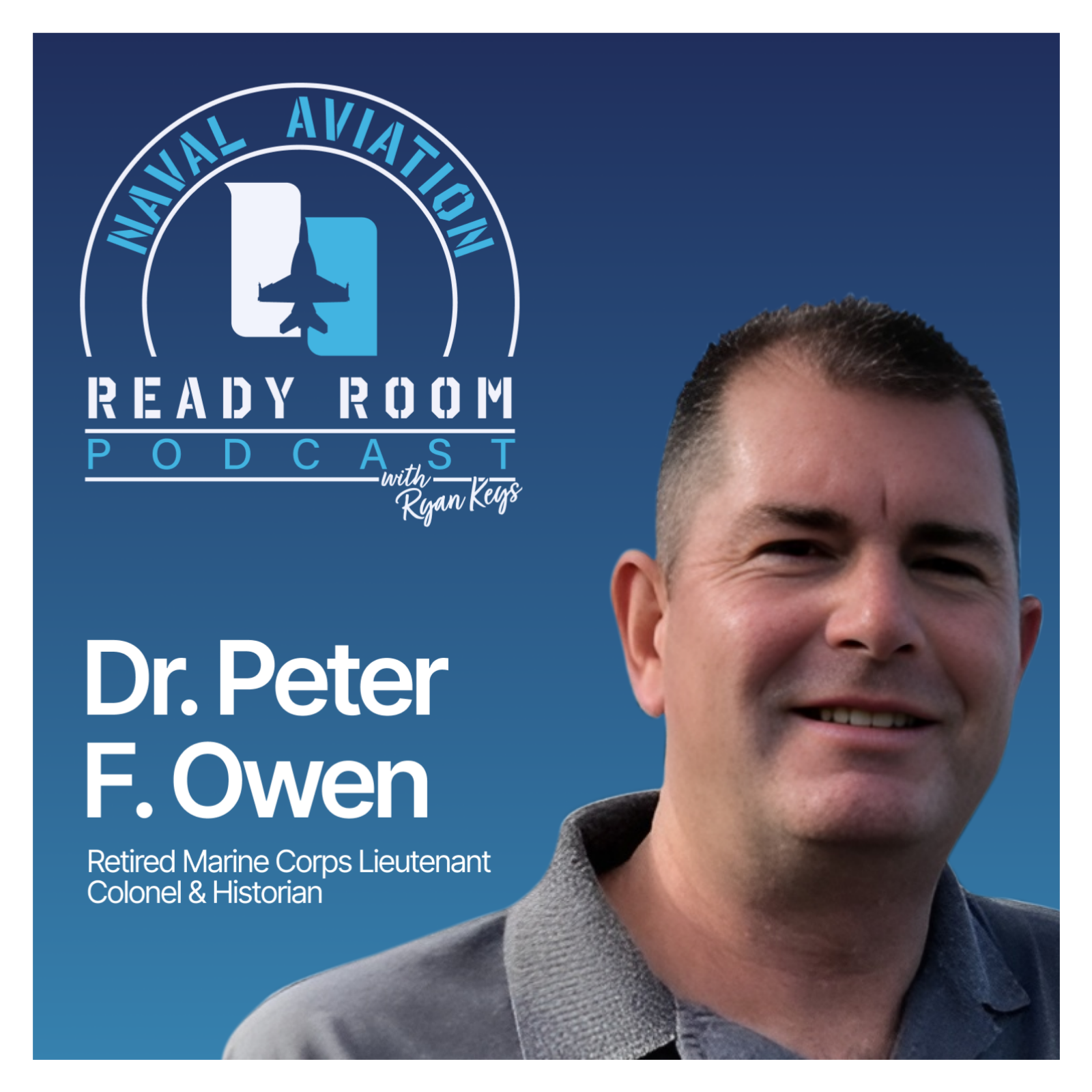 Marine Aviation in WWII: The Real Story of VMF-221 | Military history often packages wartime campaigns into neat, linear victories, but what happens when the gear arrives on one beach, the tools land on another, and the unit is forced to operate out of primitive clearings in a malaria-infested jungle?In this episode of The Naval Aviation Ready Room Podcast, host Ryan Keys sits down with Dr. Peter F. Owen, a premier military historian, Marine Corps University adjunct professor, and decorated retired officer whose deep tactical background includes leading a reconnaissance platoon during Operation Provide Comfort and serving as Executive Officer of the 1st Marine Regiment during the 2003 invasion of Iraq. Dr. Owen uses the extraordinary trajectory of Marine Fighting Squadron 221 (VMF-221) as a pristine lens to analyze the rapid maturation of naval aviation throughout World War II.He breaks down how VMF-221 serves as the perfect historical through-line, spanning from their devastating defensive trials flying the outmatched Brewster Buffalo at the Battle of Midway, through a grueling year of continuous land-based deployment in the Solomons, to their ultimate evolution as carrier-based fighter components aboard the USS Bunker Hill in 1945. The conversation unearths the jarring realities of a broken wartime supply chain, the operational friction caused by massive personnel turnover, and the strategic doctrine of modern Expeditionary Advanced Base Operations (EABO) that makes 1943's logistical nightmares mandatory reading for 2026 tactical planners.What You’ll Learn:The Carrier Misconception: Why Marine aviation in World War II spent the vast majority of its time supporting the fleet at sea via land bases rather than operating purely as an infantry-support asset ashore.The Reality of the Jungle Supply Chain: Inside the brutal logistics chaos of the South Pacific, where mechanics, tools, and spare parts frequently landed on completely separate islands.Muster Roll Disruption: How a 50% personnel turnover rate during critical work-up phases completely changed the training baseline and combat capabilities of front-line units.Boom and Zoom Tactics: How severe time constraints forced commanders to skip complex gunnery training, teaching raw dive-bomber pilots simple altitude-and-aggression aerial tactics to defeat advanced Japanese fighters.The Industrial Capacity Warning: Why the rapid industrial scaling of 1942 cannot be easily replicated today, placing an immense premium on baseline readiness before a modern peer conflict begins If you enjoyed this episode, make sure to subscribe, rate, and review it on Apple Podcasts, Spotify, and YouTube Podcasts. Instructions on how to do so are here. | 53m 14s | ||||||
| 6/4/26 |  The Revolt of the Admirals: Five Days that Shook the Navy | On a cold evening in Washington D.C., a decorated naval captain stands hidden in a government fire escape, holding a folder of radioactive secrets. Inside are confidential internal letters written by the absolute highest-ranking officers in the U.S. Navy, including the Chief of Naval Operations. Depending on who you ask, the words on those pages border on outright treason, declaring that the Pentagon is marching the country toward disaster and selling the public a "false bill of goods." The captain is seconds away from handing those letters to a newspaperman, knowing it will instantly incinerate his own career.To understand how the military reached the brink of mutiny, this episode travels back to the end of World War II, when the Navy rode high as the most powerful fleet in human history. But as the peacetime demobilization ax fell, President Harry Truman capped the defense budget, forcing the Army, Navy, and the newly independent Air Force into a shrinking financial box. The Air Force brought a beautiful, terrifying thesis to Washington, that the next war would be won in a single afternoon by massive Convair B-36 Peacemaker bombers carrying atomic weapons, rendering traditional fleets completely obsolete. Refusing to be quietly written out of the future, the Navy counterattacked by laying the keel for the USS United States, a revolutionary 65,000-ton flush-deck supercarrier. However, aggressive Secretary of Defense Louis A. Johnson ruthlessly canceled the project just five days into production without consulting the Secretary of the Navy, lighting the fuse for an all-out institutional war.What You’ll LearnThe Existential Squeeze: How severe post-WWII demobilization forced hungry military institutions into a shrinking financial box, sparking an unprecedented civil war between the Navy and the newly independent Air Force.The Argument with Wings: The strategic rise of the Convair B-36 Peacemaker and the controversial doctrine of strategic bombing that threatened to turn aircraft carriers into expensive museum pieces.The Midnight Leak: How Captain John Crommelin risked everything on a cold Washington fire escape to hand classified letters from top admirals to a newspaperman, shattering the government’s efforts to suppress naval dissent.The Price of Integrity: The staggering personal and professional fallout of the congressional hearings, including the immediate firing of Chief of Naval Operations Admiral Louis Denfeld for testifying with absolute honesty.The Verdict of Reality: How the outbreak of the Korean War in 1950 shattered the theory of the single-weapon "atomic blitz" and completely vindicated the Navy’s argument for flexible, carrier-based power.Episode Resources:US Navy WebsiteNaval Aviation Museum Foundation WebsiteTim “Lucky” Kinsella on LinkedIn | 45m 06s | ||||||
| 5/26/26 |  Trapped Under the Abyss: 37-Degree Water and Malfunctioning Gear | The explosive force of hitting the sound barrier at nearly 700 MPH was just the beginning of Kegan Gill's fight for survival. Left with a broken neck, shattered arms, open leg fractures, and severe internal bleeding, Kegan plummeted into a 37-degree Atlantic swell. To make matters worse, his emergency beacon and automated parachute release systems malfunctioned, leaving him paralyzed and tethered to a sinking parachute dragging him into the dark blue abyss.Part 2 dives deep into the high-stakes chess match of his rescue, from his flight lead thumping a fishing vessel to get help, to a rescue swimmer making a rogue, game-time decision to bypass Navy protocol to save him from hypothermia.But the true battle began after the trauma surgeons pieced him back together. Kegan recounts waking up from a two-week coma to the devastating news that he would never walk or fly again. Driven by pure fighter-pilot defiance, Kegan defied the odds to fly the Super Hornet again, only for delayed-onset traumatic brain injury (TBI) symptoms to trigger a horrific mental health spiral. He opens up completely about his near-suicide attempt, the "imprisonment" of the VA psychiatric system, and how conventional FDA-approved medications fueled severe paranoid delusions, leading to a breaking point where his wife found him naked, wearing a garbage bag, preparing to fight crime.Finally, Kegan shares his profound turning point: breaking away from the pharmaceutical cycle to find true healing through nutrition, intense meditation training with the Wisdom Dojo, and psychedelic-assisted therapy in Peru. This is an unfiltered, masterfully raw look at trauma, institutional failure, and what it truly means to launch a "Phoenix Revival"What You’ll Learn:The Mechanical Failures of Survival: Why Vietnam-era military gear and malfunctioning SeaWear explosive units left Kegan trapped under water.Bypassing Protocol to Save a Life: How a rescue swimmer’s decision to ignore standard backboard policy prevented Kegan from dying of hypothermia.The "Wolverine" Recovery & Defying NAMI: The grueling physical therapy process and the naval review boards Kegan cleared to miraculously get back into a Super Hornet cockpit.The Hidden TBI Trap: The terrifying moment Kegan experienced severe vertigo and amnesia mid-flight during a live-fire exercise.The Dark Side of Conventional Medicine: How a delayed-onset PTSD diagnosis led to a dangerous cycle of pharmaceutical over-medication and psych-ward confinement.Alternative Modalities & Integration: The science of neuroplasticity, eye-tracking therapy, and how plant medicine (Ayahuasca) allowed Kegan to reconstruct his damaged neurochemistry and soul.If you enjoyed this episode, make sure to subscribe, rate, and review it on Apple Podcasts, Spotify, and YouTube Podcasts. Instructions on how to do so are here. Episode Resources:US Navy WebsiteRyan Keys on LinkedInKegan Gill on LinkedInNaval Aviation Museum Foundation Website | 50m 54s | ||||||
| 5/22/26 |  Racing into the Devil’s Jaw: The Honda Point Disaster of 1923 | On the night of September 8, 1923, 14 of the U.S. Navy's sleekest Clemson-class destroyers, affectionately known as the Greyhounds, were charging south from San Francisco to San Diego at a blistering 20 knots. Eager to prove his squadron's flawless competence following a prior minor mishap, Captain Edward H. Watson enforced a strict wartime doctrine: centralized navigation, radio silence, and a ban on independent positional checks or depth soundings.Unbeknownst to the crew, the catastrophic Great Kanto Earthquake in Japan just a week prior had sent unpredictable submarine currents surging across the Pacific, quietly throwing off their calculations. Blindly trusting dead reckoning over a newfangled technology called Radio Direction Finding (RDF), the flagship USS Delphi ordered a fatal turn east into what they believed was the Santa Barbara Channel. Instead, they plowed headfirst into the jagged cliffs of Point Pedernales.Within five chaotic minutes, seven destroyers lay broken in the surf, claiming the lives of 23 sailors. This episode deepens into the harrowing survival stories, the extraordinary rescue efforts by local ranchers, and the historic court-martial where Captain Watson did the unthinkable: he stood up and took total responsibility.What You’ll LearnThe Architecture of Certainty: How exceptional, decorated competence rather than incompetence hardened into an institutional hubris that silenced dissent and caused a disaster.The Ghost Currents of Kanto: How a massive earthquake 5,000 miles away in Japan altered California's coastal currents and doomed the squadron’s mathematical plots.The Five-Minute Chaos: The terrifying sequence of events as seven low-slung destroyers crumpled broadside or rolled over in total darkness.Quiet Disobedience: The story of Commander Walter Roper, the rearmost division leader who used healthy fear as a survival tool to save his four ships from the reef.An Absolute Standard of Leadership: Why Captain Watson’s refusal to deflect blame onto his subordinates or environmental factors remains a legendary case study in naval accountability.Highlights & YouTube Chapters [00:00:47] The Devil's Jaw: Demystifying the treacherous geography of Point Pedernales.[00:03:05] The Post-War Pinch: How congressional austerity and bottled-up energy set the stage for a high-speed trial.[00:05:40] The Greyhounds of the Fleet: A closer look at the spartan, narrow Clemson-class destroyers.[00:10:48] The Blind Flagship: Centralized navigation and the fateful decision to discard RDF data.[00:15:43] Five Minutes at 11 Yards Per Second: The crushing impact sequence that doomed seven ships.[00:21:40] Ranchers to the Rescue: How local citizens rigged improvised breeches buoys down dark cliffs.[00:25:20] Taking the Medicine: The historic general court-martial and Captain Watson's stunning plea of total guilt.Episode Resources:US Navy WebsiteNaval Aviation Museum Foundation WebsiteTim “Lucky” Kinsella on LinkedIn | 37m 41s | ||||||
| 5/12/26 |  700 MPH Survival: Kegan Gill’s Record-Breaking Navy Ejection | fighter pilot Kegan Gill to recount the most violent ejection in naval history. Kegan shares his journey from a "wild" childhood in Michigan to the cockpit of an F/A-18 Super Hornet, leading up to the split-second decision in January 2014 where he chose a "non-survivable" ejection over certain death. | 27m 03s | ||||||
| 5/7/26 |  Scramble the Seawolves: The Story of the Navy’s Most Decorated Squadron | In this episode, retired Navy Captain Tim "Lucky" Kinsella uncovers the forgotten history of Helicopter Attack Squadron Light Three HA(L)-3 , the Seawolves. Born from a desperate need for air cover in the Mekong Delta, this all-volunteer unit flew "hand-me-down" Army helicopters to become the most decorated squadron in the history of naval aviation. | 32m 03s | ||||||
| 4/28/26 | 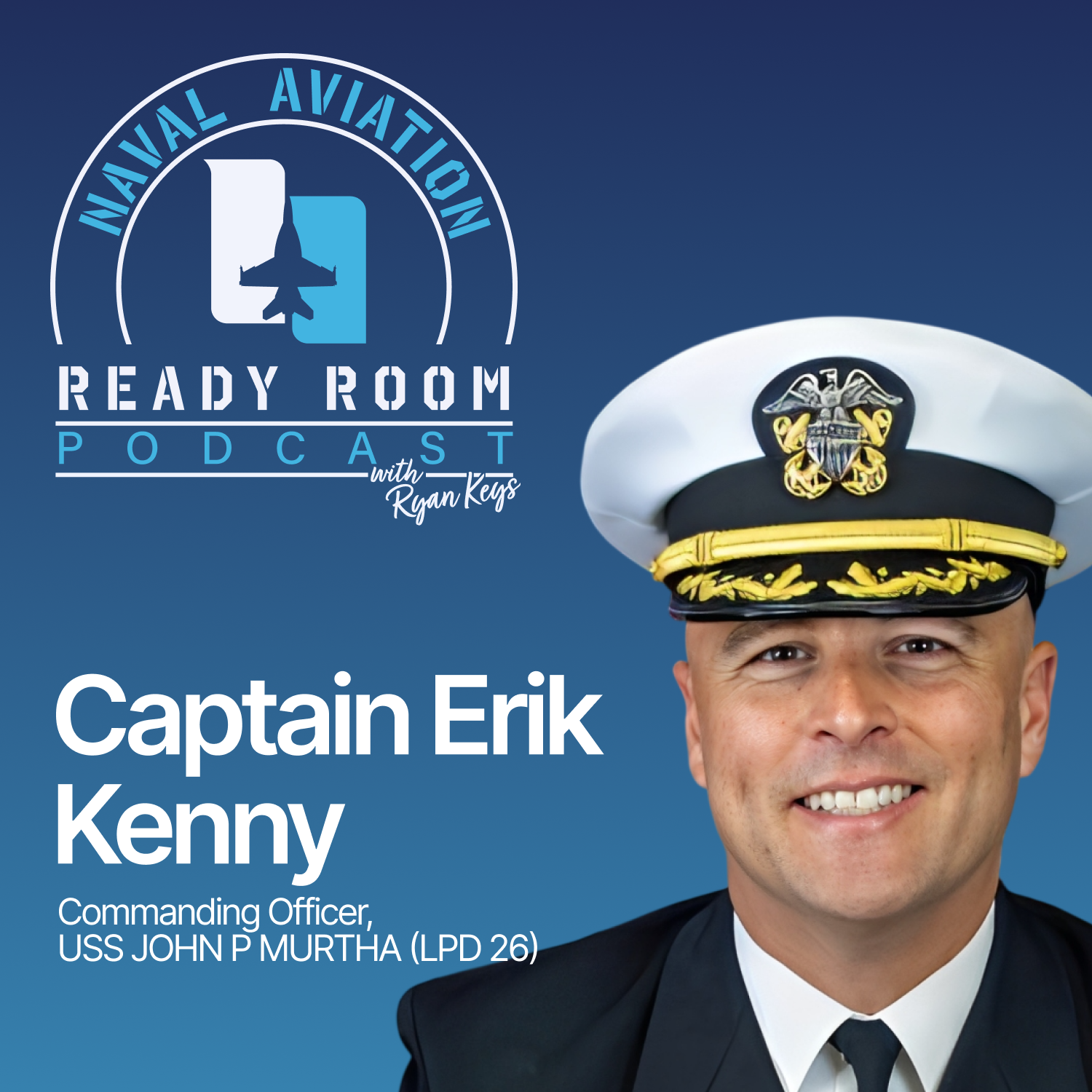 Artemis II Recovery Mission with the USS John P. Murtha | Capt Erik Kenny | In this episode of The Naval Aviation Ready Room Podcast, host Ryan Keys sits down with Captain Erik Kenny, Commanding Officer of the USS John P. Murtha (LPD 26). Capt Kenny shares the extraordinary behind-the-scenes story of the Artemis II astronaut recovery mission, his transition from a Strike Fighter pilot to a nuclear-qualified ship driver, and his "eat the risk" leadership philosophy that defines modern maritime command. | 56m 25s | ||||||
| 4/23/26 |  Call the Ball: The evolution of the supercarrier | In this episode, retired Navy Captain Tim "Lucky" Kinsella traces the evolution of the aircraft carrier from a controversial "toy" to the sovereign centerpiece of American global strategy. Discover the forgotten engineering marvels and tragic lessons, from lipstick-smeared mirrors to "Mardi Gras" in the middle of a war zone that turned the flight deck into the most dangerous four acres on Earth. | 50m 10s | ||||||
Want analysis for the episodes below?Free for Pro Submit a request, we'll have your selected episodes analyzed within an hour. Free, at no cost to you, for Pro users. | |||||||||
| 4/14/26 | 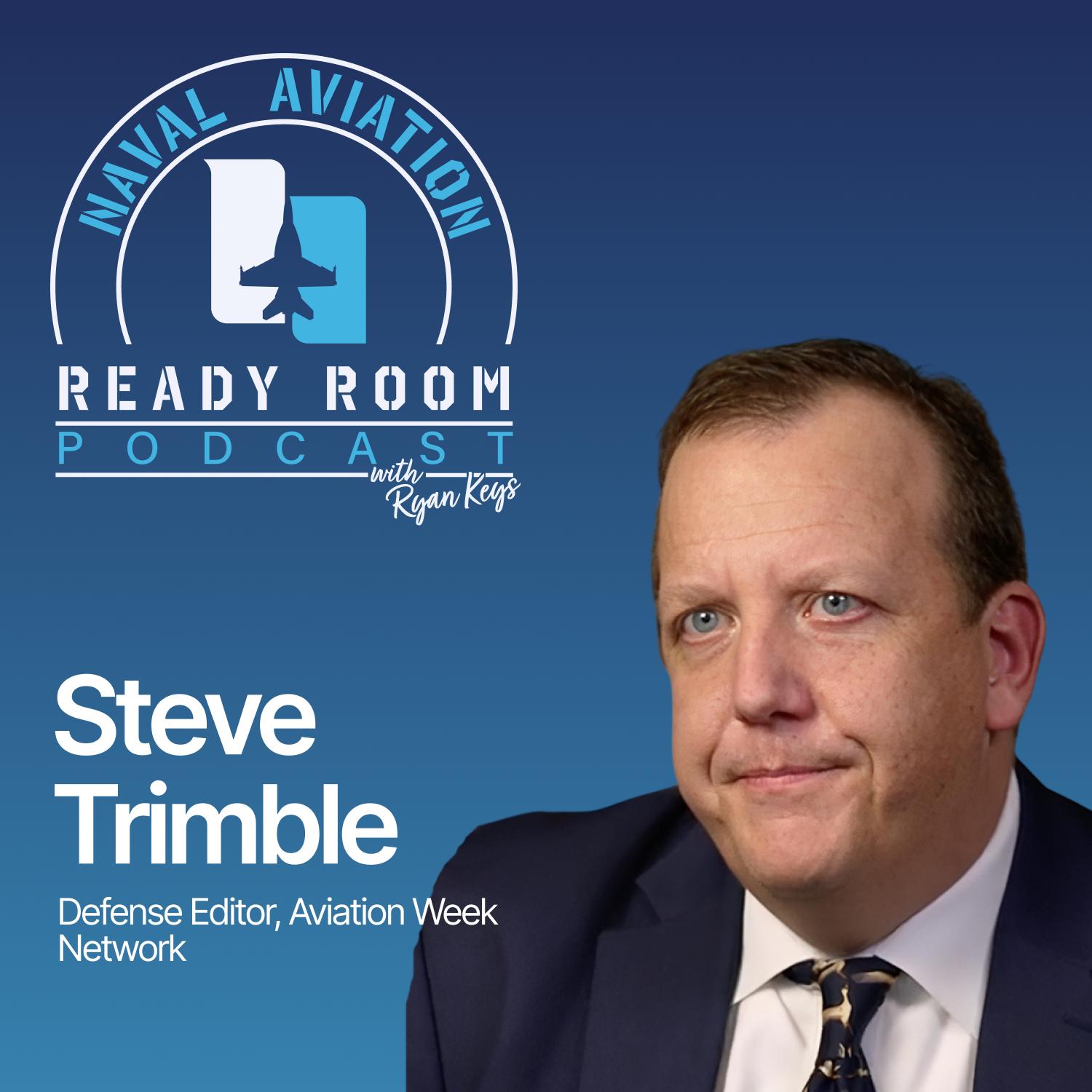 The Spy in the Ready Room: How Journalists Uncover Military Secrets | In this episode of The Naval Aviation Ready Room Podcast, host Ryan Keys sits down with Steve Trimble, Defense Editor for Aviation Week Network, to explore the complex intersection of military aviation and global journalism. Trimble provides a rare "outside-in" look at how reporters track classified hardware, the historical firestorms sparked by unauthorized leaks, and the looming technical hurdles facing next-generation fighters like the F-47. | 51m 15s | ||||||
| 4/9/26 | 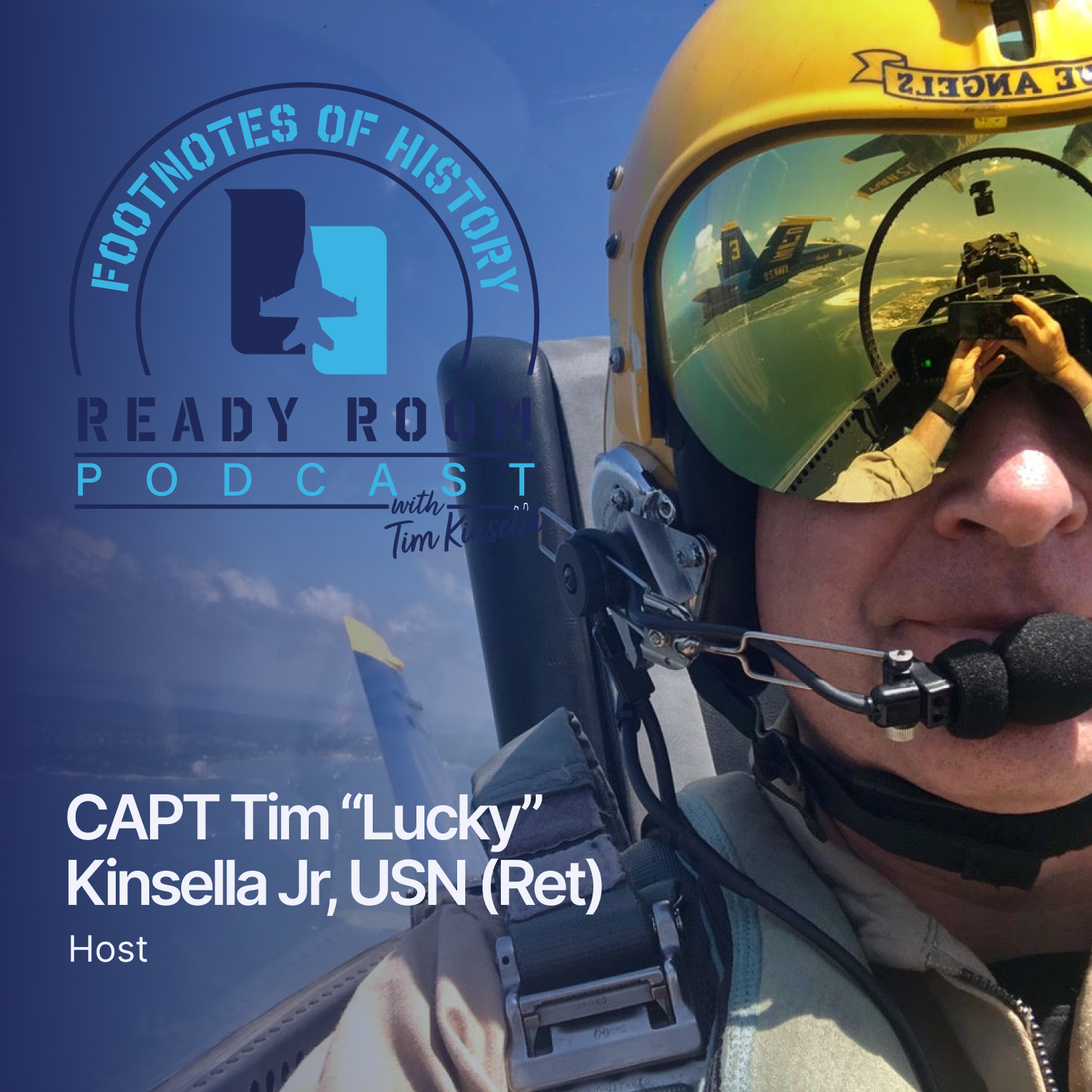 Satan’s Kittens - How the Blue Angels Went to War | In this episode of Footnotes of History, retired Navy Captain Tim "Lucky" Kinsella reveals the grit behind the glamour of the Blue Angels. Far from being just "professional stunt pilots," the team was born from a post-WWII budget battle and eventually sent to the front lines of the Korean War as a frontline fighter squadron. From surviving five days in a life raft to pressing a final attack in a burning jet, this is the story of Lieutenant Commander Johnny Magda and the legacy of "Satan’s Kittens." | 29m 42s | ||||||
| 3/31/26 |  90 Days Absent: How I Saved My Career After Captain's Mast | In this episode of The Naval Aviation Ready Room Podcast, host Ryan Keys sits down with Ryan Hogan, a Navy Reserve officer and serial entrepreneur whose journey is a masterclass in resilience. Hogan candidly details his "intentional lack of intentionality," from nearly failing high school to facing Captain's Mast early in his career, only to pivot and become a highly successful startup founder. He shares how the Navy provided the discipline needed to build companies like Hunt A Killer and Talent Harbor, all while continuing to lead sailors in the maritime security realm. | 51m 11s | ||||||
| 3/26/26 |  Slow But Deadly - Flying the SBD Dauntless into Combat | In this episode of Footnotes of History, retired Navy Captain Tim "Lucky" Kinsella explores the legacy of the Douglas SBD Dauntless, the most consequential aircraft in the history of naval warfare. From the brutal physics of a 70-degree dive to the harrowing story of a single plane that survived nearly 250 bullet holes at the Battle of Midway, this episode reconstructs what it felt like to fly "The Slow But Deadly" into the heart of the Pacific War. | 34m 01s | ||||||
| 3/17/26 |  What Navy Test Pilot School Really Teaches You — And Why It's Not What You Think | In this episode of The Naval Aviation Ready Room Podcast, host Ryan Keys sits down with Commander Keith "Kiki" Kulow, USN (Ret.), whose career bridges the high-stakes world of flight testing and front-line disaster response. From flying "variable stability" aircraft that can emulate any airframe to leading the "Dusty Dogs" of HSC-7 through a historic hurricane season, Commander Kulow's story is one of technical mastery and extreme adaptability. He shares deep insights into the rigorous selection process for Test Pilot School (TPS), the surprising emphasis on written communication in flight testing, and the leadership challenges of executing unscripted rescue missions in the wake of Harvey, Irma, and Maria. | 50m 17s | ||||||
| 3/12/26 |  From the Rigging to the Reactor: How the US Navy Learned to Win | In this Footnotes of History mini-episode of The Ready Room Podcast, retired Navy Captain Tim "Lucky" Kinsella explores the long and occasionally embarrassing journey of how the United States Navy realized that professional officers require a formal education. Moving from 1775 to the modern era, the episode examines the philosophical battle between heroism and regulation, and the institutional resistance to every major technological shift from steam power to nuclear reactors. | 26m 13s | ||||||
| 3/3/26 |  From Helicopters to Air Force One: A Pilot's Journey Through 16,000 Flight Hours | Major Ken Lee | In this episode of The Naval Aviation Ready Room Podcast, host Ryan Keys speaks with Major Ken Lee, USAF (Ret.), whose aviation career spans helicopter rescue missions, Cold War tanker alert, Operation Desert Storm, presidential airlift support, and commercial airline safety leadership. From flying rescue helicopters in California to launching KC-135s under Emergency War Orders, Major Ken Lee’s story reflects adaptability, disciplined professionalism, and the lasting impact of mentorship. His journey continued into international 747 operations and airline safety leadership, where small procedural changes produced fleet-wide impact. This episode explores how aviation careers evolve across platforms, missions, and decades and how service continues long after the uniform comes off. | 1h 03m 58s | ||||||
| 2/26/26 |  The Death Spin That Nearly Ended Aviation History | In this Footnotes of History mini episode of The Ready Room Podcast, Captain Tim “Lucky” Kinsella, U.S. Navy (Ret.), recounts the first transatlantic flight completed by the Curtiss NC-4 in 1919. The achievement was not the result of a single daring nonstop attempt. It was a deliberate, carefully supported naval operation designed to demonstrate that aviation could be integrated into national power. Led in vision by John H. Towers and executed by a disciplined crew under Lieutenant Commander Albert Cushing Read, the mission transformed the Atlantic from a barrier into a supported route of flight. This episode explores how preparation, logistics, and institutional resolve placed naval aviation firmly on the world stage. | 15m 54s | ||||||
| 2/17/26 | 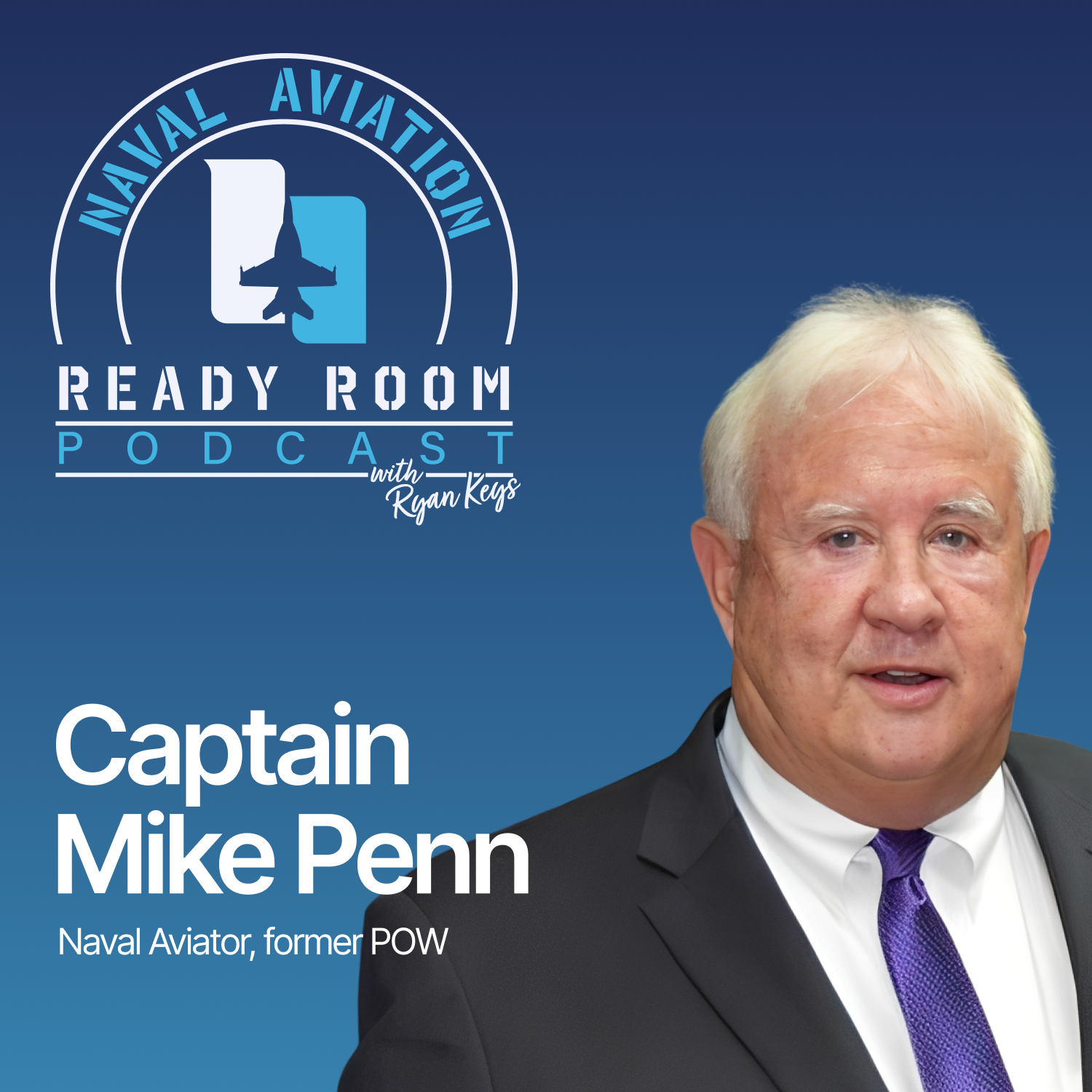 When Survival Becomes a Choice: Leadership Forged in Captivity | Mike Penn | In this episode of The Naval Aviation Ready Room Podcast, host Ryan Keys speaks with Captain Mike Penn, USN (Ret.), a Vietnam War naval aviator, former prisoner of war, airline captain, and chief pilot whose life was defined by a single decision made under extreme adversity: to live. Shot down over North Vietnam in 1972, Penn survived an ejection that defied physics, endured capture and imprisonment, and returned with a renewed sense of purpose that shaped decades of service to others. | 1h 02m 39s | ||||||
| 2/12/26 |  A Navy for Two Oceans: How Congress Helped Win Midway | In this Footnotes in History mini episode of The Naval Aviation Ready Room Podcast, Captain Tim “Lucky” Kinsella, U.S. Navy (Ret.), tells the story of how a quiet congressional decision in 1940 helped determine the outcome of the Battle of Midway. The Two Ocean Navy Act was passed while the United States was still officially neutral. It committed the nation to the largest naval expansion in its history, not in response to an attack, but in anticipation of a war many feared was coming. Two years later, that decision shaped the strategic choices of both Admiral Chester Nimitz and Admiral Isoroku Yamamoto and helped tip the balance of the Pacific War. | 11m 41s | ||||||
| 2/3/26 | 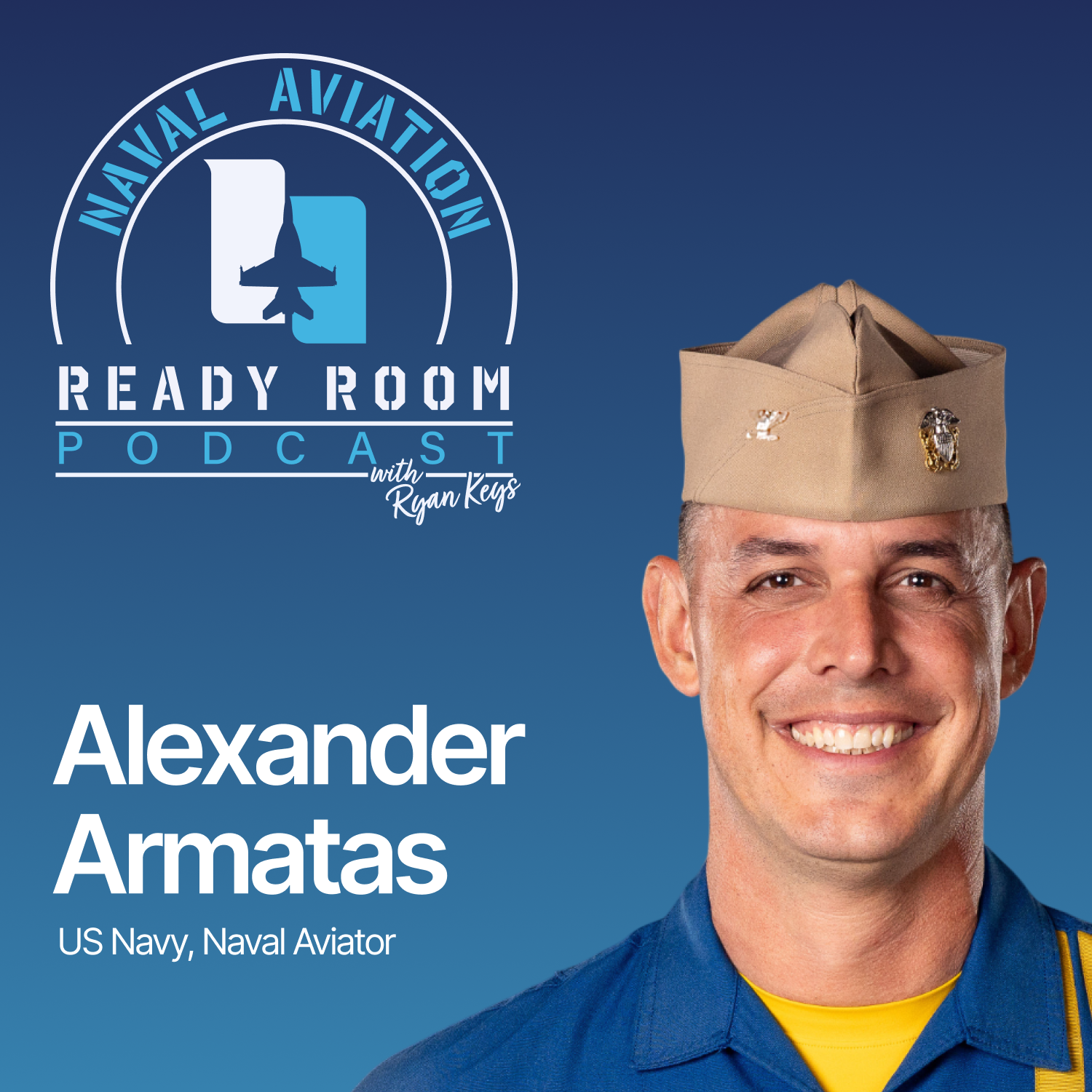 From Fleet to Formation: Armatas on Mastery in Naval Aviation | In this episode, Cmdr. Alexander “A-Train” Armatas, former Commanding Officer and Flight Leader of the U.S. Navy Blue Angels — delivers a masterclass on precision aviation, leadership under pressure, and the mindsets that separate good aviators from elite ones. Drawing from his career as a fleet fighter pilot and Blue Angel, Armatas explains how focus, trust, and communication shape both combat aviation and world-class formation flying. | 57m 36s | ||||||
| 1/29/26 | 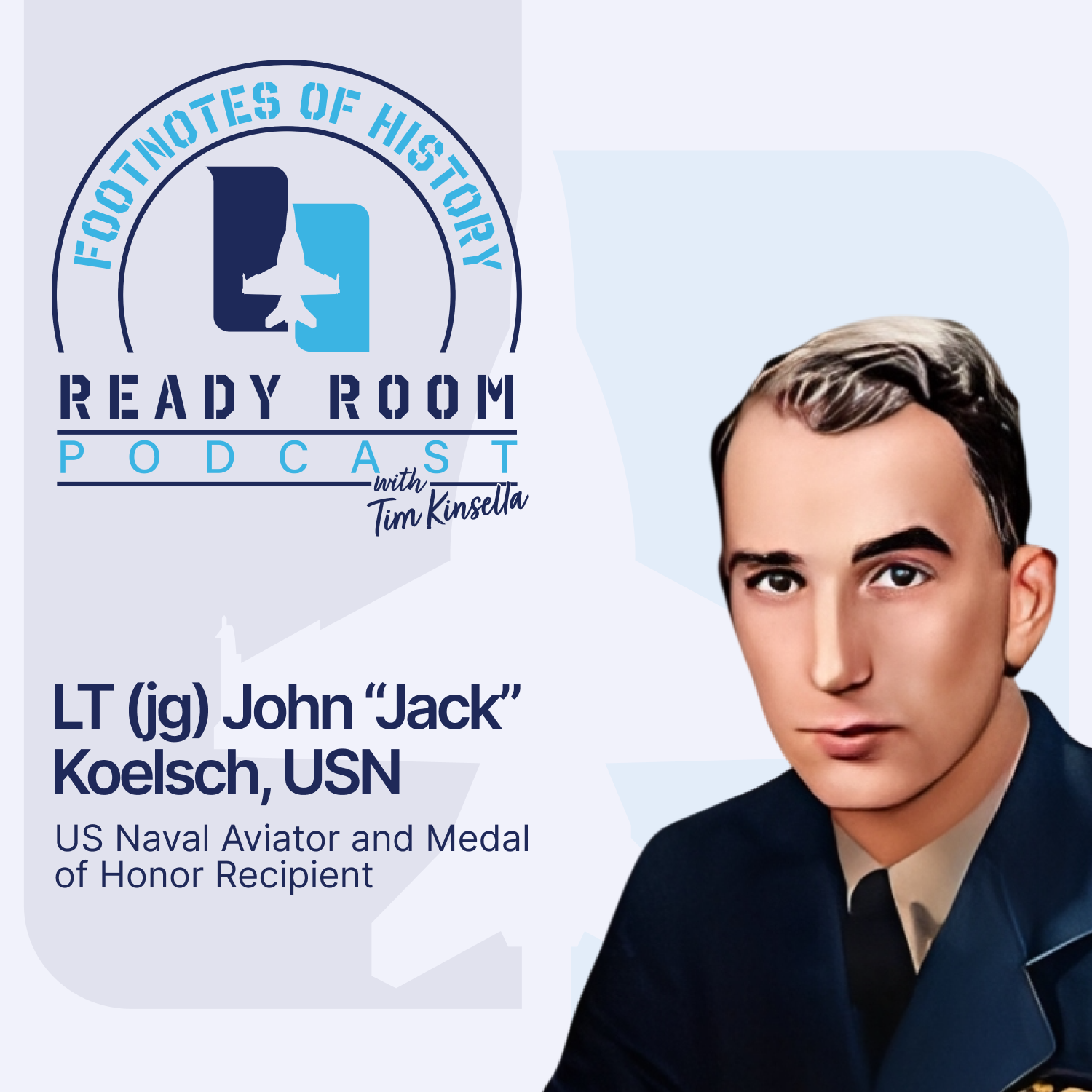 Night Rescue in Korea: When One Pilot Said "I'll Go” | In this Footnotes in History mini-episode of The Naval Aviation Ready Room Podcast, host Captain Tim “Lucky” Kinsella, U.S. Navy (Ret.) recounts the extraordinary life, final mission, and enduring legacy of Lieutenant John Kelvin “Jack” Koelsch, the first helicopter pilot in U.S. history to receive the Medal of Honor. From a near-suicidal night rescue behind enemy lines in Korea to his quiet heroism as a prisoner of war, Koelsch’s story shaped combat search and rescue doctrine, influenced the U.S. military Code of Conduct, and left a legacy that continues to guide American service members decades later. | 25m 05s | ||||||
| 1/22/26 | 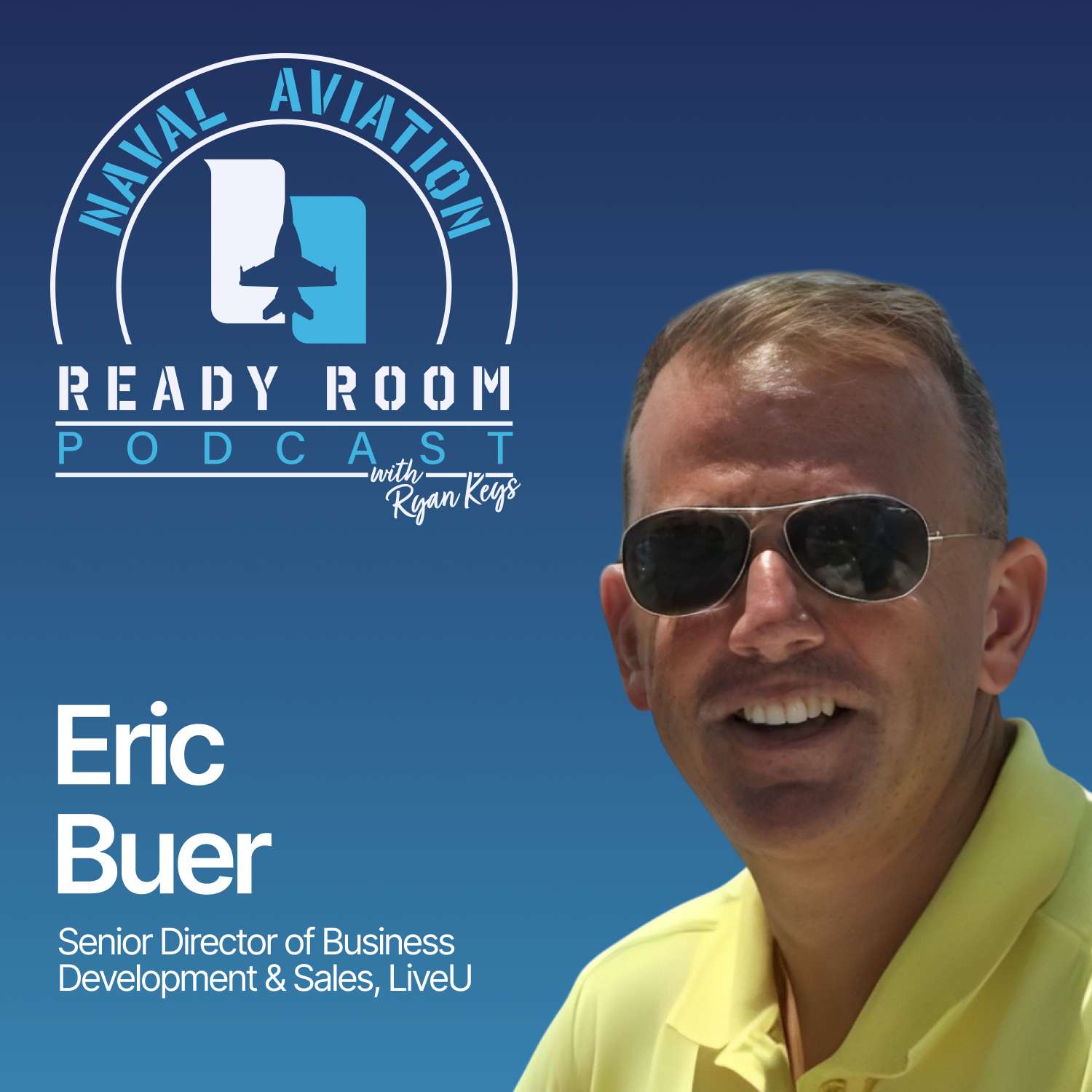 Ghosts of Baghdad: A Marine Cobra Pilot's Story of Combat Leadership | In this episode, Colonel Eric F. Buer, USMC (Ret.), takes listeners inside the cockpit of the AH-1W Super Cobra during the opening days of Operation Iraqi Freedom. A decorated Marine aviator, squadron commander, and author of Ghosts of Baghdad, Buer shares raw insights into leadership under fire, the chaos of OIF’s early missions, and the human cost of commanding Marines in sustained combat. | 49m 27s | ||||||
| 1/8/26 | 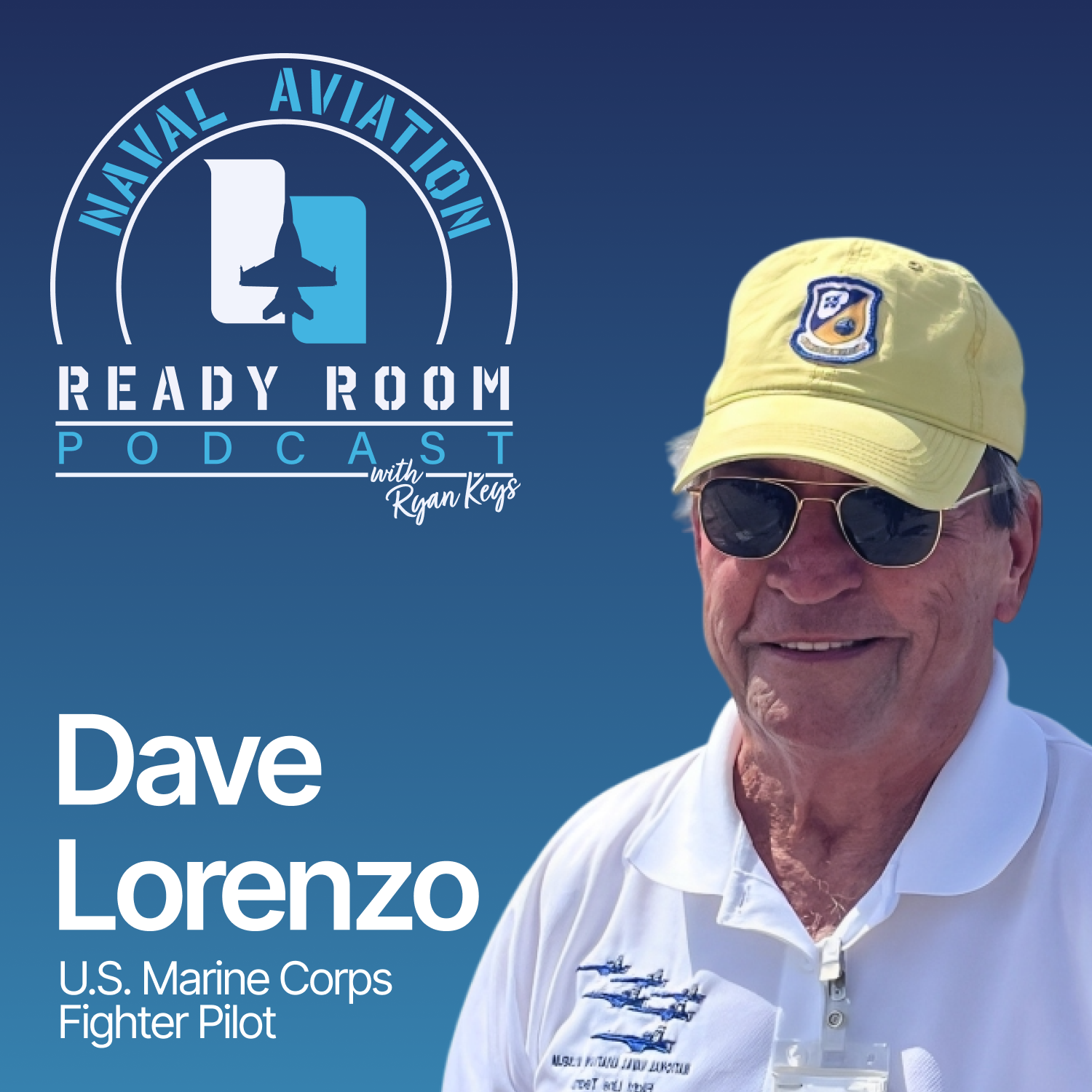 Shot Down Over Laos: F-8 Crusader Pilot's Vietnam War Story | In this episode of The Naval Aviation Ready Room podcast, host Ryan Keys speaks with Dave Lorenzo, a former Marine Corps F-8 Crusader pilot and Vietnam War veteran, as he shares powerful stories of survival, service, and mentorship. From being shot down in combat to a decades-long commercial aviation career and continued service at the National Naval Aviation Museum, Dave offers a remarkable look into naval aviation history through personal experience. | 52m 23s | ||||||
| 12/18/25 | 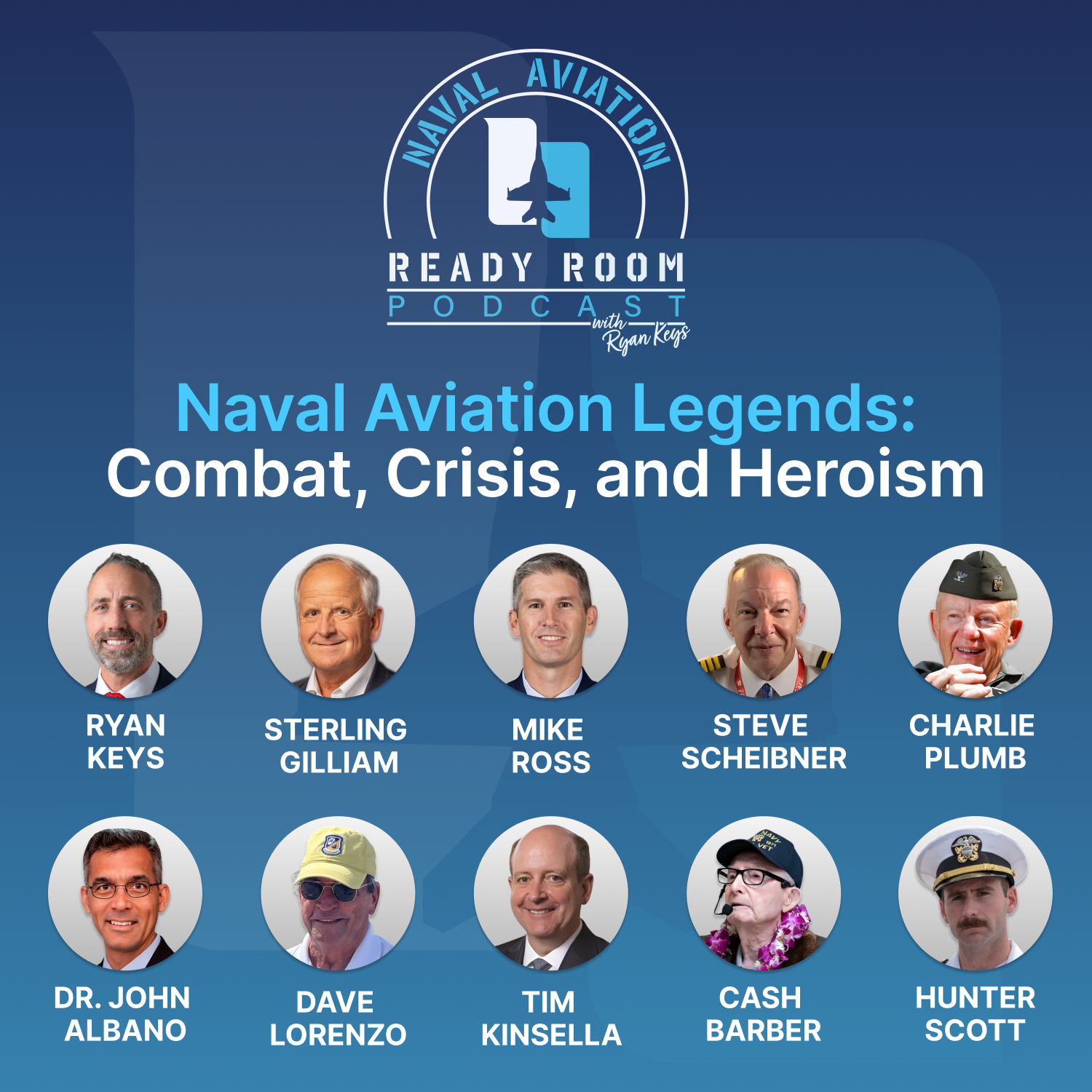 Naval Aviation Ready Room Podcast: Stories of Courage, Leadership, and Resilience | In this compilation from The Naval Aviation Ready Room Podcast, host Ryan Keys brings together powerful stories from across generations of naval aviators. From WWII night operations to modern SAR missions, these accounts reveal the decision-making, sacrifice, and resilience that define naval aviation's finest traditions. | 19m 15s | ||||||
Showing 25 of 35
Sponsor Intelligence
Sign in to see which brands sponsor this podcast, their ad offers, and promo codes.
Chart Positions
7 placements across 7 markets.
Chart Positions
7 placements across 7 markets.