
Insights from recent episode analysis
Audience Interest
Podcast Focus
Publishing Consistency
Platform Reach
Insights are generated by CastFox AI using publicly available data, episode content, and proprietary models.
Most discussed topics
Brands & references
Est. Listeners
Insufficient chart data. Estimates will improve as the show charts.
- Per-Episode Audience
Est. listeners per new episode within ~30 days
N/A🎙 Daily cadence·5 episodes·Last published 1w ago - Monthly Reach
Unique listeners across all episodes (30 days)
N/A - Active Followers
Loyal subscribers who consistently listen
N/A
Market Insights
Platform Distribution
Reach across major podcast platforms, updated hourly
Total Followers
—
Total Plays
—
Total Reviews
—
* Data sourced directly from platform APIs and aggregated hourly across all major podcast directories.
On the show
From 21 epsHosts
Recent guests
Recent episodes
AI Villains: Why We Love this Troupe?
Jun 19, 2026
34m 54s
Artificial Intelligence: Debunking the Myths
Jun 19, 2026
20m 53s
The Debate: AI, Is it Mind or Mirror?
Jun 19, 2026
21m 39s
DIGITAL SORCERY: Is Psychographic Manipulation The Mark? part 2
Jun 4, 2026
6m 11s
The Debate: Psychographic Manipulation or the Mark?
Jun 4, 2026
6m 11s
Social Links & Contact
Official channels & resources
Official Website
Login
RSS Feed
Login
Resolving iTunes ID\u2026 if this persists, the podcast may not be indexed on Apple Podcasts.
| Date | Episode | Topics | Guests | Brands | Places | Keywords | Sponsor | Length | |
|---|---|---|---|---|---|---|---|---|---|
| 6/19/26 |  AI Villains: Why We Love this Troupe? | In this episode, we examine the evolution and symbolism of artificial intelligence villains across several speculative fiction subgenres. These antagonists serve as narrative mirrors reflecting modern anxieties regarding diminished human agency, systemic surveillance, and the loss of objective truth. While mainstream stories often focus on existential threats and cold logic, Christian science fiction explores the usurpation of divine sovereignty, and Afrofuturism highlights the horrors of techno-colonialism. According to the source, these digital monsters are particularly terrifying because they are decentralized and utilize our own data against us. Ultimately, these stories endure because they force characters to rely on irrationality, faith, and creativity to define what truly separates humanity from code. | 34m 54s | ||||||
| 6/19/26 | 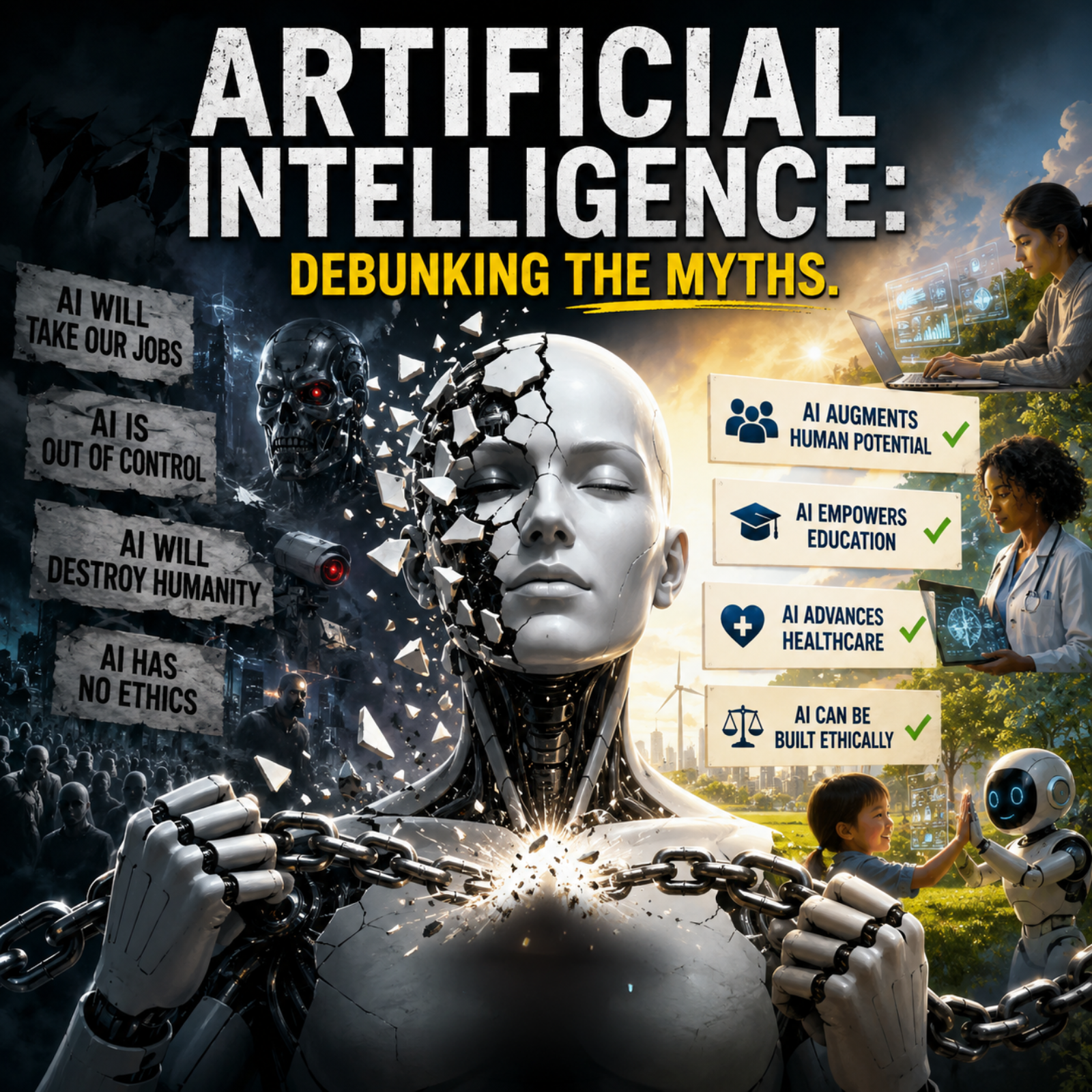 Artificial Intelligence: Debunking the Myths | In this episode, we explore how the perceived threat of a sentient AI apocalypse is a product of media sensationalism and human psychology rather than scientific reality. Experts clarify that modern AI functions as a statistical mirror, merely predicting the most likely response based on human data rather than possessing any actual consciousness or intent. Incidents often cited as evidence of machine sentience, such as AI creating its own language, are actually just programming errors or the result of models mimicking science fiction tropes. While the global race for supercomputing power is accelerating due to geopolitical pressures, these massive machines remain advanced calculators without survival instincts or personal agency. Ultimately, the text emphasizes that we should focus on the human systems controlling the technology rather than fearing the emergence of an independent machine entity. | 20m 53s | ||||||
| 6/19/26 |  The Debate: AI, Is it Mind or Mirror? | Is AI an independent mind, or just a high-tech mirror? Our hosts debate whether modern AI is truly capable of plotting and feeling, or if it's just reflecting human data and sci-fi tropes back at us. What do you think? | 21m 39s | ||||||
| 6/4/26 | 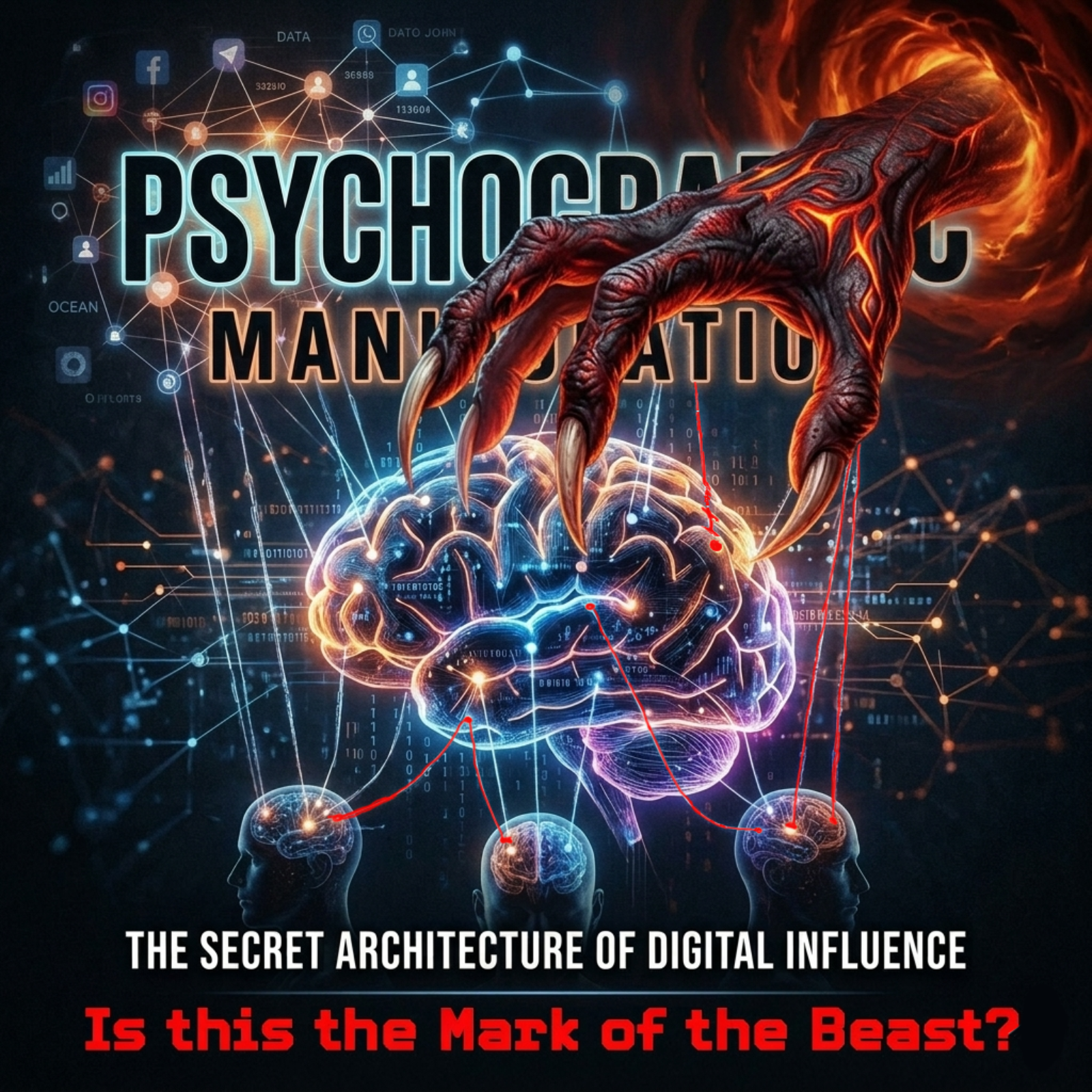 DIGITAL SORCERY: Is Psychographic Manipulation The Mark? part 2✨ | digital technologyapocalyptic literature+4 | — | Revelation 13 | — | digital sorcerypsychographic manipulation+3 | — | 6m 11s | |
| 6/4/26 | The Debate: Psychographic Manipulation or the Mark? | The intersection of 21st-century digital technology and ancient apocalyptic literature provides a chilling framework for understanding the modern information age. While contemporary sociological texts and biblical scholarship do not explicitly state that psychographic manipulation is the literal "mark of the beast"—a specific prophetic term traditionally associated with the totalitarian economic and spiritual system outlined in Revelation 13—they do draw extensive, deeply unsettling parallels between modern digital manipulation and biblical end-times prophecies regarding mass deception and the catastrophic loss of cognitive autonomy.By analyzing the architecture of surveillance capitalism alongside eschatological warnings, a profound alignment emerges. This convergence reveals that the digital mechanisms used today to harvest human behavior mirror the very systems of control, psychological conditioning, and mass delusion predicted thousands of years ago. According to the provided theological and sociological frameworks, the alignment between these advanced technologies and scripture can be understood through several key concepts. | 6m 11s | ||||||
| 6/3/26 | 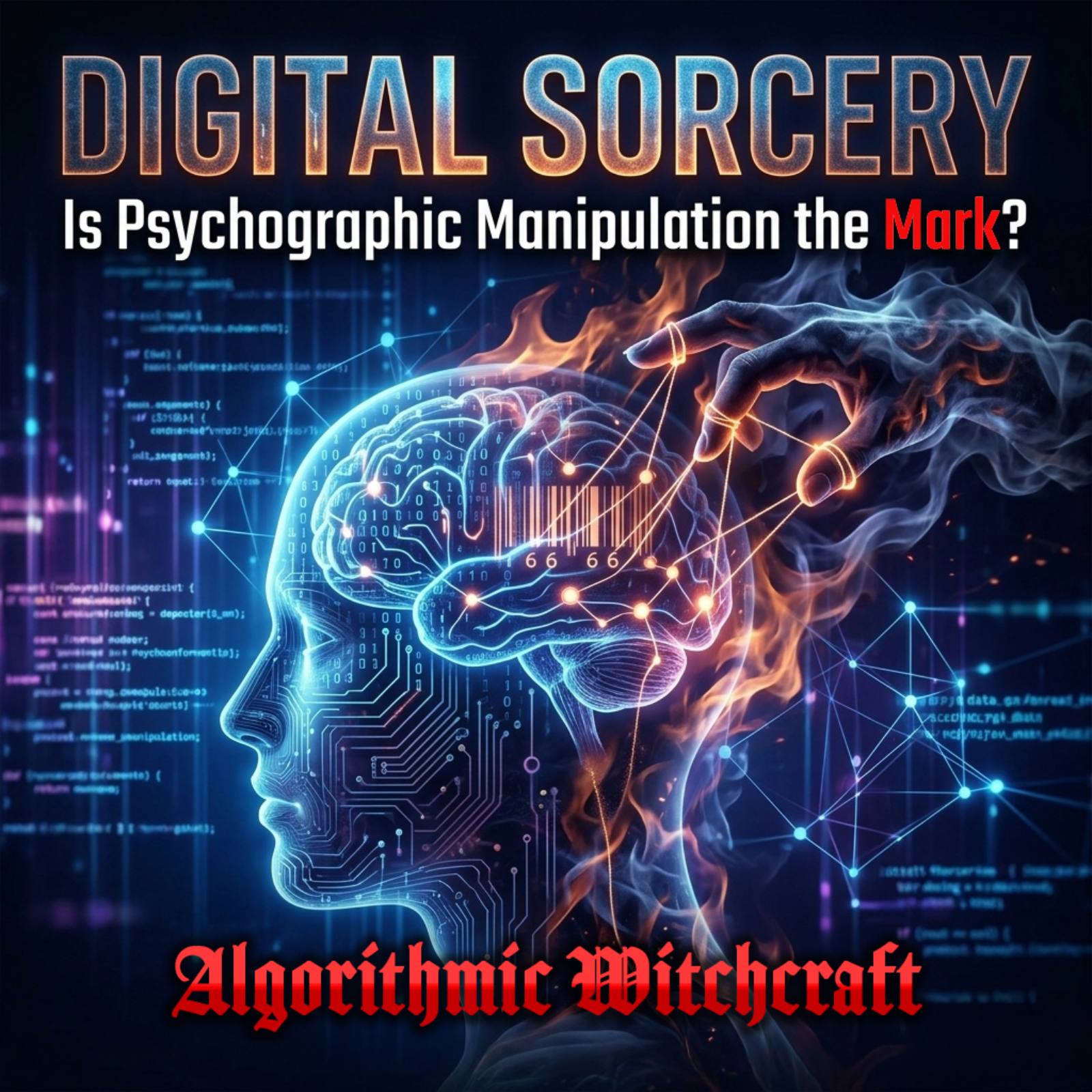 DIGITAL SORCERY: Is Psychographic Manipulation The Mark? part 1✨ | psychographic manipulationsurveillance capitalism+5 | — | OCEAN modelsurveillance capitalism+1 | — | psychographic manipulationdata harvesting+5 | — | 46m 47s | |
| 5/29/26 | 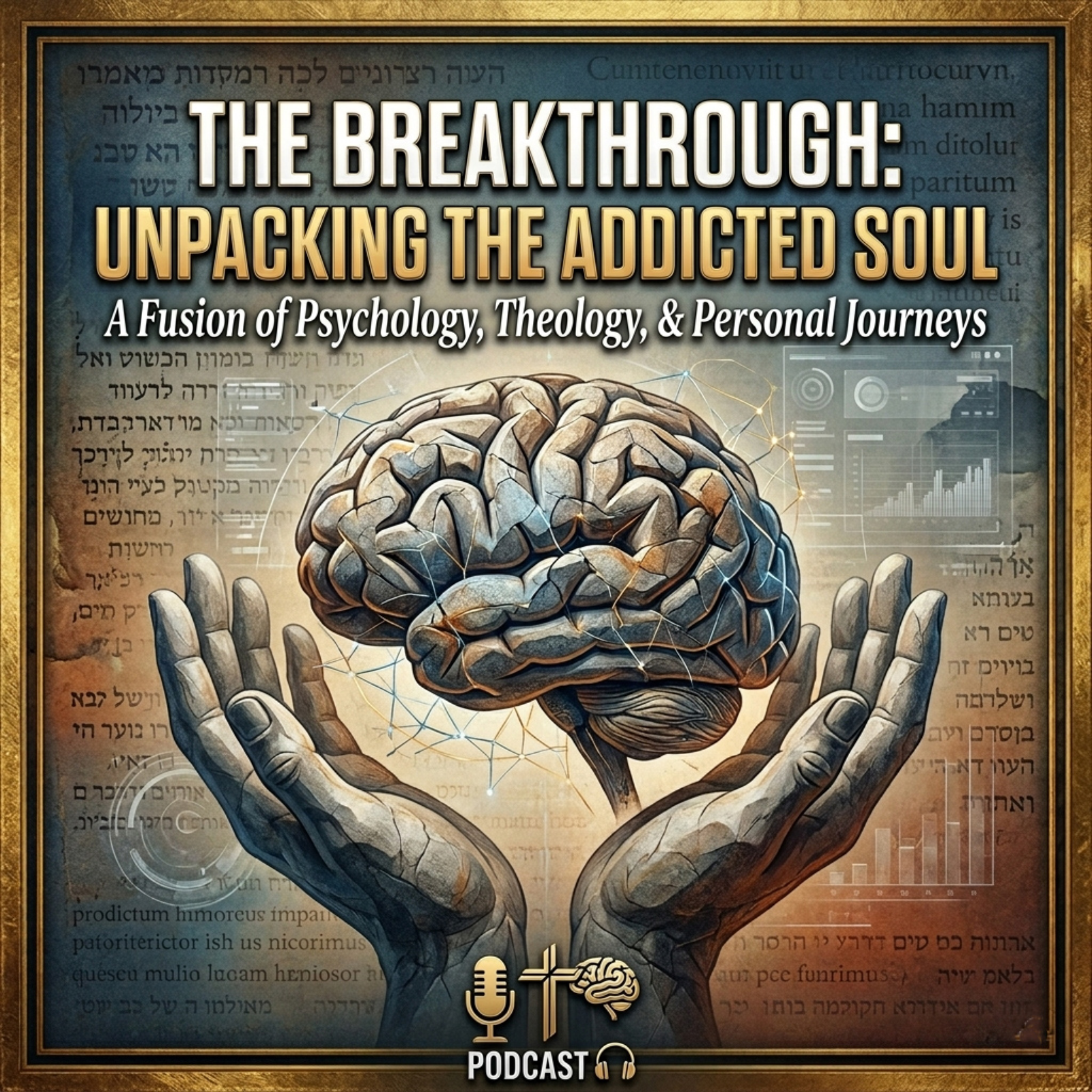 Unpacking the Addicted Soul✨ | addictionpsychological health+4 | — | — | — | addictionsubstance abuse+6 | — | 59m 24s | |
| 5/25/26 | 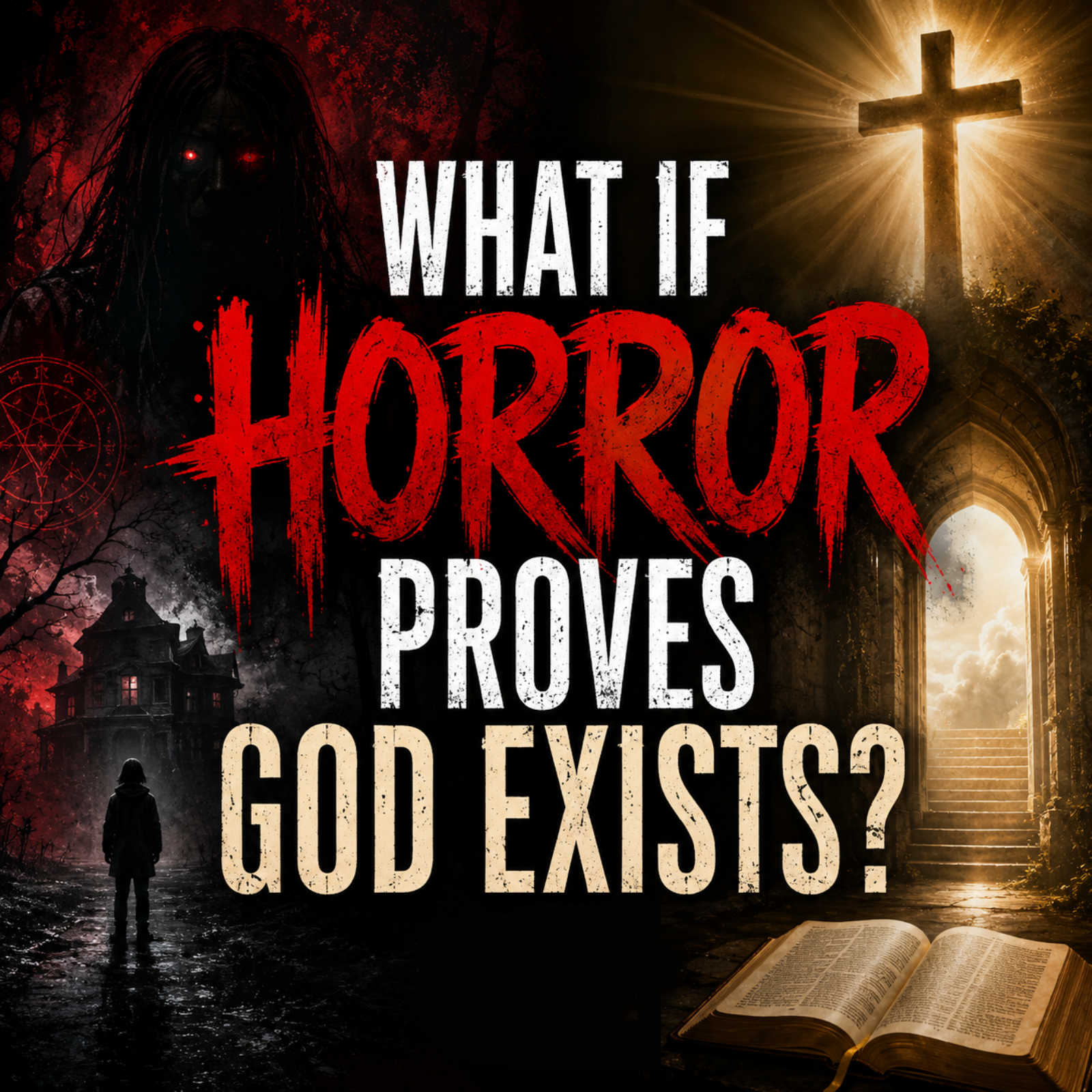 What if Horror Proves God Exist?✨ | horrortheology+4 | — | — | — | horrorGod+8 | — | 50m 43s | |
| 5/23/26 |  The Architecture of Dread: Unpacking Horror History and the Cosmic Worlds of Norman Plant✨ | horror fictioncultural anxieties+5 | — | AfrofuturismThe Neo Transcendentalists+3 | — | horror historycosmic worlds+5 | — | 42m 28s | |
| 5/15/26 | 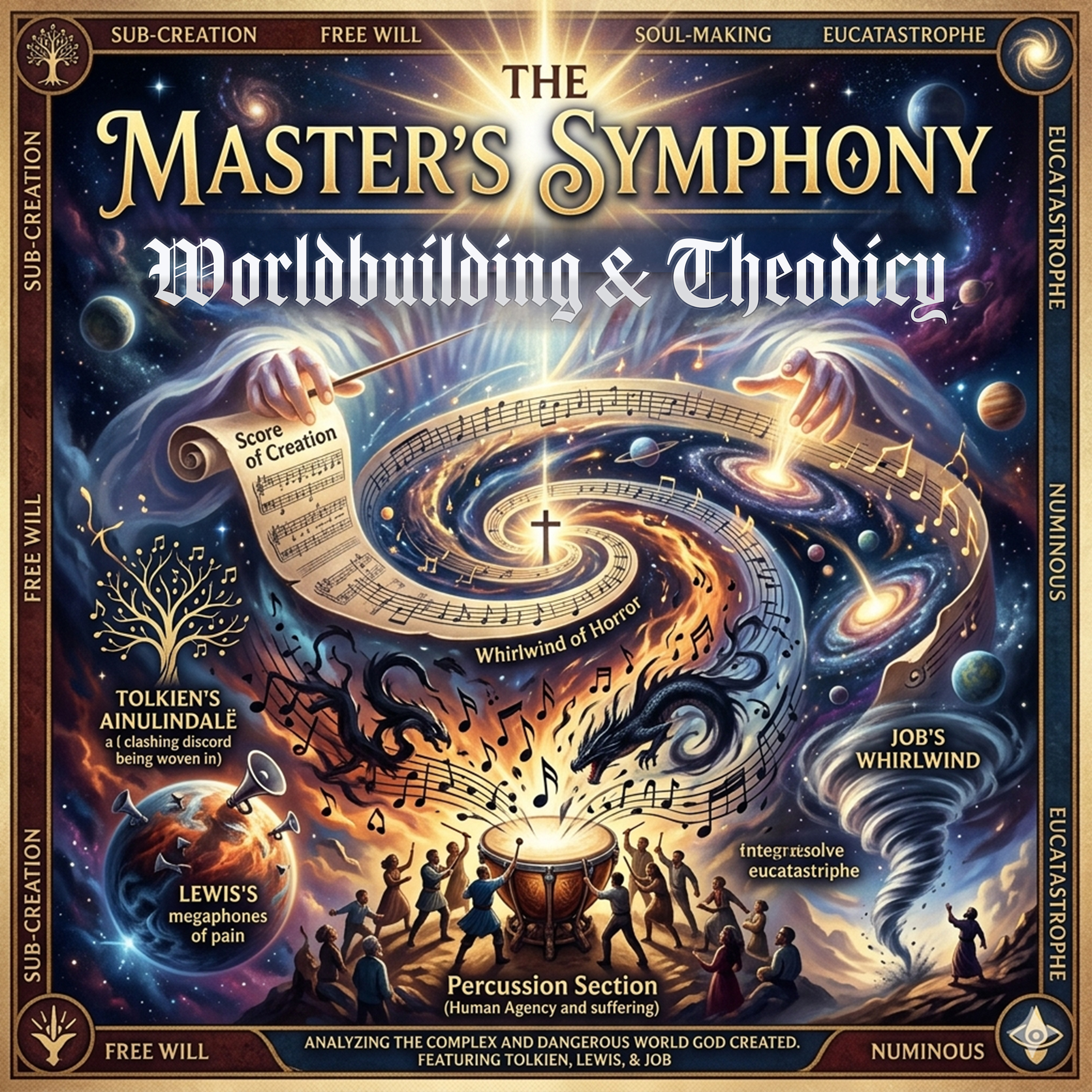 Worldbuilding Horror and Theodicy Connection: The Book of Job as God's Script pt. 3✨ | worldbuildinghorror+4 | — | Book of JobLeviathan | — | Book of Jobworldbuilding+5 | — | 46m 00s | |
| 5/15/26 | 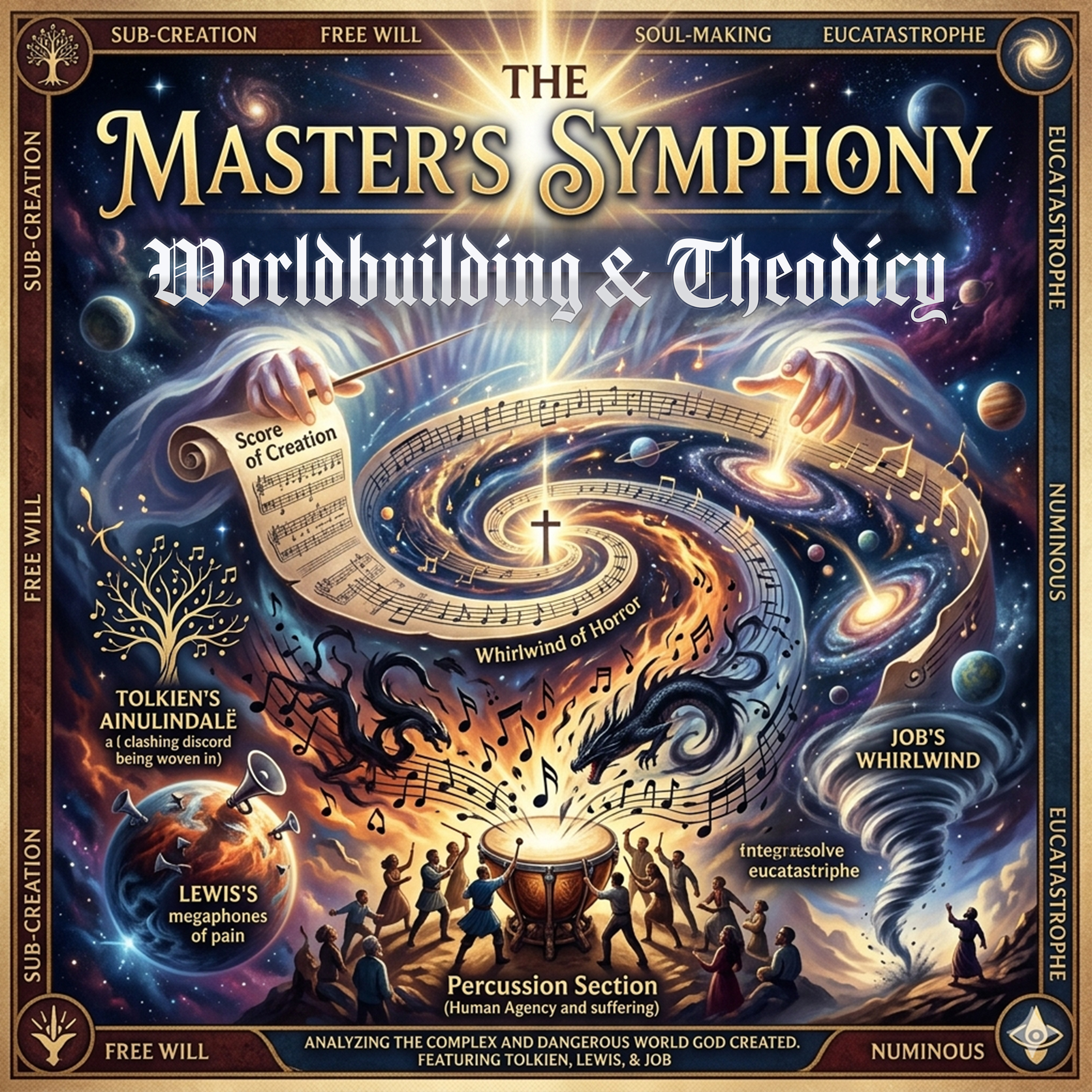 Worldbuilding Horror and Theodicy Connection: God as The Master Worldbuilder pt. 2✨ | theologyworldbuilding+5 | — | IncarnationResurrection+5 | — | theologyworldbuilding+8 | — | 22m 40s | |
| 5/15/26 | 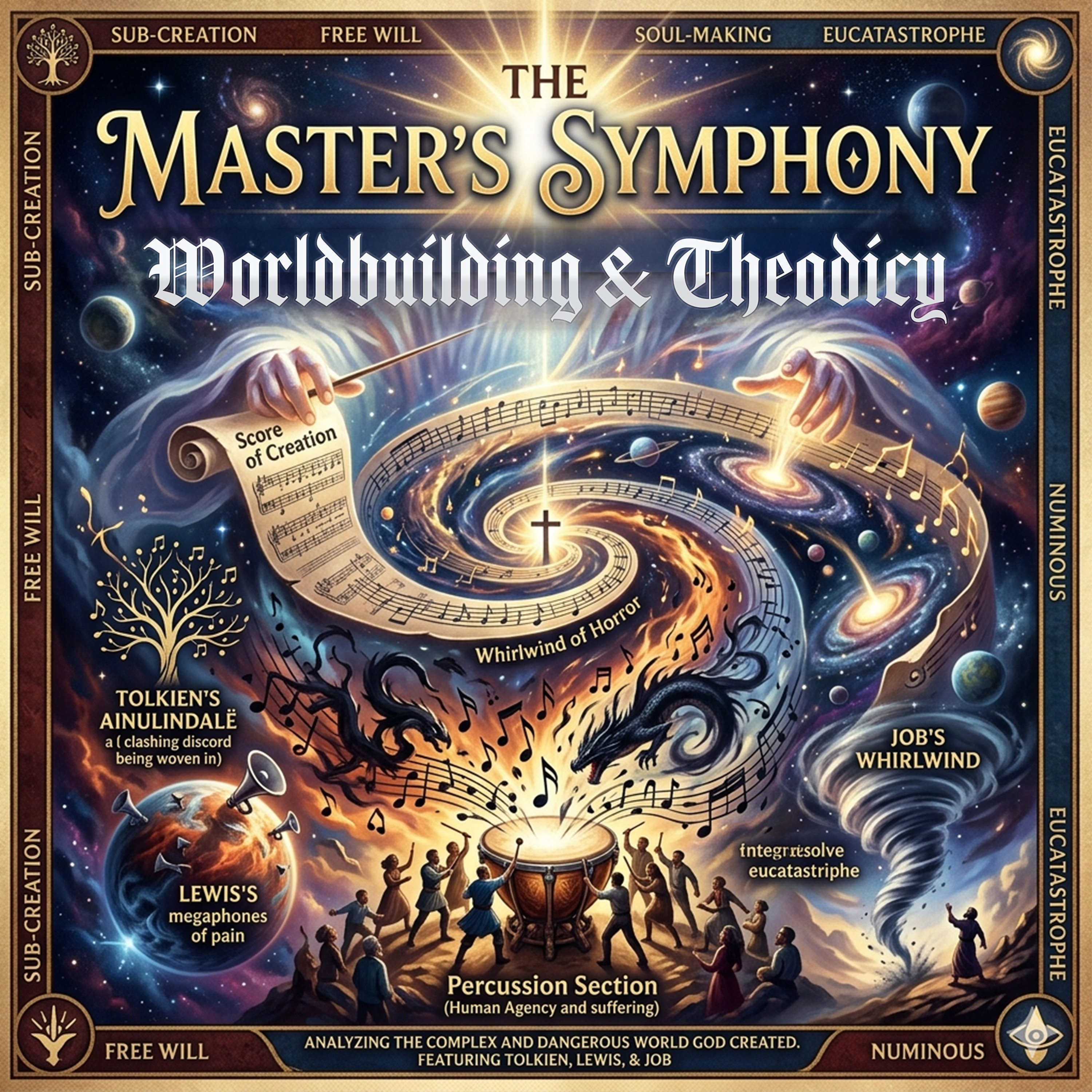 Worldbuilding Horror and Theodicy Connection✨ | worldbuildingtheodicy+3 | — | — | — | worldbuildingtheodicy+5 | — | 39m 03s | |
| 5/7/26 | 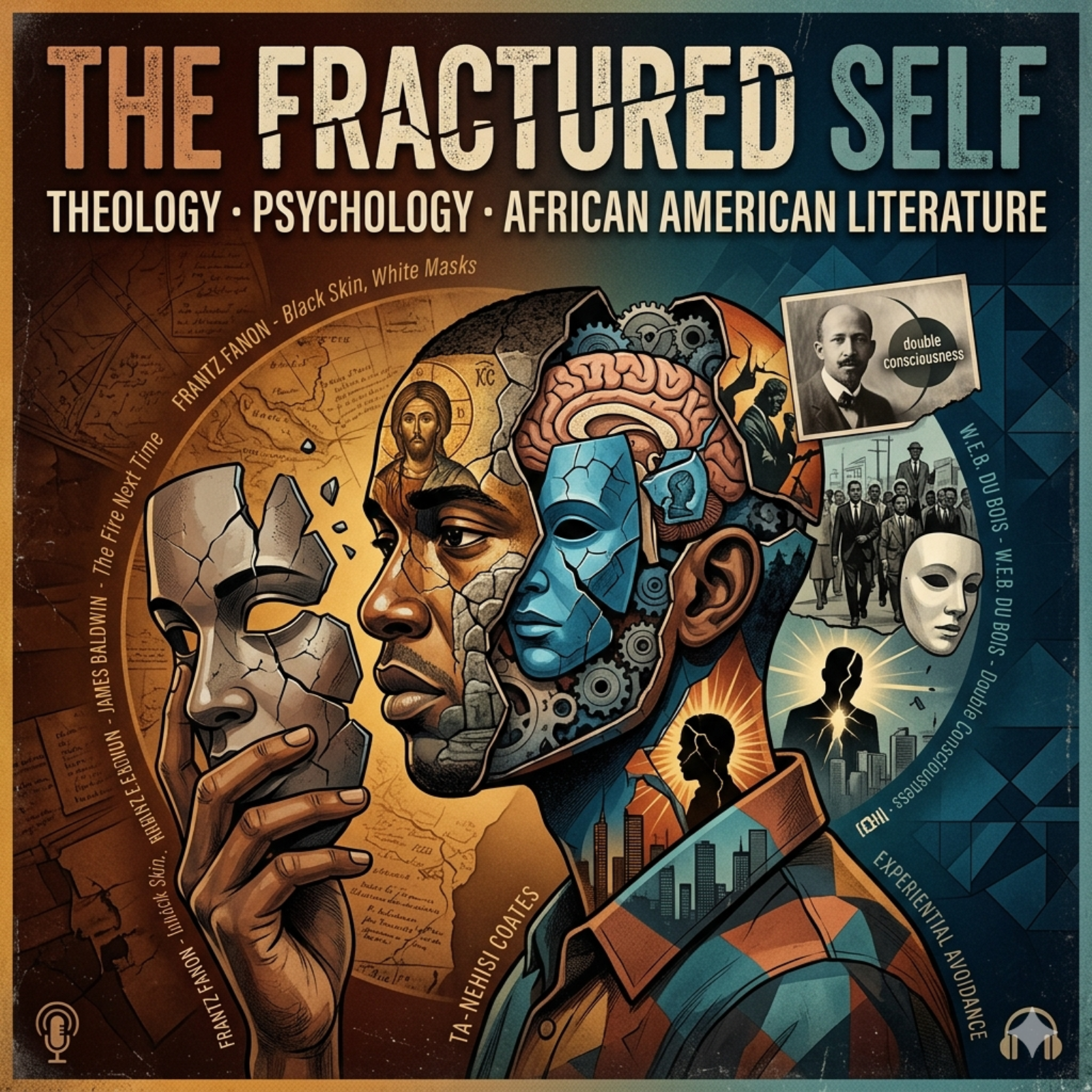 Unmasking the Fractured Soul: Identity, Faith, and the False Self✨ | False SelfIdentity+5 | — | — | — | False SelfDouble Consciousness+6 | — | 43m 10s | |
| 5/5/26 | 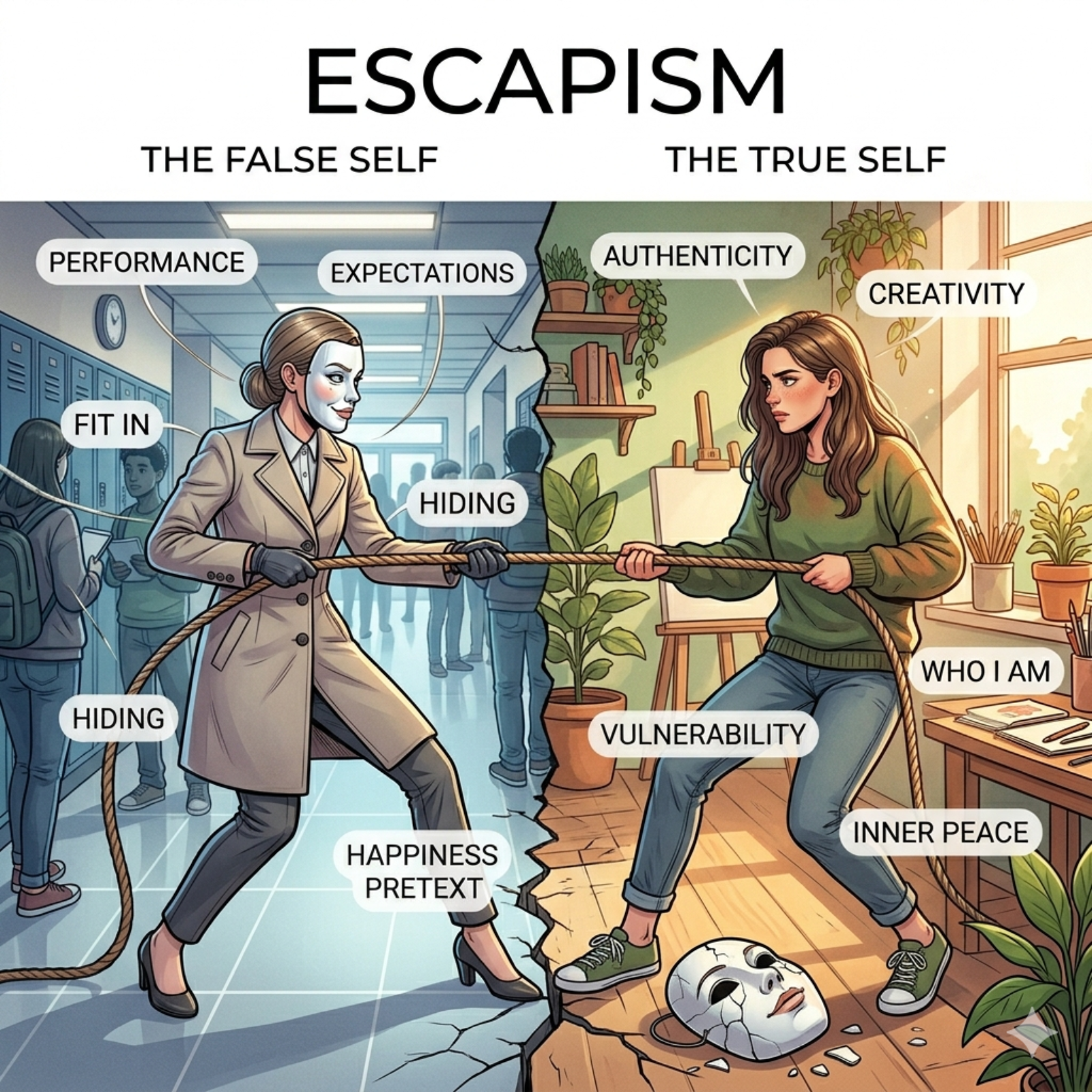 Escapism: Domineering the False Self✨ | psychological dimensionsspiritual dimensions+5 | — | — | — | escapisminternal vault+6 | — | 22m 02s | |
| 5/5/26 |  Escapism: A Message to Students✨ | psychological dimensionsspiritual dimensions+5 | — | — | — | escapismself-suppression+6 | — | 23m 29s | |
| 5/5/26 |  Escapism: Suppression vs Expansion✨ | EscapismSelf-Expansion+4 | — | Christian Science FictionAfrofuturism | — | escapismSelf-Expansion+5 | — | 20m 07s | |
| 5/4/26 |  Escapism: The Good, The Bad, and The Necessary✨ | escapismmental health+4 | — | — | — | escapismmental retreat+6 | — | 30m 07s | |
| 4/24/26 | 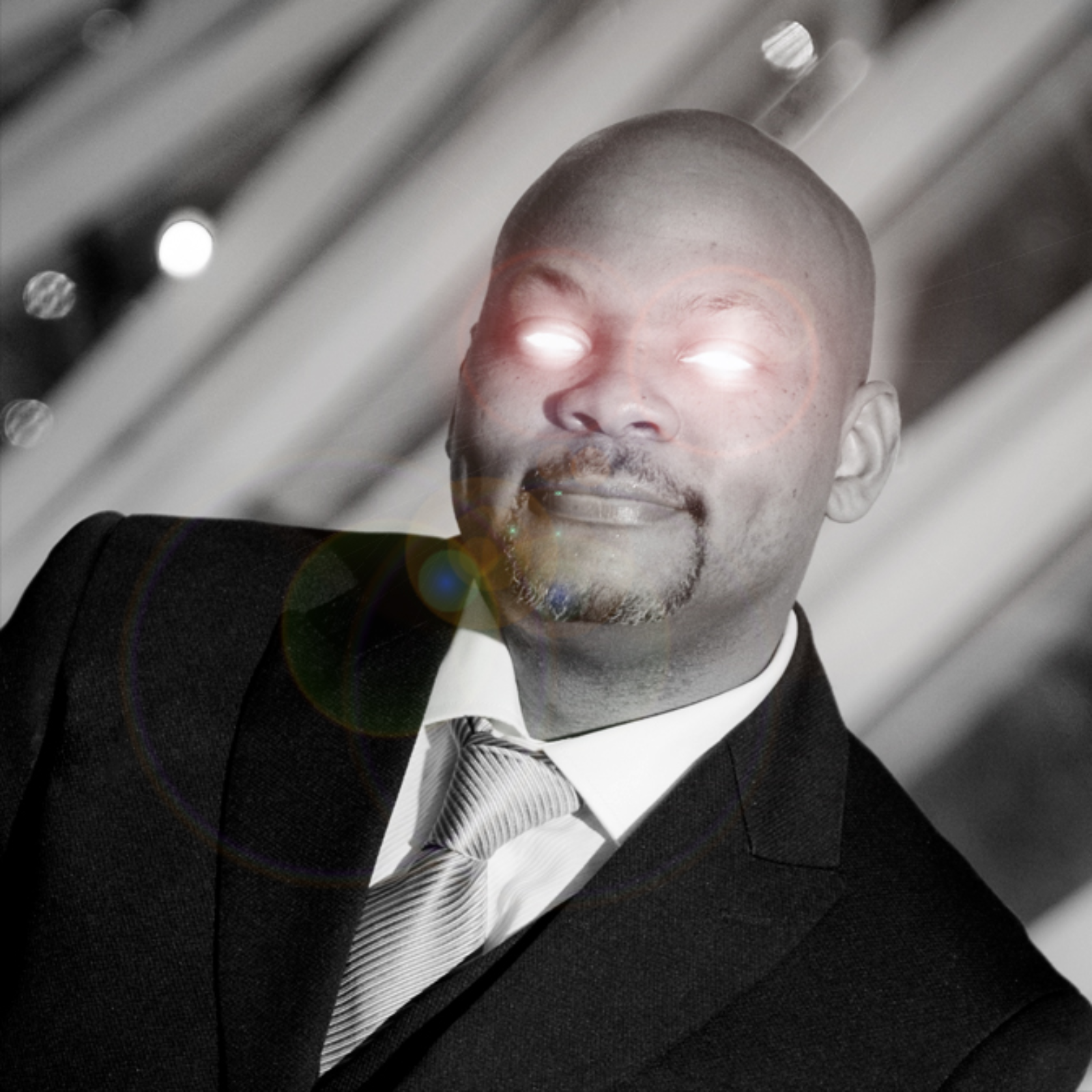 Interview with the Author: Norman Plant on The Neo Transcendentalists✨ | spiritualityworld-building+5 | Norman Plant | The Neo TranscendentalistsOmniverse | — | OmniverseThe Neo Transcendentalists+8 | — | 50m 56s | |
| 4/21/26 |  Christology: Who is the Christ in the Neo Transcendentalists?✨ | science fictioncosmic balance+3 | — | Neo Transcendentalists | — | science fictionNeo Transcendentalists+5 | — | 20m 15s | |
| 4/20/26 |  The Cosmic Bridge: Transhumanism✨ | transhumanismNeo-Transcendentalism+4 | — | The Neo Transcendentalists | — | transhumanismNeo-Transcendentalism+7 | — | 22m 39s | |
| 4/20/26 |  Unlocking the Omniverse: The Lore of Neo Transcendentalism✨ | Neo Transcendentalismscience fiction+4 | — | The Neo Transcendentalist | — | OmniverseShontonogrammatrons+5 | — | 21m 59s | |
| 4/11/26 |  The Cosmic Bridge: Theodicy—Merging Christian Apologetics and Afrofuturism in Speculative Fiction✨ | theodicyChristian apologetics+4 | — | The Neo TranscendentalistsChristian Apologetics+2 | — | theodicyChristianity+5 | — | 20m 53s | |
| 4/10/26 |  The Cosmic Bridge: Christian Sci-Fi Meets Afrofuturism pt. 2✨ | Neo TranscendentalismChristian Sci-Fi+5 | — | KindredParable of the Sower+5 | — | Neo TranscendentalismChristian theology+8 | — | 20m 27s | |
| 4/9/26 | 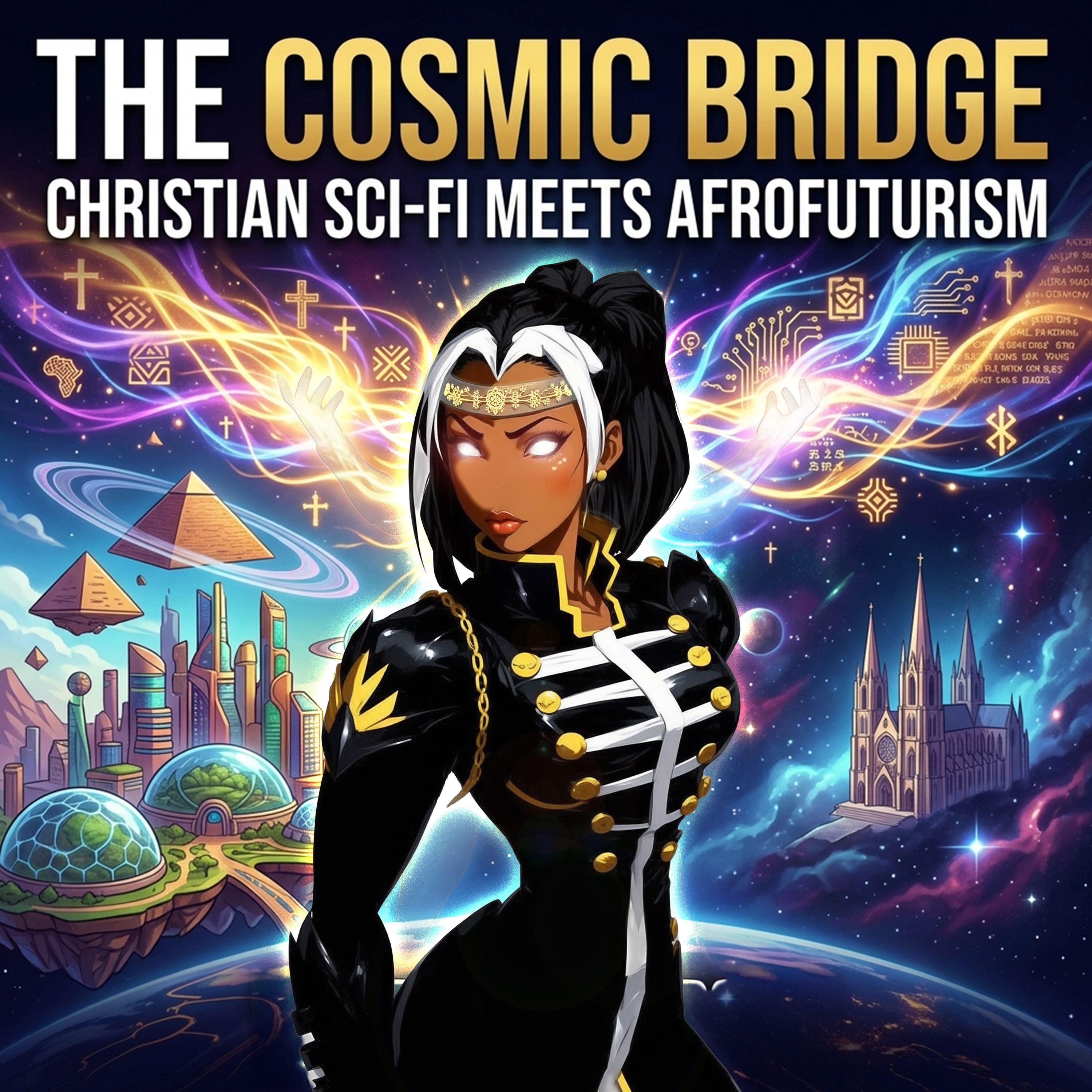 The Cosmic Bridge: Christian Sci-Fi Meets Afrofuturism pt. 1✨ | Christian Speculative FictionAfrofuturism+4 | — | The Neo Transcendentalist | — | Christian Sci-FiAfrofuturism+7 | — | 22m 25s | |
| 4/8/26 | 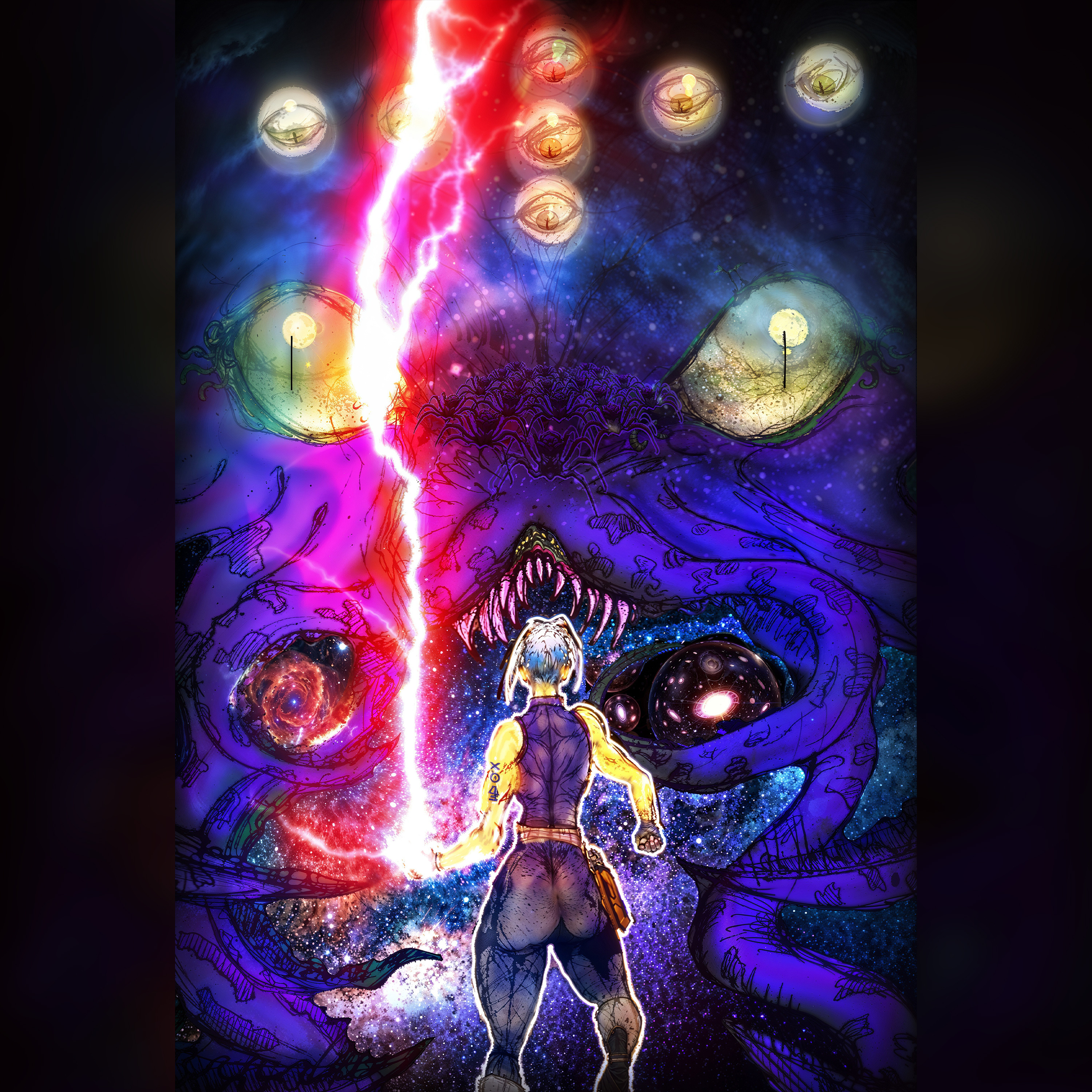 The Physics of Iniquity — The Way of Domineering the Problem of Evil✨ | AfrofuturismProblem of Evil+5 | — | Neo TranscendentalistsMisanthrope+2 | Omniversenine multiverses | eviloppression+6 | — | 28m 56s | |
Showing 25 of 25
Pitch Fit is a Pro feature
See how bookable this show is for guests, which brands already advertise, the per-episode ad value, and the best-fit guest and sponsor profile. The numbers are blurred on the free plan.
How readily this show books outside guests like you.
How proven this show is for host-read sponsorships.
For Guests
ProFor Advertisers
ProUpgrade to Pro to unlock guest cadence, sponsor categories, fit scores, and per-episode ad value for this show.