

Insights from recent episode analysis
Audience Interest
Podcast Focus
Publishing Consistency
Platform Reach
Insights are generated by CastFox AI using publicly available data, episode content, and proprietary models.
Most discussed topics
Brands & references
Est. Listeners
Insufficient chart data. Estimates will improve as the show charts.
- Per-Episode Audience
Est. listeners per new episode within ~30 days
N/A🎙 ~2x weekly·162 episodes·Last published 1mo ago - Monthly Reach
Unique listeners across all episodes (30 days)
N/A - Active Followers
Loyal subscribers who consistently listen
N/A
Market Insights
Platform Distribution
Reach across major podcast platforms, updated hourly
Total Followers
—
Total Plays
—
Total Reviews
—
* Data sourced directly from platform APIs and aggregated hourly across all major podcast directories.
On the show
From 10 epsHosts
Recent guests
Recent episodes
Purpose-Driven Brands Are Selling More. Here’s Why with Neil Callanan
May 21, 2026
44m 41s
Understanding the current moment in multicultural marketing with Ingrid Otero
Apr 14, 2026
36m 53s
The Rise of Agentic AI: What It Means for Consumer Behavior and Trust with Michael Nevski
Mar 20, 2026
38m 25s
The Future of American Soccer: Culture, Pathways, and the Rise of Black Fandom with Patrick Rose
Feb 25, 2026
29m 20s
The NFL’s Bad Bunny Bet: Culture, Risk, and Why Brands Played It Safe with Michelle O’Grady
Feb 11, 2026
1h 04m 12s
Social Links & Contact
Official channels & resources
Official Website
Login
RSS Feed
Login
| Date | Episode | Topics | Guests | Brands | Places | Keywords | Sponsor | Length | |
|---|---|---|---|---|---|---|---|---|---|
| 5/21/26 | Purpose-Driven Brands Are Selling More. Here’s Why with Neil Callanan✨ | purpose-driven brandsconsumer behavior+4 | Neil Callanan | LooseGrip | — | purpose-driven brandsconsumer expectations+3 | — | 44m 41s | |
| 4/14/26 | Understanding the current moment in multicultural marketing with Ingrid Otero✨ | multicultural marketingbrand decision making+3 | Ingrid Otero | Casanova McCann | — | multicultural marketingLatino consumers+3 | — | 36m 53s | |
| 3/20/26 | The Rise of Agentic AI: What It Means for Consumer Behavior and Trust with Michael Nevski✨ | agentic AIconsumer behavior+3 | Michael Nevski | Visa | — | agentic systemsartificial intelligence+3 | — | 38m 25s | |
| 2/25/26 | The Future of American Soccer: Culture, Pathways, and the Rise of Black Fandom with Patrick Rose✨ | American soccerBlack fandom+3 | Patrick Rose | Black StarFor Soccer | — | American soccerBlack fandom+3 | — | 29m 20s | |
| 2/11/26 | The NFL’s Bad Bunny Bet: Culture, Risk, and Why Brands Played It Safe with Michelle O’Grady✨ | culturerisk+4 | Michelle O’Grady | Super BowlTeam Friday+1 | — | Super BowlBad Bunny+5 | — | 1h 04m 12s | |
| 1/28/26 | Personal Branding in a Noisy World with Jim Blair✨ | personal brandingmarketing+4 | Jim Blair | Eastern Kentucky University | — | personal brandingmarketing+5 | — | 40m 04s | |
| 1/7/26 | Representation, Culture, and Power in the Marketing Ecosystem with Arnetta Whiteside✨ | multicultural marketingrepresentation+3 | Arnetta Whiteside | Publicis MediaPublicis Groupe+1 | Los AngelesUnited States | multicultural marketingrepresentation+5 | — | 55m 25s | |
| 12/18/25 | From Insights to Real Impact: When Research Becomes Patient Advocacy with Carlos Guerrero Anderson✨ | patient advocacyhealth equity+3 | Carlos Guerrero Anderson | Hairy Cell Leukemia Foundation | VenezuelaUnited States | patient advocacyhealth equity+3 | — | 46m 59s | |
| 11/20/25 | Rethinking Gen Z: Why Culture, Not Language, Is the New Core of Multicultural Marketing, with Oscar Padilla✨ | Gen Zmulticultural marketing+3 | Oscar Padilla | ThinkNowLatiNation | — | Gen Zmulticultural marketing+5 | — | 33m 05s | |
| 11/12/25 | Empathy in Action: How Cultural Insight Drives Better Products with Agustin Hernandez✨ | empathycultural insight+4 | Agustin Hernandez | Owens Corning | — | empathycultural intelligence+5 | — | 47m 56s | |
Want analysis for the episodes below?Free for Pro Submit a request, we'll have your selected episodes analyzed within an hour. Free, at no cost to you, for Pro users. | |||||||||
| 3/20/24 |  Bridging Cultures, Elevating Wellness: The Future of Multicultural Marketing with Will Campbell | Today's consumers are confidently embracing their authentic identities, and forward-thinking brands are following suit. Inclusive beauty giants like Ulta Beauty proudly defy gender norms, while others prominently feature same-sex couples and individuals with disabilities and promote body positivity in their advertising campaigns. On the flip side, some brands are succumbing to the fear of appearing overly “woke.” The increasing backlash against diversity, equity and inclusion has prompted a few to backtrack on commitments made during the peak of social unrest in 2020, leaving consumers feeling angered and confused. Multicultural consumers, who represent almost 100% of the population growth in the U.S. and are on track to become the majority by 2050, seek genuine connections with brands. Central to this is a brand's ability to authentically understand its audience and allow that authenticity to drive consumer engagement. Brands that bridge cultural divides are the ones that thrive. By genuinely connecting cross-culturally, companies seamlessly align DEI with their bottom line. Inclusivity isn't optional – it's the fuel for long-term success. From diverse workforces to inclusive marketing campaigns, a focus on inclusion strengthens every aspect of a brand. Understanding multicultural consumers means appreciating their commitment to holistic well-being. Black women prioritize mental health, while Gen Z seeks a shift from the “grind” to self-care and mindful living. Brands that tap into these trends resonate with a broader audience. In this episode of The New Mainstream podcast, Will Campbell, Co-founder and CEO of Quantasy, shares his perspective on the state of multicultural marketing and how young, diverse generations are driving wellness trends. | — | ||||||
| 3/7/24 |  Revolutionizing Sports Fandom: Engaging Young Bilingual Latino Fans with Jesus Chavez | In the dynamic landscape of sports fandom, one demographic stands out for its potential to reshape the future: young bilingual Latino fans. These individuals bring a unique perspective to sports, craving innovative ways to express their passion for the game. But that passion goes beyond the field to the experience, whether tailgating or engaging with brand activations. For brands to truly connect with these fans, they must seek to understand and cater to their needs, redesigning the fan experience to create a more inclusive and engaging community. But what does that look like? Traditionally, sports fandom has been defined by loyalty to teams and players. But that’s evolving as bilingual Latinos navigate between cultures and languages. Understanding cultural nuances and generational differences within the Latino community can translate into higher ticket sales, greater demand for merchandise, and overall fan engagement for leagues. Because of this, major sports leagues, such as the NFL and MLB, are increasingly embracing the importance of diverse narratives and communities within their fan base. Aside from drafting Latino players and sponsoring Spanish-language simulcasts, leagues and franchises successful at leveraging Latino fandom understand the elements of their sports entertainment offering that appeal to Latinos and invest in supporting those features. Tapping into this demographic represents a substantial economic opportunity. With nearly 20% of the US population identifying as Latino and 40% considering themselves avid sports fans, there's immense potential for growth and innovation. However, capturing the attention and loyalty of young bilingual fans requires more than gestures like heritage nights, which can be perceived as performative if not integrated into a broader engagement strategy. Engagement demands a deep understanding of Latinos' cultural backgrounds and preferences and a commitment to authentic representation. Sports leagues must incorporate these insights into their growth strategies, ensuring the fan experience reflects the diverse communities supporting them. In this episode of The New Mainstream podcast, Jesus Chavez, co-founder and CEO of CABRA Sports, delves into Latino sports fandom, exploring the strategies and cultural insights driving the industry’s evolution. | — | ||||||
| 2/21/24 |  Can the Insights Industry See Itself Clearly? with Ali Henriques | As Women's History Month approaches each year, the remarkable strides women have made in business become increasingly clear. However, despite these advancements, certain industries, such as the insights industry, continue to struggle with leadership inequities and a lack of workforce diversity. While the insights industry prides itself on understanding and reflecting diversity in consumer populations, this awareness often stops short within its own workforce. This creates a troubling gap: the voices informing strategies may be representative, but the decision-makers interpreting and implementing those insights remain predominantly homogenous. This lack of diversity leads to blind spots and missed opportunities, potentially limiting strategy effectiveness and perpetuating biases. Closing the gap between measured and internal diversity unlocks the full potential of insights, creating more opportunities across the board. In this episode of The New Mainstream podcast, Ali Henriques, Global Director of Research Services at Qualtrics, delves deeper into leadership diversity and its impact on recruiting and retaining diverse talent. | — | ||||||
| 2/8/24 |  Suma Wealth: Empowering Financial Inclusion Among Latinos with Insight and Humor with Beatriz Acevedo | The evolution of financial technology, commonly referred to as 'fintech,' has undergone a remarkable surge in recent years, empowering consumers to conduct their banking activities on their terms from any location. So high is the demand for online financial tools that banks like Bank of America, which started shuttering its drive-through teller lanes in 2013 due to low usage, have pivoted to establish robust digital solutions. These solutions are tailored to help consumers manage their personal finances exclusively through online channels. This shift is not limited to central banks, however. Online banks like Ally Bank and neobanks like Chime are also vying for consumers' attention, offering both traditional and non-traditional banking services and greater flexibility than their brick-and-mortar counterparts. Among the consumers embracing fintech are Latinos, who do so at a higher rate than other demographic groups. This trend can be attributed to a few factors. The Latino population in the U.S. skews younger, and as younger consumers are generally more predisposed to adopting new technologies, fintech becomes a natural choice. Additionally, Latinos may face language barriers and systemic challenges such as discrimination, making fintech options more attractive and accessible. Regardless of how consumers choose to bank, most agree that understanding and managing one’s finances is essential to building wealth and economic self-sufficiency. For Gen Z, especially those subscribing to the concept of 200%, where individuals embrace their dual identity as both American and Latino and whose motivations for wealth-building differ from their parents and grandparents, using an in-culture digital-first financial platform to demystify complex financial concepts is key to engaging them. In this episode of The New Mainstream podcast, Beatriz Acevedo, CEO and Founder of Suma Wealth, underscores the importance of developing culturally relevant fintech tools to increase financial literacy in the Hispanic community. To download the SUMA App, click here. | — | ||||||
| 1/19/22 |  Micro Cultural Insights Deliver Hyper Engaged Audiences, Higher Conversion Rates | After college, Marissa Nance headed to New York City with just enough cash to cover a month of expenses and more than enough talent to land a job at one of the largest advertising agencies in the world. Fast forward a few years, this pioneering media expert, fearless marketing executive, and groundbreaking content producer with credits like "Survivor," "Top Chef," "The Biggest Loser," and "Castaway" to her name, launched Native Tongue Communications (NTC), the first and only minority-and-female-certified media agency in the U.S. committed to bringing to life innovative, thought-provoking and culturally relevant ideas that authentically connect brands to diverse and growing populations. NTC's success can be attributed to its concept of "micro-culturalism," which means picking up on the nuances that differentiate even homogeneous groups. By doing a deeper dive into micro-cultural insights, marketers have an opportunity to build a more engaged group around a common theme and increase the probability of sales conversions, versus pursuing a broader theme, which may yield the numbers but lack consumer engagement. Some marketers reject the notion of micro-culturalism for fear of being "too niche." Yet, data shows that the companies who make an effort to understand consumers at the micro level cultivate more meaningful connections by creating more relevant experiences, which yields better results. In this episode of The New Mainstream podcast, Marissa Nance, Founder and CEO of Native Tongue Communications, discusses how micro-cultural insights can help marketers use empathy to improve marketing performance. | — | ||||||
| 12/15/21 | 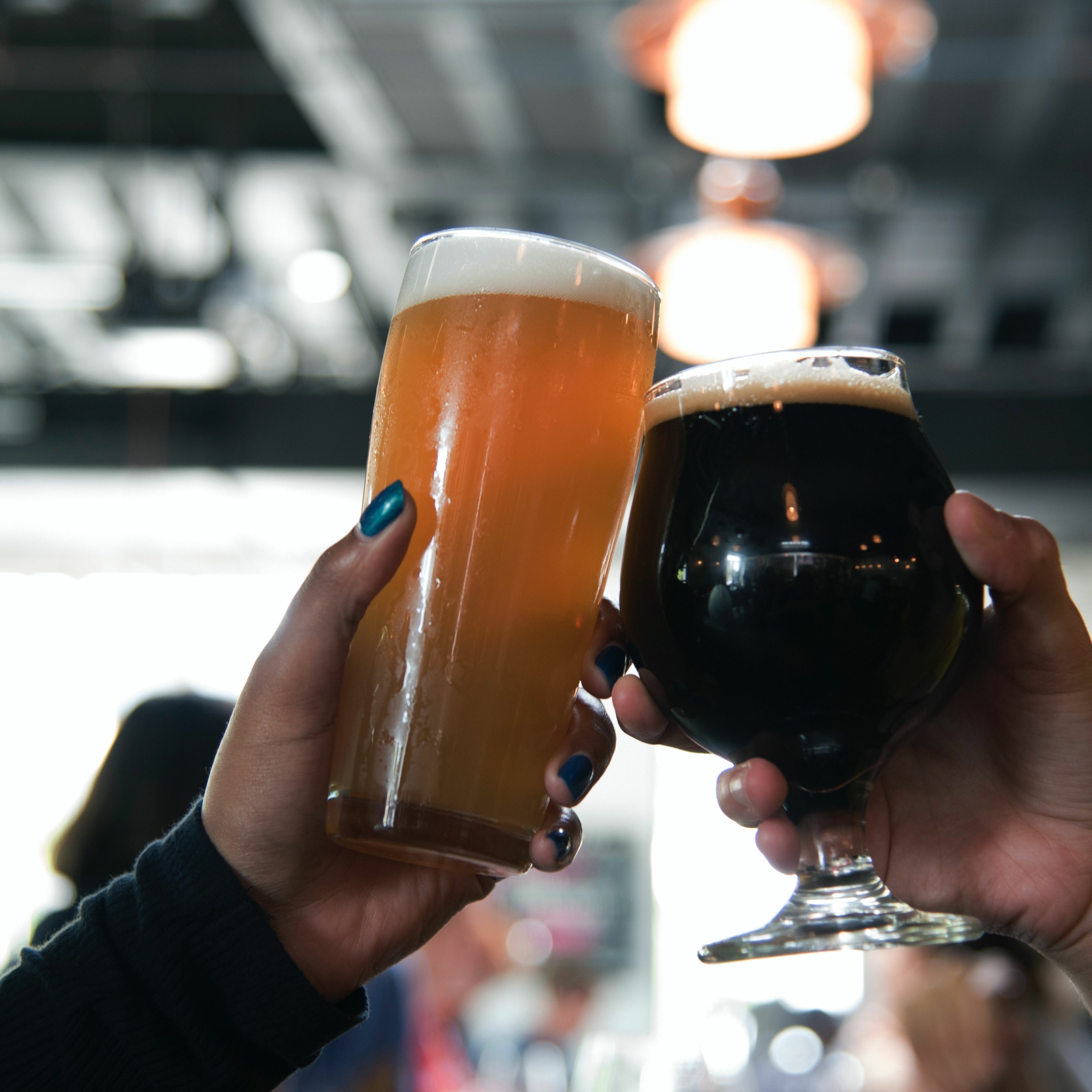 Norwalk Brew House, Craft Beer On Purpose | Craft beer brands are carving out a significant niche in the beer industry. Mass market favorites like Bud Light, Miller Lite, and Michelob have dominated grocery and convenience store shelves for years but are now making room for craft beer alternatives targeting a growing contingent of beer drinkers preferring the nuanced flavors of local brews. But it’s not just the taste of craft beer that’s driving demand among enthusiasts. The brewers’ backstories add an interesting flair that appeals to the palette and instills pride in shopping local. Brewers like East LA native Ray Ricky Rivera, founder and brewer of Norwalk Brew House beer company and co-founder and operator of SCC Distribution Network. His career in music led to a craft beer revolution infusing cultural influences with Latino inspired flavors to create limited edition brews whose proceeds support under-resourced communities. Yet despite success stories like Ricky’s, who along with six other homebrewers founded the largest Latino homebrew club in the United States, SoCal Cerveceros, a recent study by the Brewer’s Association sampling 500 randomly selected breweries show that only 2.2% of craft beer makers are Latino and 93.5% are Non-Hispanic White. However, according to Rivera, the opposite is true of craft beer drinkers. The industry is seeing a significant uptick in the number of people of color and women enjoying the taste of their local brew. As the demographics in the United States continue to evolve, the growing influence of multicultural consumers will create more opportunities for Latino brands. But it all boils down to authenticity. Ethnic consumers are more likely to seek products that reflect their heritage, and Non-Hispanic White Millennials are embracing more ethnic flavors in the foods and beverages they consume, expanding the market for brands like Norwalk Brew House. Non-Latino owned brands attempting to enter the market with Latino inspired flavors should avoid stereotyping if they want to authentically connect with Hispanic consumers. In this episode of The New Mainstream podcast, master brewer Ray Ricky Rivera delves into the Latino craft beer scene and shares how Norwalk Brew House delivers on its promise to make good beer to do good things. | — | ||||||
| 11/17/21 |  America Goes Multicultural, Get Ready For The New Norm | In port cities like Miami and New York, it’s common for people of Latin American or Spanish descent to identify with their countries of origin. However, the term "Hispanic” becomes more prevalent the further inland you go, as immigrant communities assimilate to the American way of life defined by labels. The label “Hispanic” represents a diverse mix of cultures, traditions, and ideals that define this young consumer group wielding its purchasing power in support of culturally sensitive brands. But it's not just Hispanics. American consumers are a collective of labels, from race to ethnicity, religion, age, to sexual orientation. Organizations tasked with tapping into new markets will look to the collective to seek opportunities, exposing the need for cultural research and a deep dive into how diversity, equity, and inclusion show up within an organization. Multicultural, multifaceted, and complex, U.S consumers are redefining identity and challenging stereotypes. Brands can either pivot and play or resist and run the risk of being left behind. Multicultural marketing is no longer a value add. It’s a business imperative for marketers navigating the new norm. Marcela Gómez, the founding partner of the Culture Shift Team, talks about the importance of culture and innovation and the future of multicultural marketing on this episode of The New Mainstream podcast. As the head of CST’s multicultural marketing and public relations division, Marcela has worked with universities, public utilities, packaged goods companies, consumer, corporate, nonprofit, and business-to-business clients in transportation, education, government, banking, and health care. | — | ||||||
| 11/3/21 |  Supplier Diversity: Connecting Entrepreneurs to Economic Opportunity | Supplier diversity programs were developed to level the playing field for diverse suppliers, including minority, women, LGBTQ, disabled, and veteran-owned businesses. By connecting entrepreneurs to economic opportunity, ideally, organizations can harness the power of the marketplace to drive social impact. However, supplier diversity often falls short on the data. It’s widely known that diverse suppliers are not given the opportunities to contract for public sector work at the rate of their non-minority and male counterparts despite the explosive growth of entrepreneurship among minority and women-owned firms. What’s not as clear is how much organizations lose, financially and socially, by failing to be dogged in their pursuit to diversify their supply chains. Research shows that consumers are more likely to engage a brand that publicly commits to diversity and inclusion. In general, when buyers give more firms a chance to compete for businesses, it’s better for business. Diverse suppliers are often told that the key to getting contracts is relationship building. That’s the way we do business, right? Relationships – who we know. The flaw in that logic is that it’s not an equitable process. How many opportunities do diverse suppliers miss because they aren’t in the right rooms, not on the golf course? Relying solely on relationships leaves a lot of talent on the sidelines to the detriment of everyone involved. In this episode of The New Mainstream, Jason Trimiew, Director of Global Supplier Diversity at Facebook, shares his perspective on the economic and social impact of supplier diversity and the power of intentionality. Facebook has now spent more than $1.7 billion cumulatively with U.S. companies certified as minority, women, veteran, LGBTQ, or disabled-owned in categories spanning creative services, network infrastructure, facilities management and more. | — | ||||||
| 10/21/21 |  Death Tech: The Lalo App Creates Ad-Free Story Hub For Grieving Families | The death care industry is evolving to keep pace with how consumers perceive death and experience grief today. Expensive funerals with caskets and traditional burials are being replaced by body composting (green funerals) and memorial stones made from the remains of loved ones. Among the innovators in this space are tech startups, more specifically, death tech startups, like Lalo. After his father's death, Juan Medina started to wonder if he’d gotten to know his father as well as he should have. This internal struggle, common in the grieving process, drove him to seek tools to learn more about his past. So, he used popular genealogy and DNA research sites like Ancestry and 23andMe to trace his heritage and get in touch with relatives in his native country, Bolivia. Juan recorded these conversations and curated photos, eventually creating a biography of timelines and maps to share with family members. The response to the project was so positive that he wondered how he could scale it, and the short answer was – tech. Lalo taps into the emotional aspects of death – memories, photos, stories, even recipes – things that can get lost when death occurs in a family. The startup provides a safe, ad-free space people can go to intentionally preserve family memories instead of focusing on death and loss. Juan was encouraged to launch the app on iOS first. But for multicultural audiences, specifically Hispanics and African Americans, the first point of entry to the internet is a mobile device. Hispanics and African Americans in the U.S. primarily use Android, and over 90% of smartphone users in Latin America do as well. So, Lalo is being developed for Android and iOS to ensure inclusivity. Taking the iOS route would have been a huge miss for making Lalo accessible to black and brown audiences. In this episode of The New Mainstream podcast, Juan Medina, Founder and CEO of Lalo, shares the origin story of the death tech app designed to create a hub for families to preserve the memories of deceased loved ones. | — | ||||||
| 10/6/21 |  Using Ground Truthing to Combat False Narratives and Challenge Assumptions | When consumers have a good experience, they tell three people. When they have a bad one, they tell ten. Doing a deep dive into conversations taking place on the ground is essential to identifying and combating false narratives that can derail a multicultural marketing campaign. This is especially important when that campaign is in the interest of public health. Addressing COVID-19 vaccine hesitancy, for example, isn’t a matter of just pushing out messaging on the vaccines’ effectiveness. It’s also necessary to uncover and comprehend the narratives people are being exposed to and have erroneously accepted as truth, so messaging can be created to combat misinformation. Trusted messengers within target communities are vital here as those influencers are more likely to have the social currency to shift the conversation. With the pandemic, that “ear to the ground” approach contributes to harm reduction. Whether it's vaccinations or consumer packaged goods, multicultural marketing has and will continue to evolve as the demographics in the U.S. evolve. Seventy percent of Generation Alpha (born 2010-2025) will be bi-racial. So if companies and brands aren’t preparing for that now, they’re missing out on the opportunity to start building relationships with an entire generation of multicultural consumers and future voters. The term “multicultural” or “multiculturalism,” however, when looking at it broadly, is inadequate in describing the complexity of people of color in the U.S., which varies not only in ethnicity but also by culture, region, and numerous other factors. This complexity demands that marketers change the conversation around identity and belonging in the next iteration of marketing and advertising. No more assumptions based on last name, zip code, how people sound, or where you think they’re from. Ground truthing fills the gaps and provides the cultural context to support the findings. In this episode of The New Mainstream podcast, Michelle O'Grady Caballero, Founder and CEO of Team Friday, introduces the concept of “ground truthing” and how it can be used to combat false narratives and challenge assumptions. | — | ||||||
| 9/22/21 |  How Strategists Use Cultural Context, Data, And Point of View To Tell Stories | Market researchers and strategists have a symbiotic relationship. Strategists offer a hypothesis or point of view, creating meaningful relationships between data and facts. It’s a matter of connecting the dots, not collecting the dots. While data gives voice to the consumer, strategists factor in cultural context to present a holistic picture of the narrative the data is trying to tell. Even though some overlap between market research and strategy may occur, they are two distinct disciplines. Data informs while insights inspire. It is the strategists' responsibility to discern nuances in the data and codify campaign strategy to engage targeted segments of the population, in-culture. About eight years ago, however, the total market approach threatened in-culture marketing. Essentially a synonym for general population, total market made few allowances for diversity and inclusion. While the popularity of the approach started to wane a few years later, it was the cultural awakening of 2020 that sealed its fate. Or so we thought. More consumers became culturally aware last year, but many brands still struggled to identify and connect with subcultures present within the general population authentically. Brands subscribing to the total market approach casts a wide net, diluting their messaging and alienating multicultural consumers. As a result, the total market era was plagued by cultural missteps and marketing faux pas because brands were simply out of touch. In this episode of The New Mainstream podcast, Deadra Rahaman, Vice President of Brand Strategy at Huge, discusses the relationship between market researchers and strategists and how the total market approach threatens in-culture marketing. | — | ||||||
| 9/8/21 |  Using Sensory Research, Social Media, and Search To Explore Cultural Shifts | Cultural conversations thrive at the intersection of social media and search. Some consumers use social media to engage in external dialogue in the “public square” of society. While others look to validate their points of view without public scrutiny by typing inquiries into search. Collectively, these shared experiences provide a window into factors driving cultural shifts that impact consumer behavior and, ultimately, purchase decisions. When consumers share their experiences online or inquire online through search, marketers often make assumptions based on that online behavior but neglect the sensory component. The how, what, and why of our actions are shaped by culture. The more we experiment with new things and elaborate on those experiences, the more culture becomes malleable, bending towards new dimensions. Understanding this intersectionality is critical to any multicultural marketing strategy. Marketers, however, tend to over-rely on common cultural elements like values and language and underinvest in subtle elements that evoke nostalgia, like colors, music, even smells. Brands that dial into these cultural nuances consider how people feel and build those elements into the brand experience to create meaningful connections. By making insights immersive and inspirational, marketers build cultural intelligence attuned to the dynamics driving culture. In this episode of The New Mainstream podcast, Kalil Vicioso, founder of Tiny Hat Consulting, explores the intersectionality of sensory research, social media, and search and how they help marketers build cultural intelligence. | — | ||||||
| 8/25/21 |  How To Use Intrapreneurship To Champion Diversity & Inclusion Within Organizations | Organizations often launch diversity and inclusion initiatives as strategic imperatives to create more equitable and inclusive work environments. While it's the right thing to do, it’s often assumed that there’s immediate buy-in across the board. That’s not always the case, however. Within the company, there are ways to be an intrapreneur and make an impact. By empowering individuals within organizations to drive authentic diversity and inclusion efforts that advocate for a broad range of differences helps internal teams understand the ethics of D&I while making the business case for it. For change agents to succeed, they need sponsors, internal influencers who advocate for them and advisors, trusted resources they can turn to for feedback and guidance. Whether through employee resource groups (ERGs) or forming new departments, products, and services, tuning the lens for diversity and inclusion, and providing a space and resources to incubate ideas, will benefit the brand and bottom line. From a consumer perspective, organizations looking to focus on multicultural audiences must speak the language of their consumer, literally and figuratively. There is a way to do right by a consumer that aligns with business goals, and one of the best ways to do that is through market research. Connecting the dots in an impactful way enables companies to understand their consumer better and create relevant and meaningful experiences. Culture is a metaphor for race and ethnicity, and inclusive marketing considers nuances and various behavioral drivers. These drivers may vary by subculture, and research helps reveal those nuances so messaging and approach can be adjusted accordingly. That attention to detail could impact customer lifetime value and loyalty. Data tells the story that needs to be told, and culture provides context and support. However, the first step to creating more culturally inclusive marketing is to build a diverse and inclusive team. Without it, the rest will be meaningless. In this episode of The New Mainstream podcast, Eliana Murillo, founder and CEO of Eliment & Company and co-founder of Alquimia Tequila, discusses how employees can create the change they want to see within their organizations and how data helps brands tell the stories that need to be told. | — | ||||||
| 8/10/21 |  Resources & Relationships: Empowering Diverse Talent | Modern-day corporate America has a uniform – typically white, male, and of certain affluence and political view. However, diverse talent across the board is calling for a new lens that promotes diversity, equity, and inclusion initiatives both within and outside of organizations. Marketers and researchers of color, for example, seek equity in pay and more seats at the table, as well as equal opportunity. In response, many companies create employee resource groups facilitated by black and brown employees where like-minded professionals can connect for emotional support. These employees assume the additional burden of running these groups without additional compensation and nearly no new opportunities to impact their career trajectory. But black employees aren't the only ones calling out hollow DEI claims and blanket messaging. Consumers of color demand representation in marketing. Savvy marketers are tapping into the value chain of specificity for a more customized consumer experience instead of taking a broad approach. Culture impacts all aspects of human life. The narrower the focus, the greater the message's resonance for the intended audience and those who appreciate the effort to demonstrate authenticity. In this episode of The New Mainstream podcast, we talk with Sequoyah "DataBae" Glenn, founder of the Black Marketers Coalition and 924 CoOperative: A Multicultural Marketing Agency, about empowering black marketing and research professionals and the need to redefine the general market. | — | ||||||
| 7/28/21 |  Redefining Identity: New Rules for Sampling in Market Research | How consumers choose to identify is changing, breaking away from conventions historically used to categorize and hypothesize about who people are and how they live their lives. Yet, traditional constructs aren’t keeping pace with the evolution of identity and leaves no room for the grey areas an increasing number of consumers choose to live in. For agencies, this presents a challenge. They rely on market research for consumer insights to inform their strategies. But if researchers aren’t asking the right questions about identity, consumers can’t show up in the data authentically. It has become increasingly clear that a new set of industry standards around sampling that moves and reacts to culture is needed, starting with redefining demographic questions in surveys. Reflecting on how consumers identify in the way research is conducted moving forward ensures more representative and inclusive insights. In this podcast, we’re joined by Whitney Dunlap-Fowler, Founder of Insights in Color, Talia Lipkind, Team Lead, Trust & Safety Ops and John "Tre" Rials, Associate Director of Partner Programs at Lucid, to discuss a new collaboration focused on defining new parameters and standards around identity when conducting market research today and in the future. | — | ||||||
Showing 25 of 79
Pitch Fit is a Pro feature
See how bookable this show is for guests, which brands already advertise, the per-episode ad value, and the best-fit guest and sponsor profile. The numbers are blurred on the free plan.
How readily this show books outside guests like you.
How proven this show is for host-read sponsorships.
For Guests
ProFor Advertisers
ProUpgrade to Pro to unlock guest cadence, sponsor categories, fit scores, and per-episode ad value for this show.