
Insights from recent episode analysis
Audience Interest
Podcast Focus
Publishing Consistency
Platform Reach
Insights are generated by CastFox AI using publicly available data, episode content, and proprietary models.
Total monthly reach
Estimated from 5 chart positions in 5 markets.
By chart position
- 🇨🇦CA · Philosophy#7830K to 100K
- 🇦🇺AU · Philosophy#8630K to 100K
- 🇫🇷FR · Philosophy#1051K to 10K
- 🇿🇦ZA · Philosophy#1330K to 100K
- 🇮🇱IL · Philosophy#107500 to 3K
- Per-Episode Audience
Est. listeners per new episode within ~30 days
46K to 157K🎙 Weekly cadence·8 episodes·Last published 6d ago - Monthly Reach
Unique listeners across all episodes (30 days)
92K to 313K🇨🇦32%🇦🇺32%🇿🇦32%+2 more - Active Followers
Loyal subscribers who consistently listen
37K to 125K
Market Insights
Platform Distribution
Reach across major podcast platforms, updated hourly
Total Followers
—
Total Plays
—
Total Reviews
—
* Data sourced directly from platform APIs and aggregated hourly across all major podcast directories.
On the show
Recent episodes
What You'll See When You Die
May 13, 2026
Unknown duration
Is Consciousness a Quantum Effect?
Mar 20, 2026
Unknown duration
Death, Consciousness, and What Remains
Feb 6, 2026
Unknown duration
The Dark Empath: The Most Dangerous Personality Type
Dec 31, 2025
Unknown duration
Why You Remember Moments That Never Happened
Dec 11, 2025
Unknown duration
Social Links & Contact
Official channels & resources
Official Website
Login
RSS Feed
Login
| Date | Episode | Description | Length | |
|---|---|---|---|---|
| 5/13/26 | 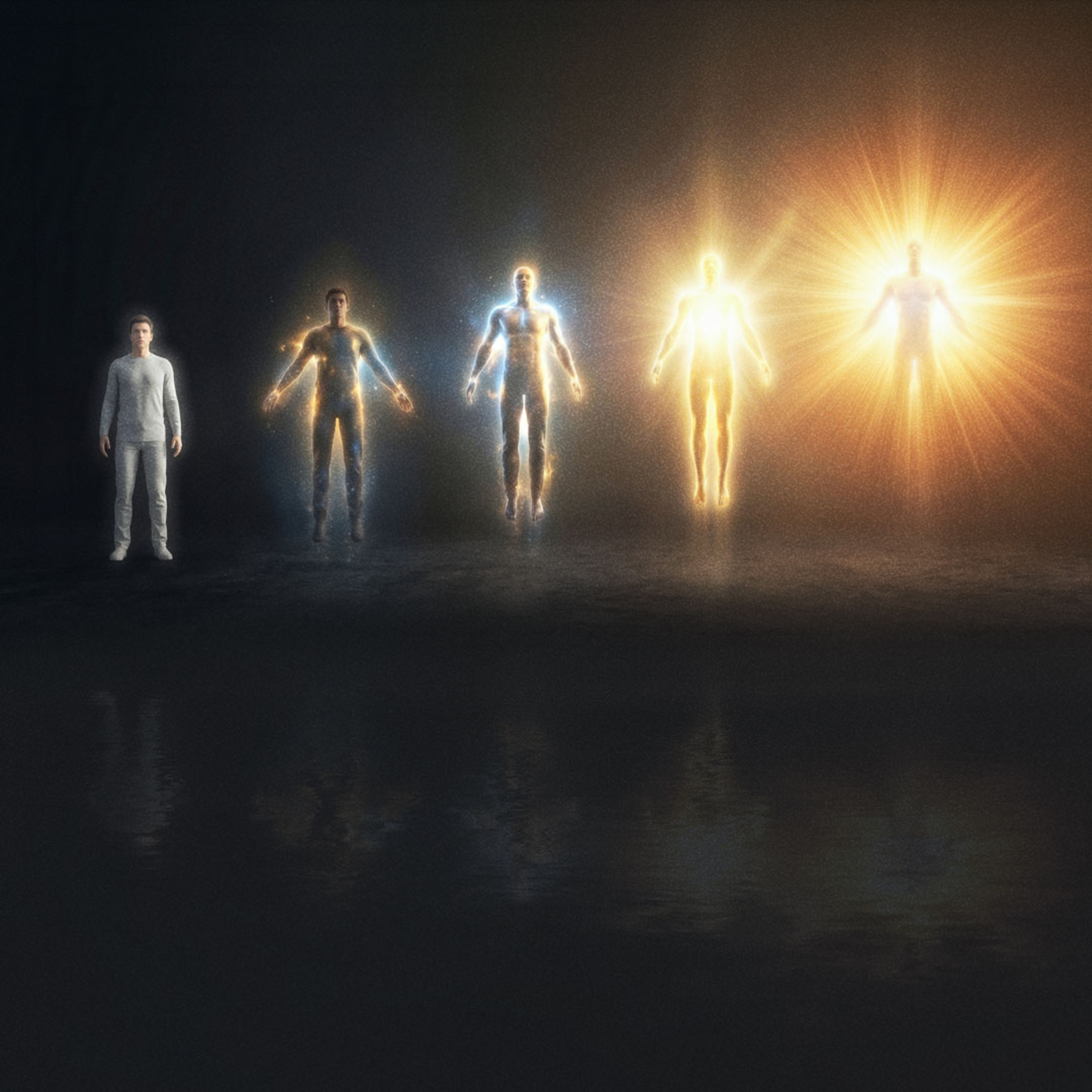 What You'll See When You Die | What happens when we die?Thousands of people have been declared clinically dead and then brought back. Across cultures, ages, and beliefs, many describe the same sequence of events after death.A tunnel. A bright light. Out-of-body experiences. Encounters with deceased loved ones. A life review. A boundary they could not cross.This cinematic video essay explores documented near-death experiences reported by cardiac arrest survivors, children, blind patients, doctors, and researchers. Drawing from medical case studies and decades of research, we map the five stages commonly described during near-death experiences (NDEs).Featuring accounts from:Dr. Lloyd RudyDr. Melvin MorseDr. Sharon CooperVicki UmipegTopics explored:Near-death experiences explainedConsciousness after deathOut-of-body experiencesThe life review phenomenonThe tunnel and light experienceClinical death and awarenessConsciousness and the brainScientific studies on NDEsWhat happens after death?Are near-death experiences hallucinations created by the brain, or evidence that consciousness exists beyond it? | — | |
| 3/20/26 | 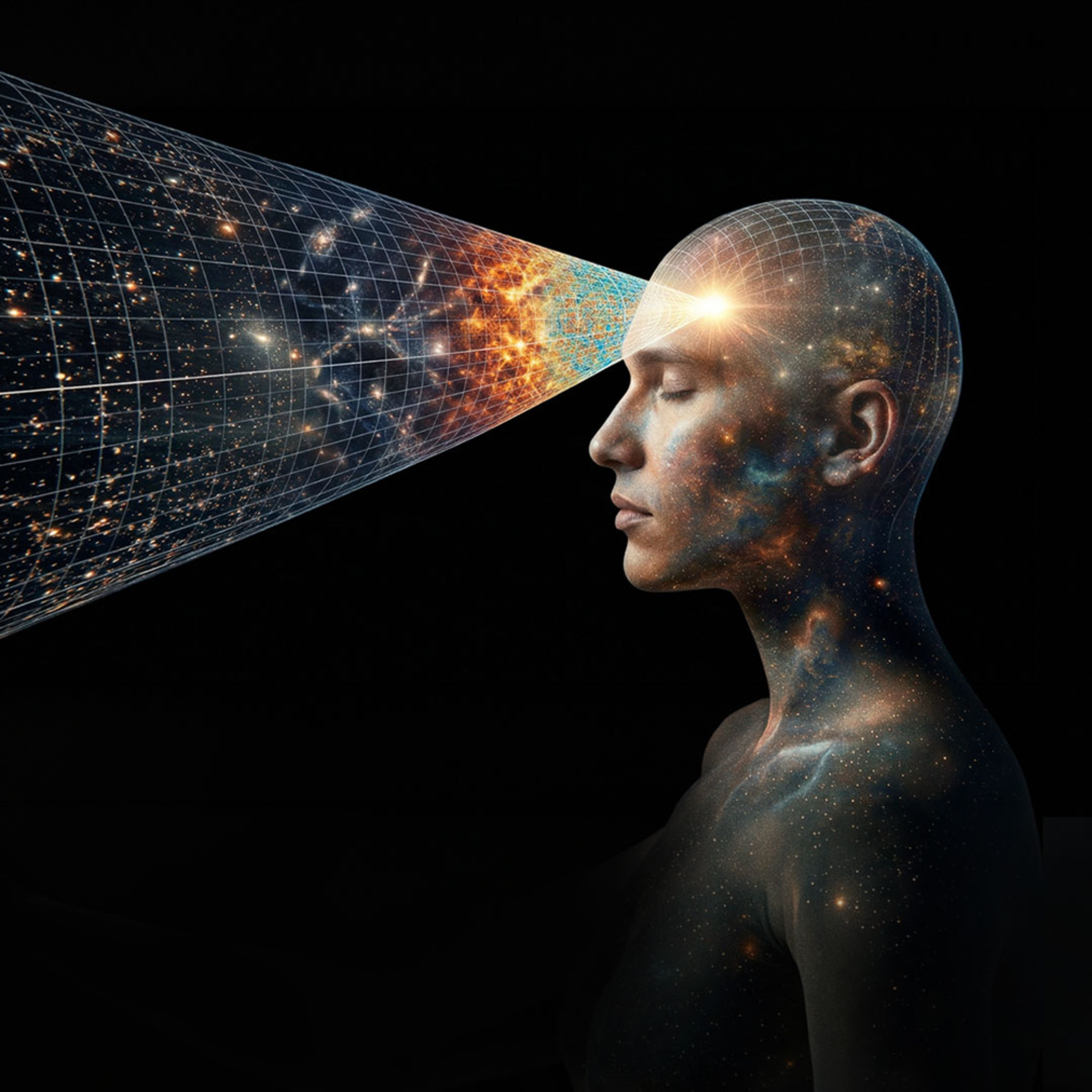 Is Consciousness a Quantum Effect? | What if consciousness isn't something your brain produces — but something the universe does? Right now, you're experiencing color, sound, emotion, and meaning. But your skull is a sealed vault. Nothing out there is red. Nothing is loud. There is only physics. So how does dead matter wake up?This video explores the most difficult question in science — the hard problem of consciousness — and one radical answer: that your awareness might be a quantum effect, rooted not just in your neurons, but in the fabric of spacetime itself. Featuring the work of Roger Penrose and Stuart Hameroff, and their controversial Orchestrated Objective Reduction theory.Music: Just Another Statistic by Luke Richards, https://t.lickd.co/l/wARp4ZJ7RYnSecrets Uncovered by Luke Richards, https://t.lickd.co/l/ZMgrLlLbdnw | — | |
| 2/6/26 |  Death, Consciousness, and What Remains | One day, this will all end.This video explores death as a physical process, a psychological boundary, and a philosophical problem. It looks at life as a temporary state of order, sustained moment by moment, and asks what happens when that order can no longer hold.Drawing from physics, biology, philosophy, and psychology, the film examines ideas from Erwin Schrödinger, Epicurus, and modern research into consciousness. It considers awareness, identity, and the nature of the self, alongside near-death experiences and long-standing questions about whether consciousness depends entirely on the brain.The video also looks at grief and attachment, and how relationships shape identity. It explores why awareness of mortality influences meaning, behavior, and the way humans relate to time, memory, and each other.Throughout the film, death acts as a lens. It brings clarity to what life is doing, how consciousness appears, and why impermanence gives shape to experience. The focus remains on understanding, not answers, and on inquiry as a way of seeing more clearly.Topics include:– consciousness and awareness– the nature of the self– life, death, and impermanence– Epicurus and the fear of death– entropy, order, and living systems– near-death experiences and afterlife questions– grief, attachment, and identity | — | |
| 12/31/25 | 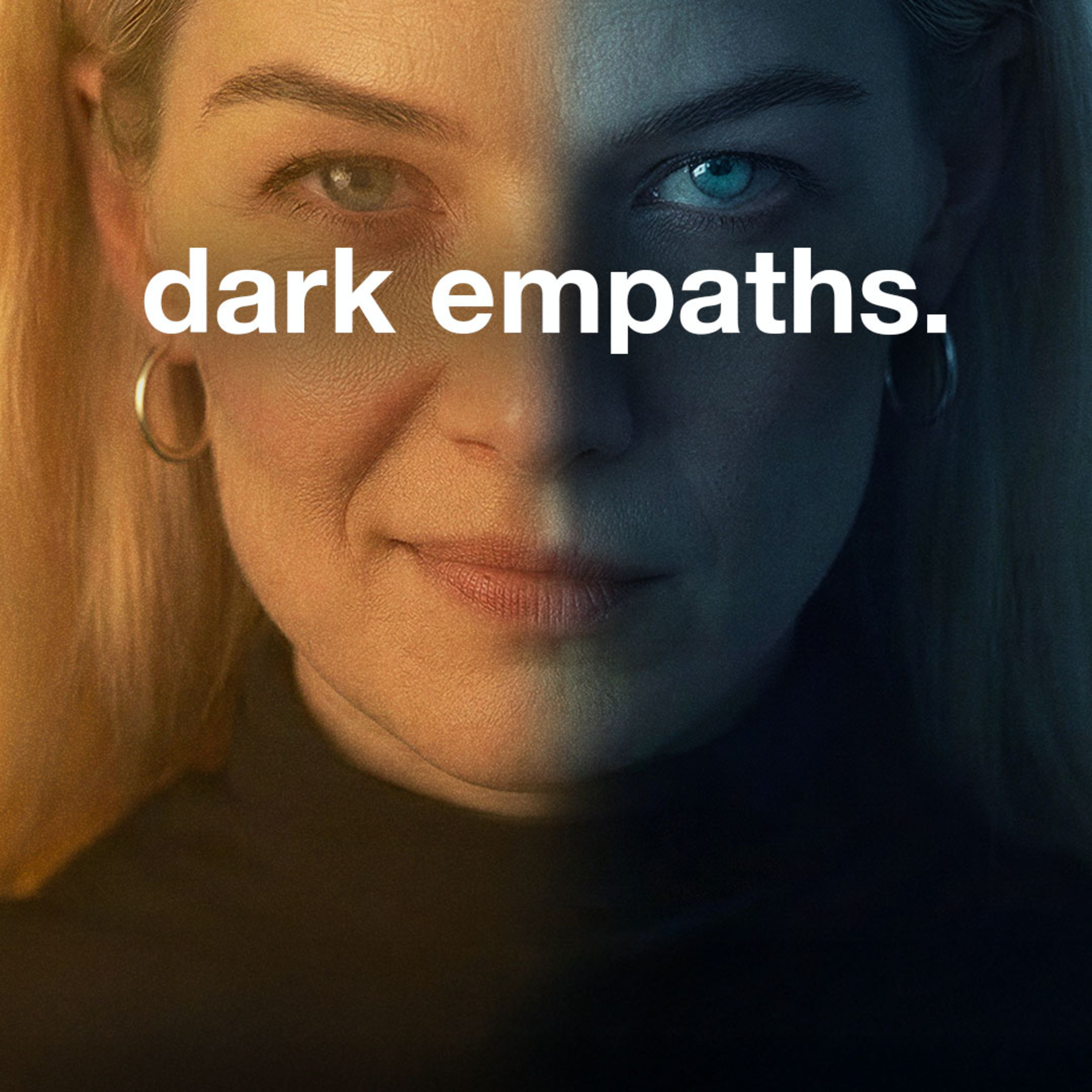 The Dark Empath: The Most Dangerous Personality Type | Empathy is supposed to connect us. But what happens when the same ability is used to control, manipulate, or harm?In this episode, we explore dark empathy, a psychological paradox where high emotional intelligence and empathy coexist with dark personality traits. Research shows that some people can accurately read emotions, feel what others feel, and still choose to exploit it. These individuals are often called dark empaths, and they are far more common than most people realize.Drawing on neuroscience, psychology, and real studies on empathy, psychopathy, and manipulation, this video breaks down how empathy actually works in the brain, why it evolved, and how it can be weaponized. We examine the empathy spectrum, from extreme altruism to psychopathy, and explain why dark empaths may be more dangerous than people who lack empathy altogether.If you’ve watched our videos on human paradoxes, consciousness, near-death experiences, or the nature of the mind, this story connects directly to those themes. Just like near-death experiences challenge what we think we know about awareness and identity, dark empathy challenges our assumptions about kindness, morality, and emotional connection.We also look at how to recognize manipulative patterns in everyday relationships, why boundaries reveal true intent, and how subtle emotional pressure works. This isn’t about villains or labels. It’s about understanding how human psychology actually operates beneath the surface.Topics covered:– Dark empathy and manipulation– Empathy vs kindness– Psychopathy and emotional intelligence– Neuroscience of empathy and emotion– Psychological red flags in relationships– Human behavior, morality, and controlIf you’re interested in psychology, neuroscience, consciousness, paradoxes of human nature, or the unseen forces that shape behavior, this video is for you. | — | |
| 12/11/25 |  Why You Remember Moments That Never Happened | Have you ever felt like you've lived this exact moment before? That sudden flicker of recognition isn't just a memory glitch, it might be evidence of something much bigger. In this video, we explore the unsettling truth about Déjà Vu. Is it just a hiccup in your brain's processing speed, or is it a glimpse into a parallel universe? From the neuroscience of memory reconstruction to the quantum physics of the Many-Worlds Interpretation, we dive deep into why reality feels fake and what that familiar feeling is actually trying to tell you.We look at Nick Bostrom's Simulation Hypothesis, the delay in human perception, and the terrifying possibility that your consciousness is "rendering" reality in real-time. If you've ever questioned if life is a simulation or felt a "glitch in the matrix," this video is for you. | — | |
| 11/11/25 |  The 5 Paradoxes That Make Your Existence Impossible | You shouldn’t exist. The math says the odds are microscopic, yet here you are, asking impossible questions about reality. This episode unpacks five famous paradoxes to explain why your life feels contradictory and how to think clearly inside that contradiction. Across choice overload, identity, causation, motion, time, and the search for alien life, we trace the logic, the science, and the practical takeaways. By the end, you’ll see why paradoxes aren’t bugs in reality, they’re signals about how reality works. Watch on YouTubeApple Podcast | — | |
| 10/5/25 |  What Is Consciousness? The Illusion of Self Explained | You wake up with certainty but that certainty is built, moment by moment, inside your brain. In this episode, I explore how your brain creates reality, how the sense of self is a delicate illusion, and what happens when it cracks: out-of-body experiences, near-death visions, and encounters with impossible beings.In this episode, you’ll explore how Michael Persinger’s God Helmet experiment revealed that magnetic fields could generate sensations of an invisible presence, and how doctors later triggered out-of-body experiences on command through targeted brain stimulation. You’ll learn what split-brain patients have shown us about divided consciousness, and why DMT and psychedelics, as studied by Rick Strassman, can dissolve the stable sense of self. The episode also examines near-death experiences that include veridical perceptions (accurate details observed while clinically dead) and ends with a provocative idea: that consciousness might be something the brain channels, not merely creates.Chapters: What is consciousness?How does the brain create reality?What is the God Helmet experiment and what did it reveal about the brain?How can brain stimulation trigger out-of-body experiences?What are split-brain experiments and what do they show about the mind?How does DMT affect consciousness and the sense of self?What do near-death experiences tell us about life after death?Does consciousness exist outside the brain?What is the illusion of self in neuroscience and psychology?Produced by Oscar EmersonThe Opening is also available on YouTube:https://www.youtube.com/@theopeningproject/ | — | |
| 9/14/25 |  Love: The Brain’s Most Addictive Substance | Why do we fall in love and why does it feel like both magic and madness? Neuroscience reveals that love isn’t just an emotion, it’s chemistry. From dopamine highs that mimic hart drugs to the painful crash of heartbreak, desire is wired into our biology as a survival mechanism.In this video, we decode the science of love:- How falling in love activates the brain’s reward system- Why heartbreak physically hurts like an illness- The difference between lust, love, and long-term attachment- How desire survives in long relationships (and why it fades)- What researchers like Helen Fisher and Esther Perel discovered about obsession, attraction, and lasting passionLove is biology, addiction, and evolution. Are we really choosing love, or is love choosing us?If you’ve ever wondered why you can’t stop thinking about someone, why heartbreak hijacks your body, or whether true love can last, this deep dive into the chemistry of desire has the answers. | — | |
| 9/13/25 | 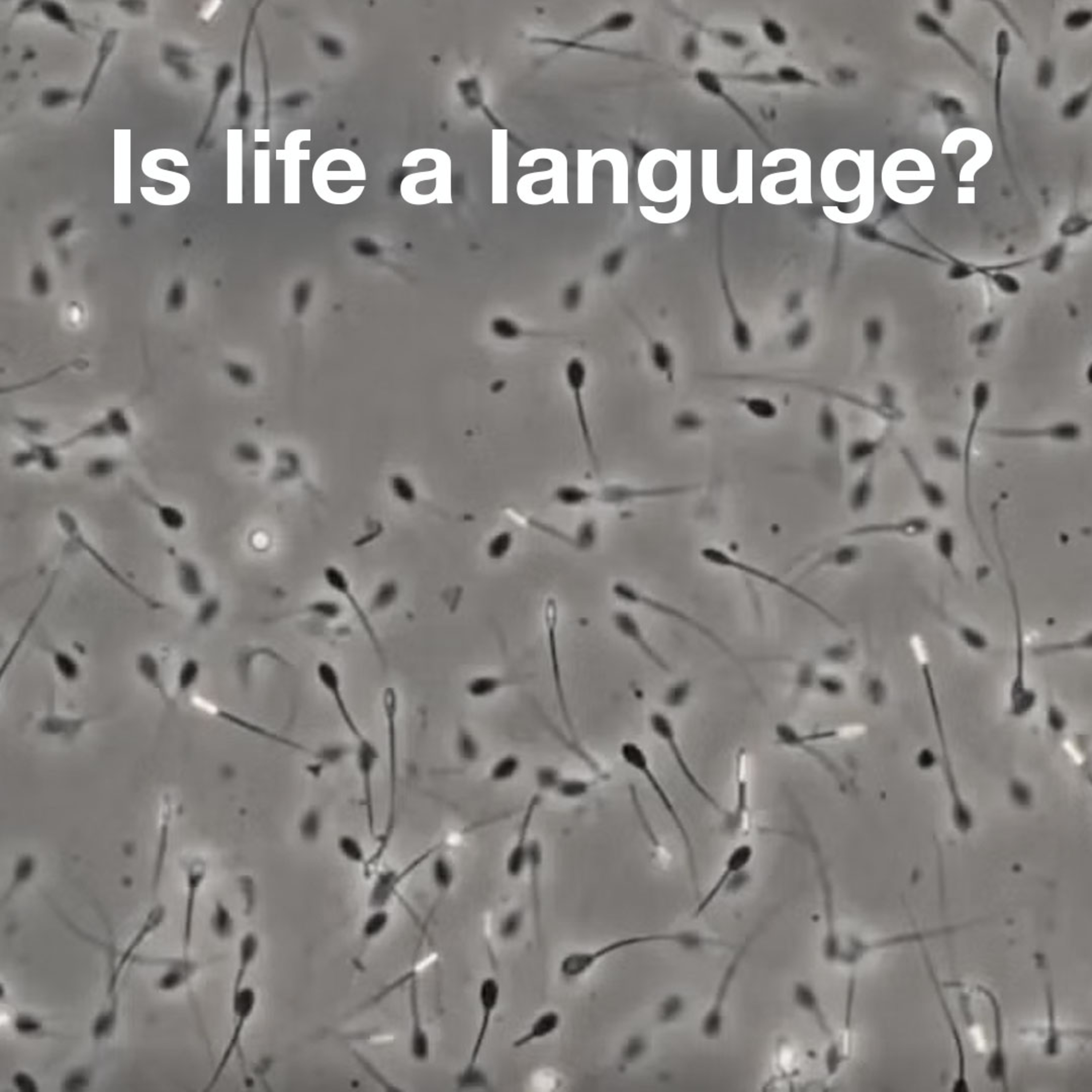 The Most Mysterious Language on Earth Isn’t Human | What makes you different from a rock? It feels like an easy, almost silly question. But scientists and philosophers still struggle to define where life truly begins and ends. And that leads to a deeper mystery: what is life, really? DNA is often called the code of life. But what does that really mean? Who, or what, is reading this code and why does life need a code in the first place?This video explores one of the deepest mysteries in science and philosophy: how molecules become messages. From the genetic code inside your cells to the scent of pine needles in the forest, life is filled with signs and symbols that carry meaning. Some scientists argue that DNA is just chemistry. Others suggest it’s something more radical, a system of interpretation, where meaning itself may have come before matter.In this episode we'll discuss:The origins of the genetic code and why it behaves like languageHow ribosomes and tRNAs “read” DNA without consciousnessThe birth of biosemiotics: life as communication and the semiosphereWhy smell may be the oldest form of interpretation in biologyThe discovery of overlapping biological codes beyond DNAThe rise of synthetic biology: writing new genetic alphabets, designing lifeWhat alien life might look like if the essence of life is code, not chemistryHow AI mimics symbols but may never truly interpret meaningAt the heart of it lies a profound question: is life made of molecules, or of meaning? And if meaning is the foundation of life, how should we think about the future of evolution, technology, and our search for life beyond Earth?Produced by Oscar Emerson | — |
Showing 9 of 9
Sponsor Intelligence
Sign in to see which brands sponsor this podcast, their ad offers, and promo codes.
Chart Positions
6 placements across 5 markets.
Chart Positions
6 placements across 5 markets.