
On the show
From 39 epsHosts
Recent guests
Recent episodes
How Math Brings Together Classical Chaos, Quantum Mechanics, and Fractals
Oct 13, 2026
29m 26s
Audio Edition: Sometimes Being First Means Seeing the End Before Anyone Else
Oct 8, 2026
24m 58s
Sea Monkeys, Jupiter, and the Mystery of Turbulence
Oct 6, 2026
27m 55s
‘Jumping Genes’ Are More Than Parasitic DNA
Sep 29, 2026
26m 37s
Audio Edition: For Hong Wang, Living Fully in the Math World Means Threading the Needle
Sep 24, 2026
27m 16s
Insights from recent episode analysis
Audience Interest
Podcast Focus
Publishing Consistency
Platform Reach
Insights are generated by CastFox AI using publicly available data, episode content, and proprietary models.
Most discussed topics
Brands & references
Total monthly reach
Blended from 1 signal.
Built from
By chart position
- 🇺🇸United States · Life SciencesHOME#12118K to 735K
- 🇬🇧United Kingdom · Life Sciences#713K to 81K
- 🇮🇳India · Life Sciences#610K to 65K
- 🇫🇷France · Life Sciences#58.4K to 53K
- 🇧🇷Brazil · Life Sciences#146.1K to 38K
- Per-Episode Audience
Est. listeners per new episode within ~30 days
212K to 1.3M🎙 Daily cadence·362 episodes·Last published 5d ago - Monthly Reach
Unique listeners across all episodes (30 days)
707K to 4.4M🇺🇸55%🇬🇧6%🇮🇳5%+16 more - Active Followers
Loyal subscribers who consistently listen
283K to 1.8M
Market Insights
Platform Distribution
Reach across major podcast platforms, updated hourly
Total Followers
—
Total Plays
—
Total Reviews
—
* Data sourced directly from platform APIs and aggregated hourly across all major podcast directories.
Social Links & Contact
Official channels & resources
Official Website
Login
RSS Feed
Login
| Date | Episode | Topics | Guests | Brands | Places | Keywords | Sponsor | Length | |
|---|---|---|---|---|---|---|---|---|---|
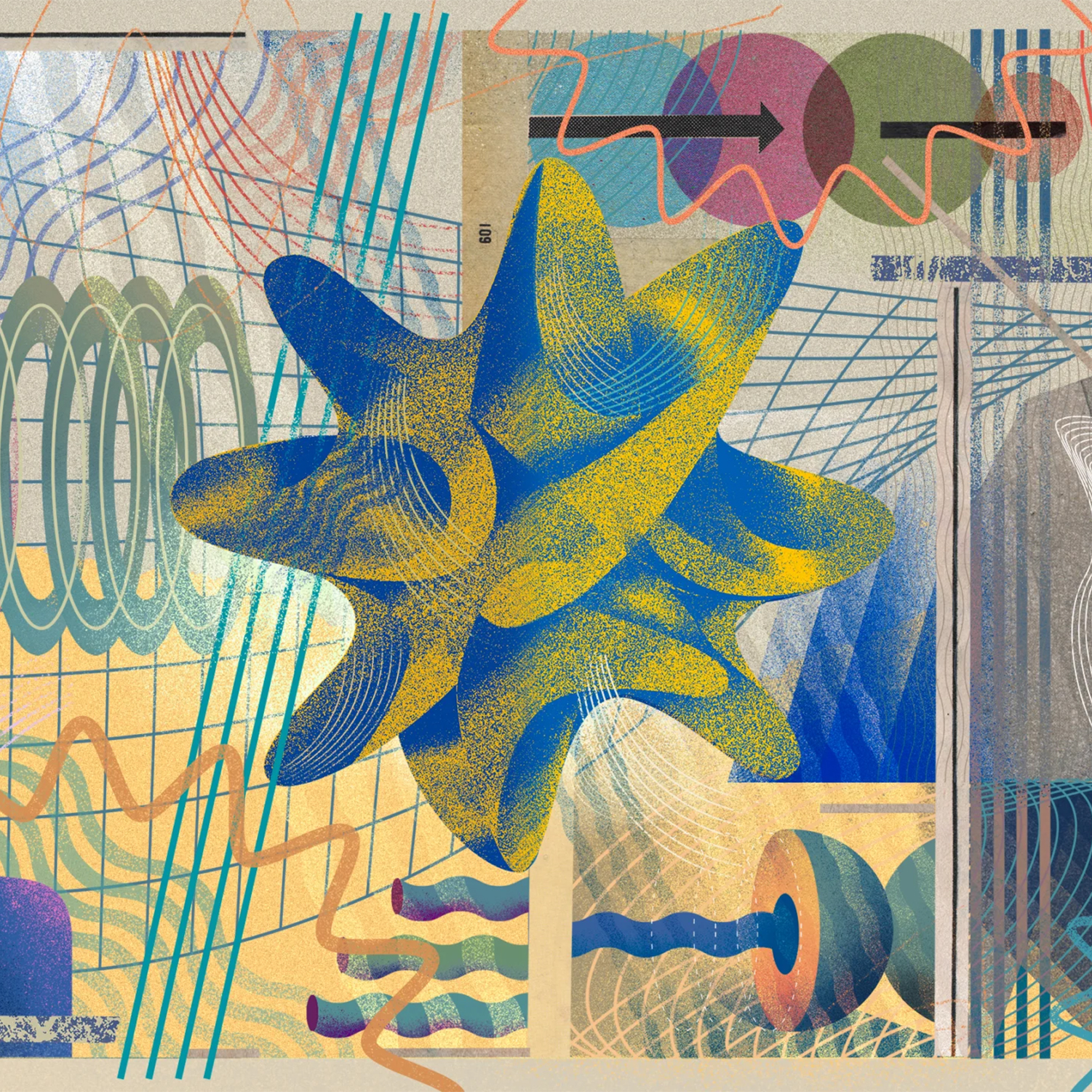
| 10/13/26 | 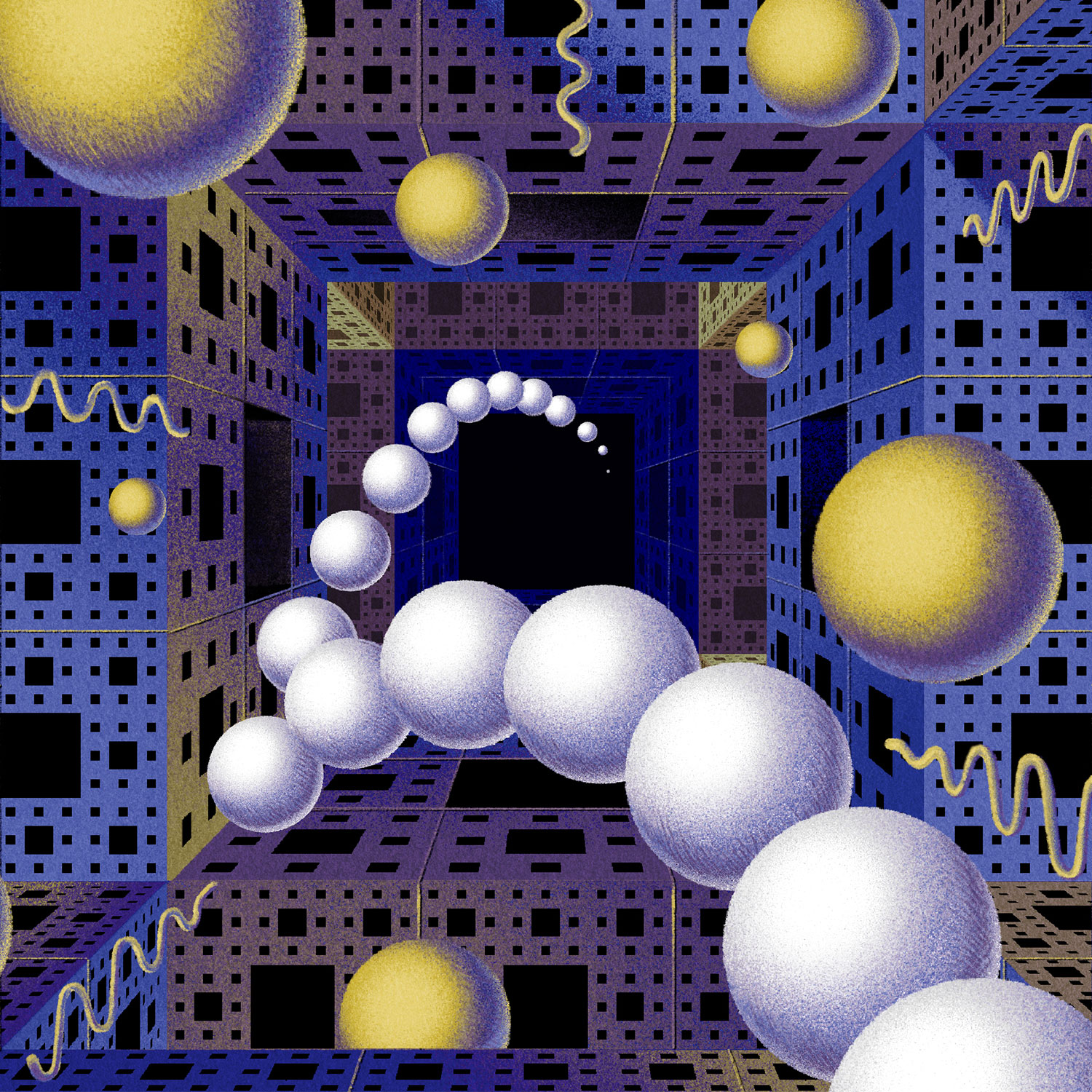 How Math Brings Together Classical Chaos, Quantum Mechanics, and Fractals | The uncertainty principle tells us that the more you know about where a quantum particle is, the less you can know about how fast it’s moving, and vice versa. In 2023, graduate student Alex Cohen stunned the math world when he posted a proof of the fractal uncertainty principle. The math, which combines chaos, quantum theory, and infinitely complex fractal structures, has been called a “foundational result.”On this episode of The Quanta Podcast, host Samir Patel speaks with writer Shalma Wegsman on this incredible breakthrough and how this principle has revealed a new deep way that quantum particles differ from classical ones.This topic was covered in a recent story for Quanta Magazine. Each week on The Quanta Podcast, Quanta Magazine editor-in-chief Samir Patel and Senior Editor Hannah Waters speak with the people behind the award-winning publication to navigate through some of the most important and mind-expanding questions in science and math. | 29m 26s | ||||||
| 10/8/26 |  Audio Edition: Sometimes Being First Means Seeing the End Before Anyone Else | Determination and effort propelled Jacob Tsimerman to the top of the math world. But now that he’s won a Fields Medal, he worries that the field is in jeopardy.The article Sometimes Being First Means Seeing the End Before Anyone Else first appeared on Quanta Magazine. | 24m 58s | ||||||
| 10/6/26 |  Sea Monkeys, Jupiter, and the Mystery of Turbulence | Turbulence is all around us: bumping our planes, roiling our rivers, swirling milk into our coffee. These systems quickly become extremely chaotic and complex. On this episode of The Quanta Podcast, host Samir Patel speaks with contributing writer Stephen Ornes about a recent study that used sea monkeys to complicate one of turbulence’s many mysteries. This topic was covered in a recent story for Quanta Magazine. Each week on The Quanta Podcast, hear the people behind the award-winning publication navigate through some of the most important and mind-expanding questions in science and math.We've been nominated for a few Signal Awards, including Best Science Show, Best Host, and Best Show Artwork! Visit the links below to vote for us:https://vote.signalaward.com/PublicVoting#/2026/shows/genre/sciencehttps://vote.signalaward.com/PublicVoting#/2026/shows/craft/best-show-artworkhttps://vote.signalaward.com/PublicVoting#/2026/shows/craft/best-host | 27m 55s | ||||||
| 9/29/26 |  ‘Jumping Genes’ Are More Than Parasitic DNA | You might imagine that the DNA in your cells has a simple history. But that’s not the entire story. Nearly half of your genome is a wild drama, thanks to a genetic material called transposons that can clip itself out of the DNA sequence, float off, and paste itself somewhere else. While these “jumping genes” may seem pathological, they’re more than just junk. On this episode of The Quanta Podcast, host Hannah Waters speaks with writer Jake Buehler about these unruly genetic fragments and their connections to the evolution of everything from moths to wombs.This topic was covered in a recent story for Quanta Magazine. The audio coda this week is a piece of music called Transposon. It's a musical sonification of transposable elements from the human genome by composer and sound artist Sam Nester. He created it in collaboration with genomicist Stéphane Boissinot as part of a year-long artist-in-residence at the Center for Genomics and Systems Biology at NYU Abu Dhabi.Each week on The Quanta Podcast, Quanta Magazine editor-in-chief Samir Patel and Senior Editor Hannah Waters speak with the people behind the award-winning publication to navigate through some of the most important and mind-expanding questions in science and math. | 26m 37s | ||||||
| 9/24/26 |  Audio Edition: For Hong Wang, Living Fully in the Math World Means Threading the Needle | Focus, commitment, and insight resulted in a “once in a century” proof. Hong Wang is now just the third woman to win a Fields Medal.The article Living Fully in the Math World Means Threading the Needle first appeared on Quanta Magazine. | 27m 16s | ||||||
| 9/22/26 | 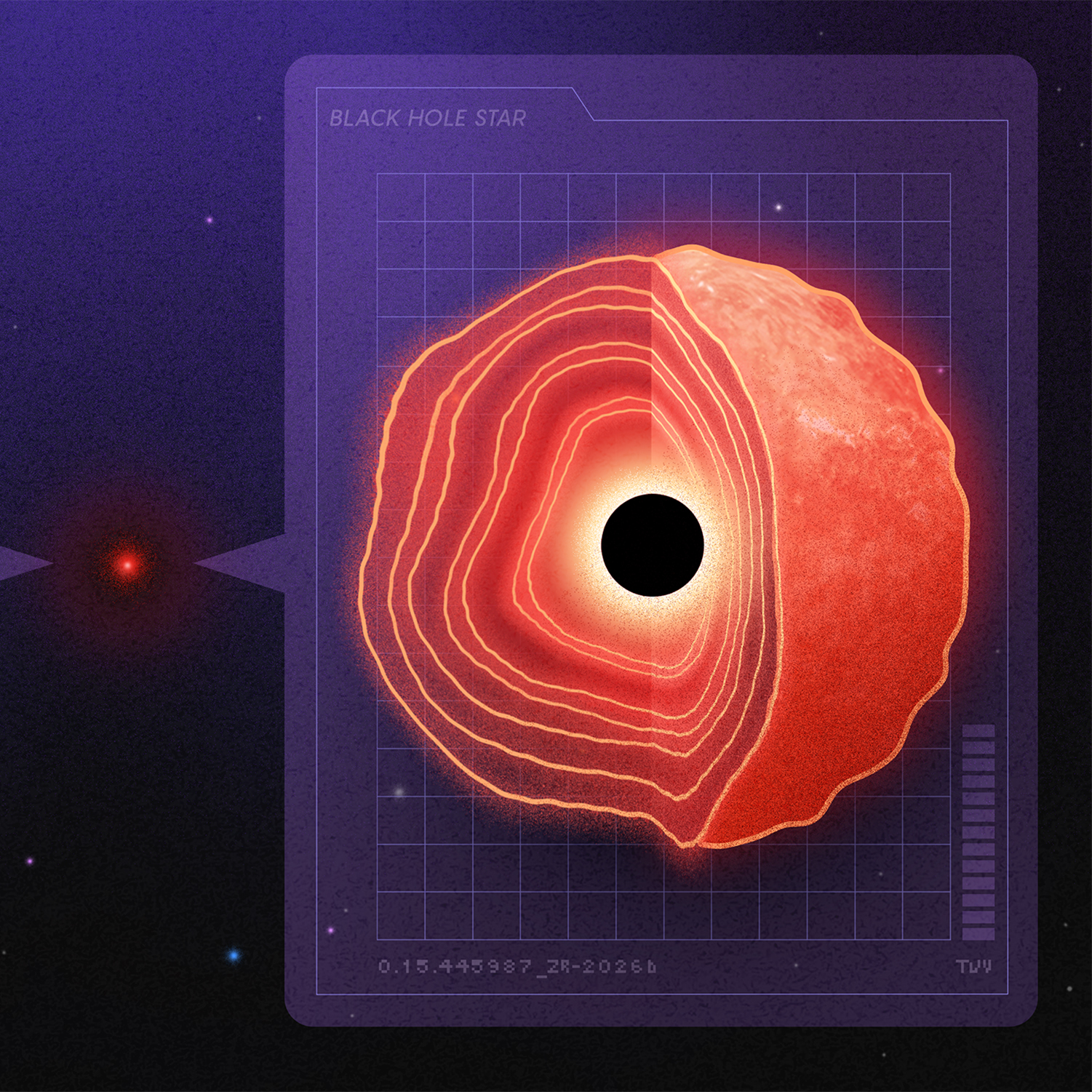 Are the Little Red Dots Actually Black Hole Suns? | When all you can see is a speck, it’s hard to tell what you’re looking at. Astronomers first argued that little red dots spotted by the James Webb Space Telescope in 2022 were distant galaxies on the cosmic horizon, mainly because of their brightness. Later, they concluded that little red dots look more like the supermassive black holes that sit at the heart of most galaxies. But in the spring of 2025, two teams of astronomers simultaneously announced observations of a pair of little red dots that were unlike all the rest. In fact, they were unlike any object ever seen.On this episode of The Quanta Podcast, host Samir Patel speaks with writer Charlie Wood to talk about the new celestial body that may have just dropped, what some astronomers are calling “black hole stars.”This topic was covered in a recent story for Quanta Magazine. Each week on The Quanta Podcast, Quanta Magazine editor-in-chief Samir Patel and Senior Editor Hannah Waters speak with the people behind the award-winning publication to navigate through some of the most important and mind-expanding questions in science and math.This week's coda is a sonification of data from a device known as the NIRSpec integral field unit on NASA's Webb telescope. Here, the pitch of the sound represents the velocity of hydrogen gas moving around the black hole. The higher the pitch, the faster it is moving toward the telescope. This data enabled the first direct mass measurement of a black hole from the first billion years of the universe.Coda Credit - Sonification: NASA, ESA, CSA, STScI, Christopher Britt (STScI), Ralf Crawford (STScI), Alyssa Pagan (STScI), Margaret Carruthers (STScI); Science: Ignas Juodžbalis (Cambridge), Cosimo Marconcini (University of Florence), Roberto Maiolino (Cambridge), Francesco D'Eugenio (Cambridge), Hannah Übler (MPE) | 33m 46s | ||||||
| 9/15/26 |  Four-Color Theorem Is Still a Math Favorite | In 1852, the mathematician Francis Guthrie was coloring in a map of English counties when he noticed that he needed only four colors. Was this always true, he wondered? The question captured the imagination of hobbyists and professionals alike — and in 1976, the mathematicians Kenneth Appel and Wolfgang Haken proved it, rather controversially using computers. Recently, mathematicians have revisited the four-color theorem and found a more efficient way to color maps with just four colors.On this episode of The Quanta Podcast, host Samir Patel speaks with writer Greg Barber about the “four-color disease,” its history of false starts and dashed hopes, and what modern mathematicians have learned about graphs by revisiting this famous problem.This topic was covered in a recent story for Quanta Magazine. Each week on The Quanta Podcast, Quanta Magazine editor-in-chief Samir Patel and Senior Editor Hannah Waters speak with the people behind the award-winning publication to navigate through some of the most important and mind-expanding questions in science and math. | 29m 41s | ||||||
| 9/10/26 | mathematicsmetamathematics+3 | — | Quanta MagazineReverse Mathematics | — | reverse mathematicshard problems+3 | — | 11m 37s | ||
| 9/8/26 | computer sciencetheoretical computer science+4 | Ben Brubaker | Quanta MagazineComputer History Museum | — | computer sciencetheoretical work+5 | — | 29m 34s | ||
| 9/1/26 | brain functionsensory perception+4 | Conor Feehly | Quanta Magazine | — | braincategorization+5 | — | 31m 14s | ||
Want analysis for the episodes below?Free for Pro Submit a request, we'll have your selected episodes analyzed within an hour. Free, at no cost to you, for Pro users. | |||||||||
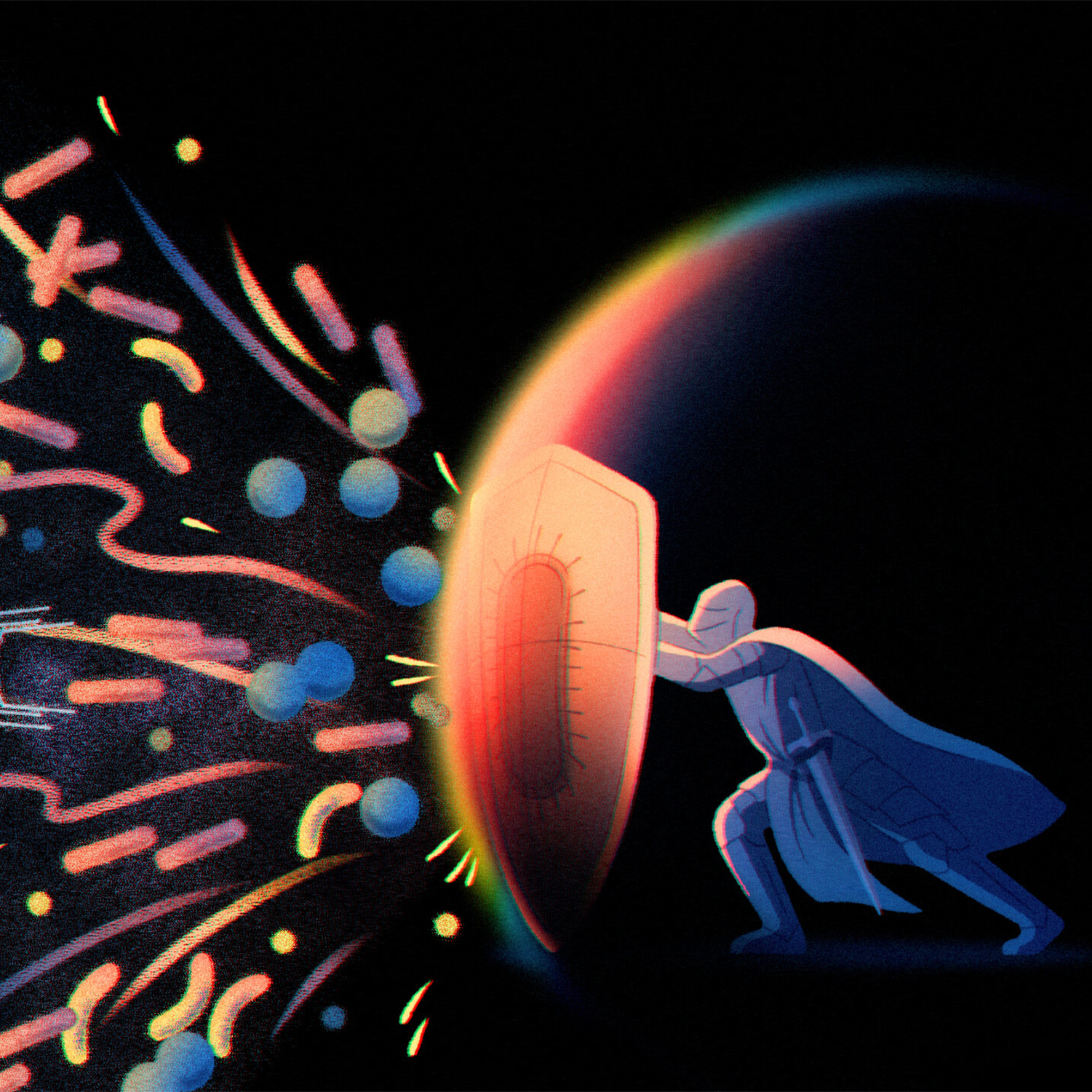
| 8/27/26 | microbesgenome sequencing+3 | — | Quanta MagazineA Cell So Minimal That It Challenges Definitions of Life | — | microbegenome sequencing+3 | — | 16m 32s | ||
| 8/25/26 | combinatorial discrepancy theoryteam balance+4 | Max Levy | Quanta Magazine | — | combinatorial discrepancyteam balance+4 | — | 31m 07s | ||
| 8/18/26 | fluid dynamicsNavier-Stokes equations+4 | Charlie Wood | Quanta MagazineNavier-Stokes equations | — | fluidNavier-Stokes+6 | — | 36m 00s | ||
| 8/13/26 | minimizing surfacesmathematics+3 | — | Quanta MagazineNew Proofs Probe Soap-Film Singularities | — | minimizing surfacesmathematics+4 | — | 14m 01s | ||
| 8/11/26 | artificial intelligencereasoning+3 | John Pavlus | Quanta Magazine | — | AI reasoningmathematical problems+3 | — | 38m 02s | ||
| 8/4/26 | handednessgenetics+3 | Natalie Wolchover | Quanta Magazine | — | left-handednessgenetics+4 | — | 26m 26s | ||
| 7/30/26 | quantum gravitytheory+3 | — | Quanta MagazineOld ‘Ghost’ Theory of Quantum Gravity Makes a Comeback | — | quantum gravityghost theory+3 | — | 21m 13s | ||
| 7/28/26 | 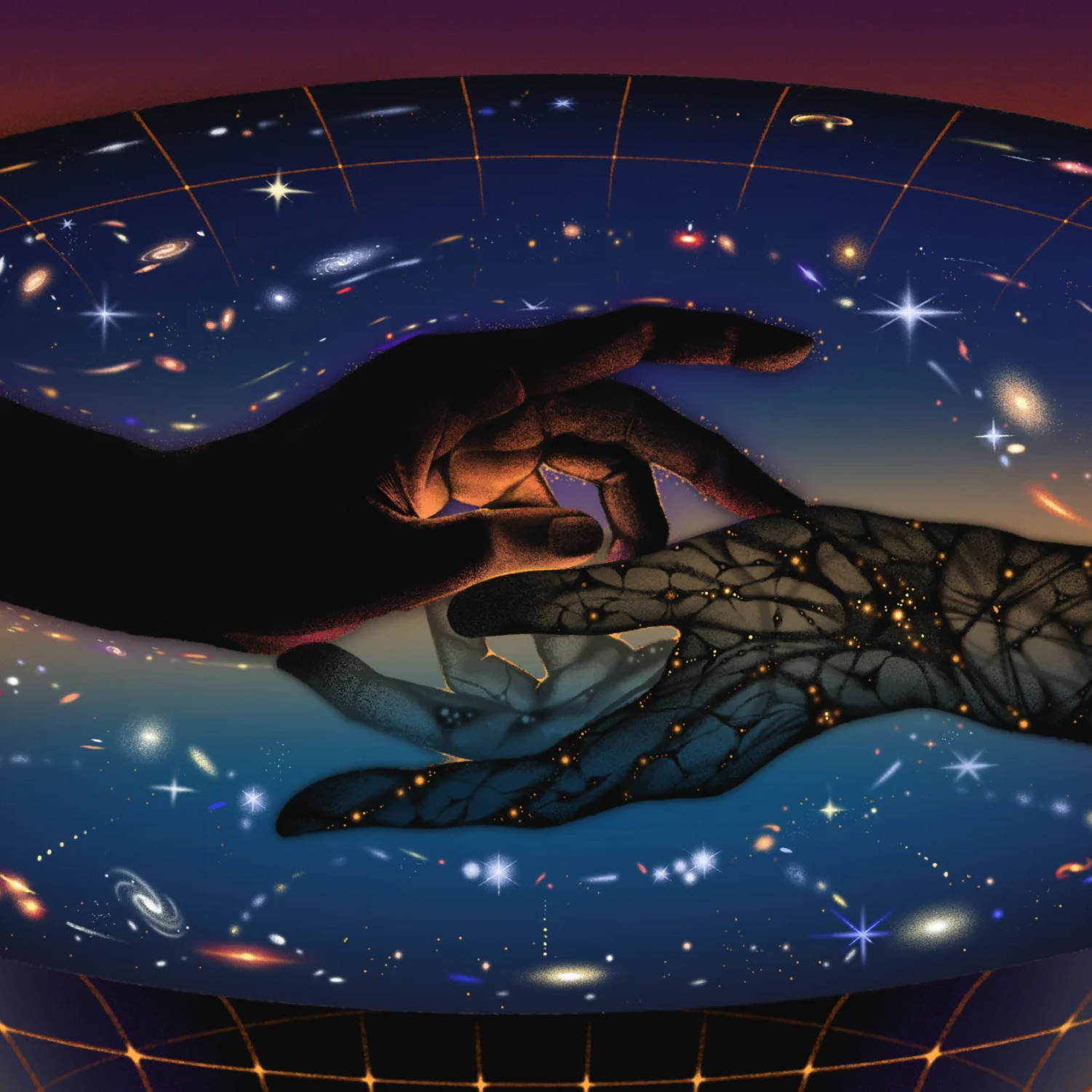 A Dark Dimension Could Link Two of the Universe’s Great Unknowns | Generally, dark energy and dark matter are regarded as separate entities, but recent astronomical observations have spurred scientists to look further into a less widespread idea — that the two are in fact physically intertwined.On this episode of The Quanta Podcast, host Samir Patel speaks with Physics Editor Kathryn Jepsen about the theories surrounding dark energy’s ties to dark matter and the possibility of a shared dark universe.This topic was covered in a recent story for Quanta Magazine. Each week on The Quanta Podcast, Quanta Magazine editor in chief Samir Patel and Senior Editor Hannah Waters speak with the people behind the award-winning publication to navigate through some of the most important and mind-expanding questions in science and math. | 29m 56s | ||||||
| 7/21/26 | biological agencylife+4 | Philip Ball | Quanta Magazine | — | biological agencylife+5 | — | 35m 49s | ||
| 7/16/26 | artificial intelligenceworld models+3 | — | Quanta MagazineWorld Models | — | AIworld models+3 | — | 9m 42s | ||
| 7/14/26 | card shufflingmathematics+4 | Jordana Cepelewicz | Quanta MagazineNumberphile+1 | — | shufflingrandomness+7 | — | 29m 41s | ||
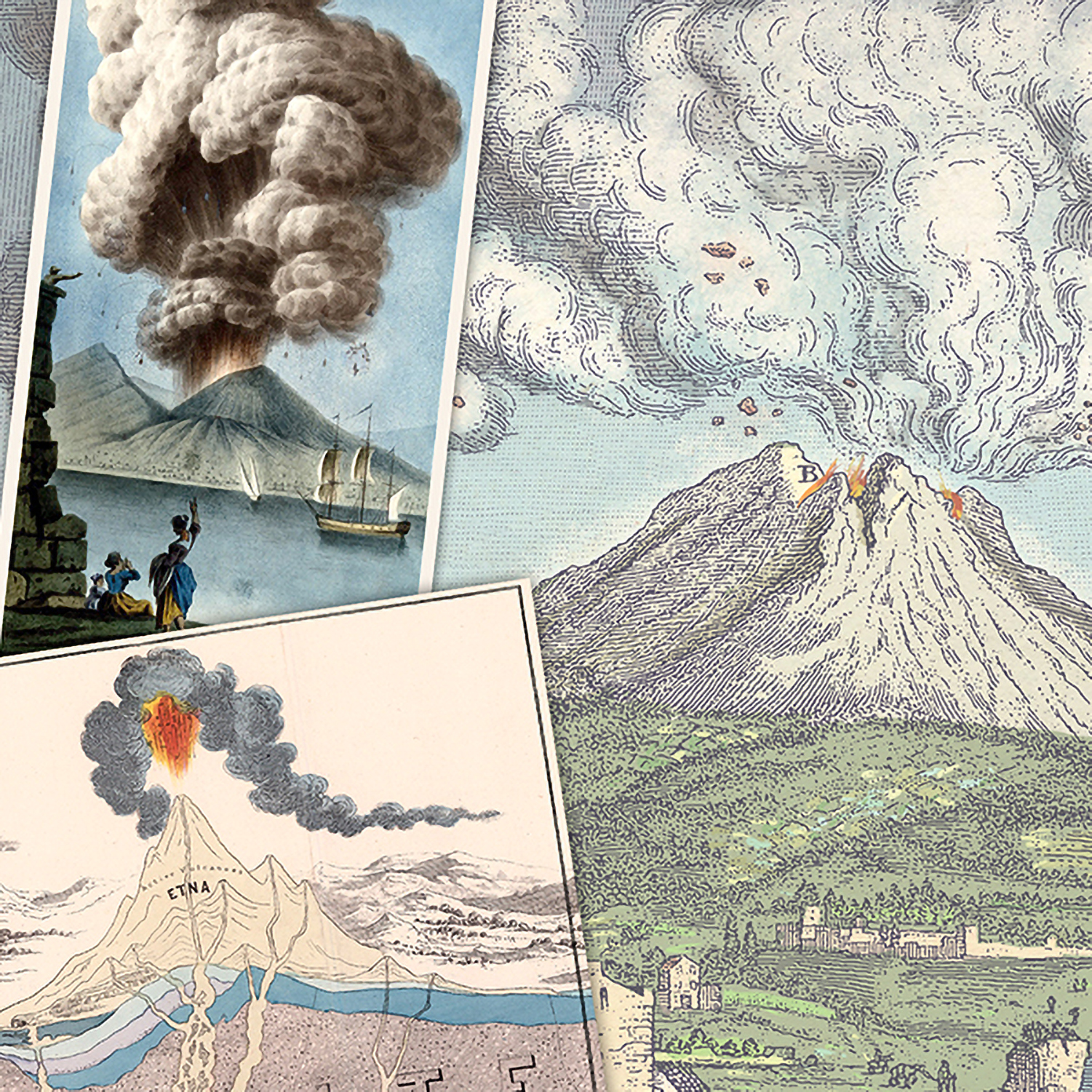
| 7/7/26 | volcanic eruptionsforecasting+3 | Robin George Andrews | Quanta MagazineQuanta Podcast | — | volcano forecastingweather prediction+3 | — | 22m 01s | ||
| 7/2/26 | evolutioncellular biology+3 | — | Quanta MagazineAsgard archea+1 | Asgard | tubulinAsgard+3 | — | 13m 32s | ||
| 6/30/26 | memory transferbehavioral psychology+3 | Claire L. Evans | Quanta MagazineThe Drs. Nicholas and Dorothy Cummings Center for the History of Psychology | The University of Akron, Ohio | memoriestransferable+5 | — | 32m 02s | ||
| 6/23/26 | elementary particlesStandard Model+4 | Natalie Wolchover | Quanta Magazine | — | elementary particlesStandard Model+5 | — | 36m 26s | ||
| 6/18/26 | Fourier transformmathematics+3 | — | Quanta MagazineWhat Is the Fourier Transform? | — | Fourier transformmathematics+3 | — | 12m 33s | ||
| 6/16/26 | proof assistantLean+4 | Kevin Harnett | Quanta MagazineThe Proof in the Code | — | Leanproof assistant+5 | — | 33m 56s | ||
| 6/9/26 | species definitiongenomics+4 | Marlowe Starling | Quanta Magazine | — | speciesgenomics+4 | — | 27m 23s | ||
| 6/2/26 | lightningthunderstorms+3 | Charlie Wood | Quanta MagazineBeethoven's Sixth Symphony | — | lightningthunderstorms+4 | — | 21m 31s | ||
| 5/28/26 | black holesquantum theory+3 | — | Quanta MagazineAstrophysicists Find No ‘Hair’ on Black Holes | — | black holeshair+5 | — | 12m 42s | ||
| 5/26/26 | AI in mathematicsmathematical abilities+3 | Konstantin Kakaes | Quanta Magazine | — | AImathematics+5 | — | 30m 17s | ||
| 5/19/26 | icecomputer simulations+4 | Shalma Wegsman | Quanta Magazine | — | icecomputer simulations+5 | — | 24m 34s | ||
| 5/14/26 | AIdistillation+3 | — | Quanta MagazineHow Distillation Makes AI Models Smaller and Cheaper | — | distillationAI models+3 | — | 8m 18s | ||
| 5/12/26 | immune systemevolution+4 | Viviane Callier | Quanta Magazine | — | immune systemevolution+4 | — | 29m 43s | ||
| 5/5/26 | infinityultrafinitism+3 | Jordana Cepelewicz | Quanta Magazine | — | infinityultrafinitism+3 | — | 30m 18s | ||
| 4/30/26 | microbesbreathing+4 | — | Quanta MagazineThe Cells That Breathe Two Ways | Yellowstone National Park | microbebreathing+5 | — | 13m 19s | ||
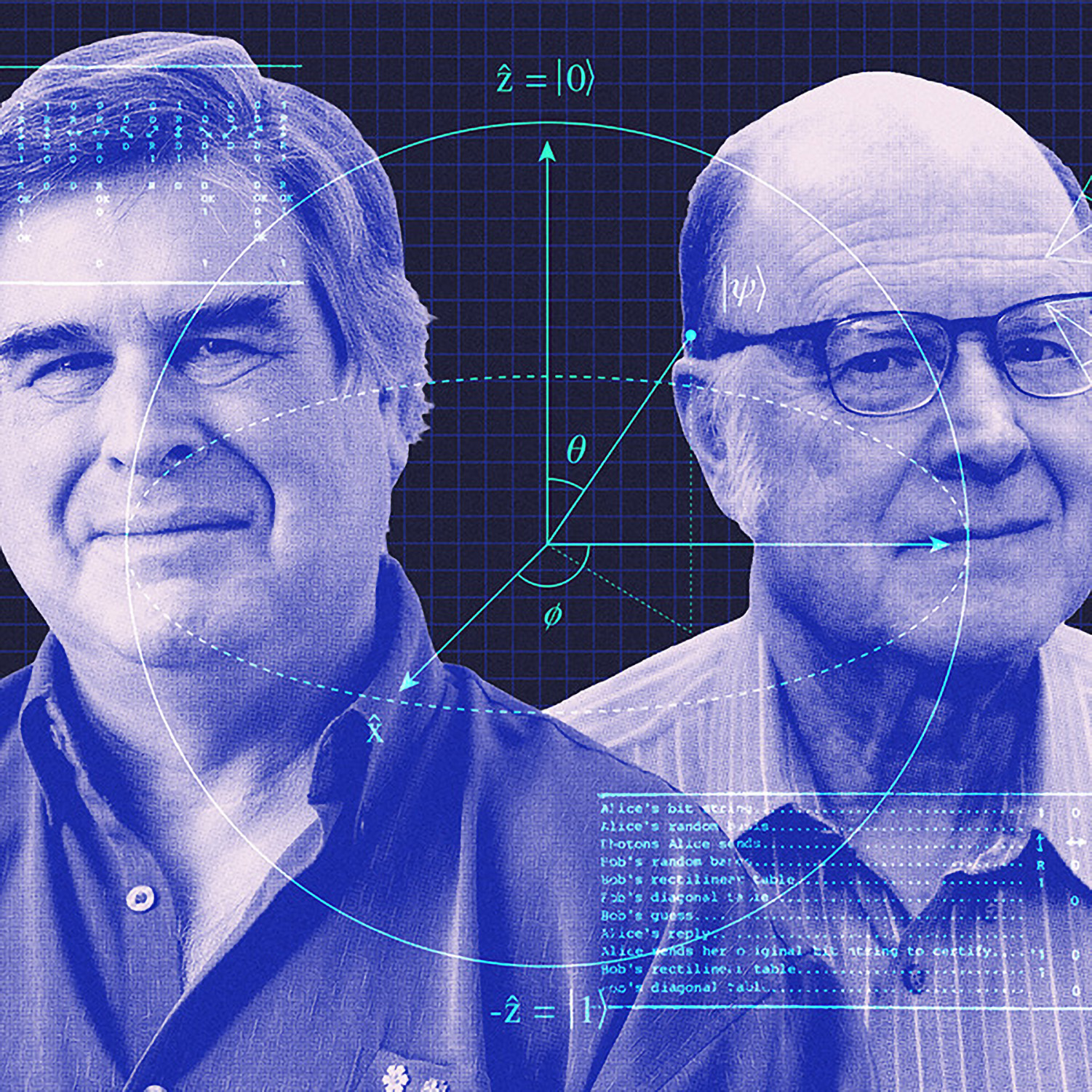
| 4/28/26 | quantum mechanicssecure communication+3 | Ben Brubaker | Quanta MagazineIBM | — | quantum physicssecret messages+3 | — | 27m 05s | ||
| 4/21/26 | string theorytheory of everything+3 | Natalie Wolchover | Alchemical String TheoryThe Quanta Podcast+3 | Atlanta | theory of everythingmathematical developments+3 | — | 26m 20s | ||
| 4/16/26 | mathematicsphysics+3 | — | Quanta MagazineNew Physics-Inspired Proof Probes the Borders of Disorder | — | matricesorder+3 | — | 13m 36s | ||
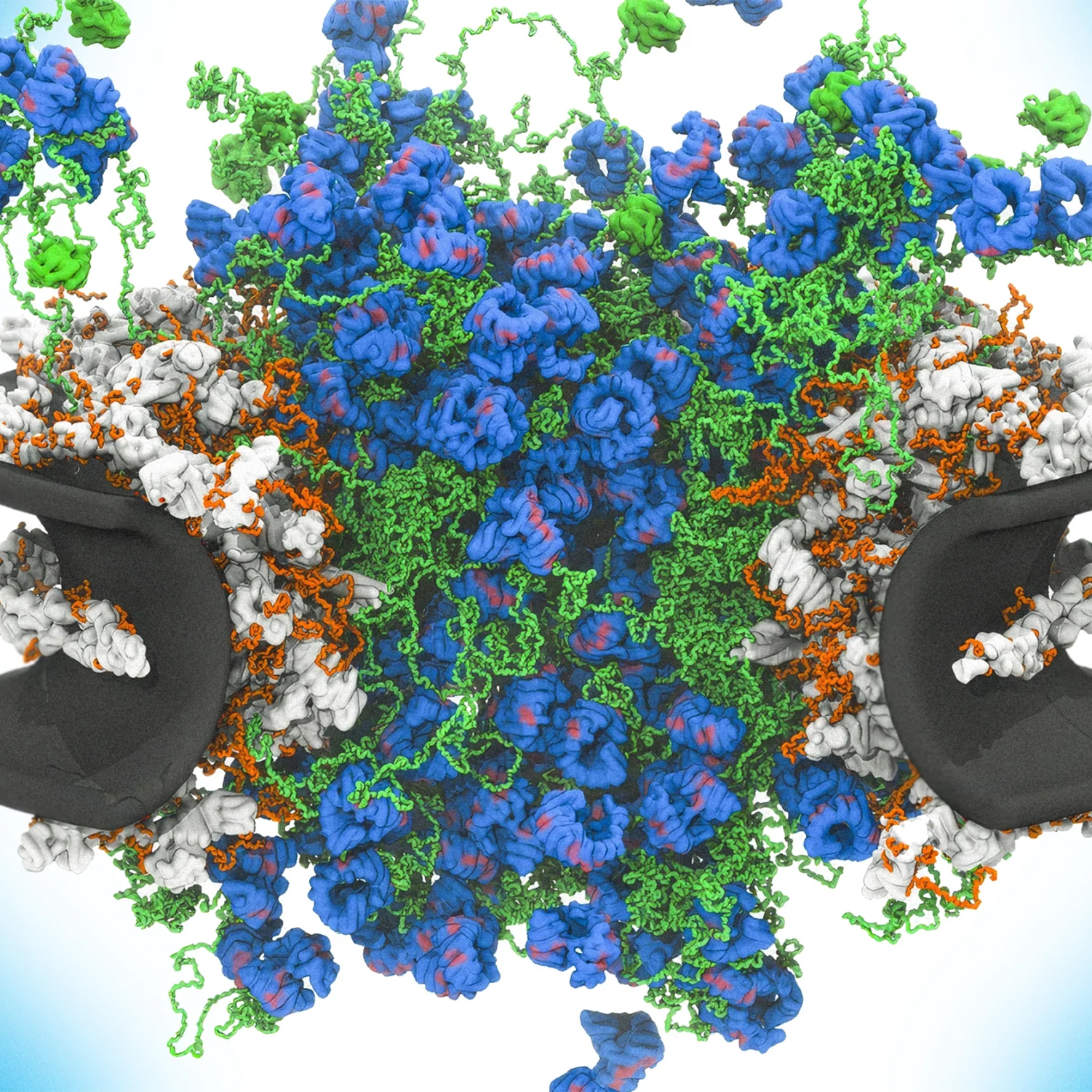
| 4/14/26 | molecular biologycell biology+3 | Yasemin Saplakoglu | The Quanta PodcastQuanta Magazine | — | nuclear pore complexeshigh-def microscopy+3 | — | 23m 20s | ||
| 4/7/26 | mathematicslogic+3 | Jordana Cepelewicz | LeanThe Quanta Podcast+1 | — | math rigorLean+3 | — | 28m 40s | ||
| 4/2/26 | artificial intelligencephysics+3 | — | Quanta MagazineAI Comes Up With Bizarre Physics Experiments | — | AIbizarre experiments+3 | — | 14m 37s | ||
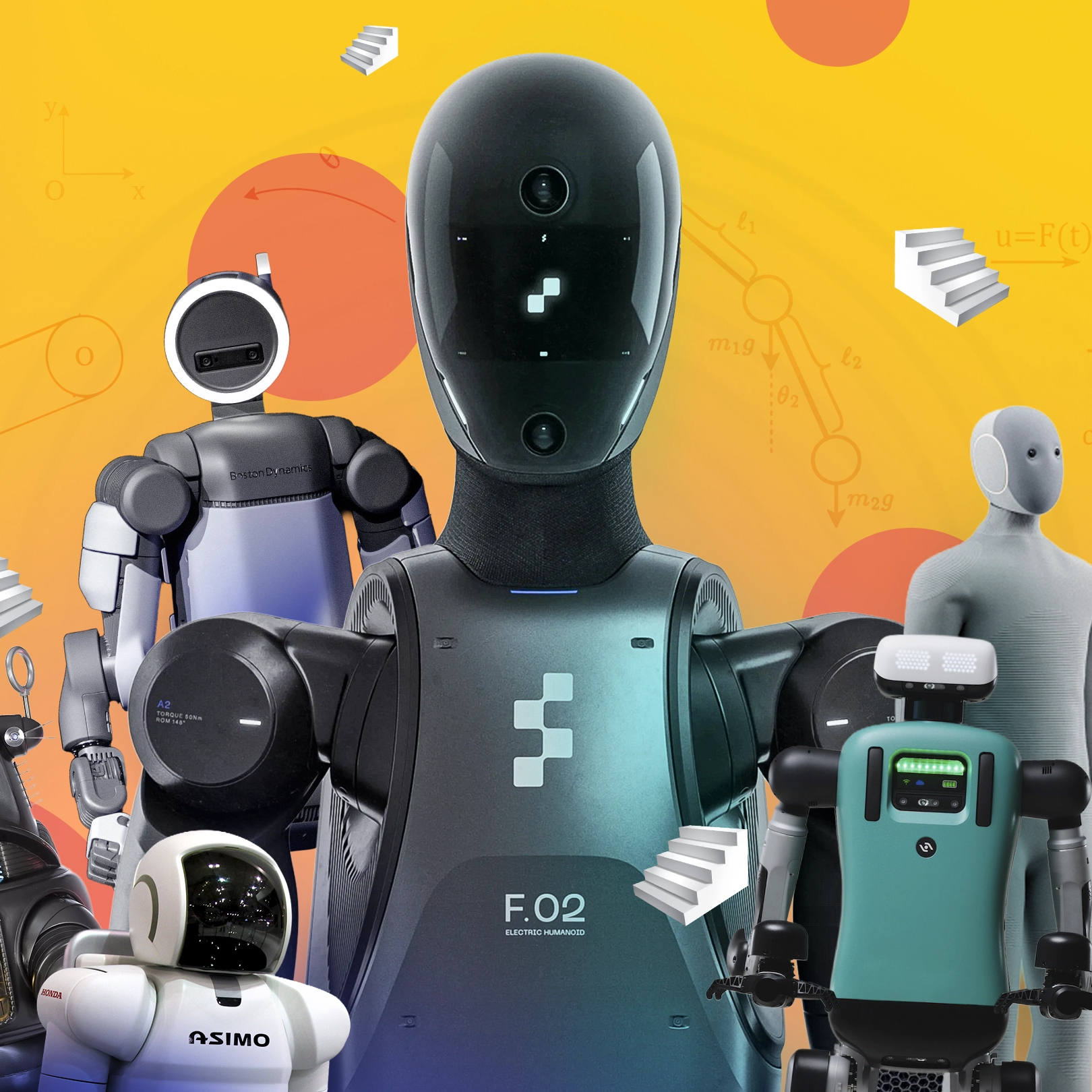
| 3/31/26 | humanoid robotsrobotics+3 | John Pavlus | AtlasThe Quanta Podcast+3 | — | climbing stairsopening doors+3 | — | 30m 54s | ||
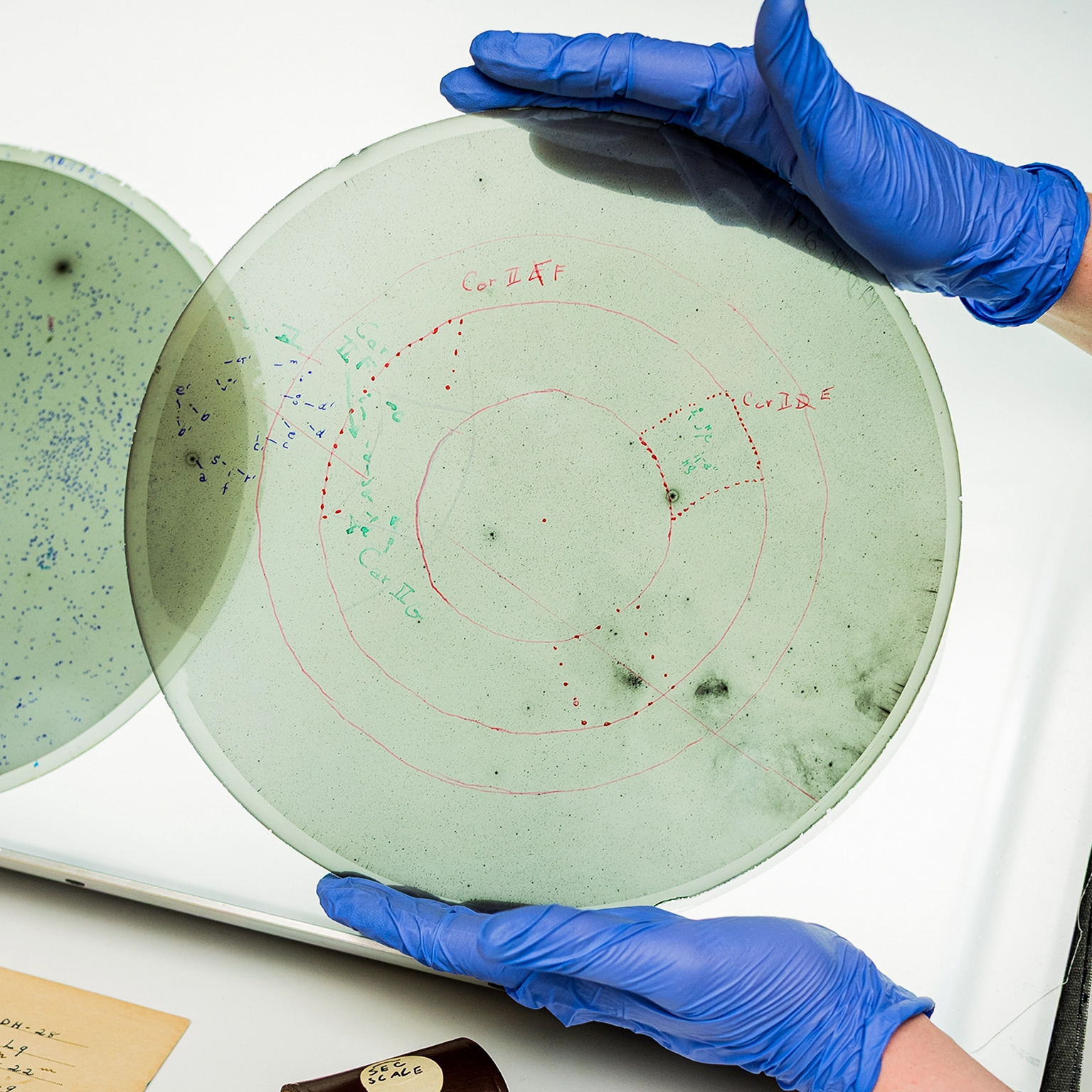
| 3/24/26 | astronomyastrophysics+3 | Liz Kruesi | The Quanta PodcastQuanta Magazine+2 | SydneyAustralia+1 | glass plate photographsnight sky+3 | — | 25m 17s | ||
| 3/19/26 | AIcreativity+3 | — | Quanta MagazineResearchers Uncover Hidden Ingredients Behind AI Creativity | — | image generatorstraining data+3 | — | 11m 39s | ||
| 3/17/26 | neuroscienceastrocytes+3 | Ingrid Wickelgren | The Quanta PodcastQuanta Magazine+1 | — | astrocytesbrain states+3 | — | 26m 07s | ||
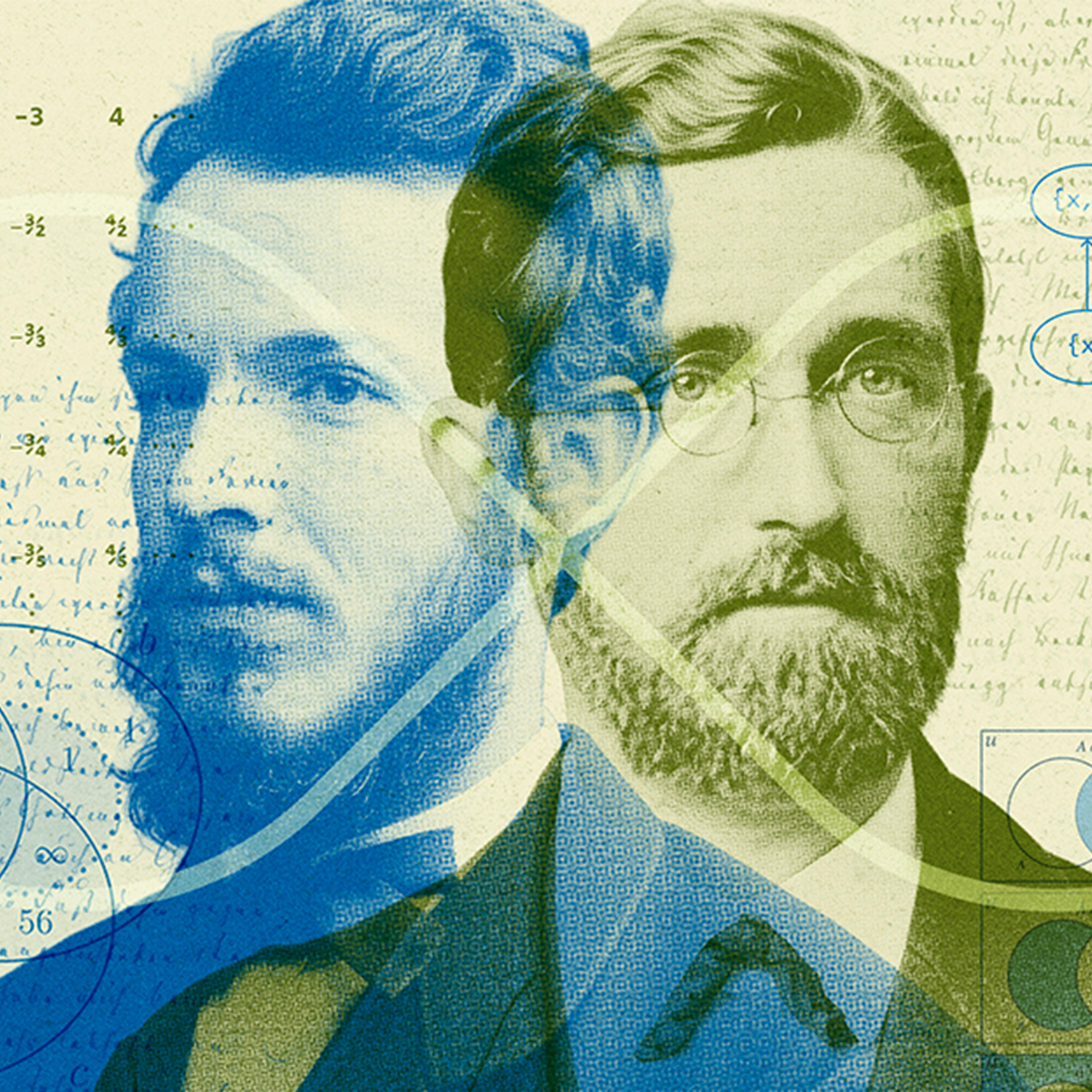
| 3/10/26 | mathematicshistory+3 | Jordana Cepelewicz | The Quanta PodcastQuanta+4 | — | Georg Cantormath history+3 | — | 24m 35s | ||












Showing 47 of 362
Pitch Fit is a Pro feature
See how bookable this show is for guests, which brands already advertise, the per-episode ad value, and the best-fit guest and sponsor profile. The numbers are blurred on the free plan.
How readily this show books outside guests like you.
How proven this show is for host-read sponsorships.
For Guests
ProFor Advertisers
ProUpgrade to Pro to unlock guest cadence, sponsor categories, fit scores, and per-episode ad value for this show.
Similar Audience Demographics
Podcasts that attract a similar listener profile

The Joy of Why
Steven Strogatz, Janna Levin and Quanta Magazine

Why This Universe?
Dan Hooper, Shalma Wegsman
Sean Carroll's Mindscape: Science, Society, Philosophy, Culture, Arts, and Ideas
Sean Carroll
Physics World Weekly Podcast
Physics World

The Origins Podcast with Lawrence Krauss
Lawrence M. Krauss

Theories of Everything with Curt Jaimungal
Theories of Everything

Daniel and Kelly’s Extraordinary Universe
iHeartPodcasts
Chart history for The Quanta Podcast
Peaked at #1 in KE, top 10 in 20 of 50 tracked markets, currently #1 in KE.
| Market | Genre | Peak | Current | Trend |
|---|---|---|---|---|
| KE | — | #1 | #1 | — |
| VN | — | #4 | #4 | — |
| Ireland | — | #5 | #5 | — |
| France | — | #5 | #5 | — |
| Italy | — | #5 | #5 | — |
| Netherlands | — | #5 | #5 | — |
| India | — | #6 | #6 | — |
| PE | — | #6 | #6 | — |
| KE | — | #6 | #6 | — |
| United Kingdom | — | #7 | #7 | — |
| Sweden | — | #8 | #8 | — |
| Denmark | — | #8 | #8 | — |
| GR | — | #8 | #8 | — |
| ID | — | #8 | #8 | — |
| Australia | — | #9 | #9 | — |
| HU | — | #9 | #9 | — |
| South Korea | — | #9 | #9 | — |
| PT | — | #10 | #10 | — |
| Norway | — | #10 | #10 | — |
| CL | — | #10 | #10 | — |
Chart Positions
50 placements across 47 markets.
Chart Positions
50 placements across 47 markets.